
किसी रिटेल उत्पाद को लॉन्च करना एक जोखिम भरा जुआ है। अगर आपकी पैकेजिंग स्टोर में ही विफल हो जाती है, तो प्रीमियम उपभोक्ता वस्तुएं तुरंत ही महत्वहीन और बोझ बन जाती हैं।.
शेल्फ पर रखने के लिए तैयार प्रोटोटाइप पैकेजिंग बनाने में बड़े पैमाने पर उत्पादन से पहले खुदरा बिक्री के अनुरूपता, सामग्री की मजबूती और दृश्य प्रभाव को सत्यापित करने के लिए संरचनात्मक मॉकअप तैयार करना शामिल है। परीक्षण का यह महत्वपूर्ण चरण अनावश्यक खर्चों को कम करता है, असेंबली की गति को बढ़ाता है और यह सुनिश्चित करता है कि आपका अंतिम उत्पाद पूरी तरह सुरक्षित पहुंचे ताकि व्यस्त स्टोर की अलमारियों पर आसानी से और प्रमुखता से रखा जा सके।.
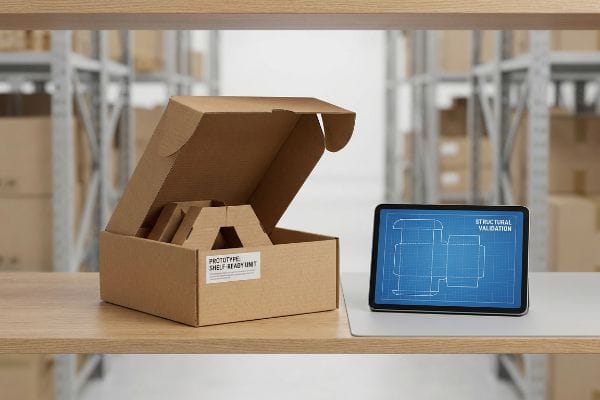
किसी बड़े पैमाने पर उत्पादन शुरू करने से पहले, पैकेजिंग एकीकरण की भौतिक कार्यप्रणाली को समझना आपकी आपूर्ति श्रृंखला के अस्तित्व के लिए अत्यंत आवश्यक है।.
पैकेजिंग के 4 सी क्या हैं?
खुदरा रणनीति में महारत हासिल करने की शुरुआत बुनियादी बातों से होती है। किसी भी संरचनात्मक ड्राइंग को मंजूरी देने या प्रीमियम नालीदार डिस्प्ले सामग्री में निवेश करने से पहले आपको एक आधारभूत ढांचा तैयार करना होगा।.
पैकेजिंग के चार मूलभूत सिद्धांत खुदरा बिक्री में सफलता दिलाते हैं: सुरक्षा, संरक्षा, सुविधा और संचार। संरक्षा उत्पाद को सुरक्षित रखती है, सुरक्षा परिवहन के दौरान होने वाले नुकसान से बचाती है, सुविधा उपभोक्ताओं के लिए उत्पाद को आसानी से संभालने योग्य बनाती है, और संचार ब्रांड की तत्काल पहचान सुनिश्चित करता है। इन चारों स्तंभों में महारत हासिल करने से उत्पाद की भौतिक अखंडता सुनिश्चित होती है और वैश्विक आपूर्ति श्रृंखलाओं में बिक्री का प्रभाव अधिकतम होता है।.
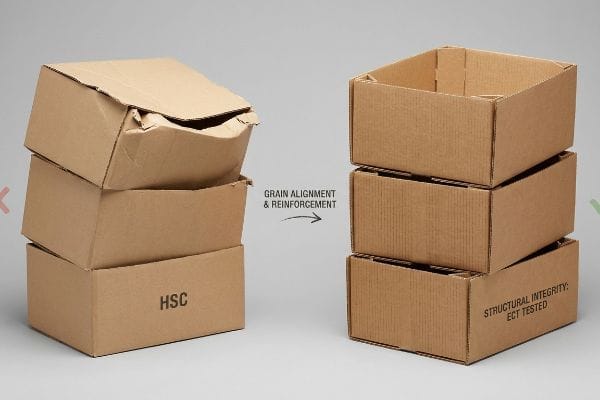
इन सैद्धांतिक स्तंभों को भौतिक कार्डबोर्ड में रूपांतरित करने के लिए संरचनात्मक सीमाओं पर कड़ाई से ध्यान देने की आवश्यकता होती है।.
संरचनात्मक अखंडता के साथ रोकथाम सुनिश्चित करना
शुरुआती लोग अक्सर इन चार सिद्धांतों को ग्राफिक डिजाइन और मार्केटिंग के नज़रिए से ही देखते हैं। वे मानते हैं कि कंटेनमेंट का मतलब सिर्फ किसी उत्पाद को डिब्बे में रखना है, और वे इस बात को पूरी तरह से अनदेखा कर देते हैं कि कठोर घरेलू अमेरिकी शिपिंग मार्गों के दौरान उस डिब्बे को सुरक्षित रखने के लिए संरचनात्मक भौतिकी कितनी ज़रूरी है ।
जब ब्रांड पूरी तरह से बंद शिपिंग बॉक्स से खुले टॉप वाले रिटेल बिन्स, तो कंटेनमेंट को लेकर काफी गलतफहमी होती है। मैं अक्सर देखता हूं कि जूनियर खरीदार कुछ पैसे बचाने के चक्कर में एचएससी (हाफ स्लॉटेड कंटेनर) को मंजूरी दे देते हैं, और टॉप-फ्लैप की स्थिरता में कमी को नजरअंदाज कर देते हैं। जब ये बॉक्स वेयरहाउस पहुंचते हैं, तो बिना सहारे वाले किनारे भारी टॉप-लोड के दबाव में टूट जाते हैं, और मुझे कच्चे पेपरबोर्ड के वजन से फटने की भयानक आवाज सुनाई देती है। इस समस्या को ठीक करने के लिए, मैं गणितीय रूप से नालीदार कार्डबोर्ड को लंबवत रूप से संरेखित करता हूं, जिससे ईसीटी2 (एज क्रश टेस्ट) की मजबूती बहाल हो जाती है और यह सुनिश्चित होता है कि यूनिट पैलेटाइजेशन के दौरान बिना मुड़े सुरक्षित रहे। यह समायोजन भारी ट्रांजिट नुकसान को रोकता है, जिससे मेरे ग्राहकों को निराशाजनक डॉक रिजेक्शन से बचाया जा सकता है और पूरे अभियान के लाभ मार्जिन को पूरी तरह से खत्म होने से बचाया जा सकता है।
| नौसिखियों की आम गलती | प्रो फिक्स | रिटेल-फ्लोर लाभ |
|---|---|---|
| बिना गणितीय गणना के ऊपरी फ्लैप हटाना | ऊर्ध्वाधर अनाज संरेखण3 | स्तर के पतन को रोकता है |
| ऊर्ध्वाधर संपीड़न सीमाओं की अनदेखी करना | बोर्ड बांसुरी को अपग्रेड करना4 | भारी स्टैकिंग को सहन करता है |
| सस्ते कूड़ेदान की लागत को प्राथमिकता देना | इंजीनियरिंग कॉर्नर सपोर्ट5 | रिटेलर द्वारा किए गए चार्जबैक को रोकता है |
खराब प्रबंधन से किसी भी बेहतरीन उत्पाद लॉन्च को बर्बाद नहीं होना चाहिए। शुरुआत से ही सही बोर्ड ज्यामिति का निर्धारण यह सुनिश्चित करता है कि आपका उत्पाद बिल्कुल सही सलामत पहुंचे, जिससे आप क्षतिग्रस्त माल को दोबारा भरने के भयानक परिचालन दुःस्वप्न से बच जाते हैं।.
🛠️ हार्वे का डेस्क: क्या आप इस बात को लेकर असमंजस में हैं कि आपके खुले ढक्कन वाले डिब्बे गोदाम के भारी भार को सहन कर पाएंगे या नहीं? 👉 संरचनात्मक समीक्षा का अनुरोध करें ↗ — सीधे मेरे डेस्क से संपर्क करें। मैं वादा करता हूँ, कोई स्वचालित बिक्री संबंधी स्पैम नहीं होगा।
पैकेजिंग के 5 P क्या हैं?
बुनियादी संरचना से आगे बढ़ते हुए, आपकी पैकेजिंग को सक्रिय रूप से माल की बिक्री करनी चाहिए। प्रीमियम फ्लोर स्पेस हासिल करने के लिए संरचनात्मक डिजाइन को आपकी समग्र व्यावसायिक रणनीति को पूरी तरह से प्रतिबिंबित करना होगा।.
पैकेजिंग के 5 P में उत्पाद, मूल्य, स्थान, प्रचार और स्थिति निर्धारण शामिल हैं। यह रणनीतिक विपणन ढांचा भौतिक कंटेनर को उपभोक्ता मनोविज्ञान और खुदरा परिवेश के अनुरूप बनाता है। इन तत्वों का प्रभावी सामंजस्य सुनिश्चित करता है कि संरचनात्मक डिज़ाइन विशिष्ट खुदरा पारिस्थितिकी तंत्र में सहजता से एकीकृत हो जाए और साथ ही खरीद के समय लाभप्रदता को भी बढ़ावा दे।.
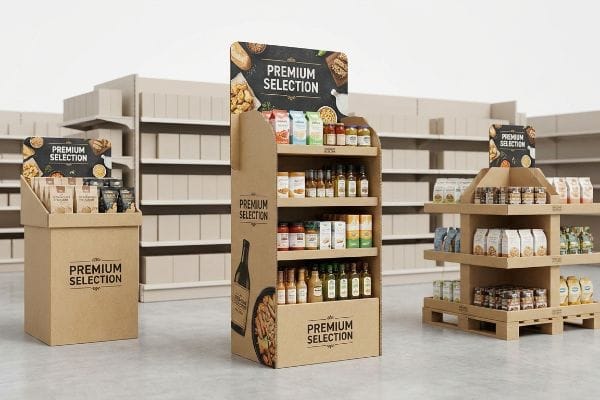
एक खूबसूरत डिजाइन भी बेकार है अगर वह उस स्टोर के सख्त परिचालन नियमों का उल्लंघन करता है जिसमें उसे रखा गया है।.
खुदरा बिक्री के लिए उत्पादों को रखने की रणनीतियों को संरेखित करना
कई ब्रांड संस्थापक भौतिक प्रदर्शन को गौण मानते हैं और इसे अपने व्यापक व्यावसायिक तंत्र से अलग कर देते हैं। वे यह मान लेते हैं कि एक आकर्षक ग्राफिक रैप ही अमेरिका के विभिन्न प्रकार के बड़े स्टोरों में ग्राहकों को आकर्षित करने के लिए पर्याप्त है।.
आमतौर पर समस्या लॉन्च के दौरान प्लेस और प्रमोशन चरणों में उत्पन्न होती है। एक ग्राहक मुझे बुटीक के लिए डिज़ाइन किया गया एक विशाल, आकर्षक फ्लोर यूनिट और मुझसे इसे सीधे कॉस्टको जैसे बड़े क्लब स्टोर में भेजने की मांग करता है। जब वे उस बेमेल डिस्प्ले को गलत रिटेल इकोसिस्टम में जबरदस्ती फिट करने की कोशिश करते हैं, तो स्टोर मैनेजर तुरंत उसे अस्वीकार कर देते हैं, और आप पैलेट जैक द्वारा उस अनधिकृत यूनिट को सीधे कचरा कंपैक्टर में ले जाने की तेज़ आवाज़ लगभग सुन सकते हैं। मैं इस समस्या को ब्रांड की प्रमोशनल रणनीति को लक्षित रिटेलर की विशिष्ट फुटप्रिंट सीमाओं6, जिससे यह सुनिश्चित होता है कि फिजिकल लॉन्च स्टोर के ऑपरेशनल मॉडल के साथ पूरी तरह से मेल खाता है। यह सटीक फ्रेमवर्क इंटीग्रेशन गारंटी देता है कि आपके मर्चेंडाइज़र को पहली बार में ही स्वीकृति मिल जाए, जिससे प्रमुख गलियारे में उसकी दृश्यता सुनिश्चित होती है।
| नौसिखियों की आम गलती | प्रो फिक्स | रिटेल-फ्लोर लाभ |
|---|---|---|
| क्लब स्टोर की सीमाओं की अनदेखी करना | खुदरा ढांचा मैट्रिक्स7 | प्रबंधक की स्वीकृति प्राप्त करता है |
| एक सामान्य पदचिह्न का उपयोग करना | स्टोर-विशिष्ट स्केलिंग8 | फर्श की घनत्व को अधिकतम करता है |
| डिस्प्ले को कीमत से अलग करना | सामग्री लागतों का सामंजस्य स्थापित करना9 | लाभ मार्जिन की रक्षा करता है |
एक भी प्रिंटिंग प्लेट तैयार करने से पहले रिटेलर के साथ सख्त तालमेल बिठाना अनिवार्य है। एक आकर्षक डिस्प्ले बनाना जो रिटेलर के परिचालन मॉडल के बिल्कुल विपरीत हो, निश्चित रूप से महंगे ऑर्डर रिजेक्शन और बिक्री में नुकसान का कारण बनेगा।.
🛠️ हार्वे का डेस्क: क्या आप सोच रहे हैं कि आपका मौजूदा डिज़ाइन बड़े स्टोरों के प्लेसमेंट नियमों का उल्लंघन तो नहीं कर रहा है? 👉 रिटेल कंप्लायंस चेक करवाएं ↗ — सुरक्षित रूप से डाउनलोड करें। बाद में कोई सवाल हो तो मेरा इनबॉक्स खुला है।
शेल्फ-रेडी पैकेजिंग का एक उदाहरण क्या है?
व्यावहारिक क्रियान्वयन के बिना सिद्धांत बेकार है। किसी मूर्त, सुगठित अनुप्रयोग को देखने से विपणन अवधारणाओं और स्टोर की भौतिक सीमाओं के बीच की खाई को पाटने में मदद मिलती है।.
शेल्फ-रेडी पैकेजिंग का एक उदाहरण नालीदार, फाड़ने योग्य ट्रे है जो खुदरा सामानों को सुरक्षित रूप से परिवहन करती है और तुरंत एक डिस्प्ले करने योग्य मर्चेंडाइज़र में परिवर्तित हो जाती है। इन विशेष रूप से डिज़ाइन की गई इकाइयों में विशेष छिद्र, कस्टम रिटेनिंग लिप्स और संरचनात्मक सुदृढ़ीकरण होते हैं, जिससे स्टोर कर्मचारी उत्पादों को शिपिंग पैलेट से सीधे सक्रिय बिक्री शेल्फ पर तेज़ी से स्थानांतरित कर सकते हैं।.

एक सीलबंद शिपिंग बॉक्स को रिटेल स्टोर में बदलने के लिए, आपके ब्रांड की सुरक्षा के लिए सटीक डाईलाइन इंजीनियरिंग की आवश्यकता होती है।.
सही तरीके से फाड़ने योग्य रिटेल ट्रे का निर्माण
एक मानक टियर-अवे ट्रे बेहद सरल लगती है। खरीदार अक्सर बुनियादी छिद्रों के साथ जेनेरिक टेम्पलेट्स का अनुरोध करते हैं, यह मानते हुए कि किसी भी मानक बॉक्स को जल्दी से एक कार्यात्मक आरआरपी (रिटेल-रेडी पैकेजिंग) इकाई10।
सबसे आम खामी जो मैं देखता हूँ, वह है बोतल के सामने वाले किनारे का महत्वपूर्ण उत्पाद विवरण को छिपा देना। पेय पदार्थ क्षेत्र, एक सामान्य ट्रे डिज़ाइन अक्सर अनिवार्य लेबल डेटा को ढक देता है11, और जब क्लर्क ढक्कन खोलता है—और छेद के खुलने की संतोषजनक, साफ आवाज का अनुभव करता है—तो बचा हुआ कार्डबोर्ड बोतल की ब्रांड पहचान को पूरी तरह से छुपा देता है। इसे ठीक करने के लिए, मैं बोतल की सटीक डाईलाइन को अपने CAD (कंप्यूटर-एडेड डिज़ाइन) सॉफ़्टवेयर में आयात करता हूँ और सामने वाले किनारे पर एक कस्टम डाई-कट डिज़ाइन तैयार करता हूँ। यह सूक्ष्म समायोजन उत्पाद के मुख्य विपणन दावों की पूर्ण दृश्यता सुनिश्चित करता है, जिससे बिक्री में उल्लेखनीय वृद्धि होती है और संघीय लेबलिंग अनुपालन संबंधी समस्याओं से पूरी तरह बचा जा सकता है12।
| नौसिखियों की आम गलती | प्रो फिक्स | रिटेल-फ्लोर लाभ |
|---|---|---|
| सामान्य होंठ की ऊँचाई का उपयोग करना | कस्टम डाई-कट स्वूप्स | उत्पाद ब्रांडिंग की मुख्य विशेषताएं |
| अनिवार्य कानूनी पाठ को अवरुद्ध करना | लेबल-क्लियरेंस मैपिंग13 | अनुपालन मानकों को सुनिश्चित करता है |
| खुरदुरे, बदसूरत किनारों को फाड़ते हुए | इंजीनियर छिद्रण अनुपात14 | पुनः स्टॉक भरने की प्रक्रिया को गति देता है |
सामान्य संरचनात्मक टेम्पलेट्स आपके सबसे मूल्यवान मार्केटिंग संसाधनों को छिपा नहीं सकते। सामने के किनारे की सटीक ज्यामिति को नियंत्रित करने से एक साधारण शिपिंग ट्रे व्यस्त रिटेल स्टोर में एक प्रभावशाली और प्रभावी विक्रेता में बदल जाती है।.
🛠️ हार्वे का डेस्क: क्या आपकी कस्टम प्रिंटेड ट्रे आपके मुख्य उत्पाद लेबल को छुपा रही हैं? 👉 अपना डाइलाइन मूल्यांकन प्राप्त करें ↗ — कोई फॉर्म नहीं जो अंतहीन बिक्री कॉल को ट्रिगर करें। बस शुद्ध मूल्य।
प्रोटोटाइप पैकेजिंग क्या है?
बड़े पैमाने पर उत्पादन शुरू करने से पहले, आपको संरचनात्मक गणित को सत्यापित करना होगा। इस चरण को छोड़ना देशव्यापी उत्पाद लॉन्च को बर्बाद करने का सबसे तेज़ तरीका है।.
प्रोटोटाइप पैकेजिंग एक भौतिक, छोटे पैमाने का संरचनात्मक नमूना है जिसे बड़े पैमाने पर उत्पादन शुरू होने से पहले सामग्री के प्रदर्शन, संयोजन यांत्रिकी और स्वचालित तह सहनशीलता का कड़ाई से परीक्षण करने के लिए बनाया जाता है। यह नैदानिक परीक्षण चरण छिपी हुई इंजीनियरिंग खामियों को उजागर करता है, भार वहन क्षमता और घर्षण बिंदुओं को सत्यापित करता है ताकि उच्च मात्रा वाले खुदरा आपूर्ति श्रृंखला वितरण के दौरान त्रुटिहीन निष्पादन सुनिश्चित किया जा सके।.
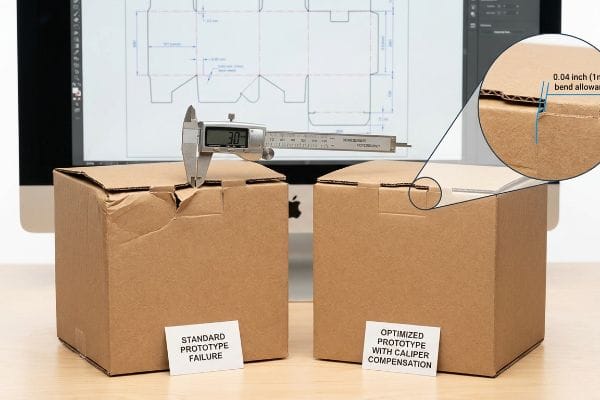
डिजिटल रेंडरिंग में एक डिस्प्ले को पूरी तरह से सही स्थिति में रखना आसान है, लेकिन जब आप उनमें से 500 को एक व्यस्त को-पैकिंग सुविधा में भेजते हैं तो कठोर वास्तविकता सामने आती है।.
मानक प्रोटोटाइप कारखाने में विफल क्यों हो जाते हैं?
शुरुआती चरणों में, ब्रांड टीमें अक्सर अपने आगामी रिटेल अभियानों की कल्पना करने के लिए फ्लैट वेक्टर ड्रॉइंग पर निर्भर करती हैं । वे मान लेते हैं कि यदि एक इंटरलॉकिंग टैब डिजिटल स्क्रीन पर पूरी तरह से संरेखित दिखता है, तो वास्तविक नालीदार बोर्ड पर प्रिंट होने पर यह त्रुटिहीन रूप से मुड़ जाएगा।
मेरी फैक्ट्री में, मैं अक्सर देखता हूँ कि डिज़ाइनर द्वारा सामग्री की भौतिक मोटाई पर ध्यान न देने के कारण, खूबसूरती से डिज़ाइन की गई फ्लैट फाइलें टेस्टिंग फ्लोर पर पूरी तरह से नाकाम हो जाती हैं। जब आप 0.11 इंच (3 मिमी) मोटी बी-फ्लूट बोर्ड को90 डिग्री पर मोड़ते हैं, तो सामग्री की खपत होती है, और यदि रिसीविंग स्लॉट को चौड़ा नहीं किया जाता है, तो मुझे कच्चे वर्जिन क्राफ्ट बोर्ड का कड़ा प्रतिरोध महसूस होता है क्योंकि को-पैकिंग असेंबली टीम कठोर भागों को जबरदस्ती एक साथ जोड़ते समय फ्लूट्स को कुचल देती है और ऊपरी शीट को फाड़ देती है। मैं इस समस्या को स्वचालित कटिंग टेबल, ठीक 0.04 इंच (1 मिमी) का क्लीयरेंस जोड़ता हूँ। प्रोटोटाइपिंग चरण के दौरान इस सख्त टॉलरेंस को लागू करके, मैं असेंबली समय को काफी कम कर देता हूँ, पैक-आउट लाइन पर घर्षण को पूरी तरह से खत्म कर देता हूँ और मैनुअल श्रम लागत को काफी कम कर देता हूँ।
| नौसिखियों की आम गलती | प्रो फिक्स | रिटेल-फ्लोर लाभ |
|---|---|---|
| बोर्ड की मोटाई को अनदेखा करना | कैलिपर क्षतिपूर्ति एल्गोरिदम18 | वर्गाकार संयोजन की गारंटी |
| शून्य-स्वच्छता स्लॉट बनाना | बेंड अलाउंस जोड़ना19 | ऊपरी शीट को फटने से रोकता है |
| पुर्जों को मैन्युअल रूप से एक साथ जोड़ना | पैरामीट्रिक संरचनात्मक परीक्षण20 | को-पैकिंग का समय कम करता है |
मैं कभी भी अप्रमाणित फ्लैट ड्रॉइंग के आधार पर बड़े पैमाने पर उत्पादन को मंजूरी नहीं दूंगा। पूरी तरह से सटीक भौतिक प्रोटोटाइप की मांग करना ही एकमात्र विश्वसनीय तरीका है जिससे यह सुनिश्चित किया जा सके कि आपकी अंतिम खेप बिना समय सीमा को बाधित किए सुचारू रूप से तैयार हो जाए।.
🛠️ हार्वे का डेस्क: क्या आपको अपनी मौजूदा डिस्प्ले फाइल की सटीक मोटाई और फोल्ड अलाउंस पता है? 👉 मुझे अपनी डाइलाइन फाइल भेजें ↗ — बड़े पैमाने पर उत्पादन पर बजट बर्बाद करने से पहले मैं गणितीय गणना की गहन जांच कर लूंगा।
निष्कर्ष
आप सस्ता विक्रेता चुन सकते हैं, लेकिन जब बिना उचित माप के नालीदार कार्डबोर्ड असेंबली के दौरान गंभीर जकड़न और टूट-फूट का कारण बनता है, जिससे पैकिंग लाइन लगभग 30% धीमी हो जाती है, तो इससे आपके अभियान का लाभ मार्जिन पूरी तरह से खत्म हो जाएगा। 500 से अधिक ब्रांड मैनेजर इन शुरुआती चरण की घातक गलतियों से बचने के लिए मेरी प्रीप्रेस चेकलिस्ट का उपयोग करते हैं। फोल्ड टॉलरेंस का अनुमान लगाना बंद करें और मुझे अपने मुफ़्त डाइलाइन ऑडिट ↗ ताकि बड़े पैमाने पर उत्पादन शुरू होने से पहले इन विनाशकारी समस्याओं का पता लगाया जा सके।
"49 CFR भाग 178 — पैकेजिंग के लिए विनिर्देश – eCFR", https://www.ecfr.gov/current/title-49/subtitle-B/chapter-I/subchapter-C/part-178। [पैकेजिंग इंजीनियरिंग या ASTM मानकों पर एक आधिकारिक स्रोत परिवहन के दौरान कंटेनर की अखंडता बनाए रखने के लिए आवश्यक भार वहन और प्रभाव प्रतिरोध भौतिकी को परिभाषित करेगा]। साक्ष्य भूमिका: तकनीकी सत्यापन; स्रोत प्रकार: उद्योग मानक। समर्थन: पैकेजिंग कंटेनमेंट में संरचनात्मक इंजीनियरिंग की आवश्यकता। कार्यक्षेत्र नोट: विशेष रूप से ग्राफिक डिजाइन के बजाय भौतिक स्थायित्व से संबंधित है। ↩
"नालीदार बोर्ड की किनारे की कुचल प्रतिरोध क्षमता का अनुमान लगाना ...", https://pmc.ncbi.nlm.nih.gov/articles/PMC9961700/। [पैकेजिंग इंजीनियरिंग मानक बताते हैं कि नालीदार खांचों को लंबवत रूप से संरेखित करने से संपीड़न बलों को सहन करने के लिए किनारे की कुचल परीक्षण (ECT) रेटिंग को अनुकूलित किया जा सकता है]। साक्ष्य भूमिका: तकनीकी सत्यापन; स्रोत प्रकार: उद्योग मानक। समर्थन: दाने के संरेखण के माध्यम से संरचनात्मक अखंडता। कार्यक्षेत्र नोट: नालीदार पेपरबोर्ड सामग्री पर लागू। ↩
"पैलेट के ऊपरी डेक की कठोरता के प्रभाव की जांच... – पीएमसी", https://pmc.ncbi.nlm.nih.gov/articles/PMC8585293/। नालीदार कार्डबोर्ड इंजीनियरिंग पर तकनीकी गाइड बताते हैं कि कैसे खांचों को लंबवत रूप से संरेखित करने से स्टैकिंग विफलता को रोकने के लिए ऊर्ध्वाधर भार वहन क्षमता को अधिकतम किया जा सकता है। साक्ष्य भूमिका: तकनीकी सत्यापन; स्रोत प्रकार: इंजीनियरिंग मैनुअल। समर्थन: दावा है कि अनाज संरेखण स्तर के ढहने को रोकता है। कार्यक्षेत्र नोट: विशेष रूप से नालीदार कार्डबोर्ड सामग्री पर लागू होता है। ↩
"कॉरुगेटेड बोर्ड बॉक्स की संपीडन सामर्थ्य का अनुमान...", https://pmc.ncbi.nlm.nih.gov/articles/PMC9864211/। पैकेजिंग उद्योग के मानक बताते हैं कि विभिन्न फ्लूट प्रोफाइल (जैसे, A, B, C, E) बॉक्स की ऊर्ध्वाधर संपीडन सामर्थ्य और स्टैकिंग क्षमता को कैसे प्रभावित करते हैं। साक्ष्य की भूमिका: तकनीकी विनिर्देश; स्रोत प्रकार: उद्योग मानक। समर्थन: यह दावा कि फ्लूट अपग्रेड से स्टैकिंग की स्थिरता में सुधार होता है। कार्यक्षेत्र संबंधी टिप्पणी: यह विशिष्ट फ्लूट ग्रेड और सामग्री घनत्व पर निर्भर करता है। ↩
"रिटेल कंप्लायंस रीपैकेजिंग: वॉलमार्ट, कॉस्टको और बिग-बॉक्स...", https://nautical-direct.com/retail-compliance-repackaging-walmart-costco-and-big-box-requirements-explained/। लॉजिस्टिक्स और रिटेल कंप्लायंस मैनुअल बताते हैं कि अपर्याप्त संरचनात्मक अखंडता के कारण शेल्फ के गिरने से विक्रेता को वित्तीय शुल्क वापस लेना पड़ता है। साक्ष्य की भूमिका: व्यावसायिक प्रथा सत्यापन; स्रोत प्रकार: रिटेल लॉजिस्टिक्स गाइड। समर्थन: दावा है कि कॉर्नर सपोर्ट से रिटेलर को लगने वाले शुल्क वापस लेने में कमी आती है। स्कोप नोट: शुल्क वापस लेने की नीतियां अलग-अलग रिटेल कंपनियों में भिन्न होती हैं। ↩
"खुदरा विक्रेताओं के लिए अपरिहार्य मार्ग और पॉइंट-ऑफ-परचेज़ डिस्प्ले पर इसके प्रभाव...", https://agilityretail.com/the-inevitable-path-for-retailers-and-implications-for-point-of-purchase-displays/। [खुदरा व्यापार के लिए उद्योग नियमावली में खुदरा विक्रेताओं द्वारा सुरक्षा और यातायात प्रवाह सुनिश्चित करने के लिए लगाए गए सख्त फुटप्रिंट और आयाम संबंधी आवश्यकताओं का विवरण दिया गया है]। साक्ष्य की भूमिका: तकनीकी सत्यापन; स्रोत प्रकार: उद्योग नियमावली। समर्थन: विशिष्ट स्टोर आयामों के अनुसार डिस्प्ले को मैप करने की आवश्यकता। कार्यक्षेत्र संबंधी टिप्पणी: बुटीक और बिग-बॉक्स रिटेल के बीच प्रतिबंध काफी भिन्न होते हैं। ↩
"[PDF] क्लब स्टोर पैकेजिंग के लिए विचार", https://adeptpackaging.com/getmedia/65bfd669-88b7-4027-8754-e28d78ac540e/Adept_ClubStorePackaging.pdf। [खुदरा संचालन या पैकेजिंग लॉजिस्टिक्स पर एक आधिकारिक स्रोत रिटेल फ्रेमवर्क मैट्रिक्स और क्लब स्टोर अनुपालन मानकों को पूरा करने में इसकी भूमिका को परिभाषित करेगा ताकि प्रबंधक की स्वीकृति प्राप्त की जा सके]। साक्ष्य भूमिका: परिभाषा/तकनीकी मानक; स्रोत प्रकार: उद्योग मैनुअल या खुदरा प्रबंधन गाइड। समर्थन: खुदरा स्थान सुनिश्चित करने के लिए एक संरचित मैट्रिक्स का उपयोग। कार्यक्षेत्र नोट: विशिष्ट कार्यान्वयन खुदरा श्रृंखला के अनुसार भिन्न हो सकता है। ↩
"विभिन्न खुदरा प्रारूपों में पैकेजिंग डिज़ाइन को स्केल करने की कला", https://lundmarkadvertising.com/articles/the-art-of-scaling-packaging-designs-across-multiple-retail-formats/। [खुदरा स्थान प्रबंधन में अनुसंधान से यह प्रमाण मिलता है कि विशिष्ट स्टोर आयामों के अनुसार पैकेजिंग फुटप्रिंट को स्केल करने से प्रति वर्ग फुट इकाइयों की संख्या अनुकूलित होती है]। प्रमाण की भूमिका: कारण संबंध; स्रोत प्रकार: खुदरा लॉजिस्टिक्स श्वेतपत्र। समर्थन: फ्लोर घनत्व को अधिकतम करने के लिए स्केलिंग का लाभ। कार्यक्षेत्र संबंधी टिप्पणी: मुख्य रूप से भौतिक ईंट-और-मोर्टार खुदरा वातावरण पर लागू होता है। ↩
"खाद्य पैकेजिंग मार्जिन पर दबाव: सुपरमार्केट कैसे कटौती कर रहे हैं...", https://dev-dining.rice.edu/info/food-packaging-margin-pressures-how-supermarkets-are-cutting-profitswhat-you-need-to-know-5734070। [उत्पाद पैकेजिंग का वित्तीय विश्लेषण दर्शाता है कि डिस्प्ले सामग्री की लागत को लक्षित खुदरा मूल्य के साथ संरेखित करने से मार्जिन में कमी को रोका जा सकता है]। साक्ष्य की भूमिका: वित्तीय औचित्य; स्रोत प्रकार: व्यवसाय प्रबंधन या लागत लेखांकन पाठ्यपुस्तक। समर्थन: सामग्री लागत सामंजस्य और लाभ मार्जिन संरक्षण के बीच संबंध। कार्यक्षेत्र संबंधी टिप्पणी: प्रीमियम डिस्प्ले सामग्री के लागत-लाभ विश्लेषण पर केंद्रित है। ↩
"रिटेल रेडी पैकेजिंग (आरआरपी) क्या है? – 8th & Walton", https://www.8thandwalton.com/blog/retail-ready-packaging/। [एक आधिकारिक उद्योग मार्गदर्शिका या लॉजिस्टिक्स मानक पैकेजिंग को एक कार्यात्मक रिटेल-रेडी पैकेजिंग इकाई के रूप में वर्गीकृत करने के लिए आवश्यक तकनीकी मानदंडों को परिभाषित करता है]। साक्ष्य भूमिका: परिभाषा; स्रोत प्रकार: उद्योग मानक। समर्थन: आरआरपी की तकनीकी परिभाषा। कार्यक्षेत्र नोट: खुदरा दक्षता और शेल्फ-स्टॉकिंग मानकों पर केंद्रित। ↩
"शेल्फ रेडी पैकेजिंग (एसआरपी) गाइड – रिटेल कंप्लायंस सॉफ्टवेयर", https://www.retailerhub.ai/guides/retail-ready-packaging। [उद्योग पैकेजिंग इंजीनियरिंग अध्ययनों में गैर-कस्टमाइज्ड शेल्फ-रेडी पैकेजिंग में दृश्यता संबंधी कमियों को एक सामान्य दोष के रूप में पहचाना गया है]। साक्ष्य की भूमिका: तकनीकी सत्यापन; स्रोत प्रकार: उद्योग विश्लेषण। समर्थन: जेनेरिक ट्रे में लेबलिंग बाधाओं की व्यापकता। कार्यक्षेत्र नोट: रिटेल डिस्प्ले इंजीनियरिंग पर केंद्रित। ↩
"फसाद द्वारा खाद्य पदार्थों की खरीद के स्थान पर लेबलिंग संबंधी उद्योग को पत्र", https://www.fda.gov/regulatory-information/search-fda-guidance-documents/guidance-industry-letter-regarding-point-purchase-food-labeling। [एफडीए जैसी एजेंसियों के सरकारी नियामक दिशानिर्देशों में यह निर्दिष्ट है कि अनिवार्य लेबलिंग बिक्री स्थल पर उपभोक्ता को स्पष्ट रूप से पठनीय और दृश्यमान होनी चाहिए]। साक्ष्य की भूमिका: नियामक सत्यापन; स्रोत प्रकार: सरकारी विनियमन। समर्थन: अबाधित लेबल की कानूनी आवश्यकता। कार्यक्षेत्र संबंधी टिप्पणी: विनियमित उपभोक्ता वस्तुओं पर लागू होता है। ↩
"पैकेजिंग और लेबलिंग संबंधी अक्सर पूछे जाने वाले प्रश्न | एनआईएसटी", https://www.nist.gov/pml/owm/faqs/packaging-and-labeling-requirements-faqs। [खुदरा पैकेजिंग डिज़ाइन पर एक आधिकारिक स्रोत लेबल-क्लियरेंस मैपिंग को एक ऐसी प्रक्रिया के रूप में परिभाषित करेगा जो यह सुनिश्चित करती है कि पैकेजिंग खोलने के बाद भी कानूनी पाठ दिखाई देता रहे। साक्ष्य की भूमिका: तकनीकी परिभाषा; स्रोत का प्रकार: उद्योग मानक। समर्थन: अनुपालन मानक। कार्यक्षेत्र संबंधी टिप्पणी: मुख्य रूप से खाद्य और फार्मास्यूटिकल्स जैसे विनियमित वस्तुओं पर लागू।] ↩
"भार वहन क्षमता पर छिद्रों के प्रभाव की जांच...", https://pmc.ncbi.nlm.nih.gov/articles/PMC11396172/। [पेपरबोर्ड इंजीनियरिंग पर तकनीकी विनिर्देश बताते हैं कि कैसे विशिष्ट छिद्र अनुपात खुरदुरे किनारों को रोकते हैं और कुशल पुनर्भरण के लिए स्वच्छ पृथक्करण को सुगम बनाते हैं। साक्ष्य भूमिका: तकनीकी विनिर्देश; स्रोत प्रकार: पैकेजिंग इंजीनियरिंग मैनुअल। सहायक: पुनर्भरण गति और सौंदर्य गुणवत्ता। कार्यक्षेत्र नोट: प्रभावकारिता सामग्री के जीएसएम और बोर्ड की मोटाई के आधार पर भिन्न होती है।] ↩
"पैकेजिंग डिज़ाइन इलस्ट्रेशन – हमारे पसंदीदा प्रोजेक्ट", https://www.greatergood-brands.com/insights/packaging-design-illustration-our-favourite-projects/। [पेशेवर पैकेजिंग डिज़ाइन मानक प्रारंभिक अवधारणा और खुदरा दृश्यीकरण के लिए 2D वेक्टर-आधारित डाई-लाइनों के व्यापक उपयोग को दस्तावेज़ित करते हैं]। साक्ष्य भूमिका: प्रक्रिया सत्यापन; स्रोत प्रकार: उद्योग मार्गदर्शिका। समर्थन: ब्रांड टीमों में सामान्य कार्यप्रवाह। स्कोप नोट: विशेष रूप से प्रारंभिक अवधारणा चरण को संदर्भित करता है। ↩
"कॉरुगेटेड बोर्ड और सामग्री ग्रेड - फ्लूट - पैकेजिंग रणनीतियाँ", https://www.packagingstrategies.com/articles/96269-corrugated-board-and-material-grades। [कॉरुगेटेड सामग्रियों के लिए उद्योग मानक तकनीकी विनिर्देश बी-फ्लूट बोर्ड के औसत व्यास की पुष्टि करते हैं]। साक्ष्य भूमिका: तथ्यात्मक सत्यापन; स्रोत प्रकार: तकनीकी विनिर्देश। आधार: सामग्री की मोटाई। स्कोप नोट: निर्माता के अनुसार वास्तविक मोटाई में थोड़ा अंतर हो सकता है। ↩
"पांच-परत वाली सामग्री की बेंडिंग कठोरता का विश्लेषणात्मक निर्धारण...", https://pmc.ncbi.nlm.nih.gov/articles/PMC8777652/। [पैकेजिंग इंजीनियरिंग मैनुअल 90-डिग्री फोल्ड के दौरान सामग्री विरूपण को रोकने के लिए आवश्यक बेंड अलाउंस और क्लीयरेंस का विवरण देते हैं]। साक्ष्य भूमिका: तकनीकी सत्यापन; स्रोत प्रकार: इंजीनियरिंग हैंडबुक। सहायक: कैलिपर शिफ्ट क्षतिपूर्ति। स्कोप नोट: क्लीयरेंस आवश्यकताएं बोर्ड ग्रेड और नमी की मात्रा के आधार पर भिन्न हो सकती हैं। ↩
"नालीदार बोर्ड बक्सों की संपीडन सामर्थ्य का अनुमान ...", https://pmc.ncbi.nlm.nih.gov/articles/PMC8467740/। [पैकेजिंग इंजीनियरिंग पर एक प्रामाणिक स्रोत बताता है कि क्षतिपूर्ति एल्गोरिदम के माध्यम से सामग्री की मोटाई को समायोजित करके सटीक समकोण जोड़ कैसे सुनिश्चित किए जाते हैं]। साक्ष्य भूमिका: तकनीकी विनिर्देश; स्रोत प्रकार: इंजीनियरिंग मैनुअल। समर्थन: बोर्ड की मोटाई क्षतिपूर्ति। कार्यक्षेत्र नोट: विशेष रूप से नालीदार या कठोर बोर्ड पर लागू होता है। ↩
"शीट मेटल बेंडिंग डिज़ाइन टिप्स | ज़ोमेट्री प्रो", https://xometry.pro/en/articles/sheet-metal-bending-design-tips/। [सामग्री मोड़ने के लिए तकनीकी मानक बताते हैं कि बेंड अलाउंस की गणना करके ऊपरी शीट में अत्यधिक तनाव और टूटना कैसे रोका जा सकता है]। साक्ष्य भूमिका: तकनीकी विनिर्देश; स्रोत प्रकार: विनिर्माण मार्गदर्शिका। सहायक: सामग्री विफलता की रोकथाम। कार्यक्षेत्र नोट: शीट मेटल और भारी बोर्ड डिज़ाइन में मानक प्रक्रिया। ↩
"क्लोज पैकिंग और पैकिंग दक्षता", https://www.doitpoms.ac.uk/tlplib/crystallography3/packing.php। [उद्योग अनुसंधान से पता चलता है कि संरचनात्मक अखंडता का परीक्षण करने के लिए पैरामीट्रिक मॉडल का उपयोग करने से मैनुअल असेंबली त्रुटियां और उसके बाद का को-पैकिंग समय कम हो जाता है]। साक्ष्य भूमिका: मीट्रिक सत्यापन; स्रोत प्रकार: उद्योग श्वेतपत्र। समर्थन: परिचालन दक्षता। कार्यक्षेत्र संबंधी टिप्पणी: CAD/CAE सॉफ़्टवेयर के उपयोग पर निर्भर करता है। ↩