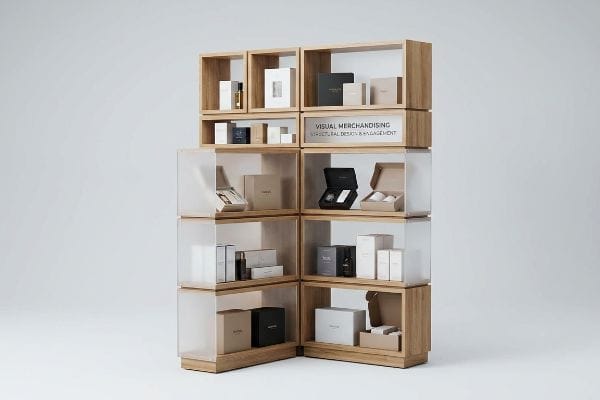
विज़ुअल मर्चेंडाइजिंग का मतलब सिर्फ रिटेल फ्लोर पर चीजों को सुंदर दिखाना नहीं है। यह संरचनात्मक डिजाइन के माध्यम से ग्राहकों की आवाजाही को लाभदायक आवेगपूर्ण खरीदारी में बदलने का एक सुनियोजित विज्ञान है।.
विज़ुअल मर्चेंडाइजिंग खुदरा दुकानों में उत्पादों की रणनीतिक प्रस्तुति है जिसका उद्देश्य बिक्री को अधिकतम करना है। यह ग्राहकों के व्यवहार को निर्देशित करने के लिए स्थानिक योजना, प्रकाश व्यवस्था, रंग सिद्धांत और संरचनात्मक प्रदर्शन का उपयोग करती है। एक आकर्षक ब्रांड अनुभव बनाकर, यह उपभोक्ताओं की सहभागिता को बढ़ाती है और स्टोर स्तर पर उच्च लाभ वाले खरीदारी निर्णयों को सीधे प्रभावित करती है।.

यह आपके मुनाफे पर कैसे असर डालता है, इसे सही मायने में समझने के लिए हमें मार्केटिंग की जटिल भाषा को हटाकर वास्तविक प्रक्रियाओं को देखना होगा।.
विजुअल मर्चेंडाइजिंग क्या है? इसमें क्या उपयोग होता है? यह क्यों महत्वपूर्ण है?
दृश्य विपणन का विश्लेषण करने पर पता चलता है कि यह एक अत्यंत रणनीतिक अनुशासन है। यह ग्राहकों की स्वतःस्फूर्त खरीदारी की प्रवृत्ति को तोड़ने और मापने योग्य खुदरा बिक्री गति उत्पन्न करने के लिए सटीक संरचनात्मक तत्वों पर निर्भर करता है।.
दृश्य सामग्री में संवेदी तत्वों, संरचनात्मक पीओपी (प्वाइंट ऑफ परचेज़) डिस्प्ले और स्थानिक योजना का उपयोग किया जाता है। यह महत्वपूर्ण है क्योंकि यह उपभोक्ता प्रवाह को निर्देशित करता है और तत्काल आवेगपूर्ण रूपांतरण को बढ़ावा देता है। प्रभावी दृश्य सामग्री निष्क्रिय शेल्फ स्थान को एक सक्रिय बिक्री इंजन में बदल देती है, जिससे खुदरा अनुपालन सुनिश्चित होता है और समग्र ब्रांड इक्विटी में वृद्धि होती है।.
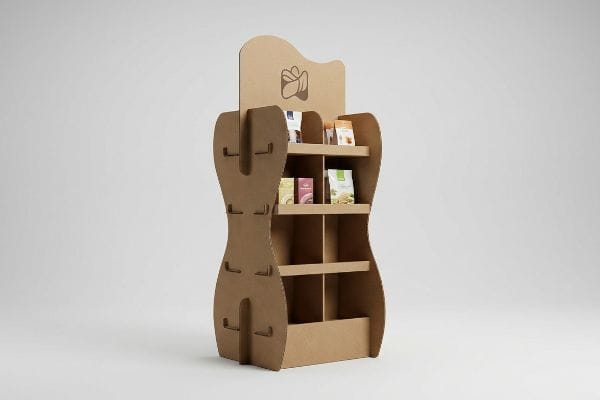
सिद्धांत को जानना एक शुरुआत है, लेकिन भीड़भाड़ वाले क्लब स्टोर के फर्श पर इसे अमल में लाना ही असली चुनौती है।
दृश्य व्यवधान का मनोविज्ञान
कई मार्केटिंग टीमें विज़ुअल मर्चेंडाइजिंग के लिए बस एक मानक चौकोर बॉक्स पर अपना लोगो छाप देती हैं और उम्मीद करती हैं कि यह अलग दिखेगा। वे मान लेते हैं कि चटख रंग ही किसी व्यस्त रिटेल गलियारे में ध्यान आकर्षित कर लेंगे। यह बुनियादी दृष्टिकोण खरीदार की दृश्य एकरसता को तोड़ने के लिए आवश्यक संरचनात्मक ज्यामिति को पूरी तरह से अनदेखा करता है ।
बड़े पैमाने पर लॉन्च की योजना बनाते समय अनुभवी डिज़ाइनर भी अक्सर इस कमी को नज़रअंदाज़ कर देते हैं। मैं अक्सर देखता हूँ कि ब्रांड सपाट, सामान्य आयताकार डिब्बों के लिए डिज़ाइन प्रस्तुत करते हैं जो एक विशाल एंड-कैप। बाज़ार में, इस समस्या को हल करने के लिए भौतिक हस्तक्षेप की आवश्यकता होती है। मैं आमतौर पर हस्तक्षेप करता हूँ और हेडर या साइड पैनल में एक घुमावदार, डाई-कट आकार जोड़ता हूँ ताकि दृश्य रेखा बाधित हो सके। आप कस्टम डाई-कट कंटूर को एक कठोर 3D आकार में मोड़ने की तेज़, संतोषजनक 'पॉप' ध्वनि को महसूस कर सकते हैं, जिससे यूनिट तुरंत बदल जाती है। इन गैर-रेखीय आकृतियों को डिज़ाइन करके, हम बिक्री में तीन सेकंड की वृद्धि करते हैं,जिससे कच्चे माल की खपत बढ़ाए बिना ग्राहकों की खरीदारी में ज़बरदस्त उछाल आता है।
| नौसिखियों की आम गलती | प्रो फिक्स | रिटेल-फ्लोर लाभ |
|---|---|---|
| समतल आयताकार हेडर का उपयोग करना | डाई-कट कंटूर आकार3 | तेजी से ध्यान आकर्षित करता है |
| केवल चटख रंगों पर निर्भर रहना | 3डी संरचनात्मक दृश्य व्यवधान4 | आवेगी पकड़ को बढ़ाता है |
| गलियारे की एकरसता को नजरअंदाज करते हुए | रणनीतिक आकार विभेदन5 | दृश्य मिश्रण को रोकता है |
रिटेल प्रोग्राम डिज़ाइन करते समय मैं हमेशा सपाट ग्राफ़िक्स की बजाय संरचनात्मक आकृतियों को प्राथमिकता देता हूँ। एक अनोखी आकृति तुरंत ही ग्राहकों की सहज खरीदारी की आदत को बदल देती है, जिससे आपका ब्रांड अलग दिखता है और अत्यधिक प्रतिस्पर्धी बड़े स्टोरों में इन्वेंट्री की बिक्री में तेज़ी आती है।.
🛠️ हार्वे का डेस्क: क्या आप इस बात को लेकर असमंजस में हैं कि आपके डिस्प्ले का डिज़ाइन इतना आकर्षक है कि ग्राहकों को आकर्षित कर सके? 👉 संरचनात्मक समीक्षा प्राप्त करें ↗ — मेरे डेस्क तक सीधी पहुँच। मैं वादा करता हूँ, कोई स्वचालित बिक्री संबंधी स्पैम नहीं।
विजुअल मर्चेंडाइजिंग का मुख्य उद्देश्य क्या है?
इसका प्राथमिक लक्ष्य बुनियादी सौंदर्यशास्त्र से कहीं अधिक व्यापक है। दृश्य विपणन का मुख्य उद्देश्य उपभोक्ता की दृष्टि रेखाओं को व्यवस्थित रूप से इस प्रकार नियंत्रित करना है कि प्रति वर्ग फुट उत्पाद के साथ अधिकतम संपर्क स्थापित हो सके।.
विज़ुअल मर्चेंडाइजिंग का मुख्य उद्देश्य स्थानिक व्यवस्था को अनुकूलित करके उत्पादों की बिक्री को मापनीय रूप से बढ़ाना है। इसका विशिष्ट लक्ष्य ग्राहकों को आकर्षित करना, ब्रांड की दृश्यता बढ़ाना और खरीदारी में आने वाली बाधाओं को दूर करना है। उत्पादों को तार्किक और आकर्षक ढंग से व्यवस्थित करके, यह निष्क्रिय अवलोकन को सीधे बिक्री में परिवर्तित करता है।.
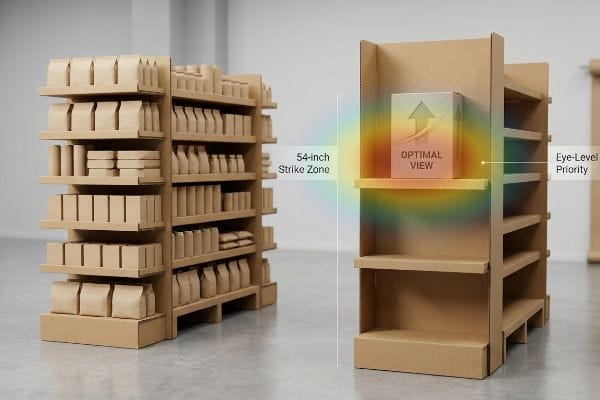
इस उद्देश्य को प्राप्त करने के लिए यह समझना आवश्यक है कि मानव शरीर रचना खुदरा दुकानों की अलमारियों के साथ किस प्रकार परस्पर क्रिया करती है।.
मानव ऊंचाई हीट मैप को हिट करना
ब्रांड टीमों की एक आम रणनीति यह है कि वे अधिकतम क्षमता हासिल करने के लिए बहुस्तरीय फ्लोर डिस्प्ले पर जितना संभव हो उतना उत्पाद भर दें। वे डिज़ाइनरों को निर्देश देते हैं कि वे अलमारियों को आधार से शीर्ष तक समान रूप से व्यवस्थित करें ताकि अधिकतम इन्वेंट्री रखी जा सके। यह पूरी तरह से इस वास्तविकता को नज़रअंदाज़ करता है कि खरीदार किस तरह से ब्राउज़ करते हैं ।
माल ढुलाई को अनुकूलित करने की कोशिश कर रही अनुभवी खरीद टीमों को भी यह एक आम समस्या लग जाती है। मुझे याद है एक ग्राहक ने मांग की थी कि उत्पादों को शेल्फ पर ज़मीन से मात्र 12 इंच (30.4 सेमी) ऊपर रखा जाए, जिससे खरीदार नीचे के हिस्से को पूरी तरह से अनदेखा कर दें। मेरी सुविधा में, मैं वयस्क खरीदारों के लिए विशिष्ट स्ट्राइक ज़ोन का गणितीय रूप से मानचित्रण करता हूँ, और सबसे अधिक लाभदायक SKU को फर्श से ठीक 50 से 54 इंच( 127 से 137 सेमी) की ऊंचाई पर रखता हूँ। जब आप उस प्रीमियम शेल्फ को सीधे इष्टतम हीट मैप ज़ोन में रखते हैं, तो आप ई-फ्लूट कार्डबोर्ड की मज़बूत स्थिरता को शारीरिक रूप से महसूस कर सकते हैं। उच्च मार्जिन वाले सामानों को इस प्राकृतिक दृष्टि रेखा में ऊपर उठाकर, हम खरीदारों के झुकने से होने वाली परेशानी को कम करते हैं और अनुमानित 25% तक गति बढ़ातेहैं।
| नौसिखियों की आम गलती | प्रो फिक्स | रिटेल-फ्लोर लाभ |
|---|---|---|
| प्रीमियम एसकेयू का स्टॉक बहुत कम है | 54 इंच (137 सेमी) स्ट्राइक ज़ोन 9 पर लंगर डालना | आँखों के स्तर पर दृश्यता को अधिकतम करता है |
| सभी अलमारियों को समान दूरी पर रखें | मानव हीट मैप को प्राथमिकता देना10 | खरीदारी के फैसले लेने की प्रक्रिया को तेज करता है |
| सबसे निचले स्तर पर अत्यधिक भार डालना | इन्वेंट्री को लंबवत रूप से ऊपर की ओर धकेलना | खरीदारी के दौरान झुकने से होने वाली थकान को रोकता है11 |
मैं ब्रांडों को अपने बेहतरीन उत्पादों को ग्राहकों की नज़र के सामने छिपाने की अनुमति नहीं देता। अपने प्रीमियम उत्पादों को सीधे ग्राहक की दृष्टि रेखा के सामने रखना, एक निष्क्रिय रिटेल डिस्प्ले को उच्च बिक्री वाले उत्पाद में बदलने का सबसे तेज़ तरीका है।.
🛠️ हार्वे का डेस्क: क्या आपके सबसे अधिक मुनाफ़े वाले उत्पाद वर्तमान में खुदरा बिक्री के अनुपलब्ध क्षेत्र में पड़े हैं? 👉 मर्चेंडाइजिंग ऑडिट का अनुरोध करें ↗ — सुरक्षित रूप से डाउनलोड करें। बाद में यदि आपके कोई प्रश्न हों तो मेरा इनबॉक्स खुला है।
कौन सी परिभाषा दृश्य विपणन को संदर्भित करती है?
इस पद्धति को परिभाषित करने के लिए कला और इंजीनियरिंग दोनों को देखना आवश्यक है। दृश्य विपणन की सही परिभाषा में उत्पाद प्रस्तुति और स्थानिक रणनीति की भौतिक यांत्रिकी शामिल है।.
विज़ुअल मर्चेंडाइजिंग की परिभाषा इसे खुदरा स्थान और उत्पाद प्रदर्शन को अनुकूलित करने की व्यावसायिक प्रक्रिया के रूप में दर्शाती है। इसमें ग्राहक अनुभव को बेहतर बनाने के लिए फ्लोर प्लान, प्रकाश व्यवस्था और गतिज उपकरणों के रणनीतिक उपयोग को शामिल किया गया है। अंततः, यह ब्रांड रणनीति का भौतिक स्वरूप है।.
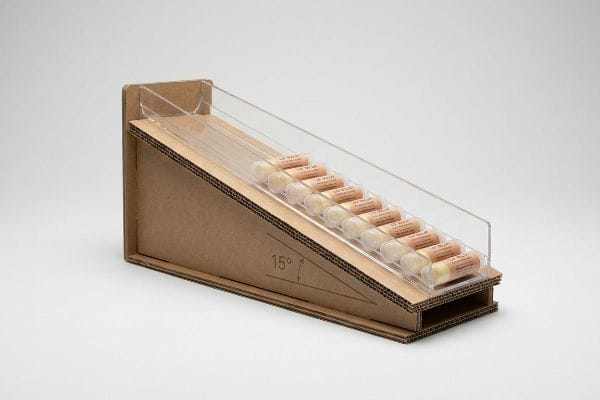
किताबों में दी गई परिभाषाओं से आगे बढ़ने का मतलब है उत्पादों को उपभोक्ताओं तक पहुंचाने की वास्तविक भौतिकी से निपटना।.
गुरुत्वाकर्षण फ़ीड प्रस्तुति की कार्यप्रणाली
कई परिभाषाओं में विज़ुअल मर्चेंडाइजिंग को केवल एक स्थिर समतल सतह पर वस्तुओं को व्यवस्थित करने के रूप में वर्णित किया गया है। खरीदार अक्सर यह मान लेते हैं कि जैसे-जैसे दिनभर स्टॉक कम होता जाएगा, उत्पाद व्यवस्थित और सामने की ओर ही रहेंगे। उच्च मात्रा वाले FMCG (फास्ट-मूविंग कंज्यूमर गुड्स) वातावरण में यह स्थिर मानसिकता विफल हो जाती है ।
इसे एक स्थिर पेंटिंग की तरह सोचना गलियारों में अव्यवस्था का कारण बन सकता है। मैं अक्सर देखता हूँ कि ब्रांड लिप बाम या छोटे कॉस्मेटिक्स को सपाट नालीदार ट्रे, जो तीन ग्राहकों के देखने के बाद तुरंत अव्यवस्थित ढेर में बदल जाते हैं। इस समस्या को दूर करने के लिए, मैं 12 से 18 डिग्री के सटीक घर्षण गुणांक13। आप प्रत्येक कठोर उत्पाद के तिरछे रैंप से फिसलकर सामने की स्थिति में आने पर एक संतोषजनक, निरंतर प्लास्टिक की 'क्लिक' ध्वनि सुन सकते हैं। इस गतिज संरचना का उपयोग करके, हम यह सुनिश्चित करते हैं कि डिस्प्ले हमेशा सामने की ओर रहे और स्टोर कर्मचारियों को बार-बार यूनिट को साफ करने की आवश्यकता न हो, जिससे श्रम के भारी घंटे बचते हैं।
| नौसिखियों की आम गलती | प्रो फिक्स | रिटेल-फ्लोर लाभ |
|---|---|---|
| छोटी वस्तुओं के लिए सपाट ट्रे का उपयोग करना | 15-डिग्री गुरुत्वाकर्षण फ़ीड रैंप14 | उत्पादों को सामने की ओर रखता है |
| मैन्युअल सफाई पर निर्भर रहना | स्वतः पुनःपूर्ति करने वाली संरचनाएँ | इससे क्लर्क के श्रम समय की बचत होती है। |
| स्लाइड घर्षण को अनदेखा करना | सटीक स्लिप कोणों की गणना करना15 | उत्पाद के फंसने से रोकता है |
मैं दृश्य अनुरूपता के लिए गुरुत्वाकर्षण पर निर्भर रहता हूँ। एक स्व-उन्मुख संरचना का निर्माण यह सुनिश्चित करता है कि आपका डिस्प्ले पहले दिन से लेकर आखिरी दिन तक पूरी तरह से भरा हुआ दिखे, जिससे खुदरा कर्मचारियों पर निर्भर हुए बिना आपकी ब्रांड छवि सुरक्षित रहती है।.
🛠️ हार्वे का डेस्क: क्या आपके छोटे उत्पाद शेल्फ पर अव्यवस्थित ढेर में तब्दील हो रहे हैं? 👉 अपना ग्रेविटी फीड टेम्पलेट प्राप्त करें ↗ — कोई फॉर्म नहीं जो अंतहीन बिक्री कॉल को ट्रिगर करें। बस शुद्ध मूल्य।
विजुअल मर्चेंडाइजिंग में सबसे महत्वपूर्ण 3 चीजें क्या हैं?
मुख्य स्तंभों को तोड़कर समझने से रणनीति सरल हो जाती है। विज़ुअल मर्चेंडाइजिंग में सबसे महत्वपूर्ण 3 चीजें उत्पाद की दृश्यता, संरचनात्मक सुगमता और इष्टतम प्रकाश कोण हैं।.
विज़ुअल मर्चेंडाइजिंग में तीन सबसे महत्वपूर्ण बातें हैं: उत्पाद की अधिकतम दृश्यता, सुविधाजनक पहुंच और रणनीतिक रोशनी। ये तत्व सुनिश्चित करते हैं कि उत्पाद आसानी से दिखाई दे, शारीरिक रूप से सुलभ हो और देखने में आकर्षक हो। इन तीन स्तंभों में महारत हासिल करने से ऐसे प्रभावशाली डिस्प्ले बनते हैं जो गलियारों में प्रभावी ढंग से ध्यान आकर्षित करते हैं और लगातार खुदरा बिक्री बढ़ाते हैं।.
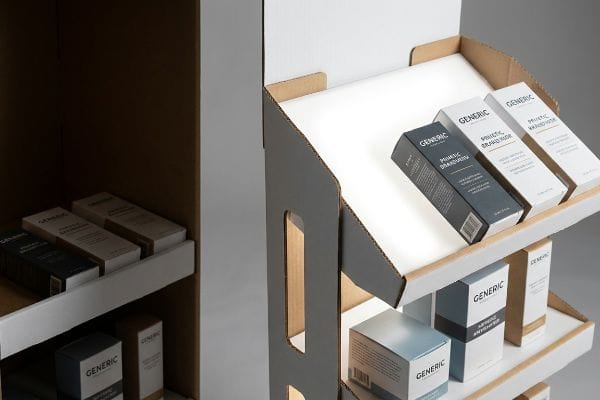
इन तीनों लक्ष्यों को हासिल करना आसान लगता है, लेकिन संरचनात्मक छाया और गहरी अलमारियां अक्सर क्रियान्वयन को बिगाड़ देती हैं।.
दृश्यता का निर्माण और छायाओं का उन्मूलन
ब्रांड मैनेजर अक्सर डिस्प्ले के बाहरी डिज़ाइन पर ही ज़्यादा ध्यान देते हैं, अंदर की शेल्फ की स्थिति को नज़रअंदाज़ कर देते हैं। वे मान लेते हैं कि स्टोर की सामान्य रोशनी कई स्तरों वाले कार्डबोर्ड यूनिट में आसानी से प्रवेश कर जाएगी। इस लापरवाही के कारण अक्सर नीचे की शेल्फें अंधेरी और बेढंगी गुफाओं जैसी बन जाती हैं, जिनमें असल सामान छिपा रहता है।.
यह एक आम समस्या है जो निचले स्तर के सामान पर निवेश पर प्रतिफल (ROI) को पूरी तरह से खत्म कर देती है। मैं नियमित रूप से उन इकाइयों का निरीक्षण करता हूँ जहाँ गहरी ऊपरी शेल्फ नीचे रखे सामान पर भारी छाया डालती है, जिससे तेज फ्लोरोसेंट रोशनी में सामान लगभग अदृश्य हो जाता है। इसका मेरा तात्कालिक समाधान है 15 डिग्री के कोण पर झुकी हुई शेल्फ लगाना और उसके साथ चमकदार सफेद आंतरिक लाइनर लगाना। आप सफेद लिथो-लेमिनेशन की कठोर, चमकदार सतह को महसूस कर सकते हैं क्योंकि यह स्टोर की परिवेशी रोशनी को सक्रिय रूप से 'छाया क्षेत्र' में वापस परावर्तित करती है। उत्पाद को ऊपर की ओर झुकाकर और आंतरिक भाग को रोशन करके, हम 85% उत्पाद दृश्यता बहाल करते हैं, जिससे छूटे हुए सामान की संभावना काफी कम हो जाती है।.
| नौसिखियों की आम गलती | प्रो फिक्स | रिटेल-फ्लोर लाभ |
|---|---|---|
| अंधेरे शेल्फ गुहाओं का निर्माण | चमकीले सफेद आंतरिक लाइनर16 | यह स्टोर के आसपास की रोशनी को प्रतिबिंबित करता है। |
| सपाट, गहरी अलमारियाँ स्थापित करना | 15 डिग्री चिन-अप कोण17 | उत्पादों को दृश्यता में लाता है |
| ऊपर से नीचे की ओर आने वाली रोशनी को रोकना | रणनीतिक साइड-विंडो कटआउट18 | निचले स्तरों को रोशन करता है |
मैं अंदर से बाहर की ओर डिजाइन करने का नियम अपनाता हूँ। आंतरिक प्रतिबिंबों और शेल्फ के कोणों को प्रबंधित करके, आप यह सुनिश्चित करते हैं कि इन्वेंट्री की प्रत्येक इकाई को प्रमुखता मिले, जिससे आपके पूरे रिटेल स्टोर की लाभप्रदता अधिकतम हो जाती है।.
🛠️ हार्वे का डेस्क: क्या संरचनात्मक छाया आपके सबसे कम कीमत वाले उत्पादों को ग्राहकों से छिपा रही है? 👉 संरचनात्मक प्रकाश व्यवस्था का ऑडिट करवाएं ↗ — मेरे डेस्क तक सीधी पहुंच। मैं वादा करता हूं, कोई स्वचालित बिक्री संबंधी स्पैम नहीं।
विजुअल मर्चेंडाइजर का उद्देश्य क्या है?
इस भूमिका में रचनात्मक दृष्टिकोण और स्टोर की सख्त नीतियों के बीच संतुलन बनाए रखना आवश्यक है। विजुअल मर्चेंडाइजर का उद्देश्य ब्रांड की कहानी कहने और खुदरा विक्रेता के नियमों का पालन करने के जटिल अंतर्संबंध को सुचारू रूप से संभालना है।.
विजुअल मर्चेंडाइजर का उद्देश्य रणनीतिक रूप से ऐसे रिटेल लेआउट तैयार करना और उन्हें लागू करना है जिससे लाभप्रदता बढ़े और साथ ही बड़े स्टोरों के अनुपालन दिशानिर्देशों का सख्ती से पालन हो। वे रचनात्मक ब्रांड मार्केटिंग और स्टोर की संरचनात्मक वास्तविकताओं के बीच संतुलन बनाते हैं, यह सुनिश्चित करते हैं कि डिस्प्ले सप्लाई चेन में सुरक्षित रहें और फ्लोर स्पेस का अधिकतम उपयोग हो सके।.

एक व्यापारी के लिए सबसे बड़ा दुःस्वप्न खराब डिजाइन नहीं होता; बल्कि एक सुंदर डिजाइन का लोडिंग डॉक पर अस्वीकार हो जाना होता है।.
खुदरा विक्रेताओं के स्टाइल गाइड के साथ तालमेल बिठाना
क्रिएटिव एजेंसियां अक्सर विशाल, जटिल फ्लोर स्ट्रक्चर डिजाइन करती हैं जो 3डी रेंडरिंग में अविश्वसनीय लगते हैं। वे मान लेते हैं कि अगर ब्रांड को डिजाइन पसंद आया, तो स्टोर मैनेजर खुशी-खुशी इसके लिए जगह बना देगा। यह बड़े-बड़े रिटेलरों द्वारा निर्धारित सख्त, अपरिवर्तनीय फुटप्रिंट नियमों की अनदेखी करता है ।
यहां तक कि उच्च वेतन पाने वाली एजेंसियां भी अक्सर इन स्थानों के लिए निर्धारित खुदरा विक्रेताओं के सख्त विनिर्देश डेटाबेस को नज़रअंदाज़ कर देती हैं। एक बार मैंने एक खूबसूरत साइडकिक डिस्प्ले की जिसे खुदरा विक्रेता ने पूरी तरह से अस्वीकार कर दिया था क्योंकि यह मानक चौड़ाई सीमा से केवल दो इंच (50.8 मिमी) अधिक था। मैंने हस्तक्षेप किया और यूनिट को फिर से डिज़ाइन किया ताकि यह आंतरिक 48 इंच (121.9 सेमी) ऊंचाई और 14 इंच (35.5 सेमी) चौड़ाई केसार्वभौमिक मानक का सख्ती से पालन करे। आप सीएनसी (कंप्यूटर न्यूमेरिकल कंट्रोल) ब्लेड की नालीदार बोर्ड को सटीक मानक आयामों में काटने की तेज आवाज सुन सकते थे। डिज़ाइन को वास्तविक खुदरा विक्रेता स्टाइल गाइड से जोड़कर, हमने भारी अस्वीकृति शुल्क से बचा लियाऔर फर्श पर सुचारू रूप से लगाने की गारंटी दी।
| नौसिखियों की आम गलती | प्रो फिक्स | रिटेल-फ्लोर लाभ |
|---|---|---|
| खुदरा आकार सीमा का अनुमान लगाना | सख्त रिटेलर स्पेसिफिकेशन डेटाबेस का उपयोग करना | फर्श की स्वीकृति की गारंटी |
| बड़े आकार के सहायक पात्रों का डिजाइन तैयार करना | 14 इंच (35.5 सेमी) चौड़ाई को लागू करना22 | यह यूनिवर्सल वायर रैक में फिट हो जाता है। |
| स्टोर की ऊंचाई सीमा को अनदेखा करना | अधिकतम लंबाई 48 इंच (121.9 सेमी) है।23 | मैनेजर द्वारा अस्वीकृति को रोकता है |
मैं हर रचनात्मक अवधारणा को स्टोर की भौतिक सीमाओं के अनुरूप ही रखता हूँ। अगर कोई डिज़ाइन खुदरा विक्रेता के नियमों का उल्लंघन करता है, तो वह पूरी तरह से बेकार है; मानक विनिर्देशों का पालन करना ही आपके निवेश की सुरक्षा का एकमात्र तरीका है।.
🛠️ हार्वे का डेस्क: क्या आपकी मौजूदा डाइलाइनें बड़े-बड़े स्टोरों के साइज़िंग नियमों का गुपचुप तरीके से उल्लंघन कर रही हैं? 👉 अपनी स्पेसिफिकेशन्स यहाँ देखें ↗ — सुरक्षित रूप से डाउनलोड करें। बाद में कोई सवाल हो तो मेरा इनबॉक्स खुला है।
विजुअल मर्चेंडाइजिंग का एक उदाहरण क्या है?
व्यावहारिक उदाहरण उद्योग की कठोर सीमाओं को दर्शाते हैं। विज़ुअल मर्चेंडाइजिंग का एक उदाहरण विशिष्ट क्षेत्रों के अनुरूप विशिष्ट डिस्प्ले आर्किटेक्चर तैयार करना है, जैसे कि गलियारों में रखे सामान और चेकआउट काउंटर।.
दृश्य सामग्री प्रबंधन का एक उदाहरण है, अधिक भीड़भाड़ वाले गलियारे में पैलेटयुक्त फ्लोर डिस्प्ले लगाना, और इसके विपरीत चेकआउट काउंटर पर एक कॉम्पैक्ट प्वाइंट-ऑफ-सेल ट्रे का उपयोग करना। इन भौतिक उदाहरणों के लिए सख्त लॉजिस्टिकल लोड सीमाओं और आगे तक पहुंच संबंधी आवश्यकताओं को पूरा करने के लिए पूरी तरह से अलग संरचनात्मक अभियांत्रिकी प्रोटोकॉल की आवश्यकता होती है।.
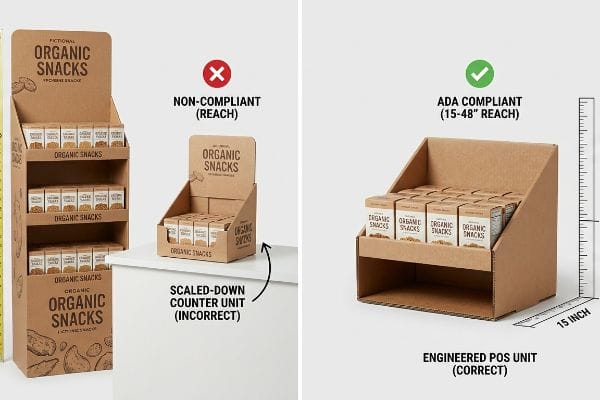
लेकिन जब मशीनें चलना शुरू हो जाती हैं और संरचनात्मक गणित भौतिक वास्तविकता से टकराता है, तो केवल सिद्धांत का ज्ञान होना पर्याप्त नहीं होता है।.
कारखाने में "सिकुड़कर आकार देने" की तकनीक क्यों विफल हो जाती है?
व्यापारिक कंपनियाँ अक्सर एक "स्केलेबल" मर्चेंडाइजिंग डिज़ाइन पेश करती हैं जहाँ एक बड़े फ्लोर डिस्प्ले को काउंटर यूनिट के रूप में उपयोग करने के लिए आसानी से 50% तक छोटा किया जा सकता है। वे मान लेते हैं कि वेक्टर आर्टवर्क और सीएडी लाइनों को बिना किसी परिणाम के समान रूप से छोटा किया जा सकता है। यह इन दो अलग-अलग ज़ोन को निर्धारित करने वाले सख्त कानूनी और लॉजिस्टिकल नियमों की अनदेखी करता है ।
मेरी सुविधा में , मैं प्री-प्रोडक्शन टेस्टिंग के दौरान इस "छोटा करके फिट करने" की धारणा के विनाशकारी परिणाम अक्सर देखता हूँ। जब कोई ग्राहक किसी बड़े फ्लोर बिन को छोटा करके काउंटर पर रख देता है, तो वह अनजाने में ही ADA (अमेरिकन्स विद डिसेबिलिटीज एक्ट) के 15 से 48 इंच (38.1 से 121.9 सेमी) के फॉरवर्ड रीच कंप्लायंस विंडो का उल्लंघन कर देता है। जब मैं टेस्टिंग फ्लोर पर छोटे किए गए स्ट्रक्चर को मापता हूँ, तो आनुपातिक गहराई के कारण ग्राहक के लिए अंदर रखे सामान तक पहुँचना मुश्किल हो जाता है। इसका समाधान है फ्लोर और काउंटर यूनिट्स के लिए इंजीनियरिंग पाइपलाइनों को स्थायी रूप से अलग करना। मैं POS (प्वाइंट ऑफ सेल) डाइलाइन को फिर से बनाता हूँ, जिसमें एक कठोर ई-फ्लूट बोर्ड का उपयोग करता हूँ और गणितीय रूप से गणना किए गए फॉल्स बॉटम के साथ उत्पाद को ADA ज़ोन में पूरी तरह से फिट करता हूँ। इस सख्त स्थानिक ज्यामिति को लागू करके, मैं यह सुनिश्चित करता हूँ कि ग्राहक उन स्टोर मैनेजरों से भारी भरकम चार्जबैक से बच जाए जो नियमों का पालन न करने वाले रजिस्टर यूनिट्स को अस्वीकार कर देते हैं।
| नौसिखियों की आम गलती | प्रो फिक्स | रिटेल-फ्लोर लाभ |
|---|---|---|
| फ्लोर यूनिट्स को छोटा करना | पीओएस और पीओपी इंजीनियरिंग को अलग करना26 | पहुँच अनुपालन विफलता को रोकता है |
| एडीए की पहुंच सीमाओं की अनदेखी करना | 15-48 इंच (38-121 सेमी) की खिड़कियों पर लगाने के लिए उपयुक्त 27 | खुदरा विक्रेताओं द्वारा कानूनी अनुपालन सुनिश्चित करता है |
| गहरे काउंटर बिन बनाना | कठोर नकली तल स्थापित करना | उत्पाद को उंगलियों तक पहुंचाता है |
मैं ग्राहकों को अलग-अलग रिटेल ज़ोन में संरचनात्मक गणित को दोहराने की अनुमति कभी नहीं देता। विशिष्ट स्टोर स्थानों के लिए विशिष्ट आयामों को डिज़ाइन करना ही सख्त अनुपालन ऑडिट से बचने और अपने अभियान को सुरक्षित रूप से जारी रखने का एकमात्र तरीका है।.
🛠️ हार्वे की सलाह: 2 मिलीमीटर की संरचनात्मक खामी को 500 स्टोरों में अपना कारोबार ठप न करने दें। 👉 मुझे अपनी डाइलाइन फ़ाइल भेजें ↗ — बड़े पैमाने पर उत्पादन पर बजट बर्बाद करने से पहले मैं गणितीय गणनाओं की गहन जांच कर लूंगा।
निष्कर्ष
आप चाहें तो सख्त ADA पहुंच मानकों और फ्लोर स्पेस की सीमाओं को नज़रअंदाज़ कर सकते हैं, लेकिन जब गैर-अनुरूप डिस्प्ले स्टोर पर पहुंचेंगे, तो प्रबंधक तुरंत यूनिट्स को अस्वीकार कर देंगे, जिसके परिणामस्वरूप भारी नुकसान होगा और आपका रोलआउट बजट पूरी तरह से बर्बाद हो जाएगा। यह वही स्पेसिफिकेशन शीट है जिसका उपयोग मेरे शीर्ष 10 रिटेल ग्राहक प्रिंट रिजेक्शन को रोकने के लिए करते हैं। रिटेल टॉलरेंस के बारे में अनुमान लगाना बंद करें और मुझे व्यक्तिगत रूप से आपकी फाइलों को मेरे मुफ़्त डाइलाइन ऑडिट ↗ ताकि बड़े पैमाने पर उत्पादन शुरू होने से पहले ही गंभीर संरचनात्मक त्रुटियों का पता चल सके।
"आँखों की ट्रैकिंग का उपयोग करके उपभोक्ता ध्यान और उत्तेजना का आकलन ...", https://pmc.ncbi.nlm.nih.gov/articles/PMC8380820/। [पर्यावरण मनोविज्ञान या खुदरा डिज़ाइन पर एक प्रामाणिक स्रोत यह समझाएगा कि कैसे गैर-रेखीय आकार और 3D संरचनात्मक व्यवधान उपभोक्ता का ध्यान आकर्षित करने के लिए अभ्यस्त स्कैनिंग पैटर्न को तोड़ते हैं]। साक्ष्य की भूमिका: तकनीकी सत्यापन; स्रोत प्रकार: अकादमिक पत्रिका या उद्योग श्वेतपत्र। समर्थन: यह दावा कि व्यवधान उत्पन्न करने के लिए भौतिक संरचना केवल रंग से अधिक प्रभावी है। कार्यक्षेत्र नोट: विशेष रूप से पॉइंट-ऑफ-परचेज़ (POP) डिस्प्ले डिज़ाइन पर लागू होता है। ↩
"ऑनलाइन आवेगपूर्ण खरीदारी को प्रभावित करने वाले कारकों पर एक व्यापक अध्ययन ...", https://pmc.ncbi.nlm.nih.gov/articles/PMC11336989/। [पीयर-रिव्यू किए गए खुदरा मनोविज्ञान अनुसंधान या उद्योग बेंचमार्क दृश्य व्यवधान की गति और आवेगपूर्ण बिक्री में वृद्धि के साथ इसके सहसंबंध पर डेटा प्रदान करते हैं]। साक्ष्य की भूमिका: तकनीकी सत्यापन; स्रोत प्रकार: अकादमिक अध्ययन या उद्योग श्वेतपत्र। समर्थन: यह दावा कि गैर-रेखीय आकार उपभोक्ता के ध्यान को बढ़ाते हैं। कार्यक्षेत्र संबंधी टिप्पणी: प्रभावशीलता स्टोर की रोशनी और यातायात प्रवाह पर निर्भर हो सकती है। ↩
"कस्टम (कंटूर और हेलो) बनाम डाई कट—साइनबोर्डिंग 101 – Signs.com", https://www.signs.com/blog/custom-die-cut-signage-101/?srsltid=AfmBOooOjjTDajrd-Z87G7EqthIIgpizQP62D0-gTMST8CshiZ5HaWef. [पर्यावरण मनोविज्ञान या दृश्य विपणन पर एक प्रामाणिक स्रोत यह समझाएगा कि कैसे गैर-मानक आकार, मानक आयतों की तुलना में अधिक प्रभावी ढंग से ध्यान आकर्षित करने के लिए दृश्य पैटर्न को बाधित करते हैं]। साक्ष्य की भूमिका: तकनीकी सत्यापन; स्रोत का प्रकार: उद्योग अध्ययन। समर्थन: ध्यान आकर्षित करने में कंटूर आकृतियों की प्रभावकारिता। कार्यक्षेत्र संबंधी टिप्पणी: नेत्र-ट्रैकिंग और पैटर्न व्यवधान पर ध्यान केंद्रित। ↩
"आवेगी खरीदारी पर स्थानिक क्रम का प्रभाव: आत्म-बोध द्वारा नियंत्रित", https://pmc.ncbi.nlm.nih.gov/articles/PMC10451481/। [संवेदी विपणन में अनुसंधान बताता है कि कैसे त्रि-आयामी संरचनात्मक तत्व संज्ञानात्मक घर्षण उत्पन्न करते हैं जो द्वि-आयामी दृश्य संकेतों की तुलना में आवेगी खरीदारी की संभावना को बढ़ाते हैं]। साक्ष्य की भूमिका: तथ्यात्मक समर्थन; स्रोत प्रकार: विपणन पत्रिका। समर्थन: त्रि-आयामी व्यवधान और आवेगी खरीदारी के बीच संबंध। कार्यक्षेत्र संबंधी टिप्पणी: विशेष रूप से खरीद के स्थान पर प्रदर्शित वस्तुओं से संबंधित। ↩
"विभेदीकरण के माध्यम से खुदरा प्रतिस्पर्धा में ब्रांड कैसे अलग दिखते हैं", https://www.sutherlandpackaging.com/how-brands-stand-out-in-retail-competition-through-differentiation/। [धारणा के गेस्टाल्ट सिद्धांतों पर किए गए अध्ययन दर्शाते हैं कि कैसे विभिन्न आकार 'समानता के सागर' प्रभाव को रोकते हैं, जिससे सघन खुदरा वातावरण में दृश्य मिश्रण कम होता है]। साक्ष्य की भूमिका: सैद्धांतिक आधार; स्रोत प्रकार: अवधारणात्मक मनोविज्ञान की पाठ्यपुस्तक। समर्थन: आकार भिन्नता के माध्यम से दृश्य मिश्रण की रोकथाम। कार्यक्षेत्र संबंधी टिप्पणी: उच्च घनत्व वाली शेल्फिंग पर लागू होता है। ↩
"रिटेल स्टोर हीट मैप आधारित स्टोर लेआउट अनुकूलन - माइलसाइट", https://www.milesight.com/iot/solution/retail-store-heat-map-optimize-store-layout। [उपभोक्ता एर्गोनॉमिक्स और आई-ट्रैकिंग पर किए गए प्रामाणिक अध्ययनों से पता चलता है कि मानव शरीर रचना के आधार पर उत्पाद की दृश्यता और परस्पर क्रिया को अधिकतम करने वाले विशिष्ट ऊँचाई क्षेत्र कौन से हैं]। साक्ष्य की भूमिका: तकनीकी सत्यापन; स्रोत प्रकार: एर्गोनॉमिक अध्ययन। समर्थन: यह दावा कि मानक शेल्फ रिक्ति मानव ब्राउज़िंग व्यवहार की अनदेखी करती है। स्कोप नोट: भौतिक ऊँचाई और दृष्टि रेखा पर केंद्रित। ↩
"खुदरा विक्रेता उत्पादों को आंखों के स्तर पर क्यों रखते हैं? – पॉपडिस्प्ले", https://popdisplay.me/why-do-retailers-place-products-at-eye-level/। [प्लानोग्राम डिज़ाइन और उपभोक्ता एर्गोनॉमिक्स के लिए उद्योग मानक औसत वयस्क के लिए 'स्ट्राइक ज़ोन' या आंखों के स्तर की शेल्फ ऊंचाई को परिभाषित करते हैं]। साक्ष्य भूमिका: तकनीकी विनिर्देश; स्रोत प्रकार: खुदरा उद्योग मैनुअल। समर्थन: अधिकतम उत्पाद दृश्यता के लिए विशिष्ट ऊंचाई अनुकूलन। स्कोप नोट: आदर्श ऊंचाई क्षेत्रीय जनसांख्यिकीय औसत के आधार पर भिन्न हो सकती है। ↩
"विक्रय पर स्थान का प्रभाव: आँखों के स्तर पर, ऊपरी शेल्फ पर, मध्य में... – लिंक्डइन", https://www.linkedin.com/posts/priyal-thacker_theres-a-reason-why-retailers-call-it-eye-level-activity-7371786872718708736-i3HU। [उपभोक्ता व्यवहार अध्ययन और खुदरा विश्लेषण, उत्पादों को निचले स्तरों से प्राथमिक दृष्टि रेखाओं पर ले जाने पर बिक्री की गति में वृद्धि पर मात्रात्मक डेटा प्रदान करते हैं]। साक्ष्य की भूमिका: प्रदर्शन मीट्रिक; स्रोत प्रकार: बाजार अनुसंधान अध्ययन। समर्थन: स्थानिक स्थान और बिक्री वृद्धि के बीच सहसंबंध। स्कोप नोट: वास्तविक प्रतिशत वृद्धि उत्पाद श्रेणी के अनुसार भिन्न होती है। ↩
"प्रभावी प्रदर्शन और ग्राहक प्रवाह के लिए खुदरा परिसर डिजाइन", https://www.business.qld.gov.au/industries/manufacturing-retail/retail-wholesale/retail-displays। [खुदरा शेल्फिंग के लिए उद्योग मानक वयस्क उपभोक्ताओं के लिए प्राथमिक केंद्र बिंदु के रूप में 54 इंच के निशान को निर्दिष्ट करते हैं]। साक्ष्य भूमिका: तकनीकी विनिर्देश; स्रोत प्रकार: खुदरा प्रबंधन गाइड। समर्थन: प्रीमियम SKU प्लेसमेंट के लिए इष्टतम ऊंचाई। स्कोप नोट: औसत मानव ऊंचाई जनसांख्यिकी पर आधारित। ↩
"[PDF] खुदरा किराना पैकेजिंग का आई-ट्रैकिंग बेंचमार्क", https://repository.rit.edu/cgi/viewcontent.cgi?article=1223&context=japr. [आई-ट्रैकिंग डेटा और हीट मैप विश्लेषण से पता चलता है कि उपभोक्ता खुदरा शेल्फ के कुछ खास दृश्य क्षेत्रों पर दूसरों की तुलना में अधिक ध्यान केंद्रित करते हैं]। साक्ष्य की भूमिका: अनुभवजन्य साक्ष्य; स्रोत प्रकार: उपभोक्ता व्यवहार अध्ययन। समर्थन: उत्पाद रिक्ति का रणनीतिक वितरण। कार्यक्षेत्र संबंधी टिप्पणी: उच्च-यातायात वाले खुदरा वातावरणों पर लागू। ↩
"सामग्री प्रबंधन में एर्गोनॉमिक हस्तक्षेपों की प्रभावशीलता ...", https://pmc.ncbi.nlm.nih.gov/articles/PMC8669597/। [खरीदारी व्यवहार पर किए गए एर्गोनॉमिक अध्ययनों से यह प्रमाण मिलता है कि बार-बार झुकने को कम करने से ठहरने का समय बढ़ता है और शारीरिक घर्षण कम होता है]। प्रमाण की भूमिका: व्यवहार संबंधी प्रमाण; स्रोत प्रकार: एर्गोनॉमिक अध्ययन। समर्थन: ऊर्ध्वाधर इन्वेंट्री वितरण का लाभ। कार्यक्षेत्र संबंधी टिप्पणी: विशेष रूप से निचले स्तर की पहुंच से संबंधित। ↩
"एफएमसीजी (फास्ट मूविंग कंज्यूमर गुड्स) क्या है? 2024 गाइड", https://www.appinio.com/en/blog/market-research/fmcg-fast-moving-consumer-goods। [खुदरा संचालन साहित्य और एफएमसीजी लॉजिस्टिक्स अध्ययन बताते हैं कि उच्च बिक्री दर के कारण शेल्फ पर सामान की कमी को रोकने और दृश्य मानकों को बनाए रखने के लिए स्वचालित या गुरुत्वाकर्षण-आधारित प्रणालियों की आवश्यकता क्यों होती है]। साक्ष्य की भूमिका: परिचालन सत्यापन; स्रोत प्रकार: खुदरा प्रबंधन पाठ्यपुस्तक। समर्थन: उच्च गति वाले वातावरण में स्थिर प्रदर्शनों की अपर्याप्तता। कार्यक्षेत्र संबंधी टिप्पणी: विशेष रूप से उच्च बिक्री दर वाले फास्ट-मूविंग कंज्यूमर गुड्स पर लागू होता है। ↩
"गुरुत्वाकर्षण कन्वेयर के इष्टतम प्रदर्शन के लिए ढलान और भार का उपयोग", https://www.sjf.com/blog/utilizing-slope-and-load-for-optimal-gravity-conveyor-performance?srsltid=AfmBOoo3GvN8RxMmuBYkZ4ZFiLFusOOEUY24UoxnFBDUmvPD7reL7Wdy। [एक तकनीकी इंजीनियरिंग मैनुअल या रिटेल फिक्स्चर विनिर्देश यह सत्यापित करेगा कि क्या गुरुत्वाकर्षण-आधारित प्रणालियों में उत्पाद की निरंतर गति सुनिश्चित करने के लिए 12 से 18 डिग्री का ढलान उद्योग मानक है। साक्ष्य भूमिका: तकनीकी सत्यापन; स्रोत प्रकार: इंजीनियरिंग मैनुअल। समर्थन: गतिज रिटेल फिक्स्चर के लिए विशिष्ट कोणीय आवश्यकता। कार्यक्षेत्र नोट: विशेष रूप से कठोर, छोटे आकार के उत्पादों पर लागू होता है।] ↩
"ग्रेविटी शेल्फ रोलर ट्रैक कैसे काम करते हैं? – प्लास्टिक प्वाइंट-ऑफ-सेल्स", https://nova-day.com/how-do-gravity-shelf-roller-tracks-work/। [खुदरा शेल्फिंग और उत्पाद प्रवाह के लिए उद्योग मानक छोटी वस्तुओं की निरंतर आगे की गति बनाए रखने के लिए आवश्यक सटीक झुकाव निर्दिष्ट करते हैं]। साक्ष्य भूमिका: तकनीकी विनिर्देश; स्रोत प्रकार: खुदरा इंजीनियरिंग गाइड। समर्थन: इष्टतम रैंप झुकाव। कार्यक्षेत्र नोट: उत्पाद के वजन और सामग्री के अनुसार प्रयोज्यता भिन्न होती है। ↩
"आईएमयू-आधारित स्वचालित वाहन फिसलन कोण और अभिवृत्ति अनुमान ...", https://pmc.ncbi.nlm.nih.gov/articles/PMC6515323/। [स्थैतिक घर्षण गुणांक से संबंधित भौतिकी सिद्धांत न्यूनतम कोण निर्धारित करते हैं जिस पर कोई वस्तु गतिरोध को रोकने के लिए फिसलना शुरू करती है]। साक्ष्य भूमिका: तकनीकी आवश्यकता; स्रोत प्रकार: औद्योगिक डिजाइन मैनुअल। सहायक: उत्पाद जाम की रोकथाम। कार्यक्षेत्र संबंधी टिप्पणी: रैंप की सामग्री और उत्पाद पैकेजिंग पर निर्भर। ↩
"वाणिज्यिक स्थानों में दृश्य बोध और मनोदशा पर गर्म/ठंडी सफेद रोशनी का प्रभाव...", https://pmc.ncbi.nlm.nih.gov/articles/PMC8481791/। [वाणिज्यिक स्थानों के लिए प्रकाश अभियांत्रिकी सिद्धांत इस बात की पुष्टि करते हैं कि उच्च परावर्तकता वाली सफेद सतहें परिवेशी प्रकाश को परावर्तित करके छाया को कम करती हैं।] साक्ष्य की भूमिका: तकनीकी सिद्धांत; स्रोत प्रकार: प्रकाश अभियांत्रिकी मार्गदर्शिका। सहायक: उत्पाद दृश्यता। कार्यक्षेत्र संबंधी टिप्पणी: परिवेशी प्रकाश को अधिकतम करने पर केंद्रित। ↩
"शेल्फ दृश्यता का भविष्य: खुदरा विज्ञान और उभरते हुए …", https://www.inuru.com/post/shelf-visibility-future-retail-2030। [खुदरा फिक्स्चर इंजीनियरिंग के लिए उद्योग मानक यह सत्यापित करेंगे कि क्या 15 डिग्री का झुकाव गहरी अलमारियों पर उत्पाद दृश्यता में सुधार के लिए विशिष्ट इष्टतम कोण है]। साक्ष्य भूमिका: तकनीकी विनिर्देश; स्रोत प्रकार: खुदरा डिजाइन मैनुअल। समर्थन: संरचनात्मक पहुंच। कार्यक्षेत्र नोट: गहरी शेल्फ इकाइयों पर लागू। ↩
"खुदरा दुकानों में शेल्फ स्पेस का आयाम निर्धारण और उत्पाद आवंटन", https://www.sciencedirect.com/science/article/pii/S0377221720309061। [वाणिज्यिक फिक्स्चर डिज़ाइन गाइड इस बात का प्रमाण प्रदान करेंगे कि शेल्फिंग में संरचनात्मक कटआउट प्रकाश को निचले स्तरों तक पहुंचने देते हैं, जो अन्यथा ऊपरी शेल्फों द्वारा अवरुद्ध होते हैं]। प्रमाण की भूमिका: संरचनात्मक समाधान; स्रोत प्रकार: वाणिज्यिक डिज़ाइन हैंडबुक। सहायक: निचले स्तरों को रोशन करना। कार्यक्षेत्र संबंधी टिप्पणी: बहु-स्तरीय डिस्प्ले सिस्टम के लिए विशिष्ट। ↩
"बड़े रिटेल स्टोरों का पुन: उपयोग - एचएफएम पत्रिका", https://www.hfmmagazine.com/articles/4027-repurposing-big-box-retail-spaces। [रिटेल उद्योग के अनुपालन नियमावली में आमतौर पर सुरक्षा और यातायात प्रवाह बनाए रखने के लिए ब्रांड डिस्प्ले के लिए सटीक वर्ग फुट और स्थान संबंधी प्रतिबंध परिभाषित होते हैं]। साक्ष्य की भूमिका: तथ्यात्मक सत्यापन; स्रोत प्रकार: रिटेल उद्योग नियमावली। समर्थन: कठोर स्टोर फुटप्रिंट प्रतिबंधों का अस्तित्व। कार्यक्षेत्र संबंधी टिप्पणी: विशिष्ट नियम खुदरा विक्रेता के अनुसार भिन्न होते हैं। ↩
"रिटेल डिस्प्ले के 14 प्रकार | शिकागो, आईएल - वर्थाइमर बॉक्स", https://wertheimerbox.com/types-of-retail-displays/। [प्वाइंट-ऑफ-परचेज़ (पीओपी) फिक्स्चर के लिए उद्योग तकनीकी विनिर्देश इन विशिष्ट आयामों को साइडकिक डिस्प्ले के लिए एक सामान्य मानक के रूप में सत्यापित करेंगे]। साक्ष्य भूमिका: तकनीकी विनिर्देश; स्रोत प्रकार: उद्योग मैनुअल। समर्थन: आयामी अनुपालन मानक। स्कोप नोट: विनिर्देश विभिन्न रिटेल चेन में भिन्न हो सकते हैं। ↩
"रिटेल चार्जबैक कैसे काम करते हैं और आप उनसे कैसे निपट सकते हैं", https://www.weberlogistics.com/blog/california-logistics-blog/how-retail-chargebacks-work-and-what-you-can-do-about-them। [व्यापार नियमावली या खुदरा विक्रेता अनुबंधों में गैर-अनुपालन वाली विपणन सामग्री प्रस्तुत करने पर वित्तीय दंड के रूप में चार्जबैक के उपयोग का दस्तावेजीकरण किया गया होगा]। साक्ष्य की भूमिका: व्यावसायिक प्रथा; स्रोत प्रकार: वाणिज्यिक अनुबंध/उद्योग मार्गदर्शिका। समर्थन: अनुपालन के माध्यम से जोखिम न्यूनीकरण। कार्यक्षेत्र संबंधी टिप्पणी: विशिष्ट दंड राशि खुदरा विक्रेता समझौतों के लिए गोपनीय है]। ↩
"कस्टम कार्डबोर्ड साइडकिक डिस्प्ले, पॉवरविंग ...", https://grandfly.com/cardboard-display/sidekick-powerwing-display/। [खुदरा पॉइंट-ऑफ-परचेज़ फिक्स्चर के लिए तकनीकी विनिर्देश यह सत्यापित करते हैं कि यूनिवर्सल वायर रैक के साथ संगतता के लिए 14 इंच मानक चौड़ाई है]। साक्ष्य भूमिका: तकनीकी विनिर्देश; स्रोत प्रकार: उद्योग फिक्स्चर मैनुअल। समर्थन: साइडकिक डिस्प्ले के लिए आयामी आवश्यकताएँ। स्कोप नोट: मानक विशिष्ट विक्रेता हार्डवेयर के अनुसार भिन्न हो सकता है। ↩
"अध्याय 2: अपने ग्राहकों के लिए डिस्प्ले की ऊंचाई का चयन", https://www.creativedisplaysnow.com/guides/understanding-the-retail-customer/chapter-2-how-to-choose-the-right-display-height-for-your-customers/। [खुदरा विक्रेता शैली मार्गदर्शिकाएँ अक्सर स्टोर की दृश्यता और सुरक्षा अनुपालन बनाए रखने के लिए फर्श डिस्प्ले की अधिकतम ऊंचाई सीमा 48 इंच निर्धारित करती हैं]। साक्ष्य भूमिका: अनुपालन मानक; स्रोत प्रकार: खुदरा शैली मार्गदर्शिका। समर्थन: स्टोर फिक्स्चर के लिए ऊंचाई प्रतिबंध। कार्यक्षेत्र संबंधी टिप्पणी: खुदरा विक्रेता और विशिष्ट स्टोर क्षेत्र के अनुसार भिन्न होता है]। ↩
"7 रिटेल डिस्प्ले स्टाइल जिन पर कंपनियां भरोसा करती हैं", https://www.packagingcorp.com/resource-hub/industry-insights/7-retail-display-styles-companies-rely-on/। [उद्योग सुरक्षा मानक और खुदरा लॉजिस्टिक्स दिशानिर्देश, आग सुरक्षा नियमों और पहुंच के संबंध में फर्श पर रखे जाने वाले डिस्प्ले और बिक्री केंद्र पर रखे जाने वाले यूनिटों के लिए अलग-अलग कानूनी आवश्यकताओं को निर्दिष्ट करेंगे]। साक्ष्य की भूमिका: पुष्टि; स्रोत प्रकार: उद्योग विनियमन मैनुअल। समर्थन: विशिष्ट ज़ोनिंग नियमों का अस्तित्व। कार्यक्षेत्र संबंधी टिप्पणी: नियम क्षेत्राधिकार के अनुसार भिन्न हो सकते हैं। ↩
"अध्याय 3: संचालन योग्य भाग", https://www.access-board.gov/ada/guides/chapter-3-operable-parts/। [आधिकारिक ADA दिशानिर्देश व्हीलचेयर पर बैठे व्यक्तियों के लिए सुगम्यता सुनिश्चित करने हेतु निर्बाध अग्रगामी पहुँच के लिए अधिकतम और न्यूनतम ऊँचाई सीमा निर्दिष्ट करते हैं]। साक्ष्य की भूमिका: तकनीकी विनिर्देश का सत्यापन; स्रोत प्रकार: सरकारी विनियमन। समर्थन: ADA अनुपालन आयाम। कार्यक्षेत्र संबंधी टिप्पणी: अग्रगामी पहुँच सुगम्यता से संबंधित। ↩
"प्रभावी पीओपी डिस्प्ले: प्रकार, लाभ और सर्वोत्तम अभ्यास", https://www.scubefixtures.com/blog/pop-displays-in-retail। [पेशेवर खुदरा डिज़ाइन गाइड प्वाइंट ऑफ़ सेल और प्वाइंट ऑफ़ परचेज़ फिक्स्चर के लिए अलग-अलग संरचनात्मक और प्लेसमेंट आवश्यकताओं की व्याख्या करते हैं]। साक्ष्य भूमिका: उद्योग का सर्वोत्तम अभ्यास; स्रोत प्रकार: पेशेवर मैनुअल। समर्थन: विभिन्न डिस्प्ले ज़ोन के लिए अलग-अलग इंजीनियरिंग पथों की आवश्यकता। स्कोप नोट: खुदरा क्षेत्र के अनुसार भिन्न होता है। ↩
"ADA सुलभ डिज़ाइन के मानक शीर्षक III विनियमन 28 CFR …", https://www.ada.gov/law-and-regs/design-standards/1991-design-standards/। [सुलभ डिज़ाइन के लिए ADA मानकों पर एक आधिकारिक स्रोत सार्वजनिक स्थानों में सुलभ तत्वों के लिए विशिष्ट पहुँच सीमा का सत्यापन करेगा]। साक्ष्य भूमिका: तकनीकी विनिर्देश; स्रोत प्रकार: नियामक मानक। समर्थन: खुदरा विक्रेताओं के लिए कानूनी पहुँच-अनुपालन मेट्रिक्स। कार्यक्षेत्र नोट: मुख्य रूप से अमेरिकी संघीय सुलभता कानूनों पर लागू होता है। ↩