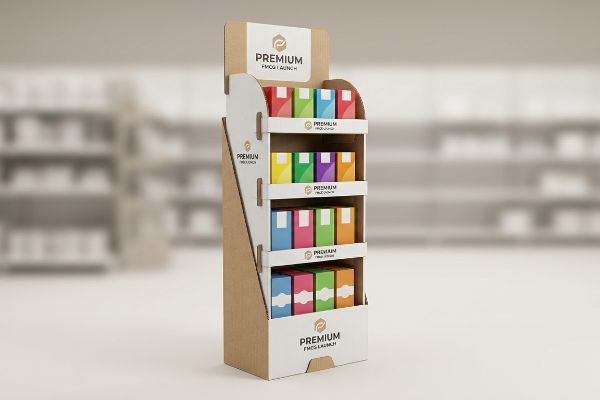
आप महीनों तक किसी उत्पाद को परिपूर्ण बनाने में मेहनत करते हैं, लेकिन अंत में वह भीड़भाड़ वाली निचली शेल्फ पर पड़ा मिलता है। किसी बड़े स्टोर में अपनी पहचान बनाना ही खुदरा व्यापार में सफलता की असली परीक्षा है।.
एफएसडीयू (फ्लोर स्टैंडिंग डिस्प्ले यूनिट) एक स्वतंत्र रूप से खड़ा होने वाला प्रचार उपकरण है जिसका उपयोग खुदरा दुकानों में गलियारों की निरंतरता को तोड़ने और ग्राहकों को तुरंत खरीदारी के लिए प्रेरित करने के लिए किया जाता है। ये स्वतंत्र नालीदार संरचनाएं नए एफएमसीजी (फास्ट-मूविंग कंज्यूमर गुड्स) उत्पादों को प्रभावी ढंग से प्रदर्शित करती हैं, जिससे आपका ब्रांड मानक गोंडोला शेल्फिंग की भीड़भाड़ से अलग दिखता है।.
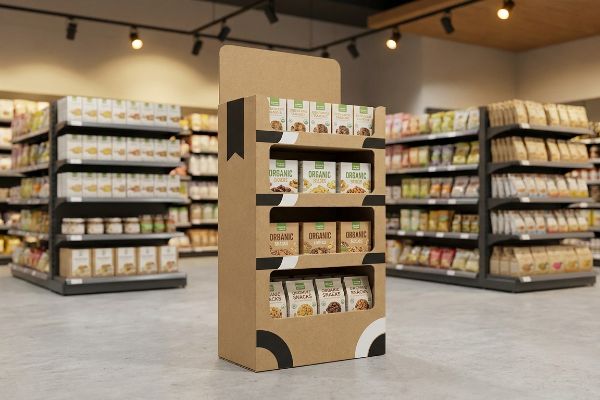
लेकिन परिभाषा को समझना भी तब काम नहीं आएगा जब भारी भीड़भाड़ में खराब ढंग से निर्मित कार्डबोर्ड का आधार ढह जाए। आइए सफल गलियारे व्यवधान के पीछे की कार्यप्रणाली को समझते हैं।.
रिटेल में FSDU क्या है?
रिटेल फ्लोर की कार्यप्रणाली को समझना, गलियारों की दृश्यता में महारत हासिल करने का पहला कदम है।.
रिटेल एफएसडीयू एक रणनीतिक, स्वतंत्र मर्चेंडाइज़र है जो सामान्य स्टोर शेल्फ को पूरी तरह से दरकिनार कर देता है। यह अपनी भौतिक उपस्थिति के माध्यम से ही ग्राहकों का ध्यान आकर्षित करता है, ऊर्ध्वाधर स्थान और उच्च-विपरीत ग्राफिक्स का उपयोग करके ग्राहकों को उनके निर्धारित गंतव्य तक पहुंचने से बहुत पहले ही आकर्षित करता है और उन्हें तुरंत खरीदारी करने के लिए प्रेरित करता है।.
अगर ग्राहक गलियारे में रखे एक विशाल बक्से के पास से सीधे गुजर जाते हैं, तो उसका कोई मतलब नहीं है।.
3-3-3 नियम किस प्रकार FSDU की सफलता को परिभाषित करता है
जूनियर मार्केटिंग टीमें अक्सर अपने फ्लोर यूनिट्स को केवल बैकलिट कंप्यूटर मॉनिटर पर नज़दीकी दृश्य के लिए डिज़ाइन करती हैं। वे मान लेते हैं कि एक बड़ा लोगो और एक साफ़ उत्पाद प्रस्तुति स्वाभाविक रूप से पूरे स्टोर से ग्राहकों को आकर्षित करेगी। यह सपाट, 2डी दृष्टिकोण इस वास्तविकता को नज़रअंदाज़ करता है कि जल्दबाज़ी में खरीदारी करने वाले ग्राहक विशाल गोदामों के गलियारों में कैसे घूमते हैं ।
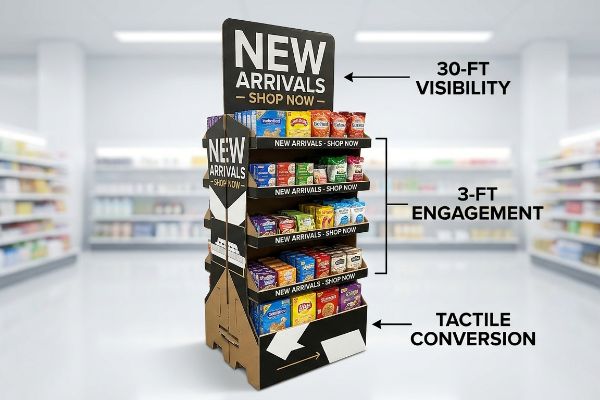
मैंने अक्सर देखा है कि अनुभवी ब्रांड मैनेजर भी इस जाल में फंस जाते हैं। वे साइड पैनल पर पैराग्राफ भर लंबी-लंबी ब्रांड कहानियां छाप देते हैं, और उम्मीद करते हैं कि लोग रुककर उन्हें पढ़ेंगे। असल में, आपको 3-3-3 स्थानिक जुड़ाव नियम2: तीस फीट की दूरी से दृश्य रूप से ध्यान भटकाएं, तीन फीट की दूरी पर उनकी विशेष रुचि जगाएं, और तीन इंच (76 मिमी) की दूरी पर स्पर्श के माध्यम से उन्हें आकर्षित करें।
जब मैं किसी खरीदार को खराब ढंग से डिज़ाइन किए गए यूनिट के पास से गुजरते हुए देखता हूँ, तो मुझे सचमुच उनकी गाड़ी के पहियों की चरमराहट सुनाई देती है जो कभी धीमी नहीं होती क्योंकि डिस्प्ले में 30 फुट का संरचनात्मक हुक नहीं होता। आपको पहले दृष्टि रेखा को तोड़ने के लिए आक्रामक डाई-कट हेडर को इंजीनियर करना होगा, फिर अपने सबसे भारी दृश्य तत्वों को उस 50 इंच (1270 मिमी) स्ट्राइक ज़ोन3।
| नौसिखियों की आम गलती | प्रो फिक्स | रिटेल-फ्लोर लाभ |
|---|---|---|
| साइड पैनल पर सघन पाठ | विशाल डाई-कट हेडर | 30 फीट की दूरी से भी ध्यान आकर्षित करता है4 |
| कम उत्पाद प्लेसमेंट | एसकेयू को 50-इंच स्ट्राइक ज़ोन5 | 3 फुट की सहभागिता बढ़ाता है |
| उच्च प्रतिधारण होंठ | सामने के किनारे को 85% दृश्यता तक काटें6 | घर्षण रहित स्पर्शनीय रूपांतरण |
मैं अपने FSDU को इस स्थानिक निरंतरता को संतुष्ट करने के लिए सख्ती से डिज़ाइन करता हूँ। यदि आपकी भौतिक संरचना तीस फीट दूर से ही किसी ग्राहक का ध्यान आकर्षित नहीं करती है, तो वह महंगी इकाई महज़ एक महंगा वॉलपेपर है।
🛠️ हार्वे का डेस्क: क्या आपको यकीन नहीं है कि आपके हेडर ग्राफ़िक्स तीस फीट की दूरी से पढ़े जा सकते हैं? 👉 मुफ़्त 3D स्थानिक रेंडर प्राप्त करें ↗ — मेरे डेस्क तक सीधी पहुँच। मैं वादा करता हूँ, कोई स्वचालित बिक्री स्पैम नहीं होगा।
रिटेल के 5 P क्या हैं?
अगर कोई बॉक्स सुंदर दिखता है लेकिन उससे स्टोर की लॉजिस्टिक्स व्यवस्था बिगड़ जाती है, तो उसे डिजाइन करने का कोई फायदा नहीं है।.
रिटेल के 5 P में उत्पाद, मूल्य, स्थान, प्रचार और लोग शामिल हैं। यह रणनीतिक व्यावसायिक ढांचा यह निर्धारित करता है कि व्यापारी बाजार में वस्तुओं को कैसे प्रस्तुत करते हैं, यह सुनिश्चित करते हुए कि प्रत्येक अभियान लक्षित उपभोक्ता व्यवहार, स्टोर लॉजिस्टिक्स और चुने गए बड़े स्टोर के विशिष्ट प्रचार तंत्र के साथ पूरी तरह से मेल खाता हो।.
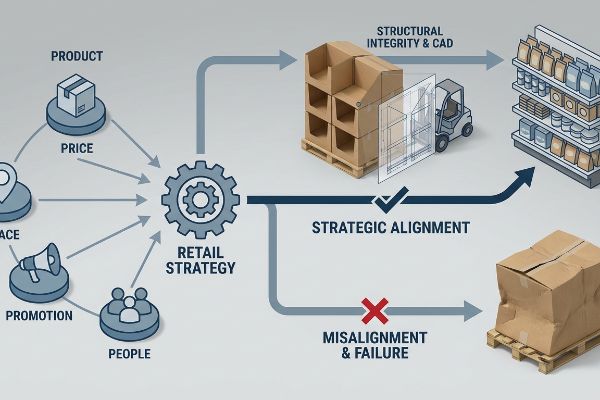
इन शब्दों को जानना मददगार होता है, लेकिन इन्हें भौतिक नालीदार संरचना में एकीकृत करना ही वह जगह है जहां ब्रांड आमतौर पर लड़खड़ा जाते हैं।.
भौतिक व्यापार के साथ 5 P's का संरेखण
कई उभरते ब्रांड बड़े रिटेल स्टोर के बुनियादी तौर-तरीकों को समझे बिना ही भौतिक उत्पाद प्रदर्शन शुरू करने का प्रयास करते हैं। वे मान लेते हैं कि एक बेहतरीन उत्पाद अपने आप बिक जाएगा और इस बात को पूरी तरह से अनदेखा कर देते हैं कि उनका चुना हुआ रिटेलर 5 P's के ढांचे के तहत कैसे काम करता है। यह असंगति अनिवार्य रूप से आपूर्ति श्रृंखला में रुकावट पैदा करती है ।
मुझे अक्सर यह सवाल सुनने को मिलता है कि कुछ खास क्लब स्टोर मानक डिस्प्ले को क्यों अस्वीकार करते हैं। इसका जवाब हमेशा "स्थान" और "प्रचार" के तालमेल से जुड़ा होता है। खरीदार अक्सर एक शांत फार्मेसी के लिए डिज़ाइन किया गया एक सुंदर, हल्का यूनिट बनाते हैं , फिर उसे किसी भीड़भाड़ वाले वेयरहाउस क्लब में बेचने की कोशिश करते हैं।
मुझे खुद ऐसे शिपमेंट रोकने पड़े हैं जिनमें ब्रांड ने भारी पेय पदार्थों की ढुलाई के लिए पतले बी-फ्लूट बोर्ड 8 का इस्तेमाल किया था ; जैसे ही फोर्कलिफ्ट ने उसे नीचे उतारा, नीचे की परत के टूटने की भयानक आवाज़ सुनाई दी। आपको अपनी पैकेजिंग को स्टोर के परिचालन मॉडल के साथ व्यवस्थित रूप से मिलाना होगा, अन्यथा वे डॉक पर ही आपके शिपमेंट को अस्वीकार कर देंगे।
| नौसिखियों की आम गलती | प्रो फिक्स | रिटेल-फ्लोर लाभ |
|---|---|---|
| स्टोर लॉजिस्टिक्स को अनदेखा करना | यूनिट को विशिष्ट खुदरा वर्ग से मिलाएं9 | डॉक रिजेक्शन प्राप्त होने से रोकता है |
| कमजोर सब्सट्रेट का उपयोग करना | बोर्ड के ग्रेड को पेलोड के साथ संरेखित करें10 | कुचले हुए निचले स्तरों को हटाता है |
| सामान्य पिच डिज़ाइन | 5 P को सीधे CAD में मैप करें11 | प्रीमियम गलियारे की जगह सुरक्षित करता है |
मेरी मशीनों द्वारा सैंपल काटने से पहले मुझे रिटेल फ्रेमवर्क का सटीक संरेखण आवश्यक है। यदि आपका भौतिक सीएडी (कंप्यूटर-एडेड डिज़ाइन) ढांचा रिटेलर की विशिष्ट रणनीति से मेल नहीं खाता है, तो यह आर्थिक रूप से विफल हो जाएगा।.
🛠️ हार्वे का डेस्क: क्या आपके डिस्प्ले को रिसीविंग डॉक पर लगातार अनुपालन संबंधी समस्याओं के लिए चिह्नित किया जा रहा है? 👉 पूरी अनुपालन मैट्रिक्स पढ़ें ↗ — सुरक्षित रूप से डाउनलोड करें। बाद में कोई प्रश्न होने पर मेरा इनबॉक्स खुला है।
विजुअल मर्चेंडाइजिंग के 5 सबसे महत्वपूर्ण तत्व कौन से हैं?
गत्ते की ट्रे पर सामान व्यवस्थित करने के लिए केवल बुनियादी ज्यामिति से कहीं अधिक ज्ञान की आवश्यकता होती है।
दृश्य विपणन के सबसे महत्वपूर्ण तत्वों में लेआउट विषमता, रंग विरोधाभास, उत्पाद घनत्व, संरचनात्मक प्रकाश व्यवस्था और केंद्रबिंदु शामिल हैं। सही ढंग से तैयार किए जाने पर, ये घटक खरीदार की नज़र को सक्रिय रूप से निर्देशित करते हैं, जिससे मनोवैज्ञानिक तनाव पैदा होता है जो डिस्प्ले को अव्यवस्थित पृष्ठभूमि में घुलमिल जाने देने के बजाय, ग्राहक को आकर्षित करता है।.

एक बिल्कुल सममित शेल्फ देखने में स्प्रेडशीट पर तो अच्छा लग सकता है, लेकिन बिक्री के दौरान यह एक आपदा साबित होता है।.
उत्पाद लेआउट में 3-5-7 विषमता नियम
जूनियर डिज़ाइनर अक्सर उत्पादों की घनी, पूरी तरह से सममित ग्रिड को एक ही डिस्प्ले शेल्फ पर फ्लैट-पैक करने का प्रयास करते हैं। वे स्वाभाविक रूप से मानते हैं कि SKU संख्या को अधिकतम करने से प्रति वर्ग इंच बिक्री की मात्रा अधिक होती है। दुर्भाग्य से, यह सब कुछ या कुछ नहीं वाली पैकिंग रणनीति गंभीर दृश्य संज्ञानात्मक अधिभार12।
इसे एक भीड़भाड़ वाली मेट्रो ट्रेन की तरह सोचें; जब लोग कंधे से कंधा मिलाकर ठूंस दिए जाते हैं, तो कोई भी व्यक्ति अलग नहीं दिखता। जब आप 50 एक जैसी बोतलों को बिना किसी गैप के एक ट्रे पर ठूंस देते हैं, तो मानव आँख बस उस पर से एकटक गुजर जाती है13।
भौतिक घर्षण भी एक बुरा सपना है। मैंने एक जल्दबाज़ी में काम करने वाले लड़के को एक थोड़ी बड़ी शैम्पू की बोतल को एक बिल्कुल समतल ग्रिड में जबरदस्ती फिट करने की कोशिश करते देखा; वर्जिन क्राफ्ट बोर्ड का कड़ा प्रतिरोध इतना ज़्यादा था कि उसने पूरी सामने वाली पट्टी को ही फाड़ दिया। एक सामान्य नियम के तौर पर, "3-5-7 नियम14" का इस्तेमाल करें। मैं वस्तुओं को तीन, पाँच या सात के असममित समूहों में बाँटने के लिए विशेष मॉड्यूलर डिवाइडर डिज़ाइन करता हूँ, जिसमें 0.25 इंच (6.35 मिमी) का भौतिक क्लीयरेंस मार्जिन15।
| नौसिखियों की आम गलती | प्रो फिक्स | रिटेल-फ्लोर लाभ |
|---|---|---|
| फ्लश 1:1 टाइट पैकिंग | 0.25 इंच का क्लीयरेंस गैप जोड़ें16 | फटे हुए कार्डबोर्ड के किनारों को रोकता है |
| सममित सम ग्रिड | विषम संख्याओं के समूह बनाएं (3, 5, 7)17 | दृश्य खरीदारी तनाव पैदा करता है |
| अलमारियों को ओवरलोड करना | फ्लोटिंग मॉड्यूलर डिवाइडर का उपयोग करें18 | दैनिक पुनःपूर्ति प्रक्रिया को गति देता है |
मैं स्वीकृत प्रत्येक संरचनात्मक फ़ाइल में असममित रिक्ति अनिवार्य करता हूँ। यह गणितीय रिक्ति मनोवैज्ञानिक रुचि पैदा करती है और साथ ही स्टोर में सामान भरते समय कागज़ फटने की समस्या को पूरी तरह से समाप्त कर देती है।.
🛠️ हार्वेज़ डेस्क: क्या आपके मौजूदा डिस्प्ले के फ्रंट पैनल स्टोर में आने के एक हफ्ते बाद ही फट गए हैं? 👉 मॉड्यूलर लेआउट रिव्यू का अनुरोध करें ↗ — कोई फॉर्म नहीं जो बार-बार सेल्स कॉल को बढ़ावा दें। बस शुद्ध मूल्य।
विजुअल मर्चेंडाइजिंग के 4 P क्या हैं?
दृश्य रणनीति के चार स्तंभों को क्रियान्वित करने के लिए सिद्धांत और विनिर्माण भौतिकी के बीच संतुलन बनाए रखना आवश्यक है।.
विज़ुअल मर्चेंडाइजिंग के 4 P आमतौर पर व्यापक रिटेल रणनीति को दर्शाते हैं: उत्पाद प्रस्तुति, प्लेसमेंट ऑप्टिमाइज़ेशन, प्रमोशनल साइनेज और प्राइसिंग विज़िबिलिटी। भौतिक डिस्प्ले में इन चार तत्वों पर महारत हासिल करने से यह सुनिश्चित होता है कि आपका अभियान प्रभावी ढंग से संदेश पहुंचाए और निष्क्रिय ग्राहकों को मापने योग्य खरीदारी में परिवर्तित करे।.
लेकिन जब मशीनें चलने लगती हैं और खरीद विभाग इसमें शामिल हो जाते हैं, तो केवल सिद्धांत जानना ही पर्याप्त नहीं होता।.
कारखाने में मानक उत्पाद-व्यापार रणनीति विफल क्यों हो जाती है?
ब्रांड टीमें अक्सर ऐसे पैकेजिंग फ्रेमवर्क पर निर्भर करती हैं जो संचार और अवधारणा पर ज़ोर देते हैं, यह मानते हुए कि भौतिक संरचना स्वाभाविक रूप से उनके दृष्टिकोण का समर्थन करेगी। फिर खरीद विभाग प्रति यूनिट लागत पर विशेष ध्यान देते हैं और उस पर पूरी तरह से केंद्रित हो जाते हैं, कुछ पैसे बचाने के लिए ग्रेड 19 के स्ट्रक्चरल बोर्ड में भारी कटौती करते हैं । इससे मार्केटिंग के सपनों और भौतिक सीमाओं के बीच एक घातक असंतुलन पैदा हो जाता है।
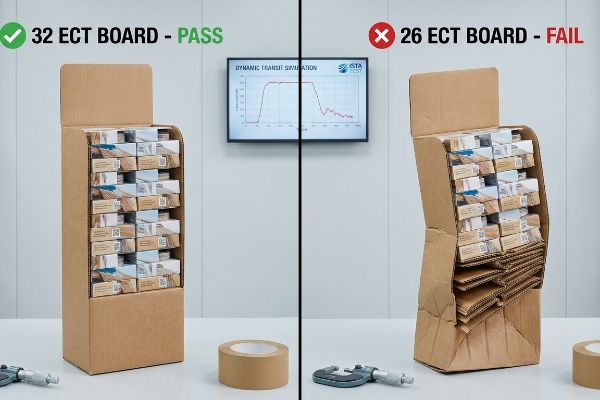
मेरी सुविधा में, मैं लागत को लेकर इस संकीर्ण सोच के विनाशकारी परिणाम नियमित रूप से देखता हूँ। एक ग्राहक अपने संचार लक्ष्यों को पूरा करने के लिए एक विशाल, सुंदर प्रचार हेडर की मांग करेगा, लेकिन फिर चुपके से आधार सामग्री को मजबूत 32ECT बोर्ड से बदलकर एक कमजोर 26ECT विकल्प20। मेरे पूर्व-उत्पादन ISTA (अंतर्राष्ट्रीय सुरक्षित पारगमन संघ) गतिशील पारगमन सिमुलेशन21, मैंने एक 85 पाउंड (38.5 किलोग्राम) डिस्प्ले को नियमित कंपन परीक्षण के दौरान अपने निचले खांचे को पूरी तरह से टूटते हुए देखा, जिससे पूरी संरचना 15 डिग्री झुक गई।
सस्ता बोर्ड गतिज अपरूपण बल को सहन नहीं कर सका। मैंने माइक्रोमीटर रीडिंग निकाली और साबित किया कि हमें भारी प्लास्टिक ब्रैकेट लगाकर ज़रूरत से ज़्यादा इंजीनियरिंग करने की ज़रूरत नहीं थी; हमें बस मूल 32 ECT (एज क्रश टेस्ट) मानक22 को और सहनशीलता को स्थिर करना था। इस सख्त सामग्री मानक को लागू करके, मैं समुद्री परिवहन के दौरान होने वाले विनाशकारी नुकसान को रोकता हूँ, जिससे ग्राहकों को खुदरा विक्रेताओं द्वारा भारी भरकम शुल्क वापस लेने और पूरे अभियान की विफलता से बचाया जा सकता है।
| नौसिखियों की आम गलती | प्रो फिक्स | रिटेल-फ्लोर लाभ |
|---|---|---|
| ईटीसी ग्रेड को डाउनग्रेड करना | लॉक वर्जिन 32ईसीटी बेसलाइन23 | भारी पैलेट स्टैकिंग को झेल सकता है |
| केवल लागत को लेकर जुनूनी होना | रसद के साथ संतुलन संरचना | अभियान की पूर्ण विफलता को टालता है |
| गतिज पारगमन अपरूपण 24 को अनदेखा करते हुए | गतिशील कंपन परीक्षण चलाएँ 25 | सुरक्षित डिलीवरी की गारंटी |
मैं दिखावटी प्रिंटिंग के लिए संरचनात्मक भौतिकी से समझौता करने से इनकार करता हूँ। टूटा-फूटा डिस्प्ले कुछ भी नहीं बताता, इसीलिए मैं बड़े पैमाने पर उत्पादन शुरू होने से पहले एक एकीकृत मूल्यांकन अनिवार्य करता हूँ।.
🛠️ हार्वे का डेस्क: क्या आपको अपने मौजूदा कार्डबोर्ड डिस्प्ले की सटीक डायनामिक क्रश लिमिट पता है, जिसके बाद वह गलियारे में झुक जाता है? 👉 मुझे अपनी डाइलाइन फ़ाइल भेजें ↗ — बड़े पैमाने पर उत्पादन पर बजट बर्बाद करने से पहले मैं गणितीय गणना करके देख लूँगा।
निष्कर्ष
आप सस्ता विक्रेता चुन सकते हैं, लेकिन जब वह घटिया 26ECT बोर्ड कंपन परीक्षण के दौरान टूट जाता है, जिससे आधार में गंभीर उभार आ जाता है और खुदरा विक्रेता तुरंत अस्वीकृति कर देता है, तो आपका पूरा प्रचार बजट बर्बाद हो जाता है। यह वही सटीक स्पेसिफिकेशन शीट है जिसका उपयोग मेरे शीर्ष 10 खुदरा ग्राहक प्रिंट अस्वीकृति को रोकने के लिए करते हैं। बोर्ड की मजबूती के अनुमान लगाना बंद करें और मुझे व्यक्तिगत रूप से अपनी फ़ाइलों को मेरे मुफ़्त डाइलाइन ऑडिट ↗ ताकि बड़े पैमाने पर उत्पादन शुरू होने से पहले ही गंभीर संरचनात्मक त्रुटियों का पता चल सके।
"आँखों की गति का उपयोग करके उपभोक्ता ध्यान और उत्तेजना का आकलन ...", https://pmc.ncbi.nlm.nih.gov/articles/PMC8380820/। खुदरा पर्यावरण मनोविज्ञान और हीटमैपिंग पर किए गए शोध में बड़े आकार के स्टोरों में खरीदारों के आवागमन पथ और दृश्य ध्यान का विश्लेषण किया गया है। साक्ष्य की भूमिका: तकनीकी सत्यापन; स्रोत प्रकार: व्यवहारिक शोध अध्ययन। समर्थन: यह दावा कि स्थानिक नेविगेशन पैटर्न डिस्प्ले की दृश्यता की प्रभावशीलता को प्रभावित करते हैं। कार्यक्षेत्र संबंधी टिप्पणी: बड़े-बड़े रिटेल स्टोरों और गोदामों के लेआउट पर केंद्रित। ↩
"विषय 120-3-3 नियम एवं विनियम … – GA R&R", https://rules.sos.ga.gov/gac/120-3-3। खुदरा डिस्प्ले डिज़ाइन में ग्राहक सहभागिता को अनुकूलित करने के लिए उपयोग किए जाने वाले 3-3-3 स्थानिक सहभागिता ढांचे का सत्यापन। साक्ष्य भूमिका: तकनीकी परिभाषा; स्रोत प्रकार: खुदरा विपणन उद्योग मानक। समर्थन: दृश्य और स्पर्शनीय ग्राहक सहभागिता के लिए विशिष्ट दूरी मेट्रिक्स। कार्यक्षेत्र संबंधी टिप्पणी: FSDU और पॉइंट-ऑफ-परचेज़ डिस्प्ले पर लागू। ↩
"विज़ुअल मर्चेंडाइजिंग की मूल बातें - मौववर्क्स", https://www.mauveworx.com/blog/the-basics-of-visual-merchandising। रिटेल डिस्प्ले डिज़ाइन में विज़ुअल इम्पैक्ट ज़ोन के लिए उद्योग मानक ऊंचाई मापों का सत्यापन। साक्ष्य की भूमिका: तकनीकी सत्यापन; स्रोत प्रकार: रिटेल डिज़ाइन दिशानिर्देश। समर्थन: उच्च दृश्यता वाले एसेट प्लेसमेंट के लिए विशिष्ट माप। कार्यक्षेत्र संबंधी टिप्पणी: सामान्य औसत नेत्र-स्तर माप। ↩
"विनाइल बैनर साइज़ गाइड – सही आयाम चुनें – Pop49", https://pop49.com/vinyl-banner-size-guide/। एक आधिकारिक बाहरी स्रोत इस दावे का समर्थन कैसे करता है, इसका संक्षिप्त विवरण। साक्ष्य की भूमिका: सत्यापन; स्रोत का प्रकार: खुदरा विपणन गाइड। समर्थन: बड़े डाई-कट हेडर की दृश्यता दूरी। कार्यक्षेत्र संबंधी टिप्पणी: सामान्य खुदरा वातावरण। ↩
"खुदरा शेल्फ पर क्षेत्र के अनुसार विशिष्ट उत्पाद प्लेसमेंट और इसका प्रभाव ...", https://www.bpc.works/en/news/typical-product-placement-by-zone-on-the-retail-shelf-and-its-impact-on-packaging-design/। एक आधिकारिक बाहरी स्रोत इस दावे का समर्थन कैसे करता है, इसका संक्षिप्त विवरण। साक्ष्य की भूमिका: तकनीकी सत्यापन; स्रोत का प्रकार: खुदरा एर्गोनॉमिक्स अध्ययन। समर्थन: वयस्क की आंखों के स्तर के लिए इष्टतम उत्पाद प्लेसमेंट ऊंचाई। कार्यक्षेत्र संबंधी टिप्पणी: मानक खुदरा गलियारे की गतिशीलता। ↩
"होंठों की सीमा की हलचल के माध्यम से दंत मसूढ़ों का प्रदर्शन", https://pubmed.ncbi.nlm.nih.gov/34030890/। एक आधिकारिक बाहरी स्रोत इस दावे का समर्थन कैसे करता है, इसका संक्षिप्त विवरण। साक्ष्य की भूमिका: उद्योग मानक सत्यापन; स्रोत का प्रकार: खरीद बिंदु डिज़ाइन मैनुअल। समर्थन: फर्श पर प्रदर्शित उत्पादों की पहुंच के लिए दृश्यता अनुपात। कार्यक्षेत्र संबंधी टिप्पणी: खुदरा शेल्फ डिज़ाइन। ↩
"रिटेल रिटर्न मैनेजमेंट स्ट्रैटेजी: एन अलाइनमेंट पर्सपेक्टिव", https://www.sciencedirect.com/science/article/pii/S2444569X23001166। एक उद्योग विश्लेषण या लॉजिस्टिक्स केस स्टडी, रिटेल फ्रेमवर्क के खराब रणनीतिक संरेखण और बिग-बॉक्स लॉजिस्टिक्स में परिचालन विफलताओं के बीच सहसंबंध का प्रमाण प्रदान करेगी। प्रमाण की भूमिका: कारण संबंध; स्रोत प्रकार: उद्योग विश्लेषण। समर्थन करता है: इस दावे का कि 5 P's फ्रेमवर्क की अनदेखी आपूर्ति श्रृंखला संबंधी समस्याओं का कारण बनती है। स्कोप नोट: भौतिक रिटेल वातावरण के लिए विशिष्ट। ↩
"कॉरुगेटेड बॉक्स फ्लूट के प्रकारों की व्याख्या: A, B, C, E और F", https://www.onyxpackaging.com/blog/corrugated-box-flute-types.php। कॉरुगेटेड फ्लूट के आकारों पर तकनीकी विनिर्देश यह सत्यापित करते हैं कि भारी भार वहन करने वाले खुदरा डिस्प्ले के लिए B-फ्लूट, C-फ्लूट या डबल-वॉल विकल्पों की तुलना में कम ऊर्ध्वाधर क्रश प्रतिरोध प्रदान करता है। साक्ष्य भूमिका: तकनीकी सत्यापन; स्रोत प्रकार: पैकेजिंग इंजीनियरिंग मानक। समर्थन: यह दावा कि B-फ्लूट भारी पेय पदार्थों की शिपमेंट के लिए संरचनात्मक रूप से अपर्याप्त है। कार्यक्षेत्र नोट: मानक कॉरुगेटेड बोर्ड विनिर्देशों पर लागू होता है। ↩
"वेयरहाउसिंग – कानून जानें | व्यावसायिक सुरक्षा और स्वास्थ्य …", http://www.osha.gov/warehousing/standards-enforcement। उद्योग मानकों की व्याख्या जहां पैकेजिंग के आयाम और इकाइयां विशिष्ट खुदरा वर्ग की आवश्यकताओं के अनुरूप होनी चाहिए ताकि लॉजिस्टिक्स अस्वीकृति से बचा जा सके। साक्ष्य की भूमिका: तकनीकी मानक; स्रोत प्रकार: खुदरा लॉजिस्टिक्स मैनुअल। समर्थन: वर्ग-विशिष्ट इकाई मिलान की आवश्यकता। कार्यक्षेत्र संबंधी टिप्पणी: मानक खुदरा विक्रेता के अनुसार भिन्न होते हैं। ↩
"शिपिंग बॉक्स की मजबूती को समझना – इकोएनक्लोज", https://www.ecoenclose.com/blog/understanding-shipping-box-strength/?srsltid=AfmBOooqsf_DQ0gBLNMCPyIGKKEjxfXl3_AGtWY9kVvY8VV2DeYZ9726। स्टैक्ड रिटेल डिस्प्ले में संरचनात्मक विफलता को रोकने के लिए भार क्षमता के आधार पर बोर्ड ग्रेड के चयन से संबंधित तकनीकी विनिर्देश। साक्ष्य भूमिका: सामग्री विनिर्देश; स्रोत प्रकार: पैकेजिंग इंजीनियरिंग गाइड। समर्थन: बोर्ड ग्रेड और भार वहन क्षमता के बीच सहसंबंध। स्कोप नोट: आमतौर पर ECT या मुलेन परीक्षणों द्वारा मापा जाता है। ↩
"रिटेल के 5 पी: खुदरा विक्रेताओं को प्रक्रिया को अनदेखा क्यों नहीं करना चाहिए | वन डोर", https://onedoor.com/resource/5-ps-of-retail-strategy-framework/। यह विश्लेषण कि कैसे खुदरा विपणन ढाँचे (5 पी) को अनुकूलित भौतिक स्टोर प्लेसमेंट के लिए तकनीकी कंप्यूटर-एडेड डिज़ाइन में रूपांतरित किया जाता है। साक्ष्य की भूमिका: रणनीतिक कार्यप्रणाली; स्रोत प्रकार: खुदरा डिज़ाइन पत्रिका। समर्थन: रणनीतिक मैपिंग और प्रीमियम गलियारे की जगह सुरक्षित करने के बीच संबंध। कार्यक्षेत्र संबंधी टिप्पणी: अनुप्रयोग सॉफ़्टवेयर क्षमताओं पर निर्भर करता है। ↩
"[PDF] उत्पाद घनत्व का कथित मूल्य और गुणवत्ता पर प्रभाव", https://aquila.usm.edu/cgi/viewcontent.cgi?article=1258&context=honors_theses। दृश्य धारणा और उपभोक्ता व्यवहार पर मनोवैज्ञानिक शोध किस प्रकार सघन उत्पाद श्रृंखला और संज्ञानात्मक अतिभार के बीच संबंध का समर्थन करता है, इसका संक्षिप्त विवरण। साक्ष्य की भूमिका: तकनीकी सत्यापन; स्रोत प्रकार: अकादमिक पत्रिका। समर्थन: अत्यधिक उत्पाद प्रदर्शन के नकारात्मक प्रभाव का। कार्यक्षेत्र संबंधी टिप्पणी: खुदरा वातावरण में खरीदारी करने वालों पर लागू। ↩
"पैकेजिंग के आर-पार देखना: उत्पाद पर नेत्र-ट्रैकिंग साक्ष्य...", https://pmc.ncbi.nlm.nih.gov/articles/PMC13010595/। दृश्य बोध और खुदरा मनोविज्ञान पर अकादमिक शोध इस दावे का समर्थन करता है कि उत्पादों की अत्यधिक सघनता संज्ञानात्मक अतिभार उत्पन्न करती है, जिससे खरीदार व्यक्तिगत वस्तुओं को अनदेखा कर देते हैं। साक्ष्य की भूमिका: पुष्टि; स्रोत प्रकार: मनोवैज्ञानिक अध्ययन। समर्थन: उच्च सघनता और अरुचि के बीच संबंध। कार्यक्षेत्र संबंधी टिप्पणी: खुदरा दृश्य मर्चेंडाइजिंग पर केंद्रित। ↩
"विज़ुअल मर्चेंडाइजिंग सर्विसेज़ और रणनीति | टी-आरओसी ग्लोबल", https://trocglobal.com/visual-merchandising/। यह मनोवैज्ञानिक सिद्धांत समझाया गया है कि विषम संख्या वाले समूह (3, 5, 7) दृश्य आकर्षण बढ़ाते हैं और खुदरा क्षेत्र में अप्राकृतिक समरूपता से बचाते हैं। साक्ष्य की भूमिका: तकनीकी सिद्धांत; स्रोत का प्रकार: विज़ुअल मर्चेंडाइजिंग गाइड। समर्थन: ग्राहकों को आकर्षित करने के लिए असममित समूहों का उपयोग। कार्यक्षेत्र संबंधी टिप्पणी: खुदरा डिज़ाइन में सामान्य नियम। ↩
"रिटेल डिस्प्ले के लिए पैकेजिंग और लॉजिस्टिक्स योजना - फ्रैंक मेयर", https://www.frankmayer.com/blog/packaging-and-logistics-planning-for-retail-displays/। संरचनात्मक विफलता के बिना उत्पाद की उपयुक्तता सुनिश्चित करने के लिए नालीदार पैकेजिंग में उपयोग किए जाने वाले मानक औद्योगिक सहनशीलता मार्जिन का सत्यापन। साक्ष्य भूमिका: तकनीकी विनिर्देश; स्रोत प्रकार: पैकेजिंग इंजीनियरिंग मानक। समर्थन: रिटेल डिवाइडर के लिए विशिष्ट क्लीयरेंस माप। कार्यक्षेत्र नोट: कार्डबोर्ड/क्राफ्ट बोर्ड अनुप्रयोगों के लिए विशिष्ट। ↩
"बिग-बॉक्स अनुपालन के लिए खुदरा पैकेजिंग परीक्षण - इंटरटेक", https://www.intertek.com/performance-testing/packaging/retail-compliance/। कार्डबोर्ड के किनारों की संरचनात्मक अखंडता सुनिश्चित करने के लिए खुदरा बिक्री के लिए तैयार ट्रे के बीच की दूरी से संबंधित तकनीकी विनिर्देश। साक्ष्य की भूमिका: तकनीकी विनिर्देश; स्रोत प्रकार: उद्योग पैकेजिंग मानक। सहायक: कार्डबोर्ड डिस्प्ले की भौतिक मजबूती। कार्यक्षेत्र संबंधी टिप्पणी: पीडीक्यू/नालीदार ट्रे लेआउट के लिए विशिष्ट। ↩
"फोटोग्राफी कंपोजिशन :: रूल ऑफ ऑड्स – यूट्यूब", https://www.youtube.com/watch?v=n-1tq0FEBV4। यह डिज़ाइन सिद्धांत बताता है कि विषम संख्या वाले समूह किस प्रकार दृश्य रुचि और 'तनाव' पैदा करते हैं, जिससे खरीदार आकर्षित होते हैं। साक्ष्य की भूमिका: डिज़ाइन सिद्धांत; स्रोत प्रकार: दृश्य मर्चेंडाइजिंग पाठ्यपुस्तक। समर्थन: असममित लेआउट की मनोवैज्ञानिक प्रभावशीलता। स्कोप नोट: उत्पाद समूहीकरण पर व्यापक रूप से लागू होता है। ↩
"मॉड्यूलर रिटेल स्पेस डिवाइडर और पार्टीशन - वर्सेयर", https://www.versare.com/retail-spaces/?srsltid=AfmBOorG7Evv9PpT7qLdtWpJw8PAFVpFzfYIW8RN8hyClmKEI680EpR3। परिचालन डेटा दर्शाता है कि मॉड्यूलर शेल्विंग घटक दैनिक रीस्टॉकिंग के दौरान श्रम समय को कैसे कम करते हैं। साक्ष्य की भूमिका: परिचालन मीट्रिक; स्रोत प्रकार: खुदरा लॉजिस्टिक्स रिपोर्ट। समर्थन: रीस्टॉकिंग वर्कफ़्लो की दक्षता। स्कोप नोट: समायोज्य शेल्फ डिवाइडर को संदर्भित करता है। ↩
"परिवहन के दौरान बेहतर टिकाऊपन के लिए अभिनव डिजाइन वाली नालीदार बोर्ड पैकेजिंग ...", https://bioresources.cnr.ncsu.edu/resources/corrugated-board-packaging-with-innovative-design-for-enhanced-durability-during-transport/। आधिकारिक पैकेजिंग इंजीनियरिंग मानक बताते हैं कि बोर्ड ग्रेड या सामग्री की मोटाई कम करने से खुदरा डिस्प्ले की भार वहन क्षमता और संरचनात्मक अखंडता कैसे प्रभावित होती है। साक्ष्य की भूमिका: तकनीकी सत्यापन; स्रोत प्रकार: उद्योग इंजीनियरिंग मैनुअल। समर्थन: इस दावे का कि सामग्री विनिर्देशों में लागत कटौती से भौतिक विफलता होती है। कार्यक्षेत्र संबंधी टिप्पणी: मुख्य रूप से नालीदार बोर्ड और कागज आधारित डिस्प्ले पर लागू होता है। ↩
"शिपिंग बॉक्स की मजबूती को समझना – इकोएनक्लोज", https://www.ecoenclose.com/blog/understanding-shipping-box-strength/?srsltid=AfmBOoqiMALM-meTXWkDwyCyhBg_m3L6uXZRQnqGgetRwk7cb2VSnZWl। एज क्रश टेस्ट (ECT) रेटिंग की तकनीकी तुलना यह सत्यापित करती है कि 32 से 26 ECT तक कम करने पर स्टैकिंग मजबूती में महत्वपूर्ण कमी आती है। साक्ष्य की भूमिका: तकनीकी विनिर्देश; स्रोत प्रकार: पैकेजिंग उद्योग मानक। समर्थन: यह दावा कि भारी डिस्प्ले के लिए 26 ECT अपर्याप्त है। कार्यक्षेत्र नोट: नालीदार फाइबरबोर्ड सामग्री पर लागू होता है। ↩
"इंटरनेशनल सेफ ट्रांजिट एसोसिएशन: होम", https://www.ista.org/। शिपमेंट के दौरान संरचनात्मक अखंडता सुनिश्चित करने के लिए गतिशील ट्रांजिट परीक्षण हेतु ISTA मानकों का सत्यापन। साक्ष्य की भूमिका: कार्यप्रणाली का सत्यापन; स्रोत प्रकार: उद्योग प्रमाणन निकाय। समर्थन: उपयोग किए गए परीक्षण प्रोटोकॉल की वैधता और कठोरता। कार्यक्षेत्र संबंधी टिप्पणी: वैश्विक परिवहन सुरक्षा प्रोटोकॉल पर केंद्रित। ↩
"[PDF] नालीदार बोर्ड विनिर्देश - फाइबर बॉक्स एसोसिएशन", https://www.fibrebox.org/assets/2025/09/Walmart_Corrugated-Board_Specifications_Automation_Packaging_Standards.pdf। एज क्रश टेस्ट (ECT) रेटिंग की तकनीकी व्याख्या और यह कि वर्जिन फाइबर की मात्रा नालीदार पैकेजिंग की स्टैकिंग क्षमता को कैसे प्रभावित करती है। साक्ष्य भूमिका: तकनीकी विनिर्देश; स्रोत प्रकार: पैकेजिंग इंजीनियरिंग मानक। समर्थन: संरचनात्मक पतन को रोकने के लिए एक विशिष्ट सामग्री आधार रेखा का उपयोग। कार्यक्षेत्र नोट: नालीदार फाइबरबोर्ड लॉजिस्टिक्स पर लागू होता है। ↩
"शिपिंग बॉक्स की मजबूती को समझना – इकोएनक्लोज", https://www.ecoenclose.com/blog/understanding-shipping-box-strength/?srsltid=AfmBOoqRj7DThdcxG5ZdvKhk1YqoiIm05qVTxESJLfct6CDcyl6685Lg। एक आधिकारिक बाहरी स्रोत इस दावे का समर्थन कैसे करता है, इसका संक्षिप्त विवरण। साक्ष्य की भूमिका: तकनीकी विनिर्देश; स्रोत का प्रकार: पैकेजिंग इंजीनियरिंग मानक। समर्थन: पैलेटाइज्ड शिपमेंट के लिए 32ECT की भार वहन क्षमता। कार्यक्षेत्र संबंधी टिप्पणी: नालीदार फाइबरबोर्ड उद्योग मानकों के लिए विशिष्ट। ↩
"परिवहन क्षति अभी भी पैकेजिंग की समस्या क्यों है", https://www.packaging-gateway.com/features/why-transport-damage-is-still-a-packaging-problem/। एक आधिकारिक बाहरी स्रोत इस दावे का समर्थन कैसे करता है, इसका संक्षिप्त विवरण। साक्ष्य की भूमिका: इंजीनियरिंग सिद्धांत; स्रोत का प्रकार: सामग्री विज्ञान की पाठ्यपुस्तक। समर्थन: परिवहन के दौरान पैकेजिंग की अखंडता पर कतरनी बलों का प्रभाव। कार्यक्षेत्र संबंधी टिप्पणी: रसद और परिवहन भौतिकी पर लागू होता है। ↩
"ASTM D999 पैकेजिंग कंपन परीक्षण: विधियाँ, उपकरण और …", https://www.itm-lab.com/article/astm-d999-packaging-vibration-testing-guide.html। एक आधिकारिक बाहरी स्रोत इस दावे का समर्थन कैसे करता है, इसका संक्षिप्त विवरण। साक्ष्य की भूमिका: गुणवत्ता आश्वासन प्रक्रिया; स्रोत का प्रकार: औद्योगिक परीक्षण मानक। समर्थन: परिवहन के दौरान होने वाले नुकसान को रोकने के लिए कृत्रिम कंपन का उपयोग। कार्यक्षेत्र संबंधी टिप्पणी: शिपमेंट-पूर्व सत्यापन प्रोटोकॉल पर केंद्रित। ↩