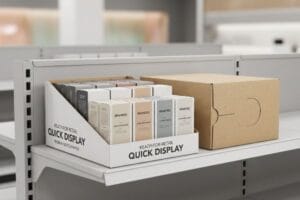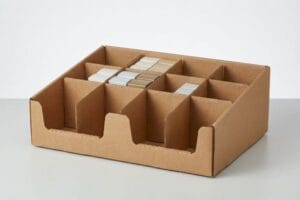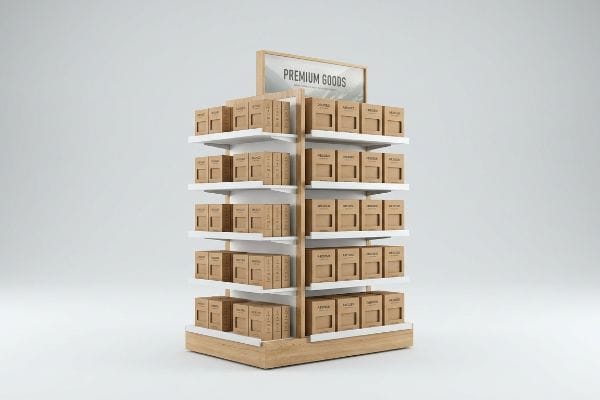
अपने उत्पाद को मुख्य गलियारे की शेल्फ से हटाकर एक प्रमुख कोने में रखना एक बहुत बड़ी जीत है, लेकिन इसके साथ कुछ सख्त भौतिक आवश्यकताएं जुड़ी होती हैं जिन्हें आप अनदेखा नहीं कर सकते।.
रिटेल डिस्प्ले एंडकैप एक ऐसा प्रचार उपकरण है जो स्टोर के गलियारे के बिल्कुल अंत में लगाया जाता है और आसानी से दिखाई देता है। यह प्रमुख स्थान ग्राहकों की आवाजाही को अधिकतम करता है, और भारी छूट वाले सामान, मौसमी उत्पादों या नए ब्रांडों के लॉन्च को आकर्षक ढंग से प्रदर्शित करके तत्काल खरीदारी को बढ़ावा देता है और कुल इन्वेंट्री टर्नओवर को बढ़ाता है।.
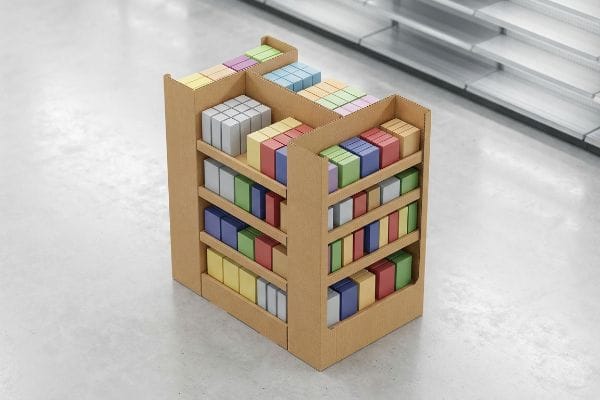
लेकिन एंडकैप क्या होता है, यह जानने से आपको किसी बड़े रिटेलर से अपने स्ट्रक्चरल डिज़ाइन को मंज़ूरी दिलाने में मदद नहीं मिलेगी। आइए, इसकी कार्यप्रणाली को समझते हैं।.
रिटेल डिस्प्ले क्या होता है?
अस्थायी खुदरा दुकानों के आधारभूत ढांचे को समझने की शुरुआत इस बात को स्वीकार करने से होती है कि बिक्री स्थल तक पहुंचने से पहले उन्हें भौतिक रूप से कितनी कठिन आपूर्ति श्रृंखला परिस्थितियों से गुजरना पड़ता है।
रिटेल डिस्प्ले एक अस्थायी या स्थायी भौतिक संरचना है जिसे उत्पादों को सीधे उपभोक्ताओं तक पहुंचाने के लिए डिज़ाइन किया गया है। ये स्वतंत्र इकाइयाँ मानक शेल्फिंग के बाहर इन्वेंट्री को व्यवस्थित करती हैं, रणनीतिक रूप से फर्श पर स्थित होकर खरीदारों के आवागमन को बाधित करती हैं, ब्रांड जागरूकता बढ़ाती हैं और विभिन्न वैश्विक खरीदारी परिवेशों में उच्च मात्रा वाले खुदरा लेनदेन को गति प्रदान करती हैं।.
जगह सुरक्षित करना तो लड़ाई की शुरुआत मात्र है।.
हर रिटेल डिस्प्ले के पीछे छिपा तनाव परीक्षण
कई उभरते ब्रांड एक मानक पीओपी (प्वाइंट ऑफ परचेस) मर्चेंडाइजर को अपने डिजिटल आर्टवर्क के त्रि-आयामी विस्तार के रूप में ही देखते हैं। वे पूरी तरह से सीएमवाईके (सियान, मैजेंटा, येलो, की) रंग मिलान और आकर्षक हेडर पर ध्यान केंद्रित करते हैं, जबकि इन यूनिटों पर होने वाले भारी भौतिक नुकसान को नजरअंदाज कर देते हैं।.
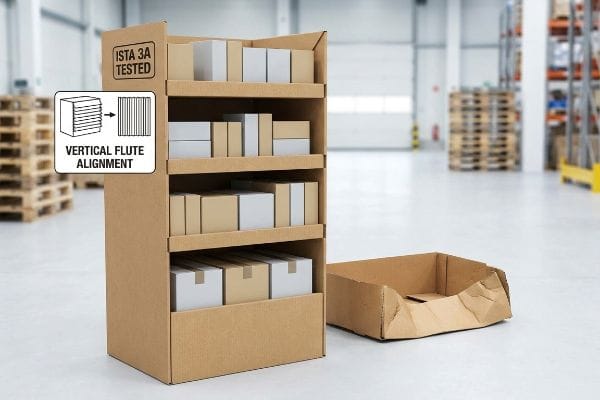
यहां तक कि अनुभवी डिज़ाइनर भी अक्सर मानक शिपिंग विधियों को सुरक्षित मानकर कठोर लॉजिस्टिक्स श्रृंखला को नज़रअंदाज़ कर देते हैं। मैं अक्सर देखता हूं कि संरचनात्मक रूप से मज़बूत डिज़ाइन भी पूरी तरह विफल हो जाते हैं क्योंकि उन्हें सख्त ISTA (इंटरनेशनल सेफ ट्रांजिट एसोसिएशन) 3A ड्रॉप टेस्ट मानकों के लिए इंजीनियर नहीं किया गया था। एक बार, मैंने एक सुंदर ढंग से मुद्रित फ़्लोर यूनिट को वितरण केंद्र पर पहुंचते देखा, जिसका आधार पूरी तरह से कुचला हुआ था, और गीले स्पंज के फटने जैसी आवाज़ आ रही थी क्योंकि सिंगल-वॉल बोर्ड में ऊर्ध्वाधर मज़बूती की कमी थी। मैंने तुरंत आधार को डबल-वॉल नालीदार प्रोफ़ाइल में अपग्रेड किया, जिसमें दाने पूरी तरह से ऊर्ध्वाधर दिशा में थे, जिससे ECT (एज क्रश टेस्ट) रेटिंग में भारी वृद्धि हुई। इस संरचनात्मक सुधार ने कंटेनर परिवहन के दौरान आधार के विनाशकारी रूप से मुड़ने को रोका, खुदरा विक्रेताओं द्वारा अस्वीकृति में होने वाली देरी को पूरी तरह से समाप्त कर दिया और ग्राहक को हफ़्तों के महंगे मैनुअल रीपैकिंग शुल्क से बचाया।
| नौसिखियों की आम गलती | प्रो फिक्स | रिटेल-फ्लोर लाभ |
|---|---|---|
| सिंगल-वॉल बोर्ड का उपयोग करना | दोहरी दीवार वाला आधार प्रोफ़ाइल1 | आधार के मुड़ने को रोकता है |
| क्षैतिज अनाज अभिविन्यास | ऊर्ध्वाधर बांसुरी संरेखण2 | स्टैक का वजन बढ़ाता है |
| आईएसटीए मानकों की अनदेखी करना | आईएसटीए 3ए पारगमन परीक्षण3 | माल ढुलाई के दौरान होने वाले नुकसान को रोकता है |
मैं संपीडन शक्ति को सिद्ध किए बिना कभी भी ग्राहक को फर्श संरचना को अंतिम रूप देने नहीं देता। गतिज प्रभाव बलों को समझे बिना कच्चे माल के विनिर्देशों पर भरोसा करना, गलियारे में आपकी महत्वपूर्ण जगह खोने का एक निश्चित तरीका है।.
🛠️ हार्वे का डेस्क: क्या आपके मास्टर कार्टन स्टोर तक पहुँचने से पहले ही आपकी आंतरिक संरचनाओं को चुपके से नुकसान पहुँचा रहे हैं? 👉 संरचनात्मक ऑडिट का अनुरोध करें ↗ — सीधे मेरे डेस्क से संपर्क करें। मैं वादा करता हूँ, कोई स्वचालित बिक्री संबंधी स्पैम नहीं होगा।
साइड कैप डिस्प्ले क्या है?
कम जगह में खुदरा दुकानों का अधिकतम उपयोग करने के लिए विशेष उपकरणों की आवश्यकता होती है जो फर्श पर रखे जाने के बजाय सीधे मौजूदा शेल्फिंग ढांचे से जुड़ जाते हैं।.
साइड कैप डिस्प्ले एक ऐसा अटैचमेंट फिक्स्चर है जिसे मानक रिटेल एंडकैप्स के संरचनात्मक साइड पैनलों पर लगाया जाता है। यह ऊर्ध्वाधर मर्चेंडाइजिंग यूनिट अप्रयुक्त परिधि स्थान का उपयोग करती है, हल्के पैकेटबंद सामानों को आंखों के स्तर पर प्रदर्शित करती है, जिससे पैदल चलने वालों के गलियारे के अतिरिक्त मूल्यवान स्थान का उपयोग किए बिना क्रॉस-सेलिंग के अवसरों को अधिकतम किया जा सके।.
आप शायद यह मान लें कि कोई भी लंबा, संकरा डिब्बा बिना किसी समस्या के आसानी से किसी दुकान के उपकरण से जुड़ जाएगा।.
साइड कैप डिस्प्ले के लिए ऊंचाई मानकीकरण की समस्या
खरीद टीमें अक्सर इन लटकने वाली इकाइयों के आयामों को सटीक उत्पाद संख्या के अनुरूप बनाने का प्रयास करती हैं। उनका मानना है कि चूंकि इकाई खुली जगह में लटकी रहती है, इसलिए उन्हें इसकी समग्र ऊंचाई और चौड़ाई तय करने की पूरी स्वतंत्रता है।.
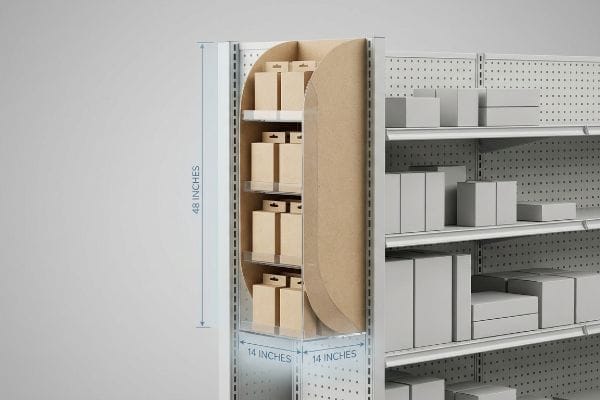
आकार को लेकर यह मनमानी रणनीति अक्सर खुदरा दुकानों में भारी परेशानी का कारण बनती है। जब मैं असफल इंस्टॉलेशन का मूल्यांकन करता हूँ, तो सबसे आम कारण कस्टम-साइज़ यूनिट का खुदरा विक्रेता के शेल्फ ब्रैकेट से टकराना होता है, जिससे कर्मचारियों द्वारा इसे जबरदस्ती लगाने की कोशिश में धातु के खंभों से ज़ोर से रगड़ लगने की आवाज़ आती है। इस समस्या को रोकने के लिए, मैं अपने सभी हैंगिंग डिज़ाइनों में 48 इंच (121.92 सेमी) ऊँचाई और 14 इंच (35.56 सेमी) चौड़ाई के मानकीकरण नियम का सख्ती से पालन करता हूँ। यह सार्वभौमिक आकार सुनिश्चित करता है कि यूनिट मुख्य एंडकैप मर्चेंडाइज़ में बाधा डाले बिना मानक पेगबोर्ड स्लॉट में आसानी से फिट हो जाए , जिससे असेंबली का समय काफी कम हो जाता है और यह सुनिश्चित होता है कि स्टोर मैनेजर आपके उत्पाद को बैक रूम में फेंकने के बजाय वास्तव में लटकाएँ।
| नौसिखियों की आम गलती | प्रो फिक्स | रिटेल-फ्लोर लाभ |
|---|---|---|
| अनुकूलित ऊंचाई आयाम | सख्त 48 इंच की सीमा5 | मुख्य शेल्फ को साफ़ करता है |
| चौड़े प्रोफ़ाइल डिज़ाइन | अधिकतम चौड़ाई 14 इंच6 | गलियारे में रुकावट से बचाता है |
| ब्रैकेट स्पेसिंग को अनदेखा करना | मानकीकृत माउंटिंग पॉइंट | लटकने का समय बचाता है |
रिटेलर के कठोर धातु ढांचे का सम्मान किए बिना, बिना किसी संदर्भ के डिज़ाइन करना पूंजी की बर्बादी है। मैं अपने सभी हैंगिंग स्ट्रक्चरल गणित को सार्वभौमिक फिक्स्चर आयामों के अनुरूप ही रखता हूँ ताकि स्टोर में सुचारू संचालन सुनिश्चित हो सके।.
🛠️ हार्वे का डेस्क: क्या आपके हैंगिंग यूनिट का गणित मानक धातु के सीधे स्टैंड से मेल नहीं खाएगा और रिटेलर द्वारा अस्वीकृति का कारण बनेगा? 👉 अपने स्पेसिफिकेशन्स की जाँच करवाएँ ↗ — सुरक्षित रूप से डाउनलोड करें। बाद में कोई प्रश्न होने पर मेरा इनबॉक्स खुला है।
एंड आइल डिस्प्ले क्या होते हैं?
दुकानों के गलियारों के जंक्शन पर भारी यातायात वाले क्षेत्रों को नियंत्रित करने के लिए पूर्ण ज्यामितीय अनुशासन और सटीक गणितीय योजना की आवश्यकता होती है।.
गलियारे के अंत में लगे डिस्प्ले प्रमुख खुदरा उपकरण होते हैं जो मानक शेल्फ पंक्तियों के ठीक अंतिम बिंदु पर स्थित होते हैं। ये मजबूत संरचनाएं स्टोर के मुख्य बाहरी हिस्से की ओर मुख किए रहती हैं, और ग्राहकों की भारी आवाजाही का लाभ उठाकर मौसमी अभियानों, थोक में बिकने वाली वस्तुओं या हाल ही में लॉन्च किए गए प्रमुख उपभोक्ता वस्तुओं के संग्रह का आक्रामक रूप से प्रचार करती हैं।.
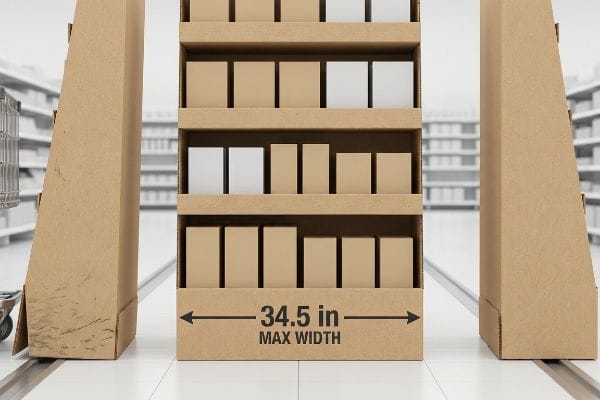
इस प्रीमियम रियल एस्टेट को जीतने का मतलब है कि आपको स्टोर कंप्लायंस अधिकारियों द्वारा नियंत्रित सख्त आयामी सीमाओं का पालन करना होगा ।
गलियारे के अंत में रखे जाने वाले डिस्प्ले की चौड़ाई की सख्त सीमाओं में महारत हासिल करना
ब्रांड प्रबंधक अक्सर अपने प्रमुख अभियान लॉन्च के दृश्य दायरे को बढ़ाने के लिए भौतिक उपस्थिति को अधिकतम करने का प्रयास करते हैं। वे विशाल, घुमावदार आधार ग्राफिक्स डिज़ाइन करते हैं जो मानक आकार से आगे बढ़ते हैं7, ताकि एक विशाल बिलबोर्ड जैसा प्रभाव पैदा हो सके।
स्टोर के गलियारों को राजमार्ग की सख्त लेन की तरह समझें; अगर आपका वाहन बहुत चौड़ा है, तो इससे कई कार्ट एक साथ टकरा सकते हैं। मैंने देखा है कि पूरी तरह से प्रिंट किए गए विज्ञापन अभियान सिर्फ आधा इंच ज़्यादा चौड़ा होने के कारण पूरी तरह से खारिज कर दिए जाते हैं, जिसके परिणामस्वरूप भारी शॉपिंग कार्ट कच्चे नालीदार कोनों को फाड़ देते हैं और तेज़ रगड़ की आवाज़ आती है। इस स्थानिक गड़बड़ी को रोकने के लिए, मैं प्रत्येक डिज़ाइन को 34.5 इंच (87.63 सेमी) की अधिकतम चौड़ाई सीमा 8 में लॉक कर देता हूँ, जिससे यह मानक 36 इंच (91.44 सेमी) की भौतिक सीमा 9 के भीतर सुरक्षित रूप से फिट हो जाता है । यह सुरक्षा बफर सुनिश्चित करता है कि गुजरने वाली कार्ट कभी भी आपके कच्चे पेपरबोर्ड के किनारों को न काटें, जिससे महंगे नुकसान की भरपाई हो जाती है और स्टोर मैनेजर के महत्वपूर्ण रास्ते पूरी तरह से साफ रहते हैं।
| नौसिखियों की आम गलती | प्रो फिक्स | रिटेल-फ्लोर लाभ |
|---|---|---|
| 36 इंच के सटीक आकार में डिज़ाइन किया गया | अधिकतम 34.5 इंच की सीमा लागू करना10 | कार्ट क्लीयरेंस बनाता है |
| फ्लेयर्ड ग्राफिक बेस | सीधी ऊर्ध्वाधर दीवारें11 | गाड़ी के फटने को रोकता है |
| आधार सुरक्षा की अनदेखी | धंसे हुए निचले पैनल12 | दृश्य ब्रांडिंग की सुरक्षा करता है |
मानक स्टोर गोंडोला की भौतिक सीमाओं से समझौता नहीं किया जा सकता। मैं सटीक आंशिक सहनशीलता का पालन करता हूँ ताकि यह सुनिश्चित हो सके कि मेरी संरचनाएँ भारी मालगाड़ी यातायात के दैनिक दुरुपयोग को स्वाभाविक रूप से झेल सकें।.
🛠️ हार्वे का डेस्क: क्या आप अपने बेस स्पेस और भारी शॉपिंग कार्ट ट्रैफिक के बीच के अंतर का अनुमान लगा सकते हैं? 👉 अपने ब्लूप्रिंट की समीक्षा करवाएं ↗ — कोई ऐसे फॉर्म नहीं जो अंतहीन सेल्स कॉल को ट्रिगर करें। बस शुद्ध मूल्य।
अंतिम कैप का उद्देश्य क्या है?
ब्रांड स्टोर के गलियारों के अंतिम छोरों को सुरक्षित करने के लिए भारी मात्रा में प्रीमियम का भुगतान करते हैं, लेकिन इस निवेश से तत्काल, गणना योग्य प्रतिफल प्राप्त होना चाहिए।.
एंड कैप का उद्देश्य नियमित खरीदारी प्रक्रिया को बाधित करना और ग्राहकों को तुरंत खरीदारी के लिए प्रेरित करना है। भीड़भाड़ वाली शेल्फों से विशिष्ट उत्पादों को अलग करके, ये संरचनाएं ब्रांड की दृश्यता को प्रभावी ढंग से बढ़ाती हैं, इन्वेंट्री टर्नओवर को तेज करती हैं और अत्यधिक सघन और प्रतिस्पर्धी खुदरा क्षेत्र में प्रचार संबंधी बिक्री को अधिकतम करती हैं।.
अगर विशुद्ध रूप से दृश्य व्यवधान उत्पन्न करने से खुदरा बिक्री की गति में मापने योग्य परिणाम नहीं मिलते हैं, तो यह व्यर्थ है।.
मापने योग्य बिक्री वृद्धि के लिए एंड कैप का इंजीनियरिंग करना
ग्राफिक टीमें अक्सर मानती हैं कि जटिल, पाठ-प्रधान डिज़ाइन गलियारे के किनारे खड़े ग्राहकों को प्रभावी ढंग से जानकारी प्रदान करेगा। वे हेडर और साइड पैनल को घने बुलेट पॉइंट्स से भर देते हैं, यह मानकर कि गुजरने वाले उपभोक्ता रुकेंगे और पूरी मार्केटिंग ब्रोशर पढ़ेंगे।.
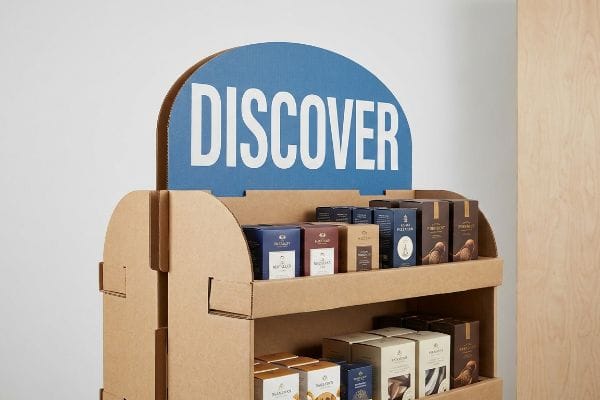
यह एक आम गलती है जो अनुभवी खरीद टीमों को भी फंसा लेती है, वे व्यस्त खुदरा गलियारे को शांत पठन कक्ष समझ बैठते हैं। जब मैं कम प्रदर्शन करने वाले अभियानों का ऑडिट करता हूँ, तो देखता हूँ कि खरीदार इन टेक्स्ट से भरे डिस्प्ले के सामने से तीन सेकंड में ही निकल जाते हैं, उनकी नज़रें अव्यवस्थित टाइपोग्राफिक लेआउट पर बिना कोई विवरण समझे ही सरसरी नज़र डाल देती हैं। मैं इसे तीन-सेकंड विज़ुअल लिफ्ट फॉर्मूला13, जटिल पैराग्राफ को उच्च-कंट्रास्ट, घुमावदार डाई-कट आकृतियों और एकल, बोल्ड प्रचार कॉल-आउट से बदल देता हूँ। यह आक्रामक संरचनात्मक सरलीकरण तुरंत ध्यान आकर्षित करता है, जिससे खरीदार का जुड़ाव समय सीधे बढ़ जाता है और इन्वेंट्री सेल-थ्रू दर14 , जिससे खुदरा विक्रेता के प्रीमियम स्थान शुल्क को उचित ठहराया जा सकता है।
| नौसिखियों की आम गलती | प्रो फिक्स | रिटेल-फ्लोर लाभ |
|---|---|---|
| सघन पैराग्राफ पाठ | एकल बोल्ड कॉल-आउट15 | तुरंत ध्यान आकर्षित करता है |
| मानक वर्गाकार शीर्ष | घुमावदार डाई-कट आकृतियाँ16 | परिधीय दृश्य आकर्षण पैदा करता है |
| जटिल ब्रांडिंग कहानियां | 3 सेकंड की पढ़ने की सीमा17 | आवेगी पकड़ को बढ़ाता है |
मैं दृश्य पदानुक्रम को इस तरह से डिज़ाइन करता हूँ कि वह सहज प्रतिक्रिया की तरह लगे, न कि पढ़ने के कार्य की तरह। यदि आपका हेडर तीन सेकंड में ऑफ़र को स्पष्ट रूप से नहीं बता पाता, तो आप अपना प्रचार बजट कचरे में फेंक रहे हैं।.
🛠️ हार्वे का डेस्क: क्या आपका हेडर आर्टवर्क इतना जटिल है कि वह तीन सेकंड के भीतर ही ग्राहक का ध्यान खींच लेता है? 👉 विज़ुअल ऑडिट का अनुरोध करें ↗ — सीधे मेरे डेस्क से संपर्क करें। मैं वादा करता हूँ, कोई स्वचालित बिक्री स्पैम नहीं होगा।
साइडकिक डिस्प्ले क्या होता है?
ऊर्ध्वाधर स्थान पर प्रभुत्व स्थापित करने के लिए ऐसे उपकरणों की आवश्यकता होती है जिन्हें सुरक्षित रूप से ठीक उसी स्थान पर लटकाया जा सके जहां खुदरा विक्रेता को उनकी सबसे अधिक आवश्यकता होती है।.
साइडकिक डिस्प्ले एक कॉम्पैक्ट, हैंगिंग मर्चेंडाइजिंग यूनिट है जो स्टैंडर्ड शेल्विंग रैक के किनारों से जुड़ जाती है। घनी आबादी वाले क्षेत्रों में लगाने के लिए डिज़ाइन की गई यह संरचना छोटे उपभोग्य सामानों को प्रभावी ढंग से प्रदर्शित करती है, और प्रमुख एंकर उत्पाद श्रेणियों के बगल में मौजूद पूरक उत्पादों की तत्काल खरीदारी को बढ़ावा देने के लिए कम उपयोग किए गए ऊर्ध्वाधर स्थान का लाभ उठाती है।.
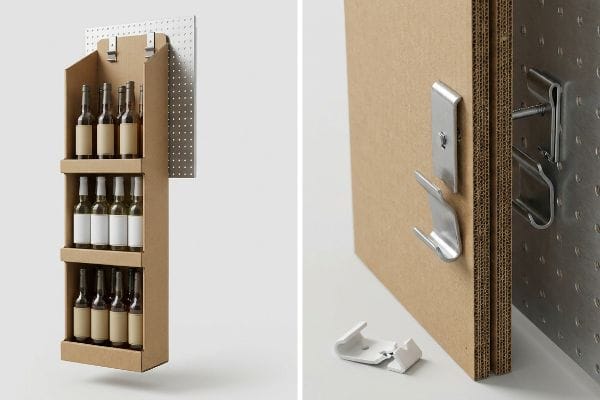
किसी सहायक पात्र को सही स्थान एक बड़ी जीत है, लेकिन उसे सुरक्षित रूप से स्थापित करना एक तकनीकी चुनौती है।
साइडकिक डिस्प्ले में ब्रैकेट विफलता बिंदु
ब्रांड अक्सर सुंदर, हल्के लटकने वाली ट्रे को मंजूरी देते हैं, यह मानकर कि स्टोर क्लर्क उन्हें अलमारियों पर बांधने का कोई तरीका निकाल लेंगे। वे भौतिक माउंटिंग तंत्र को पूरी तरह से संयोग पर छोड़ देते हैं या सस्ते प्लास्टिक क्लिप18 का।
जब आप नाज़ुक प्लास्टिक क्लिप पर निर्भर रहते हैं, तो एक व्यस्त स्टोर की भौतिक वास्तविकता पहले ही दिन आपके अभियान को बर्बाद कर देगी। मैंने खुद देखा है कि भारी बोतलें लोड करते समय एक सस्ते प्लास्टिक टैब के अचानक टूटने से पूरा सिस्टम नीचे गिर जाता है। मैं इस समस्या से बचने के लिए एक मजबूत, दोहरी परत वाले नालीदार बैक पैनल से जुड़े एक सार्वभौमिक धातु एस-क्लिप ब्रैकेट सिस्टम का उपयोग करता हूँ। यह मज़बूत स्ट्रक्चरल एंकर आसानी से स्टैंडर्ड पेगबोर्ड में लॉक हो जाता है, जिससे सेटअप की परेशानी काफी कम हो जाती है और यह सुनिश्चित होता है कि आपका पूरा भरा हुआ सामान कभी भी कंक्रीट के फर्श पर बिखर न जाए।.
| नौसिखियों की आम गलती | प्रो फिक्स | रिटेल-फ्लोर लाभ |
|---|---|---|
| कमजोर प्लास्टिक क्लिप | यूनिवर्सल मेटल एस-क्लिप19 | भारी भार को सुरक्षित रखता है |
| सिंगल-वॉल बैकबोर्ड | दोहरी परत वाली रीढ़ की हड्डी का सुदृढ़ीकरण20 | पैनल फटने से रोकता है |
| माउंटिंग विधियों की अनदेखी करना | पहले से स्थापित यूनिवर्सल ब्रैकेट21 | इंस्टॉलेशन समय कम हो जाता है |
मैं कभी भी आकर्षक ग्राफिक्स को देखकर वास्तविक संरचना की बारीकियों को नज़रअंदाज़ नहीं करता। औद्योगिक स्टील ब्रैकेट में अपग्रेड करना एक मामूली लागत है जो अकेले ही पूरे उत्पादन को बर्बाद होने से बचा सकती है।.
🛠️ हार्वे का डेस्क: क्या आपके लटकने वाले ढांचे चुपके से ऐसे नाजुक प्लास्टिक हार्डवेयर पर निर्भर हैं जो दबाव पड़ने पर टूट जाते हैं? 👉 अपने हार्डवेयर की जांच करवाएं ↗ — सुरक्षित रूप से डाउनलोड करें। बाद में कोई प्रश्न होने पर आप मुझसे संपर्क कर सकते हैं।
एंड कैप एक प्रभावी डिस्प्ले कैसे है?
सही ढंग से डिजाइन किए जाने पर, गलियारे के अंत में लगाए जाने वाले ये उपकरण किसी भी भौतिक स्टोर में बिक्री बढ़ाने वाले सबसे शक्तिशाली कारक साबित होते हैं।.
एंड कैप्स प्रभावी डिस्प्ले होते हैं क्योंकि वे रणनीतिक रूप से अधिक भीड़-भाड़ वाले क्षेत्रों में उत्पादों को अलग करते हैं। गलियारे की सामान्य दृश्य रेखाओं को तोड़कर, वे समर्पित ब्रांडिंग मोनोलिथ बनाते हैं जो खरीदारों का पूरा ध्यान आकर्षित करते हैं, जिससे तत्काल खरीदारी की प्रेरणा मिलती है और खुदरा ब्रांडों के लिए समग्र प्रचार अभियान की लाभप्रदता में भारी वृद्धि होती है।.
लेकिन जब मशीनें चलना शुरू हो जाती हैं और उत्पाद वास्तव में बाजार में आने लगते हैं, तो केवल सिद्धांत जानना ही पर्याप्त नहीं होता।.
कारखाने में मानक उत्पाद प्लेसमेंट क्यों विफल हो जाता है?
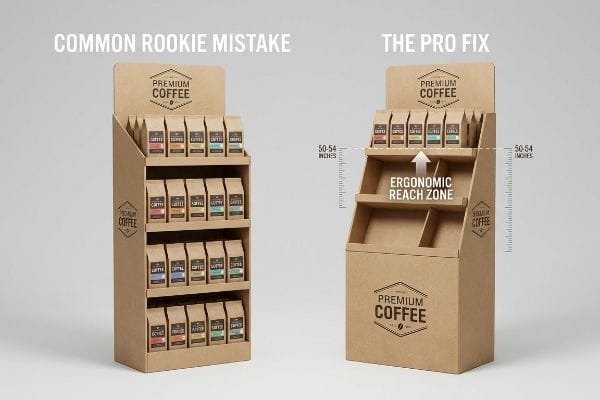
प्लानोग्राम बनाते समय, डिज़ाइन टीमें अक्सर मुख्य उत्पादों को शीर्ष शीर्ष22 लेकर आधार तक समान रूप से वितरित करती हैं। वे मानती हैं कि यदि शेल्फ मौजूद है, तो ग्राहक स्वाभाविक रूप से उत्पाद को लेने के लिए नीचे झुकेंगे या ऊपर की ओर हाथ बढ़ाएंगे।
मेरे कारखाने में, मैं अक्सर देखता हूँ कि खूबसूरती से छपे हुए उत्पाद अपने प्रदर्शन मानकों पर खरे नहीं उतरते, क्योंकि उनकी प्लेसमेंट में मानवीय एर्गोनॉमिक्स का ध्यान नहीं रखा जाता। जब मैं भौतिक संपर्क क्षेत्र का नक्शा बनाता हूँ, तो 24 इंच (60.96 सेमी) से नीचे रखे उत्पाद धूल फांकते रहते हैं, क्योंकि ग्राहक नीचे झुकने से मना कर देते हैं, जिससे निचले स्तर का स्टॉक बेकार पड़ा रहता है। इस समस्या को हल करने के लिए, मैं जानबूझकर एक नकली तल या एक विस्तारित ईज़ल बैक डिज़ाइन करता हूँ, जिससे प्रीमियम उत्पाद फर्श से 50 से 54 इंच (127 से 137.16 सेमी) की सटीक ऊंचाई पर रखे जाते हैं । इस एर्गोनॉमिक ज्यामिति को लागू करके, मैं यह सुनिश्चित करता हूँ कि सबसे अधिक मार्जिन वाले SKU (स्टॉक कीपिंग यूनिट) ग्राहक की आँखों और हाथों के स्तर पर ही पहुँचें, जिससे डायरेक्ट पुल रेट अधिकतम हो जाता है और प्रमोशनल साइकिल के अंत में बेकार पड़े बिना बिके स्टॉक की मात्रा में भारी कमी आती है।
| नौसिखियों की आम गलती | प्रो फिक्स | रिटेल-फ्लोर लाभ |
|---|---|---|
| उत्पाद फर्श पर लादे गए | झूठे तल आधार25 | उत्पाद तक पहुंच बढ़ाता है |
| एर्गोनोमिक पहुंच को नजरअंदाज किया गया | 50-54 इंच के क्षेत्र को लक्षित करें26 | पकड़ दर बढ़ाता है |
| समतल ऊर्ध्वाधर मुख | तिरछी डिस्प्ले शेल्फ27 | दृश्य रेखा में सुधार करता है |
मैं ऐसी संरचनाएँ बनाता हूँ जो इंसानी आलस्य का सम्मान करती हैं। ग्राहक को झुकने के लिए मजबूर करना संरचनात्मक विफलता है; उत्पाद को उनकी स्वाभाविक पहुँच के दायरे में रखना ही निर्बाध बिक्री सुनिश्चित करने का तरीका है।.
🛠️ हार्वे की सलाह: 2 मिलीमीटर की संरचनात्मक खामी को 500 स्टोरों में अपना कारोबार ठप न करने दें। 👉 मुझे अपनी डाइलाइन फ़ाइल भेजें ↗ — बड़े पैमाने पर उत्पादन पर बजट बर्बाद करने से पहले मैं गणितीय गणनाओं की गहन जांच कर लूंगा।
निष्कर्ष
आप सस्ता वेंडर चुन सकते हैं, लेकिन अगर बेस फुटप्रिंट आधा इंच भी ज़्यादा चौड़ा हो जाए, जिससे कार्ट को भारी नुकसान हो और स्टोर मैनेजर तुरंत उसे अस्वीकार कर दे, तो प्रोजेक्ट का सारा मुनाफा खत्म हो जाएगा। 500 से ज़्यादा ब्रांड मैनेजर मेरी प्रीप्रेस चेकलिस्ट का इस्तेमाल करके शुरुआती दौर की इन घातक गलतियों से बचते हैं। स्पेस टॉलरेंस का अंदाज़ा लगाना बंद करें और मैन्युफैक्चरिंग शुरू होने से पहले ही अपने रिटेल कंप्लायंस को पक्का करने के लिए मुझे अपने ब्लूप्रिंट का फ्री डाइलाइन प्री-फ्लाइट ऑडिट ↗ के ज़रिए ऑडिट करने दें।
"दोहरी दीवार वाली नालीदार कार्डबोर्ड पैकेजिंग का इष्टतम डिज़ाइन – PMC", https://pmc.ncbi.nlm.nih.gov/articles/PMC8950760/। [नालीदार कार्डबोर्ड के लिए तकनीकी विनिर्देश दर्शाते हैं कि एकल दीवार की तुलना में दोहरी दीवार निर्माण एज क्रश टेस्ट (ECT) मान को काफी बढ़ा देता है]। साक्ष्य भूमिका: सामग्री तुलना; स्रोत प्रकार: तकनीकी विनिर्देश पत्रक। समर्थन: आधार बकलिंग को रोकने के लिए दोहरी दीवार प्रोफाइल का उपयोग। कार्यक्षेत्र नोट: उपयोग किए गए लाइनरबोर्ड के ग्रेड पर निर्भर करता है। ↩
"नालीदार बोर्ड बक्सों की संपीडन सामर्थ्य का अनुमान ...", https://pmc.ncbi.nlm.nih.gov/articles/PMC8467740/। [नालीदार सामग्रियों पर इंजीनियरिंग दस्तावेज़ बताता है कि खांचों को लंबवत रूप से संरेखित करने से अक्षीय भार वहन क्षमता को अनुकूलित किया जा सकता है ताकि ढहने से बचा जा सके]। साक्ष्य की भूमिका: तकनीकी सत्यापन; स्रोत प्रकार: सामग्री विज्ञान मैनुअल। समर्थन: यह दावा कि लंबवत संरेखण से ढेर का वजन बढ़ता है। कार्यक्षेत्र संबंधी टिप्पणी: नालीदार फाइबरबोर्ड के लिए विशिष्ट। ↩
"बड़े बॉक्स के अनुपालन के लिए खुदरा पैकेजिंग परीक्षण - इंटरटेक", https://www.intertek.com/performance-testing/packaging/retail-compliance/। [इंटरनेशनल सेफ ट्रांजिट एसोसिएशन (ISTA) 3A प्रोटोकॉल पार्सल डिलीवरी सिस्टम की कठोरता को झेलने के लिए पैकेजिंग की सुरक्षा सुनिश्चित करने हेतु मानकीकृत सिमुलेशन परीक्षण प्रदान करता है]। साक्ष्य की भूमिका: उद्योग मानक सत्यापन; स्रोत प्रकार: नियामक मानक। समर्थन: माल ढुलाई में होने वाली क्षति को रोकने के लिए ISTA 3A का उपयोग। कार्यक्षेत्र संबंधी टिप्पणी: छोटे पार्सल डिलीवरी सिमुलेशन तक सीमित। ↩
"रिटेल डिस्प्ले के 14 प्रकार | शिकागो, आईएल - वर्थाइमर बॉक्स", https://wertheimerbox.com/types-of-retail-displays/। [रिटेल फिक्स्चर उद्योग मैनुअल या निर्माता विनिर्देश गाइड सामान्य गोंडोला शेल्विंग सिस्टम के साथ अनुकूलता सुनिश्चित करने के लिए साइड कैप अटैचमेंट के मानक आयाम प्रदान करता है]। साक्ष्य भूमिका: तकनीकी विनिर्देश; स्रोत प्रकार: उद्योग मानक। समर्थन: यह दावा कि सार्वभौमिक अनुकूलता के लिए विशिष्ट आयामों की आवश्यकता होती है। स्कोप नोट: विशिष्ट रिटेल चेन मानकों के अनुसार आयाम थोड़े भिन्न हो सकते हैं।] ↩
"एंडकैप डिस्प्ले: संपूर्ण गाइड – बेनेट पैकेजिंग", https://bpkc.com/blogs/blog/endcap-display-the-complete-guide। [एक रिटेल फिक्स्चर निर्माण गाइड साइड कैप की ऊँचाई के लिए विनिर्देश प्रदान करता है ताकि यह सुनिश्चित हो सके कि वे मुख्य शेल्फ की दृश्यता में बाधा न डालें]। साक्ष्य भूमिका: तकनीकी विनिर्देश; स्रोत प्रकार: उद्योग पुस्तिका। समर्थन: साइड कैप के लिए ऊँचाई सीमाएँ। कार्यक्षेत्र नोट: सामान्य उद्योग मानक। ↩
"एंड कैप डिस्प्ले के आयाम: चेकआउट आइल पर अधिकतम प्रभाव", https://wzrack.com/end-cap-display-dimensions-maximizing-checkout-aisle-impact/। [खुदरा स्थान नियोजन दस्तावेज़ पैदल यात्रियों के लिए आवश्यक आइल क्लीयरेंस बनाए रखने हेतु साइड कैप डिस्प्ले की अधिकतम चौड़ाई संबंधी आवश्यकताओं को रेखांकित करते हैं]। साक्ष्य भूमिका: तकनीकी विनिर्देश; स्रोत प्रकार: खुदरा लेआउट गाइड। समर्थन: साइड कैप के लिए चौड़ाई प्रतिबंध। कार्यक्षेत्र संबंधी टिप्पणी: स्थानीय अग्नि और सुरक्षा नियमों के अधीन। ↩
"कस्टम एंड कैप डिस्प्ले | डिफॉर्मा इन स्टोर: दृश्यता बढ़ाएँ", https://diformainstore.com/end-cap-displays/। [एक उद्योग खुदरा व्यापार नियमावली या सुविधा प्रबंधन मार्गदर्शिका एंड कैप डिस्प्ले के लिए मानकीकृत आयाम और फुटप्रिंट संबंधी सीमाओं को परिभाषित करेगी]। साक्ष्य भूमिका: तकनीकी विनिर्देश; स्रोत प्रकार: उद्योग नियमावली। समर्थन: एंड आइल डिस्प्ले के लिए एक परिभाषित मानक फुटप्रिंट का अस्तित्व। स्कोप नोट: मानक विशिष्ट खुदरा श्रृंखला या स्टोर प्रारूप के अनुसार भिन्न हो सकते हैं। ↩
"किराने की दुकानों की गलियों की चौड़ाई कितनी होनी चाहिए जब आप योजना बना रहे हों...", https://displayconn.com/how-wide-should-grocery-aisles-be-when-youre-planning-gondola-shelving/। [पेशेवर मर्चेंडाइजिंग और पॉइंट-ऑफ-परचेस (पीओपी) डिज़ाइन मैनुअल शॉपिंग कार्ट की टक्करों को रोकने के लिए आवश्यक क्लीयरेंस बफर को परिभाषित करते हैं]। साक्ष्य भूमिका: तकनीकी सत्यापन; स्रोत प्रकार: पेशेवर डिज़ाइन गाइड। समर्थन: डिस्प्ले की चौड़ाई के लिए एक विशिष्ट सुरक्षा बफर का उपयोग। स्कोप नोट: विशिष्ट कार्ट आयामों के आधार पर सहनशीलता भिन्न हो सकती है। ↩
"एंड कैप डिस्प्ले के लिए अल्टीमेट गाइड - ग्रेट नॉर्दर्न इंस्टोर", https://www.greatnortherninstore.com/2025/10/end-cap-display-guide/। [एक रिटेल स्टोर प्लानिंग गाइड या फिक्स्चर निर्माता मैनुअल में एंड-कैप शेल्विंग यूनिट्स के लिए मानक बाहरी आयाम निर्दिष्ट होते हैं]। साक्ष्य भूमिका: तथ्यात्मक सत्यापन; स्रोत प्रकार: उद्योग मानक। समर्थन: एंड आइल फिक्स्चर की मानक भौतिक चौड़ाई। स्कोप नोट: आयाम रिटेलर या स्टोर प्रारूप के अनुसार भिन्न हो सकते हैं। ↩
"एंड कैप डिस्प्ले क्या है? – 8th & Walton", https://www.8thandwalton.com/blog/end-cap/। [खुदरा डिज़ाइन नियमावली या ADA अभिगम्यता दिशानिर्देश स्टोर के गलियारों में शॉपिंग कार्ट के लिए पर्याप्त जगह सुनिश्चित करने हेतु सटीक चौड़ाई आवश्यकताओं को निर्दिष्ट करेंगे]। साक्ष्य भूमिका: तकनीकी विनिर्देश; स्रोत प्रकार: उद्योग मानक; समर्थन: यातायात प्रवाह के लिए इष्टतम डिस्प्ले चौड़ाई। स्कोप नोट: क्षेत्रीय खुदरा मानकों के अनुसार आयाम थोड़े भिन्न हो सकते हैं। ↩
"पॉइंट-ऑफ-परचेज़ (पीओपी) डिस्प्ले: वे कैसे काम करते हैं और खुदरा बिक्री पर उनका प्रभाव...", https://www.optisigns.com/post/point-of-purchase-pop-display-how-they-work-their-retail-impact। [पीओपी डिस्प्ले निर्माण के लिए तकनीकी दिशानिर्देश यह समझाएंगे कि सीधी ऊर्ध्वाधर किनारे खरीदारी की गाड़ियों द्वारा ग्राफिक रैप को फंसने या फाड़ने की संभावना को कैसे कम करते हैं]। साक्ष्य भूमिका: डिज़ाइन की सर्वोत्तम प्रक्रिया; स्रोत प्रकार: तकनीकी मैनुअल; समर्थन: डिस्प्ले सामग्री की टिकाऊपन। कार्यक्षेत्र नोट: उच्च-यातायात वाले अंतिम-कैप क्षेत्रों पर केंद्रित। ↩
"महंगे प्रभाव से होने वाले नुकसान से स्टोर के आंतरिक भाग को सुरक्षित रखें", https://www.alvaradomfg.com/newsroom/who-said-asset-protection-needs-to-look-rugged/। [मर्चेंडाइजिंग हार्डवेयर विनिर्देशों में यह बताया जाएगा कि कैसे अंतर्निहित या धंसे हुए बेस शॉपिंग कार्ट से होने वाले प्रभाव से प्राथमिक दृश्य ब्रांडिंग की सुरक्षा करते हैं]। साक्ष्य की भूमिका: तकनीकी समाधान; स्रोत प्रकार: मर्चेंडाइजिंग गाइड; समर्थन: दृश्य संपत्तियों की दीर्घायु। कार्यक्षेत्र संबंधी टिप्पणी: अस्थायी और स्थायी फ्लोर फिक्स्चर पर लागू। ↩
"POSM का 3 सेकंड का नियम: खुदरा क्षेत्र में दृश्य प्रभाव का मनोविज्ञान", https://www.linkedin.com/pulse/3-second-rule-posm-psychology-visual-impact-retail-spectrum-unitec-oywxc। [खुदरा मनोविज्ञान पर उद्योग दिशानिर्देश अक्सर 'तीन-सेकंड के नियम' को उच्च-विपरीत दृश्य संकेतों के माध्यम से खरीदार का ध्यान आकर्षित करने के लिए महत्वपूर्ण समय सीमा के रूप में परिभाषित करते हैं]। साक्ष्य भूमिका: शब्दावली सत्यापन; स्रोत प्रकार: मर्चेंडाइजिंग हैंडबुक। समर्थन: तीव्र दृश्य संचार की कार्यप्रणाली। स्कोप नोट: यह एक कठोर गणितीय सूत्र के बजाय एक सामान्य उद्योग अनुमानी हो सकता है। ↩
"सेल-थ्रू रेट क्या है? – एक्टिवेट इन्वेंटरी सॉफ्टवेयर", https://acctivate.com/what-is-sell-through-rate/। [उपभोक्ता व्यवहार पर किए गए अध्ययनों से पता चलता है कि सरलीकृत डिस्प्ले आर्किटेक्चर के माध्यम से संज्ञानात्मक भार को कम करने से खरीद की गति और इन्वेंटरी टर्नओवर में वृद्धि होती है।] साक्ष्य की भूमिका: तथ्यात्मक सत्यापन; स्रोत प्रकार: खुदरा उद्योग विश्लेषण। समर्थन: डिस्प्ले डिज़ाइन और बिक्री में वृद्धि के बीच संबंध। स्कोप नोट: प्रभावशीलता उत्पाद श्रेणी के अनुसार भिन्न हो सकती है। ↩
"पैकेजिंग डिज़ाइन में दृश्य पदानुक्रम क्या है (और यह बिक्री को क्यों बढ़ाता है...)", https://nuexcreative.com/what-is-visual-hierarchy-in-packaging-design-and-why-it-boosts-sales/। [दृश्य पदानुक्रम के सिद्धांत बताते हैं कि एक ही उच्च-विपरीत संदेश को अलग करने से संज्ञानात्मक भार कम होता है और तत्काल ध्यान आकर्षित होता है]। साक्ष्य भूमिका: तकनीकी सहायता; स्रोत प्रकार: डिज़ाइन दिशानिर्देश। समर्थन: यह दावा कि कम से कम पाठ तुरंत ध्यान आकर्षित करता है। कार्यक्षेत्र संबंधी टिप्पणी: खरीद के स्थान पर प्रदर्शित लेआउट पर लागू। ↩
"[PDF] दृष्टि (असंभव)? ग्राहकों पर स्टोर साइनेज का प्रभाव...", https://core.ac.uk/download/pdf/30839908.pdf। [दृश्य प्रमुखता पर किए गए अध्ययनों से पता चलता है कि मानक आयतों की तुलना में जैविक या गैर-ज्यामितीय आकृतियाँ परिधीय दृष्टि को अधिक प्रभावी ढंग से आकर्षित करती हैं]। साक्ष्य भूमिका: तकनीकी सहायता; स्रोत प्रकार: संज्ञानात्मक मनोविज्ञान अध्ययन। सहायक: परिधीय दृश्य आकर्षणों का निर्माण। कार्यक्षेत्र संबंधी टिप्पणी: पर्यावरणीय डिज़ाइन और साइनेज तक सीमित। ↩
"शेल्फ की लड़ाई: खुदरा पैकेजिंग 3 सेकंड में कैसे जीतती या हारती है", https://maadho.com/the-shelf-battle-how-retail-packaging-wins-or-loses-in-3-seconds। [खरीदार मनोविज्ञान पर शोध उस विशिष्ट समयसीमा की पुष्टि करता है जिसमें एक ग्राहक एंड-कैप डिस्प्ले के साथ जुड़ने का निर्णय लेता है]। साक्ष्य की भूमिका: तथ्यात्मक समर्थन; स्रोत प्रकार: उपभोक्ता व्यवहार अध्ययन। समर्थन: आवेगपूर्ण खरीदारी के लिए संक्षिप्त संदेश की आवश्यकता। कार्यक्षेत्र संबंधी टिप्पणी: उच्च-यातायात वाले खुदरा वातावरण पर केंद्रित। ↩
"अधिक उत्पाद बेचने वाले आकर्षक खुदरा उत्पाद प्रदर्शन के लिए 15 सुझाव", https://wertheimerbox.com/15-tips-for-attractive-retail-product-displays-that-sell-more-products/। [खुदरा फिक्स्चर उद्योग की एक रिपोर्ट या इंजीनियरिंग विश्लेषण साइडकिक डिस्प्ले के लिए धातु ब्रैकेट की तुलना में प्लास्टिक क्लिप की व्यापकता और विफलता दरों का दस्तावेजीकरण करेगा]। साक्ष्य भूमिका: तकनीकी सत्यापन; स्रोत प्रकार: व्यापार प्रकाशन। समर्थन: विफलता बिंदु के रूप में निम्न-गुणवत्ता वाली माउंटिंग सामग्री की पहचान। कार्यक्षेत्र नोट: उच्च-यातायात वाले खुदरा वातावरण में सामग्री की स्थायित्व पर केंद्रित। ↩
"वॉलमार्ट का नालीदार साइडकिक डिस्प्ले कैसे डिज़ाइन किया गया है और...", https://corrugatedisplay.com/how-is-a-walmart-corrugated-sidekick-display-been-designed-and-manufactured/। खुदरा फिक्स्चर के लिए सामग्री की भार वहन क्षमता से संबंधित तकनीकी विनिर्देश भारी सामान को सुरक्षित करने के लिए धातु के एस-क्लिप के उपयोग का समर्थन करते हैं। साक्ष्य की भूमिका: तकनीकी सत्यापन; स्रोत प्रकार: उत्पाद विनिर्देश पत्रक। समर्थन: भारी भार के लिए प्लास्टिक की तुलना में धातु की श्रेष्ठता। स्कोप नोट: प्रभावशीलता उपयोग की गई धातु की मोटाई पर निर्भर करती है। ↩
"ट्यूटोरियल: स्पाइन को सुदृढ़ कैसे करें या उसकी मरम्मत कैसे करें", https://www.youtube.com/watch?v=csyTaHxCRIs। नालीदार या प्लास्टिक रिटेल डिस्प्ले के लिए संरचनात्मक इंजीनियरिंग डेटा से पता चलता है कि स्पाइन की दोहरी परत लगाने से तन्यता शक्ति बढ़ती है और सामग्री की थकान को रोका जा सकता है। साक्ष्य की भूमिका: तकनीकी सत्यापन; स्रोत प्रकार: विनिर्माण मार्गदर्शिका। सहायक: पैनल फटने की रोकथाम। कार्यक्षेत्र संबंधी टिप्पणी: उच्च भार वाले ऊर्ध्वाधर डिस्प्ले के लिए विशिष्ट। ↩
"एडजस्टेबल और फिक्स्ड वॉल डिस्प्ले माउंट्स खरीदें – अल्मो प्रो एवी", https://www.almoproav.com/products/mounts। रिटेल मर्चेंडाइजिंग दक्षता अध्ययनों से पता चलता है कि पहले से असेंबल किए गए हार्डवेयर से ऑन-साइट इंस्टॉलेशन में लगने वाला समय कम हो जाता है। साक्ष्य की भूमिका: प्रदर्शन मीट्रिक; स्रोत प्रकार: उद्योग रिपोर्ट। समर्थन: इंस्टॉलेशन समय में कमी। स्कोप नोट: तुलना मैनुअल असेंबली बनाम प्री-इंस्टॉलेशन पर आधारित है। ↩
"स्टोर-विशिष्ट रिटेल प्लानोग्राम गाइड – RELEX सॉल्यूशंस", https://www.relexsolutions.com/resources/retail-planogram/। [रिटेल मर्चेंडाइजिंग मानक और हीट-मैप अध्ययन बुनियादी प्लानोग्राम डिज़ाइनों में सभी शेल्फ स्तरों पर एकसमान उत्पाद वितरण की व्यापकता को दर्शाते हैं]। साक्ष्य की भूमिका: तथ्यात्मक सत्यापन; स्रोत प्रकार: उद्योग नियमावली या खुदरा मनोविज्ञान अध्ययन। समर्थन: उत्पाद प्लेसमेंट की अनुचित आदतों की घटना। कार्यक्षेत्र संबंधी टिप्पणी: पारंपरिक खुदरा वातावरण पर केंद्रित। ↩
"शेल्फ पोजिशनिंग: रणनीति, प्रकार, उदाहरण और खुदरा कार्यान्वयन...", https://www.gopazo.com/blog/shelf-positioning। उपभोक्ता व्यवहार संबंधी अध्ययनों से पता चलता है कि सबसे नीचे वाला शेल्फ एक 'निष्क्रिय क्षेत्र' है, जहाँ मध्य स्तर के शेल्फ की तुलना में दृश्यता और खरीद की इच्छा में काफी गिरावट आती है। साक्ष्य की भूमिका: तथ्यात्मक दावा; स्रोत प्रकार: उपभोक्ता व्यवहार विश्लेषण। समर्थन: इस दावे का कि नीचे रखे गए सामान की बिक्री स्थिर हो जाती है। संदर्भ नोट: भारी सामान या बच्चों के उत्पादों पर लागू नहीं हो सकता है। ↩
"रिटेलर अपने उत्पादों को आंखों के स्तर पर क्यों रखते हैं? – पॉपडिस्प्ले", https://popdisplay.me/why-do-retailers-place-products-at-eye-level/। रिटेल एर्गोनॉमिक्स दिशानिर्देश 'आंखों के स्तर' वाले क्षेत्र (आमतौर पर 50 से 60 इंच के बीच) को उपभोक्ता रूपांतरण को अधिकतम करने के लिए सबसे प्रभावी क्षेत्र के रूप में पहचानते हैं। साक्ष्य भूमिका: तकनीकी विनिर्देश; स्रोत प्रकार: रिटेल डिज़ाइन मानक। समर्थन: 50-54 इंच की ऊंचाई पर प्रीमियम उत्पादों को रखने की प्रभावशीलता। स्कोप नोट: लक्षित जनसांख्यिकीय औसत के आधार पर ऊंचाई में थोड़ा उतार-चढ़ाव हो सकता है। ↩
"7 रिटेल डिस्प्ले स्टाइल जिन पर कंपनियां भरोसा करती हैं", https://www.packagingcorp.com/resource-hub/industry-insights/7-retail-display-styles-companies-rely-on/। [राइज़र या नकली तलों का उपयोग उत्पादों को फर्श पर बहुत नीचे रखने से रोकता है, जिससे उपभोक्ताओं पर शारीरिक तनाव कम होता है और उनसे संपर्क बढ़ता है]। साक्ष्य की भूमिका: परिचालन सर्वोत्तम अभ्यास; स्रोत प्रकार: रिटेल फिक्स्चर गाइड; समर्थन: बेहतर पहुंच; कार्यक्षेत्र नोट: मुख्य रूप से निचले शेल्फ पर रखे सामान पर लागू। ↩
"[PDF] खुदरा किराना स्टोरों के लिए दिशानिर्देश – एर्गोनॉमिक्स … – OSHA", https://www.osha.gov/sites/default/files/publications/OSHA3192.pdf। ['गोल्डन ज़ोन' या आंखों के स्तर पर सामान रखने के लिए उद्योग मानक आमतौर पर उपभोक्ता के साथ अधिकतम संपर्क और बिक्री बढ़ाने के लिए विशिष्ट ऊंचाई सीमाएं बताते हैं]। साक्ष्य की भूमिका: मीट्रिक का सत्यापन; स्रोत प्रकार: खुदरा डिज़ाइन मैनुअल; समर्थन: उत्पाद की पहुंच का अनुकूलन; कार्यक्षेत्र संबंधी टिप्पणी: लक्षित जनसांख्यिकी के अनुसार थोड़ा भिन्न हो सकता है। ↩
"गोंडोला शेल्विंग का अधिकतम उपयोग करने के 6 तरीके", https://www.millsshelving.com.au/6-ways-you-can-maximise-your-gondola-shelving/। [विज़ुअल मर्चेंडाइजिंग के अध्ययनों से पता चलता है कि सपाट सतहों की तुलना में तिरछी शेल्विंग ग्राहकों के लिए दृष्टि रेखा में सुधार करती है और उत्पाद की दृश्यता बढ़ाती है]। साक्ष्य की भूमिका: तकनीकी औचित्य; स्रोत प्रकार: मर्चेंडाइजिंग अध्ययन; समर्थन: दृश्य पहुंच में सुधार; कार्यक्षेत्र संबंधी टिप्पणी: प्रभावशीलता उत्पाद पैकेजिंग की ऊंचाई पर निर्भर करती है। ↩