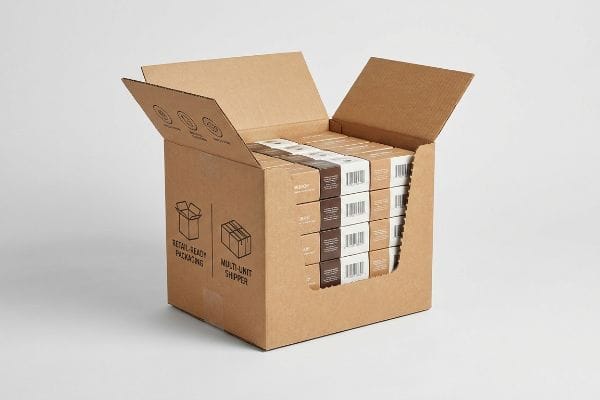
रिटेल मार्केटिंग में बहुत तेज़ी से बदलाव आते हैं। अगर आपकी पैकेजिंग को स्टोर में खोलना मुश्किल है, तो आप पहले से ही मुनाफ़ा खो रहे हैं और बड़े-बड़े रिटेल स्टोर्स से अपने प्रोडक्ट की प्लेसमेंट रिजेक्शन का जोखिम उठा रहे हैं।.
रिटेल के लिए तैयार पैकेजिंग से स्टोर कर्मचारियों को अलग-अलग आइटम खोलने की ज़रूरत नहीं पड़ती, जिससे सामान जल्दी से जल्दी शेल्फ तक पहुंच जाता है। यह विशेष नालीदार संरचना शिपिंग कंटेनर और मर्चेंडाइजिंग यूनिट दोनों का काम करती है, जिससे लोग तुरंत खरीदारी करने के लिए प्रेरित होते हैं और दुनिया भर के आधुनिक रिटेल परिवेशों में श्रम लागत में भारी कमी आती है।.

सिद्धांत को समझना एक अच्छी शुरुआत है। लेकिन आकर्षक ग्राफिक डिजाइन और संरचनात्मक रूप से सुदृढ़ खुदरा इकाई के बीच की खाई को पाटने के लिए विनिर्माण की वास्तविकता का गहन अध्ययन आवश्यक है।.
शेल्फ-रेडी पैकेजिंग के क्या फायदे हैं?
अधिकांश ग्राहक बस स्टॉक की त्वरित आपूर्ति चाहते हैं। वे समझते हैं कि स्टोर टीम के लिए इसे आसान बनाने से उत्पादों की बेहतर व्यवस्था और खुदरा बिक्री में निरंतर वृद्धि सुनिश्चित होती है।.
शेल्फ-रेडी पैकेजिंग के फायदों में तेजी से स्टॉक भरना, ब्रांड की निरंतरता की गारंटी और स्टोर में श्रम की भारी कमी शामिल है। मानक भूरे रंग के शिपर्स से हटकर आसानी से दिखाई देने वाले, पहले से छिद्रित नालीदार डिस्प्ले बॉक्स का उपयोग करके, ब्रांड तुरंत ग्राहकों का ध्यान आकर्षित कर सकते हैं और साथ ही दुनिया भर के सख्त व्यावसायिक वातावरण में सहज एकीकरण सुनिश्चित कर सकते हैं।.
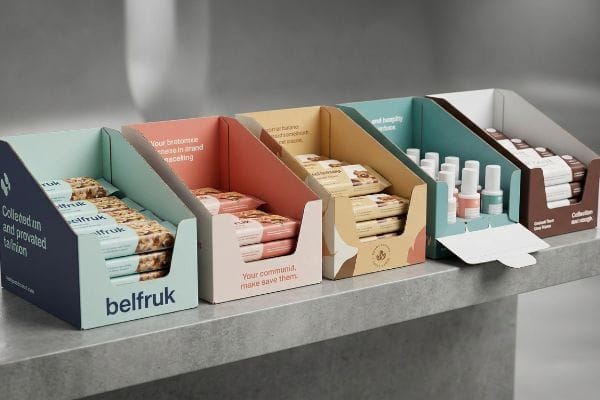
डिजिटल मॉकअप में ओपन-टॉप डिजाइन देखने में तो बहुत अच्छे लगते हैं, लेकिन वे आपके कार्डबोर्ड बॉक्स की भौतिक संरचना को काफी हद तक बदल देते हैं।.
खुली छत के लाभ से संरचनात्मक खामियां क्यों उत्पन्न होती हैं?
शुरुआती लोग अक्सर सोचते हैं कि शेल्फ-रेडी पैकेजिंग को लागू करना उतना ही आसान है जितना कि एक मानक कार्डबोर्ड बॉक्स से ऊपरी फ्लैप हटाना। वे मान लेते हैं कि इस बुनियादी बदलाव से एक सुविधाजनक खुला डिस्प्ले बन जाता है, जिससे ग्राहक रिटेल फ्लोर के लिए आवश्यक व्यापक मर्चेंडाइजिंग रणनीति पर विचार किए बिना ही उत्पादों को आसानी से उठा सकते हैं।.
हालांकि, प्रभावी और टिकाऊ पैकेजिंग के लिए रिटेल रणनीति और ब्रांड प्रस्तुति की गहरी समझ आवश्यक है। जब आप ओपन-टॉप डिज़ाइन अपनाते हैं, तो बॉक्स का भीतरी भाग बाहरी भाग जितना ही स्पष्ट दिखाई देता है, जिसका अर्थ है कि आपका संदेश पूरे बॉक्स पर सहजता से प्रदर्शित होना चाहिए। फ्लैप हटाकर लागत कम करने के बजाय, समझदार ब्रांड खुले आंतरिक पैनलों का उपयोग करके पूरक ब्रांड रंगों या क्रॉस-प्रमोशनल ऑफ़र को प्रिंट करते हैं। यह रणनीतिक बदलाव एक साधारण शिपिंग कंटेनर को एक सक्रिय पॉइंट-ऑफ-परचेज़ डिस्प्ले, जिससे आपकी भौतिक उपस्थिति अधिकतम हो जाती है और भीड़भाड़ वाले गलियारे के बीचोंबीच एक सुसंगत और प्रीमियम खरीदारी का अनुभव मिलता है।
| नौसिखियों की आम गलती | प्रो फिक्स | रिटेल-फ्लोर लाभ |
|---|---|---|
| खुले बक्सों को मानक शिपर्स की तरह मानें | आंतरिक डिस्प्ले पैनलों की छपाई1 | प्रीमियम ब्रांड की छवि को बेहतर बनाता है |
| साइड-पैनल मैसेजिंग अवसरों की अनदेखी करना | रैपअराउंड ग्राफिक तत्वों को डिजाइन करना2 | कई कोणों से ध्यान आकर्षित करता है |
| कच्चे गत्ते को खुला छोड़ देना | ब्रांड के रंगों से इंटीरियर को सराबोर करना | एक सुसंगत खरीदारी अनुभव प्रदान करता है |
शेल्फ पर रखे जाने वाले सामान को नजरअंदाज करना एक बहुत बड़ी रणनीतिक गलती है। आंतरिक संरचना को एक सक्रिय मर्चेंडाइजिंग कैनवास में बदलना आपके ब्रांड की प्रस्तुति को बेहतर बनाता है और अचानक होने वाली बिक्री को आकर्षित करने की संभावनाओं को काफी हद तक बढ़ाता है।.
🛠️ हार्वे का डेस्क: क्या पैलेट स्टैकिंग के दौरान आपके खुले टॉप वाले डिस्प्ले बिन झुक रहे हैं? 👉 संरचनात्मक समीक्षा का अनुरोध करें ↗ — सीधे मेरे डेस्क से संपर्क करें। मैं वादा करता हूँ, कोई स्वचालित बिक्री संबंधी स्पैम नहीं होगा।
"रिटेल रेडी पैकेजिंग" का क्या अर्थ है?
खुदरा क्षेत्र में अनुपालन सुनिश्चित करने के लिए अत्यंत सख्त परिचालन ढांचे का पालन करना आवश्यक है। यदि माल प्राप्त करने वाला केंद्र उसे कुशलतापूर्वक अपने इन्वेंट्री सिस्टम में शामिल नहीं कर पाता है, तो एक सुंदर दिखने वाला डिब्बा भी व्यर्थ है।
रिटेल के लिए तैयार पैकेजिंग का मतलब है उत्पादों को बल्क मर्चेंडाइज़र में डिलीवर करना, जिन्हें स्टोर में रखने से पहले अनपैक करने की बिल्कुल भी ज़रूरत नहीं होती। ये विशेष संरचनाएं गणितीय रूप से इस तरह से डिज़ाइन की गई हैं कि वे रिटेलर की ऊंचाई सीमा, विशिष्ट मूल्य-चैनल साइज़िंग और सख्त बारकोड लेबल अनुपालन को पूरा करती हैं, जिससे महंगे रीपैकिंग शुल्क और आपूर्ति श्रृंखला में आने वाली बाधाओं से बचा जा सके।.
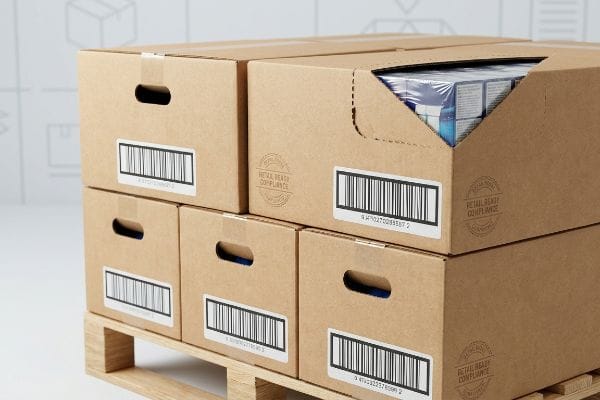
सही मायने में अनुपालन के लिए प्रिंटिंग प्रेस के चलने से काफी पहले ही सौंदर्यपूर्ण डिजाइन को कठोर आपूर्ति श्रृंखला नियमों के साथ एकीकृत करना आवश्यक है।.
"रिटेल रेडी" की परिभाषा व्यापक है।
अधिकांश खरीद टीमें खुदरा बिक्री के लिए तैयार उत्पाद को केवल उसके भौतिक आकार के आधार पर परिभाषित करती हैं, यह मानकर कि आसानी से खुलने वाला छिद्र बड़े स्टोरों की आवश्यकताओं को पूरा करने के लिए पर्याप्त है। वे पूरी तरह से उपभोक्ता के लिए एक आकर्षक ग्राफिक डिस्प्ले डिजाइन करने पर ध्यान केंद्रित करते हैं, यह मानते हुए कि डिजिटल मॉकअप पर कलाकृति अच्छी दिखने के क्षण ही उनका काम पूरी तरह से समाप्त हो गया है।.
वास्तव में, सही मायने में रिटेल-रेडी पैकेजिंग का मूल उद्देश्य आपके उत्पाद को प्रतिदिन संभालने वाले स्टोर कर्मचारियों के लिए रीस्टॉकिंग प्रक्रिया को सुगम बनाना है। यह परिभाषा केवल दिखावे तक सीमित नहीं है, बल्कि इसमें विशिष्ट लॉजिस्टिकल दिशानिर्देश भी शामिल हैं, जैसे कि सटीक केस वजन, मानकीकृत बॉक्स आकार और रणनीतिक हैंड-होल प्लेसमेंट3, जिससे यूनिट को ले जाना आसान हो जाता है। जब ब्रांड इन परिचालन संबंधी विवरणों को प्राथमिकता देते हैं, तो स्टोर टीमें डिस्प्ले को बैक रूम से शेल्फ तक कुछ ही सेकंड में पहुंचा सकती हैं। अपने संरचनात्मक डिजाइन को इन मूलभूत रिटेल वर्कफ़्लो के साथ संरेखित करने से यह सुनिश्चित होता है कि आपका उत्पाद वास्तव में स्टोरेज रूम से बाहर निकले और बिक्री फ्लोर पर लगातार प्रीमियम स्थान प्राप्त करे।
| नौसिखियों की आम गलती | प्रो फिक्स | रिटेल-फ्लोर लाभ |
|---|---|---|
| केवल उपभोक्ता ग्राफिक्स पर ध्यान केंद्रित करना | सहयोगी हैंडलिंग सुविधाओं को एकीकृत करना4 | दैनिक स्टॉक भरने के समय को कम करता है |
| बड़े स्टोरों के स्टाइल गाइडों को अनदेखा करना | सटीक मूल्य-चैनल ऊंचाइयों को लागू करना5 | शेल्फ पर निर्बाध फिटिंग की गारंटी देता है |
| भारी और असुविधाजनक डिस्प्ले डिजाइन करना | एर्गोनोमिक संरचनात्मक हैंड-होल जोड़ना6 | बेहतर शेल्फ प्लेसमेंट सुनिश्चित करता है |
रिटेल के लिए तैयार पैकेजिंग मूल रूप से एक लॉजिस्टिकल मानक है, न कि केवल एक आकर्षक मार्केटिंग शब्द। स्टोर कर्मचारियों के दैनिक कार्यों को सुगम बनाने के लिए अपनी संरचना को डिज़ाइन करने से त्वरित रीस्टॉकिंग और रिटेल फ्लोर पर उपस्थिति सुनिश्चित होती है।
🛠️ हार्वे का डेस्क: क्या आपकी पैकेजिंग अनजाने में बड़े-बड़े स्टोरों के सख्त डिलीवरी दिशानिर्देशों का उल्लंघन कर रही है और भारी जुर्माने का जोखिम पैदा कर रही है? 👉 मेरी अनुपालन चेकलिस्ट प्राप्त करें ↗ — सुरक्षित रूप से डाउनलोड करें। बाद में कोई प्रश्न होने पर मेरा इनबॉक्स खुला है।
खुदरा क्षेत्र में पैकेजिंग की क्या भूमिका है?
आपकी संरचना को दोहरी भूमिका निभानी होगी। परिवहन के दौरान यह सर्वोच्च भौतिक सुरक्षा प्रदान करती है, साथ ही अव्यवस्थित स्टोर फ्लोर पर आपके सबसे प्रभावी विपणन उपकरण के रूप में भी काम करती है।.
खुदरा व्यापार में पैकेजिंग की भूमिका एक मूक विक्रेता के रूप में होती है जो भीड़भाड़ वाली गलियों में दृश्यीय रूप से ध्यान भटकाती है। यह परिवहन के दौरान उत्पाद की सुरक्षा करती है, साथ ही रणनीतिक रूप से कटे हुए आकार और तीव्र कंट्रास्ट वाले चमकीले रंगों का उपयोग करके ग्राहकों को तुरंत खरीदारी के लिए प्रेरित करती है, जिससे अंततः ब्रांड की साख बढ़ती है और समग्र बिक्री रूपांतरण दर में वृद्धि होती है।.

दृश्य प्रभाव के लिए केवल एक डिब्बे पर लोगो चिपकाना ही पर्याप्त नहीं है; इसके लिए स्थानिक मर्चेंडाइजिंग की रणनीतिक समझ की आवश्यकता होती है।.
पैकेजिंग एक स्थानिक व्यापारिक उपकरण के रूप में
यहां तक कि अनुभवी डिज़ाइनर भी अक्सर खुदरा पैकेजिंग को केवल बैकलिट कंप्यूटर मॉनिटर पर नज़दीकी से देखने के लिए ही बनाते हैं , और पूरी तरह से जटिल टाइपोग्राफी पर ध्यान केंद्रित करते हैं। वे इस बात की भौतिक वास्तविकता को नज़रअंदाज़ कर देते हैं कि खरीदार वास्तव में अव्यवस्थित स्टोर गलियारों में कैसे घूमते हैं , और बॉक्स को एक स्थिर विज्ञापन बोर्ड की तरह मानते हैं, न कि एक सक्रिय स्थानिक जुड़ाव उपकरण की तरह।
तेज़ रफ़्तार वाले रिटेल माहौल में सफल होने के लिए, आपकी पैकेजिंग को स्टोर के हर कोने से ही अपने मुख्य मूल्य प्रस्ताव को तुरंत संप्रेषित करना होगा। जल्दबाज़ी में चल रहा ग्राहक तीस फीट की दूरी से जटिल, बहुस्तरीय संदेशों को समझ नहीं सकता। हर उपलब्ध पैनल पर छोटे-छोटे अक्षरों को ठूंसने के बजाय, सफल ब्रांड आकर्षक, उच्च-विपरीत रंगों और बड़े, आसानी से पहचाने जाने वाले लोगो का उपयोग करके तुरंत दृश्य व्यवधान उत्पन्न करते हैं। डिस्प्ले ट्रे , आप ग्राहक को दूर से ही आकर्षक दिखने से लेकर उत्पाद को अपनी कार्ट में डालने के अंतिम निर्णय तक सहजता से मार्गदर्शन करते हैं।
| नौसिखियों की आम गलती | प्रो फिक्स | रिटेल-फ्लोर लाभ |
|---|---|---|
| कंप्यूटर मॉनिटर के लिए डिजाइन करना | रणनीतिक दूरी के नियमों को लागू करना9 | इससे गलियारे में अचानक आवागमन शुरू हो जाता है |
| लंबे समय तक टिकने वाला होंठों को छुपाने वाला उत्पाद | सामने की निचली डिस्प्ले दीवारों को डिजाइन करना | स्पर्श संबंधी खरीदारी के अनुभवों को बढ़ाता है।10 |
| बेस पैनल पर छोटे अक्षरों में टेक्स्ट भरना | उच्च-विपरीत दूरस्थ फोकस बिंदु11 | दृश्य अव्यवस्था को दूर करता है |
एक सफल रिटेल बॉक्स को दूर से आत्मविश्वास से अपनी उपस्थिति दर्ज करानी चाहिए और पास से धीरे से अपनी बात कहनी चाहिए। इस महत्वपूर्ण स्थानिक निरंतरता को समझने में विफल रहने पर आपका उत्पाद आधुनिक स्टोर के गलियारों के शोरगुल में पूरी तरह से अदृश्य हो जाएगा।.
🛠️ हार्वे का डेस्क: क्या आपके बनाए गए फॉर्म अनजाने में ग्राहकों से आपके उत्पाद के सबसे महत्वपूर्ण संदेश को छिपा रहे हैं? 👉 मुफ़्त स्थानिक ऑडिट का दावा करें ↗ — ऐसे फॉर्म नहीं जो अंतहीन बिक्री कॉल को ट्रिगर करें। बस शुद्ध मूल्य।
"शेल्फ-रेडी पैकेजिंग" का क्या अर्थ है?
ब्रांड्स को मॉड्यूलर डिस्प्ले कंपोनेंट्स का विचार बहुत पसंद आ रहा है, क्योंकि इससे उनकी सप्लाई चेन ऑपरेशन्स में तेजी आती है। आधुनिक उत्पादों के तेजी से लॉन्च के लिए प्रति यूनिट मैन्युअल हस्तक्षेप को कम करना एक प्रमुख प्राथमिकता बनी हुई है।.
शेल्फ-रेडी पैकेजिंग का मतलब है विशेष रूप से डिज़ाइन की गई नालीदार ट्रे का उपयोग करना, जिन्हें शिपिंग पैलेट से सीधे रिटेल शेल्फ पर बिना खोले ही रखा जा सकता है। ये मॉड्यूलर इकाइयाँ पहले से चिपकाए गए स्टैकिंग सिस्टम और आसानी से फटने वाले छिद्रों के साथ डिज़ाइन की गई हैं, जिससे स्टोर कर्मचारी संरचनात्मक अखंडता को बनाए रखते हुए तेजी से बिकने वाली वस्तुओं को जल्दी से भर सकते हैं।.
लेकिन जब उत्पादन स्थल पर मशीनें चलने लगती हैं तो केवल सिद्धांत जानना ही पर्याप्त नहीं होता।.
मानक शेल्फ-रेडी ट्रे कारखाने में ही विफल क्यों हो जाती हैं?
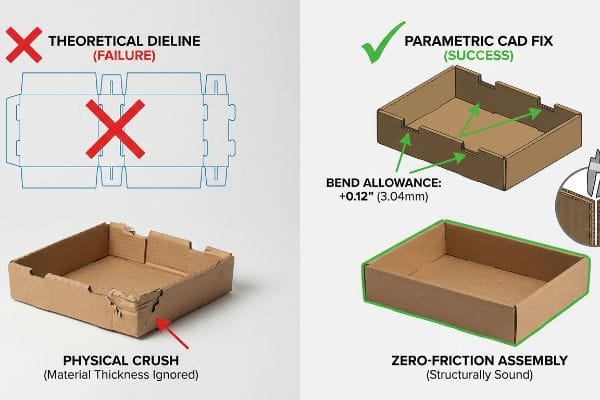
ग्राफिक डिज़ाइनर अक्सर शेल्फ-रेडी ट्रे बनाने के लिए डिजिटल सॉफ़्टवेयर में इंटरलॉकिंग टैब और फोल्डिंग स्लॉट को मिलान पैनल की सटीक चौड़ाई पर बनाते हैं। वे इस गलत धारणा के तहत काम करते हैं कि एक डिजिटल वेक्टर लाइन भौतिक त्रि-आयामी स्थान में पूरी तरह से अनुवादित होती है, और कच्चे नालीदार बोर्ड की भौतिक मोटाई की गणना किए बिना ही सपाट डाईलाइन को कारखाने में भेज देते हैं ।
जब वह सैद्धांतिक फ़ाइल उत्पादन स्थल पर पहुँचती है , तो भौतिक भौतिकी की कठोर वास्तविकता तुरंत डिज़ाइन को नष्ट कर देती है। वे यह भूल जाते हैं कि 0.12 इंच (3.04 मिमी) मोटा बी-फ्लूट पैनल 13 , 90 डिग्री के कोण पर मोड़ने पर भौतिक रूप से सामग्री की खपत करता है, जिसके परिणामस्वरूप बिना समायोजित किए गए रिसीविंग स्लॉट खतरनाक रूप से तंग हो जाते हैं। मैं लगातार देखता हूँ कि सह-पैकिंग टीमें इन असंगत भागों को जबरदस्ती जोड़ने के लिए फ्लूट्स को आक्रामक रूप से कुचलती हैं और महंगी लिथो-लैमिनेटेड ऊपरी शीट को फाड़ देती हैं। इस बाधा को दूर करने के लिए, मैं सटीक माइक्रोमीटर रीडिंग अनिवार्य करता हूँ और CAD (कंप्यूटर-एडेड डिज़ाइन) सॉफ़्टवेयर में एक पैरामीट्रिक एल्गोरिदम चलाता हूँ, जिससे प्रत्येक डाई-कट स्लॉट में विशिष्ट बेंड अलाउंस टॉलरेंस निर्धारित किया जाता है। इस सटीक 0.12 इंच (3.04 मिमी) सामग्री क्लीयरेंस को गणितीय रूप से लागू करके, मोड़ने का घर्षण समाप्त हो जाता है, जिससे प्रति यूनिट 14 मैन्युअल असेंबली का समय 42 सेकंड तक कम हो जाता है और अंतिम डिस्प्ले की संरचनात्मक अखंडता सुरक्षित रहती है।
| नौसिखियों की आम गलती | प्रो फिक्स | रिटेल-फ्लोर लाभ |
|---|---|---|
| 2D सॉफ़्टवेयर में 1:1 स्लॉट चौड़ाई का आरेखण करना | पैरामीट्रिक कैलिपर क्षतिपूर्ति15 | यह शून्य घर्षण वाली मैनुअल असेंबली सुनिश्चित करता है। |
| कागज मोड़ने की खपत को अनदेखा करना | सटीक मोड़ भत्ते जोड़ना16 | फटी हुई लिथो-लेमिनेशन शीटों की समस्या को दूर करता है17 |
| तंग हिस्सों को मैन्युअल रूप से एक साथ जोड़ना | मिलीमीटर के हिसाब से क्लीयरेंस को समायोजित करना | को-पैकिंग में लगने वाले श्रम समय में भारी कटौती करता है |
सैद्धांतिक डाईलाइन नालीदार कार्डबोर्ड की भौतिक मोटाई के सामने निश्चित रूप से विफल हो जाएगी। फोल्डिंग के दौरान कार्डबोर्ड के संरचनात्मक व्यवहार का गणितीय रूप से पूर्वानुमान लगाने से असेंबली लाइन में होने वाली विनाशकारी बाधाओं को रोका जा सकता है और आपके मार्केटिंग अभियान की समग्र अखंडता सुनिश्चित होती है।.
🛠️ हार्वे का डेस्क: क्या आप अपने इंटरलॉकिंग ट्रे डिज़ाइन को प्रिंट के लिए भेजने से पहले अपने नालीदार कार्डबोर्ड की सटीक मोटाई जानते हैं? 👉 मुझे अपनी डाइलाइन फ़ाइल भेजें ↗ — बड़े पैमाने पर उत्पादन पर बजट बर्बाद करने से पहले मैं गणना की गहन जाँच करूँगा।
निष्कर्ष
आप सैद्धांतिक 2D डिज़ाइन फ़ाइल पर आँख बंद करके भरोसा कर सकते हैं, लेकिन जब बिना क्षतिपूर्ति वाले नालीदार कोने मोड़ने के दौरान फट जाते हैं, तो इससे भारी घर्षण पैदा होता है, जिससे आपकी को-पैकिंग असेंबली लाइन की गति लगभग 30% धीमी हो जाती है और आपके खुदरा लॉन्च मार्जिन पूरी तरह से खत्म हो जाते हैं। 500 से अधिक ब्रांड मैनेजर इन शुरुआती चरण की घातक गलतियों से बचने के लिए मेरी प्रीप्रेस चेकलिस्ट का उपयोग करते हैं। संरचनात्मक मोड़ सहनशीलता का अनुमान लगाना बंद करें और मुझे व्यक्तिगत रूप से अपनी फ़ाइलों को मेरे मुफ़्त डाइलाइन ऑडिट ↗ ताकि बड़े पैमाने पर उत्पादन शुरू होने से पहले इन छिपी हुई कैलिपर त्रुटियों को पकड़ा जा सके।
"पैकेजिंग ब्रांड धारणा को कैसे प्रभावित करती है - लाइट प्रिंटिंग हाउस", https://www.lightprintinghouse.com/news/how-packaging-affects-brand-perception.html?srsltid=AfmBOooON_61HxSKGF3wb229OE-EsHQfvtWZYOqupEDSqnE8A-n6G2lF। [खुदरा मनोविज्ञान और पैकेजिंग डिज़ाइन पर प्रामाणिक शोध दर्शाता है कि ब्रांडिंग के लिए आंतरिक सतहों का उपयोग करने से उत्पाद का कथित मूल्य और प्रीमियम स्थिति बढ़ जाती है]। साक्ष्य की भूमिका: तकनीकी प्रभावकारिता का समर्थन; स्रोत प्रकार: खुदरा डिज़ाइन अध्ययन। समर्थन: आंतरिक प्रिंटिंग और ब्रांड धारणा के बीच संबंध। स्कोप नोट: प्रभाव उत्पाद श्रेणी और मूल्य बिंदु के अनुसार भिन्न हो सकते हैं। ↩
"साहसिक श्रेणियों में अव्यवस्था को दूर करने के लिए अंतर्दृष्टिपूर्ण लेबलिंग रणनीतियाँ", https://www.packagingstrategies.com/articles/92092-insightful-labeling-tactics-cut-through-clutter-in-crowded-categories। [विज़ुअल मर्चेंडाइजिंग के अध्ययन इस बात की पुष्टि करते हैं कि पैकेज के कई पहलुओं पर निरंतर ग्राफिक तत्व विभिन्न दृष्टिकोणों से ग्राहकों द्वारा उत्पादों की दृश्यता और आकर्षण दर को बढ़ाते हैं]। साक्ष्य की भूमिका: अनुभवजन्य साक्ष्य; स्रोत प्रकार: उपभोक्ता व्यवहार अध्ययन। समर्थन: ध्यान आकर्षित करने के लिए रैपअराउंड ग्राफिक्स का लाभ। कार्यक्षेत्र संबंधी टिप्पणी: भौतिक खुदरा वातावरण के लिए विशिष्ट। ↩
"पैकेज साइज़ के विभिन्न प्रकार क्या हैं? – सप्लायरविकि", https://www.spscommerce.com/community/articles/what-are-the-different-types-of-pack-sizes। [उद्योग के लॉजिस्टिकल मानक और खुदरा विक्रेता अनुपालन नियमावली, पुनः स्टॉक करने की दक्षता को अनुकूलित करने के लिए केस के आयाम, वजन और एर्गोनोमिक विशेषताओं के लिए आवश्यकताओं को निर्दिष्ट करते हैं]। साक्ष्य की भूमिका: तकनीकी विनिर्देश; स्रोत प्रकार: उद्योग दिशानिर्देश। समर्थन: परिचालन आरआरपी आवश्यकताओं की परिभाषा। स्कोप नोट: सटीक विनिर्देश प्रत्येक खुदरा विक्रेता के अनुसार भिन्न होते हैं। ↩
"सहयोगी उत्पादकता की कुंजी: खुदरा कार्य को नया आकार देने वाली रणनीतियाँ", https://rethink.industries/articles/keys-to-associate-productivity-strategies-reshaping-retail-work/। [उद्योग लॉजिस्टिक्स रिपोर्ट विस्तार से बताती हैं कि कैसे आसान हैंडलिंग सुविधाएँ स्टॉक पुनःपूर्ति के दौरान श्रम समय को कम करती हैं]। साक्ष्य की भूमिका: कारण संबंध; स्रोत प्रकार: उद्योग श्वेत पत्र। समर्थन: पुनः स्टॉक करने की दक्षता। स्कोप नोट: प्रदर्शन खुदरा विक्रेता के श्रम मानकों के अनुसार भिन्न हो सकता है। ↩
"शेल्फ रेडी पैकेजिंग (एसआरपी) गाइड - रिटेल कंप्लायंस सॉफ्टवेयर", https://www.retailerhub.ai/guides/retail-ready-packaging। [रिटेलर स्टाइल गाइड मूल्य चैनलों के लिए सटीक आयामी आवश्यकताओं को निर्दिष्ट करते हैं ताकि यह सुनिश्चित किया जा सके कि पैकेजिंग शेल्फ लेबलिंग के अनुरूप हो]। साक्ष्य भूमिका: तकनीकी विनिर्देश; स्रोत प्रकार: रिटेल स्टाइल गाइड। समर्थन: शेल्फ अनुपालन। कार्यक्षेत्र नोट: बड़े रिटेलर मानकों के लिए विशिष्ट। ↩
"[PDF] वेंटिलेशन और हैंड होल का संपीड़न हानि पर प्रभाव …", https://digitalcommons.calpoly.edu/cgi/viewcontent.cgi?article=1000&context=it_fac. [पैकेजिंग में एर्गोनॉमिक डिज़ाइन सिद्धांत भारी डिस्प्ले को रखने के दौरान कर्मचारियों की थकान और त्रुटियों को कम करते हैं]। साक्ष्य की भूमिका: परिचालन लाभ; स्रोत प्रकार: पैकेजिंग इंजीनियरिंग अध्ययन। समर्थन: प्लेसमेंट गुणवत्ता। कार्यक्षेत्र संबंधी टिप्पणी: विशेष रूप से भारी या बड़े आकार के डिस्प्ले के लिए प्रासंगिक। ↩
"फ्लैट बनाम डाइमेंशनल पैकेजिंग डिज़ाइन 2026", https://www.inuru.com/post/flat-vs-dimensional-packaging-design-2026। [डिज़ाइन से शेल्फ तक के रूपांतरण पर उद्योग विश्लेषण उच्च-रिज़ॉल्यूशन मॉनिटर व्यूइंग और वास्तविक रिटेल शेल्फ दूरी के बीच सामान्य विसंगति को उजागर करता है]। साक्ष्य भूमिका: उद्योग मानक सत्यापन; स्रोत प्रकार: पेशेवर डिज़ाइन गाइड। समर्थन: मॉनिटर-केंद्रित डिज़ाइन वर्कफ़्लो की आलोचना। स्कोप नोट: उत्पाद विकास के ग्राफ़िक डिज़ाइन चरण से संबंधित है। ↩
"जब सामान गलियारों में भर जाता है और गाड़ियाँ खरीदारों के बीच में आ जाती हैं", https://pmc.ncbi.nlm.nih.gov/articles/PMC13102192/। [पर्यावरण मनोविज्ञान में अनुसंधान इस बात पर डेटा प्रदान करता है कि उपभोक्ता अलमारियों को कैसे स्कैन करते हैं और गलियारों में कैसे घूमते हैं, जो स्थिर अवलोकन मॉडल का खंडन करता है]। साक्ष्य की भूमिका: अनुभवजन्य साक्ष्य; स्रोत प्रकार: अकादमिक अध्ययन। समर्थन: शारीरिक गति और स्थानिक जुड़ाव के लिए डिज़ाइन की आवश्यकता। कार्यक्षेत्र संबंधी टिप्पणी: भौतिक ईंट-और-मोर्टार खुदरा वातावरण पर केंद्रित। ↩
"आवेगी खरीदारी पर स्थानिक क्रम का प्रभाव: आत्म-बोध द्वारा नियंत्रित", https://pmc.ncbi.nlm.nih.gov/articles/PMC10451481/। [दृश्य मर्चेंडाइजिंग पर एक प्रामाणिक स्रोत यह प्रमाणित करेगा कि दूरी-आधारित डिज़ाइन किस प्रकार खरीदार की दृश्यता और आवेगी खरीदारी को प्रेरित करता है]। साक्ष्य की भूमिका: तकनीकी सत्यापन; स्रोत का प्रकार: खुदरा डिज़ाइन गाइड। समर्थन: दूरी नियमों और गलियारे में आवागमन के बीच सहसंबंध। कार्यक्षेत्र संबंधी टिप्पणी: प्रभावशीलता उत्पाद श्रेणी के अनुसार भिन्न हो सकती है। ↩
"देखना ही महसूस करना है? स्पर्श संबंधी क्षतिपूर्ति वीडियो का प्रभाव...", https://pmc.ncbi.nlm.nih.gov/articles/PMC10813092/। [हैप्टिक मार्केटिंग में अनुसंधान इस बात पर अनुभवजन्य डेटा प्रदान करता है कि स्पर्श में भौतिक बाधाओं को दूर करने से खरीदारी की इच्छा कैसे बढ़ती है]। साक्ष्य की भूमिका: अनुभवजन्य समर्थन; स्रोत प्रकार: उपभोक्ता मनोविज्ञान अध्ययन। समर्थन: स्पर्श संबंधी अंतःक्रिया और रूपांतरण के बीच संबंध। कार्यक्षेत्र संबंधी टिप्पणी: भौतिक खुदरा वातावरण के लिए विशिष्ट। ↩
"पैकेजिंग डिज़ाइन में दृश्य केंद्रबिंदु कैसे बनाएँ?", https://inspackaging.com/how-to-create-a-visual-focal-point-in-packaging-design/?srsltid=AfmBOoppmAmThDzenhn59XOIwTXGQkqkTn2eLlGkodtW_kk4odoEHpkg. [संज्ञानात्मक भार और दृश्य बोध पर किए गए अध्ययनों से पता चलता है कि भीड़भाड़ वाले वातावरण में ध्यान आकर्षित करने में उच्च-विपरीतता वाले तत्व अधिक प्रभावी होते हैं]। साक्ष्य की भूमिका: सैद्धांतिक प्रमाण; स्रोत का प्रकार: ग्राफिक डिज़ाइन या मनोविज्ञान की पाठ्यपुस्तक। समर्थन: दृश्य शोर को कम करने में उच्च-विपरीतता की प्रभावकारिता। कार्यक्षेत्र संबंधी टिप्पणी: विभिन्न स्टोर प्रकाश व्यवस्था स्थितियों पर लागू। ↩
"कार्डबोर्ड मोटाई गाइड", https://www.aopackmachine.com/cardboard-thickness-guide/। [पैकेजिंग इंजीनियरिंग पर एक प्रामाणिक स्रोत बताता है कि नालीदार डिज़ाइनों में इंटरलॉकिंग घटकों की फिटिंग पर सामग्री की मोटाई कैसे प्रभाव डालती है। साक्ष्य भूमिका: तकनीकी सत्यापन; स्रोत प्रकार: उद्योग इंजीनियरिंग मानक। समर्थन: डाईलाइन में बोर्ड की मोटाई को ध्यान में रखने की आवश्यकता। कार्यक्षेत्र नोट: विशेष रूप से नालीदार कार्डबोर्ड के लिए।] ↩
"कॉरुगेटेड बोर्ड और सामग्री ग्रेड - फ्लूट - पैकेजिंग रणनीतियाँ", https://www.packagingstrategies.com/articles/96269-corrugated-board-and-material-grades। [कॉरुगेटेड सामग्रियों के लिए उद्योग मानक बी-फ्लूट कार्डबोर्ड के लिए नाममात्र मोटाई सीमा को परिभाषित करते हैं]। साक्ष्य भूमिका: तकनीकी विनिर्देश; स्रोत प्रकार: औद्योगिक मानक। समर्थन: सामग्री आयामों की सटीकता। स्कोप नोट: निर्माता के अनुसार नाममात्र मान थोड़ा भिन्न हो सकते हैं। ↩
"शीट मेटल बेंड अलाउंस को समझना", https://www.pekoprecision.com/blog/understanding-sheet-metal-bend-allowance/। [औद्योगिक इंजीनियरिंग केस स्टडी दर्शाती हैं कि कैसे सटीक CAD टॉलरेंस और बेंड अलाउंस मैनुअल फिटिंग के समय और असेंबली त्रुटियों को कम करते हैं]। साक्ष्य भूमिका: प्रदर्शन मीट्रिक; स्रोत प्रकार: इंजीनियरिंग रिपोर्ट। समर्थन: उत्पादकता दावे। स्कोप नोट: विशिष्ट समय बचत पैकेजिंग इकाई की जटिलता पर निर्भर करती है। ↩
"कैलिपर प्रबंधन के पीछे का विचार - पेपर 360", https://paper360.tappi.org/2022/08/12/the-thought-behind-managing-caliper/। [पैकेजिंग इंजीनियरिंग के लिए उद्योग मानक पैरामीट्रिक कैलिपर क्षतिपूर्ति को सामग्री की मोटाई के आधार पर आयामों को समायोजित करने के रूप में परिभाषित करते हैं ताकि सटीक फिट सुनिश्चित हो सके]। साक्ष्य भूमिका: तकनीकी परिभाषा; स्रोत प्रकार: इंजीनियरिंग मैनुअल। समर्थन: 1:1 ड्राइंग पर क्षतिपूर्ति की आवश्यकता। कार्यक्षेत्र नोट: उच्च-परिशुद्धता मॉड्यूलर पैकेजिंग के लिए विशिष्ट। ↩
"बेंड अलाउंस और बेंड डिडक्शन की गणना (+ सूत्र)", https://sendcutsend.com/blog/guide-to-calculating-bend-allowance-and-bend-deduction/?srsltid=AfmBOorIfgZ7XKc95HnELeBYm7JqRdm448Dy0nhpI5edYWe8Z3ddMbRA. [बेंड अलाउंस की गणना में संरचनात्मक विफलता या आयामी अशुद्धि को रोकने के लिए मोड़ने के दौरान सामग्री के खिंचाव और संपीड़न को ध्यान में रखा जाता है]। साक्ष्य भूमिका: तकनीकी विनिर्देश; स्रोत प्रकार: सामग्री विज्ञान पाठ्यपुस्तक। सहायक: फोल्ड खपत त्रुटियों का सुधार। कार्यक्षेत्र नोट: विभिन्न प्रकार के पेपरबोर्ड और नालीदार कार्डबोर्ड पर लागू होता है। ↩
"लेमेलर टियरिंग अवलोकन और विफलता के मामले", https://www.engr.psu.edu/ae/thesis/failures/MKP/failures/failures.wikispaces.com/Lamellar_Tearing_Overview_and_Failures_Cases.html। [उचित बेंड अलाउंस के बिना फोल्डिंग के दौरान लेमिनेशन परतों पर अत्यधिक तनाव अक्सर बाहरी परत में दरार या फटने का कारण बनता है]। साक्ष्य की भूमिका: कारण-और-प्रभाव सत्यापन; स्रोत प्रकार: तकनीकी श्वेत पत्र। समर्थन: लेमिनेटेड सामग्रियों पर बेंड अलाउंस का लाभ। कार्यक्षेत्र नोट: विशेष रूप से लिथो-लेमिनेशन प्रक्रियाओं पर केंद्रित। ↩