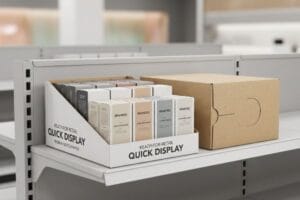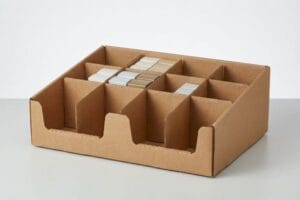
अस्थायी मौसमी स्टोरों में मानक खुदरा प्रदर्शन को जबरदस्ती लागू करने के प्रयास में ब्रांडों को हजारों का नुकसान होता है। यदि आपका स्टोर हर तिमाही में बदलता है, तो आपकी मर्चेंडाइजिंग रणनीति को संरचनात्मक रूप से अनुकूलित करना होगा, अन्यथा आपका अभियान विफल हो जाएगा।.
मौसमी स्टोर एक अस्थायी खुदरा स्थान होता है जो विशिष्ट त्योहारों, मौसम चक्रों या सांस्कृतिक आयोजनों का लाभ उठाने के लिए सीमित समय के लिए संचालित होता है। इन लचीले व्यापारिक स्थानों के लिए विशेष, तेजी से तैनात किए जाने वाले डिस्प्ले की आवश्यकता होती है जो त्वरित संयोजन, अधिकतम दृश्य प्रभाव और उपयोग के बाद निपटान या पुनर्चक्रण की सरल व्यवस्था के लिए डिज़ाइन किए गए हों।.

इन अस्थायी रिटेल विंडो की योजना बनाने के लिए केवल उत्सवपूर्ण कलाकृति से कहीं अधिक की आवश्यकता होती है; इसके लिए उत्पादन लाइन पर संरचनात्मक चपलता की आवश्यकता होती है।.
मौसमी स्टोर क्या होता है?
जब आपकी दुकान केवल छह सप्ताह के लिए ही खुली रहती है, तो उत्पादन में होने वाली देरी का हर एक दिन मुनाफे को सक्रिय रूप से कम करता है।.
एक मौसमी स्टोर एक अस्थायी दुकान के रूप में काम करता है, जिसे साल के विशिष्ट समय में सबसे अधिक मांग वाले सामान को बेचने के लिए डिज़ाइन किया गया है। यह प्रारूप हल्के, जल्दी तैयार होने वाले नालीदार ढांचों पर निर्भर करता है ताकि विशिष्ट खुदरा स्थान के स्थायी रूप से बंद होने या नए स्टॉक में स्थानांतरित होने से पहले बिक्री की गति को अधिकतम किया जा सके।.
यदि आपकी पॉप-अप दुकान दो सप्ताह में खुलने वाली है, तो पारंपरिक बड़े पैमाने पर उत्पादन के लिए आवश्यक उपकरणों का इंतजार करने से आपकी समय-सीमा पूरी तरह से बिगड़ जाएगी।.
मौसमी पॉप-अप्स में समय सीमा की कमी को दूर करना
ब्रांड अक्सर अस्थायी पॉप-अप दुकानों को स्थायी फ्लैगशिप स्थानों की तरह मानते हैं, जिससे सुस्त, महीनों तक चलने वाले डिज़ाइन चरण1।वे मानक लीड टाइम लागू होने की धारणा रखते हैं, कारखानों को जटिल ब्लूप्रिंट भेजते हैं और भौतिक मॉक-अप देखने के लिए हफ्तों इंतजार करते हैं2 , जिससे लीज़ की तारीख नजदीक आने पर भारी चिंता पैदा होती है।
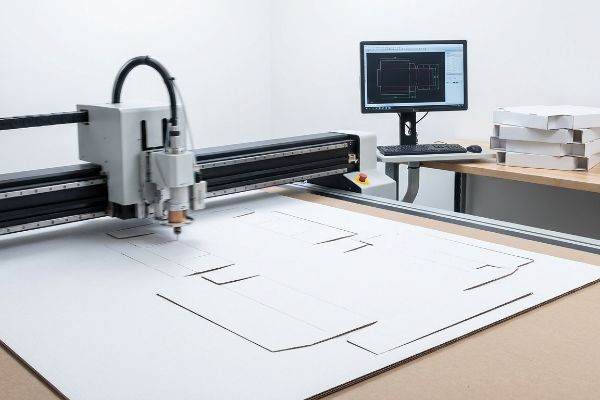
मैं अक्सर देखता हूँ कि मार्केटिंग टीमें दो हफ़्ते बाद अपने हैलोवीन स्टोर खुलने पर घबरा जाती हैं, क्योंकि उनके डिस्प्ले कॉन्सेप्ट अभी भी सॉफ़्टवेयर में अटके होते हैं। सिर्फ़ एक प्रोटोटाइप के लिए पारंपरिक स्टील-रूल डाई के निर्माण का इंतज़ार करना एक बहुत बड़ी भूल है। मेरी सुविधा में, मैं विकास चरण के दौरान भौतिक टूलिंग को पूरी तरह से दरकिनार करके इस बाधा को दूर करता हूँ। कच्चे CAD (कंप्यूटर-एडेड डिज़ाइन) डेटा को सीधे हमारे कोंग्सबर्ग डिजिटल कटिंग टेबल 3 में डालकर, मैं 32ECT (एज क्रश टेस्ट) बोर्ड 4 से सिर्फ़ 24 घंटों में एक पूर्ण, पूर्ण आकार का सफ़ेद नमूना तैयार कर सकता हूँ । वर्जिन क्राफ़्ट पेपर पर CNC (कंप्यूटर न्यूमेरिकल कंट्रोल) ऑसिलेटिंग ब्लेड की तेज़, तीखी आवाज़ एक सफल अभियान की सफलता का संकेत देती है। इस तत्काल संरचनात्मक सत्यापन का मतलब है कि आप तुरंत सटीक फ़्लोर फ़ुटप्रिंट को मंज़ूरी दे सकते हैं, जिससे बाज़ार में आने का समय काफ़ी कम हो जाता है और यह सुनिश्चित होता है कि आपका अस्थायी स्टोर समय पर खुले।
| नौसिखियों की आम गलती | प्रो फिक्स | रिटेल-फ्लोर लाभ |
|---|---|---|
| सैंपल डाई के लिए हफ्तों इंतजार करना पड़ा | 24 घंटे चलने वाली डिजिटल कटिंग टेबल5 | उद्घाटन दिवस पर लॉन्च सुनिश्चित हुआ |
| स्थानिक पदचिह्न का अनुमान लगाना | पूर्ण पैमाने पर श्वेत नमूना परीक्षण | तंग स्टोर लेआउट को रोकता है |
| स्थायी फिक्स्चर समय-सीमाओं का उपयोग करना | एजाइल नालीदार फ्लैट-पैक | लॉजिस्टिक्स लागत में 40% की कमी6 |
मैं धीमी प्रोटोटाइपिंग को उच्च राजस्व वाले, अल्पकालिक अवकाश लीज़ सौदे को पटरी से उतरने नहीं दूंगा। डिजिटल रूटिंग पर भरोसा करने से मेरे ग्राहक संरचनात्मक सटीकता से समझौता किए बिना अपनी निर्धारित लॉन्च तिथियों को पूरा कर लेते हैं।.
🛠️ हार्वे का डेस्क: क्या आपके अस्थायी दुकान डिस्प्ले डिज़ाइन चरण में ही अटके हुए हैं और समय तेज़ी से बीत रहा है? 👉 24 घंटे में व्हाइट सैंपल मंगवाएँ ↗ — सीधे मेरे डेस्क से संपर्क करें। मैं वादा करता हूँ, कोई स्वचालित बिक्री संबंधी स्पैम नहीं।
किसी व्यवसाय के मौसमी होने का क्या अर्थ है?
माल की उपलब्धता में उतार-चढ़ाव का मतलब है कि आपकी भौतिक पैकेजिंग संरचनात्मक रूप से इतनी बहुमुखी होनी चाहिए कि वह कई अलग-अलग उत्पाद आकृतियों को संभाल सके।.
यदि कोई व्यवसाय मौसमी है, तो उसकी आय और इन्वेंट्री की मात्रा वर्ष के विशिष्ट समयों के आधार पर बहुत अधिक घटती-बढ़ती रहती है। ऐसी कंपनियों को पूरी तरह से नए भौतिक स्टोर ढांचे को दोबारा खरीदे बिना, पूरी तरह से अलग-अलग उत्पाद श्रृंखलाओं को तेजी से बदलने के लिए अत्यधिक अनुकूलनीय उत्पाद विकल्पों और लचीले मर्चेंडाइजिंग फिक्स्चर का उपयोग करना चाहिए।.
जब आपकी मुख्य उत्पाद श्रृंखला हर नब्बे दिनों में बदलती रहती है, तो अपने ब्रांड को एक ही स्थायी ट्रे डिजाइन में बांधना एक महंगी गलती साबित हो सकती है।.
अस्थायी खुदरा बिक्री के लिए SKU में उतार-चढ़ाव की चुनौती
अत्यधिक चक्रीय ब्रांडों के खरीदार अक्सर किसी एक ग्रीष्मकालीन उत्पाद के लिए विशेष रूप से तैयार किए गए कठोर, कस्टम-मोल्डेड डिस्प्ले ट्रे की भारी मात्रा में ऑर्डर देते हैं । वे मानते हैं कि किसी विशिष्ट बोतल या बॉक्स के लिए नालीदार संरचना को अनुकूलित करने से स्टोर में पूर्ण स्थिरता की गारंटी मिलेगी, जबकि वे शरद ऋतु में स्टॉक आने पर होने वाली स्थिति को अनदेखा कर देते हैं।
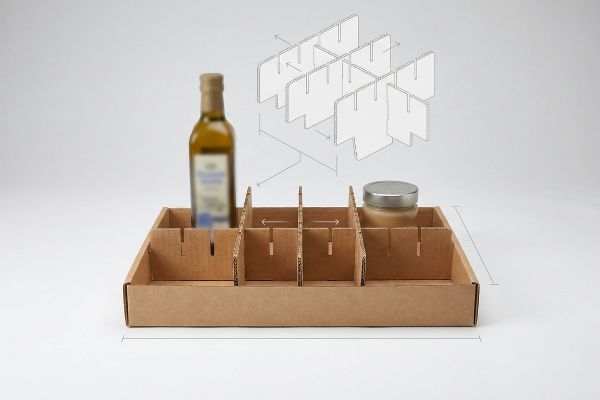
मौसम बदलने पर, उत्पादों के आकार में बदलाव आने पर, ब्रांड के पास बेकार और ज़रूरत से ज़्यादा विशिष्ट डिस्प्ले के ढेर लग जाने से परेशानी शुरू हो जाती है। मैंने एक सनकेयर ब्रांड को चौड़ी लोशन ट्यूबों को गर्मियों के स्टॉक के संकरे स्लॉट में ठूंसने की कोशिश करते देखा, जिससे पेपरबोर्ड फट गया और शेल्फ अव्यवस्थित और बिक्री के लिए अनुपयुक्त हो गई। चक्रीय ब्रांडों के लिए मेरा तात्कालिक समाधान मॉड्यूलर डिवाइडर रणनीति को लागू करना है। कठोर आंतरिक सेल चिपकाने के बजाय, मैं फ्लोटिंग, इंटरलॉकिंग नालीदार डिवाइडरडिज़ाइन जिन्हें स्टोर कर्मचारी आसानी से स्थानांतरित या पूरी तरह से हटा सकते हैं। मेल-टू-फीमेल लॉकिंग टैब के जुड़ने की संतोषजनक यांत्रिक क्लिक की आवाज़ से एक ही यूनिवर्सल बेस 2.0 इंच (50.8 मिमी) की समर सनस्क्रीन या 4.0 इंच (101.6 मिमी) के विंटर मॉइस्चराइजर को सुरक्षित रूप से पकड़ सकता है, जिससे रिटेलर द्वारा अस्वीकृति से बचा जा सकता है और ब्रांड को दो अलग-अलग डिस्प्ले बैच खरीदने से भी बचाया जा सकता है।
| नौसिखियों की आम गलती | प्रो फिक्स | रिटेल-फ्लोर लाभ |
|---|---|---|
| स्थायी आंतरिक कोशिकाओं को चिपकाना | फ्लोटिंग मॉड्यूलर डिवाइडर9 | इन्वेंट्री में होने वाले बदलावों के अनुसार अनुकूलित होता है |
| प्रत्येक मौसम के लिए अनोखी ट्रे खरीदना | यूनिवर्सल बेस फुटप्रिंट | कुल मैच खर्च आधा हो जाता है10 |
| बड़े आकार की वस्तुओं को खांचों में ठूंसना | पुनःस्थापन योग्य लॉकिंग टैब11 | सामान को व्यवस्थित रखता है |
मैं ऐसे सार्वभौमिक आर्किटेक्चर बनाता हूँ जो आपके बदलते स्टॉक के अनुकूल ढल जाते हैं। लचीले आंतरिक कंपार्टमेंट डिज़ाइन करने से यह सुनिश्चित होता है कि किसी उत्पाद के आयाम में बदलाव होने पर भी आपको कभी भी पूरे डिस्प्ले को रद्द नहीं करना पड़ेगा।.
🛠️ हार्वे का डेस्क: क्या आपका मौजूदा डिस्प्ले निर्माता आपको हर बार अपने मौसमी उत्पाद के आकार में थोड़ा सा बदलाव होने पर पूरी तरह से नए इंसर्ट खरीदने के लिए मजबूर करता है? 👉 अपनी बेस फ्लेक्सिबिलिटी का ऑडिट करें ↗ — सुरक्षित रूप से डाउनलोड करें। बाद में कोई प्रश्न होने पर मेरा इनबॉक्स खुला है।
मौसमी व्यापार का क्या अर्थ है?
छुट्टियों के दौरान मची अफरा-तफरी में खरीदारों का ध्यान आकर्षित करने के लिए किसी सपाट सतह पर लाल और हरी स्याही से छापने से कहीं अधिक की आवश्यकता होती है।.
मौसमी बिक्री से तात्पर्य सीमित समय के लिए उपलब्ध उत्पादों की रणनीतिक दृश्य प्रस्तुति से है, जिसका उद्देश्य उपभोक्ताओं की खरीदारी की इच्छा को तुरंत जगाना है। यह तकनीक संरचनात्मक दृश्य व्यवधान पर बहुत अधिक निर्भर करती है, जिसमें आकर्षक डाई-कट आकृतियों और जीवंत ग्राफिक्स का उपयोग करके भीड़भाड़ वाले गलियारों में अलग पहचान बनाई जाती है और खरीदारी के सीमित समय में बिक्री को अधिकतम किया जाता है।.
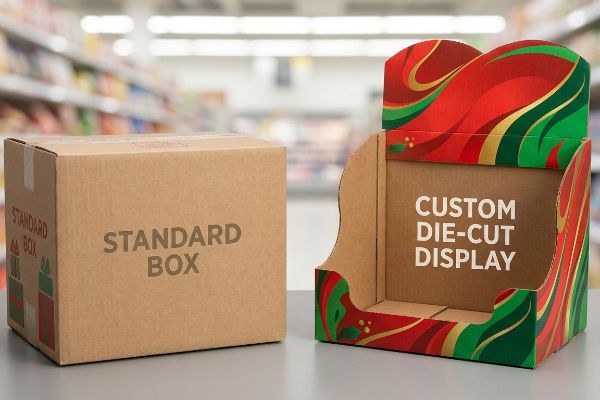
अगर आपका प्रमोशनल शिपिंग बॉक्स बिल्कुल वैसा ही दिखता है जैसा कि उसके बगल में रखे आम बॉक्स दिखते हैं, तो खरीदार आपके अभियान को अनदेखा करके आगे बढ़ जाएंगे।.
तेज़ बिक्री के लिए दृश्य व्यवधान का निर्माण
कई ग्राफिक डिज़ाइनर मानक, आयताकार आरएससी (रेगुलर स्लॉटेड कंटेनर) पर उत्सवपूर्ण कलाकृति लगाकर अल्पकालिक अभियान चलाते हैं। उनका मानना है कि केवल चटख रंग ही उनके उत्पाद को उसके ठीक बगल में रखे साल भर के मुख्य उत्पादों से अलग करने के लिए पर्याप्त हैं, वे गलियारे में खरीदारी के मनोविज्ञान को पूरी तरह से अनदेखा कर देते हैं ।
भीड़भाड़ वाली गलियों में, एक चौकोर डिब्बा लगभग अदृश्य हो जाता है, चाहे CMYK (सियान, मैजेंटा, येलो, की/ब्लैक) प्रिंटिंग कितनी भी चमकदार क्यों न हो। मैं अक्सर देखता हूँ कि ब्रांड इस बात से हैरान होते हैं कि उनका महंगा वैलेंटाइन डे गिफ्ट क्यों नज़रअंदाज़ हो जाता है, जबकि प्रतिस्पर्धी का विशिष्ट संरचना वाला उत्पाद कुछ ही दिनों में बिक जाता है। खरीदार परिधीय दृष्टि 13 के माध्यम से गलियों में घूमते हैं , और आपके डिस्प्ले का भौतिक आकार मानक खुदरा शेल्फ की रैखिक ज्यामिति को तोड़ना चाहिए। इस दृश्य व्यवधान को उत्पन्न करने के लिए, मैं हेडर और साइड पैनल पर आक्रामक, घुमावदार डाई-कट प्रोफाइल अनिवार्य करता हूँ। जब भारी स्टील रूल डाई इन गतिशील, घुमावदार चापों को काटती है, तो परिणामी भौतिक आकृति खरीदार की दृष्टि रेखा को सक्रिय रूप से बाधित करती है, जिससे एक तत्काल ठहराव उत्पन्न होता है जो आवेग रूपांतरण दरों को बढ़ाता है और कम जीवनचक्र वाले सामानों के लिए बिक्री को तेजी से बढ़ाता है 14 ।
| नौसिखियों की आम गलती | प्रो फिक्स | रिटेल-फ्लोर लाभ |
|---|---|---|
| समतल आयताकार हेडर का उपयोग करना | घुमावदार डाई-कट सिल्हूट | गलियारे की दृश्य एकरसता को तोड़ता है |
| केवल उत्सव की स्याही पर निर्भर रहना | संरचनात्मक 3डी कंटूरिंग15 | आवेगपूर्ण जुड़ाव को बढ़ाता है |
| मानक बक्सों के साथ मेल खाता हुआ | आक्रामक आकार व्यवधान16 | अभियान की बिक्री को गति देता है |
मैं ऐसे सिल्हूट डिज़ाइन करता हूँ जो उपभोक्ता को चलने से रोकने के लिए मजबूर कर देते हैं। गतिशील डाई-कट प्रोफाइल को एकीकृत करना एक निष्क्रिय खुदरा उपस्थिति को आक्रामक बिक्री इंजन में बदलने का सबसे तेज़ तरीका है।.
🛠️ हार्वे का डेस्क: क्या आपके हॉलिडे प्रमोशनल बॉक्स आम, उबाऊ आयताकार गलियारों में घुलमिल रहे हैं? 👉 डाई-कट सिलुएट अपग्रेड का अनुरोध करें ↗ — ऐसे फॉर्म भरने की ज़रूरत नहीं जिनसे बार-बार सेल्स कॉल आएं। बस शुद्ध मूल्य।
रिटेल में मौसमी बिक्री क्या होती है?
अधिक लोगों की आवाजाही का अनुमान लगाने पर तो यह बहुत अच्छा लगता है, लेकिन यह दुकान के बाहर रखे सस्ते सामानों के लिए बेहद हानिकारक होता है।.
खुदरा क्षेत्र में मौसमी बिक्री क्रिसमस, स्कूल खुलने के त्योहार या गर्मियों की छुट्टियों जैसे प्रमुख आयोजनों के दौरान उपभोक्ताओं की खरीदारी में होने वाली तीव्र वृद्धि को दर्शाती है। इन व्यस्त व्यापारिक अवधियों में असाधारण रूप से टिकाऊ फ्लोर मर्चेंडाइज़र की आवश्यकता होती है जो कम समय में भारी भीड़ और ग्राहकों के साथ बार-बार होने वाली सक्रिय बातचीत को सहन कर सकें।.
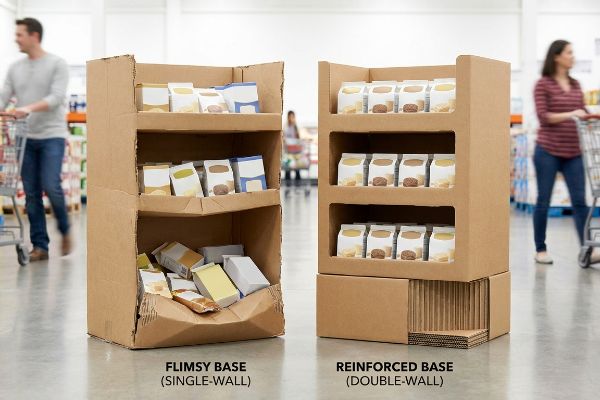
अगर खरीदारी की भीड़ के बीच में ही आधार ढह जाए तो अधिकतम भंडारण क्षमता के लिए अपनी इकाई को अनुकूलित करने का कोई मतलब नहीं है।.
भीड़भाड़ वाले खुदरा बाज़ारों में टिके रहना
खरीददारों की टीमें सामग्री की लागत में कुछ पैसे बचाने के लिए अस्थायी प्रचार संरचनाओं को जानबूझकर हल्का बनाने में लगी रहती हैं। चूंकि यह इकाई केवल चार सप्ताह के लिए ही रखी जानी है, इसलिए वे गलती से यह मान लेते हैं कि एक कमजोर सिंगल-वॉल बोर्ड खरीदारी की गाड़ियों के प्रभाव को ध्यान में रखे बिना ही पूरे समय तक टिक जाएगा।
ब्लैक फ्राइडे की भीड़भाड़ कार्डबोर्ड के लिए एक खतरनाक युद्धक्षेत्र बन जाती है। मेरे पास कई बार घबराए हुए खरीदारों के फोन आए हैं, जब एक प्रतियोगी के सस्ते सामान बेचने वाले स्टैंड पर सैकड़ों ग्राहकों ने एक ही दोपहर में सामान खंगाला और वह पूरी तरह से टूट गया। जब कोई स्टैंड टूट जाता है, तो रिटेलर आपके उत्पाद को तुरंत स्टोर रूम में रख देता है, जिससे आपका अभियान और निवेश पर लाभ (ROI) तुरंत खत्म हो जाता है। इससे बचने के लिए, मैं अधिक भीड़भाड़ वाले समय में 50-टच नियम लागू करता हूँ, क्योंकि मैं ग्राहकों की अत्यधिक परेशानी का अनुमान लगाता हूँ। बेस को मजबूत डबल-वॉल नालीदार प्रोफाइल18, मोटे कागज की मजबूत भौतिक प्रतिरोधक क्षमता कार्ट के धक्कों और आक्रामक तरीके से उत्पाद निकालने को पूरी तरह से बेअसर कर देती है, जिससे यह सुनिश्चित होता है कि आपका डिस्प्ले संरचनात्मक रूप से दोषरहित रहे और अंतिम यूनिट बिकने तक पूरी तरह से खरीदारी के लिए तैयार रहे।
| नौसिखियों की आम गलती | प्रो फिक्स | रिटेल-फ्लोर लाभ |
|---|---|---|
| एकल-दीवार आधारों को निर्दिष्ट करना | दोहरी दीवार वाली नाली में अपग्रेड करना19 | आक्रामक ग्राहक हैंडलिंग से बच जाता है |
| कार्ट प्रभाव क्षेत्रों की अनदेखी करना | प्रबलित संरचनात्मक निचले स्तर20 | घातक आधार के मुड़ने से रोकता है |
| सौहार्दपूर्ण बातचीत की धारणा के साथ | 50-टच नियम के लिए इंजीनियरिंग21 | उत्पाद को फर्श पर रखता है |
मैं अत्यधिक हल्केपन को चौथी तिमाही में होने वाली राजस्व वृद्धि को बर्बाद नहीं करने दूंगा। निचले ढांचे को अपग्रेड करने से यह सुनिश्चित होगा कि आपका ब्रांड उपभोक्ताओं की भारी मांग के दौर में भी टिका रहेगा।.
🛠️ हार्वे का डेस्क: क्या आपका टेम्पररी फ्लोर स्टैंड ब्लैक फ्राइडे की भीड़ के ज़ोरदार घर्षण को झेलने के लिए बना है? 👉 ड्यूरेबिलिटी स्ट्रेस टेस्ट करवाएं ↗ — मेरे डेस्क तक सीधी पहुंच। मैं वादा करता हूं, कोई ऑटोमेटेड सेल्स स्पैम नहीं होगा।
मौसमी वस्तुओं का क्या अर्थ है?
जब कोई छुट्टी समाप्त होती है, तो अगली खरीदारी के लिए जगह बनाने के लिए प्रीमियम सेक्शन से भौतिक सामान को रातोंरात गायब करना पड़ता है।.
मौसमी वस्तुओं का अर्थ उन उपभोक्ता उत्पादों से है जो विशेष रूप से किसी सीमित अवकाश अवधि या मौसम पर निर्भर अवधि के लिए निर्मित होते हैं। इन वस्तुओं के लिए सख्त खुदरा जीवनचक्र प्रबंधन की आवश्यकता होती है, जिसमें विशेष पैकेजिंग सुविधाओं का उपयोग किया जाता है जो स्पष्ट रूप से सक्रिय प्रदर्शन अवधि को निर्धारित करती हैं ताकि पुराने स्टॉक को शीघ्रता से हटाया और पुनर्चक्रित किया जा सके।.

स्टोर के कर्मचारियों को यह निर्देश न देना कि आपके अस्थायी सामान को कब फेंकना है, आपके ब्रांड की प्रतिष्ठा को नुकसान पहुंचाता है और खुदरा प्रबंधकों को निराश करता है।.
लाइफसाइकिल और रिटेल एंड-कैप्स का प्रबंधन
ब्रांड के संस्थापक अक्सर अपने सीमित संस्करण के उत्पादों की लॉन्च तिथि पर ही पूरा ध्यान केंद्रित करते हैं, और भौतिक निकास रणनीति22 को। वे खुदरा कर्मचारियों को यह स्पष्ट रूप से मुद्रित निर्देश दिए बिना ही सुंदर अस्थायी इकाइयाँ भेज देते हैं कि प्रचार अवधि समाप्त होने के बाद संरचना को कब और कैसे हटाया जाए।
किसी ब्रांड की प्रीमियम छवि के लिए इससे बुरा कुछ नहीं हो सकता कि मई के अंत में भी किसी बड़े स्टोर के गलियारे में धूल से सने ईस्टर कैंडी के डिस्प्ले पड़े रहें। मुझे स्टोर मैनेजरों से लगातार शिकायतें सुनने को मिलती हैं, जिनके पास यह अनुमान लगाने का समय नहीं होता कि कौन से अस्थायी यूनिट कचरे में डालने हैं। इसका समाधान बेहद सरल लेकिन अविश्वसनीय रूप से प्रभावी है: सक्रिय जीवनचक्र प्रोटोकॉल 23। मैं मर्चेंडाइज़र के छिपे हुए आंतरिक संरचनात्मक किनारे पर एक स्पष्ट, बोल्ड किल डेट कोड 24 छापना अनिवार्य करता हूँ । यह छोटा सा टाइपोग्राफिक बदलाव रीस्टॉकिंग टीम के लिए सभी भ्रम दूर कर देता है। जैसे ही वह तारीख आती है, स्पष्ट दृश्य संकेत हटाने की प्रक्रिया को बहुत तेज़ कर देता है और आपके ब्रांड को प्रीमियम एंड-कैप पर उपेक्षित और बासी दिखने से बचाता है ।
| नौसिखियों की आम गलती | प्रो फिक्स | रिटेल-फ्लोर लाभ |
|---|---|---|
| विध्वंस की तारीखों को अस्पष्ट छोड़ना | हार्ड किल डेट कोड प्रिंट करना | समय पर गलियारे की सफाई सुनिश्चित करता है |
| कर्मचारियों की स्मृति पर भरोसा करना | छिपे हुए संरचनात्मक दिनांक चिह्न | प्रीमियम ब्रांड की छवि की रक्षा करता है |
| पुराने और नए सामान को मिलाकर | स्पष्ट जीवनचक्र दृश्य संकेत | रिटेलर द्वारा किए गए शुल्क वापसी को रोकता है |
मैं स्याही में ही निकास रणनीतियाँ तैयार करता हूँ। खुदरा कर्मचारियों को स्पष्ट रूप से हटाने के निर्देश देना उतना ही महत्वपूर्ण है जितना कि आधार की संरचनात्मक अखंडता।.
🛠️ हार्वे का डेस्क: क्या आपकी मौजूदा पैकेजिंग में स्पष्ट जीवनचक्र निर्देश नहीं हैं, जिसके कारण आपके पुराने प्रमोशनल आइटम शेल्फ पर बेतरतीब ढंग से पड़े रहते हैं? 👉 अपनी पैकेजिंग जीवनचक्र का ऑडिट करें ↗ — सुरक्षित रूप से डाउनलोड करें। बाद में कोई प्रश्न होने पर मेरा इनबॉक्स खुला है।
रिटेल में चार सीज़न कौन-कौन से होते हैं?
अपने मार्केटिंग लॉजिस्टिक्स को बदलने के लिए, विदेशी माल ढुलाई के दौरान तापमान में होने वाले उतार-चढ़ाव से निपटने के लिए सामग्री की सहनशीलता की गणना करना आवश्यक है।.
खुदरा व्यापार में चार ऋतुएँ - वसंत, ग्रीष्म, स्कूल खुलने का मौसम और शीतकालीन अवकाश - वैश्विक आपूर्ति श्रृंखलाओं में बड़े चक्रीय बदलाव लाती हैं। इन विशिष्ट पर्यावरणीय और लॉजिस्टिकल चरणों के दौरान इन्वेंट्री को सुचारू रूप से चलाने के लिए, समुद्री माल ढुलाई के दौरान तापमान और आर्द्रता में होने वाले अत्यधिक उतार-चढ़ाव से निपटने के लिए भौतिक सामग्रियों की सटीक सहनशीलता की गणना करना आवश्यक है।.
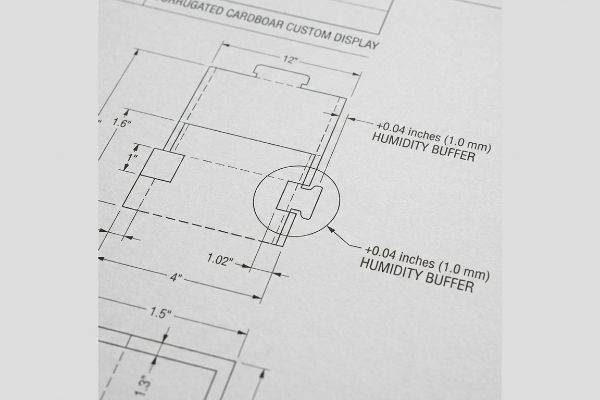
लेकिन जब समुद्री मालवाहक कंटेनर गर्मियों की तेज धूप में तपने लगते हैं, तो मौसमी खुदरा बिक्री कैलेंडर को जानना ही पर्याप्त नहीं होता है।.
गर्मियों में समुद्री माल ढुलाई का छिपा हुआ खतरा
जलवायु-नियंत्रित स्टूडियो में डिज़ाइनर अक्सर कार्डबोर्ड के पूर्ण शुष्क व्यास के आधार पर डाई-कट इंटरलॉकिंग स्लॉट की सहनशीलता निर्धारित करते हैं। वे गणितीय रूप से यह मान लेते हैं कि 0.12 इंच (3.04 मिमी) मोटा बी-फ्लूट बोर्ड25 पूरी तरह से स्थिर रहेगा, चाहे प्रचार अभियान का निर्माण और शिपिंग वर्ष के किसी भी समय किया जाए।
एयर-कंडीशन्ड लैब में एक डिस्प्ले को पूरी तरह से असेंबल करना आसान है, लेकिन जुलाई में प्रशांत महासागर के पार 500 फ्लैट-पैक भेजने की कठोर वास्तविकता यहाँ है। मेरी सुविधा, मैं गर्मियों में समुद्री परिवहन के विनाशकारी प्रभावों को नियमित रूप से देखता हूँ। जब वह छिद्रयुक्त टेस्टलाइनर बेकिंग कंटेनर के अंदर अत्यधिक परिवेशी आर्द्रता को अवशोषित करता है, तो कागज के रेशे भौतिक रूप से कुछ मिलीमीटर तक फूल जाते हैं26।जब को-पैकर फूले हुए टैब को गणितीय रूप से तंग ड्राई-स्लॉट में जबरदस्ती डालने की कोशिश करता है, तो गीला, चिपचिपा प्रतिरोध ऊपरी मुद्रित शीट को फाड़ देता है, जिससे ग्राफिक्स खराब हो जाते हैं और असेंबली लाइन लगभग 30% धीमी हो जाती है। इस विनाशकारी ग्रीष्मकालीन अवरोध को रोकने के लिए, मैं स्वचालित रूप से अपनी संरचनात्मक फाइलों में भौतिक आर्द्रता बफर को शामिल करता हूँ। सभी ग्रीष्मकालीन परिवहन शिपमेंट के लिए प्राप्त करने वाले स्लॉट में गणितीय रूप से ठीक 0.04 इंच (1.0 मिमी) की क्लीयरेंस27 , मैं घर्षणरहित असेंबली सुनिश्चित करता हूँ, जिससे हजारों डॉलर की मैनुअल श्रम देरी से बचत होती है।
| नौसिखियों की आम गलती | प्रो फिक्स | रिटेल-फ्लोर लाभ |
|---|---|---|
| ड्राई-रूम कैलिपर गणित का उपयोग करना | भौतिक आर्द्रता बफर का निर्माण | लाइन पर घर्षण को समाप्त करता है |
| गर्मी के मौसम में कंटेनर की गर्मी को नजरअंदाज करना | फाइबर की सूजन की भरपाई करना28 | मुद्रित ऊपरी पृष्ठ के फटने को रोकता है |
| टाइट लॉकिंग टैब को जबरदस्ती लगाना | घर्षण रहित संरचनात्मक स्लॉटिंग | असेंबली में लगने वाले श्रम में 30% की कटौती।29 |
मैं मौसम को आपके मौसमी उत्पाद लॉन्च की सफलता का निर्धारक नहीं बनने देता। भौतिक सामग्री में होने वाली संभावित सूजन का अनुमान लगाकर ही मैं यह सुनिश्चित करता हूँ कि आपके फ्लैट-पैक किसी भी वैश्विक जलवायु में त्रुटिहीन रूप से असेंबल हो जाएँ।.
🛠️ हार्वे की सलाह: 2 मिलीमीटर की संरचनात्मक खामी को 500 स्टोरों में अपना कारोबार ठप न करने दें। 👉 मुझे अपनी डाइलाइन फ़ाइल भेजें ↗ — बड़े पैमाने पर उत्पादन पर बजट बर्बाद करने से पहले मैं गणितीय गणनाओं की गहन जांच कर लूंगा।
निष्कर्ष
आप सैद्धांतिक रूप से एकदम सही डिज़ाइन फ़ाइलों पर भरोसा कर सकते हैं, लेकिन जब गर्मियों में नमी से भरे शिपिंग कंटेनर के अंदर ये नालीदार टैब फूल जाते हैं, तो परिणामस्वरूप उत्पन्न घर्षण को-पैकिंग लाइन की गति को लगभग 30% तक धीमा कर देगा और आपके महत्वपूर्ण लॉन्च विंडो को पूरी तरह से बाधित कर देगा। 500 से अधिक ब्रांड मैनेजर इन घातक शुरुआती गलतियों से बचने के लिए मेरी प्रीप्रेस चेकलिस्ट का उपयोग करते हैं। पर्यावरणीय कारकों के साथ खिलवाड़ करना बंद करें और मुझे व्यक्तिगत रूप से अपने संरचनात्मक ब्लूप्रिंट की निःशुल्क डाइलाइन ऑडिट ↗ ताकि बड़े पैमाने पर उत्पादन शुरू होने से पहले फूलने के जोखिमों की पहचान की जा सके।
"विचार नेतृत्व - खुदरा क्षेत्र के भविष्य को संवर्धित करना", https://www.retaildesigninstitute.org/post/augmenting-the-future-of-retail। [खुदरा वास्तुकला और स्टोर नियोजन के लिए उद्योग मानक स्थायी प्रमुख स्थानों के लिए डिज़ाइन चरणों की विशिष्ट अवधि को निर्धारित कर सकते हैं]। साक्ष्य की भूमिका: तथ्यात्मक मानक; स्रोत प्रकार: उद्योग श्वेतपत्र। समर्थन: यह दावा कि पारंपरिक डिज़ाइन चक्र मौसमी पॉप-अप के लिए बहुत धीमे हैं। कार्यक्षेत्र संबंधी टिप्पणी: अवधि ब्रांड के आकार और परियोजना के पैमाने के अनुसार भिन्न होती है। ↩
"स्टोर फिक्स्चर प्रोटोटाइपिंग सेवाओं के लिए एक गाइड", https://www.scubefixtures.com/blog/store-fixture-prototyping-services। [कस्टम रिटेल फिक्स्चर पर विनिर्माण डेटा, भौतिक मर्चेंडाइजिंग मॉक-अप के उत्पादन और समीक्षा के लिए मानक लीड टाइम को सत्यापित कर सकता है]। साक्ष्य भूमिका: तकनीकी सत्यापन; स्रोत प्रकार: विनिर्माण गाइड। समर्थन: मर्चेंडाइजिंग फुटप्रिंट सत्यापन में देरी के दावे का। कार्यक्षेत्र नोट: विशेष रूप से कस्टम निर्माण प्रक्रियाओं पर लागू होता है। ↩
"CAD टेबल – कोंग्सबर्ग प्रेसिजन कटिंग सिस्टम्स", https://www.kongsbergsystems.com/en/solutions/cad-table। [निर्माता के तकनीकी विनिर्देश दर्शाते हैं कि डिजिटल कटिंग टेबल तत्काल CAD-टू-कट उत्पादन को सक्षम बनाती हैं, जिससे स्टील-रूल डाई के लिए आवश्यक लीड टाइम समाप्त हो जाता है]। साक्ष्य भूमिका: तकनीकी क्षमता; स्रोत प्रकार: निर्माता दस्तावेज़। सहायक: प्रोटोटाइप उत्पादन समयसीमा में कमी। कार्यक्षेत्र नोट: CNC ऑसिलेटिंग ब्लेड तकनीक के लिए विशिष्ट। ↩
"[PDF] नालीदार बोर्ड विनिर्देश - फाइबर बॉक्स एसोसिएशन", https://www.fibrebox.org/assets/2025/09/Walmart_Corrugated-Board_Specifications_Automation_Packaging_Standards.pdf। [उद्योग पैकेजिंग मानक नालीदार बोर्ड की स्टैकिंग क्षमता और संरचनात्मक अखंडता को निर्दिष्ट करने के लिए एज क्रश टेस्ट (ECT) रेटिंग को परिभाषित करते हैं]। साक्ष्य भूमिका: तकनीकी विनिर्देश; स्रोत प्रकार: उद्योग मानक। समर्थन: अस्थायी संरचनाओं के लिए सामग्री की उपयुक्तता। स्कोप नोट: ECT मान पाउंड प्रति इंच में मापा जाता है। ↩
"DYSS X5-1630 डिजिटल कटिंग टेबल के साथ WER बॉक्स स्मार्ट तरीके से तैयार किए जाते हैं", https://www.largeformatreview.com/hardware/print-finishing/wer-boxes-clever-with-dyss-x5-1630-digital-cutting-table/। CNC कटिंग निर्माताओं के तकनीकी विनिर्देश 24 घंटे के भीतर तेजी से प्रोटोटाइप तैयार करने की क्षमता की पुष्टि करेंगे। साक्ष्य की भूमिका: तकनीकी सत्यापन; स्रोत प्रकार: निर्माता दस्तावेज़। सहायक: पॉप-अप रिटेल में सैंपलिंग की गति। कार्यक्षेत्र संबंधी टिप्पणी: सामग्री की उपलब्धता और डिज़ाइन की जटिलता पर निर्भर। ↩
"रिटेल डिस्प्ले के लिए पैकेजिंग और लॉजिस्टिक्स योजना - फ्रैंक मेयर", https://www.frankmayer.com/blog/packaging-and-logistics-planning-for-retail-displays/। आपूर्ति श्रृंखला प्रबंधन पर उद्योग रिपोर्ट भारी स्थायी फिक्स्चर और हल्के फ्लैट-पैक के बीच शिपिंग और वेयरहाउसिंग लागतों पर तुलनात्मक डेटा प्रदान करेंगी। साक्ष्य की भूमिका: मात्रात्मक सत्यापन; स्रोत प्रकार: उद्योग विश्लेषण रिपोर्ट। समर्थन: नालीदार सामग्री का आर्थिक लाभ। स्कोप नोट: वास्तविक बचत भौगोलिक क्षेत्र और मात्रा के अनुसार भिन्न हो सकती है। ↩
"शेल्फ-रेडी लाइफ के लिए फॉइल प्रिंटेड रिटेल डिस्प्ले पैकेजिंग बॉक्स", https://thepremierpackaging.com/product-category/display-packaging/?srsltid=AfmBOoptDrVI4weL-sPuONNnvhvVSMDN07QL09ToH3AHY0y6yyRf7NdY। रिटेल मर्चेंडाइजिंग पर सप्लाई चेन लिटरेचर इस बात की पुष्टि करता है कि चक्रीय ब्रांड अक्सर पीक सीजन लॉन्च के लिए स्थिरता को अधिकतम करने के लिए उच्च मात्रा वाले, उत्पाद-विशिष्ट कठोर पैकेजिंग का उपयोग करते हैं। साक्ष्य की भूमिका: प्रासंगिक सत्यापन; स्रोत प्रकार: लॉजिस्टिक्स श्वेत पत्र। समर्थन: मौसमी खरीद पैटर्न। कार्यक्षेत्र नोट: मुख्य रूप से बड़े पैमाने पर खुदरा वितरण पर लागू होता है। ↩
"बॉक्स विभाजन | पैकेजिंग डिवाइडर – स्मर्फिट वेस्टरोक", https://www.smurfitwestrock.com/products/packaging/protective/box-partitions। [पैकेजिंग इंजीनियरिंग मैनुअल सत्यापित करते हैं कि इंटरलॉकिंग नालीदार डिवाइडर एक ही बाहरी आवरण के भीतर विभिन्न उत्पाद आयामों को समायोजित करने के लिए आंतरिक स्थान के लचीले पुनर्गठन की अनुमति देते हैं]। साक्ष्य भूमिका: तकनीकी सत्यापन; स्रोत प्रकार: पैकेजिंग इंजीनियरिंग हैंडबुक। समर्थन: SKU उतार-चढ़ाव में मॉड्यूलर डिवाइडर की उपयोगिता। कार्यक्षेत्र नोट: नालीदार फाइबरबोर्ड सामग्री के लिए विशिष्ट। ↩
"मॉड्यूलर पैकेजिंग: स्थिरता और दक्षता को बढ़ावा दें", https://gatherpackaging.com/blogs/gather-packaging/modular-packaging-boost-sustainability-and-efficiency। [लचीले खुदरा व्यापार पर तकनीकी दस्तावेज़ विभिन्न SKU आयामों को समायोजित करने के लिए समायोज्य डिवाइडर के उपयोग की व्याख्या करता है]। साक्ष्य भूमिका: तकनीकी विनिर्देश; स्रोत प्रकार: डिज़ाइन मैनुअल। समर्थन: बदलती इन्वेंट्री के अनुकूलनशीलता। कार्यक्षेत्र नोट: विशेष रूप से बिक्री स्थल पर भौतिक प्रदर्शनों से संबंधित है। ↩
"समकालीन खुदरा फिक्स्चर: संपूर्ण मार्गदर्शिका", https://www.scubefixtures.com/blog/why-retail-ready-fixtures-are-a-game-changer। [खुदरा खरीद पर एक उद्योग विश्लेषण या केस स्टडी दर्शाती है कि मौसमी विशिष्ट ट्रे की तुलना में मानकीकृत आधार फुटप्रिंट पूंजीगत व्यय को कैसे कम करते हैं]। साक्ष्य की भूमिका: मात्रात्मक प्रमाण; स्रोत प्रकार: उद्योग रिपोर्ट। समर्थन: सार्वभौमिक फुटप्रिंट का आर्थिक लाभ। स्कोप नोट: बचत प्रतिशत मात्रा के आधार पर भिन्न हो सकता है। ↩
"पेपर पैकेजिंग स्ट्रक्चरल डिज़ाइन गाइड", https://greendotpackaging.com/paper-packaging-structural-design-guide/। [पैकेजिंग इंजीनियरिंग मानक खुदरा स्लॉट में बड़े आकार की वस्तुओं की संरचनात्मक अखंडता बनाए रखने के लिए पुनःस्थापन योग्य टैब की कार्यप्रणाली का वर्णन करते हैं]। साक्ष्य भूमिका: तकनीकी विनिर्देश; स्रोत प्रकार: इंजीनियरिंग मानक। सहायक: व्यापारिक व्यवस्था की स्वच्छता बनाए रखना। कार्यक्षेत्र संबंधी टिप्पणी: नालीदार या प्लास्टिक खुदरा इंसर्ट पर लागू होता है। ↩
"स्टोर लेआउट के पीछे का मनोविज्ञान - कैयुगा डिस्प्लेज़", https://cayugadisplays.com/us/blog/the-psychology-behind-store-layouts। [खुदरा पर्यावरण मनोविज्ञान में प्रामाणिक शोध बताता है कि कैसे संरचनात्मक दृश्य संकेत उच्च-यातायात गलियारों में खरीदारों के ध्यान और नेविगेशन पैटर्न को प्रभावित करते हैं]। साक्ष्य की भूमिका: विशिष्ट ज्ञान; स्रोत प्रकार: अकादमिक पत्रिका। समर्थन: यह दावा कि उत्पाद विभेदन के लिए केवल रंग ही पर्याप्त नहीं है। कार्यक्षेत्र संबंधी टिप्पणी: भौतिक खुदरा वातावरण पर केंद्रित। ↩
"खुदरा खरीदार व्यवहार पैटर्न: दृश्य संकेत, पैकेजिंग … – लिंक्डइन", https://www.linkedin.com/posts/yomaira-barredo_after-watching-hundreds-of-shoppers-navigate-activity-7435097449456746496-c-4c. [खुदरा पर्यावरण मनोविज्ञान में अनुसंधान बताता है कि उपभोक्ता ध्यान केंद्रित करने से पहले दृश्य विसंगतियों के लिए गलियारों को स्कैन करने के लिए परिधीय दृष्टि का उपयोग कैसे करते हैं]। साक्ष्य की भूमिका: मूलभूत आधार; स्रोत प्रकार: अकादमिक अध्ययन। समर्थन: डिस्प्ले डिज़ाइन में दृश्य व्यवधान की आवश्यकता। कार्यक्षेत्र नोट: उच्च-यातायात वाले खुदरा वातावरण पर लागू होता है। ↩
"ऑनलाइन आवेगपूर्ण खरीदारी को प्रभावित करने वाले कारकों पर एक व्यापक अध्ययन ...", https://pmc.ncbi.nlm.nih.gov/articles/PMC11336989/। [दृश्य विपणन में अनुभवजन्य डेटा दर्शाता है कि रैखिक पैटर्न को तोड़ने से सीमित समय के प्रस्तावों के लिए ठहरने का समय और खरीदारी की संभावना बढ़ जाती है]। साक्ष्य की भूमिका: कारण संबंध; स्रोत प्रकार: विपणन अनुसंधान। समर्थन: गैर-मानक संरचनात्मक आकृतियों की प्रभावशीलता। कार्यक्षेत्र संबंधी टिप्पणी: अल्प-जीवनचक्र वाली वस्तुओं के लिए विशिष्ट। ↩
"[PDF] आवेगपूर्ण खरीदारी पर पैकेजिंग डिज़ाइन का प्रभाव", https://scholarhub.ui.ac.id/context/jbb/article/1152/viewcontent/893.pdf। [उपभोक्ता मनोविज्ञान पर अकादमिक अध्ययन बताते हैं कि कैसे त्रि-आयामी दृश्य संकेत संवेदी ध्यान को आकर्षित करते हैं और आवेगपूर्ण खरीदारी को बढ़ाते हैं]। साक्ष्य की भूमिका: कारण संबंध; स्रोत प्रकार: विपणन अनुसंधान। समर्थन: 3D डिज़ाइन और सहभागिता के बीच संबंध। कार्यक्षेत्र संबंधी टिप्पणी: खुदरा खरीद स्थल पर प्रदर्शित वस्तुओं के लिए विशिष्ट। ↩
"रिटेल पॉप डिस्प्ले के साथ व्यवधान पैदा करना बिक्री कैसे बढ़ा सकता है...", https://www.mytotalretail.com/article/how-creating-disruption-with-retail-pop-displays-can-increase-sales/। [रिटेल एनालिटिक्स डेटा दर्शाता है कि गैर-मानक डिस्प्ले आकार खरीदारों के रुकने की दर को बढ़ाते हैं, जिससे उत्पाद की बिक्री में तेजी आती है]। साक्ष्य की भूमिका: सांख्यिकीय सहसंबंध; स्रोत प्रकार: खुदरा उद्योग रिपोर्ट। समर्थन: बिक्री की गति पर आकार व्यवधान का प्रभाव। कार्यक्षेत्र संबंधी टिप्पणी: मौसमी अभियानों पर लागू। ↩
"कॉरुगेटेड बॉक्स के प्रकार, उपयोग और उत्पादन", https://www.iqsdirectory.com/articles/corrugated-boxes.html। [कॉरुगेटेड बोर्ड के तकनीकी विनिर्देश बताते हैं कि सिंगल-वॉल निर्माण में उच्च-यातायात वाले खुदरा क्षेत्रों में बार-बार शॉपिंग कार्ट के प्रभाव को सहन करने के लिए पर्याप्त प्रतिरोध और संरचनात्मक अखंडता की कमी होती है]। साक्ष्य भूमिका: तकनीकी सत्यापन; स्रोत प्रकार: पैकेजिंग इंजीनियरिंग मानक। समर्थन: सामग्री स्थायित्व आवश्यकताएँ। कार्यक्षेत्र संबंधी टिप्पणी: अस्थायी प्रचार प्रदर्शनों पर लागू होता है। ↩
"स्तरित नालीदार पैकेजिंग के लिए मजबूती के विकल्प: एकल-दीवार बनाम दोहरी-दीवार ...", https://ufppackaging.com/insights/layered-corrugated-strength-options। [नालीदार पैकेजिंग पर आधिकारिक तकनीकी गाइड विस्तार से बताते हैं कि एकल-दीवार सामग्री की तुलना में दोहरी-दीवार संरचना ऊर्ध्वाधर भार वहन क्षमता और प्रभाव प्रतिरोध को काफी हद तक बढ़ाती है]। साक्ष्य भूमिका: तकनीकी विनिर्देश; स्रोत प्रकार: पैकेजिंग इंजीनियरिंग मानक। समर्थन: यह दावा कि दोहरी-दीवार प्रोफाइल भौतिक प्रभावों और कार्ट के धक्कों को बेअसर कर देती हैं। कार्यक्षेत्र नोट: प्रभावशीलता नाली के आकार और सामग्री ग्रेड पर निर्भर करती है। ↩
"कॉरुगेटेड बॉक्स स्ट्रेंथ गाइड: फ्लूट ग्रेड, ECT रेटिंग और वॉल …", https://anchorbox.com/corrugated-box-strength/। [कॉरुगेटेड कार्डबोर्ड पैकेजिंग के लिए तकनीकी विनिर्देश इस बात की पुष्टि करते हैं कि सिंगल-वॉल की तुलना में डबल-वॉल फ्लूटिंग स्टैकिंग स्ट्रेंथ और पंचर प्रतिरोध को बढ़ाती है]। साक्ष्य भूमिका: तकनीकी विनिर्देश; स्रोत प्रकार: उद्योग मैनुअल। समर्थन: उच्च-यातायात वाले वातावरण में सामग्री की स्थायित्व। स्कोप नोट: विशेष रूप से कॉरुगेटेड कार्डबोर्ड संरचनाओं को संदर्भित करता है। ↩
"कस्टम प्वाइंट ऑफ परचेज़ डिस्प्ले (पीओपी) / जे ग्रुप", https://www.jaygroup.com/contract-packaging/pos-pop/। [खुदरा डिस्प्ले के लिए इंजीनियरिंग दिशानिर्देश यह प्रमाणित करते हैं कि निचले संरचनात्मक स्तरों को सुदृढ़ करने से शॉपिंग कार्ट जैसे पार्श्व प्रभावों से आधार के विफल होने का जोखिम कम हो जाता है]। साक्ष्य की भूमिका: संरचनात्मक औचित्य; स्रोत प्रकार: इंजीनियरिंग श्वेत पत्र। समर्थन: प्रभाव प्रतिरोध रणनीतियाँ। कार्यक्षेत्र संबंधी टिप्पणी: अस्थायी फ्लोर डिस्प्ले पर लागू होता है। ↩
"मुझे उत्पादों के लिए कस्टम पैकेजिंग की आवश्यकता क्यों है? – पॉपडिस्प्ले", https://popdisplay.me/why-do-i-need-custom-packaging-for-products/। [पेशेवर मर्चेंडाइजिंग मानक '50-टच रूल' को एक ऐसे मापदंड के रूप में परिभाषित करते हैं जिससे यह परीक्षण किया जा सके कि कोई डिस्प्ले खराब होने से पहले कितने ग्राहक इंटरैक्शन झेल सकता है]। साक्ष्य भूमिका: उद्योग मानक; स्रोत प्रकार: पेशेवर मार्गदर्शिका। समर्थन: स्थायित्व मानदंड। स्कोप नोट: डिस्प्ले सामग्री के अनुसार भिन्न हो सकता है। ↩
"[PDF] डीकमीशनिंग हैंडबुक – OSTI", https://www.osti.gov/servlets/purl/1491121। [खुदरा दृश्य मर्चेंडाइजिंग पर आधिकारिक दिशानिर्देश भौतिक निकास रणनीति को अस्थायी फिक्स्चर को हटाने और बंद करने की प्रलेखित योजना के रूप में परिभाषित करते हैं]। साक्ष्य भूमिका: वैचारिक परिभाषा; स्रोत प्रकार: उद्योग मैनुअल। समर्थन: यह आधार कि एक संरचित निष्कासन प्रक्रिया एक मान्यता प्राप्त खुदरा आवश्यकता है। कार्यक्षेत्र नोट: प्रचार संबंधी एंड-कैप डिस्प्ले पर लागू। ↩
"अधिक कुशल मौसमी इन्वेंट्री प्रबंधन – RELEX Solutions", https://www.relexsolutions.com/resources/more-efficient-seasonal-inventory-management/। [खुदरा संचालन के लिए उद्योग मानक मौसमी माल की तैनाती और हटाने को सिंक्रनाइज़ करने के लिए संरचित प्रोटोकॉल के उपयोग को सत्यापित करते हैं]। साक्ष्य भूमिका: तकनीकी सत्यापन; स्रोत प्रकार: व्यापार प्रकाशन। समर्थन: अप्रचलित स्टॉक को व्यवस्थित रूप से हटाना। स्कोप नोट: शब्दावली खुदरा क्षेत्रों में भिन्न हो सकती है। ↩
"आपको अपने मौसमी डिस्प्ले को कब अपडेट करना चाहिए?", https://popdisplay.me/when-should-you-refresh-your-seasonal-display/। [पेशेवर मर्चेंडाइजिंग गाइड अस्थायी डिस्प्ले पर दिनांक-आधारित संकेतकों के उपयोग का दस्तावेजीकरण करते हैं ताकि स्टोर कर्मियों द्वारा इसे जल्दी से हटाया जा सके]। साक्ष्य की भूमिका: सर्वोत्तम अभ्यास सत्यापन; स्रोत प्रकार: खुदरा संचालन मैनुअल। समर्थन: डिस्प्ले हटाने की प्रक्रिया की दक्षता। स्कोप नोट: विशेष रूप से अस्थायी POP डिस्प्ले से संबंधित है। ↩
"कॉरुगेटेड बोर्ड और सामग्री ग्रेड - फ्लूट - पैकेजिंग रणनीतियाँ", https://www.packagingstrategies.com/articles/96269-corrugated-board-and-material-grades। [कॉरुगेटेड पैकेजिंग सामग्रियों के लिए एक उद्योग मानक बी-फ्लूट बोर्ड की नाममात्र मोटाई या कैलिपर निर्दिष्ट करता है]। साक्ष्य भूमिका: तकनीकी विनिर्देश; स्रोत प्रकार: उद्योग मानक। समर्थन: सामान्य खुदरा पैकेजिंग सामग्रियों के भौतिक आयाम। स्कोप नोट: निर्माता और सामग्री ग्रेड के आधार पर वास्तविक मोटाई में थोड़ा अंतर हो सकता है। ↩
"आर्द्रता और तापमान का ... के यांत्रिक गुणों पर प्रभाव", https://bioresources.cnr.ncsu.edu/resources/influence-of-humidity-and-temperature-on-mechanical-properties-of-corrugated-board-numerical-investigation/। [पदार्थ विज्ञान या कागज अभियांत्रिकी का कोई प्रामाणिक स्रोत यह समझाएगा कि सेल्युलोज फाइबर वायुमंडलीय नमी को कैसे अवशोषित करते हैं और आकार में फैलते हैं]। साक्ष्य की भूमिका: तकनीकी सत्यापन; स्रोत का प्रकार: पदार्थ विज्ञान की पाठ्यपुस्तक। समर्थन: नम परिस्थितियों में फिटमेंट संबंधी समस्याओं का भौतिक कारण। स्कोप नोट: विस्तार दर कागज की गुणवत्ता और नमी की मात्रा के अनुसार भिन्न होती है। ↩
"[PDF] संपीड़न पर सापेक्ष आर्द्रता के प्रभाव … – क्लेम्सन ओपन", https://open.clemson.edu/context/all_theses/article/4232/viewcontent/Brown_clemson_0050M_15634.pdf। [पैकेजिंग डिज़ाइन के लिए इंजीनियरिंग दिशानिर्देश समुद्री माल ढुलाई के दौरान नमी के कारण होने वाले आयामी परिवर्तनों को ध्यान में रखते हुए अनुशंसित सहनशीलता निर्दिष्ट करेंगे]। साक्ष्य भूमिका: तकनीकी बेंचमार्क; स्रोत प्रकार: पैकेजिंग इंजीनियरिंग मैनुअल। समर्थन: शिपिंग बाधाओं के लिए विशिष्ट इंजीनियरिंग समाधान। कार्यक्षेत्र नोट: उच्च आर्द्रता वाले परिवहन वातावरण पर लागू होता है। ↩
"भंडारण तापमान और पैकेजिंग सामग्री का भौतिक गुणों पर प्रभाव...", https://pmc.ncbi.nlm.nih.gov/articles/PMC8099751/। [सामग्री विज्ञान पर तकनीकी दस्तावेज़ यह बताता है कि उच्च ताप परिवहन के दौरान सेल्युलोज फाइबर में नमी का अवशोषण किस प्रकार विस्तार और उसके परिणामस्वरूप मुद्रित परतों की संरचनात्मक विफलता का कारण बनता है]। साक्ष्य की भूमिका: तकनीकी सत्यापन; स्रोत प्रकार: इंजीनियरिंग मैनुअल। समर्थन: गर्मी और सामग्री के फूलने के बीच कारण संबंध। कार्यक्षेत्र संबंधी टिप्पणी: मुख्य रूप से कागज-आधारित या फाइबर-आधारित पैकेजिंग पर लागू। ↩
"संरचनात्मक पैकेजिंग डिज़ाइन से अपव्यय और लागत कैसे कम होती है", https://www.bcipkg.com/how-structural-packaging-design-reduces-waste-and-costs/। [पैकेजिंग अनुकूलन पर औद्योगिक इंजीनियरिंग बेंचमार्क या केस स्टडी, जबरन फिट टैब से घर्षण रहित स्लॉटिंग में जाने पर श्रम समय में कमी पर मात्रात्मक डेटा प्रदान करते हैं]। साक्ष्य की भूमिका: मात्रात्मक सत्यापन; स्रोत प्रकार: उद्योग रिपोर्ट। समर्थन: घर्षण रहित संरचनात्मक डिज़ाइन से दक्षता में वृद्धि। स्कोप नोट: उत्पाद के पैमाने के आधार पर वास्तविक प्रतिशत भिन्न हो सकता है]। ↩