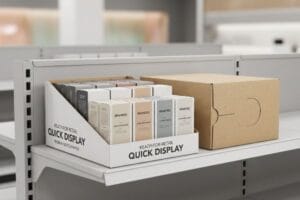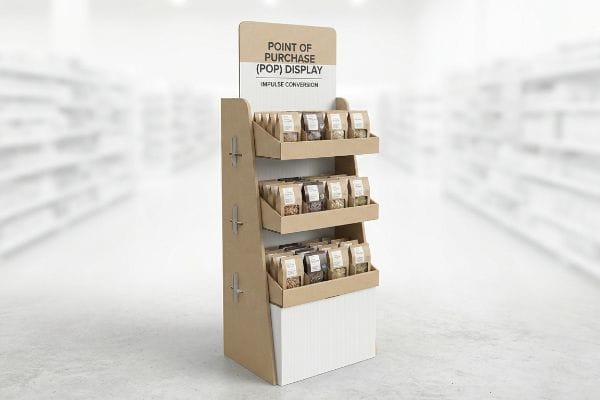
रिटेल का कारोबार बेहद कठिन है। आपके पास दुनिया का सबसे बेहतरीन उत्पाद हो सकता है, लेकिन अगर आपकी भौतिक प्रस्तुति रणनीति कमजोर है, तो आप राजस्व बढ़ाने के बजाय गोदाम में सामान रखने का खर्च उठा रहे हैं।.
बिक्री रणनीति में पीओपी (पॉइंट ऑफ परचेज़) की भूमिका खरीदारों की सहज प्रवृत्ति को बाधित करना और उन्हें तुरंत खरीदारी के लिए प्रेरित करना है। पीओपी डिस्प्ले मूक विक्रेताओं की तरह काम करते हैं, रणनीतिक रूप से ग्राहकों की आवाजाही को रोककर उत्पाद की दृश्यता को अधिकतम करते हैं, ब्रांड के मूल मूल्यों को संप्रेषित करते हैं और प्रारंभिक रुचि और खरीदारी के बीच की दूरी को भौतिक रूप से कम करते हैं।.
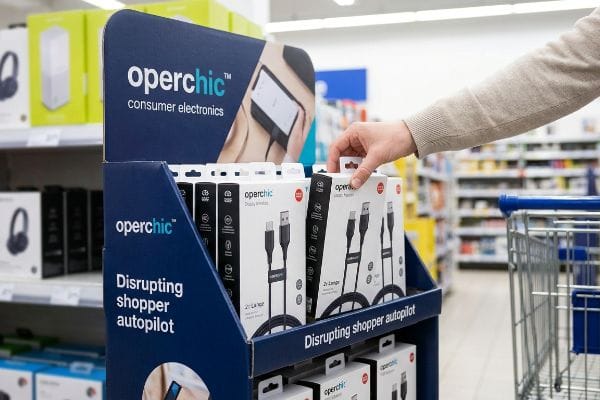
परिभाषा जानना आसान है, लेकिन वास्तव में एक ऐसी संरचनात्मक रणनीति को क्रियान्वित करना जो बड़े-बड़े रिटेलरों के अनुपालन को बनाए रखे, इसके लिए जमीनी स्तर पर गंभीर इंजीनियरिंग की आवश्यकता होती है।.
सेल्स में POP क्या होता है?
शानदार डिज़ाइन से बिक्री की गारंटी नहीं मिलती। आपको यह अच्छी तरह समझना होगा कि फर्श पर रखी कोई वस्तु यांत्रिक रूप से क्या कार्य करने के लिए बनी है।.
बिक्री बढ़ाने के लिए इस्तेमाल किया जाने वाला POP एक ऐसा भौतिक मार्केटिंग उपकरण है जिसे खुदरा दुकानों में रणनीतिक रूप से स्थापित किया जाता है। इसे इस तरह से डिज़ाइन किया गया है कि यह सामान को सुरक्षित रूप से रखता है और साथ ही ग्राहकों का ध्यान आकर्षित करने के लिए उच्च-विपरीत दृश्य तत्वों का उपयोग करता है, जिससे अल्पकालिक प्रचार बिक्री में प्रभावी रूप से वृद्धि होती है और स्टोर के गलियारे में ही इन्वेंट्री टर्नओवर में तेजी आती है।.

लेकिन पाठ्यपुस्तक में दी गई परिभाषा को समझना और वास्तविक शॉपिंग कार्ट ट्रैफिक के दौरान यूनिट को स्थिर बनाए रखना बिल्कुल अलग बातें हैं।.
मूक विक्रेता: बुनियादी सीमाओं से परे जाना
यहां तक कि अनुभवी डिज़ाइनर भी अक्सर इस कमी को नज़रअंदाज़ कर देते हैं। वे डिस्प्ले को एक साधारण गत्ते के डिब्बे की तरह मानते हैं, जिस पर बस कुछ रंगीन ब्रांडिंग चिपकाने की ज़रूरत होती है। उनका मानना है कि अगर इसमें उत्पाद रखा है और यह मॉनिटर पर देखने में अच्छा लगता है, तो बिक्री अपने आप हो जाएगी।.
मैं अक्सर देखता हूँ कि जब मैं किसी ब्रांड की कच्ची डाईलाइन निकालता हूँ और उनके फ्लैट हेडर पर नज़र डालता हूँ, तो वे एक मानक, सममित आकार का उपयोग करते हैं जो गलियारे के दृश्य शोर में आसानी से घुलमिल जाता है। मेरी सुविधा में, मैं ग्राहकों को उनके 3-सेकंड लिफ्ट फॉर्मूला1। पिछले ही हफ्ते, मैंने एक स्टोर मैनेजर को ज़ोर से आह भरते हुए देखा, जब वे एक भारी-भरकम, खराब ढंग से डिज़ाइन की गई यूनिट को ठीक करने की कोशिश कर रहे थे, जो बुनियादी मर्चेंडाइजिंग प्रवाह की अनदेखी कर रही थी। मैंने ग्राहक से कहा कि वे ज़रूरत से ज़्यादा सजावट करना बंद करें और दृश्य व्यवधान के लिए इंजीनियरिंग शुरू करें। हमने फ्लैट हेडर को पूरी तरह से हटाकर एक आक्रामक डाई-कट आकार अपनाया, जिससे ग्राहकों की नज़रें तुरंत गलियारे के दूसरी ओर से हट गईं और उन्हें पूरी तरह से अनदेखा होने से बचाया जा सका।
| नौसिखियों की आम गलती | प्रो फिक्स | रिटेल-फ्लोर लाभ |
|---|---|---|
| समतल सममित डिस्प्ले हेडर | आक्रामक 3डी डाई-कट टॉप आकार | तत्काल दृश्य व्यवधान उत्पन्न करता है2 |
| ऊँची होंठों के पीछे उत्पाद को छिपाना | सामने के रिटेनिंग लिप को काटना | तेज़ आवेग पकड़ को बढ़ावा देता है3 |
| विस्तृत पाठ विवरणों का उपयोग करना | उच्च-विपरीत स्पॉट रंग बाढ़ | खरीदारी के दौरान होने वाले संज्ञानात्मक बोझ को कम करता है4 |
किसी भी डिज़ाइन को पहली बोर्ड काटने से पहले ही अपनी निवेश पर लाभ (ROI) क्षमता साबित करनी होगी। अगर वह किसी ग्राहक को रुकने के लिए मजबूर नहीं करता, तो वह महज़ एक महंगा वॉलपेपर है।.
🛠️ हार्वे का डेस्क: क्या भीड़भाड़ वाले गलियारे में आपके मौजूदा डिस्प्ले फीके पड़ रहे हैं? 👉 मुफ़्त संरचनात्मक समीक्षा प्राप्त करें ↗ — सीधे मेरे डेस्क तक पहुंच। मैं वादा करता हूं, कोई स्वचालित बिक्री संबंधी स्पैम नहीं होगा।
बिक्री में 3-3-3 नियम क्या है?
आपके पास शॉपिंग कार्ट को रोकने के लिए तीन सेकंड से भी कम समय है। यदि आपका ढांचा ग्राहकों को आकर्षित करने में विफल रहता है, तो ग्राहक आपके प्रीमियम सामान को अनदेखा करके आगे बढ़ जाएंगे।.
बिक्री में 3-3-3 का नियम खुदरा व्यापार का एक ढांचा है, जिसके अनुसार किसी भी डिस्प्ले को 30 फीट की दूरी से ही ध्यान आकर्षित करना चाहिए, 3 फीट की दूरी पर ग्राहक की विशेष रुचि जगाना चाहिए और 3 इंच की दूरी पर अंतिम बिक्री सुनिश्चित करनी चाहिए। यह सुनिश्चित करता है कि संरचनात्मक तत्व हर दूरी को प्रभावी ढंग से लक्षित करें।.
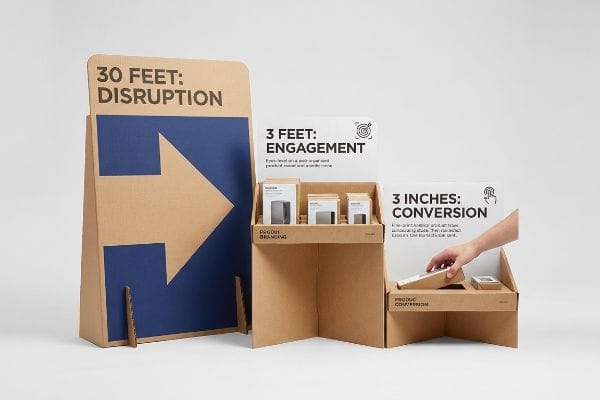
इस स्थानिक तर्क को कंप्यूटर स्क्रीन पर लागू करना सरल है, लेकिन कच्चे नालीदार कार्डबोर्ड से इसका निर्माण करना ही वह जगह है जहां ब्रांड लड़खड़ा जाते हैं।.
दूरी के लिए इंजीनियरिंग: 30 फुट का व्यवधान
अधिकांश मार्केटिंग टीमें खुदरा दुकानों की संरचनाओं को केवल बैकलिट कंप्यूटर मॉनिटर पर नज़दीकी अवलोकन के लिए डिज़ाइन करती हैं । वे मान लेते हैं कि खरीदार साइड पैनल पर छपे हर बुलेट पॉइंट को ध्यान से पढ़ेगा, और इस बात को पूरी तरह से अनदेखा कर देते हैं कि लोग वास्तव में दुकानों के गलियारों में कैसे घूमते हैं, जो अव्यवस्थित और तेज़ गति वाली वास्तविकता है।
मुझे पता है कि आप इस कार्डबोर्ड संरचना को देखकर असमंजस में हैं, क्योंकि कई ग्राहक अपने पूरे ब्रांड की कहानी को बेस पैनल पर समेटने की कोशिश करते हैं। इसे राजमार्ग पर लगे बिलबोर्ड की तरह समझें; 60 मील प्रति घंटे की रफ्तार से गाड़ी चलाते समय कोई भी बारीक अक्षरों को नहीं पढ़ता। अनुभवी खरीद टीमों से भी अक्सर होने वाली एक आम गलती है 30 फुट (9.14 मीटर) के व्यवधान क्षेत्र को नज़रअंदाज़ करना। एक बार मुझे एक विशाल, टेक्स्ट से भरे डिस्प्ले के खुरदुरे, बिना सील किए किनारे पर अपना अंगूठा फेरना पड़ा, जो ग्राहकों को आकर्षित करने में पूरी तरह विफल रहा। हमने आर्टवर्क को हटा दिया और दूर से दृश्यता के लिए बड़े-बड़े PMS (पैंटोन मैचिंग सिस्टम) स्पॉट कलर फ्लड लगाए, 3 फुट (0.91 मीटर) की दूरी से ग्राहकों को आकर्षित करने के लिए शेल्फ की ऊंचाई को 54 इंच (137.16 सेमी) के स्ट्राइक ज़ोन 6 तक अनुकूलित किया, और अंतिम 3 इंच (7.62 सेमी) के सामरिक रूपांतरण के लिए 85% उत्पाद दृश्यता 7 सुनिश्चित करने के लिए रिटेनिंग लिप को काट दिया ।
| नौसिखियों की आम गलती | प्रो फिक्स | रिटेल-फ्लोर लाभ |
|---|---|---|
| पढ़ने के लिए छोटा अक्षर | पीएमएस के धब्बों के लिए गहरे रंग की बाढ़8 | दूर से ही ध्यान आकर्षित करता है |
| मुख्य वस्तुओं को नीचे रखना | 54 इंच के स्ट्राइक ज़ोन के साथ संरेखित करना9 | ग्राहकों को करीब से आकर्षित करता है |
| उच्च प्रतिधारण होंठ वस्तुओं को छुपाते हैं | अधिकतम दृश्यता के लिए होंठों को नीचे करना | अंतिम शारीरिक पकड़ सुनिश्चित करता है |
डिजाइनिंग चरण के दौरान सेकेंडरी मार्केटिंग सामग्री को बेरहमी से हटा दिया जाता है। यदि आपका लेआउट स्टोर के सभी हिस्सों से ग्राहकों को आकर्षित नहीं करता है, तो बारीकी से देखने पर मिलने वाली छोटी-छोटी जानकारियाँ भी मायने नहीं रखतीं।.
🛠️ हार्वे का डेस्क: क्या आपका मौजूदा डिस्प्ले दृश्य व्यवधान की सीमा का उल्लंघन कर रहा है और संभावित बिक्री को नुकसान पहुंचा रहा है? 👉 मेरी डिज़ाइन गाइड देखें ↗ — सुरक्षित रूप से डाउनलोड करें। बाद में कोई प्रश्न होने पर मेरा इनबॉक्स खुला है।
मर्चेंडाइजिंग के 4 पी क्या हैं?
एक बेहतरीन उत्पाद लॉन्च करना तो आधी लड़ाई है। अगर आपका डिस्प्ले रिटेलर के परिचालन मॉडल के अनुरूप नहीं है, तो वह कभी भी स्टोर तक नहीं पहुंच पाएगा।.
मर्चेंडाइजिंग के चार मुख्य सिद्धांत हैं: उत्पाद, मूल्य, स्थान और प्रचार। यह मूलभूत व्यावसायिक ढांचा सुनिश्चित करता है कि आपका भौतिक खुदरा विस्तार लक्षित स्टोर के विशिष्ट पारिस्थितिकी तंत्र में सहजता से एकीकृत हो जाए, जिससे आपकी लॉजिस्टिकल आपूर्ति श्रृंखला और विपणन रणनीति लाभप्रदता को अधिकतम करने और खुदरा विक्रेताओं द्वारा अस्वीकृति के महंगे जोखिमों को कम करने के लिए पूरी तरह से संरेखित हो जाए।.
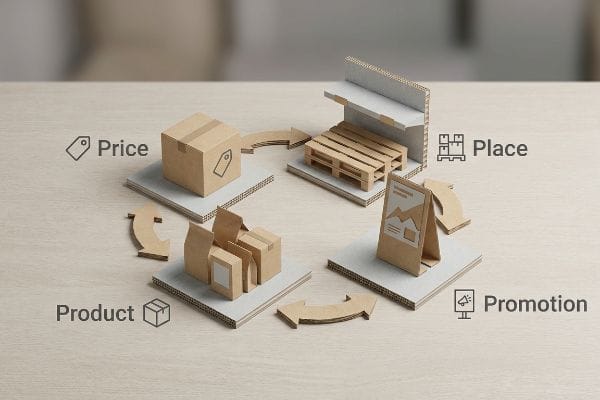
इन चार स्तंभों को जानना अनिवार्य है, लेकिन इन्हें एक बड़े रिटेलर की आक्रामक भौतिक आवश्यकताओं के साथ संरेखित करना एक कठिन इंजीनियरिंग चुनौती है।.
रिटेलर फ्रेमवर्क मैट्रिक्स में जीवित रहना
नए ब्रांड अक्सर वाणिज्यिक खुदरा व्यापार के मूलभूत ढाँचे को समझे बिना ही उत्पाद लॉन्च करने का प्रयास करते हैं 10 , यह मानकर कि एक अच्छा उत्पाद अपने आप बिक जाएगा। वे अलग-अलग स्टोर श्रेणियों की विशिष्ट परिचालन वास्तविकताओं के अनुरूप अपनी रणनीतियों को अपनाए बिना एक सामान्य फ्लोर डिज़ाइन को कारखाने को सौंप देते हैं 11 ।
यह जानकर बहुत बड़ा झटका लगता है कि कोई वेयरहाउस क्लब स्थानीय फार्मेसी के समान प्रचार प्रारूप को स्वीकार नहीं करेगा। इसे ऐसे समझें जैसे आप किसी चौकोर चीज़ को गोल छेद में फिट करने की कोशिश कर रहे हों और इसके लिए हज़ारों डॉलर का माल भाड़ा चुका रहे हों। जब ग्राहक मुझे सार्वभौमिक डिज़ाइन भेजते हैं, तो मैं तुरंत अपना माइक्रोमीटर निकालता हूँ और फ़्लूट घनत्व की जाँच करता हूँ। एक बार मैंने देखा कि एक सुंदर डिस्प्ले बुरी तरह से मुड़ गया क्योंकि वातावरण एक आर्द्र गार्डन सेंटर जैसा, और वर्जिन क्राफ़्ट बोर्ड की मज़बूती सस्ते रीसाइक्ल्ड टेस्टलाइनर12। किसी भी इंजीनियरिंग कार्य शुरू होने से पहले, मैंने एक सख्त संरेखण मैट्रिक्स अनिवार्य कर दिया, जिसमें उनकी लॉजिस्टिकल रणनीति को सीधे रिटेलर की सीमाओं से मिलाया गया, ताकि यह सुनिश्चित हो सके कि यूनिट निर्धारित गलियारे की कठोर भौतिक परिस्थितियों में भी सुरक्षित रहे।
| नौसिखियों की आम गलती | प्रो फिक्स | रिटेल-फ्लोर लाभ |
|---|---|---|
| सभी के लिए उपयुक्त आकार | विशिष्ट खुदरा विक्रेता के अनुसार आकार का मिलान करना | अनुपालन संबंधी अस्वीकृतियों को समाप्त करता है13 |
| स्टोर के माहौल को नजरअंदाज करना | वर्जिन क्राफ्ट बोर्ड में अपग्रेड करना14 | नमी के कारण होने वाले नुकसान को रोकता है |
| स्टोर की मूल्य श्रेणियों से टकराव | वैल्यू-पैक वज़न के लिए संरचना15 | इससे असेंबली और शिपिंग लागत की बचत होती है |
किसी यूनिट को डिजाइन करना तब तक असंभव है जब तक आपको यह ठीक से पता न हो कि वह किस स्टोर में जाएगी। टारगेट में त्रुटिहीन रूप से काम करने वाला डिज़ाइन कॉस्टको के रिसेप्शन काउंटर पर तुरंत अस्वीकार कर दिया जाएगा।
🛠️ हार्वे का डेस्क: क्या आप इस बात को लेकर असमंजस में हैं कि आपका नया डिस्प्ले कैंपेन बड़े स्टोरों के परिचालन ढांचे के अनुरूप है या नहीं? 👉 अपना फ्रेमवर्क ऑडिट करवाएं ↗ — ऐसे फॉर्म नहीं जो अंतहीन सेल्स कॉल को ट्रिगर करें। बस शुद्ध मूल्य।
POS और POP में क्या अंतर है?
इन दोनों श्रेणियों को आपस में मिलाना एक बहुत बड़ी समस्या है। किसी फ्लोर यूनिट को छोटा करके उसमें चेकआउट काउंटर , कानूनी और लॉजिस्टिकल नियमों का पूरी तरह से उल्लंघन है।
पीओएस और पीओपी के बीच मुख्य अंतर उनकी संरचनात्मक और स्थानिक स्थिति है। पीओएस (प्वाइंट ऑफ सेल) डिस्प्ले विशेष रूप से चेकआउट काउंटर पर स्थित होते हैं, जिनका उद्देश्य ग्राहकों को तुरंत खरीदारी के लिए प्रेरित करना होता है। वहीं, पीओपी मर्चेंडाइजर अधिक बड़े फ्लोर या गलियारे में फैले होते हैं, जो ब्रांड के बारे में जानकारी देने पर ध्यान केंद्रित करते हैं और इनमें काफी अधिक मात्रा में भौतिक स्टॉक रखा जाता है।.
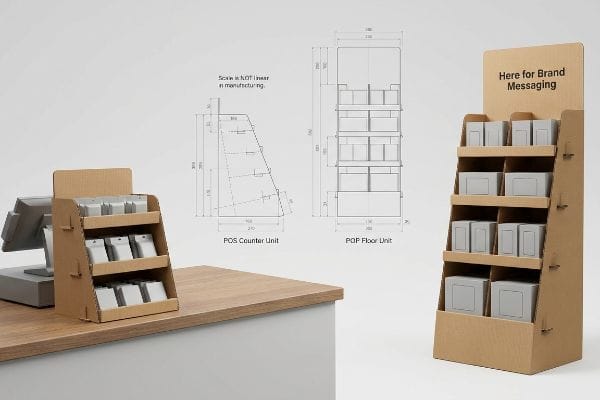
लेकिन जब मशीनें चलने लगती हैं और कोई खरीदार आपसे एक विशाल फ्लोर यूनिट को छोटा करके एक छोटे से रजिस्टर काउंटर में फिट करने की मांग करता है, तो केवल सिद्धांत जानना ही पर्याप्त नहीं होता।.
कारखाने में मानक मापन क्यों विफल हो जाता है?
व्यापारिक कंपनियाँ अक्सर एक ऐसे स्केलेबल डिज़ाइन का प्रस्ताव रखती हैं जहाँ एक बड़े फ्लोर डिस्प्ले को काउंटर ट्रे के रूप में उपयोग करने के लिए आसानी से 50% तक छोटा किया जा सकता है । वे मान लेते हैं कि एक सार्वभौमिक सीएडी (कंप्यूटर-एडेड डिज़ाइन) फ़ाइल सभी आयामों में काम करती है, खुदरा वातावरण में इन दो अलग-अलग ज़ोन 16 को निर्धारित करने वाले सख्त कानूनी और लॉजिस्टिकल नियमों को पूरी तरह से अनदेखा करते हुए।
प्रयोगशाला में एक डिस्प्ले को खड़ा करना आसान है, लेकिन जब आपको 500 डिस्प्ले भेजने हों और उन्हें फिट करने के लिए जल्दबाजी में छोटा करने की कोशिश करनी हो, तो कड़वी सच्चाई सामने आती है। मेरी सुविधा में, मैं अक्सर देखता हूं कि ग्राहक फर्श पर रखे जाने वाले GMA (ग्रोसरी मैन्युफैक्चरर्स एसोसिएशन) पैलेट डिज़ाइन को काउंटरटॉप ADA (अमेरिकन्स विद डिसेबिलिटीज एक्ट) कंप्लायंस विंडो 17 में जबरदस्ती फिट करने की कोशिश करते हैं। जब मैं माइक्रोमीटर का उपयोग करके मुड़े हुए E-फ्लूट बोर्ड 18 का भौतिक व्यास मापता हूं , तो कम हुए सूक्ष्म अनुपात के कारण घनी नालीदार फ्लूट्स मुड़ जाती हैं। मोड़ एक तेज आवाज के साथ फट जाता है, और लॉकिंग टैब ठीक 0.11 इंच (2.79 मिमी) से ठीक से नहीं जुड़ पाते। मैं परीक्षण स्थल पर ही इंजीनियरिंग पाइपलाइन को स्थायी रूप से अलग कर देता हूं। संरचनात्मक गणित को पूरी तरह से पुनर्गठित करके और घर्षण लॉक सहनशीलता को 2.4 मिमी बढ़ाकर, मैं यह सुनिश्चित करता हूं कि को-पैकिंग असेंबली का समय प्रति यूनिट 42 सेकंड कम हो जाए, जिससे ग्राहकों को श्रम शुल्क की बचत होती है और उन स्टोर प्रबंधकों से शुल्क वापसी से बचा जा सकता है जो गैर-अनुरूप रजिस्टर इकाइयों को अस्वीकार करते हैं।
| नौसिखियों की आम गलती | प्रो फिक्स | रिटेल-फ्लोर लाभ |
|---|---|---|
| फ्लोर फाइलों को गणितीय रूप से छोटा करना | स्थानिक सीएडी पाइपलाइनों को अलग करना | कार्डबोर्ड के मुड़ने से होने वाले फटने को रोकता है |
| एडीए की पहुंच सीमाओं की अनदेखी करना | 15-48 इंच की खिड़कियों के लिए एंकरिंग इकाइयाँ19 | रिटेलर द्वारा किए गए शुल्क वापसी को रोकता है |
| काउंटरों पर मोटी तख्ती ठूंसना | परिशुद्धता माइक्रो-फ्लूट 20 में आकार घटाना | घर्षणरहित सह-पैकिंग सुनिश्चित करता है |
विनिर्माण में पैमाना रैखिक नहीं होता। यदि आप टूलिंग शुल्क बचाने के लिए नालीदार कार्डबोर्ड के भौतिकी नियमों को धोखा देने की कोशिश करते हैं, तो खुदरा विक्रेता आपके ब्रांड को नुकसान पहुंचाएंगे।.
🛠️ हार्वे की सलाह: 2 मिलीमीटर की संरचनात्मक खामी को 500 स्टोरों में अपना कारोबार ठप न करने दें। 👉 मुझे अपनी डाइलाइन फ़ाइल भेजें ↗ — बड़े पैमाने पर उत्पादन पर बजट बर्बाद करने से पहले मैं गणितीय गणनाओं की गहन जांच कर लूंगा।
निष्कर्ष
आप किसी सस्ते निर्माता को चुन सकते हैं जो यूनिवर्सल डिस्प्ले का वादा करता है, लेकिन जब वह घटिया डिज़ाइन माइक्रो-फ्लूट्स के साथ फट जाता है और ADA मानकों का पालन नहीं करता, तो इससे भारी घर्षण होता है, जिससे असेंबली लाइन की गति लगभग 30% धीमी हो जाती है और प्रोजेक्ट का सारा मुनाफा खत्म हो जाता है। यह वही स्पेसिफिकेशन शीट है जिसका उपयोग मेरे शीर्ष 10 रिटेल ग्राहक प्रिंट रिजेक्शन को रोकने के लिए करते हैं। संरचनात्मक सहनशीलता के बारे में अनुमान लगाना बंद करें और उत्पादन से पहले गंभीर त्रुटियों को पकड़ने के लिए मुझे व्यक्तिगत रूप से आपकी फ़ाइलों को मेरे मुफ़्त डाइलाइन ऑडिट ↗ से जांचने दें।
"रिटेलर्स का ऑडियंस एंगेजमेंट का 3 सेकंड का नियम – डेटा एक्सल", https://www.data-axle.com/resources/blog/the-retailers-3-second-rule-of-audience-engagement/। किसी विश्वसनीय रिटेल मार्केटिंग स्रोत को विज़ुअल इम्पैक्ट मापने के लिए इस्तेमाल किए जाने वाले 3-सेकंड लिफ्ट फ़ॉर्मूले के अस्तित्व और गणना को सत्यापित करना चाहिए। साक्ष्य की भूमिका: तकनीकी परिभाषा; स्रोत का प्रकार: उद्योग मानक या मार्केटिंग पाठ्यपुस्तक। समर्थन: इस दावे का कि विज़ुअल व्यवधान को मापने के लिए एक विशिष्ट फ़ॉर्मूला मौजूद है। स्कोप नोट: यह विशिष्ट मर्चेंडाइजिंग एजेंसियों द्वारा इस्तेमाल किया जाने वाला एक मालिकाना ढांचा हो सकता है। ↩
"पैकेजिंग डिज़ाइन के दृश्य तत्वों का खरीद पर प्रभाव...", https://pmc.ncbi.nlm.nih.gov/articles/PMC11851823/। दृश्य प्रभाव पर किए गए शोध से पता चलता है कि असममित 3D आकृतियाँ किस प्रकार पैटर्न को तोड़कर खरीदारों का ध्यान आकर्षित करती हैं। साक्ष्य की भूमिका: कारण तंत्र; स्रोत का प्रकार: उपभोक्ता मनोविज्ञान अध्ययन। समर्थन: सपाट हेडर की तुलना में 3D आकृतियों की प्रभावशीलता। स्कोप नोट: प्रभाव स्टोर की परिवेशी प्रकाश व्यवस्था के आधार पर भिन्न हो सकता है। ↩
"खरीदारी स्थल: खुदरा विक्रेता खरीदारी करने वालों को कैसे प्रभावित कर सकते हैं...", https://blog.intouch.com/posts/points-of-purchase-displays। सुगम पहुंच सिद्धांत पर किए गए अध्ययनों से पता चलता है कि बिक्री स्थल पर भौतिक बाधाओं को कम करने से उत्पाद चुनने की दर बढ़ जाती है। साक्ष्य की भूमिका: प्रदर्शन मीट्रिक; स्रोत प्रकार: खुदरा विश्लेषण रिपोर्ट। समर्थन: तेजी से उत्पाद निकालने के लिए उच्च प्रतिधारण लिप्स को हटाना। कार्यक्षेत्र संबंधी टिप्पणी: मुख्य रूप से कम लागत वाली आवेगपूर्ण वस्तुओं पर लागू। ↩
"साइनबोर्ड में संज्ञानात्मक भार कम करना - साइनबॉक्स द्वारा श्वेतपत्र", https://www.signbox.co.uk/reducing-cognitive-load-in-signage-how-psychology-shapes-wayfinding-design/। संज्ञानात्मक भार सिद्धांत बताता है कि सघन पाठ की तुलना में उच्च-विपरीत दृश्य संकेत उत्पादों की पहचान के लिए आवश्यक मानसिक प्रसंस्करण को कम करते हैं। साक्ष्य की भूमिका: मनोवैज्ञानिक सिद्धांत; स्रोत प्रकार: संज्ञानात्मक एर्गोनॉमिक्स पर अकादमिक शोधपत्र। समर्थन: निर्णय लेने की प्रक्रिया को सुव्यवस्थित करने के लिए स्पॉट रंगों का उपयोग। कार्यक्षेत्र संबंधी टिप्पणी: रंग पैलेट की उपयुक्तता पर निर्भर करता है। ↩
"रिटेल डिस्प्ले के लिए प्रोटोटाइप का लाभ कैसे उठाएं", https://www.acrylicdesign.com/blogs-news/how-to-leverage-a-prototype-for-retail-displays। विज़ुअल मर्चेंडाइजिंग और रिटेल UX पर प्रामाणिक स्रोत डिजिटल डिज़ाइन चरणों के दौरान दूरी और पैमाने को ध्यान में न रखने की उद्योग की आम विफलता की पुष्टि करते हैं। साक्ष्य की भूमिका: प्रासंगिक आधार रेखा; स्रोत का प्रकार: उद्योग डिज़ाइन गाइड। समर्थन: दूरी-आधारित जुड़ाव नियमों को लागू करने का तर्क। कार्यक्षेत्र संबंधी टिप्पणी: सामान्य उद्योग प्रथा। ↩
"खुदरा शेल्फ पर क्षेत्र के अनुसार विशिष्ट उत्पाद प्लेसमेंट और उसका प्रभाव ...", https://www.bpc.works/en/news/typical-product-placement-by-zone-on-the-retail-shelf-and-its-impact-on-packaging-design/। आधिकारिक खुदरा डिजाइन मानक उपभोक्ता जुड़ाव के लिए इष्टतम नेत्र-स्तर 'स्ट्राइक ज़ोन' को सत्यापित करते हैं। साक्ष्य भूमिका: तकनीकी विनिर्देश; स्रोत प्रकार: उद्योग पुस्तिका। समर्थन: 3-फुट जुड़ाव के लिए विशिष्ट ऊंचाई। स्कोप नोट: लक्षित जनसांख्यिकी की ऊंचाई के आधार पर भिन्न हो सकता है। ↩
"प्वाइंट-ऑफ-परचेज़ डिस्प्ले के साथ रिटेल विज़िबिलिटी कैसे बढ़ाएं", https://www.industrialpackaging.com/blog/increased-retail-visibility। विज़ुअल मर्चेंडाइजिंग के अध्ययन विशिष्ट उत्पाद विज़िबिलिटी प्रतिशत और अंतिम रूपांतरण दरों के बीच सहसंबंध को मात्रात्मक रूप से दर्शाते हैं। साक्ष्य की भूमिका: प्रदर्शन मीट्रिक; स्रोत प्रकार: विपणन अनुसंधान अध्ययन। समर्थन: सामरिक रूपांतरण के लिए 85% विज़िबिलिटी सीमा। स्कोप नोट: प्रभावशीलता उत्पाद श्रेणी के अनुसार भिन्न हो सकती है। ↩
"व्यापारिक साइनबोर्ड के लिए सर्वश्रेष्ठ रंग: ग्राहकों को क्या आकर्षित करता है", https://www.fastsigns.com/blog/miscellaneous-trending/colors-fonts/the-best-colors-for-business-signs-what-attracts/। खुदरा वातावरण में उच्च-कंट्रास्ट दृश्यता सुनिश्चित करने के लिए तकनीकी मुद्रण मानकों (पैंटोन मैचिंग सिस्टम) का उपयोग कैसे किया जाता है, इसका संक्षिप्त विवरण। साक्ष्य भूमिका: तकनीकी मानक; स्रोत प्रकार: ग्राफिक डिज़ाइन या विपणन अनुसंधान। समर्थन: दृश्य व्यवधान और ध्यान आकर्षित करने वाली रणनीतियाँ। स्कोप नोट: प्रभावशीलता रंग पैलेट के अनुसार भिन्न होती है। ↩
"खुदरा विक्रेता उत्पादों को आंखों के स्तर पर क्यों रखते हैं? – पॉपडिस्प्ले", https://popdisplay.me/why-do-retailers-place-products-at-eye-level/। एक आधिकारिक बाहरी स्रोत द्वारा इष्टतम उत्पाद दृश्यता के लिए 'स्ट्राइक ज़ोन' के विशिष्ट माप का समर्थन करने का संक्षिप्त विवरण। साक्ष्य की भूमिका: तकनीकी विनिर्देश; स्रोत का प्रकार: खुदरा व्यापार मार्गदर्शिका। समर्थन: ग्राहकों की सहभागिता के लिए इष्टतम स्थान ऊंचाई। स्कोप नोट: एक वयस्क की आंखों का औसत स्तर। ↩
"सफल उत्पाद लॉन्च का समन्वय कैसे करें - क्वाल्ट्रिक्स", https://www.qualtrics.com/articles/strategy-research/product-launch/। पेशेवर खुदरा प्रबंधन मार्गदर्शिकाएँ सफल उत्पाद लॉन्च के लिए आवश्यक मुख्य वाणिज्यिक ढाँचों को परिभाषित करती हैं। साक्ष्य की भूमिका: मूलभूत; स्रोत प्रकार: पेशेवर मार्गदर्शिका। समर्थन: आवश्यक खुदरा ढाँचों का अस्तित्व। कार्यक्षेत्र संबंधी टिप्पणी: सामान्य वाणिज्यिक खुदरा। ↩
"खुदरा विक्रेताओं के प्रकार: खुदरा व्यापार मॉडल के लिए एक मार्गदर्शिका – सिंपलिसलेस", https://simplisales.com/blog/ecommerce-tips/categories-of-retailers-understanding-the-different-types-of-retail-businesses। खुदरा लॉजिस्टिक्स पर किए गए परिचालन अनुसंधान से पुष्टि होती है कि विभिन्न स्टोर प्रारूपों की स्टाफिंग, स्थानिक और पुनः स्टॉक करने की आवश्यकताएं अद्वितीय होती हैं। साक्ष्य की भूमिका: तकनीकी सत्यापन; स्रोत प्रकार: परिचालन अनुसंधान। समर्थन: स्टोर प्रकारों में परिचालन वास्तविकताओं में भिन्नता। कार्यक्षेत्र संबंधी टिप्पणी: भौतिक खुदरा स्टोर। ↩
"[PDF] पेपरबोर्ड पैकेजिंग के यांत्रिक गुणों की जांच...", https://repository.rit.edu/cgi/viewcontent.cgi?article=1066&context=japr। उच्च आर्द्रता वाले खुदरा वातावरण में सामग्री संरचना (वर्जिन क्राफ्ट बनाम पुनर्चक्रित लाइनर) संरचनात्मक अखंडता और नमी अवशोषण को कैसे प्रभावित करती है, इसका तकनीकी विवरण। साक्ष्य की भूमिका: तकनीकी सत्यापन; स्रोत प्रकार: पैकेजिंग इंजीनियरिंग मैनुअल। समर्थन: इस दावे का कि पुनर्चक्रित लाइनर विकृति के जोखिम को बढ़ाते हैं। कार्यक्षेत्र संबंधी टिप्पणी: नालीदार फाइबरबोर्ड के प्रदर्शन से संबंधित। ↩
"1616.62 वस्तुओं के लिए खुदरा प्रदर्शन आवश्यकताओं से संबंधित नीति।", https://www.law.cornell.edu/cfr/text/16/1616.62। प्रदर्शन आयामों के संबंध में खुदरा परिचालन दिशानिर्देशों का विश्लेषण और गैर-अनुरूप सामग्रियों के लिए परिणामी अनुपालन दंड या अस्वीकृति। साक्ष्य की भूमिका: उद्योग मानक; स्रोत प्रकार: खुदरा परिचालन पुस्तिका। समर्थन: अनुपालन पर अनुकूलित आकार का प्रभाव। कार्यक्षेत्र संबंधी टिप्पणी: बड़े रिटेल ढाँचों के लिए विशिष्ट। ↩
“संपीड़न सामर्थ्य पर सापेक्ष आर्द्रता का प्रभाव…”, https://open.clemson.edu/all_theses/3225/। आर्द्र वातावरण में वर्जिन क्राफ्ट पेपरबोर्ड और पुनर्चक्रित विकल्पों की संरचनात्मक अखंडता और नमी प्रतिरोध पर तकनीकी डेटा। साक्ष्य भूमिका: तकनीकी विनिर्देश; स्रोत प्रकार: सामग्री विज्ञान मैनुअल। समर्थन: नमी के कारण होने वाले क्षरण की रोकथाम। कार्यक्षेत्र संबंधी टिप्पणी: प्रभावकारिता बोर्ड के ग्रेड पर निर्भर करती है। ↩
"स्मार्ट कॉरुगेटेड पैकेजिंग डिज़ाइन के साथ आयामी भार लागत को कम करना ...", https://www.bcipkg.com/reducing-dimensional-weight-costs-with-smart-corrugated-packaging-design/। मूल्य पैक के लिए भार वितरण और पैकेजिंग से शिपिंग शुल्क और असेंबली श्रम को कैसे अनुकूलित किया जा सकता है, इसके संबंध में लॉजिस्टिकल प्रमाण। प्रमाण की भूमिका: लागत विश्लेषण; स्रोत प्रकार: लॉजिस्टिक्स श्वेत पत्र। समर्थन: असेंबली और शिपिंग लागत में कमी। कार्यक्षेत्र संबंधी टिप्पणी: उच्च मात्रा वितरण पर लागू। ↩
"मर्चेंडाइजिंग बेस्ट प्रैक्टिसेस: कंप्लायंस – वैनगार्ड कंपनीज़", https://www.vanguardpkg.com/merchandising-best-practices-compliance/। खुदरा अनुपालन मानकों, सुरक्षा कोडों और अभिगम्यता कानूनों (जैसे ADA) का सत्यापन, जो चेकआउट ज़ोन को फ्लोर एरिया से अलग करते हैं। साक्ष्य की भूमिका: सत्यापन; स्रोत प्रकार: उद्योग अनुपालन मार्गदर्शिका। समर्थन: यह दावा कि अलग-अलग ज़ोन के लिए अलग-अलग नियामक प्रतिबंध हैं। कार्यक्षेत्र संबंधी टिप्पणी: सामान्य खुदरा मानकों पर केंद्रित। ↩
"बिक्री और सेवा काउंटर – Access-Board.gov", https://www.access-board.gov/ada/guides/animations/sales-and-service-counters.html। आधिकारिक ADA दिशानिर्देश सार्वजनिक पहुंच वाले क्षेत्रों, जिनमें खुदरा चेकआउट काउंटर भी शामिल हैं, के लिए आवश्यक क्लीयरेंस और पहुंच सीमाएं निर्दिष्ट करते हैं। साक्ष्य की भूमिका: कानूनी मानक; स्रोत प्रकार: सरकारी विनियमन। समर्थन: पहुंच के लिए विशिष्ट स्थानिक खिड़कियां बनाए रखने की आवश्यकता। कार्यक्षेत्र संबंधी टिप्पणी: अमेरिकी संघीय पहुंच कानून। ↩
"नालीदार कार्डबोर्ड बक्सों की संपीडन शक्ति का अनुमान ...", https://pmc.ncbi.nlm.nih.gov/articles/PMC8467740/। ई-फ्लूट नालीदार कार्डबोर्ड के लिए तकनीकी विनिर्देश इसकी पतली मोटाई और संपीडन शक्ति का विवरण देते हैं, और बताते हैं कि स्केलिंग संरचनात्मक अखंडता को कैसे प्रभावित करती है। साक्ष्य की भूमिका: तकनीकी विनिर्देश; स्रोत प्रकार: विनिर्माण मानक। समर्थन: इस दावे का कि सूक्ष्म अनुपात सघन फ्लूट्स में बकलिंग का कारण बन सकते हैं। कार्यक्षेत्र संबंधी टिप्पणी: विशेष रूप से माइक्रो-फ्लूट बोर्ड के संबंध में। ↩
"ADA सुलभ डिज़ाइन के लिए मानक शीर्षक III विनियमन 28 CFR …", https://www.ada.gov/law-and-regs/design-standards/1991-design-standards/। सुलभ खुदरा दुकानों के लिए आवश्यक पहुँच सीमा के संबंध में ADA (अमेरिकन विद डिसेबिलिटीज एक्ट) दिशानिर्देशों का सत्यापन। साक्ष्य की भूमिका: सत्यापन; स्रोत प्रकार: सरकारी नियामक निकाय। समर्थन: कानूनी अनुपालन के लिए विशिष्ट ऊँचाई सीमाएँ। कार्यक्षेत्र संबंधी टिप्पणी: विशेष रूप से अमेरिकी सुलभता मानकों पर लागू होता है। ↩
"माइक्रो-फ्लूट पैकेजिंग | ईएफ एन-फ्लूट कार्टन - नेटपैक", https://www.netpak.com/en/packaging-resources/industry-articles/micro-flute-packaging-efn-flute/। माइक्रो-फ्लूट नालीदार कार्डबोर्ड की तकनीकी विशिष्टताएँ और संरचनात्मक अखंडता के लिए छोटे पैमाने के पॉइंट-ऑफ-परचेज़ डिस्प्ले में इसका अनुप्रयोग। साक्ष्य भूमिका: तकनीकी विशिष्टता; स्रोत प्रकार: पैकेजिंग उद्योग मानक। समर्थन: काउंटर-टॉप स्थिरता के लिए विशिष्ट बोर्ड मोटाई का उपयोग। कार्यक्षेत्र नोट: नालीदार सामग्री ग्रेड पर केंद्रित। ↩