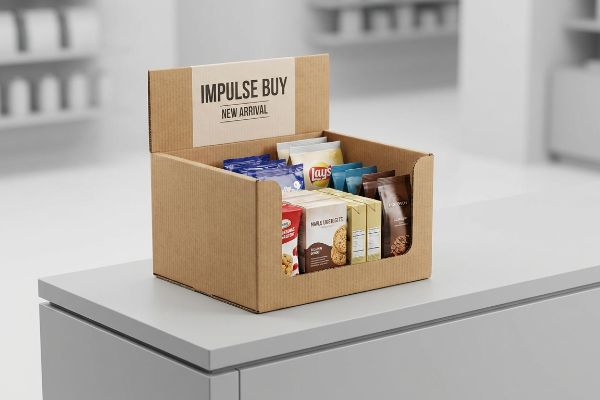
आपके पास एक बेहतरीन उत्पाद है, लेकिन इसे मुख्य गलियारे में छिपाने का मतलब है कि आप आवेगपूर्ण खरीदारी करने वाले ग्राहकों को खो देंगे। एक कुशल विक्रेता इस समस्या का समाधान करता है, लेकिन आपको यह जानना होगा कि उसे कहाँ रखना है।.
पीडीक्यू डिस्प्ले का उपयोग अधिक भीड़भाड़ वाले खुदरा क्षेत्रों में, विशेष रूप से चेकआउट काउंटरों, स्टोर के अंत में और प्रमुख गलियारों के चौराहों पर किया जाता है। ये हल्के, डिस्प्ले के लिए तैयार ट्रे बड़े स्टोर, सुपरमार्केट और सुविधा स्टोरों में ग्राहकों की तत्काल खरीदारी को प्रोत्साहित करने और उत्पाद बिक्री को बढ़ाने के लिए डिज़ाइन किए गए हैं, और इन्हें जटिल असेंबली की आवश्यकता नहीं होती है।.

लेकिन सामान्य स्थानों को समझना तो आधी ही बात है। आइए विस्तार से समझते हैं कि ये इकाइयाँ स्टोर के विशिष्ट वातावरण में वास्तव में कैसे कार्य करती हैं।.
पीडीक्यू डिस्प्ले क्या है?
इस मर्चेंडाइज़र के संरचनात्मक उद्देश्य को समझने से खुदरा बिक्री के दौरान होने वाली महंगी अस्वीकृतियों से बचा जा सकता है।.
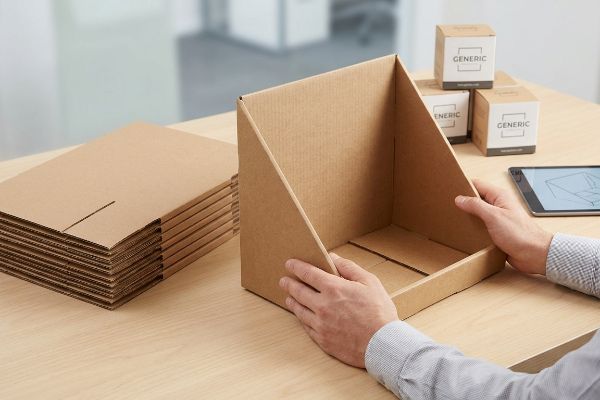
पीडीक्यू डिस्प्ले एक "प्रीटी डार्न क्विक" रिटेल मर्चेंडाइजिंग यूनिट है जिसे तुरंत शेल्फ पर रखने के लिए डिज़ाइन किया गया है। ये कॉम्पैक्ट, नालीदार ट्रे पहले से असेंबल या उत्पादों से भरी हुई आती हैं, जिससे स्टोर के कर्मचारी बिना किसी उपकरण का उपयोग किए या जटिल निर्देशों को पढ़े बिना इन्हें तुरंत शेल्फ या काउंटरटॉप पर रख सकते हैं।.
यह संक्षिप्त नाम सुनने में सरल लगता है, लेकिन उस गति के पीछे की भौतिक इंजीनियरिंग अत्यधिक सुनियोजित है।.
एक उपयुक्त पीडीक्यू डिस्प्ले की छिपी हुई इंजीनियरिंग
कई खरीदार यह मान लेते हैं कि खुदरा बिक्री के लिए तैयार ट्रे1 सिर्फ एक छोटा सा गत्ते का डिब्बा है जिसका ऊपरी हिस्सा कटा हुआ है। वे जटिल फोल्ड-इन टैब वाली बुनियादी संरचनात्मक फाइलें तैयार करते हैं, यह सोचकर कि स्टोर क्लर्कों के पास खुदरा काउंटर पर जटिल डिजाइन बनाने के लिए समय और धैर्य होगा।
मेरी फैक्ट्री में, मैं अक्सर देखता हूँ कि ब्रांड ऑटोमेटेड ग्लूइंग ऑपरेशन को छोड़कर कुछ पैसे बचाने की कोशिश करते हैं। वे मुझे मैनुअल लॉकिंग टैब से भरी डाइलाइन भेजते हैं। जब कोई जल्दबाज़ी में काम करने वाला क्लर्क 32ECT (एज क्रश टेस्ट) नालीदार कार्डबोर्ड कोहाथ से मोड़ने की कोशिश करता है, तो वर्जिन क्राफ्ट पेपर का कड़ा प्रतिरोध उसे रोक देता है। मैंने कई बार देखा है कि क्लर्क एक ट्रे पर दस मिनट तक पसीना बहाते हैं, अंततः कच्चे कार्डबोर्ड को फाड़ देते हैं और फिर गंदी पारदर्शी टेप का इस्तेमाल करते हैं जो ब्रांड की सुंदरता को खराब कर देती है। इसका समाधान मैंने "शून्य-निराशा मानक" नाम दिया है। पहले से ग्लू किए हुए मॉड्यूलर ट्रे को एक ही सहज गति में खोलकर, डिस्प्ले तुरंत तैयार हो जाता है। यह सीधा संरचनात्मक समायोजन असेंबली में होने वाली परेशानी को खत्म करता है, सेटअप समय को कम करता है और यह सुनिश्चित करता है कि आपकी यूनिट स्टॉक रूम से बाहर निकल जाए।
| नौसिखियों की आम गलती | प्रो फिक्स | रिटेल-फ्लोर लाभ |
|---|---|---|
| मैनुअल लॉकिंग टैब का उपयोग करना | पहले से चिपकाए गए मॉड्यूलर ऑटो-बॉटम3 | प्रति यूनिट असेंबली में लगने वाले 45 सेकंड की बचत होती है4 |
| यह मानते हुए कि क्लर्क गाइड पढ़ते हैं | सहज रूप से खुलने वाली संरचनाएं | कच्चे कागज को फटने से रोकता है |
| पैसे बचाने के लिए गोंद का इस्तेमाल न करना | फ़ैक्टरी-सील किए गए संरचनात्मक जोड़5 | ब्रांड की सौंदर्यता बरकरार रहने की गारंटी देता है |
मैं रिटेल स्टोर में असेंबली का काम कभी भी संयोग पर नहीं छोड़ता। अपनी फैक्ट्री की स्वचालित ग्लूइंग लाइन में यांत्रिक जटिलता को शामिल करके, मैं यह सुनिश्चित करता हूँ कि आपकी ट्रे हर बार बिल्कुल सही तरीके से खुलेगी।.
🛠️ हार्वे का डेस्क: क्या आपके मौजूदा रिटेल ट्रे स्टॉक रूम में परेशानी पैदा कर रहे हैं? 👉 मुफ़्त स्ट्रक्चर ऑडिट करवाएं ↗ — सीधे मेरे डेस्क से संपर्क करें। मैं वादा करता हूं, कोई ऑटोमेटेड सेल्स स्पैम नहीं होगा।
वॉलमार्ट के लिए पीडीक्यू का क्या अर्थ है?
बड़े-बड़े रिटेल स्टोर सख्त लॉजिस्टिकल ढांचे पर काम करते हैं, और इसका पालन न करने पर तत्काल दंड का सामना करना पड़ता है।.
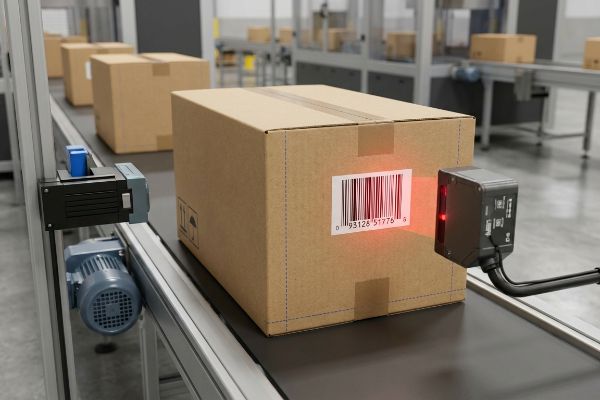
वॉलमार्ट के लिए पीडीक्यू का मतलब है उनके स्वचालित रिटेल-रेडी पैकेजिंग दिशानिर्देशों का कड़ाई से पालन करना। इसके लिए डिस्प्ले का पूरी तरह से शेल्फ-रेडी होना, संरचनात्मक रूप से सुदृढ़ होना और हाई-स्पीड स्वचालित सॉर्टिंग कन्वेयर के लिए लॉजिस्टिक रूप से अनुकूलित होना आवश्यक है, जिससे यह सुनिश्चित हो सके कि उत्पाद रिसीविंग डॉक से सीधे बिक्री फ्लोर तक सुचारू रूप से पहुंचें।.
उनकी "जल्दी" की परिभाषा को पूरा करने का मतलब सिर्फ एक डिब्बे को करीने से पैक करना ही नहीं है, बल्कि इससे कहीं अधिक है।.
वॉलमार्ट के पीडीक्यू नियम खराब मास्टर कार्टन को क्यों दंडित करते हैं?
यह एक आम जाल है जिसमें अनुभवी खरीद टीमें भी फंस जाती हैं, वे मास्टर शिपिंग कार्टन की उपेक्षा करते हुए एक सुंदर आंतरिक ट्रे डिजाइन कर लेते हैं। वे शेल्फ यूनिट की दृश्य ब्रांडिंग पर ध्यान केंद्रित करते हैं, स्वचालित 3PL (थर्ड-पार्टी लॉजिस्टिक्स) सिस्टम6।
बड़े रिटेल स्टोरों के लिए डिजाइनिंग करते समय , UCC-128 लॉजिस्टिक्स बारकोड को संरचनात्मक मोड़ के बहुत पास लगाना एक घातक गलती है। चूंकि मोटी नालीदार कार्डबोर्ड को 90 डिग्री पर मोड़ने पर सामग्री की खपत होती है, इसलिए बाहरी कागज की परत खिंच जाती है। मैंने देखा है कि ऑप्टिकल स्कैनर इसलिए विफल हो जाते हैं क्योंकि बारकोड ठीक उसी 0.11 इंच (2.8 मिमी) किनारे के त्रिज्या के आसपास मुड़ जाता है। जब ये कार्टन हाई-स्पीड सॉर्टिंग कन्वेयर पर पहुंचते हैं, तो ऑप्टिकल स्कैनर उन्हें तुरंत लाइन से हटा देते हैं। इससे महंगे मैनुअल रीपैकिंग शुल्क लगते हैं और आपूर्ति श्रृंखला लगभग 30% तक धीमी हो जाती है । मैं प्रीप्रेस के दौरान एक सख्त लेबल कीप-आउट ज़ोन लागू करता हूं, सभी महत्वपूर्ण बारकोड को किसी भी क्रीज से ठीक 1.5 इंच (38.1 मिमी) दूर लॉक करता हूं , जिससे गोदाम में माल की निर्बाध प्राप्ति सुनिश्चित होती है।
| नौसिखियों की आम गलती | प्रो फिक्स | रिटेल-फ्लोर लाभ |
|---|---|---|
| तह रेखाओं के पास बारकोड | सख्त 1.5 इंच का प्रवेश निषेध क्षेत्र9 | 100% स्वचालित स्कैनिंग सफलता |
| बाहरी शिपिंग नियमों की अनदेखी करना | 3PL बाधाओं के लिए इंजीनियरिंग | मैनुअल रीपैकिंग शुल्क समाप्त करता है10 |
| असुरक्षित लॉजिस्टिक्स डेटा | फ्लैट-पैनल बारकोड प्लेसमेंट11 | डॉक से शेल्फ तक की गति को बढ़ाता है |
कॉस्मेटिक उत्पादों के डिज़ाइन को मंज़ूरी देने से पहले मैं हमेशा लॉजिस्टिक्स डेटा मैप को प्राथमिकता देता हूँ। अगर बड़े स्टोर का स्कैनर बाहरी बॉक्स को पढ़ नहीं पाता, तो आपका खूबसूरत उत्पाद कभी भी ग्राहक तक नहीं पहुँच पाएगा।.
🛠️ हार्वे का डेस्क: क्या आपके मास्टर कार्टन स्वचालित स्कैनर की खराबी के कारण गुपचुप तरीके से मार्जिन खो रहे हैं? 👉 बारकोड टॉलरेंस चेक का अनुरोध करें ↗ — सुरक्षित रूप से डाउनलोड करें। बाद में कोई प्रश्न होने पर मेरा इनबॉक्स खुला है।
उत्पादों को बढ़ावा देने के लिए चेकआउट काउंटर के पास आमतौर पर किस प्रकार का पीओएस डिस्प्ले लगाया जाता है?
काउंटर पर जगह पाना बेहद प्रतिस्पर्धी है, और इसमें टिके रहने के लिए सटीक आयामी इंजीनियरिंग की आवश्यकता होती है।.
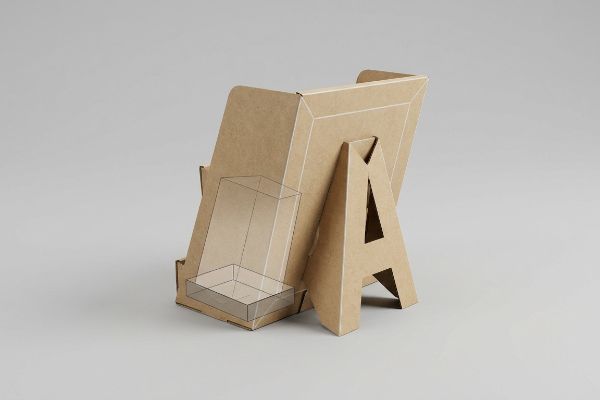
काउंटरटॉप मर्चेंडाइज़र आमतौर पर उत्पादों को बढ़ावा देने के लिए चेकआउट काउंटर के पास रखे जाते हैं। ये कॉम्पैक्ट पीओएस (पॉइंट-ऑफ-सेल) डिस्प्ले अंतिम समय में होने वाली अचानक खरीदारी को प्रोत्साहित करने के लिए डिज़ाइन किए गए हैं। इनमें कम जगह घेरने वाले और अनुकूलित कोण वाले शेल्फ होते हैं जो खुदरा दुकानों के अत्यधिक भीड़भाड़ वाले भुगतान क्षेत्रों में आसानी से फिट हो जाते हैं।.
रजिस्टर के बगल में फिट होने वाली इकाई को डिजाइन करना आसान है, लेकिन दबाव पड़ने पर उसे सीधा खड़ा रखना ही असली चुनौती है।.
पीओएस डिस्प्ले के टिपिंग पॉइंट फिजिक्स में महारत हासिल करना
ब्रांड अक्सर काउंटरटॉप पर रखे जाने वाले ऊंचे और पतले यूनिट्स को डिज़ाइन करते हैं ताकि वे कम से कम जगह घेरते हुए अपने विज़ुअल डिस्प्ले को अधिकतम कर सकें । उनका मानना है कि अगर स्क्रीन पर फ्लैट 2D फ़ाइल आनुपातिक दिखती है, तो व्यस्त स्टोर काउंटर पर फिजिकल यूनिट अपने आप संतुलित हो जाएगी।
एक ऊंचे काउंटर डिस्प्ले को एक भारी किताब की तरह सोचिए जो अपने सबसे पतले किनारे पर खड़ी हो; हल्की सी टक्कर भी उसे गिरा सकती है। जब मैं संरचनात्मक प्रोटोटाइपों की समीक्षा करता हूं, तो अक्सर देखता हूं कि उनका ऊपरी हिस्सा भारी होता है और गुरुत्वाकर्षण केंद्र में गंभीर बदलाव आ जाता है। एक बार जब ऊपरी हिस्से में भारी कॉस्मेटिक्स या बैटरी रखी जाती हैं, तो पूरी यूनिट एक भारी बोझ बन जाती है। मैंने एक बार एक भारी प्रोटोटाइप को परीक्षण फर्श पर मुंह के बल गिरते देखा, क्योंकि उसमें उचित आधार सहारा नहीं था। मेरा नियम है कि मैं पलटने के बिंदु के सख्त भौतिकी नियमों का पालन करूं। एक छिपे हुए नकली तल या गणितीय रूप से गणना किए गए पीछे के ईज़ल 13 को डिज़ाइन करके , मैं द्रव्यमान केंद्र को स्थिर रखता हूं। इससे आक्रामक ग्राहक व्यवहार के दौरान यूनिट को आगे गिरने से रोका जा सकता है, जिससे यह सुनिश्चित होता है कि स्टोर मैनेजर इसे कभी कचरे में न फेंके।
| नौसिखियों की आम गलती | प्रो फिक्स | रिटेल-फ्लोर लाभ |
|---|---|---|
| ऊंचे, संकरे पदचिह्न | इंजीनियरड रियर ईज़ल बैक | आगे की ओर पलटने से रोकता है |
| ऊपर से भारी माल की लोडिंग | गिट्टी के लिए छिपे हुए नकली तल14 | ग्राहक के साथ बातचीत को सहन करता है |
| गुरुत्वाकर्षण केंद्र की अनदेखी करते हुए | गहराई और ऊंचाई का सख्त 2:3 अनुपात15 | रजिस्टर में उच्च स्थान सुनिश्चित करता है |
मैं गुरुत्वाकर्षण को एक उच्च-मूल्य वाले प्रचार अभियान को बर्बाद नहीं करने दूंगा। आधार ज्यामिति को स्थिर रखने से यह सुनिश्चित होता है कि आपका डिस्प्ले सैकड़ों आवेगपूर्ण इंटरैक्शन के दौरान भी मजबूती से खड़ा रहे।.
🛠️ हार्वे का डेस्क: क्या आपके काउंटरटॉप का डिज़ाइन कहीं ऐसा तो नहीं है कि वह कभी भी गिर सकता है? 👉 अपना ग्रेविटी ऑडिट करवाएं ↗ — कोई फॉर्म नहीं, जिससे बार-बार सेल्स कॉल आएं। बस शुद्ध लाभ।
क्या केएफसी और पीडीक्यू एक ही कंपनी हैं?
उद्योग जगत में अक्सर प्रयुक्त होने वाले संक्षिप्त नाम एक दूसरे के साथ मेल खाते हैं, जिससे फास्ट-फूड चेन और खुदरा पैकेजिंग प्रारूपों के बीच भ्रम की स्थिति पैदा हो जाती है।.
नहीं। KFC और PDQ एक ही कंपनी नहीं हैं। PDQ एक लोकप्रिय फास्ट-फूड चिकन रेस्टोरेंट चेन है, जबकि विनिर्माण क्षेत्र में, PDQ का मतलब "प्रीटी डार्न क्विक" है, जो बड़े स्टोरों में उपयोग किए जाने वाले हाई-स्पीड, रिटेल-रेडी नालीदार मर्चेंडाइज़र के लिए एक विशिष्ट संरचनात्मक वर्गीकरण है।.
लेकिन जब डाई-कटिंग मशीनें वास्तव में चलना शुरू करती हैं, तो इन संक्षिप्त नामों के पीछे के सिद्धांत को जानना ही पर्याप्त नहीं होता है।.
मानक पीडीक्यू ट्रे कारखाने में विफल क्यों हो जाती हैं?
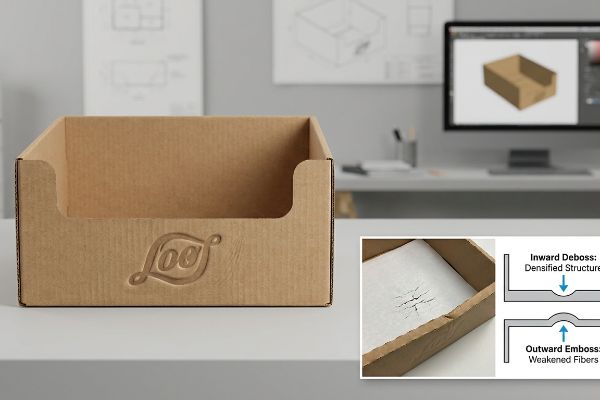
मानक मर्चेंडाइजिंग ट्रे को अपग्रेड करते समय अनुभवी डिज़ाइनर भी अक्सर प्रीमियम स्पर्शनीय फिनिश की भौतिक सीमाओं को नज़रअंदाज़ कर देते हैं। वे मान लेते हैं कि नालीदार साइड पैनल 16 पर भारी बाहरी उभार जोड़ने से अंतर्निहित संरचना को प्रभावित किए बिना ब्रांड लोगो अधिक आकर्षक दिखेगा।
मेरी फैक्ट्री में, मैं अक्सर देखता हूँ कि ग्राहक महत्वपूर्ण भार वहन करने वाले पैनलों पर अलग दिखने के लिए आक्रामक 3D एम्बॉसिंग का विकल्प चुनते हैं। स्टील रूल डाई के प्रभाव के बाद जब मैं परिणामों का माप लेता हूँ, तो कड़वी सच्चाई सामने आ जाती है। एम्बॉसिंग से ऊपरी पेपर लाइनर बाहर की ओर खिंच जाता है, जिससे रेशे भौतिक रूप से पतले हो जाते हैं17।जब 45 पाउंड (20.4 किलोग्राम) डिब्बाबंद सामान, तो ये पतले रेशे सूक्ष्म दरारों से ग्रस्त हो जाते हैं, जिससे गतिशील भार वहन क्षमता 25% तक कम हो जाती है18।मैं इस समस्या को टूलिंग कमांड को सख्ती से बदलकर अंदर की ओर डिबॉस करके हल करता हूँ। मेटल डाई को नीचे की ओर धकेलकर, मैं आंतरिक खांचों को भौतिक रूप से सघन बनाकर एक ठोस ब्लॉक में बदल देता हूँ, बजाय इसके कि बाहरी लाइनर की लोच को खत्म कर दूँ। इससे सख्त संरचनात्मक अखंडता बनी रहती है, साथ ही एक शानदार, उच्च-विपरीत स्पर्श अनुभव भी मिलता है, जिससे ग्राहकों को उत्पाद के बड़े पैमाने पर टूटने और खुदरा विक्रेताओं द्वारा किए जाने वाले शुल्क वापसी से बचाया जा सकता है।
| नौसिखियों की आम गलती | प्रो फिक्स | रिटेल-फ्लोर लाभ |
|---|---|---|
| भार क्षेत्रों पर बाहरी उभार | अंदर की ओर मुड़ी हुई बांसुरी जैसी उभरी हुई आकृति | 100% ECT क्षमता बरकरार रखता है19 |
| कागज के रेशों को बाहर की ओर खींचना | आंतरिक नालीदार खांचों को सघन बनाना20 | भारी पेलोड के गिरने से रोकता है |
| खूबसूरती के लिए ताकत का त्याग करना | रणनीतिक उपकरण कमांड फ्लिप | महंगे रिटेलर चार्जबैक को रोकता है21 |
मैं दिखावटी सुधार के लिए संरचनात्मक मजबूती से कभी समझौता नहीं करता। औजारों की रासायनिक संरचना को कागज की भौतिक संरचना के अनुरूप बनाकर, मैं ऐसी उत्कृष्ट गुणवत्ता प्रदान करता हूँ जो आपूर्ति श्रृंखला में लंबे समय तक बनी रहती है।.
🛠️ हार्वे की सलाह: 2 मिलीमीटर की संरचनात्मक खामी को 500 स्टोरों में अपना कारोबार ठप न करने दें। 👉 मुझे अपनी डाइलाइन फ़ाइल भेजें ↗ — बड़े पैमाने पर उत्पादन पर बजट बर्बाद करने से पहले मैं गणितीय गणनाओं की गहन जांच कर लूंगा।
निष्कर्ष
आपके पास एक खूबसूरत शेल्फ यूनिट हो सकती है, लेकिन जब एक खराब बारकोड स्वचालित कन्वेयर पर स्कैनर की खराबी का कारण बनता है, तो इससे माल की प्राप्ति में लगभग 30% की देरी होती है और तत्काल रीपैकिंग शुल्क के कारण आपका मुनाफा पूरी तरह खत्म हो जाता है। 500 से अधिक ब्रांड मैनेजर इन शुरुआती चरण की घातक गलतियों से बचने के लिए मेरी प्रीप्रेस चेकलिस्ट का उपयोग करते हैं। लॉजिस्टिक्स संबंधी अनुमान लगाना बंद करें और मुझे व्यक्तिगत रूप से आपके सेटअप का निःशुल्क डाइलाइन प्री-फ्लाइट ऑडिट करने दें ↗ ताकि बड़े पैमाने पर उत्पादन शुरू होने से पहले ही इन कमियों को पकड़ा जा सके।
"रिटेल रेडी पैकेजिंग (आरआरपी) – स्मर्फिट कप्पा", https://www.smurfitkappa.com/products-and-services/packaging/retail-ready-packaging-rrp। रिटेल रेडी पैकेजिंग (आरआरपी) के लिए उद्योग मानक विशिष्ट इंजीनियरिंग दिशानिर्देश प्रदान करते हैं जो शेल्फ-रेडी इकाइयों को मानक नालीदार शिपिंग बॉक्स से अलग करते हैं। साक्ष्य भूमिका: परिभाषा; स्रोत प्रकार: उद्योग मानक। समर्थन: इस दावे का कि पीडीक्यू को साधारण बॉक्स से परे विशिष्ट इंजीनियरिंग की आवश्यकता होती है। कार्यक्षेत्र नोट: जीएस1 और खुदरा लॉजिस्टिक्स मानकों को संदर्भित करता है। ↩
"[PDF] नालीदार बोर्ड विनिर्देश - फाइबर बॉक्स एसोसिएशन", https://www.fibrebox.org/assets/2025/09/Walmart_Corrugated-Board_Specifications_Automation_Packaging_Standards.pdf। यह तकनीकी विनिर्देश एज क्रश टेस्ट (ECT) मानक और 32ECT बोर्ड के संरचनात्मक गुणों की व्याख्या करता है। साक्ष्य की भूमिका: तकनीकी परिभाषा; स्रोत प्रकार: पैकेजिंग उद्योग मानक। समर्थन: यह दावा कि 32ECT बोर्ड में विशिष्ट संरचनात्मक प्रतिरोध होता है। कार्यक्षेत्र संबंधी टिप्पणी: सामग्री की मजबूती के मानकों पर केंद्रित। ↩
"ऑटो बॉटम्स – फोल्डिंग कार्टन स्टाइल्स – सीसीएल हेल्थकेयर", https://cclhealthcare.com/packaging-products/pharmaceutical-folding-cartons/carton-styles-overview/auto-bottoms/। पॉइंट-ऑफ-परचेज़ (पीओपी) डिस्प्ले में ऑटो-बॉटम डिज़ाइन की तकनीकी परिभाषा और संरचनात्मक अनुप्रयोग। साक्ष्य भूमिका: तकनीकी विनिर्देश; स्रोत प्रकार: पैकेजिंग इंजीनियरिंग हैंडबुक। सहायक: मैनुअल लॉकिंग का पेशेवर विकल्प। कार्यक्षेत्र नोट: संरचनात्मक डिज़ाइन। ↩
"ऑटो बॉटम बॉक्स (क्रैश-लॉक) को आसान बनाया गया - पीएम पैकेजिंग", https://pmpackaging.com/product-catalog/boxes-and-cartons/auto-bottom-boxes। खुदरा पैकेजिंग में मैनुअल लॉकिंग टैब और ऑटो-बॉटम संरचना के बीच असेंबली समय की तुलना। साक्ष्य की भूमिका: मात्रात्मक सत्यापन; स्रोत प्रकार: पैकेजिंग उद्योग बेंचमार्क। समर्थन: मॉड्यूलर बॉटम की दक्षता में वृद्धि। स्कोप नोट: प्रति इकाई औसत समय। ↩
"इंटरैक्टिव रिटेल के लिए डिस्प्ले स्ट्रक्चरल डिज़ाइन ...", https://www.bcipkg.com/display-structural-design-for-interactive-retail-displays/। मैन्युअल एडहेसिव की तुलना में फ़ैक्टरी-सील्ड जोड़ों की संरचनात्मक अखंडता और सौंदर्य संबंधी स्थायित्व का विश्लेषण। साक्ष्य की भूमिका: संरचनात्मक सत्यापन; स्रोत प्रकार: विनिर्माण गुणवत्ता मानक। समर्थन: ब्रांड सौंदर्य की गारंटी। कार्यक्षेत्र संबंधी टिप्पणी: सामग्री स्थायित्व। ↩
"3PL के लिए स्वचालित पैकेजिंग – पैकसाइज़", https://www.packsize.com/industries/3pl। यह प्रामाणिक उद्योग दस्तावेज़ स्वचालित वेयरहाउस प्रबंधन प्रणालियों और सॉर्टिंग कन्वेयर के लिए आवश्यक विशिष्ट डेटा और लेबलिंग मानकों की व्याख्या करता है। साक्ष्य की भूमिका: तकनीकी विनिर्देश; स्रोत प्रकार: उद्योग मानक। समर्थन: स्वचालित 3PL प्रसंस्करण के लिए सटीक लॉजिस्टिकल डेटा की आवश्यकता। कार्यक्षेत्र संबंधी टिप्पणी: B2B शिपिंग मानकों पर केंद्रित। ↩
"वेयरहाउस के लिए सुधार ढांचा विकसित करना... – पीएमसी", https://pmc.ncbi.nlm.nih.gov/articles/PMC10112039/। उद्योग रिपोर्ट या लॉजिस्टिक्स केस स्टडी जो बारकोड की खराबी के कारण मैन्युअल रीपैकिंग से होने वाली देरी को दर्शाती हैं। साक्ष्य की भूमिका: मात्रात्मक सत्यापन; स्रोत प्रकार: उद्योग रिपोर्ट। समर्थन: 30% मंदी के विशिष्ट दावे का। स्कोप नोट: संभवतः स्वचालित छँटाई वातावरण में थ्रूपुट गति को संदर्भित करता है। ↩
"GS1-128 बारकोड क्या है?", https://www.gs1us.org/upcs-barcodes-prefixes/gs1-128। लॉजिस्टिक्स लेबल के लिए 'क्वाइट ज़ोन' और प्लेसमेंट प्रतिबंधों के संबंध में GS1 या रिटेलर कंप्लायंस मैनुअल से तकनीकी विनिर्देश। साक्ष्य भूमिका: तकनीकी सत्यापन; स्रोत प्रकार: तकनीकी मानक। समर्थन: विशिष्ट 1.5 इंच कीप-आउट ज़ोन माप। स्कोप नोट: विशिष्ट रिटेलर आवश्यकताओं के अनुसार थोड़ा भिन्न हो सकता है। ↩
"[PDF] सेकेंडरी पैकेजिंग सप्लाई चेन स्टैंडर्ड्स – P2PI", https://p2pi.com/file/PtPI16509cf4c7b5d4070798853/Walmart%2520Supply%2520Chain%2520Packaging%2520Guide%2520August%25202023.pdf। स्वचालित स्कैनिंग की विश्वसनीयता सुनिश्चित करने के लिए वॉलमार्ट द्वारा आवश्यक विशिष्ट बारकोड क्लीयरेंस मापों का सत्यापन। साक्ष्य की भूमिका: तकनीकी विनिर्देश; स्रोत प्रकार: विक्रेता मैनुअल। समर्थन: स्कैनिंग मानकों का पालन। कार्यक्षेत्र संबंधी टिप्पणी: बाहरी शिपर्स और पीडीक्यू पर लागू। ↩
"कस्टम पैकेजिंग कंप्लायंस गाइड – ज़ेनपैक ब्लॉग", https://www.zenpack.us/blog/packaging-compliance-guide/। गैर-अनुपालन वाले मास्टर कार्टन के लिए खुदरा विक्रेताओं द्वारा लगाए गए वित्तीय दंड या चार्जबैक का दस्तावेज़ीकरण, जिनमें मैन्युअल हस्तक्षेप की आवश्यकता होती है। साक्ष्य की भूमिका: परिचालन लागत सत्यापन; स्रोत प्रकार: खुदरा अनुपालन गाइड। समर्थन: खराब लॉजिस्टिक्स इंजीनियरिंग का वित्तीय प्रभाव। कार्यक्षेत्र संबंधी टिप्पणी: डीसी और 3पीएल संचालन पर केंद्रित। ↩
"उत्पाद पैकेजिंग GS1-अनुरूप बारकोड – AccuGraphiX", https://bar-code.com/choosing-the-right-packaging-for-gs1-compliant-barcodes/?srsltid=AfmBOoolSgvPxyPlLWLJ5BClhjhkijmcwyB0QTMsvcS6uvuSzAAJrGnH। समतल सतहों पर बारकोड की स्थिति निर्धारण के लिए तकनीकी मार्गदर्शन ताकि विकृति और स्कैनिंग विफलताओं को रोका जा सके। साक्ष्य भूमिका: तकनीकी मानक; स्रोत प्रकार: उद्योग मानक (GS1)। सहायक: डॉक-टू-शेल्फ लॉजिस्टिक्स में तेजी लाना। कार्यक्षेत्र नोट: सामान्य वैश्विक लॉजिस्टिक्स मानक। ↩
"अपने काउंटरटॉप डिस्प्ले से अधिकतम लाभ कैसे प्राप्त करें", https://blingblingpackaging.com/blog/countertop-display/। एक प्रामाणिक खुदरा बिक्री सामग्री मार्गदर्शिका या पीओएस इंजीनियरिंग मैनुअल, अधिक भीड़भाड़ वाले चेकआउट क्षेत्रों में आकार की तुलना में ऊर्ध्वाधर दृश्यता को प्राथमिकता देने की उद्योग प्रथा को प्रमाणित करेगा। साक्ष्य की भूमिका: पुष्टि; स्रोत प्रकार: उद्योग डिजाइन हैंडबुक। समर्थन: पतले पीओएस यूनिटों के लिए डिजाइन प्रेरणा। कार्यक्षेत्र संबंधी टिप्पणी: केवल पॉइंट-ऑफ-परचेस खुदरा सामग्री के लिए। ↩
"पॉइंट ऑफ़ परचेज़ डिस्प्ले क्या है? – पॉपडिस्प्ले", https://popdisplay.me/what-is-point-of-purchase-display/। गुरुत्वाकर्षण केंद्र को कम करने और पलटने से रोकने के लिए पॉइंट-ऑफ-परचेज़ डिस्प्ले में उपयोग की जाने वाली संरचनात्मक अभियांत्रिकी तकनीकों का सत्यापन। साक्ष्य की भूमिका: तकनीकी सत्यापन; स्रोत प्रकार: संरचनात्मक अभियांत्रिकी मार्गदर्शिका या खुदरा डिज़ाइन मैनुअल। सहायक तत्व: स्थिरता के लिए आधार भार या ईज़ल का उपयोग। कार्यक्षेत्र संबंधी टिप्पणी: काउंटरटॉप डिस्प्ले के आयामों पर ध्यान केंद्रित। ↩
"अधिक उत्पाद बेचने वाले आकर्षक खुदरा उत्पाद प्रदर्शन के लिए 15 सुझाव", https://wertheimerbox.com/15-tips-for-attractive-retail-product-displays-that-sell-more-products/। संरचनात्मक अखंडता सुनिश्चित करने के लिए पॉइंट-ऑफ-परचेज़ फिक्स्चर में शीर्ष-भारी भार का प्रतिकार करने हेतु बैलास्ट प्लेसमेंट का विश्लेषण। साक्ष्य भूमिका: डिज़ाइन पद्धति; स्रोत प्रकार: पैकेजिंग इंजीनियरिंग गाइड। समर्थन: पलटने से रोकने के लिए भारित आधारों के उपयोग की प्रभावकारिता। कार्यक्षेत्र नोट: उच्च-अंतःक्रियात्मक खुदरा वातावरण के लिए विशिष्ट। ↩
"पॉइंट ऑफ़ परचेज़ डिस्प्ले क्या है? परिभाषा और अनुप्रयोग", https://www.industrialpackaging.com/blog/point-of-purchase-displays-definitions-applications। खुदरा डिस्प्ले के लिए गुरुत्वाकर्षण केंद्र और टिपिंग पॉइंट से संबंधित तकनीकी इंजीनियरिंग मानक। साक्ष्य भूमिका: तकनीकी विनिर्देश; स्रोत प्रकार: औद्योगिक डिज़ाइन मैनुअल। समर्थन: स्थिरता सुनिश्चित करने के लिए एक विशिष्ट अनुपात का उपयोग। कार्यक्षेत्र नोट: आम तौर पर स्वतंत्र रूप से खड़े होने वाले पॉइंट-ऑफ-परचेज़ यूनिटों पर लागू। ↩
"भार वहन क्षमता पर छिद्रों के प्रभाव की जांच...", https://pmc.ncbi.nlm.nih.gov/articles/PMC11396172/। नालीदार फाइबरबोर्ड की संपीडन शक्ति और स्थिरता पर एम्बॉसिंग प्रक्रियाओं के प्रभाव का तकनीकी विवरण। साक्ष्य भूमिका: तकनीकी सत्यापन; स्रोत प्रकार: पैकेजिंग इंजीनियरिंग हैंडबुक। समर्थन: यह दावा कि एम्बॉसिंग अंतर्निहित संरचना को बदल देती है। कार्यक्षेत्र संबंधी टिप्पणी: विशेष रूप से नालीदार सामग्रियों पर लागू होता है। ↩
"यांत्रिक और कोमलता गुणों पर एम्बॉसिंग दबाव का प्रभाव...", https://pmc.ncbi.nlm.nih.gov/articles/PMC9228970/। पेपरबोर्ड में सेल्युलोज फाइबर को यांत्रिक एम्बॉसिंग द्वारा कैसे खींचा जाता है, इसका पदार्थ विज्ञान संबंधी स्पष्टीकरण। साक्ष्य की भूमिका: प्रक्रिया सत्यापन; स्रोत प्रकार: विनिर्माण तकनीकी मार्गदर्शिका। समर्थन: यह दावा कि एम्बॉसिंग लाइनर को पतला कर देता है। कार्यक्षेत्र संबंधी टिप्पणी: स्टील रूल डाई एम्बॉसिंग के लिए विशिष्ट। ↩
"नालीदार बक्से के डिजाइन के रिड्यूसिंग सिद्धांत का अवलोकन...", https://www.deprintedbox.com/blog/an-overview-of-the-reducing-principle-of-design-of-corrugated-box-used-in-goods-packaging/। 3D एम्बॉसिंग के बाद नालीदार बोर्ड में संरचनात्मक मजबूती में मात्रात्मक कमी को सत्यापित करने वाला तकनीकी डेटा। साक्ष्य की भूमिका: मात्रात्मक सत्यापन; स्रोत प्रकार: इंजीनियरिंग अध्ययन। समर्थन: भार क्षमता में कमी के दावे का। कार्यक्षेत्र संबंधी टिप्पणी: फ्लूटिंग और लाइनर ग्रेड पर निर्भर। ↩
"शिपिंग बॉक्स की मजबूती को समझना – इकोएनक्लोज", https://www.ecoenclose.com/blog/understanding-shipping-box-strength/?srsltid=AfmBOoqI6VKbrZ-mYpuaJsITDI7ZtWDp5UNA9clPZXbqFLhytbfpQ50Y। पैकेजिंग इंजीनियरिंग मानक बताते हैं कि अंदर की ओर धंसाव (डिबॉसिंग) एज क्रश टेस्ट (ECT) मान में कमी को कैसे रोकती है। साक्ष्य की भूमिका: तकनीकी सत्यापन; स्रोत प्रकार: उद्योग विनिर्देश। समर्थन: इस दावे का कि अंदर की ओर धंसाव (डिबॉसिंग) पूरी संरचनात्मक मजबूती को बनाए रखती है। कार्यक्षेत्र संबंधी टिप्पणी: केवल नालीदार फाइबरबोर्ड तक सीमित। ↩
"नालीदार तख्तों के बक्सों की संपीडन सामर्थ्य का अनुमान ...", https://pmc.ncbi.nlm.nih.gov/articles/PMC8467740/। संपीडन सामर्थ्य पर पदार्थ विज्ञान डेटा दर्शाता है कि नालीदार तख्तों का घनत्व बढ़ाने से भार वहन क्षमता में सुधार होता है। साक्ष्य की भूमिका: तकनीकी सत्यापन; स्रोत प्रकार: पदार्थ विज्ञान अनुसंधान। समर्थन: यह दावा कि सघनता भार के ढहने को रोकती है। कार्यक्षेत्र संबंधी टिप्पणी: ऊर्ध्वाधर संपीडन पर लागू। ↩
"कॉन्ट्रैक्ट पैकेजिंग की किन गलतियों के कारण रिटेलर चार्जबैक करते हैं?", https://www.industrialpackaging.com/blog/copacker-mistakes-retailer-chargebacks। रिटेलर कंप्लायंस हैंडबुक में क्षतिग्रस्त या गैर-अनुरूप शेल्फ-रेडी पैकेजिंग के लिए विक्रेताओं पर लगाए गए जुर्माने का विवरण दिया गया है। साक्ष्य की भूमिका: तथ्यात्मक सत्यापन; स्रोत प्रकार: कॉर्पोरेट कंप्लायंस मैनुअल। समर्थन करता है: इस दावे का कि पैकेजिंग में सुधार से रिटेलर पेनल्टी से बचा जा सकता है। स्कोप नोट: बड़े रिटेल लॉजिस्टिक्स के लिए विशिष्ट। ↩