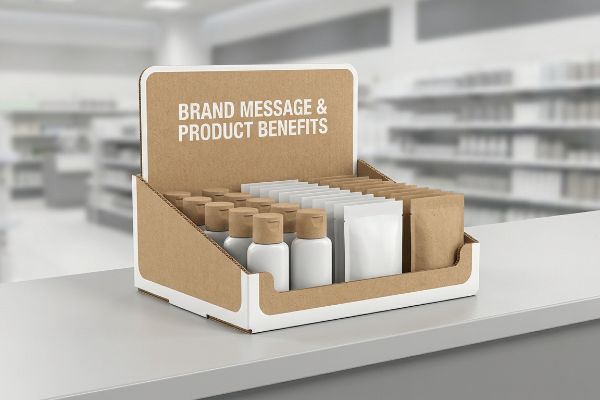
आपने महीनों तक एक बेहतरीन उत्पाद तैयार करने में मेहनत की है, लेकिन अगर वह भीड़भाड़ वाली शेल्फ पर असफल हो जाता है, तो सब व्यर्थ हो जाता है। एक कुशल रिटेल मर्चेंडाइजर पल भर में स्थिति बदल देता है।
पीडीक्यू ट्रे एक हल्का और खुदरा बिक्री के लिए तैयार पैकेजिंग समाधान है जिसे शेल्फ पर सामान जल्दी रखने और उत्पाद की अधिकतम दृश्यता सुनिश्चित करने के लिए डिज़ाइन किया गया है। ये काउंटर मर्चेंडाइज़र खुले सामान को व्यवस्थित करके, सामान्य गलियारों से अलग दिखकर और प्रमुख ब्रांड संदेशों को सीधे उपभोक्ता की नज़र के सामने रखकर बिक्री को अधिकतम करने के लिए प्रेरित करते हैं।.
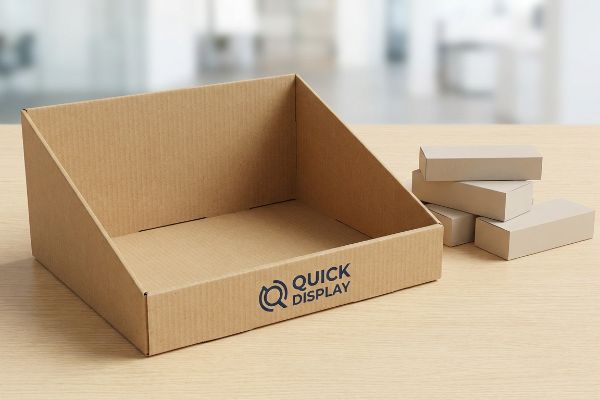
लेकिन कागजों पर इन ट्रे के काम करने के तरीके को जानने से आपके मुनाफे पर कोई असर नहीं पड़ेगा जब फैक्ट्री की मशीनें वास्तव में चलना शुरू हो जाएंगी।.
पैकेजिंग से बिक्री कैसे बढ़ सकती है?
प्रभावी संरचनात्मक डिजाइन केवल आपके सामान को रखने तक ही सीमित नहीं है; यह सक्रिय रूप से लोगों को रुकने और आकर्षित होने के लिए प्रेरित करता है।.
पैकेजिंग ग्राहकों की दिनचर्या में भौतिक रूप से बाधा डालकर और मनोवैज्ञानिक जुड़ाव पैदा करके बिक्री बढ़ाती है। संरचनात्मक तनाव, तीव्र कंट्रास्ट वाले स्पॉट रंगों और रणनीतिक दृश्यता का उपयोग करके, प्रभावी खुदरा पैकेजिंग तीस फीट की दूरी से ध्यान आकर्षित करती है, तीन फीट की दूरी पर रुचि बनाए रखती है और तीन इंच की दूरी पर अंतिम आवेगपूर्ण खरीदारी को सुनिश्चित करती है।.
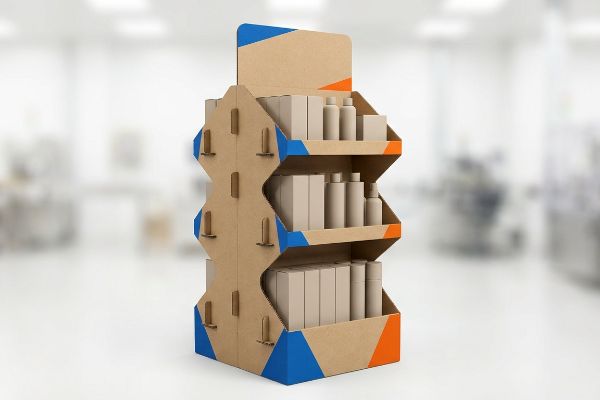
हालांकि, उस दृश्य व्यवधान को सही ढंग से प्राप्त करने के लिए, केवल एक जीवंत पीडीएफ फाइल से कहीं अधिक की आवश्यकता होती है।.
रिटेल डिस्प्ले के लिए 3-3-3 नियम में महारत हासिल करना
अधिकांश मार्केटिंग टीमें खुदरा पैकेजिंग को केवल बैकलिट कंप्यूटर मॉनिटर पर नज़दीकी दृश्य के लिए डिज़ाइन करती हैं1वे मानते हैं कि यदि लोगो स्पष्ट दिखता है और संदेश स्क्रीन पर साफ है, तो वास्तविक दुनिया में यह अपने आप बिक जाएगा। यह इस बात को नज़रअंदाज़ करता है कि ग्राहक वास्तव में बड़े स्टोरों के गलियारों में किस तरह से घूमते हैं, जो अव्यवस्थित और भीड़भाड़ वाला होता है।
मैं अक्सर देखता हूँ कि शानदार ब्रांड्स इसलिए असफल हो जाते हैं क्योंकि वे स्थानिक जुड़ाव के 3-3-3 नियम को भूल जाते हैं । एक जूनियर डिज़ाइनर ट्रे के सामने वाले किनारे को छोटे-छोटे अक्षरों से भर देता है, लेकिन जब मैं अपने कारखाने में तीस फीट पीछे से एक टेस्ट यूनिट को ले जाता हूँ, तो वह धुंधला सा दिखाई देता है। मुझे याद है कि एक ग्राहक अपने महंगे डिस्प्ले को देखकर कितना परेशान हुआ था, क्योंकि प्रतिस्पर्धी के चमकीले एंड-कैप के सामने उसका डिस्प्ले बिल्कुल भी ध्यान आकर्षित नहीं कर पा रहा था । इसका समाधान सरल है: दूरी को बाधित करने के लिए आक्रामक डाई-कट आकार अनिवार्य करें, मध्य स्ट्राइक ज़ोन के लिए शेल्फ एर्गोनॉमिक्स को अनुकूलित करें, और सामने वाले रिटेनिंग लिप को इतना छोटा काटें कि आपके उत्पाद का 85% हिस्सा दिखाई दे, ताकि ग्राहक उसे छूकर महसूस कर सके। यह दृश्य इंजीनियरिंग सीधे तौर पर आपकी यूनिट की बिक्री को बढ़ाती है, जिससे यह सुनिश्चित होता है कि रिटेलर के मौसमी रीसेट से पहले आपका स्टॉक बिक जाए।
| नौसिखियों की आम गलती | प्रो फिक्स | रिटेल-फ्लोर लाभ |
|---|---|---|
| टेक्स्ट से भरपूर फ्रंट लिप्स | 85% दृश्यता के लिए होंठ को काटें4 | आवेगी पकड़ को गति देता है |
| मानक वर्गाकार शीर्ष | आक्रामक डाई-कट आकृतियाँ5 | गलियारे में लोगों की आवाजाही को रोकता है |
| शेल्फ में घुलमिल जाना | उच्च-विपरीत धब्बेदार रंग6 | दृश्य धुंधलापन को रोकता है |
मैं पहले स्केल मॉकअप प्रिंट किए बिना कभी भी क्लाइंट को आर्टवर्क अप्रूव करने नहीं देता। वेयरहाउस के फर्श के पार से एक असली बॉक्स को देखना ही यह साबित करने का एकमात्र तरीका है कि आपके ग्राफिक्स वास्तव में काम करते हैं।.
🛠️ हार्वे का डेस्क: क्या आप इस बात को लेकर असमंजस में हैं कि आपकी कलाकृति तीस फुट की दूरी से देखने पर धुंधली दिखाई देगी या नहीं? 👉 मुफ़्त फ़ाइल समीक्षा प्राप्त करें ↗ — सीधे मेरे डेस्क तक पहुंच। मैं वादा करता हूँ, कोई स्वचालित बिक्री संबंधी स्पैम नहीं।
पीडीक्यू ट्रे क्या होती है?
तेजी से बदलते खुदरा व्यापार के माहौल में अत्यधिक परिचालन दक्षता की आवश्यकता होती है, और स्टोर क्लर्कों में जटिल पहेलियों को सुलझाने का बिल्कुल भी धैर्य नहीं होता है।.
पीडीक्यू ट्रे एक विशेष प्वाइंट-ऑफ-सेल मर्चेंडाइज़र है जिसे तत्काल खुदरा उपयोग के लिए डिज़ाइन किया गया है। ये पहले से असेंबल किए गए नालीदार बॉक्स उत्पादों से भरे हुए आते हैं, जिससे स्टोर कर्मचारी जटिल फोल्डिंग के बिना दस सेकंड से भी कम समय में शिपिंग मास्टर कार्टन से सीधे सक्रिय शेल्फ पर सामान रख सकते हैं।.
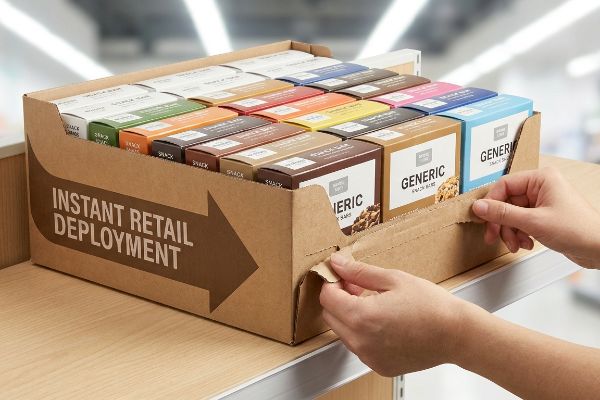
यह अवधारणा सरल है, लेकिन दस सेकंड के भीतर निर्बाध सेटअप हासिल करना ही वह जगह है जहां अधिकांश डिजाइन विफल हो जाते हैं।.
अत्यधिक जटिल डाईलाइनों का जाल
खरीदार अक्सर यह मान लेते हैं कि जटिल फोल्डिंग मैकेनिज़्म से उनकी ट्रे अधिक मजबूत या देखने में अधिक आकर्षक बनेगी। वे दर्जनों इंटरलॉकिंग टैब और स्लॉट वाली सपाट डाईलाइन को पसंद करते हैं, यह सोचकर कि यह उच्च स्तरीय संरचनात्मक इंजीनियरिंग को दर्शाती है। वास्तविकता में, यह जटिलता सीधे तौर पर स्टोर के कर्मचारियों या कॉन्ट्रैक्ट पैकर्स पर भारी श्रम का बोझ डालती है ।
आपके डिस्प्ले शेल्फ पर हमेशा टूटे-फूटे क्यों दिखते हैं? यह सवाल मुझे हर हफ्ते सुनने को मिलता है। सच तो यह है कि अगर कोई नाइट शिफ्ट का क्लर्क तीन मिनट तक किसी जटिल टैब को खोलने के लिए पसीना बहा रहा है, तो फ्लैप को फाड़ते और भद्दी पारदर्शी टेप का इस्तेमाल करते समय कच्चे पेपरबोर्ड के फटने की दर्दनाक आवाज सुनाई देगी। मैं हमेशा अपने स्ट्रक्चरल इंजीनियरों को इन यूनिट्स के लिए पहले से चिपकाए गए क्रैश बॉटम और सरल रोल-ओवर किनारों का उपयोग करने के लिए कहता हूं। असेंबली प्रक्रिया से घर्षण को हटाकर, आप को-पैकर को प्रति यूनिट 25 सेकंड बचाते हैं8, अपने कॉन्ट्रैक्ट लेबर फीस में भारी कटौती करते हैं और यह सुनिश्चित करते हैं कि ग्राहक के सामने ट्रे एकदम नई जैसी दिखे।
| नौसिखियों की आम गलती | प्रो फिक्स | रिटेल-फ्लोर लाभ |
|---|---|---|
| दर्जनों फोल्डिंग टैब | पहले से चिपकाए गए क्रैश बॉटम | असेंबली का 25 सेकंड का समय बचाता है9 |
| टाइट फ्रिक्शन लॉक | सरल रोल-ओवर किनारे | कागज़ फटने से बचाता है10 |
| भ्रामक निर्देश | सहज संरचनात्मक बूंदें | टेप का उपयोग समाप्त करता है11 |
मेरे पास आने वाली हर संरचनात्मक फ़ाइल को मैं पूरी तरह से सरल बना देता हूँ। अगर कोई रिटेल कर्मचारी एक हाथ में प्राइसिंग स्कैनर पकड़े हुए दूसरे हाथ से आपकी ट्रे को असेंबल नहीं कर सकता, तो वह ज़रूरत से ज़्यादा जटिल है।.
🛠️ हार्वे का डेस्क: क्या आपकी जटिल डाईलाइनें गुपचुप तरीके से आपकी को-पैकिंग श्रम लागत बढ़ा रही हैं? 👉 संरचनात्मक ऑडिट का अनुरोध करें ↗ — सुरक्षित रूप से डाउनलोड करें। बाद में कोई प्रश्न होने पर मेरा इनबॉक्स खुला है।
किसी रिटेल स्टोर में बिक्री कैसे बढ़ाएं?
किसी शेल्फ को जितना संभव हो उतना अधिक सामान से भर देना, आपकी तात्कालिक खरीदारी को रोकने का एक निश्चित तरीका है।.
किसी रिटेल स्टोर में बिक्री बढ़ाने के लिए, ब्रांड्स को मनोवैज्ञानिक तनाव पैदा करने के लिए संरचनात्मक दृश्य सामग्री प्रबंधन को अनुकूलित करना चाहिए। असममित उत्पाद स्पेसिंग, चमकीले रंगों और मॉड्यूलर डिवाइडर का उपयोग संज्ञानात्मक अतिभार को रोकता है, खरीदार का ध्यान आकर्षित करता है और अंतिम भौतिक संपर्क के दौरान उत्पाद को आसानी से हटाने को सुनिश्चित करता है।.
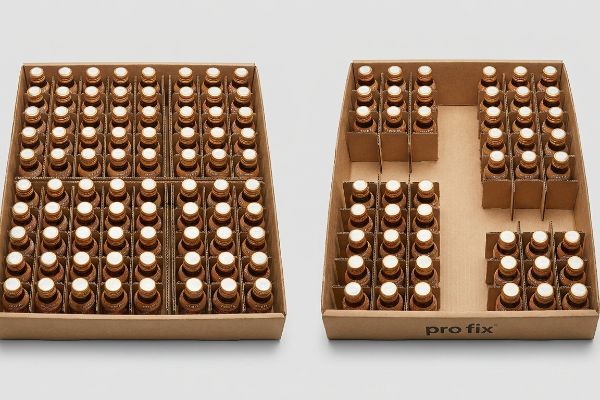
आपको दृश्य तनाव की आवश्यकता है, यह जानना आसान है, लेकिन उस तनाव को एक तंग बॉक्स में समाहित करने के लिए पर्याप्त जगह बनाना एक चुनौती है।.
असममित रिक्ति का लाभ
जूनियर डिज़ाइनर अक्सर शिपिंग घनत्व को अधिकतम करने के लिए उत्पादों की एक सघन, पूरी तरह से सममित ग्रिड को एक ही ट्रे में पैक करने का प्रयास करते हैं। उनका मानना है कि पचास इकाइयों को एक छोटे से स्थान में ठूंसने से अधिक लाभ मार्जिन प्राप्त होता है। दुर्भाग्य से, यह सममित भीड़भाड़ केवल एक ऐसी सपाट दीवार का निर्माण करती है जिसे जल्दबाज़ी में खरीदारी करने वाले ग्राहक पूरी तरह से अनदेखा कर देते हैं।
इसे एक ऐसे सघन पैराग्राफ की तरह समझें जिसमें कोई लाइन ब्रेक नहीं है—आपका दिमाग इसे पढ़ने से इनकार कर देता है। जब आप बोतलों को एक-दूसरे से सटाकर रखते हैं, तो यह न केवल देखने में उबाऊ लगता है, बल्कि मैंने खुद भी नालीदार किनारे के कड़े प्रतिरोध को महसूस किया है जब कोई क्लर्क आखिरी आइटम को जबरदस्ती अंदर डालने की कोशिश करता है, जिससे ECT (एज क्रश टेस्ट) संरचना13। मेरा सामान्य नियम 3-5-7 नियम है, जो वस्तुओं को असममित समूहों में रखने के लिए आंतरिक विभाजकों का उपयोग करता है। यह अंतर्निहित खाली जगह एक गतिशील डिस्प्ले बनाती है जो लोगों का ध्यान खींचती है, साथ ही क्लर्कों को 0.25 इंच (6.35 मिमी) की पर्याप्त जगह14 , जिससे फटे हुए फ्लैप और महंगे खुदरा विक्रेता शुल्क वापसी की समस्या पूरी तरह से समाप्त हो जाती है।
| नौसिखियों की आम गलती | प्रो फिक्स | रिटेल-फ्लोर लाभ |
|---|---|---|
| कंधे से कंधा मिलाकर सामान पैक करना | असममित आइटम क्लस्टरिंग | दृश्य नीरसता को तोड़ता है |
| उंगलियों के लिए कोई जगह नहीं | 0.25 इंच (6.35 मिमी) के अंतराल | पुनः स्टॉक करने से होने वाले नुकसान को रोकता है |
| खाली आधार खोलें | मॉड्यूलर फ्लोटिंग डिवाइडर | उत्पादों को सीधा रखता है |
अगर डिस्प्ले से बिक्री बढ़ती है, तो मैं शिपिंग घनत्व में थोड़ी सी कमी को सहर्ष स्वीकार कर लूंगा। ट्रे सबसे सस्ता मार्केटिंग हथकंडा है।
🛠️ हार्वे का डेस्क: क्या आपका मौजूदा डिस्प्ले इतना भीड़भाड़ वाला है कि गलियारे में ग्राहक का ध्यान आकर्षित नहीं कर पाता? 👉 मुफ़्त डिज़ाइन परामर्श प्राप्त करें ↗ — कोई फ़ॉर्म नहीं जो अंतहीन बिक्री कॉल को बढ़ावा दे। बस शुद्ध मूल्य।
मर्चेंडाइजिंग में पीडीक्यू क्या है?
किसी भी सफल लॉन्च के लिए यह आवश्यक है कि आपकी पैकेजिंग खुदरा स्टोर तक पहुंचने से पहले ही कठिन आपूर्ति श्रृंखलाओं से गुजर सके।.
मर्चेंडाइजिंग में, पीडीक्यू एक अनुकूलित पॉइंट-ऑफ-परचेस डिस्प्ले है जिसे ट्रांजिट पैलेट से सीधे स्टोर शेल्फ तक सामान को तेजी से पहुंचाने के लिए डिज़ाइन किया गया है। ये नालीदार कंटेनर मैन्युअल रूप से सामान स्टॉक करने की आवश्यकता को समाप्त करते हैं, जिससे खुदरा विक्रेताओं की श्रम लागत में काफी कमी आती है और विभिन्न वाणिज्यिक लेआउट में ब्रांड की भौतिक उपस्थिति मानकीकृत हो जाती है।.
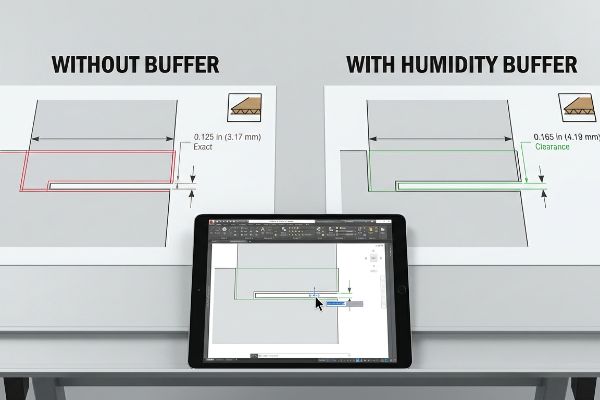
एक डिस्प्ले को खड़ा रखना आसान है, लेकिन जब आप उनमें से 500 को एक आर्द्र वितरण केंद्र में भेजते हैं तो कठोर वास्तविकता सामने आती है।
मानक फोल्डिंग स्लॉट कारखाने में विफल क्यों हो जाते हैं?
तापमान नियंत्रित कार्यालयों में ग्राफिक डिज़ाइनर आमतौर पर पूर्ण शुष्क व्यास (15) । वे मानते हैं कि 0.125 इंच (3.17 मिमी) का स्लॉट 0.125 इंच (3.17 मिमी) के टैब को पूरी तरह से ग्रहण कर लेगा। यह त्रुटिहीन गणितीय धारणा वैश्विक शिपिंग और बिना तापमान वाले गोदाम भंडारण के पर्यावरणीय भौतिकी को पूरी तरह से अनदेखा करती है।
यह सिर्फ़ सिद्धांत नहीं है—मैंने परीक्षण के दौरान समुद्र परिवहन के वातावरण का अनुकरण करते समय इसे होते हुए देखा है। मेरी सुविधा में, मैं नियमित रूप से देखता हूँ कि फ्लैट-पैक्ड 32ECT टेस्टलाइनर आसपास की नमी को सोख लेता है, जिससे छिद्रयुक्त कागज़ के रेशे भौतिक रूप से फूल जाते हैं। जब मैं नम डॉक पर माइक्रोमीटर रीडिंग लेता हूँ, तो सैद्धांतिक रूप से एकदम सही टैब 0.138 इंच (3.5 मिमी) तक फैल जाता है। जब को-पैकिंग असेंबली टीम उन फूले हुए हिस्सों को एक साथ जोड़ने की कोशिश करती है, तो ऊपरी शीट फट जाती है और खांचे कुचल जाते हैं। मैं इसे अपने CAD (कंप्यूटर-एडेड डिज़ाइन) सॉफ़्टवेयर में प्राप्त स्लॉट में सीधे 0.04 इंच (1 मिमी) आर्द्रता बफर को कृत्रिम रूप से प्रोग्राम करके ठीक करता हूँ। इस सूक्ष्म अंतर को लागू करके, मैं सुनिश्चित करता हूँ कि को-पैकिंग असेंबली का समय प्रति यूनिट 42 सेकंड कम हो जाए, जिससे ग्राहकों को हज़ारों डॉलर की अप्रत्याशित श्रम लागत की बचत होती है और संपूर्ण रोलआउट आपदा को रोका जा सकता है।.
| नौसिखियों की आम गलती | प्रो फिक्स | रिटेल-फ्लोर लाभ |
|---|---|---|
| सटीक 1:1 स्लॉट मैपिंग | 0.04 इंच (1 मिमी) बफर | नमी सोखता है, फूल जाता है |
| गोदाम की नमी को नजरअंदाज करना | पैरामीट्रिक सीएडी समायोजन | बांसुरी को कुचलने से रोकता है |
| तंग असेंबली को मजबूर करना | घर्षण रहित स्लॉट इंजीनियरिंग | सह-पैकिंग श्रम में कटौती |
मैं सैद्धांतिक गणित की पूर्णता को बड़े पैमाने पर भौतिक उत्पादन को बर्बाद करने नहीं दूंगा। सबसे खराब पर्यावरणीय परिस्थितियों के लिए इंजीनियरिंग करना ही एकमात्र तरीका है जिससे मैं बड़े पैमाने पर उत्पादन की सफलता सुनिश्चित कर सकता हूं।.
🛠️ हार्वे की सलाह: 2 मिलीमीटर की संरचनात्मक खामी को 500 स्टोरों में अपना कारोबार ठप न करने दें। 👉 मुझे अपनी डाइलाइन फ़ाइल भेजें ↗ — बड़े पैमाने पर उत्पादन पर बजट बर्बाद करने से पहले मैं गणितीय गणनाओं की गहन जांच कर लूंगा।
निष्कर्ष
आप बाज़ार में सबसे सस्ता पेपरबोर्ड खरीद सकते हैं, लेकिन जब नमी वाले गोदाम में वह सामग्री फूल जाती है और आपकी को-पैकिंग असेंबली लाइन को लगभग 30% तक रोक देती है, तो आपका पूरा मुनाफा खत्म हो जाता है। 500 से अधिक ब्रांड मैनेजर इन शुरुआती गलतियों से बचने के लिए मेरी प्रीप्रेस चेकलिस्ट का उपयोग करते हैं। पर्यावरणीय सहनशीलता के बारे में अंदाज़ा लगाना बंद करें और मुझे व्यक्तिगत रूप से अपनी संरचनात्मक फाइलों को मेरे मुफ़्त डाइलाइन ऑडिट ↗ ताकि बड़े पैमाने पर उत्पादन शुरू होने से पहले इन छिपी हुई समस्याओं का पता लगाया जा सके।
"उत्पाद पैकेजिंग डिज़ाइन में दृश्यता क्यों महत्वपूर्ण है", https://www.thepkglab.com/blog/164/why-visibility-in-product-packaging-design-is-important। [डिज़ाइन वर्कफ़्लो पर उद्योग अध्ययन भौतिक शेल्फ-प्रभाव परीक्षण की तुलना में डिजिटल स्क्रीन सौंदर्यशास्त्र को प्राथमिकता देने की प्रणालीगत प्रवृत्ति को मान्य कर सकते हैं]। साक्ष्य भूमिका: सत्यापन; स्रोत प्रकार: उद्योग रिपोर्ट। समर्थन: डिजिटल डिज़ाइन और वास्तविक खुदरा प्रदर्शन के बीच का अंतर। कार्यक्षेत्र नोट: पारंपरिक डिजिटल-फर्स्ट डिज़ाइन पाइपलाइनों पर लागू होता है। ↩
"खरीदारी स्थल: खुदरा विक्रेता खरीदारी के समय ग्राहकों को कैसे प्रभावित कर सकते हैं...", https://blog.intouch.com/posts/points-of-purchase-displays। [एक प्रामाणिक खुदरा विपणन मार्गदर्शिका या दृश्य सामग्री अध्ययन 3-3-3 नियम और उपभोक्ता आकर्षण में इसके अनुप्रयोग को परिभाषित करेगा]। साक्ष्य भूमिका: परिभाषा; स्रोत प्रकार: उद्योग नियमावली। समर्थन: दूरी-आधारित जुड़ाव के लिए वैचारिक ढांचा। कार्यक्षेत्र टिप्पणी: विभिन्न खुदरा संदर्भों में इसे 3-3-3 सिद्धांत के रूप में संदर्भित किया जा सकता है। ↩
"[PDF] आवेगपूर्ण खरीदारी पर पैकेजिंग डिज़ाइन का प्रभाव", https://scholarhub.ui.ac.id/context/jbb/article/1152/viewcontent/893.pdf। [स्पर्श संबंधी जुड़ाव पर उपभोक्ता व्यवहार अनुसंधान, खरीदारी को प्रेरित करने के लिए आवश्यक उत्पाद दृश्यता के इष्टतम प्रतिशत के लिए अनुभवजन्य आधार प्रदान करेगा]। साक्ष्य भूमिका: मात्रात्मक मीट्रिक; स्रोत प्रकार: सहकर्मी-समीक्षित उपभोक्ता मनोविज्ञान अध्ययन। समर्थन: होंठ की ऊंचाई बनाए रखने के लिए तकनीकी विनिर्देश। कार्यक्षेत्र नोट: उत्पाद श्रेणी के आधार पर विशिष्टताएँ भिन्न हो सकती हैं। ↩
"रिटेल डिस्प्ले 101: बिक्री बढ़ाने के लिए एक गाइड – एस-क्यूब फिक्स्चर", https://www.scubefixtures.com/blog/retail-displays-drive-sales। [प्वाइंट-ऑफ-परचेज़ डिस्प्ले के लिए उद्योग मानक, सामने के किनारों को विशिष्ट ऊंचाइयों तक कम करने पर दृश्यता में होने वाली वृद्धि को दर्शाते हैं]। साक्ष्य भूमिका: तकनीकी विनिर्देश; स्रोत प्रकार: रिटेल डिज़ाइन गाइड। समर्थन: आवेगपूर्ण खरीदारी के लिए अनुकूलित उत्पाद दृश्यता। स्कोप नोट: शेल्फ की गहराई के आधार पर प्रतिशत भिन्न हो सकते हैं। ↩
"महामारी के खुदरा व्यापार पर प्रभाव के बारे में 6 चार्ट क्या कहते हैं - रिटेल डाइव", https://www.retaildive.com/news/what-6-charts-say-about-the-pandemics-impact-on-retail/593102/। [उपभोक्ता मनोविज्ञान अनुसंधान दर्शाता है कि ज्यामितीय पैटर्न को अनियमित आकृतियों से तोड़ने से दृश्य आकर्षण बढ़ता है और ग्राहकों की आवाजाही कम होती है]। साक्ष्य की भूमिका: व्यवहारिक साक्ष्य; स्रोत प्रकार: विपणन अनुसंधान अध्ययन। समर्थन: ग्राहकों की सहभागिता में वृद्धि। स्कोप नोट: प्रभावशीलता स्टोर के वातावरण के अनुसार भिन्न होती है। ↩
"पैकेजिंग प्रिंटिंग में CMYK बनाम स्पॉट रंग", https://meyers.com/meyers-blog/cmyk-vs-spot-colors-in-packaging-printing-what-cpg-brands-need-to-know/। [रंग सिद्धांत और प्रिंट उत्पादन मानक दर्शाते हैं कि स्पॉट रंग, प्रोसेस रंगों की तुलना में अधिक संतृप्ति और कंट्रास्ट प्रदान करते हैं, जिससे दृश्य मिश्रण कम होता है]। साक्ष्य भूमिका: तकनीकी डिजाइन सिद्धांत; स्रोत प्रकार: प्रिंटिंग और डिजाइन मैनुअल। सहायक: दृश्य धुंधलापन की रोकथाम। कार्यक्षेत्र नोट: उच्च घनत्व वाले खुदरा शेल्फिंग पर लागू। ↩
"श्रम लागत, कच्चा माल और बुनियादी ढांचा कैसे तय करते हैं कि पैकेजिंग कहां उत्पादित होगी...", https://oneclickpackaging.com/how-labor-costs-raw-materials-and-infrastructure-decide-where-packaging-is-produced/। [खुदरा लॉजिस्टिक्स और बिक्री केंद्र पर असेंबली से संबंधित उद्योग डेटा, पहले से असेंबल किए गए पीडीक्यू ट्रे की तुलना में जटिल फोल्डिंग से जुड़े श्रम घंटों में वृद्धि को स्पष्ट करेगा]। साक्ष्य की भूमिका: परिचालन प्रभाव का सत्यापन; स्रोत प्रकार: लॉजिस्टिक्स या पैकेजिंग उद्योग रिपोर्ट। समर्थन करता है: इस दावे का कि जटिल डाईलाइन कर्मचारियों पर श्रम का बोझ बढ़ाती हैं। स्कोप नोट: विशेष रूप से खुदरा शेल्फ-स्टॉकिंग दक्षता के संबंध में। ↩
"क्रैश लॉक बॉक्स बनाम मानक कार्डबोर्ड बॉक्स: एक व्यावहारिक मार्गदर्शिका ...", https://fencorpackaging.co.uk/blog/crash-lock-boxes-vs-standard-cardboard-boxes/। [उद्योग पैकेजिंग बेंचमार्क या परिचालन दक्षता अध्ययन, मैन्युअल फोल्ड-एंड-लॉक टैब को पूर्व-चिपके संरचनात्मक घटकों से बदलने पर प्राप्त समय की कमी को दर्शाते हैं]। साक्ष्य की भूमिका: मात्रात्मक विश्लेषण; स्रोत प्रकार: उद्योग श्वेतपत्र। समर्थन: सरलीकृत डाईलाइन की दक्षता में वृद्धि। कार्यक्षेत्र संबंधी टिप्पणी: उच्च मात्रा वाले खुदरा सह-पैकिंग के लिए विशिष्ट। ↩
"फोल्डिंग कार्टन स्टाइल और उनका उपयोग कब करें - ब्राउन पैकेजिंग", https://brownpackaging.com/folding-carton-styles-and-when-to-use-them/। [खुदरा पैकेजिंग असेंबली के लिए उद्योग मानक, मैनुअल फोल्डिंग टैब की तुलना में प्री-ग्लूड क्रैश बॉटम के उपयोग से प्राप्त समय की कमी को दर्शाते हैं]। साक्ष्य की भूमिका: मात्रात्मक सत्यापन; स्रोत प्रकार: उद्योग तकनीकी रिपोर्ट। समर्थन: क्रैश बॉटम से दक्षता में वृद्धि। स्कोप नोट: ट्रे के आयामों के आधार पर समय की बचत भिन्न हो सकती है। ↩
"भार वहन क्षमता पर छिद्रों के प्रभाव की जांच...", https://pmc.ncbi.nlm.nih.gov/articles/PMC11396172/। [पैकेजिंग इंजीनियरिंग मानक दर्शाते हैं कि रोल-ओवर किनारे, टाइट फ्रिक्शन लॉक की तुलना में तनाव को अधिक समान रूप से वितरित करते हैं, जिससे सामग्री के विफल होने की संभावना कम हो जाती है]। साक्ष्य की भूमिका: तकनीकी सत्यापन; स्रोत प्रकार: पैकेजिंग इंजीनियरिंग गाइड। समर्थन: रोल-ओवर किनारों का स्थायित्व। स्कोप नोट: प्रभावशीलता उपयोग किए गए पेपरबोर्ड के ग्रेड और जीएसएम पर निर्भर करती है। ↩
"पर्यावरण-अनुकूल पैकेजिंग टेप के लिए अंतिम मार्गदर्शिका – इकोएनक्लोज़", https://www.ecoenclose.com/blog/the-ultimate-guide-to-eco-friendly-packaging-tape?srsltid=AfmBOorEDrgoNPRQThRGe_3XaXEHEY0dp_7VW-tJ4HR2C13y0Oo4hDML। [टेप-रहित खुदरा डिस्प्ले के लिए डिज़ाइन विनिर्देश दर्शाते हैं कि कैसे सहज संरचनात्मक ड्रॉप्स यांत्रिक इंटरलॉकिंग के माध्यम से ट्रे को सुरक्षित करते हैं]। साक्ष्य भूमिका: कार्यात्मक सत्यापन; स्रोत प्रकार: डिज़ाइन केस स्टडी। समर्थन: टेप उन्मूलन। कार्यक्षेत्र नोट: विशेष रूप से संरचनात्मक ड्रॉप-लॉक कॉन्फ़िगरेशन पर लागू होता है। ↩
"पैकेज के सामने की समरूपता दृश्य ध्यान को प्रभावित करती है - ScienceDirect.com", https://www.sciencedirect.com/science/article/abs/pii/S0969698919303893। दृश्य प्रमुखता और संज्ञानात्मक मनोविज्ञान में किए गए शोध से पता चलता है कि उच्च घनत्व वाले, एकसमान पैटर्न 'दृश्य अवरोधन' का कारण बनते हैं, जहाँ व्यक्तिगत वस्तुएँ ध्यान आकर्षित करने में विफल रहती हैं। साक्ष्य की भूमिका: तथ्यात्मक सत्यापन; स्रोत प्रकार: व्यवहार मनोविज्ञान अध्ययन। समर्थन: यह दावा कि सघन सममित लेआउट खरीदारों की सहभागिता को कम करते हैं। स्कोप नोट: उत्पाद की श्रेणी के आधार पर प्रभाव भिन्न हो सकता है। ↩
"एज क्रश टेस्ट: नालीदार पैकेजिंग के लिए यह क्यों महत्वपूर्ण है", https://www.ernestpackaging.com/buzz/packaging-technology/importance-of-edge-crush-test-for-corrugated-packaging/। [तकनीकी पैकेजिंग मानक बताते हैं कि अत्यधिक पार्श्व दबाव या ओवरलोडिंग नालीदार बोर्ड की एज क्रश टेस्ट सीमा को पार कर जाती है, जिससे स्थायी संरचनात्मक पतन हो सकता है]। साक्ष्य भूमिका: तकनीकी सत्यापन; स्रोत प्रकार: पैकेजिंग इंजीनियरिंग मैनुअल। समर्थन: यह दावा कि अत्यधिक सामान भरने से कार्डबोर्ड की अखंडता को नुकसान पहुंचता है। कार्यक्षेत्र नोट: नालीदार फाइबरबोर्ड सामग्री के लिए विशिष्ट। ↩
"रिटेल चार्जबैक की व्याख्या: आपूर्तिकर्ताओं की 7 आम गलतियाँ...", https://legacyscs.com/common-retail-chargebacks-mistakes-explained/। [रिटेल शेल्फ-रेडी पैकेजिंग के लिए उद्योग लॉजिस्टिक्स मानक, रीस्टॉकिंग के दौरान घर्षण से होने वाली क्षति और संबंधित रिटेलर चार्जबैक को रोकने के लिए न्यूनतम सहनशीलता निर्दिष्ट करते हैं]। साक्ष्य भूमिका: मीट्रिक सत्यापन; स्रोत प्रकार: आपूर्ति श्रृंखला लॉजिस्टिक्स मानक। समर्थन: फटे हुए फ्लैप को रोकने के लिए आवश्यक विशिष्ट क्लीयरेंस। स्कोप नोट: क्लीयरेंस आवश्यकताएँ पैकेजिंग सामग्री और वस्तु के आकार के आधार पर भिन्न हो सकती हैं। ↩
"Walmart और Target के अनुरूप पैकेजिंग डाइलाइन कैसे डिज़ाइन करें...", https://popdisplay.me/how-to-design-walmart-target-compliant-packaging-dielines-for-dual-market-baby-products-australia-us/। [तकनीकी पैकेजिंग गाइड डाइलाइन स्लॉट के लिए सहनशीलता की गणना करते समय ड्राई कैलिपर माप के उपयोग का वर्णन करते हैं।] साक्ष्य भूमिका: उद्योग अभ्यास; स्रोत प्रकार: तकनीकी मैनुअल। समर्थन: यह दावा कि डिज़ाइनर स्लॉट सहनशीलता के लिए ड्राई कैलिपर का उपयोग करते हैं। कार्यक्षेत्र नोट: पेशेवर नालीदार पैकेजिंग डिज़ाइन पर लागू होता है। ↩