रिटेल सेक्टर में तेजी से बदलाव होते हैं, और अगर आपका प्रोडक्ट तुरंत ध्यान आकर्षित नहीं करता और साथ ही आसानी से स्टॉक में वापस नहीं आता, तो आप शेल्फ खो देते हैं। सही ट्रे का इस्तेमाल करने से ये दोनों समस्याएं एक साथ हल हो जाती हैं।.
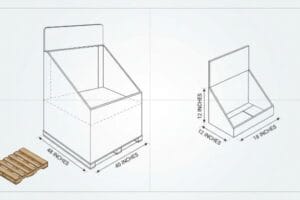
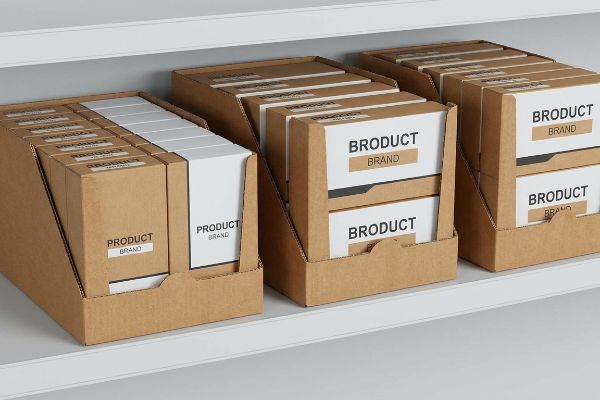
पीडीक्यू ट्रे का उपयोग करने का अर्थ है खुदरा बिक्री के लिए तैयार, तेजी से शेल्फ पर सामान रखने के लिए डिज़ाइन किए गए नालीदार कार्डबोर्ड डिस्प्ले का उपयोग करना। ये हल्के और संरचनात्मक रूप से अनुकूलित डिस्प्ले उत्पादों की दृश्यता बढ़ाते हैं, स्टोर में कर्मचारियों की संख्या कम करते हैं और प्राथमिक पैकेजिंग की सुरक्षा करते हैं। सही डिज़ाइन का चयन करने से आवेगपूर्ण खरीदारी में तेजी आती है और यह वैश्विक बड़े रिटेल स्टोरों के मर्चेंडाइजिंग दिशानिर्देशों का सख्ती से पालन करता है।.
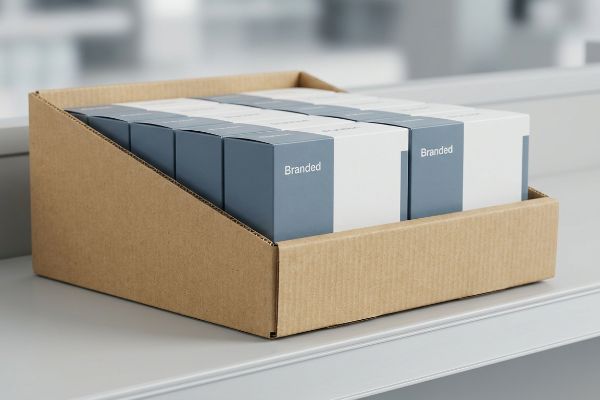
स्क्रीन पर अच्छा दिखने वाला ट्रे डिजाइन करना, एक ऐसा ट्रे बनाने से बिल्कुल अलग है जो तेज गति वाली पैकिंग लाइन और आक्रामक स्टोर क्लर्कों के दबाव को झेल सके।.
पीडीक्यू ट्रे क्या होते हैं?
आपने इन्हें शायद हर बड़े स्टोर के काउंटर पर देखा होगा, लेकिन ये भौतिक रूप से कैसे काम करते हैं, इसे समझना बेहद महत्वपूर्ण है।.
पीडीक्यू ट्रे खुदरा उपयोग के लिए तैयार पैकेजिंग इकाइयाँ हैं जो उत्पादों को शिपिंग कार्टन से सीधे स्टोर की अलमारियों तक पहुँचाने के लिए बनाई गई हैं, बिना उन्हें अलग-अलग खोले। मुख्य रूप से नालीदार कार्डबोर्ड से निर्मित ये ट्रे ब्रांड की दृश्यता को अधिकतम करती हैं और रीस्टॉकिंग समय को कम करती हैं, जो एक सुरक्षात्मक शिपर और एक सक्रिय डिस्प्ले के बीच एक कुशल हाइब्रिड के रूप में कार्य करती हैं।.

बुनियादी अवधारणा को समझना आसान है, लेकिन उन्हें व्यवहार में त्रुटिहीन बनाना ही वह जगह है जहां अधिकांश उभरते ब्रांड लड़खड़ा जाते हैं।.
ट्रे असेंबली का छिपा हुआ घर्षण
कई ब्रांड यह मान लेते हैं कि ट्रे छोटी होने के कारण इसे मोड़ना आसान होगा। डिज़ाइनर अक्सर फ़ैक्टरी में चिपकाने की लागत बचाने के लिए जटिल इंटरलॉकिंग टैबऔरखुदरा स्टोर के कर्मचारियों से काउंटर पर कागज़ की ओरिगामी की तरह उन्हें जोड़ने की उम्मीद करते हैं।
पैकेजिंग सलाहकार के तौर पर, मैं हर हफ्ते उभरते ब्रांडों को इसी तरह की समस्या में फंसते देखता हूँ। एक जटिल इंटरलॉकिंग डाईलाइन एक सपाट PDF पर तो शानदार दिखती है, लेकिन व्यस्त रिटेल स्टोर में, जल्दबाज़ी में काम करने वाला क्लर्क आपके टैब को समझने में तीन मिनट भी नहीं लगाएगा। एक बार मैंने एक क्लर्क को पतले फ्रंट लिप पर पसीना बहाते देखा, कच्चे पेपरबोर्ड के दबाव में फटने की तेज़ आवाज़ सुनी, और तुरंत उसे भद्दे पारदर्शी शिपिंग टेप से चिपका दिया जिसने पूरे ब्रांड लोगो को ढक दिया। इससे पूरी तरह बचने के लिए, मैं सभी ट्रे के लिए पहले से चिपकाए गए मॉड्यूलर सिस्टम को अनिवार्य करता हूँ; ग्लू लगाने का काम हमारी स्वचालित फ़ैक्टरी लाइनों पर स्थानांतरित करके, हम स्टोर क्लर्क के असेंबली समय में लगभग 30% की बचत करते हैंऔर यह सुनिश्चित करते हैं कि आपकी ट्रे बिल्कुल वैसी ही दिखे जैसी डिज़ाइन की गई है।
| नौसिखियों की आम गलती | प्रो फिक्स | रिटेल-फ्लोर लाभ |
|---|---|---|
| जटिल ओरिगामी-शैली के फोल्डिंग टैब | पहले से चिपकाए गए मॉड्यूलर संरचनाएं | इससे प्रति यूनिट असेंबली समय में अनुमानित 30% की बचत होती है।3 |
| क्लर्क के धैर्य पर भरोसा करना | क्रैश-लॉक बॉटम बेस4 | सामने के लोगो पर टेप के पैच लगने से रोकता है |
| कमजोर और बिना सुदृढ़ीकरण वाले सामने के होंठ | दोहरी दीवार वाले मुड़े हुए हेडर5 | सेटअप के दौरान कार्डबोर्ड को फटने से रोकता है |
मैं खुदरा कर्मचारियों के लिए कोई जटिल पहेली तैयार करने से इनकार करता हूँ। शारीरिक श्रम को मेरी फैक्ट्री में ही रखें, दुकानों के गलियारों में नहीं, और इससे दृश्य अनुपालन दरें आसमान छू जाएँगी।.
🛠️ हार्वे का डेस्क: क्या आपके स्टोर क्लर्क टूटे हुए डिस्प्ले को शेल्फ पर टेप से चिपका रहे हैं? 👉 संरचनात्मक ऑडिट का अनुरोध करें ↗ — सीधे मेरे डेस्क से संपर्क करें। मैं वादा करता हूँ, कोई स्वचालित बिक्री संबंधी स्पैम नहीं होगा।
खाने के डिब्बे पर PDQ का क्या मतलब होता है?
किराना स्टोर के गलियारों के लिए नियमों का एक बिल्कुल अलग सेट होता है, और उनका पालन करना अनिवार्य है।.
पीडीक्यू का अर्थ है कि खाद्य पदार्थों के डिब्बे में ऐसी द्वितीयक पैकेजिंग का उपयोग किया जाता है जो खाद्य सुरक्षा मानकों का कड़ाई से पालन करते हुए तुरंत शेल्फ पर प्रदर्शित करने के लिए डिज़ाइन की गई हो। इन त्वरित-भंडारण ट्रे में विषैली स्याही और विशिष्ट रासायनिक अवरोधकों का उपयोग किया जाना चाहिए ताकि यह सुनिश्चित किया जा सके कि प्राथमिक उपभोग्य वस्तुएं विश्व स्तर पर किराने की दुकानों की कठोर प्रकाश व्यवस्था में भी पूरी तरह से संदूषण मुक्त रहें।.
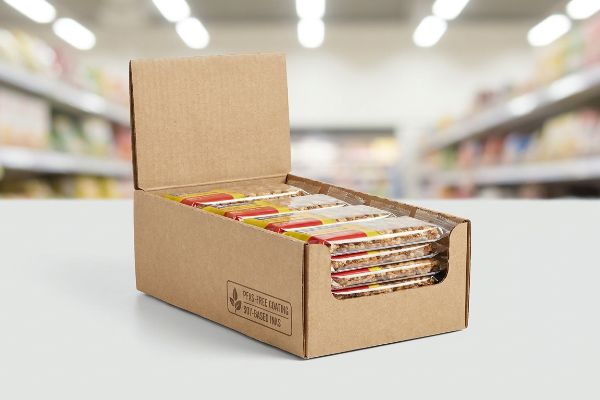
यह सिर्फ डिब्बे को आकर्षक दिखाने की बात नहीं है; यह किराने की आपूर्ति श्रृंखला में सुरक्षित और कानूनी रूप से बने रहने की बात है।.
किराना सामान की बिक्री के पीछे की रासायनिक वास्तविकता
स्नैक या पेय पदार्थों की नई रेंज लॉन्च करते समय , मार्केटिंग टीमें अक्सर मानक रिटेल डिस्प्ले स्पेसिफिकेशन्स की नकल करती हैं, और पूरी तरह से चमकदार सौंदर्यपूर्ण फिनिश या सस्ते नमी अवरोधकों पर ध्यान केंद्रित करती हैं। वे अक्सर गर्म सुपरमार्केट वातावरण में उपभोग्य वस्तुओं के निकट रखी गई सेकेंडरी पैकेजिंग के लिए आवश्यक सख्त रासायनिक अनुपालन को अनदेखा कर देती हैं।
तेजी से बिकने वाले उपभोक्ता सामान (FMCG) के उभरते खरीदारों से मुझे अक्सर यह सवाल मिलता है कि क्या सुपरमार्केट की अलमारियों के लिए मानक लेमिनेशन सुरक्षित हैं । इसका जवाब रासायनिक स्थानांतरण से जुड़ा है। कई सस्ते विदेशी कारखाने अभी भी नालीदार ट्रे पर चिकनाई और नमी प्रतिरोध बनाने के लिए PFAS (पर- और पॉलीफ्लोरोएल्काइल पदार्थ) का उपयोग करते हैं । जब मैं खराब गुणवत्ता वाले बोर्ड पर हाथ फेरता हूँ, तो वह चिकना, मोम जैसा एहसास अक्सर एक बड़ा खतरे का संकेत होता है। हमारी कंपनी में, हम खाद्य पदार्थों से संबंधित सभी पैकेजिंग के लिए PFAS-मुक्त, जल-आधारित कोटिंग्स को सख्ती से अनिवार्य करते हैं; इन रसायनों को हटाने से खुदरा विक्रेताओं द्वारा उत्पादों को अस्वीकार किए जाने की समस्या से बचा जा सकता है और यह सुनिश्चित होता है कि आपका ब्रांड उपभोक्ता स्वास्थ्य संबंधी बदलते नियमों का पूरी तरह से पालन करता रहे।
| नौसिखियों की आम गलती | प्रो फिक्स | रिटेल-फ्लोर लाभ |
|---|---|---|
| मानक ग्रीस-प्रूफ रासायनिक स्प्रे | पीएफएएस-मुक्त जल-आधारित अवरोधक8 | किराने की दुकानों की सुरक्षा संबंधी कड़ी जांच पड़ताल में सफल रहा। |
| भोजन के पास उच्च-वीओसी पेट्रोलियम स्याही का उपयोग न करें | सोया आधारित कम माइग्रेशन वाली स्याही9 | प्राथमिक वस्तुओं में गंध के स्थानांतरण को रोकता है |
| सेकेंडरी बॉक्स अनुपालन को छोड़ना | अभिरक्षा श्रृंखला कोटिंग्स का दस्तावेजीकरण | बड़े पैमाने पर खुदरा विक्रेताओं द्वारा किए गए शुल्क वापसी को रोकता है10 |
मैं उपभोग्य वस्तुओं के आसपास रासायनिक रिसाव का जोखिम कभी नहीं लेता। यदि आप अपनी सुरक्षात्मक परत को शुरुआत में ही अच्छी तरह से लगा लेते हैं, तो आप अंतिम उपभोक्ता और अपने व्यावसायिक लाभ दोनों की रक्षा करते हैं।.
🛠️ हार्वे का डेस्क: क्या आपको पूरा यकीन है कि आपका मौजूदा ट्रे सप्लायर नमी प्रतिरोध के लिए प्रतिबंधित PFAS रसायनों का इस्तेमाल नहीं कर रहा है? 👉 अपनी कोटिंग की विशिष्टताएँ जाँचें ↗ — सुरक्षित रूप से डाउनलोड करें। बाद में कोई प्रश्न होने पर मेरा इनबॉक्स खुला है।
डॉलर जनरल में PDQ का मतलब क्या होता है?
छोटे आकार के डिस्काउंट स्टोर अद्वितीय स्थानिक चुनौतियां पेश करते हैं जिनके लिए सोच-समझकर संयम बरतने की आवश्यकता होती है।.
डॉलर जनरल में, PDQ का मतलब है Pretty Darn Quick, जो विशेष रूप से संकीर्ण स्टोर शेल्फों में फिट होने वाली अत्यधिक कॉम्पैक्ट, पहले से भरी हुई नालीदार ट्रे को संदर्भित करता है। ये अनुकूलित इकाइयाँ एक कर्मचारी को व्यक्तिगत वस्तुओं को खोले बिना ही तंग गलियारों को तुरंत फिर से भरने की अनुमति देती हैं, जिससे अत्यंत सीमित खुदरा स्थान में उत्पाद घनत्व को अधिकतम किया जा सकता है।.
शेल्फ पर सामान रखना तो आसान है; असली परीक्षा तो दैनिक रूप से सामान भरने की प्रक्रिया से गुजरने में ही शुरू होती है।.
सीमित स्टॉक होने की समस्या से कैसे बचें
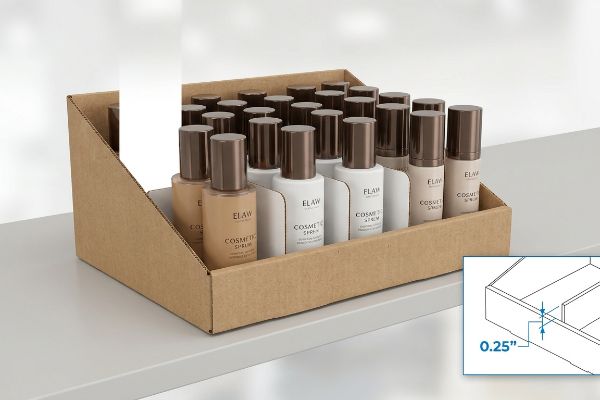
शेल्फ पर जगह की कमी से जूझ रहे ब्रांड अक्सर अपने डिस्काउंट स्टोर की ट्रे को इस तरह से डिजाइन करते हैं कि उनमें उत्पादों की एक पूर्णतः सममित, अत्यधिक सघन ग्रिड बन सके। उनका मानना है कि 14.0 इंच (355.6 मिमी) चौड़ाई वाली ट्रे में अधिकतम वस्तुओं को ठूंसने से स्वाभाविक रूप से बिक्री में वृद्धि होगी।
इसे ऐसे समझिए जैसे आप पूरी तरह से भरी हुई किताबों की अलमारी से एक किताब निकालने की कोशिश कर रहे हों; किताब को निकालने के चक्कर में आप अलमारी को ही नुकसान पहुंचा देते हैं। मैं अक्सर देखता हूं कि ब्रांड रोज़ाना सामान भरने के दौरान होने वाले घर्षण को नज़रअंदाज़ कर देते हैं। जब कोई स्टोर क्लर्क नए सामान को एक बिल्कुल टाइट ट्रे में ठूंसने की कोशिश करता है, तो घर्षण के कारण ट्रे का सामने वाला नालीदार किनारा लगभग हमेशा फट जाता है, जिससे ग्राहक की तरफ एक खुरदुरा भूरा किनारा दिखाई देता है। मैं एक सरल नियम अपनाता हूं: असममित मॉड्यूलर डिवाइडर सिस्टम। 0.25 इंच (6.3 मिमी) की अनिवार्य दूरीबनाए , हम पेपरबोर्ड के फटने की समस्या को पूरी तरह से खत्म कर देते हैं और ट्रे की उम्र को काफी बढ़ा देते हैं।
| नौसिखियों की आम गलती | प्रो फिक्स | रिटेल-फ्लोर लाभ |
|---|---|---|
| शून्य क्लीयरेंस उत्पाद ग्रिड | आंतरिक बफर क्षेत्रों का निर्माण | पुनः स्टॉक करते समय होंठ फटने से बचाता है13 |
| सममित एसकेयू की भीड़ | असममित मॉड्यूलर विभाजक14 | यह दृश्य तनाव पैदा करके आवेगपूर्ण बिक्री को बढ़ावा देता है। |
| गलियारे की गहराई की सीमाओं को अनदेखा करना | रिटेलर की शेल्फ स्पेसिफिकेशन्स से बिल्कुल मेल खाता है15 | संकरी दुकानों के गलियारों में आसानी से रखे जाने की गारंटी देता है |
मैं ऐसी ट्रे बनाता हूँ जो दुकानदार के साथ तालमेल बिठाकर काम करें, न कि उनके खिलाफ। सामान को रखने के लिए पर्याप्त जगह दें, और आपका डिस्प्ले रोज़मर्रा की भागदौड़ में भी खराब नहीं होगा।.
🛠️ हार्वे का डेस्क: क्या आपका उत्पाद ट्रे में इतनी कसकर ठूंसा हुआ है कि निकालते समय पैकेजिंग को नुकसान पहुंचता है? 👉 डिवाइडर का ब्लूप्रिंट प्राप्त करें ↗ — कोई ऐसे फॉर्म नहीं जो अंतहीन बिक्री कॉल को बढ़ावा दें। बस शुद्ध मूल्य।
पीडीक्यू का क्या अर्थ है?
आप उद्योग के संक्षिप्त नामों से तो परिचित हैं, लेकिन हमें इस बात पर चर्चा करने की आवश्यकता है कि वे कैसे निर्मित होते हैं, इसके पीछे का भौतिकी तंत्र क्या है।.
पीडीक्यू का मतलब है प्रोडक्ट डिस्प्ले क्विकली, जो रिटेल पैकेजिंग में एक वैश्विक मानक का प्रतिनिधित्व करता है जिसे शेल्फ पर तुरंत उपलब्ध होने के लिए डिज़ाइन किया गया है। ये यूनिट सटीक नालीदार संरचना का उपयोग करके सुरक्षित परिवहन कंटेनर से बाहरी रूप से प्रदर्शित होने वाले मर्चेंडाइजिंग प्लेटफॉर्म में आसानी से परिवर्तित हो जाती हैं, जिससे श्रम लागत में काफी कमी आती है और खरीदारी स्थल पर ब्रांड की दृश्यता बढ़ती है।.
लेकिन जब मशीनें चलने लगती हैं और सामग्री की सहनशीलता कम होने लगती है, तो केवल सिद्धांत का ज्ञान होना कभी भी पर्याप्त नहीं होता है।.
कैलिपर कंपनसेशन की वास्तविकता की जाँच
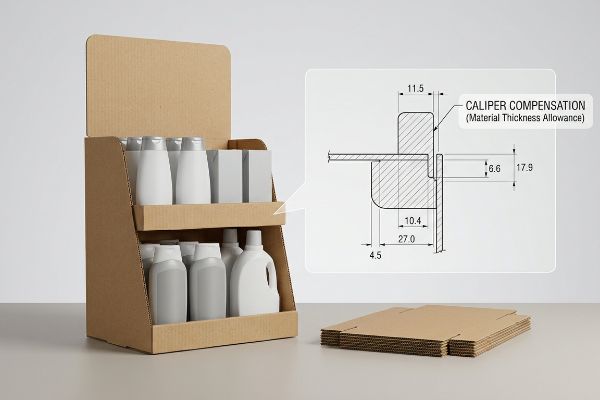
खरीद टीमें और ग्राफिक डिजाइनर नियमित रूप से सपाट डिजिटल फाइलों का आदान-प्रदान करते हैं, यह मानते हुए कि पूरी तरह से खींचा गया इंटरलॉकिंग टैब बिना किसी रुकावट के एक कठोर बॉक्स में बदल जाएगा। वे लगभग पूरी तरह से नालीदार बोर्ड16 जब इसे नब्बे डिग्री तक मोड़ने के लिए मजबूर किया जाता है।
मेरी फैक्ट्री में, मैं अक्सर देखता हूँ कि खूबसूरती से डिज़ाइन किए गए फ्लैट-पैक टेस्टिंग फ्लोर पर इसी खामी के कारण तुरंत फेल हो जाते हैं। एक ग्राफिक डिज़ाइनर मोटे टैब के लिए 0.11 इंच (2.8 मिमी) चौड़ाई का स्लॉट बनाता है, इस बात को पूरी तरह से नज़रअंदाज़ करते हुए कि जब बोर्ड मुड़ता है, तो कागज़ के रेशे खिंचते हैं और सामग्री की त्रिज्या का 17 गुना अतिरिक्त मार्जिन इस्तेमाल कर लेते हैं । जब मैं तैयार असेंबली को मापता हूँ, तो भौतिक घर्षण के कारण तनाव से पूरी ट्रे का आधार बुरी तरह से बाहर की ओर झुक जाता है, जिससे स्वचालित असेंबली लाइन की गति लगभग 30% धीमी हो जाती है। मैं इस समस्या को CAD सॉफ़्टवेयर का उपयोग करके ठीक करता हूँ, जिससे प्रत्येक फोल्डिंग स्लॉट 18 में गणितीय रूप से सटीक कैलिपर कंपनसेशन डाला जाता है , संरचनात्मक प्रतिरोध को हटा दिया जाता है और घर्षण रहित फिट सुनिश्चित किया जाता है, जो बड़े पैमाने पर उत्पादन के दौरान प्रोजेक्ट के लाभ मार्जिन को पूरी तरह से सुरक्षित रखता है।
| नौसिखियों की आम गलती | प्रो फिक्स | रिटेल-फ्लोर लाभ |
|---|---|---|
| डिजिटल रूप से 1:1 स्केल स्लॉट बनाना | पैरामीट्रिक सीएडी कैलिपर क्षतिपूर्ति | आधार के झुकने और सामग्री के फटने की समस्या को दूर करता है।19 |
| सामग्री बेंड अलाउंस को अनदेखा करना | विशिष्ट बाहरी त्रिज्या सहनशीलता जोड़ना20 | असेंबली लाइन मशीनों में होने वाली रुकावटों को पूरी तरह से रोकता है |
| मोटे टैब को तंग कटों में जबरदस्ती डालना | घर्षण रहित लॉकिंग तंत्रों का निर्माण | इससे को-पैकिंग के समय में अनुमानित 30% की बचत होती है।21 |
मुझे सपाट रेखाचित्रों पर भरोसा नहीं है; मुझे सटीक भौतिक सहनशीलता पर भरोसा है। जब आप नालीदार कार्डबोर्ड की वास्तविक मोटाई का ध्यान रखते हैं , तो आपकी सह-पैकिंग प्रक्रियाएं हर बार त्रुटिहीन रूप से चलती हैं।
🛠️ हार्वे की सलाह: 2 मिलीमीटर की संरचनात्मक खामी को 500 स्टोरों में अपना कारोबार ठप न करने दें। 👉 मुझे अपनी डाइलाइन फ़ाइल भेजें ↗ — बड़े पैमाने पर उत्पादन पर बजट बर्बाद करने से पहले मैं गणितीय गणनाओं की गहन जांच कर लूंगा।
निष्कर्ष
आप केवल कम यूनिट लागत के आधार पर विक्रेता का चयन कर सकते हैं, लेकिन जब कैलिपर कंपनसेशन टॉलरेंस में चूक के कारण आपकी ट्रे बुरी तरह से मुड़ जाती हैं और को-पैकिंग लाइन जाम हो जाती है, जिससे असेंबली की गति लगभग 30% तक धीमी हो जाती है, तो आपका लाभ मार्जिन तुरंत खत्म हो जाता है। यह वही सटीक स्पेसिफिकेशन शीट है जिसका उपयोग मेरे शीर्ष 10 खुदरा ग्राहक प्रिंट रिजेक्शन को शून्य करने के लिए करते हैं। नालीदार बेंड अलाउंस का अनुमान लगाना बंद करें और मुझे अपने मुफ़्त डाइलाइन ऑडिट ↗ ताकि बड़े पैमाने पर उत्पादन शुरू होने से पहले ही गंभीर संरचनात्मक त्रुटियों का पता लगाया जा सके।
"पेपर पैकेजिंग स्ट्रक्चरल डिज़ाइन गाइड", https://greendotpackaging.com/paper-packaging-structural-design-guide/। [पैकेजिंग इंजीनियरिंग पर एक उद्योग मानक को यह पुष्टि करनी चाहिए कि उत्पादन के दौरान चिपकने वाले पदार्थ के उपयोग की लागत को कम करने के लिए टैब-एंड-स्लॉट संरचनाओं का उपयोग किया जाता है]। साक्ष्य भूमिका: तकनीकी सत्यापन; स्रोत प्रकार: पैकेजिंग इंजीनियरिंग मैनुअल। समर्थन: इंटरलॉकिंग फ्लैट-पैक डिज़ाइनों के लिए आर्थिक प्रेरणा। कार्यक्षेत्र नोट: खुदरा बिक्री के लिए तैयार नालीदार पैकेजिंग पर केंद्रित। ↩
"पैकेजिंग में सेल्फ-लॉकिंग ट्रे की तुलना में ग्लू वाली ट्रे बेहतर क्यों होती हैं", https://www.linkedin.com/posts/amolterkar_packaginginnovation-corrugatedpackaging-activity-7361614764407484418-P-Cb। [उद्योग पैकेजिंग अध्ययन या परिचालन दक्षता रिपोर्ट, मैनुअल इंटरलॉकिंग डिज़ाइन की तुलना में पहले से ग्लू वाली रिटेल-रेडी पैकेजिंग का उपयोग करने पर श्रम समय में कमी को सत्यापित कर सकते हैं]। साक्ष्य की भूमिका: मात्रात्मक सत्यापन; स्रोत प्रकार: उद्योग रिपोर्ट। समर्थन: स्वचालित मॉड्यूलर सिस्टम की दक्षता। स्कोप नोट: ट्रे की जटिलता के आधार पर वास्तविक समय की बचत भिन्न हो सकती है। ↩
"तेज़ सेटअप और खुदरा बिक्री पर प्रभाव के लिए निर्मित नालीदार पीडीक्यू डिस्प्ले", https://www.abbottaction.com/packaging/corrugated-pdq-displays/। [खुदरा पैकेजिंग असेंबली पर उद्योग बेंचमार्किंग डेटा, मैन्युअल फोल्डिंग की तुलना में पूर्व-चिपकाई गई संरचनाओं की समय दक्षता के लिए मात्रात्मक प्रमाण प्रदान करेगा]। प्रमाण की भूमिका: सांख्यिकीय सत्यापन; स्रोत प्रकार: उद्योग रिपोर्ट। समर्थन: मॉड्यूलर संरचनाओं की दक्षता। स्कोप नोट: अनुमानित प्रतिशत ट्रे के आकार के आधार पर भिन्न हो सकता है। ↩
"क्रैश लॉक बॉक्स | ऑटो बॉटम बॉक्स – स्मर्फिट वेस्टरोक", https://www.smurfitwestrock.com/products/packaging/corrugated/crashlock-boxes। [तकनीकी पैकेजिंग विनिर्देश क्रैश-लॉक बॉटम को एक विशिष्ट संरचनात्मक डिज़ाइन के रूप में परिभाषित करते हैं जो त्वरित, बिना उपकरण के असेंबली की अनुमति देता है]। साक्ष्य भूमिका: तकनीकी परिभाषा; स्रोत प्रकार: पैकेजिंग मैनुअल। समर्थन: ट्रे बेस की स्थिरता। कार्यक्षेत्र नोट: विशेष रूप से नालीदार कार्डबोर्ड डिस्प्ले पर लागू। ↩
"आवेगी खरीदारी अनुकूलन के लिए प्रभावी पीडीक्यू डिस्प्ले बॉक्स", https://www.xsjpackaging.com/news/industry-news/pdq-display-boxes-impulse-purchase-optimization-guide.html। [पॉइंट-ऑफ-परचेज़ डिस्प्ले के लिए सामग्री इंजीनियरिंग गाइड यह समझाते हैं कि दोहरी दीवार निर्माण कार्डबोर्ड हेडर की तन्यता शक्ति और फटने के प्रतिरोध को कैसे बढ़ाता है]। साक्ष्य भूमिका: तकनीकी विनिर्देश; स्रोत प्रकार: इंजीनियरिंग गाइड। समर्थन: डिस्प्ले हेडर का स्थायित्व। कार्यक्षेत्र नोट: भारी-भरकम पेपरबोर्ड सामग्री से संबंधित। ↩
"खाद्य पैकेजिंग और रासायनिक प्रवासन: खाद्य सुरक्षा परिप्रेक्ष्य", https://pmc.ncbi.nlm.nih.gov/articles/PMC12096275/। [FDA या EFSA जैसे निकायों के नियामक दिशानिर्देश उपभोग्य वस्तुओं के पास द्वितीयक पैकेजिंग में उपयोग की जाने वाली सामग्रियों के लिए प्रवासन सीमा और गैर-विषाक्त आवश्यकताओं को निर्दिष्ट करेंगे]। साक्ष्य की भूमिका: तकनीकी सत्यापन; स्रोत प्रकार: नियामक एजेंसी। समर्थन: प्रदर्शन पैकेजिंग के लिए रासायनिक मानकों की आवश्यकता। कार्यक्षेत्र संबंधी टिप्पणी: विशेष रूप से गर्म वातावरण में रासायनिक प्रवासन के संबंध में। ↩
"कागज और पेपरबोर्ड खाद्य पदार्थों में पॉली- और परफ्लोरोएल्काइल पदार्थ...", https://www.chem.uga.edu/events/content/2022/poly-and-perfluoroalkyl-substances-paper-and-paperboard-food-packaging। [एक नियामक रिपोर्ट या रासायनिक अध्ययन यह प्रमाणित करेगा कि ग्रीस और पानी से बचाव के लिए फाइबर-आधारित पैकेजिंग में PFAS का उपयोग किया जाता है]। साक्ष्य की भूमिका: तकनीकी सत्यापन; स्रोत प्रकार: नियामक एजेंसी या पीयर-रिव्यू जर्नल। समर्थन: नमी-प्रतिरोधी ट्रे की रासायनिक संरचना। कार्यक्षेत्र संबंधी टिप्पणी: नालीदार बोर्ड में PFAS के अनुप्रयोग पर केंद्रित। ↩
"पोस्ट-पर- और पॉलीफ्लोरोएल्काइल में खाद्य पैकेजिंग समाधान ...", https://pmc.ncbi.nlm.nih.gov/articles/PMC11649155/। [खाद्य संपर्क सामग्री पर नियामक दिशानिर्देश दर्शाते हैं कि आधुनिक किराना सुरक्षा ऑडिट पास करने के लिए PFAS-मुक्त अवरोधों में परिवर्तन कैसे आवश्यक है।] साक्ष्य की भूमिका: तथ्यात्मक सत्यापन; स्रोत प्रकार: नियामक दिशानिर्देश। समर्थन: सुरक्षा अनुपालन। कार्यक्षेत्र संबंधी टिप्पणी: खाद्य-ग्रेड पैकेजिंग आवश्यकताओं पर केंद्रित। ↩
"सामान्य बनाम पादप-आधारित स्याही: क्या अंतर है?", https://tpsgp.osu.edu/blog/regular-vs-plant-based-inks-what%E2%80%99s-difference. [पैकेजिंग रसायन विज्ञान पर तकनीकी अध्ययन बताते हैं कि सोया-आधारित स्याही किस प्रकार VOC उत्सर्जन और स्थानांतरण को कम करती है, जिससे प्राथमिक उत्पादों में गंध का स्थानांतरण रोका जा सकता है।] साक्ष्य की भूमिका: तकनीकी सत्यापन; स्रोत प्रकार: औद्योगिक विनिर्देश। समर्थन: गंध की रोकथाम। कार्यक्षेत्र संबंधी टिप्पणी: विशेष रूप से द्वितीयक पैकेजिंग स्याही के संबंध में। ↩
"आपूर्तिकर्ताओं के लिए पैकेजिंग अनुपालन – सप्लायरविकि – एसपीएस कॉमर्स", https://www.spscommerce.com/community/articles/packaging-compliance-for-suppliers। [आपूर्ति श्रृंखला प्रबंधन दस्तावेज़ गैर-अनुपालन वाले द्वितीयक पैकेजिंग के लिए खुदरा विक्रेताओं द्वारा लगाए जाने वाले मानक वित्तीय दंड, या चार्जबैक, का विवरण देता है।] साक्ष्य की भूमिका: परिचालन सत्यापन; स्रोत प्रकार: आपूर्ति श्रृंखला मैनुअल। समर्थन: गैर-अनुपालन का वित्तीय जोखिम। स्कोप नोट: चार्जबैक राशि खुदरा श्रृंखला के अनुसार भिन्न होती है। ↩
"कार्डबोर्ड पीडीक्यू डिस्प्ले क्या है? | उपयोग और लाभ", https://www.creativedisplaysnow.com/pdq-displays-lightning-quick-displays/। एक आधिकारिक खुदरा अनुपालन गाइड या निर्माता विनिर्देश पत्रक कॉम्पैक्ट स्टोर ट्रे के लिए इस सटीक माप को मानक के रूप में पुष्टि करेगा। साक्ष्य भूमिका: तकनीकी सत्यापन; स्रोत प्रकार: उद्योग विनिर्देश; समर्थन: पीडीक्यू ट्रे की स्थानिक बाधाएं; स्कोप नोट: उत्पाद श्रेणी के अनुसार आयामी मानक भिन्न हो सकते हैं। ↩
"कॉरुगेटेड बॉक्स डिज़ाइन - विकिपीडिया", https://en.wikipedia.org/wiki/Corrugated_box_design। [कॉरुगेटेड पैकेजिंग और रिटेल डिस्प्ले इंजीनियरिंग के लिए उद्योग मानक, रीस्टॉकिंग के दौरान संरचनात्मक विफलता को रोकने के लिए न्यूनतम क्लीयरेंस अंतराल पर विनिर्देश प्रदान करते हैं]। साक्ष्य भूमिका: तकनीकी विनिर्देश; स्रोत प्रकार: इंजीनियरिंग मैनुअल। समर्थन: फटने से बचने के लिए 0.25 इंच के अंतराल का उपयोग। कार्यक्षेत्र नोट: विशेष रूप से कॉरुगेटेड पीडीक्यू ट्रे के लिए। ↩
"रिटेल में पीडीक्यू पैकेजिंग को समझना - लिंक्डइन", https://www.linkedin.com/pulse/understanding-pdq-packaging-retail-moss-tvthc। [कॉरुगेटेड रिटेल डिस्प्ले के लिए तकनीकी दिशानिर्देश बताते हैं कि स्टॉक की पुनःपूर्ति के दौरान आंतरिक बफर ज़ोन डिस्प्ले किनारों पर घर्षण और संरचनात्मक तनाव को कैसे कम करते हैं]। साक्ष्य भूमिका: तकनीकी विनिर्देश; स्रोत प्रकार: पैकेजिंग इंजीनियरिंग मैनुअल। समर्थन: पीडीक्यू डिस्प्ले का स्थायित्व। स्कोप नोट: विशेष रूप से कार्डबोर्ड-आधारित पॉइंट-ऑफ-परचेस डिस्प्ले पर लागू होता है। ↩
"विज़ुअल मर्चेंडाइजिंग और आवेगपूर्ण खरीदारी के इरादे की जांच...", https://www.abacademies.org/articles/visual-merchandising-and-impulse-buying-intention-investigating-consumers-of-sports-products-15267.html। [विज़ुअल मर्चेंडाइजिंग के अध्ययन बताते हैं कि असममित लेआउट संज्ञानात्मक असंगति या दृश्य तनाव पैदा करते हैं जो ध्यान आकर्षित करता है और आवेगपूर्ण खरीदारी को बढ़ावा देता है]। साक्ष्य की भूमिका: मनोवैज्ञानिक तंत्र; स्रोत प्रकार: उपभोक्ता व्यवहार अध्ययन। समर्थन: दृश्य तनाव के माध्यम से बिक्री में वृद्धि। स्कोप नोट: उत्पाद श्रेणी के आधार पर प्रभाव भिन्न हो सकते हैं। ↩
"रिटेल में पीडीक्यू का क्या अर्थ है? – पॉपडिस्प्ले", https://popdisplay.me/what-does-pdq-mean-in-retail/। [विक्रेता अनुपालन नियमावली में छोटे आकार के स्टोर गलियारों में डिस्प्ले को स्वीकार करने और रखने के लिए आवश्यक सटीक आयामी सहनशीलता का विवरण दिया गया है]। साक्ष्य की भूमिका: परिचालन आवश्यकता; स्रोत प्रकार: खुदरा अनुपालन मार्गदर्शिका। समर्थन: गारंटीकृत स्टोर प्लेसमेंट। कार्यक्षेत्र संबंधी टिप्पणी: आवश्यकताएँ प्रत्येक खुदरा विक्रेता के फ्लोर प्लान के अनुसार अलग-अलग होती हैं। ↩
"पांच-परत वाली सामग्री की बेंडिंग कठोरता का विश्लेषणात्मक निर्धारण...", https://pmc.ncbi.nlm.nih.gov/articles/PMC8777652/। [संरचनात्मक पैकेजिंग के लिए इंजीनियरिंग मानक 90-डिग्री मोड़ के दौरान आयामी अशुद्धियों को रोकने के लिए बोर्ड कैलिपर के आधार पर बेंड अलाउंस की गणना की आवश्यकता को परिभाषित करते हैं]। साक्ष्य भूमिका: तकनीकी सत्यापन; स्रोत प्रकार: पैकेजिंग इंजीनियरिंग मैनुअल। समर्थन: नालीदार डिजाइन में सामग्री मोटाई क्षतिपूर्ति की आवश्यकता। कार्यक्षेत्र नोट: नालीदार फाइबरबोर्ड संरचना के लिए विशिष्ट। ↩
"फ्री शीट मेटल बेंड अलाउंस कैलकुलेटर | FIRGELLI इंजीनियरिंग", https://www.firgelliauto.com/blogs/engineering-calculators/sheet-metal-bend-allowance-calculator?srsltid=AfmBOoq_6r3_-FveurbUtjqI7R26tPGQnfQsnZGhlWKV3FShKdT7VZp1. [नालीदार बोर्ड यांत्रिकी पर तकनीकी साहित्य बताता है कि सामग्री त्रिज्या और फाइबर खिंचाव किस प्रकार मोड़ के लिए आवश्यक स्थान को बढ़ाते हैं]। साक्ष्य भूमिका: तकनीकी सत्यापन; स्रोत प्रकार: इंजीनियरिंग हैंडबुक। समर्थन: नालीदार तह का भौतिकी। कार्यक्षेत्र नोट: कागज आधारित नालीदार सामग्रियों पर लागू होता है। ↩
"[PDF] कैल पॉली बीएसएई ब्रेक कैलिपर", https://digitalcommons.calpoly.edu/cgi/viewcontent.cgi?filename=1&article=1899&context=mesp&type=additional. [संरचनात्मक पैकेजिंग मानक फोल्डिंग घटकों में सटीक फिट सुनिश्चित करने के लिए सीएडी में कैलिपर क्षतिपूर्ति के उपयोग का विवरण देते हैं]। साक्ष्य भूमिका: तकनीकी सत्यापन; स्रोत प्रकार: औद्योगिक डिजाइन मैनुअल। समर्थन: पैकेजिंग स्लॉट का सीएडी-आधारित अनुकूलन। कार्यक्षेत्र नोट: परिशुद्ध संरचनात्मक डिजाइन के लिए विशिष्ट। ↩
"ब्रेक कैलिपर बनाएं | क्रियो पैरामीट्रिक | पूरा ट्यूटोरियल – यूट्यूब", https://www.youtube.com/watch?v=W_v4gJ-rVhA. [CAD-आधारित पैकेजिंग डिज़ाइन पर तकनीकी दस्तावेज़ बताता है कि सामग्री की मोटाई को समायोजित करने से संरचनात्मक झुकाव और तनाव फ्रैक्चर को कैसे रोका जा सकता है। साक्ष्य भूमिका: तकनीकी सत्यापन; स्रोत प्रकार: इंजीनियरिंग गाइड। समर्थन: कैलिपर क्षतिपूर्ति की प्रभावकारिता। कार्यक्षेत्र नोट: नालीदार बोर्ड सामग्री के लिए विशिष्ट।] ↩
"फ्री शीट मेटल बेंड अलाउंस कैलकुलेटर | FIRGELLI इंजीनियरिंग", https://www.firgelliauto.com/blogs/engineering-calculators/sheet-metal-bend-allowance-calculator?srsltid=AfmBOoqgRGg_SKDkCP4qBctYKRdA3TGblgMjZgLD6sJT1dyPuNKVcFJE. [फोल्डिंग कार्टन के लिए विनिर्माण मानक यह बताते हैं कि सटीक त्रिज्या सहनशीलता स्वचालित असेंबली के दौरान यांत्रिक हस्तक्षेप और जाम को कैसे रोकती है। साक्ष्य भूमिका: परिचालन सत्यापन; स्रोत प्रकार: विनिर्माण मानक। समर्थन: मशीन जाम में कमी। कार्यक्षेत्र नोट: स्वचालित असेंबली लाइनों पर लागू।] ↩
"घर्षण रहित गैर-गोलाकार कणों की हाइपोस्टैटिक जाम पैकिंग", https://pmc.ncbi.nlm.nih.gov/articles/PMC6295208/। [उद्योग के मानक और लॉजिस्टिक्स केस स्टडी अनुकूलित लॉकिंग तंत्रों के माध्यम से प्राप्त समय में कमी पर मात्रात्मक डेटा प्रदान करते हैं। साक्ष्य की भूमिका: मात्रात्मक सत्यापन; स्रोत प्रकार: उद्योग रिपोर्ट। समर्थन: घर्षण रहित तालों की दक्षता। स्कोप नोट: प्रतिशत औसत थ्रूपुट पर आधारित एक उद्योग अनुमान है।] ↩