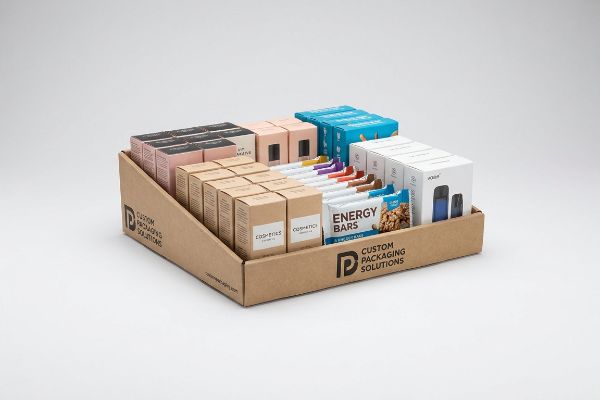
आपका बेहतरीन उत्पाद भीड़भाड़ वाली दुकानों की अलमारियों में दब रहा है। अगर आपकी पैकेजिंग तुरंत ध्यान खींचने में नाकाम रहती है, तो आप तेज़ी से बढ़ते प्रतिस्पर्धियों के हाथों अपनी तात्कालिक बिक्री खो रहे हैं।.
पीडीक्यू ट्रे के लिए उपयुक्त उत्पादों में तेजी से बिकने वाले उपभोक्ता सामान, सौंदर्य प्रसाधन, छोटे इलेक्ट्रॉनिक उपकरण और पैकेटबंद स्नैक्स शामिल हैं। ये हल्के और अधिक मात्रा में बिकने वाले आइटम प्रीटी डार्न क्विक (पीडीक्यू) डिस्प्ले से लाभान्वित होते हैं क्योंकि ये तात्कालिक खरीदारी को बढ़ावा देते हैं, खुदरा स्टॉक की त्वरित उपलब्धता सुनिश्चित करते हैं और अधिक भीड़भाड़ वाले चेकआउट क्षेत्रों में बेहतर दृश्यता बनाए रखते हैं।.

लेकिन सही उत्पाद की पहचान करना केवल पहला कदम है; खुदरा वातावरण में टिके रहने के लिए भौतिक ट्रे को डिजाइन करने में सटीकता की आवश्यकता होती है।.
पीडीक्यू उत्पाद क्या है?
खुदरा बिक्री के लिए तैयार ट्रे के लिए वस्तुओं का चयन करते समय भौतिक व्यापारिक सीमाओं को समझना आवश्यक है।.
पीडीक्यू उत्पाद कोई भी खुदरा वस्तु है जिसे आसानी से दिखने वाली, शेल्फ पर रखने योग्य नालीदार ट्रे में फिट होने के लिए डिज़ाइन किया गया है। ये वस्तुएं, जो आमतौर पर तेजी से बिकने वाली उपभोक्ता वस्तुएं होती हैं, ग्राहकों की तात्कालिक खरीदारी पर निर्भर करती हैं और यह सुनिश्चित करने के लिए कि खरीदार ब्रांड को तुरंत पहचान सकें, डिस्प्ले के संरचनात्मक किनारे के साथ पूरी तरह से संरेखित होनी चाहिए।.

यह सुनने में सरल लगता है, लेकिन किसी भौतिक वस्तु को गत्ते की ट्रे में रखने से अक्सर अप्रत्याशित डिजाइन संबंधी समस्याएं उत्पन्न हो जाती हैं।.
खुदरा वस्तुओं के लिए "होंठ की ऊंचाई" दृश्यता नियम
ब्रांड मैनेजर अक्सर नए मार्केटिंग अभियान के लिए अपने सबसे अधिक बिकने वाले उत्पादों का चयन करते हैं और ग्राफिक डिजाइनरों को उनके चारों ओर एक ट्रे बनाने का निर्देश देते हैं। मानक तरीका यह है कि व्यस्त खरीदारी के घंटों के दौरान उत्पादों को गिरने से बचाने के लिए एक गहरा, अत्यधिक सुरक्षात्मक फ्रंट पैनल 1 बनाया जाए।
जब कोई ब्रांड लंबी, भारी बोतलों को किसी सामान्य ट्रे में जबरदस्ती रखने की कोशिश करता है, तो यह मानक तरीका अक्सर उल्टा पड़ जाता है। डिज़ाइनर सामने के कार्डबोर्ड के किनारे को ऊपर उठाकर इसकी भरपाई करते हैं, जिससे मुख्य लेबल ग्राहकों से पूरी तरह छिप जाता है। यह देखना निराशाजनक होता है कि ग्राहक किसी प्रीमियम वस्तु को अनदेखा करके आगे बढ़ जाते हैं क्योंकि उन्हें केवल एक सामान्य ढक्कन ही दिखाई देता है। इस समस्या को दूर करने के लिए, सफल खुदरा रणनीतियाँ "उत्पाद पहले" के सख्त नियम का पालन करती हैं: सामने के किनारे को इस तरह से डिज़ाइन किया जाना चाहिए कि कम से कम 85% मुख्य पैकेजिंग दिखाई दे।2रिटेनिंग वॉल को घुमावदार आकार में नीचे की ओर झुकाने से आधार सुरक्षित रहता है लेकिन ब्रांडिंग दिखाई देती है, जिससे बिक्री में भारी गिरावट को रोका जा सकता है।
| नौसिखियों की आम गलती | प्रो फिक्स | रिटेल-फ्लोर लाभ |
|---|---|---|
| ऊँची दीवारों के पीछे लेबल छिपाना | डाई-कट घुमावदार फ्रंट लिप | उत्पाद की 85% दृश्यता की गारंटी देता है3 |
| समतल, सममित उत्पाद ग्रिड का उपयोग करना | मॉड्यूलर एसकेयू डिवाइडर लागू करें4 | आवेगपूर्ण खरीदारी के लिए दृश्य तनाव पैदा करता है |
| नरम पैकेजिंग आधारों पर निर्भर रहना | नीचे रखी वस्तुओं को कठोर खांचों में लॉक करें5 | शेल्फ पर रखे सामान को गिरने से रोकता है |
लेबल की जगह की जाँच किए बिना कभी भी स्ट्रक्चरल फ़ाइल को प्रिंट के लिए न भेजें। अगर कोई ट्रे आपके बेचे जाने वाले सामान को ढक देती है, तो वह देखने में सुंदर होने के बावजूद पूरी तरह बेकार है।.
🛠️ हार्वे का डेस्क: क्या आपको लगता है कि आपकी ट्रे का डिज़ाइन आपके मुख्य लेबल को छिपा रहा है? 👉 मुझे अपनी फ्लैट डाइलाइन भेजें ↗ — सीधे मेरे डेस्क तक पहुंच। मैं वादा करता हूं, कोई स्वचालित बिक्री स्पैम नहीं आएगा।
वॉलमार्ट के लिए पीडीक्यू का क्या अर्थ है?
बड़े रिटेल स्टोर सख्त नियंत्रण वाले सिस्टम चलाते हैं जहां पैकेजिंग में मामूली गलतियां भी भारी बाधाएं पैदा कर देती हैं।.
वॉलमार्ट के लिए, पीडीक्यू का मतलब है तेजी से स्टॉक भरने के दिशानिर्देशों का कड़ाई से पालन और सटीक लॉजिस्टिक्स ट्रैकिंग। रिटेलर यह अनिवार्य करता है कि प्रीटी डार्न क्विक डिस्प्ले शेल्फ पर रखने के लिए तैयार स्थिति में पहुंचें, जिन्हें असेंबल करने के लिए किसी उपकरण की आवश्यकता न हो, और साथ ही उन पर सही ढंग से लगे यूसीसी-128 बारकोड हों ताकि उनके विशाल वितरण केंद्रों पर स्वचालित सॉर्टिंग कन्वेयर जाम न हो।.
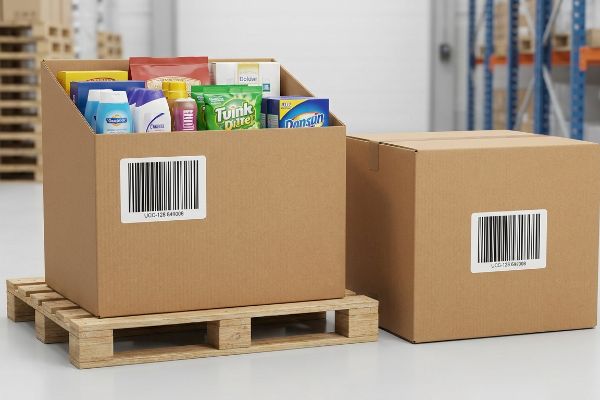
किसी बड़े रिटेलर से परचेज ऑर्डर हासिल करना एक बड़ी जीत है, लेकिन उनके इनबाउंड रिसीविंग प्रोटोकॉल को समझना ही असली चुनौती है।.
यूसीसी-128 बारकोड रीपैकिंग के जाल से बचना
बड़े स्टोरों के लिए शिपमेंट तैयार करते समय, डिज़ाइन टीमें स्वाभाविक रूप से डिस्प्ले ट्रे के रंगीन बाहरी ग्राफ़िक्स पर ध्यान केंद्रित करती हैं। वे अनिवार्य लॉजिस्टिक्स ट्रैकिंग लेबल6 को गौण मानते हैं, और अक्सर फ़ाइलों को जल्द से जल्द भेजने के लिए उन्हें मुख्य कार्टन के किनारों या तहों के पास चिपका देते हैं।
वॉलमार्ट जैसी बड़ी रिटेल कंपनियां इन अव्यवस्थित लेआउट को तुरंत अस्वीकार कर देती हैं क्योंकि उनके वितरण केंद्रों पर स्कैनिंग के मानक बेहद सख्त होते हैं। ऐसे आर्टवर्क जिनमें UCC-128 बारकोड किसी ऊर्ध्वाधर तह रेखा 7 के बहुत करीब होता है , स्कैनिंग में तुरंत विफलता उत्पन्न करते हैं। मोटे गत्ते के कोने खिंच जाते हैं, जिससे मुद्रित बारकोड की रेखाएं विकृत हो जाती हैं। जब यह विकृत लेबल ऑप्टिकल स्कैनर पर पड़ता है, तो इसे पढ़ा नहीं जा सकता, जिससे पूरे स्टोर में वितरण में देरी होती है और अनुपालन संबंधी जुर्माना 8 लगता है । इससे बचने के लिए सभी लॉजिस्टिक्स लेबल को किसी भी संरचनात्मक सिलवट से सुरक्षित रूप से दूर रखना आवश्यक है। लेआउट में यह बुनियादी समायोजन सुचारू रूप से माल की प्राप्ति सुनिश्चित करता है और आपके उत्पाद को सीधे रिटेल स्टोर तक पहुंचाता है।
| नौसिखियों की आम गलती | प्रो फिक्स | रिटेल-फ्लोर लाभ |
|---|---|---|
| संरचनात्मक तह रेखाओं पर बारकोड लगाना | 1.5 इंच का प्रवेश निषेध क्षेत्र लागू करें9 | ऑप्टिकल स्कैनर की 100% सफलता सुनिश्चित करता है |
| बिना उपचारित निर्यात लकड़ी का उपयोग करना | आईएसपीएम 15 के अनुसार ऊष्मा-उपचारित पैलेट अनिवार्य हैं।10 | विषाक्त पदार्थों के निपटान संबंधी दायित्वों को समाप्त करता है |
| स्टोर के गलियारों में सामान रखने की सीमा को अनदेखा करना | मानक भिन्नात्मक आकारों के लिए एंकर आधार | अवरुद्ध गलियारे के कारण होने वाले शुल्क वापसी को रोकता है 11 |
प्री-प्रेस के दौरान बारकोड की इष्टतम प्लेसमेंट सुनिश्चित करने से महंगे रिटेल चार्जबैक से बचा जा सकता है। स्कैनिंग में हुई किसी गड़बड़ी को लेकर विशाल स्वचालित सॉर्टिंग मशीन से बहस करना एक ऐसा कानूनी विवाद है जिसमें आपका ब्रांड हर बार हार जाएगा।.
🛠️ हार्वे का डेस्क: क्या आपके लॉजिस्टिक्स लेबल किसी संरचनात्मक मोड़ के बहुत पास हैं? 👉 मुझे आपका लेआउट जांचने दीजिए ↗ — सुरक्षित रूप से डाउनलोड करें। बाद में कोई प्रश्न होने पर मेरा इनबॉक्स खुला है।
विनिर्माण में पीडीक्यू क्या है?
बड़े पैमाने पर बिक्री के लिए तैयार इकाई का उत्पादन करने के लिए एक सपाट डिजिटल अवधारणा को भौतिक 3डी वस्तु में परिवर्तित करना आवश्यक है।.
विनिर्माण में, पीडीक्यू में नालीदार कार्डबोर्ड को स्व-निहित, पूर्व-चिपकाए गए मॉड्यूलर संरचनाओं में इंजीनियर करना शामिल है जो तुरंत असेंबल हो जाते हैं। इस प्रक्रिया के लिए सटीक बेंड अलाउंस की गणना करने के लिए विशेष प्रीप्रेस सॉफ़्टवेयर और भौतिक सब्सट्रेट को बिना दरार पड़े या द्वितीयक चिपकने वाले टेप की आवश्यकता के बिना त्रुटिहीन रूप से मोड़ने के लिए स्वचालित डाई-कटिंग मशीनरी की आवश्यकता होती है।.
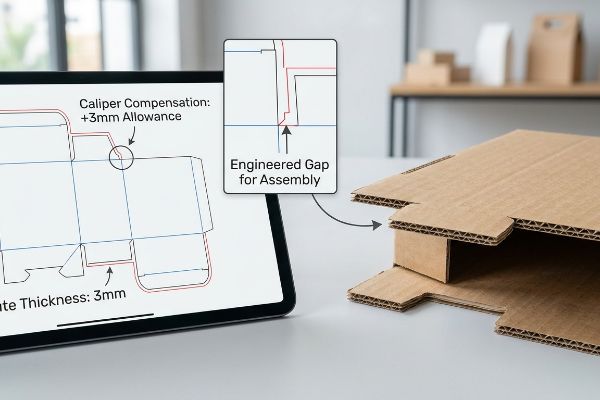
कंप्यूटर स्क्रीन पर यह अवधारणा भले ही त्रुटिहीन प्रतीत होती हो, लेकिन उत्पादन लाइन पर पेपरबोर्ड की भौतिक मोटाई सब कुछ बदल देती है।.
कैलिपर कंपनसेशन डायलाइन शिफ्ट
ब्रांड अक्सर मानक वेक्टर सॉफ़्टवेयर में इंटरलॉकिंग डिस्प्ले स्लॉट बनाते हैं, जिसमें प्राप्त करने वाले छेद को मिलान टैब12। वे मानते हैं कि यदि स्क्रीन पर गणितीय रेखाएँ मेल खाती हैं, तो असेंबली फ्लोर पर पुर्जे पूरी तरह से एक साथ स्लाइड करेंगे।
डिजिटल क्षेत्र की यह धारणा अनुभवी खरीदारों को भी चौंका देती है क्योंकि यह नालीदार कार्डबोर्ड के व्यवहार को पूरी तरह से अनदेखा करती है। कार्डबोर्ड की वास्तविक मोटाई होती है, इसलिए बी-फ्लूट कार्डबोर्ड के एक मानक टुकड़े को मोड़ने से भौतिक स्थान 13 की खपत होती है । यदि आप एक मानक टैब को बिना समायोजित स्लॉट में जबरदस्ती डालते हैं, तो तीव्र घर्षण के कारण पैकिंग लाइन के कर्मचारियों के लिए असेंबली बेहद मुश्किल हो जाती है। इस समस्या को हल करने के लिए प्रीप्रेस फाइल 14 में प्रत्येक जोड़ में एक साधारण बेंड अलाउंस जोड़ना आवश्यक है । रिसीविंग स्लॉट को थोड़ा चौड़ा करने से कार्डबोर्ड की सटीक मोटाई की भरपाई हो जाती है, जिससे पूर्ति प्रक्रिया को धीमा किए बिना टुकड़े आसानी से एक साथ जुड़ जाते हैं।
| नौसिखियों की आम गलती | प्रो फिक्स | रिटेल-फ्लोर लाभ |
|---|---|---|
| कार्डबोर्ड की तह की मोटाई को अनदेखा करते हुए | एल्गोरिथम बेंड भत्ते इंजेक्ट करें15 | असेंबली लाइन में होने वाली टूट-फूट को खत्म करता है |
| मशीन से कटाई के लिए CMYK लाइनों का उपयोग करना | विशिष्ट प्रीप्रेस स्पॉट रंगों को निर्दिष्ट करें16 | कलाकृति के आकस्मिक कटने से बचाता है |
| फ्लैट कमर्शियल ब्लीड पर निर्भर रहना | 0.5 इंच लिथो-शिफ्ट ब्लीड लगाएं17 | कच्चे कार्डबोर्ड के किनारों को छुपाता है |
उत्पादन से पहले सामग्री की मोटाई का ध्यान रखने से सुचारू डिलीवरी सुनिश्चित होती है। एक सपाट वेक्टर लेआउट, जो केवल एक साफ-सुथरे डिजिटल कार्यक्षेत्र में ही ठीक से काम करता है, वास्तविक पैकिंग लाइन पर एक बड़ी समस्या बन जाता है।.
🛠️ हार्वे का डेस्क: क्या आपके इंटरलॉकिंग टैब सामग्री की मोटाई को ध्यान में रखकर डिज़ाइन किए गए हैं? 👉 डाइलाइन ऑडिट का अनुरोध करें ↗ — कोई फॉर्म नहीं जो अंतहीन बिक्री कॉल को ट्रिगर करें। बस शुद्ध मूल्य।
सप्लाई चेन में पीडीक्यू क्या है?
पूरी तरह से भरी हुई रिटेल ट्रे को कारखाने से स्टोर के गलियारे तक ले जाने से अत्यधिक लॉजिस्टिकल बाधा उत्पन्न होती है।.
आपूर्ति श्रृंखला में, पीडीक्यू का तात्पर्य सुरक्षात्मक मास्टर कार्टन के अंदर पैक किए गए पहले से भरे डिस्प्ले ट्रे की लॉजिस्टिकल ऑप्टिमाइज़ेशन से है। इसमें आंतरिक सतहों पर घर्षण को रोकने के लिए सटीक ज्यामितीय क्लीयरेंस टॉलरेंस अनिवार्य है, जिससे यह सुनिश्चित होता है कि खुदरा कर्मचारी संरचनात्मक अखंडता को नुकसान पहुंचाए बिना माल को जल्दी से अनपैक और प्रदर्शित कर सकें।.
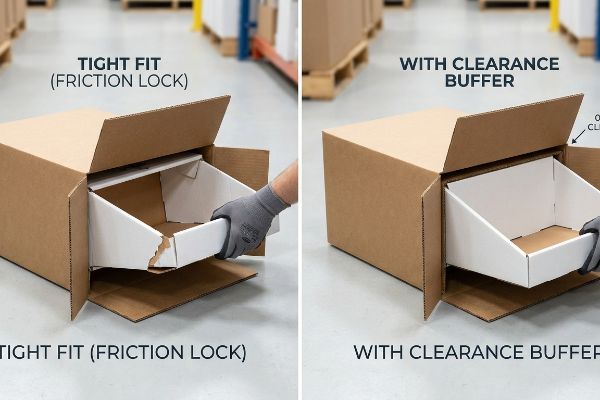
लेकिन जब मशीनें चलना शुरू हो जाती हैं और पूरी तरह से भरे हुए पैलेट गोदाम के डॉक पर पहुंचते हैं, तो केवल सिद्धांत जानना ही पर्याप्त नहीं होता है।.
कसकर एक-दूसरे के अंदर रखे कार्टन फर्श पर गिरने पर क्यों विफल हो जाते हैं?
खरीद टीमें अक्सर मास्टर शिपिंग कार्टन को अपने पहले से भरे हुए खुदरा ट्रे के बाहरी आयामों से बिल्कुल मेल खाने के लिए डिज़ाइन करती हैं । आम धारणा यह है कि पूरी तरह से फिट होने से परिवहन के दौरान आंतरिक हलचल रुक जाती है , जिससे अंदर रखे सामान को अधिकतम सुरक्षा मिलती है।
यह सिर्फ़ सिद्धांत नहीं है—मैंने इसे परीक्षण स्थल पर भारी माल ढुलाई के लिए अनपैकिंग प्रक्रिया का मूल्यांकन करते समय देखा है। जब 24 इंच (609.6 मिमी) की खुदरा ट्रे को 24 इंच के शिपर में पूरी तरह से फिट किया जाता है, तो कच्चे नालीदार टेस्टलाइनर का विशाल सतह क्षेत्र एक गंभीर घर्षण अवरोध पैदा करता है19।मैंने देखा है कि मज़बूत तकनीशियन ट्रे के सामने वाले पैनल को ज़ोर से खींचते हैं, जिससे ट्रे के बॉक्स से बाहर निकलने से पहले ही मुद्रित रिटेनिंग लिप पूरी तरह से फट जाती है। इस बाधा को दूर करने के लिए, मैं पैकेजिंग गणित में एक सख्त ज्यामितीय ऑफ़सेट टॉलरेंस लागू करता हूँ। मैं मास्टर कार्टन की आंतरिक गुहा को कृत्रिम रूप से ठीक 0.25 इंच20 (6.35 मिमी) तक बढ़ाता हूँ। यह सूक्ष्म समायोजन घर्षण वैक्यूम को तोड़ता है, जिससे अनपैकिंग का समय लगभग 30% कम हो जाता है और शेल्फ पर रखने से पहले संरचनात्मक क्षति पूरी तरह से रुक जाती है।
| नौसिखियों की आम गलती | प्रो फिक्स | रिटेल-फ्लोर लाभ |
|---|---|---|
| 1:1 स्नग मास्टर शिपर्स का डिजाइन तैयार करना | 0.25 इंच का क्लीयरेंस बफर जोड़ें21 | अनपैकिंग के दौरान ट्रे फटने से बचाता है |
| पुराने शिपिंग बॉक्सों का पुन: उपयोग करना | आईएसटीए-परीक्षित वर्जिन शिपर्स को अनिवार्य करें 22 | पूर्ण गतिशील भार क्षमता को बनाए रखता है |
| पैलेट ओवरहैंग बनाना | शून्य-ओवरहैंग बाउंडिंग बॉक्स लागू करें23 | पूर्ण संपीड़न विफलता को रोकता है |
परिधि में पर्याप्त दूरी बनाए रखने से अनबॉक्सिंग में होने वाली अनावश्यक देरी से बचा जा सकता है। घर्षण-रोधी मास्टर कार्टन से जूझने के लिए खुदरा विक्रेता को मजबूर करने से यह सुनिश्चित हो जाता है कि डिस्प्ले शेल्फ पर क्षतिग्रस्त अवस्था में पहुंचेगा।.
🛠️ हार्वे का डेस्क: क्या आपके मास्टर शिपर में घर्षण लॉकिंग को रोकने के लिए पर्याप्त परिधि क्लीयरेंस है? 👉 मुझे अपने बॉक्स के आयाम भेजें ↗ — बड़े पैमाने पर उत्पादन पर बजट बर्बाद करने से पहले मैं गणितीय गणनाओं का गहन परीक्षण करूँगा।
निष्कर्ष
आप चाहें तो गणितीय क्लीयरेंस बफर को नज़रअंदाज़ करके टाइट फिटिंग वाले मास्टर कार्टन डिज़ाइन कर सकते हैं, लेकिन जब ये कसकर पैक किए गए बॉक्स गंभीर घर्षण लॉक पैदा करते हैं, जिससे रिटेल अनपैकिंग लाइन लगभग 30% तक धीमी हो जाती है और आपके फ्रंट डिस्प्ले लिप को स्थायी रूप से नुकसान पहुँचता है, तो आप अपने अभियान के दृश्य प्रभाव को पूरी तरह से खत्म कर देते हैं। 500 से अधिक ब्रांड मैनेजर इन शुरुआती चरण की घातक गलतियों से बचने के लिए मेरी प्रीप्रेस चेकलिस्ट का उपयोग करते हैं। क्लीयरेंस टॉलरेंस का अनुमान लगाना बंद करें और मुझे अपने मुफ़्त डाइलाइन प्री-फ़्लाइट चेक ↗ ताकि फ़ैक्टरी से लेकर स्टोर तक त्रुटिहीन निष्पादन सुनिश्चित हो सके।
"रिटेल में पीडीक्यू पैकेजिंग को समझना - लिंक्डइन", https://www.linkedin.com/pulse/understanding-pdq-packaging-retail-moss-tvthc। उद्योग पैकेजिंग दिशानिर्देश खुदरा वातावरण में उत्पाद की स्थिरता बनाए रखने के लिए फ्रंट पैनल की ऊंचाई के लिए संरचनात्मक आवश्यकताओं को निर्दिष्ट करते हैं। साक्ष्य भूमिका: उद्योग प्रथा का सत्यापन; स्रोत प्रकार: खुदरा पैकेजिंग मैनुअल। समर्थन: उत्पाद को गिरने से रोकने के लिए गहरे फ्रंट पैनल का उपयोग। कार्यक्षेत्र नोट: शेल्फ-रेडी नालीदार डिस्प्ले पर लागू होता है। ↩
"PDQ पैकेजिंग खुदरा बिक्री और ब्रांड दृश्यता को कैसे बढ़ाती है", https://innorhino.com/blog/about-business/pdq-packaging-retail-sales?srsltid=AfmBOoov6iVM19Dw2b31k4KpKCKSaclLmyXrLQCotJO4sXj_4tzUZdiO। एक आधिकारिक बाहरी स्रोत इस दावे का समर्थन कैसे करता है, इसका संक्षिप्त विवरण। साक्ष्य की भूमिका: तकनीकी विनिर्देश; स्रोत का प्रकार: खुदरा व्यापार मार्गदर्शिका। समर्थन: PDQ ट्रे में उत्पाद पहचान के लिए विशिष्ट 85% दृश्यता सीमा। स्कोप नोट: उत्पाद श्रेणी के अनुसार भिन्न हो सकता है। ↩
"PDQ पैकेजिंग खुदरा बिक्री और ब्रांड दृश्यता को कैसे बढ़ाती है", https://innorhino.com/blog/about-business/pdq-packaging-retail-sales?srsltid=AfmBOoqjRVCSYQpiY8TfEL0MmBIpEN0S8BhmEXvim_U3E-sLaumVJTnQ। फ्रंट लिप डिज़ाइन के सापेक्ष उत्पाद दृश्यता प्रतिशत के लिए उद्योग मानकों या बेंचमार्क का सत्यापन। साक्ष्य की भूमिका: मात्रात्मक दावे का सत्यापन; स्रोत प्रकार: खुदरा व्यापार मार्गदर्शिका। समर्थन: डाई-कट घुमावदार लिप्स की प्रभावकारिता। स्कोप नोट: दृश्यता मेट्रिक्स SKU आकार के अनुसार भिन्न हो सकते हैं। ↩
"क्या शेल्फ पुशर सिस्टम आवेगपूर्ण खरीदारी को बढ़ाते हैं? – नोवा-डे", https://nova-day.com/do-shelf-pusher-systems-increase-impulse-buying/। मॉड्यूलर डिवाइडर किस प्रकार दृश्य विविधता पैदा करते हैं और आवेगपूर्ण खरीदारी व्यवहार को प्रोत्साहित करते हैं, इस पर तकनीकी दस्तावेज। साक्ष्य की भूमिका: तकनीकी विनिर्देश; स्रोत प्रकार: पैकेजिंग डिज़ाइन मैनुअल। समर्थन: सममित ग्रिड से दूर जाना। कार्यक्षेत्र संबंधी टिप्पणी: खरीदारी के स्थान पर बिक्री पर केंद्रित। ↩
"यूएस शेल्फ-स्टेबल पैकेजिंग - द फ्रीडोनिया ग्रुप", https://www.freedoniagroup.com/industry-study/shelf-stable-packaging-4356.htm। इंजीनियरिंग प्रमाण दर्शाते हैं कि कठोर स्लॉटिंग उत्पाद को पलटने से रोकती है और शेल्फ पर उसकी व्यवस्था बनाए रखती है। प्रमाण की भूमिका: कार्यात्मक सत्यापन; स्रोत प्रकार: पैकेजिंग इंजीनियरिंग मानक। सहायक: उत्पाद को पलटने से रोकना। कार्यक्षेत्र संबंधी टिप्पणी: खुदरा बिक्री के लिए तैयार ट्रे की स्थिरता पर लागू होता है। ↩
"GS1 लॉजिस्टिक्स लेबल दिशानिर्देश", https://www.gs1.org/standards/gs1-logistic-label-guideline/current-standard। खुदरा विक्रेता आपूर्तिकर्ता नियमावली में स्वचालित प्राप्ति और इन्वेंट्री ट्रैकिंग को सक्षम करने के लिए मास्टर कार्टन पर मानकीकृत लॉजिस्टिक्स लेबल (जैसे UCC-128) की आवश्यकता निर्दिष्ट की गई है। साक्ष्य भूमिका: तकनीकी विनिर्देश; स्रोत प्रकार: आपूर्तिकर्ता अनुपालन मार्गदर्शिका। समर्थन: विशिष्ट लॉजिस्टिक्स लेबलिंग की आवश्यकता। कार्यक्षेत्र संबंधी टिप्पणी: बड़े पैमाने पर खुदरा वितरण के लिए विशिष्ट। ↩
"वॉलमार्ट ने GS1-128 के साथ द्वितीयक पैकेजिंग मानकों को अपडेट किया...", https://www.linkedin.com/posts/davidjholliday_packaging-barcodes-supplychain-activity-7325210199705735168-xxzF। ऑप्टिकल पठनीयता सुनिश्चित करने के लिए पैकेजिंग क्रीज़ के सापेक्ष UCC-128 बारकोड के स्थान के संबंध में खुदरा अनुपालन मानकों का सत्यापन। साक्ष्य भूमिका: तकनीकी विनिर्देश; स्रोत प्रकार: खुदरा अनुपालन मार्गदर्शिका। समर्थन: बारकोड स्कैनिंग विफलताओं का कारण। कार्यक्षेत्र नोट: नालीदार PDQ डिस्प्ले के लिए विशिष्ट। ↩
"कॉन्ट्रैक्ट पैकेजिंग की किन गलतियों के कारण रिटेलर चार्जबैक करते हैं?", https://www.industrialpackaging.com/blog/copacker-mistakes-retailer-chargebacks। लॉजिस्टिक्स त्रुटियों और प्राप्ति प्रक्रिया के दौरान अस्पष्ट लेबल के लिए वॉलमार्ट द्वारा लगाए गए वित्तीय दंड या चार्जबैक का दस्तावेजीकरण। साक्ष्य की भूमिका: परिचालन परिणाम; स्रोत प्रकार: आपूर्तिकर्ता मैनुअल। समर्थन: गैर-अनुपालन का वित्तीय जोखिम। स्कोप नोट: वितरण केंद्र दंडों पर केंद्रित। ↩
"उत्पाद पैकेजिंग GS1-अनुरूप बारकोड – AccuGraphiX", https://bar-code.com/choosing-the-right-packaging-for-gs1-compliant-barcodes/?srsltid=AfmBOooNoUBDnlcZVqBcouzxvDGYCQymelVzywZJjzGTbvt2Vgf8LW96। ऑप्टिकल स्कैन करने की क्षमता सुनिश्चित करने के लिए खुदरा बारकोड के लिए मानक क्वाइट ज़ोन या कीप-आउट ज़ोन आवश्यकताओं का सत्यापन। साक्ष्य भूमिका: तकनीकी विनिर्देश; स्रोत प्रकार: उद्योग मानक। समर्थन: बारकोड प्लेसमेंट दिशानिर्देश। कार्यक्षेत्र संबंधी टिप्पणी: बारकोड सिम्बोलॉजी के अनुसार भिन्न हो सकता है। ↩
"अमेरिका से आईएसपीएम 15-अनुरूप लकड़ी पैकेजिंग सामग्री का निर्यात", https://www.aphis.usda.gov/plant-exports/wood-packaging-material/export। कीटों के संक्रमण से बचाव के लिए लकड़ी पैकेजिंग सामग्री संबंधी अंतर्राष्ट्रीय पादप स्वच्छता मानक संख्या 15 की पुष्टि। साक्ष्य की भूमिका: नियामक आवश्यकता; स्रोत प्रकार: अंतर्राष्ट्रीय संधि/मानक। समर्थन: पैलेट उपचार की आवश्यकता। कार्यक्षेत्र संबंधी टिप्पणी: अंतर्राष्ट्रीय व्यापार पर लागू। ↩
"विक्रेता अनुपालन: खुदरा लॉजिस्टिक्स में चार्जबैक को कैसे कम करें", https://mfals.com/blog/how-to-minimize-chargebacks-retail-logistics। स्टोर में आवागमन में बाधा डालने वाले गैर-अनुरूप डिस्प्ले आयामों के लिए खुदरा विक्रेताओं की दंडात्मक प्रणालियों का दस्तावेजीकरण। साक्ष्य की भूमिका: उद्योग प्रथा; स्रोत प्रकार: विक्रेता अनुपालन मैनुअल। समर्थन: गलियारे की सुगमता का महत्व। कार्यक्षेत्र संबंधी टिप्पणी: बड़े रिटेल स्टोर संचालन के लिए विशिष्ट। ↩
"पेपर पैकेजिंग स्ट्रक्चरल डिज़ाइन गाइड", https://greendotpackaging.com/paper-packaging-structural-design-guide/। इसमें बताया गया है कि टैब और स्लॉट के लिए 2D आयामों का मिलान करने से सामग्री की मोटाई (कैलिपर) को अनदेखा किया जाता है, जिससे असेंबली विफल हो जाती है। साक्ष्य की भूमिका: तकनीकी सत्यापन; स्रोत प्रकार: पैकेजिंग इंजीनियरिंग मैनुअल। समर्थन: सरल वेक्टर मिलान की अक्षमता। स्कोप नोट: नालीदार कार्डबोर्ड जैसे मोटे सब्सट्रेट तक सीमित। ↩
"पांच-परत वाले कार्डबोर्ड की बेंडिंग कठोरता का विश्लेषणात्मक निर्धारण...", https://pmc.ncbi.nlm.nih.gov/articles/PMC8777652/। यह लेख बी-फ्लूट कार्डबोर्ड के भौतिक आयामों और इसके कैलिपर द्वारा फोल्ड त्रिज्या पर पड़ने वाले प्रभाव की पुष्टि करता है। साक्ष्य की भूमिका: तकनीकी सत्यापन; स्रोत प्रकार: सामग्री विनिर्देश; सहायक: सामग्री व्यवहार। कार्यक्षेत्र संबंधी टिप्पणी: बी-फ्लूट उद्योग मानकों पर केंद्रित। ↩
"पैकेजिंग और प्रिंटिंग में डाइलाइन क्या है? – पॉपडिस्प्ले", https://popdisplay.me/what-is-a-dieline-in-packaging-print/। पैकेजिंग डाइलाइन में बेंड अलाउंस की गणना करने के लिए तकनीकी मार्गदर्शन प्रदान करता है ताकि उचित असेंबली सुनिश्चित हो सके। साक्ष्य भूमिका: प्रक्रियात्मक सत्यापन; स्रोत प्रकार: पैकेजिंग इंजीनियरिंग मैनुअल; सहायक: प्रीप्रेस डिज़ाइन आवश्यकताएँ। कार्यक्षेत्र नोट: नालीदार बोर्ड के लिए मानक अभ्यास। ↩
"कार्डबोर्ड निर्माण: बेंड अलाउंस की गणना 1 – YouTube", https://www.youtube.com/watch?v=j1n5ojAbAic। संरचनात्मक पैकेजिंग डिज़ाइन पर तकनीकी दस्तावेज़ में सामग्री के आकार की भरपाई के लिए बेंड अलाउंस के उपयोग की पुष्टि होनी चाहिए। साक्ष्य की भूमिका: तकनीकी सत्यापन; स्रोत प्रकार: उद्योग मैनुअल। सहायक: तह की सटीकता के लिए बेंड अलाउंस का उपयोग। कार्यक्षेत्र नोट: विशेष रूप से नालीदार और फोल्डिंग कार्टन बोर्ड पर लागू। ↩
"डाई कट में सहायता – PrintPlanet.com", https://printplanet.com/threads/help-with-die-cut.4430/। उद्योग मानक प्रीप्रेस गाइडों में डाई-कट पथों को परिभाषित करने के लिए गैर-मुद्रण स्पॉट रंगों के उपयोग की आवश्यकता की पुष्टि होनी चाहिए। साक्ष्य भूमिका: तकनीकी मानक; स्रोत प्रकार: मुद्रण मैनुअल। सहायक: आकस्मिक आर्टवर्क कटिंग की रोकथाम। कार्यक्षेत्र नोट: वाणिज्यिक ऑफसेट और डिजिटल प्रिंटिंग में मानक प्रक्रिया। ↩
"पैकेजिंग और प्रिंटिंग के लिए लिथोग्राफिक प्रिंटिंग की व्याख्या - Print247", https://print247.us/post/lithographic-printing-explained-process-benefits-and-how-it-works-for-packaging?srsltid=AfmBOoreYq7fYYYVwKEMEDbjSRBxBOh1Xe6NsuGL8nSZ5isD4vtu5Anm। पैकेजिंग निर्माण विनिर्देशों में लिथो-लेमिनेशन के दौरान पंजीकरण में होने वाले बदलावों को ध्यान में रखते हुए अनुशंसित ब्लीड दूरी की पुष्टि की जानी चाहिए। साक्ष्य की भूमिका: मात्रात्मक सत्यापन; स्रोत प्रकार: तकनीकी विनिर्देश। समर्थन: कच्चे कार्डबोर्ड के किनारों को छिपाने के लिए ब्लीड की आवश्यकता। कार्यक्षेत्र संबंधी टिप्पणी: उच्च मात्रा में लिथो-प्रिंटेड पीडीक्यू के लिए विशिष्ट। ↩
"शिपिंग बॉक्स सुरक्षा | 5 नियम जो 99% उत्पाद क्षति को रोकते हैं...", https://www.ucanpack.com/blog/post/shipping-box-safety-%7C-the-5-rules-that-prevent-99-of-product-damage। पैकेजिंग के लिए इंजीनियरिंग सिद्धांत बताते हैं कि आंतरिक खाली स्थान को समाप्त करने से परिवहन के दौरान सामग्री की गतिज ऊर्जा कैसे कम हो जाती है। साक्ष्य भूमिका: तकनीकी सिद्धांत; स्रोत प्रकार: पैकेजिंग इंजीनियरिंग हैंडबुक। समर्थन: टाइट-फिट पैकेजिंग के लिए सैद्धांतिक तर्क। कार्यक्षेत्र नोट: परिवहन स्थिरता पर केंद्रित। ↩
घर्षण गुणांक परीक्षण | पैकेजिंग और यूनिट लोड केंद्र …", https://unitload.vt.edu/facilities/corrugated-packaging-lab/cof-testing.html। कच्चे नालीदार टेस्टलाइनर के घर्षण गुणांक पर तकनीकी डेटा बताता है कि सतह क्षेत्र तंग-फिट पैकेजिंग में प्रतिरोध कैसे उत्पन्न करता है। साक्ष्य भूमिका: तकनीकी सत्यापन; स्रोत प्रकार: पैकेजिंग इंजीनियरिंग मैनुअल। समर्थन: सामग्री-चालित घर्षण लॉक। कार्यक्षेत्र नोट: कच्चे, अनुपचारित लाइनरों के लिए विशिष्ट। ↩
"रिटेल डिस्प्ले के 14 प्रकार | शिकागो, आईएल - वर्थाइमर बॉक्स", https://wertheimerbox.com/types-of-retail-displays/। पीडीक्यू डिस्प्ले शिपिंग के लिए पैकेजिंग उद्योग के मानक अनपैकिंग के दौरान संरचनात्मक क्षति को रोकने के लिए आवश्यक क्लीयरेंस टॉलरेंस निर्दिष्ट करते हैं। साक्ष्य भूमिका: विनिर्देश सत्यापन; स्रोत प्रकार: उद्योग सर्वोत्तम अभ्यास मार्गदर्शिका। समर्थन: 0.25 इंच ऑफसेट दक्षता। स्कोप नोट: बड़े आकार की ट्रे के लिए विशिष्ट। ↩
"मैं एक ऐसा पीडीक्यू कैसे डिज़ाइन करूँ जिसे खुदरा विक्रेता और ग्राहक पसंद करें?", https://popdisplay.me/how-do-i-design-a-pdq-that-retailers-and-customers-will-love/। आंतरिक डिस्प्ले में घर्षण और टूट-फूट को रोकने के लिए मास्टर शिपर्स के लिए उद्योग-मानक क्लीयरेंस टॉलरेंस का सत्यापन। साक्ष्य भूमिका: तकनीकी विनिर्देश; स्रोत प्रकार: पैकेजिंग इंजीनियरिंग मैनुअल। समर्थन: 0.25 इंच बफर का उपयोग। स्कोप नोट: टॉलरेंस नालीदार फ्लूट ग्रेड के आधार पर भिन्न हो सकते हैं। ↩
"[PDF] 3A 2 – इंटरनेशनल सेफ ट्रांजिट एसोसिएशन", https://ista.org/docs/3Aoverview.pdf। यह पुष्टि करता है कि ISTA-प्रमाणित पैकेजिंग पुन: उपयोग की गई सामग्रियों की तुलना में संरचनात्मक अखंडता और गतिशील भार क्षमता को बेहतर बनाए रखती है। साक्ष्य की भूमिका: प्रमाणन मानक; स्रोत प्रकार: उद्योग संगठन। समर्थन: नए ISTA-परीक्षित बक्सों के लिए अनिवार्यता। कार्यक्षेत्र संबंधी टिप्पणी: विशेष रूप से पारगमन परीक्षण प्रोटोकॉल को संदर्भित करता है। ↩
"[PDF] पैलेट डेकबोर्ड के बीच अंतराल के प्रभाव का पूर्वानुमान...", https://repository.rit.edu/cgi/viewcontent.cgi?article=1053&context=japr। नालीदार बक्सों के पैलेट के किनारे से बाहर निकलने पर होने वाली संपीड़न शक्ति में कमी का दस्तावेजीकरण। साक्ष्य की भूमिका: कारण-कार्य संबंध; स्रोत प्रकार: रसद अनुसंधान। समर्थन: पूर्ण संपीड़न विफलता की रोकथाम। कार्यक्षेत्र संबंधी टिप्पणी: स्टैक्ड पैलेटाइज्ड लोड पर लागू होता है। ↩