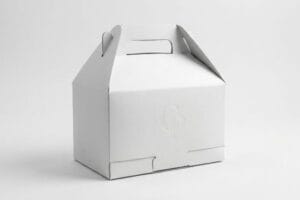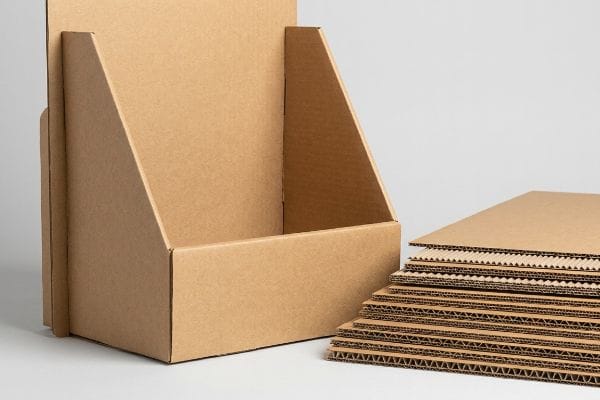
भारी सामान सामान्य कार्डबोर्ड को कुचल देता है, जिससे आपके खुदरा अभियान सस्ते लगते हैं और खुदरा विक्रेताओं को भारी भरकम हर्जाना देना पड़ता है। आपको कठोर लॉजिस्टिक्स के लिए विशेष रूप से डिज़ाइन किए गए संरचनात्मक आधार की आवश्यकता है।.
डाई कट डिस्प्ले के लिए सबसे अच्छा पैकेजिंग मटेरियल उच्च-प्रदर्शन वाला माइक्रो-फ्लूटेड नालीदार कार्डबोर्ड है, विशेष रूप से बी-फ्लूट या ई-फ्लूट वाला। यह विशेष रूप से निर्मित पेपर सब्सट्रेट परिवहन के दौरान गतिज ऊर्जा को सुरक्षित रूप से अवशोषित करता है और अधिकतम संरचनात्मक मजबूती प्रदान करता है, जिससे भारी सामान डबल-स्टैक्ड फ्रेट में भी सुरक्षित रहता है और साथ ही वैश्विक स्तर पर पूरी तरह से रिसाइकिल करने योग्य रहता है।.
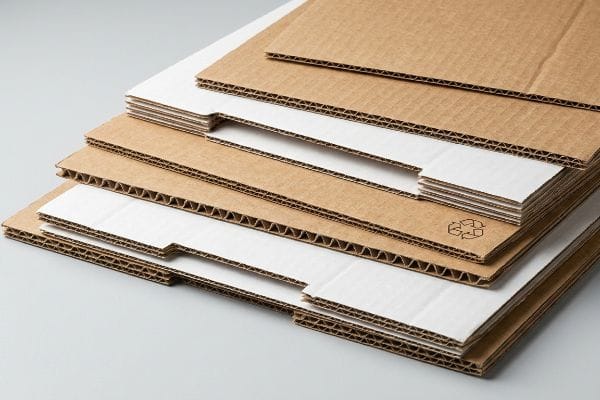
सही सब्सट्रेट का चयन यह निर्धारित करता है कि आपका अभियान प्रीमियम रिटेल फ्लोर स्पेस हासिल करेगा या वितरण केंद्र में ही विफल हो जाएगा।.
पैकेजिंग के लिए सबसे अच्छी सामग्री कौन सी है?
कच्चे सब्सट्रेट का मूल्यांकन करने के लिए प्रारंभिक खरीद मापदंडों से परे जाकर गतिज भार वितरण को समझना आवश्यक है।.
उच्च श्रेणी का नालीदार पेपरबोर्ड संरचनात्मक पैकेजिंग के लिए सर्वोत्तम सामग्री है। इसमें आंतरिक घुमावदार खांचे होते हैं जो गतिज झटकों और ऊर्ध्वाधर शीर्ष-भारों को गतिशील रूप से वितरित करते हैं। कठोर प्लास्टिक या बिना खांचे वाले चिपबोर्ड के विपरीत, इंजीनियर नालीदार टेस्टलाइनर बेहतर मजबूती-से-वजन अनुपात प्रदान करता है, साथ ही निर्बाध वैश्विक आपूर्ति श्रृंखला अनुकूलता बनाए रखता है।.
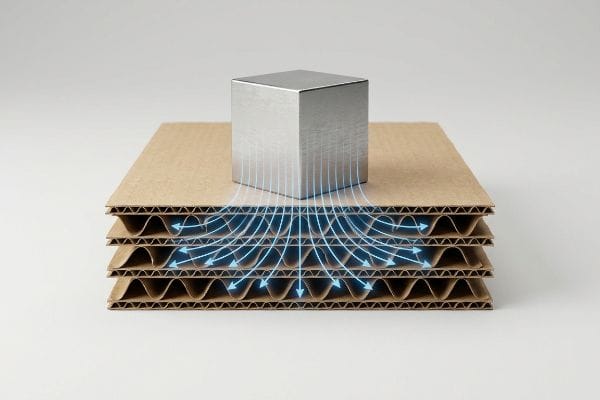
इस भौतिक श्रेष्ठता को समझने के लिए कागज की परतों के बीच छिपी भौतिक संरचना का विश्लेषण करना आवश्यक है।.
नालीदार खांचे के पीछे की इंजीनियरिंग यांत्रिकी
नालीदार तख्ते की भौतिक संरचना आपस में जुड़े हुए मेहराबों की एक श्रृंखला की तरह काम करती है। जब इस पर ऊर्ध्वाधर भार लगाया जाता है, तो आंतरिक खांचे संपीडन बल को स्थानीय रूप से अवशोषित करने के बजाय बाहर की ओर वितरित करते हैं। भार का यह ज्यामितीय विस्थापन अपेक्षाकृत हल्के सेल्युलोज फाइबर संरचना को बिना झुके भारी स्थिर भार सहन करने में सक्षम बनाता है। यह एक यांत्रिक शॉक एब्जॉर्बर के रूप में कार्य करता है जो आंतरिक माल को परिवहन के दौरान होने वाले प्रत्यक्ष प्रभावों से बचाताहै ।
मैं हमेशा उत्पाद प्रबंधकों को समझाता हूँ कि इस सब्सट्रेट का मूल्यांकन करने के लिए फाइबर घनत्व के आधारभूत सूचकांक के रूप में ECT (एज क्रश टेस्ट) रेटिंग को देखना आवश्यक है। एक मानक 32 ECT बोर्ड अपनी मजबूती कच्चे माल की मोटाई के बजाय कोर फ्लूटिंग के सटीक ऊर्ध्वाधर संरेखण के कारण प्राप्त करता है । लेमिनेशन चरण के दौरान नमी की मात्रा और फाइबर संरेखण को नियंत्रित करके, हम यह सुनिश्चित करते हैं कि संरचनात्मक ज्यामिति पूरी तरह से कठोर बनी रहे। यह प्रीमियम जलीय कोटिंग्स के लिए एक अत्यधिक स्थिर प्लेटफॉर्म प्रदान करता है, जिससे पर्यावरण के लिए हानिकारक फॉइल लेमिनेशन की आवश्यकता पूरी तरह समाप्त हो जाती है और साथ ही उच्च संपीडन शक्ति भी बनी रहती है।
| सब्सट्रेट मीट्रिक | बिना खांचे वाला चिपबोर्ड | इंजीनियर्ड नालीदार |
|---|---|---|
| गतिज आघात | तबादलों का सीधा प्रभाव पड़ता है | बांसुरी मेहराबों के माध्यम से अवशोषित करता है5 |
| भार विस्थापन | स्थैतिक घनत्व विफलता | गतिशील ऊर्ध्वाधर वितरण6 |
| पर्यावरण मानक | अक्सर मिश्रित सामग्री | सिंगल-स्ट्रीम रिपल्पेबल7 |
मैं विशेष रूप से डिज़ाइन किए गए नालीदार सब्सट्रेट पर भरोसा करता हूँ क्योंकि ये कठोर खुदरा वातावरण में टिके रहने के लिए आवश्यक सटीक ज्यामितीय स्थिरता प्रदान करते हैं। आंतरिक खांचे इकाई के वजन को बढ़ाए बिना या टिकाऊपन से समझौता किए बिना बेजोड़ संपीड़न शक्ति प्रदान करते हैं।.
🛠️ हार्वे का डेस्क: क्या आपके भारी चेकआउट ट्रे स्टोर तक पहुंचने से पहले ही आपके शिपिंग ROI को बुरी तरह प्रभावित कर रहे हैं? 👉 फ्रेट डेंसिटी ऑडिट का अनुरोध करें ↗ — मैं 24 घंटों के भीतर प्रत्येक संरचनात्मक फ़ाइल की व्यक्तिगत रूप से समीक्षा करता हूँ।
डाई कटिंग के लिए सबसे अच्छा पेपर कौन सा है?
सही पेपर फाइबर का चयन सीधे तौर पर इस बात को प्रभावित करता है कि सब्सट्रेट स्वचालित यांत्रिक कतरनी बल पर कितनी सफाई से प्रतिक्रिया करता है।.
वर्जिन क्राफ्ट लाइनरबोर्ड, भारी-भरकम रिटेल मर्चेंडाइज़र की डाई कटिंग के लिए सबसे अच्छा पेपर है। वर्जिन क्राफ्ट में मौजूद लंबे, अटूट सेल्युलोज फाइबर बेहतर तन्यता शक्ति और लोच प्रदान करते हैं, जिससे स्टील रूल के दबाव में भी प्रिंटेड टॉप शीट में दरार आए बिना, सब्सट्रेट को 90 डिग्री पर आसानी से मोड़ा जा सकता है।.
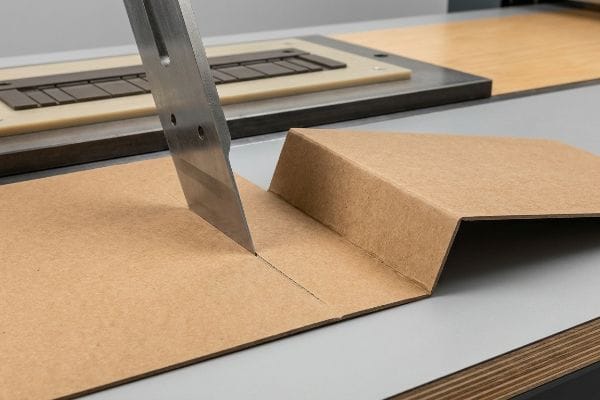
स्टील के काटने वाले ब्लेड और कागज के रेशे के बीच की परस्पर क्रिया प्रत्येक तह की संरचनात्मक अखंडता को निर्धारित करती है।.
फाइबर तनाव और क्रीजिंग मैट्रिक्स का भौतिकी
जब एक भारी स्टील रूल डाई मोटे पेपरबोर्ड पर दबाव डालती है, तो यह आंतरिक रेशों को एक साथ तेजी से संकुचित और फैलाती है। यदि कागज में पर्याप्त लोच नहीं होती है, तो इस अचानक यांत्रिक प्रहार के कारण बाहरी परतें मुड़ जाती हैं और उनमें सूक्ष्म दरारें पड़ जाती हैं8।शुद्ध कागज के रेशे लचीले सूक्ष्म स्प्रिंग की तरह काम करते हैं, प्रहार बल को अवशोषित करते हैं और अपने संसंजन को बनाए रखते हैं9।यह लचीलापन सुनिश्चित करता है कि परिणामी रेखा एक कमजोर दोष रेखा के बजाय एक उत्तम संरचनात्मक जोड़ के रूप में कार्य करे।
मैं कटिंग टेबल पर क्रीज़िंग मैट्रिक्स को चुने गए पेपर लाइनर की सटीक लोच के अनुरूप व्यवस्थित रूप से कैलिब्रेट करता हूँ। कटिंग प्लेट पर एक विशिष्ट पॉलीमर फीमेल चैनल लगाकर, हम उस सटीक कोण और गहराई को नियंत्रित करते हैं जिस पर स्टील रूल बोर्ड से जुड़ता है। यह एनविल प्रभाव क्राफ्ट बोर्ड के लंबे सेल्युलोज फाइबर को बिना तोड़े सुरक्षित रूप से खींचता है, जिससे भारी सतहों पर भी लिथो-क्रैकिंग पूरी तरह से समाप्त हो जाती है। इस फाइबर तनाव को नियंत्रित करना यह सुनिश्चित करने के लिए मौलिक है कि अंतिम इकाई भारी गोदाम के ऊपरी भार को बिना किनारे फटे सहन करसके ।
| फाइबर विशेषता | रिसाइकल्ड टेस्टलाइनर | वर्जिन क्राफ्ट लाइनरबोर्ड |
|---|---|---|
| फाइबर की लंबाई | संक्षिप्त और थका हुआ | लंबा और अत्यधिक लचीला12 |
| तह अखंडता | सतह पर दरारें पड़ने की संभावना13 | निर्बाध 90-डिग्री मोड़ |
| हड़ताल सहिष्णुता | कम यांत्रिक प्रतिरोध | उच्च अपरूपण बल अवशोषण14 |
मैं महत्वपूर्ण भार वहन करने वाले जोड़ों के लिए वर्जिन क्राफ्ट लाइनरबोर्ड का उपयोग करता हूँ क्योंकि खुदरा बिक्री के लिए तैयार पैकेजिंग के लिए आवश्यक आक्रामक मोड़ने की प्रक्रिया में छोटे पुनर्चक्रित फाइबर टिक नहीं पाते हैं। लंबे फाइबर की संरचना हर बार एक साफ-सुथरा यांत्रिक जोड़ सुनिश्चित करती है।.
🛠️ हार्वे का डेस्क: क्या आपके मौजूदा डाई-कट प्रोफाइल के कारण सूक्ष्म दरारें पड़ रही हैं जो फैक्ट्री से निकलने से पहले ही आपके डिस्प्ले की संरचनात्मक मजबूती को कमजोर कर रही हैं? 👉 संरचनात्मक डाईलाइन ऑडिट का दावा करें ↗ — 100% गोपनीय। आपके अप्रकाशित रिटेल डिज़ाइन मेरे पास सुरक्षित हैं।
डाई कट पैकेजिंग क्या है?
स्वचालित संरचनात्मक निष्पादन सपाट पेपरबोर्ड को जटिल, भार वहन करने वाली, त्रि-आयामी खुदरा वास्तुकला में परिवर्तित कर देता है।.
डाई कट पैकेजिंग में संरचनात्मक रूप से इंजीनियर किए गए पेपरबोर्ड को विशेष सीएनसी (कंप्यूटर न्यूमेरिकल कंट्रोल) राउटिंग टेबल या स्टील रूल डाई का उपयोग करके विशिष्ट अनुकूलित आकृतियों में काटा जाता है। यह यांत्रिक प्रक्रिया सटीक इंटरलॉकिंग टैब, कस्टम व्यूइंग विंडो और जटिल फोल्डिंग ज्यामिति की अनुमति देती है, जो मानक स्लॉटेड बॉक्स से प्राप्त नहीं की जा सकती।.
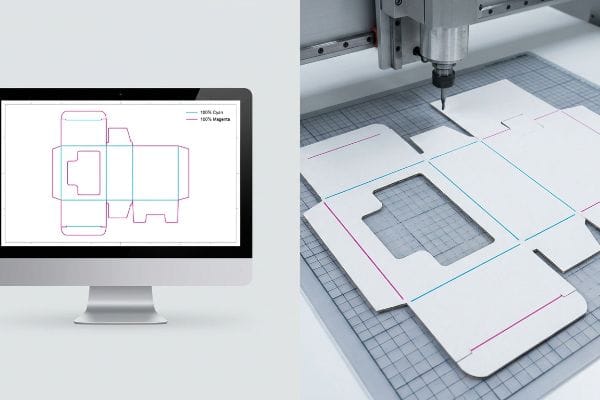
डिजिटल सीएडी (कंप्यूटर-एडेड डिजाइन) फाइल से भौतिक संरचना में परिवर्तन के लिए प्रीप्रेस स्तर पर पूर्ण सटीकता की आवश्यकता होती है।.
संरचनात्मक पथों का यांत्रिक अनुवाद
डाई कटिंग प्रक्रिया लक्षित मशीन कमांड का उपयोग करके दृश्य कलाकृति को यांत्रिक उद्देश्य से पूरी तरह अलग करती है। औद्योगिक कटिंग उपकरण विशिष्ट वेक्टर पथों15 को यह निर्धारित करते हैं कि ब्लेड को सब्सट्रेट को पूरी तरह से काटना चाहिए या केवल एक कुंद पहिया को फाइबर पर क्रीज बनानी चाहिए। यह द्विआधारी क्रिया—काटना या निशान लगाना16—समतल सामग्रियों को तीव्र 3डी असेंबली के लिए जटिल रूप से मैप करने की अनुमति देती है। इस चरण में सटीकता यह सुनिश्चित करती है कि इंटरलॉकिंग तंत्र शून्य घर्षण के साथ एक साथ फिट हों।
मैं प्रीप्रेस फाइलों का लगातार मूल्यांकन करता हूँ ताकि यह सुनिश्चित हो सके कि डिजिटल डाईलाइन में मानक CMYK दृश्य रेखाओं के बजाय सटीक स्पॉट कलर असाइनमेंट हों। एक परिष्कृत कोंग्सबर्ग टेबल RIP सॉफ्टवेयर मानक काली स्याही को नहीं समझता; कटिंग ब्लेड17 और क्रीजिंग व्हील18। इस सख्त रंग-कोडिंग मैट्रिक्स को लागू करके, हम भौतिक ब्लेड रूटिंग से कॉस्मेटिक ग्राफिक्स को गणितीय रूप से अलग करते हैं। यह सुनिश्चित करता है कि मशीन प्रत्येक फोल्ड और स्लॉट को त्रुटिहीन रूप से निष्पादित करे, जिससे मुद्रित सब्सट्रेट पूरी तरह से बेदाग रहे।
| डाइलाइन विशेषता | मानक दृश्य डिजाइन | इंजीनियर्ड मशीन फ़ाइल |
|---|---|---|
| पथ पहचान | CMYK काली रेखाएँ | पूर्ण स्पॉट रंग19 |
| उपकरण सहभागिता | मशीन पथों को अनदेखा करती है | विशिष्ट सीएनसी ब्लेड को सक्रिय करता है20 |
| आउटपुट परिणाम | मुद्रित बॉक्स, कोई कट नहीं | सटीक 3डी वास्तुकला |
मैं स्पॉट कलर डाईलाइन प्रोटोकॉल का सख्ती से पालन करता हूँ क्योंकि डाई कटिंग एक भौतिक विनिर्माण प्रक्रिया है, न कि केवल एक ग्राफिक ओवरले। सटीक फाइल ट्रांसलेशन ही यह सुनिश्चित करने का एकमात्र तरीका है कि सीएनसी मशीनरी एक त्रुटिरहित संरचनात्मक फिट प्रदान करे।.
🛠️ हार्वे का डेस्क: क्या डिजिटल प्रीप्रेस त्रुटियों के कारण आपकी जटिल इंटरलॉकिंग टैब्स फिजिकल असेंबली लाइन पर विफल हो रही हैं? 👉 प्रीप्रेस फ़ाइल मूल्यांकन प्राप्त करें ↗ — कोई खाता प्रबंधक बीच में नहीं। आप सीधे स्ट्रक्चरल इंजीनियरों से बात कर सकते हैं।
डाई कटिंग में किन सामग्रियों का उपयोग किया जाता है?
खुदरा अभियानों को बड़े पैमाने पर विस्तारित करने के लिए उन कमजोर आधारों को छोड़ना आवश्यक है जो वास्तविक दुनिया के लॉजिस्टिकल दबाव में धराशायी हो जाते हैं।.
डाई कटिंग में उपयोग होने वाली सामग्रियों में माइक्रो-फ्लूटेड नालीदार कार्डबोर्ड, सॉलिड ब्लीच्ड सल्फेट (एसबीएस), अनफ्लूटेड चिपबोर्ड और फ्लेक्सिबल पॉलिमर शामिल हैं। भारी-भरकम खुदरा विक्रेताओं के लिए, पैकेजिंग इंजीनियर विशेष रूप से ई-फ्लूट या बी-फ्लूट नालीदार सब्सट्रेट का उपयोग करते हैं ताकि गतिशील पैलेट टॉप-लोड को सुरक्षित रूप से सहन किया जा सके और गोदाम में कठिन परिवहन के दौरान भी ये टिकाऊ रहें।.
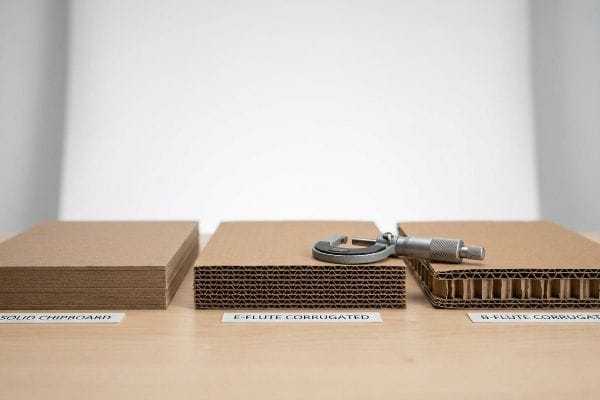
सही सामग्री का चयन केवल एक सौंदर्यपरक विकल्प नहीं है; यह गतिशील भार क्षमता और माल ढुलाई घनत्व की एक कठोर गणना है।.
बिना खांचे वाला सब्सट्रेट ट्रैप
जब मैं ग्राहकों की डाईलाइन का ऑडिट करता हूँ, तो मैं अक्सर देखता हूँ कि खरीद टीमें हल्के, ठोस चिपबोर्ड डिज़ाइनों को बड़े खुदरा-तैयार ट्रे में बदलने का प्रयास कर रही हैं । वे मान लेते हैं कि मोटे, बिना खांचे वाले पेपरबोर्ड का स्थैतिक घनत्व उसकी गतिशील भार वहन क्षमता के बराबर होता है। यह एक घातक धारणा है क्योंकि बिना खांचे वाले सब्सट्रेट में नालीदार बोर्ड में पाए जाने वाले आंतरिक तरंग-जैसे मेहराब 21 नहीं होते हैं । भारी ऊर्ध्वाधर शीर्ष-भार या परिवहन कंपन के तहत, कठोर ठोस बोर्ड बाहर की ओर झुक जाता है और मुड़ जाता है 22 ।
यह सिर्फ़ सिद्धांत नहीं है—मैंने परीक्षण के दौरान इसे होते हुए देखा है, जब एक ग्राहक भारी कॉस्मेटिक्स। हमारे प्रारंभिक ISTA (इंटरनेशनल सेफ ट्रांजिट एसोसिएशन) कंपन सिमुलेशन के दौरान, ठोस बोर्ड 187.5 पाउंड (85 किलोग्राम) के शीर्ष भार के नीचे तुरंत नीचे से झुक गया, क्योंकि स्थिर सामग्री घनत्व ज्यामितीय भार विस्थापन23। मैंने माइक्रोमीटर रीडिंग लीं और साबित किया कि हमें महंगे सुदृढ़ीकरण प्लास्टिक क्लिप की आवश्यकता नहीं थी; हमें एक वास्तुशिल्पीय बदलाव की आवश्यकता थी। मैंने तुरंत सामग्री को हल्के ई-फ्लूट नालीदार सब्सट्रेट में बदल दिया। 1.5 मिमी (0.06 इंच) आंतरिक नालीदार ज्यामिति24 , मैंने सुनिश्चित किया कि संरचना पूरी तरह से वर्गाकार बनी रहे। इस सटीक सामग्री परिवर्तन से प्रति यूनिट को-पैकिंग असेंबली समय में 42 सेकंड की कमी आई और 8.4% की परिवहन विफलता दर पूरी तरह से समाप्त हो गई, जिससे ग्राहक को भारी खुदरा शुल्क वापसी से बचाया जा सका और उनका सामग्री बजट पूरी तरह से स्थिर रहा।
| पदार्थ भौतिकी | ठोस चिपबोर्ड | ई-फ्लूट नालीदार |
|---|---|---|
| गतिज प्रतिक्रिया | कठोर बाहरी झुकाव | गतिशील शॉक अवशोषण25 |
| माल ढुलाई घनत्व | उच्च आधार वजन | हल्के आंतरिक रिक्त स्थान |
| आईएसटीए उत्तरजीविता दर | 150 पाउंड से कम वजन पर विफल हो जाता है26 | भारी ऊर्ध्वाधर भार सहन कर सकता है27 |
भारी मालवाहक कंटेनरों के लिए मैं बिना खांचे वाले चिपबोर्ड का सख्त निषेध करता हूँ, क्योंकि इसकी ठोस सघनता संरचनात्मक ज्यामिति से कहीं बेहतर होती है। सूक्ष्म खांचे वाले नालीदार बोर्ड का उपयोग करने से माल की कठोर हैंडलिंग से बचने के लिए आवश्यक गतिज झटके को अवशोषित करने की क्षमता मिलती है।.
🛠️ हार्वे का डेस्क: क्या आपके काउंटरटॉप की मौजूदा सामग्री भारी सामान के भार से झुक रही है, जिससे स्टोर में तत्काल अस्वीकृति का खतरा है? 👉 सामग्री संरचना मूल्यांकन का अनुरोध करें ↗ — मैं 24 घंटों के भीतर प्रत्येक संरचनात्मक फ़ाइल की व्यक्तिगत रूप से समीक्षा करता हूँ।
निष्कर्ष
गलत सब्सट्रेट पर निर्भर रहने से यह गारंटी है कि आपके मर्चेंडाइज़र गोदाम में होने वाले गतिज दबाव के कारण टूट जाएंगे, जिससे भारी घर्षण होगा और परियोजना का सारा लाभ समाप्त हो जाएगा। हाल ही में एक इंजीनियरिंग समीक्षा में उत्पादन से पहले एक बड़े राष्ट्रीय स्तर पर लॉन्च के दौरान 2 मिमी की घातक टॉलरेंस त्रुटि पकड़ी गई। अब गलत कैलिब्रेटेड डाईलाइन और घिसे-पिटे पेपर फाइबर को अपने खुदरा व्यापार के अस्तित्व को प्रभावित न करने दें; मैं व्यक्तिगत रूप से आपकी संरचनात्मक फाइलों की निःशुल्क सामग्री और संरचनात्मक डाईलाइन ऑडिट ↗ ताकि यह सुनिश्चित हो सके कि आपका अभियान आपूर्ति श्रृंखला की कठोर वास्तविकता का सामना कर सके।
"नालीदार कार्डबोर्ड बक्सों की संपीडन सामर्थ्य का अनुमान ...", https://pmc.ncbi.nlm.nih.gov/articles/PMC9864211/। नालीदार कार्डबोर्ड में खांचों के ज्यामितीय गुण ऊर्ध्वाधर भार को कैसे पुनर्निर्देशित करते हैं, इसका संक्षिप्त विवरण। साक्ष्य की भूमिका: तकनीकी सत्यापन; स्रोत प्रकार: इंजीनियरिंग पाठ्यपुस्तक या सामग्री विज्ञान पत्रिका। समर्थन: यांत्रिक भार वितरण। कार्यक्षेत्र संबंधी टिप्पणी: ऊर्ध्वाधर संपीडन भार पर लागू होता है। ↩
"कम दबाव वाले नालीदार पेपरबोर्ड पैकेजों की संपीडन शक्ति ...", https://pmc.ncbi.nlm.nih.gov/articles/PMC10054506/। परिवहन के दौरान नालीदार खांचे के अवमंदन प्रभाव और ऊर्जा क्षय का विश्लेषण। साक्ष्य भूमिका: प्रदर्शन सत्यापन; स्रोत प्रकार: पैकेजिंग उद्योग तकनीकी मानक। समर्थन: झटके को अवशोषित करने की क्षमता। कार्यक्षेत्र संबंधी टिप्पणी: प्रत्यक्ष परिवहन प्रभावों से संबंधित। ↩
"पूर्ण क्षेत्र के साथ संवर्धित नया एज क्रश टेस्ट कॉन्फ़िगरेशन ...", https://pmc.ncbi.nlm.nih.gov/articles/PMC8510352/। नालीदार लाइनरों की संपीडन शक्ति और अंतर्निहित सामग्री घनत्व को मापने के लिए उद्योग मानक के रूप में ECT का सत्यापन। साक्ष्य भूमिका: मीट्रिक सत्यापन; स्रोत प्रकार: औद्योगिक मानक। समर्थन: सब्सट्रेट मूल्यांकन के लिए ECT का उपयोग। कार्यक्षेत्र नोट: किनारे-वार संपीडन पर केंद्रित। ↩
"डबल-दीवार वाले नालीदार बोर्ड की ज्यामिति को समझना...", https://pmc.ncbi.nlm.nih.gov/articles/PMC10974599/। घुमावदार खांचों की ऊर्ध्वाधर दिशा भार को किस प्रकार वितरित करती है और बोर्ड को झुकने से रोकती है, इसका इंजीनियरिंग स्पष्टीकरण। साक्ष्य की भूमिका: यांत्रिक प्रमाण; स्रोत प्रकार: पैकेजिंग इंजीनियरिंग मैनुअल। समर्थन: खांचों की संरेखण और बोर्ड की अखंडता के बीच संबंध। कार्यक्षेत्र संबंधी टिप्पणी: नालीदार पेपरबोर्ड के लिए विशिष्ट। ↩
"प्रायोगिक विधि द्वारा नालीदार तख्तों में तरंग विन्यासों का मूल्यांकन...", https://pmc.ncbi.nlm.nih.gov/articles/PMC10126572/। एक पदार्थ विज्ञान विश्लेषण जो यह बताता है कि नालीदार खांचे की धनुषाकार ज्यामिति प्रभाव के दौरान गतिज ऊर्जा को कैसे नष्ट करती है। साक्ष्य की भूमिका: तकनीकी सत्यापन; स्रोत प्रकार: इंजीनियरिंग पत्रिका। समर्थन: आघात अवशोषण तंत्र। कार्यक्षेत्र संबंधी टिप्पणी: मानक खांचे प्रोफाइल पर लागू होता है। ↩
"[PDF] पेपरबोर्ड पैकेजिंग के यांत्रिक गुणों की जांच...", https://repository.rit.edu/cgi/viewcontent.cgi?article=1066&context=japr। यह तकनीकी दस्तावेज बताता है कि नालीदार खांचे किस प्रकार ऊर्ध्वाधर संपीडन भार को वितरित करके संरचनात्मक विफलता को रोकते हैं। साक्ष्य की भूमिका: तकनीकी सत्यापन; स्रोत प्रकार: पैकेजिंग इंजीनियरिंग पाठ्यपुस्तक। आधार: भार विस्थापन विशेषताएँ। कार्यक्षेत्र संबंधी टिप्पणी: खांचे के अभिविन्यास पर निर्भर। ↩
"पैकेजिंग में चक्रीयता और यांत्रिक पुनर्चक्रण की भूमिका...", https://www.internationalpaper.com/resources/recycling/white-paper/circularity-packaging-and-role-mechanical-recycling। उद्योग मानक यह सत्यापित करते हैं कि एकल-सामग्री नालीदार सब्सट्रेट एकल-धारा पुनर्चक्रण प्रक्रियाओं के अनुकूल हैं। साक्ष्य की भूमिका: तथ्यात्मक सत्यापन; स्रोत प्रकार: पुनर्चक्रण उद्योग मानक। समर्थन: पर्यावरणीय स्थिरता का दावा। कार्यक्षेत्र संबंधी टिप्पणी: लेपित या स्तरित सब्सट्रेट शामिल नहीं हैं। ↩
"यांत्रिक गुणों पर एनालॉग और डिजिटल क्रीज लाइनों का प्रभाव… – पीएमसी", https://pmc.ncbi.nlm.nih.gov/articles/PMC9268991/। एक प्रामाणिक इंजीनियरिंग स्रोत बताता है कि जब स्टील रूल के दबाव को सहन करने के लिए लोच अपर्याप्त होती है तो पेपरबोर्ड सब्सट्रेट की यांत्रिक विफलता क्यों होती है। साक्ष्य की भूमिका: तकनीकी सत्यापन; स्रोत प्रकार: पैकेजिंग इंजीनियरिंग पाठ्यपुस्तक। समर्थन: फाइबर की लोच और सतह की विफलता के बीच कार्य-कारण संबंध। कार्यक्षेत्र संबंधी टिप्पणी: विशेष रूप से भारी गेज सब्सट्रेट पर लागू होता है। ↩
"मोल्डेड पल्प के यांत्रिक और आर्द्रता-संवहनी गुणधर्म...", https://pmc.ncbi.nlm.nih.gov/articles/PMC8512325/। यांत्रिक तनाव के तहत ऊर्जा अवशोषण और अंतर-फाइबर बंधन के संबंध में वर्जिन बनाम पुनर्चक्रित सेल्युलोज फाइबर का तुलनात्मक विश्लेषण। साक्ष्य की भूमिका: तथ्यात्मक सत्यापन; स्रोत प्रकार: पल्प और पेपर विज्ञान पत्रिका। समर्थन: लंबी श्रृंखला वाले वर्जिन फाइबर का यांत्रिक लाभ। कार्यक्षेत्र संबंधी टिप्पणी: वर्जिन क्राफ्ट लाइनरबोर्ड पर केंद्रित। ↩
"C&T ने एनविल क्रीज मैट्रिक्स जोड़ा – ThePackagingPortal.com", https://www.thepackagingportal.com/industry-news/ct-adds-anvil-crease-matrix/। यह तकनीकी रूप से सत्यापित किया गया है कि क्रीज मैट्रिक्स और सेल्युलोज फाइबर के बीच की परस्पर क्रिया फोल्डिंग के दौरान सतह के टूटने को कैसे रोकती है। साक्ष्य की भूमिका: तकनीकी सत्यापन; स्रोत प्रकार: पैकेजिंग इंजीनियरिंग मैनुअल। सहायक: क्राफ्ट बोर्ड में लिथो-क्रैकिंग को समाप्त करने की प्रक्रिया। कार्यक्षेत्र संबंधी टिप्पणी: यांत्रिक कतरनी बल और फाइबर लोच पर केंद्रित। ↩
"नालीदार तख्ते की संपीडन सामर्थ्य का अनुमान ...", https://pmc.ncbi.nlm.nih.gov/articles/PMC8467740/। वैज्ञानिक प्रमाण जो सेल्युलोज फाइबर की अखंडता और तनाव को भारी-भरकम पैकेजिंग की ऊर्ध्वाधर संपीडन सामर्थ्य और किनारे की स्थिरता से जोड़ते हैं। प्रमाण की भूमिका: संरचनात्मक प्रमाण; स्रोत प्रकार: सामग्री विज्ञान पत्रिका। समर्थन: फाइबर तनाव और भार वहन क्षमता के बीच सहसंबंध। कार्यक्षेत्र संबंधी टिप्पणी: वर्जिन क्राफ्ट लाइनरबोर्ड पर लागू होता है। ↩
"[PDF] पुनर्चक्रित, उच्च गुणवत्ता वाले भौतिक गुणों की तुलनात्मक जांच...", https://repository.rit.edu/cgi/viewcontent.cgi?article=1299&context=theses। तकनीकी डेटा पुनर्चक्रित विकल्पों की तुलना में वर्जिन क्राफ्ट पल्प की औसत फाइबर लंबाई और लोचदार मापांक की पुष्टि करता है। साक्ष्य भूमिका: तकनीकी विनिर्देश; स्रोत प्रकार: सामग्री विज्ञान पत्रिका। समर्थन: डाई कटिंग में वर्जिन फाइबर का संरचनात्मक लाभ। स्कोप नोट: परिणाम पल्पिंग प्रक्रिया के आधार पर भिन्न हो सकते हैं। ↩
"भौतिक परीक्षण के माध्यम से तह-दरार की प्रवृत्ति का पूर्वानुमान ...", https://www.tappi.org/product_pull/10/apr/prediction-of-fold-cracking-propensity-through-physical-testing-papercon-2010-conference/। अनुभवजन्य प्रमाण दर्शाते हैं कि बार-बार पुनर्चक्रण से रेशे छोटे हो जाते हैं और तह बनाते समय सतह के टूटने की संभावना बढ़ जाती है। प्रमाण की भूमिका: सामग्री विफलता विश्लेषण; स्रोत प्रकार: उद्योग तकनीकी मार्गदर्शिका। समर्थन: पुनर्चक्रित टेस्टलाइनर की कम तह अखंडता। कार्यक्षेत्र संबंधी टिप्पणी: विशेष रूप से उच्च-तनाव यांत्रिक तह के संबंध में। ↩
"पेपरबोर्ड के यांत्रिक गुणों की जांच...", https://repository.rit.edu/cgi/viewcontent.cgi?article। यांत्रिक परीक्षण डेटा जो यांत्रिक कतरनी बल के दौरान ऊर्जा को अवशोषित करने के लिए लंबे रेशे वाले क्राफ्ट सब्सट्रेट की क्षमता को सत्यापित करता है। साक्ष्य भूमिका: यांत्रिक गुण सत्यापन; स्रोत प्रकार: इंजीनियरिंग पाठ्यपुस्तक। समर्थन: वर्जिन क्राफ्ट की उच्च स्ट्राइक सहनशीलता। कार्यक्षेत्र नोट: स्वचालित यांत्रिक डाई कटिंग से संबंधित। ↩
"डिजिटल डाई-कटिंग सेवाएं | हॉपकिंस प्रिंटिंग", https://www.hopkinsprinting.com/services/finishing/digital-die-cutting/। यह सत्यापन कि डिजिटल और स्वचालित डाई कटर विशिष्ट टूल क्रियाओं को निर्दिष्ट करने के लिए वेक्टर-आधारित पथों का उपयोग करते हैं। साक्ष्य की भूमिका: तकनीकी विनिर्देश; स्रोत प्रकार: औद्योगिक विनिर्माण मार्गदर्शिका। समर्थन: यांत्रिक उद्देश्यों के लिए मशीन कमांड का उपयोग। कार्यक्षेत्र संबंधी टिप्पणी: विशेष रूप से सीएनसी और फ्लैटबेड कटर के संबंध में। ↩
"डाई कट का क्या अर्थ है? लेबल प्रिंटिंग में डाई कटिंग प्रक्रिया", https://www.bluelabelpackaging.com/blog/die-cut-mean/। यह पुष्टि करता है कि डाई कटिंग प्रक्रिया मूल रूप से सब्सट्रेट को काटने और उसे मोड़ने के लिए स्कोर करने के बीच तकनीकी अंतर पर आधारित है। साक्ष्य भूमिका: प्रक्रिया सत्यापन; स्रोत प्रकार: पैकेजिंग इंजीनियरिंग हैंडबुक। सहायक: 3D असेंबली के लिए समतल सामग्रियों की मैपिंग। कार्यक्षेत्र नोट: स्टील रूल और डिजिटल डाई दोनों पर लागू होता है। ↩
"स्पॉट कलर्स – फायरी कम्युनिटीज़", https://efi.my.site.com/community/s/topic/0TO39000000KYyuGAG/spot-colors?language=en_US। कोंग्सबर्ग कटिंग टेबल के लिए निर्माता की तकनीकी गाइड में टूल पाथ को अलग करने के लिए विशिष्ट स्पॉट रंगों के उपयोग का उल्लेख है। साक्ष्य भूमिका: तकनीकी विनिर्देश; स्रोत प्रकार: निर्माता मैनुअल। समर्थन: कटिंग टूल सक्रियण के लिए मैजेंटा की आवश्यकता। स्कोप नोट: सॉफ़्टवेयर कॉन्फ़िगरेशन संस्करण के अनुसार भिन्न हो सकते हैं। ↩
"हार्लेक्विन कोर में स्पॉट रंगों के साथ काम करना", https://www.youtube.com/watch?v=zmaP3mtnpKI। कोंग्सबर्ग कटिंग टेबल के लिए निर्माता की तकनीकी गाइड में टूल पाथ को अलग करने के लिए विशिष्ट स्पॉट रंगों के उपयोग का उल्लेख है। साक्ष्य भूमिका: तकनीकी विनिर्देश; स्रोत प्रकार: निर्माता मैनुअल। समर्थन: क्रीज़िंग टूल सक्रियण के लिए सियान रंग की आवश्यकता। स्कोप नोट: सॉफ़्टवेयर कॉन्फ़िगरेशन संस्करण के अनुसार भिन्न हो सकते हैं। ↩
"ग्राफिक दिशानिर्देश", https://www.delinebox.com/graphic-guidelines/। प्री-प्रेस या पैकेजिंग सॉफ़्टवेयर प्रदाताओं के तकनीकी दस्तावेज़ प्रिंट तत्वों से कट लाइनों को अलग करने के लिए स्पॉट रंगों के उपयोग की पुष्टि करते हैं। साक्ष्य भूमिका: तकनीकी विनिर्देश; स्रोत प्रकार: उद्योग मैनुअल। समर्थन: सीएनसी मशीनों के लिए पथ पहचान की विधि। कार्यक्षेत्र नोट: वेक्टर-आधारित मशीन फ़ाइलों के लिए विशिष्ट। ↩
"सीएनसी मशीनिंग सेवाएं – रेमली मैन्युफैक्चरिंग कंपनी, इंक.", https://www.remalymfg.com/cnc-machining-services/। स्वचालित डाई कटिंग मशीनों के लिए इंजीनियरिंग विनिर्देश बताते हैं कि वेक्टर पथ विशिष्ट टूल हेड या ब्लेड प्रकारों से कैसे संबंधित होते हैं। साक्ष्य भूमिका: तंत्र की व्याख्या; स्रोत प्रकार: इंजीनियरिंग श्वेतपत्र। समर्थन: डिजिटल पथ से भौतिक कट में परिवर्तन। कार्यक्षेत्र संबंधी टिप्पणी: सीएनसी-चालित पैकेजिंग प्रणालियों पर लागू होता है। ↩
"कॉरुगेटेड कार्डबोर्ड क्या है - फाइबर बॉक्स एसोसिएशन", https://www.fibrebox.org/what-is-corrugated। यह प्रामाणिक स्रोत कॉरुगेटेड कार्डबोर्ड (फ्लूटिंग) और सॉलिड पेपरबोर्ड की संरचनात्मक ज्यामिति की व्याख्या करता है। साक्ष्य की भूमिका: तथ्यात्मक सत्यापन; स्रोत का प्रकार: पैकेजिंग इंजीनियरिंग हैंडबुक। समर्थन: भार वहन क्षमता में अंतर का संरचनात्मक कारण। विषयवस्तु संबंधी टिप्पणी: सामग्री की संरचना पर केंद्रित। ↩
"चिपबोर्ड बॉक्स क्षति: कारण, रोकथाम और सर्वोत्तम उपाय", https://gmsindustries.com/feeds/blog/chipboard-box-damage। संपीड़न के तहत बिना खांचे वाले और खांचे वाले सब्सट्रेट के झुकने के बिंदुओं की तुलना करने वाला तकनीकी डेटा या इंजीनियरिंग विश्लेषण। साक्ष्य की भूमिका: तकनीकी सत्यापन; स्रोत प्रकार: सामग्री विज्ञान पत्रिका या संरचनात्मक पैकेजिंग अध्ययन। समर्थन: यह दावा कि ठोस बोर्ड भारी भार के तहत झुकने के लिए प्रवण होता है। कार्यक्षेत्र संबंधी टिप्पणी: खुदरा ट्रे अनुप्रयोगों के लिए विशिष्ट। ↩
"कार्टन डिज़ाइन में ठोस कार्डबोर्ड का अनुकूलन – बायो रिसोर्सेज", https://bioresources.cnr.ncsu.edu/resources/optimization-of-the-solid-cardboard-in-carton-design/। पैकेजिंग इंजीनियरिंग सिद्धांत दर्शाते हैं कि समान द्रव्यमान वाले ठोस बोर्डों की तुलना में नालीदार ज्यामिति किस प्रकार बेहतर ऊर्ध्वाधर संपीडन शक्ति प्रदान करती है। प्रमाण की भूमिका: सैद्धांतिक प्रमाण; स्रोत प्रकार: इंजीनियरिंग मैनुअल; समर्थन: घनत्व पर नालीदार संरचना का संरचनात्मक लाभ। विषयवस्तु नोट: विशेष रूप से अक्षीय भारण से संबंधित। ↩
"कार्डबोर्ड मोटाई गाइड – AOPACK", https://www.aopackmachine.com/cardboard-thickness-guide/?srsltid=AfmBOorCVRolKJdqL_MjKNwtQ0QHYBDXfdm6_PC0TR0p-_axH1If9NlT। नालीदार कार्डबोर्ड ग्रेड के लिए उद्योग मानक तकनीकी विनिर्देश ई-फ्लूट की नाममात्र मोटाई की पुष्टि करते हैं। प्रमाण की भूमिका: तकनीकी सत्यापन; स्रोत प्रकार: उद्योग मानक; आधार: ई-फ्लूट सब्सट्रेट के विशिष्ट आयाम। स्कोप नोट: निर्माता के अनुसार मोटाई में थोड़ा अंतर हो सकता है। ↩
"नालीदार डिब्बों में खांचों को समझने के लिए मार्गदर्शिका – जेंटलीवर", https://gentlever.com/flutes-types-sizes-and-thickness-in-corrugated-boxes/। नालीदार कार्डबोर्ड में खांचों की संरचना किस प्रकार झटके को अवशोषित करती है, इसका वैज्ञानिक स्पष्टीकरण। साक्ष्य की भूमिका: सैद्धांतिक समर्थन; स्रोत प्रकार: पदार्थ विज्ञान की पाठ्यपुस्तक। समर्थन: ई-फ्लूट की गतिज प्रतिक्रिया। विषयवस्तु संबंधी टिप्पणी: नालीदार माध्यम के कुशनिंग गुणों पर केंद्रित। ↩
"कार्डबोर्ड का सरलीकृत गतिशील शक्ति विश्लेषण … – पीएमसी", https://pmc.ncbi.nlm.nih.gov/articles/PMC10385285/। उस विशिष्ट भार सीमा का सत्यापन जिस पर ठोस चिपबोर्ड सब्सट्रेट आमतौर पर आईएसटीए परिवहन सिमुलेशन में विफल हो जाते हैं। साक्ष्य की भूमिका: मात्रात्मक सत्यापन; स्रोत प्रकार: तकनीकी परीक्षण मानक। आधार: चिपबोर्ड का संरचनात्मक विफलता बिंदु। कार्यक्षेत्र संबंधी टिप्पणी: ऊर्ध्वाधर संपीड़न परीक्षणों को संदर्भित करता है। ↩
"नालीदार तख्तों के किनारों के कुचलने के प्रतिरोध का आकलन...", https://pmc.ncbi.nlm.nih.gov/articles/PMC9961700/। ठोस तख्तों की तुलना में ई-फ्लूट नालीदार सतहों की संपीडन शक्ति और ऊर्ध्वाधर भार वहन क्षमता का प्रलेखन। साक्ष्य की भूमिका: प्रदर्शन सत्यापन; स्रोत प्रकार: औद्योगिक परीक्षण रिपोर्ट। समर्थन: ई-फ्लूट की संरचनात्मक स्थायित्व। कार्यक्षेत्र संबंधी टिप्पणी: रसद में स्टैकिंग दबाव पर लागू होता है। ↩