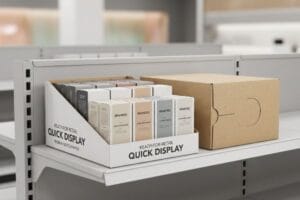
ब्रांड खूबसूरत उत्पाद लॉन्च करने में पैसा बर्बाद करते हैं जिन्हें बड़े स्टोर तुरंत अस्वीकार कर देते हैं। आपको किसी और सामान्य मार्केटिंग सिद्धांत की आवश्यकता नहीं है; आपको खुदरा दुकानों की भौतिक कार्यप्रणाली को समझने की आवश्यकता है।.
खुदरा बिक्री लाभ कमाने के उद्देश्य से विभिन्न वितरण चैनलों के माध्यम से उपभोक्ता वस्तुओं को सीधे अंतिम उपयोगकर्ताओं को बेचने की प्रक्रिया है। यह आपूर्ति श्रृंखलाओं, व्यापारिक रणनीतियों और भौतिक स्टोर परिवेशों को सुव्यवस्थित करके, गोदाम क्लबों और सुविधा स्टोरों जैसे विभिन्न प्रारूपों में विशिष्ट खरीदार मांगों को पूरा करने के लिए कार्य करती है।.

बुनियादी अवधारणा को समझना तो बस पहला कदम है। आइए विस्तार से समझते हैं कि यह विशाल पारिस्थितिकी तंत्र वास्तव में कारखाने में आपकी पैकेजिंग को कैसे प्रभावित करता है।.
रिटेल क्या है और यह कैसे काम करता है?
आप शायद यह मान लें कि एक बेहतरीन उत्पाद होना ही शेल्फ पर जगह पाने के लिए काफी है। लेकिन ऐसा नहीं है। वाणिज्य की भौतिक वास्तविकता ही लॉजिस्टिक्स से लेकर स्टोर में स्थान निर्धारण तक सब कुछ तय करती है।.
खुदरा क्षेत्र में काम करने का अर्थ है भौतिक वस्तुओं को अंतिम उपभोक्ताओं से जोड़ने वाले मूलभूत वाणिज्यिक ढाँचों को क्रियान्वित करना। इसके लिए विशिष्ट स्टोर परिचालन मॉडलों के अनुरूप लॉजिस्टिकल क्षमताओं और प्रचार रणनीतियों का सटीक आकलन करना आवश्यक है, ताकि उत्पाद विभिन्न परिवेशों में सहजता से एकीकृत हो सकें और खरीद के समय लाभप्रदता को अधिकतम किया जा सके।.
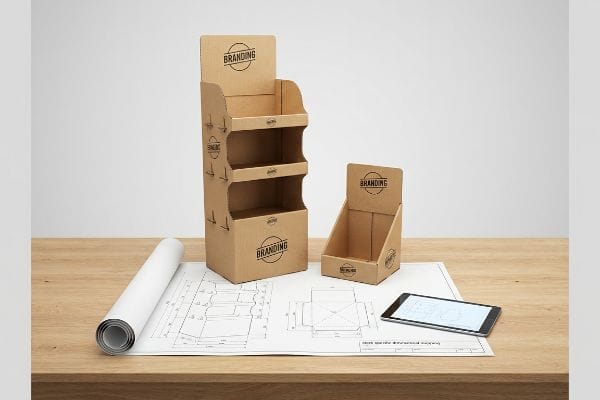
परिभाषा जानने से आपका अभियान तब नहीं बचेगा जब पैलेट वास्तव में लोडिंग डॉक पर पहुंचेंगे।.
खुदरा ढांचे में सामान्य रणनीतियाँ क्यों विफल हो जाती हैं?
नए ब्रांड अक्सर व्यावसायिक ढांचे की बुनियादी बातों को समझे बिना ही उत्पाद लॉन्च करने का प्रयास करते हैं, यह मानकर कि एक अच्छा उत्पाद अपने आप बिक जाएगा। वे 4 P (उत्पाद, मूल्य, स्थान, प्रचार)1 और 5 R2, और विभिन्न प्रकार के स्टोरों के लिए अपनी रणनीतियों को अनुकूलित करने में विफल रहते हैं।
बड़े पैमाने पर काम करते समय अनुभवी डिज़ाइनर भी अक्सर इस कमी को नज़रअंदाज़ कर देते हैं। मैंने देखा है कि खरीदार बड़े-बड़े गोदामों और छोटी-छोटी दुकानों, दोनों जगह एक ही तरह का डिस्प्ले प्रोग्राम थोपने की कोशिश करते हैं। यह कारगर नहीं होता। 2,500 पाउंड (1133 किलोग्राम) के पैलेट डिस्प्ले के किसी तंग सुविधा स्टोर के गलियारे में गिरने की तेज़ आवाज़ से स्टोर मैनेजर तुरंत ही उसे अस्वीकार कर देता है। आपको विशिष्ट संरचनात्मक रूपरेखा तैयार करनी चाहिए जो लक्षित रिटेलर के विशिष्ट व्यावसायिक परिवेश के अनुरूप हो, जिससे आप भारी लॉजिस्टिकल खर्चों से बच सकें ।
| नौसिखियों की आम गलती | प्रो फिक्स | रिटेल-फ्लोर लाभ |
|---|---|---|
| सभी के लिए उपयुक्त आकार | स्टोर-विशिष्ट आयामी मानचित्रण | गलियारे में जमा होने से संबंधित अस्वीकृतियों को समाप्त करता है 5 |
| स्टोर प्रकारों को अनदेखा करना | फ्रेमवर्क मैट्रिक्स संरेखण | संचालन में सहजता से एकीकृत हो जाता है |
| चेकआउट स्थान का अनुमान लगाना | एडीए फुटप्रिंट परीक्षण6 | रजिस्टर में उच्च स्थान सुनिश्चित करता है |
जब तक हम लक्षित स्टोर के परिचालन ढांचे के साथ आपके संरचनात्मक आकार का मिलान नहीं कर लेते, तब तक मैं कोई भौतिक प्रदर्शन तैयार करने से इनकार करता हूँ। अगर खुदरा विक्रेता उसे अपने निर्धारित प्रचार क्षेत्र में भौतिक रूप से फिट नहीं कर पाता, तो एक सुंदर डिज़ाइन भी बेकार है।.
🛠️ हार्वे का डेस्क: क्या आप इस बात को लेकर चिंतित हैं कि आपके मौजूदा डिस्प्ले स्पेस को स्टोर मैनेजर अस्वीकार कर देंगे? 👉 मुफ़्त फुटप्रिंट ऑडिट करवाएं ↗ — सीधे मेरे डेस्क से संपर्क करें। मैं वादा करता हूं, कोई स्वचालित बिक्री संबंधी स्पैम नहीं होगा।
रिटेल के 5 R क्या हैं?
5 R's में महारत हासिल करना बिजनेस की बुनियादी बातों जैसा लगता है, लेकिन भीड़भाड़ वाले गलियारे में इसका व्यावहारिक अनुप्रयोग ही वह जगह है जहां अधिकांश अभियान पूरी तरह से विफल हो जाते हैं।.
खुदरा व्यापार के 5 R हैं: सही उत्पाद, सही मात्रा, सही कीमत, सही समय और सही जगह पर पहुंचाना। ये मूलभूत सिद्धांत आपूर्ति श्रृंखला में सटीकता सुनिश्चित करते हैं, भौतिक प्रदर्शन व्यवस्था को अनुकूलित करते हैं और भीड़भाड़ वाले स्टोर में ग्राहकों की तत्काल खरीदारी को अधिकतम करते हैं।.
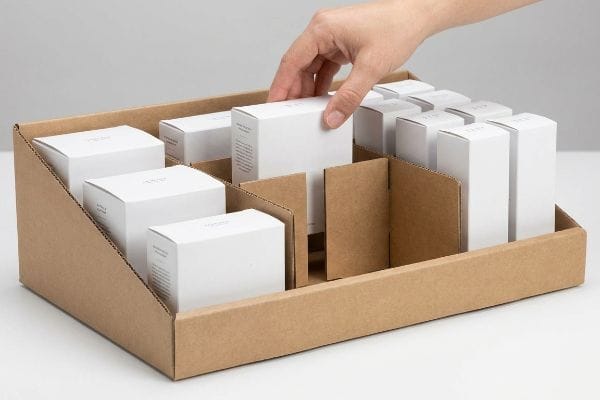
सिद्धांत तो साफ है, लेकिन जब इंसानी हाथ सामान को दोबारा भरने लगते हैं तो सही मात्रा और सही जगह पर रखना मुश्किल हो जाता है।.
रिटेल स्टोर में सही मात्रा का जाल
जूनियर मार्केटिंग टीमें अक्सर कंप्यूटर मॉनिटर पर नज़दीकी अवलोकन के लिए ही मर्चेंडाइज़र डिज़ाइन करती हैं, उत्पादों की एक सघन, पूर्णतः सममित ग्रिड को समतल रूप से पैक करने का प्रयास करती हैं। वे मानते हैं कि अधिकतम घनत्व से अधिक बिक्री होती है, दैनिक स्टोर संचालन के दौरान होने वाले भौतिक घर्षण को7।
ग्राहक अक्सर मुझसे पूछते हैं कि एक ट्रे पर कितनी इकाइयाँ रखी जा सकती हैं , लेकिन यह पूछना गलत सवाल है। जब आप 3-5-7 विषमता नियम 8 को अनदेखा करते हैं और पूरी तरह से सममित ग्रिड बनाने की कोशिश करते हैं, तो रीस्टॉकिंग प्रक्रिया गड़बड़ हो जाती है। मैंने जल्दबाजी में काम करने वाले कर्मचारियों को दांत पीसते हुए, सामान को इतनी जोर से धकेलते देखा है कि मैं कच्चे नालीदार कार्डबोर्ड के फटने की तेज, घर्षण वाली आवाज को साफ सुन सकता हूँ। मॉड्यूलर SKU (स्टॉक कीपिंग यूनिट) डिवाइडर बनाकर, जो विषम संख्या वाले लेआउट को लागू करते हैं, मैं 0.25 इंच (6.35 मिमी) की सटीक क्लीयरेंस 9 बनाता हूँ , जिससे पेपरबोर्ड के फटने की समस्या पूरी तरह खत्म हो जाती है और शेल्फ पर सही मात्रा बनी रहती है।
| नौसिखियों की आम गलती | प्रो फिक्स | रिटेल-फ्लोर लाभ |
|---|---|---|
| सममित अति-सघन पैकिंग | 3-5-7 असममित SKU समूहीकरण10 | इससे खरीदारों के मन में दृश्य तनाव पैदा होता है।11 |
| उंगलियों के लिए कोई जगह नहीं | इंजीनियर मॉड्यूलर डिवाइडर | दैनिक पुनःपूर्ति प्रक्रिया को गति देता है |
| फटे हुए लहरदार होंठ | 0.25 इंच क्लीयरेंस बफर12 | भद्दी संरचनात्मक क्षति को रोकता है |
मैं हमेशा अपनी डाईलाइनों पर अंतर्निहित स्थानिक क्लीयरेंस अनिवार्य करता हूँ। संरचनात्मक मजबूती की कीमत पर अधिकतम उत्पाद घनत्व के लिए दबाव डालने से यह गारंटी है कि एक बार रीस्टॉकिंग के बाद आपका मर्चेंडाइज़र फटे-पुराने कचरे जैसा दिखेगा।.
🛠️ हार्वे का डेस्क: क्या आपके प्रोडक्ट ट्रे एक हफ्ते तक फर्श पर रखे रहने के बाद कोनों से फटने लगते हैं? 👉 ट्रे क्लीयरेंस चेक का अनुरोध करें ↗ — सुरक्षित रूप से डाउनलोड करें। बाद में कोई प्रश्न होने पर मेरा इनबॉक्स खुला है।
खुदरा विक्रेताओं के 7 प्रकार क्या हैं?
सुपरमार्केट और सुविधा स्टोर के बीच का अंतर जानना तो स्वाभाविक है। लेकिन उनकी विपरीत भौतिक सीमाओं को झेलने के लिए संरचनात्मक पैकेजिंग तैयार करना ही असली चुनौती है।.
खुदरा विक्रेताओं के सात प्रकारों में आम तौर पर सुविधा स्टोर, विशेष स्टोर, सुपरमार्केट, डिस्काउंट स्टोर, डिपार्टमेंट स्टोर, वेयरहाउस क्लब और ई-कॉमर्स रिटेलर शामिल होते हैं। प्रत्येक विशिष्ट प्रारूप की अपनी अलग भौतिक स्थान सीमाएँ, लॉजिस्टिक्स आवश्यकताएँ और लक्षित मर्चेंडाइजिंग ज़ोन होते हैं, जिनमें भौतिक उत्पाद प्रदर्शन पूरी तरह से समाहित होने चाहिए।.
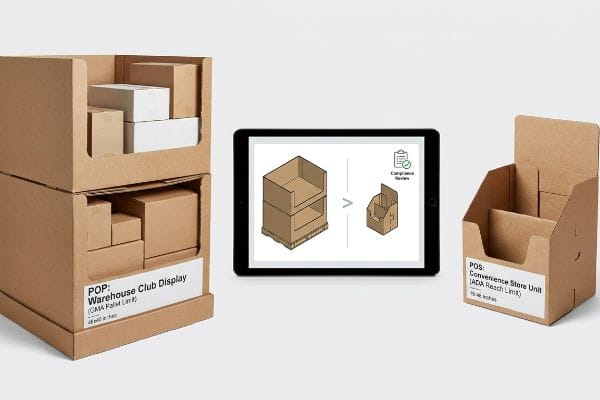
सभी सात प्रारूपों में एक ही संरचनात्मक फ़ाइल का उपयोग करना आकर्षक लग सकता है, लेकिन यह शॉर्टकट अनुपालन संबंधी भारी परेशानियाँ पैदा करता है।.
स्थानिक बाधा का दुःस्वप्न
ट्रेडिंग कंपनियां अक्सर एक स्केलेबल डिज़ाइन पेश करती हैं जहां एक वेयरहाउस क्लब के लिए एक बड़े पीओपी (प्वाइंट ऑफ परचेज़) फ्लोर डिस्प्ले को पीओएस (प्वाइंट ऑफ सेल) काउंटर यूनिट के रूप में काम करने के लिए 50% तक कम किया जा सकता है। यह इन अलग-अलग ज़ोन को निर्धारित करने वाले सख्त कानूनी और लॉजिस्टिकल नियमों की13।
इसे ऐसे समझें जैसे किसी भारी मालवाहक ट्रक को छोटे से कार गैरेज में पार्क करने की कोशिश करना। जब खरीदार जबरदस्ती छोटा करके फिट करने की कोशिश करते हैं, तो यह एक ढांचागत गड़बड़ी बन जाती है। मुझे एक छोटे आकार के कैश रजिस्टर यूनिट का निरीक्षण करना याद है; उसका घना बोर्ड इतनी अजीब तरह से दबा हुआ था कि इंटरलॉकिंग टैब ठीक से बैठ नहीं रहे थे, जिससे कागज के रेशों के दबाव में कुचलने की धीमी सी आवाज आ रही थी। मेरा नियम है कि अपने इंजीनियरिंग पाइपलाइनों को स्थायी रूप से अलग रखें। POP फाइलों को 48×40 इंच (121.9×101.6 सेमी) GMA (ग्रोसरी मैन्युफैक्चरर्स एसोसिएशन) पैलेट सीमा14, जबकि POS फाइलें ADA (अमेरिकन्स विद डिसेबिलिटीज एक्ट) फॉरवर्ड रीच विंडो15 का।
| नौसिखियों की आम गलती | प्रो फिक्स | रिटेल-फ्लोर लाभ |
|---|---|---|
| श्रिंक-टू-फिट डायरेक्ट स्केलिंग | अलग-अलग POP और POS इंजीनियरिंग | इंटरलॉकिंग टैब की सटीक फिटिंग सुनिश्चित करता है |
| कानूनी ऊंचाई सीमाओं की अनदेखी करना | 15-48 इंच की आगे की ओर पहुँचने वाली खिड़की16 | कानूनी रजिस्टर अस्वीकृति को रोकता है |
| लटकते हुए पैलेट बेस | जीएमए की सख्त सीमाओं का पालन करते हुए एंकरिंग 17 | परिवहन के दौरान संपीड़न विफलता को रोकता है |
मैं चेकआउट ज़ोन के लिए भारी-भरकम फ्लोर प्लान को गणितीय रूप से छोटा करने की अनुमति कभी नहीं देता। सुचारू असेंबली सुनिश्चित करने के लिए आपको रिटेलर के वातावरण के अनुसार फ्लूट प्रोफाइल और संरचनात्मक गणित को विशेष रूप से अनुकूलित करना होगा।.
🛠️ हार्वे का डेस्क: क्या आप सोच रहे हैं कि आपका छोटा POS डिस्प्ले चेकआउट की जगह की सीमा का उल्लंघन तो नहीं कर रहा है? 👉 अनुपालन समीक्षा का दावा करें ↗ — कोई ऐसे फॉर्म नहीं जो बार-बार सेल्स कॉल को ट्रिगर करें। बस शुद्ध मूल्य।
रिटेल में 4 P क्या हैं?
बोर्डरूम में 4 P's (डिजिटल स्ट्रेटेजी) का सिद्धांत बहुत अच्छा लगता है। लेकिन जब आप डिजिटल रणनीति से भौतिक उत्पादन की ओर बढ़ते हैं, तो सैद्धांतिक भौतिकी की खामियां बेरहमी से उजागर हो जाती हैं।.
खुदरा क्षेत्र में चार मुख्य बिंदु हैं: उत्पाद, मूल्य, स्थान और प्रचार। यह मूलभूत विपणन मिश्रण यह निर्धारित करता है कि कोई ब्रांड किसी उत्पाद को कैसे विकसित करता है, उसकी लागत कैसे तय करता है, वितरण चैनलों का चयन कैसे करता है और प्रतिस्पर्धी खुदरा वातावरण में उपभोक्ताओं के खरीदारी व्यवहार को प्रभावी ढंग से प्रेरित करने के लिए भौतिक बिक्री अभियान कैसे तैयार करता है।.
लेकिन जब मशीनें चलने लगती हैं और आपका प्रचार वाहन शारीरिक रूप से विकृत हो जाता है, तो केवल सिद्धांत जानना ही पर्याप्त नहीं होता।.
कारखाने में मानक प्रचार प्रदर्शन विफल क्यों हो जाते हैं?
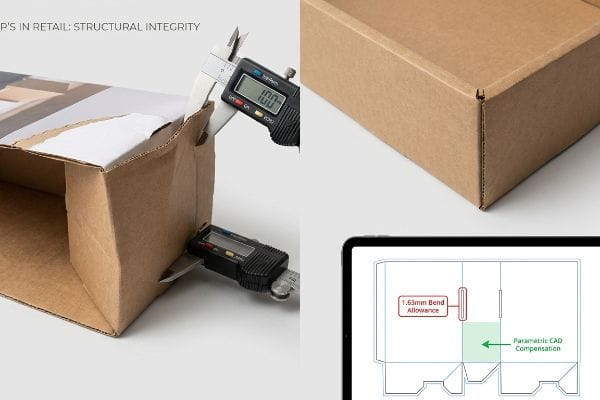
ग्राफिक डिज़ाइनर अक्सर प्रचार स्तंभ को एक खाली सपाट कैनवास की तरह मानते हैं, और मानक वेक्टर सॉफ़्टवेयर में परस्पर जुड़े टैब और फोल्डिंग स्लॉट को मिलान पैनल18। वे मानते हैं कि एक सही डिजिटल रेखा निर्माण के समय एक सही भौतिक तह में सहजता से परिवर्तित हो जाएगी।
यह सिर्फ़ सिद्धांत नहीं है—मैंने परीक्षण स्थल पर यह होते हुए देखा है जब एक कथित तौर पर दोषरहित प्रचार प्रदर्शन प्रोटोटाइप असेंबली के लिए आता है। डिज़ाइनर भूल जाते हैं कि एक मुड़ी हुई बोर्ड भौतिक रूप से सामग्री की खपत करती है। जब मैं विफल प्रोटोटाइपों को मापता हूँ, तो 1.5 मिमी बोर्ड पर 90-डिग्री का मोड़ ठीक 3.17 मिमी क्लीयरेंस स्लॉट19, न कि पूरी तरह से दर्पण मिलान की। जब यह सूक्ष्म सहनशीलता नहीं होती है, तो भौतिक डिस्प्ले बुरी तरह से झुक जाता है, और सह-पैकिंग टीम को पुर्जों को जबरदस्ती जोड़ना पड़ता है, जिससे मुद्रित प्रचार शीट फट जाती है। मैंने माइक्रोमीटर रीडिंग निकाली और साबित किया कि मुझे संरचना को एक साथ रखने के लिए महंगे प्लास्टिक क्लिप की आवश्यकता नहीं थी—मुझे केवल स्वचालित CAD (कंप्यूटर-एडेड डिज़ाइन) सॉफ़्टवेयर के माध्यम से 1.63 मिमी की सख्त मोड़ सहनशीलता लागू करने की आवश्यकता थी। इस सख्त मोड़ छूट को लागू करके, मैं सुनिश्चित करता हूँ कि सह-पैकिंग असेंबली का समय प्रति यूनिट 38 सेकंड20, जिससे ग्राहकों को मानक उत्पादन पर हजारों डॉलर की मैनुअल श्रम फीस की बचत होती है।
| नौसिखियों की आम गलती | प्रो फिक्स | रिटेल-फ्लोर लाभ |
|---|---|---|
| 1:1 मिलान पैनल चौड़ाई | पैरामीट्रिक सीएडी कैलिपर क्षतिपूर्ति21 | संरचनात्मक झुकाव को रोकता है |
| तह त्रिज्या को अनदेखा करते हुए | 1.63 मिमी बेंड अलाउंस जोड़ना22 | को-पैकिंग का समय कम करता है |
| मुद्रित ग्राफिक्स को फाड़ना | घर्षण रहित स्लॉट चौड़ीकरण23 | प्रचार संबंधी ब्रांड इक्विटी की रक्षा करता है |
मेरी सुविधा में, मैं फ्लैट वेक्टर फ़ाइलों को इंटरसेप्ट करता हूँ और एक भी बोर्ड काटने से पहले संरचनात्मक स्लॉट को गणितीय रूप से पुनर्निर्मित करता हूँ। 4 P's तभी काम करते हैं जब आपका प्रचार वाहन वास्तव में बिना खुद को नष्ट किए असेंबल किया जा सके।.
🛠️ हार्वे की सलाह: 2 मिलीमीटर की संरचनात्मक खामी को 500 स्टोरों में अपना कारोबार ठप न करने दें। 👉 मुझे अपनी डाइलाइन फ़ाइल भेजें ↗ — बड़े पैमाने पर उत्पादन पर बजट बर्बाद करने से पहले मैं गणितीय गणनाओं की गहन जांच कर लूंगा।
निष्कर्ष
आप सस्ता वेक्टर टेम्पलेट चुन सकते हैं, लेकिन जब असेंबली के दौरान वह बिना क्षतिपूर्ति वाला 32ECT (एज क्रश टेस्ट) बोर्ड बुरी तरह से मुड़ता और फटता है, तो इससे भारी घर्षण पैदा होता है जो को-पैकिंग लाइन की गति को लगभग 35% तक धीमा कर देता है, जिससे आपका प्रमोशनल ROI पूरी तरह से खत्म हो जाता है। 500 से अधिक ब्रांड मैनेजर इन शुरुआती चरण की घातक गलतियों से बचने के लिए मेरी प्रीप्रेस चेकलिस्ट का उपयोग करते हैं। नालीदार कार्डबोर्ड की सहनशीलता का अनुमान लगाना बंद करें और मुझे अपने मुफ़्त डाइलाइन ऑडिट ↗ ताकि बड़े पैमाने पर उत्पादन से पहले ही घातक घर्षण बिंदुओं का पता लगाया जा सके।
"मार्केटिंग के 4 पी की व्याख्या - लीवी स्कूल ऑफ बिजनेस - एससीयू", https://www.scu.edu/business/blog/business-concepts/what-are-the-4-ps-of-marketing/। बाजार में प्रवेश के लिए एक मूलभूत व्यावसायिक ढाँचे के रूप में 4 पी मार्केटिंग मिक्स की व्याख्या। साक्ष्य की भूमिका: वैचारिक परिभाषा; स्रोत का प्रकार: अकादमिक मार्केटिंग पाठ्यपुस्तक। समर्थन: उत्पाद की सफलता के लिए रणनीतिक संरेखण की आवश्यकता। कार्यक्षेत्र संबंधी टिप्पणी: मूलभूत मार्केटिंग सिद्धांत। ↩
"लॉजिस्टिक्स के 7 R | फ्लेक्स", https://flexlogistics.com/news/the-7-rs-of-logistics। रिटेल लॉजिस्टिक्स के 5 R (सही उत्पाद, सही जगह, सही समय, सही मात्रा, सही स्थिति) का विस्तृत विवरण। साक्ष्य भूमिका: तकनीकी विनिर्देश; स्रोत प्रकार: आपूर्ति श्रृंखला प्रबंधन मैनुअल। सहायक: कुशल खुदरा वितरण की परिचालन कार्यप्रणाली। कार्यक्षेत्र संबंधी टिप्पणी: इन्वेंट्री और लॉजिस्टिक्स प्रबंधन से संबंधित। ↩
"मानक पैलेट का आकार क्या है? 48"x40" – पैलेटवन", https://www.palletone.com/what-is-the-standard-pallet-size/। व्यावसायिक पैलेट डिस्प्ले के लिए विशिष्ट वजन सीमा का सत्यापन यह पुष्टि करने के लिए किया गया है कि क्या 2,500 पाउंड एक मानक उद्योग बेंचमार्क है। साक्ष्य भूमिका: तकनीकी विनिर्देश; स्रोत प्रकार: लॉजिस्टिक्स या आपूर्ति श्रृंखला मैनुअल। समर्थन: खुदरा शिपमेंट के विशिष्ट भौतिक आयाम और वजन। स्कोप नोट: उत्पाद श्रेणी के अनुसार वजन में काफी भिन्नता होती है। ↩
"रिटेल चार्जबैक कैसे काम करते हैं और आप उनसे कैसे निपट सकते हैं", https://www.weberlogistics.com/blog/california-logistics-blog/how-retail-chargebacks-work-and-what-you-can-do-about-them। खुदरा उद्योग की उन प्रथाओं का दस्तावेजीकरण जहां विक्रेताओं पर गैर-अनुरूप या अत्यधिक बड़े डिस्प्ले भेजने के लिए जुर्माना लगाया जाता है, जिससे स्टोर संचालन बाधित होता है। साक्ष्य की भूमिका: उद्योग प्रथा; स्रोत प्रकार: खुदरा विक्रेता अनुपालन मार्गदर्शिका। समर्थन: स्टोर-विशिष्ट फुटप्रिंट्स की अनदेखी करने का वित्तीय जोखिम। स्कोप नोट: चार्जबैक राशि खुदरा विक्रेता-विशिष्ट होती है। ↩
"ADA सुलभ डिज़ाइन के लिए मानक शीर्षक III विनियमन 28 CFR …", https://www.ada.gov/law-and-regs/design-standards/1991-design-standards/। न्यूनतम गलियारे की चौड़ाई और क्लीयरेंस आवश्यकताओं को पूरा न करने के परिणामों के संबंध में खुदरा फर्श मानकों की व्याख्या। साक्ष्य की भूमिका: तकनीकी सत्यापन; स्रोत प्रकार: खुदरा संचालन मैनुअल। समर्थन: यह दावा कि आयामी मानचित्रण गलियारे क्लीयरेंस अस्वीकृति को रोकता है। कार्यक्षेत्र संबंधी टिप्पणी: स्टोर के प्रकार और स्थानीय अग्नि सुरक्षा नियमों के अनुसार भिन्न होता है। ↩
"ADA अभिगम्यता मानक – Access-Board.gov", https://www.access-board.gov/ada/। चेकआउट फुटप्रिंट के लिए ADA अभिगम्यता मानकों का पालन कानूनी अनुपालन सुनिश्चित करता है और रजिस्टर प्लेसमेंट को अनुकूलित करता है, इसका सत्यापन। साक्ष्य की भूमिका: नियामक सत्यापन; स्रोत प्रकार: सरकारी दिशानिर्देश। समर्थन: रजिस्टर प्लेसमेंट को सुरक्षित करने के लिए ADA परीक्षण का उपयोग। कार्यक्षेत्र संबंधी टिप्पणी: अमेरिकी अभिगम्यता कानूनों से संबंधित। ↩
"ग्राहक सुविधा और अनुभव को बेहतर बनाना... – पीएमसी", https://pmc.ncbi.nlm.nih.gov/articles/PMC11388389/। खुदरा संचालन से संबंधित प्रामाणिक साहित्य बताता है कि शेल्फ पर उत्पादों की अत्यधिक सघनता से रीस्टॉकिंग का समय बढ़ जाता है और ग्राहकों द्वारा उत्पाद चुनने में बाधा उत्पन्न होती है। साक्ष्य की भूमिका: पुष्टि; स्रोत प्रकार: संचालन प्रबंधन पाठ्यपुस्तक। समर्थन: यह दावा कि सघन लेआउट से परिचालन में बाधा उत्पन्न होती है। कार्यक्षेत्र संबंधी टिप्पणी: भौतिक खुदरा व्यापार से संबंधित। ↩
"विज़ुअल मर्चेंडाइजिंग सेवाएं और रणनीति | टी-आरओसी ग्लोबल", https://trocglobal.com/visual-merchandising/। विज़ुअल मर्चेंडाइजिंग पर एक प्रामाणिक स्रोत द्वारा सौंदर्यपूर्ण और कार्यात्मक खुदरा डिस्प्ले के लिए विषम संख्या वाले समूहों के उपयोग की व्याख्या का संक्षिप्त विवरण। साक्ष्य भूमिका: तकनीकी परिभाषा; स्रोत प्रकार: उद्योग डिज़ाइन गाइड। समर्थन: असममित लेआउट नियमों का अनुप्रयोग। कार्यक्षेत्र संबंधी टिप्पणी: खुदरा क्षेत्र के अनुसार भिन्न हो सकता है। ↩
"[PDF] नालीदार बोर्ड विनिर्देश - फाइबर बॉक्स एसोसिएशन", https://www.fibrebox.org/assets/2025/09/Walmart_Corrugated-Board_Specifications_Automation_Packaging_Standards.pdf। नालीदार बोर्ड के लिए पैकेजिंग इंजीनियरिंग मानकों द्वारा संरचनात्मक तनाव और पुनः स्टॉक करते समय फटने से बचाव के लिए निर्धारित क्लीयरेंस टॉलरेंस का संक्षिप्त विवरण। साक्ष्य भूमिका: तकनीकी विनिर्देश; स्रोत प्रकार: इंजीनियरिंग मैनुअल। समर्थन: 0.25 इंच क्लीयरेंस की वैधता। कार्यक्षेत्र संबंधी टिप्पणी: बोर्ड ग्रेड और SKU आकार पर निर्भर। ↩
"विज़ुअल मर्चेंडाइजिंग के प्रमुख सिद्धांत – पॉपडिस्प्ले", https://popdisplay.me/key-principles-of-visual-merchandising/। एक रिटेल मर्चेंडाइजिंग मैनुअल या विज़ुअल डिज़ाइन गाइड, खरीदारों के लिए फोकल पॉइंट बनाने में विषम संख्या (3-5-7) के समूह की प्रभावशीलता को सत्यापित करेगा। साक्ष्य की भूमिका: तकनीकी सत्यापन; स्रोत प्रकार: उद्योग मैनुअल। समर्थन: उपभोक्ता का ध्यान आकर्षित करने के लिए असममित पैटर्न का उपयोग। स्कोप नोट: प्रभावशीलता उत्पाद श्रेणी के अनुसार भिन्न हो सकती है। ↩
"खुदरा प्रदर्शन में विरल अलमारियों की असममित धारणा", https://www.sciencedirect.com/science/article/abs/pii/S002243591400030X। पर्यावरणीय मनोविज्ञान या दृश्य विपणन अनुसंधान से यह पुष्टि की जा सकती है कि क्या असममित व्यवस्थाएं मनोवैज्ञानिक तनाव या रुचि पैदा करती हैं जिससे खरीदारों की सहभागिता बढ़ती है। साक्ष्य की भूमिका: सैद्धांतिक समर्थन; स्रोत प्रकार: बाजार अनुसंधान अध्ययन। समर्थन: असममित लेआउट का मनोवैज्ञानिक प्रभाव। कार्यक्षेत्र संबंधी टिप्पणी: उपभोक्ता जनसांख्यिकीय भिन्नता के अधीन। ↩
"रिटेल डिस्प्ले के 14 प्रकार | शिकागो, आईएल - वर्थाइमर बॉक्स", https://wertheimerbox.com/types-of-retail-displays/। पैकेजिंग इंजीनियरिंग मानक नालीदार कार्डबोर्ड रिटेल डिस्प्ले में संरचनात्मक थकान और फटने से बचाने के लिए आवश्यक बफर माप को परिभाषित करेंगे। साक्ष्य भूमिका: विनिर्देश सत्यापन; स्रोत प्रकार: इंजीनियरिंग मानक। समर्थन: नालीदार किनारों को संरचनात्मक क्षति से बचाना। कार्यक्षेत्र नोट: मानक नालीदार कार्डबोर्ड सामग्री पर लागू होता है। ↩
"रिटेल पीओपी बनाम पीओएस डिस्प्ले: अंतर – टीपीएच ग्लोबल सॉल्यूशंस", https://www.tphinc.com/custom-point-of-purchase-pop-pos-retail-store-displays-packaging-blog/retail-pop-vs-pos-displays-what-you-need-to-know/। फर्श पर रखे जाने वाले प्वाइंट ऑफ परचेज़ डिस्प्ले और काउंटर पर रखे जाने वाले प्वाइंट ऑफ सेल यूनिट्स के बीच अंतर बताने वाले विशिष्ट नियामक, सुरक्षा या लॉजिस्टिकल मानकों का सत्यापन। साक्ष्य की भूमिका: तथ्यात्मक सत्यापन; स्रोत प्रकार: खुदरा उद्योग मानक या सुरक्षा नियम। समर्थन: यह दावा कि ये क्षेत्र कानूनी और लॉजिस्टिकल रूप से अलग हैं। कार्यक्षेत्र संबंधी टिप्पणी: नियम क्षेत्राधिकार के अनुसार भिन्न हो सकते हैं। ↩
"48×40" जीएमए पैलेट्स | सबसे बड़ा पैलेट निर्माता और आपूर्तिकर्ता", https://www.palletone.com/products/gma-pallets/। उत्तरी अमेरिकी लॉजिस्टिक्स में उपयोग किए जाने वाले जीएमए पैलेट्स के उद्योग मानक आयामों का सत्यापन। साक्ष्य भूमिका: तकनीकी विनिर्देश; स्रोत प्रकार: उद्योग मानक। समर्थन: पीओपी इंजीनियरिंग के लिए पैलेट आकार सीमा। कार्यक्षेत्र नोट: विशेष रूप से उत्तरी अमेरिकी किराना मानकों पर लागू होता है। ↩
"बिक्री और सेवा काउंटर – Access-Board.gov", https://www.access-board.gov/ada/guides/animations/sales-and-service-counters.html। खुदरा परिवेश में सुलभ डिज़ाइन के लिए पहुँच सीमा संबंधी ADA दिशानिर्देशों का सत्यापन, यह सुनिश्चित करने के लिए कि POS डिस्प्ले पहुँच योग्य हैं। साक्ष्य की भूमिका: कानूनी अनुपालन; स्रोत प्रकार: सरकारी विनियमन। समर्थन: POS डिस्प्ले के लिए भौतिक स्थान संबंधी प्रतिबंध। कार्यक्षेत्र संबंधी टिप्पणी: अमेरिकी संघीय पहुँच कानूनों पर केंद्रित। ↩
"अध्याय 9: अंतर्निर्मित तत्व – Access-Board.gov", https://www.access-board.gov/ada/chapter/ch09/। आधिकारिक अभिगम्यता दिशानिर्देश (जैसे ADA) अभिगम्य सेवा काउंटरों के लिए विशिष्ट पहुँच सीमाएँ परिभाषित करते हैं। साक्ष्य भूमिका: तकनीकी विनिर्देश; स्रोत प्रकार: नियामक मानक। समर्थन: POS इंस्टॉलेशन के लिए कानूनी ऊँचाई और पहुँच आवश्यकताएँ। कार्यक्षेत्र संबंधी टिप्पणी: विशिष्टताएँ क्षेत्र के अनुसार भिन्न हो सकती हैं। ↩
"[PDF] पैलेटाइज्ड बॉक्स ऑफसेट का यूनिटाइज्ड की संपीड़न शक्ति पर प्रभाव...", https://digitalcommons.calpoly.edu/cgi/viewcontent.cgi?article=1067&context=it_fac। ग्रोसरी मैन्युफैक्चरर्स एसोसिएशन (जीएमए) संरचनात्मक विफलता को रोकने के लिए मानकीकृत पैलेट आयाम और भार आवश्यकताओं को परिभाषित करता है। साक्ष्य की भूमिका: तकनीकी विनिर्देश; स्रोत प्रकार: उद्योग मानक। समर्थन: परिवहन संपीड़न विफलता की रोकथाम। कार्यक्षेत्र संबंधी टिप्पणी: मुख्य रूप से उत्तरी अमेरिकी लॉजिस्टिक्स पर लागू होता है। ↩
"डिज़ाइनिंग शीट मेटल पार्ट्स विद टैब एंड स्लॉट्स – सेंडकटसेंड", https://sendcutsend.com/blog/designing-sheet-metal-parts-with-tab-and-slots/?srsltid=AfmBOoqLRf5lFBpfeIMM9DwU4v7Ci-qTnp5Hqbqjjec9op1pp_zs6CRf। संरचनात्मक पैकेजिंग डिज़ाइन पर आधिकारिक गाइड सामग्री की मोटाई और तह त्रिज्या को ध्यान में रखते हुए टैब और स्लॉट के बीच सहनशीलता (क्लीयरेंस) की आवश्यकता निर्दिष्ट करते हैं। साक्ष्य भूमिका: तकनीकी विनिर्देश; स्रोत प्रकार: उद्योग मानक मैनुअल। समर्थन: यह दावा कि सटीक आयामों पर डिज़ाइन करने से विनिर्माण विफलता होती है। कार्यक्षेत्र नोट: विशेष रूप से कागज और कार्डबोर्ड निर्माण से संबंधित। ↩
"पांच-परत वाली सामग्री की बेंडिंग कठोरता का विश्लेषणात्मक निर्धारण...", https://pmc.ncbi.nlm.nih.gov/articles/PMC8777652/। संरचनात्मक झुकाव को रोकने के लिए 1.5 मिमी मोटी नालीदार सामग्री में 90-डिग्री मोड़ के लिए आवश्यक सटीक क्लीयरेंस का तकनीकी सत्यापन। साक्ष्य भूमिका: तकनीकी विनिर्देश; स्रोत प्रकार: पैकेजिंग इंजीनियरिंग हैंडबुक। समर्थन: कार्डबोर्ड डिज़ाइन में क्लीयरेंस स्लॉट की भौतिक आवश्यकता। स्कोप नोट: सामग्री के फ्लूट और ग्रेड के आधार पर भिन्नता हो सकती है। ↩
"सख्त सहनशीलता की छिपी हुई लागत: क्यों 'सख्त' हमेशा बेहतर नहीं होती...", https://www.modusadvanced.com/resources/blog/the-hidden-cost-of-tight-tolerance-why-tighter-isnt-always-better। पैकेजिंग असेंबली में विनिर्माण सहनशीलता और श्रम दक्षता के बीच सहसंबंध का विश्लेषण। साक्ष्य की भूमिका: मीट्रिक सत्यापन; स्रोत प्रकार: औद्योगिक इंजीनियरिंग अध्ययन। समर्थन: यह दावा कि फोल्ड त्रुटि को कम करने से असेंबली का समय कम हो जाता है। कार्यक्षेत्र संबंधी टिप्पणी: विशिष्ट इकाई-स्तरीय समय अध्ययनों पर आधारित। ↩
"पैरामीट्रिक डिज़ाइन और उच्च गुणवत्ता के लिए एकीकृत CAD/CAM दृष्टिकोण...", https://pmc.ncbi.nlm.nih.gov/articles/PMC12299821/। इंटरलॉकिंग पैनलों में संरचनात्मक झुकाव को रोकने के लिए पैरामीट्रिक CAD समायोजन किस प्रकार सामग्री की मोटाई (कैलिपर) को ध्यान में रखते हैं, इसका तकनीकी विवरण। साक्ष्य भूमिका: तकनीकी कार्यप्रणाली; स्रोत प्रकार: इंजीनियरिंग मैनुअल। समर्थन: पैनल मिलान के लिए प्रो फिक्स की प्रभावशीलता। स्कोप नोट: प्रभावशीलता सामग्री घनत्व के अनुसार भिन्न होती है। ↩
"[PDF] दरों का विश्लेषण – निर्माण विभाग", https://works.odisha.gov.in/sites/default/files/2022-02/document2013-03-07_29.pdf। सामान्य खुदरा प्रदर्शन सामग्री के लिए मानक बेंड अलाउंस के रूप में विशिष्ट 1.63 मिमी माप का सत्यापन, फोल्ड त्रिज्या को अनुकूलित करने के लिए। साक्ष्य भूमिका: तकनीकी विनिर्देश; स्रोत प्रकार: विनिर्माण मानक। समर्थन: यह दावा कि यह विशिष्ट माप सह-पैकिंग समय को कम करता है। कार्यक्षेत्र नोट: मानक नालीदार मोटाई के लिए विशिष्ट। ↩
"फ्लैट प्रिंटिंग बंद करें: मजबूत पुर्जों के लिए 45° का रहस्य – YouTube", https://www.youtube.com/watch?v=7aJ4dDyyf20&vl=en। औद्योगिक डिज़ाइन का प्रमाण दर्शाता है कि स्लॉट टॉलरेंस को चौड़ा करने से घर्षण कम होता है और मुद्रित स्याही की परतों के अलग होने या फटने से बचाव होता है। प्रमाण की भूमिका: विनिर्माण सर्वोत्तम अभ्यास; स्रोत प्रकार: औद्योगिक डिज़ाइन गाइड। समर्थन: यह दावा कि स्लॉट को चौड़ा करने से ब्रांड इक्विटी सुरक्षित रहती है। कार्यक्षेत्र संबंधी टिप्पणी: इंटरलॉकिंग कार्डबोर्ड जोड़ों पर लागू होता है। ↩