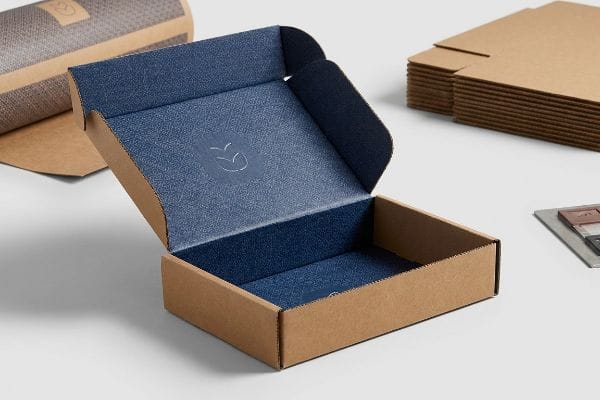
आप एक अविस्मरणीय अनबॉक्सिंग अनुभव बनाना चाहते हैं, लेकिन नालीदार शिपिंग बॉक्स के अंदर प्रिंटिंग करना आपकी डिजिटल स्क्रीन पर एक बटन क्लिक करने जितना आसान नहीं है।.
जी हां। मेलर बॉक्स के अंदरूनी हिस्से पर प्रिंटिंग के लिए डबल-साइडेड लिथो-लेमिनेशन या फ्लेक्सोग्राफिक प्रेस की आवश्यकता होती है। निर्माता फोल्ड करने से पहले सीधे अंदरूनी क्राफ्ट या ब्लीच्ड लाइनरबोर्ड पर स्याही लगाते हैं, जिससे नालीदार पैकेजिंग की बाहरी संरचनात्मक अखंडता से समझौता किए बिना एक प्रीमियम अनबॉक्सिंग अनुभव मिलता है।.
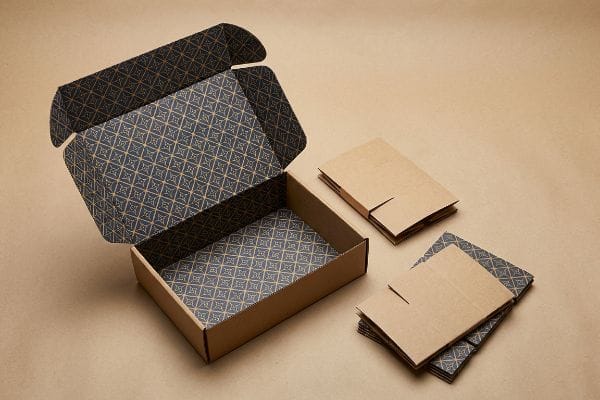
सिद्धांत को जानना एक अच्छी शुरुआत है, लेकिन स्याही कागज के रेशों के साथ रासायनिक रूप से कैसे प्रतिक्रिया करती है, यह समझना ही तय करता है कि जब अंततः डिब्बा खोला जाता है तो आपका ब्रांड प्रीमियम दिखता है या सस्ता।.
पैकेजिंग पर लोगो कैसे प्रिंट करें?
अपने ब्रांड की पहचान को पुख्ता करने का मतलब है कि आपका लोगो इतना स्पष्ट होना चाहिए कि वह भीड़भाड़ वाले गोदाम या किसी तंग रिटेल गलियारे से भी आसानी से दिखाई दे सके।.
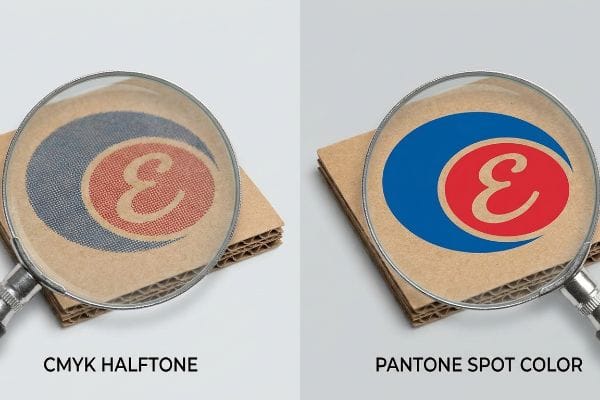
पैकेजिंग पर लोगो को एकदम सटीक रूप से प्रिंट करने के लिए, कारखाने मानक प्रक्रिया स्याही के बजाय पैनटोन स्पॉट रंगों का उपयोग करते हैं। इस तकनीक में कच्चे पेपरबोर्ड को पहले से मिश्रित, ठोस रंगद्रव्य से भर दिया जाता है, जिससे रंगों में पूर्ण स्थिरता सुनिश्चित होती है और मानक डिजिटल या फ्लेक्सोग्राफिक प्रिंटिंग विधियों में आमतौर पर पाए जाने वाले धुंधले हाफटोन डॉट ग्रेन की समस्या दूर हो जाती है।.
एक बार जब आप स्याही के स्थानांतरण की बुनियादी कार्यप्रणाली को समझ लेते हैं, तो आपको बोर्ड की भौतिक सीमाओं पर ध्यान देना होगा।.
लोगो प्रिंटिंग के लिए CMYK हाफटोन क्यों विफल रहता है?
जूनियर डिज़ाइनर अक्सर मानक CMYK (सियान, मैजेंटा, येलो, की/ब्लैक) प्रोफ़ाइल का उपयोग करके अपनी डिजिटल कलाकृति निर्यात करते हैं, यह मानकर कि प्रिंटिंग प्रेस उनकी स्क्रीन को हूबहू कॉपी कर देगा। वे फ़ाइल को फ़ैक्टरी में भेजते हैं, यह उम्मीद करते हुए कि उनके कस्टम मेलर्स पर चमकदार, जीवंत कॉर्पोरेट रंग जादुई रूप से दिखाई देंगे।.
मैं हर हफ्ते कारखाने में यह देखता हूँ जब खरीदार झरझरे नालीदार टेस्टलाइनर पर मानक चार-रंग प्रक्रिया का उपयोग करके पैसे बचाने की कोशिश करते हैं। CMYK तकनीक आँखों को धोखा देने के लिए सूक्ष्म ओवरलैपिंग डॉट्स पर निर्भर करती है¹,इसलिए ये छोटे डॉट्स कच्चे कागज के रेशों में असमान रूप से अवशोषित हो जाते हैं, जिससे चमकीला लाल लोगो मटमैला और धुंधला हो जाता है। जब मैं सूखे, दानेदार सतह पर अपना अंगूठा रगड़ता हूँ, तो यह पाउडर जैसा लगता है और तेज फ्लोरोसेंट रोशनी में सस्ता दिखता है। इस समस्या को ठीक करने के लिए, मैं हमेशा अपने ग्राहकों को PMS (पैंटोन मैचिंग सिस्टम) स्पॉट कलर फ्लड²पर, जो पहले से मिश्रित पिगमेंट की एक ठोस परत लगाता है, जिससे हाफटोन ग्रेन पूरी तरह से खत्म हो जाता है और ब्रांड की एकरूपता सुनिश्चित होती है।
| नौसिखियों की आम गलती | प्रो फिक्स | रिटेल-फ्लोर लाभ |
|---|---|---|
| लोगो के लिए CMYK का उपयोग करना | पैंटोन स्पॉट कलर फ्लड3 | अधिकतम ब्रांड दृश्यता |
| कच्चे भूरे क्राफ्ट पेपर पर छपाई | सफेद बेस प्राइमर लगाना4 | रंग बिना धुंधले हुए उभर कर आते हैं। |
| स्क्रीन के रंगों पर भरोसा करना | भौतिक स्पेक्ट्रोफोटोमीटर स्कैन5 | शून्य खुदरा विक्रेता शुल्क वापसी |
मैं पहले भौतिक रूप से देखकर ही किसी ग्राहक को मास्टर कार्टन का बड़े पैमाने पर उत्पादन करने की अनुमति देता हूँ। पहले ही प्रयास में लोगो का रंग सही होने से पूरी खेप के नकली दिखने का खतरा टल जाता है।.
🛠️ हार्वे का डेस्क: क्या आपको लगता है कि आपकी डिजिटल लोगो फ़ाइल कच्चे नालीदार कार्डबोर्ड बॉक्स पर धुंधली दिखेगी? 👉 मुफ़्त फ़ाइल ऑडिट करवाएं ↗ — सीधे मेरे डेस्क तक पहुंच। मैं वादा करता हूं, कोई स्वचालित बिक्री स्पैम नहीं होगा।
क्या लाइन वाले कागज पर प्रिंट करना संभव है?
बिना कोटिंग वाली, अत्यधिक अवशोषक सतहों पर स्याही लगाने से कारखाने में आपके ग्राफिक्स के सूखने की प्रक्रिया पूरी तरह से बदल जाती है।.
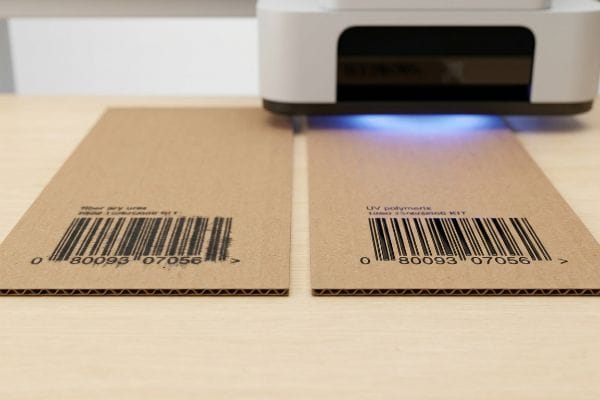
जी हाँ। लाइन वाले कागज़ या कच्चे नालीदार टेस्टलाइनर पर छपाई के लिए विशेष यूवी (पराबैंगनी) फ्लैटबेड डिजिटल प्रेस की आवश्यकता होती है। क्योंकि ये बिना लेपित सतहें अत्यधिक छिद्रपूर्ण होती हैं, इसलिए मानक तरल स्याही का उपयोग करने से फाइबर में गंभीर रिसाव होता है। यूवी सिस्टम स्याही को तुरंत ठोस बहुलक में बदल देते हैं, जिससे बिना सील किए फाइबर पर एकदम स्पष्ट लाइनें सुनिश्चित होती हैं।.
स्याही का तुरंत सूखना महत्वपूर्ण है, लेकिन विभिन्न लचीले सब्सट्रेट पर काम करने से भौतिक नियमों का एक बिल्कुल नया सेट सामने आता है।.
बिना लेपित सतहों पर स्याही के बहुलकीकरण में महारत हासिल करना
आम धारणा यह है कि किसी भी मानक तरल स्याही को बिना किसी समस्या के छिद्रयुक्त कागज पर रोल किया जा सकता है। खरीदार अक्सर अपने बिना लेपित नालीदार इंसर्ट के लिए अत्यधिक विस्तृत ग्राफिक्स प्रस्तुत करते हैं, यह उम्मीद करते हुए कि मानक लिथोग्राफिक प्रेस से गुजरने के बाद भी बारीक पाठ पूरी तरह से पठनीय बना रहेगा।.
बिना कोटिंग वाले या "लाइन्ड" पेपरबोर्ड पर प्रिंटिंग करना एक सूखे स्पंज पर पेंट करने जैसा है। जब मैं देखता हूँ कि मानक पानी आधारित स्याही एक कच्चे 32 ECT (एज क्रश टेस्ट) टेस्टलाइनर 6 पर पड़ती है , तो प्यासे सेल्युलोज फाइबर तुरंत नमी को बाहर की ओर सोख लेते हैं, जिससे गंभीर फाइबर ब्लीड होता है और एक स्पष्ट बारकोड धुंधला, स्कैन न करने योग्य धब्बा बन जाता है। इस समस्या को हल करने के लिए, मैं उच्च-तीव्रता वाले क्योरिंग लैंप से लैस फ्लैटबेड प्रेस पर प्रिंटिंग करके तरल अवशोषण को पूरी तरह से रोकता हूँ, जो बोर्ड को छूते ही स्याही को तुरंत एक ठोस प्लास्टिक फिल्म 7 में बदल देता है।
| नौसिखियों की आम गलती | प्रो फिक्स | रिटेल-फ्लोर लाभ |
|---|---|---|
| मानक तरल स्याही का उपयोग करना | तत्काल यूवी बहुलकीकरण8 | धुंधले बारकोड को रोकता है |
| कागज की सरंध्रता को अनदेखा करना | जलीय लेप से सील करना9 | स्याही के अवशोषण को रोकता है |
| कच्चे बोर्ड पर बारीक अक्षरों की छपाई | कोटेड टॉप-शीट में अपग्रेड करना10 | छोटे अक्षरों को स्पष्ट रूप से पढ़ने योग्य रखता है |
मैं हमेशा अपनी टीम को प्रेस में सामग्री डालने से पहले सब्सट्रेट की सरंध्रता की जांच करने के लिए कहता हूं। यदि आप रासायनिक अवशोषण दर को नियंत्रित नहीं करते हैं, तो आपकी महंगी पैकेजिंग बारिश में भीगे हुए अखबार की तरह दिखेगी।.
🛠️ हार्वे का डेस्क: क्या आपको चिंता है कि आपका बिना कोटिंग वाला मेलर बॉक्स आपकी स्याही सोख लेगा और आपके छोटे बारकोड को खराब कर देगा? 👉 सबस्ट्रेट रिव्यू का अनुरोध करें ↗ — सुरक्षित रूप से डाउनलोड करें। बाद में कोई प्रश्न होने पर मेरा इनबॉक्स खुला है।
पॉली मेलर्स पर प्रिंट कैसे करते हैं?
लचीले शिपिंग बैग के लिए पूरी तरह से अलग रासायनिक दृष्टिकोण की आवश्यकता होती है क्योंकि मानक कठोर वार्निश रसद संबंधी तनाव के तहत टूट जाएंगे।.
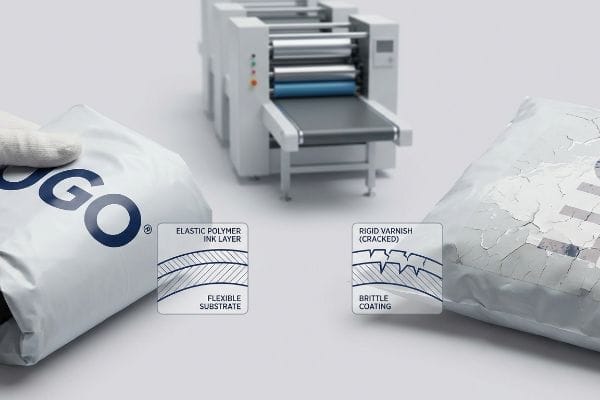
पॉली मेलर्स पर सफल प्रिंटिंग के लिए अत्यधिक लोचदार पॉलीमर स्याही और लचीली दरार-रोधी लेमिनेशन की आवश्यकता होती है। कठोर नालीदार बक्सों के विपरीत, पॉली मेलर्स परिवहन के दौरान खिंचते और मुड़ते हैं। लचीले अवरोधक सब्सट्रेट और लोचदार कोटिंग्स का उपयोग यह सुनिश्चित करता है कि ग्राफिक परत प्लास्टिक के साथ सामंजस्यपूर्ण रूप से चलती रहे, जिससे उच्च गति वाली स्वचालित छँटाई प्रक्रियाओं के दौरान सूक्ष्म दरारें नहीं पड़तीं।.
लचीले प्लास्टिक से निपटना स्याही के आसंजन के लिए एक सिरदर्द है, लेकिन कठोर पेपरबोर्ड पर वापस लौटने से यांत्रिक समस्याओं का अपना ही एक अलग सेट सामने आता है।.
पॉली मेलर स्याही की लचीली रसायन शास्त्र
कई ब्रांड टीमें मानती हैं कि उनके पेपर फोल्डिंग कार्टन11 पतली, लचीली पैकेजिंग संरचनाओं में आसानी से स्थानांतरित किया जा सकता है। वे प्रीप्रेस चरण के दौरान एक सॉफ्ट पॉली बैग को रिजिड मास्टर कार्टन के समान ही मानते हैं।
मानक कठोर वार्निश को अपनी कलाकृति पर चढ़ी पतली कांच की परत की तरह समझें। जब मैं देखता हूँ कि ग्राहक लचीले पॉली मेलर पर ये कठोर कोटिंग लगाते हैं, तो स्वचालित फॉर्म-फिल-सील मशीनरी में बैग पहुँचने पर परिणाम विनाशकारी होते हैं। सूखी स्याही और कठोर वार्निश 12 मोड़ों के साथ टूट जाते हैं , जिससे एक तीखी, चटकने की आवाज़ आती है क्योंकि टूटी हुई कलाकृति के नीचे कच्चा सफेद प्लास्टिक दिखाई देता है। मैं इसे एक सख्त लोचदार दरार-रोधी फिल्म प्रोटोकॉल 13 लागू करके ठीक करता हूँ , जिसमें भंगुर वार्निश को एक रासायनिक परत से बदल दिया जाता है जो रबर बैंड की तरह खिंचती है और 3PL (थर्ड-पार्टी लॉजिस्टिक्स) कन्वेयर बेल्ट के कठोर घर्षण को सहन कर सकती है।
| नौसिखियों की आम गलती | प्रो फिक्स | रिटेल-फ्लोर लाभ |
|---|---|---|
| रिजिड लिथो-वार्निश लगाना 14 | लोचदार दरार-रोधी फिल्म | सतह के टूटने से बचाता है |
| मशीन घर्षण की अनदेखी करते हुए | ऊष्मा-प्रतिरोधी पॉलिमर स्याही15 | स्वचालित सीलिंग से बच जाता है |
| कागज़ की स्याही प्रोफाइल का मिलान | कस्टम लचीली स्याही प्रोफाइलिंग16 | प्लास्टिक पर रंग बरकरार रखता है |
मैं कोटिंग की लोच की जाँच किए बिना लचीली पैकेजिंग का काम शुरू करने से इनकार करता हूँ। टूटी हुई वार्निश नमी अवरोधक को खराब कर देती है, जिससे प्राप्तकर्ता गोदाम से तुरंत अस्वीकृति हो जाती है।.
🛠️ हार्वे का डेस्क: क्या आपकी पॉली मेलर पैकिंग के दौरान सूक्ष्म दरारों से ग्रस्त हैं? 👉 अपनी इंक इलास्टिसिटी गाइड प्राप्त करें ↗ — कोई ऐसे फॉर्म नहीं जो अंतहीन बिक्री कॉल को ट्रिगर करें। बस शुद्ध मूल्य।
क्या कार्डबोर्ड पर प्रिंट करना संभव है?
मोटी नालीदार तख्ती के चारों ओर मुद्रित ऊपरी शीट लपेटने से गंभीर यांत्रिक सहनशीलता उत्पन्न होती है जिसकी गणना ग्राफिक डिजाइनर शायद ही कभी करते हैं।.
जी हां। कार्डबोर्ड पर प्रिंटिंग लिथो-लेमिनेशन या डायरेक्ट फ्लेक्सोग्राफी के माध्यम से संभव है। लिथो-लेमिनेशन में, उच्च गुणवत्ता वाले ग्राफिक्स को कागज की पतली ऊपरी शीट पर प्रिंट किया जाता है, जिसे बाद में पानी आधारित चिपकने वाले पदार्थों का उपयोग करके नालीदार बेस बोर्ड पर रासायनिक रूप से चिपकाया जाता है, जिससे प्रीमियम रिटेल सौंदर्यशास्त्र के साथ-साथ उच्च संरचनात्मक संपीड़न शक्ति भी मिलती है।.
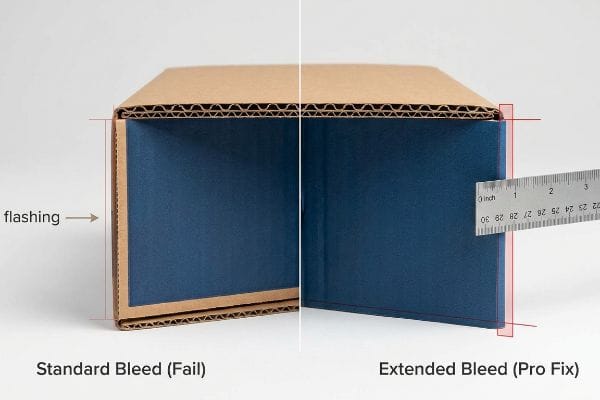
लेकिन जब मशीनें चलने लगती हैं और अत्यधिक दबाव के कारण कागज खिसकने लगता है, तो केवल सिद्धांत का ज्ञान होना पर्याप्त नहीं होता।.
फैक्ट्री में स्टैंडर्ड डायलाइन ब्लीड क्यों फेल हो जाते हैं?
अधिकांश ग्राफिक डिजाइनर मानक वाणिज्यिक प्रिंट ब्लीड (आमतौर पर 0.125 इंच या 3.17 मिमी)17 । वे मानते हैं कि यह छोटा सुरक्षा मार्जिन यांत्रिक कटिंग प्रक्रिया को कवर करने के लिए पर्याप्त है, और एक मोटे कार्डबोर्ड बॉक्स को पतले बिजनेस कार्ड की तरह मानते हैं।
मेरी फैक्ट्री में, मैं अक्सर देखता हूँ कि यही धारणा लेमिनेशन के दौरान पूरे प्रोडक्शन बैच को बर्बाद कर देती है। लिथो-लेमिनेशन में गीली, प्रिंटेड टॉप शीट को 0.125 इंच (3.17 मिमी) मोटी बी-फ्लूट बोर्ड18 पर तेज़ गति से चिपकाया जाता है। जब मैं लेमिनेटर पर मैकेनिकल शिफ्ट को मापता हूँ, तो यह लगातार 0.25 इंच (6.35 मिमी) तक घटती-बढ़ती रहती है। जब एक मानक 3.17 मिमी ब्लीड डाई-कटर से गुजरता है, तो मशीन की इस शिफ्ट के कारण "फ्लैशिंग" हो जाती है—डिस्प्ले के सामने वाले किनारे पर कच्चे भूरे कार्डबोर्ड के भद्दे किनारे दिखाई देने लगते हैं। मैं इसे ठीक करने के लिए डिज़ाइनरों को अपने ब्लीड मार्जिन को फिजिकल कट लाइन से 0.5 इंच (12.7 मिमी) आगे तक बढ़ाने के लिए कहता हूँ। इस विस्तारित 12.7 मिमी टॉलरेंस को लागू करके, मैं यह सुनिश्चित करता हूँ कि अधिकतम मशीनरी ड्रिफ्ट के दौरान भी ग्राफिक पूरी तरह से किनारे को कवर करे, जिससे ग्राहकों को रिटेल स्टोर स्तर पर 100% विज़ुअल रिजेक्शन की विनाशकारी दर से बचाया जा सके।
| नौसिखियों की आम गलती | प्रो फिक्स | रिटेल-फ्लोर लाभ |
|---|---|---|
| मानक 3 मिमी ब्लीड मार्जिन | 0.5 इंच ब्लीड अनिवार्य करना19 | कच्चे भूरे किनारों के चमकने को रोकता है |
| लेमिनेशन शिफ्ट को अनदेखा करना20 | प्रीप्रेस मैकेनिकल बफर | बैच रिजेक्शन को पूरी तरह से बचाता है |
| बी-बांसुरी को कागज की तरह मानना | कैलिपर क्षतिपूर्ति गणित21 | साफ-सुथरे और चौकोर तह सुनिश्चित करता है |
मैं महंगे मेटल प्रिंटिंग प्लेट्स पर प्रिंट करने से पहले हमेशा पतली ब्लीड लाइनों को चिह्नित कर लेता हूँ। डिजिटल पीडीएफ को ठीक करने में पाँच मिनट लगते हैं; जबकि 5,000 गलत तरीके से लगे कार्डबोर्ड डिस्प्ले को तीन सप्ताह लग जाते हैं।
🛠️ हार्वे की सलाह: 2 मिलीमीटर की संरचनात्मक खामी को 500 स्टोरों में अपना कारोबार ठप न करने दें। 👉 मुझे अपनी डाइलाइन फ़ाइल भेजें ↗ — बड़े पैमाने पर उत्पादन पर बजट बर्बाद करने से पहले मैं गणितीय गणनाओं की गहन जांच कर लूंगा।
निष्कर्ष
आप सस्ते कच्चे माल के आधार पर विक्रेता का चयन कर सकते हैं, लेकिन जब हाई-स्पीड लेमिनेशन के दौरान 3.17 मिमी का मानक प्रिंट ब्लीड खिसक जाता है, तो वह भद्दा भूरा धब्बा खुदरा स्टोर स्तर पर तुरंत 100% दृश्य अस्वीकृति का कारण बनता है, जिससे आपके अभियान का लाभ मार्जिन पूरी तरह से समाप्त हो जाता है। 500 से अधिक ब्रांड प्रबंधक इन घातक शुरुआती गलतियों से बचने के लिए मेरी प्रीप्रेस चेकलिस्ट का उपयोग करते हैं। मशीनरी की सहनशीलता के बारे में अनुमान लगाना बंद करें और मुझे व्यक्तिगत रूप से अपने आर्टवर्क को मेरे निःशुल्क डाइलाइन ऑडिट ↗ ताकि बड़े पैमाने पर उत्पादन शुरू होने से पहले घातक लेमिनेशन त्रुटियों को पकड़ा जा सके।
"खाद्य पदार्थों को खराब होने से बचाने के लिए कार्डबोर्ड पर हेलोक्रोमिक स्याही का प्रयोग...", https://pmc.ncbi.nlm.nih.gov/articles/PMC9502810/। हाफटोन प्रक्रिया की व्याख्या और छिद्रयुक्त सतहों पर स्याही के बिंदुओं के बढ़ने से रंग संतृप्ति और स्पष्टता पर पड़ने वाले प्रभाव का विवरण। साक्ष्य की भूमिका: तकनीकी तंत्र; स्रोत का प्रकार: मुद्रण तकनीकी मैनुअल। समर्थन: कच्चे पेपरबोर्ड पर CMYK की विफलता। कार्यक्षेत्र संबंधी टिप्पणी: विशेष रूप से बिना लेपित या छिद्रयुक्त सामग्रियों पर लागू होता है। ↩
"पैकेजिंग प्रिंटिंग में CMYK बनाम स्पॉट रंग", https://meyers.com/meyers-blog/cmyk-vs-spot-colors-in-packaging-printing-what-cpg-brands-need-to-know/। यह सत्यापित किया गया है कि PMS रंग ठोस कवरेज बनाने के लिए पूर्व-मिश्रित पिगमेंट का उपयोग करते हैं, जिससे हाफटोन पैटर्न के दाने से बचा जा सकता है। साक्ष्य की भूमिका: तकनीकी विनिर्देश; स्रोत प्रकार: उद्योग रंग मानक मार्गदर्शिका। समर्थन: ब्रांड स्थिरता के लिए स्पॉट रंगों का उपयोग। स्कोप नोट: स्पॉट रंग बनाम प्रोसेस इंक एप्लिकेशन पर केंद्रित है। ↩
"पैकेजिंग के लिए PMS बनाम CMYK: कौन सा बेहतर है?", https://pax.solutions/corrugated-packaging/pms-vs-cmyk-for-packaging/। CMYK हाफटोन की तुलना में स्पॉट कलर ब्रांड के रंगों का सटीक मिलान क्यों सुनिश्चित करते हैं, इसका तकनीकी स्पष्टीकरण। साक्ष्य की भूमिका: तकनीकी सत्यापन; स्रोत प्रकार: मुद्रण उद्योग मैनुअल। समर्थन: ब्रांड पहचान के लिए स्पॉट कलर की आवश्यकता। कार्यक्षेत्र संबंधी टिप्पणी: मुख्य रूप से पेशेवर ऑफसेट और फ्लेक्सोग्राफिक प्रिंटिंग पर लागू होता है। ↩
"भूरे क्राफ्ट पेपर पर प्रिंटिंग: फीके रंगों से कैसे बचें (एक डिज़ाइन गाइड)", https://pouchespack.com/cmyk-on-brown-paper/। यह बताया गया है कि कैसे एक सफेद बेस लेयर छिद्रयुक्त भूरी सतहों पर सब्सट्रेट के अवशोषण और रंग परिवर्तन को रोकती है। साक्ष्य भूमिका: प्रक्रिया सत्यापन; स्रोत प्रकार: पैकेजिंग इंजीनियरिंग गाइड। सहायक: क्राफ्ट पर रंग की जीवंतता सुनिश्चित करने की विधि। कार्यक्षेत्र संबंधी टिप्पणी: गैर-सफेद सब्सट्रेट के लिए विशिष्ट। ↩
"प्रिंटिंग और पैकेजिंग में गुणवत्ता नियंत्रण: एक संपूर्ण मार्गदर्शिका", https://www.proofnation.com/feeds/blog/quality-control-printing-packaging। इसमें बताया गया है कि स्पेक्ट्रोफोटोमीटर का उपयोग करके वस्तुनिष्ठ रंग मापन से खुदरा विक्रेताओं पर लगने वाले जुर्माने से होने वाली विसंगतियों को कैसे रोका जा सकता है। साक्ष्य की भूमिका: गुणवत्ता आश्वासन मानक; स्रोत प्रकार: आपूर्ति श्रृंखला रसद पुस्तिका। सहायक: वित्तीय जुर्माने से बचने के लिए मापन उपकरणों का उपयोग। कार्यक्षेत्र संबंधी टिप्पणी: बी2बी खुदरा अनुपालन पर केंद्रित। ↩
"रंगों का पुनर्चक्रित नालीदार बोर्ड के कागजों में भारी धातुओं की मात्रा पर प्रभाव...", https://bioresources.cnr.ncsu.edu/resources/the-effect-of-colorants-on-the-content-of-heavy-metals-in-recycled-corrugated-board-papers/। नालीदार पैकेजिंग पर तकनीकी दस्तावेज 32 ECT टेस्टलाइनर की उच्च सरंध्रता और परिणामस्वरूप केशिका क्रिया द्वारा स्याही के रिसाव की पुष्टि करता है। साक्ष्य की भूमिका: तकनीकी विनिर्देश; स्रोत प्रकार: पैकेजिंग उद्योग मैनुअल। समर्थन: बिना लेपित सब्सट्रेट पर फाइबर रिसाव। कार्यक्षेत्र नोट: बिना लेपित टेस्टलाइनर के लिए विशिष्ट। ↩
"यूवी क्योरिंग – विकिपीडिया", https://en.wikipedia.org/wiki/UV_curing। यूवी-क्योर करने योग्य स्याही की रासायनिक व्याख्या, जिसमें फोटोइनिशिएटर एक तीव्र पॉलीमराइजेशन प्रक्रिया को ट्रिगर करते हैं जिससे एक क्रॉस-लिंक्ड पॉलीमर नेटवर्क बनता है। साक्ष्य की भूमिका: रासायनिक प्रक्रिया का सत्यापन; स्रोत प्रकार: सामग्री विज्ञान पत्रिका। सहायक: छिद्रपूर्ण सब्सट्रेट पर यूवी क्योरिंग दक्षता। कार्यक्षेत्र नोट: यूवी-क्योर करने योग्य स्याही रसायन विज्ञान पर लागू होता है। ↩
"पोस्ट-क्योर केस (यूवी इंक) पर", https://www.packagingimpressions.com/article/on-post-cure-case-uv-inks-14419/। यूवी क्योरिंग द्वारा छिद्रयुक्त सतहों में स्याही के रिसाव को रोकने और बारकोड के किनारों की स्पष्टता बनाए रखने के तरीके का संक्षिप्त विवरण। साक्ष्य की भूमिका: तकनीकी सत्यापन; स्रोत प्रकार: मुद्रण उद्योग का श्वेत पत्र। समर्थन: इस दावे का कि यूवी पॉलीमराइजेशन धुंधले बारकोड को रोकता है। विषयवस्तु: यूवी-क्योर करने योग्य स्याही प्रणालियों के लिए विशिष्ट। ↩
"पेपर कोटिंग्स FAQ", https://www.birdscopies.com/page/paper-coatings-faq। इसमें बताया गया है कि कैसे जलीय कोटिंग्स छिद्रयुक्त कागज में स्याही के प्रवेश को कम करने के लिए एक भौतिक अवरोध उत्पन्न करती हैं। साक्ष्य की भूमिका: तकनीकी सत्यापन; स्रोत प्रकार: पदार्थ विज्ञान पत्रिका। समर्थन: इस दावे का कि जलीय कोटिंग्स स्याही के अवशोषण को रोकती हैं। स्कोप नोट: प्रभावशीलता कोटिंग के वजन और रसायन पर निर्भर करती है। ↩
"कोटेड बनाम अनकोटेड पेपर - कब किसका उपयोग करें", https://www.domtar.com/blog-posts/coated-vs-uncoated-paper-when-to-use-which/। उच्च-रिज़ॉल्यूशन टेक्स्ट के लिए कोटेड और अनकोटेड बोर्ड सतहों के बीच स्याही के फैलाव (डॉट गेन) में अंतर का संक्षिप्त विवरण। साक्ष्य भूमिका: तकनीकी सत्यापन; स्रोत प्रकार: प्रिंटिंग सब्सट्रेट गाइड। समर्थन: यह दावा कि कोटेड टॉप-शीट छोटे टेक्स्ट को पठनीय बनाए रखती हैं। स्कोप नोट: निर्दिष्ट कोटिंग स्तरों वाले सब्सट्रेट तक सीमित। ↩
"फोल्डिंग कार्टन पैकेजिंग के लिए कौन सी कोटिंग सबसे अच्छी होती है?", https://popdisplay.me/what-coatings-work-best-for-folding-carton-packaging/। तकनीकी प्रिंटिंग गाइड कठोर कागज पर लिथोग्राफिक वार्निश के रासायनिक गुणों और मानक अनुप्रयोग का वर्णन करते हैं। साक्ष्य भूमिका: तथ्यात्मक सत्यापन; स्रोत प्रकार: तकनीकी मैनुअल। समर्थन: कठोर कागज पैकेजिंग पर कोटिंग के लिए उद्योग मानक। कार्यक्षेत्र नोट: केवल कठोर सब्सट्रेट अनुप्रयोगों तक सीमित। ↩
"प्लास्टिक पर पेंटिंग में खामियां - दरारें", https://info.rmpaint.com/help/faults-painting-plastics-cracking। लचीले सब्सट्रेट पर विरूपण के दौरान गैर-लोचदार कोटिंग्स के विफल होने का तकनीकी सत्यापन। साक्ष्य की भूमिका: तकनीकी सत्यापन; स्रोत प्रकार: सामग्री विज्ञान पत्रिका या पैकेजिंग उद्योग श्वेतपत्र। समर्थन: पॉली मेलर्स पर भंगुर वार्निश की विफलता। कार्यक्षेत्र नोट: कठोर पॉलिमर में फ्रैक्चर के भौतिक गुण पर केंद्रित। ↩
"रीसीलेबल पॉली मेलर्स – शोर पैकेजिंग", https://www.shorr.com/packaging-products/reusable-packaging/resealable-poly-mailers/। उच्च घर्षण वाले लॉजिस्टिक्स हैंडलिंग के दौरान स्याही के परतदार होने और दरार पड़ने से रोकने के लिए डिज़ाइन किए गए विशेष लोचदार कोटिंग्स का प्रमाण। प्रमाण की भूमिका: तकनीकी समाधान सत्यापन; स्रोत प्रकार: औद्योगिक कोटिंग विनिर्देश या तकनीकी डेटा शीट। समर्थन: शिपिंग बैग में लचीली परतों की प्रभावकारिता। कार्यक्षेत्र संबंधी टिप्पणी: 3PL कन्वेयर बेल्ट तनाव के लिए विशिष्ट। ↩
"वार्निश क्या है और पैकेजिंग प्रिंट में इसका उपयोग कैसे किया जाता है...", https://gentlever.com/what-is-varnish-in-packaging-print/। यह तकनीकी दस्तावेज़ इस बात की पुष्टि करता है कि कठोर लिथोग्राफिक वार्निश में लचीले सब्सट्रेट के लिए आवश्यक लोच का अभाव होता है, जिससे सतह पर दरारें पड़ सकती हैं या वह टूट सकती है। साक्ष्य की भूमिका: तकनीकी सत्यापन; स्रोत प्रकार: उद्योग पुस्तिका। समर्थन: लोचदार दरार-रोधी फिल्मों की आवश्यकता। कार्यक्षेत्र संबंधी टिप्पणी: गैर-कठोर पॉलिमर सामग्रियों के लिए विशिष्ट। ↩
"पॉली मेलर्स – सील्ड एयर", https://www.sealedair.com/ap/products/protective-packaging/poly-mailers। प्रिंटिंग केमिकल्स डेटा शीट से यह सत्यापित किया गया है कि विशिष्ट पॉलीमर-आधारित स्याही को स्वचालित थर्मल सीलिंग के तापमान को बिना फैले सहन करने की आवश्यकता होती है। साक्ष्य की भूमिका: विनिर्देश सत्यापन; स्रोत प्रकार: निर्माता डेटा शीट। समर्थन: स्वचालित लॉजिस्टिक्स के लिए गर्मी प्रतिरोधी स्याही का उपयोग। कार्यक्षेत्र नोट: थर्मल सीलिंग तापमान सीमा पर केंद्रित। ↩
"रंग प्रबंधन चर के रूप में श्वेत स्याही", https://www.printing.org/content/2026/07/21/white-ink-as-a-color-management-variable। छिद्रयुक्त कागज और गैर-छिद्रयुक्त पॉलिमर सब्सट्रेट के बीच स्याही अवशोषण और प्रकाश परावर्तन में अंतर के संबंध में रंग विज्ञान अनुसंधान से प्राप्त प्रमाण। प्रमाण की भूमिका: तकनीकी औचित्य; स्रोत प्रकार: अकादमिक पत्रिका। समर्थन: प्लास्टिक पर रंग की सटीकता बनाए रखने के लिए कस्टम प्रोफाइलिंग की आवश्यकता। कार्यक्षेत्र संबंधी टिप्पणी: सब्सट्रेट-विशिष्ट CMYK परिवर्तनों से संबंधित। ↩
"ब्लीड मार्जिन की मात्रा कैसे निर्धारित करें?", https://graphicdesign.stackexchange.com/questions/55905/how-can-i-determine-how-much-bleed-to-use। व्यावसायिक ऑफसेट और डिजिटल प्रिंटिंग के लिए उद्योग मानक ब्लीड मार्जिन का सत्यापन। साक्ष्य की भूमिका: तथ्यात्मक सत्यापन; स्रोत प्रकार: प्रिंटिंग उद्योग पुस्तिका या पेशेवर मार्गदर्शिका। समर्थित: मानक प्रिंट मार्जिन मान। स्कोप नोट: मुख्य रूप से पतले कागज़ों पर लागू होता है। ↩
"कॉरुगेटेड बोर्ड और सामग्री ग्रेड | 2021-06-30", https://www.packagingstrategies.com/articles/96269-corrugated-board-and-material-grades। बी-फ्लूट कॉरुगेटेड बोर्ड के लिए मानक उद्योग मोटाई विनिर्देशों का सत्यापन। साक्ष्य भूमिका: तकनीकी विनिर्देश; स्रोत प्रकार: उद्योग विनिर्माण मानक। समर्थन: सामग्री आयाम सटीकता। स्कोप नोट: निर्माता के अनुसार नाममात्र मोटाई में थोड़ा अंतर हो सकता है। ↩
"ब्लीड प्रिंटिंग 101: यह क्या है और इसका उपयोग कैसे किया जाता है", https://www.bindersinc.com/resources/what-is-bleed-printing। तकनीकी पैकेजिंग दिशानिर्देश कच्चे किनारों के फ्लैशिंग को रोकने के लिए मोटे नालीदार सब्सट्रेट के लिए आवश्यक ब्लीड चौड़ाई की पुष्टि करते हैं। साक्ष्य भूमिका: तकनीकी विनिर्देश; स्रोत प्रकार: उद्योग मैनुअल। समर्थन: कार्डबोर्ड पर बढ़ी हुई ब्लीड की आवश्यकता। स्कोप नोट: नाली के प्रकार के अनुसार भिन्न हो सकता है। ↩
"लचीली पैकेजिंग फिल्म में लेमिनेशन की भूमिका...", https://www.packagingstrategies.com/articles/98661-the-role-of-laminating-in-the-flexible-packaging-film-process। प्रिंटिंग तकनीकी गाइड बताती हैं कि लेमिनेशन से सामग्री का विस्थापन कैसे होता है और मिसअलाइनमेंट को रोकने में प्रीप्रेस बफर की क्या भूमिका होती है। साक्ष्य की भूमिका: तकनीकी कारण संबंध; स्रोत प्रकार: प्रिंटिंग तकनीकी गाइड। समर्थन: बैच अस्वीकृति से बचने के लिए बफर की आवश्यकता। कार्यक्षेत्र संबंधी टिप्पणी: लेमिनेटेड टॉप-शीट पर लागू होता है। ↩
"यांत्रिक गुणों पर एनालॉग और डिजिटल क्रीज लाइनों का प्रभाव...", https://pmc.ncbi.nlm.nih.gov/articles/PMC9268991/। पैकेजिंग के लिए इंजीनियरिंग मानक बताते हैं कि वर्गाकार तह सुनिश्चित करने के लिए बोर्ड की मोटाई (कैलिपर) को डाई-लाइन माप में कैसे शामिल किया जाना चाहिए। साक्ष्य की भूमिका: तकनीकी कार्यप्रणाली; स्रोत प्रकार: इंजीनियरिंग हैंडबुक। समर्थन: बी-फ्लूट की मोटाई की भरपाई के लिए गणित का उपयोग। कार्यक्षेत्र संबंधी टिप्पणी: केवल फ्लूटेड सामग्रियों के लिए। ↩