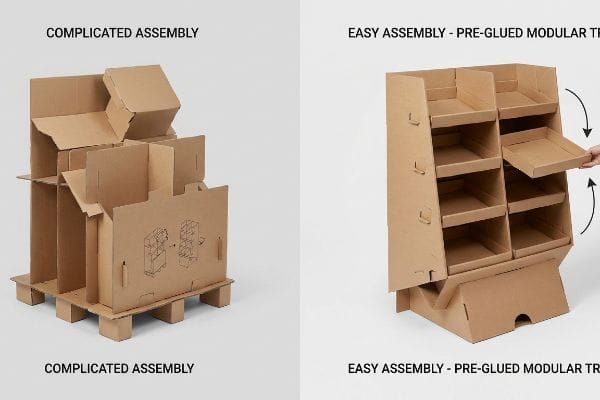
किसी बड़े रिटेल लॉन्च से ठीक पहले फ्लैट-पैक्ड कार्डबोर्ड को देखना डरावना होता है। आपको इन संरचनाओं को जल्दी से बनाना होता है, लेकिन जटिल फोल्डिंग निर्देश अक्सर आपकी टीम को पूरी तरह से पंगु बना देते हैं।.
जी हाँ। जब इंजीनियर जटिल मैनुअल लॉकिंग तंत्रों के बजाय पहले से चिपकाए गए मॉड्यूलर ट्रे को प्राथमिकता देते हैं, तो पैलेट डिस्प्ले आसानी से असेंबल हो जाते हैं। स्मार्ट संरचनात्मक योजना उलझन भरे फोल्डिंग चरणों को पॉप-अप बेस से बदल देती है, जिससे श्रम समय में काफी कमी आती है। सहज टैब सिस्टम पर निर्भर रहने से पैकेजिंग संबंधी बाधाएं दूर होती हैं, जिससे उत्पादों की त्वरित डिलीवरी सुनिश्चित होती है और खुदरा विक्रेताओं द्वारा किए जाने वाले भारी शुल्कों की समस्या पूरी तरह समाप्त हो जाती है।.
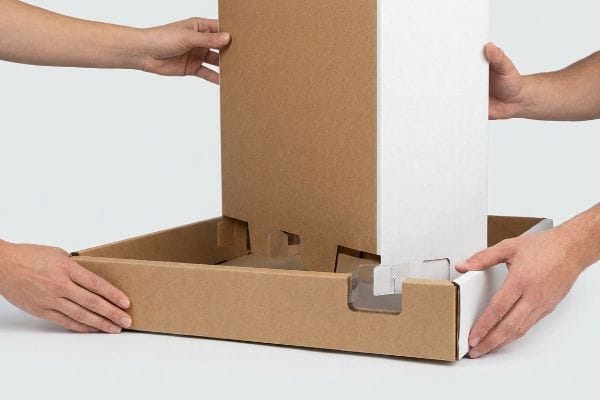
आइए विस्तार से समझते हैं कि कुछ खुदरा संरचनाएं फर्श पर बिना किसी त्रुटि के आसानी से क्यों जुड़ जाती हैं, जबकि अन्य को जोड़ने के लिए इंजीनियरिंग की डिग्री और पारदर्शी टेप के एक रोल की आवश्यकता होती है।.
डिस्प्ले-रेडी पैलेट क्या होता है?
बड़े रिटेल स्टोर के खरीदारों से विशाल मर्चेंडाइज़र की स्वीकृति प्राप्त करने के लिए सटीक स्थानिक रणनीति की आवश्यकता होती है। रिटेलर अपने स्टोर की लाभप्रदता को अधिकतम करने के लिए, अधिक भीड़-भाड़ वाले प्रचार क्षेत्रों को सावधानीपूर्वक सीमित करते हैं।.
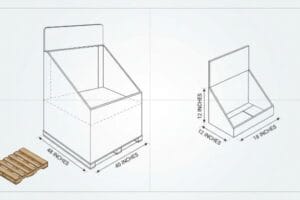
डिस्प्ले के लिए तैयार पैलेट, मानक प्लेटफॉर्म को आंशिक ज्यामितियों में विभाजित करके खुदरा स्टोर के स्थान का अधिकतम उपयोग करता है, जैसे कि आधा या चौथाई भाग। यह गणितीय विभाजन ब्रांडों को थोक माल को बिना खोले सीधे गलियारे में सुरक्षित रूप से पहुंचाने की अनुमति देता है, जिससे स्टोर स्तर पर मैन्युअल स्टॉक भरने के श्रम को काफी कम करते हुए, उच्च दृश्यता वाले ग्राहकों की संख्या को अधिकतम किया जा सकता है।.
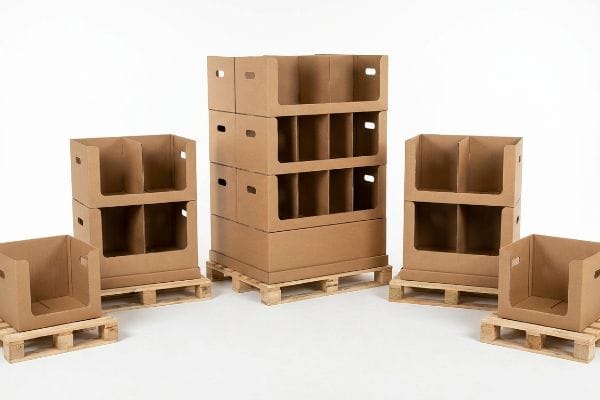
प्रचार संबंधी कलाकृति का खाका तैयार करना शुरू करने से पहले ही इस संरचनात्मक रूपरेखा को समझना अत्यंत महत्वपूर्ण है।.
छोटे-छोटे फुटप्रिंट आपके रिटेल अभियान को कैसे बचाते हैं
ट्रेडिंग कंपनियां अक्सर बड़े रिटेल स्टोर मालिकों को एक विशाल, व्यापक और जटिल मर्चेंडाइज़र पेश करती हैं । वे मानती हैं कि 48×40 इंच (121.9×101.6 सेमी) का पूरा आकार प्रेजेंटेशन में अधिक प्रभावशाली दिखता है । हालांकि, यह दृष्टिकोण आधुनिक रिटेल की भौतिक वास्तविकता को पूरी तरह से अनदेखा करता है, जहां स्टोर मैनेजरों द्वारा गलियारों की कीमती जगह को पूरी तरह से सुरक्षित रखा जाता है।
यहां तक कि अनुभवी मार्केटिंग डायरेक्टर भी अक्सर इस भौतिक बाधा को नज़रअंदाज़ कर देते हैं, यह मानकर कि उन्हें पूरे लकड़ी के बेस पर एकाधिकार प्राप्त है। मैंने यह गलती तब देखी है जब ब्रांड एक विशाल फ्लोर यूनिट को, और फिर फोर्कलिफ्ट की कर्कश, धातु जैसी आवाज़ के साथ उनके अस्वीकृत डिस्प्ले को वापस लोडिंग डॉक पर ले जाया जाता है। खरीदार बड़े आकार की यूनिटों को स्पष्ट रूप से अस्वीकार कर देंगे यदि वे शॉपिंग कार्ट के आवागमन को बाधित करती हैं। इस समस्या को हल करने के लिए, मैं बल्क मर्चेंडाइज़र को सटीक रूप से आंशिक आयामों में डिज़ाइन करता हूँ। इस गणितीय उपविभाजन की गणना करके, दो या चार अलग-अलग प्रचार अभियान एक ही GMA (ग्रोसरी मैन्युफैक्चरर्स एसोसिएशन) बेस2। यह आपको माल ढुलाई की मात्रा कम करते हुए प्रीमियम प्लेसमेंट सुनिश्चित करता है।
| नौसिखियों की आम गलती | प्रो फिक्स | रिटेल-फ्लोर लाभ |
|---|---|---|
| बड़े आकार के पदचिह्नों को प्रस्तुत करना | आंशिक स्थानिक विभाजन | बेहतर गलियारे में स्थान सुनिश्चित करता है |
| खुदरा विक्रेताओं के लिए निर्धारित स्थान नियमों की अनदेखी करना | सख्त आधार ज्यामिति मिलान | खरीदारों द्वारा अस्वीकृति को रोकता है |
| शिपिंग वॉल्यूम की बर्बादी | साझा आधार अनुकूलन | प्रति यूनिट माल ढुलाई लागत कम करता है |
मैं बड़े पैमाने पर उत्पादन शुरू होने से बहुत पहले ही इन भौतिक आधारों को गणितीय रूप से उपविभाजित कर लेता हूँ। किसी अत्यधिक बड़े आकार की इकाई को जबरदस्ती ज़मीन पर रखने से हमेशा तत्काल अस्वीकृति मिलती है, लेकिन सटीक रूप से गणना किया गया आंशिक आकार आपके उत्पाद को आत्मविश्वासपूर्वक स्थापित करने में सहायक होता है।.
🛠️ हार्वे का डेस्क: क्या आपके मौजूदा फ्लोर यूनिट्स को बड़े-बड़े स्टोर्स वाले खरीदार अक्सर इसलिए रिजेक्ट कर रहे हैं क्योंकि वे गलियारे में बहुत ज्यादा जगह घेर रहे हैं? 👉 फुटप्रिंट ऑडिट करवाएं ↗ — सीधे मेरे डेस्क से संपर्क करें। मैं वादा करता हूं, ऑटोमेटेड सेल्स स्पैम बिल्कुल नहीं आएगा।
पैलेट डिस्प्ले क्या होता है?
फ्लोर स्पेस सुरक्षित करने का मतलब है भारी मात्रा में इन्वेंट्री की सुरक्षा करना। आपकी बाहरी नालीदार संरचना अप्रत्याशित वैश्विक शिपिंग खतरों के खिलाफ प्राथमिक भौतिक सुरक्षा कवच का काम करती है।
पैलेट डिस्प्ले एक स्वतंत्र, थोक बिक्री इकाई के रूप में कार्य करता है जिसे सीधे लकड़ी के शिपिंग बेस पर रखने के लिए डिज़ाइन किया गया है। यह उच्च क्षमता वाले उत्पाद भंडारण को संरचनात्मक ब्रांडिंग के साथ जोड़ता है, जिससे संपूर्ण प्रचार अभियान विनिर्माण कारखाने से खुदरा बिक्री स्थल तक न्यूनतम मैन्युअल हस्तक्षेप के साथ आसानी से पहुंच जाते हैं।.
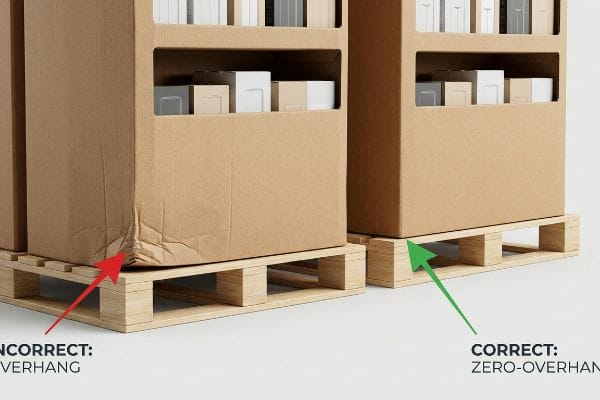
लेकिन किसी बड़े बक्से को लकड़ी के डेक पर यूं ही गिरा देने से यह गारंटी नहीं मिलती कि वह यात्रा के दौरान सुरक्षित रहेगा।.
आपके पैलेट डिस्प्ले पर लटके हुए हिस्से का छिपा हुआ खतरा
खरीद टीमें अक्सर प्रत्येक परत में कुछ अतिरिक्त इकाइयाँ पैक करने के लिए अपने मास्टर कार्टन के आयामों को अधिकतम करने का प्रयास करती हैं। वे मान लेते हैं कि भारी-भरकम कच्चा माल स्वाभाविक रूप से अंदर के सामान की रक्षा करेगा। दुर्भाग्य से, वे इस बात को पूरी तरह से अनदेखा कर देते हैं कि बहु-स्तरीय कंटेनर परिवहन के दौरान गतिशील भार भौतिकी वास्तव में कैसे काम करती है3।
शिपिंग घनत्व को अनुकूलित करने की कोशिश कर रही अनुभवी खरीद टीमों को भी यह एक आम गलती का शिकार बना देता है। वे निचले स्तर को लकड़ी के डेक से मात्र 0.5 इंच (12.7 मिमी) बाहर निकला हुआ छोड़ देते हैं। मैं जानता हूँ कि यह कितना कष्टदायी होता है क्योंकि मैंने गोदाम के भारी वजन के कारण मोटी बी-फ्लूट दीवारों के दबने की कर्कश, धीमी आवाज़ सुनी है। नालीदार बक्से अपनी बी.सी.टी. (बॉक्स कम्प्रेशन टेस्ट) क्षमता का 60% तक हिस्सा अपने चारों कोनों के ऊर्ध्वाधर संरेखण से प्राप्त करते हैं। यदि कोई कोना बाहर निकला हुआ हो, तो उस पर कोई भार नहीं पड़ता । मैं एक सख्त शून्य-ओवरहैंग बाउंडिंग बॉक्स प्रोटोकॉल अनिवार्य करता हूँ, जिससे अधिकतम कार्टन फुटप्रिंट को कृत्रिम रूप से कम किया जा सके ताकि यह सुनिश्चित हो सके कि आपके संरचनात्मक कोने हमेशा संपीड़न बल को सहन करें, जिससे परिवहन के दौरान होने वाले महंगे नुकसान पूरी तरह से समाप्त हो जाएँ।
| नौसिखियों की आम गलती | प्रो फिक्स | रिटेल-फ्लोर लाभ |
|---|---|---|
| लकड़ी के डेक से आगे तक फैला हुआ | शून्य-ओवरहैंग बाउंडिंग बॉक्स | बेस टियर क्रशिंग को रोकता है6 |
| सामग्री की गुणवत्ता पर पूर्णतः निर्भर रहना | ऊर्ध्वाधर कोने संरेखण | 60% संपीडन क्षमता बनाए रखता है7 |
| प्रत्येक परत में पैकिंग बहुत सघन है | पदचिह्न सहनशीलता में कमी | परिवहन के दौरान होने वाले नुकसान के लिए लगने वाले शुल्कों की वसूली को समाप्त करता है8 |
मैं अपने कारखाने से निकलने वाले प्रत्येक मास्टर कार्टन पर इस सटीक आयामी सीमा का सख्ती से पालन करता हूँ। प्रति परत एक अतिरिक्त इकाई प्राप्त करना कभी भी दोहरे ढेर वाले समुद्री कंटेनर के विनाशकारी पतन के लायक नहीं है।.
🛠️ हार्वे का डेस्क: क्या आपके निचले स्तर के मालवाहक अक्सर वितरण केंद्र पर कुचले हुए या बाहर की ओर फूले हुए पहुंचते हैं? 👉 अपनी संरचनात्मक समीक्षा प्राप्त करें ↗ — सुरक्षित रूप से डाउनलोड करें। बाद में कोई प्रश्न होने पर मेरा इनबॉक्स खुला है।
पैलेट को व्यवस्थित करने का सबसे अच्छा तरीका क्या है?
थोक माल ढुलाई की कुशल व्यवस्था सीधे तौर पर आपके मुनाफे पर असर डालती है। समुद्री मालवाहक कंटेनरों के अंदर हवा की बर्बादी आपके उत्पाद के पहुंचने से पहले ही लाभ मार्जिन को नष्ट कर देती है।.
पैलेटों को व्यवस्थित करने का सबसे अच्छा तरीका नेस्टेड पैकिंग लॉजिस्टिक्स और सटीक वॉल्यूमेट्रिक गणनाओं का उपयोग करना है। खोखले आधारों के भीतर सुरक्षित रूप से फिट होने वाली आंतरिक मॉड्यूलर ट्रे को डिज़ाइन करके, ब्रांड कुल शिपिंग वॉल्यूम को काफी कम कर देते हैं, जिससे अशांत डबल-स्टैक्ड अंतरराष्ट्रीय माल परिवहन के दौरान संरचनात्मक स्थिरता बनाए रखते हुए समुद्री कंटेनरों का अधिकतम उपयोग सुनिश्चित होता है।.
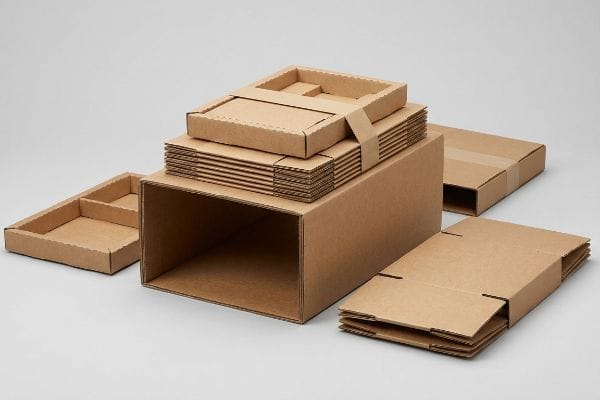
अपने लोड प्लान को ऑप्टिमाइज़ करना केवल विज़ुअल टेट्रिस खेलने जैसा नहीं है; यह संरचनात्मक अस्तित्व के बारे में है।.
नेस्टेड लॉजिस्टिक्स महंगे हवाई माल ढुलाई को कैसे रोकते हैं
कई डिज़ाइनर पूरी तरह से इस बात पर ध्यान केंद्रित करते हैं कि स्टोर में पूरी तरह से असेंबल होने पर यूनिट कैसी दिखती है, इस बात को नज़रअंदाज़ करते हुए कि इसे भौतिक रूप से कैसे ले जाया जाएगा। वे कठोर, पहले से चिपकाए गए टियर डिज़ाइन करते हैं जो मास्टर कार्टन के अंदर पूरी तरह से खाली भेजे जाते हैं। यह मानक दृष्टिकोण ब्रांडों को समुद्र के पार हवा को ट्रांसपोर्ट करने के लिए भारी माल ढुलाई लागत का भुगतान करने के लिए मजबूर करता है।
यहां तक कि अनुभवी ब्रांड मैनेजर भी अक्सर खराब वॉल्यूमेट्रिक प्लानिंग के वित्तीय नुकसान को नज़रअंदाज़ कर देते हैं। इसे ऐसे समझें जैसे आप सूटकेस में सिर्फ जूते रखने के बजाय पूरी तरह से असेंबल किए हुए जूतों के डिब्बे भर रहे हों। मैं अक्सर देखता हूं कि ग्राहक कंटेनर खोलते ही हैरान रह जाते हैं जब उन्हें सैकड़ों आधे खाली कंटेनरों से आती बासी, नम हवा का झोंका महसूस होता है। इस लॉजिस्टिकल समस्या को हल करने के लिए, मैं आंतरिक शेल्फ डिवाइडर को पूरी तरह से मॉड्यूलर डिज़ाइन करता हूं। मैं फ्लैट-पैक्ड ट्रे को इस तरह से डिज़ाइन करता हूं कि वे परिवहन के दौरान खोखले बेस स्ट्रक्चर के अंदर पूरी तरह से फिट हो जाएं। इस स्मार्ट नेस्टिंग से शिपिंग वॉल्यूम में काफी कमी आती है, जिससे आप एक स्टैंडर्ड 40HQ (हाई क्यूब) कंटेनर में काफी अधिक यूनिट्स फिटहैं और आपका फ्रेट ROI पूरी तरह से बदल जाता है।
| नौसिखियों की आम गलती | प्रो फिक्स | रिटेल-फ्लोर लाभ |
|---|---|---|
| पूरी तरह से कठोर रिक्त स्थानों की शिपिंग | मॉड्यूलर नेस्टेड पैकिंग11 | समुद्री माल ढुलाई की प्रति इकाई लागत में भारी कटौती |
| कंटेनर आयामों को अनदेखा करना | वॉल्यूमेट्रिक फुटप्रिंट मिलान12 | 40 मुख्यालयों का अधिकतम उपयोग सुनिश्चित करता है |
| फंसी हुई हवा के लिए अधिक भुगतान करना | फ्लैट-पैक खोखले आधार वाला भंडारण | चुनाव प्रचार के लाभ मार्जिन की रक्षा करता है |
मैं परिवहन के दौरान मॉड्यूलर घटकों को रखने के लिए आंतरिक रिक्त स्थानों को सक्रिय रूप से पुनर्रचित करता हूँ। खाली स्थान की शिपिंग करना, माल के खुदरा बिक्री तक पहुँचने से पहले ही आपके मार्केटिंग बजट को खत्म करने का सबसे तेज़ तरीका है।.
🛠️ हार्वे का डेस्क: क्या आपके समुद्री माल ढुलाई बिल लॉन्च से पहले ही आपके पूरे प्रचार अभियान बजट को खत्म कर रहे हैं? 👉 लोड प्लान ऑडिट का अनुरोध करें ↗ — कोई फॉर्म नहीं जो अंतहीन बिक्री कॉल को ट्रिगर करें। बस शुद्ध मूल्य।
मॉनिटर को पैलेट पर कैसे रखें?
भारी इलेक्ट्रॉनिक घटकों के लिए विशेष, अडिग संरचनात्मक ढाँचों की आवश्यकता होती है। उच्च मूल्य वाली स्क्रीन के मामले में, मानक पतले बॉक्स भारी दबाव को सहन नहीं कर सकते।.
मॉनिटरों को पैलेट पर सुरक्षित रूप से रखने के लिए, इंजीनियरों को पूरी तरह से लंबवत संरेखित खांचों वाली दोहरी दीवार वाली नालीदार संरचनाओं का उपयोग करना चाहिए। किनारों के टूटने से बचाव को अधिकतम करने से यह सुनिश्चित होता है कि पैकेजिंग बिना झुके भारी गतिशील ऊपरी भार को सहन कर सके, जिससे बहुस्तरीय गोदाम भंडारण के दौरान भारी, संवेदनशील इलेक्ट्रॉनिक डिस्प्ले को विनाशकारी टूटने से पूरी तरह से बचाया जा सके।.
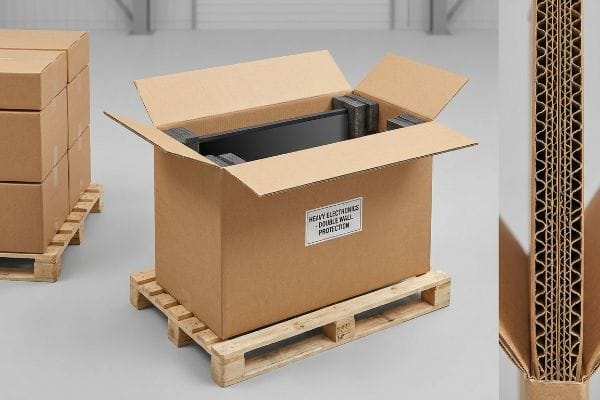
लेकिन जब फोर्कलिफ्ट भारी इलेक्ट्रॉनिक उपकरणों को ले जाना शुरू करती है तो केवल सिद्धांत जानना ही पर्याप्त नहीं होता है।.
मानक RSC बॉक्स भारी इलेक्ट्रॉनिक्स के लिए क्यों विफल हो जाते हैं?
खरीद टीमें अक्सर पूरी तरह से बंद शिपर्स के स्थान पर खुले शीर्ष वाले एचएससी (हाफ स्लॉटेड कंटेनर)13 । उनका मानना है कि यदि बोर्ड पर्याप्त मोटा है, तो भारी मॉनिटर पूरी तरह से सुरक्षित रहेंगे। यह प्रतीत होने वाला तर्कसंगत प्रतिस्थापन वास्तव में संपूर्ण ऊपरी संरचनात्मक आवरण14।
प्रयोगशाला में एक डिस्प्ले को खड़ा रखना आसान है, लेकिन भारी इलेक्ट्रॉनिक उपकरणों। मेरी सुविधा, मैं अक्सर देखता हूँ कि जब ब्रांड संवेदनशील मॉनिटरों को एक के ऊपर एक रखने की कोशिश करते हैं तो खुले ढक्कन वाले डिब्बे टूट जाते हैं। जब मैं अपने संपीड़न परीक्षक पर ऊर्ध्वाधर भार क्षमता मापता हूँ, तो ऊपरी फ्लैप को पूरी तरह से हटाने से 360-डिग्री ऊपरी स्थिरता पूरी तरह से नष्ट हो जाती है। मुझे याद है कि 187.5 पाउंड (85.0 किलोग्राम) के परीक्षण भार के कारण एक खुले HSC किनारे में स्पष्ट रूप से कंपन हुआ और वह क्रीज पर फट गया। दबाव को वितरित करने वाले ढक्कन के बिना, खुले कोने कुचलने के लिए अत्यधिक संवेदनशील हो जाते हैं। मैंने ECT (एज क्रश टेस्ट) रीडिंग निकाली और तुरंत ऊर्ध्वाधर फ्लूट संरेखण के साथ डबल-वॉल बोर्ड प्रोफाइल में अपग्रेड करने का सख्त आदेश दिया। इस विशिष्ट सामग्री समायोजन को लागू करके, मैं सुनिश्चित करता हूँ कि पैकेजिंग गतिशील ऊपरी भार को अवशोषित कर ले, जिससे असेंबली क्षति 30% तक कम हो जाती है और ग्राहकों को इलेक्ट्रॉनिक देयता दावों में हजारों की बचत होती है।
| नौसिखियों की आम गलती | प्रो फिक्स | रिटेल-फ्लोर लाभ |
|---|---|---|
| वजन के लिए ओपन-टॉप एचएससी का उपयोग करना | दोहरी दीवार वाले प्रोफाइल को अनिवार्य बनाना15 | भारी इलेक्ट्रॉनिक उपकरणों के भंडारण को सुरक्षित करता है |
| ऊपरी फ्लैपों की अनुपस्थिति को अनदेखा करना | ऊर्ध्वाधर बांसुरी संरेखण16 | टियर बकलिंग को रोकता है |
| लागत के लिए ताकत का त्याग करना | ईटीसी संरचनात्मक सुदृढ़ीकरण17 | स्क्रीन को होने वाले गंभीर नुकसान को रोकता है |
मैं भारी इलेक्ट्रॉनिक सामान की खेप भेजते समय खरीदारों को लागत में कटौती करने की अनुमति नहीं देता। ऊपरी स्थिरता में होने वाली कमी की गणितीय रूप से भरपाई किए बिना खुले कंटेनर पर निर्भर रहना आपके माल को बर्बाद करने का एक निश्चित तरीका है।.
🛠️ हार्वे का डेस्क: क्या आपको अपने भारी इलेक्ट्रॉनिक सामान रखने वाले मास्टर कार्टन की सटीक डायनामिक लोड लिमिट पता है? 👉 मुझे अपनी डाइलाइन फ़ाइल भेजें ↗ — बड़े पैमाने पर उत्पादन पर बजट बर्बाद करने से पहले मैं गणितीय गणना की गहन जाँच करूँगा।
निष्कर्ष
आप सस्ता विक्रेता चुन सकते हैं, लेकिन जब एक बड़ा मास्टर कार्टन लकड़ी के डेक से बाहर निकलकर परिवहन के दौरान टूट जाता है, तो इससे खुदरा विक्रेता द्वारा तत्काल अस्वीकृति हो जाती है और परियोजना का सारा लाभ समाप्त हो जाता है। 500 से अधिक ब्रांड प्रबंधक इन शुरुआती चरण की घातक गलतियों से बचने के लिए मेरी प्रीप्रेस चेकलिस्ट का उपयोग करते हैं। गतिशील भार भौतिकी के बारे में अनुमान लगाना बंद करें और मुझे व्यक्तिगत रूप से आपकी संरचनात्मक फाइलों को मेरे निःशुल्क डाइलाइन ऑडिट ↗ ताकि बड़े पैमाने पर उत्पादन शुरू होने से पहले इन छिपी हुई समस्याओं का पता लगाया जा सके।
"मानक पैलेट आकार | चार्ट सहित – कैम्प्स पैलेट्स", https://www.kampspallets.com/standard-pallet-sizes-with-chart/। [ग्रोसरी मैन्युफैक्चरर्स एसोसिएशन (जीएमए) के एक उद्योग मानक स्रोत से पुष्टि होती है कि 48×40 इंच का पैलेट उत्तरी अमेरिका में लॉजिस्टिक्स और रिटेल डिस्प्ले के लिए सार्वभौमिक मानक है।] साक्ष्य भूमिका: तकनीकी विनिर्देश; स्रोत प्रकार: उद्योग मानक। समर्थन: मानक पैलेट आयामों का सत्यापन। स्कोप नोट: यह आयाम उत्तरी अमेरिकी लॉजिस्टिक्स मानकों के लिए विशिष्ट है।] ↩
"पैलेट आयाम एवं आकार मार्गदर्शिका | मानक 48×40 और अनुकूलित", https://www.repackify.com/resources/guides/dimensions/pallets?srsltid=AfmBOorEmXh6X_nx6H6zb1acFYbFIzxMPGw8uDsHZaexafAiI2oHwAmC. [एक लॉजिस्टिक्स या खुदरा मानक मार्गदर्शिका GMA पैलेट के विशिष्ट आयामों को परिभाषित करती है, जिससे कई डिस्प्ले के लिए गणितीय उपविभाजन संभव हो पाता है]। साक्ष्य भूमिका: तकनीकी विनिर्देश; स्रोत प्रकार: उद्योग मानक। समर्थन: कई अभियानों के बीच एक ही पैलेट बेस को साझा करने की क्षमता। कार्यक्षेत्र संबंधी टिप्पणी: केवल GMA-अनुरूप पैलेट तक सीमित। ↩
"सैंडविच घटकों वाले टैंक कंटेनर का गतिशील भार", https://www.mdpi.com/2076-3417/15/21/11836। [लॉजिस्टिक्स इंजीनियरिंग पर तकनीकी दस्तावेज़ में यह विस्तार से बताया गया है कि गतिज ऊर्जा, कंपन और ऊर्ध्वाधर संपीड़न बल किस प्रकार गतिशील भार उत्पन्न करते हैं जो स्टैक्ड शिपिंग कंटेनरों की संरचनात्मक अखंडता को प्रभावित करते हैं]। साक्ष्य की भूमिका: तकनीकी सत्यापन; स्रोत प्रकार: लॉजिस्टिक्स इंजीनियरिंग हैंडबुक। समर्थन: यह दावा कि शिपिंग भौतिकी कच्चे माल की मजबूती पर हावी होती है। कार्यक्षेत्र संबंधी टिप्पणी: बहु-स्तरीय पारगमन वातावरण पर केंद्रित। ↩
"एक … के लिए नालीदार बोर्ड बक्सों की संपीडन सामर्थ्य का अनुमान", https://pmc.ncbi.nlm.nih.gov/articles/PMC9864211/। [तकनीकी पैकेजिंग मानक बक्से के कोनों की संरचनात्मक अखंडता के कारण संपीडन सामर्थ्य के अनुपात को निर्धारित करते हैं]। साक्ष्य भूमिका: तकनीकी विनिर्देश; स्रोत प्रकार: पैकेजिंग इंजीनियरिंग मैनुअल। समर्थन: भार वहन के लिए कोनों के संरेखण का महत्वपूर्ण महत्व। कार्यक्षेत्र संबंधी टिप्पणी: फ्लूट ग्रेड और सामग्री घनत्व के अनुसार भिन्न होता है। ↩
"पैलेट ओवरहैंग के बॉक्स संपीड़न पर प्रभाव का पूर्वानुमान ...", https://vtechworks.lib.vt.edu/items/a44b58f5-f8a2-4e60-b709-23a013411d58। [पैलेटयुक्त शिपिंग के संरचनात्मक विश्लेषण से पता चलता है कि कोने पर ऊर्ध्वाधर समर्थन की कमी संपीड़न बल को संचारित करने की इसकी क्षमता को समाप्त कर देती है]। साक्ष्य भूमिका: भौतिक सिद्धांत; स्रोत प्रकार: लॉजिस्टिक्स इंजीनियरिंग गाइड। समर्थन: पैलेट ओवरहैंग का खतरा। कार्यक्षेत्र नोट: कठोर आधार समर्थनों पर लागू होता है। ↩
"पैलेटाइज्ड बॉक्स ऑफसेट का संपीडन सामर्थ्य पर प्रभाव...", https://digitalcommons.calpoly.edu/cgi/viewcontent.cgi?article=1067&context=it_fac। तकनीकी लॉजिस्टिक्स डेटा दर्शाता है कि उत्पाद का ओवरहैंग निचली परत की ऊर्ध्वाधर भार वहन क्षमता को काफी कम कर देता है, जिससे संरचनात्मक पतन हो सकता है। साक्ष्य की भूमिका: तकनीकी सत्यापन; स्रोत प्रकार: लॉजिस्टिक्स इंजीनियरिंग गाइड। समर्थन: शून्य-ओवरहैंग बाउंडिंग बॉक्स की आवश्यकता। कार्यक्षेत्र संबंधी टिप्पणी: नालीदार सामग्रियों के लिए विशिष्ट। ↩
"नालीदार कार्डबोर्ड बक्सों की संपीडन शक्ति का अनुमान ...", https://pmc.ncbi.nlm.nih.gov/articles/PMC8467740/। पैकेजिंग इंजीनियरिंग अध्ययनों से पता चलता है कि कंटेनर की निर्धारित संपीडन शक्ति के उच्च प्रतिशत को बनाए रखने के लिए कोने के खंभों का ऊर्ध्वाधर संरेखण महत्वपूर्ण है। साक्ष्य भूमिका: मीट्रिक सत्यापन; स्रोत प्रकार: पैकेजिंग उद्योग मानक। समर्थन: ऊर्ध्वाधर कोने संरेखण की प्रभावकारिता। स्कोप नोट: वास्तविक प्रतिशत नाली के प्रकार और बोर्ड ग्रेड के आधार पर भिन्न हो सकता है। ↩
"विक्रेता अनुपालन शुल्क: खुदरा विक्रेताओं के लिए कारण और समाधान", https://www.linkedin.com/posts/quickbox-fulfillment_struggling-with-vendor-compliance-chargebacks-activity-7421637082487525376-VCk2। खुदरा विक्रेता अनुपालन नियमावली में उन वित्तीय दंडों (चार्जबैक) का विवरण दिया गया है जो खराब पैकेजिंग के कारण शिपिंग में होने वाले नुकसान के मामले में विक्रेताओं पर लगाए जाते हैं। साक्ष्य की भूमिका: व्यावसायिक प्रक्रिया सत्यापन; स्रोत प्रकार: खुदरा अनुपालन पुस्तिका। समर्थन: पैकेजिंग में कमी की सहनशीलता से होने वाला वित्तीय लाभ। कार्यक्षेत्र संबंधी टिप्पणी: विशिष्ट खुदरा विक्रेता समझौते के अनुसार भिन्न होता है। ↩
"शिपिंग लागत: वास्तविक भार बनाम आयतन भार की व्याख्या - डीएचएल", https://www.dhl.com/discover/en-id/logistics-advice/logistics-insights/decoding-shipping-costs-actual-weight-vs-volumetric-weight। [आयामी भार और आयतन मूल्य निर्धारण का एक उद्योग विश्लेषण यह दर्शाता है कि कम घनत्व वाले कार्गो की शिपिंग से कुल माल ढुलाई खर्च कैसे बढ़ जाता है]। साक्ष्य की भूमिका: आर्थिक सत्यापन; स्रोत प्रकार: लॉजिस्टिक्स श्वेतपत्र। समर्थन: कंटेनर स्थान की बर्बादी का वित्तीय दंड। कार्यक्षेत्र संबंधी टिप्पणी: उच्च मात्रा, कम भार वाले सामान के लिए विशिष्ट। ↩
"कंटेनर में कितने बॉक्स समा सकते हैं, इसकी गणना कैसे करें", https://www.3dbinpacking.com/en/blog/how-to-calculate-how-many-boxes-will-fit-in-a-container/। [माल ढुलाई अनुकूलन या लॉजिस्टिक्स इंजीनियरिंग पर एक प्रामाणिक स्रोत ऐसे डेटा प्रदान करेगा जो यह दर्शाता है कि घटकों को एक दूसरे के अंदर रखने से हाई क्यूब कंटेनरों की समग्र इकाई क्षमता कैसे बढ़ती है]। साक्ष्य की भूमिका: तथ्यात्मक समर्थन; स्रोत का प्रकार: लॉजिस्टिक्स उद्योग का श्वेतपत्र। समर्थन: यह दावा कि नेस्टेड लॉजिस्टिक्स कंटेनर के उपयोग को बेहतर बनाता है। स्कोप नोट: दक्षता में वृद्धि विशिष्ट उत्पाद ज्यामिति पर निर्भर करती है। ↩
"कंटेनर उपयोग को अधिकतम करना: संरचनात्मक पैकेजिंग डिज़ाइन कैसे...", https://www.eco-pack.com/info/maximizing-container-utilization-how-structur-103348778.html। [आपूर्ति श्रृंखला अनुकूलन पर उद्योग अध्ययन दर्शाते हैं कि कैसे नेस्टेड पैकेजिंग घन आयतन को कम करती है और प्रति इकाई शिपिंग लागत को घटाती है]। साक्ष्य भूमिका: तकनीकी सत्यापन; स्रोत प्रकार: लॉजिस्टिक्स श्वेतपत्र। समर्थन: प्रति इकाई लागत में कमी। कार्यक्षेत्र संबंधी टिप्पणी: नेस्टेबल उत्पाद डिज़ाइनों के लिए विशिष्ट। ↩
"कंटेनर के सटीक आकार और आयतन के साथ शिपिंग को अनुकूलित करें", https://www.linkedin.com/posts/pareshsolankioes_knowing-container-size-and-volume-helps-you-activity-7419258456148414464-aeLQ. [समुद्री माल ढुलाई के लिए लॉजिस्टिक्स मैनुअल बताते हैं कि कार्गो फुटप्रिंट को 40HQ कंटेनर के विशिष्ट आंतरिक आयामों से मिलाने से खाली जगह कैसे कम हो जाती है]। साक्ष्य भूमिका: तकनीकी विनिर्देश; स्रोत प्रकार: शिपिंग हैंडबुक। समर्थन: कंटेनर का अधिकतम उपयोग। स्कोप नोट: 40-फुट हाई क्यूब कंटेनरों तक सीमित। ↩
"हाफ स्लॉटेड कंटेनर: पैकेजिंग और उपयोग के लिए संपूर्ण गाइड", https://manikprintpack.com/blog/half-slotted-container-complete-guide?srsltid=AfmBOopZdoBBHujZxvrdVDqHB8m41620EaWNvk0FqjHNxPlV86I02BUw। [पैकेजिंग इंजीनियरिंग मानक RSC और HSC के बीच ज्यामितीय और संरचनात्मक अंतर और उनकी संबंधित भार वहन क्षमता को परिभाषित करते हैं]। साक्ष्य भूमिका: तकनीकी सत्यापन; स्रोत प्रकार: पैकेजिंग उद्योग हैंडबुक। सहायक: खरीद में उपयोग किए जाने वाले कंटेनर प्रकारों की पहचान। कार्यक्षेत्र नोट: नालीदार बोर्ड की ज्यामिति पर केंद्रित। ↩
"नालीदार पैलेटों पर पैलेट के ऊपरी डेक की कठोरता के प्रभाव की जांच...", https://pmc.ncbi.nlm.nih.gov/articles/PMC8585293/। [संपीड़न परीक्षण पर तकनीकी साहित्य यह दर्शाता है कि शीर्ष आवरणों की अनुपस्थिति स्टैक्ड पैलेटों में ऊर्ध्वाधर भार वितरण और स्तंभ की मजबूती को कैसे प्रभावित करती है]। साक्ष्य की भूमिका: इंजीनियरिंग प्रमाण; स्रोत प्रकार: पदार्थ विज्ञान पत्रिका। समर्थन: यह दावा कि एचएससी संरचनात्मक अखंडता से समझौता करते हैं। कार्यक्षेत्र नोट: विशेष रूप से ऊर्ध्वाधर संपीड़न भार पर लागू होता है। ↩
"शिपिंग बॉक्स की मजबूती को समझना – इकोएनक्लोज", https://www.ecoenclose.com/blog/understanding-shipping-box-strength/?srsltid=AfmBOooFj62M28tB-iwRy6YggwnAkJF3MvqcSBL1gMwt3hwb7dPCubyp. [पैकेजिंग सामग्री पर एक तकनीकी मार्गदर्शिका यह दर्शाती है कि दोहरी दीवार वाले नालीदार प्रोफाइल एकल दीवार वाले विकल्पों की तुलना में काफी अधिक ऊर्ध्वाधर स्टैकिंग मजबूती प्रदान करते हैं। साक्ष्य भूमिका: तकनीकी विनिर्देश; स्रोत प्रकार: पैकेजिंग इंजीनियरिंग मैनुअल। समर्थन: भारी भार के लिए दोहरी दीवार वाले प्रोफाइल का उपयोग। कार्यक्षेत्र नोट: नालीदार फाइबरबोर्ड पर लागू।] ↩
"संपीड़न सामर्थ्य के आकलन में बकलिंग की भूमिका...", https://pmc.ncbi.nlm.nih.gov/articles/PMC7602429/। [नालीदार तख्ते पर सामग्री विज्ञान साहित्य इस बात की पुष्टि करता है कि खांचों को लंबवत रूप से संरेखित करने से दीवारों की भार वहन क्षमता अधिकतम हो जाती है और ढहने से बचाव होता है। साक्ष्य की भूमिका: यांत्रिक सिद्धांत; स्रोत प्रकार: सामग्री विज्ञान पाठ्यपुस्तक। समर्थन: टियर बकलिंग की रोकथाम। कार्यक्षेत्र संबंधी टिप्पणी: ऊर्ध्वाधर संपीडन भारों के लिए विशिष्ट।] ↩
"एज क्रश टेस्ट: नालीदार पैकेजिंग के लिए आवश्यक अंतर्दृष्टि", https://www.testresources.net/blog/edge-crush-test-essential-insights-for-corrugated-packaging। [एज क्रश टेस्ट (ECT) रेटिंग के लिए उद्योग मानक संरचनात्मक विफलता से पहले एक बॉक्स द्वारा सहन किए जा सकने वाले अधिकतम भार पर अनुभवजन्य डेटा प्रदान करते हैं। साक्ष्य भूमिका: उद्योग मानक; स्रोत प्रकार: ASTM या ISO मानक। समर्थन: स्क्रीन क्षति को रोकने में ECT रेटिंग की प्रभावकारिता। स्कोप नोट: ऊपर से नीचे संपीड़न पर केंद्रित।] ↩