
मौसमी अभियान शुरू करने का मतलब है समय की कमी से जूझना। अगर आपका सामान तुरंत दुकान में नहीं दिखता, तो आप राजस्व कमाने का सीमित अवसर पूरी तरह से खो देते हैं।
जी हाँ। एक त्वरित डिस्प्ले (पीडीक्यू) मौसमी उत्पादों की सीमित बिक्री अवधि को पूरी तरह से बचा सकता है, क्योंकि इससे अनपैकिंग में लगने वाला लंबा समय बच जाता है। ये मॉड्यूलर, पहले से भरे हुए रिटेल मर्चेंडाइज़र सीधे मास्टर कार्टन से शेल्फ पर रखे जा सकते हैं, जिससे स्टोर में उत्पादों की उपस्थिति में काफी तेजी आती है, श्रम की बर्बादी कम होती है और ब्रांड की तत्काल दृश्यता सुनिश्चित होती है।.
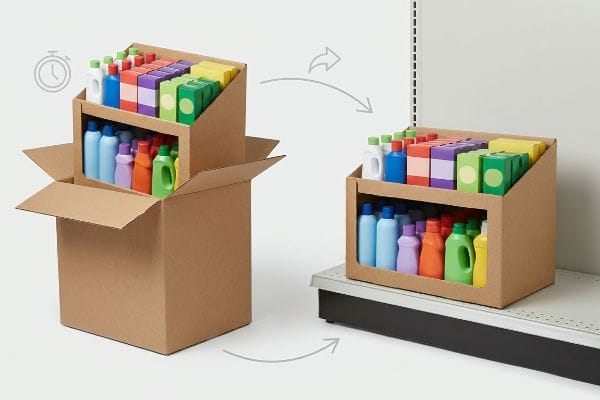
आइए देखें कि जब स्टोर में बिताया गया हर सेकंड मायने रखता है, तो हाई-स्पीड रिटेल मर्चेंडाइजर किस तरह से महत्वपूर्ण भूमिका निभाते हैं।.
एक अच्छा रिटेल डिस्प्ले कैसा होना चाहिए?
एक खूबसूरत संरचनात्मक अवधारणा भी बेकार है अगर वह भीड़भाड़ वाले खुदरा परिवेश में घुलमिल जाए। वास्तविक प्रदर्शन भौतिक सामग्रियों के साथ-साथ मनोवैज्ञानिक इंजीनियरिंग पर भी निर्भर करता है।.
एक अच्छा रिटेल डिस्प्ले बनाने के लिए 3D संरचनात्मक मजबूती और उच्च-विपरीत दृश्य व्यवधान के बीच संतुलन बनाए रखना आवश्यक है। सबसे प्रभावी डिस्प्ले दूर से ही ग्राहकों का ध्यान आकर्षित करते हैं और साथ ही बड़े स्टोर के कठोर वातावरण में भी टिके रहते हैं। ये डिस्प्ले लॉजिस्टिक्स संबंधी आवश्यकताओं को गलियारों में सामान व्यवस्थित करने के सख्त नियमों के अनुरूप रखते हैं, जिससे अधिकतम निवेश पर लाभ (ROI) सुनिश्चित होता है।.
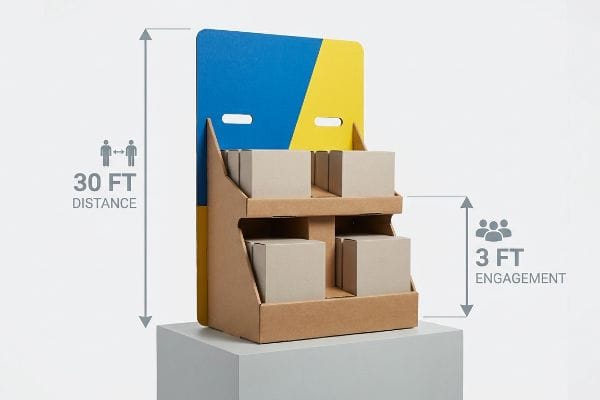
बुनियादी परिभाषा जानना एक बात है, लेकिन राहगीरों की आवाजाही को वास्तविक बिक्री में बदलना एक सख्त स्थानिक ढांचे की आवश्यकता होती है।.
3-3-3 स्थानिक सहभागिता ढांचे का क्रियान्वयन
यहां तक कि अनुभवी मार्केटिंग टीमें भी अक्सर अपने उच्च-रिज़ॉल्यूशन वाले कंप्यूटर मॉनिटरों पर नज़दीकी से देखने के लिए ही मर्चेंडाइजिंग संरचनाएं डिज़ाइन करती हैं। वे गलत धारणा रखते हैं कि राहगीर स्वाभाविक रूप से रुककर साइड पैनल पर छपे विस्तृत, पाठ-प्रधान पैराग्राफ पढ़ेगा। यह दृष्टिकोण विशाल गोदामों और स्टोरों के गलियारों में लोगों के आवागमन की वास्तविक स्थिति को पूरी तरह से अनदेखा करता है।
असफल अभियानों का मूल्यांकन करते समय, मैं अक्सर ऐसे डिस्प्ले देखता हूँ जो खुदरा बिक्री के "3-3-3 नियम"1हैं। एक ग्राहक पलक झपकते ही आपके यूनिट के पास से गुजर जाता है। मुझे एक अभियान का शुभारंभ याद है जहाँ ब्रांड ने सामग्री की विस्तृत सूची टखने की ऊँचाई पर छापी थी। लेपित नालीदार बोर्ड की चिकनी सतह कार्यालय की रोशनी में बहुत अच्छी लग रही थी, लेकिन फर्श पर, इसके परिणामस्वरूप होने वाले संज्ञानात्मक अतिभार के कारण जल्दबाजी में खरीदारी करने वाले ग्राहक इसे पूरी तरह से अनदेखा कर देते थे। मैं इस समस्या को डिज़ाइन को पूरी तरह से परिष्कृत करके ठीक करता हूँ: 30 फुट (914.4 सेमी) के व्यवधान के लिए बड़े डाई-कट आकार का उपयोग करता हूँ, 50 इंच (127 सेमी) के स्ट्राइक ज़ोन2 के लिए शेल्फ एर्गोनॉमिक्स को अनुकूलित करता हूँ, और अंतिम 3 इंच (7.6 सेमी) स्पर्शनीय रूपांतरण के लिए 85% उत्पाद दृश्यता सुनिश्चित करने के लिए सामने के रिटेनिंग लिप को छोटा करता हूँ। यह संरचनात्मक दूरी सक्रिय रूप से मानव आँख को आकर्षित करती है, जिससे अनदेखा करने की दर में भारी कमी आती है और यूनिट की लाभप्रदता बढ़ती है।
| नौसिखियों की आम गलती | प्रो फिक्स | रिटेल-फ्लोर लाभ |
|---|---|---|
| टेक्स्ट से भरपूर साइड पैनल | डाई-कट 30-फुट दृश्य विघ्नकर्ता | गलियारे में आने-जाने वाले लोगों की आवाजाही को नियंत्रित करता है |
| सममित समतल शेल्फिंग | असममित 3-5-7 आइटम समूहीकरण3 | संज्ञानात्मक अतिभार को कम करता है |
| ऊंचे सामने वाले होंठ | होंठ को 85% दृश्यता तक काटें4 | आवेग रूपांतरण बढ़ाता है |
मैं ब्रांडों को अपने उत्पादों को ऊंचे गत्ते की दीवारों के पीछे छिपाने की अनुमति नहीं देता। एक उचित प्रभाव क्षेत्र तैयार करने से यह सुनिश्चित होता है कि आपका भौतिक निवेश वास्तव में संकोची खरीदारों को आकर्षित करे, न कि केवल गलियारे में सजावट के रूप में पड़ा रहे।.
🛠️ हार्वे का डेस्क: क्या आपको यकीन नहीं है कि आपकी कलाकृति 30 फीट की दूरी से स्पष्ट दिखाई देगी? 👉 मुफ़्त दृश्यता जाँच करवाएँ ↗ — सीधे मेरे डेस्क तक पहुँच। मैं वादा करता हूँ, कोई स्वचालित बिक्री संबंधी स्पैम नहीं।
प्रोडक्ट डिस्प्ले में PDQ का मतलब क्या होता है?
सामान को जल्दी से जल्दी बाजार तक पहुंचाना ही मौसमी सफलता तय करता है। छुट्टियों के दौरान होने वाली भीड़भाड़ में खुदरा विक्रेताओं को जटिल असेंबली या धीमी अनपैकिंग प्रक्रियाओं के लिए बिल्कुल भी धैर्य नहीं होता।.
पीडीक्यू डिस्प्ले उच्च गुणवत्ता वाले, पहले से भरे हुए रिटेल ट्रे हैं जिन्हें तुरंत शेल्फ पर रखने के लिए डिज़ाइन किया गया है। ये तेजी से बिकने वाले नालीदार यूनिट स्टोर कर्मचारियों के लिए श्रम की परेशानी को कम करते हैं, और बिना किसी अतिरिक्त असेंबली टूल की आवश्यकता के, सीलबंद मास्टर कार्टन से सीधे रिटेल चेकआउट काउंटर पर कुछ ही सेकंड में पहुंच जाते हैं।.
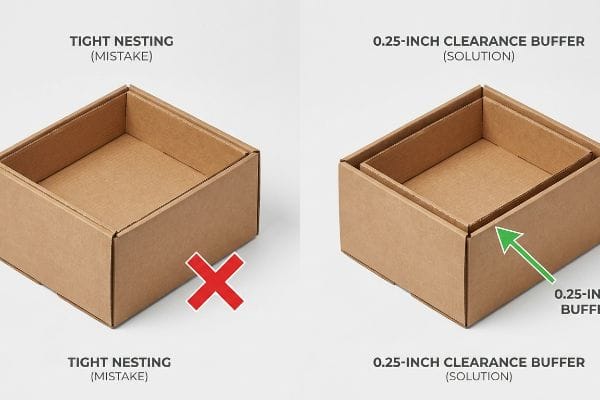
सुनने में तो गति शानदार लगती है, लेकिन असल में पैकेजिंग खोलने की प्रक्रिया में अक्सर छिपी हुई परेशानियां सामने आ जाती हैं।.
नेस्टेड पैकेजिंग सिस्टम में छिपी हुई बाधा
खरीददार अक्सर मास्टर शिपिंग कार्टन को पहले से भरे हुए रिटेल ट्रे के बाहरी आयामों से बिल्कुल मेल खाने के लिए डिज़ाइन करते हैं। वे इस तार्किक धारणा पर काम करते हैं कि एकदम सटीक फिटिंग से अंदर रखे सामान को परिवहन के दौरान अधिकतम सुरक्षा मिलती है । यह रणनीति फ्लैट सीएडी (कंप्यूटर-एडेड डिज़ाइन) ड्राइंग पर बिल्कुल सही दिखती है।
समस्या तब उत्पन्न होती है जब आप कच्चे, बिना सील किए हुए पेपरबोर्ड के अत्यधिक सतही घर्षण को ध्यान में रखते हैं। मैंने खुदरा दुकानों में काम करते हुए देखा है कि एक जल्दबाज़ी में काम करने वाला क्लर्क एक मास्टर शिपर से कसकर बंद 24 इंच (60.9 सेमी) की ट्रे को बाहर निकालने की कोशिश करता है, लेकिन ट्रे की दीवारें पूरी तरह से आपस में फंस जाती हैं। नालीदार कार्डबोर्ड की खुरदरी, पाउडर जैसी सतह एक तीव्र यांत्रिक जकड़न पैदा करती है। हताशा में आकर क्लर्क सामने के पैनल को ज़ोर से खींचता है, जिससे पेपरबोर्ड के फटने की भयानक आवाज़ आती है और ब्रांड का प्रीमियम रिटेनिंग लिप खराब हो जाता है। मैं एक सख्त ज्यामितीय ऑफसेट टॉलरेंस प्रोटोकॉल लागू करके इस समस्या को दूर करता हूँ। 0.25 इंच (6.35 मिमी)6 करके, मैं घर्षण लॉक को पूरी तरह से तोड़ देता हूँ। यह सरल समायोजन एक सुगम, बिना फटे अनपैकिंग अनुभव सुनिश्चित करता है, जिससे श्रम घर्षण में लगभग 30%7।
| नौसिखियों की आम गलती | प्रो फिक्स | रिटेल-फ्लोर लाभ |
|---|---|---|
| 1:1 तंग बॉक्स नेस्टिंग | 0.25 इंच का क्लीयरेंस बफर8 | घर्षण अवरोध को रोकता है |
| कागज की धूल को नजरअंदाज करते हुए | किनारों पर जलीय स्लिप-कोटिंग9 | तेज़ खींचने में सक्षम बनाता है |
| ट्रे के किनारों के जोड़ कमजोर हैं | प्रबलित दोहरी दीवार वाले कोने10 | उठाने के दौरान फटने से रोकता है |
मैं हमेशा व्यस्त और अत्यधिक काम के बोझ से दबे खुदरा कर्मचारियों को ध्यान में रखकर डिज़ाइन करता हूँ। यदि आपका उत्पाद अनपैकिंग के दौरान उनके लिए परेशानी पैदा करता है, तो आपके ब्रांड की साख को नुकसान होगा।.
🛠️ हार्वे का डेस्क: क्या आपके मास्टर कार्टन के आंतरिक आयाम आपके डिस्प्ले ट्रे के आंतरिक आयामों के बिल्कुल समान हैं? 👉 क्लीयरेंस ऑडिट का अनुरोध करें ↗ — सुरक्षित रूप से डाउनलोड करें। बाद में कोई प्रश्न होने पर मेरा इनबॉक्स खुला है।
उत्पादों को बढ़ावा देने के लिए चेकआउट काउंटर के पास आमतौर पर किस प्रकार का पीओएस डिस्प्ले लगाया जाता है?
काउंटर पर जगह मिलना अचानक होने वाली बिक्री के लिए बहुत फायदेमंद होता है। हालांकि, ग्राहकों की लगातार आवाजाही वाले इस व्यस्त क्षेत्र में टिके रहने के लिए सख्त ढांचागत अनुशासन की आवश्यकता होती है।.
चेकआउट काउंटर के पास पीओएस (पॉइंट ऑफ सेल) डिस्प्ले लगाने के लिए आमतौर पर कॉम्पैक्ट, पहले से असेंबल किए गए काउंटरटॉप मर्चेंडाइज़र या ग्रेविटी-फीड यूनिट का उपयोग किया जाता है। ये संरचनाएं विशेष रूप से ग्राहकों की तात्कालिक खरीदारी को प्रोत्साहित करने के लिए डिज़ाइन की गई हैं, जो भीड़भाड़ वाले रजिस्टर क्षेत्रों में आसानी से फिट हो जाती हैं और लिप बाम या मौसमी कैंडी जैसी उच्च-लाभांश वाली वस्तुओं को सुरक्षित रूप से रखती हैं।.
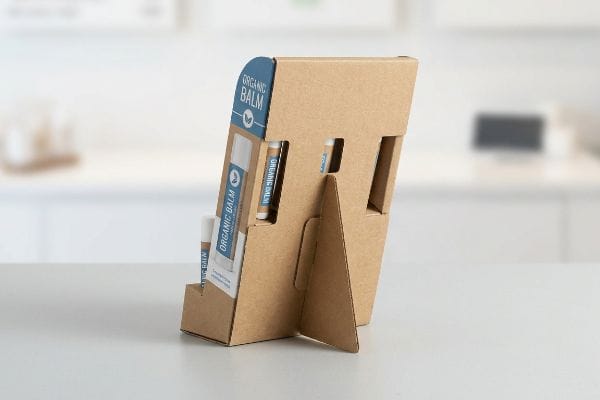
छोटे रजिस्टर फुटप्रिंट की आवश्यकताएं अक्सर डिजाइनरों को खतरनाक तरीकों से भौतिक सीमाओं को बढ़ाने के लिए प्रेरित करती हैं।.
टिपिंग पॉइंट के भौतिकी में महारत हासिल करना
एक छोटे से काउंटर पर प्रदर्शित माल की मात्रा को अधिकतम करने के लिए, डिज़ाइन टीमें अक्सर अपनी इकाइयों की ऊर्ध्वाधर ऊँचाई को चरम सीमा तक ले जाती हैं 11। वे लंबी, संकीर्ण संरचनाएँ बनाते हैं, यह मानते हुए कि आंतरिक उत्पादों का भारी वजन आधार को चेकआउट डेस्क पर मजबूती से टिकाए रखेगा 12 ।
द्रव्यमान केंद्र की गणना किए बिना ऊर्ध्वाधर इकाइयाँ बनाना किसी भारी किताब को उसकी रीढ़ की हड्डी पर संतुलित करने जैसा है। मैं अक्सर ऐसी फाइलों का ऑडिट करता हूँ जहाँ इकाई की ऊँचाई 2:3 के गहराई-से-ऊँचाई अनुपात का घोर उल्लंघन करती है । एक सामान्य झुकाव परीक्षण के दौरान, तरल सौंदर्य प्रसाधनों के भारी भार के कारण पूरी संरचना आगे की ओर झुक जाती है। मुझे याद है कि एक भारी इकाई के पूरी तरह से पलटने से ठीक पहले उसके अस्थिर कंपन का अनुभव हुआ था। जब कोई डिस्प्ले कैश रजिस्टर पर गिर जाता है, तो खुदरा विक्रेता तुरंत उसे अस्वीकार कर देते हैं और एक महंगा पुनर्निर्माण करना पड़ता है। मैं इसका समाधान एक छिपे हुए नकली तल या डाई-लाइन में एक विस्तारित ईज़ल बैक को इंजीनियर करके करता हूँ। गुरुत्वाकर्षण केंद्र को गणितीय रूप से कम करके और पिछले एंकर बिंदु को केवल 3 इंच (7.6 सेमी) बढ़ाकर , मैं यह सुनिश्चित करता हूँ कि आधार भारी खरीदारी के दौरान भी पूरी तरह से स्थिर और सुरक्षित रहे।
| नौसिखियों की आम गलती | प्रो फिक्स | रिटेल-फ्लोर लाभ |
|---|---|---|
| ऊंचे और संकरे आधार | 2:3 ऊंचाई अनुपात लागू करना15 | यूनिट को पलटने से रोकता है |
| सपाट ऊर्ध्वाधर पीठ | विस्तारित रियर ईज़ल जोड़ना16 | एंकर गुरुत्वाकर्षण केंद्र |
| पतले एकल-दीवार वाले आधार | छिपे हुए नकली तल भार17 | गाड़ी के धक्कों से बच जाता है |
मैं रजिस्टर यूनिट्स को कि वे अविचल लंगर की तरह स्थिर रहें। गुरुत्वाकर्षण के मूल नियम का उल्लंघन करने पर आपका सामान हमेशा ज़मीन पर बिखर जाएगा।
🛠️ हार्वे का डेस्क: क्या आपके काउंटरटॉप यूनिट्स बड़े पैमाने पर उत्पादन से पहले मानक झुकाव परीक्षण पास कर रहे हैं? 👉 अपना ग्रेविटी चेक प्राप्त करें ↗ — कोई फॉर्म नहीं जो अंतहीन बिक्री कॉल को ट्रिगर करे। बस शुद्ध मूल्य।
आप डिस्प्ले का रखरखाव कैसे करते हैं?
अगर संरचना एक सप्ताह के भीतर ही खराब हो जाए तो एक सुंदर प्रस्तुति भी अपना सारा महत्व खो देती है। खुदरा दुकानों में टिके रहने के लिए पर्यावरणीय खतरों से बचाव के लिए पहले से ही तैयारी करना आवश्यक है।.
डिस्प्ले को प्रभावी ढंग से बनाए रखने के लिए, विनिर्माण प्रक्रिया में ही नमी रोधक और संरचनात्मक सुदृढ़ीकरण को शामिल करना आवश्यक है। आधार भागों पर पारदर्शी पॉलीकोट या जल-प्रतिरोधी वार्निश लगाकर, ब्रांड कच्चे नालीदार पेपरबोर्ड को परिवेशीय नमी, रात में फर्श की सफाई और भारी शॉपिंग कार्ट की टक्करों से बचाते हैं।.
लेकिन जब मशीनें चलने लगती हैं और पोछे निकालने का काम शुरू होता है, तो केवल सिद्धांत जानना ही पर्याप्त नहीं होता।.
मानक नालीदार कार्डबोर्ड कारखाने में विफल क्यों हो जाता है?
खरीद टीमें अपने बड़े फ्लोर स्टैंड के लिए बिना कोटिंग वाले, 100% पुनर्चक्रण योग्य वर्जिन क्राफ्ट पेपरबोर्ड 18 का उपयोग करके उच्च स्थिरता लक्ष्यों को प्राप्त करने का प्रयास करती हैं । उनका मानना है कि चूंकि स्टोर में तापमान नियंत्रित रहता है, इसलिए मानक कच्चे माल की विशिष्टताएँ बिना किसी रासायनिक योजक की आवश्यकता के लंबे प्रचार अवधि में पूरी तरह से बरकरार रहेंगी।
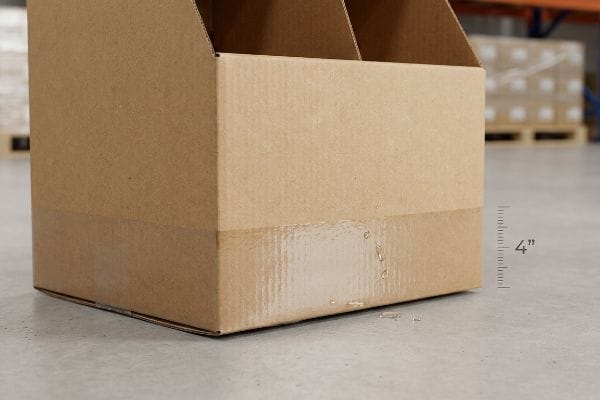
मेरी सुविधा में, मैं पर्यावरणीय तनाव परीक्षण के दौरान इस सैद्धांतिक धारणा को अक्सर गलत साबित होते देखता हूँ। यह केवल सिद्धांत नहीं है—मैं इसे परीक्षण स्थल पर तब होते हुए देखता हूँ जब हम रात के खुदरा रखरखाव का अनुकरण करते हैं। बड़े स्टोर के क्लर्क हर रात रासायनिक क्लीनर में भीगे हुए भारी औद्योगिक पोछे का इस्तेमाल करते हैं। जब बिना उपचारित 32ECT (एज क्रश टेस्ट) टेस्टलाइनर उस नमी को सोख लेता है , तो कच्चे कागज के रेशे तुरंत फूल जाते हैं और नरम हो जाते हैं। मैंने केवल तीन अनुकरणित पोछा चक्रों के बाद आधार संपीड़न शक्ति में 40% की कमी को भौतिक रूप से मापा है, साथ ही सड़े हुए कागज की चिपचिपी, नम गंध भी आती है। निचला स्तर 150 पाउंड (68 किलोग्राम) भार के नीचे स्पष्ट रूप से झुक जाता है। मैंने माइक्रोमीटर रीडिंग ली और साबित किया कि मुझे महंगे प्लास्टिक बेस ट्रे की आवश्यकता नहीं थी; मैंने बस एक सख्त पोछा सुरक्षा प्रोटोकॉल लागू किया। निचले परिधि पर 4 इंच (10.1 सेमी) की एक लक्षित, पारदर्शी वार्निश बाधा लगाकर , मैं केशिका अवशोषण क्रिया को रोक देता हूँ । यह सूक्ष्म समायोजन नमी के कारण होने वाले विरूपण को पूरी तरह से रोकता है और यह सुनिश्चित करता है कि यूनिट बिना किसी महंगे समय से पहले प्रतिस्थापन शिपमेंट को ट्रिगर किए अपने पूरे खुदरा जीवनचक्र को पूरा करे।
| नौसिखियों की आम गलती | प्रो फिक्स | रिटेल-फ्लोर लाभ |
|---|---|---|
| फर्श पर कच्चा पेपरबोर्ड पड़ा हुआ है | 4 इंच की निचली वार्निश बाधा21 | पोछे द्वारा पानी के अवशोषण को रोकता है |
| भारी प्लास्टिक बेस का उपयोग करना | लक्षित तरल पॉली-कोट22 | सामग्री की लागत कम करता है |
| आधार की सूजन को अनदेखा करना | जल-प्रतिरोधी किनारे की सीलिंग23 | संरचनात्मक पतन को रोकता है |
मैं गीले फर्श की वजह से किसी शानदार डिज़ाइन को बर्बाद नहीं होने दूंगा। प्रतिकूल खुदरा वातावरण में किसी भी संरचना की दीर्घायु सुनिश्चित करने का एकमात्र तरीका उसकी नींव की रक्षा करना है।.
🛠️ हार्वे का डेस्क: क्या आपको पता है कि रात में फर्श की सफाई के दौरान आपके मौजूदा नालीदार बेस की नमी सोखने की सटीक दर क्या है? 👉 मुझे अपनी डाइलाइन फ़ाइल भेजें ↗ — बड़े पैमाने पर उत्पादन पर बजट बर्बाद करने से पहले मैं आपके गणितीय गणना की गहन जाँच करूँगा।
निष्कर्ष
आप चाहें तो सस्ता, बिना सील वाला बेस चुन सकते हैं, लेकिन जब वह कच्चा 32ECT बोर्ड फर्श की नमी सोख लेता है और भारी भार के नीचे दबकर टूट जाता है, तो रिटेलर तुरंत उसे अस्वीकार कर देते हैं और आपके पूरे मुनाफे पर पानी फिर जाता है। मेरे शीर्ष 10 रिटेल ग्राहक प्रिंट रिजेक्शन को रोकने के लिए इसी स्पेसिफिकेशन शीट का इस्तेमाल करते हैं। संरचनात्मक कमियों के बारे में अंदाज़ा लगाना बंद करें और मुझे व्यक्तिगत रूप से आपकी फाइलों को अपने मुफ़्त डाइलाइन प्री-फ़्लाइट ऑडिट ↗ ताकि बड़े पैमाने पर उत्पादन शुरू होने से पहले ही सारी कमियां पकड़ी जा सकें।
"मार्केटिंग में 3-3-3 नियम: आपको क्या जानना चाहिए - डिस्प्ले विजार्ड", https://www.displaywizard.co.uk/3-3-3-rule-in-marketing/। दृश्य मर्चेंडाइजिंग के लिए उद्योग मानक स्थानिक जुड़ाव दूरी और समय के लिए 3-3-3 नियम को मान्य करते हैं। साक्ष्य की भूमिका: सत्यापन; स्रोत प्रकार: पेशेवर खुदरा मार्गदर्शिका। समर्थन: खरीदार आकर्षण के लिए वैचारिक ढांचा। कार्यक्षेत्र संबंधी टिप्पणी: खरीद के स्थान पर प्रदर्शित वस्तुओं पर लागू। ↩
"[PDF] खुदरा किराना स्टोरों के लिए दिशानिर्देश – एर्गोनॉमिक्स … – OSHA", https://www.osha.gov/sites/default/files/publications/OSHA3192.pdf। खुदरा वातावरण में औसत वयस्क की आंखों के स्तर और पहुंच क्षेत्रों पर किए गए एर्गोनॉमिक शोध से इष्टतम उपयोग के लिए 50 इंच की ऊंचाई का समर्थन मिलता है। साक्ष्य की भूमिका: तकनीकी सत्यापन; स्रोत प्रकार: एर्गोनॉमिक अध्ययन। समर्थन: विशिष्ट शेल्फ ऊंचाई अनुकूलन। कार्यक्षेत्र संबंधी टिप्पणी: औसत वयस्क मानवमितीय डेटा पर आधारित। ↩
"क्या दृश्य बिक्री के प्रकारों के प्रति उपभोक्ता की तंत्रिका प्रतिक्रिया भिन्न होती है...?", https://pmc.ncbi.nlm.nih.gov/articles/PMC7757867/। विषम संख्या वाले आइटम समूहों और संज्ञानात्मक भार पर उनके प्रभाव के संबंध में दृश्य जटिलता और उपभोक्ता मनोविज्ञान पर शोध। साक्ष्य की भूमिका: तकनीकी विनिर्देश का समर्थन; स्रोत प्रकार: उपभोक्ता मनोविज्ञान अध्ययन। समर्थन: संज्ञानात्मक अतिभार को कम करने के लिए 3-5-7 समूहीकरण का उपयोग। कार्यक्षेत्र संबंधी टिप्पणी: प्रभावशीलता उत्पाद श्रेणी के अनुसार भिन्न हो सकती है। ↩
"शेल्फ टॉकर बिक्री और ग्राहक जुड़ाव को कैसे बढ़ाते हैं", https://danaindustries.com/how-shelf-talkers-boost-sales-customer-engagement/। शेल्फ के किनारों पर उत्पाद की दृश्यता के प्रतिशत और आवेगपूर्ण खरीदारी रूपांतरण दरों के बीच संबंध दर्शाने वाले अनुभवजन्य आंकड़े। साक्ष्य की भूमिका: मात्रात्मक मीट्रिक; स्रोत प्रकार: खुदरा एर्गोनॉमिक्स रिपोर्ट। समर्थन: बढ़ी हुई रूपांतरण दर के लिए विशिष्ट 85% दृश्यता सीमा। कार्यक्षेत्र संबंधी टिप्पणी: शेल्फ-किनारे के डिज़ाइन से संबंधित। ↩
"इंजीनियरिंग में फिट के प्रकार: क्लीयरेंस, ट्रांज़िशन और इंटरफेरेंस", https://www.fictiv.com/articles/engineering-fits-clearance-transition-interference। शिपिंग कार्टन में शॉक एब्जॉर्प्शन के लिए आवश्यक क्लीयरेंस की तुलना में टाइट टॉलरेंस की प्रभावकारिता के संबंध में उद्योग मानकों का सत्यापन। साक्ष्य की भूमिका: तकनीकी सत्यापन; स्रोत प्रकार: पैकेजिंग इंजीनियरिंग मैनुअल या लॉजिस्टिक्स मानक। समर्थन: यह धारणा कि टाइट फिट सुरक्षा के लिए होते हैं। कार्यक्षेत्र संबंधी टिप्पणी: नालीदार शिपिंग कंटेनरों के लिए विशिष्ट। ↩
"रिटेल डिस्प्ले के 14 प्रकार | शिकागो, आईएल - वर्थाइमर बॉक्स", https://wertheimerbox.com/types-of-retail-displays/। निष्कर्षण के दौरान यांत्रिक बंधन को रोकने के लिए नेस्टेड नालीदार पैकेजिंग के लिए उद्योग-मानक सहनशीलता का तकनीकी सत्यापन। साक्ष्य भूमिका: तकनीकी विनिर्देश; स्रोत प्रकार: पैकेजिंग इंजीनियरिंग मैनुअल। समर्थन: विशिष्ट 0.25 इंच बफर आवश्यकता। कार्यक्षेत्र नोट: बोर्ड ग्रेड और कैलिपर के आधार पर भिन्न हो सकता है। ↩
"खराब पैकेजिंग आपके व्यवसाय और आपूर्ति श्रृंखला को कैसे प्रभावित करती है...", https://www.intouch-quality.com/blog/how-poor-packaging-impact-your-business-and-supply-chain-efficiency। अनुकूलित पैकेजिंग क्लीयरेंस के परिणामस्वरूप स्टोर क्लर्क के श्रम समय में कमी को दर्शाने वाले अनुभवजन्य डेटा या केस स्टडी। साक्ष्य की भूमिका: मात्रात्मक प्रदर्शन मीट्रिक; स्रोत प्रकार: उद्योग श्वेत पत्र या परिचालन दक्षता अध्ययन। समर्थन करता है: 30% श्रम कटौती के दावे का। स्कोप नोट: खुदरा परिवेशों में अनुमानित औसत का प्रतिनिधित्व करता है। ↩
"[PDF] नालीदार बोर्ड विनिर्देश - फाइबर बॉक्स एसोसिएशन", https://www.fibrebox.org/assets/2025/09/Walmart_Corrugated-Board_Specifications_Automation_Packaging_Standards.pdf। तकनीकी पैकेजिंग दिशानिर्देश नेस्टेड नालीदार कंटेनरों में वैक्यूम या घर्षण लॉकिंग को रोकने के लिए न्यूनतम क्लीयरेंस अंतराल निर्दिष्ट करते हैं। साक्ष्य भूमिका: तकनीकी विनिर्देश; स्रोत प्रकार: इंजीनियरिंग मैनुअल। समर्थन: नेस्टिंग के लिए विशिष्ट 0.25 इंच माप। स्कोप नोट: बोर्ड ग्रेड के आधार पर भिन्न हो सकता है। ↩
"जलीय अवरोधक कोटिंग वाला पेपरबोर्ड – ग्राउंडेड पैकेजिंग", https://www.groundedpackaging.co/materials/paperboard-with-aqueous-barrier-coating। पैकेजिंग कोटिंग्स के लिए सामग्री डेटा शीट इस बात की पुष्टि करती हैं कि जलीय स्लिप-कोटिंग्स नेस्टेड पेपरबोर्ड सतहों के बीच घर्षण गुणांक को कम करती हैं, जिससे तेजी से अनपैकिंग करना आसान हो जाता है। साक्ष्य भूमिका: सामग्री गुण सत्यापन; स्रोत प्रकार: रासायनिक निर्माता डेटा। समर्थन: तेजी से खींचने में सक्षम बनाने के लिए स्लिप-कोटिंग्स का उपयोग। स्कोप नोट: जलीय-आधारित समाधानों पर केंद्रित। ↩
"दोहरी दीवार वाले नालीदार कार्डबोर्ड पैकेजिंग का इष्टतम डिज़ाइन - पीएमसी", https://pmc.ncbi.nlm.nih.gov/articles/PMC8950760/। नालीदार कार्डबोर्ड के संरचनात्मक विश्लेषण से पता चलता है कि उच्च तनाव बिंदुओं पर दोहरी दीवार निर्माण से उठाने के दौरान फटने की क्षमता और टूटने का प्रतिरोध बढ़ जाता है। साक्ष्य की भूमिका: संरचनात्मक सत्यापन; स्रोत प्रकार: पैकेजिंग इंजीनियरिंग अध्ययन। समर्थन: फटने को रोकने में प्रबलित कोनों की प्रभावशीलता। कार्यक्षेत्र संबंधी टिप्पणी: भारी-भरकम डिस्प्ले ट्रे पर लागू। ↩
"काउंटर स्पेस को अधिकतम करने के लिए आसान पॉप डिस्प्ले आइडिया", https://www.premier-packaging-products.com/non-classe/pop-display-ideas/। उत्पाद घनत्व को अधिकतम करने के लिए काउंटरटॉप डिस्प्ले के ऊर्ध्वाधर आकार निर्धारण के संबंध में उद्योग प्रथाओं का सत्यापन। साक्ष्य की भूमिका: तथ्यात्मक सत्यापन; स्रोत प्रकार: खुदरा डिजाइन मैनुअल। समर्थन: ऊर्ध्वाधर स्थान को अधिकतम करने की प्रथा। कार्यक्षेत्र संबंधी टिप्पणी: उच्च घनत्व वाले खुदरा वातावरण पर लागू होता है। ↩
"POS और POP डिस्प्ले स्टैंड के बीच मुख्य अंतर? – PopDisplay", https://popdisplay.me/key-differences-between-pos-and-pop-display-stands/। ऊँचे, संकरे पॉइंट-ऑफ-सेल डिस्प्ले की स्थिरता के भौतिकी का विश्लेषण और पलटने से रोकने में उत्पाद के द्रव्यमान की भूमिका। साक्ष्य की भूमिका: तकनीकी सत्यापन; स्रोत प्रकार: इंजीनियरिंग गाइड। समर्थन: यह धारणा कि उत्पाद का वजन स्थिरता प्रदान करता है। कार्यक्षेत्र संबंधी टिप्पणी: गैर-स्थिर काउंटरटॉप इकाइयों के लिए विशिष्ट। ↩
"रिटेल शेल्फ की औसत ऊंचाई कितनी होती है? – पॉपडिस्प्ले", https://popdisplay.me/what-is-the-average-retail-shelf-height/। रिटेल डिस्प्ले की स्थिरता के लिए उद्योग मानक, भार के कारण पलटने से रोकने के लिए विशिष्ट गहराई-से-ऊंचाई अनुपात परिभाषित करते हैं। साक्ष्य भूमिका: तकनीकी विनिर्देश; स्रोत प्रकार: रिटेल इंजीनियरिंग मैनुअल। समर्थन: ऊर्ध्वाधर पीओएस डिस्प्ले के लिए स्थिरता अनुपात। स्कोप नोट: सामग्री के वजन के आधार पर भिन्न हो सकता है। ↩
"ईज़ल बैक पॉप काउंटरटॉप डिस्प्ले – एक्सिओम प्रिंट", https://axiomprint.com/product/easel-back-pop-countertop-display-969?srsltid=AfmBOormreVjNBCCqynogNMRQOP2dtu7yc38-1tPKXvvuuYM5YknltDq। ईज़ल बैक और बेस एंकर के लिए तकनीकी विनिर्देश आमतौर पर ऊपर से भारी भार को संतुलित करने के लिए आवश्यक विस्तार की मात्रा निर्धारित करते हैं। साक्ष्य की भूमिका: मात्रात्मक माप; स्रोत प्रकार: उत्पाद डिज़ाइन गाइड। समर्थन: एंकर विस्तार के माध्यम से स्थिरता में सुधार। कार्यक्षेत्र संबंधी टिप्पणी: हल्के काउंटरटॉप इकाइयों के लिए विशिष्ट। ↩
"छवि आकार निर्धारण दिशानिर्देश – UW थीम 2.0", https://uwtheme.brand.wisc.edu/guides/image-sizing-guidelines/। स्वतंत्र खुदरा डिस्प्ले में संरचनात्मक स्थिरता सुनिश्चित करने के लिए आधार-से-ऊंचाई अनुपात के उद्योग मानकों का सत्यापन। साक्ष्य भूमिका: तकनीकी विनिर्देश; स्रोत प्रकार: खुदरा डिज़ाइन मैनुअल। आधार: पलटने से रोकने के लिए इष्टतम आयाम। कार्यक्षेत्र नोट: ऊर्ध्वाधर POS इकाइयों पर लागू होता है। ↩
"ईज़ल में होम पोजीशन के लिए केंद्र का उपयोग करें। भाग 1 – YouTube", https://www.youtube.com/watch?v=kKz3Are15eU। तकनीकी व्याख्या कि कैसे पीछे के सपोर्ट बेस को बढ़ाने से गुरुत्वाकर्षण का केंद्र बदल जाता है, जिससे ईज़ल के पीछे या आगे की ओर झुकने से रोका जा सकता है। साक्ष्य भूमिका: यांत्रिक सिद्धांत; स्रोत प्रकार: औद्योगिक डिज़ाइन हैंडबुक। सपोर्ट: ऊर्ध्वाधर बैक डिस्प्ले की स्थिरता। स्कोप नोट: ईज़ल-शैली के सपोर्ट के लिए विशिष्ट। ↩
"अस्थायी खुदरा डिस्प्ले भार वहन क्षमताएं", https://www.ud-direct.com/blog/temporary-retail-display-load-bearing-capabilities। अधिक भीड़भाड़ वाले खुदरा क्षेत्रों में शॉपिंग कार्ट से लगने वाले पार्श्व बल का प्रतिरोध करने के लिए बैलास्ट या भारित आधारों के उपयोग पर दस्तावेज़ीकरण। साक्ष्य भूमिका: व्यावहारिक अनुप्रयोग; स्रोत प्रकार: फिक्स्चर निर्माण विनिर्देश। समर्थन: प्रभाव के विरुद्ध स्थायित्व और स्थिरता। कार्यक्षेत्र नोट: चेकआउट काउंटर वातावरण पर केंद्रित। ↩
"टिकाऊ पैकेजिंग के माध्यम से खुदरा बिक्री और लाभ बढ़ाएँ...", https://www.internationalpaper.com/resources/recycling/article/drive-retail-sales-profit-through-sustainable-packaging-recycling। सामग्री की पुनर्चक्रण क्षमता और खुदरा पैकेजिंग के लिए कॉर्पोरेट स्थिरता मानकों को पूरा करने में इसकी भूमिका का तकनीकी सत्यापन। साक्ष्य की भूमिका: तथ्यात्मक सत्यापन; स्रोत प्रकार: सामग्री विज्ञान विनिर्देश या उद्योग स्थिरता रिपोर्ट। समर्थन: इस दावे का कि इस विशिष्ट सामग्री का उपयोग स्थिरता लक्ष्यों के लिए किया जाता है। कार्यक्षेत्र संबंधी टिप्पणी: नालीदार डिस्प्ले में उपयोग किए जाने वाले पेपरबोर्ड ग्रेड पर लागू होता है। ↩
"नालीदार कार्डबोर्ड बक्सों की संपीडन सामर्थ्य का अनुमान ...", https://pmc.ncbi.nlm.nih.gov/articles/PMC8467740/। पैकेजिंग इंजीनियरिंग मानकों द्वारा 32ECT पेपरबोर्ड की नमी सोखने की प्रकृति और संतृप्त होने पर इसकी संपीडन सामर्थ्य में कमी का संक्षिप्त विवरण। साक्ष्य की भूमिका: तकनीकी सत्यापन; स्रोत प्रकार: औद्योगिक इंजीनियरिंग मैनुअल। समर्थन: यह दावा कि नमी विशिष्ट ECT रेटिंग में फाइबर में सूजन और नरमी का कारण बनती है। कार्यक्षेत्र संबंधी टिप्पणी: अनुपचारित नालीदार सामग्रियों पर लागू होता है। ↩
"कॉरुगेटेड पैकेजिंग के लिए कौन सी कोटिंग्स सबसे अच्छी होती हैं? – पॉपडिस्प्ले", https://popdisplay.me/what-coatings-work-best-for-corrugated-packaging/। हाइड्रोफोबिक कोटिंग्स किस प्रकार केशिका क्रिया द्वारा पेपरबोर्ड फाइबर के माध्यम से तरल के ऊपर की ओर प्रवाह को रोकती हैं, इसका संक्षिप्त विवरण। साक्ष्य की भूमिका: क्रियाविधि का सत्यापन; स्रोत प्रकार: सामग्री विज्ञान अध्ययन। समर्थन: नमी के कारण होने वाले विरूपण को रोकने में स्थानीयकृत वार्निश की प्रभावकारिता। कार्यक्षेत्र संबंधी टिप्पणी: आधार परिधि अनुप्रयोग पर केंद्रित। ↩
"पैलेट डिस्प्ले के प्रकार: पूर्ण, आधा और चौथाई – ग्रीनडॉट पैकेजिंग", https://greendotpackaging.com/understanding-pallet-display-types-full-half-and-quarter-pallet-displays/। फर्श की सफाई से नमी के रिसाव को रोकने के लिए न्यूनतम सुरक्षात्मक कोटिंग की ऊंचाई निर्दिष्ट करने वाले उद्योग तकनीकी दिशानिर्देश। साक्ष्य भूमिका: तकनीकी विनिर्देश; स्रोत प्रकार: पैकेजिंग इंजीनियरिंग मैनुअल। समर्थन: 4-इंच अवरोध की प्रभावकारिता। कार्यक्षेत्र नोट: पीओपी नालीदार सामग्रियों पर केंद्रित। ↩
"आजकल कई ब्रांड एक्वस कोटिंग क्यों चुन रहे हैं - पॉपडिस्प्ले", https://popdisplay.me/why-many-brands-pick-aqueous-coating-today/। चुनिंदा पॉलीमर कोटिंग्स और पूर्ण प्लास्टिक बेस इंसर्ट्स के बीच सामग्री लागत और वजन का तुलनात्मक अध्ययन। साक्ष्य की भूमिका: लागत-लाभ विश्लेषण; स्रोत प्रकार: विनिर्माण श्वेतपत्र। समर्थन: सामग्री लागत में कमी। कार्यक्षेत्र संबंधी टिप्पणी: बड़े पैमाने पर खुदरा बिक्री के लिए उपयुक्त। ↩
"रचनात्मक संरचनात्मक डिज़ाइन को कभी अनदेखा नहीं किया जा सकता", https://www.bcipkg.com/creative-structural-design-can-never-be-ignored/। कार्डबोर्ड डिस्प्ले में किनारों की सीलिंग द्वारा केशिका क्रिया और सब्सट्रेट की सूजन को रोकने की तकनीकी व्याख्या। साक्ष्य भूमिका: यांत्रिक विफलता की रोकथाम; स्रोत प्रकार: सामग्री विज्ञान पत्रिका। समर्थन: संरचनात्मक पतन की रोकथाम। कार्यक्षेत्र संबंधी टिप्पणी: नालीदार बोर्ड के प्रदर्शन से संबंधित। ↩