
क्या आप इस बात को लेकर परेशान हैं कि अपने पूरे लॉजिस्टिक्स बजट को खर्च किए बिना, भीड़भाड़ वाले बड़े स्टोरों की अलमारियों पर अपने रिटेल अभियान को कैसे अलग दिखाया जाए?
जी हाँ। पीडीक्यू डिस्प्ले प्रमोशन के लिए बेहद कारगर होते हैं। ये कॉम्पैक्ट और रिटेल के लिए तैयार यूनिट्स चेकआउट काउंटर पर ग्राहकों को तुरंत खरीदारी के लिए प्रेरित करते हैं। हाई-कॉन्ट्रास्ट ग्राफिक्स और रणनीतिक प्लेसमेंट के ज़रिए, ये ब्रांड की दृश्यता को बढ़ाते हैं और ज़्यादा जगह लिए बिना ही स्टॉक टर्नओवर को तेज़ करते हैं।.
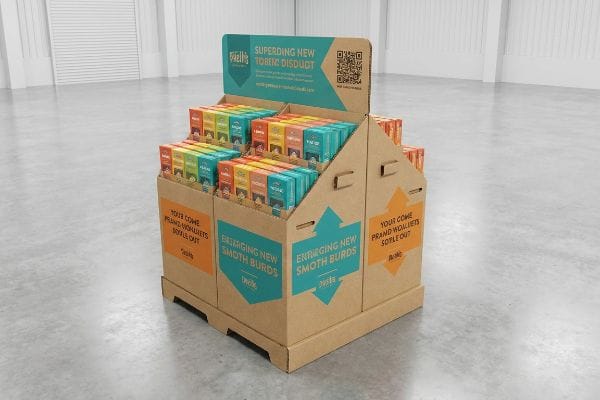
इन खुदरा इकाइयों की बुनियादी परिभाषा जानना तो बस पहला कदम है। बड़े-बड़े स्टोरों की लॉजिस्टिक्स और भीड़भाड़ वाले गलियारों की कठोर वास्तविकता में टिके रहने के लिए, हमें यह समझना होगा कि कारखाने के फर्श के लिए इन संरचनाओं को गणितीय रूप से कैसे डिज़ाइन किया गया है।.
प्रमोशनल डिस्प्ले क्या होता है?
क्या आप उपभोक्ताओं को जल्दबाजी करने से रोकने के लिए पूरी तरह से निष्क्रिय ग्राफिक्स पर निर्भर हैं?
प्रचार प्रदर्शन एक लक्षित विपणन उपकरण के रूप में कार्य करता है जिसे अस्थायी विपणन अभियानों के दौरान विशिष्ट उत्पादों को प्रदर्शित करने के लिए डिज़ाइन किया गया है। यह रणनीतिक संरचनात्मक डिज़ाइन, आकर्षक लिथो-लेमिनेशन और अनुकूलित स्थानिक स्थिति का उपयोग करके ग्राहकों का ध्यान आकर्षित करता है, जिससे प्रभावी रूप से ग्राहकों की संख्या बढ़ती है और अल्पकालिक खुदरा बिक्री की गति तेज होती है।.

अगर कोई संरचना आपके कंप्यूटर स्क्रीन पर सुंदर दिखती है, लेकिन वह वास्तविक गलियारे में उपभोक्ता के दृश्य पथ को भौतिक रूप से बाधित नहीं करती है, तो उसका कोई महत्व नहीं है।.
अपने प्रचार प्रदर्शन में दृश्य व्यवधान कैसे उत्पन्न करें
यहां तक कि अनुभवी डिज़ाइनर भी अक्सर यह मान लेते हैं कि प्रचार प्रदर्शन के लिए मूल्य संप्रेषित करने हेतु जटिल, पाठ-प्रधान ग्राफ़िक्स की सख्त आवश्यकता होती है। वे अपने मॉनिटरों पर सपाट पैनल डिज़ाइन करते हैं, जो पूरी तरह से संतुलित होते हैं लेकिन पूरी तरह से निष्क्रिय होते हैं, यह मानकर कि खरीदार स्वाभाविक रूप से रुककर हेडर कार्ड पर लिखे प्रत्येक बिंदु को पढ़ेगा।.
मुझे पता है कि आप इस कार्डबोर्ड स्ट्रक्चर को देखकर असमंजस में हैं, क्योंकि मेरे 80% ग्राहक यही लेआउट संबंधी गलती करते हैं। वे स्टोर के गलियारों की कठोर वास्तविकता को भूल जाते हैं: ग्राहक जल्दी में होते हैं। अगर आप 30 फीट (9.1 मीटर) दूर से ही किसी आकर्षक, डाई-कट आकार या पैनटोन मैचिंग सिस्टम (PMS) के चमकीले स्पॉट कलर से उनका ध्यान आकर्षित नहीं करते, तो आपका डिस्प्ले किसी को दिखाई नहीं देगा। मैंने स्टोर क्लर्कों को बड़ी मेहनत से एक यूनिट को असेंबल करते देखा है, खराब तरीके से कटे हुए नालीदार टैब के कड़े प्रतिरोध से जूझते हुए, लेकिन फ्लोरोसेंट लाइट की तेज रोशनी में पूरा सेटअप पूरी तरह से अनदेखा रह जाता है। इसे ठीक करने के लिए, मैं 3-3-3 नियम का1: 30 फीट (9.1 मीटर) दूर से ध्यान भटकाएँ, 3 फीट (0.9 मीटर) पर ग्राहकों को आकर्षित करें, और 3 इंच (76.2 मिमी) पर उन्हें आकर्षित करें।
| नौसिखियों की आम गलती | प्रो फिक्स | रिटेल-फ्लोर लाभ |
|---|---|---|
| टेक्स्ट से भरपूर फ्लैट हेडर | आक्रामक डाई-कट 3डी आकृतियाँ | 30 फीट की दूरी से ही ध्यान आकर्षित करता है2 |
| CMYK मिश्रित लोगो | पीएमएस स्पॉट कलर फ्लडिंग3 | धुंधले ग्राफिक्स को रोकता है |
| ऊंचे सामने वाले होंठ | होंठ को 85% दृश्यता तक काटें4 | 3-इंच इंपल्स रूपांतरण को संचालित करता है |
मुख्य दृश्य उद्देश्य को अलग करके और संज्ञानात्मक अव्यवस्था को बेरहमी से कम करके, मैं यह सुनिश्चित करता हूं कि आपका डिस्प्ले भौतिक रूप से गलियारे पर हावी हो और तत्काल बिक्री की गति को बढ़ाए।.
🛠️ हार्वे का डेस्क: क्या आप इस बात को लेकर असमंजस में हैं कि आपकी कलाकृति में रिटेल स्टोर की तेज़ रोशनी में भी टिकने के लिए पर्याप्त दृश्य कंट्रास्ट है या नहीं? 👉 मुफ़्त फ़ाइल समीक्षा का अनुरोध करें ↗ — सीधे मेरे डेस्क तक पहुंच। मैं वादा करता हूं, कोई स्वचालित बिक्री संबंधी स्पैम नहीं होगा।
मार्केटिंग में पीडीक्यू क्या है?
क्या आपकी त्वरित-तैनाती विपणन रणनीति वास्तव में उन स्टोरों की परिचालन संबंधी वास्तविकताओं के अनुरूप है जिन्हें आप लक्षित कर रहे हैं?
पीडीक्यू मार्केटिंग पद्धति में त्वरित तैनाती और निर्बाध खुदरा संचालन को प्राथमिकता दी जाती है। "प्रीटी डार्न क्विक" सिद्धांतों पर ध्यान केंद्रित करके, यह रणनीति सुनिश्चित करती है कि पहले से भरे हुए मर्चेंडाइज़र पूरी तरह से खुदरा बिक्री के लिए तैयार स्थिति में पहुंचें। यह दृष्टिकोण स्टोर में श्रम को कम करता है, बड़े स्टोरों के सख्त अनुपालन आदेशों को पूरा करता है, और गारंटी देता है कि आपका प्रचार अभियान तुरंत बिक्री क्षेत्र में शुरू हो जाए।.
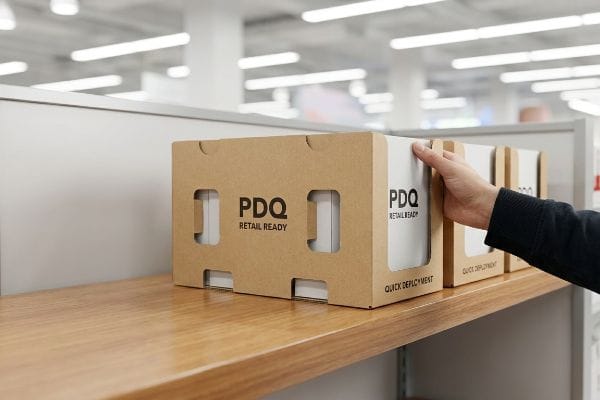
सबसे बड़ा लक्ष्य है उत्पादों को शीघ्रता से बाजार में पहुंचाना, लेकिन रणनीतिक खुदरा विक्रेता समन्वय के बिना शीघ्रता से पहुंचने की कोशिश अनिवार्य रूप से आपूर्ति श्रृंखला में बाधा उत्पन्न करती है।.
अपनी पीडीक्यू रणनीति को रिटेलर फ्रेमवर्क के साथ संरेखित करना
यह एक आम गलती है जो अनुभवी खरीद टीमों को भी इस भ्रम में डाल देती है कि एक चतुर संरचनात्मक डिजाइन सफलता की गारंटी देने के लिए पर्याप्त है। वे मार्केटिंग में पीडीक्यू को केवल एक त्वरित शिपिंग बॉक्स के रूप में देखते हैं, और लक्षित विशिष्ट खुदरा विक्रेता के सख्त व्यावसायिक तंत्र और परिचालन मॉडल को अनदेखा कर देते हैं ।
मैंने देखा है कि खूबसूरती से छपे हुए स्ट्रक्चर पूरी तरह से विफल हो जाते हैं क्योंकि ब्रांड रिटेल मर्चेंडाइजिंग के 5 R (सही उत्पाद, सही मात्रा, सही कीमत, सही समय, सही जगह) के अनुरूप नहीं होता । आपको लग सकता है कि आपकी ट्रे तैयार है, लेकिन अगर यह रिटेलर की स्थानिक या प्रचार रणनीति से मेल नहीं खाती, तो यह एक बोझ बन जाती है। मुझे याद है कि एक स्टोर क्लर्क ने एक बिल्कुल सही 32 ECT (एज क्रश टेस्ट) 7 नालीदार ट्रे को गुस्से में रीसाइक्लिंग बिन में फेंक दिया था, सिर्फ इसलिए कि उसका आकार उनकी सख्त चेकआउट नीति का उल्लंघन कर रहा था। एक भी शीट प्रिंट करने से पहले, आपको अपने डिस्प्ले को रिटेलर के विशिष्ट ढांचे के साथ सीधे मैप करना होगा , यह सुनिश्चित करते हुए कि आपका अभियान सुचारू रूप से चले, न कि महंगी रीस्टॉकिंग की परेशानी का कारण बने।
| नौसिखियों की आम गलती | प्रो फिक्स | रिटेल-फ्लोर लाभ |
|---|---|---|
| स्टोर के विशिष्ट नियमों की अनदेखी करना | रिटेल फ्रेमवर्क मैट्रिक्स संरेखण8 | तत्काल स्टोर अस्वीकृति को रोकता है |
| उत्पाद की मात्रा को ज़रूरत से ज़्यादा भरना | 5 R की रणनीति के अनुरूप मैपिंग9 | निर्बाध इन्वेंट्री टर्नओवर |
| सभी दुकानों के साथ समान व्यवहार करना | खुदरा श्रेणी के अनुसार अनुकूलन | खरीद के समय लाभप्रदता को अधिकतम करता है10 |
अपने लक्षित खुदरा विक्रेता के सख्त व्यावसायिक तंत्र के अनुरूप अपनी संरचनात्मक डिजाइन को स्थापित करके, मैं गारंटी देता हूं कि आपकी लॉजिस्टिक्स आपूर्ति श्रृंखला बिना किसी बाधा के संचालित होगी।.
🛠️ हार्वे का डेस्क: क्या आपको पूरा भरोसा है कि आपके मौजूदा मर्चेंडाइज़र के आयाम आपके लक्षित रिटेलर की परिचालन सीमाओं से पूरी तरह मेल खाते हैं? 👉 अनुपालन चेकलिस्ट प्राप्त करें ↗ — सुरक्षित रूप से डाउनलोड करें। बाद में कोई प्रश्न होने पर मेरा इनबॉक्स खुला है।
पीडीक्यू डिस्प्ले क्या है?
क्या आप अनजाने में एक ऐसा काउंटरटॉप यूनिट डिजाइन कर रहे हैं जो बिक्री उपकरण की बजाय गिरने का खतरा ज्यादा पैदा करता है?
पीडीक्यू डिस्प्ले एक हल्का, अत्यधिक कुशल रिटेल ट्रे या काउंटरटॉप यूनिट है जिसे उत्पादों की तत्काल प्रदर्शनी के लिए डिज़ाइन किया गया है। मजबूत माइक्रो-फ्लूटेड नालीदार बोर्ड से निर्मित, ये प्री-लोडेड संरचनाएं जटिल असेंबली की आवश्यकता को समाप्त कर देती हैं, जिससे स्टोर क्लर्क बिना किसी घर्षण के सामान को सीधे शेल्फ पर रख सकते हैं और ग्राहकों की त्वरित प्रतिक्रिया सुनिश्चित कर सकते हैं।.

हालांकि यह अवधारणा सरल है, लेकिन भारी उपभोक्ता संपर्क के तहत एक भरी हुई कार्डबोर्ड संरचना को सीधा रखने के लिए सटीक गणितीय इंजीनियरिंग की आवश्यकता होती है।
एक स्थिर पीडीक्यू डिस्प्ले की छिपी हुई भौतिकी
मार्केटिंग टीमें स्वाभाविक रूप से अपने बिलबोर्ड स्पेस को अधिकतम करना चाहती हैं, इसलिए वे अक्सर अपने काउंटरटॉप डिस्प्ले को जितना संभव हो उतना लंबा बनाने पर जोर देती हैं। वे मानते हैं कि हेडर कार्ड या बैक पैनल में ऊर्ध्वाधर ऊंचाई जोड़ने से रजिस्टर पर बेहतर दृश्यता और उच्च बिक्री रूपांतरण स्वतः ही प्राप्त होंगे 11 ।
एक ऊंचे, संकरे डिस्प्ले की कल्पना ऐसे करें जैसे किसी भारी पेंसिल को उसके इरेज़र पर संतुलित करना—एक हल्की सी टक्कर भी दुर्घटना का कारण बन सकती है। मैं अक्सर ऐसे डायलाइन देखता हूँ जहाँ गुरुत्वाकर्षण का केंद्र खतरनाक रूप से असंतुलित होता है। जब ग्राहक काउंटर से टकराते हैं या किसी उत्पाद को जल्दी से उठाते हैं, तो असंतुलित इकाई झुक जाती है। मैंने स्वयं कच्चे कागज के फटने की आवाज़ सुनी है जब एक भारी इकाई ने अपने ही आधार के टैब फाड़ दिए और चेकआउट लेन पर गिर पड़ी। इसे रोकने के लिए, मैं एक सख्त 2:3 अनुपात12: आपके आधार की भौतिक गहराई गणितीय रूप से समग्र ऊर्ध्वाधर ऊंचाई को संतुलित करती है, जिससे यह सुनिश्चित होता है कि अधिक भीड़भाड़ वाले प्रचार अभियानों के दौरान संरचना पूरी तरह से स्थिर रहे।
| नौसिखियों की आम गलती | प्रो फिक्स | रिटेल-फ्लोर लाभ |
|---|---|---|
| अधिकतम ऊर्ध्वाधर हेडर ऊंचाई | 2:3 गहराई/ऊंचाई अनुपात को लागू करना 13 | काउंटरटॉप के पलटने से रोकता है |
| संकीर्ण, असंतुलित पदचिह्न | ट्रे के आधार को गहरा करना | आक्रामक ग्राहक हैंडलिंग से बच जाता है |
| ऊपर से भारी माल की लोडिंग | गुरुत्वाकर्षण केंद्र को नीचे करना14 | स्टोर की देनदारी संबंधी जोखिमों को समाप्त करता है |
संरचनात्मक गुरुत्वाकर्षण केंद्र को गणितीय रूप से स्थिर करके, मैं यह सुनिश्चित करता हूं कि आपका मर्चेंडाइजर व्यस्त चेकआउट लाइन के अराजक भौतिक वातावरण में भी सुरक्षित रहे।.
🛠️ हार्वे का डेस्क: क्या आपको चिंता है कि आपका लंबा हेडर कार्ड आपकी पूरी ट्रे को पलट देगा? 👉 अपना स्ट्रक्चरल ऑडिट करवाएं ↗ — कोई फॉर्म नहीं जो अंतहीन सेल्स कॉल को ट्रिगर करें। बस शुद्ध मूल्य।
पॉइंट ऑफ परचेज़ डिस्प्ले और प्रमोशन क्या है?
क्या आपको वाकई लगता है कि एक छोटे आकार के गोदाम का डिज़ाइन अत्यधिक विनियमित चेकआउट गलियारे में जादुई रूप से फिट हो जाएगा?
पॉइंट ऑफ़ परचेज़ डिस्प्ले और प्रमोशन सिस्टम रणनीतिक रूप से स्थित मर्चेंडाइजिंग संरचनाएं हैं जिन्हें लेन-देन के दौरान तत्काल खरीदारी के निर्णय को प्रेरित करने के लिए डिज़ाइन किया गया है। ये मनोवैज्ञानिक कारकों, स्थानीय स्टोर ग्राहकों की संख्या और अनुकूलित भौतिक पहुंच का लाभ उठाकर खरीदारी के अंतिम क्षणों में ब्राउज़ करने वाले ग्राहकों को भुगतान करने वाले ग्राहकों में परिवर्तित करते हैं।.
प्रचार संबंधी सिद्धांत को सही ढंग से समझना एक अच्छी शुरुआत है, लेकिन जब मशीनें चलने लगती हैं और संरचनात्मक ज्यामिति कानूनी स्टोर सीमाओं से टकराती है तो केवल सिद्धांत का ज्ञान होना ही पर्याप्त नहीं है।.
कारखाने में खरीदारी के स्थान पर किए जाने वाले मानक प्रचार प्रयास विफल क्यों हो जाते हैं?
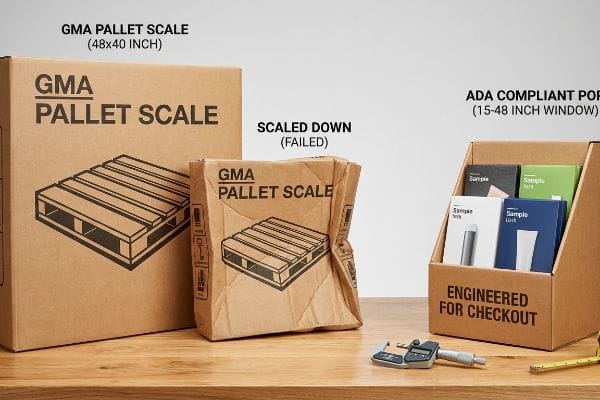
ब्रांड अक्सर इंजीनियरिंग लागत बचाने के लिए एक विशाल फ्लोर-स्टैंडिंग प्रमोशनल यूनिट और फ्लैट डाईलाइन को 50% तक छोटा करके एक स्थानीयकृत पॉइंट ऑफ़ परचेज़ डिस्प्ले बनाते हैं। वे मान लेते हैं कि स्थानिक ज्यामिति पूरी तरह से रैखिक है और एक छोटा स्ट्रक्चरल फ़ाइल छोटे पैमाने पर समान रूप से काम करेगा15, सख्त लॉजिस्टिकल नियमों16।
किसी प्रयोगशाला में एक डिस्प्ले को खड़ा करना आसान है, लेकिन जब आप ऐसे 500 डिस्प्ले को किसी सख्त बड़े स्टोर में भेजते हैं, तो कड़वी सच्चाई सामने आती है। मेरी सुविधा में, मैं अक्सर देखता हूं कि ग्राहक इस "छोटा करके फिट करने" के प्रयास में, एक POP (पॉइंट ऑफ परचेज़) ज़ोन और एक मानक गोदाम गलियारे को अलग करने वाली कानूनी सीमाओं को पूरी तरह से अनदेखा कर देते हैं। जब मैं परीक्षण स्थल पर छोटे किए गए प्रोटोटाइप का माप लेता हूं, तो मुझे संपीड़न प्रेस की तेज़, यांत्रिक घिसने की आवाज़ सुनाई देती है क्योंकि विकृत ज्यामिति के कारण कमज़ोर खांचे मुड़ जाते हैं। 48×40 इंच (1219×1016 मिमी) GMA (ग्रोसरी मैन्युफैक्चरर्स एसोसिएशन) पैलेट17 केवल गणितीय रूप से छोटा करके ADA (अमेरिकन्स विद डिसेबिलिटीज एक्ट) के अनुरूप 15-48 इंच (381-1219 मिमी)18। संरचनात्मक गणित विफल हो जाता है, जिसके परिणामस्वरूप खुदरा विक्रेता तुरंत इसे अस्वीकार कर देते हैं। मैंने माइक्रोमीटर रीडिंग निकाली और साबित कर दिया कि हमें महंगे री-टूलिंग की ज़रूरत नहीं थी; मुझे बस इंजीनियरिंग पाइपलाइनों को स्थायी रूप से अलग करना था। इस सख्त स्थानिक विभाजन को लागू करके, मैं यह सुनिश्चित करता हूँ कि को-पैकिंग असेंबली का समय लगभग 20% कम हो जाए, जिससे मैनुअल श्रम शुल्क में काफी कमी आती है और अनुपालन शुल्क में कोई कटौती नहीं होती।
| नौसिखियों की आम गलती | प्रो फिक्स | रिटेल-फ्लोर लाभ |
|---|---|---|
| जीएमए पैलेट्स को छोटा करना | अलग एडीए अनुपालन इंजीनियरिंग19 | शून्य बिग-बॉक्स स्थानिक अस्वीकृतियाँ |
| रेखीय संरचनात्मक संकुचन | सबसे निचले स्तर के भारों का पुन: अभिरचना करना | गतिशील संपीड़न शक्ति को पुनर्स्थापित करता है20 |
| आगे की पहुंच की सीमाओं को अनदेखा करना | 15-48 इंच (381-1219 मिमी) की खिड़कियों पर लगाने के लिए उपयुक्त 21 | घर्षणरहित चेकआउट गलियारे की स्थिति |
खुदरा बिक्री संबंधी स्थानिक कानूनों के आधार पर आपकी संरचनात्मक पाइपलाइनों को निर्दयतापूर्वक विभाजित करके, मैं आपके अभियान को शुरू होने से पहले ही एक घातक नियामक बाधा से टकराने से रोकता हूं।.
🛠️ हार्वे की सलाह: 2 मिलीमीटर की संरचनात्मक खामी को 500 स्टोरों में अपना कारोबार ठप न करने दें। 👉 मुझे अपनी डाइलाइन फ़ाइल भेजें ↗ — बड़े पैमाने पर उत्पादन पर बजट बर्बाद करने से पहले मैं गणितीय गणनाओं की गहन जांच कर लूंगा।
निष्कर्ष
आप सस्ता विक्रेता चुन सकते हैं, लेकिन जब वह भारी ट्रे किसी व्यस्त चेकआउट काउंटर पर गिर जाती है, जिससे रिटेल लाइन धीमी हो जाती है और स्टोर में तुरंत अस्वीकृति हो जाती है, तो यह आपके प्रोजेक्ट के अनुमानित 30% लाभ मार्जिन को पूरी तरह से खत्म कर देता है। यह वही स्पेसिफिकेशन शीट है जिसका उपयोग मेरे शीर्ष 10 रिटेल ग्राहक प्रिंट अस्वीकृति को शून्य करने के लिए करते हैं। संरचनात्मक अनुपातों का अनुमान लगाना बंद करें और मुझे अपने मुफ़्त डाइलाइन ऑडिट ↗ ताकि बड़े पैमाने पर उत्पादन शुरू होने से पहले ही घातक भौतिकी त्रुटियों को पकड़ा जा सके।
"कस्टम स्टोर डिस्प्ले के लिए 3 के नियम का महत्व", https://mcintyredisplays.com/blog/custom-store-displays/। विज़ुअल मर्चेंडाइजिंग के उद्योग मानक ग्राहकों का ध्यान आकर्षित करने और बिक्री बढ़ाने के लिए अलग-अलग दूरियों का निर्धारण करते हैं। साक्ष्य की भूमिका: सत्यापन; स्रोत प्रकार: खुदरा व्यापार प्रकाशन। समर्थन: स्थानिक जुड़ाव के लिए 3-3-3 नियम। स्कोप नोट: विशिष्ट मेट्रिक्स स्टोर लेआउट के अनुसार भिन्न हो सकते हैं। ↩
"दुकानों के लिए 3D साइनेज का प्रभाव: दृश्यता और ब्रांड को बढ़ावा देना...", https://coldfiresigns.com/custom-signs/the-impact-of-3d-signs-for-storefronts-boosting-visibility-and-brand-identity/। खुदरा मनोविज्ञान या दृश्य मर्चेंडाइजिंग अध्ययनों से प्राप्त प्रमाण, जो उपभोक्ताओं का ध्यान आकर्षित करने के लिए 3D साइनेज की प्रभावी दूरी को दर्शाते हैं। प्रमाण की भूमिका: सत्यापन; स्रोत प्रकार: उद्योग श्वेतपत्र। समर्थन: यह दावा कि 3D आकृतियाँ दृश्यता सीमा को बढ़ाती हैं। स्कोप नोट: प्रभावशीलता परिवेश प्रकाश और दुकान के लेआउट के आधार पर भिन्न हो सकती है। ↩
"पैकेजिंग प्रिंटिंग में CMYK बनाम स्पॉट रंग – मेयर्स प्रिंटिंग", https://meyers.com/meyers-blog/cmyk-vs-spot-colors-in-packaging-printing-what-cpg-brands-need-to-know/। तकनीकी प्रिंटिंग मानक बताते हैं कि बड़े आकार के डिस्प्ले में CMYK प्रोसेस रंगों की तुलना में पैनटोन मैचिंग सिस्टम (PMS) स्पॉट रंग बेहतर संतृप्ति और स्थिरता क्यों प्रदान करते हैं। साक्ष्य भूमिका: तकनीकी विनिर्देश; स्रोत प्रकार: प्रिंटिंग उद्योग मैनुअल। सहायक: धुंधले ग्राफिक्स की रोकथाम। कार्यक्षेत्र नोट: विशेष रूप से ऑफसेट और स्क्रीन प्रिंटिंग प्रक्रियाओं पर लागू होता है। ↩
"खरीदारी स्थल: खुदरा विक्रेता खरीदारी करने वालों को कैसे प्रभावित कर सकते हैं...", https://blog.intouch.com/posts/points-of-purchase-displays। खुदरा परिवेश में उत्पाद दृश्यता (लिप हाइट द्वारा मापी गई) और आवेगपूर्ण खरीदारी रूपांतरण दरों के बीच सहसंबंध पर शोध। साक्ष्य की भूमिका: प्रदर्शन मीट्रिक; स्रोत प्रकार: खुदरा एर्गोनॉमिक्स अध्ययन। समर्थन: रूपांतरण अनुकूलन के लिए 85% दृश्यता सीमा। स्कोप नोट: विशेष रूप से खरीदारी स्थल पर शेल्फ-किनारे डिस्प्ले के लिए। ↩
"PDQ पैकेजिंग खुदरा बिक्री और ब्रांड दृश्यता को कैसे बढ़ाती है", https://innorhino.com/blog/about-business/pdq-packaging-retail-sales?srsltid=AfmBOopv5MBX58M197fyTx5xJBmrujofW70VkXfpQKHQVSgUKm75ThJw। खुदरा अनुपालन गाइड और परिचालन नियमावली किस प्रकार इस दावे का समर्थन करते हैं कि विशिष्ट खुदरा विक्रेता संबंधी बाधाएं PDQ की सफलता को निर्धारित करती हैं, इसका संक्षिप्त विवरण। साक्ष्य की भूमिका: पुष्टि; स्रोत प्रकार: खुदरा उद्योग नियमावली। समर्थन: खुदरा विक्रेता ढांचों के साथ PDQ रणनीति का संरेखण। कार्यक्षेत्र संबंधी टिप्पणी: बड़े पैमाने की खुदरा श्रृंखलाओं पर लागू होता है। ↩
"फैशन मर्चेंडाइजिंग के 5 आर: सही उत्पाद, कीमत, समय और मात्रा", https://www.iiad.edu.in/the-circle/what-are-the-5-rs-of-fashion-merchandising/। यह पुष्टि करता है कि 'सही उत्पाद, सही मात्रा, सही कीमत, सही समय और सही जगह' खुदरा बिक्री के लिए एक मान्यता प्राप्त उद्योग ढांचा बनाते हैं। साक्ष्य की भूमिका: वैचारिक सत्यापन; स्रोत प्रकार: विपणन या खुदरा प्रबंधन की पाठ्यपुस्तक। समर्थन: सफल खुदरा उत्पाद प्लेसमेंट के लिए रणनीतिक आवश्यकताएं। स्कोप नोट: विभिन्न खुदरा क्षेत्रों में इस ढांचे में भिन्नताएं हो सकती हैं। ↩
"[PDF] नालीदार कार्डबोर्ड विनिर्देश - फाइबर बॉक्स एसोसिएशन", https://www.fibrebox.org/assets/2025/09/Walmart_Corrugated-Board_Specifications_Automation_Packaging_Standards.pdf। खुदरा डिस्प्ले में उपयोग होने वाले नालीदार कार्डबोर्ड की स्टैकिंग क्षमता और संपीड़न प्रतिरोध के माप के रूप में 32 ECT मानक का तकनीकी सत्यापन। साक्ष्य भूमिका: तकनीकी विनिर्देश; स्रोत प्रकार: पैकेजिंग इंजीनियरिंग मानक। समर्थन: टिकाऊ खुदरा ट्रे के संदर्भ में उल्लिखित विशिष्ट सामग्री ग्रेड। कार्यक्षेत्र नोट: विशेष रूप से नालीदार कार्डबोर्ड सामग्री पर लागू होता है। ↩
"रिटेल लॉजिस्टिक्स वेंडर कंप्लायंस | एक गाइड | प्रेरक", https://mfals.com/retail-logistics-vendor-compliance-guide। स्टोर-विशिष्ट नियमों के साथ विक्रेता अनुपालन सुनिश्चित करने के लिए मानकीकृत उपकरण के रूप में रिटेल फ्रेमवर्क मैट्रिक्स का दस्तावेज़ीकरण। साक्ष्य भूमिका: कार्यप्रणाली सत्यापन; स्रोत प्रकार: खुदरा प्रबंधन गाइड। समर्थन: यह दावा कि संरेखण तत्काल स्टोर अस्वीकृति को रोकता है। कार्यक्षेत्र संबंधी टिप्पणी: विशिष्ट खुदरा विक्रेता की परिचालन आवश्यकताओं पर निर्भर करता है। ↩
"इन्वेंटरी टर्नओवर रेशियो: यह क्या है, यह कैसे काम करता है, और इसका फ़ॉर्मूला", https://www.investopedia.com/terms/i/inventoryturnover.asp। 5 R's फ्रेमवर्क (सही उत्पाद, सही जगह, सही समय, सही मात्रा, सही कीमत) का सत्यापन और इन्वेंटरी दक्षता पर इसका प्रभाव। साक्ष्य की भूमिका: वैचारिक सत्यापन; स्रोत का प्रकार: उद्योग श्वेतपत्र या लॉजिस्टिक्स पाठ्यपुस्तक। समर्थन: 5 R's और निर्बाध इन्वेंटरी टर्नओवर के बीच संबंध। कार्यक्षेत्र संबंधी टिप्पणी: विशेष रूप से खुदरा आपूर्ति श्रृंखला प्रबंधन पर लागू होता है। ↩
"PDQ पैकेजिंग खुदरा बिक्री और ब्रांड दृश्यता को कैसे बढ़ाती है", https://innorhino.com/blog/about-business/pdq-packaging-retail-sales?srsltid=AfmBOoqISPeoNuLeaEl7jgHjW0hwntGMwQ6uck_mrV1wAfvE-zVnQA7S। बाज़ार अनुसंधान डेटा दर्शाता है कि विशिष्ट खुदरा श्रेणियों के अनुसार डिस्प्ले को अनुकूलित करने से रूपांतरण दर और बिक्री में वृद्धि होती है। साक्ष्य की भूमिका: अनुभवजन्य साक्ष्य; स्रोत प्रकार: बाज़ार अनुसंधान अध्ययन। समर्थन: श्रेणी अनुकूलन और POP लाभप्रदता के बीच सहसंबंध। स्कोप नोट: प्रभावशीलता उत्पाद श्रेणी के अनुसार भिन्न हो सकती है। ↩
"पॉइंट-ऑफ-परचेज़ (पीओपी) डिस्प्ले मार्केट साइज़, 2033", https://www.persistencemarketresearch.com/market-research/point-of-purchase-pop-displays-market.asp। खुदरा विपणन अनुसंधान से प्राप्त साक्ष्य, जो पीओएस डिस्प्ले की दृश्यता, ऊंचाई और आवेगपूर्ण खरीदारी रूपांतरण दरों के बीच सहसंबंध को मात्रात्मक रूप से दर्शाता है। साक्ष्य की भूमिका: कारण संबंधी दावे का सत्यापन; स्रोत प्रकार: विपणन अनुसंधान अध्ययन। समर्थन: यह दावा कि डिस्प्ले की प्रमुखता बढ़ने से बिक्री बढ़ती है। स्कोप नोट: प्रभावशीलता उत्पाद श्रेणी और स्टोर में आने वाले ग्राहकों की संख्या के अनुसार भिन्न होती है। ↩
"अध्याय 2: अपने ग्राहकों के लिए डिस्प्ले की ऊंचाई का चयन", https://www.creativedisplaysnow.com/guides/understanding-the-retail-customer/chapter-2-how-to-choose-the-right-display-height-for-your-customers/। आधिकारिक पैकेजिंग इंजीनियरिंग मानक काउंटरटॉप डिस्प्ले में गुरुत्वाकर्षण केंद्र की स्थिरता सुनिश्चित करने के लिए विशिष्ट गहराई-से-ऊंचाई अनुपात प्रदान करते हैं। साक्ष्य भूमिका: तकनीकी सत्यापन; स्रोत प्रकार: इंजीनियरिंग मैनुअल। समर्थन: पलटने से रोकने के लिए गणितीय अनुपात का उपयोग। स्कोप नोट: माल के विशिष्ट भार वितरण के आधार पर इष्टतम अनुपात बदल सकते हैं। ↩
"रिटेल में पीडीक्यू पैकेजिंग को समझना - लिंक्डइन", https://www.linkedin.com/pulse/understanding-pdq-packaging-retail-moss-tvthc। एक आधिकारिक बाहरी स्रोत इस दावे का समर्थन कैसे करता है, इसका संक्षिप्त विवरण। साक्ष्य की भूमिका: तकनीकी विनिर्देश; स्रोत का प्रकार: पैकेजिंग इंजीनियरिंग गाइड। समर्थन: काउंटरटॉप डिस्प्ले के लिए स्थिरता अनुपात। स्कोप नोट: खुदरा विक्रेता की विशिष्ट आवश्यकताओं के अनुसार भिन्न हो सकता है। ↩
"गुरुत्वाकर्षण केंद्र | भौतिकी वैन - इलिनोइस विश्वविद्यालय", https://van.physics.illinois.edu/ask/listing/74। एक आधिकारिक बाहरी स्रोत इस दावे का समर्थन कैसे करता है, इसका संक्षिप्त विवरण। साक्ष्य की भूमिका: भौतिकी सिद्धांत; स्रोत का प्रकार: इंजीनियरिंग हैंडबुक। समर्थन: पलटने की जिम्मेदारी का उन्मूलन। कार्यक्षेत्र संबंधी टिप्पणी: उत्पाद प्लेसमेंट के लिए सामान्य भौतिकी अनुप्रयोग। ↩
"इंटरैक्टिव रिटेल के लिए डिस्प्ले स्ट्रक्चरल डिज़ाइन ...", https://www.bcipkg.com/display-structural-design-for-interactive-retail-displays/। स्ट्रक्चरल पैकेजिंग पर तकनीकी दस्तावेज़ यह समझाएगा कि आयाम सिकुड़ने पर भी सामग्री की मोटाई स्थिर कैसे रहती है, जिससे गुरुत्वाकर्षण केंद्र और भार वहन क्षमता में परिवर्तन होता है। साक्ष्य की भूमिका: तकनीकी सत्यापन; स्रोत प्रकार: इंजीनियरिंग मैनुअल। समर्थन: डिस्प्ले डिज़ाइन में रैखिक स्केलिंग की अक्षमता। कार्यक्षेत्र संबंधी टिप्पणी: भौतिक संरचनात्मक अखंडता तक सीमित। ↩
"पॉइंट-ऑफ-परचेज़ (पीओपी) डिस्प्ले: वे कैसे काम करते हैं और खुदरा क्षेत्र पर उनका प्रभाव...", https://www.optisigns.com/post/point-of-purchase-pop-display-how-they-work-their-retail-impact। खुदरा विक्रेता-विशिष्ट विक्रेता नियमावली गलियारों में रुकावट को रोकने और सुरक्षा सुनिश्चित करने के लिए चेकआउट क्षेत्रों के लिए सख्त आयामी सीमाएं प्रदान करती हैं। साक्ष्य की भूमिका: नियामक सत्यापन; स्रोत प्रकार: उद्योग अनुपालन मार्गदर्शिका। समर्थन: स्थानीयकृत डिस्प्ले के लिए लॉजिस्टिकल बाधाओं का अस्तित्व। कार्यक्षेत्र संबंधी टिप्पणी: बड़े रिटेल स्टोर परिवेशों पर लागू होता है। ↩
"48×40" जीएमए पैलेट्स | सबसे बड़ा पैलेट निर्माता और आपूर्तिकर्ता", https://www.palletone.com/products/gma-pallets/। खुदरा लॉजिस्टिक्स में उपयोग किए जाने वाले जीएमए पैलेट्स के लिए उद्योग मानक आयामों की पुष्टि। साक्ष्य भूमिका: तकनीकी विनिर्देश; स्रोत प्रकार: उद्योग मानक। समर्थन: डिस्प्ले के संरचनात्मक डिजाइन के लिए आधार रेखा। कार्यक्षेत्र नोट: मानक उत्तरी अमेरिकी शिपिंग पैलेट्स पर लागू होता है। ↩
"अध्याय 3: संचालन योग्य भाग – Access-Board.gov", https://www.access-board.gov/ada/guides/chapter-3-operable-parts/। सार्वजनिक खुदरा स्थानों में अनुपालन सुनिश्चित करने के लिए सुलभ डिज़ाइन हेतु अनिवार्य पहुँच सीमाओं का सत्यापन। साक्ष्य की भूमिका: नियामक आवश्यकता; स्रोत प्रकार: कानूनी मानक। समर्थन: डिज़ाइन विफलता का कारण बनने वाली स्थानिक बाधाएँ। कार्यक्षेत्र संबंधी टिप्पणी: अबाधित अग्रगामी पहुँच आवश्यकताओं से संबंधित। ↩
"ADA अपडेट: लघु व्यवसायों के लिए एक परिचय", https://www.ada.gov/resources/title-iii-primer/। यह लेख बताता है कि अमेरिकी विकलांगता अधिनियम (ADA) के तहत गलियारे की चौड़ाई और पहुंच संबंधी मानक खुदरा दुकानों में डिस्प्ले लगाने के लिए किस प्रकार लागू होते हैं। साक्ष्य की भूमिका: नियामक सत्यापन; स्रोत का प्रकार: सरकारी नियम। समर्थन: स्थानिक अस्वीकृतियों से बचने के लिए विशेष इंजीनियरिंग की आवश्यकता। विषयवस्तु: अमेरिकी पहुंच संबंधी कानूनों पर केंद्रित। ↩
"नालीदार बोर्ड के बक्सों की संपीडन सामर्थ्य का अनुमान ...", https://pmc.ncbi.nlm.nih.gov/articles/PMC8467740/। खुदरा डिस्प्ले में आयामी स्केलिंग से संरचनात्मक भार वहन क्षमता कैसे प्रभावित होती है और निचले स्तर के सुदृढ़ीकरण की भूमिका का संक्षिप्त विवरण। साक्ष्य की भूमिका: तकनीकी सत्यापन; स्रोत प्रकार: संरचनात्मक अभियांत्रिकी या सामग्री विज्ञान मैनुअल। समर्थन: भारों के पुन: अभियांत्रिकी की आवश्यकता। कार्यक्षेत्र संबंधी टिप्पणी: नालीदार या मिश्रित सामग्रियों के लिए विशिष्ट। ↩
"पॉइंट ऑफ़ परचेज़ डिस्प्ले का क्या अर्थ है? – पॉपडिस्प्ले", https://popdisplay.me/what-does-point-of-purchase-display-mean/। ट्रैफ़िक प्रवाह और सुगमता बनाए रखने के लिए चेकआउट लेन डिस्प्ले के उद्योग-मानक पहुँच आयामों और गहराई सीमाओं का संक्षिप्त विवरण। साक्ष्य भूमिका: उद्योग मानक सत्यापन; स्रोत प्रकार: खुदरा डिज़ाइन दिशानिर्देश। समर्थन: आगे की पहुँच सीमाओं के लिए विशिष्ट माप। स्कोप नोट: विशिष्ट खुदरा विक्रेता दिशानिर्देशों के अनुसार भिन्न हो सकता है। ↩