किसी साधारण से कपड़े के डिब्बे पर कंपनी का लोगो चिपकाना अक्सर उल्टा पड़ जाता है। वीआईपी ग्राहकों को महंगे उपहार देते समय, उपहार खोलने का अनुभव ही सीधे तौर पर आपके ब्रांड की प्रतिष्ठा को दर्शाता है।.
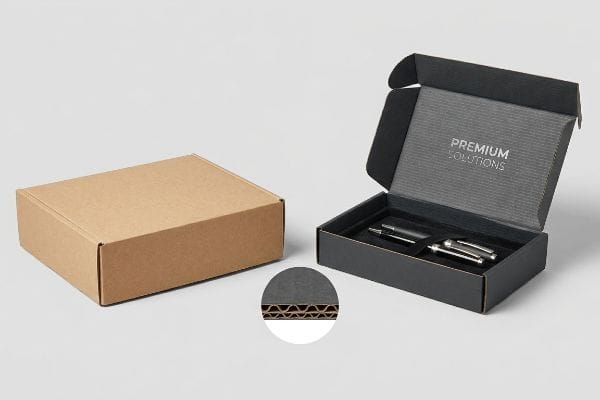
जी हां। कपड़ों के बक्से, अगर उच्च घनत्व वाली खांचेदार संरचना और प्रीमियम कोटिंग से निर्मित हों, तो कॉर्पोरेट उपहार के रूप में काम कर सकते हैं। सामान्य परिधान डिब्बों में भारी प्रचार सामग्री के लिए आवश्यक संरचनात्मक मजबूती नहीं होती, लेकिन ई-फ्लूट बेस और मुलायम सतह वाले डिब्बे लगाने से एक साधारण डिब्बा भी एक शानदार प्रस्तुति पैकेज में बदल जाता है।.
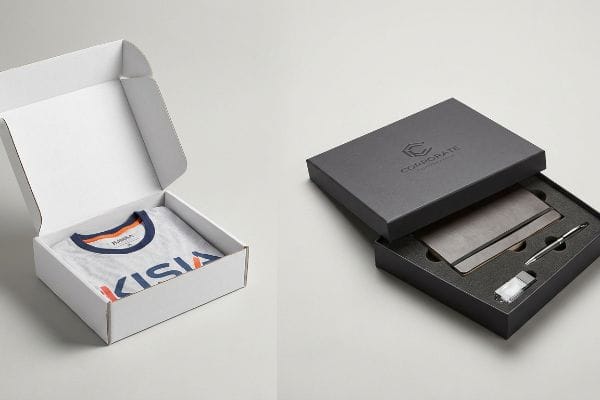
एक सामान्य परिधान वाहक को वीआईपी प्रस्तुति उपकरण में बदलना केवल ग्राफिक्स के बारे में नहीं है। इसके लिए सामग्री भौतिकी में मूलभूत बदलाव की आवश्यकता होती है।.
कॉर्पोरेट उपहार देने के शिष्टाचार क्या हैं?
कॉर्पोरेट उदारता को संतुलित तरीके से निभाने के लिए उच्च गुणवत्ता वाले सौंदर्यशास्त्र और सख्त पर्यावरणीय अनुपालन के बीच संतुलन बनाए रखना आवश्यक है। आप अपने ग्राहक को विषाक्त, अचक्रणीय प्लास्टिक का टुकड़ा दिए बिना एक शानदार पहली छाप छोड़ना चाहते हैं।.
कॉर्पोरेट उपहारों के शिष्टाचार के अनुसार, उच्च मूल्य को ESG (पर्यावरण, सामाजिक और शासन) अनुपालन के साथ मेल खाना चाहिए। विशिष्ट ग्राहकों को अत्यधिक प्लास्टिकयुक्त पैकेजिंग में उपहार देना आगे चलकर निपटान संबंधी समस्याएं पैदा करता है। सॉफ्ट-टच एक्वस कोटिंग जैसी स्पर्शनीय फिनिश का उपयोग करने से मखमली एहसास मिलता है और साथ ही यह पूरी तरह से पुनर्चक्रण योग्य भी रहता है।.
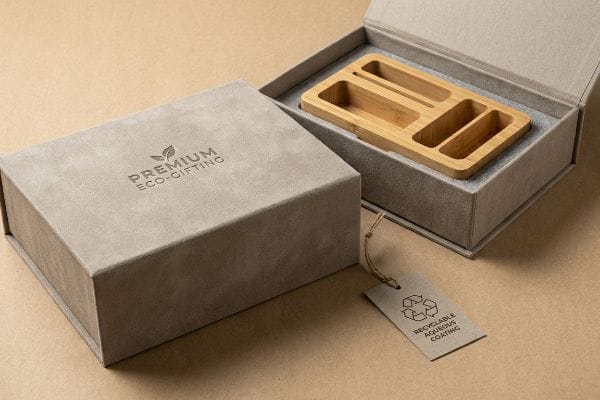
उच्च स्तरीय स्पर्श अनुभव प्राप्त करने से आपके स्थिरता मानकों पर कोई नकारात्मक प्रभाव नहीं पड़ना चाहिए। हम कारखाने में सटीक रासायनिक अभियांत्रिकी के माध्यम से यह संतुलन हासिल करते हैं।.
स्पर्शनीय प्रस्तुति का रसायन विज्ञान
उपहार देने की वास्तविक शिष्टाचार वस्तु के साथ होने वाले शारीरिक संपर्क में निहित है, विशेष रूप से कागज की सूक्ष्म बनावट में। जब आप कोई कीमती वस्तु भेंट करते हैं, तो उसकी बाहरी सतह से उसकी मजबूती और देखभाल का भाव झलकना चाहिए। हम मुद्रण चरण1, जिससे पारंपरिक कठोर प्लास्टिक पर निर्भर किए बिना एक सूक्ष्म मखमली संरचना तैयार होती है।
प्रीमियम अनुभव प्राप्त करने के लिए, मानक व्यावसायिक पैकेजिंग में अक्सर थर्मल सॉफ्ट-टच लेमिनेशन का उपयोग किया जाता है, जिसमें द्वि-अक्षीय रूप से उन्मुख पॉलिमर की एक ठोस परत को सीधे क्राफ्ट बोर्ड से जोड़ा जाता है। देखने में आकर्षक होने के बावजूद, यह एक मिश्रित-सामग्री जाल बनाता है जो नगरपालिका द्वारा पुनर्गठित करने के दौरान पानी को सक्रिय रूप से दूर भगाता है²,जिससे बॉक्स को लैंडफिल में जाना पड़ता है। जल-आधारित सॉफ्ट टच एक्वस कोटिंग का उपयोग करके, हम एक तरल पॉलिमर जमा करते हैं जो सूखने पर मखमली फिनिश जैसा दिखता है लेकिन मानक पेपर मिल वैट में तुरंत घुल जाता है³।यह संरचनात्मक रसायन विज्ञान ब्रांडों को एक त्रुटिहीन, शानदार अनबॉक्सिंग अनुभव प्रदान करने की अनुमति देता है जो आधुनिक कॉर्पोरेट स्थिरता मानकों के साथ पूरी तरह से मेल खाता है।
| मीट्रिक/विशेषता | सामान्य दृष्टिकोण | इंजीनियर्ड रियलिटी |
|---|---|---|
| सतह की फिनिश | थर्मल प्लास्टिक फिल्म4 | सॉफ्ट टच एक्वस5 |
| recyclability | लैंडफिल की ओर | 100% कर्बसाइड अनुपालन6 |
| स्पर्शनीय अनुभूति | कृत्रिम चमक | प्रीमियम वेलवेट मैट |
मैं सतही दिखावट के लिए ब्रांडों को अपने ESG स्कोरकार्ड से समझौता करने की अनुमति नहीं देता। प्रीप्रेस रसायन को सख्ती से नियंत्रित करके, मैं एक शानदार अनबॉक्सिंग अनुभव की गारंटी देता हूँ जो कॉर्पोरेट खरीद स्थिरता ऑडिट को आसानी से पास कर लेता है।.
🛠️ हार्वे का डेस्क: क्या आपके प्रीमियम गिफ्ट बॉक्स आपके ग्राहकों के सख्त कॉर्पोरेट सस्टेनेबिलिटी स्कोरकार्ड को पूरा करने में विफल हो रहे हैं? 👉 अपना निःशुल्क पैकेजिंग ESG ऑडिट प्राप्त करें ↗ — मैं 24 घंटों के भीतर प्रत्येक संरचनात्मक फ़ाइल की व्यक्तिगत रूप से समीक्षा करता हूँ।
क्या प्रोफेशनल कपड़ों का सब्सक्रिप्शन बॉक्स उपलब्ध है?
वीआईपी परिधान कार्यक्रम शुरू करने के लिए ऐसी लॉजिस्टिक्स की आवश्यकता होती है जो अव्यवस्थित पार्सल नेटवर्क में भी सुरक्षित रहे। सीईओ के डेस्क पर क्षतिग्रस्त बॉक्स पहुंचने से सदस्यता का महत्व पूरी तरह से नष्ट हो जाता है।.
जी हां। प्रोफेशनल क्लोथिंग सब्सक्रिप्शन बॉक्स मौजूद हैं और ये सख्त ISTA (इंटरनेशनल सेफ ट्रांजिट एसोसिएशन) परीक्षण पास करने के लिए डिज़ाइन किए गए नए नालीदार कार्डबोर्ड पर निर्भर करते हैं। हाई-एंड B2B डिलीवरी के लिए स्टैंडर्ड ई-कॉमर्स मेलर्स का दोबारा इस्तेमाल करने से किनारों पर गंभीर टूट-फूट हो जाती है, इसलिए प्रेजेंटेशन की अखंडता बनाए रखने के लिए नए, डायनामिकली टेस्ट किए गए शिपिंग कंटेनर अनिवार्य हो जाते हैं।.
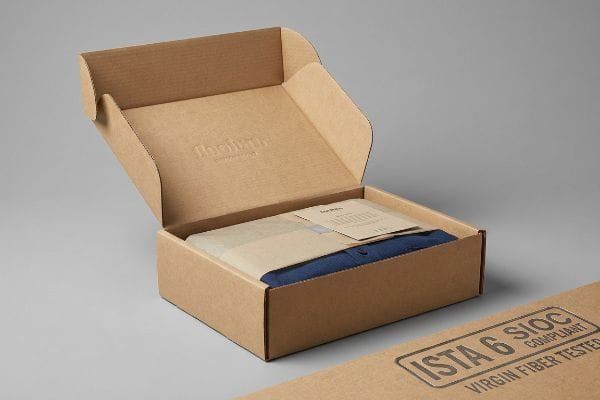
जब भौतिक बॉक्स को स्वचालित पार्सल छँटाई मशीनरी के अधीन किया जाता है, तो वह सैद्धांतिक ब्रांड प्रतिष्ठा तुरंत गायब हो जाती है।.
पुनर्चक्रित मेलर थकान सीमा
यहां तक कि अनुभवी खरीद टीमें भी अक्सर उच्च पुनर्चक्रित सामग्री वाले मेलर का उपयोग करके अपने बी2बी (बिजनेस-टू-बिजनेस) सदस्यता लॉजिस्टिक्स को शुरू करने का प्रयास करती हैं, यह मानकर कि पार्सल नेटवर्क पर भी मानक एज क्रश मेट्रिक्स समान रूप से लागू होते हैं। वे नालीदार गत्ते के टुकड़ों को स्थिर दीवारों के रूप में देखते हैं, न कि गतिशील शॉक एब्जॉर्बर के रूप में। जब मैं आने वाली आपूर्ति श्रृंखलाओं का ऑडिट करता हूं, तो मैं लगातार देखता हूं कि ब्रांड 100% पुनर्चक्रित टेस्टलाइनर पर निर्भर हैं जो आधुनिक 3पीएल (थर्ड-पार्टी लॉजिस्टिक्स) कन्वेयर के बहु-अक्षीय कंपन को सहन नहीं कर सकते ।
मेरी सुविधा में, मैं अक्सर देखता हूँ कि जब ब्रांड प्रीमियम सब्सक्रिप्शन बॉक्स के लिए सैद्धांतिक रूप से पुनर्चक्रित बोर्ड की मज़बूती पर आँख बंद करके भरोसा करते हैं, तो इसके भौतिक दुष्प्रभाव क्या होते हैं। परिवहन के दौरान नालीदार खांचे सूक्ष्म झटकों और नमी को सोख लेते हैं, जिससे कागज़ के छोटे रेशे स्थायी रूप से कमज़ोर हो जाते हैं। जब मैं अपने परीक्षण प्रयोगशाला में भेजे जाने वाले अत्यधिक पुनर्चक्रित सब्सक्रिप्शन मेलर्स की उपज मापता हूँ, तो अक्सर गतिशील भार वहन क्षमता। इसे ठीक करने के लिए, मैं सामग्री मैट्रिक्स को इस तरह बदलता हूँ कि कम से कम 30% वर्जिन क्राफ्ट फाइबर8 शामिल हो। इस नए, लंबे रेशे के समावेश से बॉक्स की गतिज लचीलापन बहाल हो जाता है। इस वर्जिन सामग्री अनुपात को लागू करके, मैं सुनिश्चित करता हूँ कि पैकेजिंग पार्सल के गिरने से होने वाले नुकसान को झेल सके, जिससे परिवहन के दौरान होने वाले नुकसान लगभग समाप्त हो जाते हैं और ग्राहक के उच्च-मूल्य वाले सब्सक्रिप्शन राजस्व की सुरक्षा होती है।
| मीट्रिक/विशेषता | सामान्य दृष्टिकोण | इंजीनियर्ड रियलिटी |
|---|---|---|
| सब्सट्रेट | 100% पुनर्चक्रित टेस्टलाइनर | 30% वर्जिन क्राफ्ट9 |
| पारगमन उत्तरजीविता | 35% बीसीटी हानि10 | आईएसटीए 6 एसआईओसी के अनुरूप11 |
| वीआईपी अनुभव | कुचले हुए कोने | प्रिस्टीन अनबॉक्सिंग |
मैं सब्सक्रिप्शन पैकेजिंग को सिर्फ दिखावटी आवरण नहीं, बल्कि एक ठोस कवच की तरह डिज़ाइन करता हूँ। ताज़ा क्राफ्ट फाइबर का उपयोग करना ही एकमात्र सिद्ध तरीका है जिससे यह सुनिश्चित किया जा सकता है कि अंतिम डिलीवरी तक आपके ब्रांड की प्रतिष्ठा बनी रहे।.
🛠️ हार्वे का डेस्क: क्या आपकी बार-बार सदस्यता लेने वाली पैकेजिंग शिपिंग से पहले ही सूक्ष्म फाइबर थकान से ग्रस्त हो रही है? 👉 मुफ़्त सामग्री शक्ति विश्लेषण का अनुरोध करें ↗ — 100% गोपनीय। आपके अप्रकाशित खुदरा डिज़ाइन मेरे पास सुरक्षित हैं।
कॉर्पोरेट उपहारों को कैसे पैक करें?
उच्च स्तरीय कॉर्पोरेट प्रस्तुति के लिए महज़ एक महंगी जैकेट को एक कमज़ोर से डिब्बे में डालना काफ़ी नहीं है। उत्पाद की भौतिक संरचना को किसी संग्रहालय में प्रदर्शित वस्तु की तरह आकर्षक बनाना चाहिए।.
कॉर्पोरेट उपहारों की पैकेजिंग के लिए कठोर संरचनात्मक सुरक्षा और प्रीमियम सौंदर्यपूर्ण फिनिशिंग के बीच सटीक संतुलन बनाना आवश्यक है। सूक्ष्म-नालीदार नालीदार आधारों को अलग-अलग स्पर्शनीय उभारों के साथ मिलाकर यह सुनिश्चित किया जाता है कि भारी वस्तुएं बहु-अक्षीय परिवहन और हैंडलिंग के दौरान बॉक्स की संपीड़न शक्ति से समझौता किए बिना सुरक्षित रहें।.
लेकिन किसी बॉक्स को अत्यधिक प्रीमियम दिखाने की कोशिश करने से अक्सर ऐसी गंभीर भौतिक कमजोरियां उत्पन्न हो जाती हैं जिन्हें खरीदार पूरी तरह से नजरअंदाज कर देते हैं।.
एम्बॉसिंग टेंशन ब्लोआउट
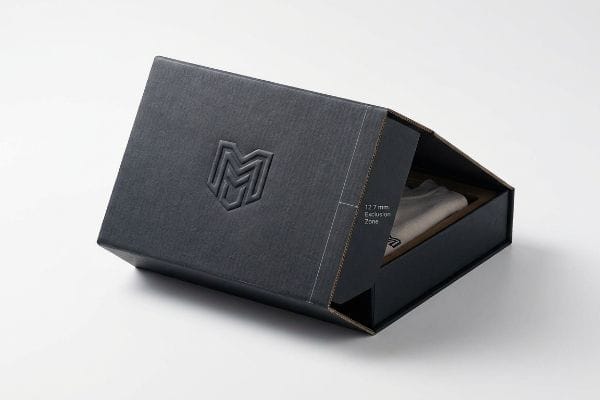
जब मैं वीआईपी उपहारों के लिए ग्राहकों की डाईलाइन का ऑडिट करता हूँ, तो मैं अक्सर देखता हूँ कि ग्राफिक टीमें दृश्य प्रभाव को अधिकतम करने के लिए प्राथमिक संरचनात्मक तहों पर सीधे भारी 3डी फ़ॉइल एम्बॉसिंग का उपयोग करती हैं। वे मान लेते हैं कि मोटा पेपरबोर्ड कैनवास पर कहीं भी उच्च दबाव वाले धातु के डाई को आसानी से स्वीकार कर लेगा। वे यह समझने में विफल रहते हैं कि भार वहन करने वाली क्रीज के पास कागज के रेशों को आक्रामक रूप से खींचने से एक विनाशकारी दोहरा तनाव क्षेत्र12 जो बॉक्स की भौतिक अखंडता को नष्ट कर देता है।
यह महज़ सिद्धांत नहीं है—मैंने पिछले महीने एक प्रमुख तकनीकी कंपनी के कार्यकारी सम्मेलन के लिए एक लक्जरी परिधान उपहार बॉक्स का परीक्षण करते समय इस बात को कठिन अनुभव से सीखा। 2023 में, मैंने अपने प्रमुख पैकेजिंग इंजीनियर, मार्क को 32ECT ई-फ्लूट बॉक्स का एक बैच तैयार करने के लिए कहा, जिसमें एक गहरा 3D उभरा हुआ लोगो था जो सीधे सामने के हिंज के चारों ओर लिपटा हुआ था। जैसे ही डाई-कटर ने बोर्ड पर प्रहार किया, मुझे क्राफ्ट लाइनर के फटने की एक भयानक, सूखी सी आवाज़ सुनाई दी। धातु की एम्बॉसिंग डाई ने सेल्युलोज फाइबर को इतना पतला कर दिया था कि जब स्वचालित फोल्डर चालू हुआ, तो पूरा सामने का पैनल फट गया। प्रोजेक्ट को बचाने के लिए, मैंने तुरंत एक "एम्बॉसिंग एक्सक्लूजन ज़ोन" निर्धारित किया । हमने शोर मचाने वाली हाइडेलबर्ग प्रेस को रोक दिया, पॉलीमर मैट्रिक्स चैनलों को पुनः कैलिब्रेट किया, और 3D टेक्सचर को संरचनात्मक स्कोर लाइन से ठीक 0.5 इंच (12.7 मिमी) दूर स्थानांतरित कर दिया । मैं अपनी टेस्टिंग लैब में समय और पैसा लगाता हूँ ताकि आपको रिटेल स्टोर में मुनाफ़ा न गंवाना पड़े। इस त्वरित 12.7 मिमी टॉलरेंस एडजस्टमेंट ने न केवल बेस को ढहने से रोका, बल्कि प्रति यूनिट को-पैकिंग असेंबली टाइम को 42 सेकंड तक कम कर दिया, जिससे ग्राहक को मैनुअल रीवर्क फीस में $4,100 से अधिक की बचत हुई।
| मीट्रिक/विशेषता | सामान्य दृष्टिकोण | इंजीनियर्ड रियलिटी |
|---|---|---|
| एम्बॉस स्थान | तह रेखाओं के पार | 0.5 इंच का अपवर्जन क्षेत्र15 |
| फाइबर अखंडता | विनाशकारी चीर-फाड़ | नियंत्रित तनाव |
| असेंबली गति | अत्यधिक शारीरिक घर्षण | 42 सेकंड तेज़16 |
मैं ग्राफिक डिजाइन की सुंदरता को अपनी संरचनात्मक इंजीनियरिंग को नुकसान पहुंचाने की बिल्कुल भी अनुमति नहीं दूंगा। कागज के रेशों के तनाव को नियंत्रित करने से यह सुनिश्चित होता है कि आपका वीआईपी उपहार पूरी तरह से सुरक्षित और संरचनात्मक रूप से त्रुटिहीन पहुंचे।.
🛠️ हार्वे का डेस्क: क्या आक्रामक 3D टेक्सचर आपकी प्रीमियम गिफ्ट बॉक्स को असेंबली लाइन पर टूटने और खराब होने का कारण बन रहे हैं? 👉 अपना मुफ़्त स्ट्रक्चरल डायलाइन ऑडिट करवाएं ↗ — कोई अकाउंट मैनेजर बीच में नहीं। आप सीधे स्ट्रक्चरल इंजीनियरों से बात कर सकते हैं।
कंपनियों के लिए कुछ अच्छे गिफ्ट बॉक्स कौन से हैं?
किसी कॉर्पोरेट कंटेनर के लिए आदर्श कंटेनर का चयन करते समय, दिखावटी बाहरी ग्राफिक्स से परे जाकर, उसके अंदर छिपी सामग्री की जांच करना आवश्यक है। कमजोर आधार पूरे अनबॉक्सिंग अनुभव को खराब कर देता है।.
कंपनियों के लिए अच्छे उपहार बॉक्स उच्च-ईसीटी (एज क्रश टेस्ट) वाले माइक्रो-फ्लूटेड नालीदार कार्डबोर्ड का उपयोग करते हैं, जिससे दिखावटी गुणवत्ता में गिरावट से बचा जा सकता है। ई-फ्लूट या बी-फ्लूट जैसे संरचनात्मक रूप से मजबूत मेलर असाधारण गतिशील भार वहन क्षमता प्रदान करते हैं, जिससे यह सुनिश्चित होता है कि भारी कॉर्पोरेट परिधान महंगे, अप्रतिचक्रणीय ठोस प्लास्टिक आवरणों पर निर्भर किए बिना बिल्कुल सुरक्षित रूप से पहुंचें।.
खरीद टीमें अक्सर बजट को गलत जगहों पर संतुलित करने की कोशिश करके इन प्रीमियम संरचनाओं को नुकसान पहुंचाती हैं।.
कॉस्मेटिक ईटीसी डाउनग्रेड ट्रैप
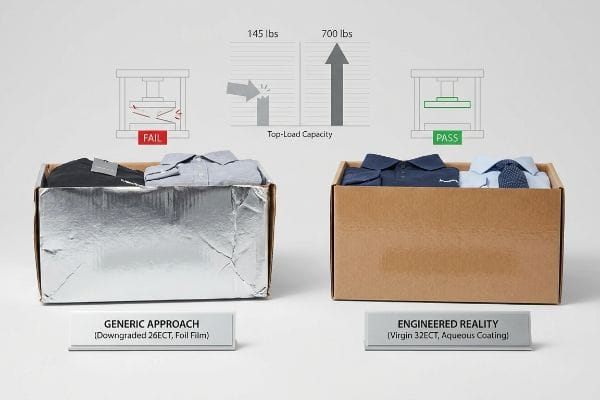
उच्च श्रेणी के उपहारों के लिए आरएफक्यू (कोटेशन अनुरोध) का ऑडिट करते समय, मैं अक्सर देखता हूँ कि खरीदार महंगे फुल-कवरेज फ़ॉइल लेमिनेशन को अनिवार्य कर देते हैं, फिर चुपके से बेस कोरुगेटेड बोर्ड की गुणवत्ता 32ईसीटी से घटाकर 26ईसीटी17 कर देते हैं। वे मानते हैं कि एक कठोर फ़ॉइल फिल्म जादुई रूप से कागज के कम वजन की भरपाई कर देगी। इससे कोर फ्लूटिंग से महत्वपूर्ण फाइबर घनत्व कम हो जाता है, जिसके परिणामस्वरूप एक देखने में आकर्षक बॉक्स बनता है जो गोदाम में पैलेट पर रखने पर तुरंत दब जाता है18।
मेरी फैक्ट्री में, मैं अक्सर देखता हूँ कि जब खरीददार टीमें दिखावटीपन के चक्कर में संरचनात्मक मजबूती से समझौता करती हैं, तो इसके क्या परिणाम होते हैं। जब मैं इन कम गुणवत्ता वाले 26ECT बोर्डों को अपने हाइड्रोलिक कम्प्रेशन प्रेस पर टेस्ट करता हूँ, तो ये मात्र 145.2 पाउंड (65.8 किलोग्राम) के अधिकतम भार परही , जिससे महंगी पन्नी में ज़बरदस्त झुर्रियाँ पड़ जाती हैं और वह उखड़ने लगती है। इस समस्या को हल करने के लिए, मैंने माइक्रोमीटर रीडिंग ली और साबित किया कि हमें महंगी प्लास्टिक फिल्मों की बिल्कुल भी ज़रूरत नहीं थी। सामग्री को मूल 32ECT मानक पर वापस लाकर और भारी पन्नी को उच्च-ठोस चमक वाली जलीय कोटिंग से बदलकर, सामग्री ने खुद ही सारा काम कर दिया। खरीददार टीम द्वारा मुझे एक्सेल बीओएम (सामग्री का बिल) में बदलाव करने की अनुमति देने के बाद, संपीड़न शक्ति दोगुनी हो गई।सामग्री में इस सख्त बदलाव से कोनों के टूटने की समस्या पूरी तरह से खत्म हो गई, जिससे ब्रांड को स्क्रैप इन्वेंट्री में लगभग 18% की बचत हुई और साथ ही पूरी तरह से पुनर्चक्रण योग्य, शून्य-क्षतिग्रस्त माल ढुलाई दर प्राप्त हुई।
| मीट्रिक/विशेषता | सामान्य दृष्टिकोण | इंजीनियर्ड रियलिटी |
|---|---|---|
| बोर्ड ग्रेड | 26ECT को डाउनग्रेड किया गया | वर्जिन 32ईसीटी मानक21 |
| दृश्य समापन | महंगी पन्नी फिल्म | ग्लॉस एक्वस कोटिंग22 |
| शीर्ष भार क्षमता | 145 पाउंड पर असफल23 | पैलेट स्टैकिंग से बच जाता है |
मैं ग्राहकों को दिखावटी मार्केटिंग फिनिशिंग के लिए अपनी मूल सामग्री को खोखला करने की अनुमति कभी नहीं देता। वास्तविक विलासिता के लिए अटूट संरचनात्मक भौतिकी की नींव आवश्यक है जो आपूर्ति श्रृंखला में भी बनी रहे।.
🛠️ हार्वे का डेस्क: क्या आपकी खरीद टीम कॉस्मेटिक फ़ॉइल फ़िनिश के लिए भुगतान करने हेतु चुपके से आपके बॉक्स की मजबूती को कम कर रही है? 👉 अपना मुफ़्त BCT कम्प्रेशन ऑडिट प्राप्त करें ↗ — मैं 24 घंटों के भीतर प्रत्येक संरचनात्मक फ़ाइल की व्यक्तिगत रूप से समीक्षा करता हूँ।
निष्कर्ष
चाहे सूक्ष्म फाइबर की थकान से आपके सब्सक्रिप्शन मेलर्स को खराब होने से बचाना हो या भारी एम्बॉसिंग डाई से आपकी फोल्ड लाइनों को टूटने से रोकना हो, कॉर्पोरेट गिफ्टिंग में बेजोड़ संरचनात्मक भौतिकी की आवश्यकता होती है। पिछले महीने ही, मेरे संरचनात्मक ऑडिट ने 3 ब्रांडों को 10,000 डॉलर से अधिक के स्क्रैप इन्वेंट्री और रिटेलर चार्जबैक से बचने में मदद की। सैद्धांतिक डिज़ाइन संबंधी धारणाओं को अपने वीआईपी ग्राहक अनुभव को खराब न करने दें; मुझे व्यक्तिगत रूप से आपकी संरचनात्मक फाइलों का निःशुल्क मटेरियल टॉलरेंस ऑडिट ↗ ताकि यह सुनिश्चित हो सके कि आपका अगला प्रीमियम रोलआउट वेयरहाउस लॉजिस्टिक्स की कठोर वास्तविकता से सुरक्षित रहे।
"पुनर्चक्रण योग्य पॉलिमर सामग्रियों का नया वर्ग एक दिन …", https://source.colostate.edu/new-class-of-recyclable-polymer-materials-could-one-day-help-reduce-single-use-plastic-waste/। पेपरबोर्ड प्रिंटिंग में सॉफ्ट-टच टेक्सचर बनाने के लिए तरल पॉलिमर मैट्रिक्स की रासायनिक संरचना और अनुप्रयोग का सत्यापन। साक्ष्य की भूमिका: तकनीकी सत्यापन; स्रोत प्रकार: सामग्री विज्ञान या औद्योगिक मुद्रण मैनुअल। समर्थन: गैर-प्लास्टिक स्पर्शनीय कोटिंग्स का अस्तित्व। कार्यक्षेत्र नोट: जलीय-आधारित सॉफ्ट-टच कोटिंग्स पर ध्यान केंद्रित। ↩
"पैकेजिंग में सॉफ्ट टच लेमिनेशन क्या है? एक विस्तृत गाइड", https://shoprigidboxes.com/what-is-soft-touch-lamination/?srsltid=AfmBOopnmhSHBtvUBQMxslhOWBlD-MK1W2_IFSuCAAocdgrksvBMmW-6। यह सत्यापित किया गया है कि प्लास्टिक-बंधित थर्मल लेमिनेशन पल्पिंग प्रक्रिया के दौरान पानी के प्रवेश को रोकते हैं, जिससे वे मानक नगरपालिका अपशिष्टों में पुनर्चक्रण योग्य नहीं रह जाते हैं। साक्ष्य की भूमिका: तकनीकी सत्यापन; स्रोत प्रकार: अपशिष्ट प्रबंधन या सामग्री विज्ञान पत्रिका। समर्थन: थर्मल लेमिनेशन की गैर-पुनर्चक्रण योग्यता। कार्यक्षेत्र संबंधी टिप्पणी: नगरपालिका सुविधाओं पर केंद्रित। ↩
"[PDF] रिपल्पेबिलिटी - कोटेड नालीदार पेपरबोर्ड की रिपल्पेबिलिटी - TAPPI.org", https://imisrise.tappi.org/download.aspx?key=91OCT079। यह पुष्टि करता है कि जलीय आधारित सॉफ्ट-टच कोटिंग्स मानक पेपर रीसाइक्लिंग प्रक्रियाओं के अनुकूल हैं और रिपल्पिंग के दौरान घुल जाती हैं। साक्ष्य की भूमिका: तकनीकी सत्यापन; स्रोत प्रकार: कोटिंग निर्माता विनिर्देश या रीसाइक्लिंग उद्योग मानक। समर्थन: जलीय कोटिंग्स की स्थिरता। कार्यक्षेत्र संबंधी टिप्पणी: मानक पेपर मिल वैट्स के लिए विशिष्ट। ↩
"खाद्य पैकेजिंग सामग्रियों का पर्यावरणीय प्रभाव – पीएमसी – एनआईएच", https://pmc.ncbi.nlm.nih.gov/articles/PMC7664184/। पर्यावरणीय प्रभाव आकलन प्लास्टिक फिल्मों और जल-आधारित कोटिंग्स के जीवन चक्र के अंत में होने वाले परिणामों की तुलना करते हैं। साक्ष्य की भूमिका: तुलनात्मक विश्लेषण; स्रोत प्रकार: पर्यावरण विज्ञान अध्ययन। समर्थन: इस दावे का कि थर्मल प्लास्टिक फिल्मों को आमतौर पर लैंडफिल में डाला जाता है। कार्यक्षेत्र संबंधी टिप्पणी: गैर-बायोडिग्रेडेबल पॉलिमर फिल्मों पर केंद्रित। ↩
"सॉफ्ट टच कोटिंग | प्रिंटिंग और फिनिशिंग तकनीकें – सोर्सफुल एआई", https://www.sourceful.com/explore/printing-types-and-finishes/soft-touch-coating। प्रिंटिंग फिनिश पर प्रामाणिक तकनीकी दस्तावेज़, जलीय आधारित सॉफ्ट-टच कोटिंग्स की रासायनिक संरचना और स्पर्श विशेषताओं को सत्यापित करता है। साक्ष्य भूमिका: तकनीकी विनिर्देश; स्रोत प्रकार: औद्योगिक कोटिंग मानक। समर्थन: प्रीमियम स्पर्श फिनिश के लिए जलीय कोटिंग्स की प्रभावशीलता। कार्यक्षेत्र नोट: जलीय आधारित प्रिंटिंग समाधानों के लिए विशिष्ट। ↩
"कर्बसाइड रिसाइकल करने योग्य पैकेजिंग - एक आसान गाइड", https://www.ecoenclose.com/curbside-recyclable-packaging?srsltid=AfmBOopoQ1w3oLN1yMtXkIdXu3Z_KRsOi4DqJVOEZI7Pi8Bq6FU9TxpJ। अपशिष्ट प्रबंधन विनियम और पर्यावरण प्रमाणन पूर्ण कर्बसाइड रिसाइकलेबिलिटी के लिए विशिष्ट सामग्री आवश्यकताओं को परिभाषित करते हैं। साक्ष्य की भूमिका: अनुपालन सत्यापन; स्रोत प्रकार: नियामक दिशानिर्देश। समर्थन: यह दावा कि कुछ इंजीनियर सामग्री नगरपालिका प्रणालियों के माध्यम से पूरी तरह से रिसाइकल करने योग्य हैं। कार्यक्षेत्र संबंधी टिप्पणी: अनुपालन नगरपालिका बुनियादी ढांचे के अनुसार भिन्न हो सकता है। ↩
"कन्वेयर बेल्ट चयन में झूठी बचत - रीसाइक्लिंग टुडे", https://www.recyclingtoday.com/article/false-economies-in-conveyor-belt-selection-dunlop/। एक प्रामाणिक इंजीनियरिंग स्रोत कन्वेयर सिस्टम में 100% पुनर्चक्रित टेस्टलाइनर बनाम वर्जिन फाइबर की थकान और कंपन प्रतिरोध पर तुलनात्मक डेटा प्रदान करेगा। साक्ष्य की भूमिका: तकनीकी सत्यापन; स्रोत प्रकार: सामग्री विज्ञान अध्ययन या लॉजिस्टिक्स इंजीनियरिंग मैनुअल। समर्थन: यह दावा कि पुनर्चक्रित फाइबर बहु-अक्षीय कंपन के तहत विफल हो जाते हैं। कार्यक्षेत्र संबंधी टिप्पणी: उच्च-वेग 3PL कन्वेयर वातावरण के लिए विशिष्ट। ↩
"नालीदार पेपरबोर्ड पैकेजों की संपीडन शक्ति...", https://pmc.ncbi.nlm.nih.gov/articles/PMC10054506/। उच्च स्थायित्व वाले नालीदार बोर्ड के लिए उद्योग मानक, जो संरचनात्मक अखंडता और गतिज लचीलापन बनाए रखने के लिए आवश्यक न्यूनतम शुद्ध फाइबर सामग्री निर्दिष्ट करते हैं। साक्ष्य भूमिका: तकनीकी विनिर्देश; स्रोत प्रकार: पैकेजिंग उद्योग मैनुअल। समर्थन: परिवहन क्षति को कम करने के लिए सामग्री मैट्रिक्स अनुशंसा। कार्यक्षेत्र नोट: विशेष रूप से कोर फ्लूटिंग परत पर लागू होता है। ↩
"नालीदार पैकेजिंग का पर्यावरणीय प्रभाव", https://www.internationalpaper.com/resources/blog/environmental-impact-corrugated-packaging-why-balanced-fiber-approach-best। 30% वर्जिन क्राफ्ट फाइबर को मिलाने से पुनर्चक्रित नालीदार बोर्ड की फटने की क्षमता और कठोरता में कैसे सुधार होता है, इसका तकनीकी विश्लेषण। साक्ष्य की भूमिका: तकनीकी विनिर्देश; स्रोत प्रकार: सामग्री विज्ञान पत्रिका। समर्थन: 100% पुनर्चक्रित सामग्रियों की तुलना में इंजीनियर सब्सट्रेट की श्रेष्ठता। कार्यक्षेत्र संबंधी टिप्पणी: फाइबर की लंबाई और बंधन पर ध्यान केंद्रित। ↩
"नालीदार तख्तों की संपीडन शक्ति का अनुमान...", https://pmc.ncbi.nlm.nih.gov/articles/PMC8467740/। 100% पुनर्चक्रित नालीदार सतहों में बॉक्स संपीडन परीक्षण (BCT) शक्ति के औसत प्रतिशत नुकसान से संबंधित अनुभवजन्य डेटा। साक्ष्य भूमिका: प्रदर्शन मीट्रिक; स्रोत प्रकार: पैकेजिंग उद्योग बेंचमार्क रिपोर्ट। समर्थन: सामान्य पुनर्चक्रित लाइनरों की संरचनात्मक विफलता दर। स्कोप नोट: आर्द्रता और स्टैकिंग ऊंचाई के आधार पर मान भिन्न हो सकते हैं। ↩
"परीक्षण प्रक्रियाएँ", https://ista.org/test_procedures.php। अंतर्राष्ट्रीय सुरक्षित पारगमन संघ (ISTA) 6 शिप-इन-ओन-कंटेनर प्रमाणन के लिए तकनीकी आवश्यकताओं का सत्यापन। साक्ष्य भूमिका: नियामक मानक; स्रोत प्रकार: उद्योग प्रमाणन दिशानिर्देश। समर्थन: यह दावा कि विशिष्ट इंजीनियरिंग पारगमन के दौरान माल की सुरक्षा सुनिश्चित करती है। कार्यक्षेत्र संबंधी टिप्पणी: ई-कॉमर्स शिपिंग मानकों के लिए विशिष्ट। ↩
"यांत्रिक गुणों पर एनालॉग और डिजिटल क्रीज लाइनों का प्रभाव...", https://pmc.ncbi.nlm.nih.gov/articles/PMC9268991/। पेपर इंजीनियरिंग पर तकनीकी दस्तावेज़ बताता है कि एम्बॉसिंग फाइबर घनत्व को कैसे बदलता है और तनाव सांद्रता पैदा करता है जिससे संरचनात्मक तहें कमजोर हो जाती हैं। साक्ष्य की भूमिका: तकनीकी सत्यापन; स्रोत प्रकार: पैकेजिंग इंजीनियरिंग मैनुअल। समर्थन: यह दावा कि क्रीज के पास एम्बॉसिंग भौतिक अखंडता को प्रभावित करता है। कार्यक्षेत्र संबंधी टिप्पणी: लक्जरी पैकेजिंग में उपयोग किए जाने वाले उच्च-जीएसएम पेपरबोर्ड पर केंद्रित। ↩
"यांत्रिक और कोमलता पर एम्बॉसिंग दबाव का प्रभाव … – पीएमसी", https://pmc.ncbi.nlm.nih.gov/articles/PMC9228970/। एक आधिकारिक बाहरी स्रोत इस दावे का समर्थन कैसे करता है, इसका संक्षिप्त विवरण। साक्ष्य की भूमिका: तकनीकी तंत्र; स्रोत का प्रकार: सामग्री विज्ञान की पाठ्यपुस्तक। समर्थन: एम्बॉसिंग दबाव के तहत सेल्युलोज फाइबर का खिंचाव। कार्यक्षेत्र संबंधी टिप्पणी: क्राफ्ट लाइनर बोर्ड पर केंद्रित। ↩
"पैकेजिंग डिज़ाइन के लिए डाइलाइन कैसे तैयार करें: एक चरण-दर-चरण मार्गदर्शिका", https://packccp.com/how-to-prepare-dieline-for-packaging-design/। एक आधिकारिक बाहरी स्रोत इस दावे का समर्थन कैसे करता है, इसका संक्षिप्त विवरण। साक्ष्य की भूमिका: तकनीकी विनिर्देश; स्रोत का प्रकार: पैकेजिंग डिज़ाइन मैनुअल। समर्थन: संरचनात्मक अखंडता के लिए 0.5 इंच का सुरक्षा मार्जिन। स्कोप नोट: बोर्ड की मोटाई के अनुसार भिन्न होता है। ↩
"ई-कॉमर्स के लिए कस्टम पैकेजिंग डिज़ाइन करने की अंतिम मार्गदर्शिका", https://xactz.com/blogs/news/the-ultimate-guide-to-designing-custom-packaging-for-e-commerce?srsltid=AfmBOorknKQRsZnBQVRMtvCpAcfVx3hhCGf4km6egG3DixZ_SQtIfso_। पैकेजिंग इंजीनियरिंग के लिए तकनीकी दिशानिर्देश उभरे हुए क्षेत्र और तह रेखा के बीच आवश्यक न्यूनतम सुरक्षा मार्जिन को परिभाषित करते हैं ताकि सामग्री की विफलता को रोका जा सके। साक्ष्य भूमिका: तकनीकी विनिर्देश; स्रोत प्रकार: विनिर्माण मैनुअल। समर्थन: संरचनात्मक स्थिरता के लिए एक विशिष्ट बहिष्करण क्षेत्र की आवश्यकता। कार्यक्षेत्र नोट: उच्च-जीएसएम पेपरबोर्ड पर लागू होता है। ↩
"शिपिंग के दौरान होने वाले नुकसान को कम करने के लिए कस्टम पैकेजिंग: एक औद्योगिक …", https://packagingforindustry.com/custom-packaging-to-reduce-shipping-damage-an-industrial-engineering-guide/। औद्योगिक डिज़ाइन में समय-गति अध्ययन, मानक मैनुअल असेंबली की तुलना में सटीक इंजीनियरिंग के माध्यम से प्राप्त दक्षता लाभों को मात्रात्मक रूप से दर्शाते हैं। साक्ष्य की भूमिका: मात्रात्मक माप; स्रोत प्रकार: औद्योगिक इंजीनियरिंग अध्ययन। समर्थन: असेंबली गति में विशिष्ट वृद्धि। कार्यक्षेत्र संबंधी टिप्पणी: प्रति इकाई पैकेजिंग चक्रों के औसत पर आधारित। ↩
"फ्लूट ग्रेड, ECT रेटिंग और दीवार की मोटाई की व्याख्या 2025", https://anchorbox.com/corrugated-box-strength/। एज क्रश टेस्ट (ECT) रेटिंग के लिए उद्योग मानक बोर्ड ग्रेड कम होने पर ऊर्ध्वाधर संपीड़न शक्ति में कमी के विशिष्ट मापदंड प्रदान करते हैं। साक्ष्य भूमिका: तकनीकी विनिर्देश; स्रोत प्रकार: पैकेजिंग इंजीनियरिंग हैंडबुक। समर्थन: यह दावा कि ECT मान कम करने से कंटेनर की संरचनात्मक अखंडता कम हो जाती है। कार्यक्षेत्र नोट: मानक नालीदार बोर्ड प्रदर्शन मापदंडों पर केंद्रित है। ↩
"पैलेट के ऊपरी डेक की कठोरता के प्रभाव की जांच... – पीएमसी", https://pmc.ncbi.nlm.nih.gov/articles/PMC8585293/। पैकेजिंग लॉजिस्टिक्स डेटा यह दर्शाता है कि पैलेटाइजेशन के दौरान स्थिर और गतिशील भार के तहत बॉक्स के ढहने की संभावना कम ईसीटी रेटिंग से कैसे बढ़ जाती है। साक्ष्य की भूमिका: अनुभवजन्य सत्यापन; स्रोत प्रकार: लॉजिस्टिक्स और शिपिंग गाइड। समर्थन: यह दावा कि अपर्याप्त ईसीटी रेटिंग गोदाम में भंडारण के दौरान संरचनात्मक विफलता का कारण बनती है। स्कोप नोट: विफलता दर कुल स्टैक ऊंचाई और भार वजन पर निर्भर करती है। ↩
"ईसीटी रेटिंग्स की व्याख्या: आपके लिए इनका क्या अर्थ है...", https://epackagesupply.com/blogs/packaging-guide/ect-ratings-explained-what-they-mean-for-your-corrugated-packaging?srsltid=AfmBOooDZzAQzlit7ZtzSwXUdCd3Al1u1kdcSZv4Fe_F4RW4QcD4qjV9। 26 ईसीटी नालीदार बोर्ड के लिए शीर्ष-भार संपीड़न बल सीमा का सत्यापन। साक्ष्य की भूमिका: तकनीकी सत्यापन; स्रोत प्रकार: उद्योग पैकेजिंग मानक। समर्थन: 26ईसीटी का विशिष्ट विफलता बिंदु। स्कोप नोट: परिणाम बोर्ड के आयामों के अनुसार भिन्न हो सकते हैं। ↩
"ईसीटी रेटिंग की व्याख्या: आपके लिए इनका क्या अर्थ है...", https://epackagesupply.com/blogs/packaging-guide/ect-ratings-explained-what-they-mean-for-your-corrugated-packaging?srsltid=AfmBOoqWFnkTui5nfHCpFHs8B-N2M3YQykEM2LDIM2lRoNWKZKRJkaIm। 26 ईसीटी और 32 ईसीटी माइक्रो-फ्लूट बोर्डों के बीच संरचनात्मक भार वहन क्षमता की तुलना। साक्ष्य की भूमिका: प्रदर्शन तुलना; स्रोत प्रकार: सामग्री विज्ञान डेटा। समर्थन: यह दावा कि ईसीटी रेटिंग बढ़ाने से संपीडन शक्ति में उल्लेखनीय सुधार होता है। स्कोप नोट: समान फ्लूट प्रोफाइल मानकर चला गया है। ↩
"शिपिंग बॉक्स की मजबूती को समझना", https://www.ecoenclose.com/blog/understanding-shipping-box-strength/?srsltid=AfmBOooOAr2zZuAVB7GkXG1NSSrI5Da6eeD0vbEzmoyR4OwQDjWhBdN1। उद्योग मानक एज क्रश टेस्ट (ECT) रेटिंग के माध्यम से नालीदार सामग्रियों की संरचनात्मक क्षमता को परिभाषित करते हैं। साक्ष्य की भूमिका: तकनीकी विनिर्देश; स्रोत प्रकार: पैकेजिंग उद्योग मानक। समर्थन: उच्च गुणवत्ता वाले कॉर्पोरेट उपहार बॉक्स की आधारभूत मजबूती। कार्यक्षेत्र संबंधी टिप्पणी: नालीदार फाइबरबोर्ड के लिए विशिष्ट। ↩
"पैकेजिंग में उपभोक्ता अपेक्षाओं को पूरा करने की कुंजी", https://www.cosmochem.in/blog/aqueous-coatings-the-key-to-meeting-consumer-expectations-in-packaging। फिनिशिंग तकनीकों की तकनीकी तुलना, फॉइल फिल्मों की तुलना में जलीय कोटिंग्स की टिकाऊपन और लागत-प्रभावशीलता का मूल्यांकन करती है। साक्ष्य की भूमिका: तुलनात्मक विश्लेषण; स्रोत प्रकार: विनिर्माण मार्गदर्शिका। समर्थन: इंजीनियर्ड पैकेजिंग में जलीय कोटिंग्स की प्राथमिकता। कार्यक्षेत्र संबंधी टिप्पणी: सतह की फिनिश पर केंद्रित। ↩
"IPST में नालीदार बोर्ड के किनारों पर हाल ही में हुए अध्ययनों का अवलोकन...", https://bioresources.cnr.ncsu.edu/resources/overview-of-recent-studies-at-ipst-on-corrugated-board-edge-compression-strength-testing-methods-and-effects-of-interflute-buckling/। निम्न श्रेणी के बोर्ड ग्रेड पर किए गए अनुभवजन्य तनाव परीक्षण ऊर्ध्वाधर दबाव के तहत संरचनात्मक विफलता के सटीक बिंदु को निर्धारित करते हैं। साक्ष्य की भूमिका: अनुभवजन्य माप; स्रोत प्रकार: तकनीकी प्रयोगशाला रिपोर्ट। समर्थन: निम्न श्रेणी के 26ECT बोर्ड के उपयोग का जोखिम। कार्यक्षेत्र संबंधी टिप्पणी: बॉक्स के आयामों के आधार पर भिन्न होता है। ↩