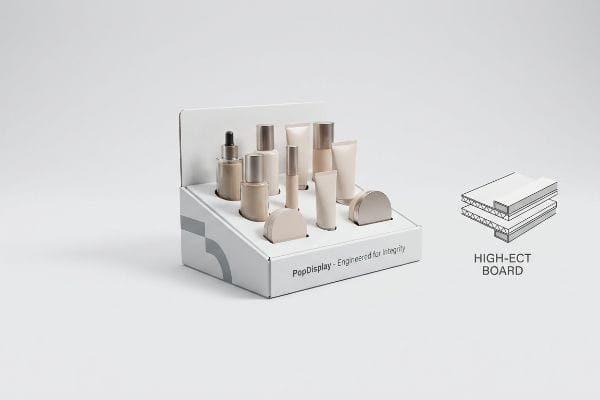
उच्च लाभ वाले सौंदर्य प्रसाधन अभियानों को शुरू करते समय, नाजुक सौंदर्य प्रसाधनों के लिए केवल सुंदर छपाई ही पर्याप्त नहीं होती; उन्हें मजबूत संरचनात्मक सुरक्षा की आवश्यकता होती है। पैकेजिंग भौतिकी की अनदेखी करने से प्रीमियम उत्पाद तुरंत टूट-फूट कर खुदरा बिक्री के लिए नुकसानदायक साबित हो सकते हैं।.
कॉस्मेटिक्स के लिए PopDisplay बॉक्स चुनना संरचनात्मक अखंडता और प्रीमियम ब्रांड प्रस्तुति सुनिश्चित करता है। सटीक माइक्रो-क्लियरेंस और उच्च-ईसीटी नालीदार बोर्डों के उपयोग से, ये विशेष रिटेल मर्चेंडाइज़र नाजुक उत्पादों को नुकसान से बचाते हैं, परिवहन के दौरान होने वाले भारी कंपन को सहन करते हैं और उत्तरी अमेरिका की सख्त रिटेल सप्लाई चेन में त्रुटिहीन शेल्फ डिस्प्ले सुनिश्चित करते हैं।.
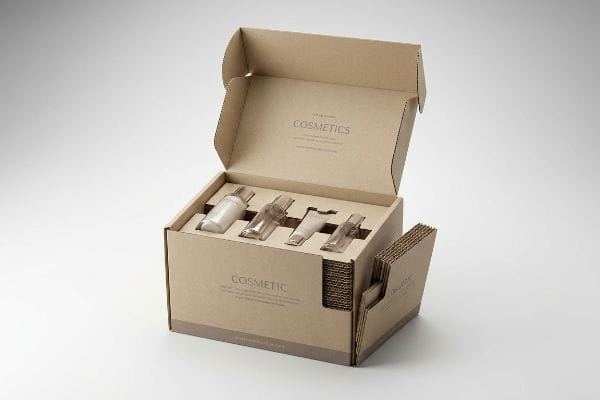
डिजिटल ब्रांड रेंडरिंग से लेकर भौतिक रिटेल स्टोर तक का सफर एक बेहद चुनौतीपूर्ण कार्य है। सटीक इंजीनियरिंग के बिना, सबसे आकर्षक दिखने वाली ब्यूटी पैकेजिंग वैश्विक माल ढुलाई के भारी भार के आगे झुक जाएगी।
सबसे खूबसूरत कॉस्मेटिक पैकेजिंग डिजाइन कौन सा है?
उच्च स्तरीय कॉस्मेटिक पैकेजिंग को डिजाइन करने के लिए जटिल स्पर्शनीय ब्रांडिंग और कठोर संरचनात्मक भौतिकी के बीच संतुलन बनाए रखना आवश्यक है।.
सबसे खूबसूरत कॉस्मेटिक पैकेजिंग डिज़ाइन प्रीमियम दृश्य सौंदर्यशास्त्र को कठोर संरचनात्मक भौतिकी के साथ सामंजस्य बिठाती है। सूक्ष्म-नालीदार बोर्डों पर अंदर की ओर उभरी हुई नक्काशी जैसी विशेष स्पर्श तकनीकों का उपयोग करके, सब्सट्रेट की आंतरिक संपीड़न शक्ति से समझौता किए बिना उच्च-विपरीत लक्जरी बनावट तैयार की जाती है, जिससे यह सुनिश्चित होता है कि दृश्य आकर्षण वैश्विक खुदरा आपूर्ति श्रृंखला में अत्यधिक कठिन परिस्थितियों में भी आसानी से बना रहे।.
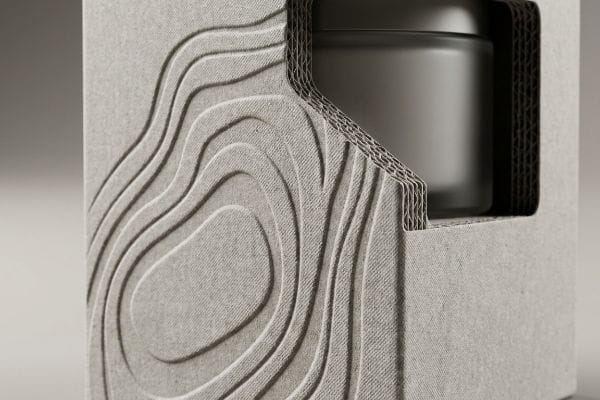
सौंदर्य संबंधी सुधार तभी खुदरा बिक्री पर लाभ देते हैं जब वे माल ढुलाई के दौरान सही सलामत रहें। पैकेजिंग की वास्तविक सुंदरता उसकी यांत्रिक मजबूती पर आधारित होती है।.
स्पर्शनीय कॉस्मेटिक फिनिश के पीछे की इंजीनियरिंग यांत्रिकी
नालीदार डिस्प्ले पर 3D टेक्सचर लगाने के लिए कागज के रेशों की लोच को नियंत्रित करना आवश्यक होता है। जब संरचनात्मक इंजीनियर किसी सतह पर उभार बनाते हैं, तो वे ऊपरी परत को ज़ोर से खींचकर एक उभरा हुआ शिखर बनाते हैं। इस भौतिक खिंचाव से कागज के रेशे पतले हो जाते हैं, जिससे बोर्ड की स्थानीय मजबूती काफी कम हो जाती है¹ । इसके विपरीत, अंदर की ओर धंसा हुआ हिस्सा सामग्री को नीचे की ओर दबाता है, जिससे नालीदार कार्डबोर्ड के आंतरिक मेहराब यांत्रिक रूप से सघन होकर एक ठोस ब्लॉक बन जाते हैं, जो कच्चे माल की अंतर्निहित संपीड़न क्षमता को बरकरार रखता है² ।
जब मैं भारी कॉस्मेटिक जारों के लिए प्रीमियम पीडीक्यू (प्रोडक्ट डिस्प्ले क्वार्टर-पैलेट) ट्रे डिज़ाइन करता हूँ, तो मुझे संरचनात्मक परिधि की सुरक्षा करनी होती है। भार वहन करने वाले पैनलों पर सीधे भारी बाहरी उभार लगाने सेफाइबर का तनाव कम हो जाता है, जिससे यूनिट के कारखाने से बाहर निकलने से पहले ही सूक्ष्म तनाव दरारें पैदा हो जाती हैं। एक सख्त आंतरिक उभार प्रोटोकॉल का पालन करके, मैं बी-फ्लूट बोर्ड को खींचने के बजाय संकुचित करने के लिए टूलिंग का उपयोग करता हूँ। यह भौतिक रसायन विज्ञान सख्त 32 ईसीटी (एज क्रश टेस्ट) रेटिंग को बनाए रखता है,साथ ही सौंदर्य उपभोक्ताओं द्वारा बिक्री स्थल पर अपेक्षित उच्च स्तरीय स्पर्श अनुभव भी प्रदान करता है।
| सौंदर्य संबंधी मीट्रिक | सामान्य पैकेजिंग दृष्टिकोण | इंजीनियर्ड फैक्ट्री की वास्तविकता |
|---|---|---|
| बनावट विधि | बाहरी फाइबर खिंचाव | आंतरिक बांसुरी का सघनीकरण5 |
| फाइबर तनाव | सूक्ष्म फ्रैक्चर का उच्च जोखिम | संकुचित सब्सट्रेट की मजबूती |
| भार क्षमता | कमज़ोर संपीड़न सीमाएँ | संरक्षित 32 ईसीटी बेसलाइन6 |
मैं दिखावटी बनावट के लिए पैलेट की भार वहन क्षमता का त्याग करने से इनकार करता हूँ। अंदर की ओर उभरा हुआ डिज़ाइन यह सुनिश्चित करता है कि मेरे ग्राहकों को गोदाम में आधार की गंभीर विफलताओं से बचे बिना प्रीमियम स्पर्शनीय ब्रांडिंग प्राप्त हो।.
🛠️ हार्वे का डेस्क: क्या आपके मज़बूत कॉस्मेटिक ट्रे की संपीड़न शक्ति असंतुलित 3D एम्बॉसिंग के कारण कम हो रही है? 👉 मुफ़्त स्पर्श सहनशीलता ऑडिट का दावा करें ↗ — मैं प्रत्येक संरचनात्मक फ़ाइल की व्यक्तिगत रूप से 24 घंटों के भीतर समीक्षा करता हूँ।
मेकअप बॉक्स इस्तेमाल करने के क्या फायदे हैं?
भारी कांच की नींव की बोतलों की सुरक्षा के लिए केवल कच्चे कार्डबोर्ड के घनत्व से कहीं अधिक की आवश्यकता होती है; इसके लिए परिकलित गतिज विस्थापन की आवश्यकता होती है।.
मेकअप बॉक्स का उपयोग करने से नाजुक कॉस्मेटिक कंटेनरों को गतिज झटकों से महत्वपूर्ण सुरक्षा मिलती है और साथ ही साथ उन्हें अतिरिक्त भौतिक सुरक्षा भी प्राप्त होती है। आंतरिक सस्पेंशन रिक्त स्थानों की इंजीनियरिंग और पेपरबोर्ड ऑफसेट टॉलरेंस की गणना करके, ये विशेष कार्टन कांच की बोतलों और प्रेस्ड पाउडर को खुदरा वितरण नेटवर्क में होने वाले विनाशकारी बहु-अक्षीय परिवहन कंपन से बचाते हैं।.

माल ढुलाई के दौरान लगने वाले झटकों को पूरी तरह से बाहरी मास्टर कार्टन पर निर्भर रहना एक बहुत बड़ी खामी है। द्वितीयक मेकअप बॉक्स को नाजुक प्राथमिक कंटेनर तक पहुंचने से पहले ही गतिज ऊर्जा को सक्रिय रूप से बेअसर करना चाहिए।.
गतिज निलंबन शून्य वास्तविकता
जब मैं सेकेंडरी कॉस्मेटिक फोल्डिंग कार्टन के लिए क्लाइंट की डाईलाइन का ऑडिट करता हूँ, तो मैं लगातार देखता हूँ कि ब्रांड अपने आंतरिक बॉक्स के आयामों को अपने प्राइमरी कॉम्पैक्ट के बाहरी माप से हूबहू मिलाते हैं। यह 1:1 सतह संपर्क किसी भी भौतिक बफर ज़ोन को पूरी तरह से खत्म कर देता है। मेरी सुविधा में, मैं गणितीय रूप से यह सिद्ध करता हूँ कि आंतरिक ज्यामितीय विस्थापन के बिना, एक कठोर बाहरी कार्टन पार्श्व ड्रॉप शॉक का 100 प्रतिशत सीधे नाजुक प्राइमरी कंटेनर में स्थानांतरित कर देता है ।
यह सिर्फ़ सिद्धांत नहीं है—मैंने परीक्षण के दौरान इसे होते हुए देखा है जब हम सामान्य रूप से कसकर पैक किए गए कॉस्मेटिक कार्टन का मूल्यांकन करते हैं। कृत्रिम बहु-अक्षीय कंपन परीक्षण के तहत, कठोर ठोस ब्लीच्ड सल्फेट बोर्ड के साथ सीधा घर्षण कांच की शीशियों को तुरंत तोड़ देता है और दबाए गए पाउडर को चूर-चूर कर देता है। इसे रोकने के लिए, मैं अपने CAD (कंप्यूटर-एडेड डिज़ाइन) सॉफ़्टवेयर में एक सख्त सस्पेंशन वॉयड प्रोटोकॉल लागू करता हूँ। मैं एक कस्टम डाई-कट प्लेटफ़ॉर्म को एकीकृत करने के लिए कार्टन के आंतरिक आयामों को कृत्रिम रूप से बढ़ाता हूँ, जिससे मुख्य उत्पाद के चारों ओर कम से कम 0.125 इंच (3.17 मिमी) का भौतिक रिक्त स्थान सुनिश्चित होता है। इस वायु अंतराल को सक्रिय रूप से रोककर, मैं यह सुनिश्चित करता हूँ कि पैकेजिंग गतिज ऊर्जा को अवशोषित कर ले, जिससे टूटे हुए सामान को पूरी तरह से रोका जा सके और ग्राहकों को खुदरा विक्रेता क्षति शुल्क में अनुमानित 18 प्रतिशत की बचत हो सके ।
| सुरक्षा मीट्रिक | सामान्य पैकेजिंग दृष्टिकोण | इंजीनियर्ड फैक्ट्री की वास्तविकता |
|---|---|---|
| आंतरिक फिटिंग | 1:1 तंग सतह संपर्क | 0.125 इंच की स्थानिक निकासी9 |
| गतिज स्थानांतरण | प्राथमिक इकाई को 100% झटका10 | निलंबन शून्य द्वारा अवशोषित |
| पारगमन उत्तरजीविता | कांच टूटने का उच्च जोखिम | घर्षण रहित ड्रॉप-शॉक सुरक्षा11 |
मैं कभी भी कच्चे कार्डबोर्ड को किसी नाजुक प्राथमिक कॉस्मेटिक यूनिट के सीधे संपर्क में नहीं आने देता। मेरी सस्पेंशन वॉयड ज्योमेट्री हवा और इंसर्ट को सप्लाई चेन के झटकों को सोखने के लिए मजबूर करती है।.
🛠️ हार्वे का डेस्क: क्या आपके कॉस्मेटिक उत्पादों के सेकेंडरी कार्टन सीधे आपकी नाज़ुक कांच की बोतलों में गतिज झटका पहुंचा रहे हैं? 👉 ज्योमेट्रिक ऑफसेट विश्लेषण का अनुरोध करें ↗ — 100% गोपनीय। आपके अप्रकाशित रिटेल डिज़ाइन मेरे पास सुरक्षित हैं।
2026 में ब्यूटी पैकेजिंग के प्रमुख रुझान क्या हैं?
प्रीमियम कॉस्मेटिक ब्रांड तेजी से टिकाऊ स्पर्शनीय फिनिश की ओर रुख कर रहे हैं, लेकिन यह बदलाव प्रिंटिंग उपकरणों के लिए भारी रासायनिक जटिलताएं पैदा करता है।.
2026 के लिए सौंदर्य प्रसाधन पैकेजिंग के प्रमुख रुझानों में टिकाऊ स्पर्शनीय फिनिश और उच्च-गुणवत्ता वाली रंग स्थिरता को प्राथमिकता दी गई है। ब्रांड तेजी से उच्च-ठोस जलीय कोटिंग्स और गणितीय रूप से रंग-कैलिब्रेटेड प्रीप्रेस प्रोफाइल की ओर बढ़ रहे हैं जो प्रीमियम मखमली बनावट प्रदान करते हैं, साथ ही पूरी तरह से कर्बसाइड रिसाइकिल करने योग्य हैं और डिजिटल ब्रांड प्रूफ से पूरी तरह मेल खाते हैं।.
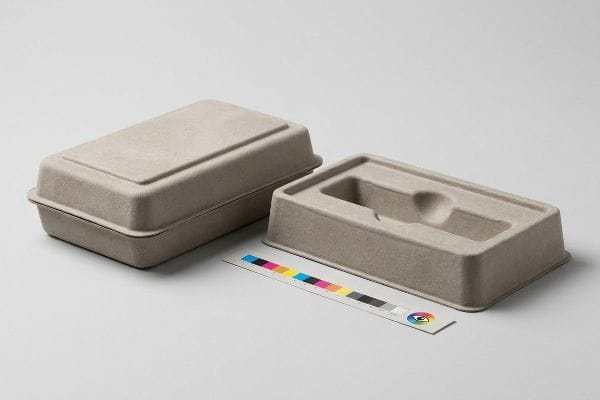
लक्जरी स्पर्शनीय फिल्मों का उपयोग करना केवल उत्पादन के बाद का एक साधारण सौंदर्य संबंधी विकल्प नहीं है। पॉलिमर रसायन विज्ञान सीधे तौर पर इस बात को प्रभावित करता है कि खुदरा प्रकाश व्यवस्था अंतर्निहित मुद्रित स्याही के साथ कैसे परस्पर क्रिया करती है।.
स्पर्शनीय फिल्मों का प्रकाश प्रकीर्णन भौतिकी
यहां तक कि अनुभवी खरीद टीमें भी अक्सर यह मान लेती हैं कि वे अंतिम दृश्य आउटपुट को बदले बिना अपने मानक CMYK (सियान, मैजेंटा, येलो, की/ब्लैक) आर्टवर्क पर प्रीमियम सॉफ्ट टच थर्मल लेमिनेशन लगा सकती हैं। वे स्पर्शनीय फिल्म12 । यह रासायनिक मैट्रिक्स प्रकाश-अवशोषक निर्वात के रूप में कार्य करता है, जो परिवेशी स्टोर प्रकाश को परावर्तित करने के बजाय उसे आक्रामक रूप से बिखेरता है13।
यह सिर्फ़ सिद्धांत नहीं है—मैंने पिछले साल इसका कड़वा अनुभव किया, जब मैंने अपने प्रमुख प्रीप्रेस इंजीनियर, मार्क को एक बड़े लॉन्च के लिए वेलवेट-लेमिनेटेड कॉस्मेटिक ट्रे का एक टेस्ट बैच तैयार करने को कहा। जैसे ही लेमिनेटेड शीट प्रेस से निकलीं, मैंने उन्हें स्पेक्ट्रोफोटोमीटर के नीचे रखा। भौतिक पॉलीमर ने तुरंत ही नीचे के पिगमेंट को14 से 4.8 प्रतिशत तक गहरा कर दिया, जिससे क्लाइंट के डिजिटल प्रूफ के मुकाबले डेल्टा-ई कंप्लायंस में भारी गड़बड़ी हो गई। इसे ठीक करने के लिए, मैंने तुरंत अपने RIP15 (रास्टर इमेज प्रोसेसर) सॉफ़्टवेयर में एक कस्टम लेमिनेशन कंपनसेशन कर्व बनाया। प्रिंट प्रोफ़ाइल में सीधे 11 प्रतिशत सियान बूस्ट डालकर, हमने गणितीय रूप से प्रकाश-अवशोषित पॉलीमर को भेद दिया। इस सटीक रंग कैलिब्रेशन ने पूरे बैच को रिजेक्ट होने से बचाया, और शानदार स्पर्श अनुभव प्रदान करते हुए ब्रांड की विश्वसनीयता को सफलतापूर्वक बनाए रखा। मैं अपनी टेस्टिंग लैब में समय और पैसा लगाता हूँ ताकि आपको रिटेल स्टोर पर मुनाफ़ा न गंवाना पड़े।
| उत्पादन मीट्रिक | सामान्य पैकेजिंग दृष्टिकोण | इंजीनियर्ड फैक्ट्री की वास्तविकता |
|---|---|---|
| रंग अंशांकन | मानक CMYK स्याही प्रोफ़ाइल | प्रीप्रेस लेमिनेशन क्षतिपूर्ति |
| ऑप्टिकल डार्कनिंग | 5% पिगमेंट शिफ्ट विफलता16 | पूर्व-निवारक 11% पिगमेंट बूस्ट17 |
| खुदरा संगति | डेल्टा-ई अनुपालन अस्वीकृति18 | स्पेक्ट्रोफोटोमीटर का एकदम सही मिलान |
मैं डिजिटल प्रूफ को फिजिकल लेमिनेशन प्रक्रिया को दरकिनार करने की अनुमति नहीं देता। सटीक प्रीप्रेस डॉट गेन को नियंत्रित करके, मैं यह सुनिश्चित करता हूँ कि मेरी फैक्ट्री आपकी कंपनी के रंग को नुकसान पहुँचाए बिना एक उत्कृष्ट फिनिश प्रदान करे।.
🛠️ हार्वे का डेस्क: क्या आपकी प्रीमियम सॉफ्ट टच लेमिनेशन आपकी कंपनी के रंगों को गहरा कर रही है और खुदरा अनुपालन में भारी गड़बड़ी पैदा कर रही है? 👉 डेल्टा-ई कैलिब्रेशन रिपोर्ट प्राप्त करें ↗ — कोई खाता प्रबंधक बीच में नहीं। आप सीधे संरचनात्मक इंजीनियरों से बात करते हैं।
तीन प्रकार के बक्से कौन-कौन से हैं?
सही नालीदार संरचना का चयन यह निर्धारित करता है कि कॉस्मेटिक रोलआउट गोदाम में ढेर लगाने पर टिकेगा या अपने ही भौतिक भार के नीचे ढह जाएगा।.
कॉस्मेटिक रिटेल में मुख्य रूप से उपयोग किए जाने वाले तीन प्रकार के बॉक्स हैं: रेगुलर स्लॉटेड कंटेनर (RSC), हाफ स्लॉटेड कंटेनर (HSC) और डाई-कट फोल्डिंग कार्टन। प्रत्येक विशिष्ट संरचना की भार वहन क्षमता अलग-अलग होती है, जो यह निर्धारित करती है कि भारी सौंदर्य उत्पादों को पैलेट पर कैसे रखा जाए, कैसे भेजा जाए और सफलतापूर्वक कैसे बेचा जाए।.
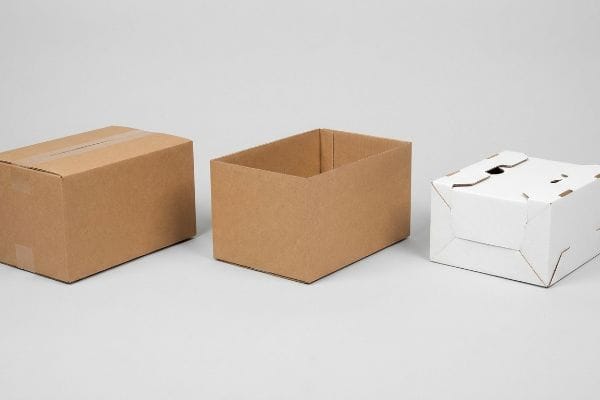
सामग्री हटाकर खुले शीर्ष वाले खुदरा डिब्बे बनाने से मालवाहक कंटेनर का ज्यामितीय भार वितरण तुरंत बदल जाता है। इस संरचनात्मक कमी को प्रबंधित करने के लिए सटीक सामग्री विज्ञान की आवश्यकता होती है।.
खुदरा बिक्री की तैयारी में एचएससी की संरचनात्मक कमी
भारी कॉस्मेटिक तरल पदार्थों के लिए लॉजिस्टिकल आरएफक्यू की समीक्षा करते समय, मैं अक्सर देखता हूं कि खरीद टीमें कुछ पैसे बचाने के लिए अंधाधुंध रूप से पूरी तरह से बंद आरएससी शिपर्स को खुले-शीर्ष एचएससी डिज़ाइनों से बदल देती हैं। वे मान लेते हैं कि केवल बेस बोर्ड का घनत्व ही सामान की रक्षा करेगा। वे यह समझने में विफल रहते हैं कि निरंतर शीर्ष फ्लैप को पूरी तरह से हटाने से 360-डिग्री ऊपरी आवरण नष्ट हो जाता है, जिससे बॉक्स के कोनों की ऊपर से नीचे की ओर पैलेट दबाव सहन करने की क्षमता बुरी तरह कमजोर हो जाती है19।
यह सिर्फ़ सिद्धांत नहीं है—मैंने परीक्षण के दौरान खुद देखा है कि जब बिना सुदृढ़ीकरण वाले खुले शीर्ष वाले एचएससी बिन्स को उनकी अधिकतम सीमा तक धकेला जाता है। मेरी बीसीटी (बॉक्स कम्प्रेशन टेस्ट) मशीनरी के हाइड्रोलिक दबाव में, एक मानक सिंगल-वॉल एचएससी बिन केवल 187.5 पाउंड (85 किलोग्राम) के गतिशील शीर्ष भार के नीचे ही झुक जाता है,क्योंकि इसमें ऊपरी संरचनात्मक स्थिरीकरण की कमी होती है। खरीद टीम द्वारा इंजीनियरिंग बीओएम में संशोधन करने की अनुमति मिलने के बाद, मैंने सख्त ऊर्ध्वाधर फ्लूट संरेखण अनिवार्य कर दिया और बाहरी स्पाइन को डबल-वॉल नालीदार प्रोफ़ाइल में अपग्रेड कर दिया। इस लक्षित सामग्री परिवर्तन ने ऊपरी फ्लैप्स की कमी के कारण हुई संरचनात्मक खामी को तुरंत दूर कर दिया, जिससे संपीड़न शक्ति में 45 प्रतिशत की वृद्धि हुईडबल -स्टैक्ड विदेशी कंटेनर परिवहन के दौरान परिवहन के दौरान ढहने की समस्या पूरी तरह से समाप्त हो गई।
| संरचनात्मक मीट्रिक | सामान्य पैकेजिंग दृष्टिकोण | इंजीनियर्ड फैक्ट्री की वास्तविकता |
|---|---|---|
| शिपर प्रारूप | बिना सुदृढ़ीकरण वाला खुला शीर्ष एचएससी | दोहरी दीवार वाला उन्नत एचएससी |
| कॉर्नर स्थिरता | भार वहन क्षमता में गंभीर कमी | ऊर्ध्वाधर बांसुरी रीढ़ संरेखण22 |
| शीर्ष भार क्षमता | अपरिपक्व बीसीटी दीवार का मुड़ना | संपीड़न में 45% की वृद्धि23 |
यदि आंतरिक उत्पाद भार वहन करने योग्य नहीं है, तो मैं गणितीय रूप से सिंगल-वॉल बोर्ड पर ओपन-टॉप मर्चेंडाइज़र भेजने से इनकार करता हूँ। स्पाइन ज्योमेट्री को अपग्रेड करने से वेयरहाउस में निर्बाध संचालन सुनिश्चित होता है।.
🛠️ हार्वे का डेस्क: क्या आपके खुले शीर्ष वाले खुदरा बिक्री के लिए तैयार शिपर्स भारी गोदाम पैलेटों के भारी भार के कारण बुरी तरह ढह रहे हैं? 👉 अपना संरचनात्मक भार ऑडिट करवाएं ↗ — मैं 24 घंटों के भीतर प्रत्येक संरचनात्मक फ़ाइल की व्यक्तिगत रूप से समीक्षा करता हूँ।
निष्कर्ष
कांच की नींव को चकनाचूर होने से बचाने के लिए विनाशकारी गतिज स्थानांतरण को रोकना और सॉफ्ट-टच लेमिनेशन से कंपनी के रंगों को खराब होने से बचाना केवल मार्केटिंग सिद्धांत नहीं हैं; ये ठोस यांत्रिक वास्तविकताएं हैं। पिछले महीने ही, मेरे संरचनात्मक ऑडिट ने 3 ब्रांडों को 10,000 डॉलर से अधिक के स्क्रैप किए गए माल और खुदरा विक्रेताओं द्वारा किए गए शुल्क वापसी से बचने में मदद की। आइए, मैं व्यक्तिगत रूप से आपकी संरचनात्मक फाइलों का निःशुल्क गतिज सहनशीलता ऑडिट ताकि यह सुनिश्चित हो सके कि आपका अगला कॉस्मेटिक उत्पाद यांत्रिक रूप से त्रुटिहीन और दिखने में बेदाग हो।
"पर्वरों के भार वहन क्षमता पर प्रभाव की जांच...", https://pmc.ncbi.nlm.nih.gov/articles/PMC11396172/। यह प्रामाणिक सामग्री विज्ञान स्रोत बताता है कि एम्बॉसिंग के दौरान लाइनरबोर्ड को खींचने से तनाव सांद्रता और रेशों का पतलापन कैसे होता है। साक्ष्य की भूमिका: तकनीकी सत्यापन; स्रोत प्रकार: इंजीनियरिंग मैनुअल। समर्थन: स्थानीयकृत शक्ति में कमी। कार्यक्षेत्र संबंधी टिप्पणी: नालीदार सतहों के लिए विशिष्ट। ↩
"कॉरुगेटेड बोर्ड बॉक्स के लिए संपीड़न शक्ति का अनुमान...", https://pmc.ncbi.nlm.nih.gov/articles/PMC9864211/। यह तकनीकी दस्तावेज़ दर्शाता है कि डिबॉसिंग किस प्रकार फ्लूटिंग ज्यामिति को प्रभावित करती है और इसके परिणामस्वरूप एज-क्रश या संपीड़न परीक्षणों पर क्या प्रभाव पड़ता है। साक्ष्य की भूमिका: संरचनात्मक सत्यापन; स्रोत प्रकार: पैकेजिंग इंजीनियरिंग अध्ययन। सहायक: संपीड़न रेटिंग का संरक्षण। कार्यक्षेत्र संबंधी टिप्पणी: केवल आंतरिक डिबॉसिंग के लिए। ↩
"यांत्रिक गुणों पर एनालॉग और डिजिटल क्रीज लाइनों का प्रभाव...", https://pmc.ncbi.nlm.nih.gov/articles/PMC9268991/। यह लेख बताता है कि बाहरी उभार किस प्रकार तनाव बढ़ाता है और नालीदार सतहों में संरचनात्मक कमजोरियाँ पैदा करता है। साक्ष्य की भूमिका: तकनीकी सत्यापन; स्रोत प्रकार: सामग्री विज्ञान या पैकेजिंग इंजीनियरिंग मैनुअल। समर्थन: यह दावा कि बाहरी उभार संरचनात्मक अखंडता को कमजोर करता है। कार्यक्षेत्र संबंधी टिप्पणी: विशेष रूप से भार वहन करने वाले नालीदार पैनलों के संबंध में। ↩
"ईसीटी रेटिंग: 32 बनाम 44 बनाम 48 ईसीटी बॉक्स मजबूती चार्ट [2026]", https://www.cubitpackaging.com/blog/corrugated-box-ect-ratings-guide। भारी-भरकम खुदरा डिस्प्ले शिपिंग में संरचनात्मक स्थिरता के लिए 32 ईसीटी उद्योग मानक की आवश्यकता का सत्यापन। साक्ष्य भूमिका: विनिर्देश सत्यापन; स्रोत प्रकार: पैकेजिंग उद्योग मानक (जैसे, TAPPI)। समर्थन: खुदरा स्टैकिंग के लिए बेंचमार्क के रूप में 32 ईसीटी का उपयोग। कार्यक्षेत्र नोट: बी-फ्लूट नालीदार बोर्ड पर लागू। ↩
"नवीन बांसुरी आकृतियों और उनके यांत्रिक गुणों के भविष्य की खोज...", https://bioresources.cnr.ncsu.edu/resources/exploring-the-future-of-novel-flute-shapes-and-their-mechanical-benefits/। उस सामग्री अभियांत्रिकी प्रक्रिया का सत्यापन जिसमें संरचना को नुकसान पहुंचाए बिना स्पर्शनीय सतह प्रभाव उत्पन्न करने के लिए बांसुरी को अंदर की ओर संपीड़ित किया जाता है। साक्ष्य की भूमिका: तकनीकी सत्यापन; स्रोत प्रकार: पैकेजिंग अभियांत्रिकी मैनुअल। सहायक: अभियांत्रिकी स्पर्शनीय फिनिश के लिए उपयोग की जाने वाली विशिष्ट विधि। कार्यक्षेत्र संबंधी टिप्पणी: नालीदार फाइबरबोर्ड सब्सट्रेट के लिए विशिष्ट। ↩
"ईसीटी रेटिंग्स की व्याख्या: आपकी नालीदार पैकेजिंग के लिए इनका क्या अर्थ है", https://epackagesupply.com/blogs/packaging-guide/ect-ratings-explained-what-they-mean-for-your-corrugated-packaging?srsltid=AfmBOoqy3LUjftCrT_T7FuqnuhnHvUVEvw5NQoVOGmZPicUemzelf0U9। उच्च-स्तरीय पैकेजिंग में भार क्षमता के लिए संरचनात्मक बेंचमार्क के रूप में एज क्रश टेस्ट (ईसीटी) के 32 lbs/in मान की पुष्टि। साक्ष्य की भूमिका: मीट्रिक सत्यापन; स्रोत प्रकार: उद्योग मानक (TAPPI)। समर्थन: भार क्षमता संरक्षण से संबंधित दावे। स्कोप नोट: बोर्ड की ऊर्ध्वाधर संपीड़न शक्ति को संदर्भित करता है। ↩
"नालीदार कार्डबोर्ड की संपीडन सामर्थ्य का अनुमान ...", https://pmc.ncbi.nlm.nih.gov/articles/PMC8467740/। पैकेजिंग में गतिज ऊर्जा स्थानांतरण पर एक तकनीकी स्रोत यह सत्यापित करेगा कि शून्य-स्वच्छता फिट बिना किसी क्षीणन के सीधे झटके के संचरण की ओर ले जाता है। साक्ष्य की भूमिका: तकनीकी सत्यापन; स्रोत प्रकार: पैकेजिंग इंजीनियरिंग मैनुअल। समर्थन: इस दावे का कि कठोर कार्टन पूर्ण झटके के प्रभाव को स्थानांतरित करते हैं। कार्यक्षेत्र संबंधी टिप्पणी: पार्श्व प्रभाव बलों पर केंद्रित। ↩
"49 सीएफआर भाग 178 — पैकेजिंग के लिए विनिर्देश – ईसीएफआर", https://www.ecfr.gov/current/title-49/subtitle-B/chapter-I/subchapter-C/part-178। नाजुक वस्तुओं की पैकेजिंग में झटके को सोखने के लिए न्यूनतम सहनशीलता विनिर्देशों का सत्यापन। साक्ष्य की भूमिका: तकनीकी विनिर्देश; स्रोत प्रकार: इंजीनियरिंग हैंडबुक। समर्थन: 0.125 इंच की क्लीयरेंस की आवश्यकता। कार्यक्षेत्र संबंधी टिप्पणी: कंटेनर के द्रव्यमान के अनुसार भिन्न होता है। ↩
"पैकेजिंग ग्लास: कंटेनर से एनकैप्सुलेशन तक… – पीएमसी", https://pmc.ncbi.nlm.nih.gov/articles/PMC12897758/। पैकेजिंग इंजीनियरिंग मानकों से तकनीकी विनिर्देश उच्च-स्तरीय ग्लास कंटेनरों में प्रत्यक्ष प्रभाव स्थानांतरण को रोकने के लिए आवश्यक इष्टतम स्थानिक अंतराल को सत्यापित करते हैं। साक्ष्य भूमिका: तकनीकी सत्यापन; स्रोत प्रकार: इंजीनियरिंग मैनुअल। सहायक: इंजीनियर बॉक्स के लिए सटीक फिटिंग आवश्यकताएँ। कार्यक्षेत्र नोट: सटीक रूप से ढाले गए इंसर्ट के लिए विशिष्ट। ↩
"सस्पेंशन पैकेजिंग काइनेमेटिक्स", https://racklify.com/encyclopedia/kinematics-of-shock-absorption-the-mechanical-physics-of-suspension-packaging/। गतिज ऊर्जा स्थानांतरण से संबंधित भौतिकी सिद्धांत दर्शाते हैं कि कठोर, तंग सतह संपर्क संलग्न वस्तु में अधिकतम झटके का संचरण संभव बनाता है। साक्ष्य की भूमिका: सैद्धांतिक सत्यापन; स्रोत प्रकार: पदार्थ विज्ञान पत्रिका। समर्थन: सामान्य तंग-फिट पैकेजिंग की अक्षमता। स्कोप नोट: तुलना के लिए एक सैद्धांतिक अधिकतम मान प्रस्तुत करता है। ↩
"पैकेजिंग सामग्री के लिए ड्रॉप टेस्ट मानक – पैकिंग डक", https://www.pakingduck.com/post/drop-test-standards-for-packaging-materials। ASTM ड्रॉप-टेस्ट मानकों से प्राप्त अनुभवजन्य डेटा इस बात की पुष्टि करता है कि मानक फिलर की तुलना में सस्पेंशन वॉयड्स नाजुक सामग्रियों पर जी-फोर्स के प्रभाव को काफी हद तक कम कर देते हैं। साक्ष्य की भूमिका: अनुभवजन्य सत्यापन; स्रोत प्रकार: उद्योग परीक्षण रिपोर्ट। समर्थन: इंजीनियर सस्पेंशन सिस्टम की प्रभावकारिता। स्कोप नोट: परिणाम वॉयड सामग्री के घनत्व के आधार पर भिन्न होते हैं। ↩
"द्विअक्षीय रूप से उन्मुख फिल्मों की आकृति विज्ञान पर ऊष्मा उपचार का प्रभाव...", https://pmc.ncbi.nlm.nih.gov/articles/PMC12174661/। स्पर्शनीय फिल्मों में आणविक संरेखण का तकनीकी सत्यापन और यह प्रकाशीय गुणों को कैसे प्रभावित करता है। साक्ष्य भूमिका: तकनीकी विनिर्देश; स्रोत प्रकार: पदार्थ विज्ञान पत्रिका। सहायक: कोमल स्पर्श फिल्मों की संरचनात्मक संरचना। कार्यक्षेत्र नोट: BOPP या समान बहुलक सब्सट्रेट के लिए विशिष्ट। ↩
"सॉफ्ट टच लेमिनेशन गाइड: 2026 लक्ज़री …", https://xactz.com/blogs/news/guide-to-soft-touch-lamination-the-2026-luxury-packaging-trend?srsltid=AfmBOoo9CdKuEX5mgWuyQVmDQPwJfRPOqQ45-pBFnow8Ywun6haGX2Mz। स्पर्शनीय सतहों में खुरदरापन किस प्रकार विसरित परावर्तन और प्रकाश प्रकीर्णन का कारण बनता है, इसका वैज्ञानिक स्पष्टीकरण। साक्ष्य की भूमिका: भौतिक सिद्धांत का सत्यापन; स्रोत प्रकार: प्रकाशीय भौतिकी का शोध पत्र। समर्थन: लेमिनेटेड पैकेजिंग में दृश्य आउटपुट परिवर्तन के पीछे का तंत्र। स्कोप नोट: विसरित प्रकीर्णन और प्रतिलोम परावर्तन के बीच अंतर। ↩
"स्थिरता अध्ययन के दौरान रंग परिवर्तन का मूल्यांकन... – पीएमसी", https://pmc.ncbi.nlm.nih.gov/articles/PMC9142492/। एक प्रामाणिक स्रोत यह बताता है कि सॉफ्ट-टच या वेलवेट पॉलिमर प्रकाश के परावर्तन और अवशोषण को कैसे बदलते हैं, जिससे देखे गए रंग में बदलाव (डेल्टा-ई) होता है। साक्ष्य की भूमिका: तकनीकी सत्यापन; स्रोत का प्रकार: पदार्थ विज्ञान पत्रिका या मुद्रण उद्योग मैनुअल। समर्थन: लेमिनेशन के बाद रंग के गहरे होने की घटना। स्कोप नोट: विशिष्ट बदलाव प्रतिशत पॉलिमर की मोटाई और घनत्व के अनुसार भिन्न होते हैं। ↩
"हाफटोन आरआईपी सॉफ्टवेयर कस्टम डॉट गेन कम्पेनसेशन फॉर...", https://www.youtube.com/watch?v=BjgkGau4rdc। रास्टर इमेज प्रोसेसर (आरआईपी) पर तकनीकी दस्तावेज ओवरले के ऑप्टिकल गुणों की भरपाई के लिए रंग प्रोफाइल को समायोजित करने की विधि का वर्णन करता है। साक्ष्य भूमिका: प्रक्रिया सत्यापन; स्रोत प्रकार: सॉफ्टवेयर तकनीकी मैनुअल या प्रीप्रेस गाइड। समर्थन: सामग्री-प्रेरित रंग परिवर्तनों का प्रतिकार करने के लिए आरआईपी वक्रों के उपयोग की व्यवहार्यता। स्कोप नोट: उच्च-विश्वसनीयता प्रीप्रेस वर्कफ़्लो के लिए विशिष्ट। ↩
"छवि गुणवत्ता और प्रकाश स्थिरता पर लेमिनेशन के प्रभाव ...", https://scholars.eiu.edu/en/publications/the-effects-of-lamination-on-image-quality-and-light-stability-of/। मानक पैकेजिंग में रंग भिन्नता पर उद्योग के मानदंड लेमिनेशन के दौरान पिगमेंट शिफ्ट के लिए आधारभूत विफलता दर प्रदान करते हैं। साक्ष्य की भूमिका: मानदंड सत्यापन; स्रोत प्रकार: उद्योग मानक; समर्थन: सामान्य पैकेजिंग दृष्टिकोणों की अक्षमता; कार्यक्षेत्र नोट: मानक CMYK प्रिंटिंग पर लागू। ↩
"बॉक्स प्रिंटिंग लेमिनेशन के साथ पैकेजिंग को बेहतर बनाना", https://www.megaunitrade.com/en/post/enhancing-packaging-with-box-printing-lamination-an-easy-to-understand-guide। लेमिनेशन के कारण होने वाले रंग परिवर्तन पर तकनीकी नियमावली स्पर्शनीय फिल्मों में ऑप्टिकल डार्कनिंग को रोकने के लिए आवश्यक विशिष्ट प्रतिशत वृद्धि की पुष्टि करती है। साक्ष्य की भूमिका: तथ्यात्मक सत्यापन; स्रोत प्रकार: तकनीकी विनिर्देश; समर्थन: पूर्व-निवारक वर्णक समायोजन की प्रभावशीलता; कार्यक्षेत्र नोट: विशेष रूप से इंजीनियर स्पर्शनीय फिल्मों के लिए। ↩
"पैकेजिंग में रंग सटीकता क्या है? पैनटोन मिलान...", https://3dcolor.com/what-is-color-accuracy-in-packaging-pantone-matching-delta-e-and-why-brand-color/। रंग अंतर (डेल्टा ई) के लिए आईएसओ मानक उन संख्यात्मक सीमाओं को निर्दिष्ट करते हैं जिनके आगे खुदरा पैकेजिंग को असंगतता के कारण अस्वीकार कर दिया जाता है। साक्ष्य की भूमिका: मानक सत्यापन; स्रोत प्रकार: आईएसओ मानक; समर्थन: सख्त रंगमापी नियंत्रण की आवश्यकता; कार्यक्षेत्र नोट: लक्जरी सौंदर्य प्रसाधन उत्पादों में मानक। ↩
"हाफ स्लॉटेड कंटेनर (एचएससी) बॉक्स", https://www.meridianpkg.com/feeds/blog/hsc-box। तकनीकी पैकेजिंग मानक बताते हैं कि आरएससी में ऊपरी फ्लैप कोनों की मजबूती बढ़ाकर बॉक्स कम्प्रेशन टेस्ट (बीसीटी) मान में कैसे योगदान करते हैं। साक्ष्य की भूमिका: तकनीकी सत्यापन; स्रोत प्रकार: उद्योग इंजीनियरिंग मानक। समर्थन: इस दावे का कि ऊपरी फ्लैप हटाने से ऊर्ध्वाधर भार वहन क्षमता कम हो जाती है। स्कोप नोट: स्थैतिक ऊर्ध्वाधर संपीड़न शक्ति पर केंद्रित है। ↩
"बॉक्स कम्प्रेशन टेस्ट (बीसीटी) की व्याख्या: अधिकतम भार...", https://www.presidentcontainergroup.com/box-compression-test-bct/। रिपोर्ट की गई भार सीमा को मान्य करने के लिए सिंगल-वॉल एचएससी कंटेनरों के लिए विशिष्ट बॉक्स कम्प्रेशन टेस्ट (बीसीटी) विफलता सीमा का सत्यापन। साक्ष्य की भूमिका: सत्यापन; स्रोत प्रकार: तकनीकी पैकेजिंग मानक। समर्थन: संरचनात्मक विफलता सीमा। स्कोप नोट: वास्तविक मान बॉक्स के आयामों और फ्लूट के प्रकार के अनुसार भिन्न होते हैं। ↩
"दफन दोहरी दीवार वाली नालीदार बोर्ड के यांत्रिक व्यवहार पर शोध ...", https://pmc.ncbi.nlm.nih.gov/articles/PMC9570713/। खुले शीर्ष वाले कंटेनरों में एकल-दीवार से दोहरी-दीवार वाली नालीदार बोर्ड में परिवर्तन के दौरान संपीड़न शक्ति में होने वाली वृद्धि की तुलना करने वाला तकनीकी डेटा। साक्ष्य की भूमिका: मात्रात्मक समर्थन; स्रोत प्रकार: सामग्री विज्ञान विनिर्देश। समर्थन: सामग्री उन्नयन से प्रदर्शन में सुधार। कार्यक्षेत्र संबंधी टिप्पणी: HSC ज्यामिति के लिए विशिष्ट। ↩
"IPST में नालीदार बोर्ड के किनारों पर हाल ही में हुए अध्ययनों का अवलोकन...", https://bioresources.cnr.ncsu.edu/resources/overview-of-recent-studies-at-ipst-on-corrugated-board-edge-compression-strength-testing-methods-and-effects-of-interflute-buckling/। नालीदार पैकेजिंग के लिए तकनीकी इंजीनियरिंग मानक बताते हैं कि कैसे फ्लूटिंग का अक्षीय संरेखण ऊर्ध्वाधर भार वहन क्षमता को अधिकतम करता है। साक्ष्य की भूमिका: क्रियाविधि संबंधी व्याख्या; स्रोत प्रकार: उद्योग तकनीकी मैनुअल; समर्थन: यह दावा कि संरेखण कोने की स्थिरता में सुधार करता है; कार्यक्षेत्र नोट: प्रभावकारिता तह की सटीकता पर निर्भर करती है। ↩
"पैकेजिंग प्रदर्शन के लिए बॉक्स संपीड़न परीक्षण", https://www.storaenso.com/en/newsroom/news/2026/5/box-compression-testing-julian-krais। बॉक्स संपीड़न परीक्षण (बीसीटी) से प्राप्त अनुभवजन्य डेटा आमतौर पर बिना सुदृढ़ीकरण वाली नालीदार संरचनाओं से इंजीनियर नालीदार संरचनाओं में परिवर्तन के दौरान शक्ति में होने वाली वृद्धि को मापता है। साक्ष्य की भूमिका: मात्रात्मक सत्यापन; स्रोत प्रकार: अनुभवजन्य अध्ययन; समर्थन: संपीड़न वृद्धि का विशिष्ट मापदंड; कार्यक्षेत्र संबंधी टिप्पणी: सटीक प्रतिशत सामग्री श्रेणी के अनुसार भिन्न होता है। ↩