आप एक रिटेल अभियान शुरू कर रहे हैं और हर विक्रेता "कॉरुगेट" का ज़िक्र करता है, लेकिन शब्दावली में गलती होने से छपाई शुरू होने से पहले ही आपकी संरचनात्मक अखंडता नष्ट हो सकती है। आइए इस भ्रम को दूर करें।.
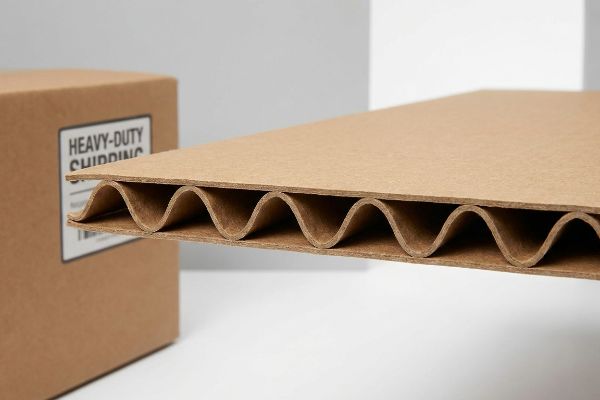
कॉरुगेट एक कठोर पैकेजिंग सामग्री है जिसे दो सपाट लाइनरबोर्ड के बीच नालीदार कागज की एक घुमावदार परत को सैंडविच करके बनाया जाता है। यह विशिष्ट ज्यामितीय संरचना अत्यधिक ऊर्ध्वाधर संपीड़न शक्ति प्रदान करती है, जिससे यह सभी आपूर्ति श्रृंखलाओं में भारी-भरकम खुदरा डिस्प्ले और शिपिंग कंटेनरों के लिए वैश्विक मानक बन गया है।.
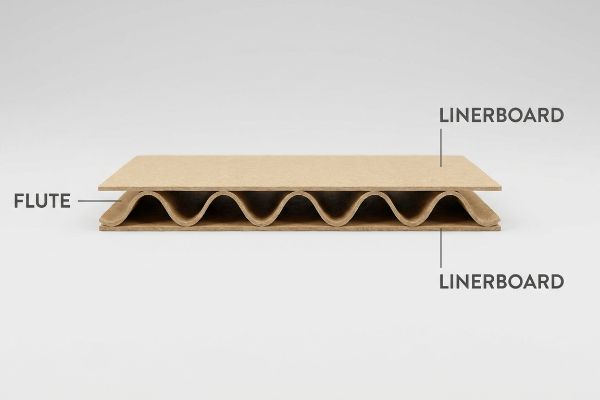
इस बुनियादी संरचना को समझना पहला कदम है, लेकिन यह जानना कि कागज की ये धारियाँ आपकी खुदरा सफलता को कैसे निर्धारित करती हैं, इसके लिए कारखाने के फर्श पर गहराई से नज़र डालने की आवश्यकता है।.
कॉरुगेट शब्द का क्या अर्थ है?
शब्द की शाब्दिक परिभाषा में एक बड़ा इंजीनियरिंग रहस्य छिपा है। यह शब्द ही निर्धारित करता है कि आपका रिटेल डिस्प्ले वास्तव में कितना भार सहन कर सकता है।
वैकल्पिक लकीरों और खांचों में मोड़ने का अर्थ है, नालीदार (corrugate)। यह कागज की आंतरिक लहरदार आकृति को दर्शाता है। यह विशिष्ट संरचनात्मक आकार निरंतर मेहराबों की एक श्रृंखला के रूप में कार्य करता है, जो व्यावसायिक पैकेजिंग के लिए आवश्यक मूलभूत झटके को सोखने और वजन को समान रूप से वितरित करने की क्षमता प्रदान करता है।.
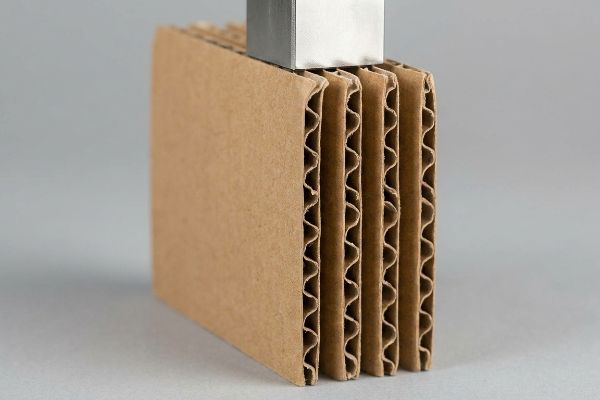
यह सुनने में तो सरल ज्यामिति जैसा लगता है, लेकिन डिजाइन चरण के दौरान इन तरंगों के संरेखण को नजरअंदाज करना एक ऐसी गलती है जो अनुभवी खरीद टीमों को भी फंसा लेती है।.
अनाज की दिशा आपके डिस्प्ले के टिकाऊपन को क्यों निर्धारित करती है?
अधिकांश ब्रांड टीमें मानती हैं कि यदि वे मोटा बोर्ड चुन लें, तो उनका फ्लोर डिस्प्ले आसानी से उनके उत्पाद का भार सहन कर लेगा। वे विज़ुअल आर्टवर्क पर बहुत अधिक ध्यान केंद्रित करते हैं और नीचे लगे कार्डबोर्ड को एक खाली, एकसमान कैनवास की तरह मानते हैं जो हर दिशा में बिल्कुल एक जैसा व्यवहार करता है।.
मैंने यह समस्या अक्सर देखी है जब डिज़ाइनर ग्रेन की दिशा बताए बिना डाईलाइन जमा करते हैं। वे एक ही प्रिंटिंग शीट पर ज़्यादा यूनिट्स फिट करने के लिए फ्लूटिंग को क्षैतिज रूप से लगाते हैं, लेकिन जब मैं टेस्टलाइनर के कच्चे किनारे पर अपना अंगूठा ज़ोर से चलाता हूँ, तो मुझे कठोर कागज़ के रेशे पूरी तरह से गलत दिशा में प्रतिरोध करते हुए महसूस होते हैं। जब उन क्षैतिज फ्लूट्स को 40 पाउंड (18.14 किलोग्राम) डिब्बाबंद पेय पदार्थों, तो पूरी संरचना झुक जाती है, जिससे भारी घर्षण होता है और असेंबली लाइन की गति लगभग 30% तक धीमी हो जाती है क्योंकि को-पैकर हिलती हुई अलमारियों को सीधा रखने के लिए संघर्ष करते हैं। आपको फ्लूट्स को लंबवत रूप से लगाना होगा ताकि वे छोटे सहायक स्तंभों की तरह काम करें, जिससे आपकी BCT (बॉक्स कम्प्रेशन टेस्ट) क्षमता अधिकतम होऔर खुदरा विक्रेताओं द्वारा अस्वीकृति के महंगे नुकसान से बचा जा सके।
| नौसिखियों की आम गलती | प्रो फिक्स | रिटेल-फ्लोर लाभ |
|---|---|---|
| क्षैतिज बांसुरी अभिविन्यास | ऊर्ध्वाधर बांसुरी संरेखण | निचले स्तर के कुचलने से रोकता है |
| अनाज की दिशा को अनदेखा करना | डाईलाइन पर अनाज निर्दिष्ट करना | असेंबली के समय में 20 सेकंड की बचत होती है |
| भौतिकी की तुलना में प्रिंट लेआउट को प्राथमिकता देना | सीए (कंप्यूटर-एडेड डिज़ाइन) संरचनात्मक जाँच | चुनाव प्रचार के मध्य में आने वाली सुस्ती को दूर करता है |
मैं कभी भी फाइल को कटिंग टेबल पर तब तक नहीं जाने देता जब तक कि फ्लूट की दिशा गणितीय रूप से सत्यापित न हो जाए, क्योंकि एक नम गोदाम में ढह चुके आधार को ठीक करने से आपका पूरा लाभ मार्जिन खत्म हो जाता है।.
🛠️ हार्वे का डेस्क: क्या आप सुनिश्चित नहीं हैं कि आपकी कलाकृति बोर्ड की भौतिक बनावट से मेल खाती है या नहीं? 👉 मुफ़्त फ़ाइल समीक्षा प्राप्त करें ↗ — सीधे मेरे डेस्क तक पहुंच। मैं वादा करता हूँ, कोई स्वचालित बिक्री संबंधी स्पैम नहीं होगा।
नालीदार सामग्री क्या होती है?
भौतिक आकार के अलावा, कागज की वास्तविक रासायनिक संरचना यह निर्धारित करती है कि आपका डिस्प्ले विदेशी कंटेनर में सुरक्षित रहेगा या गलकर खराब हो जाएगा।.
नालीदार सामग्री एक मिश्रित आधार है जिसमें एक नालीदार माध्यम होता है जिसे एक आंतरिक और एक बाहरी सपाट कागज लाइनर के बीच चिपकाया जाता है। शुद्ध क्राफ्ट फाइबर या पुनर्नवीनीकृत टेस्टलाइनर का विशिष्ट संयोजन अंतिम वाणिज्यिक डिस्प्ले की समग्र संरचनात्मक अखंडता, नमी प्रतिरोध और मुद्रण क्षमता को निर्धारित करता है।.
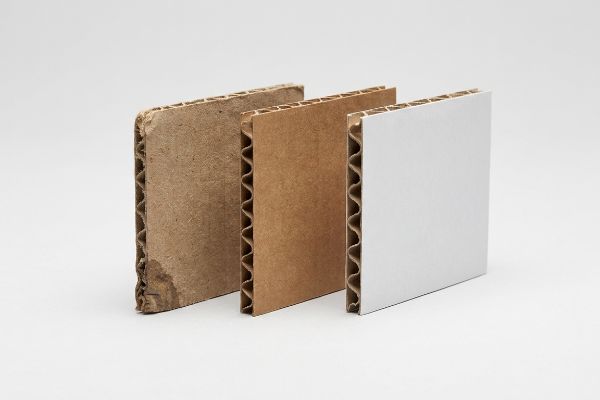
सामग्री के बारे में जानना मददगार होता है, लेकिन यह मान लेना कि सभी भूरे कागज तनाव की स्थिति में एक समान प्रदर्शन करते हैं, एक बेहद महंगी गलतफहमी है।.
गलत पेपर लाइनर चुनने की छिपी हुई कीमत
उभरते ब्रांडों के लिए एक आम अंधापन यह मान लेना है कि सभी नालीदार सामग्री केवल सामान्य पुनर्नवीनीकृत कागज है। वे अक्सर 100% पुनर्नवीनीकृत टेस्टलाइनर को डिफ़ॉल्ट रूप से चुनते हैं क्योंकि यह पर्यावरण के अनुकूल लगता है और प्रारंभिक फ़ैक्टरी कोटेशन पर थोड़ा कम खर्च होता है2।
जब इन किफायती डिस्प्ले को फ्लोरिडा जैसे उच्च आर्द्रता वाले वातावरण में भेजा जाता है, तो वास्तविकता का कड़वा सच सामने आ जाता है। मैंने हाल ही में एक को-पैकिंग टीम को पुनर्चक्रित बोर्ड पर इंटरलॉकिंग टैब को जबरदस्ती जोड़ने की कोशिश करते देखा, जिसने आसपास की नमी सोख ली थी; उनके हाथों में कच्चे पेपरबोर्ड के फटने की गीली और स्पष्ट आवाज साफ सुनाई दे रही थी। चूंकि पुनर्चक्रित फाइबर छोटे और कमजोर होतेहैं³, नमी के कारण टैब जाम हो गए, जिससे आधार बुरी तरह से मुड़ गया। इसके परिणामस्वरूप खुदरा विक्रेता ने तुरंत इसे अस्वीकार कर दिया और हफ्तों तक महंगे मैनुअल सुधार का काम करना पड़ा। बाहरी परत को वर्जिन क्राफ्ट लाइनर में अपग्रेड करने से लंबे, मजबूत फाइबर मिलते हैं⁴जो स्वाभाविक रूप से नमी का प्रतिरोध करते हैं और संरचनात्मक लॉक को तेज रखते हैं।
| नौसिखियों की आम गलती | प्रो फिक्स | रिटेल-फ्लोर लाभ |
|---|---|---|
| सभी ज़ोन के लिए 100% रिसाइकल्ड टेस्टलाइनर | भार वहन करने वाली दीवारों के लिए वर्जिन क्राफ्ट5 | नमी के कारण होने वाली आंखों की जलन को रोकता है |
| यह मानते हुए कि सभी प्रकार के कागज स्याही को समान रूप से अवशोषित करते हैं | कोटेड टॉप-शीट निर्दिष्ट करना6 | यह सुनिश्चित करता है कि ब्रांडिंग स्पष्ट और जीवंत हो। |
| नमी के कारण होने वाली सूजन को अनदेखा करना | 0.04 इंच (1.01 मिमी) का बफर जोड़ना7 | घर्षण रहित टैब असेंबली |
मैं प्राथमिक संरचनात्मक आधारों के लिए हमेशा वर्जिन क्राफ्ट पेपर का ही उपयोग अनिवार्य मानता हूँ क्योंकि कच्चे कागज पर कुछ पैसे बचाने का जोखिम कभी भी व्यस्त खुदरा गलियारे को अवरुद्ध करने वाले गिरे हुए मर्चेंडाइजर की जिम्मेदारी के लायक नहीं होता है।.
🛠️ हार्वे का डेस्क: क्या आप जानना चाहते हैं कि आपकी मौजूदा सामग्री की विशिष्टताएँ नम जलवायु में परिवहन के दौरान सुरक्षित रहेंगी या नहीं? 👉 सामग्री ऑडिट का अनुरोध करें ↗ — सुरक्षित रूप से डाउनलोड करें। बाद में कोई प्रश्न होने पर मेरा इनबॉक्स खुला है।
कार्टन और नालीदार कार्डबोर्ड में क्या अंतर है?
किसी कारखाने को भेजे गए ईमेल में इन दोनों शब्दों का परस्पर उपयोग करना, आपके डेस्क पर गलत प्रोटोटाइप प्राप्त करने का सबसे तेज़ तरीका है।.
कार्टन मोटे, सपाट कागज की एक परत से बना होता है जिसका उपयोग हल्के वजन वाले फोल्डिंग उत्पाद बॉक्स बनाने में किया जाता है, जबकि नालीदार कार्डबोर्ड में संरचनात्मक भार वहन के लिए डिज़ाइन की गई खांचेदार आंतरिक परत होती है। हालांकि कार्टन बेहतर प्रत्यक्ष मुद्रण सतह प्रदान करते हैं, लेकिन उनमें नालीदार कार्डबोर्ड की अंतर्निहित संपीड़न शक्ति का अभाव होता है।.
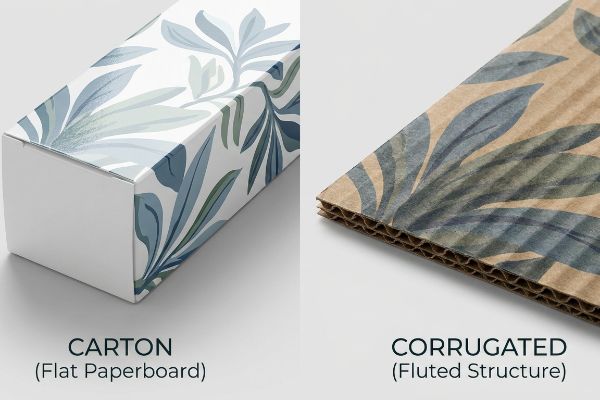
खुदरा क्षेत्र में दोनों ही सब्सट्रेट का अपना महत्व है, लेकिन प्रीप्रेस चरण के दौरान उनके तारों को आपस में मिला देने से आपके ब्रांड का दृश्य प्रभाव खराब हो जाता है।.
वॉशबोर्ड प्रभाव: जब कार्टन की सुंदरता नालीदार वास्तविकता से मिलती है
ब्रांड प्रबंधक अक्सर फ्लैट कॉस्मेटिक कार्टन के लिए डिज़ाइन की गई उच्च-रिज़ॉल्यूशन कलाकृति को सीधे नालीदार फर्श डिस्प्ले पर लागू करते हैं , और उसी चमकदार, दर्पण जैसी फिनिश की उम्मीद करते हैं। वे मानते हैं कि सब्सट्रेट की आंतरिक संरचना की परवाह किए बिना वाणिज्यिक मुद्रण प्रक्रिया समान है ।
यहीं पर खांचों की भौतिक वास्तविकता मार्केटिंग के दृष्टिकोण को बिगाड़ देती है। जब आप मानक नालीदार कार्डबोर्ड पर प्रिंट करने के लिए सीधा दबाव डालते हैं, तो स्याही छिपी हुई खांचों पर असमान रूप से फैल जाती है, जिससे एक कठोर, धुंधली धारियाँ बन जाती हैं जिन्हें वॉशबोर्ड प्रभाव 9 के रूप में जाना जाता है । मैंने ग्राहकों को नए प्रिंट किए गए प्रोटोटाइप पर हाथ फेरते हुए देखा है, वे ऊपरी शीट से उभरती खांचों की सूक्ष्म, ऊबड़-खाबड़ बनावट को महसूस करते हैं, और तुरंत समझ जाते हैं कि उनके प्रीमियम ग्राफिक्स सस्ते और भद्दे दिख रहे हैं। एक मजबूत संरचना पर अल्ट्रा-स्मूथ कार्टन फिनिश पाने के लिए, आपको ई-फ्लूट जैसे माइक्रो-फ्लूट का उपयोग करना होगा या खांचों के ऊपर सीधे पहले से प्रिंट की गई सपाट शीट को चिपकाने के लिए लिथो-लेमिनेशन प्रक्रिया 10 का उपयोग करना होगा।
| नौसिखियों की आम गलती | प्रो फिक्स | रिटेल-फ्लोर लाभ |
|---|---|---|
| बड़ी बांसुरियों पर सीधी छपाई | टॉप-शीट पर लिथो-लेमिनेशन11 | प्रीमियम, फ्लैट ग्राफिक्स प्रदान करता है |
| कार्टन-स्तर की चिकनाई की अपेक्षा | ई-बांसुरी प्रोफ़ाइल में अपग्रेड करना12 | उबड़-खाबड़ सतह के प्रभाव को समाप्त करता है |
| बिल्कुल उसी डाई-कट लॉजिक का उपयोग करते हुए | विशिष्ट मोड़ भत्ते लागू करना13 | कोनों को टूटने से बचाता है |
मैं इन भौतिक विधाओं को मिश्रित करने वाली फाइलों को इंटरसेप्ट करके इस दृश्य संबंधी गड़बड़ी से पूरी तरह बच जाता हूं, यह सुनिश्चित करते हुए कि आपका हेवी-ड्यूटी डिस्प्ले आपके प्राथमिक उत्पाद कार्टन की तरह ही त्रुटिहीन दिखे।.
🛠️ हार्वे का डेस्क: क्या आपको अपने फ्लोर डिस्प्ले पर चिकनी, प्रीमियम प्रिंट फिनिश पाने में परेशानी हो रही है? 👉 अपना प्रीप्रेस गाइड प्राप्त करें ↗ — कोई फॉर्म नहीं जो अंतहीन सेल्स कॉल को ट्रिगर करें। बस शुद्ध मूल्य।
कार्डबोर्ड और नालीदार चादरों में क्या अंतर है?
'कार्डबोर्ड' एक सामान्य उपभोक्ता शब्द है; 'कॉरुगेटेड' एक इंजीनियरिंग शब्द है। इस अंतर को समझना ही यह तय करता है कि आपके पुर्जे वास्तव में एक साथ फिट होंगे या नहीं।.
कार्डबोर्ड एक व्यापक, गैर-तकनीकी शब्द है जो आमतौर पर किसी भी भारी कागज के गूदे का वर्णन करता है, जैसे कि अनाज के डिब्बों के लिए इस्तेमाल होने वाला फ्लैट चिपबोर्ड। नालीदार शीट विशेष रूप से लाइनरबोर्ड और फ्लूटिंग के इंजीनियर सैंडविच को संदर्भित करती हैं, जिनमें भारी-भरकम संरचनात्मक पैकेजिंग और स्वचालित असेंबली लाइनों के लिए आवश्यक सटीक मोटाई सहनशीलता होती है।.
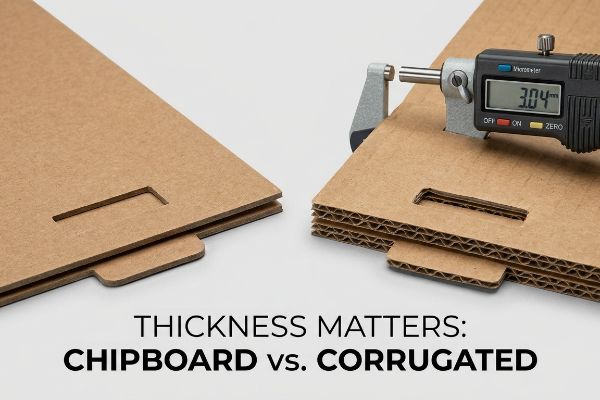
लेकिन जब मशीनें चलने लगती हैं और आपके डाई-कट टैब अपनी जगह पर लॉक होने से इनकार कर देते हैं, तो केवल सिद्धांत जानना ही पर्याप्त नहीं होता है।.
फैक्ट्री फ्लोर पर कैलिपर कंपन ट्रैप
डिजिटल वेक्टर सॉफ़्टवेयर में काम करने वाले ग्राफ़िक डिज़ाइनर अक्सर सभी मोटे कागज़ को सामान्य कार्डबोर्ड मानते हैं, और 2D डाईलाइन बनाते हैं जिनमें स्लॉट और टैब होते हैं जो चौड़ाई में एक दूसरे से पूरी तरह मेल खाते हैं14।वे मानते हैं कि यदि स्क्रीन पर एक टैब 2 इंच (50.8 मिमी) चौड़ा है, तो प्राप्त करने वाला स्लॉट भी ठीक 2 इंच (50.8 मिमी) चौड़ा होना चाहिए।
यह सिर्फ़ सिद्धांत नहीं है—मैंने परीक्षण के दौरान यह होते देखा है जब ग्राहक नालीदार शीट के भौतिक व्यास की गणना किए बिना फ़ाइलें जमा करते हैं। जब 0.12 इंच (3.04 मिमी) मोटी बी-फ्लूट पैनल15 को 90 डिग्री पर मोड़ा जाता है, तो यह भौतिक मोड़ सामग्री की खपत करता है, जिससे ज्यामिति बदल जाती है। जब मेरी असेंबली टीम एक मानक टैब को बिना समायोजित स्लॉट में धकेलने की कोशिश करती है, तो मैं तनावग्रस्त कागज़ के रेशों के टूटने की एक अलग, धूल भरी गंध महसूस कर सकता हूँ क्योंकि घर्षण के कारण ऊपरी परत फट जाती है। मैंने माइक्रोमीटर रीडिंग निकाली और साबित किया कि हमें डिज़ाइन को रद्द करने की ज़रूरत नहीं थी—मुझे बस एक विशिष्ट मोड़ भत्ता16 को । इस 3.2 मिमी सहिष्णुता समायोजन को लागू करके, मैं यह सुनिश्चित करता हूँ कि सह-पैकिंग असेंबली का समय प्रति यूनिट 45 सेकंड कम हो जाए, जिससे श्रम शुल्क की बर्बादी समाप्त हो जाती है और पूरी तरह से वर्गाकार ट्रे की।
| नौसिखियों की आम गलती | प्रो फिक्स | रिटेल-फ्लोर लाभ |
|---|---|---|
| 1:1 स्लॉट और टैब आयाम | स्वचालित कैलिपर क्षतिपूर्ति17 | घर्षणरहित असेंबली की गारंटी देता है |
| तह त्रिज्या को अनदेखा करते हुए | विशिष्ट मोड़ भत्ते जोड़ना18 | लाइनरबोर्ड को फटने से रोकता है |
| फ्लैट चिपबोर्ड के लिए डिजाइन करना | बी-फ्लूट की मोटाई के लिए इंजीनियरिंग19 | यह सुनिश्चित करता है कि पुर्जे बिल्कुल सही ढंग से बैठें। |
मैं कटिंग डाई को जलाने से पहले ही इन डिजिटल खामियों को दूर कर देता हूं, जिससे एक निराशाजनक असेंबली पहेली एक तेज, संरचनात्मक रूप से सुदृढ़ खुदरा लॉन्च में बदल जाती है।.
🛠️ हार्वे की सलाह: 2 मिलीमीटर की संरचनात्मक खामी को 500 स्टोरों में अपना कारोबार ठप न करने दें। 👉 मुझे अपनी डाइलाइन फ़ाइल भेजें ↗ — बड़े पैमाने पर उत्पादन पर बजट बर्बाद करने से पहले मैं गणितीय गणनाओं की गहन जांच कर लूंगा।
निष्कर्ष
आप सस्ते रिसाइकल्ड टेस्टलाइनर का इस्तेमाल करके जोखिम उठा सकते हैं, लेकिन जब ये कमज़ोर कागज़ के रेशे गोदाम की नमी सोख लेते हैं और फूल जाते हैं, तो बेस में गंभीर उभार आ जाता है, जिससे रिटेलर तुरंत प्रोडक्ट को रिजेक्ट कर देते हैं और आपके पूरे मुनाफ़े पर पानी फिर जाता है। 500 से ज़्यादा ब्रांड मैनेजर इन शुरुआती गलतियों से बचने के लिए मेरी प्रीप्रेस चेकलिस्ट का इस्तेमाल करते हैं। स्ट्रक्चरल टॉलरेंस के बारे में अंदाज़ा लगाना बंद करें और प्रोडक्शन से पहले इन छिपी हुई समस्याओं को पकड़ने के लिए मुझे अपने ब्लूप्रिंट की व्यक्तिगत रूप से जांच करने दें ।
"कॉरुगेटेड बोर्ड बॉक्स की संपीडन शक्ति का अनुमान...", https://pmc.ncbi.nlm.nih.gov/articles/PMC9864211/। [तकनीकी पैकेजिंग मानक बताते हैं कि ऊर्ध्वाधर फ्लूटिंग संरेखण किस प्रकार ऊर्ध्वाधर भार वहन क्षमता को अनुकूलित करता है, जिसे बॉक्स संपीडन परीक्षण के माध्यम से मापा जाता है]। साक्ष्य की भूमिका: तकनीकी सत्यापन; स्रोत प्रकार: औद्योगिक मानक। समर्थन: यह दावा कि ऊर्ध्वाधर फ्लूट संरचनात्मक शक्ति बढ़ाने के लिए स्तंभों के रूप में कार्य करते हैं। स्कोप नोट: बी.सी.टी. मान फ्लूट के आकार और लाइनर ग्रेड पर निर्भर करते हैं। ↩
"टेस्टलाइनर और क्राफ्ट पेपर के बीच अंतर – टीएलपी पैकेजिंग", https://tlppackaging.com/difference-between-testliner-and-kraft-paper/। [औद्योगिक पैकेजिंग लागत विश्लेषण आमतौर पर यह प्रमाणित करते हैं कि कच्चे माल की कम लागत के कारण पुनर्चक्रित टेस्टलाइनर, वर्जिन क्राफ्ट लाइनर की तुलना में अधिक किफायती होता है]। साक्ष्य की भूमिका: तथ्यात्मक सत्यापन; स्रोत प्रकार: बाजार रिपोर्ट। समर्थन: पुनर्चक्रित लाइनर चुनने के लिए आर्थिक प्रोत्साहन। स्कोप नोट: मूल्य निर्धारण क्षेत्र और खरीद मात्रा के अनुसार भिन्न होता है। ↩
"कागज की मजबूती पर बार-बार पुनर्चक्रण के प्रभाव", https://scholarworks.wmich.edu/engineer-senior-theses/9/। [लुगदी और कागज उत्पादन पर प्रामाणिक सामग्री विज्ञान स्रोत इस बात की पुष्टि करते हैं कि पुनर्चक्रण प्रक्रिया फाइबर की लंबाई और बंधन शक्ति को कम करती है]। साक्ष्य की भूमिका: तकनीकी विनिर्देश; स्रोत का प्रकार: अकादमिक अध्ययन या औद्योगिक मैनुअल। समर्थन: पुनर्चक्रित बोर्ड की नमी से प्रेरित विफलता की संवेदनशीलता। कार्यक्षेत्र संबंधी टिप्पणी: यांत्रिक लुगदी प्रक्रियाओं पर लागू होता है। ↩
"क्राफ्ट पेपर बनाम टेस्टलाइनर: लागत और प्रदर्शन के लिए एक रणनीतिक मार्गदर्शिका", https://packagemanufacturer.com/kraft-paper-vs-testliner/। [पैकेजिंग इंजीनियरिंग हैंडबुक में यह दस्तावेजित है कि वर्जिन क्राफ्ट फाइबर में बेहतर लंबाई और अंतर-आणविक बंधन होते हैं, जो संरचनात्मक अखंडता और नमी प्रतिरोध को बढ़ाते हैं]। साक्ष्य भूमिका: तकनीकी विनिर्देश; स्रोत प्रकार: पैकेजिंग उद्योग मानक। समर्थन: उच्च आर्द्रता वाले वातावरण के लिए वर्जिन क्राफ्ट का लाभ। कार्यक्षेत्र नोट: विशेष रूप से क्राफ्ट पल्पिंग प्रक्रिया को संदर्भित करता है। ↩
"[PDF] वर्जिन बनाम रिसाइकल्ड बोर्ड, एल. लिसा झाओ द्वारा एक शोध प्रबंध...", https://vuir.vu.edu.au/18233/1/ZHAO_1993compressed.pdf. [कागज ग्रेड पर एक उद्योग मानक स्रोत यह विस्तार से बताएगा कि रिसाइकल्ड फाइबर की तुलना में वर्जिन फाइबर बेहतर तन्यता शक्ति और नमी प्रतिरोध कैसे प्रदान करते हैं]। साक्ष्य भूमिका: तकनीकी विनिर्देश; स्रोत प्रकार: सामग्री विज्ञान मैनुअल। समर्थन: आर्द्र परिस्थितियों में संरचनात्मक अखंडता के लिए वर्जिन क्राफ्ट का उपयोग। कार्यक्षेत्र नोट: विशेष रूप से नालीदार डिस्प्ले के भार वहन करने वाले तत्वों पर लागू होता है। ↩
"कोटेड बनाम अनकोटेड पेपर - कब किसका उपयोग करें - डोमटार", https://www.domtar.com/blog-posts/coated-vs-uncoated-paper-when-to-use-which/। [मुद्रण उद्योग मानक बताते हैं कि सतह कोटिंग स्याही को कागज के रेशों में फैलने से कैसे रोकती है, जिससे रंगों की जीवंतता और स्पष्टता बढ़ती है]। साक्ष्य भूमिका: तकनीकी गुण; स्रोत प्रकार: मुद्रण उद्योग मार्गदर्शिका। समर्थन: ब्रांड सौंदर्यशास्त्र के लिए कोटेड शीट का लाभ। स्कोप नोट: संरचनात्मक मजबूती के बजाय दृश्य प्रिंट गुणवत्ता पर केंद्रित है। ↩
"[PDF] सापेक्ष आर्द्रता का संपीड़न पर प्रभाव … – क्लेम्सन ओपन", https://open.clemson.edu/context/all_theses/article/4232/viewcontent/Brown_clemson_0050M_15634.pdf। [तकनीकी पैकेजिंग इंजीनियरिंग दिशानिर्देश असेंबली फिट सुनिश्चित करने के लिए कागज सामग्री के हाइग्रोस्कोपिक विस्तार को ध्यान में रखते हुए सटीक सहनशीलता निर्दिष्ट करते हैं]। साक्ष्य भूमिका: इंजीनियरिंग मीट्रिक; स्रोत प्रकार: पैकेजिंग इंजीनियरिंग हैंडबुक। समर्थन: टैब असेंबली घर्षण को रोकने के लिए आवश्यक विशिष्ट माप। स्कोप नोट: नालीदार बोर्ड के विशिष्ट ग्रेड के आधार पर सहनशीलता भिन्न हो सकती है। ↩
"ई-कॉमर्स अनुप्रयोगों के लिए नालीदार कार्डबोर्ड बनाम पेपरबोर्ड", https://www.salazarpackaging.com/corrugated-versus-paperboard-for-e-commerce-applications/। [पैकेजिंग निर्माण पर एक प्रामाणिक स्रोत यह विस्तार से बताएगा कि ठोस पेपरबोर्ड की तुलना में नालीदार कार्डबोर्ड का नालीदार माध्यम स्याही अवशोषण और सतह की चिकनाई को कैसे प्रभावित करता है]। साक्ष्य की भूमिका: तकनीकी विरोधाभास; स्रोत का प्रकार: उद्योग तकनीकी मैनुअल। समर्थन: यह दावा कि सब्सट्रेट संरचना प्रिंट गुणवत्ता को प्रभावित करती है। कार्यक्षेत्र नोट: ऑफसेट और फ्लेक्सोग्राफिक प्रिंटिंग विधियों पर लागू। ↩
"नालीदार बक्सों से आप सफलता माप सकते हैं - बिलरूड", https://www.billerud.com/products/packaging-materials/corrugated-materials/knowledge-center/washboarding। [एक उद्योग मुद्रण मार्गदर्शिका वॉशबोर्ड प्रभाव को मुद्रित सतह के माध्यम से नालीदार माध्यम की लकीरों की दृश्य अभिव्यक्ति के रूप में वर्णित करती है]। साक्ष्य भूमिका: परिभाषा; स्रोत प्रकार: तकनीकी मैनुअल। समर्थन: वॉशबोर्ड प्रभाव का कारण और स्वरूप। कार्यक्षेत्र नोट: सीधे प्रिंट किए जाने वाले नालीदार सामग्रियों के लिए विशिष्ट। ↩
"लिथो-लैमिनेटेड बनाम डिजिटल प्रिंटिंग: औद्योगिक खरीदारों के लिए एक मार्गदर्शिका...", https://mdmpkg.com/litho-laminited-vs-digital-printing-premium-corrugated-packaging-2/। [पैकेजिंग निर्माण मानक संरचनात्मक बोर्ड पर एक चिकनी, उच्च-रिज़ॉल्यूशन सतह प्राप्त करने के लिए ई-फ्लूट आयामों और लिथो-लैमिनेशन को प्राथमिक विधियों के रूप में निर्दिष्ट करते हैं]। साक्ष्य भूमिका: तकनीकी समाधान; स्रोत प्रकार: विनिर्माण पुस्तिका। समर्थन: फ्लूट दृश्यता को समाप्त करने के लिए उद्योग-मानक विधियाँ। कार्यक्षेत्र टिप्पणी: प्रीमियम पैकेजिंग ग्रेड को संदर्भित करता है। ↩
"कॉरुगेटेड पैकेजिंग के लिए कौन सी प्रिंटिंग प्रक्रिया सबसे अच्छी है?", https://www.assetliquidity.net/blog/what-printing-process-is-best-for-corrugated-packaging. [कॉरुगेटेड पैकेजिंग के लिए प्रिंटिंग विधियों पर एक तकनीकी गाइड बताती है कि डायरेक्ट प्रिंटिंग की तुलना में लिथो-लेमिनेशन उच्च-रिज़ॉल्यूशन ग्राफिक्स के लिए एक चिकनी सतह कैसे प्रदान करता है। साक्ष्य भूमिका: तकनीकी सत्यापन; स्रोत प्रकार: उद्योग मैनुअल। समर्थन: प्रीमियम ग्राफिक्स गुणवत्ता। स्कोप नोट: उच्च-स्तरीय खुदरा पैकेजिंग पर केंद्रित।] ↩
"[PDF] नालीदार कार्डबोर्ड का वॉशबोर्डिंग – RMIT रिसर्च रिपॉजिटरी.", https://research-repository.rmit.edu.au/articles/thesis/Washboarding_of_corrugated_cardboard/27576537/1/files/50744808.pdf. [पैकेजिंग इंजीनियरिंग मानक ई-फ्लूट के पतले प्रोफाइल को वॉशबोर्ड प्रभाव के रूप में जाने जाने वाले दृश्यमान उभार को कम करने के समाधान के रूप में वर्णित करते हैं। साक्ष्य भूमिका: तकनीकी विनिर्देश; स्रोत प्रकार: सामग्री विज्ञान पत्र। समर्थन: वॉशबोर्ड प्रभाव का उन्मूलन। कार्यक्षेत्र नोट: छोटे आकार के नालीदार बक्सों पर लागू।] ↩
"कॉरुगेटेड डिज़ाइन", https://groups.google.com/g/comp.cad.solidworks/c/bV6mhVT7YiQ. [कॉरुगेटेड बोर्ड के निर्माण मानकों में सामग्री की मोटाई को ध्यान में रखते हुए और कोनों पर तनाव-प्रेरित दरारों को रोकने के लिए आवश्यक बेंड अलाउंस का विवरण दिया गया है। साक्ष्य भूमिका: इंजीनियरिंग मानक; स्रोत प्रकार: निर्माण मार्गदर्शिका। समर्थन: कोनों में दरारों की रोकथाम। कार्यक्षेत्र संबंधी टिप्पणी: फ्लूट के आकार के अनुसार भिन्न होता है।] ↩
"शीट मेटल के लिए टैब और स्लॉट क्लीयरेंस - कटिंग कॉर्नर एपिसोड 15", https://www.youtube.com/watch?v=WTDtj8vAJuE। पैकेजिंग इंजीनियरिंग मानकों के अनुसार, सामग्री की मोटाई (कैलिपर) और असेंबली टॉलरेंस को ध्यान में रखते हुए स्लॉट टैब से चौड़े होने चाहिए। साक्ष्य भूमिका: तकनीकी मानक; स्रोत प्रकार: इंजीनियरिंग हैंडबुक। समर्थन: डाईलाइन में सामग्री क्षतिपूर्ति की आवश्यकता। कार्यक्षेत्र नोट: भौतिक संरचनात्मक पैकेजिंग के लिए विशिष्ट। ↩
"[PDF] नालीदार पेपरबोर्ड के लिए विनिर्देश - राष्ट्रीय अभिलेखागार", https://www.archives.gov/files/preservation/storage/pdf/corrugated-board.pdf। [नालीदार पैकेजिंग के लिए उद्योग मानक विभिन्न फ्लूट प्रोफाइल के लिए नाममात्र मोटाई सीमा निर्दिष्ट करते हैं, जो बी-फ्लूट के लिए मानक कैलिपर की पुष्टि करते हैं। साक्ष्य भूमिका: तथ्यात्मक सत्यापन; स्रोत प्रकार: तकनीकी विनिर्देश; आधार: सामग्री की मोटाई; स्कोप नोट: निर्माता के अनुसार सटीक कैलिपर थोड़ा भिन्न हो सकता है।] ↩
"नालीदार तख्ते की बेंडिंग कठोरता", https://www.fpl.fs.usda.gov/documnts/pdf1992/luo92a.pdf। [पैकेजिंग इंजीनियरिंग सिद्धांत, मोड़ने के दौरान सामग्री के विस्थापन और संपीड़न की भरपाई के लिए बेंड अलाउंस की गणना का वर्णन करते हैं। साक्ष्य भूमिका: सैद्धांतिक सत्यापन; स्रोत प्रकार: इंजीनियरिंग मैनुअल; समर्थन: ज्यामितीय क्षतिपूर्ति; कार्यक्षेत्र नोट: मोटाई वाली मोड़ने योग्य सामग्रियों के लिए विशिष्ट।] ↩
"CAD सॉफ़्टवेयर के साथ पैकेजिंग डिज़ाइन: एक चरण-दर-चरण मार्गदर्शिका – एस्को", https://www.esko.com/en/blog/packaging-design-with-cad-software। [CAD और पैकेजिंग डिज़ाइन सॉफ़्टवेयर दस्तावेज़ीकरण में स्वचालित कैलिपर क्षतिपूर्ति के लिए उपयोग किए जाने वाले एल्गोरिदम का वर्णन किया गया है ताकि वास्तविक सामग्री मोटाई के आधार पर स्लॉट और टैब की उपयुक्तता सुनिश्चित की जा सके]। साक्ष्य भूमिका: प्रक्रिया सत्यापन; स्रोत प्रकार: सॉफ़्टवेयर दस्तावेज़ीकरण; समर्थन: डिजिटल क्षतिपूर्ति के माध्यम से घर्षण-रहित संयोजन; कार्यक्षेत्र टिप्पणी: स्वचालित डिज़ाइन टूल को संदर्भित करता है]। ↩
"कॉरुगेटेड बॉक्स के लिए अल्टीमेट गाइड - शोर पैकेजिंग", https://www.shorr.com/resources/blog/ultimate-guide-corrugated-boxes/। [पैकेजिंग इंजीनियरिंग मानक बताते हैं कि बेंड अलाउंस को शामिल करने से सामग्री की मोटाई का ध्यान रखा जाता है ताकि फोल्डिंग के दौरान बाहरी लाइनरबोर्ड पर अत्यधिक तनाव पड़ने और फटने से बचा जा सके।] साक्ष्य की भूमिका: तकनीकी सत्यापन; स्रोत प्रकार: इंजीनियरिंग मैनुअल; समर्थन: बेंड अलाउंस सामग्री की विफलता को रोकता है; कार्यक्षेत्र नोट: कॉरुगेटेड बोर्ड की मोटाई के लिए विशिष्ट। ↩
"[PDF] नालीदार बोर्ड विनिर्देश - फाइबर बॉक्स एसोसिएशन", https://www.fibrebox.org/assets/2025/09/Walmart_Corrugated-Board_Specifications_Automation_Packaging_Standards.pdf. [उद्योग सामग्री विनिर्देश बी-फ्लूट के सटीक व्यास को परिभाषित करते हैं और ये आयाम असेंबल किए गए जोड़ों की ज्यामितीय वर्गाकारता को कैसे प्रभावित करते हैं]। साक्ष्य भूमिका: तकनीकी विनिर्देश; स्रोत प्रकार: निर्माता डेटा शीट; समर्थन: संरचनात्मक संरेखण के लिए बी-फ्लूट की आवश्यकता; कार्यक्षेत्र नोट: निर्माता मानक के अनुसार मोटाई में थोड़ा अंतर हो सकता है]। ↩