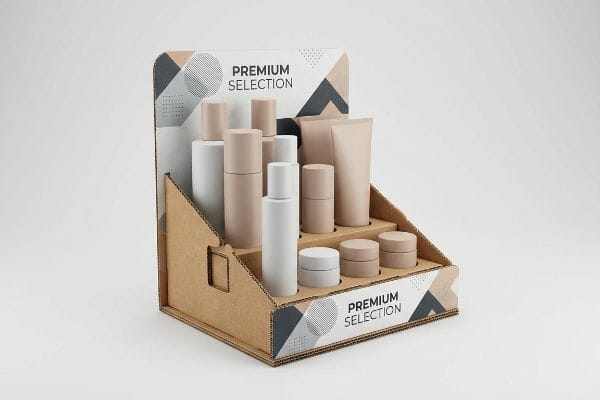
आपके पास ग्राहक का ध्यान आकर्षित करने के लिए केवल 3 सेकंड का समय होता है, इससे पहले कि वे आपके उत्पाद को देखकर आगे बढ़ जाएं। सामान्य शेल्फ केवल सामान रखने का काम करते हैं, लेकिन एक सुव्यवस्थित खुदरा संरचना सक्रिय रूप से उसे बेचने का काम करती है।
नालीदार डिस्प्ले बॉक्स नालीदार पेपरबोर्ड से निर्मित संरचनात्मक मार्केटिंग मर्चेंडाइज़र हैं जो खुदरा उत्पादों को सुरक्षित रूप से परिवहन करने, रखने और उनका दृश्य प्रचार करने के लिए डिज़ाइन किए गए हैं। ये स्वतंत्र रूप से रखे जाने वाले या काउंटरटॉप पर रखे जाने वाले बॉक्स ब्रांड की दृश्यता और उपभोक्ता की पहुंच को प्राथमिकता देते हैं, और वैश्विक खुदरा वातावरण में आवेगपूर्ण खरीदारी को बढ़ावा देने के लिए उच्च-रिज़ॉल्यूशन प्रिंटिंग और अनुकूलित डाई-कट आकृतियों का उपयोग करते हैं।.

इन मर्चेंडाइज़र के पीछे की भौतिकी को समझना ही एक सफल राष्ट्रीय लॉन्च और स्टोर के फर्श पर कुचले हुए गत्ते के ढेर के बीच का अंतर है। आइए खुदरा क्षेत्र में सफलता पाने के लिए आवश्यक सटीक इंजीनियरिंग को विस्तार से समझते हैं।.
कॉरुगेटेड डिस्प्ले क्या होता है?
कंप्यूटर मॉनिटर पर शानदार दिखने वाली संरचना का डिज़ाइन बनाना तो आधी लड़ाई है। असली परीक्षा तब होती है जब कोई जल्दबाज़ी में काम करने वाला स्टोर क्लर्क उसमें सामान भरने की कोशिश करता है।.
कॉरुगेटेड डिस्प्ले एक विशेष प्रकार का खुदरा उपकरण है जो बहुस्तरीय नालीदार पेपरबोर्ड से बना होता है और इसे दुकान के फर्श पर सीधे सामान प्रदर्शित करने के लिए डिज़ाइन किया गया है। मानक शिपिंग कंटेनरों के विपरीत, ये इकाइयाँ ब्रांड-विशिष्ट ग्राफिक्स और तिरछी अलमारियों जैसे संरचनात्मक तत्वों को एकीकृत करती हैं ताकि ग्राहकों की सहभागिता और वैश्विक स्तर पर उत्पाद की दृश्यता को अधिकतम किया जा सके।.
एक व्यापारी को सुरक्षित और संरक्षित शिपिंग सेवा से एक अत्यधिक दृश्यमान, बाधारहित खरीदारी अनुभव में सहजता से परिवर्तित होना चाहिए।.
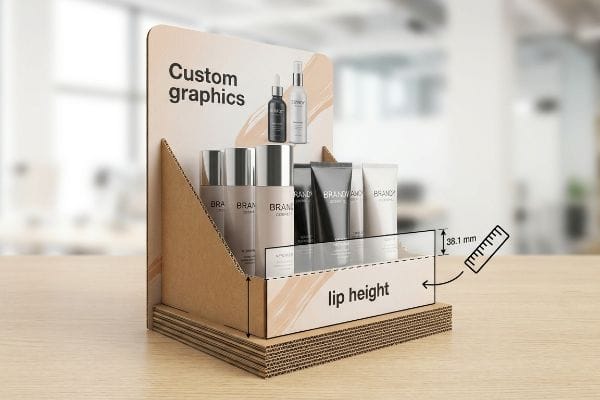
खुदरा डिस्प्ले के लिए "लिप हाइट" दृश्यता नियम
डिजाइनर अक्सर डिस्प्ले को एक गहरे बाल्टी की तरह इस्तेमाल करते हैं जिसमें जितना हो सके उतना सामान रखा जा सके। वे मुख्य ग्राफिक पर बहुत अधिक ध्यान केंद्रित करते हैं, यह मानते हुए कि यही उत्पाद को बिकवाता है, जबकि वास्तविक सामान को एक ऊंचे सामने वाले ट्रे के किनारे के पीछे छिपा देते हैं ताकि परिवहन के दौरान सामान गिर न जाए ।
मैं अक्सर देखता हूँ कि ब्रांड टीमें खूबसूरत काउंटरटॉप यूनिट , लेकिन अनजाने में उनके उत्पाद की पैकेजिंग का निचला एक तिहाई हिस्सा छिप जाता है। यह एक आम गलती है जो अनुभवी खरीद टीमों को भी परेशान कर देती है, जिसके परिणामस्वरूप डिस्प्ले किसी अंधेरी गुफा की तरह काम करता है, न कि किसी रोशनी की तरह। फ़ैक्टरी में, मैं "उत्पाद पहले" नियम का सख्ती से पालन करता हूँ, जिसके अनुसार मुख्य उत्पाद का कम से कम 85% हिस्सा2 इंच ऊपर दिखाई देना चाहिए। डाईलाइन किनारे की ऊँचाई को केवल 1.5 इंच (38.1 मिमी) कम करके और मोड़ को समायोजित करते समय वर्जिन क्राफ़्ट बोर्ड के कड़े प्रतिरोध को सुनकर, हम एक छिपे हुए उत्पाद को आसानी से उपलब्ध यूनिट में बदल देते हैं, जिससे ग्राहकों की परेशानी पूरी तरह खत्म हो जाती है और आवेगपूर्ण खरीदारी की दर में ज़बरदस्त वृद्धि होती है3।
| नौसिखियों की आम गलती | प्रो फिक्स | रिटेल-फ्लोर लाभ |
|---|---|---|
| उत्पाद को ऊंचे सामने के होंठों के पीछे छिपाना | 85% दृश्य स्पष्टता लागू करना4 | तत्काल ब्रांड पहचान को बढ़ाता है |
| गहरे, काले रंग की शेल्फ ट्रे डिजाइन करना | रोशनी के लिए बगल में खिड़कियां लगाना | उत्पादों पर मौजूद "शैडो ज़ोन" को हटाता है |
| मानक बॉक्स दीवार की ऊँचाई का उपयोग करना | दीवारों को 1.5 इंच के किनारे तक ट्रिम करना5 | यह खरीदारी करने वाले की खरीदारी की प्रक्रिया को तेज करता है। |
मैं ट्रे के किनारे की गलत माप के कारण आपके मार्केटिंग अभियान को बर्बाद नहीं होने दूंगा। देखने के कोण को कुछ मिलीमीटर तक समायोजित करने से उपभोक्ता के खरीदारी व्यवहार में पूरी तरह से बदलाव आ जाता है।.
🛠️ हार्वे का डेस्क: क्या आपके कस्टम प्रिंटेड ग्राफ़िक्स ट्रे के अंदर मौजूद असली उत्पाद को छिपा रहे हैं? 👉 मुझे अपनी डाइलाइन चेक करने दें ↗ — सीधे मेरे डेस्क से संपर्क करें। मैं वादा करता हूँ, कोई स्वचालित बिक्री स्पैम नहीं होगा।
कॉरुगेटेड बॉक्स क्या होता है?
एक बार रिटेल यूनिट का निर्माण हो जाने के बाद, उसे विनिर्माण संयंत्र से लेकर अंतिम स्टोर के गलियारे तक की कठिन यात्रा को सफलतापूर्वक पूरा करना होगा।.
कॉरुगेटेड बॉक्स एक औद्योगिक शिपिंग कंटेनर है जिसे दो सपाट लाइनरबोर्ड के बीच नालीदार कागज की एक परत रखकर बनाया जाता है। यह विशेष संरचना बेहतर ऊर्ध्वाधर संपीड़न शक्ति और झटके को सोखने की क्षमता प्रदान करती है, जिससे यह जटिल वैश्विक आपूर्ति श्रृंखलाओं के माध्यम से भारी थोक सामानों के सुरक्षित परिवहन के लिए सार्वभौमिक मानक बन जाता है।.
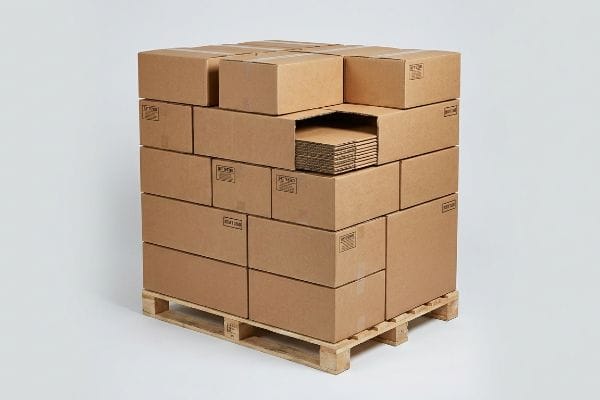
उत्पाद की सुरक्षा के लिए केवल मोटे कागज से काम नहीं चलता, बल्कि गणितीय भार वितरण का कड़ाई से पालन करना आवश्यक है।.
बीसीटी (बॉक्स कम्प्रेशन टेस्ट) की वास्तविकता की जाँच
मानक परिवहन कंटेनरों को अक्सर सामान को एक स्थान से दूसरे स्थान तक पहुंचाने के लिए सस्ते, डिस्पोजेबल रैपर के रूप में देखा जाता है। ब्रांड प्रबंधक अक्सर यह मान लेते हैं कि जब तक बोर्ड की सामग्री भौतिक रूप से मोटी है, अंदर रखा सामान खुरदरे रखरखाव और गोदाम में ऊंचे ढेर में रखे जाने पर भी सुरक्षित रहेगा।.
मुझे पता है कि आप माल ढुलाई के आयामों को ध्यान से देख रहे हैं और अतिरिक्त यूनिट्स को फिट करने की कोशिश कर रहे हैं, लेकिन वॉल्यूम बढ़ाने से अक्सर संरचनात्मक मजबूती नष्ट हो जाती है। अनुभवी खरीदार भी अक्सर पैलेट स्टैकिंग के भौतिकी नियमों को नज़रअंदाज़ कर देते हैं, यह मानकर कि थोड़ा सा ओवरहैंग नुकसानदायक नहीं है। मैं सभी शिपिंग कंटेनरों क्योंकि एक बॉक्स की 60% तक मजबूती उसके चारों कोनों के ऊर्ध्वाधर संरेखण से ही मिलती है। जब मैं कुचले हुए निचले स्तरों का निरीक्षण करते समय डाई-कटिंग धूल की बारीक बनावट को महसूस करता हूं, तो मुझे पता चल जाता है कि कोने मानक 48×40 इंच (1219.2×1016 मिमी) जीएमए (ग्रोसरी मैन्युफैक्चरर्स एसोसिएशन) पैलेट से बाहर निकल गए थे। फुटप्रिंट को ठीक 0.5 इंच (12.7 मिमी) कम करके, मैं यह सुनिश्चित करता हूं कि लोड को सहारा मिले, जिससे विनाशकारी संपीड़न विफलताओं को रोका जा सके और क्षतिग्रस्त इन्वेंट्री के हजारों के चार्जबैक से बचा जा सके।
| नौसिखियों की आम गलती | प्रो फिक्स | रिटेल-फ्लोर लाभ |
|---|---|---|
| मास्टर कार्टन को पैलेट के किनारों से आगे धकेलना | शून्य-ओवरहैंग सीमाओं को लागू करना6 | निचले स्तर के कार्टन को कुचलने से रोकता है |
| ऊर्ध्वाधर कोने संरेखण की अनदेखी करना | भारी कोनों को सीधे ढेर करना | 2,500 पाउंड की गतिशील भार वहन क्षमता बनाए रखता है।7 |
| कंटेनर की मजबूती की सीमा का अनुमान लगाना | शिपमेंट से पहले बीसीटी विश्लेषण चलाना8 | परिवहन के दौरान होने वाले महंगे नुकसान के दावों को समाप्त करता है |
मैं सफलता का माप इस बात से करता हूँ कि माल ढुलाई के दौरान क्या सुरक्षित रहता है, न कि केवल प्रिंटिंग प्रेस से निकलने पर क्या अच्छा दिखता है। माल का उचित वितरण आपके लाभ मार्जिन को सुरक्षित रखता है।.
🛠️ हार्वे का डेस्क: क्या आपके मास्टर कार्टन पैलेट से लटक रहे हैं और परिवहन के दौरान उनके पूरी तरह से ढह जाने का खतरा है? 👉 फ्रेट मैथ ऑडिट करवाएं ↗ — सुरक्षित रूप से डाउनलोड करें। बाद में कोई प्रश्न होने पर मेरा इनबॉक्स खुला है।
नालीदार बक्सों के क्या फायदे हैं?
पदार्थ विज्ञान में तेजी से विकास हुआ है, जिससे साधारण पेपरबोर्ड एक अत्यधिक तकनीकी और सुरक्षात्मक संपत्ति में बदल गया है।.
कॉरुगेटेड बॉक्स के फायदों में असाधारण मजबूती-से-वजन अनुपात, उच्च-प्रभाव वाले ग्राफिक प्रिंट करने की क्षमता और सामग्री की पूर्ण पुनर्चक्रण क्षमता शामिल हैं। इनकी मॉड्यूलर नालीदार संरचना ब्रांडों को अनुकूलित, हल्के पैकेजिंग डिजाइन करने की अनुमति देती है, जिससे माल ढुलाई की लागत में भारी कमी आती है और परिवहन के दौरान नाजुक वस्तुओं को बेजोड़ झटके से सुरक्षा मिलती है।.
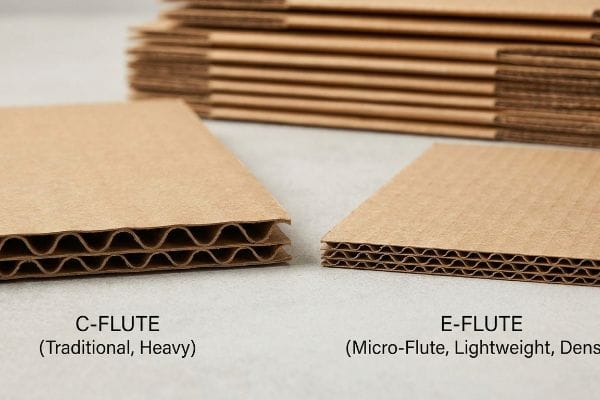
सामग्री के चयन में सुधार करने से शिपिंग शुल्क में सीधी कमी आती है और दृश्य प्रभाव भी बढ़ता है।.
"सस्टेनेबिलिटी टैक्स" और हल्के वजन का इस्तेमाल
कई खरीदारों का मानना है कि टिकाऊपन को अधिकतम करने के लिए बाज़ार में उपलब्ध सबसे मोटे और भारी पेपरबोर्ड का उपयोग करना आवश्यक है। वे खुदरा बिक्री के लिए तैयार पैकेजिंग, यह मानकर कि परिवहन के दौरान होने वाले नुकसान को रोकने और पर्यावरण के प्रति जागरूक बड़े खुदरा विक्रेताओं को प्रभावित करने का एकमात्र विश्वसनीय तरीका भारी वजन ही है।
मोटा बोर्ड अपने आप बेहतर प्रदर्शन की गारंटी नहीं देता; अक्सर यह सिर्फ अतिरिक्त भार ही होता है। यह एक आम गलती है जो अनुभवी खरीद टीमों को भी फंसा लेती है, जिससे उन्हें अतिरिक्त कागज फाइबर भेजने के लिए अनावश्यक माल ढुलाई लागत चुकानी पड़ती है। मैं हमेशा ग्राहकों को ई-फ्लूट या आर-फ्लूट 9 जैसे उच्च-प्रदर्शन वाले माइक्रो-फ्लूट्स पर स्विच करने के लिए प्रोत्साहित करके स्मार्ट लाइटिंग पर बल देता हूं , जो अविश्वसनीय कठोरता के लिए सघन रूप से पैक किए गए आर्च प्रदान करते हैं। जब हम इन अनुकूलित बोर्डों को ऑफसेट प्रेस से गुजारते हैं, तो आप गीली स्याही की तीखी गंध को चिकनी सतह पर पूरी तरह से सेट होते हुए महसूस कर सकते हैं, बिना किसी वॉशबोर्ड प्रभाव के। पतले, सघन बोर्ड संरचना में अपग्रेड करने से प्रति पैलेट आपका वॉल्यूमेट्रिक भार कम हो जाता है, जिससे खुदरा स्थायित्व में जरा भी कमी किए बिना शिपिंग खर्च में 15 % तक की कटौती होती है ।
| नौसिखियों की आम गलती | प्रो फिक्स | रिटेल-फ्लोर लाभ |
|---|---|---|
| भारी सी-फ्लूट बोर्डों को डिफ़ॉल्ट रूप से चुनना | सघन ई-बांसुरी प्रोफाइल में अपग्रेड करना11 | शिपिंग वजन और माल ढुलाई लागत को कम करता है |
| असमान मोटाई वाली सामग्री पर मुद्रण | चिकनी माइक्रो-फ्लूट सतहों का उपयोग करना12 | प्रीमियम, उच्च-रिज़ॉल्यूशन ग्राफिक्स प्रदान करता है |
| क्षति से बचाव के लिए अतिरिक्त पैकेजिंग | इंजीनियरिंग उच्च-आर्च कठोरता13 | समग्र आपूर्ति श्रृंखला में होने वाली बर्बादी को कम करता है |
शिपिंग शुल्क में कटौती करने के लिए मैं विशेष रूप से डिज़ाइन किए गए माइक्रो-फ्लूट्स का उपयोग करता हूँ। हल्का और मजबूत बॉक्स संचालन के लिहाज से सबसे बड़ा लाभ है।.
🛠️ हार्वे का डेस्क: क्या आप बड़े आकार और भारी पैकेजिंग सामग्री भेजकर अप्रत्यक्ष रूप से सस्टेनेबिलिटी टैक्स चुका रहे हैं? 👉 अपनी सामग्री प्रोफ़ाइल समीक्षा का दावा करें ↗ — कोई फ़ॉर्म नहीं जो अंतहीन बिक्री कॉल को ट्रिगर करे। बस शुद्ध मूल्य।
बॉक्स और नालीदार कार्डबोर्ड में क्या अंतर है?
जब स्वचालित पैकिंग मशीनें चलने लगती हैं, तो पदार्थ विज्ञान के सिद्धांत का ज्ञान होना ही पर्याप्त नहीं होता है।.
नालीदार कार्डबोर्ड और सामान्य बॉक्स पेपरबोर्ड के बीच मुख्य अंतर संरचनात्मक खांचों में निहित है। एक सामान्य पेपरबोर्ड बॉक्स में एक सपाट शीट होती है, जबकि नालीदार कार्डबोर्ड में दो सपाट परतों के बीच एक लहरदार घुमावदार परत चिपकी होती है, जो काफी अधिक संरचनात्मक मजबूती और गतिशील भार वहन क्षमता प्रदान करती है।.
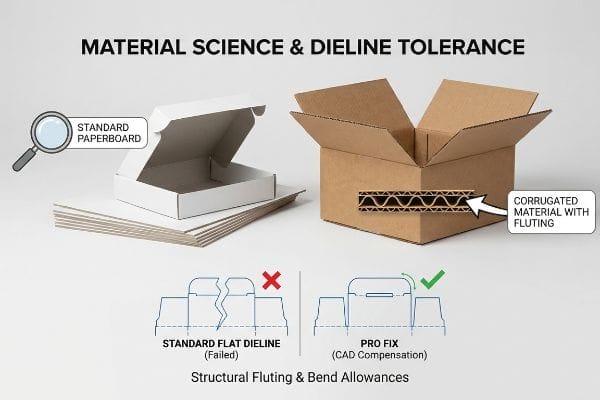
पेपरबोर्ड फोल्डिंग कार्टन को काम में लाना तो आसान है, लेकिन उसमें नालीदार मोटाई जोड़ने से डिजाइन की पूरी भौतिक वास्तविकता ही बदल जाती है।.
मानक फ्लैट डाइलाइन कारखाने में विफल क्यों हो जाती हैं?
ग्राफिक डिज़ाइनर अक्सर अपने वेक्टर सॉफ़्टवेयर में इंटरलॉकिंग टैब और फोल्डिंग स्लॉट को मिलान पैनल की सटीक चौड़ाई पर बनाते हैं। वे मानते हैं कि एक सटीक 2डी फ्लैट लेआउट बनाने से स्वचालित रूप से एक पूरी तरह से असेंबल किया हुआ 3डी मर्चेंडाइज़र बन जाएगा, मोटे मटेरियल को मानक प्रिंटर पेपर14।
प्रयोगशाला में एक डिस्प्ले को खड़ा करना आसान है, लेकिन जब आपको 500 डिस्प्ले को फ्लैट-पैक करके किसी व्यस्त फुलफिलमेंट सेंटर में भेजना हो, तो वास्तविकता कुछ और ही होती है। मेरी सुविधा में , मैं अक्सर देखता हूँ कि को-पैकर टैब को जबरदस्ती फिट करने में जूझ रहे होते हैं क्योंकि डिज़ाइनर ने बी-फ्लूट बोर्ड की भौतिक मोटाई (कैलिपर) को पूरी तरह से नज़रअंदाज़ कर दिया होता है। जब 0.11 इंच (2.79 मिमी) मोटा पैनल 90 डिग्री पर मुड़ता है, तो गणितीय रूप से यह 16 इंच सामग्री की खपत करता है , जिससे तीव्र घर्षण होता है और ऊपरी शीट के फटने की तेज़, निराशाजनक आवाज़ आती है, जब तक कि स्लॉट को इसकी भरपाई के लिए चौड़ा न किया जाए। मैं स्वचालित बेंड अलाउंस लागू करने के लिए पैरामीट्रिक CAD सॉफ़्टवेयर का उपयोग करता हूँ, जिससे प्राप्त होने वाले स्लॉट को एक सटीक टॉलरेंस द्वारा खोला जाता है। इस सूक्ष्म समायोजन को लागू करके, मैं सुनिश्चित करता हूँ कि असेंबली का समय प्रति यूनिट लगभग 25 सेकंड कम हो जाए, जिससे पैकिंग लाइन पर होने वाले महंगे मैनुअल रीवर्क से बचा जा सके।
| नौसिखियों की आम गलती | प्रो फिक्स | रिटेल-फ्लोर लाभ |
|---|---|---|
| सटीक टैब चौड़ाई पर स्लॉट बनाना | सीएडी कैलिपर क्षतिपूर्ति लागू करना | असेंबली के दौरान फटे हुए ग्राफिक्स को रोकता है |
| तहों पर बोर्ड की मोटाई को अनदेखा करना | इंजीनियरिंग भौतिक झुकाव भत्ते | प्रति यूनिट पैकिंग में लगने वाले श्रम के 25 सेकंड की बचत होती है |
| पतले कागज से संरचनाओं का परीक्षण करना | वास्तविक बोर्ड ग्रेड के साथ प्रोटोटाइपिंग | बड़े पैमाने पर उत्पादन के दौरान टैब की विफलता को रोकता है |
मैं उत्पादन लाइन तक पहुँचने से पहले ही टूटी-फूटी ज्यामिति को ठीक कर देता हूँ। आपके सह-पैकरों को एकदम सटीक इंजीनियरिंग वाले टॉलरेंस चाहिए, न कि सुंदर सपाट रेखाचित्र।.
🛠️ हार्वे का डेस्क: क्या आपको पता है कि आपके डिज़ाइनर ने बोर्ड की मोटाई को लॉकिंग टैब में गणितीय रूप से शामिल किया है या नहीं? 👉 मुझे अपनी डाइलाइन फ़ाइल भेजें ↗ — बड़े पैमाने पर उत्पादन पर बजट बर्बाद करने से पहले मैं गणितीय गणना की गहन जाँच करूँगा।
निष्कर्ष
आप केवल सैद्धांतिक टेम्पलेट ड्रॉइंग के आधार पर विक्रेता का चयन कर सकते हैं, लेकिन जब आपके सह-पैकर बिना किसी समायोजन के बोर्ड को जबरदस्ती मोड़ते हैं और ग्राफिक्स को फाड़ देते हैं, तो इससे अत्यधिक घर्षण होता है जो असेंबली लाइन को लगभग 30% तक धीमा कर देता है और परियोजना के लाभ मार्जिन को पूरी तरह से समाप्त कर देता है। 500 से अधिक ब्रांड प्रबंधक इन घातक प्रारंभिक चरण की गलतियों से बचने के लिए मेरी प्रीप्रेस चेकलिस्ट का उपयोग करते हैं। संरचनात्मक सहनशीलता के बारे में अनुमान लगाना बंद करें और मुझे व्यक्तिगत रूप से अपनी फ़ाइलों को मेरे निःशुल्क डाइलाइन ऑडिट ↗ ताकि फैक्ट्री में पहुंचने से पहले ही आयामी त्रुटियों का पता लगाया जा सके।
"POP डिस्प्ले स्टैंड क्या है? – कस्टम कार्डबोर्ड और नालीदार कार्डबोर्ड …", https://popdisplay.me/what-is-a-pop-display-stand/। [पैकेजिंग इंजीनियरिंग मानकों के अनुसार, नालीदार कार्डबोर्ड डिस्प्ले में लिप की ऊंचाई माल को सुरक्षित रखने और परिवहन के दौरान रिसाव को रोकने के लिए डिज़ाइन की जाती है।] साक्ष्य भूमिका: तकनीकी सत्यापन; स्रोत प्रकार: पैकेजिंग मैनुअल। समर्थन: फ्रंट ट्रे लिप का कार्यात्मक उद्देश्य। कार्यक्षेत्र संबंधी टिप्पणी: खुदरा बिक्री के लिए तैयार पैकेजिंग से संबंधित। ↩
"विज़ुअल मर्चेंडाइजिंग मानक: खुदरा स्टोर को कैसे बेहतर बनाया जाए...", https://www.gopazo.com/blog/visual-merchandising-standards। [पॉइंट-ऑफ-परचेज़ डिस्प्ले के लिए उद्योग दिशानिर्देश ब्रांड पहचान और उपभोक्ता आकर्षण को अनुकूलित करने के लिए विशिष्ट दृश्यता मेट्रिक्स प्रदान करते हैं]। साक्ष्य भूमिका: तकनीकी बेंचमार्क; स्रोत प्रकार: मर्चेंडाइजिंग हैंडबुक। समर्थन: दृश्यता आवश्यकताएँ। कार्यक्षेत्र नोट: काउंटरटॉप कार्डबोर्ड डिस्प्ले पर लागू]। ↩
"उपभोक्ताओं के आवेगपूर्ण खरीदारी व्यवहार को प्रभावित करने वाले कारक – पीएमसी – एनआईएच", https://pmc.ncbi.nlm.nih.gov/articles/PMC8206473/। [खुदरा मनोविज्ञान के अध्ययनों से पता चलता है कि उत्पाद तक पहुंच में भौतिक बाधाओं को कम करने से उपभोक्ता की हिचकिचाहट कम होती है और अनियोजित खरीदारी की दर बढ़ती है]। साक्ष्य की भूमिका: कारण सत्यापन; स्रोत प्रकार: उपभोक्ता व्यवहार अध्ययन। समर्थन: रूपांतरण मेट्रिक्स। स्कोप नोट: परिणाम उत्पाद श्रेणी और मूल्य बिंदु के अनुसार भिन्न होते हैं]। ↩
"रिटेल डिस्प्ले मानक: प्रभावी स्टोर डिस्प्ले के लिए एक संपूर्ण मार्गदर्शिका...", https://www.gopazo.com/blog/retail-display-standards। [रिटेल विज़ुअल मर्चेंडाइजिंग या पैकेजिंग डिज़ाइन पर एक प्रामाणिक मार्गदर्शिका तत्काल ब्रांड पहचान सुनिश्चित करने के लिए आवश्यक उत्पाद दृश्यता के अनुशंसित प्रतिशत को सत्यापित करेगी]। साक्ष्य भूमिका: तकनीकी विनिर्देश; स्रोत प्रकार: उद्योग मानक मैनुअल। समर्थन: रिटेल डिस्प्ले के लिए दृश्यता मानक। कार्यक्षेत्र संबंधी टिप्पणी: उत्पाद के आकार और श्रेणी के आधार पर भिन्न हो सकता है। ↩
"अपने रिटेल डिस्प्ले की ऊंचाई कैसे चुनें?", https://popdisplay.me/how-to-choose-your-retail-display-height/। [पैकेजिंग इंजीनियरिंग मानक या रिटेल एर्गोनॉमिक अध्ययन उपभोक्ताओं द्वारा उत्पाद को तेजी से प्राप्त करने के लिए आदर्श डिस्प्ले ऊंचाई की पुष्टि करेंगे]। साक्ष्य भूमिका: तकनीकी विनिर्देश; स्रोत प्रकार: डिज़ाइन दिशानिर्देश। सहायक: भौतिक पहुंच और खरीदारी की गति। कार्यक्षेत्र नोट: विशेष रूप से ग्रैब-एंड-गो रिटेल वातावरण पर लागू। ↩
"[PDF] पैलेटाइज्ड बॉक्स ऑफसेट का यूनिटाइज्ड की संपीडन शक्ति पर प्रभाव...", https://digitalcommons.calpoly.edu/cgi/viewcontent.cgi?article=1067&context=it_fac. [लॉजिस्टिक्स और सप्लाई चेन अनुसंधान से पता चलता है कि पैलेट ओवरहैंग सबसे नीचे की नालीदार परत की प्रभावी संपीडन शक्ति को काफी कम कर देता है]। साक्ष्य की भूमिका: तथ्यात्मक सत्यापन; स्रोत प्रकार: लॉजिस्टिक्स अनुसंधान पत्र। समर्थन: कार्टन को कुचलने से रोकने में शून्य-ओवरहैंग की भूमिका। स्कोप नोट: विशेष रूप से पैलेटाइज्ड मास्टर कार्टन से संबंधित है। ↩
"[PDF] नालीदार बोर्ड विनिर्देश - फाइबर बॉक्स एसोसिएशन", https://www.fibrebox.org/assets/2025/09/Walmart_Corrugated-Board_Specifications_Automation_Packaging_Standards.pdf। [तकनीकी पैकेजिंग विनिर्देश या इंजीनियरिंग मैनुअल ऊर्ध्वाधर कोने संरेखण और विशिष्ट गतिशील भार क्षमता के बीच गणितीय संबंध प्रदान करेंगे]। साक्ष्य भूमिका: तकनीकी मीट्रिक का सत्यापन; स्रोत प्रकार: इंजीनियरिंग हैंडबुक। समर्थन: उचित कोने स्टैकिंग का क्षमता लाभ। स्कोप नोट: वास्तविक क्षमता सामग्री ग्रेड पर निर्भर करती है। ↩
"बॉक्स कम्प्रेशन टेस्ट (बीसीटी) प्रक्रिया को समझना - पैकोर", https://www.pacorr.com/blog/understanding-the-bct-box-compression-test-procedure/। [TAPPI या ASTM के उद्योग मानक यह विस्तार से बताते हैं कि बॉक्स कम्प्रेशन टेस्ट (बीसीटी) का उपयोग विफलता बिंदुओं का पूर्वानुमान लगाने और शिपिंग नुकसान को कम करने के लिए कैसे किया जाता है]। साक्ष्य की भूमिका: प्रक्रिया सत्यापन; स्रोत प्रकार: उद्योग मानक। समर्थन: क्षति दावों को समाप्त करने में बीसीटी की उपयोगिता। कार्यक्षेत्र संबंधी टिप्पणी: नालीदार फाइबरबोर्ड कंटेनरों पर लागू। ↩
"सी फ्लूट वाले नालीदार शिपिंग बॉक्स के लिए शुरुआती गाइड", https://www.starboxes.com/blogs/a-beginners-guide-to-c-flute-corrugated-shipping-boxes?srsltid=AfmBOoo-C1o7tbO37twHQg5liahLxlL1CkVCCEzltxlnm0pInKFeonVx। [पैकेजिंग इंजीनियरिंग मैनुअल से तकनीकी विनिर्देश ई और आर फ्लूट बोर्डों की संरचनात्मक कठोरता और फ्लूट घनत्व को सत्यापित करेंगे]। साक्ष्य भूमिका: तकनीकी विनिर्देश; स्रोत प्रकार: इंजीनियरिंग हैंडबुक। समर्थन: सामग्री प्रदर्शन। स्कोप नोट: मानक बी या सी फ्लूट के साथ तुलनात्मक। ↩
"स्मार्ट कॉरुगेटेड पैकेजिंग डिज़ाइन के साथ आयामी भार लागत कम करना ...", https://www.bcipkg.com/reducing-dimensional-weight-costs-with-smart-corrugated-packaging-design/। [हल्के वजन पर लॉजिस्टिक्स केस स्टडी या उद्योग बेंचमार्क, वॉल्यूमेट्रिक भार अनुकूलन से संबंधित माल ढुलाई लागत में कमी पर डेटा प्रदान करेंगे]। साक्ष्य की भूमिका: मीट्रिक सत्यापन; स्रोत प्रकार: लॉजिस्टिक्स केस स्टडी। समर्थन: आर्थिक लाभ। स्कोप नोट: वास्तविक बचत शिपिंग मोड और क्षेत्रीय वाहक दरों पर निर्भर करती है। ↩
"कॉरुगेटेड बॉक्स फ्लूट के प्रकारों की व्याख्या: A, B, C, E और F", https://www.onyxpackaging.com/blog/corrugated-box-flute-types.php। [फ्लूट के आकारों की तकनीकी तुलना से यह प्रदर्शित होगा कि पतले E-फ्लूट प्रोफाइल से कुल सामग्री का वजन और आयतन कम हो जाता है, जिससे माल ढुलाई लागत कम हो जाती है]। साक्ष्य की भूमिका: तथ्यात्मक सत्यापन; स्रोत प्रकार: पैकेजिंग इंजीनियरिंग मैनुअल। समर्थन: हल्के वजन के माध्यम से लागत में कमी। कार्यक्षेत्र संबंधी टिप्पणी: माल ढुलाई मापदंडों से संबंधित। ↩
"एन-फ्लूट बनाम ई-फ्लूट: अपनी पैकेजिंग के लिए सही बोर्ड का चुनाव...", https://supremex.com/n-flute-vs-e-flute/। [माइक्रो-फ्लूट सतहों पर तकनीकी विनिर्देश इस बात की पुष्टि करेंगे कि फ्लूट की कम ऊंचाई सतह की अनियमितता को कम करती है, जिससे स्याही का घनत्व और रिज़ॉल्यूशन बेहतर होता है]। साक्ष्य भूमिका: तकनीकी विनिर्देश; स्रोत प्रकार: मुद्रण उद्योग मानक। समर्थन: सौंदर्य गुणवत्ता में सुधार। कार्यक्षेत्र नोट: प्रिंट गुणवत्ता पर केंद्रित। ↩
"कॉरुगेटेड बॉक्स को आदर्श पैकेजिंग समाधान क्या बनाता है?", https://www.theboxery.com/blog/what-makes-a-corrugated-box-the-ideal-packaging-solution/?srsltid=AfmBOorenfwTsxssljp_NC1aFX0BydcWoD_YvAZxuoUK_1mwvdidXduE। [पैकेजिंग में संरचनात्मक अभियांत्रिकी पर किए गए अध्ययन दर्शाते हैं कि अनुकूलित आर्क ज्यामिति संपीड़न शक्ति को बढ़ाती है, जिससे अतिरिक्त भराव की आवश्यकता समाप्त हो जाती है।] साक्ष्य की भूमिका: तकनीकी सत्यापन; स्रोत प्रकार: पदार्थ विज्ञान पत्रिका। समर्थन: स्थिरता और अपशिष्ट कमी। कार्यक्षेत्र संबंधी टिप्पणी: संरचनात्मक अखंडता पर लागू होता है। ↩
"प्रभावी फोल्डिंग कार्टन पैकेजिंग के लिए 16 पॉइंट बनाम 28 पॉइंट कार्टन", https://meyers.com/meyers-blog/how-to-choose-the-right-thickness-for-your-carton-packaging/। [पैकेजिंग इंजीनियरिंग के आधिकारिक दिशानिर्देश बताते हैं कि सामग्री की मोटाई फोल्ड विस्थापन पैदा करती है और 3D असेंबली में उचित फिट सुनिश्चित करने के लिए विशिष्ट बेंड अलाउंस की आवश्यकता होती है]। साक्ष्य की भूमिका: तकनीकी सत्यापन; स्रोत प्रकार: उद्योग मानक। समर्थन: इस दावे का कि मोटी सामग्रियों को डाईलाइन में शून्य-मोटाई वाले तल के रूप में नहीं माना जा सकता है। स्कोप नोट: विशेष रूप से नालीदार और भारी पेपरबोर्ड सामग्रियों पर लागू होता है। ↩
"[PDF] नालीदार पेपरबोर्ड के लिए विनिर्देश - राष्ट्रीय अभिलेखागार", https://www.archives.gov/files/preservation/storage/pdf/corrugated-board.pdf। [नालीदार फाइबरबोर्ड के लिए उद्योग मानक बी-फ्लूट सामग्री के लिए विशिष्ट कैलिपर रेंज निर्दिष्ट करते हैं]। साक्ष्य भूमिका: तकनीकी विनिर्देश; स्रोत प्रकार: उद्योग मानक। आधार: बी-फ्लूट मोटाई। स्कोप नोट: विभिन्न पेपर ग्रेड के बीच भिन्नताएं हो सकती हैं। ↩
"फ्री शीट मेटल बेंड अलाउंस कैलकुलेटर | FIRGELLI इंजीनियरिंग", https://www.firgelliauto.com/blogs/engineering-calculators/sheet-metal-bend-allowance-calculator?srsltid=AfmBOormc239RDMaDrCZpHUZIVcuSn9Gi6agB1_DmXvqC63EAGS2YlPC. [सामग्री विज्ञान और ज्यामितीय तह सिद्धांत बताते हैं कि मोड़ की बाहरी सतह आंतरिक सतह की तुलना में अधिक दूरी तय करती है, जिसके लिए अतिरिक्त सामग्री की आवश्यकता होती है]। प्रमाण की भूमिका: वैज्ञानिक सिद्धांत; स्रोत प्रकार: इंजीनियरिंग पाठ्यपुस्तक। समर्थन: बेंड अलाउंस की आवश्यकता। स्कोप नोट: पतले कागजों के लिए प्रभाव नगण्य है लेकिन मोटे बोर्ड के लिए महत्वपूर्ण है। ↩