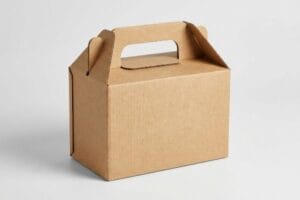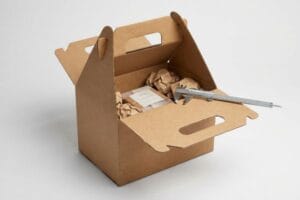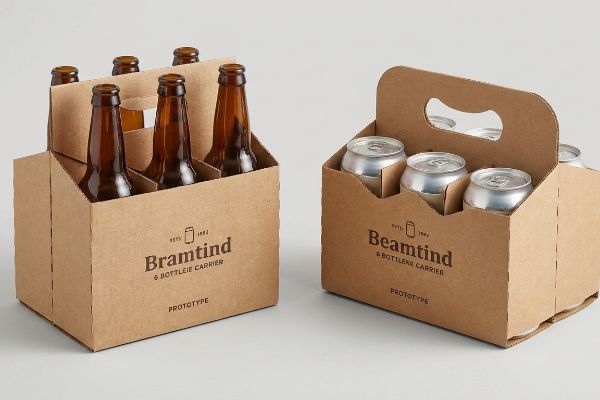
आप एक उत्तम पेय बनाने में महीनों बिताते हैं , लेकिन अगर आपकी पैकेजिंग किसी नमीयुक्त किराने की दुकान के गलियारे में ढह जाती है, तो ग्राहक द्वारा एक घूंट लेने से पहले ही आपकी ब्रांड प्रतिष्ठा चकनाचूर हो जाती है।
कस्टम 6-बोतल पैक और बियर कैरियर पैकेजिंग बॉक्स विशेष नालीदार पेपरबोर्ड संरचनाएं हैं जिन्हें कांच या एल्यूमीनियम पेय पदार्थों के कंटेनरों को सुरक्षित रूप से परिवहन, प्रदर्शन और विपणन के लिए डिज़ाइन किया गया है। ये मल्टी-पैक कैरियर आंतरिक विभाजकों और मजबूत हैंडल का उपयोग करते हैं ताकि कांच के आपस में टकराने से होने वाले गतिज प्रभाव को रोका जा सके और साथ ही खुदरा अलमारियों पर ब्रांडिंग को अधिकतम रूप से प्रदर्शित किया जा सके।.
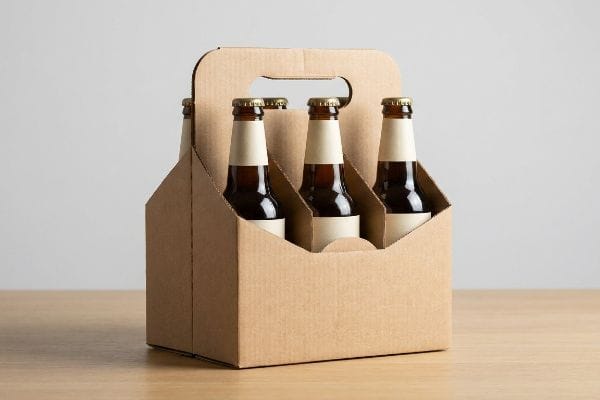
बुनियादी परिभाषा जानना तो बस शुरुआत है। जब आप डिजिटल प्रस्तुति से बड़े पैमाने पर उत्पादन की ओर बढ़ते हैं, तो भारी तरल पदार्थों और नाजुक कांच की भौतिकी पूरी तरह से खेल को बदल देती है।.
बीयर की पैकेजिंग के विभिन्न प्रकार क्या हैं?
सही संरचनात्मक प्रारूप का चयन यह निर्धारित करता है कि आपका उत्पाद वैश्विक आपूर्ति श्रृंखला के भीषण भौतिक घर्षण को कैसे सहन कर पाएगा।.
बीयर की पैकेजिंग के विभिन्न प्रकारों में हेवी-ड्यूटी नालीदार मास्टर शिपर, खुदरा बिक्री के लिए तैयार शेल्फ ट्रे, पारंपरिक ओवरहेड हैंडल्ड कैडी और पूरी तरह से बंद फोल्डिंग कार्टन शामिल हैं। प्रत्येक संरचनात्मक प्रारूप के लिए विशिष्ट नमी प्रतिरोध प्रोटोकॉल और वजन वितरण गणितीय गणनाएँ आवश्यक होती हैं ताकि बॉटलिंग लाइन से उपभोक्ता तक सुरक्षित परिवहन सुनिश्चित हो सके।.
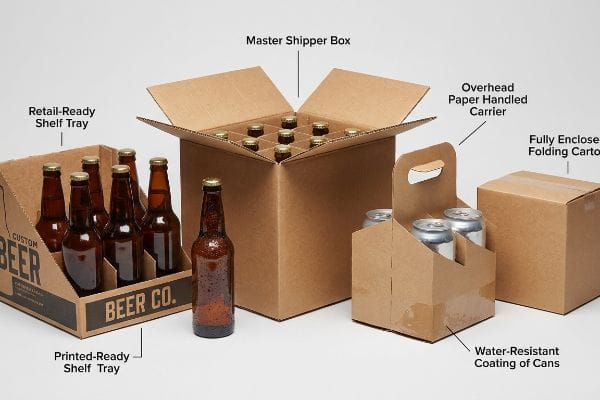
शैली का चयन करना आसान है, लेकिन उस शैली को विशिष्ट खुदरा सूक्ष्म-वातावरण में टिके रहने के लिए अनुकूलित करना ही वह जगह है जहां शौकिया अभियान तुरंत विफल हो जाते हैं।.
साधारण कार्डबोर्ड बीयर कूलर के परीक्षण में क्यों विफल रहता है?
यहां तक कि अनुभवी डिज़ाइनर भी अक्सर प्रशीतित खुदरा वातावरण के पर्यावरणीय अंध बिंदु को1।वे मान लेते हैं कि मानक कार्डबोर्ड वाहक पूरी तरह से टिके रहेंगे क्योंकि उन्होंने वातानुकूलित कार्यालय में एक बुनियादी शुष्क वजन परीक्षण पास कर लिया है।
जब ब्रांड शराब बनाने की फैक्ट्री से किराने की दुकान तक पहुंचते हैं , तो मैं अक्सर इस समस्या को विफल होते देखता हूं। नमी कच्चे कागज के गूदे की सबसे बड़ी दुश्मन है। एक बार मैंने एक स्टोर क्लर्क को कूलर से एक साधारण कैरी बैग निकालते हुए देखा, और गीले कागज के फटने की आवाज़ पूरे गलियारे में गूंज उठी क्योंकि उसका निचला हिस्सा पूरी तरह से टूट गया, जिससे छह बोतलें ज़मीन पर गिर गईं। इस समस्या को हल करने के लिए, मैंने कैरी बैग के निचले 2 इंच (50.8 मिमी) हिस्से पर बायोडिग्रेडेबल जलरोधी कोटिंग लगाना अनिवार्य कर दिया है । इससे एक हाइड्रोफोबिक सील बन जाती है जो नमी को अंदर आने से रोकती है, जिससे कानूनी दावों से पूरी तरह बचा जा सकता है और यह सुनिश्चित होता है कि ग्राहक के अपनी कार तक जाते समय हैंडल न टूटे।
| नौसिखियों की आम गलती | प्रो फिक्स | रिटेल-फ्लोर लाभ |
|---|---|---|
| बिना सील किए छिद्रयुक्त क्राफ्ट बोर्ड का उपयोग करना | 2 इंच (50.8 मिमी) की हाइड्रोफोबिक बेस कोट लगाएं3 | यह नमी के रिसाव को पूरी तरह से रोकता है। |
| शुष्क कार्यालय की हवा में वाहकों का परीक्षण | कम आर्द्रता स्तरों का अनुकरण करना | नीचे से होने वाले संरचनात्मक पतन को रोकता है4 |
| मानक पीवीए गोंद पर निर्भर | नमी-प्रतिरोधी चिपकने वाले पदार्थों का उपयोग करना5 | गंदे पारदर्शी टेप से किए जाने वाले मरम्मत के झंझटों को खत्म करता है |
मैं बेस फिनिश की जांच किए बिना कभी भी पेय पदार्थ रखने वाले डिब्बे को प्रेस में नहीं जाने देता। एक साधारण सी कोटिंग से ही नाजुक कागज का डिब्बा एक टिकाऊ उपकरण में बदल जाता है जो खुदरा व्यापार की कठिन परिस्थितियों में भी आसानी से टिक जाता है।.
🛠️ हार्वे का डेस्क: क्या आपको चिंता है कि किराने की दुकान के कूलर में रखे आपके मौजूदा कैरियर का डिज़ाइन पिघलकर खराब हो जाएगा? 👉 मुझे अपनी फ्लैट डाइलाइन फ़ाइल भेजें ↗ — सीधे मेरे डेस्क तक पहुंच। मैं वादा करता हूं, कोई स्वचालित बिक्री स्पैम नहीं।
बीयर की छह बोतलों के पैक का आकार क्या होता है?
उच्च गति वाली स्वचालित बॉटलिंग और खुदरा लॉजिस्टिक्स के लिए सटीक गणितीय रूपरेखा तैयार करना एक अनिवार्य आवश्यकता है।.
बीयर की बोतलों के छह पैक का आकार आमतौर पर लंबाई में लगभग 7.5 इंच (190.5 मिमी), चौड़ाई में 5 इंच (127 मिमी) और ऊंचाई में 8.5 इंच (215.9 मिमी) होता है। सटीक माप बोतल के आकार, कांच की मोटाई और आंतरिक नालीदार विभाजक की आवश्यकताओं के आधार पर भिन्न हो सकते हैं।.
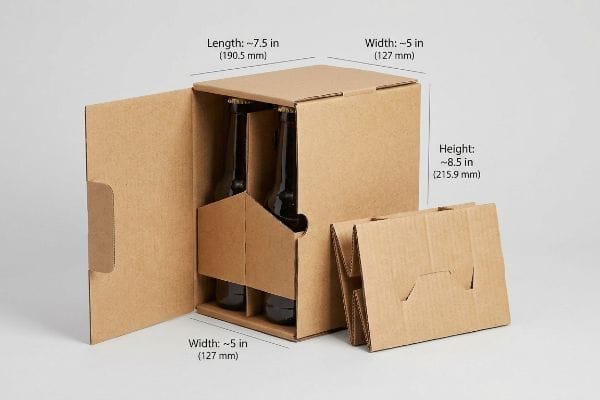
हालांकि ये सामान्य आंकड़े त्वरित मॉक-अप के लिए तो ठीक हैं, लेकिन बड़े पैमाने पर उत्पादन के लिए इन पर निर्भर रहने से असेंबली लाइन में भारी बाधाएं उत्पन्न होंगी।.
बोतल के सही आकार का छिपा हुआ खतरा
वाहक के आकार का निर्धारण करते समय, खरीद टीमें कांच की बोतल के सटीक व्यास को लंबाई के लिए तीन से गुणा करती(6) और चौड़ाई के लिए दो से(7)। वे मानते हैं कि यह 1:1 गणितीय सूत्र उनके उत्पाद के लिए एक सटीक और सुरक्षात्मक फिट की गारंटी देता है।
वे नालीदार कार्डबोर्ड की भौतिक मोटाई को भूल जाते हैं। मेरी फैक्ट्री में, अगर आप बी-फ्लूट सबस्ट्रेट8, तो पूरी संरचना बाहर की ओर झुक जाती है। मैंने असेंबली लाइन पर को-पैकरों को पसीना बहाते हुए देखा है, जो बोतलों को गणितीय रूप से "परफेक्ट" स्लॉट में ठूंसने के लिए संघर्ष कर रहे होते हैं, जो अब बहुत तंग हो गए हैं क्योंकि मुड़े हुए कागज ने जगह घेर ली है। आप घने पेपरबोर्ड पर कांच के रगड़ने की तेज आवाज सुन सकते हैं। इसे खत्म करने के लिए, मैं CAD (कंप्यूटर-एडेड डिज़ाइन) सॉफ़्टवेयर का उपयोग करके डाईलाइन में स्वचालित कैलिपर कम्पेनसेशन एल्गोरिदम डालता हूँ, जिससे स्लॉट थोड़े चौड़े हो जाते हैं। यह घर्षण रहित स्वचालित पैकिंग की गारंटी देता है, जिससे आपके श्रम असेंबली समय में अनुमानित 25%9।
| नौसिखियों की आम गलती | प्रो फिक्स | रिटेल-फ्लोर लाभ |
|---|---|---|
| बोतल के व्यास के अनुसार सटीक साइजिंग स्लॉट | सीएडी कैलिपर क्षतिपूर्ति को इंजेक्ट करना10 | स्वचालित लाइन पैकिंग की गति बढ़ाता है |
| मुड़े हुए बोर्ड की मोटाई को अनदेखा करते हुए | मोड़ने की सुविधा के लिए स्लॉट को चौड़ा करना11 | कागज डालते समय उसे फटने से रोकता है |
| बोतलों को दबाकर तंग ट्रे में फिट करना | इंजीनियरिंग माइक्रो-क्लीयरेंस12 | द्वितीयक पैकेजिंग को झुकने से रोकता है |
मैं हमेशा आंतरिक विभाजकों को कच्चे कांच के आयामों से गणितीय रूप से अधिक फैलाता हूँ। प्रीप्रेस में कुछ मिलीमीटर का अंतर फर्श पर घंटों की मैनुअल पैकिंग की मेहनत को बचा लेता है।.
🛠️ हार्वे का डेस्क: क्या आपकी मौजूदा 6-पैक डाइलाइन में नालीदार खांचे की विशिष्ट मोटाई के लिए सटीक कैलिपर क्षतिपूर्ति एल्गोरिदम शामिल हैं? 👉 मुफ़्त डाइलाइन समीक्षा का अनुरोध करें ↗ — सुरक्षित रूप से डाउनलोड करें। बाद में कोई प्रश्न होने पर मेरा इनबॉक्स खुला है।
बीयर की बोतल रखने वाले स्टैंड को क्या कहते हैं?
जब आप विविध वैश्विक आपूर्ति श्रृंखलाओं से जटिल संरचनात्मक घटकों की सोर्सिंग कर रहे हों तो शब्दावली अत्यंत महत्वपूर्ण हो जाती है।.
बीयर की बोतल रखने वाले स्टैंड को पेशेवर भाषा में बेवरेज कैडी, मल्टी-पैक कैरियर या रिटेल बास्केट कहा जाता है। विनिर्माण क्षेत्र में, ये शब्द विशिष्ट संरचनात्मक बनावट को निर्धारित करते हैं, जिससे यह पता चलता है कि यूनिट में इंटीग्रेटेड ओवरहेड हैंडल, पूरी तरह से बंद ऑटो-बॉटम या मॉड्यूलर ड्रॉप-इन डिवाइडर सिस्टम का उपयोग किया गया है या नहीं।.
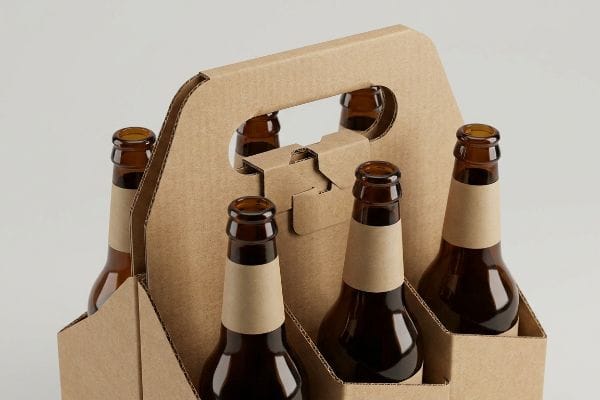
नाम सही होने से यह सुनिश्चित हो जाता है कि कारखाने को ठीक से पता चल जाए कि आपको किस प्रारूप की आवश्यकता है, लेकिन फिर भी आपको भौतिक उठाने की यांत्रिकी को ठीक से इंजीनियर करना होगा।.
प्लास्टिक रहित आदर्श बियर कैरी बैग का डिज़ाइन
पेय पदार्थ रखने वाले डिब्बे को एक मजबूत टूलबॉक्स की तरह समझें; यदि केंद्रीय हैंडल टूट जाता है, तो पूरी इकाई की संरचनात्मक अखंडता पूरी तरह से खतरे में पड़ जाती है। स्टार्टअप अक्सर पकड़ को सुरक्षित करने के लिए सस्ते चिपकाए गए हैंडल या स्नैप-इन प्लास्टिक ब्रैकेट13 , यह मानते हुए कि सिंथेटिक सामग्री बेहतर मजबूती प्रदान करती है।
प्लास्टिक क्लिप्स बड़े रिटेल स्टोरों के लिए एक बड़ी समस्या खड़ी कर देती हैं, जो रीसाइक्लिंग के सख्त नियमों का पालन करते हैं। मैंने देखा है कि क्राफ्ट बेवरेजेस के पूरे पैलेट इसलिए रिजेक्ट कर दिए जाते हैं क्योंकि स्टोर मैनेजर अलग-अलग मटेरियल की पैकेजिंग को हाथ से अलग करने से मना कर देते हैं। मैं सेंट्रल स्पाइन में सीधे निर्मित ओरिगामी-स्टाइल पेपर लॉक मैकेनिज्म का उपयोग करके इस जोखिम को पूरी तरह से खत्म कर देता हूं। जब इसे फर्श पर असेंबल किया जाता है, तो आप मेल/फीमेल नालीदार टैब्स के आपस में पूरी तरह से लॉक होने की विशिष्ट, मजबूत "स्नैप" ध्वनि सुन सकते हैं। यह मोनो-मटेरियल नियम सुनिश्चित करता है कि कैरियर 100% कर्बसाइड रिपल्पेबल है 14 , साथ ही 10 पाउंड (4.5 किलोग्राम) 15 तरल पदार्थ को आराम से रखने की गतिशील भार क्षमता भी बनाए रखता है ।
| नौसिखियों की आम गलती | प्रो फिक्स | रिटेल-फ्लोर लाभ |
|---|---|---|
| स्नैप-इन प्लास्टिक क्लिप का उपयोग करके | इंजीनियरिंग ओरिगामी शैली के कागज के ताले | सड़क किनारे 100% पुनर्चक्रण सुनिश्चित करता है16 |
| कमजोर चिपकने वाले हैंडलों पर निर्भर रहना | इंटरलॉकिंग केंद्रीय स्पाइन का उपयोग करना17 | भारी तरल पदार्थों को सुरक्षित रूप से संभालता है |
| मिश्रित सामग्री इकाइयों की शिपिंग | एक ही सामग्री के उपयोग की अनिवार्यता लागू करना | खुदरा विक्रेताओं के पर्यावरणीय ऑडिट को दरकिनार करता है18 |
मैं जहां तक संभव हो अनावश्यक प्लास्टिक हार्डवेयर हटा देता हूं। सिंथेटिक क्लिप के बजाय स्मार्ट ज्योमेट्रिक फोल्डिंग का उपयोग करने से आपकी यूनिट लागत कम होती है और वैश्विक खुदरा अनुपालन।
🛠️ हार्वेज़ डेस्क: क्या आपको अपने भारी पेय वाहक के लिए एक मजबूत, 100% कागज आधारित लॉकिंग हैंडल डिज़ाइन करने में मदद चाहिए? 👉 निःशुल्क संरचनात्मक परामर्श प्राप्त करें ↗ — कोई फॉर्म नहीं जो अंतहीन बिक्री कॉल को ट्रिगर करें। बस शुद्ध मूल्य।
छह बोतलों वाले वाइन बॉक्स का मानक आकार क्या है?
मानक 12-औंस बीयर से भारी 750 मिलीलीटर वाइन प्रारूपों में बदलाव के लिए पूरी तरह से अलग लॉजिस्टिकल और आयामी दृष्टिकोण की आवश्यकता होती है।.
छह बोतलों वाले वाइन बॉक्स का मानक आकार आमतौर पर लंबाई में 10.5 इंच (266.7 मिमी), चौड़ाई में 7 इंच (177.8 मिमी) और ऊंचाई में 12.5 इंच (317.5 मिमी) होता है। ये आयाम विशेष रूप से 750 मिलीलीटर की बड़ी कांच की बोतलों के लिए बनाए गए हैं, जिसके लिए परिवहन के दौरान तेज गति के झटकों से बचाव हेतु विशेष रूप से निर्मित आंतरिक विभाजन की आवश्यकता होती है।.
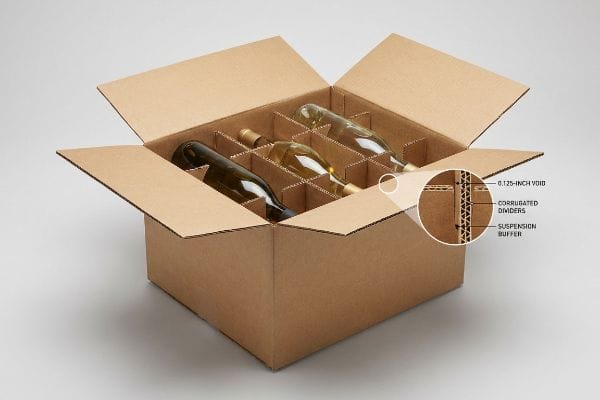
लेकिन जब पैलेट को ट्रक पर लोड किया जाता है और भारी माल ढुलाई के कारण होने वाला कंपन वास्तव में शुरू होता है, तो सैद्धांतिक आयामों को जानना पर्याप्त नहीं होता है।.
मानक आयामों के कारण कारखाने में कांच क्यों टूट जाता है?
ब्रांड अक्सर अपने छह वाइन की बोतलों के बाहरी माप के आधार पर अपने आरआरपी (रिटेल रेडी पैकेजिंग) के आयाम निर्धारित करते हैं। उनका मानना है कि कसकर लपेटी गई पेपरबोर्ड पैकेजिंग , लॉजिस्टिकल आवागमन के दौरान अधिकतम सुरक्षा प्रदान करती है ।
मेरी सुविधा में, मैं अक्सर देखता हूँ कि यह सैद्धांतिक धारणा कंपन परीक्षण टेबल पर विनाशकारी विफलता का कारण बनती है। जब भारी कांच की बोतलों को बिना किसी अतिरिक्त स्थान के कसकर पैक किया जाता है, तो किसी भी बाहरी झटके से उत्पन्न गतिज ऊर्जा का 100% सीधे मुख्य कंटेनरों में स्थानांतरित हो जाता है।मैंने 150 पाउंड (68 किलोग्राम) के पैलेट लोड के खिसकने की भयानक आवाज़ सुनी है, जिससे कांच की निचली परत तुरंत चूर-चूर हो जाती है। इसे रोकने के लिए, मैं गणितीय रूप से आंतरिक बॉक्स के आयामों को बढ़ाकर कम से कम 0.125 इंच (3.17 मिमी) का निलंबन रिक्त स्थान। हवा को फंसाकर और आंतरिक खांचों को यांत्रिक शॉक एब्जॉर्बर के रूप में उपयोग करके, यह विशिष्ट इंजीनियरिंग समाधान परिवहन के दौरान होने वाले टूटने को रोकता है, जिससे ग्राहकों को एलटीएल (ट्रक लोड से कम) माल ढुलाई क्षति शुल्क में हजारों की बचत होती है।
| नौसिखियों की आम गलती | प्रो फिक्स | रिटेल-फ्लोर लाभ |
|---|---|---|
| बॉक्स को कांच के आकार के बिल्कुल अनुरूप बनाना। | 0.125 इंच (3.17 मिमी) का रिक्त स्थान बनाना22 | परिवहन के दौरान कांच के टूटने की समस्या को पूरी तरह से खत्म करता है। |
| गतिज ऊर्जा स्थानांतरण को अनदेखा करते हुए | बांसुरी का उपयोग यांत्रिक शॉक एब्जॉर्बर के रूप में करना23 | यह महंगे एलटीएल फ्रेट चार्जबैक को रोकता है। |
| जगह बचाने के लिए विभाजकों को हटाना | मॉड्यूलर पृथक्करण ग्रिडों को एकीकृत करना24 | प्रीमियम बोतल लेबल को खरोंच से बचाता है |
मैं ऐसे वाइन शिपिंग कंपनी को मंजूरी देने से इनकार करता हूँ जिसमें सुनियोजित गतिज बफर ज़ोन का अभाव हो। कुछ मिलीमीटर अतिरिक्त खाली जगह बनाना ही नाज़ुक वस्तुओं के लिए सर्वोत्तम सुरक्षा उपाय है।.
🛠️ हार्वे का डेस्क: क्या आपकी महंगी वाइन की बोतलें उबड़-खाबड़ समुद्री परिवहन के दौरान गतिज झटके को 100% अवशोषित कर रही हैं? 👉 मुझे अपनी डाइलाइन फ़ाइल भेजें ↗ — बड़े पैमाने पर उत्पादन पर बजट बर्बाद करने से पहले मैं गणितीय रूप से इसकी जांच कर लूंगा।
निष्कर्ष
आप चाहें तो कम लागत वाले पैकेजिंग विक्रेता का विकल्प चुन सकते हैं, लेकिन जब तंग आकार और पर्याप्त काइनेटिक बफर न होने के कारण परिवहन के दौरान भारी कांच की बोतलें टूट जाती हैं, तो इसके परिणामस्वरूप होने वाले एलटीएल चार्जबैक और खुदरा विक्रेताओं द्वारा अस्वीकृति आपके पूरे अभियान के लाभ को तुरंत समाप्त कर देंगे। 500 से अधिक ब्रांड प्रबंधक इन घातक शुरुआती गलतियों से बचने के लिए मेरी प्रीप्रेस चेकलिस्ट का उपयोग करते हैं। संरचनात्मक सहनशीलता के बारे में अनुमान लगाना बंद करें और मुझे व्यक्तिगत रूप से अपनी फ़ाइलों को मेरे मुफ़्त डाइलाइन ऑडिट ↗ ताकि बड़े पैमाने पर उत्पादन शुरू होने से पहले ही घातक त्रुटियों का पता लगाया जा सके।
"खाद्य पैकेजिंग सामग्रियों का पर्यावरणीय प्रभाव: एक समीक्षा...", https://pmc.ncbi.nlm.nih.gov/articles/PMC7664184/। खुदरा कूलरों में उच्च आर्द्रता और संघनन से मानक कार्डबोर्ड की संरचनात्मक अखंडता कैसे खराब होती है, इसका तकनीकी विवरण। साक्ष्य की भूमिका: तकनीकी सत्यापन; स्रोत प्रकार: पैकेजिंग इंजीनियरिंग मैनुअल। समर्थन: कोल्ड चेन खुदरा क्षेत्र में मानक कार्डबोर्ड की विफलता। कार्यक्षेत्र संबंधी टिप्पणी: नालीदार सामग्रियों में नमी अवशोषण पर केंद्रित। ↩
"कार्डबोर्ड को जलरोधी कैसे बनाएं? - कस्टम बॉक्सेस मार्केट", https://customboxesmarket.com/tip-on-how-to-make-cardboard-waterproof/?srsltid=AfmBOop4-EGl4w5h8gzVM40kJrK8TsVDOoXp7jq5YkEqOdHeDGM2Dwc0। तकनीकी दस्तावेज या पैकेजिंग इंजीनियरिंग अनुसंधान इस बात की पुष्टि करता है कि हाइड्रोफोबिक कोटिंग्स पेपरबोर्ड में नमी के रिसाव और संरचनात्मक विफलता को रोकती हैं। साक्ष्य की भूमिका: तकनीकी सत्यापन; स्रोत प्रकार: पैकेजिंग इंजीनियरिंग मैनुअल। समर्थन: बीयर वाहकों पर लक्षित जल-प्रतिरोधी कोटिंग्स की प्रभावशीलता। कार्यक्षेत्र नोट: जैव-अपघटनीय विकल्पों पर ध्यान केंद्रित। ↩
"जलरोधी नालीदार कार्डबोर्ड की विशेषताएं और प्रसंस्करण विधियां", https://www.llypack.com/blog/waterproof-corrugated-cardboard-features-and-processing-methods-69353.html। नमी-रोधी कोटिंग्स के लिए तकनीकी विनिर्देश छिद्रयुक्त बोर्डों में केशिका क्रिया/रिसने को रोकने में विशिष्ट जलरोधी स्तरों की प्रभावशीलता को सत्यापित करते हैं। साक्ष्य भूमिका: तकनीकी विनिर्देश; स्रोत प्रकार: पैकेजिंग इंजीनियरिंग मैनुअल। समर्थन: संघनन के विरुद्ध बेस कोट की प्रभावशीलता। कार्यक्षेत्र नोट: केवल छिद्रयुक्त क्राफ्ट बोर्ड अनुप्रयोगों तक सीमित। ↩
"यांत्रिक गुणों पर आर्द्रता और तापमान का प्रभाव...", https://bioresources.cnr.ncsu.edu/resources/influence-of-humidity-and-temperature-on-mechanical-properties-of-corrugated-board-numerical-investigation/। संतृप्त नालीदार फाइबरबोर्ड की संपीडन शक्ति पर किए गए पदार्थ विज्ञान अध्ययनों से पता चलता है कि ठंडे वातावरण में आर्द्रता किस प्रकार संरचनात्मक विफलता का कारण बनती है। साक्ष्य की भूमिका: कारण तंत्र; स्रोत प्रकार: पदार्थ विज्ञान पत्रिका। समर्थन: आर्द्रता अनुकरण परीक्षण की आवश्यकता। कार्यक्षेत्र संबंधी टिप्पणी: नमी के तनाव के तहत भार वहन क्षमता पर केंद्रित। ↩
"फ्रीज़र ग्रेड पैकेजिंग अनुप्रयोग | बोस्टिक यूएस", https://www.bostik.com/us/en_US/markets-applications/consumer-goods/freezer-grade-packaging-adhesives/। औद्योगिक चिपकने वाले मानक उच्च आर्द्रता वाले प्रशीतन वातावरण में नमी-प्रतिरोधी चिपकने वाले पदार्थों और पीवीए की अपरूपण शक्ति और स्थायित्व की तुलना करते हैं। साक्ष्य भूमिका: सामग्री तुलना; स्रोत प्रकार: रासायनिक चिपकने वाले पदार्थ का तकनीकी डेटा पत्रक। सहायक: द्वितीयक टेप सुदृढ़ीकरण का उन्मूलन। कार्यक्षेत्र संबंधी टिप्पणी: कोल्ड-चेन लॉजिस्टिक्स पर लागू। ↩
"बनाएँ: 6-पैक बियर होल्डर – डैनी का वुडवर्किंग ब्लॉग", https://dannyswoodworking.wordpress.com/2019/06/12/build-6-pack-beer-holder/। बोतल के व्यास के आधार पर मानक लंबाई गणना की पुष्टि करने वाले बोतल लॉजिस्टिक्स के लिए उद्योग पैकेजिंग दिशानिर्देश। साक्ष्य भूमिका: तकनीकी सत्यापन; स्रोत प्रकार: औद्योगिक इंजीनियरिंग मैनुअल। समर्थन: 3x व्यास लंबाई नियम। कार्यक्षेत्र नोट: मानक बेलनाकार बोतलें। ↩
"कार्डबोर्ड सिक्स पैक कैरियर: 5 चरण", https://www.instructables.com/CardBoard-Six-Pack-Carrier/। बोतल के व्यास के आधार पर मानक चौड़ाई गणना की पुष्टि करने वाले बोतल लॉजिस्टिक्स के लिए उद्योग पैकेजिंग दिशानिर्देश। साक्ष्य भूमिका: तकनीकी सत्यापन; स्रोत प्रकार: औद्योगिक इंजीनियरिंग मैनुअल। सहायक: 2x व्यास चौड़ाई नियम। कार्यक्षेत्र नोट: मानक बेलनाकार बोतलें। ↩
"पांच परतों की बेंडिंग कठोरता का विश्लेषणात्मक निर्धारण...", https://pmc.ncbi.nlm.nih.gov/articles/PMC8777652/। नालीदार पैकेजिंग के लिए तकनीकी मानक, जिसमें यह बताया गया है कि सब्सट्रेट की मोटाई (विशेष रूप से बी-फ्लूट) संरचनात्मक झुकाव को रोकने के लिए बेंड अलाउंस की आवश्यकता क्यों पैदा करती है। साक्ष्य की भूमिका: तकनीकी सत्यापन; स्रोत प्रकार: पैकेजिंग इंजीनियरिंग मैनुअल। समर्थन: बेंड अलाउंस गणना की आवश्यकता। कार्यक्षेत्र संबंधी टिप्पणी: बी-फ्लूट नालीदार बोर्ड पर लागू होता है। ↩
"CAD सॉफ़्टवेयर के साथ पैकेजिंग डिज़ाइन: एक चरण-दर-चरण मार्गदर्शिका", https://www.esko.com/en/blog/packaging-design-with-cad-software। उद्योग के मानक या केस स्टडी जो बॉटलिंग लॉजिस्टिक्स में CAD-अनुकूलित डाईलाइन और कैलिपर कम्पेनसेशन के उपयोग से दक्षता में होने वाले लाभों को दर्शाते हैं। साक्ष्य की भूमिका: मात्रात्मक सत्यापन; स्रोत प्रकार: औद्योगिक इंजीनियरिंग रिपोर्ट। समर्थन: असेंबली समय में 25% कमी का दावा। स्कोप नोट: प्रतिशत सुविधा के पैमाने के आधार पर भिन्न हो सकता है। ↩
"स्वचालित बॉटलिंग लाइनों के साथ दक्षता बढ़ाएँ - कैपिंग | फिलिंग", https://torqpackagingusa.com/automated-bottling-lines-efficiency-customization/। CAD मॉडल में टॉलरेंस कम्पेनसेशन को शामिल करने से स्वचालित पैकिंग में घर्षण और जाम कैसे कम होते हैं, इसका संक्षिप्त विवरण। साक्ष्य भूमिका: तकनीकी सत्यापन; स्रोत प्रकार: पैकेजिंग इंजीनियरिंग मैनुअल। समर्थन: CAD कम्पेनसेशन और पैकिंग गति के बीच संबंध। कार्यक्षेत्र नोट: उच्च गति स्वचालित बॉटलिंग पर लागू। ↩
"कॉरुगेटेड बॉक्स के लिए अल्टीमेट गाइड - शोर पैकेजिंग", https://www.shorr.com/resources/blog/ultimate-guide-corrugated-boxes/। सामग्री पर तनाव और फटने से बचाने के लिए फोल्ड किए गए कार्डबोर्ड में बेंड अलाउंस की गणितीय आवश्यकता का संक्षिप्त विवरण। साक्ष्य भूमिका: सामग्री विज्ञान सत्यापन; स्रोत प्रकार: औद्योगिक डिजाइन हैंडबुक। समर्थन: बोर्ड की मोटाई के आधार पर स्लॉट को चौड़ा करने की आवश्यकता। स्कोप नोट: फोल्डिंग कार्टनबोर्ड सामग्री के लिए विशिष्ट। ↩
"कॉस्मेटिक पैकेजिंग उत्पाद की अपील को कैसे बढ़ा सकती है?", https://popdisplay.me/how-can-cosmetic-packaging-enhance-product-appeal/। सटीक टॉलरेंस (माइक्रो-क्लियरेंस) किस प्रकार कठोर पैकेजिंग ट्रे के बाहरी विरूपण या झुकने को रोकते हैं, इसका संक्षिप्त विवरण। साक्ष्य की भूमिका: यांत्रिक विनिर्देश; स्रोत प्रकार: लॉजिस्टिक्स पैकेजिंग मानक। समर्थन: संरचनात्मक अखंडता बनाए रखने के लिए क्लियरेंस का उपयोग। कार्यक्षेत्र संबंधी टिप्पणी: कठोर बोतल वाहकों से संबंधित। ↩
"पेय पदार्थों के लेबल के लिए चिपकने वाले पदार्थों की व्यावहारिक मार्गदर्शिका", https://mileslabel.com/guide-to-beverage-label-adhesives/। प्रारंभिक उत्पादन चरण में पेय पदार्थों के वाहकों के लिए सामान्य कम लागत वाली संयोजन विधियों का सत्यापन। साक्ष्य की भूमिका: तथ्यात्मक सत्यापन; स्रोत प्रकार: उद्योग विनिर्माण विश्लेषण। समर्थन: स्टार्टअप हार्डवेयर में चिपकने वाले पदार्थों और प्लास्टिक ब्रैकेट के उपयोग से संबंधित दावे का। कार्यक्षेत्र संबंधी टिप्पणी: कम लागत वाले पैकेजिंग समाधानों तक सीमित। ↩
"पुनर्मुद्रण और पुनर्चक्रण के लिए स्वैच्छिक मानक...", https://ptacts.uspto.gov/ptacts/public-informations/petitions/1558049/download-documents?artifactId। एक आधिकारिक बाहरी स्रोत इस दावे का समर्थन कैसे करता है, इसका संक्षिप्त विवरण। साक्ष्य की भूमिका: तकनीकी गुण का सत्यापन; स्रोत का प्रकार: पुनर्चक्रण उद्योग मानक। समर्थन: यह दावा कि एकल-सामग्री कार्डबोर्ड मानक नगरपालिका प्रक्रियाओं में पूरी तरह से पुनर्चक्रण योग्य है। कार्यक्षेत्र संबंधी टिप्पणी: क्षेत्रीय सुविधा क्षमताओं के अधीन। ↩
"[PDF] कार्डबोर्ड पेय वाहक का डिज़ाइन", https://yadda.icm.edu.pl/baztech/element/bwmeta1.element.baztech-bfc4a754-c158-4572-a67b-0f9c4ca0885c/c/rozmuszynska_sustainable_4_2025.pdf। एक आधिकारिक बाहरी स्रोत इस दावे का समर्थन कैसे करता है, इसका संक्षिप्त विवरण। साक्ष्य की भूमिका: तकनीकी विनिर्देश का सत्यापन; स्रोत का प्रकार: पैकेजिंग इंजीनियरिंग मैनुअल। समर्थन: यह दावा कि विशिष्ट नालीदार डिज़ाइन 10 पाउंड तरल भार सहन कर सकते हैं। स्कोप नोट: भार क्षमता कार्डबोर्ड ग्रेड और फ्लूट के आकार के आधार पर भिन्न होती है। ↩
"[PDF] कागज और गत्ता: क्या पुनर्चक्रित किया जा सकता है (और क्या नहीं) | Scarsdale.gov", https://www.scarsdale.gov/DocumentCenter/View/4016/CAC-Sustainability-Articles—Recycling-Part-II-Paper-and-Cardboard—Dec-2018। एक आधिकारिक बाहरी स्रोत इस दावे का समर्थन कैसे करता है, इसका संक्षिप्त विवरण। साक्ष्य की भूमिका: सत्यापन; स्रोत का प्रकार: पर्यावरणीय मानक; समर्थन: प्लास्टिक रहित कागज आधारित लॉकिंग तंत्रों की पुनर्चक्रण क्षमता। कार्यक्षेत्र संबंधी टिप्पणी: स्थानीय नगरपालिका पुनर्चक्रण सुविधा की क्षमताओं पर निर्भर करता है। ↩
"इंटरमीडिएट बल्क कंटेनर | पैकेजिंग और शिपिंग का भविष्य", https://siaflexitanks.com/news/intermediate-bulk-containers-the-future-of-packaging-and-shipping। एक आधिकारिक बाहरी स्रोत इस दावे का समर्थन कैसे करता है, इसका संक्षिप्त विवरण। साक्ष्य की भूमिका: तकनीकी सत्यापन; स्रोत का प्रकार: पैकेजिंग इंजीनियरिंग मैनुअल; समर्थन: भारी पेलोड के लिए इंटरलॉकिंग स्पाइन की भार वहन क्षमता। स्कोप नोट: उच्च घनत्व वाले नालीदार कार्डबोर्ड के लिए विशिष्ट। ↩
"पैकेजिंग नीति में नया क्या है? पैकेजिंग नीति का सारांश", https://sustainablepackaging.org/2026/07/29/packaging-policy-news/। एक आधिकारिक बाहरी स्रोत इस दावे का समर्थन कैसे करता है, इसका संक्षिप्त विवरण। साक्ष्य की भूमिका: उद्योग अनुपालन; स्रोत का प्रकार: खुदरा स्थिरता दिशानिर्देश; समर्थन: कैसे एकल-सामग्री अनिवार्यताएं टिकाऊ पैकेजिंग के लिए लेखापरीक्षा प्रक्रिया को सरल बनाती हैं। कार्यक्षेत्र संबंधी टिप्पणी: वैश्विक खुदरा ESG अनुपालन मानकों को संदर्भित करता है। ↩
"वाइन पैकेजिंग समाधान | पुनर्चक्रण योग्य वाइन शिपिंग बॉक्स", https://www.internationalpaper.com/packaging/corrugated-packaging/wine-packaging। परिवहन के दौरान कांच की बोतलों को हिलने से रोकने में पेपरबोर्ड रैप की प्रभावशीलता का तकनीकी विश्लेषण। साक्ष्य की भूमिका: पैकेजिंग धारणा का सत्यापन; स्रोत प्रकार: लॉजिस्टिकल इंजीनियरिंग अध्ययन। समर्थन: श्रिंक-रैप शैली की पैकेजिंग की कथित सुरक्षा के संबंध में दावा। कार्यक्षेत्र संबंधी टिप्पणी: विशेष रूप से लॉजिस्टिकल आवागमन के संबंध में। ↩
"पैकेजिंग ग्लास: कंटेनर से एनकैप्सुलेशन कंपोजिशन तक...", https://pmc.ncbi.nlm.nih.gov/articles/PMC12897758/। प्रभाव यांत्रिकी के सिद्धांत कठोर, गैपलेस पैकेजिंग सिस्टम में क्षीणन की कमी का वर्णन करते हैं। साक्ष्य की भूमिका: सैद्धांतिक सत्यापन; स्रोत प्रकार: पदार्थ भौतिकी। समर्थन: यह दावा कि शून्य बफर अधिकतम ऊर्जा हस्तांतरण का कारण बनते हैं। कार्यक्षेत्र टिप्पणी: सैद्धांतिक अधिकतम। ↩
"वाइन शिपिंग बॉक्स के आयाम – आकार और यात्रा संबंधी सुझाव", https://napamailcenter.com/wine-shipping-box-dimensions। तकनीकी पैकेजिंग विनिर्देश आंतरिक विभाजकों और बाहरी दीवारों के बीच आवश्यक दूरी को परिभाषित करते हैं ताकि प्रभाव को कम किया जा सके। साक्ष्य की भूमिका: तकनीकी विनिर्देश; स्रोत प्रकार: औद्योगिक पैकेजिंग मानक। समर्थन: एक विशिष्ट आयामी बफर की प्रभावकारिता। कार्यक्षेत्र संबंधी टिप्पणी: सामग्री के घनत्व के अनुसार भिन्न होता है। ↩
"वाइन की बोतलों को पैक करने के टिप्स", https://asiantigersgroup.com/news/industry-news/moving-tips-how-to-pack-wine-bottles/। एक आधिकारिक बाहरी स्रोत द्वारा इस दावे का समर्थन करने का संक्षिप्त विवरण। साक्ष्य की भूमिका: तकनीकी विनिर्देश; स्रोत का प्रकार: पैकेजिंग इंजीनियरिंग मैनुअल। समर्थन: परिवहन के दौरान कांच को आपस में टकराने से रोकने के लिए आवश्यक विशिष्ट रिक्ति आयाम। स्कोप नोट: बोतल की दीवार की मोटाई के आधार पर भिन्न हो सकता है। ↩
"वाइन की बोतलों की शिपिंग में दिशा का महत्व: सीधा या तिरछा", https://www.wineshippingboxes.com/blogs/news/why-wine-bottle-orientation-matters-in-shipping-upright-vs-sideways?srsltid=AfmBOoogiHVew2ogsZinAEfuk-pwlesf2fc5CLCV_djkttI4Li27gMVB। एक आधिकारिक बाहरी स्रोत इस दावे का समर्थन कैसे करता है, इसका संक्षिप्त विवरण। साक्ष्य की भूमिका: सामग्री के गुणों का सत्यापन; स्रोत का प्रकार: सामग्री विज्ञान अध्ययन। समर्थन: नालीदार खांचों की गतिज ऊर्जा स्थानांतरण को कम करने की क्षमता। सीमा नोट: केवल दोहरी दीवार वाली या उच्च श्रेणी की नालीदार सामग्रियों तक सीमित। ↩
"बोतलों पर लेबल को घिसने से आसानी से कैसे रोकें", https://www.premier-packaging-products.com/fiberboard-dividers/prevent-label-scuffing-on-bottles/। एक आधिकारिक बाहरी स्रोत इस दावे का समर्थन कैसे करता है, इसका संक्षिप्त विवरण। साक्ष्य की भूमिका: उद्योग की सर्वोत्तम प्रथा; स्रोत का प्रकार: लॉजिस्टिक्स और पैकेजिंग गाइड। समर्थन: लेबल की अखंडता बनाए रखने में पृथक्करण ग्रिड की प्रभावशीलता। कार्यक्षेत्र संबंधी टिप्पणी: प्रीमियम बोतल प्रारूपों पर लागू। ↩