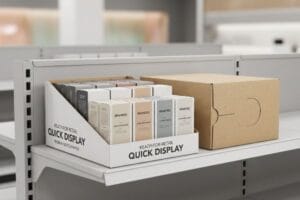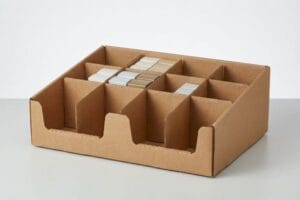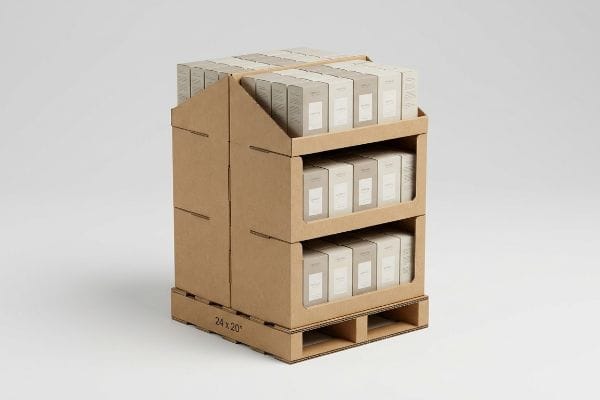
आपने अपने आगामी अभियान के लिए प्रमुख स्थान सुरक्षित कर लिया है, लेकिन संरचनात्मक रूप से कमजोर डिस्प्ले दबाव में टूट जाएगा। बड़े रिटेल स्टोरों शुरुआत से ही त्रुटिहीन निष्पादन की आवश्यकता होती है।
क्वार्टर पैलेट डिस्प्ले एक कॉम्पैक्ट, स्वतंत्र रूप से खड़ा होने वाला मर्चेंडाइजिंग यूनिट है जिसे मानक ग्रोसरी पैलेट के ठीक एक-चौथाई हिस्से में फिट होने के लिए डिज़ाइन किया गया है। 24 x 20 इंच (609.6 x 508 मिमी) माप वाली यह मानकीकृत संरचना रिटेल फ्लोर स्पेस को अधिकतम करती है, साथ ही ब्रांड्स को त्वरित और मॉड्यूलर प्रमोशनल रोलआउट करने की सुविधा देती है।.
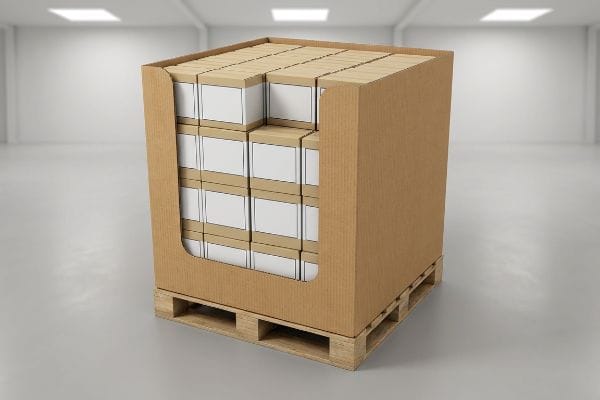
खुदरा बिक्री के लिए उपलब्ध उस छोटे से भूखंड को सुरक्षित करना तो केवल पहला कदम है; आपूर्ति श्रृंखला में टिके रहने के लिए उसे तैयार करना ही असली काम है।.
एक चौथाई पैलेट के आयाम क्या हैं?
स्थानिक योजना आपके संपूर्ण संरचनात्मक दृष्टिकोण को निर्धारित करती है। यदि स्थान का निर्धारण गलत हुआ तो उत्पाद के डिलीवरी ट्रक से निकलने से पहले ही स्टोर प्रबंधकों द्वारा उसे अस्वीकार कर दिया जाएगा।.
क्वार्टर पैलेट के आयाम सार्वभौमिक रूप से लंबाई में 24 इंच (609.6 मिमी) और चौड़ाई में 20 इंच (508 मिमी) निर्धारित हैं। यह सटीक ज्यामिति सुनिश्चित करती है कि चार अलग-अलग मॉड्यूलर इकाइयाँ बिना किसी अतिरिक्त उभार के एक ही मानक 48 x 40 इंच (1219.2 x 1016 मिमी) के आधार पर पूरी तरह से फिट हो सकें।.
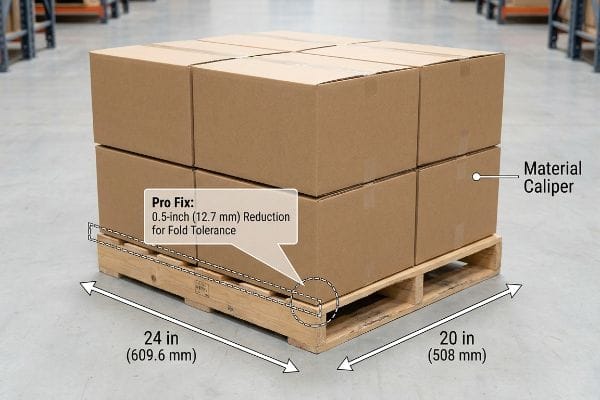
डिजिटल आर्टबोर्ड पर इन सटीक संख्याओं को प्राप्त करना सरल है, लेकिन पेपरबोर्ड के मुड़ने और फूलने के बाद इन्हें प्राप्त करना एक बिल्कुल अलग चुनौती है।.
24×20 इंच के क्वार्टर पैलेट फुटप्रिंट में महारत हासिल करना
कई उभरते ब्रांड यह मानकर चलते हैं कि 24×20 फुटप्रिंट1 का मतलब है कि वे अपने मास्टर कार्टन को ठीक उसी अधिकतम सीमा तक बना सकते हैं। जूनियर पैकेजिंग डिज़ाइनर एक मानक CAD (कंप्यूटर-एडेड डिज़ाइन) फ़ाइल तैयार करते हैं जो गणितीय सीमा के बिल्कुल किनारे तक फैली होती है। एक सपाट कंप्यूटर स्क्रीन पर, ऐसे चार सैद्धांतिक बॉक्स एक साथ पूरी तरह से तालमेल बिठाते हुए दिखाई देते हैं, मानो वे उच्च घनत्व वाले खुदरा वितरण के लिए तैयार हों।
समस्या तब शुरू होती है जब आप वास्तव में 32 ECT (एज क्रश टेस्ट) वाले भारी नालीदार कार्डबोर्ड को मोड़ते हैं । अनुभवी डिज़ाइनर भी अक्सर कागज़ की मोटाई को नज़रअंदाज़ कर देते हैं। मुझे याद है कि एक फुलफिलमेंट क्लर्क चार दिखने में सुंदर, पहले से भरे हुए ट्रे को लकड़ी के बेस पर जबरदस्ती रखने की कोशिश कर रहा था, और कठोर कोनों के आपस में रगड़ने से वह पसीना बहा रहा था। मोटे कार्डबोर्ड ने ट्रे के बाहरी आयामों को सीमा से एक चौथाई इंच (6.35 मिमी) आगे धकेल दिया था, जिससे ट्रे बाहर की ओर फूल गई थीं। उन्हें जबरदस्ती एक साथ रखने पर कच्चे कार्डबोर्ड के फटने की तेज़ आवाज़ असहनीय थी। इसका समाधान सरल है: मैं हमेशा किनारे से 0.5 इंच (12.7 मिमी) की कमी रखता हूँ ताकि कागज़ के मुड़ने की गुंजाइश को समायोजित किया जा सके, जिससे असेंबली में घर्षण पूरी तरह से खत्म हो जाता है और को-पैकिंग लाइनों की गति लगभग 20 प्रतिशत तक बढ़ जाती है ।
| नौसिखियों की आम गलती | प्रो फिक्स | रिटेल-फ्लोर लाभ |
|---|---|---|
| डिजाइन को सटीक अधिकतम सीमा तक सीमित करना | बाहरी डाईलाइन को 0.5 इंच (12.7 मिमी) तक सिकोड़ें।4 | ओवरलैपिंग यूनिट घर्षण को रोकता है |
| सामग्री की तह की मोटाई को अनदेखा करते हुए | इंजीनियर कैलिपर बेंड भत्ते5 | यह चौकोर और समतल कोनों की गारंटी देता है। |
| पैलेट लोडिंग पूरी तरह से सही होने की धारणा के साथ | एक छोटे स्थानिक बफर में निर्माण करें | को-पैकिंग के समय को कम करता है |
मैं स्थानिक सहनशीलता को कभी भी संयोग पर नहीं छोड़ता। अधिकतम आकार से थोड़ा कम डिज़ाइन करना, किसी भी अप्रत्याशित आपूर्ति बाधा से बचने का सबसे सस्ता उपाय है।.
🛠️ हार्वे का डेस्क: क्या आपकी 3D संरचनात्मक फ़ाइलें सामग्री की तह की मोटाई को ध्यान में रखती हैं? 👉 मुझे टॉलरेंस जांच करने दें ↗ — सीधे मेरे डेस्क से संपर्क करें। मैं वादा करता हूँ, कोई स्वचालित बिक्री संबंधी स्पैम नहीं होगा।
एक अच्छा रिटेल डिस्प्ले कैसा होना चाहिए?
एक प्रभावी उत्पाद केवल आकर्षक ग्राफिक्स से कहीं अधिक होता है; इसके लिए संरचनात्मक मजबूती आवश्यक है। यदि उत्पाद खुदरा विक्रेता के पास टूटा-फूटा और झुका हुआ पहुंचे तो दृश्य आकर्षण का कोई महत्व नहीं रह जाता।.
एक अच्छा रिटेल डिस्प्ले माल को परिवहन के दौरान भौतिक रूप से सुरक्षित रखता है, साथ ही साथ फर्श पर आकर्षक दृश्य प्रभाव भी बनाए रखता है। यह जीवंत प्रिंट गुणवत्ता के साथ संरचनात्मक इंजीनियरिंग को सटीक रूप से एकीकृत करता है, जिसमें मजबूत कोनों और उचित पैलेट संरेखण का उपयोग किया जाता है ताकि ग्राहक के संपर्क में आने से पहले भारी गतिशील स्टैकिंग भार को बिना झुके सहन किया जा सके।.
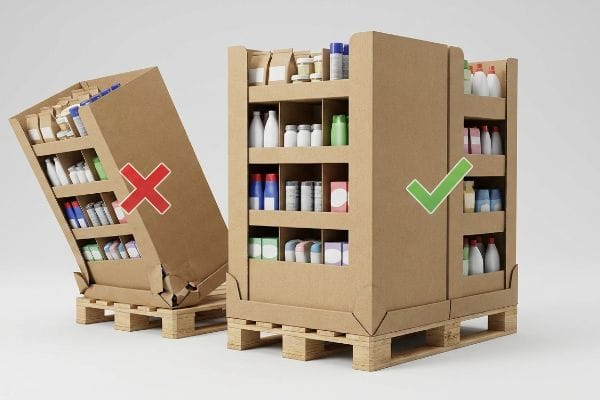
आप अपना पूरा बजट प्रीमियम प्रिंटिंग पर खर्च कर सकते हैं, लेकिन संरचनात्मक अखंडता ही वह अदृश्य रीढ़ की हड्डी है जो अभियान को जीवित रखती है।.
अच्छे रिटेल डिस्प्ले में ओवरहैंग का न होना क्यों जरूरी है?
खरीद टीमों में एक बड़ी गलतफहमी यह है कि उच्च गुणवत्ता वाला कार्डबोर्ड ही टिकाऊ डिस्प्ले की गारंटी देता है। वे अक्सर अधिक उत्पाद SKU को भरने के लिए मर्चेंडाइज़र की चौड़ाई को थोड़ा बढ़ा देते हैं, यह मानकर कि भारी-भरकम कागज के संपीड़न गुण अतिरिक्त वजन की भरपाई कर देंगे। सैद्धांतिक रूप से इससे एक मजबूत बॉक्स बनता है, लेकिन यह इस बात की भौतिकी को पूरी तरह से अनदेखा करता है कि वह बॉक्स अपने शिपिंग बेस के साथ कैसे इंटरैक्ट करता है ।
जब आप डिस्प्ले को एक इंच के अंश (2.54 मिमी) से भी बाहर निकालते हैं, तो आप अनजाने में उसके प्राथमिक सुरक्षा तंत्र को निष्क्रिय कर देते हैं। नालीदार बक्सों की लगभग 60 प्रतिशत संपीड़न शक्ति7 पूरी तरह से ठोस सतह पर टिके उनके चारों कोनों के ऊर्ध्वाधर संरेखण से प्राप्त होती है। मैंने एक रिसीविंग डॉक पर खड़े होकर देखा है कि गोदाम के भारी वजन के कारण बाहर की ओर झुके हुए डिस्प्ले की पूरी निचली पंक्ति स्पष्ट रूप से झुक गई। कार्डबोर्ड के खांचे टूट गए क्योंकि कोने हवा में लटके हुए थे, जिससे फर्श के साथ भारी घर्षण पैदा हुआ और सामग्री की सैद्धांतिक शक्ति बेकार हो गई। एक सख्त शून्य-ओवरहैंग बाउंडिंग बॉक्स प्रोटोकॉल को लागू करके, मैं यह सुनिश्चित करता हूं कि संरचनात्मक कोने पूरा भार वहन करें, जिससे यूनिट पूरी तरह से सीधी रहती है और ब्रांडों को महंगे नुकसान के मुआवजे से बचाया जा सकता है।
| नौसिखियों की आम गलती | प्रो फिक्स | रिटेल-फ्लोर लाभ |
|---|---|---|
| पैलेट की सीमा से परे आयामों को बढ़ाना | लकड़ी के डेक के अंदर जगह कम करें | निचले स्तर के पतन को रोकता है8 |
| केवल कच्चे कागज की गुणवत्ता पर निर्भर रहना | ठोस आधारों पर कोनों को लंबवत रूप से संरेखित करें | संपीड़न शक्ति को 60% तक बहाल करता है9 |
| उत्पाद का अत्यधिक वजन ठूंसना | गतिशील शीर्ष-भार सीमा की गणना करें | टेढ़े-मेढ़े कूड़ेदानों की समस्या को रोकता है |
मैं ऐसी किसी भी डिज़ाइन लाइन को मंज़ूरी नहीं देता जो संरचनात्मक स्थिरता की बजाय उत्पादों की एक अतिरिक्त पंक्ति को प्राथमिकता देती हो। किसी भी सफल मार्केटिंग रणनीति की नींव उसके कोनों को मज़बूती से सहारा देना है।.
🛠️ हार्वे का डेस्क: क्या आपका भारी मास्टर कार्टन गलती से पैलेट के किनारे से लटक रहा है? 👉 लोड वितरण समीक्षा का अनुरोध करें ↗ — सुरक्षित रूप से डाउनलोड करें। बाद में कोई प्रश्न होने पर मेरा इनबॉक्स खुला है।
क्वार्टर पैलेट डिस्प्ले क्या होता है?
ये कॉम्पैक्ट यूनिट्स तेजी से बिकने वाले उपभोक्ता सामान क्षेत्र की मुख्य मशीनें हैं । इन्हें बिना किसी अतिरिक्त हेरफेर के सीधे भीड़-भाड़ वाले गलियारों में रखने के लिए डिज़ाइन किया गया है।
क्वार्टर पैलेट डिस्प्ले एक पूर्व-पैक नालीदार संरचना है जो खुदरा बिक्री के लिए तैयार अवस्था में आती है, जिससे अलग-अलग शेल्फ पर स्टॉक करने की आवश्यकता समाप्त हो जाती है। 24 x 20 इंच (609.6 x 508 मिमी) के स्थान पर स्थित, यह एक स्वायत्त पॉइंट-ऑफ-सेल उपकरण के रूप में कार्य करता है, जिससे स्टोर प्रबंधक तुरंत बिक्री क्षेत्र में प्रचार शुरू कर सकते हैं।.
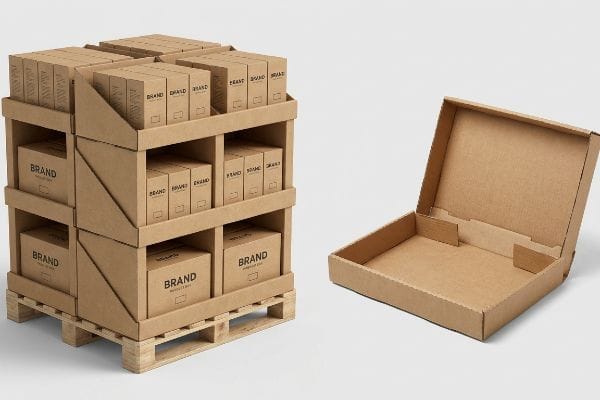
हालांकि पहले से भरे हुए मर्चेंडाइजर का विचार कागज पर सुविधाजनक लगता है, लेकिन उस सुविधा को व्यवहार में लाने के लिए असेंबली के विवरण पर अत्यधिक ध्यान देने की आवश्यकता होती है।.
शून्य-निराशा के लिए क्वार्टर पैलेट डिस्प्ले का इंजीनियरिंग
एक मानक मॉड्यूलर मर्चेंडाइज़र को बिल्डिंग ब्लॉक्स के ढेर की तरह समझें। एक आम तरीका यह है कि फ्लैट-पैक्ड नालीदार घटकों को एक पूर्ति केंद्र10है, जहाँ अस्थायी श्रमिक टीमों से उत्पाद लोड करने से पहले जटिल ट्रे को मोड़ने, लॉक करने और एक साथ स्टैक करने की अपेक्षा की जाती है। विनिर्माण लागत में कुछ पैसे बचाने के लिए, ब्रांड अक्सर अत्यधिक जटिल, मल्टी-टैब फोल्डिंग प्रक्रियाओं का उपयोग करते हैं जिन्हें समझने के लिए एक मैनुअल की आवश्यकता होती है।
इंजीनियर को वह जटिल ओरिगामी डिज़ाइन देखने में तो शानदार लगता है, लेकिन तेज़ गति से चलने वाली को-पैकिंग लाइन पर यह किसी बुरे सपने से कम नहीं है। मैंने हाल ही में एक फुलफिलमेंट रन का ऑडिट किया, जहाँ कर्मचारी बिना गोंद वाले आंतरिक डिवाइडरों को ठीक से लगाने में जूझ रहे थे, जिससे उन्हें अत्यधिक थकान हो रही थी और गोंद लगाने में गड़बड़ी हो रही थी। आप सचमुच गलत तरीके से लगे हुए पेपरबोर्ड के टूटने की आवाज़ सुन सकते थे, क्योंकि वे भारी ट्रे को कोटा पूरा करने के लिए जबरदस्ती एक साथ ठूंसने की कोशिश कर रहे थे। यह चिपचिपी, दिखाई देने वाली टेप का एक अव्यवस्थित जाल था जो टूटे हुए घटकों को एक साथ जोड़ने की कोशिश कर रहा था। इसे रोकने के लिए, मैंने पहले से गोंद लगी मॉड्यूलर ट्रे का उपयोग करके एक ऐसा मानक लागू किया है जो झटपट खुल जाती हैं और परेशानी को पूरी तरह से दूर करती हैं। इससे मैन्युअल टैब-लॉकिंग की उलझन पूरी तरह से खत्म हो जाती है, प्रति यूनिट असेंबली का श्रम समय काफी कम हो जाता हैऔर ग्राहक के लिए अंतिम रूप से दिखने में भी एकदम साफ-सुथरा रहता है।
| नौसिखियों की आम गलती | प्रो फिक्स | रिटेल-फ्लोर लाभ |
|---|---|---|
| जटिल फ्लैट-पैक टैब भेजना | पहले से चिपकाए गए ऑटो-बॉटम ट्रे 12 का उपयोग करें | पूर्ति का समय तेज करता है |
| मैनुअल टेप लगाने पर निर्भर रहना | इंजीनियर इंटरलॉकिंग स्टैकिंग नोड्स13 | भद्दे चिपकने वाले निशानों को मिटाता है |
| को-पैकर की थकान को नजरअंदाज करना | सरल पॉप-ओपन गतियों को मानकीकृत करें14 | क्षतिग्रस्त पेपरबोर्ड कचरे को कम करता है |
मैं असेंबली लाइन को एक रिटेल स्टोर की तरह देखता हूँ। अगर आपके उत्पाद को पैक करने वाले व्यक्ति को पैकेजिंग से जूझना पड़ता है, तो अंत में ग्राहक को उसका नतीजा हमेशा घटिया ही लगेगा।.
🛠️ हार्वे का डेस्क: क्या आपके अस्थायी डिलीवरी कर्मचारी जटिल कार्डबोर्ड फोल्डिंग से जूझ रहे हैं? 👉 एक सरल संरचनात्मक खाका प्राप्त करें ↗ — ऐसे फॉर्म नहीं जो अंतहीन बिक्री कॉल को बढ़ावा दें। बस शुद्ध मूल्य।
थ्री-वे शॉपेबल पैलेट्स क्या होते हैं?
जब कोई डिस्प्ले किसी प्रमुख चौराहे पर स्थित हो, तो सामान को ठोस दीवारों के पीछे छिपाना एक घातक गलती है। खरीदारी की सुगमता ही स्थानिक लेआउट निर्धारित करती है।.
तीन तरफा खरीदारी योग्य पैलेट विशेष खुदरा उपकरण हैं जिन्हें खुली साइडों के साथ डिज़ाइन किया गया है, जिससे उपभोक्ता तीन अलग-अलग देखने के कोणों से सामान देख सकते हैं। यह अत्यधिक पारगम्य संरचना खिड़कीदार संरचनात्मक सपोर्ट का उपयोग करती है, जिससे ऊर्ध्वाधर भार क्षमता से समझौता किए बिना, अधिक भीड़भाड़ वाले स्टोर चौराहों पर उत्पाद की दृश्यता और ग्राहकों के साथ जुड़ाव को अधिकतम किया जा सकता है।.
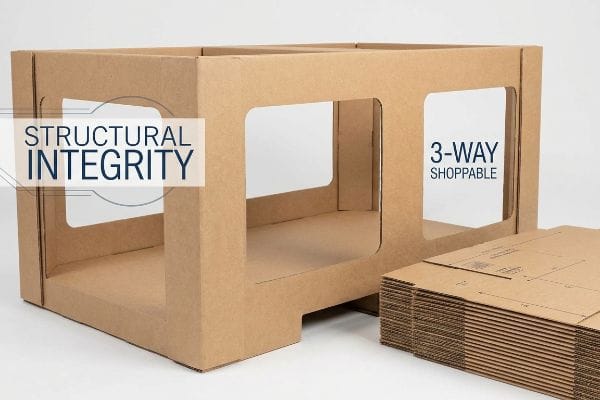
लेकिन जब मशीनें चलने लगती हैं तो सिद्धांत जानना ही काफी नहीं होता। किसी भारी-भरकम डिस्प्ले के किनारों को खोलने से संरचनात्मक रूप से भारी खामियां पैदा हो जाती हैं।.
मानक 3-तरफ़ा खरीदारी योग्य पैलेट कारखाने में विफल क्यों हो जाते हैं?
एक ऐसा विचार जो देखने में तो तर्कसंगत लगता है , लेकिन वास्तव में खतरनाक है, वह यह है कि आप एक मानक बंद-बॉक्स डिज़ाइन लेकर उसके साइड पैनलों में बड़े-बड़े छेद काटकर देखने के लिए खिड़कियाँ बना सकते हैं। डिज़ाइनर अक्सर स्ट्रक्चरल कार्डबोर्ड को एक डिजिटल कैनवास की तरह इस्तेमाल करते हैं, यह मानकर कि जब तक कोनों में सामग्री का एक पतला स्तंभ बचा रहेगा, यूनिट आसानी से अपना आकार बनाए रखेगी। वे सब्सट्रेट की यांत्रिक सीमाओं की तुलना में अधिकतम दृश्य पारगम्यता को प्राथमिकता देते हैं।
मेरी सुविधा, मैं अक्सर देखता हूँ कि ये अत्यधिक महत्वाकांक्षी खिड़की वाले डिज़ाइन हमारे ISTA (इंटरनेशनल सेफ ट्रांजिट एसोसिएशन) ड्रॉप टेस्ट सिमुलेशन16। ठोस साइड पैनल हटाने से, डिस्प्ले को हिलने से रोकने वाला आवश्यक विकर्ण ब्रेसिंग हट जाता है। जब मैं 200 पाउंड (90.7 किलोग्राम) के गतिशील भार17, तो बड़े साइड कटआउट वाला एक मानक ई-फ्लूट बोर्ड काफी मुड़ जाता है, जिससे आंतरिक शेल्फ झुक जाते हैं और पूरी यूनिट टेढ़ी हो जाती है। इसे ठीक करने के लिए, मैं एक शॉप-थ्रू आर्किटेक्चर प्रोटोकॉल लागू करता हूँ। केवल छेद काटने के बजाय, हम गणितीय रूप से रोल्ड डबल-वॉल सपोर्ट कॉलम को इंजीनियर करते हैं और कोर के अंदर रणनीतिक रूप से लोड-बेयरिंग एच-डिवाइडर लगाते हैं। यह सूक्ष्म समायोजन खरीदारों की ज़रूरत के अनुसार दृश्य खुलापन बनाए रखता है, साथ ही संपीड़न शक्ति को भी बढ़ाता है, जिससे परिवहन के दौरान होने वाले नुकसान को प्रभावी ढंग से समाप्त किया जा सकता है और कुचले गए इन्वेंट्री में हजारों की बचत होती है।
| नौसिखियों की आम गलती | प्रो फिक्स | रिटेल-फ्लोर लाभ |
|---|---|---|
| बड़ी साइड खिड़कियों को काटना | इंजीनियर ने दोहरी दीवार वाले स्तंभों को रोल किया18 | संरचनात्मक सीधी स्थिरता बनाए रखता है |
| आंतरिक विकर्ण ब्रेसिंग को हटाना | भार वहन करने वाले एच-डिवाइडर 19 स्थापित करें | आंतरिक शेल्फ को झुकने से रोकता है |
| सिंगल-वॉल कॉर्नर पर भरोसा करना | प्रबलित कोने वाले खंभों का उपयोग करें 20 | भारी फोर्कलिफ्ट कंपन को सहन कर सकता है |
मैं सफलता को केवल सौंदर्यशास्त्र से नहीं, बल्कि टिकाऊपन से मापता हूँ। एक ओपन-कॉन्सेप्ट मर्चेंडाइज़र देखने में बेहद खूबसूरत होता है, लेकिन अगर दबाव पड़ने पर उसके खंभे झुक जाते हैं, तो वह एक बोझ बन जाता है।
🛠️ हार्वे का डेस्क: क्या आपको अपने खुले किनारों वाले डिस्प्ले कॉलम की सटीक विक्षेपण दर पता है? 👉 मुझे अपनी डाइलाइन फ़ाइल भेजें ↗ — बड़े पैमाने पर उत्पादन पर बजट बर्बाद करने से पहले मैं गणितीय गणना की गहन जाँच करूँगा।
निष्कर्ष
आप एक सामान्य टेम्पलेट चुन सकते हैं, लेकिन जब गोदाम के भारी वजन के कारण नीचे की लटकती हुई परत बाहर की ओर झुक जाती है, जिससे खुदरा बिक्री धीमी हो जाती है और भारी नुकसान की भरपाई के लिए भारी भरकम शुल्क देना पड़ता है, तो शुरुआती लागत बचत बेकार हो जाती है। 500 से अधिक ब्रांड मैनेजर इन शुरुआती गलतियों से बचने के लिए मेरी प्रीप्रेस चेकलिस्ट का उपयोग करते हैं। संरचनात्मक सहनशीलता के बारे में अनुमान लगाना बंद करें और उत्पादन शुरू होने से पहले ही घातक खामियों को पकड़ने के लिए मुझे व्यक्तिगत रूप से आपकी फाइलों की निःशुल्क डाइलाइन ऑडिट ↗ करने दें।
"मानक पैलेट आकार क्या हैं और यह क्यों मायने रखता है?", https://crateandpack.com/what-are-standard-pallet-sizes-and-why-does-it-matter/। [एक उद्योग लॉजिस्टिक्स या पैकेजिंग मानक गाइड यह सत्यापित करेगा कि 24×20 इंच क्वार्टर पैलेट के लिए मान्यता प्राप्त फुटप्रिंट है]। साक्ष्य भूमिका: तकनीकी विनिर्देश; स्रोत प्रकार: उद्योग मानक। समर्थन: क्वार्टर पैलेट डिज़ाइन के लिए आयामी आधार। स्कोप नोट: उत्तरी अमेरिकी GMA पैलेट मानकों के लिए विशिष्ट। ↩
"कॉरुगेटेड बोर्ड विनिर्देश", https://www.fibrebox.org/assets/2025/09/Walmart_Corrugated-Board_Specifications_Automation_Packaging_Standards.pdf। [कॉरुगेटेड फाइबरबोर्ड के लिए उद्योग मानक 32 ECT को एक विशिष्ट शक्ति रेटिंग के रूप में परिभाषित करते हैं जो एक विशिष्ट बोर्ड मोटाई और भार वहन क्षमता के अनुरूप होती है]। साक्ष्य भूमिका: तकनीकी विनिर्देश; स्रोत प्रकार: उद्योग मानक। समर्थन: सामग्री स्थायित्व और मोटाई। कार्यक्षेत्र नोट: एकल-दीवार वाली कॉरुगेटेड सामग्रियों पर लागू होता है। ↩
"2026 सप्लाई चेन रेज़िलिएंस: पैकेजिंग के लिए शुल्क-स्मार्ट इंजीनियरिंग", https://korpack.com/the-2026-efficiency-pivot-moving-from-volume-to-value/?srsltid=AfmBOor_7F8RE847ht1gW8MmEG_Pf4J_p961_Lfd0MpwIV6O_uJRleAY. [लॉजिस्टिक्स और विनिर्माण बेंचमार्क यह दर्शाते हैं कि असेंबली घर्षण को कम करने के लिए पैकेजिंग सहनशीलता को अनुकूलित करने से प्रति घंटे इकाइयों की उत्पादन क्षमता कैसे बढ़ती है]। साक्ष्य की भूमिका: प्रदर्शन मीट्रिक; स्रोत प्रकार: उद्योग रिपोर्ट। समर्थन: दक्षता लाभ का दावा। स्कोप नोट: वास्तविक प्रतिशत सुविधा स्वचालन स्तर के अनुसार भिन्न हो सकते हैं। ↩
"पैलेट डिस्प्ले के प्रकार: पूर्ण, आधा और चौथाई – ग्रीनडॉट पैकेजिंग", https://greendotpackaging.com/understanding-pallet-display-types-full-half-and-quarter-pallet-displays/। [नालीदार डिस्प्ले डिज़ाइन के लिए उद्योग पैकेजिंग मानक परिवहन के दौरान यूनिट घर्षण और ओवरलैपिंग को रोकने के लिए एक टॉलरेंस बफर निर्दिष्ट करते हैं]। साक्ष्य भूमिका: तकनीकी विनिर्देश; स्रोत प्रकार: उद्योग मैनुअल। समर्थन: इष्टतम डाईलाइन साइजिंग। कार्यक्षेत्र नोट: नालीदार कार्डबोर्ड पर लागू। ↩
"कॉरुगेटेड बॉक्स के लिए अल्टीमेट गाइड - शोर पैकेजिंग", https://www.shorr.com/resources/blog/ultimate-guide-corrugated-boxes/। [पैकेजिंग इंजीनियरिंग के लिए तकनीकी मैनुअल बताते हैं कि मटेरियल कैलिपर के आधार पर बेंड अलाउंस की गणना करके सटीक आयाम और समतल कोने कैसे सुनिश्चित किए जाते हैं]। साक्ष्य भूमिका: तकनीकी सिद्धांत; स्रोत प्रकार: इंजीनियरिंग पाठ्यपुस्तक। समर्थन: संरचनात्मक अखंडता और फिट। स्कोप नोट: मटेरियल की मोटाई की गणना पर केंद्रित। ↩
"पैलेट ओवरहैंग के बॉक्स संपीड़न पर प्रभाव का पूर्वानुमान ...", https://vtechworks.lib.vt.edu/items/a44b58f5-f8a2-4e60-b709-23a013411d58। [पैलेट ओवरहैंग पर इंजीनियरिंग डेटा दर्शाता है कि आधार से थोड़ा सा भी अधिक विस्तार नालीदार बॉक्स की ऊर्ध्वाधर संपीड़न शक्ति में भारी कमी ला सकता है]। साक्ष्य की भूमिका: तकनीकी सत्यापन; स्रोत प्रकार: इंजीनियरिंग अध्ययन। समर्थन: यह दावा कि सामग्री ग्रेड खराब आधार अंतःक्रिया की भरपाई नहीं कर सकता। कार्यक्षेत्र नोट: विशेष रूप से पैलेटाइज्ड नालीदार शिपिंग कंटेनरों से संबंधित है। ↩
"नालीदार बोर्ड बक्सों की संपीडन सामर्थ्य का अनुमान ...", https://pmc.ncbi.nlm.nih.gov/articles/PMC8467740/। [एक इंजीनियरिंग मैनुअल या पैकेजिंग विज्ञान अध्ययन नालीदार बॉक्स की भार वहन क्षमता का वह मात्रात्मक प्रतिशत प्रदान करेगा जो ऊर्ध्वाधर कोने संरेखण पर निर्भर करता है]। साक्ष्य भूमिका: तकनीकी विनिर्देश; स्रोत प्रकार: इंजीनियरिंग हैंडबुक। समर्थन: यह दावा कि गलत संरेखण संरचनात्मक अखंडता को काफी हद तक कम कर देता है। स्कोप नोट: वास्तविक प्रतिशत फ्लूट के आकार और सामग्री ग्रेड के आधार पर भिन्न हो सकते हैं। ↩
"पैलेट के ऊपरी डेक की कठोरता का नालीदार बक्सों पर प्रभाव का अध्ययन...", https://pmc.ncbi.nlm.nih.gov/articles/PMC8585293/। [लॉजिस्टिक्स और पैकेजिंग मानक दर्शाते हैं कि कैसे ओवरहैंग नालीदार बक्सों की ऊर्ध्वाधर संपीड़न शक्ति को कम करता है, जिससे निचली परत की संरचनात्मक विफलता होती है। साक्ष्य की भूमिका: कारण स्पष्टीकरण; स्रोत प्रकार: लॉजिस्टिक्स मैनुअल। समर्थन: पैलेट डेक के भीतर आयामों को बनाए रखने की आवश्यकता। कार्यक्षेत्र संबंधी टिप्पणी: पैलेटयुक्त शिपिंग और हैंडलिंग के लिए विशिष्ट।] ↩
"[PDF] पैलेट डेकबोर्ड की कठोरता और यूनिट लोड कारकों का प्रभाव...", https://www.unitload.vt.edu/content/dam/unitload_vt_edu/graduate-research-and-subpages-pictures-and-docs/thesis-and-dissertations-/Baker%20-%20ETD%20-%20Effect%20of%20pallet%20deckboard%20stiffness%20and%20unit%20load%20factors%20on%20corrugated%20box%20compression%20strength.pdf. [एक पैकेजिंग इंजीनियरिंग अध्ययन या तकनीकी श्वेतपत्र, आधार के साथ ऊर्ध्वाधर खांचे को संरेखित करने पर प्राप्त भार वहन क्षमता के प्रतिशत को निर्धारित करेगा। साक्ष्य की भूमिका: तकनीकी सत्यापन; स्रोत प्रकार: इंजीनियरिंग श्वेतपत्र। समर्थन: ऊर्ध्वाधर कोने संरेखण की दक्षता।] स्कोप नोट: प्रतिशत नालीदार बोर्ड ग्रेड के आधार पर भिन्न हो सकता है।] ↩
"डिस्प्ले असेंबली सर्विसेज – एक्शनपैक", https://www.actionpakinc.com/contract-packaging-services/display-assembly-services/। [पॉइंट-ऑफ-परचेज़ डिस्प्ले पर उद्योग लॉजिस्टिक्स गाइड, माल ढुलाई लागत को कम करने और घनत्व को अधिकतम करने के लिए फ्लैट-पैक्ड नालीदार सामग्री की शिपिंग की मानक प्रक्रिया की पुष्टि करते हैं। साक्ष्य भूमिका: पुष्टिकरण; स्रोत प्रकार: उद्योग लॉजिस्टिक्स मैनुअल। समर्थन: मॉड्यूलर मर्चेंडाइज़र के लिए मानक शिपिंग विधियाँ। स्कोप नोट: खुदरा डिस्प्ले वितरण के पारगमन चरण पर केंद्रित है।] ↩
"[PDF] निर्मित गृह स्थापनाकर्ता प्रशिक्षण मैनुअल", https://lni.wa.gov/licensing-permits/_docs/ManufacturedHomeInstallerTrainingManual.pdf। [औद्योगिक अभियांत्रिकी मानदंड या पैकेजिंग श्वेत पत्र, मैन्युअल टैब-लॉकिंग से पूर्व-चिपके हुए मॉड्यूलर असेंबली में बदलने पर प्रति इकाई बचाए गए श्रम सेकंडों पर तुलनात्मक डेटा प्रदान कर सकते हैं]। साक्ष्य भूमिका: मात्रात्मक सत्यापन; स्रोत प्रकार: उद्योग मानदंड या केस स्टडी। समर्थन: पूर्व-चिपके हुए घटकों की दक्षता में वृद्धि। कार्यक्षेत्र संबंधी टिप्पणी: उच्च मात्रा वाले सह-पैकिंग वातावरण के लिए विशिष्ट। ↩
"फुलफिलमेंट और किटिंग आर्काइव्स | पैकेजिंग मशीनरी और ऑटोमेशन", https://packsmartinc.com/folding-cartons-application/fulfilment-and-kitting/। [पॉइंट-ऑफ-परचेज़ पैकेजिंग के लिए उद्योग मानक आमतौर पर यह दर्शाते हैं कि ऑटो-बॉटम ट्रे, फ्लैट-पैक टैब की तुलना में मैनुअल असेंबली समय को कम करती हैं]। साक्ष्य की भूमिका: तथ्यात्मक दावे का समर्थन; स्रोत प्रकार: पैकेजिंग उद्योग मानक; समर्थन: फुलफिलमेंट गति में वृद्धि; कार्यक्षेत्र नोट: विशेष रूप से उच्च मात्रा वाले खुदरा डिस्प्ले पर लागू होता है। ↩
"उत्पाद को सुरक्षित रखने में उचित स्टैकिंग पैटर्न सहायक होते हैं", https://pack-design.com/proper-stacking-patterns-will-help-keep-your-product-safe/। [कार्डबोर्ड डिस्प्ले के लिए संरचनात्मक अभियांत्रिकी संबंधी तकनीकी दस्तावेज़ इस बात की पुष्टि करते हैं कि इंटरलॉकिंग नोड्स बाहरी चिपकने वाले पदार्थों की आवश्यकता के बिना स्थिरता प्रदान करते हैं]। साक्ष्य भूमिका: तकनीकी विनिर्देश; स्रोत प्रकार: अभियांत्रिकी मैनुअल; सहायक: चिपकने वाले पदार्थों के निशानों का उन्मूलन; कार्यक्षेत्र संबंधी टिप्पणी: सामग्री की मोटाई और सटीक कटाई पर निर्भर। ↩
"अपशिष्ट प्रबंधन में प्लास्टिक समाधानों को प्राथमिकता देना - पीएमसी - एनआईएच", https://pmc.ncbi.nlm.nih.gov/articles/PMC12362007/। [सह-पैकिंग दक्षता पर लॉजिस्टिक्स रिपोर्ट अक्सर इस बात पर प्रकाश डालती हैं कि असेंबली की जटिलता को कम करने से सामग्री की क्षति और पेपरबोर्ड की बर्बादी कम होती है]। साक्ष्य की भूमिका: परिचालन मीट्रिक; स्रोत प्रकार: आपूर्ति श्रृंखला रिपोर्ट; समर्थन: पेपरबोर्ड की बर्बादी में कमी; कार्यक्षेत्र संबंधी टिप्पणी: श्रम-प्रधान असेंबली वातावरण पर केंद्रित। ↩
"नालीदार पेपरबोर्ड पैकेजों की संपीडन शक्ति...", https://pmc.ncbi.nlm.nih.gov/articles/PMC10054506/। [नालीदार पैकेजिंग इंजीनियरिंग पर तकनीकी दस्तावेज़ बताता है कि साइड-वॉल सामग्री को हटाने से डिस्प्ले यूनिट की ऊर्ध्वाधर संपीडन शक्ति और बकलिंग प्रतिरोध में उल्लेखनीय कमी आती है।] साक्ष्य भूमिका: तकनीकी सत्यापन; स्रोत प्रकार: पैकेजिंग इंजीनियरिंग मैनुअल। समर्थन: यह दावा कि बड़ी खिड़कियों वाले बंद बॉक्स डिज़ाइनों में संशोधन करने से संरचनात्मक स्थिरता प्रभावित होती है। कार्यक्षेत्र नोट: विशेष रूप से नालीदार फाइबरबोर्ड सब्सट्रेट पर लागू होता है। ↩
"ISTA पैकेजिंग परीक्षण", https://www.intertek.com/performance-testing/packaging/ista/। [आधिकारिक ISTA दस्तावेज़ आपूर्ति श्रृंखला की कठोरता को सहन करने के लिए पैकेजिंग की सुरक्षा सुनिश्चित करने हेतु ड्रॉप परीक्षण के मानकीकृत प्रोटोकॉल को परिभाषित करता है। साक्ष्य भूमिका: मानक सत्यापन; स्रोत प्रकार: उद्योग प्रमाणन। समर्थन: डिस्प्ले विफलता के लिए उद्योग-मानक परीक्षण का उपयोग। कार्यक्षेत्र नोट: वैश्विक पारगमन सिमुलेशन मानकों पर लागू होता है।] ↩
"[PDF] फोर्कलिफ्ट के तहत होने वाले पैलेट विक्षेपण का मूल्यांकन...", https://vtechworks.lib.vt.edu/bitstream/handle/10919/105226/Huang_YY_T_2021.pdf। [नालीदार सामग्रियों के लिए संरचनात्मक अभियांत्रिकी डेटा उस बिंदु को निर्धारित करता है जिस पर ई-फ्लूट बोर्ड विशिष्ट गतिशील भार के तहत विफल या विकृत हो जाता है। साक्ष्य की भूमिका: तकनीकी सत्यापन; स्रोत प्रकार: सामग्री विज्ञान पुस्तिका। समर्थन: सामग्री विफलता सीमा के संबंध में दावा। कार्यक्षेत्र नोट: नालीदार फ्लूट ग्रेड के लिए विशिष्ट।] ↩
"इंटरैक्टिव रिटेल के लिए डिस्प्ले स्ट्रक्चरल डिज़ाइन ...", https://www.bcipkg.com/display-structural-design-for-interactive-retail-displays/। [संरचनात्मक पैकेजिंग इंजीनियरिंग पर एक प्रामाणिक स्रोत यह सत्यापित करेगा कि कट-आउट खिड़कियों की तुलना में रोल्ड डबल-वॉल कॉलम ऊर्ध्वाधर भार क्षमता को कैसे बढ़ाते हैं]। साक्ष्य की भूमिका: तकनीकी सत्यापन; स्रोत प्रकार: इंजीनियरिंग मैनुअल या पैकेजिंग मानक। समर्थन: संरचनात्मक ऊर्ध्वाधर स्थिरता। कार्यक्षेत्र नोट: नालीदार डिस्प्ले सामग्री के लिए विशिष्ट। ↩
"शेल्फ को झुकने से कैसे बचाएं - ब्रांचिंग आउट वुड", https://www.branchingoutwood.com/blog/avoid-sagging-shelves। [पैकेजिंग डिज़ाइन गाइड यह दर्शाते हैं कि H-आकार के डिवाइडर वजन को कैसे वितरित करते हैं और उच्च घनत्व वाले पैलेट डिस्प्ले में झुकने से रोकने के लिए ऊर्ध्वाधर सहारा प्रदान करते हैं]। साक्ष्य भूमिका: तकनीकी सत्यापन; स्रोत प्रकार: औद्योगिक डिज़ाइन गाइड। समर्थन: आंतरिक शेल्फ को झुकने से रोकना। स्कोप नोट: आंतरिक समर्थन संरचनात्मक ज्यामिति को संदर्भित करता है। ↩
"कॉर्नर पोस्ट | सोनोको प्रोडक्ट्स कंपनी", https://www.sonoco.com/na/products/industrial-paper-packaging/protective-packaging-products/corner-posts। [लॉजिस्टिक्स और शिपिंग मानक इस बात की पुष्टि करते हैं कि प्रबलित कॉर्नर पोस्ट फोर्कलिफ्ट परिवहन के दौरान पार्श्व बल और कंपन के प्रभावों को कम करते हैं]। साक्ष्य की भूमिका: तथ्यात्मक सत्यापन; स्रोत प्रकार: लॉजिस्टिक्स उद्योग मानक। समर्थन: फोर्कलिफ्ट कंपन से बचाव। कार्यक्षेत्र संबंधी टिप्पणी: परिवहन स्थायित्व पर केंद्रित। ↩