Crees que comprar cajas de cartón kraft estándar te ahorra dinero hasta que tus productos llegan aplastados. La supervivencia real de la cadena de suministro exige ingeniería de precisión, no la esperanza de un embalaje genérico.
Una caja kraft personalizada es un contenedor de cartón corrugado diseñado específicamente para ajustarse con precisión a las dimensiones del producto y a los requisitos logísticos. Fabricadas con pulpa de madera sin blanquear y de alta durabilidad, estas estructuras ecológicas ofrecen una absorción de impactos superior, una óptima utilización de los palés y una protección fiable durante el transporte para las cadenas de suministro globales.
Pero conocer la teoría no es suficiente cuando las máquinas empiezan a funcionar en la planta de producción.
¿Cuáles son las ventajas de usar cajas personalizadas?
Los tamaños estándar parecen convenientes hasta que se calcula el coste logístico oculto. La verdadera personalización no se trata de logotipos bonitos, sino de una planificación espacial rigurosa.
Las principales ventajas de usar cajas a medida incluyen una capacidad de carga dinámica máxima y la ausencia total de desperdicio de espacio. Gracias a su ingeniería con tolerancias dimensionales exactas, estos contenedores de cartón corrugado de alta precisión eliminan el exceso de material en los palés, reducen los costos de flete por peso volumétrico y disminuyen drásticamente el riesgo de daños graves durante el transporte marítimo.
Los folletos publicitarios prometen ahorros de costes, pero en el muelle de carga, una mala geometría destruye por completo los márgenes teóricos.
Por qué las huellas estándar no superan la prueba de palés
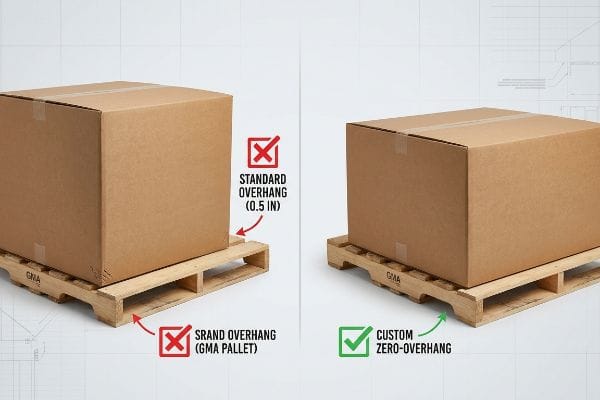
Incluso los equipos de compras más experimentados suelen asumir que maximizar las dimensiones de las cajas maestras para meter más producto es la estrategia logística más inteligente. Intentan colocar cajas genéricas de gran tamaño en palés GMA estándar de 48 × 40 pulgadas (1219 × 1016 mm) ¹ , ignorando por completo las implacables leyes físicas del apilamiento vertical. Esto crea una trampa oculta donde la caja sobresale de la plataforma de madera apenas una fracción de pulgada, lo que parece inofensivo pero altera fundamentalmente la distribución dinámica de la carga² .
Esto no es solo teoría; lo veo constantemente en la sala de pruebas. El mes pasado, un cliente trajo un diseño de caja genérico que sobresalía de su palé exactamente 0,5 pulgadas (12,7 mm). Al principio, supuse que el revestimiento de prueba estándar 32ECT (Edge Crush Test) soportaría el peso, pero estaba completamente equivocado. Durante una prueba de prensado de carga superior simulada, la célula de carga BCT (Box Compression Test) se estancó en 187,5 libras (85,0 kg). Dado que una caja de cartón corrugado obtiene hasta el 60 % de su resistencia a la compresión³estrictamente de la alineación vertical de sus cuatro esquinas, ese pequeño voladizo significaba que las esquinas estructurales no soportaban ninguna carga, transfiriendo una enorme tensión cinética a los paneles centrales sin soporte hasta que la base se deformó. Inmediatamente modifiqué el rediseño estructural en CAD (Diseño Asistido por Computadora), reduciendo artificialmente la huella máxima permitida en 12,7 mm para crear una caja delimitadora con voladizo cero estricto. Al aplicar esta geometría matemática personalizada, me aseguré de que las esquinas estructurales permanecieran totalmente soportadas, eliminando los daños laterales durante el transporte y reduciendo las penalizaciones generales por flete en un 15% estimado.
| Solución de ingeniería | Resultado físico | Retorno de la inversión en logística |
|---|---|---|
| Delimitación CAD sin voladizos | Soporte de carga en las esquinas al 100%4 | Elimina el aplastamiento durante el transporte |
| Deducción del perímetro de 12,7 mm | Se restauró el 60 % del valor inicial de BCT5 | Disminuye las tasas de daño en un 15%6 |
| Alineación vertical de la ranura | Se evitó la curvatura del panel sin soporte | Maximiza la densidad de los palets |
Me niego a permitir que una mala planificación espacial destruya un buen material corrugado. Una caja a medida que se ajuste perfectamente no es un lujo; es una garantía física indispensable contra fallos catastróficos en la distribución.
🛠️ Oficina de Harvey: ¿Sabe si sus cajas maestras actuales están perdiendo secretamente el 60 % de su resistencia BCT debido a un voladizo oculto de palets? 👉 Solicite una auditoría de la lista de materiales ↗ — Reviso personalmente cada archivo estructural en 24 horas.
¿Merecen la pena las cajas de envío personalizadas?
Simplemente pegar una etiqueta de envío en cualquier cartón que tengas a mano supone un gran riesgo. Los productos de alta gama requieren una ingeniería de transporte especializada.
Sí. Las cajas de envío personalizadas son una excelente inversión, ya que previenen la fatiga catastrófica de la cadena de suministro. Al utilizar sustratos de papel kraft virgen en lugar de materiales reciclados agotados, estas cajas garantizan la máxima absorción de impactos cinéticos, neutralizando eficazmente los daños por vibración y el colapso estructural durante las operaciones con carga paletizada pesada.
Reutilizar materiales viejos suena como una excelente manera de impulsar un proyecto, pero la degradación física que sufren esas fibras de papel bajo presión revela una historia mucho más oscura.
El peligro oculto de la fatiga de la fibra corrugada
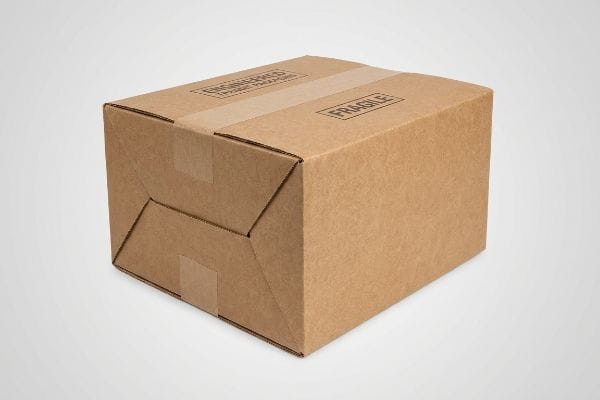
Las startups suelen intentar autofinanciar su logística reutilizando los sobres de comercio electrónico B2C entrantes para el cumplimiento de pedidos minoristas B2B salientes. Asumen erróneamente que, mientras una caja parezca visualmente intacta por fuera, conserva su resistencia original de fábrica. No comprenden que las ondulaciones del cartón corrugado actúan como amortiguadores mecánicos7; durante su recorrido inicial, absorben microimpactos y humedad que fatigan permanentemente las estructuras de celulosa8.
La realidad de este agotamiento estructural se hace patente cuando se activan las mesas vibratorias. Durante una reciente simulación ISTA (International Safe Transit Association) 3A para una marca de artículos de caza, los supuestos embalajes reciclados y resistentes del cliente se desintegraron por completo. Observé las cámaras de alta velocidad cómo el cartón ondulado fatigado se rompía con una carga dinámica superior de 65,8 kg (145,2 lb), y la cámara de pruebas se llenó de una sensación polvorienta de cartón corrugado triturado. Detuve la prueba de inmediato y opté por una mejora del material. Sustituí el embalaje reciclado por una estructura 9 nueva y personalizada , aprobada por ISTA 6-Amazon SIOC (Ships In Own Container), fabricada íntegramente con cartón kraft virgen. La diferencia táctil fue evidente de inmediato; las fibras de papel nuevas ofrecían una resistencia rígida e inquebrantable en mis manos. Mediante el diseño matemático del perfil exacto de la ranura para que coincidiera con la masa del producto, restauré el 100 % de la absorción de impactos cinéticos, eliminando el riesgo de costosos cargos por parte de los minoristas y asegurando una recepción un 20 % más rápida en el almacén de 3PL (Logística de Terceros).
| Solución de ingeniería | Resultado físico | Retorno de la inversión en cumplimiento normativo |
|---|---|---|
| Sustitución de Kraft virgen | Tensión máxima de la fibra de celulosa10 | Pasa ISTA 6-Amazon11 |
| Perfilado personalizado de SIOC | Rigidez en las esquinas sin compromisos | Elimina por completo las devoluciones de cargo |
| Acanalado amortiguador | Dispersa las vibraciones intensas del transporte | Velocidades de admisión 3PL 20%12 |
Reutilizar cartón deteriorado es una apuesta arriesgada en el transporte de mercancías pesadas. Invertir en una caja de envío personalizada y diseñada adecuadamente es la única forma lógica de garantizar que su producto llegue en perfectas condiciones.
🛠️ Oficina de Harvey: ¿ Sus cajas de envío presentan microfracturas invisibles incluso antes de llegar al camión de reparto? 👉 Solicite su prueba de tránsito ↗ — 100% confidencial. Sus diseños de venta al por menor aún no lanzados están a salvo conmigo.
¿Cuáles son las ventajas de usar una caja de embalaje?
Un buen embalaje va mucho más allá de la simple contención. Determina la eficiencia de la cadena de suministro y la presentación impecable del producto final en el lineal.
El uso de cajas de embalaje proporciona un cerramiento estructural preciso que optimiza el ensamblaje automatizado y protege la mercancía en su interior. Estas cajas, diseñadas con precisión, utilizan líneas de plegado calibradas y paredes de cartón corrugado resistentes para mantener una escuadra perfecta, lo que facilita el coempaquetado automatizado rápido y protege activamente los productos de la fricción externa y la humedad localizada.
A los diseñadores les encanta dibujar hermosas pestañas entrelazadas en una pantalla, pero incrustar acero en bruto en cartón grueso requiere una fuerza industrial brutal.
¿Por qué los pliegues limpios requieren herramientas de matriz personalizadas?
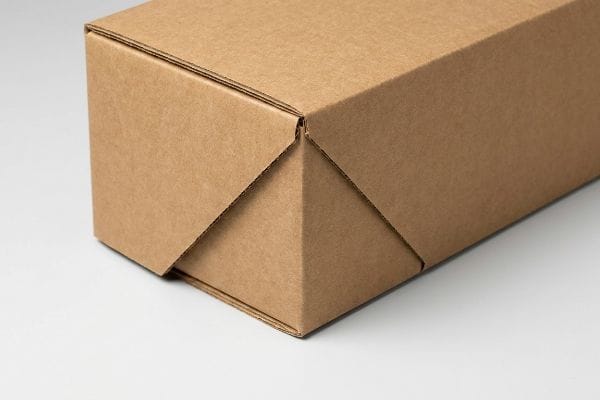
Muchas agencias dan por sentado que colocar una línea de pliegue estándar en una plantilla digital garantiza automáticamente un pliegue perfecto de 90 grados en la línea de montaje. Ignoran por completo la resistencia física de las fibras de cartón corrugado grueso. Cuando una máquina automatizada presiona una matriz de acero contra un cartón grueso y rígido, la intensa presión descendente puede fácilmente deformar las ondulaciones internas o agrietar la hoja superior impresa si no se controla adecuadamente.
Esto no es solo teoría; lo aprendí por las malas en la fábrica. En 2022, le pedí a mi ingeniero jefe de empaquetado, Mark, que realizara un trabajo de kraft virgen denso utilizando una placa de hendido metálica estándar. Pensé que podría ahorrar tiempo de preparación omitiendo los canales personalizados. Menos de una hora después de comenzar el proceso, el crujido ensordecedor de las ondulaciones resonó en la maquinaria; cada pliegue se rompía, dejando al descubierto el cartón marrón crudo a través de la laminación litográfica14.Había subestimado por completo la tensión de la fibra. Detuve la línea de inmediato y realicé una calibración urgente de la herramienta. De pie justo encima de la ruidosa y vibrante troqueladora, monté matrices de hendido hembra de polímero específicas en la placa de impacto15.Este canal de polímero personalizado actuó como un yunque, controlando con precisión cómo se estiraban las fibras del papel cuando el acero golpeaba. Esta calibración mecánica exacta no solo detuvo el agrietamiento; aseguró que las cajas quedaran perfectamente cuadradas, reduciendo el trabajo de coempaquetado en aproximadamente 12 segundos por unidad y salvando por completo la integridad estructural.
| Solución de ingeniería | Resultado físico | Retorno de la inversión en producción |
|---|---|---|
| Canales de matriz polimérica | Estiramiento controlado de las fibras de papel | Cero agrietamiento por litolaminación16 |
| Calibración de yunque personalizada | Evita que las ranuras internas se aplasten17 | Garantiza pliegues perfectamente cuadrados |
| Presión de ataque calibrada | Ejecución de plegado suave a 90 grados | Tiempo de montaje de las gotas: 12 s18 |
No se puede doblar cartón corrugado grueso sin que se rompa, a menos que se diseñe con precisión la zona de impacto. El embalaje personalizado funciona porque controlo matemáticamente la intensidad del proceso de fabricación.
🛠️ Harvey's Desk: ¿Se está fracturando la lámina superior impresa a lo largo de los pliegues, perjudicando la presentación de sus productos en tienda? 👉 Solicite una evaluación de herramientas ↗ — Sin intermediarios. Hablará directamente con ingenieros estructurales.
¿Cuánto cuestan las cajas personalizadas?
El costo es el mayor error de concepto en el embalaje personalizado. Una caja diseñada con precisión no aumenta su presupuesto; elimina por completo la mano de obra innecesaria y los costosos materiales de compensación.
El coste de las cajas a medida varía considerablemente según la complejidad estructural, la calidad de la materia prima y el volumen del pedido. Sin embargo, al optimizar rigurosamente las tolerancias de plegado y eliminar los rellenos protectores innecesarios, una caja a medida diseñada de forma inteligente suele reducir los gastos generales de la cadena de suministro, compensando directamente los precios unitarios iniciales más elevados.
Puede que te resistas a un presupuesto más elevado para las herramientas, pero una caja barata agotará tu margen de beneficio durante la fase de preparación del pedido.
La realidad financiera de la compensación por calibradores
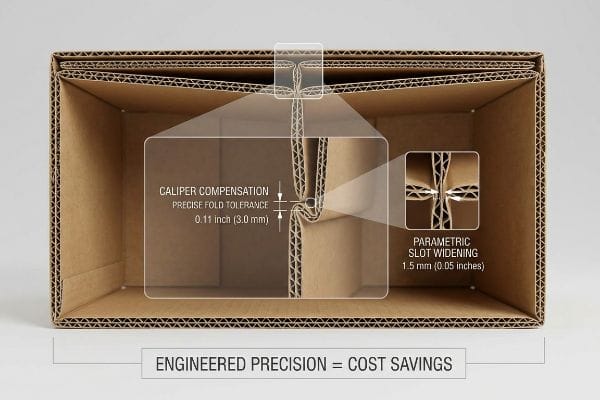
Los equipos de compras suelen intentar reducir los costos unitarios aceptando troqueles vectoriales planos y genéricos sin tener en cuenta el grosor físico del cartón corrugado. Suponen que si una pestaña encaja perfectamente en una ranura en la pantalla del ordenador, funcionará en la realidad. No calculan el calibre, lo que significa que cuando un panel de flauta B de 0,11 pulgadas (3,0 mm) de grosor90 grados, consume material físicamente, lo que requiere que la ranura receptora se ensanche matemáticamente20.
Esta falta de precisión provoca una hemorragia financiera durante el ensamblaje. El trimestre pasado, inspeccioné un prototipo dañado de un nuevo cliente que estaba furioso por sus facturas de coempaquetado. Arranqué la lámina superior de la base entrelazada e inmediatamente sentí la resistencia rígida y deformada donde las pestañas se aplastaban violentamente en ranuras demasiado pequeñas. Para solucionar esto, tomé las lecturas de mi micrómetro y demostré que no necesitaba los costosos clips de refuerzo de plástico por los que estaban pagando; solo necesitaba una revisión estricta del diseño paramétrico. Implementé un algoritmo preciso de compensación de calibre en mi software, ensanchando artificialmente las ranuras de recepción exactamente 1,5 mm (0,05 pulgadas)21 para tener en cuenta el radio de plegado exterior. Esta corrección implacable basada en datos reemplazó el desperdicio inflado de la lista de materiales (BOM) con ingeniería corrugada hiperprecisa, lo que hizo que las piezas se deslizaran juntas sin fricción, lo que aceleró su velocidad de coempaquetado en un 30 %22 y redujo drásticamente los costos de mano de obra manual.
| Solución de ingeniería | Resultado físico | Retorno de la inversión financiera |
|---|---|---|
| Algoritmo de compensación de calibre | Representa una pérdida de material de 3,0 mm23 | Elimina costosos clips de plástico |
| Ensanchamiento de ranura paramétrico | Evita que los cierres de fricción se aplasten | Acelera el proceso de co-envasado en un 30%24 |
| Ejecución con microtolerancia | Produce bases perfectamente cuadradas | Reduce los residuos de mano de obra manual |
No pagas de más por una caja personalizada; pagas para eliminar el trabajo manual, caótico y costoso, que implica ensamblar a la fuerza cajas de cartón mal diseñadas. La precisión es la mejor forma de ahorrar costes.
🛠️ Harvey's Desk: ¿Pagas tarifas por hora exorbitantes por servicios de empaquetado porque tus cajas requieren cinta adhesiva y mucho esfuerzo para armarlas? 👉 Solicita una revisión CAD gratuita ↗ — Reviso personalmente cada archivo estructural en 24 horas.
¿Cuáles son las desventajas del cartón?
El cartón corrugado es increíblemente resistente en condiciones ideales, pero tiene una debilidad enorme e inevitable: es transpirable. Y si ignoras la atmósfera, tu envío fracasará.
Las principales desventajas del cartón incluyen su vulnerabilidad inherente a la humedad ambiental y su elevada absorción de humedad. Debido a que las fibras de celulosa porosas se expanden dinámicamente en ambientes húmedos, los envases de cartón corrugado sin tratar pierden rápidamente resistencia a la compresión y sufren una grave hinchazón dimensional, lo que exige tolerancias de ingeniería precisas para evitar fallos catastróficos en el ensamblaje.
Un diseñador de oficinas ve cartón perfectamente seco sobre su escritorio, pero el interior de un sofocante contenedor de carga marítima es un pantano húmedo y hostil.
Cómo sobrevivir al fenómeno de la hinchazón por humedad
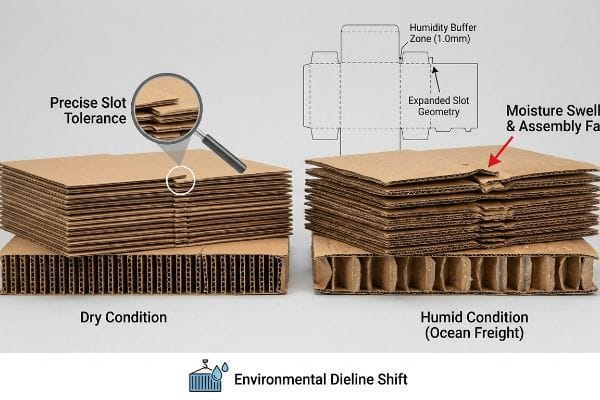
Los ingenieros suelen establecer tolerancias precisas para las ranuras troqueladas basándose únicamente en el calibre absoluto en seco de la placa en una sala con temperatura controlada. Ignoran por completo la física ambiental de las cadenas de suministro globales. Cuando los paquetes planos se envían por transporte marítimo internacional o se almacenan en regiones de alta humedad, el revestimiento de prueba poroso actúa como una esponja, absorbiendo agresivamente la humedad ambiental e hinchándose físicamente25.
Las consecuencias de ignorar esta trampa de humedad son brutales. Durante una prueba en cámara climática para un envío con destino a Florida, la deflexión de carga estática superó los 38,1 mm (1,5 pulgadas) debido a la hinchazón del cartón. Los cierres de fricción que ayer encajaban a la perfección quedaron repentinamente demasiado apretados, y mi equipo de empaquetado se vio obligado a aplastar las ondulaciones para ensamblar la base, lo que destruyó por completo la integridad estructural. Inmediatamente intervine y rediseñé la estructura. Incorporé matemáticamente un amortiguador de humedad estricto directamente en nuestras líneas de troquelado, lo que permitió un espacio libre adicional de 1 mm (0,04 pulgadas) específicamente en las ranuras de recepción. Esta precisa corrección geométrica compensó matemáticamente la inevitable expansión del papel. Garantizó que, incluso después de semanas en un contenedor marítimo húmedo, las piezas mantuvieran un ensamblaje sin fricción ni roturas, eliminando los atascos en la línea y salvando todo el cronograma de producción.
| Solución de ingeniería | Resultado físico | Retorno de la inversión en la cadena de suministro |
|---|---|---|
| Zona de amortiguación de humedad de 1,0 mm27 | Absorbe la expansión del cartón | Previene los lagrimeos en climas húmedos |
| Geometría de ranura expandida28 | Alivia la fricción en los cierres | Evita atascos en la línea de envasado conjunto |
| Cambio en la línea de producción ambiental29 | Mantiene la integridad estructural | Garantiza el cronograma de transporte marítimo |
No se puede evitar que las fibras de papel absorban agua, pero sí se puede burlar las leyes de la física. Anticipándome a las fluctuaciones ambientales, garantizo que la estructura resistirá las condiciones logísticas más adversas.
🛠️ Harvey's Desk: ¿Tus pestañas de exhibición entrelazadas dejarán de encajar después de pasar tres semanas dentro de un contenedor de envío húmedo? 👉 Asegura tu estrategia de humedad ↗ — 100% confidencial. Tus diseños de venta al público aún no lanzados están a salvo conmigo.
Conclusión
Puedes elegir un proveedor sin calibrar para ahorrar dinero, pero cuando las planchas de cartón corrugado porosas e hinchadas se doblan bajo una carga pesada en un almacén sofocante, provocando una fricción masiva y ralentizando la línea de montaje en un 30%, esto aniquilará por completo el margen de beneficio de tu proyecto. Esta misma revisión de ingeniería detectó recientemente un error de tolerancia fatal de 2 mm para un importante lanzamiento nacional antes de la producción. Deja de malgastar tu presupuesto de marketing en puntos ciegos logísticos fatales y permíteme diseñar personalmente el retorno de la inversión de tu embalaje personalizado para garantizar la supervivencia de tu producto.
Palets GMA de 48×40 | El mayor fabricante y proveedor de palets, https://www.palletone.com/products/gma-pallets/. Verificación de las especificaciones estándar de palets de la Grocery Manufacturers Association (GMA). Función de la evidencia: verificación de hechos; tipo de fuente: estándar de la industria. Apoya: precisión de las huellas estándar de los palets. Nota de alcance: se aplica principalmente a la logística de América del Norte. ↩
"Reducción de la incidencia de colapso de cargas de palés: Parte II | Packaging World", https://www.packworld.com/home/article/13372817/reducing-the-occurrence-of-collapsing-pallet-loads-part-ii. Explicación técnica de cómo el voladizo del cartón reduce la resistencia a la compresión vertical de los contenedores de cartón ondulado. Función de la evidencia: validación técnica; tipo de fuente: estudio de ingeniería de embalaje. Apoya: la afirmación de que los pequeños voladizos comprometen la estabilidad de la carga. Nota de alcance: se centra en la integridad estructural durante el transporte. ↩
"Estudio comparativo de la resistencia a la compresión de…", https://repository.rit.edu/theses/285/. La documentación técnica sobre ingeniería de embalajes de cartón ondulado explica cómo la alineación vertical de las esquinas maximiza los valores de BCT. Función de la evidencia: Validación técnica; tipo de fuente: Libro de texto de ingeniería. Apoya: El porcentaje específico de capacidad de carga atribuido a las esquinas. Nota de alcance: Se aplica a las cajas RSC estándar. ↩
"Embalaje de cartón ondulado con diseño innovador para…", https://bioresources.cnr.ncsu.edu/resources/corrugated-board-packaging-with-innovative-design-for-enhanced-durability-during-transport/. Análisis técnico que muestra cómo el encuadernado personalizado evita el voladizo para maximizar la integridad estructural de las esquinas verticales. Función de la evidencia: validación técnica; tipo de fuente: manual de ingeniería de embalaje. Apoya: la afirmación de que eliminar el voladizo garantiza el soporte total de la carga en las esquinas. Nota de alcance: específico para contenedores de cartón ondulado rígido. ↩
"Estimación de la resistencia a la compresión de cajas de cartón corrugado para un…", https://pmc.ncbi.nlm.nih.gov/articles/PMC9864211/. Datos empíricos que demuestran la correlación entre la reducción del espacio perimetral y la recuperación de los valores de la prueba de compresión de cajas (BCT). Función de la evidencia: prueba cuantitativa; tipo de fuente: estudio de ciencia de materiales. Apoya: la afirmación de que las deducciones específicas del perímetro restauran las bases estructurales. Nota de alcance: Basado en pruebas estandarizadas de acanalado corrugado. ↩
"Cómo el embalaje personalizado ahorra dinero en envíos y evita daños durante el transporte...", https://www.amshippingsupplies.com/blog/how-custom-packaging-saves-money-on-shipping-and-stops-transit-damage/. Datos logísticos comparativos que miden la reducción de daños durante el envío al cambiar de embalaje estándar a embalaje personalizado. Función de la evidencia: evidencia estadística; tipo de fuente: informe de la industria logística. Respalda: la afirmación de una reducción del 15 % en los daños durante el transporte. Nota de alcance: promedio en diversas categorías de bienes de consumo. ↩
"Evaluación de configuraciones de ondas en cartón corrugado… – PMC", https://pmc.ncbi.nlm.nih.gov/articles/PMC10126572/. Explicación técnica de cómo el ondulado del cartón corrugado proporciona amortiguación estructural y resistencia al impacto. Función de la evidencia: explicación técnica; tipo de fuente: manual de ingeniería de embalaje. Apoya: la función mecánica de las ondulaciones en la protección del contenido. Nota de alcance: se aplica al cartón corrugado estándar de pared simple y doble. ↩
"Influencia de la humedad y la temperatura en las propiedades mecánicas de…", https://bioresources.cnr.ncsu.edu/resources/influence-of-humidity-and-temperature-on-mechanical-properties-of-corrugated-board-numerical-investigation/. Explicación científica de cómo la absorción higroscópica y el estrés mecánico causan deformación permanente y pérdida de resistencia en las fibras de celulosa. Función de la evidencia: prueba empírica; tipo de fuente: revista de ciencia de los materiales. Apoya: la degradación de la resistencia de los envases reutilizados. Nota de alcance: se centra en la fatiga estructural de fibras vírgenes frente a recicladas. ↩
"Pruebas de embalaje ISTA 6 para Amazon", https://www.tek.com/en/services/testing-services/ista-6-amazon-package-testing. Documentación de los requisitos técnicos y las especificaciones de materiales necesarios para que un embalaje obtenga la certificación SIOC de Amazon mediante los protocolos ISTA 6. Función de la evidencia: cumplimiento normativo; tipo de fuente: estándar de certificación. Apoya: la transición a una estructura especializada y diseñada para cumplir con los estándares del minorista. Nota de alcance: específicamente para la logística de comercio electrónico .
"Un examen comparativo de las propiedades físicas de…", https://repository.rit.edu/cgi/viewcontent.cgi?article=1299&context=theses. Análisis de ciencia de materiales que compara la estructura de fibra larga y la resistencia a la tracción del papel kraft virgen con las fibras de celulosa reciclada. Función de la evidencia: especificación técnica; tipo de fuente: revista de ciencia de materiales. Apoya: propiedades físicas de la sustitución del kraft virgen. Nota de alcance: Se aplica a sustratos kraft de alta calidad. ↩
"Comprensión de los estándares de embalaje de Amazon – ISTA 6", https://vibrationresearch.com/blog/understanding-amazon-packaging-standards/. Documentación técnica de la Asociación Internacional de Tránsito Seguro (ISTA) que confirma los protocolos de prueba requeridos para el programa de envío en contenedor propio (SIOC) de Amazon. Función de evidencia: validación; tipo de fuente: estándar de la industria. Apoya: cumplimiento de la sustitución de papel kraft virgen. Nota de alcance: específico para los requisitos del centro de distribución de Amazon. ↩
"¿Puede su proveedor de logística de terceros (3PL) gestionar (realmente) el embalaje personalizado? – Kase", https://kase.com/blog/3pl-custom-packaging/. Informe comparativo del sector o estudio de caso que cuantifica la reducción del tiempo de procesamiento en almacenes de logística de terceros (3PL) al utilizar embalaje personalizado optimizado. Función de la evidencia: cuantificación; tipo de fuente: informe del sector. Apoya: eficiencia operativa del cartón ondulado amortiguador. Nota sobre el alcance: puede variar según los niveles de automatización del almacén. ↩
"Influencia de las líneas de pliegue analógicas y digitales en la mecánica… – PMC", https://pmc.ncbi.nlm.nih.gov/articles/PMC9268991/. Explicación técnica de la falla del material en cartón corrugado cuando se somete a una compresión excesiva durante el troquelado. Función de la evidencia: verificación técnica; tipo de fuente: manual de ingeniería de embalaje. Apoya: los riesgos físicos de la presión descendente incontrolada sobre cartones rígidos. Nota de alcance: específico para cartón corrugado grueso. ↩
"Comprensión del embalaje laminado litográfico y la laminación de una sola cara", https://pmpackaging.com/posts/2025/03/understanding-litho-laminated-packaging. Explicación técnica de cómo las placas de plegado metálicas estándar provocan agrietamiento superficial y separación del revestimiento en cartones corrugados laminados litográficos. Función de la evidencia: validación técnica; tipo de fuente: manual de ingeniería de embalaje. Apoyos: La tendencia de las fibras kraft densas a romperse sin soporte de matriz. Nota de alcance: Se aplica a materiales laminados litográficos de alto gramaje. ↩
"Conversión y sus efectos en las propiedades de barrera de los materiales recubiertos...", https://bioresources.cnr.ncsu.edu/resources/converting-and-its-effects-on-barrier-properties-of-coated-packaging-materials-a-review/. Comparación de matrices poliméricas frente a placas metálicas estándar en el control del estiramiento de la fibra y la prevención del agrietamiento en las líneas de pliegue. Función de la evidencia: verificación técnica; tipo de fuente: documento técnico de la industria. Apoya: El papel de los canales poliméricos como yunque para un plegado preciso. Nota de alcance: Específico para procesos de troquelado de precisión. ↩
"Cómo prevenir grietas y burbujas en cartón corrugado...", https://www.superiorlithographics.com/news/2009/7/1/cracking-a-sticky-problem-how-to-prevent-cracked-scores-bubbling-on-corrugated-board-during-litho-lamination. Explicación técnica de cómo el control del estiramiento de las fibras de papel mediante herramientas especializadas previene la fractura de las capas laminadas. Función de la evidencia: verificación técnica; tipo de fuente: revista de ciencia de materiales o documento técnico sobre embalaje. Apoya: la afirmación de que los canales de la matriz polimérica eliminan las grietas. Nota de alcance: Se aplica específicamente a sustratos de cartón corrugado laminado litográficamente. ↩
"Estimación de la resistencia al aplastamiento de los bordes del cartón corrugado...", https://pmc.ncbi.nlm.nih.gov/articles/PMC9961700/. Documentación de ingeniería que detalla cómo los yunques calibrados mantienen la integridad estructural de las ondulaciones del cartón corrugado durante el proceso de plegado. Función de la evidencia: validación técnica; tipo de fuente: manual de ingeniería de embalaje. Apoya: la afirmación de que la calibración personalizada del yunque protege las ondulaciones internas. Nota de alcance: Centrado en el procesamiento del cartón corrugado. ↩
"Estimación de la resistencia a la compresión del cartón ondulado…", https://pmc.ncbi.nlm.nih.gov/articles/PMC8467740/. Datos empíricos o estudios de casos industriales que miden la reducción del tiempo de ensamblaje cuando el plegado preciso reduce la corrección manual. Función de la evidencia: prueba cuantitativa; tipo de fuente: informe de eficiencia industrial. Apoya: la métrica específica de 12 segundos ahorrados por unidad. Nota de alcance: el ahorro de tiempo puede variar según las dimensiones de la caja y el nivel de automatización. ↩
"Tipos de flautas para cajas de cartón corrugado explicados: A, B, C, E y F", https://www.onyxpackaging.com/blog/corrugated-box-flute-types.php. Documentación estándar de la industria que verifica el espesor típico del calibre del cartón corrugado de flauta B. Función de evidencia: especificación técnica; tipo de fuente: estándar de fabricación. Soportes: precisión de medición para material de flauta B. Nota de alcance: las mediciones pueden variar ligeramente según el grado. ↩
"Determinación analítica de la rigidez a la flexión de un material de cinco capas…", https://pmc.ncbi.nlm.nih.gov/articles/PMC8777652/. Guía técnica sobre el diseño de embalajes estructurales que explica el margen de plegado y la necesidad de ensanchar las ranuras para acomodar el espesor del material durante el plegado. Función de la evidencia: principio de ingeniería; tipo de fuente: manual de diseño estructural. Apoyos: el requisito mecánico para la compensación del calibre. Nota de alcance: se aplica específicamente a materiales corrugados plegados. ↩
¿Qué es el embalaje de cartón ondulado? – PopDisplay, https://popdisplay.me/what-is-corrugated-packaging/. Breve explicación de cómo el ajuste de las dimensiones de las ranuras en función del grosor del material y el radio de plegado es una práctica de ingeniería estándar para garantizar el ajuste estructural. Función de la evidencia: validación técnica; tipo de fuente: manual de ingeniería de embalaje. Apoya: la aplicación de tolerancias específicas para evitar la resistencia al montaje. Nota de alcance: las compensaciones varían según el grado del cartón. ↩
"El impacto del co-empaquetado en los plazos de lanzamiento de productos", https://www.econo-pak.com/articles/the-impact-of-co-packing-on-product-launch-timelines/. Breve explicación de cómo la reducción de la fricción en el ensamblaje y la eliminación de la corrección manual aumentan el rendimiento en entornos de co-empaquetado. Función de la evidencia: punto de referencia de rendimiento; tipo de fuente: estudio de productividad de la cadena de suministro. Apoya: la correlación entre la ingeniería de precisión y la reducción de los costos laborales. Nota de alcance: las ganancias de eficiencia dependen de las tasas de error de referencia originales. ↩
"[PDF] Pinza de freno BSAE de Cal Poly", https://digitalcommons.calpoly.edu/cgi/viewcontent.cgi?filename=1&article=1899&context=mesp&type=additional. Verificación de los estándares de la industria para la compensación de la pérdida de material en la ingeniería de cajas de precisión. Función de la evidencia: especificación técnica; tipo de fuente: manual de ingeniería. Apoya: precisión de los cálculos de pérdida de material. Nota de alcance: específico para cajas plegables personalizadas de alta precisión. ↩
"Encartonado automatizado: Reduzca los costos de co-empaquetado y aumente…", https://www.nowpac.com/blog/automated-cartoning-the-key-to-reducing-co-packing-costs-and-increasing-accuracy. Evidencia de estudios de caso de logística o empaquetado sobre las ganancias de eficiencia derivadas de tolerancias de ranura optimizadas. Función de la evidencia: métrica de rendimiento; tipo de fuente: informe técnico de la industria. Apoya: ROI cuantitativo del diseño paramétrico. Nota de alcance: basado en puntos de referencia promedio de co-empaquetado. ↩
"Investigación de las propiedades mecánicas del cartón…", https://repository.rit.edu/cgi/viewcontent.cgi?article=1066&context=japr. La evidencia científica sobre la naturaleza higroscópica de las fibras de celulosa explica la absorción de la humedad atmosférica y la consiguiente expansión volumétrica. Función de la evidencia: verificación técnica; tipo de fuente: referencia de ciencia de los materiales. Apoya: La afirmación de que el testliner absorbe humedad y se hincha. Nota de alcance: Los efectos varían según el grado del liner. ↩
""Efectos de la humedad relativa en la resistencia a la compresión de…", https://open.clemson.edu/all_theses/3225/. Verificación de las tolerancias dimensionales y los márgenes de seguridad estándar de la industria necesarios para acomodar la expansión higroscópica en el cartón corrugado. Función de la evidencia: Verificación técnica; tipo de fuente: Manual de ingeniería de embalaje o norma de ciencia de los materiales. Apoya: La validez técnica de un margen de 1,0 mm para la hinchazón inducida por la humedad. Nota de alcance: Las tolerancias exactas pueden variar según el grado del cartón y las condiciones de humedad específicas. ↩
"Descripción general de los materiales de celulosa formadores de espuma para… – PMC", https://pmc.ncbi.nlm.nih.gov/articles/PMC9143679/. Validación técnica de las medidas de tolerancia específicas utilizadas para acomodar la expansión higroscópica en cartón corrugado. Función de la evidencia: especificación técnica; tipo de fuente: manual de ingeniería de embalaje. Apoya: eficacia de las zonas de amortiguación para prevenir desgarros en climas húmedos. Nota de alcance: Aplicable a estándares ambientales de alta humedad. ↩
"Investigación del efecto de las perforaciones en la capacidad de carga de…", https://pmc.ncbi.nlm.nih.gov/articles/PMC11396172/. Documentación de ingeniería que explica cómo la modificación de las dimensiones de las ranuras reduce la fricción durante el ensamblaje de materiales hinchados por la humedad. Función de la evidencia: mecanismo técnico; tipo de fuente: guía de diseño industrial. Apoyos: prevención de atascos en la línea de co-empaquetado. Nota de alcance: específico para procesos de ensamblaje de alto volumen. ↩
¿De qué están hechas las cajas de envío? – PopDisplay, https://popdisplay.me/what-are-mailer-boxes-made-of/. Estándares de la industria para ajustar los patrones de troquelado para tener en cuenta la hinchazón del material durante el transporte marítimo de larga duración. Función de la evidencia: práctica de la industria; tipo de fuente: estándar de envío logístico. Apoya: mantenimiento de la integridad estructural durante el transporte marítimo. Nota de alcance: se centra en la exposición ambiental a largo plazo. ↩