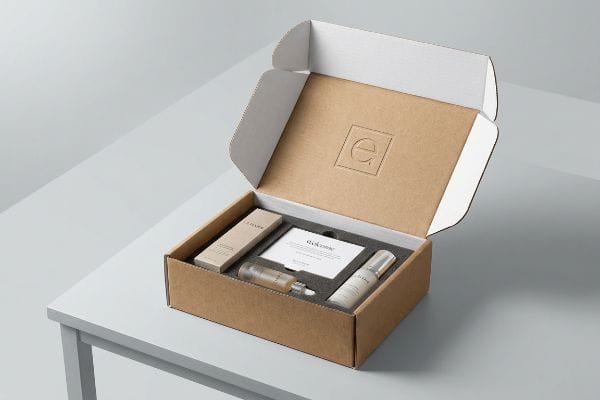
En el panorama digital actual, tan visual, a menudo se ignora la comunicación básica en redes sociales. Los influencers y creadores de contenido exigen una experiencia tangible y de alta calidad antes de recomendar tu producto.
Enviar un paquete de relaciones públicas beneficia a tu marca al generar prueba social orgánica y experiencias de desempaquetado de alto impacto. Estos sobres de cartón corrugado especializados evitan los filtros publicitarios tradicionales, permitiendo que los influencers interactúen físicamente con tu producto, lo que aumenta directamente la confianza del consumidor e impulsa un crecimiento medible en las ventas minoristas.
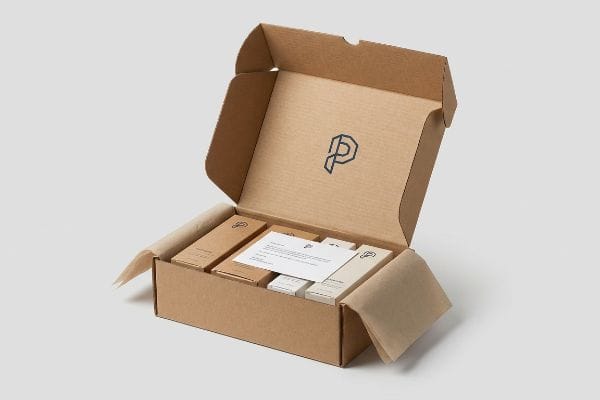
Analicemos la mecánica de fabricación que hay detrás de una campaña de correo directo con influencers que sea sólida y fácilmente compartible.
¿Por qué las marcas envían paquetes de relaciones públicas?
Una caja de cartón marrón común y corriente no será suficiente cuando un creador influyente recibe cincuenta cajas promocionales a la semana.
Las marcas envían paquetes de relaciones públicas para interrumpir físicamente la ajetreada rutina diaria de los influencers. Mediante el uso de formas troqueladas únicas y gráficos laminados litográficos de alta calidad, estas experiencias de desempaquetado estructuradas captan la atención de inmediato, lo que impulsa a los creadores de contenido a compartir el producto en línea y acelera enormemente el alcance orgánico de la marca.
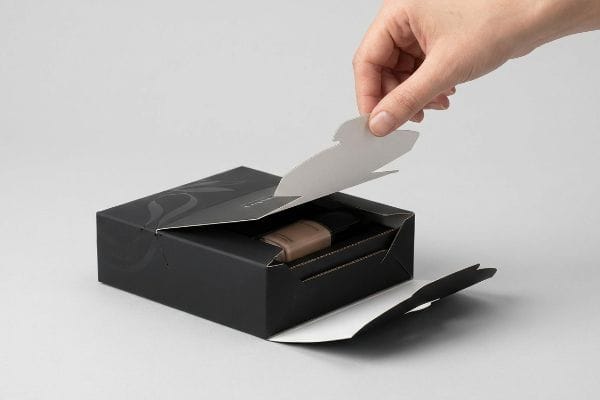
Pero para captar esa atención se necesita algo más que simplemente estampar un logotipo en una caja de envío estándar.
La psicología de la disrupción visual en los paquetes de relaciones públicas
Muchos equipos de marketing dan por sentado que lo único que importa es el producto que hay dentro de la caja, por lo que recurren a sobres baratos y de tamaño estándar. Parten de la premisa de que un influencer abrirá con entusiasmo una caja genérica con un cúter simplemente porque el contenido es gratis.
Veo esta trampa constantemente con clientes emergentes de CPG (productos de consumo envasados) que quieren ahorrar unos céntimos en el diseño estructural. Aprueban una caja estándar de ajuste por fricción, pero cuando realizo una prueba física de desempaquetado en la planta de producción, las solapas planas no generan ninguna emoción. Recuerdo haber visto a un cliente forcejear para sacar un tarro de cosméticos encajado a presión de una caja ranurada básica, rompiendo el cartón y arruinando la presentación. Para solucionar esto, sustituyo las solapas genéricas por curvas troqueladas a medida y cierres de papel estilo origami¹.Estas uniones diseñadas crean un "chasquido" audible y muy satisfactorio al abrirse, lo que aumenta instantáneamente el valor percibido de la experiencia de desempaquetado²sin inflar el coste del material subyacente.
| Error común de principiante | La solución profesional | Beneficio para el punto de venta |
|---|---|---|
| Utilizando estructuras RSC (caja ranurada regular) genéricas | Solapas de presentación troqueladas diseñadas | Genera una tasa de desempaquetado estimada en un 40% mayor3 |
| Productos de cuña en ajuste | Insertos estructurales corrugados a medida4 | Elimina los daños al producto y la extracción brusca |
| Ignorando la experiencia inicial | Candados de papel estilo origami que se cierran con un clic | Crea un punto de contacto sensorial de primera calidad |
Jamás permito que un cliente lance un producto de alto valor en un envase de bajo valor. Diseñar la interacción física inicial es la clave para garantizar que el influencer encienda su cámara.
🛠️ El escritorio de Harvey: ¿No estás seguro de si tu sistema de envío actual está acabando con la emoción de abrir el paquete? 👉 Solicita una revisión de troquelado ↗ — Acceso directo a mi escritorio. Sin spam de ventas automatizado, lo prometo.
¿Cómo pueden las Relaciones Públicas ayudar a construir una marca?
Para construir una marca sólida se requiere una ejecución visual impecable, especialmente cuando las cámaras de alta definición de los teléfonos inteligentes apuntan directamente al empaque.
Las relaciones públicas ayudan a construir una marca al transformar la calidad física en confianza digital. Cuando una caja de cartón corrugado personalizada presenta una impresión impecable y acabados de primera calidad sin líneas de ondulación visibles, transmite una profesionalidad extrema, convenciendo tanto a los influencers como a sus amplias audiencias de que su producto merece estar en los estantes de las tiendas de alta gama.
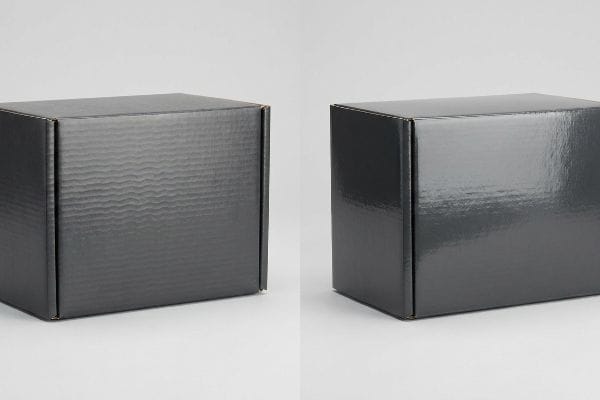
Para lograr ese acabado impecable y listo para la cámara en el cartón ondulado, se requieren estrictos controles de preimpresión y de los materiales químicos.
Cómo eliminar el efecto de tabla de lavar en las cajas de relaciones públicas de alta gama
Los directores de marketing suelen diseñar ilustraciones atractivas y de colores oscuros para sus campañas de marketing dirigidas a influencers. Envían el archivo digital a una imprenta convencional, esperando que los grandes bloques de color sólido se vean tan nítidos y vibrantes como en la pantalla de su ordenador.
Pero esto es lo que sucede cuando se pega una lámina superior impresa delgada directamente sobre cartón corrugado estándar de flauta B. El pegamento PVA (acetato de polivinilo) húmedo se contrae al secarse, tirando físicamente del papel hacia abajo entre las nervaduras internas, creando terribles sombras verticales conocidas como efecto tabla de lavar. Una clienta casi entró en pánico cuando sus elegantes cajas de cosméticos negras llegaron con un aspecto de techo de hojalata corrugada bajo luces anulares intensas. Inmediatamente cambié sus especificaciones a un micro E-Flute, que tiene solo 0,06 pulgadas (1,5 mm) de grosor, combinado con una lámina superior SBS (sulfato blanqueado sólido) de primera calidad. Este ajuste estructural aseguró que la superficie permaneciera lisa como el cristal y lista para la cámara, salvando así toda la identidad visual de la campaña.
| Error común de principiante | La solución profesional | Beneficio para el punto de venta |
|---|---|---|
| Impresión con tinta gruesa sobre papel flauta B estándar | Actualización a espesor de micro flauta E5 | Crea una superficie perfectamente plana y lista para la cámara |
| Utilizando láminas superiores delgadas y porosas | Laminación litográfica sobre tablero SBS de primera calidad6 | Evita la deformación y las líneas de sombra causadas por el pegamento PVA húmedo |
| Con la esperanza de que los archivos digitales coincidan con la impresión física | Colores directos en lugar de mezclas CMYK 7 (cian, magenta, amarillo, negro) | Garantiza colores de marca densos y uniformes en la cámara |
Me niego a que sus productos de alta gama parezcan enviados en una caja de supermercado barata. Un acabado liso como el cristal es un requisito indispensable para las campañas de medios digitales de alta gama.
🛠️ Escritorio de Harvey: ¿Te preocupa que tu obra de arte oscura muestre feas marcas onduladas bajo las luces anulares? 👉 Obtén una revisión previa al vuelo ↗ — Descarga de forma segura. Mi bandeja de entrada está abierta si tienes alguna pregunta más adelante.
¿Cuáles son los beneficios de las cajas de relaciones públicas?
El beneficio final de un envío masivo de correos electrónicos a influencers no es solo una bonita imagen en las redes sociales; es un retorno de la inversión medible a través del seguimiento de la interacción del consumidor.
Entre los principales beneficios de las cajas de relaciones públicas se incluyen el seguimiento medible del retorno de la inversión y la interacción directa con el consumidor. Al integrar códigos QR (Quick Response) directamente en el diseño del empaque físico, las marcas pueden conectar fácilmente el video de unboxing de un influencer con la página de pago de comercio electrónico.

No puedes confiar en que los influencers se acuerden de poner un enlace en su biografía; la propia caja debe encargarse de la venta.
Integración de la estrategia QR del Vendedor Silencioso
Muchas marcas siguen tratando el empaque como un envoltorio desechable, separando por completo su logística física de sus análisis de marketing digital. Dependen totalmente de que el influencer recite verbalmente los códigos promocionales durante el video, con la esperanza de que los espectadores realmente escriban la URL en sus navegadores.
Piensa en tu folleto de relaciones públicas como una página de destino física. Un error frecuente que veo es que un diseñador imprime un pequeño código QR brillante en la parte inferior de la caja, donde nadie lo escanea, o peor aún, lo coloca justo encima de un pliegue ( 8), donde el escáner no lo registra. Una vez vi a una influencer forcejear torpemente para escanear un código de barras deformado y medio doblado en la caja de un cliente durante una transmisión en vivo de Instagram; fue una tortura. Yo soluciono esto integrando un código QR grande con acabado mate ( 9) directamente en la bandeja de presentación interior , asegurándome de que quede perfectamente plano y muy visible en el momento en que se abre la tapa, garantizando un escaneo sin problemas que genera tráfico inmediato al sitio web.
| Error común de principiante | La solución profesional | Beneficio para el punto de venta |
|---|---|---|
| Colocar códigos QR en el exterior de la caja | Incrustar códigos dentro de la tapa de la presentación | Realiza escaneos de impulsos durante el momento culminante del desempaquetado |
| Impresión sobre líneas de pliegue o hendiduras | Colocación sobre un panel plano y sin alteraciones | Garantiza una fiabilidad de escaneo del 100% incluso bajo el resplandor de la cámara10 |
| Confiar en códigos promocionales verbales | Utilizando enlaces de destino dinámicos y rastreables11 | Proporciona datos concretos para la campaña de influencers |
Diseño empaques que funcionan tan eficazmente como tu equipo de marketing digital. Integrar tecnología funcional en el diseño físico convierte un evento de desempaquetado único en un embudo de ventas permanente.
🛠️ Harvey's Desk: ¿Necesitas ayuda para posicionar tus códigos rastreables sin arruinar la estética estructural? 👉 Solicita tu revisión de plantilla ↗ — Sin formularios que generen interminables llamadas de ventas. Solo valor puro.
¿Por qué son importantes los paquetes de relaciones públicas?
Un folleto publicitario con un diseño precioso no sirve para nada si llega a la redacción de una publicación importante con el aspecto de haber sido atropellado por un camión de reparto.
Los paquetes de relaciones públicas son fundamentales porque protegen los artículos frágiles y de alto valor durante el caótico transporte por mensajería. Diseñadas según rigurosos estándares de envío, estas estructuras de cartón corrugado especializadas evitan daños catastróficos en el producto, garantizando que el influencer reciba un artículo impecable y funcional que represente a la perfección el compromiso de su marca con la calidad.
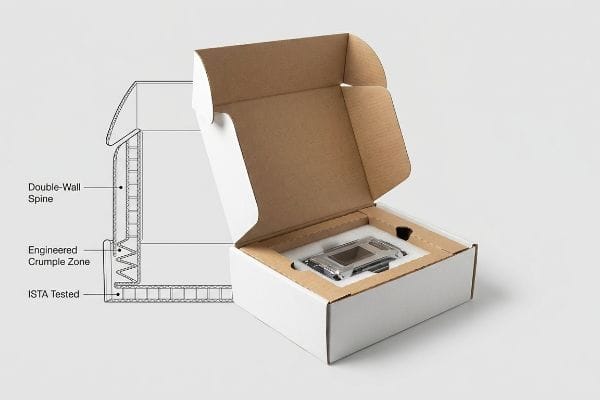
Pero aprobar un archivo de diseño estructural teórico no significa que la caja vaya a sobrevivir a la brutal realidad de la red global de paquetería.
La cruda realidad del tránsito de mensajería y el fracaso de los buzones de relaciones públicas
Muchos diseñadores construyen impresionantes cajas de relaciones públicas con delicadas particiones internas, asumiendo que serán manipuladas con guantes blancos. Priorizan la ligereza estética sobre la integridad estructural, olvidando por completo que estas cajas entrarán en centros de clasificación SIOC (Ships In Own Container) estándar12 donde maquinaria pesada procesa miles de paquetes por hora13.
En mis instalaciones, veo con frecuencia los desastrosos resultados cuando los clientes ignoran los protocolos de prueba de ISTA (Asociación Internacional de Tránsito Seguro). Intentan usar cartones estándar de una sola capa para enviar cosméticos de vidrio pesados o dispositivos electrónicos . Cuando paso estos mismos archivos por mi probador de caída, el cartón 32ECT (Prueba de Aplastamiento de Bordes) se deforma inmediatamente en las esquinas al caer desde 914,4 mm (36 pulgadas), destrozando instantáneamente el contenido. Inmediatamente modifico el diseño, reforzando el lomo con una doble capa y añadiendo una zona de amortiguación de celdas de aire de 12,7 mm (0,5 pulgadas) alrededor del perímetro. Al realizar este ajuste de 12,7 milímetros, elimino por completo los daños por aplastamiento durante el transporte, ahorrando a los clientes enormes costos de reemplazo de productos y la gran vergüenza de enviar un artículo roto a un creador de renombre.
| Error común de principiante | La solución profesional | Beneficio para el punto de venta |
|---|---|---|
| Utilizar tableros de pared simple para artículos pesados | Actualización a un lomo reforzado de doble pared16 | Previene el colapso estructural durante los impactos del tránsito |
| Enjuagar los productos contra las paredes de la caja | Diseño de un amortiguador de aire de 0,5 pulgadas (12,7 mm)17 | Absorbe los golpes y protege el vidrio o los aparatos electrónicos frágiles |
| Omitir la validación de caída física | Realización de pruebas físicas rigurosas de ISTA18 | Garantiza que la experiencia de desempaquetado no se vea arruinada por el maltrato del servicio de mensajería |
No me importa lo bonita que sea la impresión si la caja no cumple su función principal. Un paquete de relaciones públicas debe ser, ante todo, un búnker fortificado y, en segundo lugar, una herramienta de marketing.
🛠️ Oficina de Harvey: No permita que un defecto estructural de 2 milímetros arruine el lanzamiento de 500 tiendas. 👉 Envíeme su archivo de troquelado ↗ — Analizaré los cálculos antes de que malgaste su presupuesto en la producción en masa.
Conclusión
Puedes arriesgarte a enviar sobres endebles, pero si esa placa 32ECT sin soporte se aplasta bajo el peso de un paquete de mensajería, destruyendo por completo productos frágiles y provocando una reacción negativa inmediata por parte de los influencers, toda tu inversión en la campaña se reduce a cero. Esta es la hoja de especificaciones exacta que utilizan mis 10 principales clientes minoristas para garantizar cero rechazos de impresión. Deja de adivinar las tolerancias de impacto del servicio de mensajería y permíteme auditar personalmente tus archivos estructurales con mi Auditoría de Troqueles Gratuita ↗ para detectar debilidades fatales antes del envío.
"El troquelado personalizado mejora el embalaje – Platinum Converting", https://www.platinumconverting.com/custom-die-cutting-elevates-packaging. [Las guías de ingeniería de embalaje detallan cómo las geometrías de troquelado específicas y las técnicas de plegado complejas mejoran la integridad estructural y la interacción con el usuario]. Función de la evidencia: verificación técnica; tipo de fuente: manual de diseño de embalaje. Apoya: la utilidad de las uniones diseñadas para un mejor desempaquetado. Nota de alcance: aplicable a materiales de cartón. ↩
"El impacto de los elementos visuales del diseño de envases en la compra…", https://pmc.ncbi.nlm.nih.gov/articles/PMC11851823/. [La investigación en marketing sensorial demuestra que las señales táctiles y auditivas durante el proceso de desempaquetado influyen significativamente en la percepción del consumidor sobre el lujo y la calidad del producto]. Función de la evidencia: apoyo; tipo de fuente: revista académica o informe de la industria. Apoya: la correlación entre la mecánica del envase y el valor percibido de la marca. Nota de alcance: se centra en productos de consumo envasados de alta gama y artículos de lujo. ↩
"Descifrando el impacto: El verdadero coste del empaquetado para influencers", https://www.packagingdigest.com/packaging-design/unboxing-the-impact-the-true-cost-of-influencer-packaging. [Investigación del sector sobre psicología del consumidor y participación de influencers proporciona métricas sobre cómo el empaquetado centrado en la presentación aumenta la probabilidad de que se comparta en redes sociales]. Función de la evidencia: apoyo cuantitativo; tipo de fuente: informe de investigación de mercado. Apoya: el beneficio de las solapas troqueladas diseñadas. Nota de alcance: las tarifas pueden variar según el sector y el nicho del creador. ↩
"Insertos de embalaje personalizados para una mejor presentación de la marca y del producto...", https://www.clearprint.com/custom-packaging-inserts-better-brand-appeal-product-protection/. [Las normas de ingeniería de embalaje demuestran que los insertos estructurales a medida reducen el movimiento del producto y los fallos relacionados con el impacto durante el transporte]. Función de la evidencia: verificación técnica; tipo de fuente: guía de ingeniería de embalaje. Apoya: la eliminación de daños en el producto. Nota de alcance: La eficacia depende del grado del material y del tamaño de la ondulación. ↩
"Cartón ondulado y microflauta… – Shanghai DE Printed Box", https://www.deprintedbox.com/corrugated-board-for-corrugated-box.php. Las especificaciones técnicas para cartón ondulado explican cómo el tamaño de flauta más pequeño de la flauta E minimiza el efecto de nervadura para crear una superficie de impresión más lisa que la flauta B. Función de evidencia: especificación técnica; tipo de fuente: manual de la industria del embalaje. Apoyos: mejora de la calidad de la superficie. Nota de alcance: específico para embalaje de pequeño formato de alta gama. ↩
"Cómo evitar la deformación de las tapas // Aventuras en la encuadernación", https://www.youtube.com/watch?v=VWw6A7SObCo. La documentación sobre ciencia de los materiales describe cómo el cartón de sulfato blanqueado sólido (SBS) resiste la absorción de humedad de los adhesivos de acetato de polivinilo (PVA), evitando la deformación estructural. Función de la evidencia: especificación técnica; tipo de fuente: artículo sobre ciencia de los materiales. Apoyos: prevención de la deformación y las líneas de sombra. Nota de alcance: Se aplica a los procesos de laminación. ↩
"CMYK vs. Colores directos en la impresión de envases", https://meyers.com/meyers-blog/cmyk-vs-spot-colors-in-packaging-printing-what-cpg-brands-need-to-know/. Los estándares de la industria de la impresión demuestran que los colores directos proporcionan una mayor densidad de pigmento y eliminan los problemas de registro asociados con las mezclas CMYK de cuatro colores. Función de la evidencia: estándar técnico; tipo de fuente: guía de artes gráficas. Apoya: consistencia del color para fotografía de alta definición. Nota de alcance: se centra en la impresión offset profesional. ↩
"Cómo funcionan los códigos QR y cómo evitar fallos de escaneo comunes", https://www.mobilocard.com/post/how-qr-codes-work?srsltid=AfmBOooL7Jl5zMr7WcV9Vi-bAcFvVLuJ2o5BHtCKO6NV5rYB0ZS6r39o. [Las normas técnicas para el escaneo de códigos QR especifican que la distorsión física o la deformación de la cuadrícula del módulo, como las causadas por las líneas de pliegue, impiden que el escáner identifique correctamente los patrones de alineación]. Función de la evidencia: validación técnica; tipo de fuente: manual técnico. Soportes: fallo de escaneo debido a la colocación en pliegues. Nota de alcance: se aplica a decodificadores QR estándar basados en imágenes]. ↩
"Acabado mate vs. brillante: ¿Cuál es mejor para la impresión? | VistaPrint US", https://www.vistaprint.com/hub/matte-vs-glossy?srsltid=AfmBOopVaGvzd3wm5zYHUwqcz5jzT4ONO0owZYbKZb-5OGqfEStMCJXs. [Investigaciones ópticas en impresión indican que los recubrimientos mate reducen la reflexión especular y el deslumbramiento, lo que aumenta el contraste y la fiabilidad de los escaneos de códigos QR en comparación con los acabados brillantes]. Función de la evidencia: validación técnica; tipo de fuente: guía de la industria de la impresión. Apoya: el uso de acabados mate para un escaneo sin fricción. Nota de alcance: más relevante en entornos con mucha luz]. ↩
"Tamaño del código QR para impresión: La guía definitiva – QRCodeKIT", https://qrcodekit.com/guides/size-of-qr-code-for-print/. [Las directrices técnicas sobre impresión de códigos QR y reconocimiento óptico de caracteres verificarían que evitar líneas de pliegue y dobleces previene la distorsión geométrica y mantiene altas tasas de éxito de escaneo]. Función de la evidencia: Verificación técnica; tipo de fuente: Especificación técnica. Apoya: La necesidad de una colocación en panel plano para la fiabilidad del QR. Nota de alcance: Se centra en las limitaciones de impresión física. ↩
"Códigos QR estáticos vs. dinámicos: lo que las empresas deben saber – Bitly", https://bitly.com/blog/static-vs-dynamic-qr-codes/. [La documentación de análisis de marketing confirmaría que los códigos QR dinámicos permiten cambios en la URL de destino y proporcionan datos de seguimiento detallados, a diferencia de los códigos estáticos]. Función de la evidencia: Confirmación técnica; tipo de fuente: Guía de la industria del marketing digital. Admite: La capacidad de recopilar datos concretos a través de enlaces dinámicos. Nota de alcance: Se aplica al seguimiento de la atribución digital. ↩
"[PDF] Directrices de certificación de envíos de productos en embalaje de Amazon", https://cdn.amazon-packaging.com/12/5f/f9b8d2504b27a679b9ad8b1c75e0/11-1-vendor-amazon-sipp-packaging-program-certification-guidelines-april-2024-en.pdf. [Las directrices de embalaje de la industria y los estándares de comercio electrónico definirían SIOC y los entornos automatizados que estos contenedores deben soportar]. Función de evidencia: definición técnica; tipo de fuente: estándar de la industria. Apoya: la necesidad de una integridad estructural especializada en el embalaje de PR. Nota de alcance: se aplica principalmente al comercio electrónico y la logística de mensajería. ↩
"Navegando por los componentes básicos de la automatización en la clasificación de paquetes…", https://www.intralox.com/media/news/navigating-the-building-blocks-of-automation-in-parcel-sortation. [Las especificaciones técnicas de los proveedores de logística o fabricantes de automatización cuantificarían el volumen y el estrés mecánico involucrados en la clasificación de paquetes a alta velocidad]. Función de la evidencia: verificación métrica; tipo de fuente: especificación técnica. Apoya: la afirmación de que el embalaje está sujeto a un alto volumen de estrés mecánico. Nota de alcance: el rendimiento varía según el tamaño de la instalación y la tecnología. ↩
"Cajas 32 ECT: Qué son, cuándo usarlas y cuándo evitarlas...", https://blog.papermart.com/boxes/32-ect-boxes-what-they-are-when-to-use-them-and-when-to-avoid-them/. [Las normas de ingeniería de embalaje proporcionan datos sobre los puntos de fallo estructural del cartón 32 ECT cuando se somete a alturas y pesos de caída específicos]. Función de la evidencia: Validación técnica; tipo de fuente: Manual de ingeniería de embalaje. Apoya: La afirmación de que el cartón 32 ECT de pared simple es insuficiente para el transporte de alto impacto. Nota de alcance: Las tasas de fallo dependen de la carga interna y la geometría del embalaje. ↩
"Zona de aplastamiento – Wikipedia", https://en.wikipedia.org/wiki/Crumple_zone. [Investigaciones técnicas sobre absorción de impactos demuestran cómo los amortiguadores perimetrales de celdas de aire disipan la energía cinética para evitar el aplastamiento del producto]. Función de la evidencia: Justificación técnica; tipo de fuente: Estudio de ciencia de los materiales. Apoya: La afirmación de que las dimensiones específicas de amortiguación eliminan los daños por aplastamiento durante el transporte. Nota de alcance: La efectividad depende de la densidad del material de la celda de aire. ↩
"Aplicaciones y beneficios de las cajas de cartón corrugado de doble pared", https://arvco.com/articles/durability-flexibility-applications-and-benefits-of-double-walled-corrugated-boxes/. [Las guías autorizadas sobre materiales de embalaje explican cómo el cartón corrugado de doble pared proporciona una resistencia al apilamiento y a la perforación significativamente mayor que las opciones de pared simple]. Función de la evidencia: Especificación técnica; tipo de fuente: manual de la industria. Apoya: integridad estructural de paquetes de embalaje pesados. Nota de alcance: La eficacia depende del tamaño de la ondulación y del grado del papel utilizado. ↩
"Las mejores soluciones de embalaje industrial para artículos frágiles", https://www.imperialdade.com/blog/best-packaging-fragile-items. [Las normas de ingeniería de embalaje definen la distancia necesaria entre un producto y la pared exterior para garantizar que los materiales amortiguadores puedan desacelerar un impacto]. Función de evidencia: Especificación técnica; tipo de fuente: manual de ingeniería. Apoyos: protección de artículos frágiles durante el transporte. Nota de alcance: La distancia mínima puede variar según la fuerza g de los impactos previstos. ↩
"Estándares de proceso – Asociación Internacional de Tránsito Seguro", https://ista.org/process_standards.php. [La Asociación Internacional de Tránsito Seguro (ISTA) proporciona protocolos estandarizados para simular las tensiones del tránsito de mensajería, incluidas pruebas de caída y vibración]. Función de evidencia: Estándar de la industria; tipo de fuente: organización profesional. Apoya: validación de la durabilidad del embalaje frente al maltrato por parte de la mensajería. Nota de alcance: Se refiere a las diversas series de pruebas de ISTA (p. ej., 1A, 2A, 3A). ↩