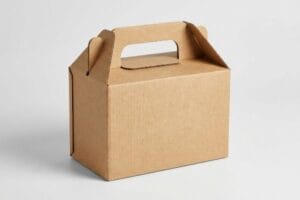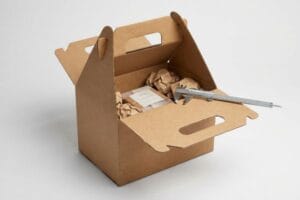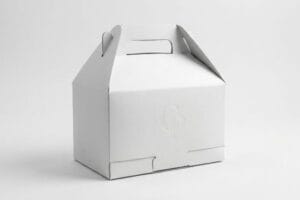
El empaquetado de regalo de productos con CBD no se trata solo de tener un aspecto prémium; se trata de proteger los frágiles frascos de vidrio y, al mismo tiempo, ofrecer una experiencia de desempaquetado memorable que justifique un precio de venta elevado.
Las cajas de regalo para productos de CBD son estuches rígidos de cartón especializados, diseñados para asegurar, proteger y realzar visualmente los productos de cannabidiol de alta gama. Estos envases estructurales utilizan inserciones específicas, tipografía que cumple con la normativa y una impresión de alta fidelidad para transformar tinturas y comestibles estándar en experiencias de venta minorista de alto valor para el consumidor en los mercados globales.
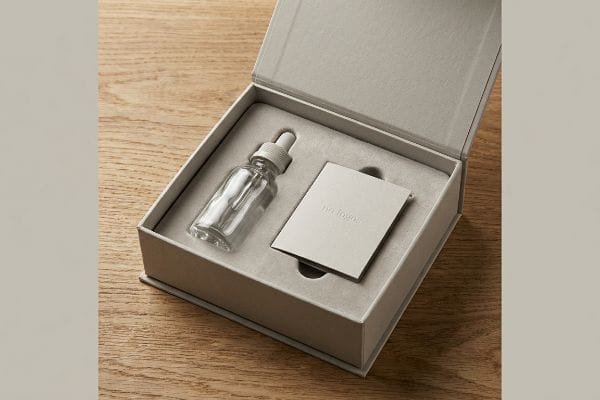
Conocer la definición básica es fácil, pero diseñar una experiencia de desempaquetado de primera calidad que no se deteriore durante el transporte requiere prestar mucha atención a la física de los materiales.
¿Cuáles son las últimas tendencias en cajas de regalo?
Las marcas de alta gama están apostando decididamente por las experiencias sensoriales, utilizando acabados táctiles para que sus productos parezcan intrínsecamente más valiosos en los abarrotados estantes de las tiendas.
Las últimas tendencias en cajas de regalo priorizan los materiales sostenibles, las estructuras geométricas minimalistas y los acabados táctiles de alta calidad, como el laminado suave al tacto. Las marcas abandonan cada vez más los plásticos brillantes y optan por recubrimientos acuosos ecológicos y elementos estructurales grabados en relieve que ofrecen una experiencia de desempaquetado de lujo, al tiempo que cumplen con las estrictas normativas de reciclaje a nivel mundial.
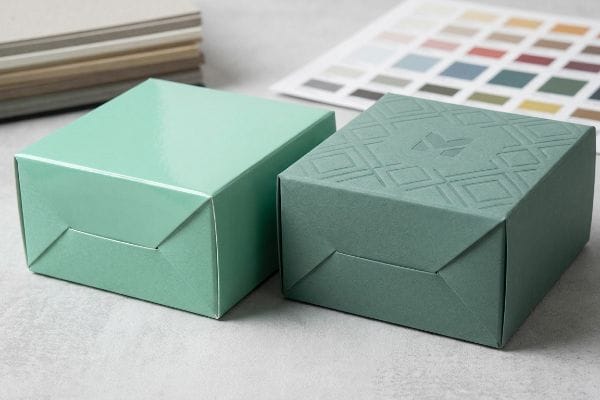
Estos acabados de alta calidad lucen increíbles en un monitor digital, pero su aplicación en una fábrica física conlleva graves complicaciones químicas.
Cómo manejar el efecto de oscurecimiento suave
La incorporación de una laminación térmica suave de alta calidad es actualmente una de las mejoras más solicitadas para las cajas de regalo de CBD¹ . A los diseñadores les encanta cómo la estructura microscópica de polímero biaxialmente orientado² le da al cartón una sensación aterciopelada y de alta gama. Convierte una caja plegable básica en un recuerdo de lujo. Sin embargo, muchos equipos creativos asumen que esta película táctil transparente no alterará visualmente sus colores subyacentes CMYK (cian, magenta, amarillo, clave) o Pantone.
He visto cómo esta trampa atrapa incluso a gerentes de marca experimentados cuando sacan su primera muestra de producción. Ese polímero aterciopelado actúa como un vacío que absorbe la luz, oscureciendo físicamente los pigmentos impresos hasta en un 5 %3 bajo la iluminación intensa de la tienda. Una vez vi a un cliente entrar en pánico porque su característico verde menta se convirtió en un tono bosque turbio, causando una falla masiva de color Delta-E justo antes del lanzamiento de un producto importante en EE. UU. Para solucionar esto, siempre realizo un escaneo obligatorio con espectrofotómetro e inyecto un refuerzo de cian del 10-12 % en la preimpresión4 para penetrar la película.
| Error común de principiante | La solución profesional | Beneficio para el punto de venta |
|---|---|---|
| Confianza en las pruebas digitales de color sin laminar | Aplicar un aumento matemático de tinta de preimpresión5 | Garantiza una coincidencia de color exacta con la marca |
| Ignorando la absorción de luz del polímero6 | Escaneo de planos físicos laminados | Evita costosos retrasos en la reimpresión |
| Mezclar tintas acuosas con tintas al óleo a ciegas | Coincidencia de los niveles de dinas de energía superficial7 | Evita por completo que el recubrimiento se desprenda en escamas |
Jamás imprimo un trabajo de tacto suave sin antes realizar una prueba de impresión laminada. Ajustar la curva de densidad de tinta antes de la producción es la única manera de garantizar que los colores distintivos de su marca se mantengan intactos tras el oscurecimiento.
🛠️ El escritorio de Harvey: ¿No estás seguro de si el color distintivo de tu marca resistirá el oscurecimiento de la laminadora? 👉 Solicita una auditoría de color gratuita para preimpresión ↗ — Acceso directo a mi escritorio. Sin spam de ventas automatizado, te lo prometo.
¿Qué son las cajas personalizadas para CBD?
La transición de un embalaje genérico a una estructura personalizada permite a las marcas adaptar perfectamente las formas únicas de las botellas, al tiempo que integra sin problemas textos normativos complejos.
Las cajas personalizadas para CBD son estructuras de embalaje diseñadas con precisión y adaptadas matemáticamente a las dimensiones específicas de los productos de cannabidiol. Estos envases a medida utilizan tolerancias de curvatura precisas, insertos especializados y barreras antihumedad localizadas para proteger de forma segura los viales de vidrio frágiles, a la vez que maximizan el espacio exterior para la marca, cumpliendo así con la normativa vigente.
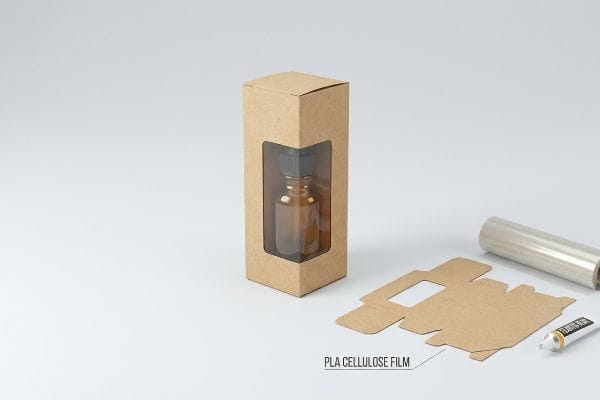
Personalizar la estructura abre increíbles oportunidades de comercialización, pero la introducción de materiales mixtos suele generar fricción mecánica inmediata.
Distorsión de tensión del parche de ventana
Una solicitud frecuente para el empaque personalizado de CBD es la incorporación de una ventana transparente que permita a los compradores ver el contenido de la tintura premium. Los compradores suelen elegir cartón Kraft natural para indicar los ingredientes orgánicos, combinado con una película de plástico PET (tereftalato de polietileno) estándar adherida al espacio troquelado. En una plantilla plana de diseño asistido por computadora (CAD), esta combinación de materiales luce impecable y muy efectiva.
La realidad física de adherir plástico rígido a papel poroso es mucho menos tolerante. Debido a que el cristal transparente y el cartón Kraft natural se expanden a ritmos completamente diferentes en ambientes húmedos⁹,los adhesivos rígidos estándar generan una fuerte tensión superficial. He visto cajas bellamente impresas deformarse y curvarse hacia adentro como una patata frita durante el transporte marítimo, desprendiendo la ventana por completo de la fibra de papel. Siempre sustituyo los plásticos derivados del petróleo por una ventana flexible de PLA (ácido poliláctico)¹⁰ utilizando un adhesivo elástico, que se estira armoniosamente con el cartón y mantiene la caja perfectamente plana.
| Error común de principiante | La solución profesional | Beneficio para el punto de venta |
|---|---|---|
| Utilizando plástico PET rígido sobre cartón Kraft | Transición a película de celulosa PLA flexible | Garantiza el 100% de reciclabilidad en la acera11 |
| Aplicación de adhesivos rígidos estándar | Utilizando adhesivos elásticos resistentes a la intemperie12 | Evita la deformación y el alabeo estructural |
| Ignorando las tasas de expansión por humedad | Ensayo de materiales mixtos en alta humedad | Evita que las ventanas se despeguen durante el transporte13 |
Me niego a montar ventanas de plástico rígido sobre cartón Kraft sin tratar, ya que la diferencia en la dilatación y contracción debida a la humedad garantiza el fracaso. El uso de una película de celulosa flexible permite que la caja quede perfectamente cuadrada y sea totalmente sostenible.
🛠️ Harvey's Desk: ¿Se están doblando sus cajas de exhibición personalizadas bajo la tensión de materiales mixtos? 👉 Obtenga la lista de verificación de tolerancia estructural ↗ — Descárguela de forma segura. Mi bandeja de entrada está abierta si tiene alguna pregunta más adelante.
¿Cuáles son algunas ideas innovadoras para envolver regalos?
Ampliar los límites de los regalos de alta gama a menudo implica combinar el cartón impreso tradicional con el hardware digital moderno para cautivar al comprador al instante.
Las ideas innovadoras para el empaquetado de regalos incluyen la integración de pantallas LCD interactivas, la impresión digital plana UV para una personalización rápida de tiradas cortas y el grabado táctil en relieve. Estas técnicas estructurales avanzadas combinan una interacción visual dinámica con materiales de alta calidad para aumentar drásticamente las conversiones por impulso y la fidelización de la marca en entornos minoristas competitivos.
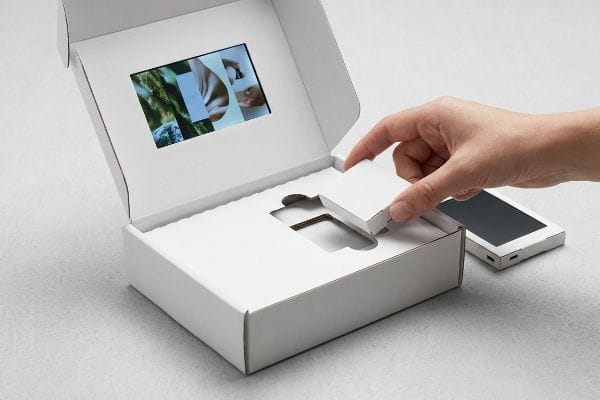
La fusión de componentes electrónicos con cartón crea una experiencia de desempaquetado inolvidable, pero introduce enormes riesgos de cumplimiento normativo posteriores si el diseño es deficiente.
Responsabilidad por la extracción de residuos electrónicos
Para destacar de verdad, muchas marcas estadounidenses de estilo de vida están incorporando pequeñas pantallas de vídeo LCD alimentadas por batería directamente en las tapasde sus cajas de regalo de alta gama. Al abrir el paquete, se reproduce automáticamente un vídeo dinámico que explica el origen orgánico del producto y sus instrucciones de uso. Es como una tarjeta de felicitación musical, pero adaptada a un público de lujo. Sin embargo, el método habitual para fijar estas unidades electrónicasconsiste en utilizar adhesivos industriales permanentes y resistentes.
Fijar una batería con pegamento permanente es un grave error que genera problemas legales para su eliminación en tiendas. Con frecuencia veo marcas que reciben multas severas por residuos peligrosos por parte de minoristas estrictos, ya que los empleados, con prisas, tiran la caja de materiales mixtos pegada directamente a los contenedores de reciclaje de papel. Para solucionar esto, diseño una cavidad con cierre por fricción en el inserto corrugado estructural. Se oye un clic satisfactorio cuando la pantalla encaja en su lugar, pero se puede extraer sin herramientas en tres segundos, eliminando por completo el riesgo de residuos electrónicos.
| Error común de principiante | La solución profesional | Beneficio para el punto de venta |
|---|---|---|
| Pegar pantallas LCD en cartón | Diseño de una cavidad de fricción troquelada | Elimina las multas por residuos peligrosos para los minoristas17 |
| Ignorar las normas de reciclaje al final de su vida útil | Desacoplamiento de la electrónica del embalaje de papel | Garantiza una capacidad de repulpaje de flujo único sin interrupciones18 |
| Atrapamiento del calor de la batería en espacios cerrados | Diseño de rejillas de ventilación pasivas ocultas | Evita la limitación de velocidad de la pantalla térmica19 |
Jamás permito el uso de adhesivos permanentes cerca de componentes electrónicos integrados en mi planta de producción. Un sistema de bloqueo por fricción de precisión asegura el hardware durante el transporte, garantizando que el usuario final pueda separar fácilmente los residuos electrónicos sin necesidad de abrir la caja.
🛠️ Harvey's Desk: ¿Están sus componentes de embalaje interactivos infringiendo secretamente las normas de reciclaje de los minoristas? 👉 Solicite su revisión gratuita de integración de hardware ↗ — Sin formularios que generen interminables llamadas de ventas. Solo valor puro.
¿Qué es una caja de regalo seleccionada?
Agrupar productos complementarios como tinturas, productos tópicos y comestibles en un único envase unificado requiere una arquitectura interna altamente organizada para garantizar formas diferenciadas.
Una caja de regalo personalizada es un contenedor multiproducto diseñado estratégicamente que utiliza separadores modulares o insertos troquelados a medida para organizar los distintos artículos. Estos estuches especializados protegen físicamente las diversas formas de los golpes durante el transporte, a la vez que presentan una colección de productos coherente y estéticamente equilibrada, pensada para ofrecer una experiencia de desempaquetado de primera calidad.
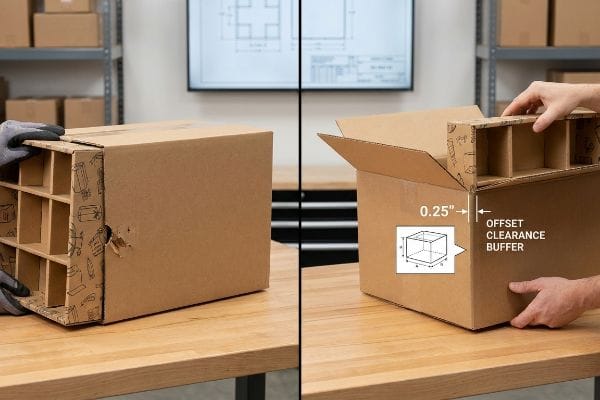
Pero conocer la teoría de la organización de productos complementarios no es suficiente cuando las máquinas empiezan a funcionar y las tolerancias estructurales inevitablemente chocan.
¿Por qué fallan las bandejas apilables estándar en la planta de producción?
Al diseñar una colección cuidadosamente seleccionada, los diseñadores planifican meticulosamente los insertos troquelados para sujetar cada botella de CBD de forma perfectamente ajustada. Para enviar estas delicadas configuraciones internas de forma segura a los centros de distribución, los equipos de compras suelen diseñar una caja maestra de cartón corrugado que coincide exactamente con las dimensiones exteriores de las bandejas de venta al. Se parte de la base de que un ajuste perfecto evitará que los productos se muevan y se rompandurante el transporte de carga pesada LTL (carga parcial).
En mis instalaciones, veo con frecuencia que esta proporción exacta de anidamiento 1:1 provoca enormes cuellos de botella operativos en la línea de co-empaquetado. Debido a que el testliner corrugado crudo tiene una fricción superficial increíble21, al extraer una bandeja interior de 14,25 pulgadas (361,9 mm) de un embalaje al ras, se crea un enorme bloqueo por vacío. Observo cómo los operarios de montaje tiran con fuerza de las paredes de la bandeja, lo que inevitablemente rompe el borde de retención impreso y arruina la estética premium incluso antes del envío. Resuelvo esto aplicando matemáticamente una estricta tolerancia de desplazamiento de 0,25 pulgadas (6,35 mm) en la cavidad del cartón maestro22, lo que rompe el bloqueo por fricción y reduce el tiempo de montaje en 18 segundos por unidad, ahorrando a las marcas miles de dólares en costos de mano de obra.
| Error común de principiante | La solución profesional | Beneficio para el punto de venta |
|---|---|---|
| Diseño de contenedores anidados 1:1 | Añadiendo un desplazamiento geométrico de 0,25 pulgadas23 | Impide que los co-empacadores rompan los expositores |
| Ignorando la fricción de la superficie corrugada sin tratar | Utilizando insertos lisos de microcanales24 | Acelera el ensamblaje de cajas con múltiples SKU |
| Inserciones superpuestas con simetría perfecta | Implementación de la regla de asimetría 3-5-725 | Reduce los daños por fricción durante el reabastecimiento |
Exijo estrictamente un margen de seguridad para cualquier sistema de embalaje anidado. Reducir milímetros en un plano estructural elimina por completo el bloqueo por fricción, lo que garantiza que sus proveedores puedan ensamblar la caja sin dañar la materia prima.
🛠️ Oficina de Harvey: ¿Conoces el coeficiente de fricción exacto de tu caja maestra actual antes de que tus co-empaquetadores comiencen a cortar los insertos? 👉 Envíame tu archivo de troquelado ↗ — Haré una prueba de estrés para que los cálculos no se desperdicien en producción en masa.
Conclusión
Puedes conseguir insertos anidados baratos y sin probar, pero si ese cierre de fricción 1:1 al ras daña los labios de retención impresos durante el empaquetado a alta velocidad, ralentizarás la línea de montaje en un 30 % aproximadamente y eliminarás por completo el margen de beneficio de tu campaña. Esta es la hoja de especificaciones exacta que utilizan mis 10 principales clientes minoristas para garantizar cero rechazos de impresión. Deja de arriesgarte con tolerancias estructurales y permíteme que revise personalmente tu geometría con mi Auditoría de Troqueles Gratuita ↗ para detectar errores de empaquetado fatales antes de que comience la producción en masa.
"El laminado de tacto suave es una tendencia en el diseño de envases", https://pusterlaus.com/2015/03/soft-touch-laminate-is-a-packaging-design-trend/. Los informes de investigación de mercado o los análisis de tendencias de la industria para envases de cannabis de lujo validarían la popularidad de los acabados de tacto suave en este sector. Función de la evidencia: validación de la tendencia; tipo de fuente: informe de mercado de la industria. Apoya: la afirmación sobre las preferencias específicas de la industria. Nota de alcance: Las tendencias pueden variar según la región geográfica. ↩
"Impacto del tratamiento térmico en la morfología de la película en películas biaxialmente orientadas...", https://pmc.ncbi.nlm.nih.gov/articles/PMC12174661/. La documentación técnica sobre ciencia de polímeros o ingeniería de embalaje confirmaría que las películas biaxialmente orientadas (como el BOPP) se utilizan para crear efectos táctiles específicos. Función de la evidencia: verificación técnica; tipo de fuente: manual de ciencia de materiales. Apoyos: la descripción física de la estructura de la laminación. Nota de alcance: Se centra en el proceso de fabricación de películas de tacto suave. ↩
"Guía para la laminación de tacto suave: El lujo de 2026…", https://xactz.com/blogs/news/guide-to-soft-touch-lamination-the-2026-luxury-packaging-trend?srsltid=AfmBOoruylWYrBOMyWWj8j0p9hj4b1E8xsL1oi14cR_BTjnMcxSTjA_N. Documentación técnica sobre las propiedades de absorción de luz de los recubrimientos poliméricos de tacto suave y su efecto cuantificable en el valor del color. Función de evidencia: verificación de la métrica técnica; tipo de fuente: informe técnico o manual técnico de la industria. Apoya: el efecto de oscurecimiento físico de las películas de tacto suave. Nota de alcance: el efecto puede variar según el grosor de la película y la marca. ↩
"¿Qué es la impresión con recubrimiento Soft Touch? Una guía completa", https://www.myboxprinter.com/blog/2025/09/12/what-is-soft-touch-coating-printing-a-complete-guide/?srsltid=AfmBOoruqZFGuF6W404I5SMvux1FKWavhIyx5Afe0ld6jNmpeC7OYQrd. Procedimientos operativos estándar para la corrección del color en preimpresión para contrarrestar el efecto de oscurecimiento de los acabados Soft Touch. Función de evidencia: validación de la práctica de impresión profesional; tipo de fuente: guía técnica de impresión. Soportes: la medida correctiva específica para el cambio de color. Nota de alcance: los porcentajes exactos dependen del perfil CMYK y del color base. ↩
"Recubrimiento de tacto suave | Técnicas de impresión y acabado – Sourceful AI", https://www.sourceful.com/explore/printing-types-and-finishes/soft-touch-coating. Documentación de los estándares de la industria para ajustar la densidad de la tinta mediante software de preimpresión para contrarrestar los efectos de oscurecimiento de las laminaciones de tacto suave. Función de evidencia: verificación de procesos; tipo de fuente: libro de texto de artes gráficas. Soporte: uso de desplazamientos matemáticos para la igualación de colores de marca. Nota de alcance: Depende del espesor específico del recubrimiento. ↩
"Formulación de recubrimientos de tacto suave: un acto de equilibrio", https://www.paint.org/coatingstech-magazine/articles/formulating-soft-touch-coatings-balancing-act/. Explicación técnica de cómo los recubrimientos de tacto suave a base de polímeros absorben la luz, lo que provoca un oscurecimiento percibido de la tinta subyacente. Función de la evidencia: verificación técnica; tipo de fuente: revista de ciencia de los materiales. Apoya: la causa física del cambio de color en los acabados. Nota de alcance: se centra en capas de polímero transparentes. ↩
"Factores de adhesión de energía superficial y tensión superficial – Cork Industries", https://corkindustries.com/adhesion-factors-of-surface-energy-surface-tension/. Evidencia científica sobre el requisito de que la energía superficial (medida en dinas/cm) coincida entre sustratos y recubrimientos para garantizar una adhesión adecuada. Función de la evidencia: especificación técnica; tipo de fuente: manual de impresión industrial. Apoyos: prevención del desprendimiento del recubrimiento. Nota de alcance: Aplicable a la preparación del sustrato. ↩
"Envases con ventana para cajas plegables – Opciones de película – Netpak", https://www.netpak.com/en/packaging-resources/industry-articles/window-packaging-folding-cartons-film-choices/. Verificación de que el tereftalato de polietileno es el material estándar de la industria para inserciones de ventana transparente en envases de cartón debido a su transparencia y resistencia a la tracción. Función de la evidencia: especificación técnica; tipo de fuente: estándares de materiales de embalaje; Soportes: composición del material de las ventanas de visualización. Nota de alcance: se centra en la aplicación industrial estándar. ↩
"Descripción general del papel y los materiales de envasado de alimentos a base de papel", https://pmc.ncbi.nlm.nih.gov/articles/PMC6801293/. Explicación de los coeficientes de expansión higroscópica diferencial de las fibras de celulosa frente a los polímeros sintéticos. Función de la evidencia: validación técnica; tipo de fuente: libro de texto de ciencia de los materiales. Apoya: la causa física de la deformación del embalaje. Nota de alcance: específico para condiciones de alta humedad. ↩
"Más allá de los plásticos fósiles: bioplásticos de próxima generación basados en PLA…", https://pmc.ncbi.nlm.nih.gov/articles/PMC13001162/. Análisis comparativo de las propiedades de elasticidad y adhesión del ácido poliláctico frente a los plásticos derivados del petróleo en compuestos de cartón. Función de la evidencia: verificación de materiales; tipo de fuente: artículo de investigación sobre polímeros. Apoya: la eficacia del PLA en la reducción de la tensión superficial. Nota de alcance: Limitado a pares adhesivos específicos. ↩
«¿Cómo se compara el plástico con materiales alternativos en… – PMC?», https://pmc.ncbi.nlm.nih.gov/articles/PMC11874595/. Verificación del estado de reciclabilidad de las películas de celulosa PLA en comparación con el PET en los flujos de reciclaje estándar en la acera. Función de la evidencia: Verificación técnica; tipo de fuente: Normas de reciclaje de la industria. Apoya: Afirmación de sostenibilidad del material. Nota de alcance: Varía según el municipio. ↩
"Hacia una unión adhesiva fiable – PMC – NIH", https://pmc.ncbi.nlm.nih.gov/articles/PMC12195023/. Explicación de cómo los adhesivos elásticos mitigan la tensión estructural y la deformación en envases de materiales mixtos. Función de la evidencia: Especificación técnica; tipo de fuente: Revista de ciencia de los materiales. Apoya: Afirmación de integridad estructural. Nota de alcance: Específico para aplicaciones de parches para ventanas. ↩
"Guía completa para el sellado de ventanas en envases de alimentos", https://millionpack.com/window-patching/. Análisis de las tasas de expansión por humedad en materiales de embalaje híbridos y su efecto en la resistencia de la unión adhesiva. Función de la evidencia: Validación técnica; tipo de fuente: Guía de ingeniería de embalaje. Apoya: Reclamación de durabilidad en tránsito. Nota de alcance: Se aplica a entornos de alta humedad. ↩
"Cajas de vídeo – Cajas de presentación personalizadas – FL Solutions", https://flsolutions.co/video-boxes/. Análisis de la industria o estudios de caso que verifican la tendencia de integrar pantallas electrónicas en envases premium para la narración de historias de marcas de lujo. Función de la evidencia: validación fáctica; tipo de fuente: informe de la industria. Apoya: la adopción actual de hardware interactivo en cajas de regalo. Nota de alcance: se centra en el mercado de estilo de vida de alta gama de EE. UU.
"Soluciones para papel – Henkel Adhesive Technologies", https://next.henkel-adhesives.com/us/en/industries/packaging-and-converting/paper-solutions.html. Guías técnicas de fabricación que describen el uso de adhesivos industriales permanentes para fijar componentes electrónicos al cartón. Función de la evidencia: verificación técnica; tipo de fuente: especificación de fabricación. Apoya: el desafío estructural de la extracción de residuos electrónicos. Nota de alcance: se aplica a líneas de montaje estándar. ↩
"Preguntas frecuentes sobre el reciclaje de baterías de iones de litio", https://www.epa.gov/hw/lithium-ion-battery-recycling-frequently-asked-questions. Las directrices de la Agencia de Protección Ambiental y las leyes de gestión de residuos proporcionan documentación sobre las sanciones por contaminar los flujos de reciclaje con componentes peligrosos. Función de la evidencia: verificación; tipo de fuente: código normativo legal. Apoya: la existencia de sanciones económicas por la eliminación incorrecta de residuos peligrosos. Nota de alcance: Los importes específicos de las multas dependen de la legislación local .
Programa de reciclaje de residuos electrónicos cubiertos (CEW) – CalRecycle, https://calrecycle.ca.gov/electronics/cew/ . Una fuente autorizada sobre regulaciones ambientales, como la Directiva RAEE o la RCRA, confirmaría que la unión permanente de aparatos electrónicos al cartón complica la clasificación de residuos y puede dar lugar a multas reglamentarias. Función de la evidencia: corroboración; tipo de fuente: documento reglamentario. Apoya: el riesgo financiero de la integración inadecuada de residuos electrónicos. Nota de alcance: Las sanciones varían según la jurisdicción regional.
"[PDF] Evaluación del impacto del reciclaje de flujo único en el papel…", https://www.osti.gov/servlets/purl/1841182. La documentación técnica sobre los procesos de reciclaje de papel verificaría que la eliminación de componentes electrónicos (desacoplamiento) permite procesar el cartón en instalaciones de flujo único sin contaminar la pulpa. Función de la evidencia: verificación técnica; tipo de fuente: estándar de la industria. Apoya: el beneficio del embalaje desacoplado para el reciclaje. Nota de alcance: Se aplica específicamente a materiales a base de fibra. ↩
"Gestión térmica en pantallas premium: ¿Por qué las rejillas de ventilación…?", https://us.ktcplay.com/blogs/technology-hub/thermal-management-premium-displays-vents?srsltid=AfmBOooSIcMobuq2vhv5Iqy34dhqvugqRPU7QtcKOlAYzJobGoZffkOT . La literatura técnica sobre gestión térmica para electrónica integrada explica cómo las rejillas de ventilación de convección pasiva disipan el calor para evitar que el procesador reduzca su velocidad de reloj (estrangulamiento térmico). Función de la evidencia: validación técnica; tipo de fuente: manual de ingeniería. Apoya: la necesidad de ventilación para el rendimiento de las pantallas integradas. Nota de alcance: la efectividad depende del TDP del hardware.
"5 errores que debe evitar al embalar carga LTL", https://www.shiproadrunnerfreight.com/5-mistakes-to-avoid-when-packaging-ltl-freight/. Análisis técnico de cómo el ajuste espacial exacto (tolerancias estrictas) en los embalajes de cartón corrugado reduce la transferencia de energía cinética y el movimiento del producto durante el transporte de carga LTL. Función de la evidencia: validación mecánica; tipo de fuente: manual de ingeniería logística o de embalaje. Apoya: La eficacia de los embalajes maestros de ajuste al ras. Nota de alcance: Se centra en la estabilización física durante el tránsito. ↩
"Prueba del coeficiente de fricción | Centro para el diseño de embalajes y unidades de carga", https://www.unitload.vt.edu/facilities/corrugated-packaging-lab/cof-testing.html. Datos técnicos sobre las características de fricción superficial del cartón kraft crudo para pruebas en comparación con los cartóns recubiertos. Función de la evidencia: Validación técnica; tipo de fuente: manual de ciencia de los materiales. Apoya: La afirmación de que el cartón crudo para pruebas aumenta la fricción durante la extracción de la bandeja. Nota de alcance: Los valores de fricción pueden variar según el grado del cartón y el contenido de humedad. ↩
"Tolerancia para la junta de fabricantes en RSC – AICC Now", https://now.aiccbox.org/tolerance-for-manufacturers-joint-on-rsc/. Normas industriales para tolerancias de holgura en insertos de cartón corrugado anidados para evitar bloqueos por vacío. Función de evidencia: Verificación de especificaciones; tipo de fuente: manual de ingeniería de embalaje. Apoya: La eficacia de dimensiones de desplazamiento específicas para reducir la fricción de ensamblaje. Nota de alcance: La tolerancia óptima depende de las dimensiones totales de la bandeja. ↩
"Bandejas de cartón corrugado para envases de alimentos y bebidas", https://www.internationalpaper.com/packaging/corrugated-packaging/trays. Breve explicación de cómo una fuente externa autorizada respalda esta afirmación. Función de la evidencia: validación técnica; tipo de fuente: manual de diseño de envases. Respalda: el uso de desplazamientos específicos para evitar el desgarro del material durante la extracción. Nota de alcance: aplicable a los embalajes de cartón corrugado. ↩
"Embalaje de microcanal | Cartones de canal N EF – Netpak", https://www.netpak.com/en/packaging-resources/industry-articles/micro-flute-packaging-efn-flute/. Breve explicación de cómo una fuente externa autorizada respalda esta afirmación. Función de la evidencia: verificación del rendimiento del material; tipo de fuente: especificación técnica de la industria. Respalda: la correlación entre los materiales de microcanal y la reducción de la fricción superficial en el ensamblaje. Nota de alcance: centrado en el embalaje de múltiples SKU. ↩
"Cómo el embalaje PDQ impulsa las ventas minoristas y la visibilidad de la marca – innorhino", https://innorhino.com/blog/about-business/pdq-packaging-retail-sales?srsltid=AfmBOoo3n6UQOUaJnD62-kHEm–RPTHOuW9LyPOjs1ZdAFJoIFgl6EdK. Breve explicación de cómo una fuente externa autorizada respalda esta afirmación. Función de la evidencia: verificación del estándar de diseño; tipo de fuente: guía profesional de embalaje. Respalda: la efectividad de las reglas de diseño asimétrico para reducir los daños por fricción. Nota de alcance: específico para los flujos de trabajo de reabastecimiento minorista. ↩