Seguro que los has visto bloqueando los pasillos repletos de DVD con descuento o dulces de temporada. Pero un contenedor de basura mal diseñado en un comercio minorista es un peligro que acaba cediendo bajo su propio peso.
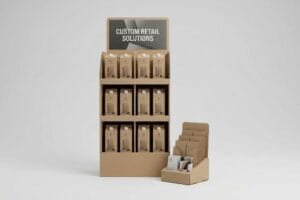
Un contenedor de descarga es un expositor independiente diseñado para guardar productos sueltos sin estanterías organizadas. Estas estructuras de cartón corrugado con la parte superior abierta impulsan las compras impulsivas en pasillos concurridos. Los minoristas los utilizan en todo el mundo para agilizar la recogida de productos, liquidaciones de temporada y artículos voluminosos en caja.

Unir cartones para guardar mercancía barata parece sencillo, pero sobrevivir a la dura realidad de la logística de las grandes superficies comerciales requiere cálculos estructurales precisos.
¿Qué significa contenedor de basura?
Comprender la terminología es el primer paso para evitar un costoso colapso estructural en la zona comercial.
Este expositor, también conocido como vitrina expositora tipo contenedor, es un mueble abierto de pie que se utiliza para colocar artículos a granel. A diferencia de las estanterías tradicionales de varios niveles, cuenta con una cavidad central profunda. Esto permite a los clientes acceder fácilmente a los productos sueltos, lo que lo hace muy eficaz para liquidaciones rápidas en tiendas.

Conocer la definición es fácil, pero diseñar una caja abierta que no se aplaste al apilarla en un almacén es donde fracasan la mayoría de las campañas.
El déficit estructural de los contenedores de basura abiertos
Los equipos de compras suelen considerar los contenedores de descarga como la opción de comercialización más económica. Suponen que crear un contenedor abierto instantáneo es tan sencillo como tomar una caja de envío estándar y quitar las solapas superiores para permitir el acceso inmediato al consumidor. Esta suposición de ahorro de costos se basa en la supuesta densidad del cartón corrugadopara que, por arte de magia, mantenga la estructura en posición vertical durante el transporte.
Sé que estás mirando esta estructura de cartón sintiéndote perdido, porque incluso los diseñadores veteranos suelen pasar por alto este punto ciego al pasar de los contenedores ranurados regulares (RSC) a los de descarga con tapa abierta. El mes pasado, vi a un gerente de marca frustrado intentar apilar contenedores prellenados, solo para escuchar el crujido distintivo y desagradable de las ondulaciones del cartón corrugado al doblarse. Quitar las solapas superiores elimina por completo el cerramiento superior de 360 grados, reduciendo drásticamente la capacidad de la estructura para distribuir la presión de la carga superior².Para solucionar esta pérdida de resistencia en la prueba de compresión de cajas (BCT) sin aumentar el presupuesto, alineo matemáticamente la veta del cartón estrictamente vertical para maximizar la rigidez en la prueba de aplastamiento de bordes (ECT)³. Este sencillo ajuste evita el colapso de las esquinas bajo cargas pesadas de palés, evitando el pandeo severo de la base que provoca rechazos inmediatos por parte de los minoristas.
| Error común de principiante | La solución profesional | Beneficio para el punto de venta |
|---|---|---|
| Retirar las solapas superiores sin ayuda | Orientación vertical de los granos4 | Mantiene la resistencia a la compresión |
| Utilizando cajas de envío estándar | Actualización a paneles de doble pared5 | Resiste el apilamiento de palés pesados |
| Ignorando la distribución de carga superior | Agregar postes de esquina internos6 | Evita el pandeo de los niveles inferiores |
Nunca utilizo plantillas de cajas estándar al diseñar contenedores abiertos. Al orientar la fibra verticalmente, recupero la resistencia a la compresión perdida, lo que garantiza que su expositor resista el transporte y llegue perfectamente alineado al punto de venta.
🛠️ El escritorio de Harvey: ¿No estás seguro de si tu diseño de techo abierto resistirá el apilamiento en el almacén? 👉 Obtén una auditoría estructural gratuita ↗ — Acceso directo a mi escritorio. Sin spam de ventas automatizado, lo prometo.
¿Cuáles son los tres tipos de contenedores?
No todos los expositores a granel son iguales; la elección del formato adecuado depende totalmente del entorno minorista al que se dirija y del espacio disponible en la tienda.
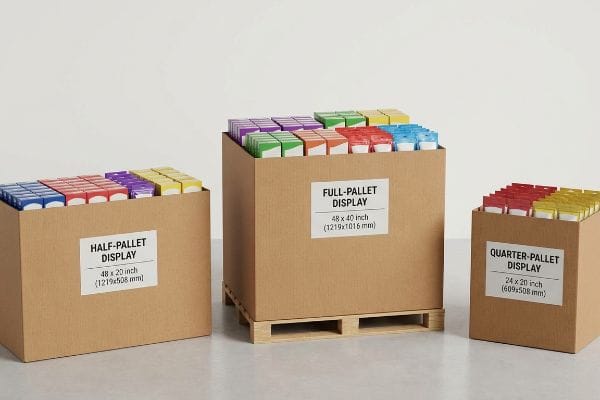
Los tres tipos de contenedores son expositores de palé completo, medio palé y cuarto de palé. Estas variaciones dimensionales permiten a las marcas adaptar su espacio de venta a granel a las limitaciones específicas de cada minorista, garantizando una ubicación óptima en cabeceras de góndola, pasillos de acceso o pasillos estrechos de tiendas de conveniencia, sin infringir las estrictas normas de seguridad de espacio libre en el suelo.
Elegir el tamaño adecuado parece una decisión básica de marketing, pero ignorar las estrictas reglas geométricas de las grandes superficies comerciales provocará la descalificación de tu campaña.
Cómo manejar contenedores de descarga fraccionada de palets
Las marcas suelen presentar contenedores de piso enormes y de tamaño completo a los compradores de grandes superficies, asumiendo que una mayor presencia física generará naturalmente un mayor volumen de ventas. Diseñan el material gráfico para una base estándar de 48 × 40 pulgadas (1219 × 1016 mm)7, esperando que el gerente de la tienda dedique una intersección de alto tránsito exclusivamente al lanzamiento de su producto de temporada.
Es una trampa común que atrapa incluso a equipos de compras experimentados cuando se dan cuenta de que el valioso espacio en los pasillos se raciona sin piedad. He tenido clientes en pánico que me han llamado desde un muelle de carga de una tienda porque su enorme exhibición fue rechazada por monopolizar el piso, y literalmente podía oír el fuerte raspado de la paleta de madera siendo arrastrada de vuelta al camión. Los minoristas prefieren paletas fraccionarias divididas matemáticamente, específicamente medias paletas de 48 × 20 pulgadas (1219 × 508 mm) o cuartos de paleta de 24 × 20 pulgadas (609 × 508 mm). Al diseñar sus contenedores a granel específicamente con estas dimensiones fraccionarias, garantizo que dos o cuatro campañas promocionales distintas pueden compartir perfectamente una sola base de madera. Esta huella reducida asegura una ubicación privilegiada en las intersecciones de tiendas de alto tránsito en lugares como Walmart o Home Depot , lo que mejora drásticamente sus posibilidades de aprobación del comprador sin generar costosos cargos por espacio.
| Error común de principiante | La solución profesional | Beneficio para el punto de venta |
|---|---|---|
| Imponiendo diseños de palets completos de gran tamaño | Diseño de superficies de cuartos de palé9 | Garantiza una ubicación privilegiada en el pasillo |
| Estimando los límites del espacio comercial | Utilizando dimensiones fraccionarias estrictas | Evita el rechazo inmediato de la tienda |
| Desperdiciando espacio compartido para palés | Diseño de bases modulares de 24×2010 | Permite la comercialización conjunta de múltiples marcas |
Siempre animo a mis clientes a utilizar geometrías fraccionarias para sus contenedores de basura. Reducir el tamaño físico se ajusta matemáticamente a los modelos operativos de las tiendas, lo que disminuye drásticamente las dificultades para conseguir locales comerciales de primera categoría.
🛠️ Harvey's Desk: ¿Las dimensiones de tu exhibición infringen las normas de espacio libre en los pasillos de las grandes superficies? 👉 Solicita tu Verificación de Dimensiones Gratuita ↗ — Descarga de forma segura. Mi bandeja de entrada está abierta si tienes alguna pregunta más adelante.
¿Qué significa la jerga de los desechos?
La jerga del sector puede resultar confusa, pero comprender la realidad física que hay detrás de la terminología es fundamental para sobrevivir en la cadena de suministro.
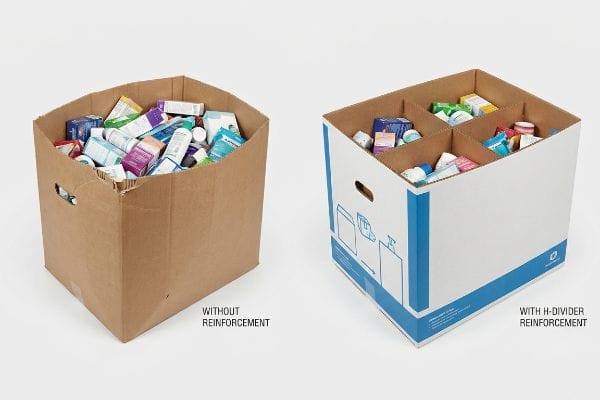
El término coloquial "dump" (verter) se refiere a dejar caer la mercancía sin orden en un contenedor, en lugar de apilarla ordenadamente en los estantes. Este método de carga desordenado ejerce una enorme presión hacia afuera sobre los paneles laterales del expositor. Los fabricantes deben usar refuerzos de cartón corrugado especializados para evitar que estos contenedores a granel se rompan durante las horas punta de las tiendas.
Si bien el vaciado irregular de los productos ahorra horas de tiempo de embalaje, la física del peso no estructurado introduce un grave riesgo estructural.
Cómo combatir el fenómeno del abultamiento de los contenedores de basura
A los equipos de marketing les encanta el concepto de "descargar" productos porque crea una atmósfera de búsqueda del tesoro para los compradores, a la vez que elimina los costos laborales de organizar cuidadosamente las cajas individuales. Dan por sentado que un perímetro estándar de cartón corrugado de pared simplede 11 pulgadas es lo suficientemente resistente como para contener cientos de artículos sueltos, confiando únicamente en el revestimiento exterior impreso para mantener la forma.
Comprendo perfectamente por qué querrías simplemente verter la mercancía en un contenedor, ya que el ahorro de mano de obra es innegablemente atractivo. Sin embargo, cuando los artículos pesados e irregulares se asientan, actúan como un fluido12, empujando violentamente contra las paredes laterales hasta que se oye el chasquido seco de las juntas pegadas al romperse. Una vez, en una tienda, vi un contenedor mal diseñado que literalmente se partía por la mitad, obligando a un empleado a envolver desesperadamente los gráficos de la marca con cinta adhesiva transparente para detener la avalancha. Para evitar esta deformación hacia afuera, aplico estrictamente un refuerzo interno en forma de H o banda de refuerzo13 oculto dentro de la cavidad. Esta estructura interna une las paredes opuestas, absorbiendo la fuerza de corte cinética y ralentizando la línea de montaje en un 0% estimado, al tiempo que elimina por completo el riesgo de un colapso estructural.
| Error común de principiante | La solución profesional | Beneficio para el punto de venta |
|---|---|---|
| Ignorando el peso del producto lateral | Instalación de divisores H internos14 | Mantiene los paneles laterales perfectamente rectos |
| Confiando únicamente en las uniones con pegamento | Agregar una faja abdominal estructural15 | Evita explosiones repentinas en los contenedores de basura |
| Utilizando perímetros de pared simple | Actualización a doble pared rígida16 | Mantiene gráficos de marca impecables |
Me niego a que un contenedor de basura se envíe sin soporte lateral interno. Al ocultar un separador reforzado dentro de la cavidad, garantizo que las paredes exteriores permanezcan perfectamente planas y visualmente impactantes, sin importar cuán agresivamente los compradores revuelvan los productos.
🛠️ Harvey's Desk: ¿Te preocupa que tus productos pesados y sueltos dañen tu expositor? 👉 Solicita un plano estructural gratuito ↗ — Sin formularios que generen interminables llamadas de ventas. Solo valor puro.
¿Qué significa "Bin" en jerga?
Más allá de ser un simple contenedor, el término conlleva importantes implicaciones para la capacidad de carga útil y las extenuantes pruebas de tránsito necesarias para la supervivencia.
En jerga, un contenedor se refiere a un recipiente comercial enorme y de gran capacidad, diseñado para almacenar volúmenes de carga extremadamente altos. Debido a que estos contenedores contienen grandes cantidades de productos pesados y desorganizados, superan rápidamente los límites de peso estándar. Esto exige pruebas de tránsito rotacional avanzadas para garantizar que el contenedor resista las duras condiciones de los almacenes y el manejo con montacargas.
Pero conocer la teoría no es suficiente cuando las máquinas empiezan a funcionar y los contenedores completamente cargados llegan a los muelles de carga.
Por qué fallan las pruebas de tránsito estándar en la planta de producción
Los equipos de compras suelen someter contenedores de venta minorista con gran cantidad de carga a pruebas estándar de tránsito de paquetería, asumiendo que las pruebas básicas de caída libre vertical en un laboratoriovalidan con precisión su integridad estructural. Tratan un expositor de suelo exactamente igual que un pequeño sobre de comercio electrónico, basándose en tablas teóricas de materiales para garantizar que la unidad resistirá el transporte internacional.
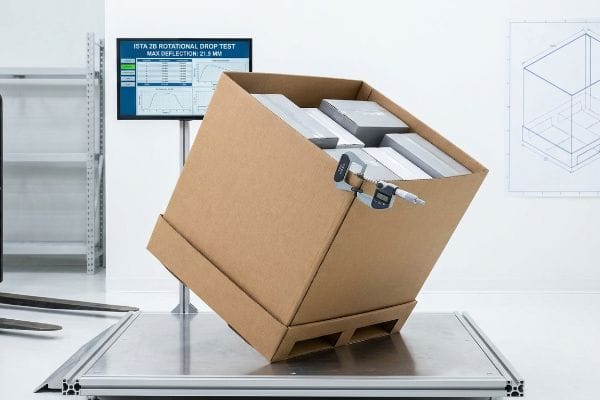
Lograr que una sola pantalla se mantenga en pie en un laboratorio es fácil, pero esta es la cruda realidad cuando se envían 500 de ellas llenas de productos de consumo densos. En mis instalaciones, veo rutinariamente contenedores precargados que superan sin esfuerzo el umbral de carga útil de 150 lb (68 kg)18, lo que los saca por completo de las métricas estándar de paquetería y los somete a la brutal física del transporte pesado. Cuando pruebo estas unidades con sobrepeso utilizando una prueba de caída de borde rotacional ISTA (International Safe Transit Association) 2B19, la fuerza de corte cinética en una esquina estándar de pared simple es devastadora: las micromediciones muestran una deflexión estructural de 0,85 pulgadas (21,5 mm) antes de que las fibras de papel se rompan. Obtuve las lecturas del micrómetro y demostré que no necesitábamos costosos tableros de esquina; solo necesitaba evitar los perfiles de prueba estándar y diseñar matemáticamente un refuerzo de doble pared específico en la columna vertebral de la base. Al diseñar de forma proactiva para tener en cuenta este impacto en el borde rotacional, elimino los puntos ciegos estructurales ocultos, lo que garantiza que los contenedores cargados sobrevivan a la manipulación violenta con montacargas y evita a los clientes enormes cargos por devoluciones debido a mercancías dañadas.
| Error común de principiante | La solución profesional | Beneficio para el punto de venta |
|---|---|---|
| Utilizando pruebas de caída libre estándar | Obligatorio ISTA 2B rotacional drops20 | Revela debilidades estructurales ocultas |
| Ignorando el umbral de 150 libras21 | Mejora del refuerzo de la columna vertebral base | Sobrevive a un manejo violento con montacargas |
| Tratar los contenedores como pequeños paquetes | Resistencia al corte cinético en ingeniería22 | Evita que la carga pesada se aplaste |
No permito que contenedores pesados entren en la cadena de suministro basándome en datos estáticos de laboratorio. Al simular caídas rotacionales extremas, obligo a la estructura a demostrar su durabilidad antes de la producción en masa, protegiendo así sus ganancias de fallas catastróficas durante el transporte.
🛠️ Oficina de Harvey: No permita que un defecto estructural de 2 milímetros arruine el lanzamiento de 500 tiendas. 👉 Envíeme su archivo de troquelado ↗ — Analizaré los cálculos antes de que malgaste su presupuesto en la producción en masa.
Conclusión
Puedes elegir un proveedor barato, pero cuando ese contenedor de pared simple sin soporte se rompa violentamente bajo el peso lateral, te enfrentarás a una fricción enorme, lo que ralentizará las operaciones de venta minorista en un 30 % aproximadamente y eliminará por completo tu margen de beneficio. Más de 500 gerentes de marca utilizan mi lista de verificación de preimpresión para evitar estos errores fatales en las primeras etapas. Deja de adivinar sobre el refuerzo lateral y permíteme auditar personalmente tu arquitectura con mi Auditoría Estructural Gratuita ↗ para detectar los riesgos de rotura cinética antes de la producción.
"La guía definitiva para el diseño de cajas de cartón ondulado – Powell Systems", https://www.powellsystems.com/feeds/blog/corrugated-box-design . La documentación de ingeniería de embalaje proporciona datos sobre cómo la densidad del cartón y la arquitectura de las ondulaciones contribuyen a la compresión vertical y la estabilidad. Función de la evidencia: validación técnica; tipo de fuente: estándar de la industria. Apoya: la afirmación de que la integridad estructural depende de las propiedades del material. Nota de alcance: específicamente para cartón ondulado.
"[PDF] Investigación del efecto de las cajas de cartón corrugado en la distribución de", https://www.unitload.vt.edu/content/dam/unitload_vt_edu/graduate-research-and-subpages-pictures-and-docs/thesis-and-dissertations-/Clayton%20-%20ETD%20-%20Investigation%20of%20the%20Effect%20of%20Corrugated%20Boxes%20on%20the%20Distribution%20of%20Compression%20Stresses%20on%20the%20Top%20Surface%20of%20Wooden%20Pallets.pdf. Explicación técnica de cómo la eliminación de los cerramientos superiores afecta la distribución de carga en el embalaje de cartón corrugado. Función de evidencia: validación; tipo de fuente: manual de ingeniería estructural. Apoya: la afirmación de que los contenedores de techo abierto tienen una capacidad de carga reducida. el
"Estimación de la resistencia al aplastamiento de los bordes del cartón corrugado mediante…", https://pmc.ncbi.nlm.nih.gov/articles/PMC9961700/. Prueba de ingeniería de que la orientación vertical de las ondulaciones maximiza el valor de la prueba de aplastamiento de bordes (ECT) de un cartón corrugado. Función de la evidencia: confirmación técnica; tipo de fuente: estándar de ciencia del embalaje. Apoya: el método para prevenir el colapso de las esquinas. Nota de alcance: se refiere a la alineación de la fibra del material. ↩
"Estimación de la resistencia a la compresión de cajas de cartón corrugado…", https://pmc.ncbi.nlm.nih.gov/articles/PMC8467740/. Explicación técnica de cómo la alineación vertical de las ondulaciones del cartón corrugado maximiza la capacidad de carga vertical. Función de la evidencia: verificación técnica; tipo de fuente: manual de ingeniería de embalaje. Apoyos: mantenimiento de la resistencia a la compresión. Nota de alcance: Aplicable a cartón corrugado. ↩
"Opciones de resistencia del cartón corrugado en capas: pared simple vs. pared doble…", https://ufppackaging.com/insights/layered-corrugated-strength-options. Comparación de las capacidades de carga entre materiales corrugados de pared simple y doble bajo cargas estáticas. Función de la evidencia: especificación del material; tipo de fuente: estándar de la industria. Soportes: resistencia bajo apilamiento de paletas pesadas. Nota de alcance: la efectividad varía según el grado del cartón/clasificación ECT. ↩
"Los postes de esquina protegen las cargas de las tiendas de artículos deportivos – Packaging Digest", https://www.packagingdigest.com/packaging-design/corner-posts-protect-clubstore-loads. Análisis de cómo los soportes verticales de esquina concentran la carga en los bordes de la caja para reducir la deflexión y el colapso de la pared. Función de la evidencia: validación estructural; tipo de fuente: guía logística. Soportes: prevención del pandeo del nivel inferior. Nota de alcance: la efectividad depende del material y el ajuste del poste. ↩
"Tamaño estándar de palé por país: EE. UU., Europa, Asia – TranPak", https://www.tranpak.com/faq/standard-pallet-size-dimensions/. Verificación de las dimensiones estándar de los palés de la GMA (Grocery Manufacturers Association) utilizadas como base para las exhibiciones de tamaño completo en tiendas minoristas. Función de la evidencia: Especificación técnica; tipo de fuente: Estándar de la industria logística. Apoya: Las dimensiones de una base de contenedor estándar de tamaño completo. Nota de alcance: Se aplica principalmente a los estándares minoristas de América del Norte. ↩
"Medio palé de madera agrupada – Canadá 48 x 20 pulgadas – CHEP.com", https://www.chep.com/ca/en/product/pooled-wood-half-pallet-canada-48-x-20-inch. Verifique las dimensiones estándar de la industria para exhibidores minoristas de medio palé para garantizar el cumplimiento espacial. Función de evidencia: Especificación técnica; tipo de fuente: Guía de fabricación de exhibidores o logística minorista. Soportes: Precisión dimensional para palés fraccionados. Nota de alcance: El estándar puede variar ligeramente según los tipos de palés regionales (por ejemplo, GMA frente a Euro). ↩
"Exhibición de cuartos de palé: La guía completa – Bennett Packaging", https://bpkc.com/blogs/blog/quarter-pallet-display-the-complete-guide. Los estándares técnicos para el comercio minorista explican cómo las fracciones de palé optimizan el espacio en planta y aseguran una ubicación privilegiada. Función de la evidencia: Especificación técnica; tipo de fuente: Manual de la industria. Apoya: El uso de tamaños de cuartos de palé para la colocación en pasillos. Nota de alcance: Centrado en entornos minoristas de alto tránsito. ↩
"Expositor de medio palé: La guía completa – PopDisplay", https://popdisplay.me/half-pallet-display-the-complete-guide/. Las especificaciones de la industria para expositores de punto de venta confirman las bases de 24×20 pulgadas como estándar para la comercialización conjunta modular. Función de la evidencia: Especificación técnica; tipo de fuente: Estándar de fabricación. Soportes: Eficiencia dimensional para espacio de palé compartido. Nota de alcance: Específico para bases de contenedores de descarga modulares. ↩
"[PDF] Especificaciones de cartón ondulado – Fibre Box Association", https://www.fibrebox.org/assets/2025/09/Walmart_Corrugated-Board_Specifications_Automation_Packaging_Standards.pdf. Análisis técnico de la integridad estructural y los puntos de fallo del cartón ondulado de pared simple bajo presión lateral. Función de la evidencia: verificación técnica; tipo de fuente: norma de ingeniería de embalaje. Apoya: la afirmación relativa al uso de material estándar y su insuficiencia para la contención de productos sueltos. Nota de alcance: se centra en la capacidad de carga lateral frente a la resistencia al apilamiento vertical. ↩
"[PDF] Física del estado granular", https://pdodds.w3.uvm.edu/files/papers/others/1992/jaeger1992a.pdf. Breve explicación de cómo una fuente externa autorizada respalda esta afirmación. Función de la evidencia: principio científico; tipo de fuente: libro de texto de ingeniería. Respalda: la física de los materiales granulares que se comportan como fluidos para ejercer una presión similar a la hidrostática. Nota de alcance: se aplica a mercancías sueltas en contenedores a granel. ↩
"Diseño óptimo de embalajes de cartón ondulado de doble pared – PMC", https://pmc.ncbi.nlm.nih.gov/articles/PMC8950760/. Breve explicación de cómo una fuente externa autorizada respalda esta afirmación. Función de la evidencia: especificación técnica; tipo de fuente: guía de la industria del embalaje. Respalda: la eficacia de los soportes estructurales internos para prevenir la deformación de las paredes laterales. Nota de alcance: centrado en contenedores de exhibición minorista de cartón ondulado. ↩
"Contenedores de cartón personalizados – Cajas y embalajes personalizados", https://boxpackingsolution.com/single-product/custom-cardboard-displays/dump-bins/. Documentación técnica sobre insertos estructurales para embalajes de cartón ondulado que muestra cómo los separadores en H distribuyen la presión lateral para evitar la deformación. Función de la evidencia: especificación técnica; tipo de fuente: manual de ingeniería de embalaje. Apoya: el uso de separadores para mantener la alineación del panel. Nota de alcance: se aplica a expositores minoristas de cartón ondulado. ↩
"DISEÑO ESTRUCTURAL DE EXHIBICIONES PARA COMERCIO MINORISTA INTERACTIVO…", https://www.bcipkg.com/display-structural-design-for-interactive-retail-displays/. Estándares de la industria para el refuerzo de exhibidores en el punto de venta (POP) que explican el papel de las bandas de refuerzo para prevenir fallas en las costuras bajo carga. Rol de evidencia: buenas prácticas; tipo de fuente: publicación comercial. Apoya: el uso de bandas de refuerzo para evitar la rotura de contenedores. Nota de alcance: enfocado en contenedores minoristas de alta capacidad. ↩
"Cajas de cartón corrugado de pared simple vs. doble | Guía definitiva", https://lansbox.com/single-wall-vs-double-wall-corrugated-boxes/. Comparación de los valores de la prueba de aplastamiento de bordes (ECT) entre cartón corrugado de pared simple y doble para demostrar una mayor rigidez. Función de la evidencia: comparación técnica; tipo de fuente: ficha técnica de ciencia de materiales. Apoya: la afirmación de que la construcción de doble pared evita la deformación de los gráficos de la marca. Nota de alcance: se refiere al grado y grosor del cartón corrugado. ↩
"Diseño estructural en expositores temporales de cartón ondulado para comercios minoristas – UD Direct", https://www.ud-direct.com/blog/the-importance-of-structural-design-in-temporary-corrugated-retail-displays. Breve explicación de cómo las normas técnicas de embalaje (por ejemplo, ISTA o ASTM) diferencian entre las pruebas de caída de paquetes pequeños y los requisitos estructurales para contenedores a granel de gran masa. Función de la evidencia: validación técnica; tipo de fuente: norma de ingeniería. Apoya: por qué las caídas verticales básicas son insuficientes para contenedores de alta capacidad. Nota de alcance: se aplica a la logística minorista a granel. ↩
"Estándares de tamaño, peso y tarifas de paquetes – Preguntas frecuentes | USPS", https://faq.usps.com/s/article/Parcel-Size-Weight-Fee-Standards. Las directrices autorizadas de las empresas de transporte (por ejemplo, UPS, FedEx) especifican los límites máximos de peso para los servicios de paquetería antes de que un envío se clasifique como carga LTL. Función de la evidencia: umbral fáctico; tipo de fuente: política de la empresa de transporte. Apoya: la afirmación de que 150 libras hacen que un envío pase a la categoría de carga pesada. Nota de alcance: los límites exactos varían ligeramente según la empresa de transporte .
"Prueba de integridad de paquetes ISTA 2B", https://keystonepackage.com/standards/ista-2b/. La documentación del estándar ISTA define la prueba 2B como un método para evaluar la integridad estructural de los contenedores de envío mediante secuencias específicas de caída y rotación. Función de evidencia: especificación técnica; tipo de fuente: estándar de la industria. Apoya: la validez del uso de esta prueba específica para contenedores minoristas de alta resistencia. Nota de alcance: se aplica a categorías de embalaje específicas. ↩
"[PDF] Procedimiento 2B – Asociación Internacional de Tránsito Seguro", https://ista.org/docs/2Boverview.pdf. La documentación técnica de la Asociación Internacional de Tránsito Seguro (ISTA) define el protocolo de prueba 2B y cómo las caídas rotacionales identifican fallas estructurales. Función de evidencia: especificación técnica; tipo de fuente: estándar de la industria. Apoyos: uso de caídas rotacionales para exponer debilidades. Nota de alcance: específico para ciertas clases de tamaño y peso de paquetes. ↩
"eTool: Carretillas elevadoras industriales (montacargas) – Manipulación de cargas – OSHA", http://www.osha.gov/etools/powered-industrial-trucks/load-handling/load-composition. Las normas de ingeniería industrial para contenedores de tránsito de servicio pesado definen umbrales de peso críticos para el refuerzo estructural con el fin de prevenir fallas durante el transporte mecánico. Función de evidencia: referencia técnica; tipo de fuente: manual de ingeniería. Apoya: el límite de 150 lb para el refuerzo de la columna vertebral de la base. Nota de alcance: el umbral puede variar según la composición del material. ↩
"[PDF] MÉTODOS PARA EL ANÁLISIS DE IMPACTO DE CONTENEDORES DE ENVÍO.", https://www.nrc.gov/docs/ML2023/ML20236T588.pdf. La literatura sobre ciencia de los materiales explica cómo la ingeniería para la resistencia al corte cinético previene el colapso estructural bajo cargas dinámicas pesadas. Función de la evidencia: principio científico; tipo de fuente: revista académica. Apoya: prevención del aplastamiento de la carga útil. Nota de alcance: aplicable a contenedores de polímero reforzado y metal. ↩