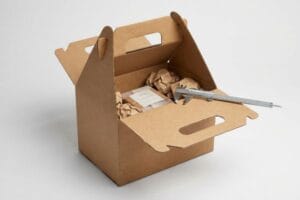
Man investiert Tausende in die Gestaltung eines ansprechenden Umkartons, doch wenn die Produkte darin herumklappern, leidet das Markenerlebnis. Eine durchdachte Innengestaltung verhindert Transportschäden und steigert die wahrgenommene Wertigkeit.
Produktverpackungseinsätze sind speziell entwickelte Inneneinsätze, die in einen Umkarton eingesetzt werden, um Waren während des Transports zu sichern, zu ordnen und zu schützen. Sie bestehen üblicherweise aus Wellpappe oder Formfaserstoff und verhindern ein Verrutschen der Ware, absorbieren Stöße und präsentieren die Artikel beim Öffnen professionell. Dadurch werden weltweit einheitliche Qualitätsstandards etabliert.
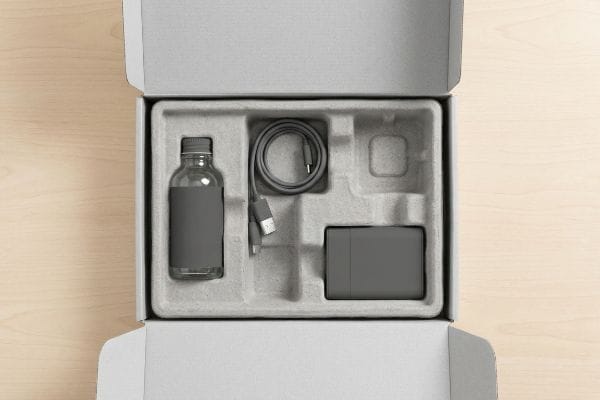
Doch die Kenntnis der Lehrbuchdefinition ist nur der Anfang; die eigentliche Herausforderung besteht darin, diese internen Komponenten in der brutalen Realität der modernen Logistik bestehen zu lassen.
Was sind Beipackzettel?
Viele Marken betrachten das Innere einer Verpackung als Nebensache. Die Vernachlässigung dieses Innenraums führt zu chaotischem Auspacken und beschädigter Ware, was moderne Konsumenten sofort verärgert.
Verpackungseinsätze sind spezielle Bauteile, die einzelne Produkte sicher in einem Umkarton fixieren. Sie nutzen präzise gestanzte Aussparungen und modulare Trennwände, um ein Verrutschen der Produkte zu verhindern, die Einhaltung internationaler Verpackungsstandards zu gewährleisten und die Retourenquote für zerbrechliche, direkt an Verbraucher versandte Waren deutlich zu senken.
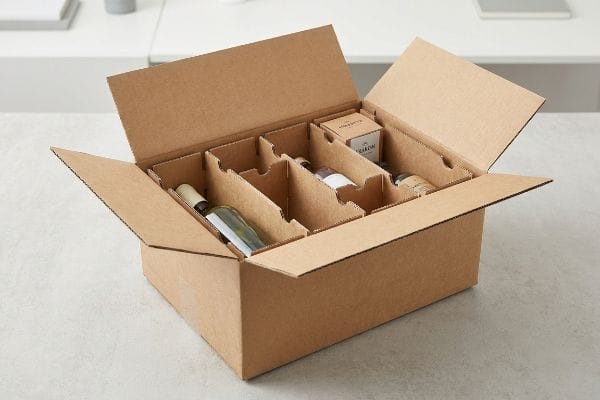
Die Erstellung eines maßgeschneiderten Nests für Ihr Produkt klingt einfach, bis man sich der mathematischen Realität mehrerer Produktvarianten stellt.
Die modulare Trennwandstrategie für Verpackungseinlagen
Die meisten aufstrebenden Marken versuchen, für jede einzelne Produktvariante eine komplett individuelle Verpackung zu entwerfen. Sie gehen davon aus, dass nur eine perfekt geformte Innenmulde ein erstklassiges Auspackerlebnis ermöglicht. Dieser Ansatz treibt das Budget für StanzteileHöhe¹ und zwingt die Einkaufsteams, Dutzende verschiedener Stanzformen gleichzeitigzu.
Ich weiß, Sie starren diese Kartonkonstruktion ratlos an, denn die meisten meiner Kunden wünschen sich für jedes Produkt eine individuelle Einlage. Stattdessen verwende ich flexible Trennwände oder modulare Trennelemente für die Artikelnummern (SKU) ³ . Neulich bestand ein Kunde auf komplizierten Papierverschlüssen im Origami-Stil für eine Sortimentspackung , was zu einer mühsamen, vier Minuten dauernden Montage führte, bei der meine Lohnverpacker mit dem steifen , unbeschichteten Kraftkarton zu kämpfen hatten⁴ .
Ich habe es durch ein universelles, vorgeklebtes modulares Trennwandsystem, das sich flexibel an drei verschiedene Flaschengrößen anpasst. Diese Feinjustierung beseitigte die Reibung und reduzierte die Montagezeit um schätzungsweise 35 %. Dadurch konnte die Gewinnspanne der Kampagne gesichert werden, ohne die Unboxing-Präsentation zu beeinträchtigen.
| Häufiger Anfängerfehler | Die Profi-Lösung | Vorteil für die Verkaufsfläche |
|---|---|---|
| Entwurf von zehn einzigartigen Tabletts | Universelle modulare Trennwände7 | Konsolidiert Lagerfläche |
| Schwer faltbare Origami-Schlösser | Vorgeklebte Pop-up-Hohlräume8 | Beschleunigt die Verpackungslinien |
| Produktgrößenänderungen ignorieren | Flexible, schwebende Trennwände9 | Zukunftssichere neue Item-Drops |
Ich entwickle stets modulare Trennwände, die sich an kleinere Produktänderungen anpassen lassen. Die Standardisierung Ihrer internen Architektur spart nicht nur Papier, sondern senkt auch direkt Ihre Lohnkosten für die Verpackung, indem unnötige manuelle Faltvorgänge entfallen.
🛠️ Harveys Schreibtisch: Sind Sie sich nicht sicher, ob Ihre aktuelle Innenschale zu viel Zeit beim Aufbau in Anspruch nimmt? 👉 Lassen Sie eine Strukturprüfung durchführen ↗ — Direkter Kontakt zu meinem Schreibtisch. Kein automatisierter Werbe-Spam, versprochen.
Was sind Beilagen für den Einzelhandel?
Der Übergang vom Onlinehandel zum stationären Einzelhandel verändert die Anforderungen grundlegend. Im Einzelhandel werden Komponenten benötigt, die sich innerhalb von Sekunden von Transportschutz zu Verkaufsdisplay umwandeln lassen.
Verkaufsregaleinsätze sind schützende, stabile Unterkonstruktionen, die sich im Handumdrehen in attraktive Warenträger für Regale verwandeln lassen. Dank vorgeklebter, modularer Stapelsysteme ermöglichen diese Trays den Mitarbeitern im Einzelhandel, Waren nahtlos vom Versandkarton direkt ins Regal zu stellen und so das mühsame Einräumen einzelner Artikel komplett zu vermeiden.
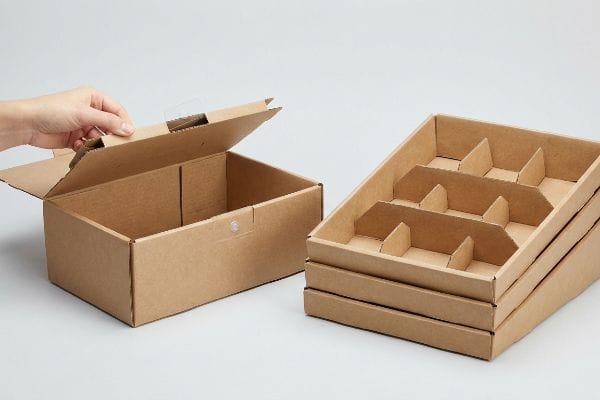
Auch wenn verkaufsfertige Verpackungen für den Verbraucher mühelos aussehen, sind die strukturellen Mechanismen, die sie intakt halten, überraschend komplex.
Meisterhaftes Einlegen von Beilagen im Einzelhandel dank frustfreier Montage
Selbst erfahrene Designer übersehen diesen blinden Fleck oft und gehen davon aus, dass eine Standard-Wellpappunterlage für ein verkaufsfertiges Tray. Sie entwerfen üblicherweise komplizierte, ineinandergreifende Schlitze, die von den Mitarbeitern im Laden direkt im Regal zusammengebaut werden sollen. Die Theorie dahinter ist, dass der Versand der Einsätze flach das Containervolumen minimiert und die Seefrachtkosten erheblichsenkt.
Ich sehe immer wieder, wie Einzelhändler durch die vermeintlichen Einsparungen bei zerlegten Produkten enttäuscht werden, sobald die Realität im Laden sie einholt. Ein Verkäufer, der sich fünfzehn Minuten lang abmüht, eine komplizierte Lasche anzubringen, gibt schließlich frustriert auf, reißt den Karton ein und greift zu unansehnlichem Klebeband, das dem Markenimage schadet.
Um dieses Problem zu lösen, setze ich auf vorgeklebte Modultrays, die sich mit einem satten Klick der Verriegelungslasche in einer einzigen Bewegung öffnen lassen. Durch die Entwicklung eines frustfreien Stapelsystems vermeide ich Rückbuchungen im Einzelhandel¹¹und sorge dafür, dass Ihre Marke sofort im Regal steht – ganz ohne die Faltkünste eines frustrierten Teenagers.
| Häufiger Anfängerfehler | Die Profi-Lösung | Vorteil für die Verkaufsfläche |
|---|---|---|
| Komplexe manuelle Laschenverriegelung | Vorgeklebte Pop-up-Böden12 | Beseitigt Frustration bei Mitarbeitern |
| Versand komplett flach | Automatisierte werkseitige Vorverklebung13 | Garantiert perfekte Regalwinkel |
| Dünnwandige einwandige Wände | Verstärkte Doppelwandstürze14 | Verhindert das Zerdrücken unter Gewicht |
Ich weigere mich, mich beim Aufbau meiner Konstruktionszeichnungen auf Ladenangestellte zu verlassen. Indem ich die Montage wieder ins Werk verlagere und vorgeklebte Verbindungen verwende, vermeide ich kostspielige Reklamationen im Einzelhandel und sorge dafür, dass Ihre Marke auch unter grellem Neonlicht makellos aussieht.
🛠️ Harveys Schreibtisch: Sinken Ihre Umsetzungsquoten im Einzelhandel, weil Ihre Mitarbeiter keine Lust mehr haben, Ihre Displays aufzubauen? 👉 Fordern Sie eine Stanzform-Überprüfung an ↗ — Sicher herunterladen. Bei Fragen können Sie mich gerne kontaktieren.
Welche verschiedenen Verpackungsarten gibt es für Produkte?
Die Wahl der richtigen Materialhierarchie entscheidet darüber, wie lange Ihr Produkt den Transport übersteht. Marken müssen einen robusten Außenschutz mit einer leichten und eleganten Innenausstattung in Einklang bringen, um ihr Budget optimal zu nutzen.
Die verschiedenen Verpackungsarten für Produkte umfassen stabile Umkartons, flexible Barrierefolien und präzise E-Wellen-Einlagen. Diese unterschiedlichen Materialstrukturen arbeiten systematisch zusammen, um schwere Waren zu polstern und gleichzeitig ein geringes Gewicht zu gewährleisten. So werden die globalen Anforderungen an eine nachhaltige und recyclingfähige Logistik erfüllt.
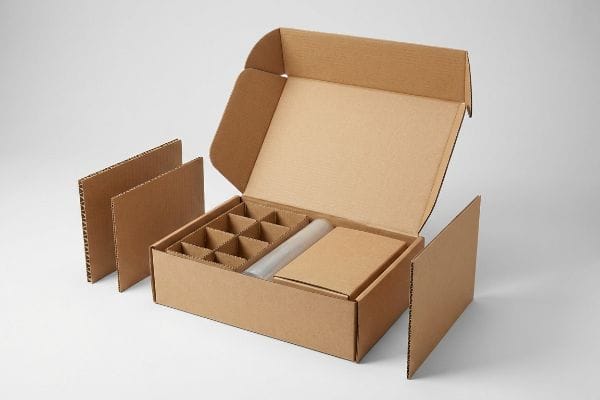
Die Entscheidung zwischen diesen Materialarten hängt oft von einem Ausgleich zwischen den physikalischen Struktureigenschaften und den steigenden Kosten einer nachhaltigen Logistik ab.
Die Nachhaltigkeitssteuer auf Verpackungsarten
Einkaufsteams greifen typischerweise auf schwere, dicke C-Wellpappe für all ihre Verpackungsbedürfnisse zurück, in der Annahme, maximale Dicke bedeute maximalen Schutz. Sie versuchen, dieses sperrige Material sogar für empfindliche Kosmetikeinlagen zu verwenden , um eine einheitliche Lieferkette zu gewährleisten. Diese veraltete Strategie ignoriert jedoch völlig die von modernen Spediteuren angewandten Gewichtszuschläge für das Volumengewicht .
Verpackungen sind wie mehrere Kleidungsschichten im Winter; man trägt ja auch keinen dicken Parka direkt auf der Haut. Ein häufiger Fehler, der selbst erfahrene Einkäufer begeht, ist die Verwendung von zu dicker Wellpappe für kleine Trennwände im Inneren. Das verschwendet Platz und fühlt sich für den Kunden extrem rau an.
Ich löse dieses Problem durch die Verwendung von Hochleistungs-E-Wellen- (Mikro-Wellen-) Strukturen für die inneren Komponenten. Die präzise Faltung der Mikro-Welle sorgt für eine elegante, hochwertige Haptik und reduziert gleichzeitig unnötiges Materialgewicht. Dadurch verringert sich das Versandvolumen um schätzungsweise 15 %<sup>16</sup> , ohne dass die Druckfestigkeit auch nur ein Gramm beeinträchtigt wird<sup>17</sup>.
| Häufiger Anfängerfehler | Die Profi-Lösung | Vorteil für die Verkaufsfläche |
|---|---|---|
| Verwendung einer sperrigen C-Nut im Inneren | Hochleistungs-E-Flöte | Steigert die Eleganz beim Auspacken |
| Volumengewicht vernachlässigen | Strategische Leichtbauweise | Senkt die gesamten Versandkosten |
| Raue, ungebleichte Trennwände | Glatte Mikro-Wellenplatten | Steigert die Wahrnehmung der Premiummarke |
Ich wähle das Material stets exakt passend zu den physikalischen Anforderungen des jeweiligen Produkts aus. Der Einsatz von Mikro-Wellpappe anstelle von dicker Pappe reduziert die Logistikkosten und verbessert gleichzeitig die Optik beim Auspacken deutlich.
🛠️ Harveys Schreibtisch: Zahlen Sie für leere Verpackungen, weil Ihre Innenmaterialien zu dick sind? Ich optimiere Ihre Materialspezifikationen. 👉 Jetzt Materialanalyse anfordern ↗ — Keine Formulare, die endlose Verkaufsgespräche auslösen. Nur echter Mehrwert.
Was ist ein Einlegekasten?
Die Kombination aus Umverpackung und innerer Schutzschale ergibt eine Komplettlösung für die Verpackung. Dies optimiert die Beschaffung und verbessert die Wahrnehmung Ihrer Produkte durch Endverbraucher weltweit.
Eine Einlegebox ist ein komplettes Verpackungssystem mit einer passgenauen Innenschale, die sicher in einem passenden Umkarton eingeschlossen ist. Dank präziser Fertigung schützt diese integrierte Lösung empfindliche Gegenstände, absorbiert Stöße beim Transport und garantiert ein makelloses Auspackerlebnis ohne lästiges Füllmaterial.
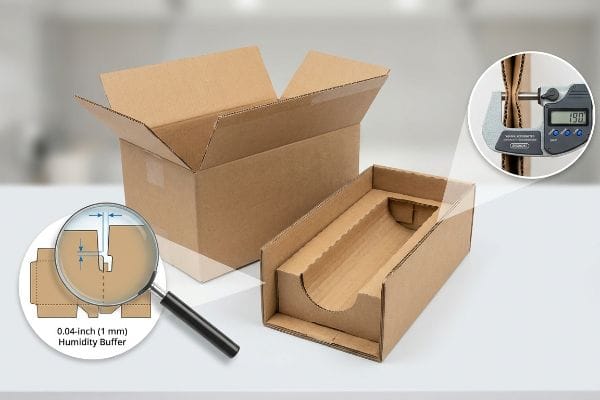
Doch die Theorie allein genügt nicht, wenn die Maschinen in Betrieb genommen werden und Umwelteinflüsse eine Rolle spielen.
Warum Standard-Einlegeboxen in der Fabrik versagen
Statiker, die in klimatisierten Büros arbeiten, entwerfen häufig perfekte Einlegekartons mithilfe von CAD (Computer-Aided Design) und gehen dabei davon aus, dass die ineinandergreifenden Teile nahtlos passen. Sie legen die Toleranzen für die Stanznuten anhand der absoluten Dicke18 des trockenen, flachen Materials fest. Dabei wird angenommen, dass sich Karton wie ein starres Kunststoffteil verhält und seine exakten Abmessungen unabhängig von der Umgebung beibehält.
In meiner Produktionsstätteerlebe ich regelmäßig, wie brillante Konstruktionen scheitern, weil die Feuchtigkeitsaufnahme nicht berücksichtigt wurde. Wenn Standard-Testliner-Bausätze per Seefracht transportiert oder in feuchten Lagerhallen gelagert werden, saugt das poröse Papier die Luftfeuchtigkeit auf und quilltum Bruchteile eines Millimeters auf. Beim Messen der aufgequollenen Laschen auf dem Testboden stellt sich heraus, dass eine zuvor perfekt passende Aussparung plötzlich zu eng ist. Dadurch werden die Wellen der Bauteile beim Zusammenfügen gequetscht und die Decklage reißt ein.
Ich lese die Mikrometerwerte aus und integriere automatisch einen 1 mm (0,04 Zoll) Feuchtigkeitspufferpro Einheit beim Co-Packing deutlich, vermeide Materialverschwendung und spare Tausende an Lohnkosten bei einer Standardproduktionsreihe.
| Häufiger Anfängerfehler | Die Profi-Lösung | Vorteil für die Verkaufsfläche |
|---|---|---|
| Verwendung von Toleranzen für trockene Messschieber | Hinzufügen eines Feuchtigkeitspuffers21 | Gewährleistet eine reibungslose Lohnverpackungsmontage |
| enge, geschwollene Schlitze zwingen | Mathematische Freigabealgorithmen22 | Verhindert das Einreißen des Deckblatts |
| Klima des Ozeantransports außer Acht lassen | Quellungskompensierte Stanzformen23 | Vermeidet Rohstoffverschwendung |
Ich verlasse mich bei ineinandergreifenden Bauteilen niemals auf absolute Trockenmessungen. Die Integration eines präzisen Feuchtigkeitspuffers in die Stanzform vor der Serienproduktion gewährleistet, dass Ihre Strukturbauteile unabhängig vom Lagerklima mühelos zusammenpassen.
🛠️ Harveys Schreibtisch: Kennen Sie die genaue Feuchtigkeitsausdehnungstoleranz Ihrer aktuellen Stanzform für Einlegeboxen? 👉 Senden Sie mir Ihre Stanzformdatei ↗ — Ich überprüfe die Berechnungen, bevor Sie unnötig Geld für die Massenproduktion ausgeben.
Abschluss
Sie können zwar einen günstigeren Anbieter wählen, doch wenn die präzise gefertigten Stanzformen in einem feuchten Lager aufquellen und beim Zusammenbau verformen, was die Verpackungslinie um schätzungsweise 30 % verlangsamt und zu massiven Einrissen im Deckblatt führt, ist die Rentabilität Ihrer Kampagne dahin. Genau dieses Datenblatt verwenden meine zehn wichtigsten Einzelhandelskunden, um Druckfehler zu vermeiden. Hören Sie auf, die Feuchtigkeitstoleranzen zu schätzen, und lassen Sie mich Ihre Strukturdateien persönlich durch meinen kostenlosen Stanzform-Audit führen, um fatale Mikroreibungsfehler vor dem Start der Massenproduktion aufzudecken.
"[PDF] Packaging Dielines Free Design Issuu", http://www2.flagstar.com/lbakeg/99U755X/74U2419X87/packaging-dielines_free__design_issuu.pdf. [Herstellungskostenleitfäden zeigen, dass für jede individuelle Stanzform ein separates Schneidwerkzeug benötigt wird, was die anfänglichen Investitionskosten für Werkzeuge erheblich erhöht. Nachweisfunktion: Technische Verifizierung; Quellentyp: Herstellungskostenleitfaden. Begründung: Kostensteigerung durch kundenspezifische Trays. Anmerkung: Die Kosten variieren je nach Komplexität der Stanzform und Materialstärke.] ↩
„Wert der SKU-Rationalisierung in der Verpackungsindustrie | GEP-Blog“, https://www.gep.com/blog/strategy/sku-rationalization-in-packaging-industry. [Die Literatur zum Supply-Chain-Management über die SKU-Proliferation erklärt, wie die Zunahme individueller technischer Spezifikationen den Beschaffungsaufwand und die Komplexität der Qualitätskontrolle erhöht. Nachweisfunktion: operative Verifizierung; Quellentyp: Supply-Chain-Journal. Unterstützt: Beschaffungsaufwand. Anmerkung zum Untersuchungsbereich: Fokus auf administrativen und logistischen Aufwand.] ↩
„Warum operative Teams in modulare Verpackungssysteme investieren“, https://www.packproinc.com/why-operations-teams-are-investing-in-modular-packaging-systems/. [Die Dokumentation zur Verpackungstechnik erklärt, wie modulare Trennwände es ermöglichen, verschiedene Produktabmessungen in einem einzigen Umkarton unterzubringen und so den Bedarf an individuellen Einlagen zu reduzieren]. Nachweisfunktion: Technische Validierung; Quellentyp: Branchen-Whitepaper. Unterstützt: Die Verwendung modularer Trennwände für mehr Flexibilität bei der Artikelauswahl. Fokus: Effizienz des Strukturdesigns. ↩
„[PDF] Untersuchung der mechanischen Eigenschaften von Kartonverpackungen …“, https://repository.rit.edu/cgi/viewcontent.cgi?article=1066&context=japr. [Materialspezifikationen für Frischfaser-Kraftpapier bestätigen dessen hohe Zugfestigkeit und strukturelle Steifigkeit im Vergleich zu Recyclingalternativen]. Nachweisfunktion: Überprüfung der Materialeigenschaften; Quellentyp: Technisches Datenblatt. Belege: Die Aussage zur Widerstandsfähigkeit des Materials bei der manuellen Montage. Anmerkung zum Anwendungsbereich: Die Spezifität hängt vom Flächengewicht (GSM) und der Wellenart des Kartons ab. ↩
„Boxtrennwände | Verpackungseinsätze – Smurfit Westrock“, https://www.smurfitwestrock.com/products/packaging/protective/box-partitions. [Technische Kataloge für Verpackungseinsätze beschreiben detailliert die Konstruktion vorgeklebter, modularer Trennwände, die die Kompatibilität mit Produkten unterschiedlicher Größe ermöglichen]. Nachweisfunktion: Technische Verifizierung; Quellentyp: Produktspezifikation. Vorteile: Vielseitigkeit der modularen Trennwände. Anwendungsbereich: Die Anwendbarkeit ist abhängig vom Flaschendurchmesser. ↩
„Steigern Sie Effizienz und Wachstum mit modularen Verpackungsmaschinen“, https://www.packleaderusa.com/blog/unlock-efficiency-and-growth-with-modular-packaging-machines. [Branchenvergleiche und Fallstudien zu vorgeklebten Verpackungskomponenten belegen die Reduzierung von manuellem Arbeitsaufwand und Montagezeit im Vergleich zu nicht-modularen Alternativen]. Nachweisfunktion: quantitative Unterstützung; Quellentyp: Branchenbericht. Unterstützt: Steigerung der Montagegeschwindigkeit. Anmerkung: Die Ergebnisse variieren je nach Produktionsumfang. ↩
„Reduzierung des Verpackungslagerplatzes | Effiziente Geschäftslösungen“, https://rebul.com.au/reduce-packaging-storage-space-guide/. [Branchenlogistikdaten bestätigen, dass die Reduzierung der Vielfalt an individuellen Beilagenartikeln durch Modularität den Lagerflächenbedarf deutlich senkt]. Nachweisfunktion: Beleg; Quellentyp: Branchenbericht. Unterstützt: Konsolidierung des Lagerplatzes. Anwendungsbereich: Fokus auf das SKU-Management im Lager. ↩
„Senken Sie die Lohnkosten in der Verpackungslinie durch einfache Verpackungsänderungen“, https://www.pacificbox.com/box-resources/cut-pack-line-labor-costs-with-simple-packaging-changes. [Zeit- und Bewegungsstudien in Verpackungsprozessen zeigen, dass die Eliminierung manueller Faltvorgänge zugunsten vorgefertigter Kavitäten die Zykluszeit pro Einheit reduziert]. Nachweisfunktion: Technische Verifizierung; Quellentyp: Fertigungsstudie. Unterstützt: Erhöhte Geschwindigkeit der Verpackungslinie. Anwendungsbereich: Beschränkt auf Produktionslinien mit hohem Durchsatz. ↩
„Dimensionsvariables Verpackungsdesign – Flexibel, Dynamisch und …“, https://www.packagingdesignsoftware.com/post/dimensionally-variable-packaging-design. [Handbücher für Verpackungstechnik legen fest, dass verstellbare Trennwände es ermöglichen, mit einem einzigen Einsatzdesign verschiedene Produktabmessungen aufzunehmen]. Nachweisfunktion: Technische Spezifikation; Quellentyp: Technisches Handbuch. Unterstützung: Zukunftssicherheit für neue Produkteinführungen. Anwendungsbereich: Gilt für modulare Einsatzsysteme. ↩
„[PDF] Steigende Seefrachtkosten aufgrund von Covid-19“, https://www.usitc.gov/publications/332/executive_briefings/ebot_greg_larocca_freight_costs_weighing_covid_pdf.pdf. [Logistik- und Lieferkettendaten belegen den direkten Zusammenhang zwischen optimierten Flachverpackungen und reduzierten Versandkosten durch höhere Volumeneffizienz in Seecontainern]. Nachweisfunktion: Wirtschaftliche Validierung; Quellentyp: Analyse der Logistikbranche. Begründung: Die finanzielle Rechtfertigung für den flachen Versand von Einlagen. Anmerkung: Die Einsparungen variieren je nach Gesamtversandvolumen und Containergröße. ↩
„Gebühren für die Einhaltung von Lieferantenrichtlinien: Ursachen und Lösungen für Einzelhändler“, https://www.linkedin.com/posts/quickbox-fulfillment_struggling-with-vendor-compliance-chargebacks-activity-7421637082487525376-VCk2. Branchenberichte zur Einhaltung von Vorschriften im Einzelhandel zeigen, dass optimierte Verpackungen den Arbeitsaufwand reduzieren und finanzielle Strafen für die Nichteinhaltung von Regalbestückungsstandards verhindern. Belegfunktion: Kausalzusammenhang; Quellentyp: Whitepaper Logistik. Unterstützt: die Behauptung, dass optimierte Beilagen finanzielle Risiken mindern. Anmerkung: Die Richtlinien für Rückbuchungen variieren je nach Einzelhändler. ↩
„Verpackungskostenmanagement in Zeiten der Inflation – Wertheimer Box“, https://wertheimerbox.com/managing-packaging-costs-during-inflation-5-strategies-to-protect-your-bottom-line/. [Studien zur Einzelhandelslogistik zeigen, dass vormontierte Komponenten, wie z. B. Pop-up-Böden, den Arbeitsaufwand und menschliche Fehler bei der Platzierung am Point of Sale reduzieren]. Nachweisfunktion: Effizienzkennzahl; Quellentyp: Whitepaper zur Lieferkette. Nutzen: Reduzierung der Frustration der Mitarbeiter. Anwendungsbereich: Besonders relevant für Einzelhandelsumgebungen mit hohem Warenaufkommen. ↩
„Präzisions-Dosiersysteme für Klebstoffe – Nordson“, https://www.nordson.com/en/products/industries/precision-glue-and-adhesive-dispensing-systems. [Fertigungsstandards für automatisierte Klebesysteme belegen eine überlegene Maßgenauigkeit und Klebsicherheit im Vergleich zu manuellen Montageverfahren]. Nachweisfunktion: Prozessvalidierung; Quellentyp: Industriestandard. Unterstützt: Gewährleistung gleichbleibender Regalwinkel. Anwendungsbereich: Erfordert präzise Maschinenkalibrierung. ↩
„Optimales Design von doppelwandigen Wellpappenverpackungen – PMC“, https://pmc.ncbi.nlm.nih.gov/articles/PMC8950760/. [Technische Daten zu Wellpappenmaterialien bestätigen, dass die Doppelwandkonstruktion die vertikale Druckfestigkeit und die Tragfähigkeit im Vergleich zur Einwandkonstruktion deutlich erhöht]. Nachweisfunktion: Technische Spezifikation; Quellentyp: Handbuch für Verpackungstechnik. Anwendungsbereich: Verhinderung des strukturellen Zusammenbruchs unter Gewicht. Anmerkung: Die Leistung variiert je nach Wellengröße und Papierqualität. ↩
„Volumengewicht – Wikipedia“, https://en.wikipedia.org/wiki/Dimensional_weight. [Eine branchenübliche Erklärung der Volumengewichtsberechnung, die von Transportunternehmen verwendet wird, um den Platzbedarf unabhängig von der tatsächlichen Masse zu berechnen]. Nachweisfunktion: Technische Verifizierung; Quellentyp: Branchenstandard der Logistik; Unterstützung: Die finanziellen Auswirkungen der Verwendung sperriger Verpackungen; Anwendungsbereich: Gilt für die meisten großen globalen Kurier- und Frachtdienste. ↩
„Wellpappe und Mikrowellpappe … – Shanghai DE Printed Box“, https://www.deprintedbox.com/corrugated-board-for-corrugated-box.php. [Ein Branchen-Whitepaper oder eine Logistikstudie zu Wellpappenspezifikationen würde die Volumeneinsparungen durch den Übergang zu E-Welle bestätigen]. Nachweisfunktion: quantitative Überprüfung; Quellentyp: technisches Whitepaper. Belege: Behauptung einer Volumenreduzierung von 15 %. Anmerkung: Die tatsächliche Reduzierung kann je nach Ausgangsmaterialstärke variieren. ↩
„Abschätzung der Kantenstauchfestigkeit von Wellpappe mittels …“, https://pmc.ncbi.nlm.nih.gov/articles/PMC9961700/. [Materialwissenschaftliche Datenblätter und Ergebnisse von Kantenstauchtests (ECT) für Mikrowellstrukturen würden die strukturelle Integrität und Druckfestigkeit von E-Welle bestätigen]. Nachweisfunktion: Technische Validierung; Quellentyp: Technisches Datenblatt. Beleg: Behauptung der erhaltenen Druckfestigkeit. Anmerkung: Druckfestigkeit bezieht sich typischerweise auf die vertikale Tragfähigkeit von Einlagen. ↩
„Pick Paperboard Like a Pro“, https://paperbox.org/pick-paperboard-like-a-pro/. [Eine maßgebliche Quelle für Verpackungstechnik würde die branchenübliche Praxis der Verwendung von Trockenmessschiebermessungen für die ersten Stanzformspezifikationen erläutern]. Nachweisfunktion: Technischer Standard; Quellentyp: Handbuch für Verpackungstechnik. Unterstützt: Die technische Grundlage für die erste Verpackungsgestaltung. Anwendungsbereich: Bezieht sich auf die Vorproduktionsphase. ↩
„Hygroskopische Ausdehnung ästhetischer Restaurationsmaterialien – PMC – NIH“, https://pmc.ncbi.nlm.nih.gov/articles/PMC3184730/. [Eine materialwissenschaftliche Studie zur Hygroskopie von Zellulosefasern würde die spezifischen Ausdehnungsraten von Testlinerpapier bei unterschiedlichen Luftfeuchtigkeitswerten liefern]. Nachweisfunktion: Technische Validierung; Quellentyp: Fachzeitschrift für Materialwissenschaften. Belegt: Die Behauptung, dass Umgebungsfeuchtigkeit physikalische Dimensionsänderungen in Karton verursacht. Anmerkung: Die Quellraten können je nach Flächengewicht und Beschichtung des Papiers variieren. ↩
„Einfluss von relativer Luftfeuchtigkeit, Lagerdauer und Verpackung auf Pekannüsse …“, https://pmc.ncbi.nlm.nih.gov/articles/PMC10092868/. [Industrienormen für Verpackungstoleranzen erläutern, wie spezielle Puffer die durch Feuchtigkeit bedingte Materialausdehnung ausgleichen, um eine gleichbleibende Passform zu gewährleisten. Nachweisfunktion: Technische Verifizierung; Quellentyp: Technisches Handbuch. Unterstützt: Die technische Gültigkeit der angegebenen Puffermessung. Anmerkung: Optimale Messwerte können je nach verwendetem Substrat variieren.] ↩
„Lebensmittelverpackungsmaterialien für Einzeldosisverpackungen für verbesserte …“, https://pmc.ncbi.nlm.nih.gov/articles/PMC12845365/. [Die technische Dokumentation zu hygroskopischen Materialien erläutert, wie durch die Zugabe von Puffern feuchtigkeitsbedingte Dimensionsänderungen in der Verpackung ausgeglichen werden, um eine passgenaue Montage zu gewährleisten]. Nachweisfunktion: Technische Begründung; Quellentyp: Technisches Handbuch. Unterstützt: Die Notwendigkeit von Feuchtigkeitspuffern beim Co-Packing. Anwendungsbereich: Gilt primär für Substrate auf Zellulosebasis. ↩
„Wie beeinflusst das Verpackungsdesign die Haltbarkeit?“, https://www.thepkglab.com/blog/144/how-does-package-design-impact-shelf-life. [Verpackungstechniknormen beschreiben die Anwendung von Toleranzanalysen und Freiraumalgorithmen, um strukturelles Versagen und Einreißen während der Montage zu verhindern]. Nachweisfunktion: Technische Spezifikation; Quellentyp: Industriestandard. Unterstützt: die Verwendung von Algorithmen zur Vermeidung von Einreißen der Deckfolie. Anwendungsbereich: Anwendbar auf hochpräzise Einlegeverpackungen. ↩
„Exportverpackung: Wie man Feuchtigkeitsschäden beim Transport vermeidet“, https://desiccare.com/blogs/blog/export-packaging-how-to-prevent-moisture-damage-in-transit?srsltid=AfmBOooA2AyhiIu6jeNrxtX8XlJgKfBXAWS7Z6hNU2lSCpTu8a7t781S. [Logistikforschung im Bereich Seefracht belegt die Notwendigkeit angepasster Stanzformen, um die durch hohe Luftfeuchtigkeit während des Seetransports verursachte Materialausdehnung auszugleichen]. Nachweisfunktion: faktische Validierung; Quellentyp: Logistik-Whitepaper. Unterstützung: die Verwendung kompensierter Stanzformen zur Abfallreduzierung. Fokus: Langstrecken-Internationalversand. ↩