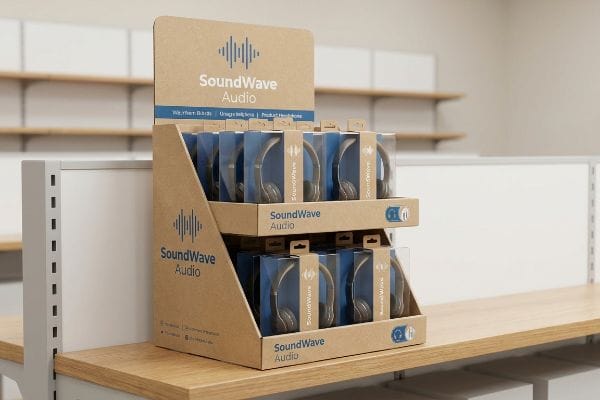
Sie investieren Monate in die Perfektionierung Ihrer Marken-Handelskampagne, doch die finale Umsetzung vor Ort entscheidet über Ihren Umsatz. Das Verständnis der Grundlagen am Point of Sale verhindert kostspielige Fehlentscheidungen im Einzelhandel.
Die Kernaufgaben von POS-Werbung im Einzelhandel umfassen die Gewinnung der Aufmerksamkeit der Konsumenten, die Förderung von Impulskäufen und die Steigerung der Markenpräsenz am Point of Sale. Diese unverzichtbaren physischen Werbemittel schließen strategisch die Lücke zwischen digitalen Marketingkampagnen und der unmittelbaren, haptischen Produkterfahrung in stark frequentierten stationären Geschäften.
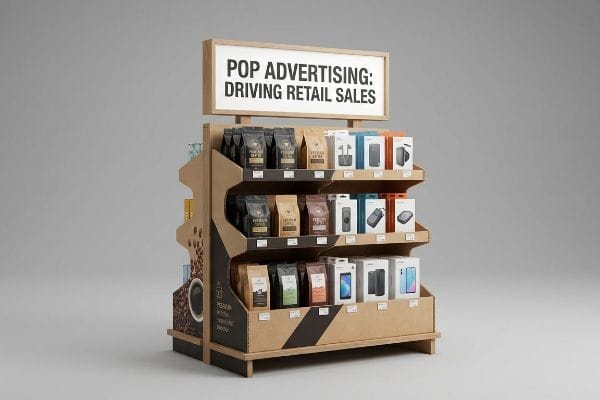
Das Verständnis des theoretischen Marketingzwecks ist jedoch nur die halbe Miete; die eigentliche Herausforderung besteht darin, eine Struktur zu entwickeln, die die physische Lieferkette übersteht.
Welche Rolle spielt POS im Einzelhandel?
Einzelhandelskäufer wollen nicht nur hübsche Verpackungen; sie brauchen unauffällige Verkäufer, die aktiv die Kundenfrequenz von den Regalen der Konkurrenz ablenken.
Ja. Die Rolle von POS-Werbung konzentriert sich darauf, gängige Einkaufsmuster zu durchbrechen, um den sofortigen Produktabsatz zu maximieren. Diese temporären oder permanenten Werbeflächen präsentieren gezielt Produkte in wichtigen Übergangszonen, wodurch die Impulskaufrate deutlich gesteigert und der gesamte Werbe-ROI maximiert wird.
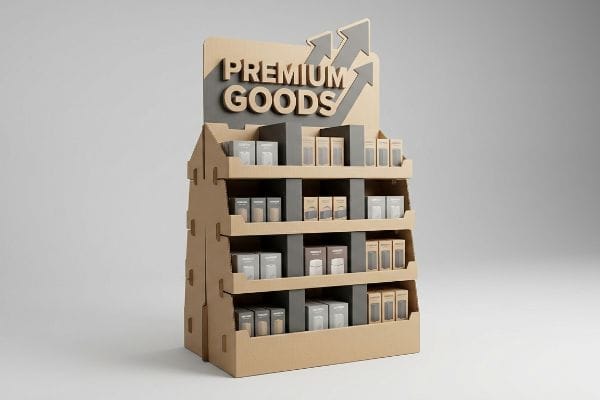
Zu erkennen, dass eine disruptive Veränderung notwendig ist, ist einfach, aber diese Veränderung zu erreichen, ohne eine kognitive Überlastung zu verursachen, ist der Punkt, an dem die meisten Marken scheitern.
Entwicklung der 3-3-3-Regel für räumliches Engagement
Marketingteams gestalten ihre Verkaufsdisplays ausschließlich für die Nahansicht auf hintergrundbeleuchteten Computermonitoren. Sie gehen davon aus, dass sich das Produkt im physischen Verkaufsraum automatisch verkauft, wenn die Grafiken auf dem Bildschirm scharf dargestellt werden. Dieser digital-zentrierte Ansatz ignoriert jedoch völlig die Realität, wie eilige Kunden durch die Gänge riesiger Supermärkte .
Ich sehe das immer wieder: Neue Marken liefern optisch unscheinbare, symmetrische Verpackungen an umkämpfte Einzelhändler. Dabei vergessen sie die „3-3-3-Regel“ des Warenmanagements¹:Das Produkt muss auf 9 Meter (30 Fuß) Aufmerksamkeit erregen, auf 0,9 Meter (3 Fuß) zum Kauf anregen und auf 76 mm (3 Zoll) zum Kaufabschluss führen. Selbst erfahrene Designer übersehen diesen blinden Fleck oft und verlassen sich ausschließlich auf kleine Schrift anstatt auf große, gestanzte Strukturaufsteller. Kürzlich beobachtete ich einen Verkäufer, der sich abmühte, ein enges PDQ-Tray (Product Display Quarter-pallet) ins Regal zu schieben. Das raue Kratzen des Kartons hallte wider, während die flache, unscheinbare Verpackung im Schatten verschwand. Durch das Abschneiden der vorderen Haltekante, um eine Produktsichtbarkeit von 85 %², verbessern wir die finale Verkaufsquote drastisch, bewahren unsere Kunden vor miserablen Abverkaufsraten und beschleunigen ihren Return on Investment.
| Häufiger Anfängerfehler | Die Profi-Lösung | Vorteil für die Verkaufsfläche |
|---|---|---|
| Nur für die Nahsicht geeignet | Massive, gestanzte Kopfzeilen für 9 Meter Sichtbarkeit3 | Zieht die Laufkundschaft von den Hauptgängen ab |
| Hochsitzende Lippen, die den Gegenstand verbergen | Frontlippe kürzen für 85% Sicht4 | Erhöht die 3-Zoll-Impulsumwandlungen5 |
| Flache, symmetrische Produktstapelung | Modulare SKU-Trennwände für visuelle Spannung | Verhindert Schnittverletzungen durch Nachfüllen von Papier |
Ich setze stets auf auffällige, strukturierte Elemente statt auf passiven Text. Wenn Ihre Präsentation die Gangstruktur aus der Ferne nicht sichtbar aufbricht, wird Ihre gesamte Kampagne für den durchschnittlichen Kunden zu einem unsichtbaren Hintergrundrauschen.
🛠️ Harveys Schreibtisch: Sind Sie sich nicht sicher, ob Ihre aktuelle Header-Seite genug Aufmerksamkeit erregt? 👉 Kostenlose Strukturanalyse anfordern ↗ – Direkter Kontakt zu mir. Garantiert kein automatisierter Werbe-Spam.
Was sind die 4 Ps des Einzelhandelsmarketings?
Ein stationärer Warenverräumer kann nicht erfolgreich eingesetzt werden, ohne ihn grundlegend an den wirtschaftlichen Kernprinzipien des Geschäfts auszurichten.
Die vier Ps des Einzelhandelsmarketings sind Produkt, Preis, Vertrieb und Promotion. Dieses grundlegende Geschäftsmodell gibt vor, wie Marken ihre Warenbestände strategisch positionieren, Preismodelle optimieren, geeignete Vertriebskanäle auswählen und zielgerichtete Werbekampagnen durchführen, um spezifische Kundenbedürfnisse zu befriedigen und die Rentabilität zu maximieren.
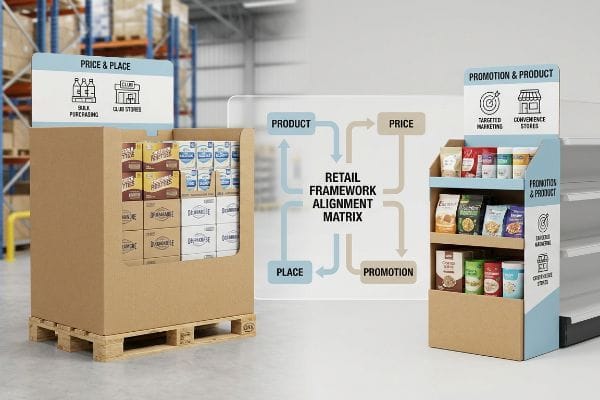
Während diese vier Säulen im Konferenzraum noch recht einfach erscheinen, werden sie in der Produktionshalle zu hochkomplexen physikalischen Beschränkungen.
Die Ausrichtungsmatrix des Einzelhandelsrahmens meistern
Aufstrebende Marken versuchen häufig, Produkte auf den Markt zu bringen, ohne die grundlegenden Mechanismen des Einzelhandels zu beherrschen, in der Annahme, ein gutes Produkt verkaufe sich von selbst. Sie entwickeln ein einziges, generisches Präsentationsformat und versuchen, es in sieben verschiedenen Einzelhandelstypen⁶–von Kiosken bis hin zu riesigen Großhandelsmärkten – durchzusetzen.
Immer wieder stoße ich auf Probleme in der Lieferkette, wenn die Werbemaßnahmen einer Marke die spezifischen logistischen Gegebenheiten des jeweiligen Einzelhändlers außer Acht lassen. Das ist eine häufige Falle, in die selbst erfahrene Einkaufsteams tappen und die dazu führt, dass sie riesige GMA-Paletten (1219 × 1016 mm) an Drogerien liefern , die nur kleine Aktionsflächen akzeptieren . Ich erinnere mich noch gut daran, wie ich eine falsch ausgerichtete Lieferung auspackte, bei der die schwere Wellpappe dumpf auf den Boden fiel. Der Filialleiter wies die Ware sofort zurück, da die Preis- und Platzierungsstrategie völlig im Widerspruch zum Geschäftsmodell des Ladens stand. Indem ich die physische Verpackung systematisch direkt auf das jeweilige System des Einzelhändlers abstimme, stelle ich sicher, dass die Warenpräsentation reibungslos funktioniert und das Risiko kostspieliger Rückbelastungen und sofortiger Ablehnungen im Verkaufsraum vollständig beseitigt wird.
| Häufiger Anfängerfehler | Die Profi-Lösung | Vorteil für die Verkaufsfläche |
|---|---|---|
| Einheitsgröße für Displaygrößen | Ausrichtung der Präsenz auf spezifische Einzelhandelsstufen8 | Gewährleistet 100%ige Akzeptanz im Geschäft |
| Die Mengenbeschränkungen der Club-Stores werden ignoriert | Upgrade auf 32ECT Doppelwand-Riffelung9 | Übersteht massive Palettenbeladungen von oben |
| Konflikte mit den Preiskanälen der Geschäfte | Gestaltung gemäß dem Styleguide des Einzelhändlers | Beschleunigt den Genehmigungsprozess |
Ich weigere mich, ein Display zu entwerfen, bevor ich genau weiß, in welchem Geschäft es eingesetzt werden soll. Nur wenn Sie die bauliche Gestaltung an die jeweilige Geschäftsumgebung anpassen, können Sie Ihre Marketinginvestition schützen.
🛠️ Harveys Schreibtisch: Werden Ihre Werbedisplays ständig von den Compliance-Abteilungen großer Handelsketten abgelehnt? 👉 Fordern Sie eine Händlerspezifikationsprüfung an ↗ — Sicher herunterladen. Bei Fragen können Sie mich später gerne kontaktieren.
Welche Rolle spielt Werbung im Einzelhandel?
Werbung in einem Ladengeschäft besteht nicht darin, die gesamte Markengeschichte zu erzählen, sondern darin, innerhalb von Sekunden eine Mikroentscheidung auszulösen.
Die Rolle der Werbung im Einzelhandel besteht darin, die unmittelbare Kundenansprache zu fördern und den Umsatz vor Ort zu steigern. Durch die strategische Platzierung kontrastreicher visueller Reize und zielgerichteter Botschaften in der Nähe des Verkaufspunkts gelingt es Marken, die Kundenfrequenz im Geschäft zu nutzen, die Produktbekanntheit zu erhöhen und die Kaufentscheidung unmittelbar zu beschleunigen.
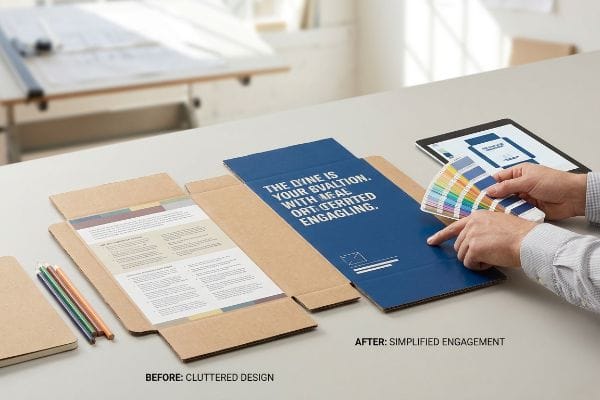
Um diese entscheidende, blitzschnelle Aufmerksamkeit zu erzeugen, ist eine schonungslose Bearbeitung erforderlich, insbesondere wenn es darum geht, Ihre Markenrichtlinien auf unbedruckten Karton zu übertragen.
Vermeidung der kognitiven Überlastungsfalle der 7 O's
Markenverantwortliche nutzen häufig komplexe Modelle des Konsumentenverhaltens, wie beispielsweise das „ 7-O- 10-Modell “, um ihre Zielgruppe für saisonale Kampagnen im Einzelhandel zu profilieren. Das Problem entsteht, wenn sie versuchen, alle sieben strategischen Ebenen dieser umfangreichen psychologischen Forschung direkt auf ein physisches Display aus Wellpappe zu übertragen .
Stellen Sie sich einen Verkaufsgang wie eine vielbefahrene Autobahn vor; Sie würden ja auch kein Lehrbuch auf eine Werbetafel stellen. Wenn Kunden versuchen, ihre gesamte Markengeschichte auf einem kleinen Display, führt das bei eiligen Kunden zu einer massiven Informationsüberflutung. Kürzlich strich ich mit der Hand über eine wunderschön gedruckte, aber unübersichtliche Testzeilenüberschrift. Ich spürte die glatte, matte Oberfläche, merkte aber, dass die Kernbotschaft in einem Meer winziger Stichpunkte völlig unterging. Um dem entgegenzuwirken, setze ich auf ein Konzept der Fokussierung auf das Wesentliche: Ich entferne alle zusätzlichen Texte und verwende eine einzige Pantone-Sonderfarbe (PMS)<sup>11 , um den wichtigsten Kaufanlass anzusprechen. Diese konsequente Vereinfachung garantiert, dass der psychologische Auslöser des Konsumenten innerhalb von drei Sekunden<sup>12</sup>und steigert so die Verkaufsgeschwindigkeit drastisch.
| Häufiger Anfängerfehler | Die Profi-Lösung | Vorteil für die Verkaufsfläche |
|---|---|---|
| Drucken von dichten Textabschnitten | Isolierung eines massiven Strukturhakens | Verhindert kognitive Überlastung des Käufers13 |
| Verwendung von gedämpfter, komplexer digitaler Kunst | Hintergründe mit Pantone-Tinte fluten | Verursacht eine visuelle Beeinträchtigung im Umkreis von 9 Metern14 |
| Alle Markenmerkmale auf einmal erklären | Ausrichtung auf einen einzelnen Kaufanlass | Beschleunigt Impulskaufentscheidungen15 |
Ich rate jedem Kunden, seinen Marketingtext zu halbieren und dann noch einmal zu kürzen. Ihre Verpackung muss wie ein lautloser Scharfschütze wirken und eine klare, unübersehbare Botschaft vermitteln, bevor der Einkaufswagen vorbeifährt.
🛠️ Harveys Schreibtisch: Befürchten Sie, dass Ihre Grafiken für den schnelllebigen Einzelhandel zu unübersichtlich sind? 👉 Nutzen Sie unseren Grafik-Simplicity-Check ↗ – Keine Formulare, die endlose Verkaufsgespräche auslösen. Einfach nur Mehrwert.
Was ist POP in der Werbung?
Wenn Marketingtheorien in die physische Realität umgesetzt werden, bestimmen die chemischen Wechselwirkungen zwischen Tinte, Papier und Ladenbeleuchtung den letztendlichen Erfolg.
POS-Materialien (Point of Sale) bezeichnen direkt am Verkaufsort platzierte Werbemittel, die unmittelbar neben den Waren angebracht werden. Dazu gehören beispielsweise gebrandete Bodenaufsteller und Thekentabletts. Sie dienen als letzter taktischer Kontaktpunkt und sind speziell darauf ausgelegt, die Kaufbereitschaft der Konsumenten zu nutzen und den stationären Einzelhandelskauf sicher abzuschließen.
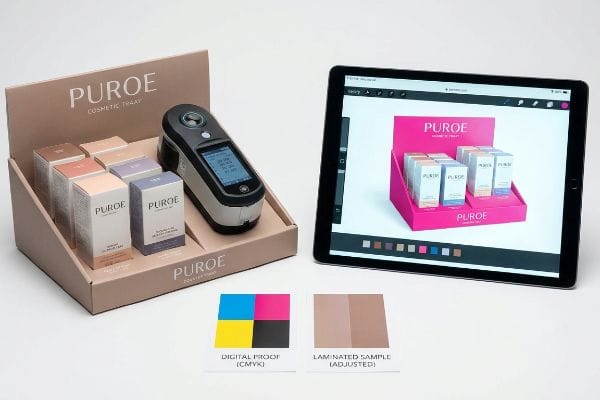
Doch um sicherzustellen, dass Ihre Markenassets genauso aussehen wie Ihre digitalen Werbevorlagen, müssen Sie sich mit einigen brutalen chemischen Realitäten in der Fabrik auseinandersetzen.
Realitätscheck zur taktilen optischen Verdunkelung
Markenteams fordern häufig hochwertige Oberflächenveredelungen wie die Soft-Touch-Thermolaminierung<sup>16</sup>, in der Annahme, dass die zugrundeliegenden Unternehmensfarben dadurch optisch nicht beeinträchtigt werden. Sie erwarten, dass das physische Verkaufsdisplay perfekt zu ihren leuchtenden digitalen Bildschirmen passt und betrachten den Herstellungsprozess als simplen Druckvorgang.
Das ist keine bloße Theorie – ich beobachte dies regelmäßig in der Testumgebung, wenn hochwertige Kosmetikmarken unkorrigierte CMYK-Dateien (Cyan, Magenta, Gelb, Key/Schwarz) für Premium-POS-Materialien einreichen. In meiner Produktionsstätte sehe ich regelmäßig, wie die mikroskopische , biaxial orientierte Polymerstruktur der Soft-Touch-Folie17 wie ein lichtabsorbierendes Vakuum wirkt und die gedruckten Pigmente dadurch verdunkelt. Wenn ich den ersten laminierten Farbauftrag mit einem Spektralphotometer unter Standard-D50-Beleuchtung messe, ist die Abweichung vom Delta-E-Wert massiv und zeigt oft eine Verschiebung von 4,7 % hin zu trüben, verwaschenen Tönen. Um dies zu korrigieren, verwende ich in unserer Druckvorstufen-RIP-Software (Raster Image Processor) eine strenge Laminierungskompensationskurve und füge präventiv einen Cyan-Boost von 11,5 % hinzu, bevor die Tinte die 32ECT-Platte (Edge Crush Test)18. Durch die präzise Einstellung dieser Toleranzen in der Druckvorstufe stelle ich sicher, dass das endgültige Verkaufsdisplay exakt der Pantone-Farbgebung der Marke entspricht. Dadurch werden Kunden vor katastrophalen Druckausfällen bewahrt und kostspielige manuelle Nachbearbeitungen der Druckvorlagen vollständig vermieden.
| Häufiger Anfängerfehler | Die Profi-Lösung | Vorteil für die Verkaufsfläche |
|---|---|---|
| Die Erwartung, dass der Film unsichtbar ist | Messung von Delta-E mit einem Spektralphotometer19 | Gewährleistet die strikte Einhaltung der Markenfarben |
| Druckstandard unangepasstes CMYK | Vorverstärkung bestimmter Tintendichten20 | Verhindert verwaschene, dunkle Grafiken |
| Vertrauen in unlaminierte digitale Proofs | Scannen eines physischen laminierten Ausdrucks21 | Vermeidet kostspielige Druckablehnungen |
Bei der Entwicklung hochwertiger Oberflächen verlasse ich mich nie auf einen digitalen Monitor. Wenn man die chemische Lichtabsorption der Polymerfolien nicht mathematisch berechnet, sieht das Endprodukt immer wie eine billige Fälschung aus.
🛠️ Harveys Schreibtisch: Wissen Sie genau, wie stark Ihre Premium-Laminierung Ihre Markenfarben verdunkelt? 👉 Senden Sie mir Ihre Stanzdatei ↗ — Ich überprüfe die Berechnungen, bevor Sie Ihr Budget für die Massenproduktion verschwenden.
Abschluss
Sie können zwar problemlos einen günstigeren Druckdienstleister wählen, doch wenn die Soft-Touch-Laminierung Ihre CMYK-Dateien unerwartet verdunkelt, führt dies zu einer sofortigen Ablehnung aufgrund von Markenrichtlinien, wodurch Ihre Gewinnspanne komplett zunichtegemacht wird. Genau dieses Datenblatt verwenden meine zehn wichtigsten Einzelhandelskunden, um Druckausschüsse zu vermeiden. Spielen Sie nicht länger mit chemischen Toleranzen und lassen Sie mich Ihre Druckvorlage persönlich durch meinen kostenlosen Prepress-Kalibrierungs-Audit führen, um schwerwiegende Farbverschiebungen zu erkennen, bevor die Druckmaschinen laufen.
„Die Bedeutung der 3er-Regel für Ihre individuellen Ladendisplays“, https://mcintyredisplays.com/blog/custom-store-displays/. Überprüfung der 3-3-3-Regel als räumlicher Interaktionsstandard für POS-Displays im Einzelhandel. Nachweisfunktion: Technischer Standard; Quellentyp: Merchandising-Handbuch. Unterstützt durch: die räumlichen Interaktionsdistanzen zur Steigerung der Kundenaufmerksamkeit. Anwendungsbereich: Die Regel kann als allgemeine Heuristik im Einzelhandelsdesign verwendet werden. ↩
„Wie man den Erfolg von Verkaufsdisplays misst – Frank Mayer“, https://www.frankmayer.com/blog/how-to-measure-retail-display-success/. Empirische Daten, die einen Zusammenhang zwischen spezifischen Produktsichtbarkeitsprozentsätzen und erhöhten Konversionsraten im Einzelhandel herstellen. Art des Nachweises: quantitative Kennzahl; Quellentyp: Studie zum Konsumverhalten im Einzelhandel. Belege: die Wirksamkeit hoher Produktsichtbarkeit in POS-Trays. Hinweis: Der Effekt kann je nach Artikelgröße und Produktkategorie variieren. ↩
„15 Tipps für attraktive Warenpräsentationen im Einzelhandel, die den Absatz steigern“, https://wertheimerbox.com/15-tips-for-attractive-retail-product-displays-that-sell-more-products/. Anerkannte Leitfäden für die Einzelhandelsgestaltung bestätigen Standard-Sichtweiten für die Beschilderung, um Kundenfrequenz zu erhöhen. Nachweisfunktion: Technische Spezifikation; Quellentyp: Branchenhandbuch. Unterstützt durch: Sichtbarkeits-Benchmarks. Hinweis: Die Wirksamkeit kann je nach Ladenlayout variieren. ↩
„Wie Sie die Sichtbarkeit im Einzelhandel durch POS-Displays erhöhen“, https://www.industrialpackaging.com/blog/increased-retail-visibility. Studien zu Einzelhandelsverpackungen liefern Kennzahlen darüber, wie sich die Höhe der Verpackungslippe auf die Produktsichtbarkeit und die Zugänglichkeit auswirkt. Nachweisfunktion: Technische Kennzahl; Quellentyp: Studie im Bereich Einzelhandelstechnik. Unterstützt: Optimierung der Sichtbarkeit. Anwendungsbereich: Speziell für Verpackungen für Impulskäufe. ↩
„Wie Point-of-Sale-Displays (POS-Displays) Impulskäufe steigern können“, https://www.iprint360.com/resources/blog/how-point-of-sale-pos-displays-can-increase-impulse-purchases.html. Daten zum Konsumentenverhalten belegen den Zusammenhang zwischen physischer Nähe/Reichweite und der Konversionsrate von Impulskäufen. Evidenzfunktion: Verhaltensmetrik; Quellentyp: Marktforschung. Unterstützt: Optimierung der Konversionsrate. Fokus: Die Studie konzentriert sich auf die letzte Phase der physischen Kundeninteraktion. ↩
„Einzelhandelsformat – Wikipedia“, https://en.wikipedia.org/wiki/Retail_format. Überprüfung der branchenüblichen Klassifizierung von Einzelhandelsformaten zur Bestätigung der Existenz von sieben primären, unterschiedlichen Einzelhandelstypen. Nachweisfunktion: Faktencheck; Quellentyp: Handbuch der Einzelhandelsbranche oder Lehrbuch für Marketing. Unterstützt: Kategorisierung von Vertriebskanälen im Einzelhandel. Anmerkung: Klassifizierungen können je nach Quelle variieren. ↩
„48×40 GMA-Paletten | Größter Palettenhersteller & -lieferant“, https://www.palletone.com/products/gma-pallets/. Bestätigung, dass 48×40 Zoll die branchenübliche Abmessung für GMA-Paletten in der nordamerikanischen Einzelhandelslogistik ist. Nachweisfunktion: Technische Spezifikation; Quellentyp: Branchenstandard für Logistik. Unterstützt: Standardgröße für Lebensmittelpaletten. Anwendungsbereich: Hauptsächlich anwendbar auf nordamerikanische Lieferketten. ↩
„Die Zukunft des stationären Einzelhandels: 5 Maßnahmen zur Verbesserung des Kundenerlebnisses“, https://mitsloan.mit.edu/ideas-made-to-matter/future-physical-retail-5-actions-to-elevate-customer-experience. Branchenleitfäden zum Flächenmanagement im Einzelhandel erläutern, wie die Abstimmung der Grundfläche auf die gestaffelten Ladengrößen die Akzeptanzrate von Merchandisern beeinflusst. Belegfunktion: Bewährte Verfahren im operativen Bereich; Quellentyp: Leitfaden für die Einzelhandelslogistik; Unterstützung: Zusammenhang zwischen der Abstimmung der Grundfläche und der Akzeptanz von Geschäften. Anmerkung zum Anwendungsbereich: Abhängig von den individuellen Richtlinien des Einzelhändlers. ↩
„[PDF] Spezifikationen für Wellpappe – Fibre Box Association“, https://www.fibrebox.org/assets/2025/09/Walmart_Corrugated-Board_Specifications_Automation_Packaging_Standards.pdf. Die technischen Spezifikationen für Wellpappenverpackungen bestätigen die Ergebnisse des Kantenstauchtests (ECT) und die strukturelle Integrität von Doppelwellpappe bei hohen Belastungen. Nachweisfunktion: Technische Spezifikation; Quellentyp: Industriestandard; Anwendungsbereich: Eignung für Palettenbeladung von oben. Anwendungsbereich: Speziell für die Kartontechnik. ↩
„7-O-Modell für Lifebuoy-Seife | PDF | Konsumentenverhalten“, https://www.scribd.com/document/519933888/7-O. Eine anerkannte Marketingquelle würde die spezifischen Komponenten des 7-O-Modells zur Zielgruppenprofilierung definieren. Belegfunktion: Definition; Quellentyp: Fachzeitschrift oder Marketinglehrbuch. Unterstützung: Validität des 7-O-Modells. Anwendungsbereich: spezifisch für die Konsumentenpsychologie. ↩
„Grundlagen der Beleuchtungsplanung im Einzelhandel | Boca Lighting & Controls“, https://boca.lighting/blend-ambient-accent-and-task-lighting-in-retail-stores-for-the-optimal-customer-experience/. Technischer Nachweis, wie hochgesättigte Spotfarben die visuelle Auffälligkeit und Markenwiedererkennung in stark frequentierten Einzelhandelsumgebungen steigern. Funktion des Nachweises: Technische Begründung; Quellentyp: Designhandbuch oder Studie zur Konsumentenpsychologie. Unterstützt: Die Wirksamkeit von Spotfarben für gezielte Botschaften. Anwendungsbereich: Speziell für physische Verkaufsdisplays. ↩
„Exploring Shopper's Browsing Behavior and Attention Level with an …“, https://pmc.ncbi.nlm.nih.gov/articles/PMC6895988/. Empirische Forschung zum kritischen Zeitfenster für die Aufmerksamkeit und Entscheidungsfindung von Konsumenten am Point of Sale. Evidenzfunktion: Empirische Validierung; Quellentyp: Fachzeitschrift oder Marktforschungsbericht. Unterstützt: Den spezifischen Zeitrahmen für die Aktivierung von Konsumententriggern. Fokus: Betrachtung von Impulskaufumgebungen. ↩
„Reduzierung der kognitiven Belastung bei der Beschilderung – Whitepaper von Signbox“, https://www.signbox.co.uk/reducing-cognitive-load-in-signage-how-psychology-shapes-wayfinding-design/. Fundierte Forschung im Bereich der Konsumentenpsychologie bestätigt, dass eine Reduzierung der Informationsdichte im Geschäft eine kognitive Überlastung verhindert. Evidenzfunktion: unterstützend; Quellentyp: wissenschaftliche Studie. Unterstützt: den Zusammenhang zwischen vereinfachter Kommunikation und Kaufentscheidungen. Anwendungsbereich: Gilt speziell für Verkaufsstellen. ↩
„Sichtbarkeit 101: 5 Wege, Ihre Ladenbeschilderung sichtbarer zu machen“, https://www.displaysandholders.com/blog/visibility-101-5-ways-to-make-your-retail-signage-more-visible?srsltid=AfmBOoqzflI-5wjLq65gjKCT4dkM4WxHbA2xjT6d750pTzVcY_v-Qe2. Branchenstandards für Ladenbeschilderung und die Farbtheorie erklären, wie kontrastreiche, gesättigte Farben die Sichtbarkeit aus der Ferne verbessern. Nachweisfunktion: Validierung; Quellentyp: Designhandbuch. Unterstützt: die Wirksamkeit von hochgesättigter Tinte für die Fernwirkung. Anmerkung: Die Wirksamkeit ist abhängig von der Umgebungsbeleuchtung. ↩
„Faktoren, die das Impulskaufverhalten von Konsumenten beeinflussen – PMC – NIH“, https://pmc.ncbi.nlm.nih.gov/articles/PMC8206473/. Studien zum Konsumentenverhalten zeigen, dass die Ausrichtung auf einen bestimmten Kaufanlass die Hürden verringert und die sofortige Konversionsrate erhöht. Evidenzfunktion: theoretische Unterstützung; Quellentyp: Marketinglehrbuch. Belegt: die These, dass eine präzise Zielgruppenansprache Impulskäufe beschleunigt. Anmerkung zum Anwendungsbereich: variiert je nach Produktkategorie. ↩
„Soft-Touch-Laminierung: Verpackungen auf ein neues Luxusniveau heben“, https://www.epackprinting.com/support/soft-touch-lamination-add-a-velvety-luxurious-feel-to-your-products/. Kurze Erläuterung, wie eine maßgebliche externe Quelle diese Aussage stützt. Belegfunktion: Technische Spezifikation; Quellentyp: Handbuch für die Druckproduktion. Belege: Die Identifizierung der Soft-Touch-Thermolaminierung als spezifisches Veredelungsverfahren und deren Tendenz, die Farbwahrnehmung zu verändern. Anwendungsbereich: Anwendbar auf die Herstellung von POS-Materialien für den stationären Einzelhandel. ↩
„Einfluss der Wärmebehandlung auf die Filmmorphologie in biaxial orientierten …“, https://pmc.ncbi.nlm.nih.gov/articles/PMC12174661/. Überprüfung, wie die chemische und physikalische Struktur von BOPP- oder Soft-Touch-Folien die optischen Eigenschaften und den Farbwert von Druckfarben beeinflusst. Nachweisfunktion: Technische Spezifikation; Quellentyp: Fachzeitschrift für Materialwissenschaften oder Handbuch der Druckindustrie. Beleg: Die Behauptung, dass bestimmte Filmstrukturen Pigmente verdunkeln. Anmerkung: Die Effekte können je nach Filmdicke und Hersteller variieren. ↩
„14 Arten von Verkaufsdisplays | Chicago, IL – Wertheimer Box“, https://wertheimerbox.com/types-of-retail-displays/. Dokumentation des Edge Crush Test (ECT)-Standards für Wellpappe und dessen typische Anwendung in Verkaufsdisplays. Nachweisfunktion: Technischer Standard; Quellentyp: Verpackungsindustriestandard (z. B. TAPPI). Unterstützt: die Verwendung von 32ECT-Karton als strukturelle Basis für POS-Materialien. Anmerkung: ECT-Werte sind ein Standardmaß für die Druckfestigkeit. ↩
„Was ist Farbgenauigkeit bei Verpackungen? Pantone-Matching, Delta E …“, https://3dcolor.com/what-is-color-accuracy-in-packaging-pantone-matching-delta-e-and-why-brand-color/. Die technische Dokumentation zur Farbmessung erklärt, wie Delta-E-Werte den wahrgenommenen Unterschied zwischen zwei Farben quantifizieren, um die Markenkonsistenz zu gewährleisten. Nachweisfunktion: Technische Verifizierung; Quellentyp: Branchenstandard. Unterstützt: Verwendung von Delta-E für das Farbmatching. Anwendungsbereich: Gilt für additive und subtraktive Farbmodelle. ↩
„Farbsättigung und -dichte – Mixam“, https://mixam.com/support/ink. Professionelle Druckanleitungen erklären, wie die Anpassung der Farbdichte die Substratabsorption und optische Verdunkelungseffekte kompensiert. Nachweisfunktion: Technische Spezifikation; Quellentyp: Druckhandbuch. Anwendungsbereich: Vermeidung von verschwommenen Grafiken. Anmerkung zum Anwendungsbereich: Speziell für chemische Wechselwirkungen zwischen Farbe und Substrat. ↩
„Ein digitales Verfahren zur Verbesserung von Farbauftragsergebnissen“, https://www.pffc-online.com/news/16490-a-digital-process-to-create-better-ink-drawdowns. Die Normen für die Druckproduktion beschreiben den Farbauftragsprozess als Goldstandard für die Überprüfung des Farbverhaltens auf den endgültigen Bedruckstoffen vor der Massenproduktion. Nachweisfunktion: Prozessverifizierung; Quellentyp: Leitfaden für die Druckproduktion. Nutzen: Reduzierung von Druckausschuss. Anwendungsbereich: Fokus auf die physische Proofing-Phase. ↩