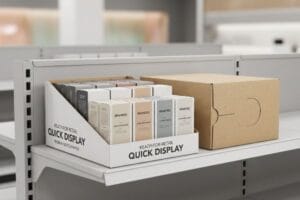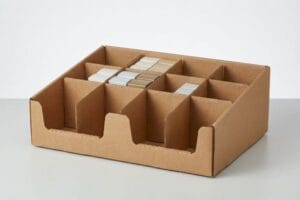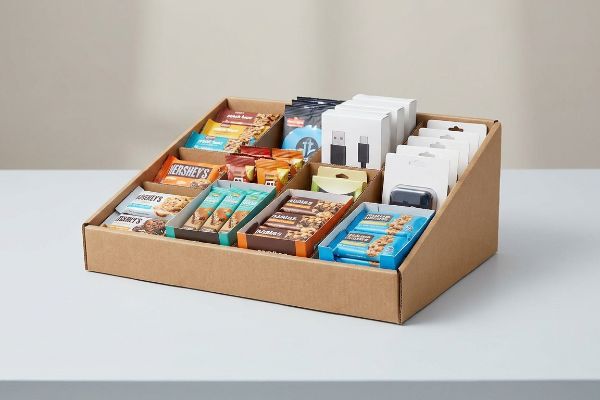
আপনার পণ্যগুলো যদি স্টিলের তাকের ওপর অদৃশ্যভাবে পড়ে থাকে, তবে আপনার খুচরা ব্যবসার লাভ কমে যাচ্ছে। একজন কাস্টম মার্চেন্ডাইজার মুহূর্তের মধ্যে ক্রেতাদের মনোযোগ আকর্ষণ করে, এবং অব্যবহৃত পণ্যসম্ভারকে দ্রুতগতিতে তাৎক্ষণিক বিক্রয়ে রূপান্তরিত করে।.
একটি পিডিকিউ ট্রে বা কাউন্টার ডিসপ্লে হলো একটি কম্প্যাক্ট রিটেইল মার্চেন্ডাইজার, যা বিক্রয়কেন্দ্রে তাৎক্ষণিক কেনাকাটা ত্বরান্বিত করার জন্য ডিজাইন করা হয়েছে। এই হালকা ওজনের ঢেউখেলানো কার্ডবোর্ডের ইউনিটগুলো তাক বা চেকআউট রেজিস্টারে পণ্যগুলোকে দক্ষতার সাথে সাজিয়ে রাখে। অধিক জনসমাগমপূর্ণ স্থানগুলোতে এর দৃশ্যমান প্রভাব সর্বাধিক করার মাধ্যমে, এগুলো বিশ্বজুড়ে সাধারণ ক্রেতাদেরকে পদ্ধতিগতভাবে সক্রিয় ক্রেতায় রূপান্তরিত করে।.
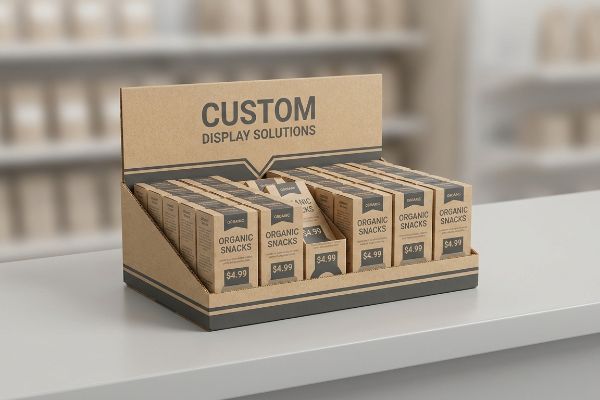
মৌলিক সংজ্ঞা জানা সহজ, কিন্তু একটি কঠিন খুচরা বিক্রয়কেন্দ্রে এই ইউনিটগুলিকে ত্রুটিহীনভাবে কার্যকর করার জন্য কঠোর প্রকৌশলগত শৃঙ্খলা প্রয়োজন।.
PDQ ডিসপ্লে কী?
একজন প্রকৃত মার্চেন্ডাইজারকে অবশ্যই দ্রুত কাজ করতে হবে। যখন বড় বড় রিটেইলাররা দ্রুততা চায়, তখন আপনার প্যাকেজিংকে অবশ্যই জটিল হস্তনির্মিত কাঠামো ছাড়াই করিডোরে আধিপত্য বিস্তারের জন্য প্রস্তুত হয়ে পৌঁছাতে হবে।.
একটি পিডিকিউ (PDQ) ডিসপ্লে তাৎক্ষণিক রিটেইল স্থাপনের জন্য ডিজাইন করা একটি দ্রুত মার্চেন্ডাইজিং সিস্টেম হিসেবে কাজ করে। এর পূর্ণরূপ হলো ‘প্রোডাক্ট ডিসপ্লেড কুইকলি’ (Product Displayed Quickly বা ‘দ্রুত প্রদর্শিত পণ্য’)। কাঠামোগতভাবে বিশেষভাবে উন্নত এই ইউনিটটি আগে থেকেই লোড করা বা ফ্ল্যাট-প্যাকড অবস্থায় আসে, যা দোকানের কর্মীদের মাত্র কয়েক সেকেন্ডের মধ্যে আপনার পণ্যসামগ্রী স্টকরুম থেকে সরাসরি বিক্রয়কেন্দ্রে স্থানান্তর করতে সাহায্য করে।.
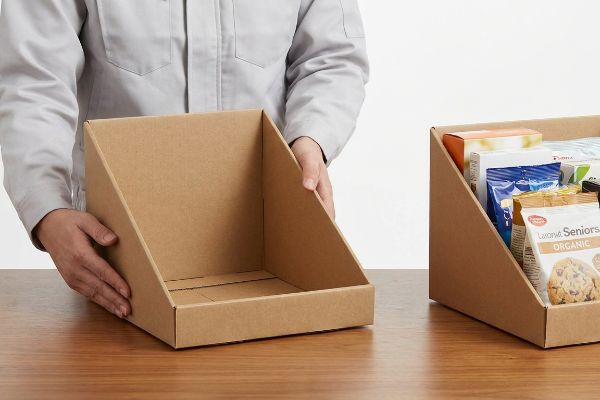
বোর্ডরুমের জন্য এটা চমৎকার শোনালেও, দোকানের সাধারণ কর্মচারীদের কাছে জটিল অরিগ্যামির জন্য সময় থাকে না।.
দ্রুত খুচরা পণ্য বিপণনে নীরব মুনাফা হত্যাকারী
বেশিরভাগ নতুন ব্র্যান্ডই মনে করে যে, কোনো বড় খুচরা বিক্রেতার কাছে খোলা ও অসংযুক্ত কার্ডবোর্ডের বাক্স পাঠালে লজিস্টিকসের খরচ বেঁচে যায়। তারা কয়েক ডজন ইন্টারলকিং ট্যাবসহ সাধারণ ডাইলাইনের ওপর নির্ভর করে এবং আশা করে যে, ন্যূনতম মজুরি পাওয়া দোকানের কর্মচারীরা মনোযোগ দিয়ে নির্দেশিকা ম্যানুয়াল পড়ে দোকানের করিডোরেই ইউনিটগুলো নিখুঁতভাবে তৈরি করে ফেলবে।.
বাস্তবতা হলো, যদি কোনো ক্লার্ক দশ সেকেন্ডের কম সময়ে আপনার ডিসপ্লেটি গুছিয়ে রাখতে না পারে, তবে তারা আপনার খোলা পণ্যগুলো একটি সাধারণ শেলফে ঠেলে ঢুকিয়ে দেবে এবং আপনার কার্ডবোর্ডের বাক্সটি ময়লার ঝুড়িতে ফেলে দেবে। আমি এই আনাড়ি ভুলটি প্রতিনিয়ত দেখি; একটি ব্র্যান্ড একটি জটিল ভাঁজ করার পদ্ধতি ডিজাইন করে, আর ক্লার্ক ঘামতে ঘামতে একটি ট্যাব জোর করে লাগাতে থাকে, যতক্ষণ না সে কাঁচা পেপারবোর্ড ছিঁড়ে যাওয়ার বিশ্রী শব্দ শুনতে পায়। এর সমাধান করতে, আমি আগে থেকে আঠা লাগানো মডিউলার ট্রে তৈরি করি, যেগুলোতে একটি সাধারণ অটো-বটম ক্র্যাশ লক১। ক্লার্ক শুধু এর পাশগুলো চাপ দেয়, এটি সঙ্গে সঙ্গে একটি দৃঢ় ত্রিমাত্রিক (3D) আকারে আটকে যায়, এবং আপনার পণ্যগুলো সাথে সাথেই সাজিয়ে রাখা হয়, যা অ্যাসেম্বলি বাতিলের হার২ এবং আপনার রিটেইল সম্পর্ক রক্ষা করে।
| নতুনদের সাধারণ ভুল | প্রো ফিক্স | খুচরা-ফ্লোর সুবিধা |
|---|---|---|
| জটিল ফ্ল্যাট-প্যাক ট্যাব | স্বয়ংক্রিয় বটম ক্র্যাশ লক3 | ৪৫ সেকেন্ড অ্যাসেম্বলি সময় বাঁচায়4 |
| কাগজের ম্যানুয়ালের উপর নির্ভর করা | স্বজ্ঞাত প্রাক-আঠা লাগানো জয়েন্ট | কাঠামোগত ছিঁড়ে যাওয়া দূর করে |
| শিপারে আলগা অংশ | সম্পূর্ণ মডুলার পপ-আপ বেস5 | খুচরা বিক্রেতার সম্মতি নিশ্চিত করে |
আমি কোনো ব্যস্ত দোকানের কর্মচারীকে আমার স্ট্রাকচারাল ইঞ্জিনিয়ারের দায়িত্ব দেওয়ার কথা কখনো ভাবি না। উৎপাদন কেন্দ্রকে দিয়ে জটিল আঠার জোড়গুলো সামলানোর মাধ্যমে আমি ব্র্যান্ডের অবস্থান রক্ষা করি এবং নিখুঁত বাস্তবায়ন নিশ্চিত করি।.
🛠️ হার্ভির ডেস্ক: আপনার দোকানের কর্মচারীরা কি জটিল অ্যাসেম্বলির সময় আপনার ডিসপ্লেগুলো নষ্ট করে ফেলছে? 👉 একটি স্ট্রাকচারাল অডিটের জন্য অনুরোধ করুন ↗ — আমার ডেস্কে সরাসরি অ্যাক্সেস। কোনো স্বয়ংক্রিয় সেলস স্প্যাম নেই, আমি কথা দিচ্ছি।
PDQ ট্রে বলতে কী বোঝায়?
আপনার পণ্যকে একটি অগভীর বাক্সে রাখাটা কেবল প্রাথমিক ধাপ। প্রকৃত খুচরা বিক্রয় কৌশল নির্ধারণ করে যে, আপনার মূল মোড়কের কতটুকু অংশ পথচলতি ভোক্তার কাছে বার্তা পৌঁছে দেয়।.
পিডিকিউ ট্রেগুলি অগভীর, খোলা-শীর্ষ ঢেউখেলানো কার্ডবোর্ডের শিপার হিসাবে কাজ করে যা অনায়াসে শেলফে রাখার উপযোগী রিটেইল মার্চেন্ডাইজারে রূপান্তরিত হয়। এই বিশেষায়িত কাঠামোগুলি হালকা ওজনের ভোগ্যপণ্য নিরাপদে পরিবহন করে এবং এতে একটি নিচু সামনের ধারক রয়েছে, যা বিশ্বব্যাপী প্রমিত বাণিজ্যিক শেল্ফ সিস্টেমে পণ্যকে খাড়াভাবে ধরে রাখার পাশাপাশি পণ্যের সর্বোচ্চ দৃশ্যমানতা নিশ্চিত করে।.
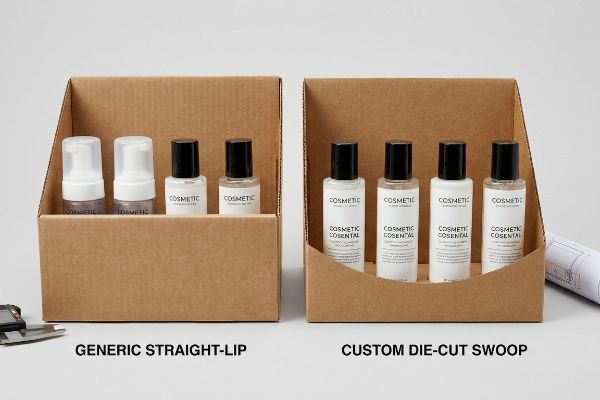
কিন্তু কোনো বাক্সে শুধু একটি জানালা কেটে দিলেই তা প্রায়শই আপনার মূল ব্র্যান্ড পরিচিতির জন্য একটি মারাত্মক দৃশ্যগত প্রতিবন্ধকতা তৈরি করে।.
শেলফ প্যাকেজিং-এ ফ্রন্ট লিপের দৃশ্যমানতার ফাঁদ
নতুন ভোক্তা ব্র্যান্ডগুলোর জন্য একটি প্রচলিত রীতি হলো , অস্থায়ী শেলফ অর্গানাইজার হিসেবে ব্যবহারের জন্য স্থানীয় সরবরাহকারীর কাছ থেকে সাধারণ মানের খোলা মুখের বাক্স অর্ডার করা । তারা বাক্সটি বোতলগুলো ধরে রাখার জন্য যথেষ্ট মজবুত কি না, শুধু সেদিকেই সম্পূর্ণ মনোযোগ দেয় এবং তাদের পণ্যের লেবেলের সাপেক্ষে বাক্সের সামনের ধারকের সঠিক উচ্চতাকে পুরোপুরি উপেক্ষা করে।
আমি প্রায়শই দেখি ব্র্যান্ডগুলো হাজার হাজার সম্ভাব্য বিক্রি হারায়, কারণ তাদের সাধারণ ট্রে-এর কিনারাটি মূল বোতলের সবচেয়ে গুরুত্বপূর্ণ তথ্যকে ঢেকে রাখে। এটা দেখা হতাশাজনক যে একটি প্রিমিয়াম কসমেটিক ব্র্যান্ড লেবেল ডিজাইনে প্রচুর বিনিয়োগ করার পরেও, একটি সোজা, ভারী ঢেউখেলানো দেয়াল ক্রেতাদের কাছ থেকে মূল সুবিধার বিবৃতিটি আড়াল করে রাখে। আমি আসল বোতলের সঠিক ডাইলাইনটি সরাসরি আমার CAD (কম্পিউটার-এইডেড ডিজাইন) পরিবেশে ম্যাপ করি। সেই সামনের কিনারায় একটি কাস্টম ডাই-কাট সুইপ7, আমি মূল মার্কেটিং দাবির ১০০% বাধাহীন দৃশ্যমানতা নিশ্চিত করি, বোতলগুলোকে সুরক্ষিত রাখি এবং একই সাথে ইম্পালস কনভার্সন ব্যাপকভাবে বাড়িয়ে তুলি8।
| নতুনদের সাধারণ ভুল | প্রো ফিক্স | খুচরা-ফ্লোর সুবিধা |
|---|---|---|
| সোজা সামনের ধরে রাখার ঠোঁট | কাস্টম ডাই-কাট সুইপস9 | ১০০% লেবেল উন্মোচন করে |
| পণ্যের মাত্রা অনুমান করা | সরাসরি ক্যাড বোতল ম্যাপিং10 | লুকানো ব্র্যান্ডিং প্রতিরোধ করে |
| সামনের দেয়াল অতিরিক্ত সুরক্ষিত করা | ইঞ্জিনিয়ারড সাইড-ওয়াল অ্যাঙ্কর11 | তাৎক্ষণিক বিক্রয় বৃদ্ধি করে |
যে পণ্যটি বিক্রি করার জন্য তৈরি, সেই পণ্যটিকেই যদি ট্রে আড়াল করে রাখে, তবে সেই ট্রে সম্পূর্ণ মূল্যহীন। আপনার ব্র্যান্ডের সুনাম এবং ক্রেতার দৃষ্টির মাঝে বাধা হয়ে দাঁড়ানো যেকোনো ঢেউখেলানো কার্ডবোর্ড আমি নির্মমভাবে কেটে বাদ দিই।.
🛠️ হার্ভির ডেস্ক: আপনার বর্তমান ট্রে-এর কিনারা কি অজান্তেই আপনার সবচেয়ে দামী লেবেলের দাবিগুলো গ্রাহকের কাছ থেকে আড়াল করে ফেলছে? 👉 আপনার সামনের কিনারার ডাইলাইন পরীক্ষা করুন ↗ — নিরাপদে ডাউনলোড করুন। পরবর্তীতে কোনো প্রশ্ন থাকলে আমার ইনবক্স খোলা আছে।
একটি PDQ বলতে কী বোঝায়?
বিক্রয়কেন্দ্রে বিপণনের ক্ষেত্রে গতিই হলো অমোঘ নিয়ম। যদি কোনো কাঠামো দ্রুত সরানোর জন্য ডিজাইন করা হয়, তবে এর প্রতিটি ভাঁজ এবং ট্যাবকে অবশ্যই কোনো শারীরিক বাধা ছাড়াই কাজ করতে হবে।.
PDQ-এর পূর্ণরূপ হলো প্রোডাক্ট ডিসপ্লেড কুইকলি (Product Displayed Quickly), যা দ্রুতগতির রিটেইল মার্চেন্ডাইজারদের বোঝাতে ব্যবহৃত একটি শিল্প-সংক্রান্ত সংক্ষিপ্ত পরিভাষা। এই পরিভাষাটি একটি সমন্বিত লজিস্টিক কাঠামোকে নির্দেশ করে, যা দ্রুত সাপ্লাই চেইন মুভমেন্ট, স্বজ্ঞাত ইন-স্টোর সেটআপ এবং ত্বরান্বিত ভোক্তা ক্রয়কে অগ্রাধিকার দেয়। এই দক্ষ কাঠামোগুলো প্রচলিত আনপ্যাকিং পদ্ধতিকে এড়িয়ে গিয়ে দোকানে পণ্যের তাৎক্ষণিক দৃশ্যমানতা সর্বাধিক করে তোলে।.
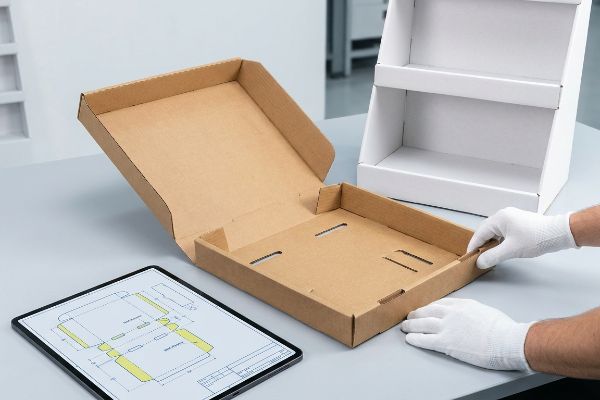
কিন্তু 'দ্রুত' একটি বিভ্রম মাত্র, যদি কার্ডবোর্ডের পেছনের কাঠামোগত গণিত ভৌত বাস্তবতাকে বিবেচনায় আনতে ব্যর্থ হয়।.
কেন ডিজিটাল ডাইলাইন অ্যাসেম্বলি লাইনে ঘর্ষণ সৃষ্টি করে
জুনিয়র গ্রাফিক ডিজাইনাররা প্রায়শই স্ট্যান্ডার্ড ভেক্টর সফটওয়্যারে সংযোগকারী ট্যাব এবং ভাঁজ করার স্লটগুলো ঠিক সংযোগকারী প্যানেল12-। তারা পুরু ঢেউখেলানো বোর্ডকে স্ক্রিনের উপর একটি সমতল, ওজনহীন পিক্সেলের মতো বিবেচনা করেন, এই ভেবে যে নিখুঁতভাবে আঁকা একটি বর্গক্ষেত্র নির্বিঘ্নে ভাঁজ হয়ে একটি অনমনীয় 3D বাক্স তৈরি করবে।
বিষয়টিকে একটি মোটা মলাটের বই বন্ধ করার চেষ্টার মতো করে ভাবুন; পৃষ্ঠাগুলোকে মুড়ে দেওয়ার জন্য বইয়ের স্পাইনের অতিরিক্ত জায়গার প্রয়োজন হয়। যখন আমি প্রোডাকশন ফ্লোরে এই অপেশাদার ফাইলগুলো পরীক্ষা করি, তখন একটি ০.১১ ইঞ্চি (২.৮ মিমি) পুরু বি-ফ্লুট বোর্ড১৩ ৯০ ডিগ্রি কোণে বাঁকাতে গেলে উপাদান খরচ করে। যদি এই ঘাটতি পূরণের জন্য স্লটটি চওড়া করা না হয়, তাহলে কো-প্যাকিং টিমকে ট্যাবটি ভেতরে ঢোকানোর জন্য ফ্লুটগুলোকে জোর করে পিষে ফেলতে হয়, যার ফলে চকচকে উপরের শিটটি ছিঁড়ে যায় এবং অ্যাসেম্বলি লাইন পুরোপুরি থেমে যায়। আমি প্রতিটি স্লটে অ্যালগরিদমিক ক্যালিপার কম্পেনসেশন প্রয়োগ করি, সঠিক বেন্ড অ্যালাউন্স১৪ যাতে আগে থেকে ভরা ইউনিটগুলো কোনো রকম ঘর্ষণ ছাড়াই জোড়া লাগে এবং শ্রম খরচ ব্যাপকভাবে কমে যায়।
| নতুনদের সাধারণ ভুল | প্রো ফিক্স | খুচরা-ফ্লোর সুবিধা |
|---|---|---|
| ১:১ প্রস্থে ট্যাব আঁকা | ক্যালিপার ভাঁজ ক্ষতিপূরণ | প্যাকিং লাইনের জ্যাম দূর করে |
| বোর্ডের পুরুত্ব উপেক্ষা করে | প্যারামেট্রিক বেন্ড অ্যালাউন্স | উপরের চাদর ছিঁড়ে যাওয়া প্রতিরোধ করে |
| আঁটসাঁট সংযোগ জোর করে | পরিকল্পিত স্লট ক্লিয়ারেন্স | পূরণের সময় দ্রুততর করে |
ডিজিটাল রেখা ছড়িয়ে পড়ে না, কিন্তু আসল কাগজ ছিঁড়ে যায়। আমি কিছুতেই একটি অ-সমন্বিত ভেক্টর ড্রয়িংয়ের কারণে একটি দ্রুতগতির বাণিজ্যিক প্যাকিং লাইনের গতি কমিয়ে দিতে দেব না।.
🛠️ হার্ভিস ডেস্ক: আপনার অ্যাসেম্বলি টিম কি আঁটসাঁট ঢেউখেলানো কার্ডবোর্ডের খাঁজগুলো জোর করে মেলাতে হিমশিম খাচ্ছে? 👉 একটি স্ট্রাকচারাল টলারেন্স চেক করিয়ে নিন ↗ — এমন কোনো ফর্ম নয় যা অবিরাম সেলস কলের কারণ হয়। শুধু খাঁটি মূল্য।
কাউন্টার ডিসপ্লে বলতে কী বোঝায়?
ইম্পালস মার্কেটিং-এর ক্ষেত্রে ক্যাশ কাউন্টারের জায়গা দখল করাই হলো চূড়ান্ত পুরস্কার। তবে, একটি জনাকীর্ণ চেকআউট এলাকা দখল করার ফলে গুরুতর ভৌত সীমাবদ্ধতা তৈরি হয়, যা ভারসাম্যহীন নকশার জন্য ক্ষতিকর।.
কাউন্টার ডিসপ্লে বলতে বোঝায় একটি ছোট আকারের পণ্য প্রদর্শনের সরঞ্জাম, যা বিশেষভাবে চেকআউট রেজিস্টার বা সার্ভিস ডেস্কে স্থাপন করা হয়। এই অত্যন্ত উন্নত ইউনিটগুলো লেনদেনের শেষ পর্যায়ে তাৎক্ষণিক ক্রেতাদের আকৃষ্ট করে। খুব কম জায়গা নিয়ে, এগুলো প্রয়োজনীয় খুচরা কার্যক্রম বা কর্মচারীদের দৃষ্টিপথে কোনো বাধা সৃষ্টি না করেই হালকা ওজনের পণ্যগুলোকে চোখের সমান উচ্চতায় উপস্থাপন করে।.
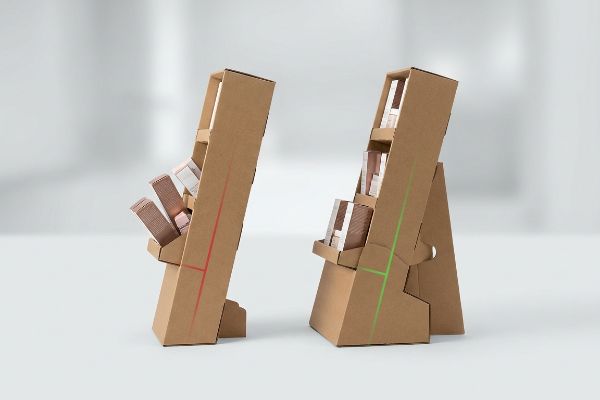
খুচরা ক্রেতার কাছ থেকে ডিজাইন অনুমোদন পাওয়াটা একটা বিরাট সাফল্য, কিন্তু মেশিনগুলো চলতে শুরু করলে শুধু তত্ত্ব জানাটাই যথেষ্ট নয়।.
লম্বা চেকআউট প্যাকেজিংয়ের বিপর্যয়কর পদার্থবিদ্যা
ক্রয়কারী দলগুলো প্রায়শই সংকীর্ণ ভিত্তির উপর অবিশ্বাস্যরকম লম্বা রেজিস্টার ইউনিট ডিজাইন করে তাদের দৃশ্যমান উপস্থিতি সর্বাধিক করার চেষ্টা করে, এই ধারণায় যে যত বেশি উল্লম্ব গ্রাফিক্স, তত বেশি বিক্রি হবে ১৫। তারা এই আকাশচুম্বী কাঠামোটির নকশা বিচ্ছিন্নভাবে তৈরি করে, একটি ব্যস্ত কনভেনিয়েন্স স্টোরের চেকআউট লেনের বিশৃঙ্খল, উচ্চ-ঘর্ষণযুক্ত পরিবেশকে সম্পূর্ণরূপে উপেক্ষা করে।
আমার প্রতিষ্ঠানে আমি নিয়মিত দেখি ক্লায়েন্টরা ১৮-ইঞ্চি (৪৫.৭ সেমি) লম্বা ইউনিটের জন্য ফাইল জমা দেয়, যা একটি অতি ক্ষুদ্র ৫-ইঞ্চি (১২.৭ সেমি) গভীর ভিত্তির উপর বসানো থাকে। এটা শুধু তত্ত্ব নয়—আমি টেস্টিং ফ্লোরে এমনটা ঘটতে দেখি, যখন পাশ দিয়ে যাওয়া কোনো গ্রাহকের সামান্য ধাক্কায় ওপরের দিকটা ভারী পুরো ইউনিটটি মুখ থুবড়ে স্ক্যানারের উপর আছড়ে পড়ে। যখন আমি গতিজনিত হেলে পড়ার সীমা পরিমাপ করি, তখন এই অসামঞ্জস্যপূর্ণ কাঠামোটি সঙ্গে সঙ্গে ভেঙে পড়ে। আমি ভরকেন্দ্রের রিডিং নিয়ে প্রমাণ করেছি যে আমার দামী অভ্যন্তরীণ সীসার ওজন যোগ করার কোনো প্রয়োজন ছিল না; আমি শুধু CAD আর্কিটেকচারে একটি কঠোর ২:৩ গভীরতা-থেকে-উচ্চতার স্থিতিশীলতার অনুপাতপ্রয়োগ । ইজেল বেসটি প্রসারিত করে এবং এই জ্যামিতিটি লক করে, আমি নিশ্চিত করি যে ইউনিটটি শারীরিক আঘাত শোষণ করতে পারে, যা খুচরা বিক্রেতাদের বিব্রতকর প্রত্যাখ্যান প্রতিরোধ করে এবং ক্লায়েন্টদের একটি সম্পূর্ণ ব্যর্থ রোলআউট পুনরায় ডিজাইন করার খরচ থেকে বাঁচায়।
| নতুনদের সাধারণ ভুল | প্রো ফিক্স | খুচরা-ফ্লোর সুবিধা |
|---|---|---|
| সংকীর্ণ শীর্ষ-ভারী ভিত্তি | গভীরতা ও উচ্চতার কঠোর ২:৩ অনুপাত17 | রেজিস্টার উল্টে যাওয়া প্রতিরোধ করে |
| গতিশক্তিজনিত বাধা উপেক্ষা করা | বর্ধিত কাঠামোগত ইজেল ব্যাক18 | গ্রাহকের অসন্তোষ শোষণ করে |
| উল্লম্ব উচ্চতা সর্বাধিক করা | ভরকেন্দ্র লক19 | খুচরা বিক্রেতাদের সম্মতি নিশ্চিত করে |
পড়ে যেতে থাকা একটি ডিসপ্লে পাঁচ মিনিটের মধ্যেই একজন ক্রুদ্ধ ক্যাশিয়ার স্থায়ীভাবে সরিয়ে ফেলেন। আমি গাণিতিকভাবে ভরকেন্দ্রকে এমনভাবে স্থির রাখি, যাতে আপনার ব্র্যান্ডটি সোজা ও লাভজনক থাকে।.
🛠️ হার্ভির ডেস্ক: একটি ২-মিলিমিটার কাঠামোগত ত্রুটির কারণে ৫০০টি দোকানে পণ্য সরবরাহের পরিকল্পনা যেন ভেস্তে না যায়। 👉 আপনার ডাইলাইন ফাইলটি আমাকে পাঠান ↗ — গণ-উৎপাদনে বাজেট অপচয় করার আগে আমি এর গাণিতিক হিসাব স্ট্রেস-টেস্ট করে নেব।
উপসংহার
আপনি আরও সস্তা বিক্রেতা বেছে নিতে পারেন, কিন্তু যখন অ-ক্যালিব্রেটেড ঢেউখেলানো কাগজের স্লটগুলো ০.১১-ইঞ্চি বোর্ডের পুরুত্বের সাথে সামঞ্জস্য রাখতে ব্যর্থ হয়, তখন আপনি পেপারবোর্ডের মারাত্মক ছিঁড়ে যাওয়ার সমস্যার সম্মুখীন হবেন, যা আপনার কো-প্যাকিং অ্যাসেম্বলি লাইনের গতি আনুমানিক ৩০% কমিয়ে দেয় এবং আপনার লাভের মার্জিনকে ধ্বংস করে দেয়। আমার শীর্ষ ১০ জন রিটেইল ক্লায়েন্ট প্রিন্ট রিজেকশন শূন্যে নামিয়ে আনার নিশ্চয়তা দিতে ঠিক এই স্পেক শিটটিই ব্যবহার করেন। বেন্ড অ্যালাউন্স নিয়ে অনুমান করা বন্ধ করুন এবং ব্যাপক উৎপাদন শুরু হওয়ার আগেই মারাত্মক সমস্যাগুলো চিহ্নিত করতে আমাকে ব্যক্তিগতভাবে আমার ফ্রি ডাইলাইন অডিট ↗- এর মাধ্যমে আপনার ফ্ল্যাট ফাইলগুলো পর্যালোচনা করতে দিন।
"কাস্টম অটো লক বটম বক্স", https://www.kellybox.com/auto-lock-bottoms। [প্যাকেজিং ইঞ্জিনিয়ারিং গাইডগুলোতে ক্র্যাশ-লক বটমের যান্ত্রিক কাঠামোর বিশদ বিবরণ দেওয়া হয়েছে, যা চাপ প্রয়োগের সাথে সাথেই কাঠামোগত অখণ্ডতা নিশ্চিত করে]। প্রমাণের ভূমিকা: প্রযুক্তিগত স্পেসিফিকেশন; উৎসের ধরণ: ইঞ্জিনিয়ারিং ম্যানুয়াল। সমর্থন: তাৎক্ষণিক সমাবেশের জন্য মডিউলার ট্রে-এর ব্যবহার। পরিধি সংক্রান্ত টীকা: শুধুমাত্র ঢেউখেলানো কার্ডবোর্ডের কাঠামোর মধ্যে সীমাবদ্ধ। ↩
"পয়েন্ট অফ পারচেজ ডিসপ্লে অ্যাসেম্বলি করতে কত খরচ হয়?", https://www.industrialpackaging.com/blog/point-of-purchase-display-cost। [খুচরা ব্যবসার নিয়মকানুন মেনে চলার উপর শিল্প গবেষণা থেকে দেখা যায় যে, দোকানের কর্মীরা প্রায়শই সাধারণ শেল্ফ ব্যবহারের জন্য জটিল পয়েন্ট-অফ-পারচেজ অ্যাসেম্বলিগুলো বাতিল করে দেন]। প্রমাণের ভূমিকা: কর্মক্ষমতার পরিমাপক; উৎসের ধরণ: খুচরা লজিস্টিকস প্রতিবেদন। সমর্থন করে: এই দাবি যে, অ্যাসেম্বলির জটিলতার কারণে ডিসপ্লে পরিত্যক্ত হয়। পরিধি সংক্রান্ত টীকা: দোকান-স্তরের শ্রম প্রাপ্যতার উপর ভিত্তি করে ডেটা পরিবর্তিত হতে পারে। ↩
"ফোল্ডিং কার্টনের প্রকারভেদ: টাক এন্ড, অটো-লক বটম, এবং আরও অনেক কিছু", https://zhibangpackaging.com/folding-carton-styles-explained-tuck-end-auto-lock-bottom-more/। [প্যাকেজিং ইঞ্জিনিয়ারিং ম্যানুয়ালগুলোতে রেডি-টু-শিপ ডিসপ্লের জন্য অটো-বটম ক্র্যাশ লকের যান্ত্রিক নকশা এবং গতির সুবিধাগুলো বর্ণনা করা হয়েছে]। প্রমাণের ভূমিকা: প্রযুক্তিগত সংজ্ঞা; উৎসের ধরণ: প্যাকেজিং ইঞ্জিনিয়ারিং হ্যান্ডবুক। সমর্থন: কাঠামোগত দক্ষতার দাবি। পরিধির টীকা: ঢেউখেলানো কার্ডবোর্ড উপকরণের ক্ষেত্রে প্রযোজ্য। ↩
"অটো-লক বটম বক্স কি আপনার প্যাকেজিংয়ের সময় ও খরচ কমাতে পারে", https://www.mtdpack.com/can-auto-lock-bottom-boxes-really-cut-your-packaging-time-and-costs/। [প্যাকেজিং দক্ষতার উপর শিল্প মানদণ্ডগুলো প্রচলিত ফ্ল্যাট-প্যাক ট্যাবের সাথে ক্র্যাশ-লক বটমের স্থাপনের গতির তুলনা করে]। প্রমাণের ভূমিকা: পরিমাণগত যাচাইকরণ; উৎসের ধরণ: শিল্প মানদণ্ড প্রতিবেদন। সমর্থন করে: খুচরা সেটআপে সময় হ্রাস। পরিধি নোট: প্রতি ইউনিটে সাশ্রয়কৃত গড় সময়। ↩
"কিভাবে পিডিকিউ প্যাকেজিং খুচরা বিক্রয় এবং ব্র্যান্ডের দৃশ্যমানতা বাড়ায়", https://innorhino.com/blog/about-business/pdq-packaging-retail-sales?srsltid=AfmBOoqWb0SLtj7PQEAFADGEHW5-cDtKbGxkEXc0UuNjf9Qvdb0-HUKD। [খুচরা মার্চেন্ডাইজিং স্ট্যান্ডার্ড ব্যাখ্যা করে কিভাবে মডিউলার পপ-আপ বেস নিশ্চিত করে যে ডিসপ্লেগুলো নির্দিষ্ট শেলফের মাপে ফিট হয় এবং কর্পোরেট নিয়মকানুন মেনে চলে]। প্রমাণের ভূমিকা: প্রযুক্তিগত স্পেসিফিকেশন; উৎসের ধরণ: খুচরা মার্চেন্ডাইজিং গাইড। সমর্থন করে: খুচরা বিক্রেতার নিয়মকানুন মেনে চলার নিশ্চয়তা। পরিধি সংক্রান্ত টীকা: পয়েন্ট-অফ-পারচেজ (POP) ডিসপ্লের জন্য নির্দিষ্ট। ↩
"ইকমার্স প্যাকেজিং এবং... এর জন্য শিক্ষানবিসদের নির্দেশিকা", https://startupcpg.com/blog/the-beginners-how-to-guide-for-ecommerce-packaging-and-shipping/। [ভোক্তা মোড়কজাত পণ্য (CPG) লজিস্টিকস এবং রিটেইল অনবোর্ডিং সম্পর্কিত শিল্প প্রতিবেদনগুলিতে সাধারণত স্টার্টআপগুলির কাস্টম পিডিকিউ (PDQ)-তে স্কেল করার আগে জেনেরিক সেকেন্ডারি প্যাকেজিং ব্যবহারের বিষয়টি নথিভুক্ত করা হয়]। প্রমাণের ভূমিকা: তথ্যগত যাচাইকরণ; উৎসের ধরণ: শিল্প প্রতিবেদন। সমর্থন করে: নতুন ব্র্যান্ডগুলির মধ্যে জেনেরিক শেলফ অর্গানাইজারের ব্যাপক প্রচলন। পরিধি নোট: প্রাথমিক পর্যায়ের CPG বাজার প্রবেশকারীদের জন্য প্রযোজ্য। ↩
"পিডি কিউ ট্রে এবং বক্স – প্লাস প্রিন্টার্স", https://www.plusprinters.com/product/pdq-trays-and-boxes/?srsltid=AfmBOopVRlaYOcXQbBPIMlCdvlcudFgpdFr9fIKXs6liufyYVVMWRvsM। [শেলফ-রেডি প্যাকেজিং (এসআরপি)-এর জন্য প্যাকেজিং শিল্পের মানদণ্ডগুলিতে কাঠামোগত স্থিতিশীলতার সাথে পণ্যের সম্মুখভাগের সর্বাধিক দৃশ্যমানতার ভারসাম্য রক্ষার জন্য কাস্টম ডাই-কাট ব্যবহারের বিশদ বিবরণ দেওয়া হয়েছে]। প্রমাণের ভূমিকা: প্রযুক্তিগত যাচাইকরণ; উৎসের ধরণ: শিল্প প্যাকেজিং মানদণ্ড। সমর্থন করে: বর্ণিত নকশার প্রকৌশলগত সম্ভাব্যতা। পরিধি নোট: শুধুমাত্র ঢেউখেলানো বোর্ডের প্রয়োগের মধ্যে সীমাবদ্ধ। ↩
"ভোক্তাদের তাৎক্ষণিক ক্রয় আচরণকে প্রভাবিতকারী কারণসমূহ – পিএমসি – এনআইএইচ", https://pmc.ncbi.nlm.nih.gov/articles/PMC8206473/। [খুচরা মনোবিজ্ঞান বিষয়ক গবেষণা নিশ্চিত করে যে, প্রাথমিক প্যাকেজিং-এর বিপণন দাবির সুস্পষ্ট দৃশ্যমানতা ভোক্তার জ্ঞানীয় ভার কমিয়ে তাৎক্ষণিক ক্রয়ের সম্ভাবনাকে উল্লেখযোগ্যভাবে বৃদ্ধি করে]। প্রমাণের ভূমিকা: কার্যকারণ সম্পর্ক; উৎসের ধরণ: ভোক্তা আচরণ গবেষণা। সমর্থন করে: দৃশ্যমানতা-সর্বোত্তম নকশার কার্যকারিতা। পরিধি টীকা: বিশেষভাবে বিক্রয়কেন্দ্রের ডিসপ্লের জন্য। ↩
"রিটেইল প্যাকেজিং: যেখানে আপনার ব্র্যান্ডের গল্প উন্মোচিত হয়", https://blingblingpackaging.com/products/custom-retail-packaging/। [PDQ ট্রে ডিজাইনের জন্য শিল্প মানদণ্ডগুলি নির্দিষ্ট করে যে কীভাবে বাঁকানো বা ঢালু সামনের প্রান্তগুলি দৃশ্যগত বাধা দূর করে মূল প্যাকেজিংয়ের দৃশ্যমানতা সর্বাধিক করে তোলে]। প্রমাণের ভূমিকা: প্রযুক্তিগত যাচাইকরণ; উৎসের ধরণ: প্যাকেজিং ডিজাইন ম্যানুয়াল। সমর্থন করে: লেবেলের দৃশ্যমানতার সর্বোত্তম ব্যবহার। পরিধি সংক্রান্ত টীকা: শুধুমাত্র অগভীর রিটেইল ট্রে-এর জন্য প্রযোজ্য। ↩
"CAD সফটওয়্যার দিয়ে প্যাকেজিং ডিজাইন: একটি ধাপে ধাপে নির্দেশিকা – এসকো", https://www.esko.com/en/blog/packaging-design-with-cad-software। [CAD-সমন্বিত প্যাকেজিং ডিজাইনের উপর প্রযুক্তিগত ডকুমেন্টেশনটি দেখায় যে কীভাবে পণ্যের মাপের নির্ভুল ডিজিটাল ম্যাপিং স্পেসিং ত্রুটি এবং ব্র্যান্ডিং আড়াল হওয়া দূর করে]। প্রমাণের ভূমিকা: প্রক্রিয়া যাচাইকরণ; উৎসের ধরণ: ইঞ্জিনিয়ারিং ম্যানুয়াল। সমর্থন করে: পণ্যের সঠিক মাপ। পরিধি সংক্রান্ত টীকা: কাস্টম-ফিট PDQ ট্রে-এর জন্য প্রযোজ্য। ↩
"রিটেইল ডিসপ্লের ব্যর্থতা: কাঠামোগত নকশার সমস্যা – লিঙ্কডইন", https://www.linkedin.com/posts/paxsolutions_packaging-display-fail-activity-7448039212622254080-5eMb। [কাঠামোগত প্যাকেজিং গবেষণা ইঙ্গিত দেয় যে, ভার-বহনকারী সাপোর্টকে সাইড-ওয়াল অ্যাঙ্করে স্থানান্তরিত করলে ফ্রন্ট-লিপের উচ্চতা কমানো যায়, যা ভোক্তার সাথে মিথস্ক্রিয়া বাড়ায়]। প্রমাণের ভূমিকা: প্রযুক্তিগত যাচাইকরণ; উৎসের ধরণ: রিটেইল ইঞ্জিনিয়ারিং পেপার। সমর্থন: ইম্পালস সেলের চালক। পরিধি নোট: কাঠামোগত অখণ্ডতা এবং দৃশ্যমানতার মধ্যেকার ভারসাম্যের উপর আলোকপাত করে। ↩
"কেস ইরেক্টর এবং প্যাকারদের জন্য RSC টলারেন্স – AICC Now", https://now.aiccbox.org/rsc-tolerances-for-case-erectors-and-packers/। [প্যাকেজিং ইঞ্জিনিয়ারিং স্ট্যান্ডার্ড অনুযায়ী, উপাদানের পুরুত্ব বিবেচনা করার জন্য ট্যাব এবং স্লটে অবশ্যই ক্লিয়ারেন্স রাখতে হবে, কারণ এগুলোকে সংযোগকারী প্যানেলের সমান প্রস্থে আঁকলে অ্যাসেম্বলিতে ঘর্ষণ সৃষ্টি হয়।] প্রমাণের ভূমিকা: প্রযুক্তিগত স্পেসিফিকেশন; উৎসের ধরণ: শিল্প নির্দেশিকা। সমর্থন করে: এই দাবি যে সঠিক-প্রস্থের ডাইলাইন একটি নকশার ত্রুটি। পরিধি সংক্রান্ত টীকা: করোগেটেড ফ্লুটের আকার অনুযায়ী ক্লিয়ারেন্সের প্রয়োজনীয়তা পরিবর্তিত হয়। ↩
"কোরুগেটেড বোর্ড এবং উপাদানের গ্রেড – ফ্লুট – প্যাকেজিং স্ট্র্যাটেজিস", https://www.packagingstrategies.com/articles/96269-corrugated-board-and-material-grades। [কোরুগেটেড প্যাকেজিং স্ট্যান্ডার্ডের উপর একটি নির্ভরযোগ্য শিল্প উৎস বি-ফ্লুট উপাদানের সাধারণ পুরুত্বের পরিসীমা নিশ্চিত করবে]। প্রমাণের ভূমিকা: প্রযুক্তিগত স্পেসিফিকেশন; উৎসের ধরণ: শিল্প মান। সমর্থন: নির্দিষ্ট উপাদানের মাত্রা। পরিধি নোট: প্রস্তুতকারক ভেদে পুরুত্ব সামান্য পরিবর্তিত হতে পারে। ↩
"কার্ডবোর্ডের নির্মাণ: বক্রতা ভাতার হিসাব ১", https://www.youtube.com/watch?v=j1n5ojAbAic। [প্যাকেজিং ইঞ্জিনিয়ারিং ম্যানুয়ালগুলিতে ৯০-ডিগ্রি ভাঁজের সময় উপাদানের স্থানচ্যুতির হিসাব রাখার জন্য বক্রতা ভাতার প্রয়োজনীয়তার বর্ণনা দেওয়া হয়েছে]। প্রমাণের ভূমিকা: প্রযুক্তিগত নীতি; উৎসের ধরণ: ইঞ্জিনিয়ারিং হ্যান্ডবুক। সমর্থন: স্লট প্রশস্ত করার প্রয়োজনীয়তা। পরিধি সংক্রান্ত টীকা: ফ্লুটের ধরনের উপর ভিত্তি করে গণনা ভিন্ন হয়। ↩
"গ্রাহকের তাৎক্ষণিক ক্রয়ের উপর ভিজ্যুয়াল মার্চেন্ডাইজিং-এর প্রভাব...", https://www.researchgate.net/publication/340962199_Impact_of_Visual_Merchandising_on_Customer_Impulse_buying_behavior_in_retail_stores_in_Sudan। [ক্রয়-বিন্দু আচরণের উপর বাজার গবেষণা যাচাই করবে যে বর্ধিত উল্লম্ব ভিজ্যুয়াল এলাকা উচ্চতর তাৎক্ষণিক ক্রয়ের পরিমাণের সাথে সম্পর্কযুক্ত কিনা]। প্রমাণের ভূমিকা: তথ্যগত বৈধতা; উৎসের ধরণ: শিল্প প্রতিবেদন। সমর্থন করে: উল্লম্ব ডিসপ্লে উচ্চতার অনুভূত সুবিধা। পরিধি টীকা: তাৎক্ষণিক বিপণনের উপর মনোযোগ। ↩
"আপনার রিটেইল ডিসপ্লের উচ্চতা কীভাবে নির্বাচন করবেন? – পপডিসপ্লে", https://popdisplay.me/how-to-choose-your-retail-display-height/। [স্বতন্ত্র রিটেইল ফিক্সচারের জন্য ইঞ্জিনিয়ারিং স্ট্যান্ডার্ডগুলো ভরকেন্দ্রের উপর ভিত্তি করে উল্টে যাওয়া রোধ করার জন্য স্থিতিশীলতার অনুপাতের গাণিতিক ভিত্তি প্রদান করবে]। প্রমাণের ভূমিকা: প্রযুক্তিগত যাচাইকরণ; উৎসের ধরণ: শিল্প নকশা ম্যানুয়াল। সমর্থন: লম্বা কাউন্টার ডিসপ্লের জন্য স্থিতিশীলতার প্রয়োজনীয়তা। পরিধি সংক্রান্ত টীকা: প্রদর্শিত পণ্যের ওজন বণ্টনের উপর ভিত্তি করে অনুপাতটি ওঠানামা করতে পারে। ↩
"পয়েন্ট অফ পারচেজ ডিসপ্লে কী? সংজ্ঞা এবং …", https://www.industrialpackaging.com/blog/point-of-purchase-displays-definitions-applications। [পয়েন্ট-অফ-পারচেজ ডিসপ্লের জন্য একটি ইন্ডাস্ট্রি ডিজাইন গাইড অধিক জনসমাগমপূর্ণ এলাকায় স্থিতিশীলতা নিশ্চিত করতে এবং উল্টে যাওয়া রোধ করার জন্য প্রয়োজনীয় গাণিতিক অনুপাত সরবরাহ করবে]। প্রমাণের ভূমিকা: প্রযুক্তিগত স্পেসিফিকেশন; উৎসের ধরণ: ইন্ডাস্ট্রি ডিজাইন গাইড। সমর্থন করে: চেকআউট ডিসপ্লের ভৌত স্থিতিশীলতা। পরিধি নোট: বিশেষভাবে ফ্রিস্ট্যান্ডিং কাউন্টার-টপ ইউনিটের জন্য। ↩
"ইজেল ব্যাক পপ কাউন্টারটপ ডিসপ্লে – অ্যাক্সিওম প্রিন্ট", https://axiomprint.com/product/easel-back-pop-countertop-display-969?srsltid=AfmBOoqnx0Fd9ji7K_ExZlClrwKakqmKUjqQs0WNvvkgUvu1QeB-j5Yd। [খুচরা দোকানের সাইনেজের জন্য প্রযুক্তিগত উৎপাদন স্পেসিফিকেশন যাচাই করবে যে, কীভাবে ইজেলের পেছনের অংশটি প্রসারিত করলে গ্রাহকের সংস্পর্শ থেকে সৃষ্ট পার্শ্বীয় বল শোষণের জন্য সহায়ক ভিত্তি বৃদ্ধি পায়]। প্রমাণের ভূমিকা: নকশা সমাধান; উৎসের ধরণ: উৎপাদন স্পেসিফিকেশন। সমর্থন: গতিজনিত ধাক্কা প্রশমন। পরিধি নোট: কার্ডবোর্ড এবং প্লাস্টিকের পিওপি ডিসপ্লের ক্ষেত্রে প্রযোজ্য। ↩
"মডেল রকেট স্থিতিশীলতা", https://www.grc.nasa.gov/www/k-12/VirtualAero/BottleRocket/airplane/rktstab.html। [খুচরা বিক্রয়ের সরঞ্জামাদির জন্য প্রকৌশলগত মানদণ্ডগুলোতে, ওপরের দিকে ভারী প্রদর্শনী সামগ্রী যাতে পড়ে না যায়, সেজন্য এর ভরকেন্দ্রকে নিচে নামিয়ে লক করার পদ্ধতি ব্যাখ্যা করা থাকে]। প্রমাণের ভূমিকা: প্রযুক্তিগত কৌশল; উৎসের ধরণ: প্রকৌশল হ্যান্ডবুক। সমর্থন করে: খুচরা বিক্রেতার নিয়ম প্রতিপালন এবং নিরাপত্তা নিশ্চিত করা। পরিধিগত টীকা: ওজন বণ্টন এবং ব্যালাস্ট কৌশলকে নির্দেশ করে। ↩