ব্র্যান্ডের ধারণা শুধু ডিজিটাল স্ক্রিনেই তৈরি হয় না; এটি বাস্তবে খুচরা বিক্রয়কেন্দ্রে গড়ে ওঠে। আপনার ডিসপ্লে যদি সস্তা দেখায়, তবে ভোক্তার কাছে আপনার পণ্যটিও সস্তা মনে হয়।.
পিওপি বিজ্ঞাপন বাস্তব খুচরা পরিবেশে ব্র্যান্ডের মূল্য উপস্থাপনের মাধ্যমে ধারণা তৈরি করে। উচ্চ-মানের কাঠামোগত উপকরণ, নিখুঁত রঙের সামঞ্জস্য এবং কৌশলগত অবস্থান ক্রেতাদের অবচেতনভাবে পণ্যের উৎকৃষ্ট মানের সংকেত দেয়। এর বিপরীতে, কাঠামোগতভাবে ত্রুটিপূর্ণ বা নিম্নমানের মুদ্রণের পণ্য তাৎক্ষণিকভাবে ভোক্তার আস্থা নষ্ট করে এবং দোকানের সার্বিক ভাবমূর্তিকে ক্ষতিগ্রস্ত করে।.
সেই সেরা ভাবমূর্তিটি তৈরি করতে একটি সাধারণ বাক্সের উপর ছাপানো সুন্দর গ্রাফিক ডিজাইনের চেয়ে আরও অনেক বেশি কিছু প্রয়োজন।.
বিজ্ঞাপনে POP বলতে কী বোঝায়?
আধুনিক বৃহৎ খুচরা বিক্রয় কেন্দ্রগুলিতে ক্রেতারা কীভাবে চলাচল করে, সেই আচরণগত মনোবিজ্ঞানে প্রবেশ করার আগে আসুন এই ধারণাটিকে বাস্তবতার নিরিখে বিচার করি।.
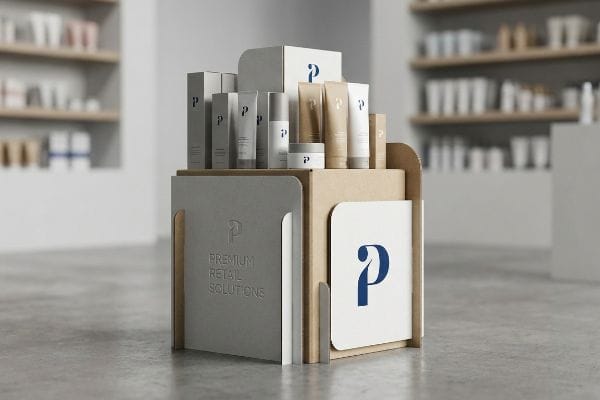
পয়েন্ট অফ পারচেজ (পিওপি) বিজ্ঞাপন হলো এক বিশেষ ধরনের বিপণন কৌশল যা সরাসরি সেইসব স্থানে স্থাপন করা হয় যেখানে খুচরা লেনদেন সম্পন্ন হয়। ফ্লোর মার্চেন্ডাইজার এবং কাউন্টারটপ ইউনিটের মতো এই ভৌত সরঞ্জামগুলো শেষ মুহূর্তের ক্রেতাদের মনোযোগ আকর্ষণ করে, তাদের দৃষ্টির বিন্যাসে পরিবর্তন আনে এবং ক্রেতা করিডোর থেকে বেরিয়ে যাওয়ার আগেই তাৎক্ষণিক ক্রয়ে উদ্বুদ্ধ করে।.
কিন্তু কোনো করিডোরে ছাপানো একটি কার্ডবোর্ডের বাক্স ফেলে রাখলেই তা স্বয়ংক্রিয়ভাবে একটি উৎকৃষ্ট ব্র্যান্ডের ধারণা তৈরি করে না বা বিক্রির নিশ্চয়তা দেয় না।.
৩-৩-৩ স্থানিক সম্পৃক্ততা কাঠামো
অনেক অনভিজ্ঞ বিপণনকারী রিটেইল ডিসপ্লেগুলোকে বড় আকারের ডিজিটাল বিজ্ঞাপনের মতো মনে করেন, এই ভেবে যে ক্রেতারা স্থির হয়ে দাঁড়িয়ে অনুচ্ছেদের পর অনুচ্ছেদ পড়বে। তারা ব্যাকলিট কম্পিউটার মনিটরের দিকে একদৃষ্টিতে তাকিয়ে এই ভৌত ইউনিটগুলো ডিজাইন করেন, এবং মানুষ আসলে দোকানের প্রশস্ত করিডোরের মধ্যে দিয়ে কীভাবে হাঁটে, সেই গতিগত বাস্তবতাকে পুরোপুরি উপেক্ষা করেন¹ । এর ফলে এক অপ্রতিরোধ্য দৃশ্যগত জঞ্জাল তৈরি হয় যা একটি ব্যস্ত রিটেইল পরিবেশের পারিপার্শ্বিক কোলাহলের সাথে মিশে যায়² ।
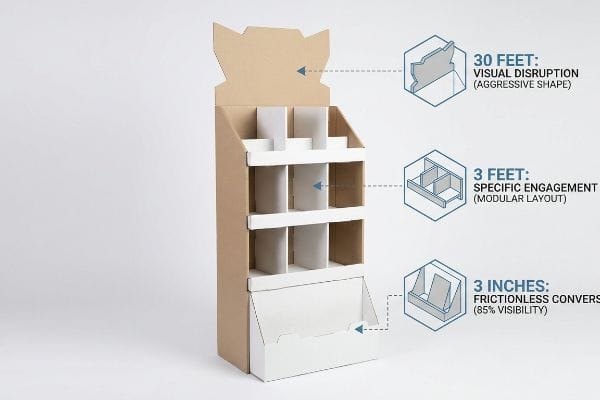
ক্লায়েন্টরা যখন তাদের ক্যাম্পেইনের জন্য প্রচুর লেখা সম্বলিত ডাইলাইন জমা দেয়, তখন আমি কারখানার ফ্লোরে এই ত্রুটিটি প্রতিনিয়ত দেখতে পাই। এটি সমাধান করার জন্য, আমি রিটেইল এনগেজমেন্টের ৩-৩-৩ নিয়মটি কঠোরভাবে প্রয়োগ করি । একটি ডিসপ্লেকে অবশ্যই ৩০ ফুট (৯.১ মিটার) দূর থেকে আকর্ষণীয় ডাই-কাট আকৃতি ব্যবহার করে দৃশ্যমান প্যাটার্নকে ব্যাহত করতে হবে, ৩ ফুট (০.৯ মিটার) দূরত্বে নির্দিষ্ট আগ্রহ তৈরি করতে হবে এবং ৩ ইঞ্চি (৭৬.২ মিমি) দূরত্বে একটি বাস্তবিক বিক্রয়ে বাধ্য করতে হবে। যখন একজন হতাশ দোকান কর্মচারীকে ভুলভাবে সাজানো পণ্যগুলোকে একটি ছোট ট্রে- তে ঢোকানোর জন্য কাঁচা পেপারবোর্ড বাঁকাতে ও ছিঁড়তে হয়, তখন আপনি সেই ভয়ঙ্কর ছেঁড়ার শব্দ শুনতে পান এবং ব্র্যান্ডের ভাবমূর্তি সঙ্গে সঙ্গে নষ্ট হয়ে যায় । পণ্যের ৮৫% দৃশ্যমানতা নিশ্চিত করার জন্য সামনের ধারটি গাণিতিকভাবে কেটে ফেলার মাধ্যমে , আমি নিশ্চিত করি যে ভোক্তার স্পর্শের অভিজ্ঞতা সম্পূর্ণ মসৃণ হবে এবং একই সাথে পণ্য পুনরায় সাজানোর ঝামেলাও দূর হবে।
| নতুনদের সাধারণ ভুল | প্রো ফিক্স | খুচরা-ফ্লোর সুবিধা |
|---|---|---|
| পাঠ্যের অনুচ্ছেদ মুদ্রণ করা | ৩-৩-৩ স্থানিক নিয়ম প্রয়োগ করা5 | দূর থেকে দৃষ্টি আকর্ষণ করে |
| উঁচু ঠোঁট লুকানোর জিনিসপত্র | ৮৫% দৃশ্যমানতার জন্য কাটিং লিপ6 | আবেগ রূপান্তর বৃদ্ধি করে |
| প্রতিসম আঁটসাঁট প্যাকিং | দৃষ্টিগত উত্তেজনার জন্য মডুলার বিভাজক | পেপারবোর্ড ছিঁড়ে যাওয়া প্রতিরোধ করে7 |
আমি এমন লেখা-বহুল বিলবোর্ড তৈরি করতে রাজি নই, যা ব্যস্ত ক্রেতারা সহজেই উপেক্ষা করে। যদি আপনার প্রদর্শনী দূর থেকে তাদের হাঁটার পথে কোনো ব্যাঘাত ঘটাতে ব্যর্থ হয়, তবে আপনি কেবল দামী গুদামের আবর্জনার জন্যই অর্থ ব্যয় করছেন।.
🛠️ হার্ভির ডেস্ক: আপনার শিল্পকর্মটি ৩-৩-৩ স্থানিক নিয়ম মেনে চলে কিনা, তা নিয়ে নিশ্চিত নন? 👉 একটি বিনামূল্যে লেআউট অডিট করিয়ে নিন ↗ — সরাসরি আমার ডেস্কে প্রবেশাধিকার। কোনো স্বয়ংক্রিয় বিক্রয় স্প্যাম নেই, আমি কথা দিচ্ছি।
বিজ্ঞাপন কীভাবে উপলব্ধিকে প্রভাবিত করে?
ক্রেতারা শুধুমাত্র মোড়কের ওপর ভিত্তি করে, মুহূর্তের মধ্যে আপনার পণ্যের গুণমান সম্পর্কে অবচেতনভাবে একটি ধারণা তৈরি করে ফেলেন।.
বিজ্ঞাপন পণ্যের অন্তর্নিহিত মূল্য বোঝাতে দৃশ্যমান ও কাঠামোগত সংকেত ব্যবহারের মাধ্যমে সরাসরি উপলব্ধিকে প্রভাবিত করে। বাস্তব খুচরা বিক্রয় পরিবেশে, উপাদানের ঘনত্ব, ফিনিশিংয়ের মান এবং রঙের নির্ভুলতার মতো বিষয়গুলো অবচেতনভাবে নির্ধারণ করে দেয় যে একজন ভোক্তা কোনো ব্র্যান্ডকে একটি উৎকৃষ্ট মানের প্রয়োজনীয় পণ্য হিসেবে দেখবে, নাকি একটি সস্তা সাধারণ পণ্য হিসেবে।.
ব্র্যান্ড সম্পর্কে এই ধারণার প্রতি সবচেয়ে বিপজ্জনক হুমকিটি সাধারণত প্রিন্টিং প্রেসেই ঘটে, এমনকি ডিসপ্লেটি কাটার আগেই।.
করোগেটেড প্রিন্টিংয়ে হাফটোন মাড প্রতিরোধ
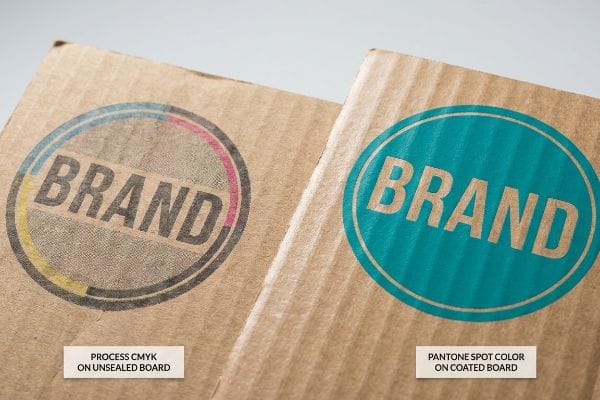
মার্কেটিং দলগুলো প্রায়শই কর্পোরেট লোগোগুলোকে স্ট্যান্ডার্ড CMYK (সায়ান ম্যাজেন্টা ইয়েলো কী) ফরম্যাটে রূপান্তর করে, এই ভেবে যে প্রসেস প্রিন্টিং তাদের উজ্জ্বল ডিজিটাল স্ক্রিনের সাথে নিখুঁতভাবে মিলে যাবে। তারা আশা করে যে, একটি গ্লসি PDF-এ তাদের অনুমোদিত প্রাণবন্ত রঙগুলো কোনো যান্ত্রিক সমন্বয় ছাড়াই কাঁচা, ছিদ্রযুক্ত ঢেউখেলানো টেস্টলাইনার ৮-এর উপর স্বাভাবিকভাবে এবং নিখুঁতভাবে ফুটে উঠবে।
প্রসেস প্রিন্টিংয়ের কঠোর বাস্তবতা হলো: এটি ক্ষুদ্র, পরস্পর ছেদকারী হাফটোন ডটের উপর নির্ভর করে, যা কাগজের আলগা তন্তুতে অসমভাবে শোষিত হয়9।যখন আমি সিল না করা বোর্ডে সাধারণ চার-রঙা প্রিন্টিং করি, তখন অপটিক্যাল ব্লেন্ডিং যান্ত্রিকভাবে ব্যর্থ হয়, যার ফলে একটি ঘোলাটে, বিবর্ণ লোগো তৈরি হয় যা তীব্র ফ্লুরোসেন্ট রিটেইল আলোর নিচে দেখতে ভয়ানক লাগে। আপনি আক্ষরিক অর্থেই ছিদ্রযুক্ত পৃষ্ঠে শুকানোর জন্য সংগ্রামরত ভারী ভেজা কালির গন্ধ পেতে পারেন, যার ফলে তন্তুতে মারাত্মকভাবে কালি ছড়িয়ে পড়ে10।ব্র্যান্ডের ভাবমূর্তি রক্ষা করার জন্য, আমি প্রধান লোগোগুলোর জন্য একটি স্পট কালার ফ্লাড প্রোটোকল বাধ্যতামূলক করেছি। একটি সুনির্দিষ্ট প্যানটোন কালি মেশানো হলে রঙের একটি ঘন, মসৃণ প্রবাহ নিশ্চিত হয় যা সেই সস্তা দানাদার ভাবকে সম্পূর্ণরূপে দূর করে, এবং ২০ ফুট (৬ মিটার) দূর থেকে পুরো ডিসপ্লের ভিজ্যুয়াল মানকে উন্নত করে।
| নতুনদের সাধারণ ভুল | প্রো ফিক্স | খুচরা-ফ্লোর সুবিধা |
|---|---|---|
| ব্র্যান্ড লোগোতে প্রসেস কালার ব্যবহার করা | প্যানটোন স্পট রঙ বাধ্যতামূলক করা11 | লোগোর প্রাণবন্ত নির্ভুলতা নিশ্চিত করে |
| সরাসরি কাঁচা টেস্টলাইনারে প্রিন্ট করা | স্পট কালার ফ্লাড কোটিং ব্যবহার করে12 | ধুয়ে যাওয়া শস্য দূর করে |
| দোকানের আলোর প্রভাব উপেক্ষা করা | উচ্চ-বৈসাদৃশ্যপূর্ণ কঠিন কালি মেশানো13 | ফ্লুরোসেন্ট আলোর নিচেও চোখে পড়ে। |
আমি গ্রাহকদের সবসময় মনে করিয়ে দিই যে, অস্পষ্ট প্রিন্টিং ট্রে-র ভেতরে থাকা উৎকৃষ্ট মানের পণ্যটির মূল্য তাৎক্ষণিকভাবে কমিয়ে দেয়। আপনার ব্র্যান্ডের বাহ্যিক সুনাম রক্ষার জন্য নিখুঁত স্পট কালার অ্যাপ্লিকেশনই হলো সবচেয়ে সস্তা ও নির্ভরযোগ্য সুরক্ষা ব্যবস্থা।.
🛠️ হার্ভির ডেস্ক: আপনার ডিজিটাল লোগোটি কাঁচা কার্ডবোর্ডে ঘোলাটে হয়ে যাবে ভেবে চিন্তিত? 👉 কালার ম্যাচ রিভিউয়ের জন্য অনুরোধ করুন ↗ — নিরাপদে ডাউনলোড করুন। পরবর্তীতে কোনো প্রশ্ন থাকলে আমার ইনবক্স খোলা আছে।
কোন ধরনের বিজ্ঞাপন মানুষের ধারণা পরিবর্তন করতে এবং কোনো কোম্পানি বা পণ্যের ভাবমূর্তি উন্নত করতে কার্যকর?
যেসব ব্র্যান্ড উচ্চ-স্তরের খুচরা বিক্রয় কেন্দ্রে প্রবেশ করতে চাইছে, যেখানে বাহ্যিক রূপ কঠোরভাবে যাচাই করা হয়, তাদের জন্য সঠিক কাঠামোগত ফিনিশ নির্বাচন করা অত্যন্ত গুরুত্বপূর্ণ।.
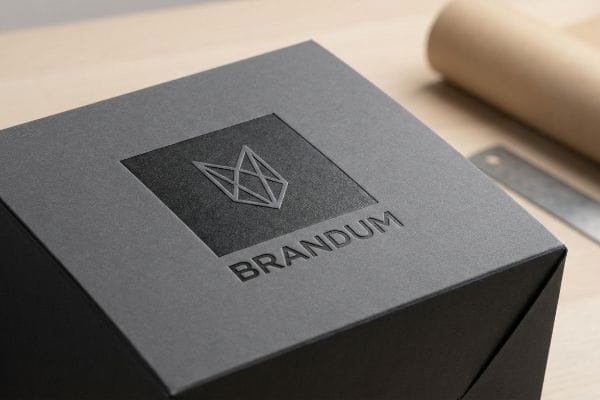
ধারণা পরিবর্তন করতে এবং ব্র্যান্ডের ভাবমূর্তি উন্নত করতে অভিজ্ঞতাভিত্তিক ও স্পর্শনির্ভর বিজ্ঞাপন সবচেয়ে ভালো কাজ করে। এমবসড স্ট্রাকচারাল ফিনিশ এবং হাই-গ্লস কোটিং-এর মতো প্রিমিয়াম বাহ্যিক টেক্সচার যুক্ত করার মাধ্যমে সাধারণ রিটেইল প্যাকেজিং একটি বিলাসবহুল স্পর্শ-অভিজ্ঞতায় রূপান্তরিত হয়, যা ক্রয়ের ইতিবাচক মনস্তত্ত্বকে ব্যাপকভাবে প্রভাবিত করে।.
তবে, কাঁচা কার্ডবোর্ডের উপর জোর করে উৎকৃষ্ট মানের প্রলেপ দেওয়ার চেষ্টা করলে তা প্রায়শই এর মূল ভৌত কাঠামোকেই মারাত্মকভাবে ক্ষতিগ্রস্ত করে।.
অভ্যন্তরীণ ডিবস কম্প্রেশন প্রোটোকল
গ্রাফিক ডিজাইনাররা প্রায়শই এমবসিং এবং ডিবসিং-এর মতো ত্রিমাত্রিক স্পর্শযোগ্য প্রভাবগুলিকে সম্পূর্ণরূপে বিনিময়যোগ্য নান্দনিক পছন্দ হিসাবে বিবেচনা করেন। তারা ধরে নেন যে, প্রধান ডিসপ্লে প্যানেলে একটি উঁচু, প্রিমিয়াম টেক্সচার তৈরি করাই পথচারী ভোক্তার কাছে বিলাসিতার সংকেত দেওয়ার দ্রুততম উপায়, এবং এই কাজটি কাগজের প্রকৃত কাঠামোর উপর যে যান্ত্রিক চাপ সৃষ্টি করে তা14।
আমি ক্রমাগত এমন ডাইলাইনগুলো পরীক্ষা করি যেখানে ডিজাইনাররা গুরুত্বপূর্ণ ভারবাহী প্যানেলগুলিতে ভারী বহির্মুখী এমবসিং নির্দিষ্ট করে দেন। এমবসিং উপরের কাগজের আস্তরণকে প্রবলভাবে বাইরের দিকে প্রসারিত করে একটি চূড়া তৈরি করে, এবং এর ফলে ফাইবারগুলো পাতলা হতে হতে সম্পূর্ণরূপে নিঃশেষ হয়ে যায়১৫।যখন আমি এই অতিরিক্ত এমবস করা শীটগুলো স্বয়ংক্রিয় ফোল্ডারের মধ্যে দিয়ে চালাই, তখন কাগজের ফাইবারগুলো ছিঁড়ে যাওয়ার বীভৎস শব্দ শোনা যায়, যা উপাদানটির উল্লম্ব সংকোচন শক্তিকে সম্পূর্ণরূপে ধ্বংস করে দেয়। আমার সাধারণ নিয়মটি সহজ: কাঠামোগত প্যানেলগুলিতে সর্বদা টুলিং উল্টে ডিবস করতে হবে। ধাতব ডাইটিকে নিচের দিকে চালনা করে, আমি অভ্যন্তরীণ খাঁজগুলোকে একটি কঠিন ব্লকে পরিণত করি১৬, যা ভার বহন ক্ষমতার এক আউন্সও ত্যাগ না করে একটি বিলাসবহুল স্পর্শানুভূতি প্রদান করে।
| নতুনদের সাধারণ ভুল | প্রো ফিক্স | খুচরা-ফ্লোর সুবিধা |
|---|---|---|
| এমবসিং ভারবাহী ভাঁজ | অভ্যন্তরীণ ডিবসিং-এ পরিবর্তন17 | কাঠামোগত ছিঁড়ে যাওয়া প্রতিরোধ করে |
| কাগজের তন্তু বাইরের দিকে প্রসারিত করা | অভ্যন্তরীণভাবে বাঁশি ঘন করা18 | ভারী পেলোড ধারণক্ষমতা বজায় রাখে |
| ত্রিমাত্রিক প্রভাবগুলোকে সমান হিসেবে বিবেচনা করা | প্রকৌশলগত স্পর্শকাতর চাপ অঞ্চল | ক্ষতিমুক্ত বিলাসিতা প্রদান করে |
শুধুমাত্র একটি উঁচু লোগোর জন্য আমি কোনো ক্লায়েন্টকে বাক্সের কাঠামোগত অখণ্ডতা বিসর্জন দিতে দেব না। ডিবসিং তাকের উপর বাক্সের জন্য ঠিক একই রকম প্রিমিয়াম অনুভূতি দেয় এবং গাণিতিকভাবে এটিও নিশ্চিত করে যে বাক্সটি পরিবহনের কঠোর ধকল সহ্য করতে পারবে।.
🛠️ হার্ভিস ডেস্ক: আপনার প্রিমিয়াম স্পর্শকাতর ফিনিশগুলো কি গোপনে আপনার কাঠামোর শক্তি নষ্ট করে দিচ্ছে? 👉 আপনার স্ট্রাকচারাল অডিট দাবি করুন ↗ — কোনো ফর্ম নেই যা অবিরাম সেলস কলের কারণ হয়। শুধু খাঁটি মূল্য।
বিজ্ঞাপনে উপলব্ধির একটি উদাহরণ কী?
উপলব্ধির চূড়ান্ত পরীক্ষা হলো, এর বাস্তব রূপায়ণ একটি উত্তাল বৈশ্বিক সরবরাহ শৃঙ্খলের বাস্তবতাকে টিকে থাকতে পারে কি না।.
বিজ্ঞাপনে উপলব্ধির একটি উদাহরণ হলো কোনো ব্র্যান্ডের খুচরা প্যাকেজিং-এ উচ্চমান বোঝাতে ধাতব ফয়েলের আস্তরণ ব্যবহার করা। ক্রেতারা অবচেতনভাবে এই ভারী, প্রতিফলক উপাদানটিকে উৎকৃষ্ট মানের সাথে যুক্ত করে, যা ব্র্যান্ডটিকে ক্যাশ কাউন্টারে সফলভাবে একটি উচ্চতর খুচরা মূল্য নির্ধারণ করতে সাহায্য করে।.
কিন্তু মৌলিক প্রকৌশলের চেয়ে বাহ্যিক সৌন্দর্যকে প্রাধান্য দিলে, পণ্যটি যখন অবশেষে মার্কিন যুক্তরাষ্ট্রের লোডিং ডকে পৌঁছায়, তখন তা এক বিশাল সরবরাহগত দায় তৈরি করে।.
প্রসাধনী উপাদানের মান হ্রাসের ফাঁদ
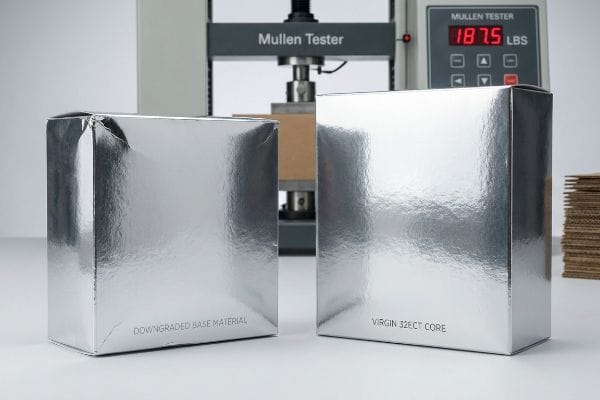
ক্রয়কারী দলগুলো প্রায়শই সম্পূর্ণ ফয়েল ল্যামিনেশনের মতো ব্যয়বহুল বাহ্যিক প্রলেপগুলোকে ধারণা তৈরির জন্য অপরিহার্য বিপণন নির্দেশ হিসেবে গণ্য করে। মোট বাজেট না বাড়িয়ে এই উচ্চ প্রাথমিক উৎপাদন খরচ পুষিয়ে নিতে, তারা নীরবে কারখানাকে মূল উপাদানের কাঁচামালের ঘনত্ব কমিয়ে আনারদেয়, এই ভ্রান্ত ধারণায় যে পুরু বাইরের ফয়েলটি ভোক্তার কাছ থেকে সস্তা ভেতরের অংশটি লুকিয়ে রাখবে।
আমার কারখানায়, আমি প্রাক-উৎপাদন পরীক্ষার সময় এই বাহ্যিক মানের অবনতির ভয়াবহ শারীরিক ফলাফল নিয়মিতভাবে দেখতে পাই। যখন কোনো গ্রাহক শুধুমাত্র চকচকে ফয়েল ব্যবহারের জন্য তাদের মূল স্তরটিকে একটি ভার্জিন ৩২ইসিটি (এজ ক্রাশ টেস্ট) বোর্ড২০ একটি রিসাইকেল করা ২৬ইসিটি গ্রেডে নামিয়ে আনে, তখন এটি ফ্লুটিং থেকে গুরুত্বপূর্ণ ফাইবার ঘনত্ব নষ্ট করে দেয়। আমি এই ত্রুটিপূর্ণ ইউনিটগুলোকে মুলেন টেস্টারে রাখি, এবং যেই মুহূর্তে প্রেসটি মাত্র ১৮৭.৫ পাউন্ড (৮৫ কেজি) ডাইনামিক টপ-লোড প্রয়োগ করে, তখনই পুরো ভিত্তিটি দৃশ্যত বেঁকে যায় এবং ভয়াবহভাবে ভেঙে পড়ে। আমি বাহ্যিক চাকচিক্য বাড়ানোর জন্য কাঠামোগত মানের বোর্ড ফাঁপা করা কঠোরভাবে নিষিদ্ধ করি। ভারী প্লাস্টিকের ফিল্মগুলো সরিয়ে এবং ভার্জিন ৩২ইসিটি মান পুনরুদ্ধার করে, আমি হাই-সলিড গ্লস অ্যাকুয়াস কোটিং২১ , যা পরিবহনের সময় হওয়া ক্ষতি সম্পূর্ণরূপে দূর করে এবং খুচরা বিক্রেতাদের ব্যয়বহুল চার্জব্যাক প্রতিরোধ করে।
| নতুনদের সাধারণ ভুল | প্রো ফিক্স | খুচরা-ফ্লোর সুবিধা |
|---|---|---|
| ফয়েলের জন্য বোর্ডের মান কমানো | কুমারী ৩২ইসিটি কোর ২২ বাধ্যতামূলক করা হচ্ছে | প্যালেট ভেঙে যাওয়া প্রতিরোধ করে |
| প্লাস্টিক ল্যামিনেশনের উপর নির্ভর করা | উচ্চ-চকচকে জলীয় প্রলেপ ব্যবহার করে 23 | রাস্তার ধার থেকে পুনর্ব্যবহারযোগ্যতা নিশ্চিত করে |
| চেহারার জন্য শক্তি বিসর্জন | নান্দনিকতা ও পদার্থবিদ্যার মধ্যে ভারসাম্য | খুচরা বিক্রেতার চার্জব্যাক দূর করে24 |
আমি ঝুঁকিপূর্ণ রিটেইল পরিবেশের জন্য ডিসপ্লে ডিজাইন করি, নিয়ন্ত্রিত ফটোগ্রাফি স্টুডিওর জন্য নয়। আপনি যদি এমন একটি চকচকে বাক্স চান যা চাপে ভেঙে পড়ে এবং খুচরা বিক্রেতাদের কাছ থেকে ব্যাপক প্রত্যাখ্যানের কারণ হয়, তবে আপনার সাপ্লাই চেইনের জন্য আমি উপযুক্ত নই।.
🛠️ হার্ভির ডেস্ক: একটি ২-মিলিমিটার কাঠামোগত ত্রুটির কারণে ৫০০টি দোকানে পণ্য সরবরাহের পরিকল্পনা যেন ভেস্তে না যায়। 👉 আপনার ডাইলাইন ফাইলটি আমাকে পাঠান ↗ — গণ-উৎপাদনে বাজেট অপচয় করার আগে আমি এর গাণিতিক হিসাব স্ট্রেস-টেস্ট করে নেব।
উপসংহার
আপনি এমন একজন বিক্রেতা বেছে নিতে পারেন যিনি চকচকে ফয়েলের খরচ মেটানোর জন্য গোপনে আপনার করোগেটেড কোরের মান কমিয়ে দেন, কিন্তু যখন কাঠামোগতভাবে দুর্বল সেই 26ECT বোর্ডটি ভারী প্যালেটের ওজনে ভেঙে পড়ে, তখন তা খুচরা বিক্রেতাদের কাছ থেকে বিপুল পরিমাণ চার্জব্যাক আদায় করে এবং আপনার ক্যাম্পেইনের লাভের মার্জিনের আনুমানিক ৪০% নষ্ট করে দেয়। আমার শীর্ষ ১০ জন খুচরা ক্লায়েন্ট প্রিন্ট রিজেকশন শূন্যে নামিয়ে আনার নিশ্চয়তা দিতে ঠিক এই স্পেক শিটটিই ব্যবহার করেন। সাবস্ট্রেটের সীমাবদ্ধতা নিয়ে অনুমান করা বন্ধ করুন এবং ব্যাপক উৎপাদন শুরু হওয়ার আগেই মারাত্মক ভারবহন ত্রুটিগুলো ধরার জন্য আমাকে ব্যক্তিগতভাবে আমার ফ্রি ডাইলাইন অডিট ↗- এর মাধ্যমে আপনার স্ট্রাকচারাল ফাইলগুলো পরীক্ষা করতে দিন।
"যখন পণ্যে করিডোর ঠাসা থাকে এবং শপিং কার্ট ক্রেতাকে ঘিরে ধরে", https://pmc.ncbi.nlm.nih.gov/articles/PMC13102192/। খুচরা দোকানে চলাচলের পথ নিয়ে পরিবেশগত মনোবিজ্ঞানের গবেষণাগুলো ক্রেতাদের করিডোরে চলাচলের শারীরিক ও জ্ঞানীয় ধরন বর্ণনা করে। প্রমাণের ভূমিকা: তথ্যগত সমর্থন; উৎসের ধরন: অ্যাকাডেমিক গবেষণা। সমর্থন করে: এই দাবি যে ক্রেতার চলাচল একটি গুরুত্বপূর্ণ নকশা উপাদান। পরিধি টীকা: পথচারী প্রবাহের উপর আলোকপাত করে। ↩
"ডিসপ্লেতে অতিরিক্ত জিনিসপত্র এবং দৃষ্টিগত মনোযোগের বণ্টনের উপর এর প্রভাব...", https://pubmed.ncbi.nlm.nih.gov/31280801/। দৃষ্টিগত উপলব্ধি এবং জ্ঞানীয় ভার বিষয়ক গবেষণা ব্যাখ্যা করে যে, একটি খুচরা বিক্রয় পরিবেশে অতিরিক্ত উদ্দীপনা কীভাবে সংবেদী অভিযোজন এবং মনোযোগ হ্রাস করে। প্রমাণের ভূমিকা: তাত্ত্বিক সমর্থন; উৎসের ধরণ: পিয়ার-রিভিউড জার্নাল। সমর্থন করে: এই দাবি যে, অতিরিক্ত জিনিসপত্রে ভরা ডিসপ্লে উপেক্ষা করা হয়। পরিধিগত টীকা: মনোযোগের ক্লান্তির উপর আলোকপাত করে। ↩
"পয়েন্ট অফ পারচেজ: খুচরা বিক্রেতারা কীভাবে ক্রেতাদের প্রভাবিত করতে পারে …", https://blog.intouch.com/posts/points-of-purchase-displays। বিভিন্ন দূরত্বে মনোযোগ আকর্ষণের জন্য পয়েন্ট-অফ-পারচেজ ডিসপ্লে ডিজাইনে ব্যবহৃত ৩-৩-৩ স্থানিক সম্পৃক্ততা কাঠামোর যাচাইকরণ। প্রমাণের ভূমিকা: প্রযুক্তিগত হিউরিস্টিক; উৎসের ধরণ: মার্কেটিং বা রিটেইল ডিজাইন গাইড। সমর্থন করে: ভোক্তা আকর্ষণ এবং রূপান্তরের জন্য নির্দিষ্ট দূরত্বের নির্দেশক। পরিধি সংক্রান্ত টীকা: দোকানের বিন্যাস অনুযায়ী প্রয়োগ ভিন্ন হতে পারে। ↩
"পয়েন্ট-অফ-পারচেজ ডিসপ্লের মাধ্যমে কীভাবে রিটেইল ভিজিবিলিটি বাড়ানো যায়", https://www.industrialpackaging.com/blog/increased-retail-visibility। পণ্যের দৃশ্যমানতা এবং সহজলভ্যতা সর্বাধিক করার জন্য রিটেইল ট্রে-তে ধরে রাখার প্রান্তের উচ্চতা সংক্রান্ত শিল্প মানদণ্ডের নিশ্চিতকরণ। প্রমাণের ভূমিকা: ডিজাইন স্পেসিফিকেশন; উৎসের ধরণ: প্যাকেজিং ইঞ্জিনিয়ারিং স্ট্যান্ডার্ড। সমর্থন করে: ভোক্তার স্পর্শজনিত অভিজ্ঞতাকে সর্বোত্তম করার জন্য ৮৫% দৃশ্যমানতার সীমা। পরিধি সংক্রান্ত টীকা: প্রধানত পিডিকিউ (PDQ) এবং শেলফ-রেডি প্যাকেজিং-এর ক্ষেত্রে প্রযোজ্য। ↩
"মার্কেটিং-এ ৩-৩-৩ নিয়ম: আপনার যা জানা প্রয়োজন – ডিসপ্লে উইজার্ড", https://www.displaywizard.co.uk/3-3-3-rule-in-marketing/। রিটেইল স্পেশিয়াল ডিজাইনের উপর একটি প্রামাণ্য নির্দেশিকা বিভিন্ন দূরত্ব থেকে ভোক্তার মনোযোগ আকর্ষণে ৩-৩-৩ নিয়মের কার্যকারিতা যাচাই করবে। প্রমাণের ভূমিকা: প্রযুক্তিগত যাচাইকরণ; উৎসের ধরণ: শিল্প-মানসম্মত নির্দেশিকা। সমর্থন করে: স্থানিক সম্পৃক্ততার কার্যকারিতা। পরিধি সংক্রান্ত টীকা: বিগ-বক্স রিটেইল পরিবেশের জন্য প্রযোজ্য। ↩
"পয়েন্ট-অফ-পারচেজ ইনসাইটস: রিটেইল পিওপি-এর প্রভাব...", https://www.bcipkg.com/point-of-purchase-insights-the-impact-of-retail-pop-displays-on-consumer-behavior/। টেকনিক্যাল প্যাকেজিং স্পেসিফিকেশন বা রিটেইল মার্কেটিং স্টাডি নিশ্চিত করবে যে ৮৫% দৃশ্যমানতার থ্রেশহোল্ড অর্জন করলে ইমপালস পারচেজ রেট অপ্টিমাইজ হয়। প্রমাণের ভূমিকা: মেট্রিক ভ্যালিডেশন; উৎসের ধরণ: ভোক্তা আচরণ গবেষণা। সমর্থন করে: কনভার্সনের উপর পণ্যের দৃশ্যমানতার প্রভাব। স্কোপ নোট: শেলফ-এজ এবং পিওপি ডিসপ্লের জন্য নির্দিষ্ট। ↩
"খুচরা পণ্যের জন্য ডিভাইডার সহ কাস্টম ডিসপ্লে বক্স – প্রিন্ট২৪৭", https://print247.us/display-boxes-with-divider?srsltid=AfmBOoqtmlN3MDcyOxE0uQoSassphzdz7Dibj3HMNCvq-X3EUIq0fjUh। পদার্থ বিজ্ঞান বা কাঠামোগত প্যাকেজিং ডকুমেন্টেশন নিশ্চিত করবে যে মডিউলার ডিভাইডার পেপারবোর্ডের দেয়ালের উপর যান্ত্রিক চাপ কমায়। প্রমাণের ভূমিকা: প্রযুক্তিগত স্পেসিফিকেশন; উৎসের ধরণ: প্যাকেজিং ইঞ্জিনিয়ারিং ম্যানুয়াল। সমর্থন: পিওপি ডিসপ্লের কাঠামোগত স্থায়িত্ব। পরিধি নোট: পেপারবোর্ডের গ্রেড এবং জিএসএম-এর উপর নির্ভরশীল। ↩
"প্রিন্টিং ডট-এর জন্য গাণিতিক মডেলিং এবং ক্ষতিপূরণ কৌশল...", https://pmc.ncbi.nlm.nih.gov/articles/PMC12574880/। প্রযুক্তিগত মুদ্রণ মানগুলি ব্যাখ্যা করে যে কীভাবে প্রলেপযুক্ত পৃষ্ঠের তুলনায় ছিদ্রযুক্ত পৃষ্ঠে কালি শোষণ এবং ডট গেইন রঙের পরিবর্তন ঘটায়। প্রমাণের ভূমিকা: প্রযুক্তিগত যাচাইকরণ; উৎসের ধরণ: মুদ্রণ শিল্প ম্যানুয়াল। সমর্থন: কাঁচা ঢেউতোলা বোর্ডে মুদ্রণের সময় যান্ত্রিক সমন্বয়ের প্রয়োজনীয়তা। পরিধি নোট: বিশেষভাবে প্রলেপবিহীন পৃষ্ঠে প্রসেস প্রিন্টিং-এর ক্ষেত্রে প্রযোজ্য। ↩
"[পিডিএফ] ১. ডট গেইন হলো কালি শোষণের ফলে হাফটোন ডটের আকারের বৃদ্ধি...", https://www.coloradomesa.edu/art/documents/student-resources/study-guide-2019.pdf। প্রামাণ্য মুদ্রণ ম্যানুয়ালগুলোতে ব্যাখ্যা করা হয়েছে কীভাবে ডট গেইন এবং প্রলেপহীন পৃষ্ঠে কালির অসম শোষণ ছবির ঝাপসাভাব সৃষ্টি করে। প্রমাণের ভূমিকা: প্রযুক্তিগত ব্যাখ্যা; উৎসের ধরণ: শিল্প হ্যান্ডবুক। সহায়ক: সিলবিহীন বোর্ডে ছবির মান হ্রাসের যান্ত্রিক কারণ। পরিধিগত টীকা: বিশেষভাবে প্রলেপহীন/ঢেউখেলানো পৃষ্ঠের ক্ষেত্রে প্রযোজ্য। ↩
"কাগজের স্ট্রিপে তরলের শোষণ: একটি পরীক্ষামূলক ও সংখ্যাসূচক গবেষণা", https://pmc.ncbi.nlm.nih.gov/articles/PMC7495729/। বস্তুবিজ্ঞানের উৎসগুলোতে বিশদভাবে বর্ণনা করা হয়েছে যে, কীভাবে ছিদ্রযুক্ত তন্তুতে কৈশিক ক্রিয়ার ফলে কালি উদ্দিষ্ট মুদ্রণ এলাকার বাইরে ছড়িয়ে পড়ে। প্রমাণের ভূমিকা: কার্যকারণ প্রক্রিয়া; উৎসের ধরণ: প্রযুক্তিগত জার্নাল। সমর্থন করে: ছিদ্রযুক্ত পৃষ্ঠতল এবং কালির ছড়িয়ে পড়ার মধ্যে সম্পর্ক। পরিধি টীকা: শোষক প্যাকেজিং উপকরণের ক্ষেত্রে প্রযোজ্য। ↩
"প্যাকেজিংয়ের জন্য পিএমএস বনাম সিএমওয়াইকে: কোনটি শ্রেয়? – প্যাক্স সলিউশনস", https://pax.solutions/corrugated-packaging/pms-vs-cmyk-for-packaging/। বাণিজ্যিক মুদ্রণে সিএমওয়াইকে প্রসেস কালারের তুলনায় স্পট কালার কীভাবে রঙের সামঞ্জস্যপূর্ণ পুনরুৎপাদন নিশ্চিত করে তার প্রযুক্তিগত ব্যাখ্যা। প্রমাণের ভূমিকা: প্রযুক্তিগত যাচাইকরণ; উৎসের ধরণ: মুদ্রণ শিল্পের মান। সমর্থন করে: এই দাবি যে স্পট কালার লোগোর নির্ভুলতা নিশ্চিত করে। পরিধি সংক্রান্ত টীকা: পেশাদার ব্র্যান্ড ব্যবস্থাপনার ক্ষেত্রে প্রযোজ্য। ↩
"স্পট কালার: এগুলি কী কাজে ব্যবহৃত হয় এবং কীভাবে তৈরি করা যায়", https://popdisplay.me/spot-color-what-theyre-used-for-and-how-to-create-them/। শোষক কাঁচা টেস্টলাইনারের উপর ফ্লাড কোট কীভাবে একটি প্রতিবন্ধক তৈরি করে কালির ডুবে যাওয়া এবং কাগজের আঁশ দৃশ্যমান হওয়া প্রতিরোধ করে, তার বিশ্লেষণ। প্রমাণের ভূমিকা: প্রক্রিয়া যাচাইকরণ; উৎসের ধরণ: প্যাকেজিং ইঞ্জিনিয়ারিং গাইড। সমর্থন করে: এই দাবি যে ফ্লাড কোটিং কাগজের আঁশের বিবর্ণতা দূর করে। পরিধি সংক্রান্ত টীকা: ছিদ্রযুক্ত ঢেউখেলানো কাগজের জন্য নির্দিষ্ট। ↩
"ফ্লুরোসেন্ট কালির উন্মোচন: প্রকারভেদ, সুবিধা এবং প্রয়োগ", https://www.epackprinting.com/support/what-is-fluorescent-ink/। খুচরা দোকানের তাকগুলিতে পণ্যের দৃশ্যমানতা বাড়ানোর জন্য উচ্চ-কন্ট্রাস্ট কালির মিশ্রণ কীভাবে ফ্লুরোসেন্ট আলোর বর্ণালীর সাথে মিথস্ক্রিয়া করে, সে বিষয়ে একটি গবেষণা। প্রমাণের ভূমিকা: গবেষণালব্ধ সমর্থন; উৎসের ধরণ: রঙ বিজ্ঞান গবেষণা। সমর্থন করে: এই দাবি যে উচ্চ-কন্ট্রাস্ট কালি ফ্লুরোসেন্ট আলোর নিচে দৃশ্যমানতা উন্নত করে। পরিধি সংক্রান্ত টীকা: খুচরা দোকানের আলোকসজ্জার পরিবেশের উপর আলোকপাত করে। ↩
"যান্ত্রিক এবং কোমলতা বৈশিষ্ট্যের উপর এমবসিং চাপের প্রভাব...", https://pmc.ncbi.nlm.nih.gov/articles/PMC9228970/। এমবসিংয়ের সময় কাগজের তন্তুর ভৌত বিকৃতি কীভাবে কাঠামোগত দুর্বলতা এবং উপাদানগত পীড়ন তৈরি করে তার সংক্ষিপ্ত ব্যাখ্যা। প্রমাণের ভূমিকা: প্রযুক্তিগত যাচাইকরণ; উৎসের ধরণ: বস্তু বিজ্ঞান বা মুদ্রণ উৎপাদন ম্যানুয়াল। সমর্থন করে: সাবস্ট্রেটের স্থায়িত্বের উপর এমবসিংয়ের ভৌত প্রভাব। পরিধি নোট: উচ্চ-চাপের স্পর্শযোগ্য ফিনিশের উপর আলোকপাত করে। ↩
"[পিডিএফ] কাগজের শিটে এমবসিং-এর ফাইনাইট এলিমেন্ট মডেলিং", https://bioresources.cnr.ncsu.edu/wp-content/uploads/2020/03/1993.2.1073.pdf। প্রযুক্তিগত প্রমাণ যা দেখায় কীভাবে এমবসিং কাগজের তন্তুকে প্রসারিত করে, এর পুরুত্ব কমিয়ে দেয় এবং উপাদানের শক্তি হ্রাস করে। প্রমাণের ভূমিকা: প্রযুক্তিগত যাচাইকরণ; উৎসের ধরণ: বস্তু বিজ্ঞান বা প্যাকেজিং ইঞ্জিনিয়ারিং ম্যানুয়াল। সমর্থন করে: এই দাবি যে এমবসিং কাঠামোগত প্যানেলকে দুর্বল করে। পরিধি টীকা: শুধুমাত্র কাগজ-ভিত্তিক লাইনারের জন্য প্রযোজ্য। ↩
"ঢেউখেলানো বোর্ডের বাক্সের সংকোচন শক্তির নিরূপণ...", https://pmc.ncbi.nlm.nih.gov/articles/PMC8467740/। এই যাচাইকরণ যে, ভেতরের দিকে সংকোচন (ডিবসিং) ঢেউখেলানো বোর্ডের খাঁজের ঘনত্ব বৃদ্ধি করে, যার ফলে উল্লম্ব ভারবহন ক্ষমতা বজায় থাকে বা বৃদ্ধি পায়। প্রমাণের ভূমিকা: প্রক্রিয়া যাচাইকরণ; উৎসের ধরণ: কাঠামোগত প্যাকেজিং নির্দেশিকা। সমর্থন করে: এই দাবি যে ডিবসিং ভারবহন ক্ষমতা রক্ষা করে। পরিধি টীকা: ঢেউখেলানো কাঠামোগত প্যানেলের ক্ষেত্রে প্রযোজ্য। ↩
"এমবসিং – এমএম গ্রুপ", https://mm.group/packaging/technologies/embossing/। প্যাকেজিং ইঞ্জিনিয়ারিং স্ট্যান্ডার্ডগুলো কীভাবে এই দাবিকে সমর্থন করে তার সংক্ষিপ্ত ব্যাখ্যা যে, ভেতরের দিকে ডিবসিং ভারবাহী ভাঁজের উপর চাপ কমিয়ে ছিঁড়ে যাওয়া প্রতিরোধ করে। প্রমাণের ভূমিকা: প্রযুক্তিগত যাচাইকরণ; উৎসের ধরণ: প্যাকেজিং ইঞ্জিনিয়ারিং ম্যানুয়াল। সমর্থন: কাঠামোগত ছিঁড়ে যাওয়া প্রতিরোধ। পরিধি সংক্রান্ত টীকা: উচ্চ-গেজ পেপারবোর্ডের ক্ষেত্রে প্রযোজ্য। ↩
"ইন্টারফ্লুট বাকলিং-এর পরীক্ষা পদ্ধতি ও প্রভাব – বায়োরিসোর্সেস", https://bioresources.cnr.ncsu.edu/resources/overview-of-recent-studies-at-ipst-on-corrugated-board-edge-compression-strength-testing-methods-and-effects-of-interflute-buckling/। বস্তুবিজ্ঞানের তথ্য কীভাবে নিশ্চিত করে যে অভ্যন্তরীণ ফ্লুটের ঘনত্ব বৃদ্ধি উল্লম্ব সংকোচন শক্তি এবং পেলোড ধারণক্ষমতা বজায় রাখে, তার সংক্ষিপ্ত ব্যাখ্যা। প্রমাণের ভূমিকা: প্রযুক্তিগত যাচাইকরণ; উৎসের ধরন: বস্তুবিজ্ঞান জার্নাল। সমর্থন: ভারী পেলোড ধারণক্ষমতা বজায় রাখা। পরিধি টীকা: করোগেটেড ফাইবারবোর্ড নির্মাণের জন্য নির্দিষ্ট। ↩
"কাগজ ও বোর্ড, ধাতব ফয়েল, ফিল্ম এবং বহুস্তরীয় কাঠামো", http://www.labelsandlabeling.com/label-academy/article/flexible-packaging-paper-and-board-metallic-foil-films-and-multi-layer-constructions। প্রিমিয়াম ফয়েলের উচ্চ মূল্যের সাথে ভারসাম্য রক্ষার জন্য প্যাকেজিং উৎপাদন নির্দেশিকাগুলোতে কীভাবে সাবস্ট্রেটের ঘনত্ব কমানোর পদ্ধতি বিশদভাবে বর্ণনা করা হয়েছে, তার একটি সংক্ষিপ্ত ব্যাখ্যা। প্রমাণের ভূমিকা: প্রযুক্তিগত যাচাইকরণ; উৎসের ধরণ: প্যাকেজিং ইঞ্জিনিয়ারিং হ্যান্ডবুক। সমর্থন করে: এই দাবি যে উৎপাদন খরচ মেটানোর জন্য কাঁচামালের ঘনত্ব কমানো হয়। পরিধিগত টীকা: উপকরণ সংগ্রহের কৌশলের সাথে সম্পর্কিত। ↩
"[পিডিএফ] করোগেটেড বোর্ড স্পেসিফিকেশন – ফাইবার বক্স অ্যাসোসিয়েশন", https://www.fibrebox.org/assets/2025/09/Walmart_Corrugated-Board_Specifications_Automation_Packaging_Standards.pdf। করোগেটেড ফাইবারবোর্ডের জন্য শিল্প মানগুলি 32ECT রেটিং-এর সাথে সম্পর্কিত কাঠামোগত বৈশিষ্ট্য, ভারবহন ক্ষমতা এবং ফাইবারের ঘনত্বকে সংজ্ঞায়িত করে। প্রমাণের ভূমিকা: প্রযুক্তিগত স্পেসিফিকেশন; উৎসের ধরণ: শিল্প মান। সমর্থন করে: প্যাকেজিং-এ কাঠামোগত অখণ্ডতার ভিত্তি। পরিধি নোট: করোগেটেড বোর্ডের জন্য নির্দিষ্ট। ↩
"জলীয় আবরণ কী? সুবিধা, প্রয়োগ এবং কেন এটি গুরুত্বপূর্ণ...", https://millionpack.com/aqueous-coating/। প্রিন্টিং ফিনিশের উপর প্রযুক্তিগত ডকুমেন্টেশনে উচ্চ-কঠিন জলীয় আবরণের সেই সক্ষমতার বর্ণনা দেওয়া হয়েছে, যা সাবস্ট্রেটের শক্তি অক্ষুণ্ণ রেখে উন্নত মানের প্রতিফলন প্রদান করে। প্রমাণের ভূমিকা: প্রযুক্তিগত স্পেসিফিকেশন; উৎসের ধরণ: পদার্থ বিজ্ঞান। সমর্থন করে: ফয়েলের কাঠামোগত বিকল্প হিসেবে আবরণের কার্যকারিতা। পরিধি নোট: মুদ্রিত প্যাকেজিংয়ের ক্ষেত্রে প্রযোজ্য। ↩
"শিপিং বক্সের শক্তি বোঝা – ইকোএনক্লোজ", https://www.ecoenclose.com/blog/understanding-shipping-box-strength/?srsltid=AfmBOopp97VQd64FycE6vGpqfF8Gi-5rtStyyz-8avm7bX31BoqoRMm-। ঢেউখেলানো কার্ডবোর্ডের (এজ ক্রাশ টেস্ট) প্রযুক্তিগত স্পেসিফিকেশন যাচাই করে যে, প্যালেট স্ট্যাকিংয়ের সময় কাঠামোগত পতন রোধ করার জন্য 32ECT একটি নির্দিষ্ট সংকোচন শক্তি প্রদান করে। প্রমাণের ভূমিকা: প্রযুক্তিগত স্পেসিফিকেশন; উৎসের ধরণ: প্যাকেজিং ইঞ্জিনিয়ারিং স্ট্যান্ডার্ড। সমর্থন করে: প্যালেট চূর্ণ হওয়া রোধে 32ECT-এর কার্যকারিতা। পরিধি সংক্রান্ত টীকা: স্ট্যাকের উচ্চতা এবং ওজনের উপর ভিত্তি করে শক্তি পরিবর্তিত হয়। ↩
"টেকসই প্রভাব বিবেচনা: পেপারবোর্ড কোটিং – জেনপ্যাক", https://www.zenpack.us/blog/paperboard-coatings-sustainability-impact/। বর্জ্য ব্যবস্থাপনা এবং পুনর্ব্যবহারের মান নির্দেশ করে যে জলীয় কোটিংগুলো জল-ভিত্তিক এবং প্লাস্টিক ল্যামিনেটের তুলনায় পুনঃমজ্জা তৈরির প্রক্রিয়ায় আরও সহজে অপসারণযোগ্য। প্রমাণের ভূমিকা: পরিবেশগত প্রভাব যাচাই; উৎসের ধরণ: পুনর্ব্যবহার শিল্পের মান। সমর্থন করে: এই দাবি যে জলীয় কোটিংগুলো রাস্তার পাশেই পুনর্ব্যবহারযোগ্যতা নিশ্চিত করে। পরিধির টীকা: আঞ্চলিক পুনর্ব্যবহার কেন্দ্রের প্রযুক্তির উপর নির্ভরশীল। ↩
"ভেন্ডর কমপ্লায়েন্স ফি: খুচরা বিক্রেতাদের জন্য কারণ ও সমাধান", https://www.linkedin.com/posts/quickbox-fulfillment_struggling-with-vendor-compliance-chargebacks-activity-7421637082487525376-VCk2। রিটেইল লজিস্টিকস এবং ভেন্ডর কমপ্লায়েন্স ম্যানুয়ালগুলিতে সাধারণত অপর্যাপ্ত প্যাকেজিং শক্তির কারণে পণ্যের ক্ষতির জন্য সরবরাহকারীদের উপর আরোপিত আর্থিক জরিমানা (চার্জব্যাক) সম্পর্কে রূপরেখা দেওয়া থাকে। প্রমাণের ভূমিকা: শিল্প অনুশীলনের যাচাইকরণ; উৎসের ধরণ: রিটেইল লজিস্টিকস ম্যানুয়াল। সমর্থন করে: প্যাকেজিং পদার্থবিদ্যা এবং আর্থিক জরিমানার মধ্যে সংযোগ। পরিধি সংক্রান্ত টীকা: স্বতন্ত্র খুচরা বিক্রেতা চুক্তির অধীন। ↩