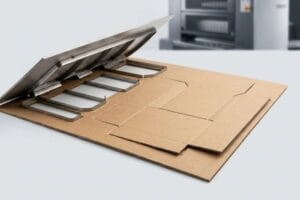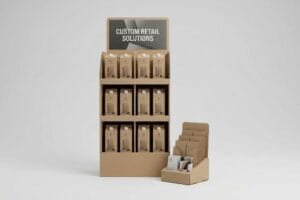
ব্র্যান্ডগুলো প্রতি বছর লক্ষ লক্ষ টাকা লোকসান করে, কারণ তারা রিটেইল প্যাকেজিংকে একটি কাঠামোগত প্রকৌশলগত সম্পদ হিসেবে না দেখে, বরং একটি গৌণ বিষয় হিসেবে বিবেচনা করে, যা দোকানে প্রকৃত বিক্রি বাড়াতে সাহায্য করে।.
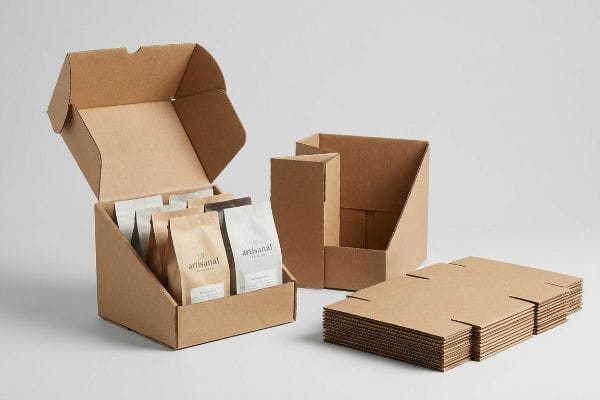
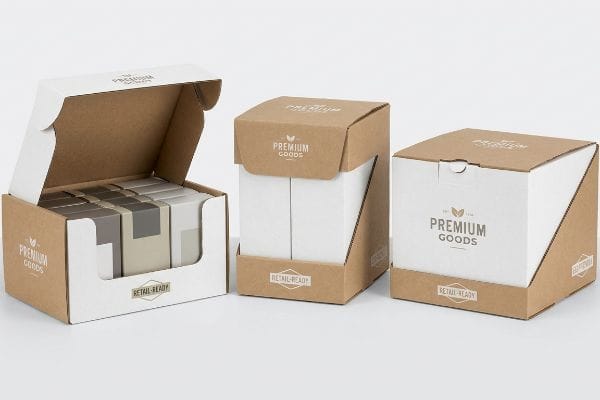
ডিসপ্লে বক্স হলো একটি প্রকৌশলগতভাবে পরিকল্পিত কাঠামোগত প্যাকেজিং ইউনিট, যা ভোগ্যপণ্য নিরাপদে পরিবহনের জন্য এবং দোকানের তাকগুলিতে তাৎক্ষণিকভাবে বিক্রির জন্য প্রস্তুত উপস্থাপনায় রূপান্তরিত হওয়ার উদ্দেশ্যে ডিজাইন করা হয়েছে। এই বিশেষভাবে উন্নত ঢেউখেলানো কার্ডবোর্ডের কন্টেইনারগুলো হাতে করে বাক্স খোলার শ্রম দূর করে, ব্র্যান্ডের পরিচিতি বাড়ায় এবং বিশ্বব্যাপী গণ-বাজারের পণ্য বিন্যাস ও নিরাপত্তা মান কঠোরভাবে মেনে চলে।.
মার্কেটিং মিটিংয়ের জন্য পাঠ্যপুস্তকের সংজ্ঞা জানাটা ঠিক আছে, কিন্তু যখন আপনি স্বয়ংক্রিয় উৎপাদন লাইনের মধ্যে দিয়ে কাঁচা ঢেউখেলানো বোর্ড পাঠানোর চেষ্টা করেন, তখন বাস্তবতা আমূল বদলে যায়।.
খুচরা ডিসপ্লে বক্স কী?
ব্র্যান্ডগুলো প্রায়শই তাদের প্যাকেজিংয়ের গ্রাফিক ডিজাইনের ওপরই সম্পূর্ণ মনোযোগ দেয়, এবং এটিকে যে কষ্টকর শারীরিক যাত্রাপথ সহ্য করতে হয়, তা পুরোপুরি উপেক্ষা করে।.
রিটেইল ডিসপ্লে বক্স হলো একটি বিশেষায়িত পণ্য প্রদর্শন সামগ্রী, যা অধিক জনসমাগমপূর্ণ কেনাকাটার পরিবেশে ক্রেতাদের তাৎক্ষণিক কেনাকাটায় উৎসাহিত করার জন্য তৈরি করা হয়। সাধারণ শিপিং কার্টনের থেকে ভিন্ন, এই ইউনিটগুলিতে দ্বি-স্তরীয় কাঠামোগত ভিত্তি এবং উচ্চ-মানের প্রিন্টিং ব্যবহার করা হয়, যা পণ্যের স্থিতিশীলতা নিশ্চিত করার পাশাপাশি ক্লাব স্টোরের কঠোর ডাইনামিক লোড সংক্রান্ত প্রয়োজনীয়তা এবং ভিজ্যুয়াল ব্র্যান্ডিং নির্দেশিকাও পূরণ করে।.
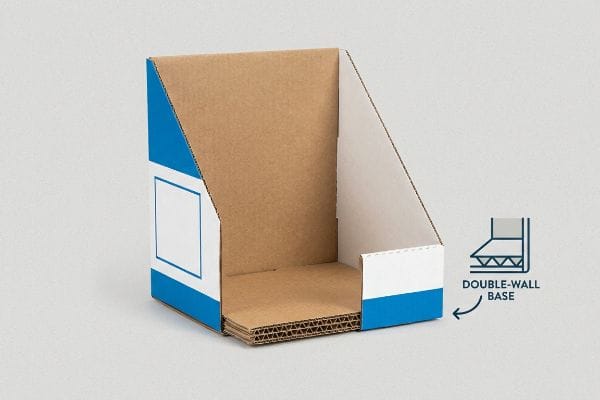
কনফারেন্স রুমের টেবিলে একটিমাত্র প্রোটোটাইপকে সুন্দর করে তোলা সহজ, কিন্তু খুচরা বিক্রয়কেন্দ্রে এটিকে টিকিয়ে রাখার জন্য সুচিন্তিত প্রকৌশল প্রয়োজন।.
একজন খুচরা পণ্য বিক্রেতার কাঠামোগত পদার্থবিদ্যা
বেশিরভাগ গ্রাফিক ডিজাইনার মনে করেন যে, যেকোনো কাউন্টারটপ বা ফ্লোর ফিক্সচারের জন্য সাধারণ সিঙ্গেল-ওয়াল ঢেউখেলানো বোর্ডই যথেষ্ট। তাঁরা সুন্দর আর্টওয়ার্ক ডিজাইন করে একটি সাধারণ বক্স টেমপ্লেটে তা প্রয়োগ করেন এবং ধরে নেন যে, সাপ্লাই চেইন ইউনিটটিকে চূড়ান্ত রিটেইল শেলফ পর্যন্ত যত্নসহকারে পরিচালনা করবে।.
এমনকি অভিজ্ঞ ডিজাইনাররাও প্রায়শই এই অন্ধ দিকটি উপেক্ষা করেন যখন তারা রিটেইল লজিস্টিকসের " ৫০-টাচ রুল ১ " উপেক্ষা করেন। আপনার পণ্যটি আমার কারখানা থেকে বের হওয়ার মুহূর্ত থেকে , একজন ভোক্তার চোখে পড়ার আগেই এটিকে গড়ে পঞ্চাশবার স্পর্শ করা হবে, ধাক্কা দেওয়া হবে এবং ফেলে দেওয়া হবে। আমি দোকানের কর্মচারীদের কংক্রিটের মেঝেতে সিঙ্গেল-ওয়াল কার্ডবোর্ড সজোরে টেনে নিয়ে যেতে দেখেছি, এবং আপনি ঘর্ষণের কারণে ভার্জিন ক্রাফট পেপারের ছিঁড়ে যাওয়া ও বেঁকে যাওয়ার কঠিন প্রতিরোধ শারীরিকভাবে অনুভব করতে পারবেন। এটি প্রতিরোধ করার জন্য, আমি যেকোনো উচ্চ-ঝুঁকিপূর্ণ রোলআউটের জন্য একটি কঠোর ডাবল-ওয়াল করোগেটেড বেস স্ট্রাকচার বাধ্যতামূলক করেছি। নিচের ভিত্তিটিকে অতিরিক্ত মজবুত করে তৈরি করার মাধ্যমে, আমরা বিসিটি (বক্স কম্প্রেশন টেস্ট) শক্তি ২ ব্যাপকভাবে বৃদ্ধি করি , যা নিশ্চিত করে যে ডিসপ্লেটি সহজেই ভারী প্যালেটাইজড মালপত্রের চাপ সহ্য করতে পারে এবং থেঁতলে যাওয়া উপস্থাপনার কারণে খুচরা বিক্রেতার দ্বারা তাৎক্ষণিক প্রত্যাখ্যানের ঝুঁকি সম্পূর্ণরূপে দূর করে।
| নতুনদের সাধারণ ভুল | প্রো ফিক্স | খুচরা-ফ্লোর সুবিধা |
|---|---|---|
| ভারী জিনিসপত্রের জন্য সিঙ্গেল-ওয়াল বোর্ড ব্যবহার করা | ডাবল-ওয়াল বেসে আপগ্রেড করা3 | নিচের অংশ বেঁকে যাওয়া প্রতিরোধ করে |
| ৫০-টাচ ট্রানজিট বাস্তবতাকে উপেক্ষা করা | ISTA ট্রানজিট পরীক্ষা কার্যকর করা4 | মাল পরিবহনের ক্ষতি দূর করে |
| শুধুমাত্র নান্দনিক নকশার উপর নির্ভর করা | গতিশীল লোড সীমা গণনা করা5 | খুচরা বিক্রেতার সম্মতি নিশ্চিত করে |
শুধুমাত্র কাঁচামালের খরচে সামান্য কিছু পয়সা বাঁচানোর জন্য আমি আমার ক্লায়েন্টদের একটি দুর্বল ভিত্তির ওপর তাদের ব্র্যান্ডের সুনাম ঝুঁকির মুখে ফেলতে দিতে রাজি নই।.
🛠️ হার্ভির ডেস্ক: আপনার বর্তমান প্যাকেজিং ৫০-টাচ নিয়মটি মানতে পারবে কিনা, তা নিয়ে নিশ্চিত নন? 👉 আপনার ফ্ল্যাট ডাইলাইন ফাইলটি আমাকে পাঠান ↗ — সরাসরি আমার ডেস্কে অ্যাক্সেস। কোনো স্বয়ংক্রিয় সেলস স্প্যাম নয়, আমি কথা দিচ্ছি।
ডিসপ্লে বক্সের অন্য নাম কী?
ক্রেতারা প্রায়শই শিল্পক্ষেত্রের সংক্ষিপ্ত রূপগুলো গুলিয়ে ফেলেন এবং অত্যন্ত সুনির্দিষ্ট সরবরাহ-সংক্রান্ত পরিভাষাগুলোকে কার্ডবোর্ডের সাধারণ অপভাষা হিসেবে ব্যবহার করেন।.
ডিসপ্লে বক্সের অন্যান্য নামের মধ্যে প্রায়শই পয়েন্ট অফ পারচেজ মার্চেন্ডাইজার, শেলফ-রেডি প্যাকেজিং, কাউন্টারটপ ইউনিট বা ফ্রি স্ট্যান্ডিং ডিসপ্লে ইউনিট অন্তর্ভুক্ত থাকে। যদিও এই শিল্প পরিভাষাগুলো প্রায়শই একে অপরের পরিবর্তে ব্যবহৃত হয়, বিশ্বব্যাপী প্রতিটি নির্দিষ্ট নামকরণ স্বতন্ত্র স্থানিক মাত্রা, লজিস্টিক্যাল কমপ্লায়েন্স নিয়ম এবং অনন্য কাঠামোগত প্রকৌশলগত প্রয়োজনীয়তা নির্দেশ করে।.
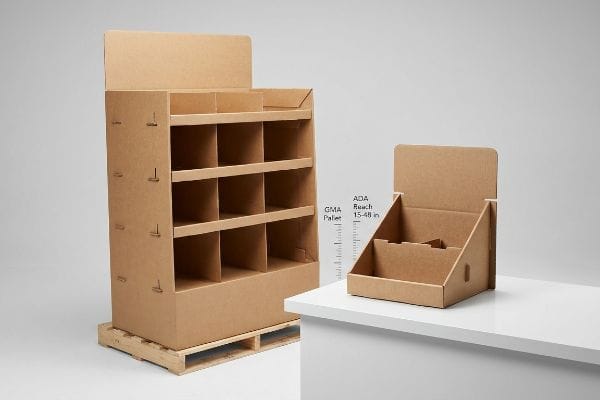
আপনার উৎপাদনকারীকে পাঠানো ইমেইলে ভুল পরিভাষা ব্যবহার করাটা শুধু যোগাযোগের ত্রুটিই নয়; এটি সাধারণত ধারাবাহিক কাঠামোগত ব্যর্থতার সূত্রপাত ঘটায়।.
POP বনাম POS: কেন পরিভাষা খুচরা ব্যবসার নিয়মকানুন
ক্রয়কারী দলগুলো প্রায়শই ধরে নেয় যে, একটি POP (পয়েন্ট অফ পারচেজ) ফ্লোর ফিক্সচারকে CAD (কম্পিউটার-এইডেড ডিজাইন) সফটওয়্যারে আনুপাতিকভাবে ছোট করে POS (পয়েন্ট অফ সেল) কাউন্টার ইউনিট হিসেবে ব্যবহার করা যেতে পারে। তারা পরিভাষাগুলোকে কঠোর লজিস্টিক্যাল ক্যাটাগরি হিসেবে না দেখে, নিছক পরামর্শ হিসেবে বিবেচনা করে 6 ।
এটি একটি সাধারণ ফাঁদ যা এমনকি অভিজ্ঞ ক্রয় দলগুলোকেও ধরায়, যারা একটি "আকার অনুযায়ী ছোট করার" সর্বজনীন প্রচারাভিযান চালাতে চায়। খুচরা ব্যবসার বাস্তবতায়, বিশাল গুদাম লোডের জন্য POP ফাইলগুলি কঠোরভাবে ভারী-ব্যবহারের GMA (গ্রোসারি ম্যানুফ্যাকচারার্স অ্যাসোসিয়েশন) এর ৪৮×৪০ ইঞ্চি (১২১৯×১০১৬ মিমি) প্যালেট সীমা৭ মেনে চলে। তবে, POS ফাইলগুলিকে অবশ্যই ADA (আমেরিকানস উইথ ডিসএবিলিটিস অ্যাক্ট) এর ১৫-৪৮ ইঞ্চি (৩৮১-১২১৯ মিমি) এর কঠোর ফরোয়ার্ড রিচ কমপ্লায়েন্স উইন্ডো৮ । আমি দেখেছি নিয়ম না মানা ইউনিটগুলো চেকআউট রেজিস্টারে এসে পৌঁছায়, এবং একজন স্টোর ম্যানেজারের রাগে একটি অতিরিক্ত বড়, অবৈধ কাউন্টার ডিসপ্লে আবর্জনার ঝুড়িতে ঠেলে ফেলার সেই ভয়ঙ্কর শারীরিক ঘষার শব্দ আপনি কখনও ভুলতে পারবেন না। আমি এই দুটি বিভাগের জন্য ইঞ্জিনিয়ারিং পাইপলাইন স্থায়ীভাবে আলাদা করে দিই, যা নিশ্চিত করে যে আপনার ইউনিটগুলি গাণিতিকভাবে স্থানিক নিয়ম মেনে চলে, বিপুল পরিমাণ চার্জব্যাক সম্পূর্ণরূপে প্রতিরোধ করে এবং ফ্লোরে আপনার পণ্যের স্থান সুরক্ষিত করে।
| নতুনদের সাধারণ ভুল | প্রো ফিক্স | খুচরা-ফ্লোর সুবিধা |
|---|---|---|
| কাউন্টারের জন্য সঙ্কুচিত ফ্লোর ইউনিট | POP এবং POS পাইপলাইন পৃথক করা | আইনি স্থানিক সম্মতি নিশ্চিত করে |
| ADA ফরোয়ার্ড রিচ লিমিট উপেক্ষা করা | ইঞ্জিনিয়ারিং ১৫-৪৮ ইঞ্চি (৩৮১-১২১৯ মিমি) পর্যন্ত9 | ব্যবস্থাপকের প্রত্যাখ্যান প্রতিরোধ করে |
| বিভ্রান্তিকর খুচরা পরিভাষা | নির্দিষ্ট অঞ্চলে নকশা ম্যাপিং | শেলফে সেরা স্থান নিশ্চিত করে |
আমি ইঞ্জিনিয়ারিং পাইপলাইনগুলোকে স্থায়ীভাবে আলাদা করে রাখি, কারণ কোনো স্টোর ম্যানেজার স্থানিক লঙ্ঘন উপেক্ষা করবেন—এই আশা করাটা কোনো কার্যকর উৎপাদন কৌশল নয়।.
🛠️ হার্ভির ডেস্ক: আপনি কি নিশ্চিত যে আপনার বর্তমান কাউন্টারটপ ইউনিটটি গাণিতিকভাবে কঠোর ADA ফরোয়ার্ড রিচ কমপ্লায়েন্স মেনে চলে? 👉 একটি স্পেশিয়াল কমপ্লায়েন্স চেকের জন্য অনুরোধ করুন ↗ — নিরাপদে ডাউনলোড করুন। পরবর্তীতে কোনো প্রশ্ন থাকলে আমার ইনবক্স খোলা আছে।
কাস্টম ডিসপ্লে বক্সের সুবিধাগুলো কী কী ?
ব্র্যান্ডগুলো প্রায়শই তাদের প্রচারণাগুলোকে গতানুগতিক, তৈরি টেমপ্লেটের মধ্যে জোর করে ঢোকানোর চেষ্টা করে, এই ভেবে যে কাস্টমাইজেশন একটি অপ্রয়োজনীয় বিলাসিতা মাত্র।.
কাস্টম ডিসপ্লে বক্সের সুবিধাগুলোর মধ্যে রয়েছে রিটেইল ফ্লোরের ঘনত্ব বৃদ্ধি করা, অ্যাসেম্বলির ঝামেলা ব্যাপকভাবে কমানো এবং সুনির্দিষ্ট রঙ ব্যবস্থাপনার মাধ্যমে ব্র্যান্ডের সুনাম বাড়ানো। বিশেষভাবে তৈরি কাঠামোগত প্রকৌশল গাণিতিকভাবে পরিবহনের ক্ষেত্রে অপ্রয়োজনীয় জায়গার অপচয় দূর করে, ভঙ্গুর পণ্য রক্ষা করে এবং স্টোর পর্যায়ে ক্যাম্পেইনের সামগ্রিক বিনিয়োগের রিটার্ন সরাসরি বাড়িয়ে তোলে।.
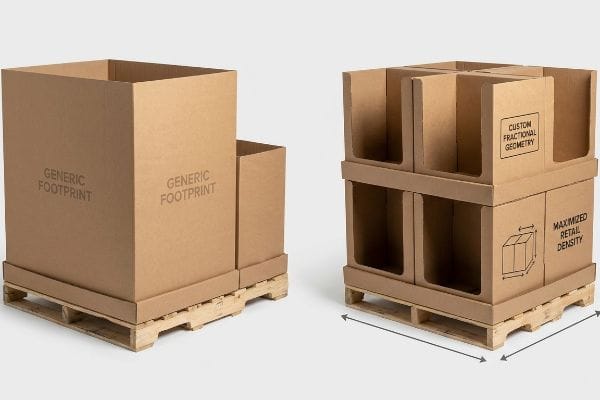
কাস্টম ইঞ্জিনিয়ারিংয়ের আসল শক্তি কার্ডবোর্ডকে সুন্দর করে তোলা নয়; বরং খুচরা ক্রেতার কাছে ইউনিটটিকে গাণিতিকভাবে অনস্বীকার্য করে তোলা।.
ভগ্নাংশ জ্যামিতির মাধ্যমে রিটেইল ফ্লোরের ঘনত্ব উন্মোচন
বড় বড় রিটেইলারদের কাছে নিজেদের পণ্য বা পরিষেবা উপস্থাপনকারী ব্র্যান্ডগুলো প্রায়শই বিশাল, পূর্ণ-আকারের ফ্লোর ইউনিট দাবি করে, এই ভেবে যে তাদের প্রচারণাকে কার্যকর হতে হলে একটি সম্পূর্ণ কাঠের ভিত্তি দখল করতে হবে। তারা এটা বুঝতে ব্যর্থ হয় যে করিডোরের জায়গা কঠোরভাবে সীমিত থাকে,এবং রিটেইল ক্রেতারা অদক্ষ নকশা একদমই পছন্দ করেন না।
যখন আপনি একটি ছোট পণ্যের উদ্বোধনের জন্য একটি সাধারণ পূর্ণ-আকারের ইউনিট চাপিয়ে দেন, তখন আপনি খুচরা বিক্রেতাকে 'না' বলতে বাধ্য করেন। আমি লোডিং ডকে ক্রমাগত বিশাল আকারের কাঠের জিএমএ প্যালেট বাতিল হওয়ার ভারী শব্দ শুনি, কারণ সেগুলো যান চলাচলে বাধা সৃষ্টি করে। স্থানের সীমাবদ্ধতার সাথে লড়াই করার পরিবর্তে, আমি হাফ প্যালেট বা কোয়ার্টার প্যালেটের মতো ভগ্নাংশীয় মাপে সুনির্দিষ্টভাবে কাস্টম বাল্ক মার্চেন্ডাইজার ডিজাইন করি। এই গাণিতিক বিভাজন নিশ্চিত করে যে আপনার ক্যাম্পেইন অন্য একটি ব্র্যান্ডের সাথে একটি একক স্থান নিখুঁতভাবে ভাগ করে নিতে পারে। ফ্লোর ডেনসিটি সর্বাধিক করার জন্য ভৌত কাঠামোকে কাস্টমাইজ করার মাধ্যমে, আপনি খুচরা ক্রেতাকে 'হ্যাঁ' বলার একটি বাধাহীন কারণ দেন, যা অধিক যান চলাচলকারী দোকানের সংযোগস্থলে সেরা স্থান নিশ্চিত করে এবং আপনার বিক্রির হার দ্রুত বাড়িয়ে তোলে।
| নতুনদের সাধারণ ভুল | প্রো ফিক্স | খুচরা-ফ্লোর সুবিধা |
|---|---|---|
| অতিরিক্ত বড় পূর্ণ প্যালেট স্থাপন করা | প্রকৌশল ভগ্নাংশ মাত্রা11 | অত্যন্ত প্রতিযোগিতামূলক করিডোরের জায়গা সুরক্ষিত করে |
| খালি পদচিহ্ন আয়তনের অপচয় | স্ট্যান্ডার্ড জিএমএ আকারগুলিকে উপবিভক্ত করা12 | খুচরা দোকানের ফ্লোরের ঘনত্ব সর্বাধিক করে |
| তৈরি টেমপ্লেট ব্যবহার করে | SKU-তে জ্যামিতি কাস্টমাইজ করা13 | পণ্যের বিক্রয় ত্বরান্বিত করে |
আমি ভগ্নাংশ ইউনিট তৈরি করি, কারণ একটি দোকানের করিডোরের স্থানিক গণিত বোঝাই হলো ক্রেতা যে আপনার প্রস্তাব গ্রহণ করবে, তা নিশ্চিত করার একমাত্র উপায়।.
🛠️ হার্ভির ডেস্ক: আপনি কি ক্লাব স্টোরের আগ্রাসী ক্রেতাদের দিয়ে আপনার বিশাল আকারের ফ্লোর পিচগুলো অনুমোদন করাতে হিমশিম খাচ্ছেন? 👉 আপনার কাস্টম জ্যামিতি পর্যালোচনার জন্য আবেদন করুন ↗ — কোনো ফর্ম নেই যা অবিরাম সেলস কলের কারণ হয়। শুধু খাঁটি মূল্য।
ডিসপ্লে কেসের উদ্দেশ্য কী?
ডিজাইনাররা তাদের প্যাকেজিং-এ স্বচ্ছ দেখার জায়গা তৈরি করতে ভালোবাসেন, এই ভেবে যে সাধারণ উৎপাদন সামগ্রীগুলো অনায়াসে তাদের আকৃতি ধরে রাখবে।.
ডিসপ্লে কেসের উদ্দেশ্য হলো সংবেদনশীল ও মূল্যবান পণ্যকে একই সাথে সুরক্ষিত রাখা এবং ক্রেতার জন্য তা নির্বিঘ্নে দেখার সুযোগ নিশ্চিত করা। এই বিশেষ কাঠামোতে প্রকৌশলগতভাবে তৈরি স্বচ্ছ দেখার জানালা এবং দৃঢ় ঢেউখেলানো কার্ডবোর্ডের ফ্রেম ব্যবহার করা হয়, যা গুদামের কঠোর পরিবহন পরিস্থিতিতে পণ্যের সর্বোচ্চ প্রদর্শন এবং কাঠামোগত অখণ্ডতার মধ্যে ভারসাম্য রক্ষা করে।.
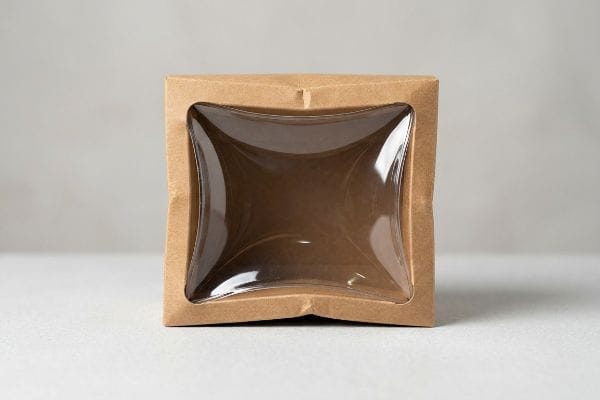
কিন্তু পণ্যের দৃশ্যমানতার তত্ত্ব জানাটাই যথেষ্ট নয়, যখন উৎপাদনের সময় উপাদানগুলোর ভৌত রসায়ন সক্রিয়ভাবে আপনার নকশার বিরুদ্ধে কাজ করে।.
কারখানার ফ্লোরে সাধারণ উইন্ডো ডিসপ্লে কেসগুলো কেন ব্যর্থ হয়
ব্র্যান্ডগুলো প্রায়শই ভোক্তাদেরকে ভেতরের আসল পণ্যটি দেখার সুযোগ দেওয়ার জন্য ক্রাফট পেপারের উইন্ডো বক্সের অনুরোধ করে থাকে। তারা ধরে নেয় যে , একটি ডাই-কাট ফাঁকা জায়গার উপর একটি সাধারণ, সমতল পলিমার ফিল্ম আঠা দিয়ে লাগিয়ে দেওয়াএকটি নিরীহ ও সহজ প্রক্রিয়া।
আমার প্রতিষ্ঠানে, আমি নিয়মিতভাবে পদার্থের প্রসারণের পদার্থবিদ্যাকে উপেক্ষা করার ভয়াবহ ফলাফল দেখতে পাই। যখন সাধারণ অনমনীয় পিভিসি (পলিভিনাইল ক্লোরাইড) প্লাস্টিক ছিদ্রযুক্ত ক্রাফট পেপারবোর্ডের সাথে লাগানো হয়, তখন উচ্চ-আর্দ্রতার মধ্যে পরিবহনের সময় এই দুটি উপাদান সম্পূর্ণ ভিন্ন হারে প্রসারিত ও সংকুচিত হয় । আপনি আক্ষরিক অর্থেই সেই তীক্ষ্ণ ফাটলের শব্দ শুনতে পাবেন যখন অনমনীয় প্লাস্টিকের পাতটি পেপারবোর্ড থেকে সম্পূর্ণভাবে খুলে আসে, অথবা দেখতে পাবেন কীভাবে তীব্র পৃষ্ঠটানের কারণে পুরো সমতল কার্টনটি প্রবলভাবে ভেতরের দিকে বেঁকে যায়। এর সমাধান করতে, আমি অত্যন্ত স্থিতিস্থাপক আঠা এবং উচ্চ-স্বচ্ছতার পিএলএ (পলিল্যাকটিক অ্যাসিড) ফিল্ম ব্যবহার করে একটি নমনীয় উইন্ডো প্যাচ প্রোটোকল কঠোরভাবে প্রয়োগ করি । এই আণুবীক্ষণিক রাসায়নিক সমন্বয় কাগজের তন্তুর সাথে গতিশীলভাবে প্রসারিত হয়, যা টানের কারণে সৃষ্ট বিকৃতি দূর করে, ব্যয়বহুল পরিবহনজনিত ক্ষতি প্রতিরোধ করে এবং আপনার ব্র্যান্ডের জন্য ১০০% পরিবেশগত নিয়ম মেনে চলে।
| নতুনদের সাধারণ ভুল | প্রো ফিক্স | খুচরা-ফ্লোর সুবিধা |
|---|---|---|
| ছিদ্রযুক্ত ক্রাফটে অনমনীয় পিভিসি ব্যবহার17 | ইলাস্টিক আঠা দিয়ে পিএলএ প্রয়োগ করা18 | কাঠামোগত টানের কারণে সৃষ্ট বাঁক দূর করে |
| তাপমাত্রার ওঠানামা উপেক্ষা করা | প্রকৌশলগত জলবায়ু-প্রতিরোধী প্যাচ | জানালা বিচ্ছিন্ন হওয়া প্রতিরোধ করে |
| ধরে নেওয়া হচ্ছে সব প্লাস্টিক সমানভাবে আচরণ করে | গতিশীল বস্তুগত সামঞ্জস্য বাধ্যতামূলক করা | রাস্তার ধার থেকে শতভাগ পুনর্ব্যবহারযোগ্যতা বজায় রাখে19 |
আমি অনমনীয় ও বেমানান উপাদানগুলো সরিয়ে ফেলি, কারণ রাসায়নিক টানজনিত প্রকৌশল ছাড়া একটি ভঙ্গুর জানালার টুকরো সমুদ্রযাত্রায় টিকে থাকবে—এমন আশা করাটা প্রাতিষ্ঠানিক অবহেলা।.
🛠️ হার্ভির ডেস্ক: আপনি কি জানেন আপনার বর্তমান সরবরাহকারী এমন শক্ত পিভিসি ব্যবহার করছে কিনা যা আর্দ্র পরিবেশে পরিবহনের সময় আপনার কার্টনগুলোকে বেঁকে ফেলবে? 👉 আমাকে আপনার ডাইলাইন ফাইল পাঠান ↗ — গণ-উৎপাদনে বাজেট অপচয় করার আগে আমি এর হিসাবটি স্ট্রেস-টেস্ট করে দেখব।
উপসংহার
আপনি আরও সস্তা বিক্রেতা বেছে নিতে পারেন, কিন্তু যখন অপ্রত্যাশিত তাপমাত্রার ওঠানামার কারণে সেই শক্ত পিভিসি জানালার কাচটি পেপারবোর্ড থেকে সম্পূর্ণভাবে আলাদা হয়ে যায়, তখন এর ফলে নষ্ট হওয়া পণ্যসামগ্রী এবং খুচরা দোকানে তাৎক্ষণিক প্রত্যাখ্যান আপনার প্রকল্পের লাভের মার্জিনকে পুরোপুরি নিশ্চিহ্ন করে দেবে। ৫০০-এরও বেশি ব্র্যান্ড ম্যানেজার ঠিক এই মারাত্মক প্রাথমিক পর্যায়ের ভুলগুলো এড়ানোর জন্য আমার প্রিপ্রেস চেকলিস্ট ব্যবহার করেন। পরিবেশগত কাঠামোগত সহনশীলতা নিয়ে অনুমান করা বন্ধ করুন এবং ব্যাপক উৎপাদন শুরু হওয়ার আগেই মারাত্মক উপাদানগত অসঙ্গতিগুলো ধরার জন্য আমাকে ব্যক্তিগতভাবে আপনার ফাইলগুলো আমার ফ্রি ডাইলাইন অডিট ↗- ।
"সাপ্লাই চেইন টাচ পয়েন্টস: ফলাফল সর্বোচ্চ করতে এই ৬টি ন্যূনতম করুন", https://www.withvector.com/blog/supply-chain-touch-points-minimize-these-6-to-maximize-results/। [ভোক্তা পণ্যের ক্ষেত্রে হাতে করে নাড়াচাড়ার আনুমানিক সংখ্যার গবেষণালব্ধ ভিত্তি একটি নির্ভরযোগ্য লজিস্টিকস বা সাপ্লাই চেইন উৎস প্রদান করবে]। প্রমাণের ভূমিকা: তথ্যগত যাচাইকরণ; উৎসের ধরন: লজিস্টিকস শিল্পের মান। সমর্থন: ঘন ঘন নাড়াচাড়ার কারণে টেকসই প্যাকেজিংয়ের প্রয়োজনীয়তা। পরিধি সংক্রান্ত টীকা: বিতরণ মডেল অনুযায়ী এই সংখ্যা পরিবর্তিত হতে পারে]। ↩
"একটি … এর জন্য ঢেউখেলানো বোর্ডের বাক্সের সংকোচন শক্তির অনুমান", https://pmc.ncbi.nlm.nih.gov/articles/PMC9864211/। [উপাদান প্রকৌশলের তথ্য প্রমাণ করে যে একক-প্রাচীর বিকল্পগুলির তুলনায় দ্বি-প্রাচীর ঢেউখেলানো কাঠামো বক্স কম্প্রেশন টেস্ট (BCT) এর মান উল্লেখযোগ্যভাবে বৃদ্ধি করে]। প্রমাণের ভূমিকা: প্রযুক্তিগত যাচাইকরণ; উৎসের ধরণ: প্যাকেজিং ইঞ্জিনিয়ারিং ম্যানুয়াল। সমর্থন: দ্বি-প্রাচীর ভিত্তির কাঠামোগত কার্যকারিতা। পরিধি নোট: কার্যকারিতা লাইনার এবং মাধ্যমের ওজনের উপর নির্ভরশীল]। ↩
"একক দেয়ালের কার্ডবোর্ড বাক্স বনাম দ্বি-প্রাচীরের বাক্সের মধ্যে পার্থক্য...", https://packagingbee.co.uk/blog/difference-between-single-wall-cardboard-boxes-vs-double-wall-cardboard-boxes/?srsltid=AfmBOooGgi-GJ7G2YIuVLQZE9VsMOXnn0Kc6NMFNg5HKdTVqDfSi2Z8V। [প্যাকেজিং ইঞ্জিনিয়ারিং স্ট্যান্ডার্ডে একক দেয়ালের তুলনায় দ্বি-প্রাচীরের ঢেউখেলানো বোর্ডের বর্ধিত উল্লম্ব সংকোচন শক্তি এবং ভারবহন ক্ষমতা নির্দিষ্ট করা হয়েছে]। প্রমাণের ভূমিকা: প্রযুক্তিগত যাচাইকরণ; উৎসের ধরণ: শিল্প প্রকৌশল ম্যানুয়াল। সমর্থন: ভারী ডিসপ্লেতে নিচের দিকে বেঁকে যাওয়া প্রতিরোধ। পরিধি নোট: কার্যকারিতা ব্যবহৃত নির্দিষ্ট ফ্লুট সংমিশ্রণের উপর নির্ভর করে। ↩
"পরীক্ষা পদ্ধতি – আন্তর্জাতিক নিরাপদ ট্রানজিট সংস্থা", https://ista.org/test_procedures.php। [আন্তর্জাতিক নিরাপদ ট্রানজিট সংস্থা (ISTA) পণ্যের ক্ষতি কমানোর জন্য পরিবহন প্রক্রিয়ার ভৌত চাপ অনুকরণ করতে বিশ্বব্যাপী স্বীকৃত পরীক্ষার প্রোটোকল সরবরাহ করে]। প্রমাণের ভূমিকা: মান যাচাইকরণ; উৎসের ধরণ: পেশাদার সংস্থা। সমর্থন করে: মাল পরিবহনের ক্ষতি হ্রাস। পরিধি সংক্রান্ত টীকা: ISTA সিরিজ অনুযায়ী পরীক্ষা ভিন্ন হয় (যেমন, 1A, 3A)। ↩
"আমার প্যালেট কতটা ভার বহন করতে পারে?", https://unitload.vt.edu/education/white-papers/5-wp-load-carrying-capacity-of-pallets.html। [প্যাকেজিংয়ের কাঠামোগত বিশ্লেষণের জন্য পরিবহনের সময় ত্বরণ, মন্দন এবং কম্পনের ফলে সৃষ্ট বলগুলো বিবেচনা করে ডাইনামিক লোড গণনা করা প্রয়োজন]। প্রমাণের ভূমিকা: ভৌত নীতি যাচাই; উৎসের ধরণ: কাঠামোগত প্রকৌশল নির্দেশিকা। সমর্থন করে: খুচরা বিক্রেতার সম্মতি এবং কাঠামোগত স্থিতিশীলতার নিশ্চয়তা। পরিধি টীকা: স্থির ওজনের পরিবর্তে চলাচলের সময়কার বলের উপর আলোকপাত করে। ↩
"পয়েন্ট-অফ-পারচেজ (POP) ডিসপ্লে: এগুলি কীভাবে কাজ করে এবং খুচরা ক্ষেত্রে এদের প্রভাব...", https://www.optisigns.com/post/point-of-purchase-pop-display-how-they-work-their-retail-impact। [একটি প্রামাণ্য খুচরা মার্চেন্ডাইজিং বা সাপ্লাই চেইন গাইড নির্দিষ্ট স্থানিক, নিরাপত্তা এবং কমপ্লায়েন্স স্ট্যান্ডার্ডগুলির রূপরেখা দেবে যা ফ্লোর-স্ট্যান্ডিং POP ইউনিটগুলিকে কাউন্টারটপ POS ইউনিটগুলি থেকে আলাদা করে]। প্রমাণের ভূমিকা: তথ্যগত যাচাইকরণ; উৎসের ধরণ: শিল্প মান। সমর্থন করে: এই দাবি যে POP এবং POS লেবেলগুলি স্বতন্ত্র লজিস্টিক প্রয়োজনীয়তা উপস্থাপন করে। পরিধি নোট: ভৌত খুচরা পরিবেশের ক্ষেত্রে প্রযোজ্য। ↩
তাপ-প্রক্রিয়াজাত কাঠের জিএমএ প্যালেট – ৪৮ x ৪০" এইচ-১২৬০, https://www.uline.com/Product/Detail/H-1260/Pallets/Heat-Treated-Wood-GMA-Pallet-48-x-40। [অফিসিয়াল জিএমএ স্ট্যান্ডার্ড অনুযায়ী ৪৮×৪০ ইঞ্চি প্যালেটটি শিপিং এবং ওয়্যারহাউজিংয়ের জন্য উত্তর আমেরিকার লজিস্টিকস বেঞ্চমার্ক হিসেবে সংজ্ঞায়িত]। প্রমাণের ভূমিকা: প্রযুক্তিগত স্পেসিফিকেশন; উৎসের ধরণ: ইন্ডাস্ট্রি স্ট্যান্ডার্ড। সমর্থন করে: পিওপি ইউনিটের জন্য লজিস্টিকস ডাইমেনশন। পরিধি নোট: উত্তর আমেরিকার স্ট্যান্ডার্ডের মধ্যে সীমাবদ্ধ। ↩
"অ্যাক্সেসিবল ডিজাইনের জন্য ADA স্ট্যান্ডার্ডস টাইটেল III রেগুলেশন ২৮ CFR …", https://www.ada.gov/law-and-regs/design-standards/1991-design-standards/। [অ্যাক্সেসিবল ডিজাইনের জন্য ADA স্ট্যান্ডার্ডস হুইলচেয়ার ব্যবহারকারী ব্যক্তিদের জন্য প্রবেশগম্যতা নিশ্চিত করতে নির্দিষ্ট নাগালের পরিসীমা নির্ধারণ করে]। প্রমাণের ভূমিকা: নিয়ন্ত্রক আবশ্যকতা; উৎসের ধরণ: সরকারি প্রবিধান। সমর্থন করে: POS ডিসপ্লের জন্য স্থানিক সম্মতি। পরিধি নোট: মার্কিন-ভিত্তিক খুচরা পরিবেশের জন্য প্রযোজ্য। ↩
"এডিএ অ্যাক্সেসিবিলিটি স্ট্যান্ডার্ডস – অ্যাক্সেস-বোর্ড.গভ", https://www.access-board.gov/ada/। [এডিএ অ্যাক্সেসিবিলিটি গাইডলাইনস (ADAAG) হুইলচেয়ার ব্যবহারকারী ব্যক্তিদের জন্য রিটেইল উপাদানগুলো যাতে প্রবেশযোগ্য হয়, তা নিশ্চিত করতে বাধাহীনভাবে সামনের দিকে পৌঁছানোর জন্য উচ্চতার পরিসীমা নির্দিষ্ট করে]। প্রমাণের ভূমিকা: প্রযুক্তিগত বিবরণ; উৎসের ধরণ: সরকারি প্রবিধান। সমর্থন করে: এডিএ অ্যাক্সেসিবিলিটি স্ট্যান্ডার্ড মেনে চলা। পরিধি নোট: বিশেষভাবে বাধাহীনভাবে সামনের দিকে পৌঁছানোর ক্ষেত্রে প্রযোজ্য। ↩
"খুচরা বিক্রেতাদের জন্য শেলফের নকশা এবং শেলফের স্থান বরাদ্দের যৌথ সমস্যা", https://www.sciencedirect.com/science/article/abs/pii/S030504832200041X। খুচরা ব্যবস্থাপনা নির্দেশিকা এবং শিল্প বিশ্লেষণগুলিতে বিশদভাবে বর্ণনা করা হয়েছে যে কীভাবে প্রতি বর্গফুটে বিক্রয়ের মেট্রিক্সের উপর ভিত্তি করে কঠোর প্ল্যানোগ্রামের মাধ্যমে ফ্লোর স্পেস বরাদ্দ করা হয়। প্রমাণের ভূমিকা: প্রযুক্তিগত যাচাইকরণ; উৎসের ধরণ: খুচরা শিল্প প্রতিবেদন। সমর্থন করে: এই দাবি যে খুচরা স্থানের পরিধি সসীম এবং নিয়ন্ত্রিত। পরিধি নোট: প্রাথমিকভাবে কর্পোরেট বিগ-বক্স খুচরা পরিবেশের জন্য প্রযোজ্য। ↩
"আইল এবং ডিসপ্লে প্লেসমেন্টের ক্রস-ক্যাটাগরি প্রভাব: একটি স্থানিক...", https://www.researchgate.net/publication/345045472_Cross-Category_Effects_of_Aisle_and_Display_Placements_A_Spatial_Modeling_Approach_and_Insights। [খুচরা পণ্যের স্থান নির্ধারণ নির্দেশিকা অনুযায়ী, অপ্রচলিত ও ছোট আকারের ব্যবহার ব্র্যান্ডগুলোকে অধিক জনসমাগমপূর্ণ আইলগুলোতে আরও ছোট ও সহজলভ্য জায়গা দখল করতে সাহায্য করে]। প্রমাণের ভূমিকা: কৌশলগত বৈধতা; উৎসের ধরন: খুচরা পণ্য বিপণন নির্দেশিকা। সমর্থন করে: প্রতিযোগিতামূলক আইলের জায়গা নিশ্চিত করা। পরিধি সংক্রান্ত টীকা: উচ্চ-ঘনত্বের খুচরা পরিবেশে প্রযোজ্য। ↩
"খাদ্য শিল্পের প্যালেটের জন্য জিএমএ প্যালেট নির্দেশিকাগুলো কী কী?", https://www.kampspallets.com/gma-pallet-guidelines/। [লজিস্টিকস এবং গুদাম ব্যবস্থাপনার মানগুলো ব্যাখ্যা করে যে, কীভাবে গ্রোসারি ম্যানুফ্যাকচারার্স অ্যাসোসিয়েশন (জিএমএ)-এর আদর্শ ফুটপ্রিন্টকে ভাগ করে প্রতি বর্গফুটে ডিসপ্লের সংখ্যাকে সর্বোত্তম করা যায়]। প্রমাণের ভূমিকা: প্রযুক্তিগত যাচাইকরণ; উৎসের ধরণ: লজিস্টিকস শিল্পের মান। সমর্থন করে: রিটেইল ফ্লোরের ঘনত্ব সর্বোত্তমকরণ। পরিধি সংক্রান্ত টীকা: বিশেষভাবে উত্তর আমেরিকার জিএমএ প্যালেট মানগুলোর সাথে সম্পর্কিত। ↩
"আপনি আপনার পণ্যকে নিখুঁত করেছেন। এখন চলুন...", https://displaypack.com/uncategorized/you-perfected-your-product-now-lets-perfect-your-packaging/। [খুচরা বিপণন গবেষণা দেখায় যে নির্দিষ্ট SKU আকারের সাথে মানানসই ডিসপ্লে পণ্যের দৃশ্যমানতা এবং গ্রাহকের সহজলভ্যতা উন্নত করে, যার ফলে টার্নওভার বৃদ্ধি পায়]। প্রমাণের ভূমিকা: গবেষণালব্ধ সমর্থন; উৎসের ধরণ: খুচরা বিপণন গবেষণা। সমর্থন করে: পণ্যের বিক্রি ত্বরান্বিত করা। পরিধি টীকা: বাহ্যিক সামঞ্জস্য এবং বিক্রির গতির মধ্যে পারস্পরিক সম্পর্কের উপর আলোকপাত করে। ↩
"টেকসই পলিমারিক খাদ্য প্যাকেজিং ফিল্মের সর্বশেষ প্রবণতা – পিএমসি", https://pmc.ncbi.nlm.nih.gov/articles/PMC9818434/। [একটি শিল্প প্যাকেজিং উৎপাদন নির্দেশিকা করোগেটেড বা পেপারবোর্ড বাক্সের ডাই-কাট অ্যাপারচারে পলিমার ফিল্ম প্রয়োগের আদর্শ পদ্ধতি নথিভুক্ত করবে]। প্রমাণের ভূমিকা: প্রযুক্তিগত স্পেসিফিকেশন; উৎসের ধরণ: শিল্প ম্যানুয়াল। সমর্থন করে: সাধারণ উইন্ডো বক্স অ্যাসেম্বলি পদ্ধতির বর্ণনা। পরিধি নোট: প্রচলিত, নন-ইঞ্জিনিয়ার্ড উইন্ডোয়িং কৌশলের মধ্যে সীমাবদ্ধ। ↩
"[পিডিএফ] পরিবেশগতভাবে প্ররোচিত ছাঁচনির্মাণের স্ফীতি এবং সংকোচন …", https://nepp.nasa.gov/DocUploads/685BBAF6-425A-4C8A-B625D843DB2A1CC0/Swelling-and-Shrinkage-3.pdf। [সেলুলোজ-ভিত্তিক পেপারবোর্ডের হাইগ্রোস্কোপিক প্রসারণ এবং রিজিড পিভিসি-র তাপীয়/আর্দ্রতা স্থিতিশীলতার একটি পদার্থ বিজ্ঞান বিশ্লেষণ এই দাবিকে সমর্থন করে]। প্রমাণের ভূমিকা: প্রযুক্তিগত যাচাইকরণ; উৎসের ধরণ: পদার্থ বিজ্ঞান জার্নাল। সমর্থন করে: পরিবহনের সময় প্যাকেজিং কেন ব্যর্থ হয় তার ব্যাখ্যা। পরিধি টীকা: হাইগ্রোস্কোপিক সহগের উপর আলোকপাত করে। ↩
"খাদ্য প্যাকেজিং উপকরণের পরিবেশগত প্রভাব: একটি পর্যালোচনা … – পিএমসি", https://pmc.ncbi.nlm.nih.gov/articles/PMC7664184/। [পলিল্যাকটিক অ্যাসিড (পিএলএ) ফিল্ম বনাম অনমনীয় পিভিসি-র প্রসার্য শক্তি এবং স্থিতিস্থাপকতার উপর তুলনামূলক গবেষণা জৈব আধারের উপর কম টান প্রদর্শন করে]। প্রমাণের ভূমিকা: প্রযুক্তিগত বৈধতা; উৎসের ধরণ: প্যাকেজিং ইঞ্জিনিয়ারিং হ্যান্ডবুক। সমর্থন করে: কাঠামোগত বাঁক প্রতিরোধে পিএলএ-র কার্যকারিতা। পরিধি টীকা: বিশেষভাবে উচ্চ-স্বচ্ছতার পিএলএ ফিল্মকে সম্বোধন করে। ↩
"কাগজ এবং কাগজ-ভিত্তিক খাদ্য প্যাকেজিং উপকরণের একটি সংক্ষিপ্ত বিবরণ", https://pmc.ncbi.nlm.nih.gov/articles/PMC6801293/। [পদার্থ বিজ্ঞানের একটি নির্ভরযোগ্য উৎস ছিদ্রবিহীন অনমনীয় পিভিসি-কে ছিদ্রযুক্ত ক্রাফট পেপারের সাথে সংযুক্ত করার সময় আঠার ব্যর্থতা এবং টানজনিত সমস্যা ব্যাখ্যা করবে]। প্রমাণের ভূমিকা: প্রযুক্তিগত যাচাইকরণ; উৎসের ধরণ: পদার্থ বিজ্ঞানের পাঠ্যপুস্তক বা শিল্প শ্বেতপত্র। সমর্থন করে: সাধারণ প্যাকেজিং উপকরণের ব্যর্থতা শনাক্তকরণ। পরিধি টীকা: আঠার বন্ধন বৈশিষ্ট্যের জন্য নির্দিষ্ট। ↩
"থ্রিডি প্রিন্টেড পলি-ল্যাকটিক অ্যাসিড (পিএলএ)-এর স্থিতিস্থাপক বৈশিষ্ট্য পরিবর্তন করা...", https://pmc.ncbi.nlm.nih.gov/articles/PMC7579378/। [বায়োপ্লাস্টিক সম্পর্কিত প্রযুক্তিগত নথি নিশ্চিত করবে যে, অনমনীয় প্লাস্টিকের তুলনায় নমনীয় আঠার সাথে পিএলএ ব্যবহার করলে কাঠামোগত টানজনিত বাঁক হ্রাস পায়]। প্রমাণের ভূমিকা: প্রযুক্তিগত যাচাইকরণ; উৎসের ধরণ: ইঞ্জিনিয়ারিং স্পেসিফিকেশন বা বায়োপ্লাস্টিক গবেষণা পত্র। সমর্থন: প্রস্তাবিত পেশাদারী সমাধানের কার্যকারিতা। পরিধি টীকা: যান্ত্রিক পীড়ন হ্রাসের উপর দৃষ্টি নিবদ্ধ। ↩
"[পিডিএফ] উত্তর আমেরিকায় কম্পোস্টেবল প্যাকেজিং-এর ভূমিকা বোঝা", https://sustainablepackaging.org/wp-content/uploads/2023/07/UnderstandingCompostablePackagingGuide.pdf। [বর্জ্য ব্যবস্থাপনা নির্দেশিকা যাচাই করবে যে ১০০% পুনর্ব্যবহারযোগ্যতা বজায় রাখার জন্য নির্দিষ্ট বায়ো-প্লাস্টিকের সংমিশ্রণগুলি সাধারণ কার্বসাইড রিসাইক্লিং প্রবাহে গৃহীত হয় কিনা]। প্রমাণের ভূমিকা: নিয়ন্ত্রক যাচাইকরণ; উৎসের ধরণ: রিসাইক্লিং শিল্পের মান বা পৌর বর্জ্য নির্দেশিকা। সমর্থন করে: উপাদানের সামঞ্জস্যের টেকসই সুবিধা। পরিধি নোট: পুনর্ব্যবহারযোগ্যতা প্রায়শই পৌর সুবিধা অনুযায়ী পরিবর্তিত হয়। ↩