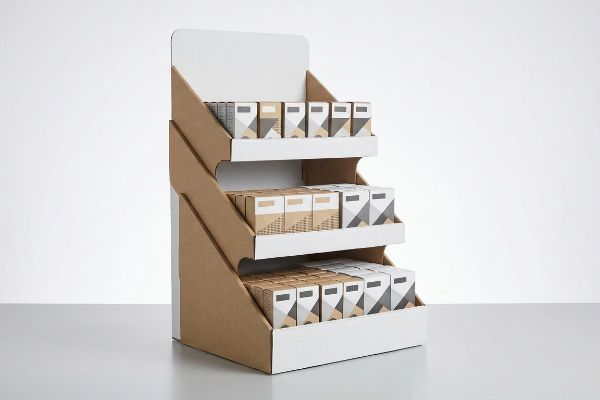
কাউন্টারের খালি জায়গাকে বিনামূল্যে পাওয়া সম্পত্তির মতো ব্যবহার করা বন্ধ করুন। আপনার ডিসপ্লে যদি তাৎক্ষণিকভাবে ক্রেতা আকর্ষণ করতে না পারে, তবে বড় বড় খুচরা বিক্রেতারা তা সরিয়ে ফেলবে। লাভজনক মার্চেন্ডাইজিংয়ের পেছনের কৌশলটি এখানে তুলে ধরা হলো।.
কাউন্টার ডিসপ্লে ব্যবহার করে খুচরা বিক্রয় বাড়াতে প্রকৌশলগত কাঠামোগত স্থিতিশীলতা এবং উচ্চ-বৈসাদৃশ্যপূর্ণ চাক্ষুষ প্রতিবন্ধকতা প্রয়োজন। ADA (আমেরিকানস উইথ ডিসএবিলিটিস অ্যাক্ট)-এর সামনের দিকে পৌঁছানোর সীমার মধ্যে মার্চেন্ডাইজার স্থাপন করে, ব্র্যান্ডগুলো ক্যাশ কাউন্টারে থাকা উচ্চ-ইচ্ছুক ক্রেতাদের সরাসরি আকর্ষণ করে, যা তাৎক্ষণিক ক্রয়ের গতি বাড়ায় এবং খুচরা ব্যবসার পরিধি থেকে বিনিয়োগের সর্বোচ্চ রিটার্ন (ROI) নিশ্চিত করে।.
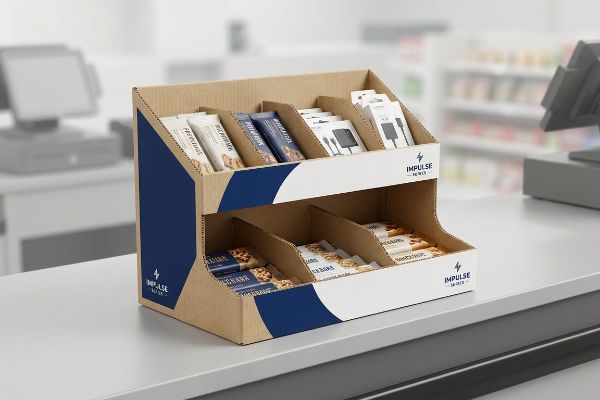
কিন্তু ডাই-কাটিং মেশিনগুলো চলতে শুরু করলে মনস্তাত্ত্বিক তত্ত্ব জানাটাই যথেষ্ট নয়।.
খুচরা ব্যবসায় কীভাবে আরও বেশি বিক্রি বাড়ানো যায়?
আপনি একজন ক্রেতাকে কিনতে বাধ্য করতে পারেন না, কিন্তু তার দৃষ্টিকে প্রভাবিত করতে পারেন।.
খুচরা ব্যবসায় বিক্রয় বৃদ্ধি সম্পূর্ণরূপে স্থানিক সম্পৃক্ততার মেট্রিক্সের উপর নির্ভর করে। একটি সফল মার্চেন্ডাইজিং কৌশল ৩-৩-৩ নিয়মটি ব্যবহার করে, যেখানে ৩০ ফুট দূর থেকে দৃষ্টি আকর্ষণের জন্য উজ্জ্বল স্পট কালার, ৩ ফুট দূর থেকে সম্পৃক্ততার জন্য আরামদায়ক অ্যাঙ্গেল এবং ক্যাশ কাউন্টারে ৩ ইঞ্চির মধ্যে তাৎক্ষণিক স্পর্শের মাধ্যমে বিক্রয় নিশ্চিত করার জন্য কম পুরুত্বের পণ্য ব্যবহার করা হয়।.
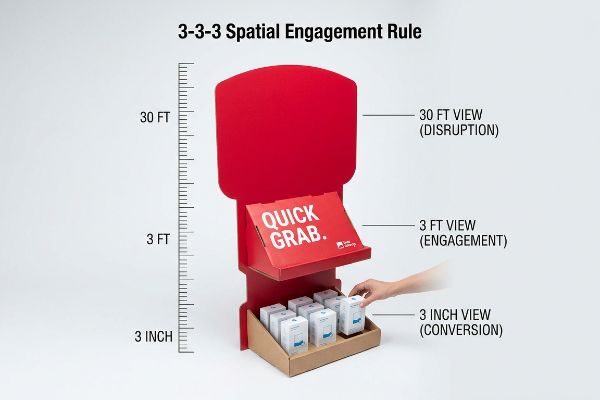
দৃশ্যগত কৌশল ব্যর্থ হয় যদি তা মানব আচরণের ভৌত সীমাবদ্ধতার সাথে সামঞ্জস্যপূর্ণ না হয়।.
ডিসপ্লেগুলির জন্য ৩-৩-৩ স্থানিক সম্পৃক্ততা নিয়ম
নবীন বিপণন দলগুলো প্রায়শই কাউন্টার ইউনিটগুলো এমনভাবে ডিজাইন করে, যাতে সেগুলো শুধুমাত্র ব্যাকলিট কম্পিউটার মনিটরে কাছ থেকে দেখা যায়। তারা ধরে নেয় যে, ক্যাশ কাউন্টারে দাঁড়িয়ে থাকা একজন ক্রেতা স্বাভাবিকভাবেই পাশের প্যানেলে ছাপা ছোট ছোট প্রচারমূলক অনুচ্ছেদের লেখা পড়ার জন্য সময় নেবে।.
ব্র্যান্ডগুলো যখন ঘন লেখায় ভরা সাদামাটা গ্রাফিক্স জমা দেয়, তখন আমি এই ভুলটা প্রায়ই দেখতে পাই। তাড়াহুড়ো করা ক্রেতারা কীভাবে চেকআউটের কাজ সারে, সেই বাস্তবতাকে তারা উপেক্ষা করে। আমি যখন প্রথম একটি টেস্ট কাউন্টারে একটি ভারী কার্ডবোর্ডের প্রোটোটাইপকে ব্যর্থ হতে দেখি, তখন সমস্যাটা প্রিন্টিংয়ে ছিল না—সমস্যাটা ছিল মানসিক অতিরিক্ত চাপ। ক্রেতারা বাক্সটিকে পুরোপুরি উপেক্ষা করেছিল কারণ এটি পারিপার্শ্বিক কোলাহলের সাথে মিশে গিয়েছিল। আমি আমার ক্লায়েন্টদের ৩-৩-৩ নিয়মটি প্রয়োগ করতে বলি : ৩০ ফুট (৯.১ মিটার) দূর থেকে একটি বিশাল ডাই-কাট আকৃতি দিয়ে তাদের দৃষ্টি আকর্ষণ করুন, ৩ ফুট (০.৯ মিটার) দূর থেকে সহজ বার্তা দিয়ে তাদের কাছে টেনে আনুন, এবং ৩ ইঞ্চি (৭৬.২ মিমি) দূর থেকে পরিষ্কারভাবে পণ্যটি দেখিয়ে কেনার প্রক্রিয়াটি সম্পন্ন করুন। একটি সঠিক কোণে থাকা পিওএস (পয়েন্ট অফ সেল) শেলফ যথাস্থানে বসার সন্তোষজনক শব্দ প্রয়োজন, যা সম্পূর্ণ দেখার সুযোগ করে দেয়। যদি সামনের কিনারা খুব উঁচু হয়, তবে ক্রেতা ঘর্ষণের বাধা পেরিয়ে হাত বাড়াবে না।
| নতুনদের সাধারণ ভুল | প্রো ফিক্স | খুচরা-ফ্লোর সুবিধা |
|---|---|---|
| ভারী পাঠ্য অনুচ্ছেদ মুদ্রণ করা | সলিড পিএমএস (প্যান্টোন ম্যাচিং সিস্টেম) ফ্লাড | ৩০-ফুট দৃশ্যগত ব্যাঘাত2 |
| লম্বা সামনের ধরে রাখার ঠোঁট | পণ্যের দৃশ্যমানতা ৮৫% হ্রাস3 | স্পর্শজনিত ঘর্ষণ দূর করে |
| প্রতিসম বর্গাকার হেডার | কাস্টম কার্ভি ডাই-কাট আকার | দৃশ্যগত একঘেয়েমি দূর করে |
আমি অতিরিক্ত লেখা সম্বলিত কাউন্টার ফাইল কঠোরভাবে প্রত্যাখ্যান করি। একটি পরিচ্ছন্ন স্থানিক স্তরবিন্যাস নিশ্চিত করার মাধ্যমে, আমি আপনার ডিসপ্লেকে একটি বিভ্রান্তিকর বিলবোর্ডের পরিবর্তে একজন নীরব বিক্রেতার মতো কাজ করতে দিই, যা সরাসরি চেকআউট কনভার্সন ত্বরান্বিত করে এবং আপনার রিটেইলারের পুনঃঅর্ডারের হার বৃদ্ধি করে।.
🛠️ হার্ভির ডেস্ক: চেকআউট লাইন থেকে আপনার আর্টওয়ার্কটি পড়া যাচ্ছে কিনা, তা নিয়ে নিশ্চিত নন? 👉 একটি ফ্রি গ্রাফিক অডিট করিয়ে নিন ↗ — সরাসরি আমার ডেস্কে অ্যাক্সেস। কোনো স্বয়ংক্রিয় সেলস স্প্যাম নেই, আমি কথা দিচ্ছি।
খুচরা ব্যবসার ৫টি 'পি' কী কী?
একটি চমৎকার নকশারও কোনো মূল্য থাকে না, যদি তা কোনো দোকানের কার্যপ্রণালীর পরিপন্থী হয়।.
খুচরা ব্যবসার ৫টি 'পি' হলো পণ্য (Product), মূল্য (Price), স্থান (Place), প্রচার (Promotion) এবং মানুষ (People)। এই বাণিজ্যিক কাঠামোর সাথে প্যাকেজিং ইঞ্জিনিয়ারিং-এর সমন্বয় নিশ্চিত করে যে, ভৌত প্রদর্শনগুলো একটি দোকানের নির্দিষ্ট লজিস্টিক নিয়মাবলী, মূল্য নির্ধারণের কৌশল এবং প্রচারমূলক সময়সীমার সাথে নির্বিঘ্নে মিলে যায়, যা সামগ্রিক সরবরাহ শৃঙ্খলের দক্ষতা এবং খুচরা ব্যবসার লাভজনকতা সর্বোচ্চ করে তোলে।.
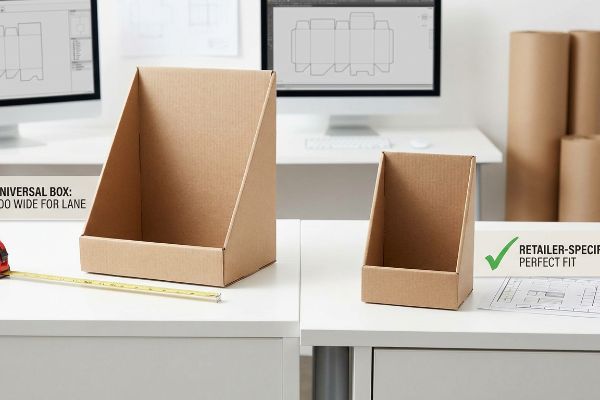
এই দিকগুলো সঠিকভাবে চিহ্নিত করতে ব্যর্থ হলে একটি চমৎকার পণ্য সরবরাহগত দায়ে পরিণত হয়।.
খুচরা কাঠামোর সাথে প্যাকেজিং-এর সামঞ্জস্য বিধান
নতুন ব্র্যান্ড প্রতিষ্ঠাতারা প্রায়শই বাণিজ্যিক কৌশলের মৌলিক বিষয়গুলো আয়ত্ত না করেই পণ্য বাজারে আনার চেষ্টা করেন। তারা ধরে নেন যে, একটি ছোট সুবিধাজনক দোকানে থাকুক বা একটি বিশাল ওয়্যারহাউস ক্লাবে থাকুক, নান্দনিকভাবে সুন্দর একটি কাউন্টার ডিসপ্লে আপনাআপনিই বিক্রি হয়ে যাবে ।
এটি একটি সাধারণ ফাঁদ যা এমনকি অভিজ্ঞ ক্রয় দলগুলোকেও কাবু করে ফেলে। তারা খুচরা বিক্রেতার স্থানিক বা প্রচারমূলক কৌশলের সাথে মিলিয়ে না দেখেই একটি সর্বজনীন বাক্স ডিজাইন করে। আমার মনে আছে, একবার ফ্লোরে দাঁড়িয়ে একটি অ্যাসেম্বলি লাইনকে থামতে দেখেছিলাম, কারণ একজন ক্লায়েন্টের কাউন্টার ইউনিটটি একটি সাধারণ ফার্মেসির চেকআউট লেনের জন্য অনেক বেশি চওড়া করে ডিজাইন করা হয়েছিল। পুরু ভার্জিন ক্রাফট বোর্ডের ৪ দৃঢ় প্রতিরোধের কারণে আমরা ফ্লুটগুলো ছিঁড়ে না ফেলে এটিকে জোর করে ছোট আকারেও আনতে পারছিলাম না। পুরো ব্যাচটি উদ্দিষ্ট দোকানের বিন্যাসের সাথে ভৌত এবং অর্থনৈতিকভাবে বেমানান ছিল। এখন, আমি যেকোনো CAD (কম্পিউটার-এইডেড ডিজাইন) লাইন আঁকার আগে একটি কঠোর ফ্রেমওয়ার্ক ম্যাট্রিক্স পর্যালোচনার নির্দেশ দিই। আপনি যদি মূল জ্যামিতিটি সরাসরি খুচরা বিক্রেতার নির্দিষ্ট মার্চেন্ডাইজিং স্তরের সাথে মিলিয়ে তৈরি না করেন, তবে স্টোর ম্যানেজাররা ইউনিটটি সোজাসুজি আবর্জনার ঝুড়িতে ফেলে দেবে।
| নতুনদের সাধারণ ভুল | প্রো ফিক্স | খুচরা-ফ্লোর সুবিধা |
|---|---|---|
| একটি সর্বজনীন আকার ডিজাইন করা | খুচরা বিক্রেতা-নির্দিষ্ট পদচিহ্ন ম্যাপিং5 | রেজিস্টার স্থাপনের নিশ্চয়তা |
| মূল্য-চ্যানেলের সীমা উপেক্ষা করা | হেডারের উচ্চতার সীমা সমন্বয় করা6 | ব্যবস্থাপকের প্রত্যাখ্যান প্রতিরোধ করে |
| জটিল বহু-ধাপ সমাবেশ | অরিগামি-শৈলীর কাগজের তালা | ৪৫ সেকেন্ড অ্যাসেম্বলি সময় বাঁচায়7 |
এর সঠিক চূড়ান্ত গন্তব্য না জেনে আমি কোনো বক্স ডিজাইন করতে রাজি নই। আপনার কাঠামোগত হিসাবকে সরাসরি স্টোরের কার্যপ্রণালীর সাথে মিলিয়ে আমি বিপুল পরিমাণ চার্জব্যাক প্রতিরোধ করি এবং নিশ্চিত করি যে আপনার ক্যাম্পেইনটি চেকআউট ইকোসিস্টেমে ত্রুটিহীনভাবে একীভূত হয়।.
🛠️ হার্ভির ডেস্ক: আপনার কাউন্টারের মাপ কি ক্রেতার কমপ্লায়েন্স ম্যানুয়াল লঙ্ঘন করছে? 👉 ফুটপ্রিন্ট চেকের জন্য অনুরোধ করুন ↗ — নিরাপদে ডাউনলোড করুন। পরবর্তীতে কোনো প্রশ্ন থাকলে আমার ইনবক্স খোলা আছে।
খুচরা দোকানে পণ্য কীভাবে প্রদর্শন করবেন?
দৃশ্যগত ঘনত্ব মানেই বেশি বিক্রি নয়। আপনাকে মনস্তাত্ত্বিক উত্তেজনা তৈরি করতে হবে।.
খুচরা দোকানে পণ্য প্রদর্শনের জন্য মডিউলার এসকেইউ (স্টক কিপিং ইউনিট) ডিভাইডার এবং অপ্রতিসম ব্যবধান প্রয়োজন। ৩-৫-৭ লেআউট নিয়ম প্রয়োগ করলে দৃশ্যগত একঘেয়েমি দূর হয়, মনস্তাত্ত্বিক উত্তেজনা সৃষ্টি হয় এবং দোকানে তাড়াহুড়ো করে পণ্য পুনরায় মজুত করার সময় কাঁচা পেপারবোর্ড ছিঁড়ে যাওয়া রোধ করার জন্য গুরুত্বপূর্ণ ভৌত ফাঁকা স্থান তৈরি হয়।.
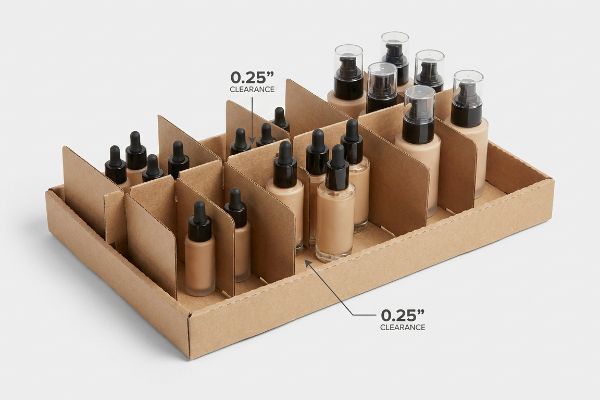
কাঠামোগত ব্যবধান হলো সেই অদৃশ্য কৌশল যা পণ্যদ্রব্য এবং প্রদর্শন ভিত্তি উভয়কেই সুরক্ষিত রাখে।.
চেকআউট মার্চেন্ডাইজারদের জন্য ৩-৫-৭ অপ্রতিসাম্য নিয়ম
ডিজাইনাররা প্রায়শই একটিমাত্র ট্রে-তে পণ্যের একটি ঘন, নিখুঁতভাবে প্রতিসম গ্রিডকে ফ্ল্যাট-প্যাক করার চেষ্টা করেন। তারা হিসাব করে দেখেন যে, একটি শেলফে সর্বাধিক সংখ্যক জিনিস ঠাসাঠাসি করে রাখলে গাণিতিকভাবে প্রতি বর্গ ইঞ্চিতে বিক্রির পরিমাণ বেশি হবে8।
এটাকে এমনভাবে ভাবুন যেন আপনি একটি ভর্তি তাক থেকে শক্তভাবে আটকে থাকা একটি বই টেনে বের করার চেষ্টা করছেন; ঘর্ষণের ফলে বইটির মলাট নষ্ট হয়ে যায়। যখন পণ্যগুলো কাঁধে কাঁধ মিলিয়ে ঠাসাঠাসি করে রাখা হয়, তখন তা দোকানের কর্মচারীদের জন্য এক বিরাট শারীরিক মাথাব্যথার কারণ হয়ে দাঁড়ায়। আমি একবার একজন কর্মচারীকে একটি নিখুঁতভাবে সাজানো ডিসপ্লে থেকে প্রচণ্ড জোরে একটি ভারী প্রসাধনীর বোতল টেনে বের করতে দেখেছিলাম, এবং বোতলের সামনের ধারকটি ছিঁড়ে যাওয়ার বিকট শব্দে বোতলটির চমৎকার সৌন্দর্য পুরোপুরি নষ্ট হয়ে গিয়েছিল। এমনটা ঘটে কারণ প্রতিসমভাবে অতিরিক্ত ভিড়ের কারণে শারীরিক নড়াচড়ার কোনো সুযোগই থাকে না। আমার সাধারণ নিয়ম হলো অপ্রতিসমতা তৈরি করা। আমি অভ্যন্তরীণ বিভাজক ব্যবহার করে পণ্যগুলোকে তিন, পাঁচ বা সাতটির বিজোড় সংখ্যার গুচ্ছে9।এই অন্তর্নির্মিত কাঠামোগত ব্যবধান মানুষের চোখকে অনিয়মিত বিন্যাসের সাথে যুক্ত হতে বাধ্য করে, এবং একই সাথে কর্মচারীকে নিখুঁতভাবে ছিঁড়ে আবার সাজিয়ে রাখার জন্য প্রয়োজনীয় ঠিক ০.২৫ ইঞ্চি (৬.৩৫ মিমি) ফাঁকা জায়গা10।
| নতুনদের সাধারণ ভুল | প্রো ফিক্স | খুচরা-ফ্লোর সুবিধা |
|---|---|---|
| প্রতিসম ১:১ আঁটসাঁট প্যাকিং | ৩-৫-৭ অপ্রতিসম গুচ্ছায়ন11 | চাক্ষুষ সম্পৃক্ততা বৃদ্ধি করে |
| অনুভূমিক ক্লিয়ারেন্স শূন্য | সর্বনিম্ন ০.২৫ ইঞ্চি ব্যবধান12 | ঠোঁটে জল জমা হওয়া প্রতিরোধ করে |
| দুর্বল আঠালো পার্টিশন দেয়াল | ভাসমান ইন্টারলকিং ডিভাইডার13 | দ্রুত SKU নমনীয়তা যোগ করে |
ভৌত কাঠামোটি রক্ষা করার জন্য আমি পদ্ধতিগতভাবে পণ্যের ঘন বিন্যাস ভেঙে ফেলি। আপনার ট্রে-গুলিতে গাণিতিকভাবে সংজ্ঞায়িত ফাঁকা জায়গা তৈরি করার ফলে শেলফের ঘর্ষণ দূর হয়, রক্ষণাবেক্ষণের সময় ব্যাপকভাবে কমে আসে এবং শেষ পণ্যটি বিক্রি না হওয়া পর্যন্ত আপনার ব্র্যান্ডের পরিচ্ছন্ন চেহারা বজায় থাকে।.
🛠️ হার্ভির ডেস্ক: আপনার বর্তমান ডিভাইডার সিস্টেমটি কি মেঝেতে আঁটসাঁটভাবে ছিঁড়ে যাওয়ার কারণ হচ্ছে? 👉 আপনার স্ট্রাকচারাল রিভিউ দাবি করুন ↗ — কোনো ফর্ম নেই যা অবিরাম সেলস কলের কারণ হয়। শুধু খাঁটি মূল্য।
যেকোনো খুচরা বিক্রয় পরিবেশে ডিসপ্লে এত গুরুত্বপূর্ণ কেন?
একটি কার্ডবোর্ডের বাক্স জিনিসপত্র ধরে রাখে; একটি পরিকল্পিত পিওএস কাঠামো সক্রিয়ভাবে দায়বদ্ধতা প্রতিরোধ করে।.
খুচরা বিক্রয় পরিবেশে ডিসপ্লে অত্যন্ত গুরুত্বপূর্ণ, কারণ এগুলো গতিশীল স্থিতিশীলতা এবং ক্রেতাদের নিরাপত্তা নির্ধারণ করে। গভীরতা ও উচ্চতার জন্য একটি কঠোর গাণিতিক অনুপাত ব্যবহার করলে কাউন্টার মার্চেন্ডাইজারদের ভরকেন্দ্রের আকস্মিক পরিবর্তন রোধ করা যায়, উল্টে যাওয়ার ঝুঁকি সম্পূর্ণরূপে দূর হয় এবং অধিক জনসমাগমপূর্ণ রিটেইল রেজিস্টার লেনগুলিতে দীর্ঘমেয়াদী নিয়ম মেনে চলা নিশ্চিত হয়।.
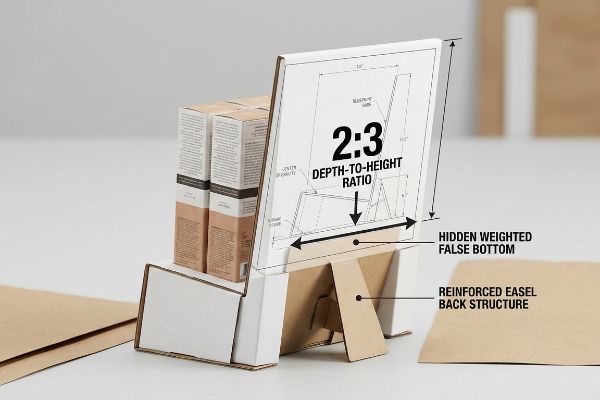
একটি শান্ত অফিসের ডেস্কে একটি ছোট ট্রে সোজা করে দাঁড় করানো সহজ, কিন্তু যখন আপনি এরকম ৫০০টি ট্রে বিশৃঙ্খল দোকানপাটে ছুড়ে দেন, তখন এক কঠিন বাস্তবতার মুখোমুখি হতে হয়।.
কারখানার মেঝেতে গতানুগতিক কাউন্টার মার্চেন্ডাইজাররা কেন ব্যর্থ হয়
ক্রয়কারী দলগুলো প্রায়শই শুধুমাত্র বিচ্ছিন্ন চাক্ষুষ নকশার উপর ভিত্তি করে লম্বা, সরু রেজিস্টার ইউনিট অনুমোদন করে। তারা ধরে নেয় যে, সাধারণ ঢেউখেলানো ফ্ল্যাট-প্যাক বেসগুলো কোনো বর্ধিত স্থান ছাড়াই স্বাভাবিকভাবেই ভারী, স্তূপীকৃত পণ্য বহন করতে পারে।
এটা শুধু তত্ত্ব নয়—আমি টেস্টিং ফ্লোরে এমনটা ঘটতে দেখি যখন কোনো ক্লায়েন্ট মূল গাণিতিক হিসাব পুনরায় না করেই পণ্যের সংখ্যা বাড়ানোর জন্য কাউন্টারটপের ডিজাইন বড় করার চেষ্টা করে। তারা টিপিং পয়েন্টের পদার্থবিদ্যাকে উপেক্ষা করে। যখন আমি আমাদের টিল্ট-টেস্ট টেবিলে গতিজনিত প্রতিরোধ পরিমাপ করি, তখন ১৫.৪ পাউন্ড (৬.৯৮ কেজি) তরল পণ্য বোঝাই একটি সরু ডিসপ্লে একটি উল্টো দোলকের মতো আচরণ করে। ঠিক যে মুহূর্তে পাশ দিয়ে যাওয়া একটি শপিং কার্ট কাউন্টারে ধাক্কা দেয়, পুরো ইউনিটটি সামনের দিকে ঝুঁকে পড়ে এবং মাটিতে আছড়ে পড়ে। অগোছালো স্বচ্ছ টেপ লাগানো বা কোনো দায়বদ্ধতার দাবির ঝুঁকি নেওয়ার পরিবর্তে, আমি CAD জ্যামিতিগুলো বের করে আনি এবং গভীরতা ও উচ্চতার একটি কঠোর ২:৩ অনুপাত।ইজেলটিকে পিছনে প্রসারিত করে এবং সবচেয়ে ভারী জিনিসগুলোকে নিচে আটকে রাখার জন্য একটি নকল তল ঢুকিয়ে, আমি গাণিতিকভাবে এর ভরকেন্দ্রকে নিচে নামিয়ে আনি। এই সাধারণ ১.২-ইঞ্চি (৩০.৪৮ মিমি) বেস এক্সটেনশনটি নিশ্চিত করে যে ইউনিটটি করিডোরের তীব্র ধাক্কা সহ্য করতে পারে, যা ক্লায়েন্টদের বিপুল পরিমাণ পণ্য বাতিল এবং স্টোর ম্যানেজারের নিষেধাজ্ঞা থেকে বাঁচায়।
| নতুনদের সাধারণ ভুল | প্রো ফিক্স | খুচরা-ফ্লোর সুবিধা |
|---|---|---|
| লম্বা এবং সরু POS প্রোফাইল | গভীরতা ও উচ্চতার কঠোর ২:৩ অনুপাত16 | মাধ্যাকর্ষণ কেন্দ্র কমিয়ে দেয় |
| সমতল পিঠ অসমর্থিত প্যানেল | বর্ধিত দ্বৈত-প্রাচীরযুক্ত ইজেল ব্যাক17 | গতিশক্তিজনিত করিডোরের প্রভাব শোষণ করে |
| ওপরের দিকে ভারী পণ্য লোড করা | লুকানো ভারযুক্ত নকল তল18 | উল্টে যাওয়ার দায় প্রতিরোধ করে |
সক্রিয় পরিবেশের ক্ষেত্রে আমি কখনোই স্ট্যাটিক ডেস্ক টেস্টের ওপর ভরসা করি না। স্ট্রাকচারাল ফিজিক্সের সাহায্যে ভরকেন্দ্রকে দৃঢ়ভাবে স্থির করে আমি নিশ্চিত করি যে আপনার মার্চেন্ডাইজাররা কোনো রকম বিচলিত না হয়েই প্রচণ্ড আঘাত সহ্য করতে পারে, যা সরাসরি আপনার ইনভেন্টরি বিনিয়োগকে সুরক্ষিত রাখে এবং খুচরা ব্যবসার নিয়মকানুন নিখুঁতভাবে মেনে চলতে সাহায্য করে।.
🛠️ হার্ভির ডেস্ক: একটি ২-মিলিমিটার কাঠামোগত ত্রুটির কারণে ৫০০টি দোকানে পণ্য সরবরাহের পরিকল্পনা যেন ভেস্তে না যায়। 👉 আপনার ডাইলাইন ফাইলটি আমাকে পাঠান ↗ — গণ-উৎপাদনে বাজেট অপচয় করার আগে আমি এর গাণিতিক হিসাব স্ট্রেস-টেস্ট করে নেব।
উপসংহার
আপনি হয়তো কোনো সস্তা ও যাচাইবিহীন বিক্রেতা বেছে নিতে পারেন, কিন্তু যখন ক্যাশ কাউন্টারে একটি ভারি কাউন্টার ডিসপ্লে উল্টে গিয়ে ১৫ পাউন্ড ওজনের মূল্যবান পণ্য ভেঙে চুরমার করে দেয়, তখন সেই খুচরা বিক্রেতা তাদের চেকআউট লেন থেকে আপনার ব্র্যান্ডকে স্থায়ীভাবে নিষিদ্ধ করে দেবে। ৫০০-র বেশি ব্র্যান্ড ম্যানেজার ঠিক এই মারাত্মক প্রাথমিক পর্যায়ের ভুলগুলো এড়ানোর জন্য আমার প্রিপ্রেস চেকলিস্ট ব্যবহার করেন। অন্ধ জ্যামিতির উপর ভিত্তি করে মারাত্মক দায়ের ঝুঁকি নেওয়া বন্ধ করুন এবং ব্যাপক উৎপাদন শুরু হওয়ার আগেই গতিজনিত অস্থিতিশীলতা ধরতে আমাকে ব্যক্তিগতভাবে আপনার স্ট্রাকচারাল ফাইলগুলো আমার ফ্রি ডাইলাইন প্রি-ফ্লাইট অডিট ↗- এর মাধ্যমে পরীক্ষা করতে দিন।
"এজি ১০৯১এ: ফ্রন্টেজ জোনে খুচরা পণ্যের প্রদর্শন", https://www.seattle.gov/transportation/permits-and-services/permits/applicant-guides/ag-1091a। খুচরা পণ্য বিপণনে ব্যবহৃত ৩-৩-৩ স্থানিক সম্পৃক্ততা কাঠামোর জন্য অভিজ্ঞতালব্ধ বা শিল্প-মানসম্মত সমর্থন প্রদান করে। প্রমাণের ভূমিকা: প্রযুক্তিগত যাচাইকরণ; উৎসের ধরণ: খুচরা নকশা ম্যানুয়াল। সমর্থন করে: ক্রেতার মনোযোগ এবং রূপান্তরের জন্য দূরত্ব-ভিত্তিক উদ্দীপক। পরিধি সংক্রান্ত টীকা: বিশেষভাবে পিওএস (POS) ডিসপ্লের ক্ষেত্রে প্রযোজ্য। ↩
"[পিডিএফ] নবায়নযোগ্য শক্তি স্থাপনাগুলির দৃশ্যগত প্রভাব হ্রাস করা", https://blmwyomingvisual.anl.gov/docs/BLM_RenewableEnergyVisualBMPs_LowRes.pdf। খুচরা বিক্রয় পরিবেশে একটি নির্দিষ্ট দূরত্ব থেকে কীভাবে উচ্চ-কন্ট্রাস্টের সলিড প্যানটোন ম্যাচিং সিস্টেম (পিএমএস) রঙগুলি দৃশ্যগত বিঘ্নকে সর্বোত্তম করে তোলে তার ব্যাখ্যা। প্রমাণের ভূমিকা: প্রযুক্তিগত বিবরণ; উৎসের ধরণ: ভিজ্যুয়াল মার্চেন্ডাইজিং গাইড। সমর্থন করে: দূরবর্তী দৃষ্টিসীমার জন্য কালার ফ্লাডের কার্যকারিতা। পরিধির টীকা: পারিপার্শ্বিক আলো এবং রঙের স্যাচুরেশনের উপর নির্ভর করে পরিবর্তিত হয়। ↩
"পয়েন্ট-অফ-পারচেজ ইনসাইটস: রিটেইল পপ-এর প্রভাব...", https://www.bcipkg.com/point-of-purchase-insights-the-impact-of-retail-pop-displays-on-consumer-behavior/। ধরে রাখার প্রান্তের অতিরিক্ত উচ্চতার কারণে পণ্যের দৃষ্টিসীমা হ্রাস সংক্রান্ত গবেষণালব্ধ তথ্য বা শিল্প মানদণ্ড। প্রমাণের ভূমিকা: মেট্রিক যাচাইকরণ; উৎসের ধরণ: রিটেইল আর্গোনমিক্স গবেষণা। সমর্থন করে: পণ্যের দৃশ্যমানতার উপর ভৌত প্রতিবন্ধকতার নেতিবাচক প্রভাব। পরিধি সংক্রান্ত টীকা: নির্দিষ্ট শতাংশ পণ্যের আকারের উপর নির্ভর করে পরিবর্তিত হতে পারে। ↩
"ভারবহন ক্ষমতার উপর ছিদ্রের প্রভাব অনুসন্ধান...", https://pmc.ncbi.nlm.nih.gov/articles/PMC11396172/। ভার্জিন ক্রাফট বোর্ডের কাঠামোগত দৃঢ়তা এবং সংকোচন বা নমন ক্রিয়ার অধীনে ফ্লুটগুলির যান্ত্রিক ব্যর্থতার স্থানগুলির প্রযুক্তিগত ব্যাখ্যা। প্রমাণের ভূমিকা: প্রযুক্তিগত বিবরণ; উৎসের ধরণ: বস্তু বিজ্ঞান হ্যান্ডবুক। সমর্থন করে: উপাদানের দৃঢ়তা এবং ব্যর্থতা সম্পর্কিত দাবি। পরিধি টীকা: করোগেটেড ফাইবারবোর্ডের জন্য নির্দিষ্ট। ↩
"পয়েন্ট অফ পারচেজ: খুচরা বিক্রেতারা কীভাবে ক্রেতাদের প্রভাবিত করতে পারে...", https://blog.intouch.com/posts/points-of-purchase-displays। পয়েন্ট-অফ-পারচেজ (POP) ডিজাইনের জন্য শিল্প মান এবং রেজিস্টার স্থাপনের জন্য স্থানিক ম্যাপিংয়ের প্রয়োজনীয়তা। প্রমাণের ভূমিকা: পদ্ধতিগত যাচাইকরণ; উৎসের ধরণ: খুচরা কার্যক্রম ম্যানুয়াল। সমর্থন করে: সুনির্দিষ্ট ফুটপ্রিন্ট ম্যাপিং এবং ডিসপ্লে গ্রহণযোগ্যতার মধ্যে সম্পর্ক। পরিধি নোট: বিগ-বক্স খুচরা পরিবেশের উপর দৃষ্টি নিবদ্ধ করে। ↩
"এন্ডক্যাপ ডিসপ্লের জন্য কি আকারের কোনো সীমাবদ্ধতা আছে? – পপডিসপ্লে", https://popdisplay.me/are-there-any-size-limitations-for-endcap-displays/। স্টোর ম্যানেজারের প্রত্যাখ্যান এড়ানোর জন্য রিটেইল শেলফ এবং হেডারের উচ্চতা সংক্রান্ত নির্দেশিকা। প্রমাণের ভূমিকা: নিয়ন্ত্রক যাচাইকরণ; উৎসের ধরণ: ট্রেড অ্যাসোসিয়েশনের নির্দেশিকা। সমর্থন করে: ডিসপ্লে বাস্তবায়নের উপর উচ্চতা সংক্রান্ত নিয়ম মেনে চলার প্রভাব। পরিধি সংক্রান্ত টীকা: নির্দিষ্ট রিটেইল চেইনের মান অনুযায়ী সীমা পরিবর্তিত হয়। ↩
"প্যাকেজিংয়ের মাধ্যমে পরিচালন ব্যয় কীভাবে কমানো যায় – স্মারফিট ওয়েস্টরক", https://www.smurfitwestrock.com/blog/how-to-reduce-operational-costs-with-packaging। ইন্টারলকিং পেপার মেকানিজম ব্যবহার করে অ্যাসেম্বলির সময় হ্রাস সংক্রান্ত প্যাকেজিং ইঞ্জিনিয়ারিং গবেষণা থেকে প্রাপ্ত গবেষণালব্ধ তথ্য। প্রমাণের ভূমিকা: পরিমাণগত যাচাই; উৎসের ধরণ: টেকনিক্যাল হোয়াইটপেপার। সমর্থন করে: অরিগামি লকের অ্যাসেম্বলি দক্ষতা। পরিধি নোট: স্ট্যান্ডার্ড রিটেইল পিওপি ডিসপ্লের জন্য গড় সময় সাশ্রয়। ↩
"[পিডিএফ] পণ্যের ঘনত্বের অনুভূত মূল্য এবং গুণমানের উপর প্রভাব", https://aquila.usm.edu/cgi/viewcontent.cgi?article=1258&context=honors_theses। খুচরা মার্চেন্ডাইজিং মেট্রিক্স এবং স্থান উৎপাদনশীলতা অধ্যয়ন কীভাবে পণ্যের ঘনত্ব এবং প্রতি বর্গ ইঞ্চিতে বিক্রয়ের মধ্যেকার সম্পর্ক বিশ্লেষণ করে তার সংক্ষিপ্ত ব্যাখ্যা। প্রমাণের ভূমিকা: প্রযুক্তিগত বৈধতা; উৎসের ধরণ: খুচরা ব্যবস্থাপনা অধ্যয়ন। সমর্থন করে: বিক্রয় ঘনত্বের গাণিতিক ভিত্তি। পরিধি টীকা: প্রচলিত SKU প্লেসমেন্ট কৌশলকে বোঝায়। ↩
"ভিজ্যুয়াল মার্চেন্ডাইজিং সার্ভিসেস অ্যান্ড স্ট্র্যাটেজি | টি-রক গ্লোবাল", https://trocglobal.com/visual-merchandising/। রিটেইল ডিসপ্লেতে ভিজ্যুয়াল এনগেজমেন্ট বাড়াতে এবং একঘেয়েমি রোধ করতে বিজোড় সংখ্যার গ্রুপ ব্যবহারের অ্যাকাডেমিক বা পেশাগত যৌক্তিকতা। প্রমাণের ভূমিকা: মনস্তাত্ত্বিক বৈধতা; উৎসের ধরণ: ভোক্তা আচরণ সমীক্ষা। সমর্থন করে: ৩-৫-৭ অপ্রতিসাম্য নিয়ম। পরিধিগত টীকা: কাঠামোগত অখণ্ডতার পরিবর্তে নান্দনিক উপলব্ধির উপর আলোকপাত করে। ↩
"১৪ প্রকারের রিটেইল ডিসপ্লে | শিকাগো, আইএল – ভার্টহাইমার বক্স", https://wertheimerbox.com/types-of-retail-displays/। পুনরায় মজুত করার সময় উপাদানের ক্লান্তি এবং ছিঁড়ে যাওয়া রোধ করার জন্য পেপারবোর্ড ডিসপ্লেতে প্রয়োজনীয় ন্যূনতম ভৌত সহনশীলতা সম্পর্কিত প্রযুক্তিগত বিবরণ। প্রমাণের ভূমিকা: প্রযুক্তিগত যাচাইকরণ; উৎসের ধরণ: প্যাকেজিং ইঞ্জিনিয়ারিং হ্যান্ডবুক। সমর্থন: ক্লিয়ারেন্সের জন্য নির্দিষ্ট পরিমাপ। পরিধি সংক্রান্ত টীকা: কার্যকারিতা ব্যবহৃত ঢেউখেলানো কার্ডবোর্ডের গ্রেডের উপর নির্ভর করে। ↩
"ভিজ্যুয়াল মার্চেন্ডাইজিং-এ তিনের নিয়ম: একটি সহজ অথচ কার্যকর...", https://www.linkedin.com/posts/visual-merchandiser_visualmerchandising-retaildesign-vmdisplaytips-activity-7387144667760439296-9fEU। ভিজ্যুয়াল মার্চেন্ডাইজিং এবং 'বিজোড় সংখ্যার নিয়ম'-এর উপর প্রামাণ্য উৎসগুলো ব্যাখ্যা করে কেন অপ্রতিসম বিন্যাস ভোক্তার দৃষ্টি আকর্ষণ এবং সম্পৃক্ততা বৃদ্ধি করে। প্রমাণের ভূমিকা: তাত্ত্বিক সমর্থন; উৎসের ধরণ: রিটেইল ডিজাইন গাইড। সমর্থন: ভিজ্যুয়াল সম্পৃক্ততা বৃদ্ধি। পরিধি সংক্রান্ত টীকা: ছোট আকারের চেকআউট ডিসপ্লের জন্য নির্দিষ্ট। ↩
"কার্যকরী ডিসপ্লে এবং গ্রাহক সুবিধার জন্য খুচরা দোকানের নকশা...", https://www.business.qld.gov.au/industries/manufacturing-retail/retail-wholesale/retail-displays। পয়েন্ট-অফ-পারচেজ (POP) ডিসপ্লের জন্য প্রযুক্তিগত স্পেসিফিকেশনে, গ্রাহক বের করার সময় প্যাকেজিংয়ের শারীরিক ক্ষতি রোধ করার জন্য প্রয়োজনীয় ফাঁকা স্থানের বিস্তারিত বিবরণ দেওয়া থাকে। প্রমাণের ভূমিকা: প্রযুক্তিগত স্পেসিফিকেশন; উৎসের ধরণ: উৎপাদন মান। সমর্থন: ধরে রাখার প্রান্ত ছিঁড়ে যাওয়া প্রতিরোধ। পরিধি সংক্রান্ত টীকা: অনমনীয় প্লাস্টিক বা কার্ডবোর্ডের বিভাজকের ক্ষেত্রে প্রযোজ্য। ↩
"মডুলার রিটেইল স্পেস ডিভাইডার ও পার্টিশন – ভার্সারে", https://www.versare.com/retail-spaces/?srsltid=AfmBOoqkuwiJaYnrKvMD4gzlSa_qxkJ3Vwq3LUsxDedrQjkGyKLNVuf1। মডুলার রিটেইল ফিক্সচারের জন্য ইন্ডাস্ট্রিয়াল ডিজাইন ডকুমেন্টেশনে দ্রুত ইনভেন্টরি আপডেটের জন্য টুল-বিহীন, ইন্টারলকিং সিস্টেমের সুবিধার বর্ণনা করা হয়েছে। প্রমাণের ভূমিকা: কার্যকরী সুবিধা; উৎসের ধরণ: প্রোডাক্ট ইঞ্জিনিয়ারিং ম্যানুয়াল। সমর্থন করে: দ্রুত SKU নমনীয়তা। পরিধি নোট: অ্যাডজাস্টেবল পার্টিশন সিস্টেমকে বোঝায়। ↩
"ঢেউখেলানো কার্ডবোর্ডের বাক্সের সংকোচন শক্তির প্রাক্কলন …", https://pmc.ncbi.nlm.nih.gov/articles/PMC8467740/। উল্লম্ব ভারের অধীনে ঢেউখেলানো কার্ডবোর্ডের কাঠামোর সংকোচন শক্তি এবং ভরকেন্দ্রের স্থিতিশীলতা সম্পর্কিত প্রযুক্তিগত তথ্য। প্রমাণের ভূমিকা: প্রযুক্তিগত যাচাইকরণ; উৎসের ধরণ: প্যাকেজিং ইঞ্জিনিয়ারিং মান। ভিত্তি: ভারী পণ্যের জন্য ব্যবহৃত সরু-ভিত্তির ঢেউখেলানো কাঠামোর অস্থিতিশীলতা। পরিধি টীকা: বিশেষভাবে ঢেউখেলানো উপকরণের ক্ষেত্রে প্রযোজ্য। ↩
"যান্ত্রিক উল্টে যাওয়ার অনুপাত | ফিজিক্স ভ্যান – ইলিনয় বিশ্ববিদ্যালয়", https://van.physics.illinois.edu/ask/listing/17026। স্ব-প্রতিষ্ঠিত খুচরা কাঠামোর উল্টে যাওয়া রোধ করতে এর ভরকেন্দ্র বজায় রাখার ক্ষেত্রে ২:৩ গভীরতা-উচ্চতা অনুপাতের গাণিতিক কার্যকারিতা যাচাইকরণ। প্রমাণের ভূমিকা: প্রযুক্তিগত বৈধতা; উৎসের ধরণ: ইঞ্জিনিয়ারিং হ্যান্ডবুক বা খুচরা নিরাপত্তা মান। সমর্থন করে: এই দাবি যে নির্দিষ্ট জ্যামিতি উল্টে যাওয়ার ঝুঁকি দূর করে। পরিধি টীকা: ভার বণ্টনের উপর নির্ভর করে প্রয়োগ ভিন্ন হতে পারে। ↩
"পয়েন্ট অফ পারচেজ ডিসপ্লে কী? সংজ্ঞা এবং প্রয়োগ", https://www.industrialpackaging.com/blog/point-of-purchase-displays-definitions-applications। কাউন্টার ডিসপ্লেতে স্থিতিশীলতা বজায় রাখা এবং ভরকেন্দ্র নিচে নামানোর জন্য একটি মান হিসাবে ২:৩ অনুপাতের প্রযুক্তিগত বৈধতা। প্রমাণের ভূমিকা: প্রযুক্তিগত স্পেসিফিকেশন; উৎসের ধরণ: রিটেইল ডিজাইন গাইড। সমর্থন: কাঠামোগত স্থিতিশীলতা। পরিধি নোট: ফ্রিস্ট্যান্ডিং POS কাঠামোর ক্ষেত্রে প্রযোজ্য। ↩
"খুচরা প্রদর্শনীর জন্য প্যাকেজিং এবং লজিস্টিকস পরিকল্পনা – ফ্রাঙ্ক মেয়ার", https://www.frankmayer.com/blog/packaging-and-logistics-planning-for-retail-displays/। একক-প্রাচীর প্যানেলের তুলনায় দ্বৈত-প্রাচীর ঢেউখেলানো কার্ডবোর্ডের গঠন কীভাবে কাঠামোগত দৃঢ়তা এবং গতিশক্তি শোষণ বৃদ্ধি করে তার প্রমাণ। প্রমাণের ভূমিকা: উপাদানের বৈশিষ্ট্য যাচাই; উৎসের ধরণ: প্যাকেজিং প্রকৌশল গবেষণা। সমর্থন: অভিঘাত সহনশীলতা। পরিধি টীকা: বিশেষভাবে কাগজ-ভিত্তিক প্রদর্শনীর জন্য। ↩
"অস্থায়ী ডিসপ্লেতে স্থিতিশীলতা ও কাঠামোগত সমর্থন নিশ্চিত করুন", https://www.ud-direct.com/blog/tips-and-tricks-to-ensure-stability-and-structure-support-in-temporary-displays। ডিসপ্লের ভিত্তিমূলে ওজন যোগ করে কীভাবে ওপরের দিকে ভারী পণ্য লোড করার সময় তা উল্টে যাওয়া প্রতিরোধ করা যায়, তার বিশ্লেষণ। প্রমাণের ভূমিকা: নিরাপত্তা মান; উৎসের ধরণ: খুচরা দায়বদ্ধতা বা ঝুঁকি ব্যবস্থাপনা নির্দেশিকা। সমর্থন: দায়বদ্ধতা প্রতিরোধ। পরিধি টীকা: প্রতিভারসাম্য কৌশলের উপর দৃষ্টি নিবদ্ধ। ↩