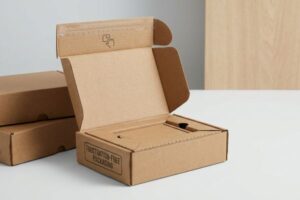
ব্র্যান্ডগুলো PDQ সংক্ষেপটি যথেচ্ছভাবে ব্যবহার করে, এটা ভেবে যে এটি শুধু একটি সাধারণ কার্ডবোর্ডের বাক্স। কিন্তু খুচরা বিক্রির বাজারে, একটি ত্রুটিপূর্ণভাবে তৈরি ট্রে আপনার পণ্যের উন্মোচনকে পুরোপুরি ব্যাহত করতে পারে।.
PDQ ডিসপ্লে বলতে বোঝায় এর পূর্ণরূপ—"Pretty Darn Quick" (অত্যন্ত দ্রুত)। খুচরা বিক্রির জন্য প্রস্তুত এই প্যাকেজিং সমাধানগুলো হলো আগে থেকে প্যাক করা ট্রে বা বিন, যা দোকানের তাকগুলিতে তাৎক্ষণিকভাবে রাখার জন্য ডিজাইন করা হয়েছে। এগুলো জটিল আনপ্যাকিং প্রক্রিয়া দূর করে, যার ফলে খুচরা বিক্রেতারা কয়েক সেকেন্ডের মধ্যেই শিপিং মাস্টার কার্টন থেকে পণ্য সরাসরি রিটেইল ডিসপ্লেতে স্থানান্তর করতে পারেন।.
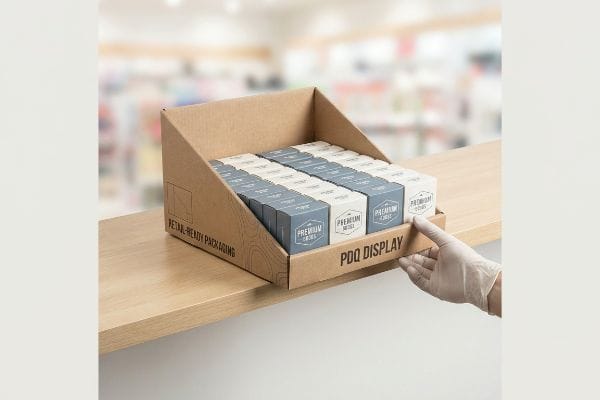
একটি দ্বিমাত্রিক পিডিএফে ডিসপ্লেকে সুন্দর দেখানো সহজ, কিন্তু গুদামের প্রচণ্ড চাপের মধ্যে সেটিকে ত্রুটিহীনভাবে কার্যকর করা সম্পূর্ণ ভিন্ন একটি ব্যাপার।.
মার্চেন্ডাইজিং-এ PDQ বলতে কী বোঝায়?
একটি পিডিকিউ ডিসপ্লে সফলভাবে সাজানোর জন্য দোকানের অধিক জনসমাগমপূর্ণ স্থানগুলিতে কৌশলগতভাবে একটি হালকা ও বিক্রয়ের জন্য প্রস্তুত ট্রে ব্যবহার করা হয়। এই ইউনিটগুলি নীরব বিক্রয়কর্মীর মতো কাজ করে, যা অতিরিক্ত শেলফ সাজানোর প্রয়োজন ছাড়াই, দৃশ্যগত প্রতিবন্ধকতা এবং কাঠামোগত সহজলভ্যতার উপর নির্ভর করে সরাসরি কাউন্টারটপ বা প্রধান গ্রোসারি আইল থেকে ক্রেতাদের তাৎক্ষণিক কেনাকাটায় উদ্বুদ্ধ করে।
একটি পিডিকিউ ডিসপ্লে সফলভাবে সাজানোর জন্য দোকানের অধিক জনসমাগমপূর্ণ স্থানগুলিতে কৌশলগতভাবে একটি হালকা ও বিক্রয়ের জন্য প্রস্তুত ট্রে ব্যবহার করা হয়। এই ইউনিটগুলি নীরব বিক্রয়কর্মীর মতো কাজ করে, যা অতিরিক্ত শেলফ সাজানোর প্রয়োজন ছাড়াই, দৃশ্যগত প্রতিবন্ধকতা এবং কাঠামোগত সহজলভ্যতার উপর নির্ভর করে সরাসরি কাউন্টারটপ বা প্রধান গ্রোসারি আইল থেকে ক্রেতাদের তাৎক্ষণিক কেনাকাটায় উদ্বুদ্ধ করে।.
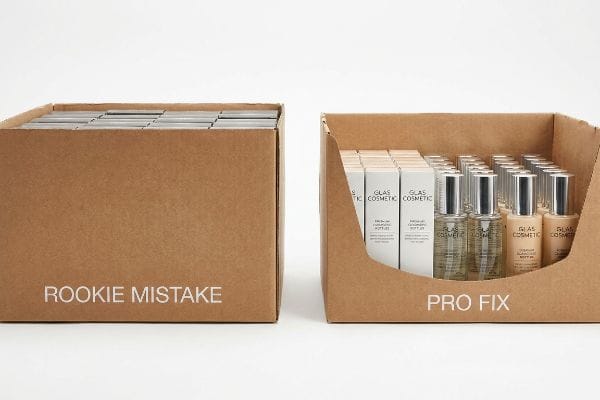
দোকানের কোনো করিডোরকে সত্যিকার অর্থে আকর্ষণীয় করে তুলতে হলে, গ্রাফিক ডিজাইন নিয়ে ভাবার আগেই ক্রেতার দৃষ্টিসীমার কথা মাথায় রেখে নকশা করতে হবে।.
মার্চেন্ডাইজিং-এ সাফল্যের জন্য ৮৫% দৃশ্যমানতার নিয়ম
অনেক মার্কেটিং টিম রিটেইল ট্রে-কে শুধুমাত্র একটি ব্র্যান্ডিং ক্যানভাস হিসেবে দেখে এবং এর সামনের অংশে বড় বড় লোগো বসিয়ে দেয়। তারা এই কাঠামোটিকে একটি কার্যকরী পণ্য বিতরণকারী যন্ত্রের পরিবর্তে একটি বিলবোর্ডের মতো ব্যবহার করে, এবং এর ফলে তারা তাৎক্ষণিক কেনাকাটার মৌলিক মনস্তত্ত্বটি বুঝতে পারে না¹ ।
আমি দেখি, এই ফাঁদটি এমনকি অভিজ্ঞ ব্র্যান্ড ম্যানেজারদেরও ধরা দেয়, যারা এমন গভীর ও উঁচু দেয়ালযুক্ত বাক্স ডিজাইন করেন যা পণ্যগুলোকে পুরোপুরি ঢেকে ফেলে২।একবার একজন স্টোর ম্যানেজার আমাকে একটি সুন্দর কসমেটিক ট্রে , যার উঁচু সামনের কিনারাটি দামী বোতলগুলোর ওপর একটি কালো ছায়া ফেলত, ফলে ক্রেতাদের অস্বস্তিকরভাবে এবং অন্ধের মতো ঢেউখেলানো বাক্সের খাঁজটিতে হাতড়ে জিনিস কিনতে হতো।
আমি একটি কঠোর "পণ্যই প্রথম" এই নীতি মেনে চলি, যার ফলে ডাই-কাট করা সামনের প্রান্ত থেকে ৩ ইঞ্চি উপরে মূল প্যাকেজিংয়ের অন্তত ৮৫% অংশ দৃশ্যমান থাকে । যখন আমি সামনের অংশটি ছেঁটে দিই এবং পাশের ডানাগুলোকে কোণাকোণি করে দিই, তখন ক্রেতারা সহজেই পণ্যটি বের করে আনার সময় এক সন্তোষজনক ঘর্ষণের শব্দ শুনতে পান, যা সঙ্গে সঙ্গে আপনার স্টকের বিক্রি বাড়িয়ে দেয়।
| নতুনদের সাধারণ ভুল | প্রো ফিক্স | খুচরা-ফ্লোর সুবিধা |
|---|---|---|
| উঁচু সামনের প্যানেলগুলি পণ্যটিকে আড়াল করছে | ৮৫% পণ্য দৃশ্যমানতার নিয়ম4 | ক্রেতাদের তাৎক্ষণিক পছন্দের গতি বাড়ায় |
| সোজা, বাক্স আকৃতির কাঠামোগত দেয়াল | বাঁকানো, ডাই-কাট পাশের ডানা5 | লেবেলে করিডোরের পারিপার্শ্বিক আলো বৃদ্ধি করে |
| ট্রে-টিকে শুধু একটি শিপিং বাক্স হিসেবে বিবেচনা করা | এটিকে একটি বিতরণ সরঞ্জাম হিসাবে ডিজাইন করা | ভোক্তাদের জন্য দৃষ্টিগত অসুবিধা কমায় |
যদি কোনো ডাইলাইনের কাঠামো মূল পণ্যের বারকোড বা লেবেলকে ঢেকে রাখে, তবে আমি সেটি প্রিন্ট হতে দিই না। আসল পণ্যটিকে দৃশ্যমান করাই প্রকৃতপক্ষে একজন পথচারীকে ক্যাশ কাউন্টারে একজন অর্থপ্রদানকারী গ্রাহকে রূপান্তরিত করে।.
🛠️ হার্ভির ডেস্ক: আপনার ডিসপ্লে ওয়ালগুলো কি আপনার সবচেয়ে দামী পণ্যের বৈশিষ্ট্যগুলোর ওপর অন্ধকার ছায়া ফেলছে? 👉 একটি স্ট্রাকচারাল প্রি-ফ্লাইটের জন্য অনুরোধ করুন ↗ — সরাসরি আমার ডেস্কে প্রবেশের সুযোগ। কোনো স্বয়ংক্রিয় সেলস স্প্যাম থাকবে না, আমি কথা দিচ্ছি।
ব্যবসায় PDQ কী?
ব্যবসায়িক দৃষ্টিকোণ থেকে পিডিকিউ (PDQ) মূল্যায়ন করার অর্থ হলো, এটিকে শুধুমাত্র বিপণন সামগ্রী হিসেবে না দেখে একটি সাপ্লাই চেইন সম্পদ হিসেবে বিবেচনা করা। এই আগে থেকে ভরা ইউনিটগুলো সম্পূর্ণ মজুত অবস্থায় পাঠানোর মাধ্যমে প্রচলিত বিতরণ ব্যবস্থার প্রতিবন্ধকতাগুলো এড়িয়ে যায়, যা খুচরা বিক্রির জন্য প্রয়োজনীয় শ্রমিকের খরচ ব্যাপকভাবে হ্রাস করে এবং মৌসুমী প্রচারণার সময় আপনার পণ্য বাজারে আনার গুরুত্বপূর্ণ সময়সীমাকে ত্বরান্বিত করে।.
ব্যবসায়িক দৃষ্টিকোণ থেকে পিডিকিউ (PDQ) মূল্যায়ন করার অর্থ হলো, এটিকে শুধুমাত্র বিপণন সামগ্রী হিসেবে না দেখে একটি সাপ্লাই চেইন সম্পদ হিসেবে বিবেচনা করা। এই আগে থেকে ভরা ইউনিটগুলো সম্পূর্ণ মজুত অবস্থায় পাঠানোর মাধ্যমে প্রচলিত বিতরণ ব্যবস্থার প্রতিবন্ধকতাগুলো এড়িয়ে যায়, যা খুচরা বিক্রির জন্য প্রয়োজনীয় শ্রমিকের খরচ ব্যাপকভাবে হ্রাস করে এবং মৌসুমী প্রচারণার সময় আপনার পণ্য বাজারে আনার গুরুত্বপূর্ণ সময়সীমাকে ত্বরান্বিত করে।.
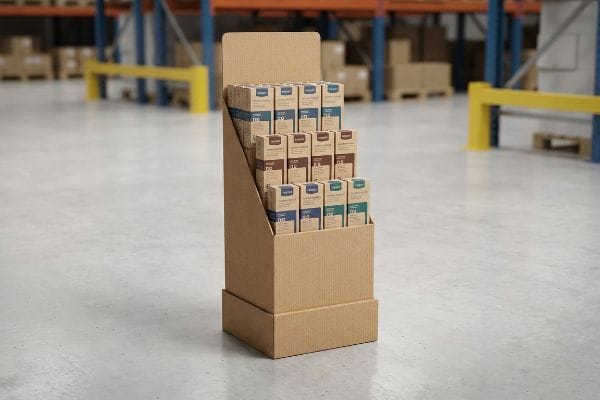
যখন আপনি গ্রাফিক ডিজাইন থেকে পণ্য পরিবহন ব্যবস্থাপনার দিকে আপনার মানসিকতা পরিবর্তন করেন, তখন এই কাঠামোগুলোর প্রকৃত আর্থিক সুবিধা স্পষ্ট হয়ে ওঠে।.
সহ-প্যাকিংয়ের প্রতিবন্ধকতা এবং শ্রম খরচ দূর করা
ক্রয় বিভাগগুলি প্রায়শই তাদের প্যাকেজিং ক্রয়কে তাদের পরিপূর্ণতা কৌশল থেকে আলাদা করে 6 , কাঁচা ঢেউতোলা কাগজের উপর সামান্য কিছু অর্থ সাশ্রয় করতে ফ্ল্যাট-প্যাকড ট্রে কেনে । তারা ধরে নেয় যে পরে একটি তৃতীয় পক্ষের গুদামকে দিয়ে বাক্সগুলি একত্রিত করানো এবং লোড করা 7 একটি সাধারণ, অনিবার্য পরিচালন ব্যয়।
এই অসংলগ্ন পদ্ধতির কারণেই অ্যাসেম্বলি লাইনে লাভের মার্জিন কমে যায়8।আমি সম্প্রতি একজন ক্লায়েন্টের থার্ড-পার্টি ফুলফিলমেন্ট সেন্টারে গিয়েছিলাম এবং কর্মীদের অতিরিক্ত টেপ নিয়ে হিমশিম খেতে দেখেছি, তারা ভার্জিন ক্রাফট টপ শিটগুলো ছিঁড়ে ফেলছিল কারণ ফ্ল্যাট-প্যাকগুলোর প্রতিটি ইউনিটের জন্য সাতটি আলাদা ভাঁজের ধাপ প্রয়োজন ছিল9।
তাদেরকে বিশেষভাবে কো-প্যাকিং দক্ষতার জন্য ডিজাইন করা একটি আগে থেকে আঠা লাগানো, স্বয়ংক্রিয়-তলযুক্ত ট্রে-10, আমি ম্যানুয়াল লকিং ট্যাবের প্রয়োজনীয়তা সম্পূর্ণরূপে দূর করেছি। ট্রেগুলো একটি মাত্র ধাক্কায় খুলে যেত, যা প্রতি ইউনিটে পূরণের সময় আনুমানিক 40%11, এবং এর ফলে তাদের মৌসুমী শ্রমিকের ওভারটাইম খরচ সম্পূর্ণরূপে পুষিয়ে যায়।
| নতুনদের সাধারণ ভুল | প্রো ফিক্স | খুচরা-ফ্লোর সুবিধা |
|---|---|---|
| একক মূল্য সাশ্রয় করতে ফ্ল্যাট-প্যাক কেনা | আগে থেকে আঠা লাগানো অটো-বটম কাঠামো12 | ফুলফিলমেন্ট ওয়্যারহাউসের শ্রমশক্তি ব্যাপকভাবে হ্রাস করে |
| স্থায়িত্বের জন্য হাতে টেপ লাগানোর প্রয়োজন | ইন্টারলকিং টেনশন ট্যাব | ব্র্যান্ডের নান্দনিকতাকে পুরোপুরি পরিচ্ছন্ন রাখে |
| কো-প্যাকারের কর্মপ্রবাহ উপেক্ষা করা | আর্গোনমিক, এক-গতিতে অ্যাসেম্বলি13 | পণ্য তাকগুলিতে কয়েক দিন দ্রুত পৌঁছে দেওয়া হয়। |
কাগজে কালি পড়ার আগেই আপনার বাণিজ্যিক মুনাফা রক্ষা করাই আমার কাজ। একটি আরামদায়ক অ্যাসেম্বলি পদ্ধতির নকশা প্রণয়নের ফলে পরবর্তীতে বিপুল পরিমাণ পরিবহন ও শ্রম খরচ সাশ্রয় হয়।.
🛠️ হার্ভির ডেস্ক: আপনি কি জানেন আপনার কো-প্যাকিং ফ্যাসিলিটি আপনার বর্তমান ফ্ল্যাট-প্যাক ট্রেগুলো ভাঁজ করতে ঠিক কত সেকেন্ড সময় নষ্ট করে? 👉 একটি ওয়ার্কফ্লো অডিট করান ↗ — নিরাপদে ডাউনলোড করুন। পরবর্তীতে কোনো প্রশ্ন থাকলে আমার ইনবক্স খোলা আছে।
ওয়ালমার্টে PDQ বলতে কী বোঝায়?
ওয়ালমার্টে PDQ বলতে কী বোঝায় তা বুঝতে হলে তাদের ‘রিটেইল রেডি প্যাকেজিং’ নির্দেশিকা কঠোরভাবে মেনে চলতে হয়। বিশাল খুচরা বিক্রেতাদের জন্য এর অর্থ হলো, পণ্যগুলোকে অবশ্যই সরবরাহ শৃঙ্খল অতিক্রম করে তাকের জন্য পুরোপুরি প্রস্তুত অবস্থায় পৌঁছাতে হবে। এতে ইউনিফর্ম কোড কাউন্সিলের বারকোডের সঠিক অবস্থান এবং মাপ থাকতে হবে, যা তাদের সাধারণ গন্ডোলা শেল্ফে নিখুঁতভাবে এঁটে যায়।
ওয়ালমার্টে PDQ বলতে কী বোঝায় তা বুঝতে হলে তাদের ‘রিটেইল রেডি প্যাকেজিং’ নির্দেশিকা কঠোরভাবে মেনে চলতে হয়। বিশাল খুচরা বিক্রেতাদের জন্য এর অর্থ হলো, পণ্যগুলোকে অবশ্যই সরবরাহ শৃঙ্খল অতিক্রম করে তাকের জন্য পুরোপুরি প্রস্তুত অবস্থায় পৌঁছাতে হবে। এতে ইউনিফর্ম কোড কাউন্সিলের বারকোডের সঠিক অবস্থান এবং মাপ থাকতে হবে, যা তাদের সাধারণ গন্ডোলা শেল্ফে নিখুঁতভাবে এঁটে যায়।.
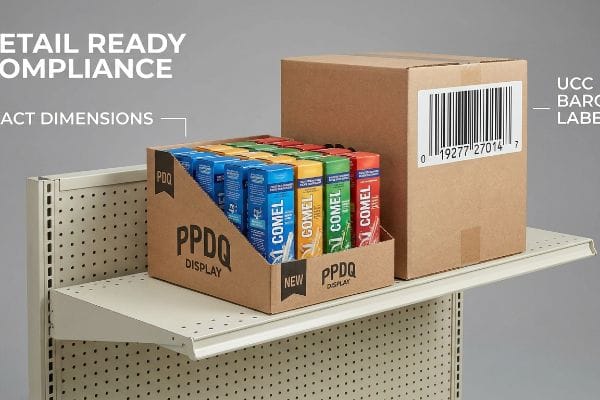
বড় বড় খুচরা বিক্রেতারা আপনার ব্র্যান্ডের গল্পকে পাত্তা দেয় না, যদি আপনার ডিসপ্লেটি তাদের রাতের বেলায় পণ্য গোছানোর কর্মীদের জন্য সরবরাহজনিত মাথাব্যথার কারণ হয়ে দাঁড়ায়।.
বিগ-বক্স রিটেইলারের সম্মতি সংক্রান্ত কঠিন চ্যালেঞ্জ মোকাবেলা করা
উদীয়মান ব্র্যান্ডগুলো প্রায়শই একটি বিশাল ক্রয়াদেশ নিশ্চিত করতে পেরে উল্লাস করে, কিন্তু শেষ পর্যন্ত তাদের গতানুগতিক ডিসপ্লে ফাইলগুলো কোনো স্থানীয় প্রিন্টারের হাতে তুলে দেয়। তারা এই ধারণার অধীনে কাজ করে যে, একটি মজবুত ট্রে যেকোনো বড় খুচরা বিক্রেতার পণ্য গ্রহণকারী কেন্দ্রে স্বাভাবিকভাবেই গৃহীত হবে।.
এই অনুমান সরাসরি মারাত্মক চার্জব্যাক এবং বাতিল প্যালেটের দিকে নিয়ে যায়। আমি দেখেছি সম্পূর্ণ ভালো পণ্য গুদামে ফেলে দেওয়া হয়েছে, কারণ মাস্টার কার্টনে খুচরা বিক্রেতার স্বয়ংক্রিয় বাছাই স্ক্যানার দ্বারা বাধ্যতামূলক লেবেলের সঠিক স্থান নির্ধারণ করা14।
এটি এড়ানোর জন্য, আমরা একটি খালি নমুনা কাটার আগেই প্রতিটি স্ট্রাকচারাল ফাইল আমার অভ্যন্তরীণ ডেটাবেসে বড় আকারের উৎপাদন ব্যবস্থার নিয়মকানুন-সংক্রান্ত নির্দিষ্টকরণের মাধ্যমে যাচাই করে নিই। গাণিতিকভাবে এটি নিশ্চিত করার মাধ্যমে যে আপনার ট্রে-র প্রস্থ একটি স্ট্যান্ডার্ড গন্ডোলা শেলফে ঠিক ০.৫ ইঞ্চি (১২.৭ মিমি) ফাঁকা জায়গা রাখে , আমরা সেই ভৌত ঘর্ষণ দূর করি যার কারণে স্টককারীরা আপনার রোলআউটটি মাঝপথেই ছেড়ে দেয়।
| নতুনদের সাধারণ ভুল | প্রো ফিক্স | খুচরা-ফ্লোর সুবিধা |
|---|---|---|
| গন্ডোলা শেলফের মাত্রা অনুমান করা | সুনির্দিষ্ট স্টাইল গাইড | দোকান পর্যায়ে প্রত্যাখ্যান প্রতিরোধ করে |
| নীচে বারকোড লুকানো | সঙ্গতিপূর্ণ মাস্টার কার্টন লেবেল | রিসিভিং ডক চার্জব্যাক দূর করে16 |
| দুর্বল ভিত্তি যা ওজনের চাপে নুয়ে পড়ে | ডাবল-ওয়াল ঢেউখেলানো বেস প্যাড17 | সারারাত ধরে ভারী ব্যবহার সহ্য করে |
আমি ডিসপ্লে এমনভাবে ডিজাইন করি যা শুধু আপনার মার্কেটিং টিমের জন্যই নয়, বরং খুচরা বিক্রেতার জন্যও একটি কার্যকরী সম্পদ হিসেবে কাজ করে। যদি রাতের শিফটের কর্মীরা বক্স কাটার ব্যবহার না করে তিন সেকেন্ডের মধ্যে আপনার ট্রেটি সাজিয়ে ফেলতে পারে, তবে শেলফটি আপনারই হবে।.
🛠️ হার্ভির ডেস্ক: বড় দোকানের রিসিভিং ডকে আপনার মাস্টার কার্টনগুলো কি একটি মারাত্মক কমপ্লায়েন্স চার্জব্যাকের ঝুঁকিতে আছে? 👉 আপনার কমপ্লায়েন্স চেকলিস্টটি সংগ্রহ করুন ↗ — এমন কোনো ফর্ম নেই যা অবিরাম সেলস কলের কারণ হয়। শুধু খাঁটি মূল্য।
PDQ এর অর্থ কী?
PDQ-এর প্রকৃত অর্থ হলো ত্রুটিহীন কাঠামোগত বাস্তবায়ন। যদিও এই সংক্ষিপ্ত রূপটির পূর্ণরূপ হলো র্যাপিড রিটেইল ডেপ্লয়মেন্ট (দ্রুত খুচরা বিক্রয়ে স্থাপন), এই গতি অর্জনের জন্য প্রয়োজন সূক্ষ্ম প্রকৌশল, যেখানে বোর্ডের পুরুত্ব এবং ভাঁজের সহনশীলতা নির্ভুলভাবে গণনা করা হয়, যাতে দ্রুতগতির কো-প্যাকিং ফুলফিলমেন্ট প্রক্রিয়ার সময় ঢেউখেলানো কার্ডবোর্ডের উপাদানগুলো ছিঁড়ে না গিয়ে অনায়াসে একে অপরের সাথে আটকে যায়।.
PDQ-এর প্রকৃত অর্থ হলো ত্রুটিহীন কাঠামোগত বাস্তবায়ন। যদিও এই সংক্ষিপ্ত রূপটির পূর্ণরূপ হলো র্যাপিড রিটেইল ডেপ্লয়মেন্ট (দ্রুত খুচরা বিক্রয়ে স্থাপন), এই গতি অর্জনের জন্য প্রয়োজন সূক্ষ্ম প্রকৌশল, যেখানে বোর্ডের পুরুত্ব এবং ভাঁজের সহনশীলতা নির্ভুলভাবে গণনা করা হয়, যাতে দ্রুতগতির কো-প্যাকিং ফুলফিলমেন্ট প্রক্রিয়ার সময় ঢেউখেলানো কার্ডবোর্ডের উপাদানগুলো ছিঁড়ে না গিয়ে অনায়াসে একে অপরের সাথে আটকে যায়।.
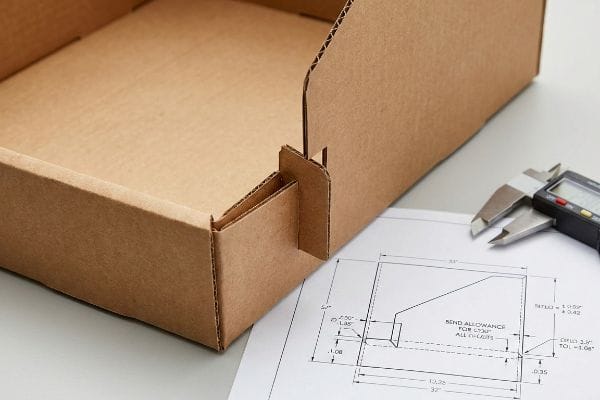
কিন্তু কারখানার মেঝেতে যখন দ্রুতগতির যন্ত্রপাতিগুলো বাস্তবে চলতে শুরু করে, তখন দ্রুত সংযোজনের তত্ত্ব জানাটাই যথেষ্ট নয়।.
ক্যালিপার ক্ষতিপূরণের গোপন পদার্থবিদ্যা
গ্রাফিক ডিজাইনাররা প্রায়শই তাদের সফ্টওয়্যারে সংযোগকারী ট্যাব এবং ভাঁজ করার স্লটগুলি ঠিক মিলিত প্যানেলের সমান প্রস্থে তৈরি করেন। তারা পুরু ঢেউখেলানো বোর্ডকে পাতলা প্রিন্টার কাগজের মতো বিবেচনা করে, ৯০-ডিগ্রি কোণে বাঁকানোর সময় উপাদানটি যে ভৌত স্থান দখল করে তা18।
আমার প্রতিষ্ঠানে আমি নিয়মিতই দেখি যে এই অন্ধবিন্দুর কারণে সুন্দরভাবে প্রিন্ট করা ফাইলগুলো টেস্টিং ফ্লোরেই পুরোপুরি ব্যর্থ হয়ে যায়। যখন আপনি একটি ৩.১৭ মিমি (০.১২ ইঞ্চি) বি-ফ্লুট বোর্ড ১৯ নেন এবং এটিকে শূন্য বাঁকানোর সুযোগ রেখে ডিজাইন করা একটি স্লটে ২০ জোর করে ঢোকান , তখন কাগজের কাঁচা তন্তুগুলো সংকুচিত হয়ে বেঁকে যায় এবং প্রিন্ট করা উপরের শীটটিকে প্রচণ্ডভাবে ছিঁড়ে ফেলে।
আমি নির্ভুল ক্যালিপার ব্যবহার করে এটি পরীক্ষা করি, ক্রাফট পেপার২১-। আমি মাইক্রোমিটারের রিডিংগুলো নিই এবং প্রমাণ করি যে আমাদের দামী প্লাস্টিকের ক্লিপের প্রয়োজন নেই—আমি কেবল CAD (কম্পিউটার-এইডেড ডিজাইন) সফটওয়্যারে গ্রহণকারী স্লটগুলোকে গতিশীলভাবে ঠিক ১.২ মিমি প্রশস্ত করে একটি নিখুঁত টলারেন্স তৈরি করি। এই সূক্ষ্ম সমন্বয় প্রয়োগ করার মাধ্যমে, আমি নিশ্চিত করি যে অ্যাসেম্বলির সময় কমে আসে, এবং সেই যন্ত্রণাদায়ক হস্তচালনাজনিত ঝামেলা প্রতিরোধ করি যা সহজেই আপনার কো-প্যাকিং লাইনের গতি আনুমানিক ২৫%২২ এবং আপনার লঞ্চ বাজেট নষ্ট করে ফেলতে পারে।
| নতুনদের সাধারণ ভুল | প্রো ফিক্স | খুচরা-ফ্লোর সুবিধা |
|---|---|---|
| ১-এর-১ মিলের স্লটের মাপ | প্যারামেট্রিক ক্যালিপার ক্ষতিপূরণ23 | একটি মসৃণ ও ছিঁড়ে না যাওয়া লকিং ব্যবস্থা নিশ্চিত করে |
| বি-ফ্লুটকে সমতল কাগজের মতো ব্যবহার করা | প্রকৌশলগত নির্ভুল বাঁক ভাতা24 | কাঠামোগত দেয়ালগুলোকে নিখুঁতভাবে বর্গাকার রাখে |
| টেপ দিয়ে শক্ত করে ট্যাব লাগানো | গাণিতিকভাবে গণনা করা ক্লিয়ারেন্স25 | মুদ্রিত গ্রাফিক্সকে ফেটে যাওয়া থেকে রক্ষা করে |
আপনার গ্রাফিক ডিজাইনারের কাজ হলো ক্যাম্পেইনটিকে সুন্দর করে তোলা, কিন্তু আমার কাজ হলো বাস্তব জগতে হিসাবটাকে কার্যকর করা। নিখুঁত প্রকৌশল সেইসব প্রতিবন্ধকতা দূর করে যা আপনার রিটেইল রোলআউটকে নষ্ট করে দেয়।.
🛠️ হার্ভির ডেস্ক: একটি ২-মিলিমিটার কাঠামোগত ত্রুটির কারণে ৫০০টি দোকানে পণ্য সরবরাহের পরিকল্পনা যেন ভেস্তে না যায়। 👉 আপনার ডাইলাইন ফাইলটি আমাকে পাঠান ↗ — গণ-উৎপাদনে বাজেট অপচয় করার আগে আমি এর গাণিতিক হিসাব স্ট্রেস-টেস্ট করে নেব।
উপসংহার
আপনি আরও সস্তা বিক্রেতা বেছে নিতে পারেন, কিন্তু যখন সেই নিখুঁত বি-ফ্লুট বোর্ডটি কো-প্যাকিং লাইনে বেঁকে যায়, তখন এর ফলে সৃষ্ট ছিঁড়ে যাওয়া গ্রাফিক্স এবং বিলম্বিত চালান আপনার ক্যাম্পেইনের লাভের মার্জিনকে পুরোপুরি নষ্ট করে দেবে। আমার শীর্ষ ১০ জন রিটেইল ক্লায়েন্ট প্রিন্ট বাতিল হওয়ার সম্ভাবনা শূন্যে নামিয়ে আনার নিশ্চয়তা দিতে ঠিক এই স্পেক শিটটিই ব্যবহার করেন। কাঠামোগত ক্লিয়ারেন্স নিয়ে অনুমান করা বন্ধ করুন এবং গণ-উৎপাদন শুরু হওয়ার আগেই মারাত্মক ভাঁজের ত্রুটিগুলো ধরার জন্য আমাকে ব্যক্তিগতভাবে আপনার আর্টওয়ার্কটি আমার ফ্রি ডাইলাইন অডিটের ↗ মাধ্যমে পরীক্ষা করতে দিন।
"[পিডিএফ] ভোক্তাদের হঠকারী ক্রয় এবং কীভাবে ইন-স্টোর মার্কেটিং উদ্দীপিত করে …", https://ufdcimages.uflib.ufl.edu/AA/00/03/74/24/00001/Honor%20Thesis%20(Final%20Version).pdf। [ভোক্তা আচরণের উপর একটি প্রামাণ্য উৎস সেইসব জ্ঞানীয় উদ্দীপক এবং পরিবেশগত সংকেতগুলির বিশদ বিবরণ দেবে যা অপরিকল্পিত ক্রয়কে চালিত করে। প্রমাণের ভূমিকা: তাত্ত্বিক ভিত্তি; উৎসের ধরণ: অ্যাকাডেমিক জার্নাল বা মার্কেটিং পাঠ্যপুস্তক। সমর্থন করে: এই দাবি যে হঠকারী বিক্রয়ের ক্ষেত্রে নিছক ব্র্যান্ডিংয়ের চেয়ে কার্যকরী সহজলভ্যতা বেশি গুরুত্বপূর্ণ। পরিধি টীকা: আচরণগত মনোবিজ্ঞানের উপর আলোকপাত করে।] ↩
"শেলফ রেডি প্যাকেজিং (এসআরপি) গাইড – রিটেইল কমপ্লায়েন্স সফটওয়্যার", https://www.retailerhub.ai/guides/retail-ready-packaging। [রিটেইল-রেডি প্যাকেজিং (আরআরপি)-এর জন্য শিল্প মানদণ্ড নির্দিষ্ট করে যে, দেয়ালের অতিরিক্ত উচ্চতা পণ্যের দৃশ্যমানতা কমিয়ে দেয় এবং ভোক্তাদের জন্য প্রবেশগম্যতার প্রতিবন্ধকতা তৈরি করে]। প্রমাণের ভূমিকা: প্রযুক্তিগত সর্বোত্তম অনুশীলন; উৎসের ধরণ: শিল্প ম্যানুয়াল। সমর্থন করে: এই দাবি যে উঁচু দেয়াল পণ্য চলাচলে বাধা সৃষ্টি করে। পরিধি সংক্রান্ত টীকা: নির্দিষ্ট উচ্চতার প্রয়োজনীয়তা পণ্যের ফর্ম ফ্যাক্টর এবং বিভাগের উপর নির্ভর করে]। ↩
"পিডি কিউ ডিসপ্লে-এর সম্পূর্ণ নির্দেশিকা: সংজ্ঞা, প্রকারভেদ, ডিজাইন …", https://www.hedarack.com/blogs-detail/pdq-display। [শিল্প খুচরা ডিজাইন মানগুলি পয়েন্ট-অফ-পারচেজ ডিসপ্লে থেকে ভোক্তার মিথস্ক্রিয়া এবং তাৎক্ষণিক ক্রয়কে সর্বোত্তম করতে প্রয়োজনীয় নির্দিষ্ট দৃশ্যমানতার শতাংশ প্রদান করে]। প্রমাণের ভূমিকা: প্রযুক্তিগত বিবরণ; উৎসের ধরণ: খুচরা মার্চেন্ডাইজিং নির্দেশিকা। সমর্থন করে: ৮৫% দৃশ্যমানতার নিয়ম। পরিধি সংক্রান্ত টীকা: পণ্যের বিভাগ বা খুচরা বিক্রেতার প্রয়োজনীয়তা অনুসারে সঠিক শতাংশ পরিবর্তিত হতে পারে। ↩
"খুচরা দোকানের ডিসপ্লে কত ঘন ঘন পরিবর্তন করা উচিত? – পপডিসপ্লে", https://popdisplay.me/how-often-should-retail-displays-be-changed/। খুচরা দোকানের ভিজ্যুয়াল মার্চেন্ডাইজিং-এর উপর একটি প্রামাণ্য নির্দেশিকা ক্রেতা রূপান্তর সর্বাধিক করার জন্য ৮৫% দৃশ্যমানতার সীমার গবেষণালব্ধ ভিত্তি প্রদান করে। প্রমাণের ভূমিকা: প্রযুক্তিগত বিবরণ; উৎসের ধরণ: খুচরা শিল্প ম্যানুয়াল। সমর্থন করে: পিডিকিউ (PDQ) সাফল্যের জন্য নির্দিষ্ট দৃশ্যমানতার শতাংশ। পরিধি নোট: তাৎক্ষণিক ক্রয়ের ডিসপ্লেগুলির জন্য প্রযোজ্য। ↩
"ডাই কাটিং কাস্টম প্যাকেজিং", https://blingblingpackaging.com/protective-packaging/die-cut-packaging/। পয়েন্ট-অফ-পারচেজ ডিসপ্লের জন্য ইঞ্জিনিয়ারিং স্পেসিফিকেশন ব্যাখ্যা করে যে কীভাবে ডাই-কাট জ্যামিতি ছায়া পড়া প্রতিরোধ করে এবং পণ্যের প্যাকেজিংয়ের উপর পারিপার্শ্বিক আলো সর্বাধিক করে তোলে। প্রমাণের ভূমিকা: প্রযুক্তিগত যাচাইকরণ; উৎসের ধরণ: প্যাকেজিং ডিজাইনের পাঠ্যপুস্তক। সমর্থন করে: এই দাবি যে বাঁকানো ডানা লেবেলের আলো বাড়ায়। পরিধি সংক্রান্ত টীকা: দোকানের আলোর বিন্যাসের উপর নির্ভরশীল। ↩
"সংকটকালীন সময়ে সরবরাহ শৃঙ্খল ব্যবস্থাপনা: একটি পদ্ধতিগত পর্যালোচনা", https://pmc.ncbi.nlm.nih.gov/articles/PMC9362030/। [সরবরাহ শৃঙ্খল ব্যবস্থাপনা বিষয়ক গবেষণায় বর্ণনা করা হয়েছে যে, কীভাবে উপকরণ সংগ্রহকে পরিপূর্ণতা লজিস্টিকস থেকে বিচ্ছিন্ন করলে মালিকানার মোট ব্যয় বৃদ্ধি পায়]। প্রমাণের ভূমিকা: ধারণাগত সমর্থন; উৎসের ধরণ: শিল্প খাতের শ্বেতপত্র বা অ্যাকাডেমিক জার্নাল। সমর্থন করে: সংগ্রহ প্রক্রিয়ায় কার্যপরিচালনাগত বিভাজনের দাবিকে। পরিধি টীকা: সাধারণ কর্পোরেট সংগ্রহ পদ্ধতি। ↩
"কিটিং এবং অ্যাসেম্বলির জন্য 3PL (প্রক্রিয়া ও সুবিধা) | প্রোডাক্টিভ", https://getproductiv.com/blog/3pl-for-kitting-and-assembly। [লজিস্টিকস বেঞ্চমার্কগুলো ফ্ল্যাট-প্যাকড রিটেইল ইউনিট অ্যাসেম্বল করার জন্য 3PL সরবরাহকারীদের শ্রম খরচ এবং প্রয়োজনীয় সময়ের ডেটা সরবরাহ করে]। প্রমাণের ভূমিকা: প্রযুক্তিগত যাচাইকরণ; উৎসের ধরণ: লজিস্টিকস শিল্প প্রতিবেদন। সমর্থন করে: এই দাবি যে অ্যাসেম্বলি একটি স্বতন্ত্র পরিচালন ব্যয়। পরিধি নোট: 3PL শ্রম ওভারহেডের উপর দৃষ্টি নিবদ্ধ। ↩
"অ্যাসেম্বলি লাইন ব্যালান্সিং ব্যবহারের মাধ্যমে উৎপাদনশীলতার উন্নতি...", https://pmc.ncbi.nlm.nih.gov/articles/PMC10788436/। লিন ম্যানুফ্যাকচারিং এবং অপারেশনাল ম্যানেজমেন্টের নীতিগুলি প্রতিষ্ঠা করে যে প্রক্রিয়াগত অপচয় এবং অসংলগ্ন কর্মপ্রবাহ সরাসরি খরচ বাড়ায় এবং নীট মুনাফার মার্জিন হ্রাস করে। ↩
"ফ্ল্যাট-প্যাক বনাম সম্পূর্ণভাবে অ্যাসেম্বল করা: কোনটি বেশি সাশ্রয়ী", https://www.samtop.com/flat-pack-vs-fully-assembled-display/। সাপ্লাই চেইন বিশ্লেষণ থেকে জানা যায় যে, আগে থেকে ভরা পিডিকিউ (PDQ) ইউনিটের তুলনায় ফ্ল্যাট-প্যাক করা রিটেইল ডিসপ্লেতে কায়িক শ্রমের প্রয়োজনীয়তা এবং অ্যাসেম্বলির সময় উল্লেখযোগ্যভাবে বেড়ে যায়। ↩
"অটো-লক বটম বক্স কি আপনার প্যাকেজিংয়ের সময় ও খরচ কমাতে পারে", https://www.mtdpack.com/can-auto-lock-bottom-boxes-really-cut-your-packaging-time-and-costs/। [অটো-বটম ট্রে-এর প্রযুক্তিগত বিবরণ নিশ্চিত করে যে, উচ্চ-পরিমাণে কো-প্যাকিং পরিবেশে ম্যানুয়াল অ্যাসেম্বলি এবং ভাঁজ করার প্রয়োজনীয়তা দূর করাই এর নকশার উদ্দেশ্য]। প্রমাণের ভূমিকা: প্রযুক্তিগত বিবরণ; উৎসের ধরণ: প্যাকেজিং ইঞ্জিনিয়ারিং ম্যানুয়াল। সমর্থন করে: অটো-বটম ট্রে-এর কার্যকরী সুবিধা। পরিধি সংক্রান্ত টীকা: বিশেষভাবে আগে থেকে ভরা ইউনিটের ক্ষেত্রে প্রযোজ্য। ↩
"ক্র্যাশ লক বক্স | অটো বটম বক্স | স্মারফিট ওয়েস্টরক", https://www.smurfitwestrock.com/products/packaging/corrugated/crashlock-boxes। [প্যাকেজিং দক্ষতার জন্য শিল্প মানদণ্ডগুলি ম্যানুয়াল অ্যাসেম্বলি থেকে অটো-বটম ট্রে-তে স্থানান্তরের মাধ্যমে অর্জিত উল্লেখযোগ্য সময় সাশ্রয় প্রদর্শন করে]। প্রমাণের ভূমিকা: পরিমাণগত যাচাইকরণ; উৎসের ধরণ: লজিস্টিকস কেস স্টাডি। সমর্থন করে: অটো-বটম প্যাকেজিংয়ের দক্ষতা বৃদ্ধি। পরিধি নোট: পণ্যের আকার এবং পরিমাণের উপর ভিত্তি করে শতাংশ পরিবর্তিত হতে পারে। ↩
"কীভাবে অটো-বটম ও টিয়ার-স্ট্রিপ বক্স শিপিং উন্নত করে", https://www.ecopackables.com/blogs/news/up-your-shipping-box-game-with-auto-bottom-and-tear-strip-boxes?srsltid=AfmBOorZPi9HFOK5I1qvxy0ZPtzq772phmJ3e0ZzP55cnbzEVD3PliQJ। [প্যাকেজিং ইঞ্জিনিয়ারিং-এর একটি নির্ভরযোগ্য উৎস ব্যাখ্যা করবে যে কীভাবে আগে থেকে একত্রিত করা বটম স্ট্রাকচার ওয়্যারহাউস ফুলফিলমেন্টে প্রতি ইউনিটে ম্যানুয়াল ভাঁজ করার সময় কমিয়ে আনে]। প্রমাণের ভূমিকা: প্রযুক্তিগত স্পেসিফিকেশন; উৎসের ধরণ: ইন্ডাস্ট্রি হোয়াইটপেপার। সমর্থন করে: শ্রম খরচ হ্রাস। পরিধি নোট: উচ্চ-পরিমাণ শিপিং পরিবেশে প্রযোজ্য। ↩
"আর্গোনোমিক প্যাকেজিং বাজারের প্রবণতা ও আকার ২০২৬-২০৩৫", https://www.towardspackaging.com/insights/ergonomic-packaging-market-sizing। [শিল্প প্রকৌশল এবং লজিস্টিকস গবেষণা প্রমাণ করে যে অ্যাসেম্বলি গতিবিধি হ্রাস করলে সরাসরি থ্রুপুট বৃদ্ধি পায় এবং উৎপাদন ও খুচরা বিক্রয়ের জন্য উপলব্ধতার মধ্যবর্তী সময় কমে আসে]। প্রমাণের ভূমিকা: অপারেশনাল মেট্রিক; উৎসের ধরণ: লজিস্টিকস জার্নাল। সমর্থন করে: বাজারে দ্রুততর প্রবেশ। পরিধি নোট: বিশেষভাবে কো-প্যাকার ওয়ার্কফ্লো দক্ষতার সাথে সম্পর্কিত। ↩
"[পিডিএফ] সেকেন্ডারি প্যাকেজিং সাপ্লাই চেইন স্ট্যান্ডার্ডস", https://p2pi.com/file/PtPI16509cf4c7b5d4070798853/Walmart%2520Supply%2520Chain%2520Packaging%2520Guide%2520August%25202023.pdf। রিটেইলার সাপ্লায়ার ম্যানুয়াল এবং লজিস্টিকস গাইডগুলোতে অটোমেটেড সর্টিং এবং রাউটিং সিস্টেমের সাথে সামঞ্জস্যতা নিশ্চিত করার জন্য মাস্টার কার্টনের উপর লেবেলের সুনির্দিষ্ট স্থানাঙ্ক উল্লেখ করা থাকে। প্রমাণের ভূমিকা: টেকনিক্যাল স্পেসিফিকেশন; উৎসের ধরণ: সাপ্লায়ার ম্যানুয়াল। সমর্থন করে: শিপিং ত্রুটি এড়ানোর জন্য লেবেলের সঠিক স্থান নির্ধারণের প্রয়োজনীয়তা। পরিধি সংক্রান্ত নোট: বিভিন্ন বিগ-বক্স রিটেইলারের ক্ষেত্রে প্রয়োজনীয়তা সামান্য ভিন্ন হতে পারে। ↩
"সরবরাহ পক্ষ: খুচরা-বিক্রয়ের জন্য প্রস্তুত প্যাকেজিং এখন ট্রেন্ডে, যা আবশ্যক...", https://talkbusiness.net/2018/05/the-supply-side-retail-ready-packaging-on-trend-required-by-walmart/। [একটি ওয়ালমার্ট সরবরাহকারী ম্যানুয়াল বা খুচরা প্যাকেজিং কমপ্লায়েন্স গাইড স্ট্যান্ডার্ড শেল্ফে পিডিকিউ (PDQ) ট্রে-এর জন্য প্রয়োজনীয় নির্দিষ্ট মাত্রিক ক্লিয়ারেন্স যাচাই করবে। প্রমাণের ভূমিকা: প্রযুক্তিগত যাচাইকরণ; উৎসের ধরণ: শিল্প মান। সমর্থন করে: শেল্ফে ফিট করার জন্য নির্দিষ্ট পরিমাপ। পরিধি নোট: নির্দিষ্ট ক্লিয়ারেন্স খুচরা বিক্রেতা বা শেল্ফের গভীরতা অনুসারে পরিবর্তিত হতে পারে।] ↩
"রিটেইল চার্জব্যাক কমপ্লায়েন্স: EDI, ASN ও রাউটিং-এর কারণসমূহ", https://getproductiv.com/retail-chargeback-compliance। প্রামাণ্য রিটেইল কমপ্লায়েন্স গাইডগুলোতে বিস্তারিতভাবে বর্ণনা করা হয়েছে যে, কীভাবে ভুল লেবেলিংয়ের কারণে চার্জব্যাক নামে পরিচিত আর্থিক জরিমানা হতে পারে। প্রমাণের ভূমিকা: যাচাইকরণ; উৎসের ধরণ: ইন্ডাস্ট্রি কমপ্লায়েন্স ম্যানুয়াল। সমর্থন করে: লেবেল কমপ্লায়েন্সের প্রভাব। পরিধি সংক্রান্ত টীকা: বিশেষত বিগ-বক্স রিটেইল পরিবেশের জন্য প্রযোজ্য। ↩
"স্তরযুক্ত ঢেউখেলানো কাগজের শক্তির বিকল্পসমূহ: একক-প্রাচীর বনাম দ্বি-প্রাচীর …", https://ufppackaging.com/insights/layered-corrugated-strength-options। ঢেউখেলানো কাগজের প্যাকেজিংয়ের প্রযুক্তিগত বিবরণ, ভারবাহী খুচরা প্রদর্শনীর জন্য দ্বি-প্রাচীর কাঠামোর সুবিধাসমূহ ব্যাখ্যা করে। প্রমাণের ভূমিকা: প্রযুক্তিগত বিবরণ; উৎসের ধরণ: প্যাকেজিং প্রকৌশল মান। সমর্থন: স্থিতিশীলতার জন্য উপাদানের প্রয়োজনীয়তা। পরিধির টীকা: ভৌত স্থায়িত্বের উপর আলোকপাত করে। ↩
"ফ্রি শিট মেটাল বেন্ড অ্যালাউন্স ক্যালকুলেটর | ফিরগেলি ইঞ্জিনিয়ারিং", https://www.firgelliauto.com/blogs/engineering-calculators/sheet-metal-bend-allowance-calculator?srsltid=AfmBOopR3Cs1urHkEle0JkkWVnaLrPh6pXRUW32GfhwTCPxGaE36r69G. [কোরুগেটেড প্যাকেজিং ডিজাইনের উপর প্রযুক্তিগত নির্দেশিকাগুলি ভাঁজ করার সময় উপাদানের পুরুত্ব বিবেচনা করে বেন্ড অ্যালাউন্সের গণনা ব্যাখ্যা করে]। প্রমাণের ভূমিকা: প্রযুক্তিগত যাচাইকরণ; উৎসের ধরণ: প্যাকেজিং শিল্পের মান। সমর্থন করে: কাঠামোগত ডিজাইনে ক্যালিপার ক্ষতিপূরণের জন্য ভৌত প্রয়োজনীয়তা। পরিধি নোট: পুরু করোগেটেড উপাদানের জন্য নির্দিষ্ট। ↩
"কার্ডবোর্ডের পুরুত্ব নির্দেশিকা: সেরা প্যাকেজিং বেছে নিন – বক্স জিনি", https://www.boxgenie.com/blogs/news/cardboard-thickness-guide?srsltid=AfmBOopV6HZSWnO1VDriZwwQeXzdV4xntCygTMNXdJtyEpRibWkdOjNn। [একটি শিল্প-মানসম্মত প্যাকেজিং ম্যানুয়াল বা উপাদানের স্পেসিফিকেশন শিট বি-ফ্লুট করোগেটেড বোর্ডের নামমাত্র পুরুত্ব যাচাই করে]। প্রমাণের ভূমিকা: প্রযুক্তিগত স্পেসিফিকেশন; উৎসের ধরণ: শিল্প-মান। সমর্থন করে: উপাদানের মাত্রা। পরিধি সংক্রান্ত টীকা: প্রস্তুতকারক ভেদে পুরুত্ব সামান্য পরিবর্তিত হতে পারে। ↩
"কোরুগেটেড বক্সের চূড়ান্ত নির্দেশিকা – শোর প্যাকেজিং", https://www.shorr.com/resources/blog/ultimate-guide-corrugated-boxes/। [কোরুগেটেড প্যাকেজিংয়ের জন্য প্রকৌশল নির্দেশিকা অ্যাসেম্বলির সময় উপাদানের ব্যর্থতা এবং ছিঁড়ে যাওয়া রোধ করার জন্য বেন্ড অ্যালাউন্সের প্রয়োজনীয়তা ব্যাখ্যা করে]। প্রমাণের ভূমিকা: যান্ত্রিক নীতি; উৎসের ধরণ: প্রকৌশল প্রযুক্তিগত নির্দেশিকা। সমর্থন: কাঠামোগত ব্যর্থতার কারণ। পরিধি নোট: বিশেষভাবে ভাঁজ করা এবং ইন্টারলকিং প্রক্রিয়ার ক্ষেত্রে প্রযোজ্য। ↩
"সালফার ব্যবহার করে ক্রাফট পেপারের (কেপি) জল-প্রতিরোধী বৈশিষ্ট্যের উপর প্রভাব...", https://pmc.ncbi.nlm.nih.gov/articles/PMC9506043/। [প্রযুক্তিগত বস্তু বিজ্ঞান মানদণ্ডগুলি নথিভুক্ত করে যে কীভাবে হাইগ্রোস্কোপিক প্রসারণ এবং আর্দ্রতার পরিমাণ ক্রাফট পেপারবোর্ডের মাত্রিক স্থিতিশীলতা এবং পুরুত্বকে প্রভাবিত করে]। প্রমাণের ভূমিকা: প্রযুক্তিগত বৈধতা; উৎসের ধরণ: বস্তু বিজ্ঞান হ্যান্ডবুক। সমর্থন করে: নির্ভুল প্রকৌশলের জন্য আর্দ্রতা পরিমাপের প্রয়োজনীয়তা। পরিধি টীকা: সেলুলোসিক উপকরণের উপর আলোকপাত করে। ↩
"(পিডিএফ) প্রসেস অ্যানালাইসিসের মাধ্যমে উৎপাদনশীলতার উন্নতি …", https://www.researchgate.net/publication/295907214_Productivity_Improvement_through_Process_Analysis_for_Optimizing_Assembly_Line_in_Packaging_Industries_Productivity_Improvement_through_Process_Analysis_for_Optimizing_Assembly_Line_in_Packaging_Indus। [শিল্প প্রকৌশলের বেঞ্চমার্কগুলো উচ্চ-গতির ফুলফিলমেন্ট প্রক্রিয়াগুলিতে ম্যানুয়াল ঘর্ষণ এবং দুর্বল কাঠামোগত টলারেন্সের কারণে থ্রুপুটের হ্রাসকে পরিমাপ করে]। প্রমাণের ভূমিকা: পরিসংখ্যানগত বৈধতা; উৎসের ধরণ: শিল্প প্রকৌশল প্রতিবেদন। সমর্থন করে: প্রিসিশন টলারেন্স এবং অ্যাসেম্বলি গতির মধ্যে পারস্পরিক সম্পর্ক। পরিধি নোট: অটোমেশনের স্তর অনুযায়ী শতাংশ পরিবর্তিত হতে পারে। ↩
"[পিডিএফ] করোগেটেড বোর্ড স্পেসিফিকেশন – ফাইবার বক্স অ্যাসোসিয়েশন", https://www.fibrebox.org/assets/2025/09/Walmart_Corrugated-Board_Specifications_Automation_Packaging_Standards.pdf। [টেকনিক্যাল প্যাকেজিং ম্যানুয়ালগুলোতে ব্যাখ্যা করা হয় যে, উপাদানের পুরুত্বের উপর ভিত্তি করে স্লটের মাত্রা সামঞ্জস্য করার মাধ্যমে কীভাবে অ্যাসেম্বলির সময় কাঠামোগত ব্যর্থতা প্রতিরোধ করা যায়]। প্রমাণের ভূমিকা: প্রযুক্তিগত যাচাইকরণ; উৎসের ধরণ: ইঞ্জিনিয়ারিং হ্যান্ডবুক। সমর্থন করে: ছিঁড়ে যাওয়া ছাড়া লক করার জন্য ক্যালিপার কম্পেনসেশনের প্রয়োজনীয়তা। পরিধি নোট: বিশেষভাবে করোগেটেড বোর্ড উপকরণের ক্ষেত্রে প্রযোজ্য। ↩
"কার্ডবোর্ড নির্মাণ: বেন্ড অ্যালাউন্স গণনা ১ – ইউটিউব", https://www.youtube.com/watch?v=j1n5ojAbAic। [বি-ফ্লুট ঢেউখেলানো উপাদানের জন্য শিল্প মানগুলি ৯০-ডিগ্রি কাঠামোগত অখণ্ডতা বজায় রাখার জন্য প্রয়োজনীয় নির্দিষ্ট বেন্ড অ্যালাউন্স সূত্র সরবরাহ করে]। প্রমাণের ভূমিকা: প্রযুক্তিগত স্পেসিফিকেশন; উৎসের ধরণ: শিল্প মান। সমর্থন: বর্গাকার দেয়ালের জন্য বেন্ড অ্যালাউন্সের ব্যবহার। পরিধি নোট: বি-ফ্লুট জ্যামিতির জন্য নির্দিষ্ট। ↩
"সলিড এবং ইউভি কোটিং ব্যবহার করে প্যাকেজ প্রিন্টিং-এ ফাটলের সমস্যা", https://printplanet.com/threads/package-printing-with-solids-and-uv-coating-having-cracking-issues.278760/। [প্রিন্টিং শিল্পের নির্দেশিকাগুলিতে বিশদভাবে বর্ণনা করা হয়েছে যে কীভাবে টাইট টলারেন্স থেকে সৃষ্ট অতিরিক্ত চাপ কালির স্তরে ফাটল ধরায়, যার জন্য সুনির্দিষ্ট ক্লিয়ারেন্স অপরিহার্য]। প্রমাণের ভূমিকা: কার্যকারণ যাচাই; উৎসের ধরণ: প্রিন্টিং শিল্পের নির্দেশিকা। সাপোর্ট: গ্রাফিক্সকে ফাটল থেকে সুরক্ষা। পরিধি নোট: কাঠামোগত টলারেন্স এবং প্রিন্টের স্থায়িত্বের সংযোগস্থলের উপর আলোকপাত করে। ↩