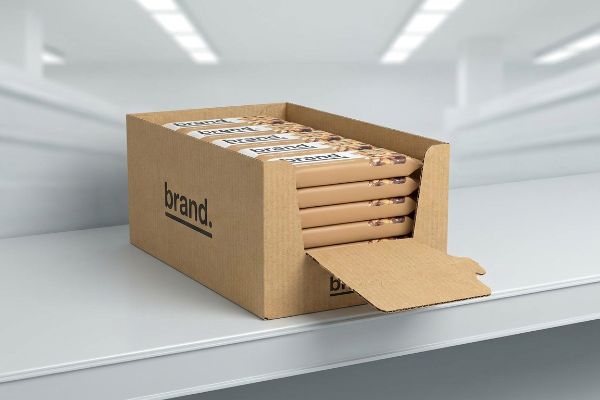
খুচরা বিক্রেতারা দ্রুততা চান। আপনার পণ্য আনপ্যাক করতে যদি খুব বেশি সময় লাগে, তাহলে দোকানের কর্মচারীরা সেগুলো গুদামঘরে ফেলে রাখবে। শেলফ-রেডি প্যাকেজিং এই প্রতিবন্ধকতাটি সঙ্গে সঙ্গে সমাধান করে।.
শেলফ-রেডি প্যাকেজিংয়ের সুবিধাগুলোর মধ্যে রয়েছে দ্রুত পণ্য পুনঃস্থাপন, শ্রম খরচ হ্রাস, ব্র্যান্ডের পরিচিতি বৃদ্ধি, পণ্যের ঘাটতি হ্রাস এবং শেলফের সৌন্দর্য বৃদ্ধি। এর ফলে দোকানের কর্মীরা প্রতিটি পণ্য আলাদাভাবে না খুলেই আগে থেকে সাজানো সরাসরি দোকানের মেঝেতে রাখতে পারেন, যা ব্র্যান্ডগুলোকে উৎকৃষ্ট স্থান নিশ্চিত করে এবং ইনভেন্টরি টার্নওভারের হার উল্লেখযোগ্যভাবে বাড়িয়ে তোলে।.
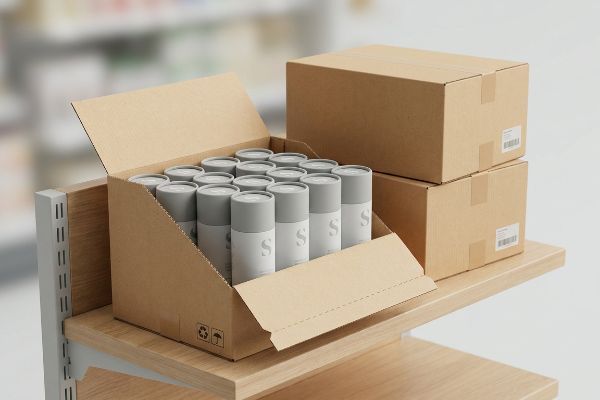
যদিও সরবরাহগত দক্ষতা অনস্বীকার্য, এমন একটি বাক্স ডিজাইন করার জন্য কঠোর কাঠামোগত প্রকৌশল প্রয়োজন যা মালবাহী পরিবহনের ধকল সহ্য করতে পারে এবং করিডোরে ত্রুটিহীনভাবে খুলতে পারে।.
"শেলফ-রেডি প্যাকেজিং" বলতে কী বোঝায়?
আপনার মনে হতে পারে এর মানে শুধু একটা বাক্সের উপরের অংশ কেটে ফেলা। কিন্তু একটি শিপারকে রিটেইল ডিসপ্লেতে শুধু একটি ধারালো ছুরিই যথেষ্ট নয়, এর জন্য কাঠামোগত গণিতও প্রয়োজন।
শেলফ-রেডি প্যাকেজিং বলতে এমন একটি মাস্টার কার্টন তৈরি করাকে বোঝায়, যা নিরাপদে পাঠানো যায় এবং সাথে সাথেই খুচরা বিক্রির জন্য একটি ট্রে-তে রূপান্তরিত হয়। এই কাঠামোর কারণে প্রতিটি ইউনিট আলাদাভাবে নাড়াচাড়া করার প্রয়োজন হয় না, ফলে দোকানের কর্মীরা একটি ছিদ্রযুক্ত আবরণ ছিঁড়ে ফেলে কয়েক সেকেন্ডের মধ্যেই পুরো মার্চেন্ডাইজারটি সরাসরি দোকানের শেলফে রাখতে পারেন।.
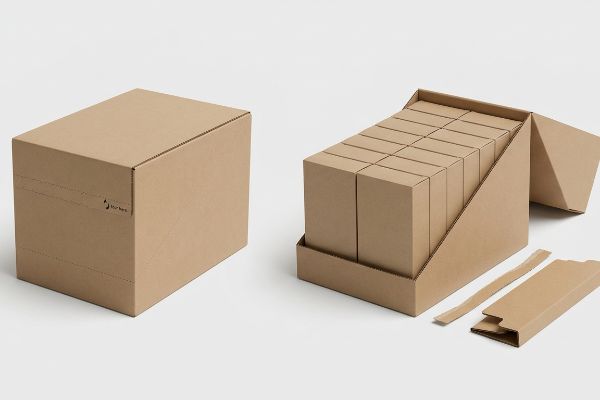
কিন্তু মৌলিক সংজ্ঞা জানাটাও আপনাকে রক্ষা করতে পারে না যখন সেই বাক্সটি সত্যিই একটি বড় প্যালেটে গিয়ে পড়ে।.
ওজনের চাপে কেন সাধারণ শেলফ-রেডি প্যাকেজিং ব্যর্থ হয়
প্রচলিত রীতি অনুযায়ী, আপনি কেবল একটি এইচএসসি (হাফ স্লটেড কন্টেইনার) ব্যবহার করে উপাদান ১ সাশ্রয় করতে এবং তাৎক্ষণিকভাবে একটি খোলা-মুখের বিন তৈরি করতে পারেন। ডিজাইনাররা একটি সাধারণ শিপারের উপর দিয়ে একটি ছিদ্ররেখা এঁকে দেন এবং আশা করেন যে দোকানের কর্মচারী এর ঢাকনাটি ছিঁড়ে ফেলবে। একটি ২ডি পিডিএফ-এ এটি দেখতে অত্যন্ত সহজ মনে হয়।
ব্র্যান্ডগুলো যখন শেলফ-রেডি ফরম্যাটে যাওয়ার চেষ্টা করে, তখন আমি এই ফাঁদটি প্রায়ই দেখি। তারা সহজে খোলার জন্য উপরের অবিচ্ছিন্ন ফ্ল্যাপগুলো সরিয়ে ফেলে। কিন্তু ওই ঢাকনাটি সরিয়ে ফেললে উপরের ৩৬০-ডিগ্রি বেষ্টনীটি নষ্ট হয়ে যায়। কোণাগুলোকে সোজা করে ধরে রাখার জন্য উপরের ফ্ল্যাপগুলো না থাকায়, খোলা কিনারাগুলো সম্পূর্ণ অস্থিতিশীল হয়ে পড়ে। আমার মনে আছে, একজন ক্লার্ক একটি থেঁতলে যাওয়া রিটেইল বিনকে , কারণ সাধারণ প্যালেট স্ট্যাকিংয়ের ওজনে অবলম্বনহীন উল্লম্ব দেয়ালগুলো বাইরের দিকে বেঁকে গিয়ে ট্রে-টিকে পুরোপুরি জ্যাম করে দিয়েছিল। কাঁচা পেপারবোর্ড ছিঁড়ে যাওয়ার শব্দটির অর্থ ছিল, ব্র্যান্ডটির প্রিমিয়াম গ্রাফিক্সগুলো আইলে পৌঁছানোর আগেই নষ্ট হয়ে গেছে। আপনি যদি খোলা-শীর্ষ কাঠামো ব্যবহার করেন, তবে আপনার ECT (এজ ক্রাশ টেস্ট) শক্তি২ এবং ওই থেঁতলে যাওয়া রোধ করতে ঢেউখেলানো কাগজের আঁশগুলোকে উল্লম্বভাবে কঠোরভাবে সারিবদ্ধ করতে হবে।
| নতুনদের সাধারণ ভুল | প্রো ফিক্স | খুচরা-ফ্লোর সুবিধা |
|---|---|---|
| স্ট্যান্ডার্ড এইচএসসি বাক্স ব্যবহার করে | শস্য উল্লম্বভাবে সারিবদ্ধ করা3 | কাঠামোগত নিষ্পেষণ প্রতিরোধ করে |
| দুর্বল ছিদ্রের উপর নির্ভর করে | প্রকৌশল নির্দিষ্ট টিয়ার জোন | ২৫ সেকেন্ড অ্যাসেম্বলি সময় বাঁচায়4 |
| শীর্ষ-ভার চাপ উপেক্ষা করা | ডাবল-ওয়াল বোর্ডে আপগ্রেড করা5 | প্যালেট ধসে পড়া বন্ধ করে। |
আমি উপরের স্থিতিশীলতার ঘাটতি পূরণের জন্য সবসময় বোর্ডের প্রোফাইল আপগ্রেড করে গাণিতিকভাবে ক্ষতিপূরণ করি। এই ধাপটি বাদ দিলে পরিবহনের সময় ব্যাপক ক্ষতি হয়, অ্যাসেম্বলি লাইনের গতি আনুমানিক ৩০% কমে যায় এবং খুচরা বিক্রেতারা তাৎক্ষণিকভাবে পণ্য প্রত্যাখ্যান করে।.
🛠️ হার্ভির ডেস্ক: আপনার খোলা মুখের ডিসপ্লে বিনগুলো কি সাধারণ প্যালেটের ওজনে বেঁকে যাচ্ছে? 👉 একটি কাঠামোগত পর্যালোচনা করান ↗ — সরাসরি আমার ডেস্কে প্রবেশের সুযোগ। কোনো স্বয়ংক্রিয় বিক্রয় স্প্যাম নেই, আমি কথা দিচ্ছি।
প্যাকেজিংয়ের ৪টি ‘সি’ কী কী?
৪ সি (4 C's) কাঠামোটি সফল রিটেইল লঞ্চে পথ দেখায়। তবে, প্রকিউরমেন্ট টিমগুলো প্রায়শই একটি নির্দিষ্ট অক্ষরের উপর অতিমাত্রায় মনোযোগ দেয়, যা প্যাকেজিং ইকোসিস্টেমের বাকি অংশকে সম্পূর্ণরূপে অস্থিতিশীল করে তোলে।.
প্যাকেজিংয়ের ৪টি ‘সি’ হলো ব্যয় (Cost), ধারণা (Concept), সুবিধা (Convenience), এবং যোগাযোগ (Communication)। এই মূল কৌশলগত কাঠামোটি নিশ্চিত করে যে একটি রিটেইল ডিসপ্লে উৎপাদন ব্যয়, কাঠামোগত অখণ্ডতা, সংযোজন দক্ষতা এবং ব্র্যান্ড বার্তার মধ্যে নিখুঁত ভারসাম্য বজায় রাখে। এর ফলে সেইসব গুরুতর সাপ্লাই চেইন ব্যর্থতা প্রতিরোধ করা যায়, যা ক্রেতারা শুধুমাত্র প্রাথমিক একক মূল্যকে অগ্রাধিকার দেওয়ার কারণে ঘটে থাকে।.
বোর্ডরুমে এই চারটি স্তম্ভের মধ্যে ভারসাম্য রক্ষা করা যৌক্তিক শোনালেও, ক্রয় বিভাগে তা খুব কমই টিকে থাকে।.
গণ উৎপাদনে ৪ সি-এর বিভাজন
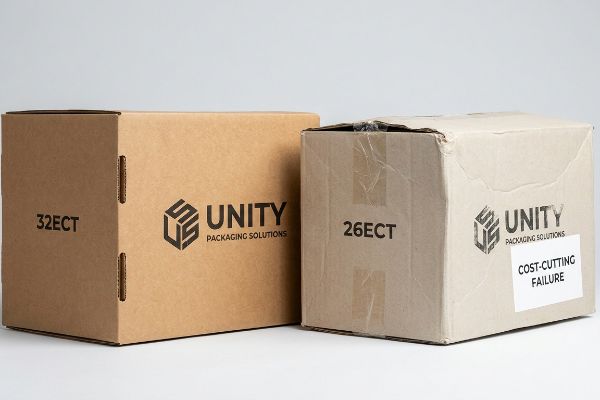
ক্রেতারা সাধারণত ৪টি 'সি' (4 C's) আলাদাভাবে পর্যালোচনা করেন। তারা ধরে নেন যে, বোর্ড গ্রেড ৬- এর অবনমন ঘটিয়ে তারা খরচের পরিমাণ ব্যাপকভাবে কমাতে পারবেন , এবং একই সাথে আশা করেন যে মূল ধারণা ও যোগাযোগ ব্যবস্থা অক্ষত থাকবে। এই বিচ্ছিন্ন পরিমাপ পদ্ধতির কারণেই বড় বড় রিটেইল উদ্যোগগুলো ব্যর্থ হয়।
এই ভারসাম্যহীনতা কারখানার ফ্লোরে কীভাবে আপনার প্রচারণাকে ধ্বংস করে দেয়, তা এখানে তুলে ধরা হলো। যখন আপনি প্রাথমিক কিছু পয়সা বাঁচানোর জন্য স্ট্রাকচারাল বোর্ডের গ্রেড 32ECT থেকে কমিয়ে 26ECT 7- এ নামিয়ে আনেন, তখন আপনি সঙ্গে সঙ্গে সুবিধার মূল স্তম্ভটিকেই নষ্ট করে ফেলেন। আমি সম্প্রতি একটি ফুলফিলমেন্ট টিমকে বিকৃত ডাইলাইন নিয়ে হিমশিম খেতে দেখেছি , কারণ পাতলা বোর্ডটি ভেজা PVA (পলিভিনাইল অ্যাসিটেট) আঠার 8 নিচে বেঁকে গিয়েছিল । কার্ডবোর্ডটি ঠুনকো মনে হচ্ছিল এবং ইন্টারলকিং ট্যাবগুলো ঠিকমতো বসছিল না। কোণাগুলো একসাথে ধরে রাখার জন্য তাদের নোংরা স্বচ্ছ টেপ ব্যবহার করতে হয়েছিল, যা শেলফ থেকে ব্র্যান্ডের বার্তা পুরোপুরি মুছে দিয়েছিল। আপনি কাঁচামালের একক খরচকে গাণিতিকভাবে পরবর্তী সাপ্লাই চেইনের জটিলতা এবং পরিবহনের টিকে থাকার সাথে যুক্ত না করে আলাদা করতে পারবেন না।
| নতুনদের সাধারণ ভুল | প্রো ফিক্স | খুচরা-ফ্লোর সুবিধা |
|---|---|---|
| বোর্ড গ্রেড অবনমন | ৩২ECT ভার্জিন ক্রাফট বজায় রাখা9 | শারীরিক বক্রতা প্রতিরোধ করে |
| একক খরচ বিচ্ছিন্ন করা | একীভূত ৪ সি'র মূল্যায়ন | পুনরায় কাজ করার ফি বাদ দেয় |
| সমাবেশের গতি উপেক্ষা করা | ঘর্ষণহীন ট্যাব ডিজাইন করা10 | শ্রম মিনিট কমিয়ে দেয় |
আমি একটি সমন্বিত মূল্যায়নের নির্দেশ দিচ্ছি, কারণ ফাঁপা উপাদানগুলো সবসময় গতিশীলভাবে বিকল হয়। আপনার কাঠামোগত ধারণাকে সুরক্ষিত রাখা খুচরা বিক্রেতার চার্জব্যাক দূর করে এবং শেলফে পণ্যের উপস্থাপনা অক্ষুণ্ণ রেখে সরাসরি আপনার মুনাফা বাড়ায়।.
🛠️ হার্ভির ডেস্ক: আপনার ক্রয় দল কি সামান্য কিছু টাকা বাঁচানোর জন্য গোপনে আপনার পরিচালনা পর্ষদের সদস্য সংখ্যা কমিয়ে দিচ্ছে? 👉 একটি ম্যাটেরিয়াল অডিটের জন্য অনুরোধ করুন ↗ — নিরাপদে ডাউনলোড করুন। পরবর্তীতে কোনো প্রশ্ন থাকলে আমার ইনবক্স খোলা আছে।
প্যাকেজিংয়ের ৫টি ‘পি’ কী কী?
বিপণন দলগুলো ভোক্তার আচরণ অনুধাবন করার জন্য কাঠামো পছন্দ করে। কিন্তু একটি তাত্ত্বিক কৌশল তৈরি করা অর্থহীন, যদি সেই কাঠামোটি দোকানের বাস্তব কার্যপরিচালনার সাথে খাপ না খায়।.
প্যাকেজিংয়ের ৫টি 'পি' (5 P's of packaging) প্রথাগত মার্কেটিং মিক্সকে প্রসারিত করে এতে পণ্য (Product), মূল্য (Price), স্থান (Place), প্রচার (Promotion) এবং প্যাকেজিং (Packaging) অন্তর্ভুক্ত করে। এই কাঠামোটি স্ট্রাকচারাল ইঞ্জিনিয়ারিংকে সরাসরি বাণিজ্যিক কৌশলের সাথে একীভূত করে, যা নিশ্চিত করে যে ফিজিক্যাল মার্চেন্ডাইজাররা খুচরা বিক্রেতার লজিস্টিকস, ভোক্তা মনোবিজ্ঞান এবং নির্দিষ্ট স্টোর প্লেসমেন্ট নির্দেশিকাগুলির সাথে নির্বিঘ্নে সামঞ্জস্য রক্ষা করতে পারে।.
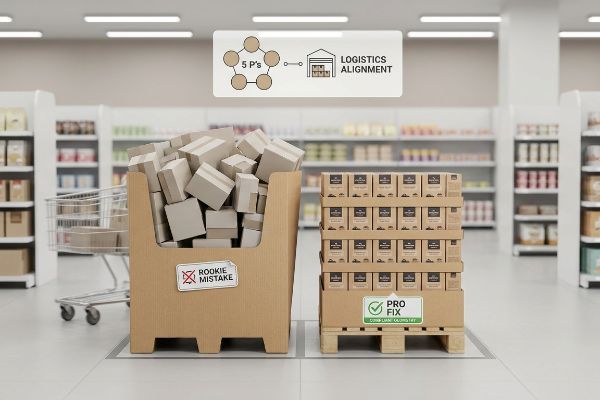
প্রেজেন্টেশন ডেকের মধ্যে ৫টি 'পি' দেখতে চমৎকার লাগলেও, বাস্তব কার্ডবোর্ডে প্রয়োগের ক্ষেত্রে এগুলো প্রায়শই ব্যর্থ হয়।.
রিটেইল লজিস্টিকসের সাথে ৫টি 'পি'-এর সমন্বয় সাধন
উদীয়মান ব্র্যান্ডগুলো প্রায়শই চমৎকার প্যাকেজিং ডিজাইন করে যা তাদের প্রচার এবং পণ্যকে নিখুঁতভাবে তুলে ধরে, এই ভেবে যে পণ্যটি স্বাভাবিকভাবেই বিক্রি হয়ে যাবে। তারা তাদের লক্ষ্যস্থলের কঠোর যান্ত্রিক সীমাবদ্ধতা—যেমন প্রকৃত খুচরা বিক্রেতার গুদাম এবং দোকানের সারির মাপ—।
এটাকে আপনার রান্নাঘরের দরজা না মেপেই একটা বিশাল ফ্রিজ কেনার মতো করে ভাবুন। আমি প্রায়শই দেখি ব্র্যান্ডগুলো বড় বড় স্টোরগুলোতে তাদের ৪৮×৪০ ইঞ্চি (১২১৯×১০১৬ মিমি) মাপের পূর্ণ আকারের ফ্লোর ডিসপ্লে বিক্রি করার জন্য চাপ দেয় , যা তাদের ভৌত কৌশলের সাথে সম্পূর্ণ বেমানান। খুচরা ক্রেতারা কঠোরভাবে জায়গা ভাগ করে ব্যবহার করেন। যখন দোকানের কোনো কর্মচারী একটি সংকীর্ণ প্রচারমূলক করিডোরে একটি অতিরিক্ত বড়, নিয়মবহির্ভূত ইউনিট জোর করে ঢোকানোর চেষ্টা করে, তখন এটি পাশ দিয়ে যাওয়া শপিং কার্টগুলোকে সজোরে ধাক্কা দেয়। ধাতুর সাথে কার্ডবোর্ডের কর্কশ ঘষার শব্দ মানে হলো আপনার ডিসপ্লেটি গুদামঘরে টেনে নিয়ে যাওয়া হচ্ছে। আমি এই সমস্যার সমাধান করি ব্র্যান্ডের প্রচারমূলক কৌশলকে সরাসরি নির্দিষ্ট খুচরা বিক্রেতার লজিস্টিক কাঠামোর সাথে পদ্ধতিগতভাবে মিলিয়ে, এবং এর জন্য আমি আংশিক প্যালেট ব্যবহার করি যা কোনো বাধা ছাড়াই স্বাভাবিকভাবে করিডোরের জায়গা ভাগ করে নেয়।
| নতুনদের সাধারণ ভুল | প্রো ফিক্স | খুচরা-ফ্লোর সুবিধা |
|---|---|---|
| খুচরা বিক্রেতার আকারের সীমা উপেক্ষা করা | ভগ্নাংশ প্যালেট জ্যামিতি ব্যবহার করে ১৪ | করিডোরে অবস্থান সুরক্ষিত করে |
| মেঝেতে অতিরিক্ত ভিড় | কঠোর বাঁক ব্যাসার্ধ অনুসরণ করে ১৫ | গাড়ির সংঘর্ষ প্রতিরোধ করে |
| বিপণন বিচ্ছিন্ন করা | খুচরা কাঠামো ম্যাট্রিক্স16 | শেলফের লাভজনকতা সর্বাধিক করে |
আমি নির্দিষ্ট খুচরা বিক্রেতার কার্যপ্রণালীর সাথে মিলিয়ে না দেখে কখনো কোনো প্রচারণার পরিকল্পনা করি না। এই লজিস্টিক সামঞ্জস্য এড়িয়ে গেলে অনিবার্যভাবে আপনার পণ্যগুলো দোকানের পরিবেশের সাথে বাহ্যিকভাবে বেমানান হয়ে পড়ে।.
🛠️ হার্ভির ডেস্ক: জায়গার সীমাবদ্ধতা লঙ্ঘনের জন্য স্টোর ম্যানেজাররা কি আপনার ডিসপ্লেগুলো বাতিল করে দিচ্ছেন? 👉 ফুটপ্রিন্ট চেক করিয়ে নিন ↗ — কোনো ফর্ম নেই যা অবিরাম সেলস কলের কারণ হয়। শুধু খাঁটি মূল্য।
প্যাকেজিংয়ের ৫টি সুবিধা কী কী?
সুরক্ষা ও বিপণনের জন্য প্যাকেজিং ব্যাপক সুবিধা প্রদান করে। কিন্তু, পণ্য খোলার ভৌত প্রক্রিয়াকে বিবেচনায় না রেখে যখন কোনো উন্নত পরিবহন ব্যবস্থা ডিজাইন করা হয়, তখন এই সুবিধাগুলো সম্পূর্ণরূপে বিলুপ্ত হয়ে যায়।.
প্যাকেজিংয়ের ৫টি সুবিধার মধ্যে রয়েছে পণ্যের সুরক্ষা, ব্র্যান্ডের প্রচার, সরবরাহ ব্যবস্থার কার্যকারিতা, ভোক্তার সুবিধা এবং দ্রুত খুচরা বিক্রির জন্য প্রস্তুত করা। সঠিকভাবে ডিজাইন করা কাঠামো পরিবহনের সময় ভঙ্গুর পণ্যকে সুরক্ষিত রাখে এবং একই সাথে শেলফে পণ্য পুনরায় সাজানোর প্রক্রিয়াকে ত্বরান্বিত করে, যা একটি বাধাহীন আনবক্সিং অভিজ্ঞতা তৈরি করে। এর ফলে শ্রম বাবদ অতিরিক্ত খরচ কমে এবং খুচরা বিক্রেতার ব্যয়বহুল চার্জব্যাক প্রতিরোধ করা যায়।.
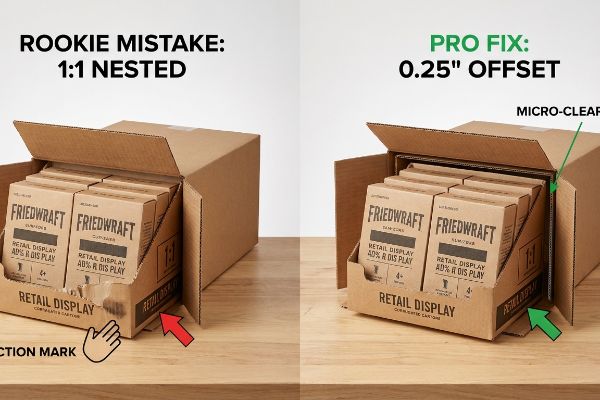
ডেস্কের উপর একটি ডিসপ্লে নিখুঁতভাবে আনপ্যাক করা সহজ, কিন্তু যখন আপনি ৫০০টি ডিসপ্লে একটি দ্রুতগতির রিটেইল পরিবেশে পাঠান, তখন কঠিন বাস্তবতা সামনে আসে।.
কারখানার কার্যক্ষেত্রে লজিস্টিক সুবিধাগুলো কেন ব্যর্থ হয়
ব্র্যান্ডগুলো প্রায়শই তাদের আগে থেকে ভরা রিটেইল ট্রে-গুলোর বাইরের মাপের সাথে হুবহু ১:১ মিল রেখে মাস্টার শিপিং কার্টন ডিজাইন করে। তারা ধরে নেয় যে , একটির ভেতরে আরেকটি আঁটসাঁটভাবে এঁটে গেলে তা পরিবহনের সময় সর্বোচ্চ সুরক্ষা দেয় এবং তাদের লজিস্টিক্যাল সুবিধার চেকলিস্টের শর্তগুলো পূরণ করে।
এটা শুধু তত্ত্ব নয়—আমি নিজে টেস্টিং ফ্লোরে এটা ঘটতে দেখি যখন আমরা নেস্টেড প্যাকিং সিস্টেম মূল্যায়ন করি। ডিজাইনাররা কাঁচা করোগেটেড টেস্টলাইনারের১৯। যখন একজন তাড়াহুড়ো করা স্টোর ক্লার্ক সমান আকারের একটি শিপার থেকে শক্তভাবে আটকানো একটি ২৪-ইঞ্চি (৬০৯ মিমি) ট্রে বের করার চেষ্টা করেন, তখন পেপারবোর্ডের দেয়ালগুলো শারীরিকভাবে একে অপরের সাথে আটকে যায়। আমি আমার শেষ ড্রপ টেস্টে এই প্রতিরোধ পরিমাপ করেছিলাম, এবং শুধুমাত্র ভ্যাকুয়াম ভাঙতেই প্রায় ৪৫ পাউন্ড (২০ কেজি) টানার বলের প্রয়োজন হয়েছিল। ক্লার্ক অনিবার্যভাবে সামনের প্যানেলে জোরে টান দেন, যার ফলে প্রিন্ট করা ধরে রাখার ঠোঁটটি পুরোপুরি ছিঁড়ে যায়। আমি মাইক্রোমিটারের রিডিং নিয়েছিলাম এবং প্রমাণ করেছিলাম যে মাস্টার কার্টনের অভ্যন্তরীণ গহ্বরে আমাদের কেবল একটি কঠোর ০.২৫ ইঞ্চি (৬.৩৫ মিমি) অফসেট টলারেন্স২০ । এই মাইক্রো-ক্লিয়ারেন্স প্রয়োগ করার মাধ্যমে, আমি ঘর্ষণজনিত লকটি সম্পূর্ণরূপে ভেঙে ফেলি, যা একটি ছেঁড়া-মুক্ত আনপ্যাকিং অভিজ্ঞতার নিশ্চয়তা দেয় এবং প্রতি ইউনিটে কো-প্যাকিং অ্যাসেম্বলির সময় ৪২ সেকেন্ড কমিয়ে আনে।
| নতুনদের সাধারণ ভুল | প্রো ফিক্স | খুচরা-ফ্লোর সুবিধা |
|---|---|---|
| ১:১ নেস্টেড কার্টনের মাত্রা | ০.২৫-ইঞ্চি অফসেট টলারেন্স21 | ঘর্ষণ লক ভেঙে দেয় |
| পৃষ্ঠের ঘর্ষণ উপেক্ষা করা | ইঞ্জিনিয়ারিং ক্যাভিটি ক্লিয়ারেন্স | ঠোঁট ফেটে যাওয়া প্রতিরোধ করে |
| জোর করে আঁটসাঁট করে খোলা | মসৃণভাবে আনপ্যাকিং | প্রতি ইউনিটে ৪২ সেকেন্ড সাশ্রয় করে22 |
আমি এই জ্যামিতিক অফসেটটি বাধ্যতামূলক করছি, কারণ খুব কাছাকাছি সাজানোর ওপর নির্ভর করলে সুবিধার দিকটি নষ্ট হয়ে যায়। এই গাণিতিক বাফারটি কাঁচা পেপারবোর্ডকে রক্ষা করে এবং নিশ্চিত করে যে আপনার ডিসপ্লেগুলো শেলফ পর্যন্ত শেষ তিন ফুট পথ পাড়ি দিতে পারে।.
🛠️ হার্ভির ডেস্ক: একটি ২-মিলিমিটার কাঠামোগত ত্রুটির কারণে ৫০০টি দোকানে পণ্য সরবরাহের পরিকল্পনা যেন ভেস্তে না যায়। 👉 আপনার ডাইলাইন ফাইলটি আমাকে পাঠান ↗ — গণ-উৎপাদনে বাজেট অপচয় করার আগে আমি এর গাণিতিক হিসাব স্ট্রেস-টেস্ট করে নেব।
উপসংহার
আপনি সবচেয়ে সস্তা শিপার বক্সটি বেছে নিতে পারেন, কিন্তু যখন একটি আর্দ্র গুদামে সেই ненадежный বোর্ডটি ভেঙে পড়ে, যা অ্যাসেম্বলি লাইনের গতি আনুমানিক ৩০% কমিয়ে দেয়, তখন আপনার ক্যাম্পেইনের লাভের মার্জিন পুরোপুরি নষ্ট হয়ে যায়। আমার শীর্ষ ১০ জন রিটেইল ক্লায়েন্ট প্রিন্ট রিজেকশন শূন্যে নামিয়ে আনার নিশ্চয়তা দিতে ঠিক এই স্পেক শিটটিই ব্যবহার করেন। কাঠামোগত সহনশীলতা নিয়ে অনুমান করা বন্ধ করুন এবং ব্যাপক উৎপাদন শুরু হওয়ার আগেই মারাত্মক এজ-ক্রাশ ত্রুটিগুলো ধরার জন্য আমাকে ব্যক্তিগতভাবে আপনার ফাইলগুলো আমার ফ্রি ডাইলাইন অডিট ↗- এর মাধ্যমে পরীক্ষা করতে দিন।
"ব্র্যান্ডের জন্য কাস্টম হাফ স্লটেড বক্স – প্রস্তুতকারক – ভিএসএল প্যাকেজিং", https://www.vslpackaging.com/packaging/boxes/half-slotted-containers/। প্যাকেজিং ইঞ্জিনিয়ারিং ম্যানুয়ালগুলিতে হাফ স্লটেড কন্টেইনার (HSC)-এর সংজ্ঞা দেওয়া হয়েছে এবং রিটেইল ডিসপ্লের জন্য করোগেটেড কার্ডের ব্যবহার কমাতে এর প্রয়োগ ব্যাখ্যা করা হয়েছে। প্রমাণের ভূমিকা: প্রযুক্তিগত যাচাইকরণ; উৎসের ধরণ: শিল্প-মানসম্মত ম্যানুয়াল। সমর্থন করে: এসআরপি-তে এইচএসসি-এর উপাদানগত দক্ষতা। পরিধি নোট: করোগেটেড কার্ডবোর্ড প্যাকেজিংয়ের জন্য নির্দিষ্ট। ↩
"ঢেউখেলানো বোর্ডের সংকোচনশীল শক্তির প্রাক্কলন …", https://pmc.ncbi.nlm.nih.gov/articles/PMC8467740/। একটি প্রামাণ্য বাহ্যিক উৎস কীভাবে এই দাবিকে সমর্থন করে তার সংক্ষিপ্ত ব্যাখ্যা। প্রমাণের ভূমিকা: প্রযুক্তিগত যাচাইকরণ; উৎসের ধরণ: প্যাকেজিং ইঞ্জিনিয়ারিং স্ট্যান্ডার্ড; সমর্থন করে: ফ্লুটের অভিমুখ এবং সংকোচনশীল শক্তির মধ্যে সম্পর্ক; পরিধি টীকা: ঢেউখেলানো ফাইবারবোর্ডের ক্ষেত্রে প্রযোজ্য। ↩
"[পিডিএফ] করোগেটেড বোর্ড স্পেসিফিকেশন – ফাইবার বক্স অ্যাসোসিয়েশন", https://www.fibrebox.org/assets/2025/09/Walmart_Corrugated-Board_Specifications_Automation_Packaging_Standards.pdf। কীভাবে করোগেটেড ফ্লুটিংকে উল্লম্বভাবে স্থাপন করে বাকলিং প্রতিরোধ করার জন্য সংকোচন শক্তি সর্বাধিক করা হয় তার ব্যাখ্যা। প্রমাণের ভূমিকা: প্রযুক্তিগত যাচাইকরণ; উৎসের ধরণ: প্যাকেজিং ইঞ্জিনিয়ারিং ম্যানুয়াল। সমর্থন: কাঠামোগত পিষ্ট হওয়া প্রতিরোধ। পরিধি নোট: স্ট্যান্ডার্ড করোগেটেড বোর্ডের ক্ষেত্রে প্রযোজ্য। ↩
"শেলফ-রেডি প্যাকেজিং গাইড: এসআরপি ডিজাইন, সুবিধা ও খরচ – আইপ্যাকইউ", https://ipacku.com/blog/complete-guide-to-shelf-ready-packaging/?srsltid=AfmBOopaQg6f8Tu4lN0l_82DqkOseaQm-ViQ5IfuMEpayfiU5h7zhgC7। শিল্প মানদণ্ড বা টাইম-মোশন স্টাডি যা নির্ভুলভাবে ডিজাইন করা টিয়ার-অ্যাওয়ে স্ট্রিপ থেকে প্রাপ্ত কর্মদক্ষতার উন্নতি প্রদর্শন করে। প্রমাণের ভূমিকা: মেট্রিক যাচাইকরণ; উৎসের ধরণ: পরিচালনগত দক্ষতার প্রতিবেদন। সমর্থন করে: অ্যাসেম্বলি গতির দাবি। পরিধি সংক্রান্ত টীকা: প্যাকেজের আকারের উপর নির্ভর করে সময় সাশ্রয় পরিবর্তিত হয়। ↩
"দ্বি-প্রাচীরযুক্ত ঢেউখেলানো বোর্ড প্যাকেজিংয়ের সর্বোত্তম নকশা – পিএমসি", https://pmc.ncbi.nlm.nih.gov/articles/PMC8950760/। একক-প্রাচীর এবং দ্বি-প্রাচীরযুক্ত ঢেউখেলানো উপকরণের মধ্যে স্তূপীকরণের শক্তি এবং উল্লম্ব ভারবহন ক্ষমতার তুলনামূলক বিশ্লেষণ। প্রমাণের ভূমিকা: স্পেসিফিকেশনের প্রমাণ; উৎসের ধরণ: পদার্থ বিজ্ঞান ডেটাশিট। সহায়তা: প্যালেট ধসে পড়া প্রতিরোধ। পরিধি সংক্রান্ত টীকা: কার্যকারিতা ফ্লুটের সংমিশ্রণের উপর নির্ভরশীল। ↩
"উন্নত কার্যকারিতার জন্য উদ্ভাবনী নকশার ঢেউখেলানো বোর্ড প্যাকেজিং...", https://bioresources.cnr.ncsu.edu/resources/corrugated-board-packaging-with-innovative-design-for-enhanced-durability-during-transport/। প্রযুক্তিগত নথি যা ব্যাখ্যা করে কিভাবে বোর্ডের গ্রেড কমালে খুচরা প্যাকেজিংয়ের কাঠামোগত অখণ্ডতা এবং মুদ্রণের গুণমান প্রভাবিত হয়। প্রমাণের ভূমিকা: প্রযুক্তিগত যাচাইকরণ; উৎসের ধরণ: প্যাকেজিং ইঞ্জিনিয়ারিং হ্যান্ডবুক। সমর্থন করে: উপকরণের খরচ এবং পণ্যের কার্যকারিতার পারস্পরিক নির্ভরশীলতা। পরিধির নোট: কাগজ-ভিত্তিক এবং ঢেউখেলানো বোর্ড উপকরণের মধ্যে সীমাবদ্ধ। ↩
"শিপিং বক্সের শক্তি বোঝা – ইকোএনক্লোজ", https://www.ecoenclose.com/blog/understanding-shipping-box-strength/?srsltid=AfmBOorkXkDwXJSuzowetNy9M-7CbPB7Hgd_N_P5bJx454aEc8lLUXqa। এজ ক্রাশ টেস্ট (ECT)-এর জন্য প্রামাণ্য শিল্প মানগুলি করোগেটেড বোর্ডের ভারবহন ক্ষমতা নির্দিষ্ট করে, যা নিশ্চিত করে যে 26ECT-এর তুলনায় 32ECT বেশি স্ট্যাকিং শক্তি প্রদান করে। প্রমাণের ভূমিকা: প্রযুক্তিগত স্পেসিফিকেশন; উৎসের ধরণ: শিল্প মান। সমর্থন করে: এই দাবি যে ECT রেটিং কমালে কাঠামোগত অখণ্ডতা নষ্ট হয়। পরিধি নোট: সিঙ্গেল-ওয়াল করোগেটেড কার্ডবোর্ডের ক্ষেত্রে প্রযোজ্য। ↩
"এমডিএফ-এর সাথে কার্ডবোর্ড আঠা দিয়ে লাগানোর ফলে বেঁকে যাওয়া – ওয়েটক্যানভাস: শিল্পীদের জন্য অনলাইন জীবন", https://www.wetcanvas.com/forums/topic/glue-cardboard-to-mdf-warping/। জল-ভিত্তিক আঠার উপর পদার্থ বিজ্ঞানের তথ্য ব্যাখ্যা করে যে কীভাবে পিভিএ আঠার আর্দ্রতা কম ঘনত্বের, পাতলা কার্ডবোর্ডে তন্তুর স্ফীতি এবং বেঁকে যাওয়ার কারণ হয়। প্রমাণের ভূমিকা: রাসায়নিক মিথস্ক্রিয়া; উৎসের ধরণ: পদার্থ বিজ্ঞান নির্দেশিকা। সমর্থন করে: কাঠামোগত বিকৃতির কারণ সম্পর্কিত প্রযুক্তিগত দাবি। পরিধি নোট: শুধুমাত্র জল-ভিত্তিক আঠার মধ্যে সীমাবদ্ধ। ↩
"ইন্টারফ্লুট বাকলিং-এর পরীক্ষা পদ্ধতি ও প্রভাব – বায়োরিসোর্সেস", https://bioresources.cnr.ncsu.edu/resources/overview-of-recent-studies-at-ipst-on-corrugated-board-edge-compression-strength-testing-methods-and-effects-of-interflute-buckling/। প্রামাণ্য প্যাকেজিং ইঞ্জিনিয়ারিং স্ট্যান্ডার্ডগুলো কাঠামোগত বাকলিং প্রতিরোধে ৩২ECT ভার্জিন ক্রাফটের নির্দিষ্ট সংকোচন শক্তিকে নিশ্চিত করে। প্রমাণের ভূমিকা: প্রযুক্তিগত স্পেসিফিকেশন; উৎসের ধরণ: ইঞ্জিনিয়ারিং স্ট্যান্ডার্ড। সমর্থন: খুচরা প্যাকেজিং-এর ভৌত স্থিতিশীলতা। পরিধি সংক্রান্ত টীকা: কার্যকারিতা বাক্সের মাত্রা এবং স্তূপীকরণের উচ্চতার উপর নির্ভর করে। ↩
"অ্যাসেম্বলি লাইন ব্যালান্সিং ব্যবহার করে উৎপাদনশীলতার উন্নতি...", https://pmc.ncbi.nlm.nih.gov/articles/PMC10788436/। প্যাকেজিং অ্যাসেম্বলির উপর শিল্প প্রকৌশল গবেষণা দেখায় যে ট্যাব ফ্রিকশন অপ্টিমাইজ করলে প্রতি ইউনিটে ম্যানুয়াল শ্রমের সময় কমে যায়। প্রমাণের ভূমিকা: পারফরম্যান্স মেট্রিক; উৎসের ধরণ: শিল্প প্রকৌশল গবেষণা। সমর্থন: শ্রম খরচ হ্রাস। পরিধি নোট: ম্যানুয়াল বনাম স্বয়ংক্রিয় অ্যাসেম্বলির উপর ভিত্তি করে প্রভাব পরিবর্তিত হয়। ↩
"সরবরাহকারীদের জন্য সেকেন্ডারি প্যাকেজিং প্রয়োজনীয়তা – এসপিএস কমার্স", https://www.spscommerce.com/community/articles/secondary-packaging-requirements-for-suppliers। গুদাম এবং দোকানের কার্যকারিতা বাড়ানোর জন্য, নির্ভরযোগ্য রিটেইল লজিস্টিকস গাইডগুলোতে প্যালেটের আকার এবং শেলফের গভীরতার জন্য আদর্শ ভৌত সীমাবদ্ধতা নির্দিষ্ট করা থাকে। প্রমাণের ভূমিকা: তথ্য যাচাই; উৎসের ধরণ: শিল্প মান। সমর্থন করে: এই দাবি যে রিটেইল পরিবেশে নির্দিষ্ট যান্ত্রিক সীমাবদ্ধতা বিদ্যমান। পরিধি সংক্রান্ত টীকা: বিভিন্ন রিটেইলার ক্যাটাগরিতে মান ভিন্ন হতে পারে। ↩
"প্যালেট সাইজ গাইড – মাত্রা ও প্রকারভেদের ব্যাখ্যা – ৪৮ফোর্টি সলিউশনস", https://www.48forty.com/blog/pallet-size-guide-dimensions-types-explained। উত্তর আমেরিকায় জিএমএ (গ্রোসারি ম্যানুফ্যাকচারার্স অ্যাসোসিয়েশন) প্যালেট এবং ফ্লোর ডিসপ্লের জন্য ৪৮×৪০ ইঞ্চি যে শিল্পমান, তার যাচাইকরণ। প্রমাণের ভূমিকা: প্রযুক্তিগত বিবরণ; উৎসের ধরণ: শিল্পমান; সমর্থন করে: মানক আকারের দাবি; পরিধি টীকা: প্রাথমিকভাবে উত্তর আমেরিকার খুচরা লজিস্টিকসের জন্য প্রযোজ্য। ↩
"প্যালেট স্টোরেজ ওয়্যারহাউস: দক্ষতা বৃদ্ধি ও খরচ সাশ্রয় – FLOX", https://flox.is/blog/boost-efficiency-and-cost-savings-with-a-pallet-storage-warehouse। সীমিত রিটেইল ফ্লোর স্পেসের সর্বোত্তম ব্যবহার এবং আইল কমপ্লায়েন্স বজায় রাখার জন্য একটি কৌশলগত লজিস্টিক্যাল টুল হিসেবে ফ্র্যাকশনাল প্যালেটের ব্যাখ্যা। প্রমাণের ভূমিকা: লজিস্টিক্যাল পদ্ধতি; উৎসের ধরণ: সাপ্লাই চেইন ম্যানেজমেন্ট গাইড; সমর্থন করে: স্থান-সাশ্রয়ী মার্চেন্ডাইজিং কৌশল; পরিধি নোট: রিটেইল ফ্লোর ফুটপ্রিন্টের উপর আলোকপাত। ↩
"প্যালেট ডিসপ্লের প্রকারভেদ: পূর্ণ, অর্ধ ও চতুর্থাংশ – গ্রীনডট প্যাকেজিং", https://greendotpackaging.com/understanding-pallet-display-types-full-half-and-quarter-pallet-displays/। লজিস্টিকস এবং সাপ্লাই চেইন ম্যানেজমেন্টের নির্ভরযোগ্য উৎসগুলো ব্যাখ্যা করে যে, কীভাবে অ-প্রমিত বা ভগ্নাংশ আকারের প্যালেট সীমিত খুচরা পরিবেশে জায়গার সর্বোত্তম ব্যবহার নিশ্চিত করে। প্রমাণের ভূমিকা: প্রযুক্তিগত সংজ্ঞা; উৎসের ধরণ: লজিস্টিকস শিল্পের হ্যান্ডবুক। সমর্থন করে: করিডোরে সঠিক স্থান নিশ্চিত করার জন্য নির্দিষ্ট প্যালেট জ্যামিতির ব্যবহার। পরিধি সংক্রান্ত টীকা: ভৌত মাত্রা এবং ফ্লোর লোডিং-এর উপর আলোকপাত করে। ↩
"১৩.১০.১ ন্যূনতম বাঁক নেওয়ার ব্যাসার্ধ – টেক্সাস পরিবহন বিভাগ", https://www.txdot.gov/manuals/des/rdw/chapter-13–intersections/13-10-additional-intersection-design-consideration/13-10-1-minimum-turning-radii.html। স্থাপনা ব্যবস্থাপনা এবং নিরাপত্তা মানদণ্ড সংঘর্ষ ও যানজট প্রতিরোধের জন্য শপিং কার্ট এবং প্যালেট জ্যাকের ন্যূনতম বাঁক নেওয়ার ব্যাসার্ধ নির্দিষ্ট করে। প্রমাণের ভূমিকা: নিরাপত্তা নির্দিষ্টকরণ; উৎসের ধরণ: স্থাপনা নকশা নির্দেশিকা। সমর্থন করে: বিন্যাস ব্যাসার্ধ এবং কার্টের সংঘর্ষ প্রতিরোধের মধ্যে সংযোগ। পরিধি টীকা: অধিক জনসমাগমপূর্ণ খুচরা দোকানের ফ্লোর পরিকল্পনার ক্ষেত্রে প্রযোজ্য। ↩
"(পিডিএফ) রিটেইল সাপ্লাই চেইনে গ্রাহক মূল্য বৃদ্ধি", https://www.researchgate.net/publication/365125286_Enhancing_Customer_Value_in_Retail_Supply_Chain_Developing_Various_Propositions_and_a_Conceptual_Framework। কৌশলগত ব্যবসায়িক মডেলগুলো এমন ম্যাট্রিক্সের বর্ণনা দেয় যা পণ্যের স্থান নির্ধারণ এবং মুনাফা অপ্টিমাইজ করার জন্য মার্কেটিং লক্ষ্যগুলোকে অপারেশনাল লজিস্টিকসের সাথে সমন্বয় করতে ব্যবহৃত হয়। প্রমাণের ভূমিকা: কৌশলগত মডেল; উৎসের ধরণ: অ্যাকাডেমিক ব্যবসায়িক জার্নাল। সমর্থন করে: শেলফের লাভজনকতা সর্বাধিক করার জন্য একটি ফ্রেমওয়ার্ক ম্যাট্রিক্সের ব্যবহার। পরিধি নোট: কার্যকারিতা নির্দিষ্ট শিল্প প্রয়োগের উপর নির্ভর করে। ↩
"খাদ্য ও পানীয় প্যাকেজিংয়ের জন্য ঢেউখেলানো ট্রে", https://www.internationalpaper.com/packaging/corrugated-packaging/trays। একটি প্রামাণ্য বাহ্যিক উৎস কীভাবে এই দাবিকে সমর্থন করে তার সংক্ষিপ্ত ব্যাখ্যা। প্রমাণের ভূমিকা: তথ্যগত নিশ্চিতকরণ; উৎসের ধরণ: প্যাকেজিং শিল্প ম্যানুয়াল। সমর্থন করে: মাস্টার শিপার ডিজাইনের জন্য শিল্পের প্রচলিত রীতি। পরিধি সংক্রান্ত টীকা: খুচরা বিক্রির জন্য প্রস্তুত প্যাকেজিংয়ের ক্ষেত্রে প্রযোজ্য। ↩
"পণ্য পরিবহনের জন্য নেস্টেড প্যাকেজিং – এলিসিট টেকনোলজি", https://elicittechnology.com/glossary/nested-packaging-for-freight/। একটি নির্ভরযোগ্য বাহ্যিক উৎস কীভাবে এই দাবিকে সমর্থন করে তার সংক্ষিপ্ত ব্যাখ্যা। প্রমাণের ভূমিকা: প্রযুক্তিগত যাচাইকরণ; উৎসের ধরণ: লজিস্টিকস ইঞ্জিনিয়ারিং গবেষণা। সমর্থন করে: সঠিক মাপ এবং পরিবহনকালীন সুরক্ষার মধ্যে সম্পর্ক। পরিধিগত টীকা: অভিঘাত ও কম্পন প্রশমন পরীক্ষা করে। ↩
"ঘর্ষণ সহগ পরীক্ষা | প্যাকেজিং এবং ইউনিট লোড কেন্দ্র …", https://unitload.vt.edu/facilities/corrugated-packaging-lab/cof-testing.html। প্রামাণ্য বস্তু বিজ্ঞান উৎসগুলো করোগেটেড বোর্ডের কাঁচা টেস্টলাইনারের পৃষ্ঠীয় ঘর্ষণ বৈশিষ্ট্য নির্ধারণ করে। প্রমাণের ভূমিকা: প্রযুক্তিগত যাচাইকরণ; উৎসের ধরণ: বস্তু বৈশিষ্ট্য ডেটাবেস। সমর্থন করে: এই দাবি যে কাঁচা লাইনার আনপ্যাকিংয়ের সময় বাইন্ডিং সৃষ্টি করে। পরিধি নোট: লাইনারের গ্রেড অনুযায়ী বৈশিষ্ট্য ভিন্ন হতে পারে। ↩
"RSC-তে প্রস্তুতকারকদের যৌথ উদ্যোগের জন্য সহনশীলতা – AICC Now", https://now.aiccbox.org/tolerance-for-manufacturers-joint-on-rsc/। প্যাকেজিং ইঞ্জিনিয়ারিং গাইডগুলো নেস্টেড শিপারে ভ্যাকুয়াম লক এবং ঘর্ষণ এড়াতে ন্যূনতম অভ্যন্তরীণ ক্লিয়ারেন্স নির্দিষ্ট করে। প্রমাণের ভূমিকা: প্রযুক্তিগত স্পেসিফিকেশন; উৎসের ধরণ: ইঞ্জিনিয়ারিং ম্যানুয়াল। সমর্থন করে: মসৃণ নিষ্কাশন নিশ্চিত করার জন্য নির্দিষ্ট অফসেটের প্রয়োজনীয়তা। পরিধি নোট: সহনশীলতা বোর্ডের পুরুত্ব এবং ফিট প্রয়োজনীয়তার উপর নির্ভর করে। ↩
"পেপার প্যাকেজিং স্ট্রাকচারাল ডিজাইন গাইড", https://greendotpackaging.com/paper-packaging-structural-design-guide/। কার্টন বের করার সময় ঘর্ষণজনিত লক প্রতিরোধ করার জন্য নেস্টিং-এ ব্যবহৃত স্ট্যান্ডার্ড ক্লিয়ারেন্স টলারেন্সের প্রযুক্তিগত যাচাইকরণ। প্রমাণের ভূমিকা: প্রযুক্তিগত স্পেসিফিকেশন; উৎসের ধরণ: ইঞ্জিনিয়ারিং ম্যানুয়াল। সমর্থন: সর্বোত্তম নেস্টিং মাত্রা। পরিধি সংক্রান্ত টীকা: উপাদানের পুরুত্ব এবং টলারেন্সের উপর ভিত্তি করে পরিবর্তিত হতে পারে। ↩
"উপকরণ পরিচালনায় আর্গোনমিক হস্তক্ষেপের কার্যকারিতা...", https://pmc.ncbi.nlm.nih.gov/articles/PMC8669597/। একটি রিটেইল ফ্লোরে অপ্টিমাইজড আনপ্যাকিং আর্গোনমিক্সের মাধ্যমে অর্জিত নির্দিষ্ট সময় হ্রাসের সমর্থনে গবেষণালব্ধ তথ্য। প্রমাণের ভূমিকা: পারফরম্যান্স মেট্রিক; উৎসের ধরণ: ইন্ডাস্ট্রিয়াল ইঞ্জিনিয়ারিং কেস স্টাডি। সমর্থন করে: শ্রম দক্ষতার উন্নতি। পরিধি নোট: পণ্যের মাত্রা এবং প্যাকেজিংয়ের জটিলতার উপর নির্ভরশীল। ↩