পরিবহনের সময় আপনার কাঁচা ক্রাফট কার্টনগুলোতে কি ঘষা লেগে সেগুলোর প্রিমিয়াম ও ঐতিহ্যবাহী আবেদন নষ্ট হয়ে যাচ্ছে? ভুল সারফেস ট্রিটমেন্ট বেছে নিলে, আনবক্সিং শুরু হওয়ার আগেই তা আপনার ব্র্যান্ডের ভাবমূর্তিকে মুহূর্তেই ধ্বংস করে দিতে পারে।.
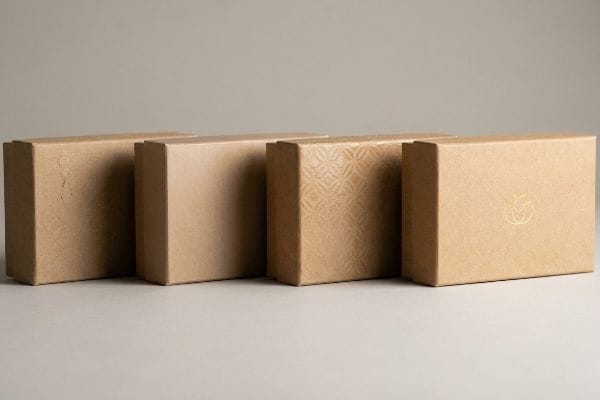
ক্রাফট বক্সের জন্য উপলব্ধ ফিনিশিং বিকল্পগুলির মধ্যে রয়েছে জল-ভিত্তিক জলীয় আবরণ, ঘর্ষণরোধী ম্যাট ল্যামিনেশন, স্পট ইউভি (আল্ট্রাভায়োলেট) বার্নিশ এবং ঐতিহ্যবাহী ফয়েল স্ট্যাম্পিং। যেহেতু ব্লিচ না করা ছিদ্রযুক্ত কাগজের তন্তুগুলি তরল কালি এবং রাসায়নিক দ্রাবক তীব্রভাবে শোষণ করে, তাই একটি প্রতিরক্ষামূলক পলিমার স্তর প্রয়োগ করলে তা বিশ্বব্যাপী পরিবহনের সময় কাঠামোগত ঘর্ষণ এবং আর্দ্রতাজনিত ক্ষয় রোধ করে।.
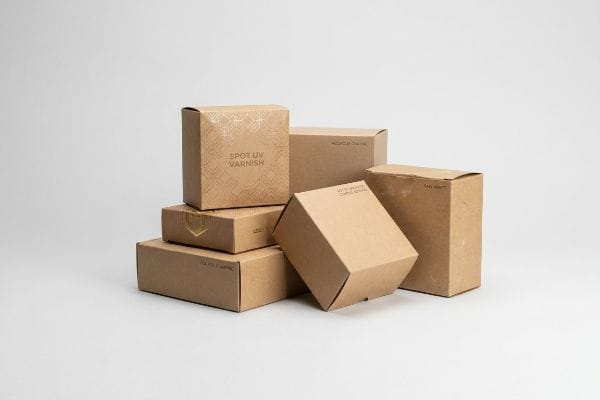
এই পৃষ্ঠতল প্রক্রিয়াকরণগুলো বোঝা কেবল নান্দনিকতার বিষয় নয়; এটি সরবরাহ শৃঙ্খলে টিকে থাকার এক নির্মম হিসাব। চলুন, বিশ্লেষণ করা যাক কীভাবে কাঁচা কাগজের রসায়ন দ্রুতগতির লজিস্টিকসের সাথে মিথস্ক্রিয়া করে।.
প্যাকেজিং ফিনিশের বিভিন্ন প্রকারগুলো কী কী?
ব্র্যান্ডগুলো যখন একটি বিলাসবহুল স্পর্শানুভূতি চায়, তখন তারা প্রায়শই ভারী ল্যামিনেশনের পেছনে নির্বিচারে বাজেট ঢেলে দেয়। কিন্তু কোটিং এবং কালির মধ্যকার রাসায়নিক মিথস্ক্রিয়াকে উপেক্ষা করার ফলে খুচরা পর্যায়ে রঙের ক্ষেত্রে মারাত্মক ব্যর্থতা দেখা দেয়।.
বিভিন্ন ধরণের প্যাকেজিং ফিনিশের মধ্যে রয়েছে তরল জলীয় বার্নিশ, থার্মাল ল্যামিনেশন এবং ইউভি কিউরেবল পলিমার। গ্রাফিক ডিজাইনাররা যেখানে শুধুমাত্র দৃশ্যগত বৈসাদৃশ্য বা স্পর্শজনিত অনুভূতির জন্য এগুলো নির্বাচন করেন, সেখানে প্যাকেজিং ইঞ্জিনিয়াররা এই রাসায়নিক স্তরগুলো বিশেষভাবে পৃষ্ঠটান নিয়ন্ত্রণ করতে এবং গুদামের পারিপার্শ্বিক আর্দ্রতা শোষণ রোধ করতে ব্যবহার করেন।.
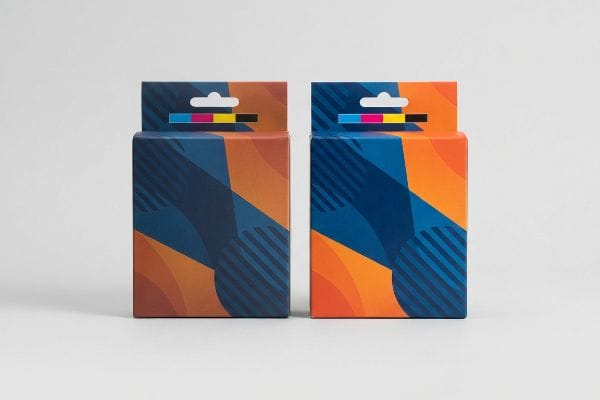
বাহ্যিক আবরণকে একটি বিচ্ছিন্ন গ্রাফিক ডিজাইন পছন্দ হিসেবে বিবেচনা করা যায় না। এটি একটি সক্রিয় রাসায়নিক প্রতিবন্ধক যা আপনার প্যাকেজিংয়ের কাঠামোগত এবং দৃশ্যগত কার্যকারিতাকে মৌলিকভাবে পরিবর্তন করে।.
স্পর্শজনিত অপটিক্যাল অন্ধকার প্রভাব
আমি প্রায়শই দেখি ক্রয় দলগুলো একটি প্রিমিয়াম সফট-টাচ থার্মাল ল্যামিনেশনের জন্য অনুরোধ করে, এই ভেবে যে এটি তাদের CMYK (সায়ান, ম্যাজেন্টা, ইয়েলো এবং কী/ব্ল্যাক) প্রিন্ট করা গ্রাফিক্সের উপর একটি স্বচ্ছ কাঁচের মতো কাজ করবে। তারা ফিনিশিংকে এক্সেল BOM (বিল অফ মেটেরিয়ালস)-এর একটি বিচ্ছিন্ন নান্দনিক আইটেম হিসেবে গণ্য করে। তারা এটা বুঝতে ব্যর্থ হয় যে, একটি আণুবীক্ষণিক দ্বি-অক্ষীয়ভাবে বিন্যস্ত পলিমার কাঠামো যুক্ত করার ফলে এর নিচের পেপারবোর্ডের সাথে আলোর মিথস্ক্রিয়া মৌলিকভাবে পরিবর্তিত হয়ে যায় । যখন এই ইউনিটগুলো কোনো বড় দোকানের করিডোরের তীব্র ফ্লুরোসেন্ট আলোর সংস্পর্শে আসে, তখন ব্র্যান্ডের রঙগুলো পুরোপুরি বেমানান দেখায়।
এটা শুধু তত্ত্ব নয়—আমি নিজে টেস্টিং ফ্লোরে এটা ঘটতে দেখি যখন আমরা উচ্চমানের রিটেইল ফ্ল্যাট-প্যাকগুলো পরীক্ষা করি। আমার প্রতিষ্ঠানে, আমি নিয়মিতভাবে D50 লাইটিংয়ের নিচে একটি স্পেকট্রোফটোমিটার দিয়ে সফট-টাচ ল্যামিনেটেড ড্র-ডাউনগুলো স্ক্যান করি। পলিমারের ভৌত রসায়ন একটি আলো-শোষণকারী ভ্যাকুয়ামের মতো কাজ করে, যা স্বাভাবিকভাবেই প্রিন্ট করা পিগমেন্টগুলোকে ঠিক ৪.৮% মার্জিনে২ এবং একটি বিশাল ডেল্টা-ই কমপ্লায়েন্স ব্যর্থতার কারণ হয়। এটি ঠিক করার জন্য, আমি আমাদের প্রিপ্রেস RIP (রাস্টার ইমেজ প্রসেসর) সফটওয়্যারে একটি কঠোর ল্যামিনেশন কম্পেনসেশন কার্ভ প্রয়োগ করি, যা আগে থেকেই ১০.৫% সায়ান এবং ম্যাজেন্টা ডেনসিটি বুস্ট৩ । গাণিতিকভাবে আলো-শোষণকারী ফিল্মটিকে ভেদ করার মাধ্যমে, এই সুনির্দিষ্ট সমন্বয় নিখুঁত রিটেইল কালার অ্যাকুরেসি নিশ্চিত করে, যা পুরো ব্যাচ বাতিল হওয়া থেকে রক্ষা করে এবং ক্লায়েন্টদের পুনরায় প্রিন্ট করা ইনভেন্টরি খরচে আনুমানিক ২৫% সাশ্রয় করে।
| মেট্রিক | সাধারণ পদ্ধতি | প্রকৌশলগত বাস্তবতা |
|---|---|---|
| রঙ ক্রমাঙ্কন | স্ট্যান্ডার্ড ডিজিটাল প্রুফিং | স্তরায়ন ক্ষতিপূরণ বক্ররেখা4 |
| পৃষ্ঠের ঘর্ষণ | কাঁচা কালির এক্সপোজার | পলিমার ফিল্ম সুরক্ষা5 |
| খুচরা কার্যকারিতা | ডেল্টা-ই দৃষ্টিগত ব্যর্থতা6 | ১০০% মিলে যাওয়া নির্ভুলতা |
আমি রাসায়নিক আলোক বিক্ষেপণকে একটি অত্যন্ত যত্নসহকারে পরিকল্পিত খুচরা বিপণন প্রচারণাকে নষ্ট করতে দেব না। আপনাকে অবশ্যই প্রাক-মুদ্রণ রঙের প্রোফাইলগুলো চূড়ান্ত ভৌত রূপের জন্য বিশেষভাবে তৈরি করতে হবে, ফ্ল্যাট ডিজিটাল স্ক্রিনের জন্য নয়।.
🛠️ হার্ভির ডেস্ক: আপনার রিটেইল ফ্লোরে থাকা প্রিমিয়াম ল্যামিনেটেড ডিসপ্লেগুলোতে কি রঙ ফ্যাকাসে হয়ে যাচ্ছে এবং ব্র্যান্ডের নির্দেশিকা মানা হচ্ছে না? 👉 একটি ফ্রি প্রিপ্রেস কালার অডিটের জন্য অনুরোধ করুন ↗ — আমি ২৪ ঘণ্টার মধ্যে প্রতিটি স্ট্রাকচারাল ফাইল ব্যক্তিগতভাবে পর্যালোচনা করি।
কাঠের বাক্সের জন্য সবচেয়ে ভালো প্রলেপ কোনটি?
খুচরা ফোল্ডিং কার্টন থেকে ভারী মাল পরিবহনের লজিস্টিকসে রূপান্তরের জন্য উপকরণ সংক্রান্ত ধারণায় একটি মৌলিক পরিবর্তন প্রয়োজন। বাল্ক শিপিং প্ল্যাটফর্মে ব্যবহৃত আবরণগুলো আন্তর্জাতিক সীমান্ত বিধি-নিষেধ নির্ধারণ করে।.
কাঠের বাক্স বা রপ্তানি প্যালেটের জন্য সর্বোত্তম ফিনিশিং হলো একটি প্রত্যয়িত ISPM 15 হিট ট্রিটমেন্ট। প্রচলিত বার্নিশ বা অত্যন্ত বিষাক্ত মিথাইল ব্রোমাইড রাসায়নিক ফিউমিগ্যান্ট প্রয়োগ করার পরিবর্তে, হিট ট্রিটমেন্ট গাণিতিকভাবে আক্রমণাত্মক কীটপতঙ্গ নির্মূল করে এবং একই সাথে পরবর্তী খুচরা বর্জ্য নিষ্কাশন ব্যবস্থার জন্য সম্পূর্ণ পরিবেশগত সম্মতি নিশ্চিত করে।.
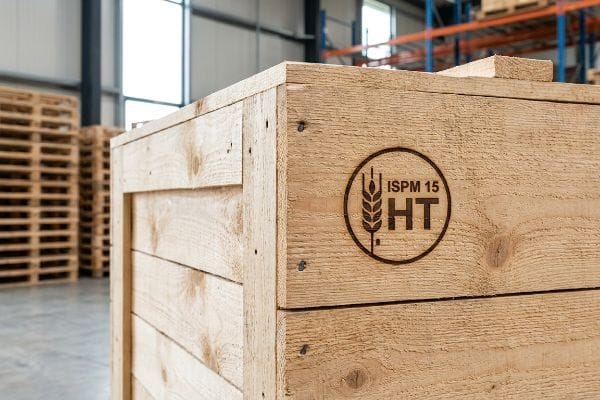
বৈশ্বিক সরবরাহ শৃঙ্খলে নান্দনিক বার্নিশের কোনো মূল্য নেই, যদি কাঠের গভীরে আণুবীক্ষণিক জীবাণু থাকে। একটি তাপীয় প্রলেপ আন্তর্জাতিক সীমানা জুড়ে নির্বিঘ্ন পরিবহন নিশ্চিত করে।.
ISPM 15 পরিপালনের পেছনের প্রকৌশলগত কৌশল
বিশ্বব্যাপী পরিবহনের জন্য অনমনীয় কাঠের কাঠামো মূল্যায়ন করার সময়, প্রধান প্রকৌশলগত বিবেচ্য বিষয় নান্দনিক চাকচিক্য নয়, বরং জৈবিক নিয়ন্ত্রণ। কাঁচা কাঠে স্বাভাবিকভাবেই আণুবীক্ষণিক কীটপতঙ্গ বাস করে এবং এটি এমন আর্দ্রতা ধরে রাখে যা বিভিন্ন সামুদ্রিক জলবায়ু অঞ্চলে গতিশীলভাবে ওঠানামা করে। যদি একটি কাঠের ক্রেট বা স্ট্রিংগার প্যালেট অপরিশোধিত রাখা হয়, তবে এই ধরে রাখা আর্দ্রতা দ্রুত কাঠের কাঠামোগত অখণ্ডতাকে নষ্ট করে দেয় 7 , যার ফলে ফাস্টেনার ছিঁড়ে যায় এবং স্তূপীকৃত চাপের অধীনে মারাত্মক গতিশীল লোড ব্যর্থতা ঘটে। একটি প্রত্যয়িত তাপীয় ফিনিশ কাঠের অভ্যন্তরীণ কোষীয় কাঠামোকে স্থায়ীভাবে পরিবর্তন করে 8 , যা মাত্রিক স্থিতিশীলতাকে সুনিশ্চিত করে।
এই স্থিতিশীল অবস্থা অর্জনের জন্য, কাঠকে কোনো তরল পলিমার দিয়ে প্রলেপ দেওয়া হয় না, বরং এটিকে ন্যূনতম ৩০ মিনিট ধরে সুনির্দিষ্টভাবে ১৩৩°F (৫৬°C) তাপমাত্রার একটি নির্দিষ্ট সীমার মধ্যে রাখা হয় । এই তাপগতিবিদ্যাগত প্রক্রিয়াটি একটি স্থায়ী, অদৃশ্য প্রলেপ হিসেবে কাজ করে। এটি গুদামের পরিবেশে কোনো বিপজ্জনক রাসায়নিক গ্যাস নির্গমন না ঘটিয়েই অভ্যন্তরীণ জৈবিক ঝুঁকি সম্পূর্ণরূপে নির্মূল করে। কোষীয় পর্যায়ে ভিত্তিটিকে প্রক্রিয়াজাত করার মাধ্যমে, লজিস্টিকস প্রকৌশলীরা নিশ্চিত করেন যে কাঠের প্ল্যাটফর্মটি গন্তব্য বন্দরের জটিল উদ্ভিদ-স্বাস্থ্যবিধি সংক্রান্ত শুল্ক বাধাগুলো নির্বিঘ্নে এড়িয়ে নিরাপদে ২,৫০০ পাউন্ড (১১৩৩.৯ কেজি) পর্যন্ত স্থির ওজন বহন করতে পারে ।
| মেট্রিক | সাধারণ পদ্ধতি | প্রকৌশলগত বাস্তবতা |
|---|---|---|
| চিকিৎসা পদ্ধতি | অপরিশোধিত কাঁচা কাঠ | ISPM 15 তাপ কোর11 |
| জৈবিক ঝুঁকি | উচ্চ কীটপতঙ্গ ধারণ ক্ষমতা | ১০০% জীবাণুমুক্ত ফাইবার12 |
| কাস্টমস স্ট্যাটাস | গুরুতর আমদানি আটকে আছে | বাধাহীন সীমান্ত ছাড়পত্র |
আমি এমন কাঠামোগত প্ল্যাটফর্ম তৈরি করি যা নির্বিঘ্নে সীমান্ত অতিক্রম করতে পারে, যার অর্থ হলো অপ্রত্যাশিত প্রাকৃতিক পরিবর্তনশীলতা দূর করা। একটি তাপীয় প্রলেপ নিশ্চিত করে যে আপনার ভারী মালপত্র কাঠামোগতভাবে মজবুত এবং আইনসম্মত থাকে।.
🛠️ হার্ভির ডেস্ক: অপরিশোধিত বা ত্রুটিপূর্ণভাবে ফিনিশ করা কাঠের লজিস্টিকস প্ল্যাটফর্মের কারণে আপনার ভারী ডিসপ্লে পণ্য চালানগুলো কি অপ্রত্যাশিত কাস্টমস আটকের সম্মুখীন হচ্ছে? 👉 একটি বিনামূল্যে লজিস্টিকস কমপ্লায়েন্স অডিট করান ↗ — ১০০% গোপনীয়। আপনার অপ্রকাশিত রিটেইল ডিজাইনগুলো আমার কাছে সুরক্ষিত।
ক্রাফট এবং করোগেটেড বাক্সের মধ্যে প্রধান পার্থক্যগুলো কী কী?
সমতল পেপারবোর্ড এবং খাঁজকাটা কাঠামোর মধ্যে যান্ত্রিক পার্থক্য বোঝা একটি অপরিহার্য শর্ত। এই দুটি স্তরকে গুলিয়ে ফেললে, জোড়ায় জোড়ায় সমুদ্রপথে পরিবহনের সময় অনিবার্যভাবে মারাত্মক সংকোচনজনিত ব্যর্থতা ঘটবে।.
ক্রাফট এবং করোগেটেড বাক্সের মধ্যে প্রধান পার্থক্যগুলো তাদের অভ্যন্তরীণ জ্যামিতিক গঠনকে কেন্দ্র করে গড়ে ওঠে। একটি সাধারণ ক্রাফট বাক্স ঘন, মসৃণ পেপারবোর্ডের একটি একক স্তর দিয়ে তৈরি হয়, অন্যদিকে একটি করোগেটেড বাক্সে দুটি সমতল লাইনারের মাঝে অত্যন্ত উন্নতমানের ঢেউখেলানো কাগজের খাঁজ ব্যবহার করা হয়, যা এর উল্লম্ব সংকোচন শক্তিকে বহুগুণে বাড়িয়ে তোলে।.
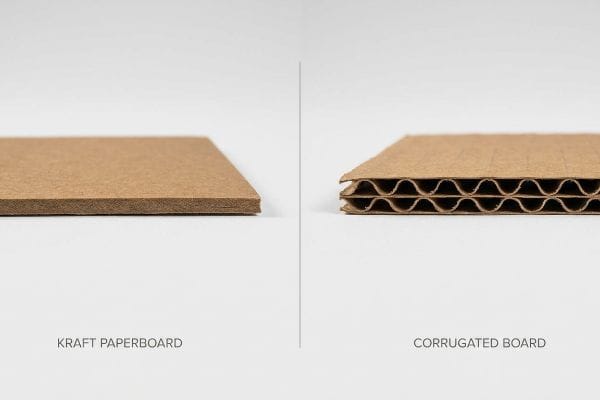
উভয় উপাদানই কাঠের মণ্ড থেকে তৈরি হয়, কিন্তু এদের চূড়ান্ত ব্যবহার সম্পূর্ণ ভিন্ন জগতে বিদ্যমান। ফ্ল্যাট ক্রাফট বোর্ডকে এর গাণিতিক ভারবহন ক্ষমতার বাইরে ঠেলে দিলে তা পণ্য নষ্ট করে দেয়।.
TAPPI T811 ফাইবার নিঃশেষণ সীমা
আমি প্রায়শই দেখি ক্রয়কারী দলগুলো তাদের ভেতরের ক্রাফট ফোল্ডিং কার্টন এবং বাইরের ঢেউখেলানো শিপার উভয়ের জন্যই ১০০% পুনর্ব্যবহৃত টেস্টলাইনার বাধ্যতামূলক করে কঠোর ESG (পরিবেশগত, সামাজিক এবং শাসন) টেকসই কোটা পূরণের চেষ্টা করে। তারা বাদামী কাগজের বাহ্যিক সৌন্দর্যকে এর কাঠামোগত অজেয়তার সাথে ভুলভাবে এক করে দেখে। তারা কাগজ পুনঃমণ্ড তৈরির প্রক্রিয়ার আণুবীক্ষণিক যান্ত্রিক বাস্তবতা উপেক্ষা করে 13 , এই ভেবে যে একটি সমতল ২৪-পয়েন্ট ক্রাফট বোর্ড গতিশীল উপর-চাপের অধীনে একটি সি-ফ্লুট ঢেউখেলানো দেয়ালের মতোই আচরণ করে 14 ।
এটা শুধু তত্ত্ব নয়—গত মাসে একটি নতুন বড় বিক্রেতার কার্যক্রম নিরীক্ষা করার সময় আমি এই বিষয়টি কঠিনভাবে শিখেছি । ২০২২ সালে, আমি আমার প্রধান প্যাকেজিং ইঞ্জিনিয়ার, মার্ককে, একজন ক্লায়েন্টের ১০০% পুনর্ব্যবহৃত শিপারের উপর একটি TAPPI (টেকনিক্যাল অ্যাসোসিয়েশন অফ দ্য পাল্প অ্যান্ড পেপার ইন্ডাস্ট্রি) T811 15 এজ ক্রাশ মূল্যায়ন চালাতে বলেছিলাম। আমার স্পষ্টভাবে মনে আছে হাইড্রোলিক কম্প্রেশন প্রেসটি চালু হতে দেখার কথা; ঠিক ১৮৭.৫ পাউন্ড (৮৫.০ কেজি) নিম্নমুখী বল প্রয়োগে, করোগেটেড দেয়ালের ভিতরে থাকা কাঠামোগতভাবে দুর্বল, অতিরিক্ত পুনর্ব্যবহৃত ছোট ফাইবারগুলো সশব্দে ছিঁড়ে যায়, যার ফলে পুরো পাশের প্যানেলটি সঙ্গে সঙ্গে বেঁকে যায় এবং স্তরে স্তরে আলাদা হয়ে যায়। টেস্টলাইনারটিতে বাঁকানো ফ্লুট জ্যামিতি বজায় রাখার জন্য প্রয়োজনীয় ভার্জিন দীর্ঘ-ফাইবারের অখণ্ডতার অভাব ছিল। আমি অবিলম্বে বোর্ড প্রোফাইলটি পুনরায় স্কোর করি, এবং করোগেটরে লোড-বহনকারী বি-ফ্লুট মাধ্যমে সরাসরি ভার্জিন ক্রাফট উপাদানের একটি অত্যন্ত সুনির্দিষ্ট ২৮.৫% অনুপাত ইনজেক্ট করি। এই সুনির্দিষ্ট হাইব্রিড ফর্মুলাটি তাৎক্ষণিকভাবে ডাইনামিক কম্প্রেশন শক্তি পুনরুদ্ধার করে, যা নিশ্চিত করে যে মাস্টার কার্টনগুলো ডাবল-স্ট্যাকড সমুদ্রযাত্রার ধকল সহ্য করতে পারে এবং একই সাথে ক্লায়েন্টের ট্রানজিট ক্ষতির চার্জব্যাক একেবারে শূন্যে নামিয়ে আনে। আমি আমার টেস্টিং ল্যাবে সময় ও অর্থ ব্যয় করি, যাতে আপনাকে রিটেইল ফ্লোরে লাভের অপচয় করতে না হয়।
| মেট্রিক | সাধারণ পদ্ধতি | প্রকৌশলগত বাস্তবতা |
|---|---|---|
| কাগজের গঠন | ১০০% পুনর্ব্যবহৃত ফাইবার | ২৮.৫% ভার্জিন ক্রাফট ইনজেকশন17 |
| বাঁশির জ্যামিতি | দ্রুত সংকোচনের পতন | স্থিতিশীল গতিশীল খিলান18 |
| মালবাহী টিকে থাকা | ব্যাপক LTL ক্ষতির হার | শূন্য ট্রানজিট চার্জব্যাক |
আমি ভুল টেকসই পরিমাপককে আপনার মাল পরিবহনের বিনিয়োগের উপর আয় (ROI) নষ্ট করতে দেব না। আধুনিক সরবরাহ শৃঙ্খলে টিকে থাকার জন্য প্রয়োজনীয় কঠোর জ্যামিতিক পদার্থবিদ্যার সাথে আপনাকে অবশ্যই পুনর্ব্যবহৃত উপাদানের ভারসাম্য বজায় রাখতে হবে।.
🛠️ হার্ভির ডেস্ক: আপনার পরিবেশ-বান্ধব ঢেউখেলানো কার্ডবোর্ডের শিপারগুলো কি গোপনে আণুবীক্ষণিক ফাইবারের ক্ষয়ের কারণে ক্ষতিগ্রস্ত হচ্ছে এবং গুদামের প্যালেটের ওজনে ভেঙে পড়ছে? 👉 একটি বিনামূল্যে এজ ক্রাশ মূল্যায়নের জন্য আবেদন করুন ↗ — মাঝখানে কোনো অ্যাকাউন্ট ম্যানেজার নেই। আপনি সরাসরি স্ট্রাকচারাল ইঞ্জিনিয়ারদের সাথে কথা বলবেন।
প্যাকেজের প্যাডিং হিসেবে আমি কী ব্যবহার করতে পারি?
মূল্যবান পণ্য সুরক্ষার জন্য অগোছালো ও অপরিমার্জিত শূন্যস্থান পূরণের উপর নির্ভর করা একটি বিশাল লজিস্টিক ত্রুটি। যথাযথ পরিবহন সুরক্ষার জন্য প্রয়োজন সুনির্দিষ্ট কাঠামোগত প্রকৌশল, এলোমেলোভাবে জড়ো করা প্লাস্টিক বর্জ্য নয়।.
আপনি সুনির্দিষ্ট অভ্যন্তরীণ শূন্যস্থান তৈরি করে ইঞ্জিনিয়ার্ড পেপারবোর্ডকে প্যাডিং হিসেবে ব্যবহার করতে পারেন। একটি মাস্টার কার্টনকে অপরিমার্জিত প্লাস্টিক বাবল র্যাপ বা ইপিএস (এক্সপান্ডেড পলিস্টাইরিন) ফোম দিয়ে ঠাসাঠাসি করার পরিবর্তে, বিশেষভাবে ডাই-কাট করা ঢেউখেলানো ইনসার্ট ব্যবহার করলে তা গাণিতিকভাবে মূল পণ্যটিকে যথাস্থানে আটকে রাখে এবং গতিজনিত ধাক্কা সম্পূর্ণরূপে শোষণ করে।.
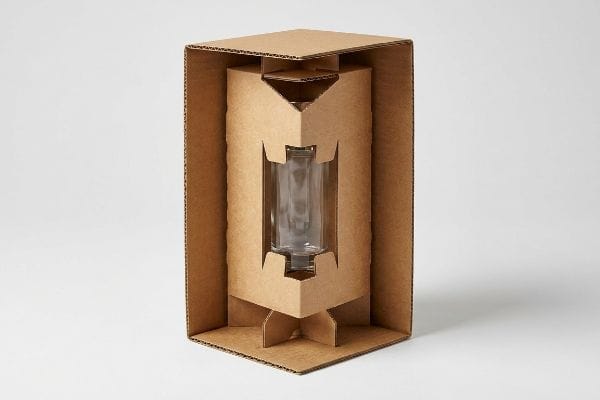
কোনো ভারী পণ্যের দিকে নরম ফোম ছুঁড়ে মারলে তার ভরবেগ থেমে যায় না; এটি কেবল আঘাতের তীব্রতাকে বিলম্বিত করে। আমরা গতিশক্তির এই শৃঙ্খলকে সম্পূর্ণরূপে ভেঙে দিতে ভৌত জ্যামিতি ব্যবহার করি।.
গতি স্থানান্তর সাসপেনশন ভয়েড
আমি প্রায়শই দেখি ব্র্যান্ডগুলো তাদের মূল পণ্যের বাইরের মাপের সাথে হুবহু ১:১ মিলিয়ে মাস্টার শিপিং কার্টন ডিজাইন করে, এই ভেবে যে একদম আঁটসাঁট ফিট পরিবহনের সময় সর্বোচ্চ সুরক্ষা দেবে১৯।যখন তারা বুঝতে পারে যে পণ্যগুলো ভেঙে যাচ্ছে, তখন তারা তাড়াহুড়ো করে একটি RFQ (Request for Quote) জারি করে, যেখানে তারা ঝামেলাপূর্ণ ও ব্যয়বহুল ফোম প্যাডিং ইনসার্টের জন্য বাজেট বাঁচানোর উদ্দেশ্যে নির্বিচারে বাইরের ECT (Edge Crush Test) বোর্ডের গ্রেড২০। তারা আঘাত প্রতিরোধ ক্ষমতাকে একটি গাণিতিক জ্যামিতিক সমস্যার পরিবর্তে কুশনিং-এর সমস্যা হিসেবে দেখে, যা সক্রিয়ভাবে তাদের প্যাকেজিং BOM (বিল অফ মেটেরিয়ালস)-কে স্ফীত করে এবং ফুলফিলমেন্ট লাইনকে ধীর করে দেয়।
এটা শুধু তত্ত্ব নয়—আমি পরীক্ষার ফ্লোরে ভঙ্গুর প্রসাধনী প্যাকেজিং। আমার প্রতিষ্ঠানে, আমি নিয়মিতভাবে আমাদের ISTA (ইন্টারন্যাশনাল সেফ ট্রানজিট অ্যাসোসিয়েশন) ভাইব্রেশন টেবিলে ঘন ফোম ব্লক দিয়ে প্যাক করা টাইট-ফিট শিপার পরীক্ষা করি। যখন আমি গতিশক্তি স্থানান্তর পরিমাপ করি, আমি দেখতে পাই যে আনক্যালিব্রেটেড ফোম শকওয়েভটিকে সরাসরি21 অনমনীয় প্রাথমিক কন্টেইনারে পাঠিয়ে দেয়। এটি ঠিক করার জন্য, আমি মাইক্রোমিটার রিডিংগুলো বের করে প্রমাণ করলাম যে আমার দামী প্লাস্টিকের ক্লিপ বা ফোমের প্রয়োজন নেই—আমার শুধু একটি সুনির্দিষ্ট 0.125-ইঞ্চি (3.17 মিমি) কাঠামোগত ক্লিয়ারেন্স22। আমি অভ্যন্তরীণ ডাই-লাইনটি সম্পূর্ণরূপে নতুন করে ডিজাইন করেছি, ফোমের পরিবর্তে একটি একক-টুকরো, ডাই-কাট ই-ফ্লুট সাসপেনশন ইনসার্ট ব্যবহার করেছি যা গাণিতিকভাবে পণ্যটিকে বাইরের দেয়াল থেকে দূরে ভাসিয়ে রাখে। একবার প্রকিউরমেন্ট টিম আমাকে এক্সেল BOM সামঞ্জস্য করার অনুমতি দিলে, ঢেউখেলানো উপাদানটি নিজেই কঠিন কাজটি করে দেয়। এই কঠোর জ্যামিতিক সাসপেনশন ভয়েড প্রয়োগ করার মাধ্যমে, আমি নিশ্চিত করেছি যে কো-প্যাকিং অ্যাসেম্বলির সময় প্রতি ইউনিটে আনুমানিক ৩৪ সেকেন্ড কমে এসেছে, যা ক্লায়েন্টের শ্রম বাবদ উল্লেখযোগ্য খরচ বাঁচিয়েছে এবং কাচ ভাঙার ঘটনাও সম্পূর্ণরূপে নির্মূল করেছে।
| মেট্রিক | সাধারণ পদ্ধতি | প্রকৌশলগত বাস্তবতা |
|---|---|---|
| অভ্যন্তরীণ প্যাডিং | অগোছালো ইপিএস ফোম ব্লক | ডাই-কাট ই-ফ্লুট ইনসার্ট |
| শক শোষণ | সরাসরি গতিবিদ্যা স্থানান্তর | ৩.১৭ মিমি সাসপেনশন ভয়েড23 |
| সমাবেশের গতি | ধীরে ধীরে হাতে প্রবেশ করানো | ঘর্ষণহীন এক-টুকরো ভাঁজ |
আমি স্ট্রাকচারাল ডাইলাইনকে প্রকৃত শারীরিক কাজটি করতে বাধ্য করার মাধ্যমে বিশাল ও অনির্দেশ্য শূন্যস্থান পূরণের প্রয়োজনীয়তা দূর করি। ফুলফিলমেন্ট লাইনে নিখুঁত ঢেউখেলানো কার্ডবোর্ডের প্রকৌশল সর্বদা এলোমেলো প্লাস্টিক প্যাডিংয়ের চেয়ে ভালো কাজ করে।.
🛠️ হার্ভির ডেস্ক: আপনার ফুলফিলমেন্ট টিম কি দামী, অপরিমার্জিত ফোম প্যাডিং দিয়ে বাক্স ভর্তি করে হাজার হাজার ঘন্টা নষ্ট করছে, যা ড্রপ টেস্টেও ফেল করে? 👉 একটি বিনামূল্যে সাসপেনশন ভয়েড অডিটের জন্য অনুরোধ করুন ↗ — আমি ২৪ ঘন্টার মধ্যে প্রতিটি স্ট্রাকচারাল ফাইল ব্যক্তিগতভাবে পর্যালোচনা করি।
উপসংহার
সুনির্দিষ্ট সফট-টাচ ল্যামিনেশন কার্ভ ক্যালিব্রেট করা থেকে শুরু করে গাণিতিক কাইনেটিক সাসপেনশন ভয়েড ইঞ্জিনিয়ারিং পর্যন্ত, বৈশ্বিক রিটেইল সাপ্লাই চেইনে টিকে থাকার জন্য বাহ্যিক সৌন্দর্যের চেয়ে কঠোর কাঠামোগত পদার্থবিদ্যা বেশি জরুরি। শুধুমাত্র গত মাসেই, আমার স্ট্রাকচারাল অডিট ৩টি ব্র্যান্ডকে ১০,০০০ ডলারেরও বেশি মূল্যের বাতিল ইনভেন্টরি এবং রিটেইলার চার্জব্যাক এড়াতে সাহায্য করেছে। আপনি যদি ভারী প্যালেটের ওপরের চাপের কারণে আপনার মাস্টার কার্টনগুলো ভেঙে পড়তে দেখতে দেখতে ক্লান্ত হয়ে পড়েন, তাহলে ব্যাপক উৎপাদন শুরু হওয়ার আগেই সঠিক উপাদানগত দুর্বলতা শনাক্ত করতে আমাকে ব্যক্তিগতভাবে আপনার স্ট্রাকচারাল ফাইলগুলো একটি ফ্রি মাস্টার কার্টন কম্প্রেশন অডিটের ↗ মাধ্যমে পরীক্ষা করতে দিন।
"দ্বি-অক্ষীয়ভাবে বিন্যস্ত ফিল্মের গঠনবিন্যাসের উপর তাপ প্রক্রিয়াকরণের প্রভাব...", https://pmc.ncbi.nlm.nih.gov/articles/PMC12174661/। পদার্থ বিজ্ঞান বিষয়ক সাহিত্যে বিশদভাবে বর্ণনা করা হয়েছে যে, কীভাবে দ্বি-অক্ষীয়ভাবে বিন্যস্ত ফিল্মের আণবিক বিন্যাস অধঃস্তরের প্রতিসরাঙ্ক এবং আলোক বিক্ষেপণকে পরিবর্তন করে। প্রমাণের ভূমিকা: সমর্থন; উৎসের ধরণ: প্রযুক্তিগত পাঠ্যপুস্তক। সমর্থন করে: স্তরিত মুদ্রণে আলোকীয় অন্ধকারাচ্ছন্নতা বা স্থানান্তরের ভৌত প্রক্রিয়া। পরিধিগত টীকা: বিশেষভাবে দ্বি-অক্ষীয়ভাবে বিন্যস্ত পলিপ্রোপিলিন (BOPP) এবং অনুরূপ পলিমারের ক্ষেত্রে প্রযোজ্য। ↩
"সফট টাচ ল্যামিনেশনের নির্দেশিকা: ২০২৬-এর বিলাসবহুল …", https://xactz.com/blogs/news/guide-to-soft-touch-lamination-the-2026-luxury-packaging-trend?srsltid=AfmBOopLG1O2ngpwj5d3nVnG8ZxjAU46MvPk-azVCdOw6C8XIlE84SOe। মুদ্রিত পৃষ্ঠে স্পর্শকাতর পলিমারের কারণে রঙের মান হ্রাসের সঠিক শতাংশের যাচাইকরণ। প্রমাণের ভূমিকা: প্রযুক্তিগত যাচাইকরণ; উৎসের ধরণ: রঙ বিজ্ঞান গবেষণা বা প্যাকেজিং ইঞ্জিনিয়ারিং ম্যানুয়াল। সমর্থন করে: নির্দিষ্ট অপটিক্যাল ডার্কেনিং মেট্রিক। পরিধি সংক্রান্ত টীকা: পলিমারের পুরুত্ব এবং কালির রাসায়নিক গঠনের উপর ভিত্তি করে মান পরিবর্তিত হতে পারে। ↩
"গাণিতিক মডেলিং এবং ক্ষতিপূরণ কৌশল … – পিএমসি", https://pmc.ncbi.nlm.nih.gov/articles/PMC12574880/। ল্যামিনেশন-জনিত কালচে ভাব দূর করার জন্য প্রিপ্রেস আরআইপি সফটওয়্যারে ব্যবহৃত স্ট্যান্ডার্ড ইন্ডাস্ট্রি ক্ষতিপূরণ কার্ভগুলোর বৈধতা যাচাই। প্রমাণের ভূমিকা: প্রক্রিয়া যাচাইকরণ; উৎসের ধরণ: প্রিপ্রেস প্রযুক্তিগত নির্দেশিকা। সমর্থন: নির্দিষ্ট সংশোধনমূলক ঘনত্ব সমন্বয়। পরিধি সংক্রান্ত টীকা: নির্দিষ্ট কিছু CMYK ইঙ্ক সেটের জন্য প্রযোজ্য হতে পারে। ↩
"ভোক্তা প্যাকেজিং ডিজাইনের প্রযুক্তিগত ভিত্তি", https://www.bemisus.com/blog/mastering-color-accuracy-the-technical-foundation-of-consumer-packaging-design-506.html। প্রযুক্তিগত নথি যা ব্যাখ্যা করে কীভাবে ল্যামিনেশন আলোর প্রতিসরণকে পরিবর্তন করে এবং রঙের সঠিকতা বজায় রাখার জন্য একটি ক্ষতিপূরণ বক্ররেখার প্রয়োজন হয়। প্রমাণের ভূমিকা: প্রযুক্তিগত স্পেসিফিকেশন; উৎসের ধরণ: শিল্প ম্যানুয়াল। সমর্থন করে: ল্যামিনেটের জন্য বিশেষায়িত ক্রমাঙ্কনের প্রয়োজনীয়তা। পরিধি নোট: উচ্চ-মানের প্যাকেজিংয়ের জন্য নির্দিষ্ট। ↩
"রূপান্তর এবং প্রলিপ্ত প্যাকেজিংয়ের প্রতিবন্ধক বৈশিষ্ট্যের উপর এর প্রভাব...", https://bioresources.cnr.ncsu.edu/resources/converting-and-its-effects-on-barrier-properties-of-coated-packaging-materials-a-review/। পলিমার-প্রলিপ্ত পৃষ্ঠতল বনাম কাঁচা মুদ্রিত কালির পরিধান প্রতিরোধ ক্ষমতা এবং ঘর্ষণ সহগের উপর তুলনামূলক তথ্য। প্রমাণের ভূমিকা: উপাদানের তুলনা; উৎসের ধরণ: প্রযুক্তিগত ডেটাশিট। সমর্থন করে: পৃষ্ঠের ঘর্ষণের ক্ষেত্রে কাঁচা কালির চেয়ে ফিল্ম সুরক্ষার শ্রেষ্ঠত্ব। পরিধি টীকা: পৃষ্ঠের স্থায়িত্বের উপর দৃষ্টি নিবদ্ধ। ↩
"প্যাকেজিং-এ রঙের নির্ভুলতা কী? প্যানটোন ম্যাচিং...", https://3dcolor.com/what-is-color-accuracy-in-packaging-pantone-matching-delta-e-and-why-brand-color/। খুচরা বিক্রয় পরিবেশে অনুভূত রঙের পার্থক্য এবং চাক্ষুষ ব্যর্থতার সীমা পরিমাপ করতে ব্যবহৃত ডেল্টা-ই (Delta-E) মানের বৈজ্ঞানিক ব্যাখ্যা। প্রমাণের ভূমিকা: মেট্রিক সংজ্ঞা; উৎসের ধরণ: রঙ বিজ্ঞান বিষয়ক পাঠ্যপুস্তক। সমর্থন করে: এই দাবি যে সাধারণ প্রুফিং অগ্রহণযোগ্য রঙের বৈচিত্র্যের দিকে পরিচালিত করে। পরিধি টীকা: CIELAB মানদণ্ডের উপর ভিত্তি করে। ↩
"ভারযুক্ত প্রান্তের দূরত্ব এবং আর্দ্রতার পরিমাণের প্রভাব...", https://pmc.ncbi.nlm.nih.gov/articles/PMC7731337/। অপরিশোধিত কাঠের আর্দ্রতার ওঠানামা কীভাবে যান্ত্রিক ব্যর্থতা এবং ফাস্টেনার ছিঁড়ে যাওয়ার কারণ হয়, তার প্রযুক্তিগত যাচাই। প্রমাণের ভূমিকা: প্রযুক্তিগত যাচাই; উৎসের ধরণ: কাঠামোগত প্রকৌশল ম্যানুয়াল। সমর্থন: অপরিশোধিত আর্দ্রতা এবং কাঠামোগত ব্যর্থতার মধ্যে কার্যকারণ সম্পর্ক। পরিধি টীকা: ভারী পরিবহন ভারের জন্য নির্দিষ্ট। ↩
"[পিডিএফ] ক্ষয় প্রতিরোধ ক্ষমতা, মাত্রিক স্থিতিশীলতা এবং শক্তি বোঝা …", https://research.fs.usda.gov/download/treesearch/39488.pdf। বৈজ্ঞানিক প্রমাণ যা ব্যাখ্যা করে কীভাবে তাপ প্রক্রিয়াকরণ কাঠের পলিমার এবং কোষীয় কাঠামোকে পরিবর্তন করে স্থিতিশীলতা বৃদ্ধি করে। প্রমাণের ভূমিকা: বৈজ্ঞানিক প্রমাণ; উৎসের ধরণ: বস্তু বিজ্ঞান জার্নাল। সমর্থন করে: মাত্রিক স্থিতিশীলতার জন্য তাপীয় প্রলেপের কার্যকারিতা। পরিধি টীকা: ISPM 15-সম্মত তাপ প্রক্রিয়াকরণের ক্ষেত্রে প্রযোজ্য। ↩
"… থেকে ISPM 15-সম্মত কাঠের প্যাকেজিং সামগ্রী রপ্তানি করুন", https://www.aphis.usda.gov/plant-exports/wood-packaging-material/export। ফাইটোস্যানিটারি সার্টিফিকেশনের জন্য প্রয়োজনীয় অফিসিয়াল IPPC তাপ প্রক্রিয়াকরণ তাপমাত্রার যাচাইকরণ। প্রমাণের ভূমিকা: প্রযুক্তিগত স্পেসিফিকেশন; উৎসের ধরণ: আন্তর্জাতিক নিয়ন্ত্রক মান। সমর্থন করে: কীটপতঙ্গ নির্মূলের জন্য তাপীয় প্রয়োজনীয়তা। পরিধি টীকা: ISPM 15 মানের জন্য নির্দিষ্ট। ↩
"আমার প্যালেট কতটা ভার বহন করতে পারে?", https://unitload.vt.edu/education/white-papers/5-wp-load-carrying-capacity-of-pallets.html। প্রমিত শিল্প কাঠের শিপিং প্ল্যাটফর্মের সাধারণ স্থির ভারবহন ক্ষমতার বৈধতা যাচাই। প্রমাণের ভূমিকা: কর্মক্ষমতার পরিমাপক; উৎসের ধরণ: প্রকৌশলগত স্পেসিফিকেশন। ভিত্তি: কাঠের উপাদানের কাঠামোগত অখণ্ডতা। পরিধিগত টীকা: প্যালেটের নকশা এবং কাঠের প্রজাতি অনুসারে ক্ষমতা পরিবর্তিত হয়। ↩
"মার্কিন যুক্তরাষ্ট্রে ISPM 15-সম্মত কাঠের প্যাকেজিং সামগ্রী আমদানি করুন", https://www.aphis.usda.gov/plant-imports/wood-packaging-material/import। অফিসিয়াল IPPC নির্দেশিকা ISPM 15 সম্মতি নিশ্চিত করার জন্য তাপ প্রক্রিয়াকরণের নির্দিষ্ট কোর তাপমাত্রা এবং সময়কালের প্রয়োজনীয়তা নির্ধারণ করে। প্রমাণের ভূমিকা: প্রযুক্তিগত স্পেসিফিকেশন; উৎসের ধরণ: আন্তর্জাতিক মান। সমর্থন করে: হিট কোর ট্রিটমেন্ট পদ্ধতির বৈধতা। পরিধি নোট: বিশেষভাবে কাঠের প্যাকেজিং সামগ্রীর ক্ষেত্রে প্রযোজ্য। ↩
"আন্তর্জাতিক ফাইটোস্যানিটারি স্ট্যান্ডার্ড ISPM নং …-এর কার্যকারিতা", https://pmc.ncbi.nlm.nih.gov/articles/PMC4020780/। কাঠের তাপীয় প্রক্রিয়াকরণের বৈজ্ঞানিক বিশ্লেষণ জীবাণুমুক্তকরণের মান পূরণের জন্য কাঠ-ছিদ্রকারী কীটপতঙ্গের নির্মূলকে যাচাই করে। প্রমাণের ভূমিকা: কার্যকারিতার পরিমাপক; উৎসের ধরণ: পিয়ার-রিভিউড গবেষণা। সমর্থন করে: এই দাবি যে প্রক্রিয়াকৃত তন্তুগুলো জৈবিকভাবে জীবাণুমুক্ত। পরিধিগত টীকা: জীবাণুমুক্তকরণ বাধ্যতামূলক মূল তাপমাত্রায় পৌঁছানোর উপর নির্ভরশীল। ↩
"ন্যানোসেলুলোজ সংযোজনের যান্ত্রিকতার উপর প্রভাব … – পিএমসি", https://pmc.ncbi.nlm.nih.gov/articles/PMC10780965/। কাগজ তৈরির নির্ভরযোগ্য উৎসগুলো বর্ণনা করে যে কীভাবে বারবার পাল্পিং চক্র সেলুলোজ ফাইবারকে ছোট করে, যার ফলে তৈরি হওয়া বোর্ডের কাঠামোগত অখণ্ডতা ক্ষতিগ্রস্ত হয়। প্রমাণের ভূমিকা: যান্ত্রিক ব্যাখ্যা; উৎসের ধরণ: প্রযুক্তিগত পাঠ্যপুস্তক। সমর্থন করে: এই দাবি যে পাল্পিং কাগজের আণুবীক্ষণিক কাঠামোগত বৈশিষ্ট্য পরিবর্তন করে। পরিধি টীকা: বিশেষভাবে পুনর্ব্যবহৃত ফাইবারের অবক্ষয় নিয়ে আলোচনা করে। ↩
"ঢেউখেলানো বোর্ডের সংকোচন শক্তির প্রাক্কলন …", https://pmc.ncbi.nlm.nih.gov/articles/PMC8467740/। প্যাকেজিং ইঞ্জিনিয়ারিং ডেটা সি-ফ্লুট ঢেউখেলানো দেয়াল বনাম সিঙ্গেল-ওয়াল পেপারবোর্ডের উল্লম্ব চাপ প্রতিরোধের জন্য তুলনামূলক মেট্রিক প্রদান করে। প্রমাণের ভূমিকা: অভিজ্ঞতালব্ধ ডেটা; উৎসের ধরণ: শিল্প স্পেসিফিকেশন। সমর্থন করে: ফ্লুটেড এবং ফ্ল্যাট সাবস্ট্রেটের মধ্যে ভারবহন ক্ষমতার পার্থক্য। পরিধি নোট: উল্লম্ব সংকোচন শক্তির উপর আলোকপাত করে। ↩
"একটি ঢেউখেলানো বোর্ডের প্রান্ত চূর্ণ পরীক্ষার পূর্ণ-ক্ষেত্র পরিমাপ...", https://pmc.ncbi.nlm.nih.gov/articles/PMC8199211/। TAPPI T811 মানটি প্রান্ত চূর্ণ মূল্যায়ন বা অন্যান্য পেপারবোর্ড মেট্রিক্স নিয়ন্ত্রণ করে কিনা তা নির্ধারণের জন্য এর যাচাইকরণ। প্রমাণের ভূমিকা: প্রযুক্তিগত যাচাইকরণ; উৎসের ধরণ: শিল্প মান। সমর্থন করে: সংকোচন ব্যর্থতার জন্য একটি নির্দিষ্ট শিল্প পরীক্ষার ব্যবহার। পরিধি টীকা: উদ্ধৃত মান নম্বরটি বর্ণিত পরীক্ষা পদ্ধতির সাথে মেলে কিনা তা নিশ্চিত করে। ↩
"ঢেউখেলানো কাগজের প্যাকেজের সংকোচন শক্তি...", https://pmc.ncbi.nlm.nih.gov/articles/PMC10054506/। পুনর্ব্যবহৃত ঢেউখেলানো মাধ্যমের কাঠামোগত অখণ্ডতার উপর নির্দিষ্ট ভার্জিন ক্রাফট ফাইবারের শতাংশের প্রভাবের প্রযুক্তিগত যাচাইকরণ। প্রমাণের ভূমিকা: প্রযুক্তিগত বিবরণ; উৎসের ধরণ: পদার্থ বিজ্ঞান গবেষণা। সমর্থন করে: এই দাবি যে এই নির্দিষ্ট মিশ্রণটি গতিশীল সংকোচন শক্তি পুনরুদ্ধার করে। পরিধি সংক্রান্ত টীকা: মূল পুনর্ব্যবহৃত গ্রেডের উপর ভিত্তি করে প্রভাব ভিন্ন হতে পারে। ↩
"কোরুগেটেড বোর্ড বক্সের সংকোচন শক্তি অনুমান...", https://pmc.ncbi.nlm.nih.gov/articles/PMC9864211/। পাল্পের গঠন সম্পর্কিত প্রযুক্তিগত নথি ফাইবারের ক্ষয় রোধ করতে এবং কাঠামোগত অখণ্ডতা উন্নত করতে প্রয়োজনীয় ভার্জিন ফাইবারের নির্দিষ্ট অনুপাত যাচাই করবে। প্রমাণের ভূমিকা: পরিমাণগত যাচাই; উৎসের ধরণ: পদার্থ বিজ্ঞান জার্নাল বা শিল্প মান। সমর্থন করে: ইঞ্জিনিয়ারড বক্সের জন্য কাগজের সঠিক গঠন। পরিধি নোট: উচ্চ-কর্মক্ষমতাসম্পন্ন কোরুগেটেড সাবস্ট্রেটের জন্য নির্দিষ্ট। ↩
"কোরুগেটেড কী", https://www.fibrebox.org/what-is-corrugated/। ফ্লুটেড মিডিয়ার উপর স্ট্রাকচারাল ইঞ্জিনিয়ারিংয়ের উৎসগুলো ব্যাখ্যা করে যে, কীভাবে ফ্লুটের জ্যামিতি উল্লম্ব সংকোচন প্রতিরোধ করার জন্য একাধিক খিলানের মতো কাজ করে। প্রমাণের ভূমিকা: তাত্ত্বিক বৈধতা; উৎসের ধরন: মেকানিক্যাল ইঞ্জিনিয়ারিংয়ের পাঠ্যপুস্তক। সমর্থন করে: অপ্টিমাইজড ফ্লুট জ্যামিতির যান্ত্রিক সুবিধা। পরিধি টীকা: এজ ক্রাশ টেস্ট (ECT) পারফরম্যান্সের সাথে সম্পর্কিত। ↩
"কোরভু সাসপেনশন প্যাকেজিং", https://altapackaging.co/products/suspension-retention-packaging/suspension-packaging/। প্রকৌশলগত তথ্য যা প্রমাণ করে যে, শক-শোষক সাসপেনশন ছাড়া শূন্যস্থান অপসারণ করলে পণ্যে গতিশক্তির সঞ্চালন বৃদ্ধি পায়। প্রমাণের ভূমিকা: অভিজ্ঞতালব্ধ প্রমাণ; উৎসের ধরণ: প্যাকেজিং প্রকৌশল গবেষণা। সমর্থন করে: সুরক্ষা কৌশল হিসেবে আঁটসাঁট ফিটিংয়ের ব্যর্থতা। পরিধিগত টীকা: বিশেষভাবে ভঙ্গুর পণ্যের ক্ষেত্রে প্রযোজ্য। ↩
"এজ ক্রাশ টেস্ট (ECT) – করোগেটেড বক্স", https://www.theboxery.com/ect.asp?srsltid=AfmBOooyYaE26FGg2vO5OL7LgwP2gXAfqmfhYMJJwNsjg8Z49QbCr-tP। এজ ক্রাশ টেস্ট (ECT)-এর মান কীভাবে করোগেটেড ফাইবারবোর্ডের স্ট্যাকিং শক্তি এবং কাঠামোগত অখণ্ডতা পরিমাপ করে, তার প্রযুক্তিগত ব্যাখ্যা। প্রমাণের ভূমিকা: প্রযুক্তিগত স্পেসিফিকেশন; উৎসের ধরণ: শিল্প মান। সমর্থন করে: শিপিং কার্টনের স্থায়িত্বে বোর্ড গ্রেডের তাৎপর্য। পরিধি নোট: প্রাথমিকভাবে উল্লম্ব সংকোচন শক্তি সম্পর্কিত। ↩
"অরৈখিকতা এবং জ্যামিতির অন্তর্ভুক্তি: একটি মাত্রিক বিশ্লেষণ...", https://pmc.ncbi.nlm.nih.gov/articles/PMC12322130/। অ-ক্যালিব্রেটেড উচ্চ-ঘনত্বের ফোম কীভাবে গতিশক্তি শোষণ না করে তা সঞ্চারিত করতে পারে তার প্রযুক্তিগত ব্যাখ্যা। প্রমাণের ভূমিকা: প্রযুক্তিগত বৈধতা; উৎসের ধরণ: প্যাকেজিং ইঞ্জিনিয়ারিং পাঠ্যপুস্তক। সমর্থন করে: উচ্চ-আঘাতের পরিস্থিতিতে ঘন ফোমের ব্যর্থতা। পরিধি টীকা: ফোমের ঘনত্ব এবং পণ্যের ভরের উপর ভিত্তি করে প্রভাব পরিবর্তিত হয়। ↩
"উন্নত স্থায়িত্বের জন্য উদ্ভাবনী নকশার ঢেউখেলানো বোর্ড প্যাকেজিং...", https://bioresources.cnr.ncsu.edu/resources/corrugated-board-packaging-with-innovative-design-for-enhanced-durability-during-transport/। প্রাথমিক কন্টেইনারে গতিশক্তি স্থানান্তর রোধ করার জন্য ডাই-কাট ইনসার্টগুলিতে প্রয়োজনীয় সর্বোত্তম ক্লিয়ারেন্স ফাঁক নিশ্চিতকারী ইঞ্জিনিয়ারিং ডেটা। প্রমাণের ভূমিকা: মেট্রিক যাচাইকরণ; উৎসের ধরণ: প্রযুক্তিগত স্পেসিফিকেশন শিট। সমর্থন করে: সাসপেনশন ভয়েডের জন্য নির্দিষ্ট পরিমাপের ব্যবহার। পরিধি নোট: উপাদানের ফ্লুটিং এবং পণ্যের ওজনের উপর ভিত্তি করে ক্লিয়ারেন্সের প্রয়োজনীয়তা পরিবর্তিত হয়। ↩
"শক অ্যাবজর্বার", https://en.wikipedia.org/wiki/Shock_absorber। প্রকৌশলগত প্যাকেজিং-এ গতিশক্তি স্থানান্তর প্রশমিত করার জন্য সাসপেনশন ভয়েডের ব্যবহৃত নির্দিষ্ট পরিমাপের যাচাইকরণ। প্রমাণের ভূমিকা: প্রযুক্তিগত স্পেসিফিকেশন; উৎসের ধরণ: ইঞ্জিনিয়ারিং ম্যানুয়াল বা প্যাকেজিং পেটেন্ট। সমর্থন করে: শক অ্যাবজর্বশনের জন্য ভয়েডের সুনির্দিষ্ট মাত্রা ব্যবহার। পরিধি সংক্রান্ত টীকা: নির্দিষ্ট কিছু করোগেটেড ফ্লুট গ্রেডের জন্য প্রযোজ্য হতে পারে। ↩