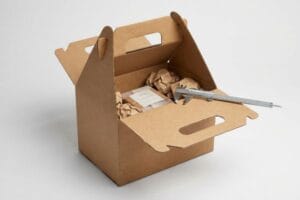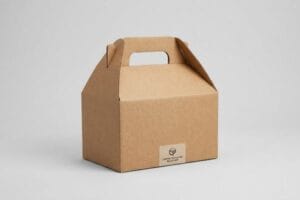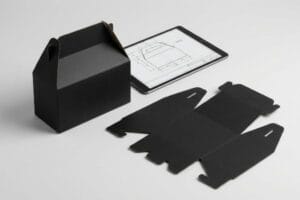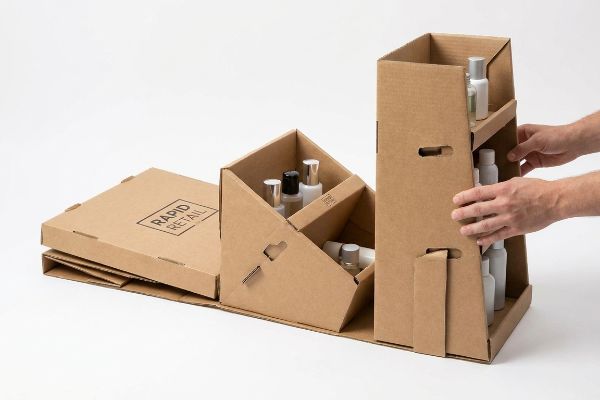
আপনি একটি রিটেইল পণ্য চালু করতে হাজার হাজার টাকা ঢালেন, কিন্তু আপনার কার্ডবোর্ডের ডিসপ্লেগুলো তৈরি করতে যদি খুব বেশি সময় লাগে, তাহলে দোকানের কর্মচারীরা সেগুলো সরাসরি রিসাইক্লিং বিনে ফেলে দেবে।
এক সেকেন্ডের কার্ডবোর্ড ডিসপ্লে আগে থেকে আঠা লাগানো, ভাঁজযোগ্য কাঠামোগত কৌশল ব্যবহার করে খুচরা বিক্রির অভিজ্ঞতাকে বদলে দেয়, যা সঙ্গে সঙ্গে নির্দিষ্ট স্থানে আটকে যায়। এই ঘর্ষণহীন ইউনিটগুলো জটিল অ্যাসেম্বলি ম্যানুয়ালকে পুরোপুরি এড়িয়ে যায়, দোকানে দ্রুত নিয়ম মেনে চলা নিশ্চিত করে, শ্রমজনিত অসুবিধা ব্যাপকভাবে হ্রাস করে এবং প্রতিযোগিতামূলক ও জনবহুল সুপারমার্কেটের করিডোরে পণ্যের সেরা অবস্থান নিশ্চিত করে।.

কিন্তু মেঝেতে এই নিখুঁত 'পপ-আপ' জাদুটি অর্জন করার জন্য নেপথ্যে কঠোর কাঠামোগত প্রকৌশলের প্রয়োজন হয়।.
একটি ভালো রিটেইল ডিসপ্লের বৈশিষ্ট্য কী?
একটি সুন্দর গ্রাফিক ডিজাইন করাটা কাজের অর্ধেক মাত্র; যদি বাস্তব পণ্যটি বিক্রেতার সাথে দ্বন্দ্বে লিপ্ত হয়, তবে তা ব্যর্থ হয়।.
একটি ভালো রিটেইল ডিসপ্লে শুধুমাত্র নান্দনিকতার চেয়ে কাঠামোগত সরলতা এবং গতিশীল ভারবহন ক্ষমতাকে বেশি প্রাধান্য দেয়। এতে স্বজ্ঞাত ইন্টারলকিং ব্যবস্থা থাকে, এটি স্থাপন করতে কোনো বিশেষ যন্ত্রপাতির প্রয়োজন হয় না, ভারী পণ্যসামগ্রীর নিচেও এর আকৃতিগত স্থিতিশীলতা কঠোরভাবে বজায় থাকে এবং এটি অত্যন্ত প্রতিযোগিতামূলক ও দ্রুতগতির বাণিজ্যিক সুপারমার্কেট পরিবেশে সফলভাবে ক্রেতাদের মনোযোগ আকর্ষণ করে।.
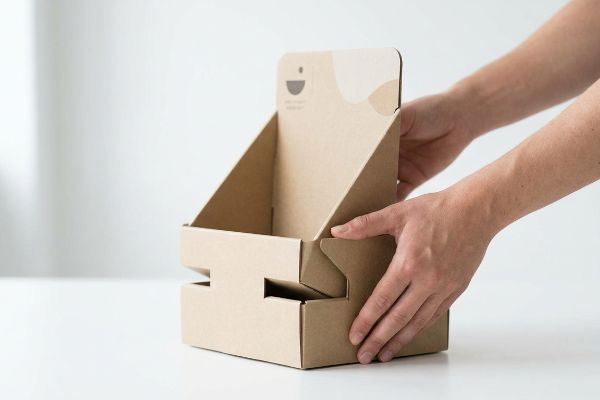
যখন আপনি ডিজিটাল রেন্ডারিং থেকে বাস্তব কার্ডবোর্ডে কাজ শুরু করেন, তখন জটিলতাই আপনার সবচেয়ে বড় শত্রু হয়ে দাঁড়ায়।.
খুচরা ডিসপ্লেগুলির জন্য জিরো-ফ্রাস্ট্রেশন অ্যাসেম্বলি নিয়ম
গ্রাফিক ডিজাইনাররা প্রায়শই একটি ডিসপ্লেকে অনন্য করে তোলার জন্য জটিল অরিগামির মতো ভাঁজ তৈরি করেন। তারা ধরে নেন যে, দোকানের কর্মীরা যারা তাকগুলো পুনরায় সাজাচ্ছেন, তারা ভিত্তিটি তৈরি করার জন্য একটি মুদ্রিত ১০-ধাপের নির্দেশিকা সাবধানে অনুসরণ করবেন। বাস্তবে, দোকানের কর্মীদের পণ্য সাজানোর গতির উপর সময় বেঁধে দেওয়া হয়এবং জটিল ধাঁধার প্রতি তাদের বিন্দুমাত্র ধৈর্য থাকে না। যদি কোনো একটি ইউনিট তৈরি করতে কয়েক সেকেন্ডের বেশি সময় লাগে, তবে সেটিকে পেছনের ঘরে পাঠিয়ে দেওয়া হয় অথবা প্যাকিং টেপ দিয়ে জোর করে জোড়া লাগানো হয়।
যখন নতুন ব্র্যান্ডগুলো আমাকে ডজন ডজন আলগা প্লাস্টিকের ক্লিপে ভরা জটিল ডাইলাইন ফাইল পাঠায়, তখন আমি এই ঘর্ষণটি প্রতিনিয়ত দেখতে পাই। একজন হতাশ দোকান কর্মচারী পনেরো মিনিট ধরে একটি বেঠিকভাবে বসানো ট্যাব জোর করে লাগানোর জন্য ঘামতে ঘামতে শেষ পর্যন্ত কাঁচা পেপারবোর্ডটিই ছিঁড়ে ফেলেন—পরীক্ষার জায়গায় আমি সেই স্পষ্ট ছেঁড়ার শব্দ বহুবার শুনেছি। এর সমাধান করতে, আমি আলগা হার্ডওয়্যার সম্পূর্ণরূপে বাদ দিই এবং অটো-লকিং ক্র্যাশ বটমসহ আগে থেকে আঠা লাগানো মডিউলার ট্রে তৈরি করি। যেই মুহূর্তে আপনি এর পাশগুলো চাপ দেন, এটি একটি সন্তোষজনক 'পপ' শব্দ করে নিখুঁতভাবে সমান হয়ে যায়, যা অ্যাসেম্বলির সময়কে আক্ষরিক অর্থেই কয়েক সেকেন্ডে নামিয়ে আনে। এই সূক্ষ্ম সমন্বয়টি দোকানের দোকানের ঝামেলা প্রতিরোধ করে, ব্র্যান্ডের নিখুঁত উপস্থাপনা নিশ্চিত করে এবং আপনার শেলফ কমপ্লায়েন্স রেট নাটকীয়ভাবে বাড়িয়ে তোলে ।
| নতুনদের সাধারণ ভুল | প্রো ফিক্স | খুচরা-ফ্লোর সুবিধা |
|---|---|---|
| আলগা প্লাস্টিকের ক্লিপ এবং হার্ডওয়্যার | আগে থেকে আঠা লাগানো অটো-লকিং বটম | প্রতি ইউনিটে ৩ মিনিট সাশ্রয় হয়4 |
| জটিল ১০-ধাপের ভাঁজ করার ম্যানুয়াল | এক সেকেন্ডের পপ-আপ জ্যামিতি5 | দোকানের শতভাগ নিয়ম মেনে চলার নিশ্চয়তা6 |
| স্বচ্ছ প্যাকিং টেপের উপর নির্ভর করা | অন্তর্নির্মিত ইন্টারলকিং ট্যাব | ব্র্যান্ডের পরিচ্ছন্ন নান্দনিকতা বজায় রাখে |
আমি একটি জটিল ভাঁজের কারণে আপনার লঞ্চটি ব্যর্থ হতে দেব না। ডাইলাইন থেকে ঘর্ষণ দূর করার মাধ্যমে, আমি নিশ্চিত করি যে আপনার ডিসপ্লেগুলো ডাস্টবিনে না গিয়ে একেবারে মেঝে পর্যন্ত পৌঁছাবে।.
🛠️ হার্ভির ডেস্ক: আপনার দোকানের কর্মচারীরা কি পণ্য সাজানোর সময় ডিসপ্লেগুলো নষ্ট করে ফেলছে? 👉 একটি বিনামূল্যে স্ট্রাকচারাল অডিট করান ↗ — আমার ডেস্কে সরাসরি অ্যাক্সেস। কোনো স্বয়ংক্রিয় সেলস স্প্যাম নেই, আমি কথা দিচ্ছি।
খুচরা দোকানে পণ্য প্রদর্শনের মূলনীতিগুলো কী কী?
পণ্য বিপণন একটি আক্রমণাত্মক শারীরিক খেলা, যেখানে ভোক্তার মনোযোগই হলো চূড়ান্ত মুদ্রা।.
পণ্য প্রদর্শনের মূলনীতিগুলো একটি খুচরা বিক্রয়কেন্দ্রে স্থানিক সম্পৃক্ততা, দৃষ্টিবিভ্রম এবং ব্যবহারিক প্রবেশগম্যতাকে নির্দেশ করে। কার্যকর পণ্যসজ্জার কাঠামোগুলো কৌশলগত দূরত্বের সীমা মেনে চলে এবং দূর থেকে দেখার সুবিধার জন্য উজ্জ্বল ও স্পষ্ট রঙের ব্যবহার, সরাসরি মিথস্ক্রিয়ার জন্য নির্দিষ্ট আকর্ষণীয় স্থান এবং ক্রেতার তাৎক্ষণিক ক্রয়ের জন্য ঘর্ষণহীন ধারক প্রান্ত ব্যবহার করে।.

স্থানিক মনোবিজ্ঞান বোঝা আপনার প্রধান কেন্দ্রবিন্দুগুলো নকশা করার পদ্ধতি বদলে দেয়।.
৩-৩-৩ স্থানিক সম্পৃক্ততা কৌশল আয়ত্ত করা
জুনিয়র মার্কেটিং টিমগুলো প্রায়শই পিওপি (পয়েন্ট অফ পারচেজ) ফ্লোর ডিসপ্লে এমনভাবে ডিজাইন করে, যা শুধুমাত্র ব্যাকলিট কম্পিউটার মনিটরে কাছ থেকে দেখার জন্য তৈরি। তারা এই ভেবে হেডার কার্ডের প্রতিটি ইঞ্চি ছোট ছোট লেখা দিয়ে যত্নসহকারে ভরিয়ে দেয় যে, ক্রেতারা থেমে তাদের ব্র্যান্ডের গল্প পড়বে। মানুষ কীভাবে ভিড়ে ঠাসা বড় দোকানের করিডোরে দ্রুত গতিতে চলাচল করে, সেই বিশৃঙ্খল বাস্তবতাকে তারা উপেক্ষা করে ।
সবচেয়ে বড় ফাঁদ হলো একটি 3D মার্চেন্ডাইজারকে একটি ফ্ল্যাট ম্যাগাজিন বিজ্ঞাপনের মতো বিবেচনা করা। আমি ক্লায়েন্টদের রিটেইল এনগেজমেন্টের "3-3-3 নিয়ম"8।আপনার ডিসপ্লেকে অবশ্যই 30 ফুট (9144 মিমি) দূর থেকে মনোযোগ আকর্ষণ করতে হবে, 3 ফুট (914 মিমি) দূরত্বে নির্দিষ্ট আগ্রহ তৈরি করতে হবে এবং 3 ইঞ্চি (76 মিমি) দূরত্বে পণ্যটি কেনার জন্য উৎসাহিত করতে হবে। যদি আমি অতি ক্ষুদ্র লেখায় ঠাসা কোনো ফাইল দেখি, আমি জানি এটি ব্যর্থ হবে, কারণ চোখ এটিকে গ্রে নয়েজের মতো এড়িয়ে যায়। আমি অপ্রয়োজনীয় জিনিসগুলো সরিয়ে ফেলি, 30-ফুট দূর থেকে দৃষ্টি আকর্ষণের জন্য আকর্ষণীয় ডাই-কাট আকৃতি ব্যবহার বাধ্যতামূলক করি এবং 85% পণ্য দৃশ্যমানতা নিশ্চিত9। এই দৃশ্যগত উত্তেজনা সক্রিয়ভাবে পথচারীদের আকর্ষণ করে এবং আপনার বিনিয়োগকে পটভূমির সাথে মিশে যাওয়া থেকে রক্ষা করে।
| নতুনদের সাধারণ ভুল | প্রো ফিক্স | খুচরা-ফ্লোর সুবিধা |
|---|---|---|
| হেডার কার্ডে ছোট লেখা | বিশাল ডাই-কাট কাঠামোগত আকার | ৩০ ফুট পর্যন্ত দৃশ্যগত ব্যাঘাত ঘটায়10 |
| সমতল, প্রতিসম তাক | আর্গোনমিক ৫০-ইঞ্চি স্ট্রাইক জোন11 | ৩ ফুট দূরত্বে ক্রেতাদের আকৃষ্ট করে |
| উঁচু সামনের ধরে রাখার ঠোঁট | ৮৫% খালি পণ্যের দৃশ্যমানতা12 | ৩-ইঞ্চির আকস্মিক কেনাকাটা নিশ্চিত করে |
আমি তথ্যমূলক বিলবোর্ড তৈরি করি না; আমি বাস্তব বিক্রয় ফানেল ডিজাইন করি। আপনার ডিসপ্লে যদি কোনো ক্রেতাকে দোকানের অন্য পাশে টেনে আনতে না পারে, তবে কাঁচামালের খরচ পুরোপুরি বৃথা।.
🛠️ হার্ভির ডেস্ক: মূল করিডোর থেকে কি আপনার হেডার কার্ডের লেখা দেখা যাচ্ছে না? 👉 আপনার ডাইলাইন রিভিউ দাবি করুন ↗ — নিরাপদে ডাউনলোড করুন। পরবর্তীতে কোনো প্রশ্ন থাকলে আমার ইনবক্স খোলা আছে।
সুপারমার্কেটে সেকেন্ডারি ডিসপ্লে বলতে কী বোঝায়?
দোকানের করিডোরের বাইরের জায়গা পাওয়া অত্যন্ত প্রতিযোগিতামূলক, এবং এর জন্য দোকানের মাপ কঠোরভাবে মেনে চলতে হয়।.
সেকেন্ডারি ডিসপ্লে হলো তাকের বাইরে রাখা একটি পণ্য প্রদর্শন ইউনিট, যা সুপারমার্কেটের প্রধান হোম আইলের বাইরে, অধিক জনসমাগমপূর্ণ এলাকায় স্থাপন করা হয়। এই কৌশলগত, স্বতন্ত্র কাঠামোটি প্যালেটের আংশিক জায়গা, এন্ডক্যাপ বা ডাম্প বিন ব্যবহার করে ক্রেতাদের তাৎক্ষণিক কেনাকাটায় আকৃষ্ট করে এবং খুচরা পণ্যের পরিবেশে তাদের স্বাভাবিক চলাচলের সময় কার্যকরভাবে তাদের পথ আটকে দেয়।.
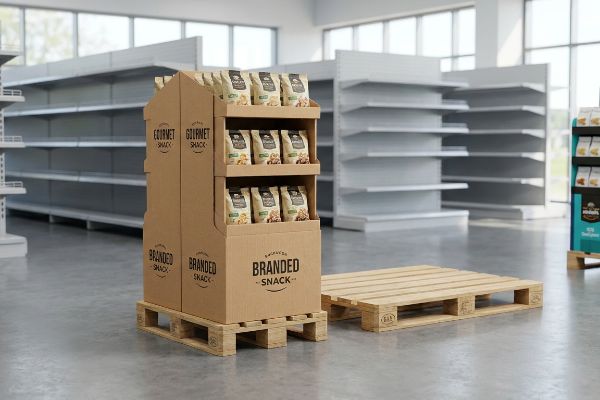
খুচরা ক্রেতাদের কাছে এই ইউনিটগুলো উপস্থাপন করার জন্য নিখুঁত যৌক্তিক হিসাব-নিকাশ প্রয়োজন।.
ভগ্নাংশ প্যালেট জ্যামিতির শক্তি
ব্র্যান্ডগুলো প্রায়শই বড় বড় রিটেইলারদের কাছে মোড়ের আধিপত্য বিস্তারের আশায় বিশাল, পূর্ণ আকারের ৪৮×৪০ ইঞ্চি (১২১৯×১০১৬ মিমি) ফ্লোর ডিসপ্লে স্থাপনের প্রস্তাব দেয়। তারা ধরে নেয় যে, একটি বড় পণ্য উন্মোচন স্বয়ংক্রিয়ভাবে একটি সম্পূর্ণ সাধারণ কাঠের ভিত্তি একচেটিয়াভাবে ব্যবহারের যৌক্তিকতা দেয়। তবে, দোকানের ম্যানেজাররা মূল্যবান করিডোরের জায়গা কঠোরভাবে রেশনিং করে দেন, এবং এই অতিরিক্ত বড় ডিসপ্লেগুলো প্রায়শই তাৎক্ষণিক প্রত্যাখ্যানের সম্মুখীন হয়।
সুপারমার্কেটের জায়গাকে একটি দামী অ্যাপার্টমেন্ট ভাড়া নেওয়ার মতো করে ভাবুন; শুধু একটা বড় সোফা কিনেছেন বলেই আপনি একটা দেয়াল ভেঙে ফেলতে পারেন না। আমি প্রায়শই দেখি উচ্চাকাঙ্ক্ষী ব্র্যান্ডগুলোর প্রচারণা বাতিল হয়ে যায়, কারণ তাদের মূল কাঠামো করিডোরের জন্য নির্ধারিত জায়গার নিয়ম লঙ্ঘন করে। এর সমাধান করতে, আমি সেকেন্ডারি ডিসপ্লেগুলোকে সুনির্দিষ্টভাবে আদর্শ ভগ্নাংশের মাপ অনুযায়ী ডিজাইন করি, বিশেষ করে ২৪×২০ ইঞ্চি (৬০৯×৫০৮ মিমি) মাপের কোয়ার্টার প্যালেটে । জিএমএ (গ্রোসারি ম্যানুফ্যাকচারার্স অ্যাসোসিয়েশন) ফুটপ্রিন্টকে গাণিতিকভাবে ভাগ করার মাধ্যমে , দুটি ভিন্ন প্রচারণামূলক ক্যাম্পেইন নিখুঁতভাবে একটিমাত্র প্যালেট ব্যবহার করতে পারে। এই কঠোর জ্যামিতিক নিয়ম মেনে চলার ফলে রিটেইল ক্রেতারা নির্বিঘ্নে ফ্লোর ডেনসিটি বাড়াতে পারেন, যা তাদেরকে কোনো বড় ধরনের লজিস্টিক ঝামেলা ছাড়াই আপনার ছোট আকারের ফুটপ্রিন্ট অনুমোদন করার আত্মবিশ্বাস দেয়।
| নতুনদের সাধারণ ভুল | প্রো ফিক্স | খুচরা-ফ্লোর সুবিধা |
|---|---|---|
| সম্পূর্ণ ৪৮×৪০ প্যালেট ১৫টি স্থাপন করা হচ্ছে | ইঞ্জিনিয়ারিং ২৪×২০ কোয়ার্টার প্যালেট16 | ক্রেতার অনুমোদন ব্যাপকভাবে বৃদ্ধি করে |
| করিডোরের ফাঁকা স্থান উপেক্ষা করা | কঠোর ঘূর্ণনশীল সুইপ সীমা17 | শপিং কার্টের সংঘর্ষ প্রতিরোধ করে |
| ভাগ করা প্যালেট স্পেসের অপচয় | উপবিভক্ত ভগ্নাংশ ভিত্তি জ্যামিতি | ব্যয়বহুল মেঝের ঘনত্ব সর্বাধিক করে |
আমি আপনার সৃজনশীল দৃষ্টিভঙ্গিকে খুচরা বিক্রেতার স্থানিক সীমাবদ্ধতার সাথে কঠোরভাবে সমন্বয় করি। ধারাবাহিকভাবে সেরা দ্বিতীয় সারির স্থানগুলো পাওয়ার একমাত্র উপায় হলো ভগ্নাংশ জ্যামিতিতে দক্ষতা অর্জন করা।.
🛠️ হার্ভিস ডেস্ক: আপনার ফ্লোর ইউনিট কি ভুলবশত করিডোরের নির্ধারিত দূরত্ব লঙ্ঘন করছে? 👉 একটি স্পেশাল অডিটের জন্য অনুরোধ করুন ↗ — কোনো ফর্ম নেই যা অবিরাম সেলস কলের কারণ হয়। শুধু খাঁটি মূল্য।
পণ্য প্রদর্শন কেন গুরুত্বপূর্ণ?
পরিবহনের সময় পণ্যটি ত্রুটিপূর্ণ হলে একটি চমৎকার বিপণন ধারণার কোনো মূল্যই থাকে না।.
পণ্য প্রদর্শন গুরুত্বপূর্ণ, কারণ এটি ব্র্যান্ড মার্কেটিং এবং প্রকৃত ক্রেতায় রূপান্তরিত হওয়ার মধ্যে চূড়ান্ত বাস্তব সংযোগ স্থাপনকারী হিসেবে কাজ করে। একটি মজবুত কাঠামো বিশ্বব্যাপী পরিবহনের সময় মূল্যবান পণ্যকে সুরক্ষিত রাখে, খুচরা দোকানে সহজে চোখে পড়ার মতো স্থানে পণ্য স্থাপন নিশ্চিত করে এবং কেনার মুহূর্তে প্রচলিত কেনাকাটার ধরণে ব্যাঘাত ঘটিয়ে তাৎক্ষণিক কেনার প্রবণতাকে ব্যাপকভাবে ত্বরান্বিত করে।.
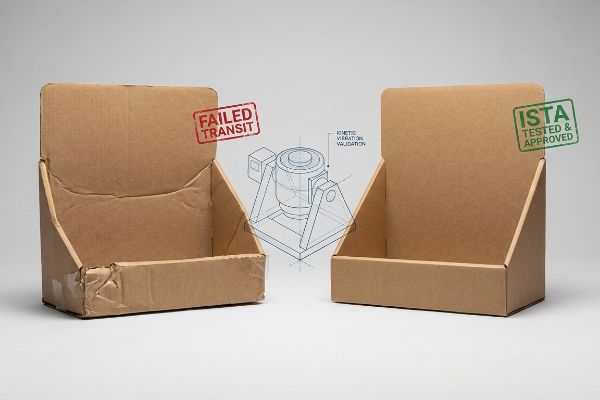
ল্যাবে একটি ডিসপ্লে দাঁড় করানো সহজ, কিন্তু যখন আপনি সমুদ্রের ওপার থেকে ৫০০টি ডিসপ্লে পাঠান, তখন এক কঠিন বাস্তবতার মুখোমুখি হতে হয়।.
ASTM বনাম ISTA টিকে থাকার বাস্তবতা
ক্রয়কারী দলগুলো প্রায়শই শুধুমাত্র কাঁচামালের বৈশিষ্ট্য মূল্যায়নের উপর ভিত্তি করে খুচরা বিক্রির জন্য প্রস্তুত প্যাকেজিং অনুমোদন করে, এবং এক্ষেত্রে তারা ৩২ ইসিটি (এজ ক্রাশ টেস্ট) ১৮-এর মতো ফ্ল্যাট-বোর্ড এএসটিএম স্ট্যান্ডার্ডের উপর ব্যাপকভাবে নির্ভর করে । তারা ভুলভাবে ধরে নেয় যে উচ্চ-মানের কাঁচামাল ব্যবহারের শর্ত পূরণ করলেই একটি কাঠামোগতভাবে মজবুত খুচরা বিক্রয় অভিযান স্বয়ংক্রিয়ভাবে নিশ্চিত হয়। তারা এই বিষয়টি উপেক্ষা করে যে, বোর্ডটিকে ডাই-কাট করে, একটি ত্রিমাত্রিক জ্যামিতিতে ভাঁজ করে এবং ভারী পণ্য দিয়ে বোঝাই করার পর, সমতল কাগজের তন্তুর সংকোচন সীমা জানাটা সম্পূর্ণ অকেজো হয়ে যায়।
আমার কারখানায় আমি নিয়মিত দেখি যে, সাধারণ ECT মেট্রিক্সে উত্তীর্ণ হওয়া ফ্ল্যাট-প্যাক ডিজাইনগুলো কাইনেটিক ভাইব্রেশন টেবিলে সম্পূর্ণভাবে ভেঙে চুরমার হয়ে যায় । যখন আমি একটি সিমুলেটেড 40HQ কন্টেইনার যাত্রার সময় এর বিচ্যুতি পরিমাপ করি, তখন দেখা যায় যে গতিশীল ওজনের স্থানান্তরের ফলে ব্যাপক ঘর্ষণ সৃষ্টি হয়, যা অবলম্বনহীন কোণাগুলোকে বাঁকিয়ে দেয় এবং স্বয়ংক্রিয় প্যাকিং লাইনের গতি আনুমানিক ৩৫% কমিয়ে দেয়। আমি এর সমাধান করি উপাদানের শক্তিকে মোট সিস্টেমের সহনশীলতা থেকে কঠোরভাবে আলাদা করে, এবং সম্পূর্ণ বোঝাই মাস্টার কার্টনের উপর পূর্ণাঙ্গ ISTA (ইন্টারন্যাশনাল সেফ ট্রানজিট অ্যাসোসিয়েশন) 3A ট্রানজিট সিমুলেশন বাধ্যতামূলক করে । হুবহু একত্রিত জ্যামিতিকে বহু-অক্ষীয় কম্পন এবং ঘূর্ণনশীল প্রান্ত পতনের মধ্যে দিয়ে নিয়ে গিয়ে, আমি গাণিতিকভাবে সেই নির্দিষ্ট মিলিমিটারটি চিহ্নিত করি যেখানে বোর্ডটি দুর্বল হয়ে পড়ে। এই গতিশীল সহনশীলতার সমন্বয়গুলো প্রয়োগ করা সরাসরি মারাত্মক ট্রানজিট-চূর্ণবিচূর্ণ হওয়া প্রতিরোধ করে, যা আমার ক্লায়েন্টদের ব্যাপক উৎপাদন শুরু হওয়ার আগেই খুচরা বিক্রেতার চার্জব্যাক থেকে সম্পূর্ণরূপে বাঁচায়।
| নতুনদের সাধারণ ভুল | প্রো ফিক্স | খুচরা-ফ্লোর সুবিধা |
|---|---|---|
| ফ্ল্যাট ইসিটি নম্বর বিশ্বাস করা | সম্পূর্ণ ISTA 3A ট্রানজিট সিমুলেশন21 | বৈশ্বিক সরবরাহ শৃঙ্খলের টিকে থাকা নিশ্চিত করে |
| ঘূর্ণন শিয়ার বল উপেক্ষা করা | বহু-অক্ষীয় গতিশীল কম্পন পরীক্ষা22 | পরিবহনের সময় কোণা বেঁকে যাওয়া প্রতিরোধ করে |
| লোড করা কার্টন পরীক্ষা এড়িয়ে যাওয়া | গতিশীল ভারী মালপত্র যাচাইকরণ23 | ব্যয়বহুল খুচরা বিক্রেতার চার্জব্যাক দূর করে |
আমি শুধু বাক্স তৈরি করি না; আমি সাপ্লাই চেইনের জন্য টিকে থাকার সরঞ্জাম ডিজাইন করি। গতিশীল বাস্তবতার নিরিখে একত্রিত জ্যামিতিকে যাচাই করা নিশ্চিত করে যে আপনার ডিসপ্লেটি প্রকৃতপক্ষে আপনার জন্য অর্থ উপার্জন করে।.
🛠️ হার্ভির ডেস্ক: একটি ২-মিলিমিটার কাঠামোগত ত্রুটির কারণে ৫০০টি দোকানে পণ্য সরবরাহের পরিকল্পনা যেন ভেস্তে না যায়। 👉 আপনার ডাইলাইন ফাইলটি আমাকে পাঠান ↗ — গণ-উৎপাদনে বাজেট অপচয় করার আগে আমি এর গাণিতিক হিসাব স্ট্রেস-টেস্ট করে নেব।
উপসংহার
আপনি আরও সস্তা বিক্রেতা বেছে নিতে পারেন, কিন্তু যখন আপনার তাত্ত্বিক ৩২ ইসিটি বোর্ডটি সমুদ্রপথে পরিবহনের গতিশক্তির চাপে মারাত্মকভাবে বেঁকে যায়, তখন এটি পণ্য গ্রহণ প্রক্রিয়াকে আনুমানিক ৩৫% ধীর করে দেয় এবং আপনার ক্যাম্পেইনের লাভের মার্জিন পুরোপুরি নষ্ট করে দেয়। ৫০০-এর বেশি ব্র্যান্ড ম্যানেজার ঠিক এই মারাত্মক প্রাথমিক পর্যায়ের ভুলগুলো এড়ানোর জন্য আমার প্রিপ্রেস চেকলিস্ট ব্যবহার করেন। যাচাইবিহীন কাঠামোগত গণিতের উপর ভিত্তি করে আপনার খুচরা বিক্রেতাদের সাথে সম্পর্ক ঝুঁকির মধ্যে ফেলা বন্ধ করুন, এবং ঝামেলাহীন সাপ্লাই চেইন টিকে থাকার নিশ্চয়তা দিতে আমাকে ব্যক্তিগতভাবে আমার ফ্রি ডাইলাইন প্রি-ফ্লাইট অডিট ↗- এর মাধ্যমে আপনার জ্যামিতি নিরীক্ষা করতে দিন।
"ট্র্যাক করার জন্য ২৫টি রিটেইল কেপিআই ও মেট্রিক্স – নেটস্যুট", https://www.netsuite.com/portal/resource/articles/financial-management/retail-kpis.shtml। রিটেইল শ্রম ব্যবস্থাপনার জন্য শিল্প মানদণ্ডগুলো প্রায়শই শেলফ পুনঃপূরণের জন্য সময়-ভিত্তিক কর্মক্ষমতা সূচক ব্যবহার করে। প্রমাণের ভূমিকা: প্রাসঙ্গিক বৈধতা; উৎসের ধরণ: রিটেইল অপারেশনস স্টাডি। সমর্থন করে: কর্মচারীদের সময়ের সীমাবদ্ধতার কারণে দ্রুত অ্যাসেম্বলির প্রয়োজনীয়তা। পরিধি নোট: প্রাথমিকভাবে বৃহৎ আকারের বাণিজ্যিক সুপারমার্কেট পরিবেশে প্রযোজ্য। ↩
"কাস্টম অটো লক বটম বক্স", https://www.kellybox.com/auto-lock-bottoms। প্রযুক্তিগত প্যাকেজিং স্পেসিফিকেশন ব্যাখ্যা করে যে কীভাবে অটো-লকিং বটম ডিজাইন হাতে ভাঁজ করার ত্রুটি দূর করে এবং অ্যাসেম্বলিকে ত্বরান্বিত করে। প্রমাণের ভূমিকা: প্রযুক্তিগত যাচাইকরণ; উৎসের ধরণ: প্যাকেজিং শিল্পের ম্যানুয়াল। সমর্থন করে: অ্যাসেম্বলির সময় কমাতে নির্দিষ্ট ইঞ্জিনিয়ারিং বৈশিষ্ট্যের ব্যবহার। পরিধি নোট: পেপারবোর্ড এবং ঢেউখেলানো রিটেইল ডিসপ্লের ক্ষেত্রে প্রযোজ্য। ↩
"কম্পিউটার ব্যবহার করে রিয়েল-টাইম রিটেইল প্ল্যানোগ্রাম কমপ্লায়েন্স অ্যাপ্লিকেশন...", https://pmc.ncbi.nlm.nih.gov/articles/PMC12708730/। রিটেইল লজিস্টিকস গবেষণা ইঙ্গিত দেয় যে সেটআপের সময় উচ্চ মাত্রার বাধার কারণে স্টোরের কর্মীরা ডিসপ্লে বাতিল করে দেয় বা ভুলভাবে ইনস্টল করে, যা সরাসরি কমপ্লায়েন্স কমিয়ে দেয়। প্রমাণের ভূমিকা: কার্যকারণ সম্পর্ক; উৎসের ধরণ: রিটেইল ম্যানেজমেন্ট স্টাডি। সমর্থন করে: এই দাবি যে অ্যাসেম্বলির হতাশা কমালে চূড়ান্ত সম্পাদন উন্নত হয়। পরিধি নোট: শ্রমের স্বাচ্ছন্দ্য এবং মার্চেন্ডাইজিং ফলাফলের মধ্যে সম্পর্কের উপর আলোকপাত করে। ↩
"ফোল্ডিং কার্টনের বিভিন্ন ধরন: টাক এন্ড, অটো-লক বটম, এবং আরও অনেক কিছু", https://zhibangpackaging.com/folding-carton-styles-explained-tuck-end-auto-lock-bottom-more/। পিওপি ডিসপ্লেতে স্বয়ংক্রিয় লকিং ব্যবস্থার মাধ্যমে সময় সাশ্রয়ের উপর গবেষণালব্ধ তথ্য। প্রমাণের ভূমিকা: পরিমাণগত যাচাই; উৎসের ধরন: শিল্পক্ষেত্রের কেস স্টাডি। সমর্থন: আগে থেকে আঠা লাগানো তলার কার্যকারিতা। পরিধি সংক্রান্ত টীকা: ডিসপ্লের আকার অনুযায়ী গড় সময় পরিবর্তিত হতে পারে। ↩
"পপ আপ স্টোর ডিজাইন গাইড: লেআউট, ডিসপ্লে এবং বিশেষজ্ঞ পরামর্শ", https://www.thestorefront.com/mag/pop-up-store-design/। পপ-আপ কাঠামোগত ডিজাইনের জন্য প্রযুক্তিগত মান যা প্রায়-তাৎক্ষণিক সেটআপ সক্ষম করে। প্রমাণের ভূমিকা: প্রযুক্তিগত স্পেসিফিকেশন; উৎসের ধরণ: ইঞ্জিনিয়ারিং ম্যানুয়াল। সমর্থন করে: দ্রুত অ্যাসেম্বলি ডিজাইনের কার্যকারিতা। পরিধি নোট: নির্দিষ্ট ছোট থেকে মাঝারি আকারের ডিসপ্লেগুলির জন্য প্রযোজ্য। ↩
"ইন-স্টোর কমপ্লায়েন্স – যে একটি জিনিস আপনার পরিমাপ করা উচিত …", https://www.linkedin.com/pulse/in-store-compliance-one-thing-you-should-measure-roi-mike-anthony। গবেষণা যা পণ্য একত্রিত করার সরলতার সাথে খুচরা কার্য সম্পাদনের বর্ধিত হারের সংযোগ স্থাপন করে। প্রমাণের ভূমিকা: কার্যকারণ সংযোগ; উৎসের ধরণ: খুচরা বিপণন গবেষণা। সমর্থন করে: পণ্য একত্রিত করার সহজতা এবং নিয়ম মেনে চলার মধ্যে পারস্পরিক সম্পর্ক। পরিধি সংক্রান্ত টীকা: '১০০%' একটি আদর্শ লক্ষ্যমাত্রা। ↩
"দোকানের ভেতরের চলাচলের ধরণ থেকে শিক্ষা | রিটেইল কাস্টমার এক্সপেরিয়েন্স", https://www.retailcustomerexperience.com/articles/learning-from-in-store-traffic-patterns/। রিটেইল কাইনেসিক্স এবং ক্রেতাদের চলাচলের ধরণ নিয়ে করা গবেষণা দোকানের করিডোরের মধ্য দিয়ে চলাচলের গতি এবং দৃষ্টি আকর্ষণের উপর এর প্রভাবকে সমর্থন করে। প্রমাণের ভূমিকা: তথ্যগত বৈধতা; উৎসের ধরণ: ভোক্তা আচরণ সমীক্ষা। সমর্থন করে: সহজে চোখে পড়ার মতো ডিসপ্লে উপাদানের প্রয়োজনীয়তা। পরিধি সংক্রান্ত টীকা: অধিক চলাচলযুক্ত রিটেইল পরিবেশের উপর আলোকপাত করে। ↩
"আপনার কাস্টম স্টোর ডিসপ্লের জন্য ৩-এর নিয়মের গুরুত্ব", https://mcintyredisplays.com/blog/custom-store-displays/। রিটেইল স্পেশিয়াল এনগেজমেন্টের জন্য ইন্ডাস্ট্রির স্ট্যান্ডার্ডগুলো গ্রাহকদের আকর্ষণ, এনগেজ এবং কনভার্ট করার জন্য প্রয়োজনীয় দূরত্বের ব্যবধান যাচাই করে। প্রমাণের ভূমিকা: টেকনিক্যাল স্পেসিফিকেশন; উৎসের ধরণ: মার্চেন্ডাইজিং হ্যান্ডবুক। সমর্থন করে: ৩০ ফুট, ৩ ফুট এবং ৩ ইঞ্চির নির্দিষ্ট দূরত্বের সীমা। পরিধি সংক্রান্ত নোট: রিটেইল পরিবেশ অনুযায়ী দূরত্ব ভিন্ন হতে পারে। ↩
"পয়েন্ট-অফ-পারচেজ ডিসপ্লের মাধ্যমে কীভাবে খুচরা পণ্যের দৃশ্যমানতা বাড়ানো যায়", https://www.industrialpackaging.com/blog/increased-retail-visibility। পয়েন্ট-অফ-পারচেজ ডিসপ্লের জন্য প্রযুক্তিগত নকশার নির্দেশিকাগুলো স্পর্শজনিত মিথস্ক্রিয়াকে সর্বোত্তম করার জন্য পণ্যের দৃশ্যমান প্যাকেজিংয়ের শতাংশের সাথে এর প্রান্তভাগের উচ্চতার সম্পর্ক স্থাপন করে। প্রমাণের ভূমিকা: মেট্রিক যাচাইকরণ; উৎসের ধরণ: শিল্প নকশা ম্যানুয়াল। সমর্থন করে: ৮৫% দৃশ্যমানতার মানদণ্ড। পরিধি সংক্রান্ত টীকা: পণ্যের আকারের উপর নির্ভরশীল। ↩
"কার্যকরী ডিসপ্লে এবং গ্রাহক প্রবাহের জন্য খুচরা দোকানের নকশা", https://www.business.qld.gov.au/industries/manufacturing-retail/retail-wholesale/retail-displays। প্রামাণ্য খুচরা নকশার নির্দেশিকাগুলো দূর থেকে দৃষ্টি আকর্ষণ করার জন্য ভিজ্যুয়াল মার্কারগুলোর প্রয়োজনীয় দূরত্ব নির্দিষ্ট করে। প্রমাণের ভূমিকা: মেট্রিক যাচাইকরণ; উৎসের ধরণ: খুচরা নকশার ম্যানুয়াল। সমর্থন করে: বৃহৎ আকারের সাইনেজের কার্যকারিতা। পরিধি সংক্রান্ত টীকা: কার্যকারিতা আলো এবং দোকানের ঘনত্বের উপর নির্ভর করে। ↩
"[পিডিএফ] খুচরা মুদি দোকানের জন্য নির্দেশিকা – এরগনোমিক্স ফর দ্য … – ওএসএইচএ", https://www.osha.gov/sites/default/files/publications/OSHA3192.pdf। এরগনোমিক রিটেইল স্টাডিজ 'স্ট্রাইক জোন'-কে পণ্য নাগালের মধ্যে আনা এবং দৃষ্টি আকর্ষণের জন্য সর্বোত্তম উল্লম্ব পরিসর হিসাবে সংজ্ঞায়িত করে। প্রমাণের ভূমিকা: প্রযুক্তিগত বিবরণ; উৎসের ধরণ: এরগনোমিক গবেষণা। সমর্থন করে: পণ্য স্থাপনের সর্বোত্তম উচ্চতা। পরিধি নোট: গড় প্রাপ্তবয়স্ক উচ্চতার পার্সেন্টাইলের উপর ভিত্তি করে। ↩
"সময়ের চাপ এবং ভোক্তাদের মধ্যে সম্পর্ক … – পিএমসি", https://pmc.ncbi.nlm.nih.gov/articles/PMC10750050/। ভোক্তা আচরণ গবেষণা পণ্যের দৃশ্যমান পৃষ্ঠতল এবং তাৎক্ষণিক ক্রয়ের রূপান্তর হারের মধ্যেকার সম্পর্ককে পরিমাপ করে। প্রমাণের ভূমিকা: কার্যকারিতা পরিমাপক; উৎসের ধরণ: ভোক্তা মনোবিজ্ঞান গবেষণা। সমর্থন করে: দৃশ্যমানতা এবং বিক্রয়ের মধ্যে সংযোগ। পরিধি টীকা: প্রধানত দ্রুত বিক্রীত ভোগ্যপণ্যের ক্ষেত্রে প্রযোজ্য। ↩
"প্যালেট ডিসপ্লের প্রকারভেদ: পূর্ণ, অর্ধ ও চতুর্থাংশ – গ্রীনডট প্যাকেজিং", https://greendotpackaging.com/understanding-pallet-display-types-full-half-and-quarter-pallet-displays/। খুচরা দোকানের ফ্লোর ডিসপ্লের ভিত্তি হিসাবে ব্যবহৃত উত্তর আমেরিকার আদর্শ প্যালেট আকারের যাচাইকরণ। প্রমাণের ভূমিকা: প্রযুক্তিগত বিবরণ; উৎসের ধরণ: শিল্প লজিস্টিকস মান। সমর্থন করে: আদর্শ ডিসপ্লে মাত্রা সম্পর্কিত দাবি। পরিধি টীকা: উত্তর আমেরিকার খুচরা মানগুলির উপর দৃষ্টি নিবদ্ধ। ↩
"[পিডিএফ] ৪০-ইঞ্চি জিএমএ-স্টাইলের কাঠের প্যালেট – সাউদার্ন রিসার্চ স্টেশন", https://www.srs.fs.usda.gov/pubs/VT_Publications/05t10.pdf। গ্রোসারি ম্যানুফ্যাকচারার্স অ্যাসোসিয়েশনের নথি উত্তর আমেরিকার খুচরা ব্যবসার জন্য প্যালেটের আকারের সর্বজনীন মান প্রতিষ্ঠা করে। প্রমাণের ভূমিকা: তথ্যগত সমর্থন; উৎসের ধরণ: শিল্প মান; সমর্থন: প্রমিত নকশার ব্যবহার; পরিধি টীকা: উত্তর আমেরিকার লজিস্টিকসের মধ্যে সীমাবদ্ধ। ↩
"স্ট্যান্ডার্ড প্যালেট সাইজ | চার্ট সহ – ক্যাম্পস প্যালেটস", https://www.kampspallets.com/standard-pallet-sizes-with-chart/। উত্তর আমেরিকার খুচরা ব্যবসায় গ্রোসারি ম্যানুফ্যাকচারার্স অ্যাসোসিয়েশন (GMA)-এর স্ট্যান্ডার্ড প্যালেট সাইজের যাচাইকরণ। প্রমাণের ভূমিকা: বেসলাইন স্পেসিফিকেশন; উৎসের ধরণ: শিল্প মান। সমর্থন করে: একটি সম্পূর্ণ প্যালেটের স্ট্যান্ডার্ড মাত্রা। পরিধি নোট: প্রাথমিকভাবে মার্কিন যুক্তরাষ্ট্র এবং কানাডার জন্য প্রযোজ্য। ↩
"কোয়ার্টার-প্যালেট ডিসপ্লে: দ্য কমপ্লিট গাইড – বেনেট প্যাকেজিং", https://bpkc.com/blogs/blog/quarter-pallet-display-the-complete-guide। খুচরা পরিবেশে ফ্লোর স্পেসের সর্বোত্তম ব্যবহারের জন্য ভগ্নাংশ প্যালেট আকারের প্রযুক্তিগত বৈধতা। প্রমাণের ভূমিকা: প্রযুক্তিগত স্পেসিফিকেশন; উৎসের ধরণ: লজিস্টিকস ম্যানুয়াল। সমর্থন করে: একটি আদর্শ কোয়ার্টার-প্যালেট কনফিগারেশন হিসাবে ২৪×২০ মাপের ব্যবহার। পরিধি নোট: সেকেন্ডারি ডিসপ্লে লজিস্টিকসের উপর দৃষ্টি নিবদ্ধ। ↩
সেদিন মুদি দোকানে, আমার শপিং কার্টটা হঠাৎ করে ভেঙে গেল..., https://www.instagram.com/p/DNqTXVHs40x/। নিরাপত্তা ও চলাচল প্রবাহ বজায় রাখার জন্য শপিং কার্টের ক্লিয়ারেন্স জোন এবং টার্নিং রেডিয়াসের উপর শিল্প নির্দেশিকা। প্রমাণের ভূমিকা: নিরাপত্তা মান; উৎসের ধরণ: রিটেইল আর্কিটেকচার গাইড। সমর্থন করে: সংঘর্ষ এড়াতে ঘূর্ণনশীল সুইপ লিমিটের ব্যবহার। পরিধি নোট: দোকানের বিন্যাস এবং কার্টের আকারের উপর নির্ভর করে পরিবর্তিত হয়। ↩
"পূর্ণ-ক্ষেত্র স্ট্রেইন দ্বারা উন্নত নতুন এজ ক্রাশ টেস্ট কনফিগারেশন …", https://pmc.ncbi.nlm.nih.gov/articles/PMC8510352/। একটি প্রামাণিক প্রযুক্তিগত নির্দেশিকা বা মান এজ ক্রাশ টেস্ট (ECT) এবং করোগেটেড বোর্ডের জন্য নির্দিষ্ট ৩২ ECT রেটিং সংজ্ঞায়িত করবে। প্রমাণের ভূমিকা: তথ্যগত যাচাইকরণ; উৎসের ধরণ: প্রযুক্তিগত শিল্প মান। সমর্থন করে: কাঁচামালের বৈশিষ্ট্য মূল্যায়নের জন্য একটি মানদণ্ড হিসাবে ECT-এর ব্যবহার। পরিধি নোট: ফ্ল্যাট-বোর্ডের সংকোচন শক্তির উপর আলোকপাত করে। ↩
"Corrugated Board Packaging with Innovative Design for …", https://bioresources.cnr.ncsu.edu/wp-content/uploads/2026/01/BioRes_21_1_2229_Tworzydlo_PSMPGG_Corrugated_Packaging_Design_Durability_Transport_25399.pdf। প্রযুক্তিগত বিশ্লেষণ যা স্ট্যাটিক এজ ক্রাশ টেস্ট (ECT) এর ফলাফল এবং ডায়নামিক ভাইব্রেশন ফেইলারের মধ্যেকার অসামঞ্জস্য তুলে ধরে। প্রমাণের ভূমিকা: প্রযুক্তিগত পারস্পরিক সম্পর্ক; উৎসের ধরণ: পদার্থ বিজ্ঞান জার্নাল। সমর্থন করে: এই দাবি যে উপাদানের শক্তি সিস্টেমের সহনশীলতার সমান নয়। পরিধি টীকা: শুধুমাত্র ঢেউখেলানো উপকরণের জন্য প্রযোজ্য। ↩
"[পিডিএফ] 3A 2 – ইন্টারন্যাশনাল সেফ ট্রানজিট অ্যাসোসিয়েশন", https://ista.org/docs/3Aoverview.pdf। ISTA 3A পরীক্ষা প্রোটোকলের বিস্তারিত বিবরণ ট্রানজিট পরিস্থিতি অনুকরণের জন্য প্রযুক্তিগত ভিত্তি প্রদান করে। প্রমাণের ভূমিকা: বৈধতা; উৎসের ধরণ: শিল্প মান। সমর্থন করে: বোঝাই করা কার্টনের জন্য কঠোর ট্রানজিট সিমুলেশনের ব্যবহার। পরিধি সংক্রান্ত টীকা: মানটি বিশেষভাবে পার্সেল শিপিংয়ের ক্ষেত্রে প্রযোজ্য। ↩
"মেডিকেল ডিভাইস প্যাকেজিং-এর জন্য ISTA টেস্টিং | LSO", https://lso-inc.com/medical-package-testing/standards/ista/। প্যাকেজিং-এর অখণ্ডতা নিশ্চিত করার জন্য পার্সেল ডেলিভারি পরিবেশ অনুকরণে একটি স্বীকৃত শিল্প মান হিসাবে ISTA 3A-এর যাচাইকরণ। প্রমাণের ভূমিকা: প্রযুক্তিগত স্পেসিফিকেশন; উৎসের ধরণ: শিল্প মান; সমর্থন করে: সাপ্লাই চেইন টিকে থাকার জন্য ISTA 3A-এর বৈধতা। পরিধি নোট: বিশেষভাবে পার্সেল ডেলিভারি সিস্টেমের ক্ষেত্রে প্রযোজ্য। ↩
"[পিডিএফ] প্লেট কাঠামোতে বহু-অক্ষীয় এবং একক-অক্ষীয় পরীক্ষার তুলনা", https://www.osti.gov/servlets/purl/1240323। বহু-অক্ষীয় কম্পন পরীক্ষা কীভাবে ঘূর্ণনশীল শিয়ার বল অনুকরণ করে কর্নার বাকলিং-এর মতো কাঠামোগত ব্যর্থতা প্রতিরোধ করে, তার প্রযুক্তিগত ব্যাখ্যা। প্রমাণের ভূমিকা: প্রযুক্তিগত কৌশল; উৎসের ধরণ: ইঞ্জিনিয়ারিং ম্যানুয়াল; সমর্থন: বাকলিং প্রতিরোধে বহু-অক্ষীয় পরীক্ষার কার্যকারিতা। পরিধি টীকা: গতিশক্তি বলের অনুকরণের উপর আলোকপাত করে। ↩
"কিভাবে রিটেইল চার্জব্যাক প্রতিরোধ করবেন: একটি 3PL অপারেশনস গাইড", https://getproductiv.com/retail-chargeback-compliance। ভারী মালপত্রের জন্য যাচাইকৃত ভারবহন পরীক্ষা কীভাবে ট্রানজিটের সময় হওয়া ক্ষতি এবং তার ফলস্বরূপ রিটেইলার চার্জব্যাকের ঘটনা কমায়, তার বিশ্লেষণ। প্রমাণের ভূমিকা: পরিচালনগত প্রভাব; উৎসের ধরণ: লজিস্টিকস শিল্পের প্রতিবেদন; সমর্থন করে: ডাইনামিক ভ্যালিডেশন এবং আর্থিক ঝুঁকি হ্রাসের মধ্যে সংযোগ। পরিধি নোট: হেভি-ডিউটি শিপিং কন্টেইনারের ক্ষেত্রে প্রযোজ্য। ↩