ব্র্যান্ডগুলো রিটেইল মার্কেটিং-এ হাজার হাজার টাকা ঢালে, কিন্তু বেশিরভাগ ফ্লোর ক্যাম্পেইনই ক্রেতাদের তাৎক্ষণিক কেনাকাটায় উদ্বুদ্ধ করতে ব্যর্থ হয়, কারণ তারা কাঠামোগত পদার্থবিদ্যা এবং মৌলিক দৃশ্যগত শ্রেণিবিন্যাসকে উপেক্ষা করে।.
একটি সত্যিকারের কার্যকর রিটেইল ডিসপ্লে তাৎক্ষণিক ক্রয়ের হার সর্বাধিক করার জন্য কাঠামোগত প্রকৌশল এবং ভোক্তা মনোবিজ্ঞানের নিখুঁত সমন্বয় ঘটায়। এটি কাঠামোগতভাবে পণ্যের ভারী ওজন বহন করে, করিডোরের পরিবেশে দৃষ্টি আকর্ষণ করে এবং খুচরা বিক্রেতার স্থানগত সীমাবদ্ধতা কঠোরভাবে মেনে চলে, যা পণ্যের উচ্চ দৃশ্যমানতা এবং দোকানের কর্মীদের জন্য নির্বিঘ্নে পণ্য পুনরায় সাজানো নিশ্চিত করে।.
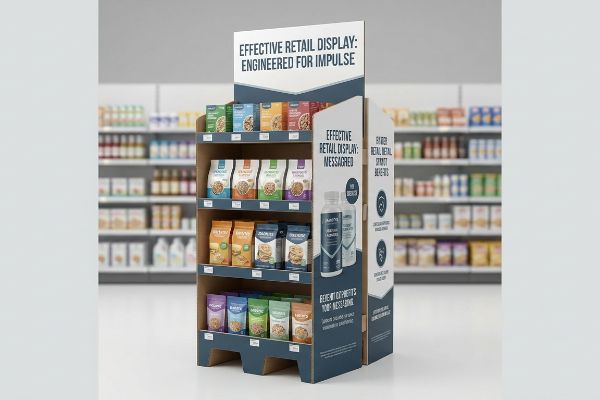
কিন্তু তাত্ত্বিক নির্দেশিকাগুলো জানাই যথেষ্ট নয়; চলুন আপনাদের দেখাই, এই ধারণাগুলো যখন বাস্তবে জনাকীর্ণ খুচরা বাজারে প্রয়োগ করা হয় তখন কী ঘটে।.
একটি ভালো রিটেইল ডিসপ্লের বৈশিষ্ট্য কী?
একটি ভারী কার্ট নিয়ে বড় দোকানের বিশৃঙ্খল করিডোরে চলাচল করা কোনো ক্রেতাকে ধরার জন্য আপনার হাতে মাত্র এক সেকেন্ডের ভগ্নাংশ সময় থাকে।.
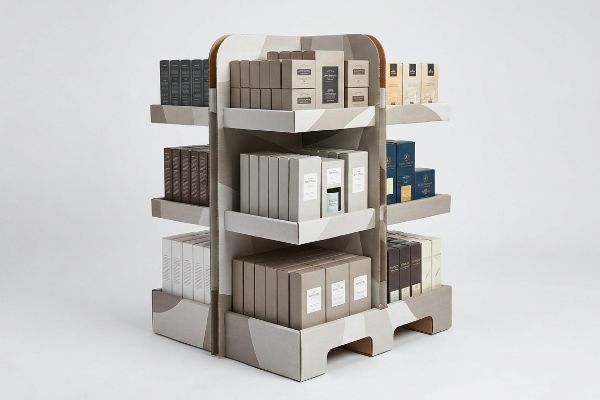
একটি ভালো রিটেইল ডিসপ্লে কৌশলগতভাবে ক্রেতার মনোযোগকে ৩-৩-৩ স্থানিক ধারাবাহিকতার মধ্য দিয়ে পরিচালিত করে। এটি ত্রিশ ফুট দূর থেকে দৃষ্টিকে ব্যাহত করার জন্য আকর্ষণীয় ডাই-কাট আকৃতি ব্যবহার করে, তিন ফুট দূর থেকে মনোযোগ আকর্ষণের জন্য শেলফের আর্গোনমিক্স উন্নত করে এবং চূড়ান্ত স্পর্শজনিত রূপান্তরের জন্য পণ্যের সম্পূর্ণ দৃশ্যমানতা নিশ্চিত করতে সামনের ধারক প্রান্ত নিচু করে।.
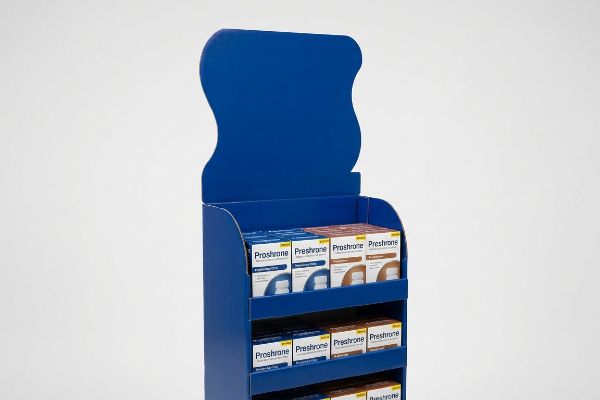
এই দৃশ্যগত তত্ত্বকে একটি ভৌত কাঠামোতে রূপ দিতে গিয়েই বেশিরভাগ ডিজাইন টিম তাৎক্ষণিকভাবে হোঁচট খায়।.
দৃষ্টিগত ব্যাঘাতের জন্য ৩-৩-৩ নিয়ম
এমনকি অভিজ্ঞ ডিজাইন দলগুলোও প্রায়শই পিওপি (পয়েন্ট অফ পারচেজ) ফ্লোর মার্চেন্ডাইজারগুলো শুধুমাত্র তাদের ব্যাকলিট কম্পিউটার মনিটরে কাছ থেকে দেখার জন্যই তৈরি করে। তারা ধরে নেয় যে, যদি জটিল লেখা এবং হাই-রেজোলিউশন লোগোগুলো স্ক্রিনে ঝকঝকে দেখায়, তাহলে ভৌত ইউনিটটি স্বাভাবিকভাবেই দোকানে ক্রেতাদের আকর্ষণ করবে। এই ফ্ল্যাট-স্ক্রিন মানসিকতাটি এই বাস্তবতাকে পুরোপুরি উপেক্ষা করে যে, মানুষ আসলে কীভাবে বিশাল খুচরা বিক্রয় পরিবেশে চলাচল করে¹ ।
এখানকার মূল ধারণাটি হলো, একটি ভালো ডিসপ্লেকে অবশ্যই তিনটি ভিন্ন দূরত্বে কাজ করতে হবে: ত্রিশ ফুট, তিন ফুট এবং তিন ইঞ্চি( ৭৬.২ মিমি)। একটি সাধারণ দুর্বলতা হলো উপরের হেডারে ছোট অক্ষরে বিশাল অনুচ্ছেদ ছাপানো। আমি একবার একজন দোকান কর্মচারীকে একটি লেখা-বহুল, নিখুঁত বর্গাকার হেডার বোর্ডকে একটি বেসের উপর বসাতে হিমশিম খেতে দেখেছিলাম; আইলের শেষ প্রান্ত থেকে এটিকে কেবল একটি ফ্যাকাসে বাদামী রঙের শিপিং বক্সের মতো দেখাচ্ছিল। এর সমাধান সহজ: আকর্ষণীয়, বাঁকানো ডাই-কাট আকৃতি ব্যবহার বাধ্যতামূলক করুন এবং বেসটিকে একটিমাত্র পিএমএস (প্যান্টোন ম্যাচিং সিস্টেম) স্পট কালারত্রিশফুট দূর থেকে দৃশ্যমান কোলাহল ভেদ করার জন্য আপনার এই ঘন রঙের বিশাল বিস্ফোরণ প্রয়োজন, যাতে বিস্তারিত লেখাগুলো নিচের তাকের জন্য সংরক্ষিত থাকে, যেখানে ক্রেতার হাত প্যাকেজিংয়ের মসৃণ জলীয় আবরণটি অনুভব করতে পারে।
| নতুনদের সাধারণ ভুল | প্রো ফিক্স | খুচরা-ফ্লোর সুবিধা |
|---|---|---|
| উপরের হেডারে ছোট অক্ষরে প্রিন্ট করা | বড় ডাই-কাট আকৃতি এবং একরঙা ব্যবহার করুন | ত্রিশ ফুট দূর থেকে দৃষ্টিতে ব্যাঘাত ঘটায়4 |
| উচ্চ ধারণক্ষমতা সম্পন্ন ঠোঁট প্রোডাক্টটি লুকিয়ে রাখে | সামনের লিপটি এমনভাবে কাটুন যাতে ৮৫% দৃশ্যমানতা থাকে।5 | স্পর্শজনিত আবেগ রূপান্তর বৃদ্ধি করে6 |
| সমতল বাক্সের আকারগুলি আলাদাভাবে চোখে পড়ে বলে ধরে নেওয়া হয় | বক্রাকার, অ-মানক কাঠামোগত প্রোফাইল প্রবর্তন করুন | দোকানের সাধারণ তাকের সাথে মিশে যাওয়া প্রতিরোধ করে। |
দৃষ্টিবিভ্রম ঘটানোই যদি উদ্দেশ্য হয়, তবে আমি আমার কারখানা থেকে কোনো চ্যাপ্টা, চারকোনা বাক্স বের হতে দিই না। ক্রেতা একটি শব্দ পড়ার আগেই, আপনাকে পণ্যটির বাহ্যিক আকৃতি এমনভাবে ডিজাইন করতে হবে যাতে এটি মূল কাজটি করে ফেলে।.
🛠️ হার্ভির ডেস্ক: আপনার বর্তমান ডিসপ্লের আকৃতিটি ভিড়ে ঠাসা করিডোরে সত্যিই আলাদাভাবে চোখে পড়বে কিনা, তা নিয়ে নিশ্চিত নন? 👉 একটি বিনামূল্যে কাঠামোগত পর্যালোচনা করিয়ে নিন ↗ — সরাসরি আমার ডেস্কে প্রবেশের সুযোগ। কোনো স্বয়ংক্রিয় বিক্রয় স্প্যাম থাকবে না, আমি কথা দিচ্ছি।
খুচরা ব্যবসার ৫টি 'পি' কী কী?
একটি দুর্দান্ত পণ্য চালু করাও বৃথা, যদি আপনার প্রচলিত বিপণন কৌশল খুচরা বিক্রেতার মূল ব্যবসায়িক মডেলের সক্রিয়ভাবে বিরোধিতা করে।.
খুচরা ব্যবসার ৫টি 'পি' হলো পণ্য (Product), মূল্য (Price), স্থান (Place), প্রচার (Promotion), এবং মানুষ (People)। এই মূল উপাদানগুলো একটি কৌশলগত ব্যবসায়িক কাঠামো তৈরি করে, যা নির্ধারণ করে দেয় কীভাবে একটি নির্দিষ্ট দোকানের পরিচালন মডেল এবং লক্ষ্যভুক্ত গ্রাহকগোষ্ঠীর সাথে নিখুঁতভাবে সামঞ্জস্য রেখে পণ্যসামগ্রীর বাহ্যিক নকশা তৈরি করা হবে, সরবরাহ ব্যবস্থা অনুযায়ী পাঠানো হবে এবং দৃশ্যগতভাবে উপস্থাপন করা হবে।.
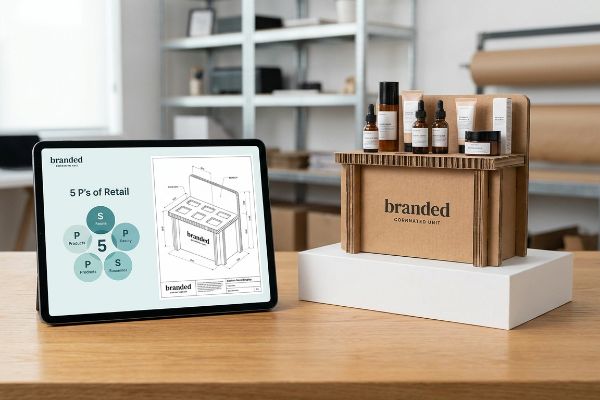
এই উচ্চ-স্তরের বিপণন ধারণাগুলোকে সাধারণ কার্ডবোর্ডে রূপ দেওয়ার পর্যায়েই সাধারণত সমস্যাটা তৈরি হয়।.
কাঠামোগত বাস্তবতার সাথে ৫টি 'পি'-কে সামঞ্জস্যপূর্ণ করা
ব্র্যান্ড টিমগুলো প্রায়শই তাদের বাণিজ্যিক খুচরা কৌশল অন্তহীন স্প্রেডশিটে তৈরি করে, যা বিপণনের উদ্দেশ্যগুলোকে ভৌত প্যাকেজিং প্রকৌশল থেকে সম্পূর্ণ বিচ্ছিন্ন করে ফেলে। তারা কাঠামোগত প্রদর্শনকে একটি গৌণ বিষয় হিসেবে বিবেচনা করে, কেবল ইন্টারনেট থেকে একটি সাধারণ কার্ডবোর্ডের টেমপ্লেট অর্ডার করে এবং তার উপর নিজেদের শিল্পকর্ম বসিয়ে দেয়। এই বিচ্ছিন্নতা নিশ্চিত করে যে, ভৌত উন্মোচনটি লক্ষ্যযুক্ত খুচরা বিক্রেতার সরবরাহ সংক্রান্ত প্রয়োজনীয়তার সাথে তীব্রভাবে সাংঘর্ষিক7।
প্রকৃতপক্ষে ৫টি 'পি' (5 P's) কার্যকর করতে হলে, আপনার ভৌত কাঠামোকে অবশ্যই আপনার নির্বাচিত প্রচারমূলক মাধ্যমের সরাসরি প্রতিচ্ছবি হতে হবে। আমি প্রায়শই একটি প্রশ্ন শুনি যে, একটি সর্বজনীন ডিসপ্লে কি কনভেনিয়েন্স স্টোর এবং ওয়্যারহাউস ক্লাব উভয়ের জন্যই কাজ করতে পারে ? এর উত্তর হলো, একদমই না। আমার মনে আছে, একবার একটি প্রিমিয়াম কসমেটিকস ব্র্যান্ড একটি বিশাল, অতিরিক্ত জটিল নকশার ফ্লোর ইউনিটকে একটি সংকীর্ণ ফার্মেসির করিডোরে জোর করে ঢোকানোর চেষ্টা করেছিল । পথচারীদের চলাচলে বাধা সৃষ্টি হওয়ায় হতাশ হয়ে স্টোর ম্যানেজার সঙ্গে সঙ্গে ইউনিটটিকে পেছনের ঘরে ঠেলে দেন, যার ফলে লিনোলিয়ামের মেঝেতে ঢেউখেলানো পাতের ভিত্তির কর্কশ ঘষটানির শব্দ প্রতিধ্বনিত হচ্ছিল। এক্ষেত্রে সাধারণ নিয়ম হলো, কোনো বোর্ড কাটার আগে সেই "স্থানটি" কঠোরভাবে নিরীক্ষা করা; তাৎক্ষণিক প্রত্যাখ্যান এড়াতে আপনার কাঠামোগত ডাইলাইনটিকে সেই নির্দিষ্ট খুচরা বিক্রেতার এডিএ (আমেরিকানস উইথ ডিসএবিলিটিস অ্যাক্ট) অনুযায়ী করিডোরে জায়গা খালি করার বাধ্যতামূলক নিয়মের সাথে মিলিয়ে নিন।
| নতুনদের সাধারণ ভুল | প্রো ফিক্স | খুচরা-ফ্লোর সুবিধা |
|---|---|---|
| সমস্ত স্টোরের জন্য একটি ডিসপ্লে সাইজ ব্যবহার করা | নির্দিষ্ট আইল প্রস্থের উপর ভিত্তি করে কাস্টম ডিজাইন | ম্যানেজারের প্রত্যাখ্যান প্রতিরোধ করে |
| খুচরা বিক্রেতার সরবরাহ সংক্রান্ত নিয়ম উপেক্ষা করা | প্যালেটের সঠিক মাপ অনুযায়ী ডিজাইনগুলো স্থির করুন।9 | গুদামের পেছনের অংশে পণ্য গ্রহণ প্রক্রিয়া মসৃণ হওয়া নিশ্চিত করে |
| প্রদর্শনকে শুধুমাত্র বিপণন হিসেবে বিবেচনা করা | ৫টি 'পি'-এর মধ্যে কাঠামোগত প্রকৌশলকে একীভূত করুন10 | শারীরিক পদচিহ্নের ঘর্ষণ কমায় |
আমি সরাসরি সেইসব প্রজেক্ট প্রত্যাখ্যান করি, যেখানে ব্র্যান্ডটি আগে থেকে তাদের নির্দিষ্ট রিটেইলার গন্তব্য নির্ধারণ করে না। আপনি যে ঘরে দাঁড়িয়ে আছেন, তার স্থানিক নিয়মগুলো গাণিতিকভাবে না বুঝলে একটি সফল বাস্তবভিত্তিক প্রচারণার পরিকল্পনা করা সম্ভব নয়।.
🛠️ হার্ভির ডেস্ক: আপনি কি কোনো স্থানীয় ফার্মেসির তাকের সাথে মেলানোর জন্য না বুঝেই একটি বিশাল ক্লাব স্টোরের প্যালেট ডিজাইন ছোট করছেন? 👉 একটি রিটেইল ম্যাট্রিক্স অডিটের জন্য অনুরোধ করুন ↗ — নিরাপদে ডাউনলোড করুন। পরে কোনো প্রশ্ন থাকলে আমার ইনবক্স খোলা আছে।
একটি কার্যকর ডিসপ্লের বৈশিষ্ট্যগুলো কী কী?
একটিমাত্র কার্ডবোর্ডের টুকরোতে যত বেশি সম্ভব মালামাল ঠেসে দেওয়া কাঠামোগত ব্যর্থতার একটি নিশ্চিত পথ।.
একটি কার্যকর ডিসপ্লের বৈশিষ্ট্যগুলোর মধ্যে রয়েছে অপ্রতিসম চাক্ষুষ বিন্যাস, পণ্যের স্বজ্ঞাত সহজলভ্যতা এবং উচ্চ কাঠামোগত স্থিতিশীলতা। এটি পণ্যসামগ্রীকে স্বতন্ত্র গুচ্ছে বিভক্ত করার জন্য অন্তর্নির্মিত মডিউলার বিভাজক ব্যবহার করে, যা এমন এক চাক্ষুষ টানাপোড়েন তৈরি করে যা ক্রেতার মনোযোগ আকর্ষণ করে এবং একই সাথে ছিঁড়ে যাওয়া রোধ করার জন্য ভৌত ফাঁকা স্থান প্রদান করে।.
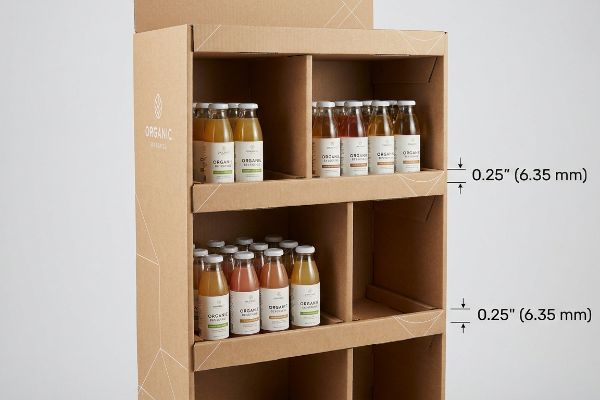
যদিও CAD (কম্পিউটার-এইডেড ডিজাইন) রেন্ডারিং-এ পণ্যের একটি নিখুঁতভাবে প্রতিসম বিন্যাস দেখতে চমৎকার লাগে, কিন্তু খুচরা বিক্রয়কেন্দ্রে একটি ভিন্ন পদ্ধতির প্রয়োজন হয়।.
এনগেজমেন্টের জন্য ৩-৫-৭ অপ্রতিসাম্য নিয়ম
ক্রয়কারী দলগুলো প্রায়শই একটিমাত্র ডিসপ্লে শেলফে পণ্যের একটি ঘন, গাণিতিকভাবে সুষম গ্রিড সাজানোর চেষ্টা করে, এই ভেবে যে পণ্যের ঘনত্ব সর্বাধিক করলে স্বয়ংক্রিয়ভাবে বিক্রির গতি বৃদ্ধি পায়11।তারা মার্চেন্ডাইজারকে একটি সাধারণ গুদামের স্টোরেজ র্যাকের মতো ব্যবহার করে। এই নিখুঁতভাবে প্রতিসম অতিরিক্ত ভিড় কোনো দৃশ্যগত উত্তেজনা তৈরি করতে সম্পূর্ণ ব্যর্থ হয়12, যার ফলে তাড়াহুড়ো করা ক্রেতারা পণ্যের এই বিশাল ব্লকটিকে না থেমে কেবল এক ঝলক দেখে চলে যায়।
বিষয়টিকে ফুলদানিতে ফুল সাজানোর মতো করে ভাবুন; একটি সমান, আঁটসাঁট তোড়া দেখতে অনমনীয় এবং অস্বাভাবিক লাগে, যেখানে বিজোড় সংখ্যা একটি গতিশীল দৃষ্টি আকর্ষণ তৈরি করে। একই মনস্তত্ত্ব খুচরা দোকানের তাকের ক্ষেত্রেও প্রযোজ্য। আমি প্রায়শই দেখি কর্মচারীরা অতিরিক্ত ভিড়যুক্ত, প্রতিসম ট্রে-তে পণ্য ঠেসে ঢোকাতে হিমশিম খাচ্ছে। আমি সম্প্রতি একজন তাড়াহুড়ো করা কর্মচারীকে একটি আঁটসাঁট সারিতে শেষ শ্যাম্পুর বোতলটি জোর করে ঢোকাতে দেখেছি, যার ফলে খাঁজকাটা ঢেউখেলানো ধারটি ঠিক মাঝখানের দাগ বরাবর ছিঁড়ে যাওয়ার বীভৎস শব্দ হয়েছিল। আপনাকে অবশ্যই ৩-৫-৭ নিয়ম ১৩ অনুসরণ করতে হবে : এমন মডিউলার বিভাজক তৈরি করুন যা স্বাভাবিকভাবেই পণ্যকে বিজোড় সংখ্যার গুচ্ছে বিভক্ত করে। এই অন্তর্নির্মিত কাঠামোগত ব্যবধান মানুষের চোখকে আকৃষ্ট করতে বাধ্য করে এবং একই সাথে পুনরায় সাজানোর ঝামেলা সম্পূর্ণরূপে দূর করার জন্য প্রয়োজনীয় সঠিক ০.২৫ ইঞ্চি (৬.৩৫ মিমি) ফাঁকা স্থান ১৪ প্রদান করে।
| নতুনদের সাধারণ ভুল | প্রো ফিক্স | খুচরা-ফ্লোর সুবিধা |
|---|---|---|
| পণ্যগুলিকে একটি ঘন, সুষম গ্রিডে প্যাকিং করা | আইটেমগুলিকে ৩, ৫, বা ৭ এর অপ্রতিসম গুচ্ছে১৫ | মনস্তাত্ত্বিক চাক্ষুষ উত্তেজনা তৈরি করে16 |
| জিনিসপত্রের মধ্যে আঙুল রাখার কোনো জায়গা নেই। | প্রতিটি আইটেমের জন্য ০.২৫ ইঞ্চি (৬.৩৫ মিমি) ক্লিয়ারেন্স ১৭ | পুনরায় মজুত করার সময় কার্ডবোর্ড ছিঁড়ে যাওয়া প্রতিরোধ করে। |
| তাকগুলোকে গুদামের র্যাকের মতো ব্যবহার করা | ভাসমান বা মডিউলার অভ্যন্তরীণ বিভাজক ব্যবহার করুন | নমনীয় ইনভেন্টরি বিন্যাসের সুযোগ দেয় |
আমি সবসময় শেলফ ডিভাইডারগুলো এমনভাবে ডিজাইন করি যাতে পণ্যগুলো অপ্রতিসমভাবে সাজানো থাকে। এটি একই সাথে দৃষ্টিবিভ্রাটের মনস্তাত্ত্বিক সমস্যা এবং দ্রুত পণ্য মজুতচক্রের সময় কাঠামোগত ছিঁড়ে যাওয়ার যান্ত্রিক সমস্যার সমাধান করে।.
🛠️ হার্ভির ডেস্ক: আপনার পণ্যের তাকগুলো কি এতটাই ঠাসাঠাসি করে রাখা যে দোকানের কর্মচারীরা সেগুলোর ধার ছিঁড়ে ফেলছে? 👉 আপনার বিনামূল্যে স্ট্রাকচারাল স্পেসিং গাইডটি সংগ্রহ করুন ↗ — এমন কোনো ফর্ম নয় যা অবিরাম সেলস কলের কারণ হয়। শুধু খাঁটি মূল্য।
মার্চেন্ডাইজিং-এর ৪টি 'পি' কী কী?
চমৎকার বিপণন কৌশলও পুরোপুরি অকার্যকর হয়ে যায়, যদি আপনার ডিসপ্লের বাহ্যিক গঠনই পণ্যটিকে ভোক্তার দৃষ্টি থেকে সক্রিয়ভাবে আড়াল করে।.
মার্চেন্ডাইজিংয়ের ৪টি 'পি' হলো পণ্য (Product), মূল্য নির্ধারণ (Pricing), স্থান নির্ধারণ (Placement) এবং প্রচার (Promotion)। মার্চেন্ডাইজিংয়ের এই স্তম্ভগুলো নির্ধারণ করে যে, ক্রেতাদের সাথে মিথস্ক্রিয়াকে সর্বোত্তম করতে, তাৎক্ষণিক ক্রয়ে উদ্বুদ্ধ করতে এবং একটি নির্দিষ্ট ক্যাটাগরির মোট বিক্রয়ের গতি সর্বাধিক করার জন্য একটি নির্দিষ্ট খুচরা পরিবেশে প্রতিটি পণ্যকে কীভাবে স্থানিকভাবে সাজানো হবে, আর্থিকভাবে স্থাপন করা হবে এবং দৃশ্যত তুলে ধরা হবে।.
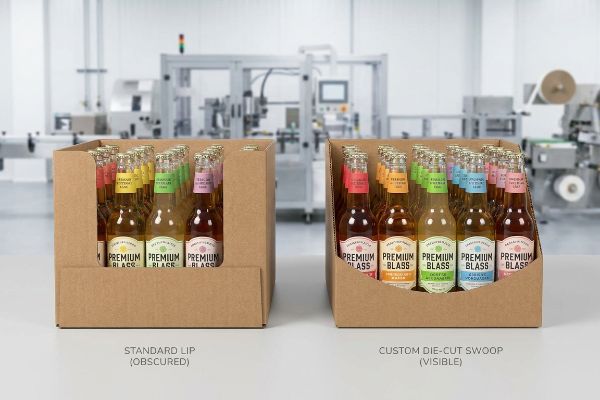
কিন্তু যখন যন্ত্রগুলো চলতে শুরু করে এবং কাঠামোগত পদার্থবিদ্যা তার কাজ শুরু করে, তখন শুধু তত্ত্ব জানাই যথেষ্ট নয়।.
কারখানাতেই কেন সাধারণ রিটেইনিং লিপগুলো ব্যর্থ হয়
ব্র্যান্ড ম্যানেজাররা তাদের প্যাকেজিংয়ের প্রচারমূলক দিকগুলো নিখুঁত করতে বিপুল সম্পদ ব্যয় করেন, এবং নিশ্চিত করেন যেন তাদের প্রধান বোতল বা জারে প্রতিটি আইনি আবশ্যকতা ও ব্র্যান্ডের সুনাম সম্পর্কিত দাবি ত্রুটিহীনভাবে মুদ্রিত হয়। এরপর তারা এই মাপগুলো কোনো সাধারণ প্যাকেজিং সরবরাহকারীর হাতে তুলে দেন একটি স্ট্যান্ডার্ড আরআরপি (রিটেইল রেডি প্যাকেজিং) ট্রে তৈরি করার জন্য। বিপজ্জনক ধারণাটি হলো যে, একটি সাধারণ, সহজলভ্য ট্রে টেমপ্লেট১৮ গুরুত্বপূর্ণ তথ্যকে আড়াল না করেই তাদের অত্যন্ত নির্দিষ্ট পণ্যগুলোকে স্বাভাবিকভাবে ধারণ ও প্রদর্শন করতে পারবে।
ল্যাবে একটি ডিসপ্লে দাঁড় করানো সহজ, কিন্তু যখন আপনি ৫০০টি ডিসপ্লে সরাসরি একটি কঠোর রিটেইল পরিবেশে পাঠান, তখন কঠিন বাস্তবতার মুখোমুখি হতে হয়। আমার প্রতিষ্ঠানে, আমি নিয়মিত দেখি যে প্রিমিয়াম পানীয় ব্র্যান্ডগুলো এমন ডাইলাইন জমা দেয়, যেখানে ট্রে-এর সামনের ধরে রাখার কিনারাটি প্রয়োজনের চেয়ে অনেক বেশি উঁচু করে ডিজাইন করা হয়। আমার প্রাথমিক প্রি-প্রোডাকশন পরীক্ষার সময়, যখন আমি আসল বোতলগুলো ট্রে-তে রাখি এবং দৃশ্যমান ফাঁকা জায়গা মাপি, তখন আমি প্রায়শই দেখতে পাই যে একটি সাধারণ ৩-ইঞ্চি (৭৬.২ মিমি) সোজা করে কাটা কিনারা১৯ গুরুত্বপূর্ণ বাধ্যতামূলক কমপ্লায়েন্স টেক্সট২০-কে । আপনি যদি এটি পাঠান, তবে এই শক্ত কিনারাটি আপনার প্রচারমূলক সুবিধাকে আড়াল করে দেয়। এটি ঠিক করার জন্য, আমি মূল লেবেলের সঠিক মাইক্রোমিটার রিডিং নিই এবং একটি কঠোর কাঠামোগত পরিবর্তন করি। আমি গাণিতিকভাবে সামনের কিনারায় একটি কাস্টম ডাই-কাট বাঁক ডিজাইন করি, যা এর মাঝের প্রোফাইলকে ঠিক ১.২ ইঞ্চি (৩০.৪৮ মিমি)-তে নামিয়ে আনে। এই অত্যন্ত নিখুঁত ডাই-কাট টলারেন্স প্রয়োগের মাধ্যমে, আমি পণ্যের দাবিগুলোর শতভাগ বাধাহীন দৃশ্যমানতা নিশ্চিত করি, যা খুচরা বিক্রেতাদের তাৎক্ষণিক প্রত্যাখ্যান রোধ করে এবং অস্পষ্ট পণ্যের কারণে সৃষ্ট প্রচারমূলক ব্যয়ের অপচয় থেকে ক্লায়েন্টদের হাজার হাজার টাকা বাঁচায়।
| নতুনদের সাধারণ ভুল | প্রো ফিক্স | খুচরা-ফ্লোর সুবিধা |
|---|---|---|
| স্ট্যান্ডার্ড সোজা-কাটা রিটেইনিং লিপ ব্যবহার করে | একটি কাস্টম ডাই-কাট সুইপ প্রোফাইল২১ | লেবেলের শতভাগ দৃশ্যমানতা নিশ্চিত করে |
| ট্রে দেয়ালের উচ্চতা অনুমান করা | ভৌত পণ্যের ডাইলাইনটি CAD-এ ইম্পোর্ট করুন।22 | অস্পষ্ট বিপণন দাবি প্রতিরোধ করে |
| ধরে নেওয়া হচ্ছে যে স্ট্যান্ডার্ড ট্রে-গুলোতে সব জিনিসপত্র এঁটে যাবে। | আইনি পাঠ্যের নির্দিষ্ট অঞ্চল অনুযায়ী ঠোঁটের উচ্চতা সামঞ্জস্য করুন | নিয়ম-কানুন ভিত্তিক স্টোর প্রত্যাখ্যান দূর করে ২৩ |
আপনার মূল পণ্যটি আমার প্রোটোটাইপ ট্রে-তে সশরীরে না রাখা পর্যন্ত আমি ডাই-কাটিং মেশিন চালাতে অস্বীকার করছি। যদি আপনার কাঠামোগত কার্ডবোর্ডটি আপনার মূল বিপণন বার্তাটি ঢেকে রাখে, তবে পুরো ইউনিটটিই কেবল একটি দামী, ভারী আবর্জনা।.
🛠️ হার্ভির ডেস্ক: আপনি কি জানেন ঠিক কত মিলিমিটার উচ্চতায় আপনার সামনের ট্রে-এর কিনারাটি আপনার মূল পণ্যের লেবেলটিকে আড়াল করতে শুরু করে? 👉 আমাকে আপনার ডাইলাইন ফাইলটি পাঠান ↗ — গণ-উৎপাদনে বাজেট অপচয় করার আগে আমি হিসাবটি ভালোভাবে পরীক্ষা করে দেখব।
উপসংহার
আপনি সাধারণ টেমপ্লেট তৈরি করার জন্য কোনো সস্তা বিক্রেতা বেছে নিতে পারেন, কিন্তু যখন একটি অতিরিক্ত উন্নত, নিখুঁতভাবে প্রতিসম ট্রে আপনার মূল লেবেলগুলোকে আড়াল করে এবং পণ্য পুনরায় সাজানোর সময় কর্মচারীদের দিয়ে করোগেটেড বোর্ড ছিঁড়ে ফেলে, তখন তা ম্যানেজারের কাছ থেকে তাৎক্ষণিক প্রত্যাখ্যানের কারণ হয়, যা আপনার ক্যাম্পেইনের লাভের মার্জিন পুরোপুরি নষ্ট করে দেয়। আমার সেরা ১০টি রিটেইল ক্লায়েন্ট প্রিন্ট প্রত্যাখ্যান শূন্যে নামিয়ে আনার নিশ্চয়তা দিতে ঠিক এই স্পেক শিটটিই ব্যবহার করে। স্থানিক সহনশীলতা নিয়ে অনুমান করা বন্ধ করুন এবং ব্যাপক উৎপাদন শুরু হওয়ার আগেই মারাত্মক দৃশ্যমানতার ত্রুটিগুলো ধরতে আমাকে ব্যক্তিগতভাবে আমার ফ্রি ডাইলাইন প্রি-ফ্লাইট চেক ↗- এর মাধ্যমে আপনার কাঠামোগত লেআউটগুলো নিরীক্ষা করতে দিন।
"[পিডিএফ] কেনাকাটার পরিবেশগত মনোবিজ্ঞান", https://research.fs.usda.gov/download/treesearch/34949.pdf। পরিবেশগত মনোবিজ্ঞান এবং ক্রেতার আচরণ বিষয়ক গবেষণা বৃহৎ আকারের খুচরা বিক্রয়কেন্দ্রে ভোক্তাদের নির্দিষ্ট স্থানিক দিকনির্দেশনা পদ্ধতি এবং চাক্ষুষ পর্যবেক্ষণের অভ্যাসকে নথিভুক্ত করে। প্রমাণের ভূমিকা: ভিত্তিগত; উৎসের ধরণ: অ্যাকাডেমিক গবেষণা। সমর্থন করে: এই দাবিকে যে, শারীরিক দিকনির্দেশনা পর্দা-ভিত্তিক চাক্ষুষ উপলব্ধি থেকে ভিন্ন। পরিধি টীকা: বিশেষভাবে বিগ-বক্স বা বৃহৎ আকারের খুচরা বিক্রয়কেন্দ্রের বিন্যাসের ক্ষেত্রে প্রযোজ্য। ↩
"আপনার কাস্টম স্টোর ডিসপ্লের জন্য ৩-এর নিয়মের গুরুত্ব", https://mcintyredisplays.com/blog/custom-store-displays/। একটি পেশাদার ভিজ্যুয়াল মার্চেন্ডাইজিং গাইড গ্রাহক সম্পৃক্ততার দূরত্বের জন্য ৩-৩-৩ স্থানিক নিয়মটিকে একটি প্রযুক্তিগত মান হিসাবে বৈধতা দেবে। প্রমাণের ভূমিকা: প্রযুক্তিগত মান; উৎসের ধরণ: শিল্প হ্যান্ডবুক। সমর্থন করে: দূরত্ব-ভিত্তিক ভিজ্যুয়াল বিঘ্নের তাত্ত্বিক কাঠামো। পরিধি নোট: দোকানের বিন্যাসের উপর ভিত্তি করে প্রযোজ্যতা ভিন্ন হতে পারে। ↩
"স্পট কালার বনাম প্রসেস কালার প্রিন্টিং – প্যানটোন", https://www.pantone.com/articles/technical/spot-vs-process-color?srsltid=AfmBOootwizCGUTQd_TxkKdunsjDR00ZT2oSYa3XA_4_pnFqcsZtV0sA। গ্রাফিক ডিজাইন এবং প্রিন্টিং স্ট্যান্ডার্ড নিশ্চিত করে যে, দূর থেকে সর্বোচ্চ দৃশ্যমানতার জন্য স্পট কালার CMYK-এর চেয়ে বেশি স্যাচুরেশন এবং সামঞ্জস্য প্রদান করে। প্রমাণের ভূমিকা: প্রযুক্তিগত স্পেসিফিকেশন; উৎসের ধরণ: প্রিন্টিং শিল্পের ম্যানুয়াল। সমর্থন: ভিজ্যুয়াল নয়েজ কমাতে সলিড পিগমেন্টের ব্যবহার। পরিধি নোট: নির্দিষ্ট রঙের পছন্দ কনট্রাস্টকে প্রভাবিত করে। ↩
"কার্যকরী ডিসপ্লে এবং গ্রাহক প্রবাহের জন্য খুচরা দোকানের নকশা", https://www.business.qld.gov.au/industries/manufacturing-retail/retail-wholesale/retail-displays। ভিজ্যুয়াল মার্চেন্ডাইজিং এবং ক্রেতার আই-ট্র্যাকিং-এর উপর বাহ্যিক গবেষণা, বড় আকারের দোকানে মনোযোগ আকর্ষণের জন্য উচ্চ-কন্ট্রাস্টের সাইনেজের কার্যকর দূরত্বকে নিশ্চিত করে। প্রমাণের ভূমিকা: মেট্রিকের বৈধতা; উৎসের ধরণ: খুচরা নকশা সমীক্ষা। সমর্থন করে: দৃশ্যমানতার পরিসর। পরিধি সংক্রান্ত টীকা: আইলের প্রস্থ অনুযায়ী দূরত্ব পরিবর্তিত হতে পারে। ↩
"পয়েন্ট-অফ-পারচেজ ইনসাইটস: রিটেইল POP-এর প্রভাব …", https://www.bcipkg.com/point-of-purchase-insights-the-impact-of-retail-pop-displays-on-consumer-behavior/। পয়েন্ট-অফ-পারচেজ (POP) ডিসপ্লের জন্য শিল্প মানদণ্ড স্পর্শভিত্তিক মিথস্ক্রিয়াকে উৎসাহিত করার জন্য পণ্যের দৃশ্যমানতা এবং পণ্যের সুরক্ষার সর্বোত্তম অনুপাত নির্দিষ্ট করে। প্রমাণের ভূমিকা: প্রযুক্তিগত স্পেসিফিকেশন; উৎসের ধরণ: প্যাকেজিং ইঞ্জিনিয়ারিং গাইড। সমর্থন করে: পণ্যের প্রবেশগম্যতা। পরিধি নোট: পণ্যের সাপেক্ষে ধরে রাখার প্রান্তের উচ্চতাকে বোঝায়। ↩
"ভোক্তা ক্রয়ের উপর বিভিন্ন ধরণের ইন-স্টোর ডিসপ্লের প্রভাব...", https://www.sciencedirect.com/science/article/abs/pii/S0022435921000634। ভোক্তা মনোবিজ্ঞানের গবেষণাগুলো একটি পণ্য স্পর্শ করার সুযোগ এবং অপরিকল্পিতভাবে সেটি কেনার সম্ভাবনার মধ্যে একটি সরাসরি সম্পর্ক প্রদর্শন করে। প্রমাণের ভূমিকা: কার্যকারণ সম্পর্ক; উৎসের ধরণ: আচরণগত অর্থনীতি বিষয়ক গবেষণা। সমর্থন: কনভার্সন রেট-এর উন্নতি। পরিধিগত টীকা: প্রভাবের মাত্রা পণ্যের বিভাগের উপর নির্ভর করে। ↩
"খুচরা প্রদর্শনীর জন্য প্যাকেজিং এবং লজিস্টিকস পরিকল্পনা – ফ্রাঙ্ক মেয়ার", https://www.frankmayer.com/blog/packaging-and-logistics-planning-for-retail-displays/। খুচরা লজিস্টিকস এবং প্যাকেজিং ডিজাইনের উপর প্রামাণ্য উৎসগুলো ব্যাখ্যা করে যে, দোকানের আকার এবং বিতরণের সীমাবদ্ধতার সাথে কাঠামোগত প্যাকেজিংয়ের সামঞ্জস্য বিধান করতে ব্যর্থতা কীভাবে পরিচালনগত অদক্ষতার দিকে পরিচালিত করে। প্রমাণের ভূমিকা: প্রযুক্তিগত যাচাইকরণ; উৎসের ধরণ: সাপ্লাই চেইন ম্যানেজমেন্ট গাইড। সমর্থন করে: খুচরা লজিস্টিকসের সাথে প্যাকেজিং ইঞ্জিনিয়ারিংকে একীভূত করার প্রয়োজনীয়তা। পরিধি নোট: ভৌত ইট-পাথরের খুচরা ব্যবসার ক্ষেত্রে প্রযোজ্য। ↩
"অধ্যায় ৪: প্রবেশযোগ্য পথ – Access-Board.gov", https://www.access-board.gov/ada/guides/chapter-4-accessible-routes/। খুচরা বিক্রয় পরিবেশে ন্যূনতম প্রয়োজনীয় আইলের প্রস্থ এবং বাধাহীন চলাচলের পথ সম্পর্কিত অফিসিয়াল ADA মানদণ্ডের যাচাইকরণ। প্রমাণের ভূমিকা: আইনি যাচাইকরণ; উৎসের ধরণ: সরকারি প্রবিধান। সমর্থন করে: এই দাবি যে, খুচরা বিক্রয়ের নিয়ম মেনে চলা নিশ্চিত করতে কাঠামোগত ডাইলাইনগুলোকে অবশ্যই প্রবেশযোগ্যতা আইন মেনে চলতে হবে। পরিধি সংক্রান্ত টীকা: মার্কিন যুক্তরাষ্ট্রের ফেডারেল প্রবেশযোগ্যতা নির্দেশিকার জন্য নির্দিষ্ট। ↩
"প্যালেট ডিসপ্লের প্রকারভেদ: পূর্ণ, অর্ধ ও চতুর্থাংশ – গ্রীনডট প্যাকেজিং", https://greendotpackaging.com/understanding-pallet-display-types-full-half-and-quarter-pallet-displays/। খুচরা লজিস্টিক্সে কীভাবে প্রমিত প্যালেট মাত্রা (যেমন, জিএমএ মান) মেনে চললে পণ্য গ্রহণে বিলম্ব প্রতিরোধ করা যায়, তার সংক্ষিপ্ত ব্যাখ্যা। প্রমাণের ভূমিকা: প্রযুক্তিগত স্পেসিফিকেশন; উৎসের ধরণ: শিল্প লজিস্টিকস ম্যানুয়াল। সমর্থন করে: ব্যাকরুমে পণ্য গ্রহণের জন্য প্যালেট-সারিবদ্ধ নকশার প্রয়োজনীয়তা। পরিধি নোট: বিগ-বক্স রিটেইলে প্রাথমিক প্রয়োগ। ↩
"খুচরা ব্যবসার ৫টি পি: খুচরা বিক্রেতাদের কেন প্রক্রিয়াকে উপেক্ষা করা উচিত নয় | ওয়ান ডোর", https://onedoor.com/resource/5-ps-of-retail-strategy-framework/। ফ্লোর প্লেসমেন্ট অপ্টিমাইজ করার জন্য রিটেইল মার্কেটিং মিক্সে ভৌত কাঠামোগত সীমাবদ্ধতা কীভাবে একটি গুরুত্বপূর্ণ চলক হিসেবে কাজ করে তার সংক্ষিপ্ত ব্যাখ্যা। প্রমাণের ভূমিকা: ধারণাগত কাঠামো; উৎসের ধরণ: খুচরা ব্যবস্থাপনা বিষয়ক অ্যাকাডেমিক পাঠ্য। সমর্থন করে: এই দাবি যে ইঞ্জিনিয়ারিং ইন্টিগ্রেশন ফুটপ্রিন্ট ফ্রিকশন কমায়। পরিধি নোট: ভৌত খুচরা পরিবেশের উপর দৃষ্টি নিবদ্ধ। ↩
"সিপিজি-তে বিক্রয়ের গতি: এটি কী এবং কেন এটি গুরুত্বপূর্ণ – ড্যাসিটি", https://www.daasity.com/post/sales-velocity-in-cpg-what-it-is-why-it-matters। একটি নির্ভরযোগ্য বাহ্যিক উৎস কীভাবে এই দাবিকে সমর্থন করে তার সংক্ষিপ্ত ব্যাখ্যা। প্রমাণের ভূমিকা: ভুল ধারণা খণ্ডন; উৎসের ধরণ: খুচরা বিপণন গবেষণা। সমর্থন করে: সর্বোচ্চ ঘনত্ব এবং রূপান্তর হারের মধ্যে পারস্পরিক সম্পর্কের অভাব। পরিধি নোট: পয়েন্ট-অফ-পারচেজ ডিসপ্লের জন্য নির্দিষ্ট। ↩
"[পিডিএফ] চিওয়াই লি বিইউএফ ২২০৩ ভিজ্যুয়াল মার্চেন্ডাইজিং কোর ডিজাইন স্ট্র্যাটেজিস …", https://openlab.citytech.cuny.edu/cwl-eportfolio/files/2021/12/Core-Design-Strategies.pdf। একটি প্রামাণিক বাহ্যিক উৎস কীভাবে এই দাবিকে সমর্থন করে তার সংক্ষিপ্ত ব্যাখ্যা। প্রমাণের ভূমিকা: তাত্ত্বিক বৈধতা; উৎসের ধরণ: ভিজ্যুয়াল সাইকোলজি বা মার্চেন্ডাইজিং গাইড। সমর্থন: ভিজ্যুয়াল স্ক্যানিং প্যাটার্ন ব্যাহত করার জন্য অপ্রতিসাম্যের প্রয়োজনীয়তা। পরিধি টীকা: ভোক্তার আই-ট্র্যাকিং আচরণের ক্ষেত্রে প্রযোজ্য। ↩
"ভিজ্যুয়াল মার্চেন্ডাইজিং-এ তিনের নিয়ম: একটি সহজ অথচ কার্যকর...", https://www.linkedin.com/posts/visual-merchandiser_visualmerchandising-retaildesign-vmdisplaytips-activity-7387144667760439296-9fEU। অপ্রতিসম বিন্যাসের মাধ্যমে ক্রেতার সম্পৃক্ততা সর্বাধিক করার জন্য রিটেইল ডিজাইনে একটি স্বীকৃত নীতি হিসেবে ৩-৫-৭ নিয়মের যাচাইকরণ। প্রমাণের ভূমিকা: তাত্ত্বিক বৈধতা; উৎসের ধরণ: ভিজ্যুয়াল মার্চেন্ডাইজিং ম্যানুয়াল। সমর্থন: ভিজ্যুয়াল উত্তেজনার জন্য বিজোড়-সংখ্যার গুচ্ছের ব্যবহার। পরিধি টীকা: রিটেইল ডিসপ্লে মনোবিজ্ঞানের উপর আলোকপাত। ↩
"খুচরা ডিসপ্লের ভবিষ্যৎ – পপডিসপ্লে", https://popdisplay.me/the-future-of-retail-displays/। ঢেউখেলানো কার্ডবোর্ডের ডিসপ্লে পুনরায় সাজানোর সময় উপাদানের উপর চাপ এবং ঘর্ষণ প্রতিরোধ করার জন্য প্রয়োজনীয় নির্দিষ্ট ক্লিয়ারেন্স পরিমাপের প্রযুক্তিগত যাচাইকরণ। প্রমাণের ভূমিকা: স্পেসিফিকেশন যাচাইকরণ; উৎসের ধরণ: স্ট্রাকচারাল প্যাকেজিং ইঞ্জিনিয়ারিং গাইড। সমর্থন করে: পুনরায় সাজানোর ঘর্ষণ দূর করার জন্য সঠিক পরিমাপ। পরিধি নোট: ঢেউখেলানো কার্ডবোর্ডের খুচরা ডিসপ্লের জন্য নির্দিষ্ট। ↩
"ভিজ্যুয়াল ল্যাঙ্গুয়েজ – রুল অফ অডস – ডায়ান ওয়ের স্ট্রিট ফটোগ্রাফি", https://www.dianewehr.com/blog/2022/6/9/visual-language-rule-of-odds। ভিজ্যুয়াল ডিজাইনে 'রুল অফ অডস'-এর ব্যাখ্যা এবং কীভাবে অপ্রতিসম বিন্যাস গ্রাহকের সম্পৃক্ততা বাড়ায়। প্রমাণের ভূমিকা: তাত্ত্বিক ভিত্তি; উৎসের ধরণ: ডিজাইন ম্যানুয়াল। সমর্থন করে: নির্দিষ্ট বিজোড়-সংখ্যার গুচ্ছের কার্যকারিতা। পরিধি টীকা: রিটেইল ডিসপ্লে লেআউটের জন্য প্রযোজ্য। ↩
"খুচরা প্রদর্শনীতে ফাঁকা তাকের অপ্রতিসম উপলব্ধি", https://www.sciencedirect.com/science/article/abs/pii/S002243591400030X। অপ্রতিসম বিন্যাস দ্বারা সৃষ্ট চাক্ষুষ উত্তেজনা কীভাবে মনোযোগ আকর্ষণ করে এবং ভোক্তার ক্লান্তি প্রতিরোধ করে তার বিশ্লেষণ। প্রমাণের ভূমিকা: মনস্তাত্ত্বিক যৌক্তিকতা; উৎসের ধরণ: ভোক্তা আচরণ সমীক্ষা। সমর্থন: ঘন গ্রিড এড়ানোর সুবিধা। পরিধি টীকা: চাক্ষুষ উপলব্ধি এবং আই-ট্র্যাকিং এর উপর আলোকপাত করে। ↩
"১৪ ধরনের রিটেইল ডিসপ্লে | শিকাগো, আইএল – ভার্টহাইমার বক্স", https://wertheimerbox.com/types-of-retail-displays/। সহজে পণ্য পুনঃস্থাপন নিশ্চিত করতে এবং কাঠামোগত অখণ্ডতা রক্ষা করার জন্য প্রয়োজনীয় ন্যূনতম ব্যবধানের প্রযুক্তিগত শিল্প মান। প্রমাণের ভূমিকা: প্রযুক্তিগত স্পেসিফিকেশন; উৎসের ধরণ: প্যাকেজিং ইঞ্জিনিয়ারিং গাইড। সমর্থন করে: আইটেম ব্যবধানের জন্য নির্দিষ্ট পরিমাপ। পরিধি নোট: মানুষের গড় আঙুলের আকারের উপর ভিত্তি করে। ↩
"শেলফ রেডি প্যাকেজিং (এসআরপি) – রিটেইল – স্মারফিট ওয়েস্টরক", https://www.smurfitwestrock.com/products/packaging/retail/retail-ready-packaging। জেনেরিক রিটেইল রেডি প্যাকেজিং (আরআরপি) টেমপ্লেটগুলো কীভাবে নির্দিষ্ট প্রাইমারি প্যাকেজিং ডাইমেনশন বা মাপ অনুযায়ী তৈরি করা যায় না, যার ফলে পণ্যের তথ্য অস্পষ্ট হয়ে পড়ে, তার একটি সংক্ষিপ্ত ব্যাখ্যা। প্রমাণের ভূমিকা: প্রযুক্তিগত যাচাইকরণ; উৎসের ধরণ: শিল্প বিশ্লেষণ। সমর্থন করে: এই দাবি যে, রেডিমেড ট্রে-গুলো স্বাভাবিকভাবে অত্যন্ত সুনির্দিষ্ট পণ্য প্রদর্শন করতে পারে না। পরিধি নোট: রিটেইল শেল্ভিং আর্কিটেকচারের উপর আলোকপাত করে। ↩
"কার্ডবোর্ড রিটেইল ডিসপ্লে ট্রে পাইকারি | এসসিবি", https://shopcardboardboxes.com/product/cardboard-retail-display-trays/। পয়েন্ট-অফ-পারচেজ (POP) ডিসপ্লে তৈরির জন্য প্রযুক্তিগত স্পেসিফিকেশন পানীয় ট্রে-তে ধারক প্রান্তের সাধারণ উচ্চতা নিশ্চিত করবে। প্রমাণের ভূমিকা: প্রযুক্তিগত যাচাইকরণ; উৎসের ধরণ: উৎপাদন স্পেক শিট। সমর্থন করে: এই দাবি যে ৩ ইঞ্চি একটি সাধারণ শিল্প মান। পরিধি নোট: পণ্যের আকার অনুযায়ী পরিবর্তিত হতে পারে। ↩
"বাধ্যতামূলক এবং স্বেচ্ছামূলক পুষ্টি লেবেলিং তথ্যের প্রকাশ...", https://pmc.ncbi.nlm.nih.gov/articles/PMC11604316/। FDA বা TTB-এর মতো নিয়ন্ত্রক সংস্থাগুলো পানীয়ের পাত্রে লেবেলিং-এর বাধ্যতামূলক স্থান এবং দৃশ্যমানতা সম্পর্কে নির্দেশিকা প্রদান করে। প্রমাণের ভূমিকা: নিয়ন্ত্রক বৈধতা; উৎসের ধরণ: সরকারি প্রবিধান। সমর্থন করে: সম্মতিমূলক পাঠ্যের জন্য বাধাহীন দৃশ্যমানতার প্রয়োজনীয়তা। পরিধি টীকা: নিয়ন্ত্রিত পানীয় বিভাগগুলিতে প্রযোজ্য। ↩
"কাস্টম ডাই কাট লেবেল যা শেলফের আকর্ষণ এবং ব্র্যান্ডের পরিচিতি বাড়ায়", https://inovarpackaging.com/custom-die-cut-labels-that-elevate-shelf-appeal-and-brand-identity/। শেলফে রাখার উপযোগী প্যাকেজিংয়ের জন্য প্রযুক্তিগত নকশার মানগুলো দেখায় যে কীভাবে বাঁকানো আকৃতি পণ্যের দৃশ্যমানতা সর্বাধিক করে তোলে। প্রমাণের ভূমিকা: প্রযুক্তিগত যাচাইকরণ; উৎসের ধরণ: শিল্প নকশা ম্যানুয়াল। সমর্থন করে: লেবেলের দৃশ্যমানতার জন্য বাঁকানো আকৃতির কার্যকারিতা। পরিধি সংক্রান্ত টীকা: পয়েন্ট-অফ-পারচেজ ডিসপ্লের উপর দৃষ্টি নিবদ্ধ। ↩
"স্ট্রাকচারাল প্যাকেজিং ডিজাইনে সফটওয়্যার কীভাবে সাহায্য করতে পারে? – এজি/ক্যাড", https://www.agcad.co.uk/en/faq/articles/packaging-design। পেশাদার প্যাকেজিং ওয়ার্কফ্লোতে স্থানিক হস্তক্ষেপ এড়াতে CAD সফটওয়্যারে নির্ভুল ডাইলাইন ব্যবহার করা প্রয়োজন। প্রমাণের ভূমিকা: পদ্ধতিগত যাচাইকরণ; উৎসের ধরণ: প্যাকেজিং ইঞ্জিনিয়ারিং গাইড। সমর্থন করে: অস্পষ্ট দাবি প্রতিরোধে CAD-এর ব্যবহার। পরিধি নোট: কাস্টম ট্রে তৈরির ক্ষেত্রে প্রযোজ্য। ↩
"প্যাকেজিং নীতিতে নতুন কী? প্যাকেজিং নীতি সারসংক্ষেপ", https://sustainablepackaging.org/2026/05/21/packaging-policy-news/। খুচরা বিক্রেতা ম্যানুয়ালগুলিতে উল্লেখ করা আছে যে, আইনি লেখা দৃশ্যমান রাখতে ব্যর্থ হলে চালান প্রত্যাখ্যান বা জরিমানা হতে পারে। প্রমাণের ভূমিকা: নিয়ন্ত্রক সংস্থার নিশ্চিতকরণ; উৎসের ধরণ: খুচরা সম্মতি নির্দেশিকা। সমর্থন করে: অনুপযুক্ত প্রান্তের উচ্চতার কারণে দোকানে প্রত্যাখ্যানের ঝুঁকি। পরিধি সংক্রান্ত টীকা: বিশেষভাবে বড় আকারের খুচরা দোকানের মানদণ্ডের জন্য প্রযোজ্য। ↩