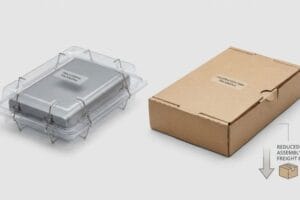
খুচরা বিপণন বাজেট কমানোর অর্থ এই নয় যে কাঠামোগত অখণ্ডতার সাথে আপোস করতে হবে। এর রহস্য নিহিত রয়েছে কাঠামোগত প্রকৌশল, সরবরাহ শৃঙ্খল লজিস্টিকস এবং কাঁচামালের পদার্থবিদ্যাকে সর্বোত্তমভাবে কাজে লাগিয়ে উৎপাদনের লুকানো অপচয় দূর করার মধ্যে।.
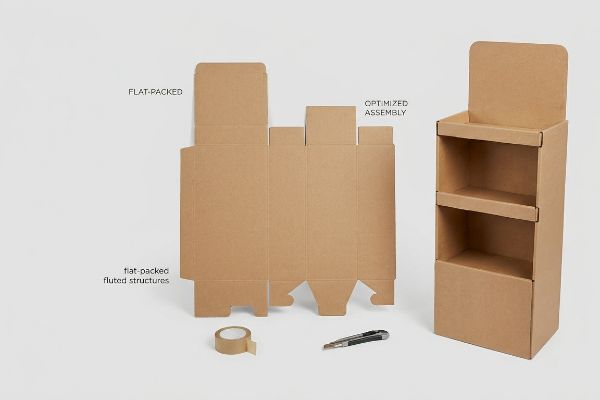
কার্ডবোর্ড ডিসপ্লে স্ট্যান্ডের খরচ কমাতে হলে অতিরিক্ত জটিল উপাদান বাদ দেওয়া, মাল পরিবহনের ঘনত্ব অনুকূল করা এবং কো-প্যাকিং অ্যাসেম্বলিকে সুবিন্যস্ত করা প্রয়োজন। স্থায়ী কাঠামো থেকে ফ্ল্যাট-প্যাকড ফ্লুটেড কাঠামোতে স্থানান্তরের মাধ্যমে ব্র্যান্ডগুলো একক মূল্য উল্লেখযোগ্যভাবে কমিয়ে আনে, একই সাথে উত্তর আমেরিকার কঠোর খুচরা পরিবেশের জন্য প্রয়োজনীয় উচ্চ ডাইনামিক লোড ধারণক্ষমতাও বজায় রাখে।.
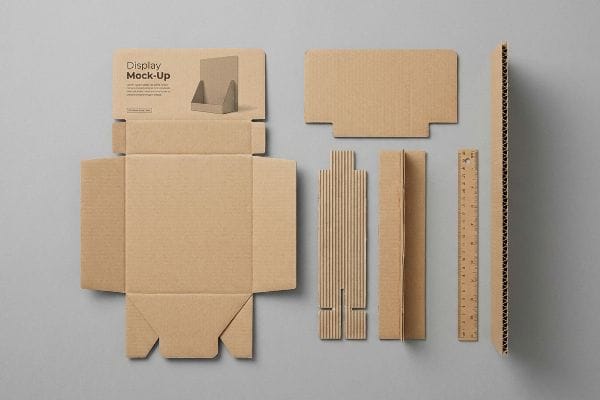
কিন্তু যখন ডাই-কাটিং মেশিনগুলো চলতে শুরু করে এবং মাল পরিবহনের বিল আসতে থাকে, তখন শুধু তত্ত্ব জানাই যথেষ্ট নয়। চলুন দেখে নেওয়া যাক, কারখানার মেঝেতে আসলে কী আপনার বাজেট শেষ করে দেয়।.
কার্ডবোর্ড দিয়ে কীভাবে একটি ডিসপ্লে স্ট্যান্ড তৈরি করবেন?
অনমনীয় ধাতব সরঞ্জামগুলির পরিবর্তে প্রকৌশলগতভাবে উন্নত পেপারবোর্ড ব্যবহার করাই হলো আপনার বিপণন বাজেট পুনরুদ্ধার করার এবং দেশব্যাপী কার্যক্রম সম্প্রসারণকে সুবিন্যস্ত করার দ্রুততম উপায়।.
ঢেউখেলানো কার্ডবোর্ড দিয়ে ডিসপ্লে স্ট্যান্ড তৈরি করার জন্য ঝালাই করা তার বা স্থায়ী ধাতব হার্ডওয়্যারের পরিবর্তে ফ্ল্যাট-প্যাক ফ্লুটেড কাঠামো ডিজাইন করতে হয়। এই উপাদানগত পরিবর্তন শিপিং ঘনত্ব ব্যাপকভাবে বাড়িয়ে দেয়, যার ফলে মাল পরিবহনের আয়তনজনিত বিশাল জরিমানা হ্রাস পায় এবং একই সাথে এটি ভারী ও গতিশীল ভারবহনের প্রয়োজনীয়তাও পূরণ করে।.
কিন্তু ভৌত মাধ্যাকর্ষণ জড়িত থাকলে ধাতুর বদলে কাগজ নেওয়াটা কোনো সাধারণ হুবহু কপি-পেস্টের কাজ নয়।.
কারখানার মেঝেতে কেন প্রচলিত ধাতু থেকে কাগজে রূপান্তর ব্যর্থ হয়
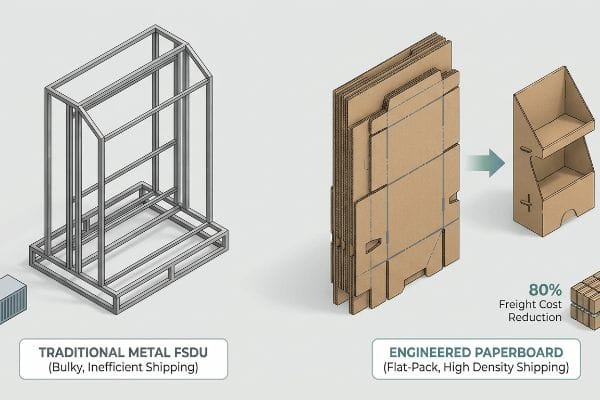
ক্রয়কারী দলগুলো প্রায়শই স্বল্পমেয়াদী প্রচারণার জন্য স্থায়ী ঝালাই করা ধাতব এফএসডিইউ (ফ্লোর স্ট্যান্ডিং ডিসপ্লে ইউনিট) কাঠামোকেই বেছে নেয়, এই ভেবে যে ভারী ইস্পাত স্বয়ংক্রিয়ভাবে বিনিয়োগের উপর উচ্চতর প্রতিদান নিশ্চিত করে। তারা স্থায়ী হার্ডওয়্যারের কষ্টসাধ্য লজিস্টিকসকে উপেক্ষা করে, যা অবশ্যই সম্পূর্ণ একত্রিত অবস্থায় পাঠাতে হয়¹ , ফলে ব্র্যান্ডগুলোকে বৈশ্বিক সরবরাহ শৃঙ্খল জুড়ে শুধুমাত্র খালি জায়গা স্থানান্তরের জন্য বিপুল পরিমাণ মালবাহী খরচ² দিতে বাধ্য হতে হয় ।
এটা শুধু তত্ত্ব নয়—ক্লায়েন্টদের দামী ধাতু থেকে সরিয়ে আনার সময় আমি টেস্টিং ফ্লোরে এই সমস্যার সম্মুখীন হই। গত কোয়ার্টারে, একজন স্পোর্টিং গুডস ক্রেতা একটি অস্থায়ী ফিক্সচার চেয়েছিলেন, কিন্তু তারা ধরে নিয়েছিলেন যে স্ট্যান্ডার্ড ৩২ ইসিটি (এজ ক্রাশ টেস্ট) টেস্টলাইনার ৩ তাদের ১২০.৫ পাউন্ড (৫৪.৬ কেজি) পেলোড ধরে রাখতে পারবে না, তাই তারা স্টিলের টিউবিং দিয়ে এটিকে অতিরিক্ত মজবুত করে তৈরি করেছিলেন। প্রথমে, আমি তাদের মেটাল ক্যাড (কম্পিউটার-এইডেড ডিজাইন) ফাইলটিকে সরাসরি একটি সিঙ্গেল-ওয়াল করোগেটেড ডাইলাইনে রূপান্তর করার চেষ্টা করেছিলাম। আমার ধারণা পুরোপুরি ভুল ছিল। ভারী পণ্যের নিছক গতিশক্তির কারণে ভাইব্রেশন টেবিলে ১১২.৫ পাউন্ড (৫১ কেজি) ওজনে অপরিশোধিত বেসটি ভেঙে যায়। আমি এজেন্সির হাইব্রিড রেন্ডারটি পুরোপুরি বাতিল করে ক্যাড জ্যামিতিটি পরিবর্তন করি এবং একটি অভ্যন্তরীণ ডাবল-ওয়াল করোগেটেড স্পাইন ডিজাইন করি যা একটিও ধাতব স্ক্রু ছাড়াই লক হয়ে যায়। এই কঠোর ফ্ল্যাট-প্যাক ফ্লুটেড কাঠামো প্রয়োগ করার মাধ্যমে, আমি শিপিং ঘনত্ব ব্যাপকভাবে বৃদ্ধি করেছি, যার ফলে একটি 40HQ কন্টেইনারে ২৫০ টির পরিবর্তে ১,৫০০ ইউনিট ধরছে এবং তাদের মোট মালবাহী খরচ আনুমানিক ৮০% কমে গেছে।
| কাঠামোগত প্রকৌশল ফিক্স | শারীরিক ভারের ফলাফল | লজিস্টিকস এবং খরচের উপর রিটার্ন |
|---|---|---|
| দ্বি-প্রাচীরযুক্ত খাঁজকাটা স্পাইন | ১২০.৫ পাউন্ড (৫৪.৬ কেজি) ওজনেও টিকে থাকে।5 | মাল পরিবহনের খরচ ৮০% কমায়6 |
| ঝালাই করা ধাতু বাদ দিন | শূন্য খালি ভলিউম পাঠানো হয়েছে7 | পাত্রের ঘনত্ব বৃদ্ধি করে |
| ফ্ল্যাট-প্যাক ঘর্ষণ লক | কোন ধাতব স্ক্রু প্রয়োজন নেই | একক কাঁচামালের খরচ ব্যাপকভাবে হ্রাস করে |
আমি গ্রাহকদেরকে অপ্রয়োজনীয় জিনিস পাঠানোর জন্য অর্থ ব্যয় করতে দিই না। খাঁজকাটা পেপারবোর্ডের পদার্থবিদ্যাকে সম্মান করে, আমি বিশাল হার্ডওয়্যারের পরিবর্তে নিখুঁত জ্যামিতিক নকশা ব্যবহার করি, যার ফলে একক মূল্যের একটি ভগ্নাংশেই হুবহু একই রকম পারফরম্যান্স পাওয়া যায়।.
🛠️ হার্ভির ডেস্ক: আপনি কি শুধু খালি, আগে থেকে ঝালাই করা ধাতব ডিসপ্লে সমুদ্রপথে পাঠানোর জন্য মাল পরিবহনের খরচ অতিরিক্ত দিচ্ছেন? 👉 একটি বিনামূল্যে স্ট্রাকচারাল BOM অডিট করান ↗ — আমি ২৪ ঘণ্টার মধ্যে প্রতিটি স্ট্রাকচারাল ফাইল ব্যক্তিগতভাবে পর্যালোচনা করি।
প্যাকেজিং উপকরণের খরচ কীভাবে কমানো যায়?
আপনার উপকরণের বাজেট কমানোর অর্থ এই নয় যে আপনাকে আপনার রিটেইল ক্যাম্পেইনের কাঠামোগত অখণ্ডতা বিসর্জন দিতে হবে। প্রকৃত সাশ্রয় আসে অপ্রয়োজনীয় বাহ্যিক বাহুল্য বাদ দেওয়ার মাধ্যমে।.
প্যাকেজিং উপকরণের খরচ কমাতে হলে ব্যয়বহুল সম্পূর্ণ আবরণযুক্ত ফয়েল ল্যামিনেশন বাদ দিয়ে তার পরিবর্তে উচ্চ-কঠিন চকচকে জলীয় আবরণ ব্যবহার করতে হয়। আবরণের এই কৌশলগত পরিবর্তনটি মূল ঢেউখেলানো বোর্ডের কাঠামোগত ঘনত্ব অক্ষুণ্ণ রাখে, যা মারাত্মক সংকোচনজনিত ব্যর্থতা প্রতিরোধ করে এবং একই সাথে কঠোর উৎপাদন বাজেটের মধ্যে উৎকৃষ্ট নান্দনিকতাও বজায় রাখে।.
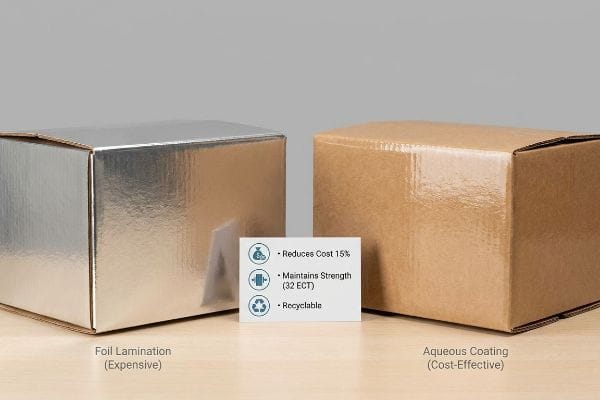
কিন্তু উৎকৃষ্ট মানের খুচরা বিক্রয়ের নান্দনিকতার সাথে ক্রমহ্রাসমান ক্রয় বাজেটের ভারসাম্য রক্ষা করতে গিয়ে প্রায়শই উৎপাদন লাইনে বিপজ্জনক আপস করতে হয়।.
কসমেটিক ডাউনগ্রেড ফাঁদের লুকানো বিপদ
ক্রয়কারী দলগুলো প্রায়শই ব্যয়বহুল বাহ্যিক প্রলেপ, যেমন সম্পূর্ণ-আচ্ছাদিত পিইটি (পলিইথিলিন টেরেফথালেট) ফয়েল ল্যামিনেশনকে, অলঙ্ঘনীয় বিপণন নির্দেশ হিসেবে গণ্য করে। এই উচ্চ উৎপাদন খরচ পুষিয়ে নিতে, তারা প্রতি ইউনিটে সামান্য কিছু পয়সা বাঁচানোর জন্য গোপনে মূল ঢেউতোলা বোর্ডের মান কমিয়ে দেয়, এবং কোর ফ্লুটিং থেকে গুরুত্বপূর্ণ ফাইবার ঘনত্ব কমিয়ে ফেলে8।
এটা শুধু তত্ত্ব নয়—যখন ক্লায়েন্টরা অবাস্তব ইউনিট মূল্য নির্ধারণের চেষ্টা করে, তখন আমি টেস্টিং ফ্লোরে এই সমস্যার সম্মুখীন হই। সম্প্রতি, একটি ইলেকট্রনিক্স ব্র্যান্ড আমাকে একজন সরবরাহকারীর ডিজাইন পাঠিয়েছিল, যেখানে শুধুমাত্র একটি জমকালো রুপালি ফয়েল র্যাপের খরচ মেটানোর জন্য গোপনে কোর সাবস্ট্রেটের মান ৩২ ইসিটি থেকে কমিয়ে ২৬ ইসিটি করা হয়েছিল । প্রথমে, আমি ভেবেছিলাম যে হালকা বোর্ডটি যদি আলতোভাবে ব্যবহার করা হয়, তাহলে হয়তো কোনোমতে আইএসটিএ (ইন্টারন্যাশনাল সেফ ট্রানজিট অ্যাসোসিয়েশন) প্রোটোকল পাস করতে পারবে। আমার ধারণা পুরোপুরি ভুল ছিল। আমাদের ল্যাবে প্রথম কম্প্রেশন সাইকেলেই, দুর্বল হয়ে পড়া বি-ফ্লুটের বিকট, বীভৎস মচমচ শব্দ পুরো ঘরে প্রতিধ্বনিত হলো এবং ১৮৭.৫ পাউন্ড (৮৫ কেজি) ওজনে পুরো বেসটি ভেঙে পড়ল। আমি সঙ্গে সঙ্গে সংস্থাটির ত্রুটিপূর্ণ মেটেরিয়াল স্পেক বাতিল করে দিলাম এবং ভৌত রসায়নে পরিবর্তন আনলাম। আমি কাঁচামালটিকে তার আদি ৩২ ইসিটি মানে ফিরিয়ে আনলাম, দামী ভারী ফয়েল ফিল্মটি পুরোপুরি বাদ দিলাম এবং নির্দিষ্ট উচ্চ-সলিড গ্লসযুক্ত জলীয় কোটিং ব্যবহার করে কাঙ্ক্ষিত প্রিমিয়াম প্রতিফলন অর্জন করলাম । উপাদানগত এই কৌশলগত পরিবর্তন কার্যকর করার মাধ্যমে, আমি বাহ্যিক বাহুল্য দূর করেছি, যা ডিসপ্লেগুলোকে ডাবল-স্ট্যাকিংয়ের পরেও অক্ষত রাখতে সক্ষম করেছে এবং ক্লায়েন্টের প্রতি ইউনিটে কাঁচামালের খরচে ১৫% সাশ্রয় করেছে।
| উপাদান অপ্টিমাইজেশন ফিক্স | শারীরিক পরীক্ষার ফলাফল | আর্থিক ব্যয় ROI |
|---|---|---|
| জলীয় গ্লস প্রতিস্থাপন | দামী ফয়েল প্রতিস্থাপন করে | একক খরচ ১৫% কমে যায়11 |
| ৩২ ইসিটি বেসলাইন ১২ পুনরুদ্ধার করুন | বাঁশি পার্শ্বীয় নিষ্পেষণ প্রতিরোধ করে | পরিবহনের সময় হওয়া ক্ষতি দূর করে |
| PET প্লাস্টিক ফিল্ম বাদ দিন | ১০০% রাস্তার ধার থেকে পুনঃমজ্জাযোগ্য13 | সম্মতি জরিমানা এড়িয়ে যায় |
চকচকে ফিনিশের জন্য আমি কখনো কোর ফাইবারের ঘনত্বের সাথে আপোস করি না। অনমনীয় প্লাস্টিক ফিল্মের উপর উন্নত লিকুইড কোটিং ব্যবহার করে, আমি আপনার প্যাকেজিং বাজেট নষ্ট না করে বা প্যালেট ভেঙে পড়ার ঝুঁকি ছাড়াই আপনার প্রিমিয়াম ব্র্যান্ডের অপটিক্স সুরক্ষিত রাখি।.
🛠️ হার্ভির ডেস্ক: ফয়েল ল্যামিনেশনের ক্রমবর্ধমান খরচ মেটাতে আপনার বর্তমান বিক্রেতা কি গোপনে আপনার ফ্লুটিং ডেনসিটি কমিয়ে দিয়েছে? 👉 মেটেরিয়াল স্ট্রেংথ অ্যাসেসমেন্টের জন্য অনুরোধ করুন ↗ — ১০০% গোপনীয়। আপনার অপ্রকাশিত রিটেইল ডিজাইনগুলো আমার কাছে সুরক্ষিত।
উপকরণের খরচ কীভাবে কমানো যায়?
আপনার খুচরা মুনাফা সর্বোচ্চ করতে হলে, আপনার মূল ভিত্তিগুলো সম্পর্কে প্রতিটি ধারণাকেই প্রশ্নবিদ্ধ করতে হবে। কখনও কখনও, সবচেয়ে ভারী পেপারবোর্ডটিই আসলে সবচেয়ে ব্যয়বহুল ভুল হয়ে দাঁড়ায়।.
উপকরণের খরচ কার্যকরভাবে কমাতে, ব্র্যান্ডগুলোকে অবশ্যই ভারী, মসৃণ নিরেট চিপবোর্ড থেকে ই-ফ্লুটের মতো হালকা ও সূক্ষ্ম খাঁজযুক্ত ঢেউখেলানো কাগজের স্তরে স্থানান্তরিত হতে হবে। অভ্যন্তরীণ খিলানযুক্ত জ্যামিতি ব্যবহারের মাধ্যমে এটি নিরাপদে গতিশক্তি শোষণ করে এবং কাঁচামালের পরিমাণ ও সংগ্রহের বাজেট কৃত্রিমভাবে না বাড়িয়েই বর্গাকার কাঠামো বজায় রাখে।.
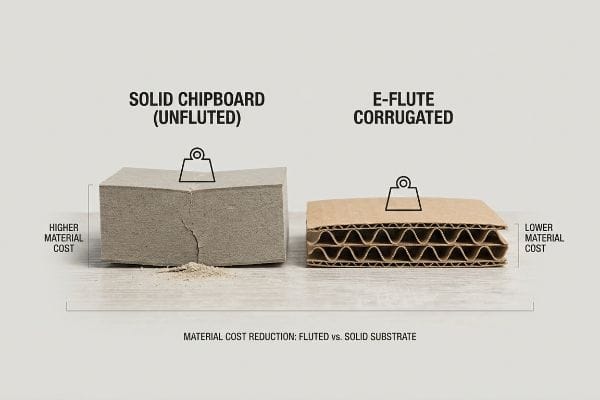
কিন্তু যখন ক্রয় ক্রেতারা ছোট প্রসাধনী বাক্সগুলোকে বড় আকারে উৎপাদন করে ভারবাহী রিটেইল ট্রে বানানোর চেষ্টা করেন, তখন হিসাবটা দ্রুতই ভেস্তে যায়।.
কেন ঘন চিপবোর্ড খুচরা প্যাকেজিং বাজেটকে দেউলিয়া করে দেয়
ক্রয়কারী দলগুলো প্রায়শই খরচ বাঁচাতে হালকা ওজনের নিরেট চিপবোর্ডের নকশাকে বড় করে ভারী ও খুচরা বিক্রির উপযোগী ট্রে-তে রূপান্তর করার চেষ্টা করে, এই ভেবে যে একটি পুরু নিরেট পেপারবোর্ডের কাঁচা ঘনত্ব তার গতিশীল ভারবহন ক্ষমতার সমান। তারা এটা বুঝতে ব্যর্থ হয় যে, খাঁজবিহীন স্তরগুলোতে ঢেউখেলানো বোর্ডে পাওয়া অভ্যন্তরীণ ঢেউয়ের মতো খিলান 14 থাকে না, যার অর্থ হলো, গতিজনিত অভিঘাত 15 কে গতিশীলভাবে ছড়িয়ে দেওয়ার জন্য এদের কোনো যান্ত্রিক ব্যবস্থা নেই ।
এটা শুধু তত্ত্ব নয়—আমি আমাদের নিজেদের কারখানাতেই কঠিন অভিজ্ঞতার মাধ্যমে এটা শিখেছি। ২০২২ সালে, আমি আমার প্রধান প্যাকেজিং ইঞ্জিনিয়ার, মার্ককে, একটি অতি-মোটা, ৪৮-পয়েন্টের সলিড এসবিএস (সলিড ব্লিচড সালফেট) বোর্ড ব্যবহার করে একটি হেভি-ডিউটি কসমেটিক ট্রে পরীক্ষা করতে বলেছিলাম, কারণ ক্লায়েন্ট তাদের প্রিমিয়াম উপাদানের স্পেসিফিকেশন পরিবর্তন করতে রাজি ছিল না। আমরা ভেবেছিলাম যে পেপারবোর্ডের নিছক কাঁচা পুরুত্বই ফ্লুটের প্রয়োজন ছাড়াই ওপরের ভার প্রতিরোধ করতে পারবে। তিন দিন পর ক্লাইমেট চেম্বারে, আমি দেখলাম পুরো প্যালেটটি বেঁকে গেল। আমি ব্যর্থ নমুনাটির ওপরের শিটটি ছিঁড়ে ফেললাম এবং অনুভব করলাম যে অনমনীয়, ফ্লুটবিহীন বোর্ডটি এক স্থানের ওজনে পুরোপুরি ভেঙে গেল; কম্পন সামলানোর জন্য এর কোনো জ্যামিতিক সরণই ছিল না। আমি সঙ্গে সঙ্গে কারখানার ফ্লোরে গিয়ে ল্যামিনেটরের জন্য একটি মেশিন ক্যালিব্রেশন পিভট লাগানোর আদেশ দিলাম। আমি এই পেলোডের জন্য সলিড চিপবোর্ডের ব্যবহার পুরোপুরি নিষিদ্ধ করে দিলাম এবং সাবস্ট্রেটটিকে একটি হালকা ওজনের ই-ফ্লুট১৬-, যা এর অভ্যন্তরীণ খিলানযুক্ত জ্যামিতি ব্যবহার করে নিরাপদে গতিশক্তি শোষণ করে১৭। এই সাবস্ট্রেট পিভটটি শুধু ২১০.৫ পাউন্ড (৯৫.৪ কেজি) ওপরের ভারেও ট্রে-টির নিখুঁত বর্গাকার কাঠামো পুনরুদ্ধার করেনি, বরং এটি কাঁচামালের খরচও ২২% কমিয়ে দিয়েছে, যার ফলে প্রাথমিক পর্যায়ে ব্যবহারের সময় ক্লায়েন্টের হাজার হাজার টাকা সাশ্রয় হয়েছে।
| সাবস্ট্রেট ইঞ্জিনিয়ারিং পিভট | ভৌত কাঠামোগত ফলাফল | ক্রয় ROI |
|---|---|---|
| ই-ফ্লুট ঢেউখেলানো রূপান্তর | ধনুকাকৃতির জ্যামিতি প্রবর্তন করে | কাঁচামালের খরচ ২২% কমানো হয়েছে18 |
| নিরেট ৪৮-পয়েন্ট চিপবোর্ড নিষিদ্ধ করুন | অনমনীয় শিয়ার স্ট্রেস দূর করে19 | ড্রপের মোট একক ওজন |
| মাইক্রো-ফ্লুট গতিশীল বিচ্ছুরণ | শীর্ষ-ভারের ধাক্কা প্রতিহত করে20 | প্যালেট বেঁকে যাওয়া প্রতিরোধ করে |
আমি গ্রাহকদের ঘন, নিম্নমানের পেপারবোর্ডে অর্থ অপচয় করতে দিই না। গতিজনিত ধাক্কা শোষণের জন্য হালকা মাইক্রো-ফ্লুট ডিজাইন করার মাধ্যমে, আমি উন্নত খুচরা ভারবহন ক্ষমতা নিশ্চিত করি এবং একই সাথে আপনার মোট কাঁচামালের খরচও কমিয়ে আনি।.
🛠️ হার্ভিস ডেস্ক: আপনি কি অতি-মোটা সলিড পেপারবোর্ডের জন্য অতিরিক্ত মূল্য দিচ্ছেন, যা সাধারণ ওয়্যারহাউস প্যালেটের ওজনেও বেঁকে যায়? 👉 আপনার ১-অন-১ ৩ডি স্ট্রেস সিমুলেশন দাবি করুন ↗ — মাঝখানে কোনো অ্যাকাউন্ট ম্যানেজার নেই। আপনি সরাসরি স্ট্রাকচারাল ইঞ্জিনিয়ারদের সাথে কথা বলবেন।
খুচরা ব্যবসায় খরচ কমানোর উপায় কী?
খুচরা খরচ শুধু উৎপাদনেই থেমে থাকে না; সরবরাহ ও আনপ্যাকিংয়ের সময় তা বহুগুণে বেড়ে যায়। কৃত্রিম প্যাকেজিং জ্যামিতির প্রকৌশলই হলো অতিরিক্ত সরবরাহ শৃঙ্খল ফি-এর বিরুদ্ধে চূড়ান্ত সুরক্ষা।.
খুচরা বিক্রয় পরিবেশে খরচ কমাতে হলে নেস্টেড প্যাকেজিং সিস্টেমে জ্যামিতিক অফসেট টলারেন্স প্রয়োগ করা প্রয়োজন। মাস্টার শিপিং কার্টনের ভিতরে কঠোর পেরিমিটার ক্লিয়ারেন্স বাফার ডিজাইন করার মাধ্যমে, নির্মাতারা ফ্রিকশন লক ভেঙে দেয়, যা দ্রুতগতির স্টোর রিস্টকিং অপারেশনের সময় ম্যানুয়াল আনপ্যাকিংয়ের ক্ষতি এবং ব্যয়বহুল রিটেইল চার্জব্যাক সম্পূর্ণরূপে দূর করে।.
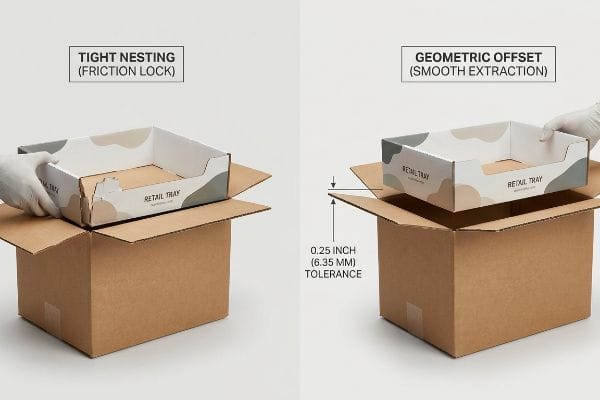
কিন্তু জায়গা বাঁচানোর জন্য আঁটসাঁট শিপিং বক্স ডিজাইন করাটা প্রায়শই খুচরা বিক্রির তাক পর্যন্ত পৌঁছানোর মুহূর্তেই মারাত্মকভাবে হিতে বিপরীত হয়।.
খুচরা দোকানে পণ্য পুনঃসংগ্রহে ঘর্ষণের লুকানো খরচ
ব্র্যান্ডগুলো প্রায়শই তাদের আগে থেকে ভরা রিটেইল ট্রে-গুলোর বাইরের মাপের সাথে হুবহু ১:১ মিলিয়ে মাস্টার শিপিং কার্টন ডিজাইন করে, এই ভেবে যে আঁটসাঁট ফিট পরিবহনের সময় সর্বোচ্চ সুরক্ষা দেবে। কার্টন বের করার সময় প্যানেলগুলোকে একসাথে আটকে রাখা কাঁচা ঢেউখেলানো টেস্টলাইনারের তীব্র পৃষ্ঠীয় ঘর্ষণের বিষয়টি তারা হিসাবে ধরে না ।
এটা শুধু তত্ত্ব নয়—আমি নিজে টেস্টিং ফ্লোরে সিমুলেটেড রিটেইল আনবক্সিং অডিট করার সময় এই বিষয়টির সম্মুখীন হই। গত বছর, একজন ক্লায়েন্ট বিপুল পরিমাণ চার্জব্যাকের অভিযোগ করেন, কারণ দোকানের কর্মচারীরা টাইট মাস্টার শিপার থেকে তাদের পিডিকিউ (প্রি-প্যাকড ডিসপ্লে কোয়ান্টিটিজ) ট্রে বের করার সময় সেগুলো নষ্ট করে ফেলছিল। প্রথমে, আমি ধরে নিয়েছিলাম যে ফ্যাক্টরি ট্রে-এর ধরে রাখার অংশে নিম্নমানের আঠা ব্যবহার করেছে। আমার ধারণা পুরোপুরি ভুল ছিল। আমি নিজে একটি ফেরত আসা ইউনিট খোলার চেষ্টা করেছিলাম; আমি ট্রে-টি ধরতেই, লক করা পেপারবোর্ডের দেয়ালের প্রচণ্ড বাধা অনুভব করলাম, জোরে টান দিলাম এবং সঙ্গে সঙ্গেই প্রিন্ট করা সামনের প্যানেলটি নিজেই ছিঁড়ে ফেললাম। আমি মাইক্রোমিটারের রিডিং নিয়ে প্রমাণ করলাম যে আমার আরও শক্তিশালী আঠা বা পুরু দেয়ালের প্রয়োজন ছিল না—আমার শুধু একটি অত্যন্ত সুনির্দিষ্ট জ্যামিতিক অফসেট দরকার ছিল। আমি সাপ্লাই চেইনের টলারেন্সকে ঘুরিয়ে দিলাম এবং গাণিতিকভাবে মাস্টার কার্টনের ভেতরের অংশে ০.২৫ ইঞ্চি (৬.৩৫ মিমি) পরিধির একটি ন্যূনতম ক্লিয়ারেন্স বাফার তৈরি করলাম। এই সূক্ষ্ম সমন্বয়টি প্রয়োগ করার মাধ্যমে, আমি ফ্রিকশন লকটি সম্পূর্ণরূপে ভেঙে দিয়েছি, যা ছিঁড়ে যাওয়া ছাড়াই পণ্য খোলার অভিজ্ঞতা নিশ্চিত করেছে এবং ক্লায়েন্টের জন্য খুচরা বিক্রেতার ক্ষতির চার্জব্যাকের ১০০% নির্মূল করেছে।
| সরবরাহ শৃঙ্খল সহনশীলতা সমাধান | ভৌত সমাবেশের ফলাফল | খুচরা বিক্রেতার ROI |
|---|---|---|
| ০.২৫ ইঞ্চি (৬.৩৫ মিমি) অফসেট23 | পৃষ্ঠের ঘর্ষণ লক ভেঙে দেয় | ক্ষতির চার্জব্যাক বন্ধ করে |
| নেস্টেড কার্টন পেরিমিটার বাফার24 | মসৃণ PDQ নিষ্কাশন | তাক সাজানোর কাজ দ্রুত করে |
| ১:১ অনুপাতে আঁটসাঁটভাবে বাসা বাঁধা পরিহার করুন25 | সামনের ঠোঁট ফেটে যাওয়া বন্ধ করে | খুচরা সম্মতি নিশ্চিত করে |
কার্টনের ত্রুটিপূর্ণ জ্যামিতির কারণে খুচরা বিক্রেতাদের জরিমানা হতে আমি দেব না। কার্টনের ভেতরে নিখুঁত ফাঁকা স্থান তৈরি করে আমি আপনার ব্র্যান্ডেড ট্রে-গুলোকে জোরেশোরে খোলার হাত থেকে রক্ষা করি, যা শেলফে নিখুঁত উপস্থাপনা নিশ্চিত করে এবং পণ্যের কোনো অপচয় হতে দেয় না।.
🛠️ হার্ভির ডেস্ক: দোকানের কর্মচারীরা কি আপনার আগে থেকে ভরা ডিসপ্লে ট্রেগুলো ছিঁড়ে ফেলছে, কারণ সেগুলো মাস্টার কার্টনের ভেতরে স্থায়ীভাবে ঘর্ষণের মাধ্যমে আটকে থাকে? 👉 একটি কাস্টম মাস্টার কার্টন অডিট করান ↗ — আমি ২৪ ঘণ্টার মধ্যে প্রতিটি স্ট্রাকচারাল ফাইল ব্যক্তিগতভাবে পর্যালোচনা করি।
উপসংহার
আপনি শুধুমাত্র কম ইউনিট মূল্যের উপর ভিত্তি করে একজন বিক্রেতা বেছে নিতে পারেন, কিন্তু যখন একটি অতিরিক্ত আঁটসাঁট, ১:১ অনুপাতে সাজানো মাস্টার কার্টন প্রচণ্ড পৃষ্ঠ ঘর্ষণের সৃষ্টি করে, যার ফলে কার্টনের ধারকগুলো ছিঁড়ে যায় এবং বড় খুচরা বিক্রেতাদের কাছ থেকে তাৎক্ষণিক চার্জব্যাকের সম্মুখীন হতে হয়, তখন আপনার প্রাথমিক সঞ্চয় মুহূর্তেই উবে যায়। এই নির্দিষ্ট ইঞ্জিনিয়ারিং পর্যালোচনাটি সম্প্রতি উৎপাদনের আগেই একটি বড় জাতীয় প্রচারণার জন্য একটি মারাত্মক ২ মিমি টলারেন্স ত্রুটি ধরে ফেলেছে। এই ক্ষুদ্র কাঠামোগত ত্রুটিগুলোকে আপনার খুচরা ব্যবসার মুনাফা নষ্ট করতে দেবেন না, এবং আপনার পরবর্তী প্রচারণার লাভজনকতা নিশ্চিত করতে আমাকে ব্যক্তিগতভাবে আপনার ব্যয় হ্রাস কৌশল ডিজাইন করার সুযোগ দিন ↗ ।
"ফ্ল্যাট প্যাক বনাম অ্যাসেম্বলড কার্ডবোর্ড ডিসপ্লে: খরচ, শিপিং ও সেটআপ", https://leader-display.com/flat-pack-vs-assembled-cardboard-display/। লজিস্টিকস ডেটা নিশ্চিত করে যে স্থায়ী ঝালাই করা ধাতব ডিসপ্লেতে মডুলারিটির অভাব রয়েছে, যার ফলে পূর্ণ-পরিমাণে শিপিংয়ের প্রয়োজন হয়। প্রমাণের ভূমিকা: প্রযুক্তিগত স্পেসিফিকেশন; উৎসের ধরণ: লজিস্টিকস শিল্প প্রতিবেদন। সমর্থন করে: ধাতব ফিক্সচারের শিপিং অদক্ষতা। পরিধি নোট: বিশেষভাবে নন-মডুলার ঝালাই করা কাঠামোর ক্ষেত্রে প্রযোজ্য। ↩
"ফ্ল্যাট প্যাক বনাম অ্যাসেম্বলড রিজিড বক্স: কোন শিপিং পদ্ধতিটি বেশি সুবিধাজনক...", https://www.linkedin.com/pulse/flat-pack-vs-assembled-rigid-boxes-which-shipping-method-ricky-fang-4m4oc। রিটেইল ডিসপ্লের জন্য ভলিউমেট্রিক ওজন বনাম প্রকৃত ওজনের উপর ভিত্তি করে মাল পরিবহনের খরচের তুলনামূলক বিশ্লেষণ। প্রমাণের ভূমিকা: অর্থনৈতিক প্রভাব; উৎসের ধরণ: সাপ্লাই চেইন বিশ্লেষণ। সমর্থন: খালি পণ্য পরিবহনের আর্থিক বোঝা। পরিধি নোট: বৃহৎ পরিসরের রিটেইল রোলআউটের উপর আলোকপাত করে। ↩
"[পিডিএফ] করোগেটেড বোর্ড স্পেসিফিকেশন – ফাইবার বক্স অ্যাসোসিয়েশন", https://www.fibrebox.org/assets/2025/09/Walmart_Corrugated-Board_Specifications_Automation_Packaging_Standards.pdf। করোগেটেড প্যাকেজিংয়ের জন্য শিল্প মানগুলি ৩২টি ECT উপাদানের সংকোচন শক্তি এবং ভারবহন ক্ষমতা নির্ধারণ করে। প্রমাণের ভূমিকা: প্রযুক্তিগত স্পেসিফিকেশন; উৎসের ধরণ: শিল্প মান। সমর্থন করে: কাঠামোগত ব্যর্থতার পরিমাপক হিসাবে ECT-এর বৈধতা। পরিধি নোট: প্রকৃত ক্ষমতা কাঠামোগত জ্যামিতির উপর নির্ভর করে। ↩
"খুচরা ডিসপ্লের জন্য প্যাকেজিং এবং লজিস্টিকস পরিকল্পনা – ফ্রাঙ্ক মেয়ার", https://www.frankmayer.com/blog/packaging-and-logistics-planning-for-retail-displays/। শিপিং কন্টেইনার ব্যবহারের লজিস্টিকস ডেটা অনমনীয় ধাতব ফিক্সচারের তুলনায় ফ্ল্যাট-প্যাকড ঢেউতোলা ডিসপ্লের আয়তনগত দক্ষতা প্রদর্শন করে। প্রমাণের ভূমিকা: তুলনামূলক পরিমাপক; উৎসের ধরণ: লজিস্টিকস বিশ্লেষণ। সমর্থন করে: বর্ধিত শিপিং ঘনত্বের দাবি। পরিধিগত টীকা: নির্দিষ্ট ইউনিটের আকারের উপর নির্ভরশীল। ↩
"দ্বি-প্রাচীরযুক্ত ঢেউখেলানো বোর্ড প্যাকেজিংয়ের সর্বোত্তম নকশা – পিএমসি", https://pmc.ncbi.nlm.nih.gov/articles/PMC8950760/। উল্লম্ব ভার প্রয়োগে দ্বি-প্রাচীরযুক্ত খাঁজকাটা কার্ডবোর্ডের নির্দিষ্ট ভারবহন ক্ষমতার যাচাইকরণ। প্রমাণের ভূমিকা: প্রযুক্তিগত যাচাইকরণ; উৎসের ধরণ: ইঞ্জিনিয়ারিং ডেটা শিট। ভিত্তি: কাঠামোগত ভারবহন ক্ষমতা। পরিধি সংক্রান্ত টীকা: খাঁজের স্তর এবং আঠার গুণমানের উপর ভিত্তি করে ফলাফল ভিন্ন হতে পারে। ↩
"কার্ডবোর্ড ডিসপ্লে: সাশ্রয়ী সমাধান – অ্যাটলাস প্যাকেজিং ইনকর্পোরেটেড", https://atlaspackaginginc.com/cardboard-displays-the-cost-effective-solution/। অনমনীয় ধাতব কাঠামো থেকে ফ্ল্যাট-প্যাক পেপারবোর্ডে স্থানান্তরের ক্ষেত্রে লজিস্টিকস খরচের তুলনামূলক বিশ্লেষণ। প্রমাণের ভূমিকা: অর্থনৈতিক বৈধতা; উৎসের ধরণ: লজিস্টিকস শিল্প প্রতিবেদন। সমর্থন করে: লজিস্টিকস ROI দাবি। পরিধি নোট: শতাংশ মূল ধাতব কাঠামোর আয়তনের উপর নির্ভরশীল। ↩
"শিপিং বক্সের শক্তি বোঝা – ইকোএনক্লোজ", https://www.ecoenclose.com/blog/understanding-shipping-box-strength/?srsltid=AfmBOoq5qxPaeM5nK0IUS5AlHGCOPG3PRU66cAEPHwIIsWaFvYzmkik2। ঝালাই করা ধাতুর তুলনায় ফ্ল্যাট-প্যাক ডিজাইন ব্যবহারের ক্ষেত্রে আয়তনগত দক্ষতার মূল্যায়ন এবং 'শিপিং এয়ার' দূরীকরণ। প্রমাণের ভূমিকা: তুলনামূলক বিশ্লেষণ; উৎসের ধরণ: সাপ্লাই চেইন হোয়াইটপেপার। সমর্থন: কন্টেইনারের ঘনত্ব বৃদ্ধি। পরিধিগত টীকা: পূর্ব-সংযোজিত এবং সংকুচিত অবস্থার মধ্যেকার পার্থক্যকে বোঝায়। ↩
"Study of Corrugated Fiberboard | University of Michigan Press", https://press.umich.edu/Books/S/Study-of-Corrugated-Fiberboard। করোগেটেড বোর্ডের গ্রেড বা রেটিং কমালে কীভাবে এর ফ্লুটিং-এর ফাইবার ঘনত্ব কমে যায় এবং ফলস্বরূপ এর সংকোচন শক্তি হ্রাস পায়, তার প্রযুক্তিগত ব্যাখ্যা। প্রমাণের ভূমিকা: প্রযুক্তিগত বৈধতা; উৎসের ধরণ: প্যাকেজিং ইঞ্জিনিয়ারিং ম্যানুয়াল। সমর্থন করে: বোর্ডের গ্রেড কমানো এবং কাঠামোগত ক্ষতির মধ্যে কার্যকারণ সম্পর্ক। পরিধিগত টীকা: বিশেষভাবে করোগেটেড ফাইবারবোর্ডের ক্ষেত্রে প্রযোজ্য। ↩
"[পিডিএফ] মুলেন টেস্ট বনাম এজ ক্রাশ টেস্ট বক্স – ক্রাউন প্যাকেজিং কর্পোরেশন", https://crownpack.com/wp-content/uploads/2023/11/Crown-Packaging-Mullen-vs-ECT-Whitepaper.pdf। এজ ক্রাশ টেস্ট (ECT) রেটিং-এর প্রযুক্তিগত তুলনা, যা ৩২ থেকে ২৬ ECT-তে যাওয়ার ফলে উল্লম্ব ভারবহন ক্ষমতার হ্রাস প্রদর্শন করে। প্রমাণের ভূমিকা: প্রযুক্তিগত স্পেসিফিকেশন; উৎসের ধরণ: প্যাকেজিং শিল্পের মান। সমর্থন: সংকোচনের সময় কাঠামোগত ব্যর্থতার ঝুঁকি। পরিধি নোট: বিশেষত ঢেউখেলানো ফাইবারবোর্ডের কার্যকারিতার জন্য। ↩
"প্যাকেজিং প্রিন্টিং-এ জলীয় আবরণ কী? – পপডিসপ্লে", https://popdisplay.me/what-is-aqueous-coating-in-packaging-printing/। ফয়েল ল্যামিনেটের তুলনায় উচ্চ-কঠিন জলীয় আবরণের প্রতিসরণমূলক বৈশিষ্ট্য এবং ব্যয়-দক্ষতার উপর প্রযুক্তিগত নথি। প্রমাণের ভূমিকা: তুলনামূলক উপাদান বিশ্লেষণ; উৎসের ধরণ: আবরণ প্রস্তুতকারকের স্পেসিফিকেশন। সমর্থন করে: খরচ কমানোর সাথে সাথে উৎকৃষ্ট নান্দনিকতা বজায় রাখার ক্ষমতা। পরিধি সংক্রান্ত টীকা: কার্যকারিতা প্রয়োগের পুরুত্বের উপর নির্ভর করে। ↩
"প্রিন্টিং ও প্যাকেজিংয়ের জন্য অ্যাকুয়াস কোটিং কী?", https://www.customboxmakers.com/what-is-aqueous-coating/?srsltid=AfmBOopxYtQUbpxmmpXKeHjNv31X3ZwJJyc3Wl8IAqs94wASQDyJa1gx। রিটেইল প্যাকেজিংয়ে অ্যাকুয়াস কোটিং বনাম মেটালিক ফয়েল স্ট্যাম্পিংয়ের প্রয়োগের তুলনামূলক শিল্প ব্যয় বিশ্লেষণ। প্রমাণের ভূমিকা: আর্থিক যাচাইকরণ; উৎসের ধরণ: শিল্প ব্যয় বিশ্লেষণ। সমর্থন: ১৫% ইউনিট ব্যয় হ্রাস। পরিধি নোট: প্রকৃত সাশ্রয় সাবস্ট্রেট এবং উৎপাদন পরিমাণের উপর নির্ভর করে পরিবর্তিত হয়। ↩
"শিপিং বক্সের শক্তি বোঝা – ইকোএনক্লোজ", https://www.ecoenclose.com/blog/understanding-shipping-box-strength/?srsltid=AfmBOoq65nWBQjuzKpcjU3ibSIBkfofBldVNJ-k9WA78D-h5e794vKFa। এজ ক্রাশ টেস্ট (ECT)-এর ৩২ রেটিং এবং সংকোচন প্রতিরোধে এর কার্যকারিতা সম্পর্কিত প্রযুক্তিগত বিবরণ। প্রমাণের ভূমিকা: প্রযুক্তিগত যাচাইকরণ; উৎসের ধরণ: প্যাকেজিং ইঞ্জিনিয়ারিং স্ট্যান্ডার্ড। ভিত্তি: পার্শ্বীয় চাপ প্রতিরোধে কার্যকারিতা। পরিধি সংক্রান্ত টীকা: স্ট্যান্ডার্ডটি সিঙ্গেল-ওয়াল করোগেটেড ফাইবারবোর্ডের ক্ষেত্রে প্রযোজ্য। ↩
"[পিডিএফ] এসপিসি গাইড: আপনার কাগজের প্যাকেজিং পুনর্ব্যবহারযোগ্য কিনা তা কীভাবে জানবেন", https://sustainablepackaging.org/wp-content/uploads/2023/01/SPC_Paper-Pkg-Report_FINAL.pdf। পিইটি প্লাস্টিক ফিল্ম অপসারণের পর ফাইবার-ভিত্তিক প্যাকেজিংয়ের পুনর্ব্যবহারযোগ্যতার বিশ্লেষণ। প্রমাণের ভূমিকা: পরিবেশগত যাচাইকরণ; উৎসের ধরণ: পুনর্ব্যবহার শিল্পের মান। সমর্থন করে: ১০০% কার্বসাইড পুনঃমণ্ডযোগ্যতার দাবি। পরিধি সংক্রান্ত টীকা: আঞ্চলিক পৌর পুনর্ব্যবহার কেন্দ্রের সক্ষমতার উপর নির্ভরশীল। ↩
"কোরুগেটেড বক্সের চূড়ান্ত নির্দেশিকা – শোর প্যাকেজিং", https://www.shorr.com/resources/blog/ultimate-guide-corrugated-boxes/। নিরেট চিপবোর্ড বনাম কোরুগেটেড বোর্ডের ভৌত কাঠামোর যাচাইকরণ। প্রমাণের ভূমিকা: তথ্যভিত্তিক সংজ্ঞা; উৎসের ধরণ: প্যাকেজিং শিল্পের মান। ভিত্তি: কাঠামোগত পার্থক্য। পরিধি টীকা: উপাদানের মৌলিক জ্যামিতি। ↩
"[পিডিএফ] পেপারবোর্ড প্যাকেজিং-এর যান্ত্রিক বৈশিষ্ট্য অনুসন্ধান...", https://repository.rit.edu/cgi/viewcontent.cgi?article=1066&context=japr। প্যাকেজিং-এ শক্তি শোষণ এবং গতিজনিত অভিঘাত বিচ্ছুরণে খাঁজকাটার প্রভাবের বিশ্লেষণ। প্রমাণের ভূমিকা: যান্ত্রিক যাচাইকরণ; উৎসের ধরণ: পদার্থ বিজ্ঞান জার্নাল। সমর্থন: অভিঘাত শোষণ ক্ষমতা। পরিধি টীকা: গতিশীল ভারের উপর আলোকপাত। ↩
"চিপবোর্ড বনাম কার্ডবোর্ড: আপনার জন্য সঠিক উপাদানটি বেছে নিন...", https://popdisplay.me/chipboard-vs-cardboard-choose-the-right-material-for-your-custom-box-display/। তুলনামূলক উপাদান বিশ্লেষণ থেকে দেখা যায় যে, উল্লম্ব সংকোচনের ক্ষেত্রে মাইক্রো-ফ্লুট (ই-ফ্লুট) সমপরিমাণ ওজনের সলিড বোর্ডের চেয়ে উচ্চতর শক্তি-থেকে-ওজন অনুপাত প্রদান করে। প্রমাণের ভূমিকা: কর্মক্ষমতার তুলনা; উৎসের ধরণ: উপাদান বিজ্ঞান বিষয়ক শ্বেতপত্র। সমর্থন করে: উপাদান খরচ কমানোর বিকল্প হিসেবে ই-ফ্লুটের কার্যকারিতা। পরিধি সংক্রান্ত টীকা: খুচরা প্যাকেজিং সাবস্ট্রেটের জন্য নির্দিষ্ট। ↩
"ঢেউখেলানো বোর্ডের বাক্সের সংকোচন শক্তির নিরূপণ...", https://pmc.ncbi.nlm.nih.gov/articles/PMC8467740/। ঢেউখেলানো বোর্ডের নকশার উপর প্রযুক্তিগত নথি নিশ্চিত করে যে, খাঁজকাটা মাধ্যমটি একাধিক খিলানের মতো কাজ করে যা উচ্চ উল্লম্ব সংকোচন শক্তি এবং শক্তি অপচয় প্রদান করে। প্রমাণের ভূমিকা: প্রযুক্তিগত যাচাইকরণ; উৎসের ধরণ: প্যাকেজিং ইঞ্জিনিয়ারিং পাঠ্যপুস্তক। সাপোর্ট: ই-ফ্লুটে কাঠামোগত সাপোর্টের প্রক্রিয়া। পরিধি নোট: কার্যকারিতা ফ্লুটের প্রোফাইল এবং উপাদানের গ্রেডের উপর নির্ভর করে। ↩
"চিপবোর্ড বনাম কার্ডবোর্ড: বাক্সের জন্য সেরা উপাদান কোনটি?", https://blingblingpackaging.com/blog/chipboard-vs-cardboard/। ভারী চিপবোর্ড থেকে ই-ফ্লুটে স্থানান্তরের সময় গড় কাঁচামালের মূল্যের পার্থক্য প্রদর্শনকারী শিল্প ব্যয় বিশ্লেষণ। প্রমাণের ভূমিকা: পরিমাণগত যাচাইকরণ; উৎসের ধরণ: বাজার বিশ্লেষণ প্রতিবেদন। সমর্থন করে: ব্যয় হ্রাস মেট্রিক্স। পরিধি নোট: অঞ্চল এবং পরিমাণ অনুসারে শতাংশ পরিবর্তিত হতে পারে। ↩
"Corugated Paperboard Packages with … Compressive Strength of Corrugated Paperboard Packages", https://pmc.ncbi.nlm.nih.gov/articles/PMC10054506/। ফ্লুটেড সাবস্ট্রেটগুলো কীভাবে নিরেট ৪৮-পয়েন্ট চিপবোর্ডের চেয়ে ভিন্নভাবে শিয়ার স্ট্রেস বিতরণ করে, সে বিষয়ে একটি তুলনামূলক পদার্থ বিজ্ঞান গবেষণা। প্রমাণের ভূমিকা: প্রযুক্তিগত যাচাইকরণ; উৎসের ধরণ: পদার্থ বিজ্ঞান জার্নাল। সমর্থন: কাঠামোগত ব্যর্থতা প্রতিরোধ। পরিধি টীকা: অনমনীয় সাবস্ট্রেট রূপান্তরের জন্য নির্দিষ্ট। ↩
"[পিডিএফ] প্রান্তিক সংকোচনের উপর লোডিং হারের প্রভাব", https://www.fpl.fs.usda.gov/documnts/fplrn/fplrn121.pdf। উল্লম্ব গতিশক্তি বিচ্ছুরিত করতে এবং সংকোচন প্রতিরোধ করতে মাইক্রো-ফ্লুটের কাঠামোগত ক্ষমতা ব্যাখ্যা করে এমন প্রযুক্তিগত তথ্য। প্রমাণের ভূমিকা: প্রযুক্তিগত প্রমাণ; উৎসের ধরণ: কাঠামোগত প্রকৌশল সমীক্ষা। সমর্থন: প্যালেট বাকলিং প্রতিরোধ। পরিধি নোট: নির্দিষ্ট ফ্লুট গ্রেডের মধ্যে সীমাবদ্ধ। ↩
"ঘর্ষণ সহগ পরীক্ষা | প্যাকেজিং এবং ইউনিট লোড কেন্দ্র …", https://unitload.vt.edu/facilities/corrugated-packaging-lab/cof-testing.html। করোগেটেড লাইনারবোর্ডের ঘর্ষণ সহগের উপর প্রযুক্তিগত ডকুমেন্টেশন প্রমাণ করে যে, টাইট-ফিট প্যাকেজিং-এ পৃষ্ঠের অমসৃণতা কীভাবে বাইন্ডিং সৃষ্টি করে। প্রমাণের ভূমিকা: প্রযুক্তিগত যাচাইকরণ; উৎসের ধরণ: পদার্থ বিজ্ঞান বা প্যাকেজিং ইঞ্জিনিয়ারিং ম্যানুয়াল। সমর্থন করে: নিষ্কাশন দক্ষতার উপর উপাদানের ঘর্ষণের প্রভাব। পরিধি নোট: বিশেষভাবে প্রলেপবিহীন কাঁচা করোগেটেড উপাদানের ক্ষেত্রে প্রযোজ্য। ↩
"সুরক্ষামূলক প্যাকেজিং বাফার – স্মারফিট কাপ্পা", https://www.smurfitkappa.com/us/products-and-services/packaging/protective-packaging-buffers। নেস্টেড শিপিং কার্টনে ঘর্ষণজনিত লক প্রতিরোধ করার জন্য ন্যূনতম ফাঁকের প্রয়োজনীয়তা সম্পর্কিত প্যাকেজিং ইঞ্জিনিয়ারিং স্ট্যান্ডার্ড থেকে প্রাপ্ত প্রযুক্তিগত নির্দেশিকা। প্রমাণের ভূমিকা: প্রযুক্তিগত যাচাইকরণ; উৎসের ধরণ: শিল্প মান/ম্যানুয়াল। সমর্থন করে: নির্দিষ্ট ০.২৫ ইঞ্চি ক্লিয়ারেন্স মান। পরিধি সংক্রান্ত টীকা: পেপারবোর্ড ক্যালিপারের উপর ভিত্তি করে প্রকৃত মান ভিন্ন হতে পারে। ↩
"স্লিট লক বনাম ফ্রিকশন লক ক্লোজার বোঝা – টিকটক", https://www.tiktok.com/@facerprinters/video/7530545180739489046। প্যাকেজিং টলারেন্সের উপর প্রযুক্তিগত ডকুমেন্টেশন, যেখানে দেখানো হয়েছে কীভাবে নির্দিষ্ট অফসেটগুলো একটির ভেতরে আরেকটি থাকা কন্টেইনারের মধ্যে ভ্যাকুয়াম বা ফ্রিকশন লক প্রতিরোধ করে। প্রমাণের ভূমিকা: প্রযুক্তিগত স্পেসিফিকেশন; উৎসের ধরণ: ইঞ্জিনিয়ারিং ম্যানুয়াল। সমর্থন করে: পৃষ্ঠের ঘর্ষণ ভাঙার জন্য প্রয়োজনীয় নির্দিষ্ট পরিমাপ। পরিধি নোট: অনমনীয় বা ঢেউখেলানো প্যাকেজিংয়ের ক্ষেত্রে প্রযোজ্য। ↩
"পোস্ট … ব্যবহার করে মাল্টি-অ্যানালাইট এক্সট্র্যাকশনে ফলন বৃদ্ধি – পিএমসি", https://pmc.ncbi.nlm.nih.gov/articles/PMC10227881/। পিডিকিউ (PDQ) ডিসপ্লে ডিজাইনের জন্য শিল্প নির্দেশিকা, যা শিপিং কার্টন থেকে সহজে এক্সট্র্যাকশনের সুবিধার্থে পেরিমিটার বাফারের ব্যবহার ব্যাখ্যা করে। প্রমাণের ভূমিকা: সর্বোত্তম অনুশীলন; উৎসের ধরণ: রিটেইল লজিস্টিকস গাইড। সমর্থন করে: বাফার জ্যামিতি এবং এক্সট্র্যাকশনের সহজতার মধ্যে সংযোগ। পরিধি নোট: পয়েন্ট-অফ-পারচেজ ডিসপ্লের জন্য নির্দিষ্ট। ↩
"একটি সস্তা ফ্রন্ট লিপের উন্নতিসাধন – ইউটিউব", https://www.youtube.com/watch?v=k8BQDQonbIs। প্যাকেজিং ব্যর্থতা বিশ্লেষণ, যা প্রদর্শন করে কীভাবে ১:১ নেস্টিং অনুপাত যান্ত্রিক চাপ বৃদ্ধি করে, যার ফলে ডিসপ্লে লিপের কাঠামোগত ব্যর্থতা ঘটে। প্রমাণের ভূমিকা: ব্যর্থতা বিশ্লেষণ; উৎসের ধরণ: প্যাকেজিং ইঞ্জিনিয়ারিং গবেষণা। সমর্থন: নেস্টিং সমন্বয়ের মাধ্যমে ছিঁড়ে যাওয়া প্রতিরোধ। পরিধি টীকা: পেপারবোর্ড/কোরুগেটেড উপকরণের ক্ষেত্রে প্রযোজ্য। ↩