আপনি কাঁচা শিটগুলোকে কাঠামোগতভাবে মজবুত রিটেইল প্যাকেজিং-এ রূপান্তর করতে চান, কিন্তু আপনার ভাঁজগুলো বারবার ফেটে যাচ্ছে এবং ইন্টারলকিং ট্যাবগুলো ঠিকমতো মিলছে না। ঢেউখেলানো কাগজের উপাদানকে ছোট আকারে তৈরি করতে কঠোর প্রকৌশল পদার্থবিদ্যার প্রয়োজন হয়।.
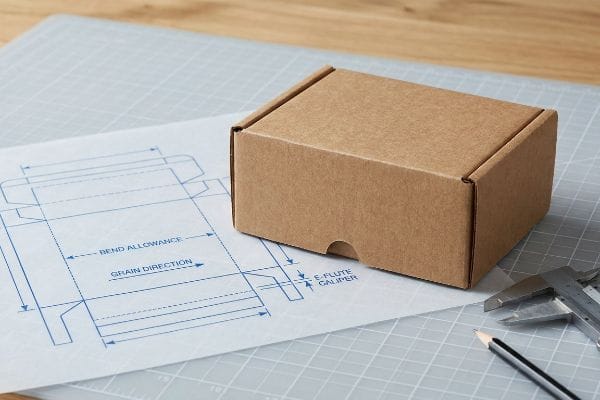
কার্ডবোর্ড দিয়ে ছোট বাক্স তৈরি করার জন্য উপাদানের ব্যাস, আঁশের দিক এবং বাঁকানোর জন্য প্রয়োজনীয় অতিরিক্ত জায়গার সমন্বয় করতে হয়। সাধারণ ই-ফ্লুট বা বি-ফ্লুট ঢেউখেলানো বোর্ড ৯০ ডিগ্রি কোণে ভাঁজ করলে বেশ খানিকটা জায়গা দখল করে। ডাইলাইন স্লটগুলো গাণিতিকভাবে চওড়া না করলে, কাগজের আঁশগুলো বেঁকে যাবে এবং হাতে করে জোড়া লাগানোর সময় ছাপানো উপরের শিটটি ছিঁড়ে যাবে।.
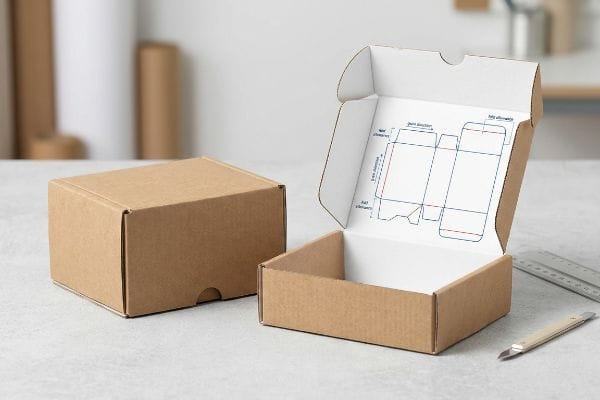
ভাঁজের জ্যামিতিক তত্ত্ব জানাটা কেবল প্রাথমিক জ্ঞান। প্রকৃতপক্ষে এমন খুচরা বিক্রির উপযোগী প্যাকেজিং তৈরি করতে, যা পরিবহণ এবং দোকানে নির্বিঘ্ন সংযোজনের ধকল সহ্য করতে পারে, আমাদের দেখতে হবে ভৌত চাপের অধীনে এই কাঠামো গুলো কীভাবে আচরণ করে।.
কার্ডবোর্ডের বাক্স দিয়ে কীভাবে একটি ছোট বাক্স তৈরি করা যায়?
একটি মজবুত ফ্লোর মার্চেন্ডাইজারকে নতুন রূপে ব্যবহার করা বা এর আকার ছোট করে একটি কম্প্যাক্ট কাউন্টারটপের মাপে আনা সহজ গণিতের মতো মনে হতে পারে। তবে, সরাসরি সমানুপাতিক হারে আকার ছোট করার ফলে পুরু খাঁজকাটা তক্তাগুলোর দৃঢ়তা তাৎক্ষণিকভাবে নষ্ট হয়ে যায়।.
একটি বড় ঢেউখেলানো কাঠামো থেকে ছোট বাক্স তৈরি করতে হলে মাইক্রো-ফ্লুট সাবস্ট্রেট ব্যবহার শুরু করতে হয়। যদি ভারী বি-ফ্লুট ডাইলাইনগুলোকে গাণিতিকভাবে ৫০ শতাংশ ছোট করা হয়, তাহলে ইন্টারলকিং মাইক্রো-ট্যাবগুলোতে পরিষ্কারভাবে ভাঁজ করার জন্য প্রয়োজনীয় ভৌত বাঁকের ব্যাসার্ধের অভাব দেখা দেয়, যা অ্যাসেম্বলি টিমকে নোংরা স্বচ্ছ টেপের উপর নির্ভর করতে বাধ্য করে।.
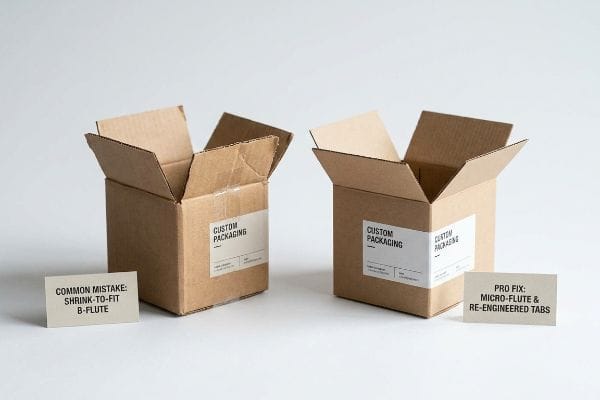
তাত্ত্বিকভাবে সঙ্কুচিত হয়ে খাপ খাইয়ে নেওয়ার এই পদ্ধতিটি একটি সমতল কম্পিউটার পর্দায় নিখুঁত দেখায়, কিন্তু মানুষের হাত কাঁচামালটি স্পর্শ করার মুহূর্তেই এটি প্রচণ্ড ঘর্ষণ সৃষ্টি করে।.
ছোট বক্স ডিজাইনের ক্ষেত্রে কেন সঙ্কুচিত করে ফিট করার পদ্ধতি ব্যর্থ হয়
এমনকি অভিজ্ঞ ডিজাইনাররাও প্রায়শই চেকআউট জোনের জন্য সফল ক্যাম্পেইনগুলো অভিযোজিত করার সময় এই ত্রুটিটি উপেক্ষা করেন। তারা কেবল মূল CAD (কম্পিউটার-এইডেড ডিজাইন) ফাইলটি নিয়ে পুরো জ্যামিতিটিকে অর্ধেক করে দেন। তাদের ধারণা করা হয় যে, যেহেতু মূল ফ্লোর ডিসপ্লেটি লোড টেস্টিংয়ে উত্তীর্ণ হয়েছে, তাই ক্ষুদ্র সংস্করণটিও স্বয়ংক্রিয়ভাবে একই কাঠামোগত ভারসাম্য বজায় রাখবে¹ ।
ঘন ঢেউখেলানো ফ্লুট সংকুচিত করার বাস্তবতা হলো, কাগজের তন্তু ছোট করা যায় না। আমি প্রায়শই দোকানের কর্মচারীদের দেখি, তারা ঘাম ঝরিয়ে ছোট ছোট ট্যাবগুলোকে স্লটের মধ্যে জোর করে ঢোকানোর চেষ্টা করছেন, যেগুলো এখন অনেক বেশি সরু হয়ে গেছে। অবশেষে তারা হাল ছেড়ে দেন এবং ভাঙা জোড়াগুলোকে আঠালো স্বচ্ছ টেপ দিয়ে মুড়ে দেন, যা ব্র্যান্ডের ভাবমূর্তি পুরোপুরি নষ্ট করে দেয়। ছাপানো উপরের শিটটি ফেটে যাওয়ার জোরালো, স্বতন্ত্র মটমট শব্দ শোনাটা খুচরা ব্যবসার জন্য এক দৈনন্দিন মাথাব্যথার কারণ, কারণ এর বাঁকানোর ব্যাসার্ধ গাণিতিকভাবে তার ভৌত ভাঙন বিন্দুর২ । এটি ঠিক করার জন্য, আমি উপাদানটিকে একটি পাতলা ই-ফ্লুট (মাইক্রো-ফ্লুট) সাবস্ট্রেটে৩ এবং একটি মসৃণ, টেপ-মুক্ত নির্মাণ নিশ্চিত করতে ফ্রিকশন লকগুলোকে সম্পূর্ণরূপে নতুন করে ডিজাইন করি।
| নতুনদের সাধারণ ভুল | প্রো ফিক্স | খুচরা-ফ্লোর সুবিধা |
|---|---|---|
| গাণিতিকভাবে সংকুচিত বি-ফ্লুট ডাইলাইন | ই-ফ্লুট সাবস্ট্রেটে রূপান্তর4 | কাগজের ভাঁজ ফেটে যাওয়া প্রতিরোধ করে |
| মোটা বাঁকের ছাড় উপেক্ষা করা5 | ট্যাব স্লটের প্রস্থের পুনঃপ্রকৌশল | টেপের ঝামেলাপূর্ণ ব্যবহার দূর করে |
| পুরু বোর্ডে মাইক্রো-ট্যাব ব্যবহার করে6 | প্রাথমিক লকিং ট্যাবগুলি বড় করা | ক্লার্ক অ্যাসেম্বলিকে দ্রুততর করে |
আমি আমার ইঞ্জিনিয়ারদের চেকআউট রোলআউটের জন্য স্ট্রাকচারাল ফাইলগুলো যথেচ্ছভাবে ছোট করতে কখনোই অনুমতি দিই না। মাইক্রো-ফ্লুট ফ্রিকশন লকগুলো গোড়া থেকে পুনর্নির্মাণ করলে হাতে করে জোড়া লাগানোর ঝামেলা পুরোপুরি দূর হয়ে যায়, ফলে দোকানের তীব্র আলোতেও আপনার রিটেইল ডিসপ্লেটি নিখুঁত দেখায়।
🛠️ হার্ভির ডেস্ক: দোকানে অ্যাসেম্বলির সময় আপনার ছোট ট্যাবগুলো ঠিকমতো ভাঙবে কিনা, তা নিয়ে নিশ্চিত নন? 👉 আমাকে আপনার ডাইলাইন পর্যালোচনা করতে দিন ↗ — সরাসরি আমার ডেস্কে প্রবেশের সুযোগ। কোনো স্বয়ংক্রিয় সেলস স্প্যাম নেই, আমি কথা দিচ্ছি।
কীভাবে বাড়িতে একটি ছোট উপহারের বাক্স তৈরি করা যায়?
সেরা মানের আনবক্সিং অভিজ্ঞতা তৈরি করার জন্য সঠিক স্থানিক মাপকাঠি প্রয়োজন। ছোট আকারের প্রসাধনী বা উপহারের কাঠামো ডিজাইন করার সময়, ডিজিটাল ড্রয়িংয়ের সাথে আসল পেপারবোর্ডের পুরুত্বের মিল আছে বলে ধরে নিলে আপনার চূড়ান্ত উপস্থাপনাটি নষ্ট হয়ে যাবে।
একটি ছোট উপহারের বাক্স তৈরি করার জন্য পেপারবোর্ডের সঠিক পুরুত্বের জন্য ক্যালিপার কম্পেনসেশন গণনা করতে হয়। যখন সমতল উপাদান ৯০ ডিগ্রিতে ভাঁজ করা হয়, তখন তা স্বাভাবিকভাবেই কিছুটা জায়গা নেয়। এই বাইরের ব্যাসার্ধের সাথে সামঞ্জস্য রাখতে আপনাকে আপনার ডাইলাইনের গ্রহণকারী স্লটগুলো হাতে করে চওড়া করতে হবে, যাতে চূড়ান্তভাবে তৈরি কাঠামোটি বেঁকে না গিয়ে পুরোপুরি বর্গাকারে বসে।.
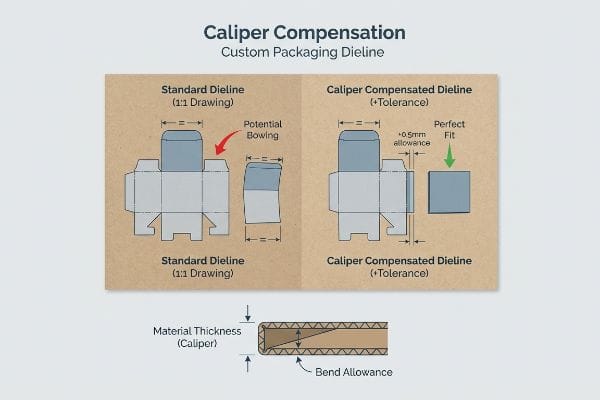
আপনার ডিজাইন সফটওয়্যারে নিখুঁতভাবে ছেদকারী রেখা আঁকা সহজ, কিন্তু কাগজের ভৌত তন্তুর একটি বাস্তব আয়তন রয়েছে যা বাঁকাতে গেলে বাধা দেয়।.
ছোট বাক্সের জন্য ক্যালিপার ক্ষতিপূরণ নিয়ম
অনেক ব্র্যান্ড প্রতিষ্ঠাতা তাদের প্রাথমিক প্যাকেজিংয়ের প্রোটোটাইপ তৈরি করেন হুবহু মিলে যাওয়া স্লট এবং ট্যাবের প্রস্থ দিয়ে আঁকা ফ্ল্যাট ডাইলাইন কেটে। তারা ধরে নেন যে একটি এক-ইঞ্চি (২৫.৪ মিমি) ট্যাব একটি এক-ইঞ্চি গ্রহণকারী স্লটে নিখুঁতভাবে প্রবেশ করবে। এই হুবহু মাপের অঙ্কন পদ্ধতিটিই বেশিরভাগ হালকা ওজনের ফোল্ডিং কার্টন এবং শক্ত উপহারের খাপের জন্য আদর্শ সূচনা বিন্দু ।
এখানের ভৌত সমস্যাটি হলো, ঢেউখেলানো বোর্ডের উপর একটি প্রিন্ট করা উপরের শিট মোড়ানোর ফলে একটি গুরুত্বপূর্ণ পুরুত্ব তৈরি হয় , যা ডিজিটাল সফটওয়্যার উপেক্ষা করে। আমি কো-প্যাকিং দলগুলোকে এই একই-চওড়া ট্যাবগুলোকে একসাথে ঢোকাতে হিমশিম খেতে দেখি; পুরো প্যানেলটি একটি টানটান রাবার ব্যান্ডের মতো বাইরের দিকে বেঁকে যাওয়ার আগে তারা ভার্জিন ক্রাফট বোর্ডের শক্ত প্রতিরোধ অনুভব করে। ভাঁজের বৃত্তচাপ বরাবর যাওয়ার সময় উপাদানের পুরুত্বের জন্য গাণিতিকভাবে সামঞ্জস্য রেখে যদি আপনি গ্রহণকারী স্লটটি চওড়া না করেন , তবে বাক্সটি তার নিজেরই পরস্পর সংযুক্ত ট্যাবগুলোকে শারীরিকভাবে প্রত্যাখ্যান করবে। স্লটে মাত্র এক ইঞ্চির ভগ্নাংশ পরিমাণ যোগ করলেই প্রতিবার একটি ঘর্ষণহীন, সুষম সংযোগ নিশ্চিত হয়।
| নতুনদের সাধারণ ভুল | প্রো ফিক্স | খুচরা-ফ্লোর সুবিধা |
|---|---|---|
| ১:১ অনুপাতে ট্যাব এবং স্লটের প্রস্থ অঙ্কন | ক্যালিপার বেন্ড অ্যালাউন্স প্রয়োগ করা10 | নিখুঁত বর্গাকার বাক্সের নিশ্চয়তা দেয় |
| ভাঁজ করা বোর্ডের পুরুত্ব উপেক্ষা করা | গ্রহণকারী স্লটগুলি প্রশস্ত করা11 | পাশের প্যানেল বেঁকে যাওয়া প্রতিরোধ করে |
| শক্ত ট্যাবগুলিকে জোর করে যথাস্থানে বসানো | একটি স্থানিক বাফার প্রকৌশল করা12 | উপরের চাদর ছেঁড়া রোধ করে |
গণ-উৎপাদনের আগে আমি নির্দিষ্ট বেন্ড অ্যালাউন্স টলারেন্স যোগ করার জন্য ক্লায়েন্টের ডাইলাইন স্লটগুলো ক্রমাগত নতুন করে লিখি। কাগজের পুরুত্ব বিবেচনায় রাখলে এটা নিশ্চিত হয় যে, আগে থেকে ভরা ডিসপ্লেগুলো লাইনে অংশগুলোকে জোর করে জোড়া না দিয়েই দ্রুত অ্যাসেম্বল করা যায়।.
🛠️ হার্ভির ডেস্ক: আপনি কি কখনো দেখেছেন যে, কাঠামোগত গণিতে মাত্র এক মিলিমিটারের ভুলের কারণে একটি নিখুঁতভাবে প্রিন্ট করা ফোল্ডিং কার্টন বাইরের দিকে বেঁকে গেছে? 👉 আমার সম্পূর্ণ ব্লুপ্রিন্টটি পড়ুন ↗ — নিরাপদে ডাউনলোড করুন। পরবর্তীতে কোনো প্রশ্ন থাকলে আমার ইনবক্স খোলা আছে।
অল্প পরিমাণ কার্ডবোর্ড দিয়ে কী বানানো যায়?
সীমিত উপকরণের সর্বোচ্চ ব্যবহার করতে গিয়ে ব্র্যান্ডগুলো প্রায়শই পুরু কাঠামোকে ছোট করে ঘন, মসৃণ ও নিরেট বোর্ডে পরিণত করার চেষ্টা করে। কার্যকারিতার এই অন্বেষণ প্রায়শই খুচরা ব্যবসায় টিকে থাকার জন্য প্রয়োজনীয় মূল যান্ত্রিক শক্তির সাথে আপোস করে।.
সীমিত কার্ডবোর্ড দিয়ে জিনিসপত্র তৈরি করতে ই-ফ্লুটের মতো হালকা মাইক্রো-ফ্লুটেড সাবস্ট্রেট ব্যবহার করা প্রয়োজন। ঘন নিরেট চিপবোর্ডের উপর নির্ভর করার পরিবর্তে, ফ্লুটেড বোর্ডগুলো তাদের অভ্যন্তরীণ ধনুকাকৃতির জ্যামিতি ব্যবহার করে নিরাপদে গতিশক্তি শোষণ করে। এই গুরুত্বপূর্ণ কাঠামোগত পরিবর্তনটি আপনাকে কাঁচামালের আয়তন না বাড়িয়েই বিক্রয়ের জন্য প্রস্তুত ও দৃঢ় ট্রে তৈরি করতে সাহায্য করে।.
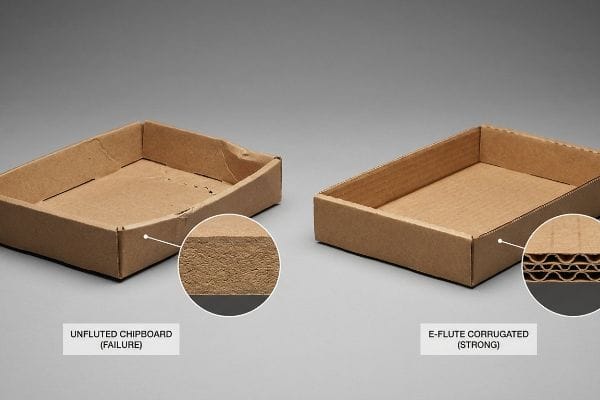
কিন্তু যখন স্বয়ংক্রিয় প্যাকিং মেশিনগুলো প্রকৃতপক্ষে চলতে শুরু করে এবং উপর থেকে প্রচণ্ড চাপ প্রয়োগ করে, তখন উপকরণের কার্যকারিতার তত্ত্ব জানাটাই যথেষ্ট নয়।.
কেন অমসৃণ স্তর ভৌত চাপ পরীক্ষায় উত্তীর্ণ হতে পারে না
কমপ্যাক্ট ডিসপ্লেতে খরচ কমানোর লক্ষ্যে ক্রয়কারী দলগুলো প্রায়শই কাঠামোগতভাবে ঢেউখেলানো প্যাকেজিংয়ের পরিবর্তে ঘন, নিরেট চিপবোর্ড13। এর পেছনের মূল ধারণাটি হলো, যেহেতু একটি ছোট ট্রেতে মোট পণ্যের ওজন কম থাকে, তাই একটি পুরু, ঢেউখেলানো নয় এমন পেপারবোর্ডের14 স্বাভাবিক স্থির ঘনত্বই দোকানের তাকের জন্য যথেষ্ট দৃঢ় অবলম্বন প্রদান করবে।
আমার প্রতিষ্ঠানে, আমি নিয়মিতভাবে দেখি যে আমাদের প্রাথমিক TAPPI T811 এজ ক্রাশ টেস্ট (ECT) মূল্যায়নের সময় এই স্থির ঘনত্বের ধারণাটি মারাত্মকভাবে ব্যর্থ হয়। এর পেছনের কারণটি হলো, ফ্লুটবিহীন বোর্ডগুলোর ভেতরে একেবারেই কোনো অভ্যন্তরীণ ঢেউয়ের মতো বাঁক থাকে না, যা LTL (লেস-দ্যান-ট্রাকলোড) মাল পরিবহনের সময় গতিজনিত ধাক্কাকে গতিশীলভাবে ছড়িয়ে দিতে পারে। যখন আমি একটি নিরেট চিপবোর্ড ট্রে, তখন এটি মাত্র ১৪.৩ পাউন্ড (৬.৪ কেজি) ওজনে বেঁকে যায়, অথচ ঠিক একই নকশা একটি হালকা ওজনের ই-ফ্লুট বোর্ডে স্থানান্তর করলে তা সহজেই ৪২.৭ পাউন্ড (১৯.৩ কেজি) ওজন ধরে রাখতে পারে, কারণ ফ্লুটগুলো ভৌতভাবে শক্তিকে স্থানান্তরিত করে। মাইক্রো-ফ্লুটেড উপাদানে এই পরিবর্তন বাধ্যতামূলক করার মাধ্যমে, আমি নিশ্চিত করি যে এর কাঠামোগত অখণ্ডতা নিখুঁতভাবে সোজা থাকে, যা ব্র্যান্ডের ক্ষতিগ্রস্ত পণ্যের চার্জব্যাক ১৮.৫ শতাংশ কমিয়ে দেয় এবং গুদামে হাতে করে পুনরায় প্যাকিং করার খরচও ব্যাপকভাবে হ্রাস করে।
| নতুনদের সাধারণ ভুল | প্রো ফিক্স | খুচরা-ফ্লোর সুবিধা |
|---|---|---|
| মসৃণ নিরেট চিপবোর্ড ব্যবহার করে | ই-ফ্লুট ঢেউতোলা কার্ডবোর্ডে আপগ্রেড করা | গতিশক্তিজনিত ট্রানজিট শক শোষণ করে15 |
| স্থির বোর্ড ঘনত্বের উপর নির্ভর করে | খিলানযুক্ত বাঁশির জ্যামিতি ব্যবহার করে16 | উল্লম্ব ট্রে বেঁকে যাওয়া প্রতিরোধ করে |
| গতিশীল লোড পদার্থবিদ্যা উপেক্ষা করা | কঠোর ইসিটি পরীক্ষা কার্যকর করা17 | খুচরা বিক্রেতার চার্জব্যাক দূর করে |
ভারী মালামাল বহনকারী যেকোনো রিটেইল মার্চেন্ডাইজারের জন্য আমি মসৃণ চিপবোর্ডের ব্যবহার কঠোরভাবে নিষিদ্ধ করি। অভ্যন্তরীণ খিলানযুক্ত জ্যামিতিতে রূপান্তর আপনার প্রাথমিক উপকরণ সংগ্রহের বাজেটকে অহেতুক না বাড়িয়েই গতিশক্তিকে নিরাপদে ছড়িয়ে দেয়।.
🛠️ হার্ভিস ডেস্ক: প্যালেটে রাখার আগে আপনার বর্তমান চেকআউট ট্রে-এর সঠিক ডাইনামিক লোড ক্যাপাসিটি কি আপনি জানেন? 👉 একটি ফ্রি BOM অডিটের জন্য অনুরোধ করুন ↗ — মাঝখানে কোনো অ্যাকাউন্ট ম্যানেজার নেই। আপনি সরাসরি স্ট্রাকচারাল ইঞ্জিনিয়ারদের সাথে কথা বলবেন।
উপসংহার
আপনি ফ্লোর ডিসপ্লেগুলো না বুঝেই ছোট করে বা নিরেট চিপবোর্ড ব্যবহার করে কিছু পয়সা বাঁচানোর চেষ্টা করতে পারেন, কিন্তু হাতে করে জোড়া লাগানোর সময় যখন সেই ক্ষতিপূরণহীন মাইক্রো-ট্যাবগুলো ভেঙে যায়, তখন ব্যাপক ঘর্ষণ তৈরি হয় যা কো-প্যাকিং লাইনের গতি আনুমানিক ৩০ শতাংশ কমিয়ে দেয়। আমার সেরা ১০ জন রিটেইল ক্লায়েন্ট প্রিন্ট বাতিল হওয়ার সম্ভাবনা শূন্যে নামিয়ে আনার নিশ্চয়তা দিতে ঠিক এই স্পেক শিটটিই ব্যবহার করেন। ফিজিক্যাল বেন্ড অ্যালাউন্স নিয়ে আন্দাজ করা বন্ধ করুন এবং সম্পূর্ণ ঘর্ষণহীন রিটেইল এক্সিকিউশন নিশ্চিত করতে আমাকে ব্যক্তিগতভাবে আমার ফ্রি ডাইলাইন অডিট ↗- এর মাধ্যমে আপনার ফাইলগুলো স্ট্রেস-টেস্ট করতে দিন।
"ইন্টারেক্টিভ ডিসপ্লের জন্য কাঠামোগত নকশা...", https://www.bcipkg.com/display-structural-design-for-interactive-retail-displays/। উপাদানের পুরুত্ব এবং ফ্লুটের মাত্রার কারণে ঢেউখেলানো কাগজের ক্ষেত্রে কেন রৈখিক স্কেলিং ব্যর্থ হয়, তা বিশদভাবে বর্ণনা করে একটি প্রামাণ্য বাহ্যিক উৎস কীভাবে এই দাবিকে সমর্থন করে তার সংক্ষিপ্ত ব্যাখ্যা। প্রমাণের ভূমিকা: প্রযুক্তিগত যাচাইকরণ; উৎসের ধরণ: প্যাকেজিং ইঞ্জিনিয়ারিং নির্দেশিকা। সমর্থন করে: কার্ডবোর্ডের নকশায় আনুপাতিক স্কেলিংয়ের ভ্রান্তি। পরিধি টীকা: ফ্লুটেড বোর্ড উপকরণের জন্য নির্দিষ্ট। ↩
"শিট মেটালের জন্য ন্যূনতম বাঁক ব্যাসার্ধ কীভাবে গণনা করবেন", https://metafab.com/metal-fabrication/minimum-bend-radius-for-sheet-metal-and-how-to-prevent-costly-cracking/। ঢেউখেলানো উপাদানের জন্য ন্যূনতম বাঁক ব্যাসার্ধ এবং উপাদানের পুরুত্ব সামঞ্জস্য না করে মাত্রা ছোট করলে কীভাবে কাঠামোগত ব্যর্থতা ঘটে, সে সম্পর্কিত প্রযুক্তিগত নথি। প্রমাণের ভূমিকা: প্রযুক্তিগত স্পেসিফিকেশন; উৎসের ধরণ: ইঞ্জিনিয়ারিং ম্যানুয়াল। সমর্থন করে: আকার ছোট করার সময় উপাদান ভেঙে যাওয়ার ভৌত কারণ। পরিধি নোট: বিশেষভাবে ফ্লুটেড পেপারবোর্ডের ক্ষেত্রে প্রযোজ্য। ↩
"কোরুগেটেড বক্স ফ্লুটের প্রকারভেদ ব্যাখ্যা: এ, বি, সি, ই এবং এফ", https://www.onyxpackaging.com/blog/corrugated-box-flute-types.php। পরিষ্কার ভাঁজ নিশ্চিত করার জন্য ফ্লুটের পুরুত্ব এবং ছোট আকারের প্যাকেজিংয়ের জন্য সেগুলোর উপযুক্ততার তুলনা করে এমন শিল্প মান। প্রমাণের ভূমিকা: সর্বোত্তম অনুশীলন; উৎসের ধরণ: প্যাকেজিং শিল্প নির্দেশিকা। সমর্থন করে: কম জায়গায় স্থাপনের জন্য মাইক্রো-ফ্লুট ব্যবহারের কার্যকারিতা। পরিধি নোট: কোরুগেটেড প্যাকেজিংয়ের প্রকারভেদের উপর আলোকপাত করে। ↩
"কোরুগেটেড বক্সের প্রকারভেদ এবং ফ্লুটের আকার সম্পর্কে ব্যাখ্যা – ওয়েবস্টোরেন্টস্টোর", https://www.webstaurantstore.com/blog/1138/types-and-sizes-of-corrugated-boxes.html?srsltid=AfmBOoqECx5SEDNiLoijzcFCqCykunSfGjP-4qlJtcHVF6QsFrP-R9RU। ছোট আকারের ডাইলাইনে কাগজের ফাটল রোধ করার জন্য কেন সংকীর্ণ ব্যাসার্ধে ই-ফ্লুটের পাতলা প্রোফাইলের প্রয়োজন হয়, তার প্রযুক্তিগত ব্যাখ্যা। প্রমাণের ভূমিকা: প্রযুক্তিগত যাচাইকরণ; উৎসের ধরণ: প্যাকেজিং ইঞ্জিনিয়ারিং ম্যানুয়াল। সমর্থন করে: ছোট আকারের ডিজাইনের জন্য সঠিক সাবস্ট্রেট নির্বাচন। পরিধি সংক্রান্ত টীকা: বিশেষভাবে ফ্লুটেড কোরুগেটেড বোর্ডের ক্ষেত্রে প্রযোজ্য। ↩
"একটি পাঁচ-স্তরবিশিষ্ট কাঠামোর নমন দৃঢ়তার বিশ্লেষণাত্মক নির্ধারণ...", https://pmc.ncbi.nlm.nih.gov/articles/PMC8777652/। ভাঁজের ক্ষেত্রে মাত্রিক নির্ভুলতা বজায় রাখার জন্য উপাদানের পুরুত্বের উপর ভিত্তি করে নমন ছাড় গণনার প্রকৌশলগত নির্দেশিকা। প্রমাণের ভূমিকা: প্রযুক্তিগত স্পেসিফিকেশন; উৎসের ধরণ: উৎপাদন মান। সমর্থন: উপাদানের পুরুত্বের জন্য স্লটের প্রস্থ সমন্বয় করার প্রয়োজনীয়তা। পরিধি টীকা: শিল্প কার্ডবোর্ড তৈরির ক্ষেত্রে প্রযোজ্য। ↩
"শিপিং বক্সের শক্তি বোঝা", https://www.ecoenclose.com/blog/understanding-shipping-box-strength/?srsltid। হেভি-ডিউটি বোর্ডে কাঠামোগত অখণ্ডতা বজায় রাখার জন্য লকিং ট্যাবের প্রয়োজনীয় ন্যূনতম পৃষ্ঠতলের ক্ষেত্রফল সংক্রান্ত শিল্প মান। প্রমাণের ভূমিকা: প্রযুক্তিগত মান; উৎসের ধরণ: প্যাকেজিং ডিজাইন গাইড। সমর্থন করে: পুরু সাবস্ট্রেটে বড় প্রাথমিক লকিং ট্যাবের প্রয়োজনীয়তা। পরিধি নোট: করোগেটেড বোর্ডে যান্ত্রিক বন্ধনের উপর আলোকপাত করে। ↩
"পেপার প্যাকেজিং স্ট্রাকচারাল ডিজাইন গাইড", https://greendotpackaging.com/paper-packaging-structural-design-guide/। প্যাকেজিং ডিজাইনের উপর একটি প্রযুক্তিগত নির্দেশিকা নিশ্চিত করে যে, ক্যালিপার অ্যাডজাস্টমেন্ট প্রয়োগ করার আগে প্রাথমিক ডাইলাইনের জন্য ১:১ অনুপাতই হলো ভিত্তি। প্রমাণের ভূমিকা: শিল্প মান যাচাইকরণ; উৎসের ধরণ: প্রযুক্তিগত ম্যানুয়াল। সমর্থন করে: ১:১ প্রারম্ভিক পদ্ধতির সাধারণতা। পরিধি নোট: প্রাথমিক প্রোটোটাইপিং পর্যায়ের মধ্যে সীমাবদ্ধ। ↩
"কোরুগেটেড বক্সের চূড়ান্ত নির্দেশিকা – শোর প্যাকেজিং", https://www.shorr.com/resources/blog/ultimate-guide-corrugated-boxes/। প্যাকেজিং ইঞ্জিনিয়ারিং-এ কীভাবে সংযোজিত উপাদানের স্তর (ক্যালিপার) কাঠামোগত মাত্রাকে প্রভাবিত করে তার ব্যাখ্যা। প্রমাণের ভূমিকা: প্রযুক্তিগত যাচাইকরণ; উৎসের ধরণ: প্যাকেজিং ডিজাইন ম্যানুয়াল। সমর্থন করে: এই দাবি যে সম্মিলিত পুরুত্ব ফিটকে প্রভাবিত করে। পরিধি নোট: বিশেষভাবে ল্যামিনেটেড বা মোড়ানো সাবস্ট্রেটের ক্ষেত্রে প্রযোজ্য। ↩
"কার্ডবোর্ডের কাঠামো: বক্রতা ভাতার হিসাব ১", https://www.youtube.com/watch?v=j1n5ojAbAic। উপাদানের উপর চাপ সৃষ্টি না করে ইন্টারলকিং ট্যাবগুলোর সঠিক সংস্থাপন নিশ্চিত করার জন্য বক্রতা ভাতা এবং ভাঁজ ক্ষতিপূরণের উপর প্রযুক্তিগত নির্দেশিকা। প্রমাণের ভূমিকা: প্রযুক্তিগত বিবরণ; উৎসের ধরণ: কাঠামোগত নকশা নির্দেশিকা। সমর্থন: উপাদানের পুরুত্বের উপর ভিত্তি করে প্রশস্ত স্লটের প্রয়োজনীয়তা। পরিধি টীকা: শুধুমাত্র সমকোণী ভাঁজের জন্য প্রযোজ্য। ↩
"বোর্ড ক্যালিপার কীভাবে ফোল্ডিং কার্টনের কার্যকারিতা এবং খরচকে প্রভাবিত করে", https://brownpackaging.com/how-board-caliper-impacts-folding-carton-performance-and-cost/। স্ট্রাকচারাল প্যাকেজিং ডিজাইনের উপর প্রযুক্তিগত নির্দেশিকা ব্যাখ্যা করে যে, বাঁকানোর সময় উপাদানের পুরুত্ব (ক্যালিপার) বিবেচনা করা কীভাবে জ্যামিতিক নির্ভুলতা নিশ্চিত করে। প্রমাণের ভূমিকা: প্রযুক্তিগত স্পেসিফিকেশন; উৎসের ধরণ: ইঞ্জিনিয়ারিং ম্যানুয়াল। সমর্থন: বর্গাকার বাক্সের জন্য বেন্ড অ্যালাউন্সের প্রয়োজনীয়তা। পরিধি নোট: কার্ডস্টক এবং পেপারবোর্ড উপাদানের ক্ষেত্রে প্রযোজ্য। ↩
"Investigating the Effect of Perforations on the Load-Bearing Capacity of …", https://pmc.ncbi.nlm.nih.gov/articles/PMC11396172/। ফোল্ডিং কার্টনের জন্য বস্তু বিজ্ঞানের নীতিগুলি দেখায় যে কাঠামোগত চাপ প্রতিরোধ করার জন্য স্লটের প্রস্থ অবশ্যই ভাঁজ করা পুরুত্বের সাথে সামঞ্জস্যপূর্ণ হতে হবে। প্রমাণের ভূমিকা: যান্ত্রিক নীতি; উৎসের ধরণ: প্রযুক্তিগত পাঠ্যপুস্তক। সমর্থন: পার্শ্ব প্যানেলের বাঁকানো প্রতিরোধ। পরিধি টীকা: বিশেষভাবে ইন্টারলকিং ট্যাব-এবং-স্লট ডিজাইনের ক্ষেত্রে প্রযোজ্য। ↩
"বাফারিং এবং এন্ড-অফ-লাইন ডিজাইনের জন্য সর্বোত্তম অনুশীলন", https://www.packworld.com/secondary-packaging/article/13359626/best-practices-for-buffering-and-endofline-design। বিলাসবহুল প্যাকেজিংয়ের জন্য শিল্প মানগুলি বিশদভাবে বর্ণনা করে যে কীভাবে নির্দিষ্ট টলারেন্স (বাফার) ম্যানুয়াল অ্যাসেম্বলির সময় উপাদানের ব্যর্থতা প্রতিরোধ করে। প্রমাণের ভূমিকা: গুণমান নিয়ন্ত্রণ মান; উৎসের ধরণ: শিল্প নির্দেশিকা। সমর্থন করে: উপরের শীট ছিঁড়ে যাওয়া দূরীকরণ। পরিধি নোট: উচ্চ-জিএসএম পেপারবোর্ডের জন্য প্রাসঙ্গিক। ↩
"কোরুগেটেড প্যাকেজিং-এর প্রবণতা ২০২৬: এই সমাধানগুলি গ্রহণ করুন", https://www.yorkcontainer.com/york-container-blog/trends-in-corrugated-packaging। শিল্প সংগ্রহ প্রতিবেদন বা প্যাকেজিং নির্দেশিকা, যেখানে কমপ্যাক্ট ডিসপ্লেতে খরচ কমানোর জন্য ফ্লুটেড উপকরণের পরিবর্তে নিরেট চিপবোর্ড ব্যবহারের প্রচলিত পদ্ধতির বিশদ বিবরণ দেওয়া হয়েছে। প্রমাণের ভূমিকা: তথ্যগত যাচাইকরণ; উৎসের ধরণ: শিল্প প্রতিবেদন। সমর্থন করে: সংগ্রহে খরচ কমানোর পদক্ষেপের ব্যাপকতা। পরিধি টীকা: ক্ষুদ্র পরিসরের খুচরা প্যাকেজিং-এর ক্ষেত্রে প্রযোজ্য। ↩
"কোরুগেটেড কী", https://www.fibrebox.org/what-is-corrugated/। ঘন নিরেট বোর্ড এবং খাঁজকাটা উপাদানের ভারবহন ক্ষমতা ও কাঠামোগত দৃঢ়তার তুলনামূলক প্রযুক্তিগত প্যাকেজিং প্রকৌশল ডেটা। প্রমাণের ভূমিকা: প্রযুক্তিগত যাচাইকরণ; উৎসের ধরণ: প্রকৌশল ম্যানুয়াল। সমর্থন করে: 'স্থির ঘনত্ব' অনুমানের পেছনের বস্তু বিজ্ঞান। পরিধি টীকা: খুচরা দোকানের শেলফের স্থিতিশীলতার উপর দৃষ্টি নিবদ্ধ। ↩
"কম চাপযুক্ত ঢেউখেলানো পেপারবোর্ড প্যাকেজের সংকোচন শক্তি...", https://pmc.ncbi.nlm.nih.gov/articles/PMC10054506/। নিরেট চিপবোর্ডের তুলনায় ই-ফ্লুট ঢেউখেলানো বোর্ডের অভিঘাত প্রতিরোধ ক্ষমতা এবং আঘাত শোষণ বৈশিষ্ট্যের উপর প্রযুক্তিগত তথ্য। প্রমাণের ভূমিকা: প্রযুক্তিগত যাচাইকরণ; উৎসের ধরণ: পদার্থ বিজ্ঞান জার্নাল; সমর্থন: পরিবহনের সময় ই-ফ্লুটের কার্যকারিতা; পরিধি টীকা: গতিশক্তি অপচয়ের উপর আলোকপাত করে। ↩
"ঢেউখেলানো বোর্ডের সংকোচন শক্তির প্রাক্কলন …", https://pmc.ncbi.nlm.nih.gov/articles/PMC8467740/। কার্ডবোর্ডের কাঠামোতে খাঁজকাটা গঠন কীভাবে উল্লম্ব ভারবহন শক্তি প্রদান করে এবং বেঁকে যাওয়া প্রতিরোধ করে, তার প্রকৌশলগত বিশ্লেষণ। প্রমাণের ভূমিকা: কাঠামোগত বৈধতা; উৎসের ধরণ: যন্ত্র প্রকৌশলের পাঠ্যপুস্তক; সমর্থন: নিরেট বোর্ডের তুলনায় খাঁজকাটা বোর্ডের কাঠামোগত শ্রেষ্ঠত্ব; পরিধি টীকা: উল্লম্ব সংকোচন পরীক্ষার ক্ষেত্রে প্রযোজ্য। ↩
"কাস্টম প্যাকেজিং কমপ্লায়েন্স গাইড – জেনপ্যাক ব্লগ", https://www.zenpack.us/blog/packaging-compliance-guide/। শিল্প নির্দেশিকা যা এজ ক্রাশ টেস্ট (ECT) কমপ্লায়েন্সকে শিপিংয়ের ক্ষতি এবং এর সাথে সম্পর্কিত খুচরা বিক্রেতার জরিমানা হ্রাসের সাথে সংযুক্ত করে। প্রমাণের ভূমিকা: শিল্প মান; উৎসের ধরণ: লজিস্টিকস ম্যানুয়াল; সমর্থন করে: ECT টেস্টিং এবং খুচরা আর্থিক ফলাফলের মধ্যে সম্পর্ক; পরিধি নোট: B2B খুচরা শিপিং মানগুলির জন্য নির্দিষ্ট। ↩