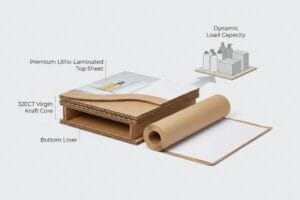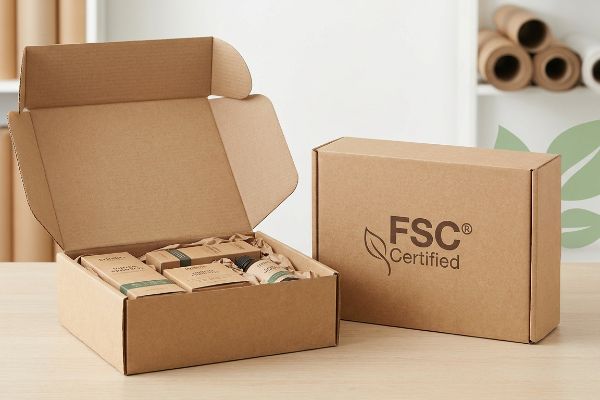
প্রতি শরতে ব্র্যান্ডগুলো ব্যাপক পরিবেশবান্ধব বিপণন অভিযান চালায়, কিন্তু দোকানের প্রদর্শনীতে একটি পাতার লোগো লাগিয়ে দিলেই তা স্বয়ংক্রিয়ভাবে আপনার মুনাফা বা পরিবেশ রক্ষা করে না।.
এফএসসি® ফরেস্ট উইক হলো ফরেস্ট স্টুয়ার্ডশিপ কাউন্সিল কর্তৃক আয়োজিত একটি বার্ষিক বৈশ্বিক সচেতনতামূলক প্রচারাভিযান, যার উদ্দেশ্য দায়িত্বশীল বন ব্যবস্থাপনাকে উৎসাহিত করা। এই আয়োজনটি ব্যবসা প্রতিষ্ঠান ও ভোক্তাদের টেকসইভাবে উৎপাদিত কাগজ ও কাঠের পণ্য বেছে নিতে উৎসাহিত করে এবং আধুনিক খুচরা উৎপাদনে যাচাইকৃত সরবরাহ শৃঙ্খলের গুরুতর পরিবেশগত প্রভাব তুলে ধরে।.
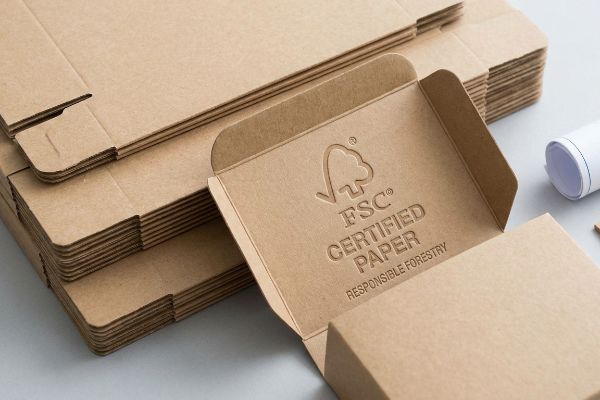
এই উদ্যোগটি বোঝা কেবল প্রাতিষ্ঠানিক সামাজিক দায়বদ্ধতার বিষয় নয়; এটি কারখানায় আমাদের প্রক্রিয়াজাত করা ঢেউখেলানো কাগজের প্রকৃত ভৌত সীমাবদ্ধতা এবং উপকরণের খরচও নির্ধারণ করে ।
FSC প্রত্যয়িত বন বলতে কী বোঝায়?
যাচাইকৃত উৎস থেকে কাঁচামাল সংগ্রহ করার ফলে লোডিং ডকে আমরা যে লাইনারবোর্ড পাই, তার ভৌত গঠনে আমূল পরিবর্তন আসে।.
এফএসসি সনদপ্রাপ্ত বন কঠোর পরিবেশগত নির্দেশিকা মেনে পরিচালিত হয়, যা টেকসই কাঠ আহরণ নিশ্চিত করে। এই যত্নসহকারে পরিচালিত বাস্তুতন্ত্রগুলো স্থানীয় জীববৈচিত্র্য ও জলের গুণমান রক্ষা করার পাশাপাশি উৎপাদকদের উচ্চ-শক্তির ঢেউখেলানো প্যাকেজিং এবং খুচরা প্রদর্শনী সামগ্রী তৈরির জন্য প্রয়োজনীয় কাঁচা সেলুলোজ তন্তুর একটি নির্ভরযোগ্য ও আইনগতভাবে যাচাইকৃত উৎস সরবরাহ করে।.
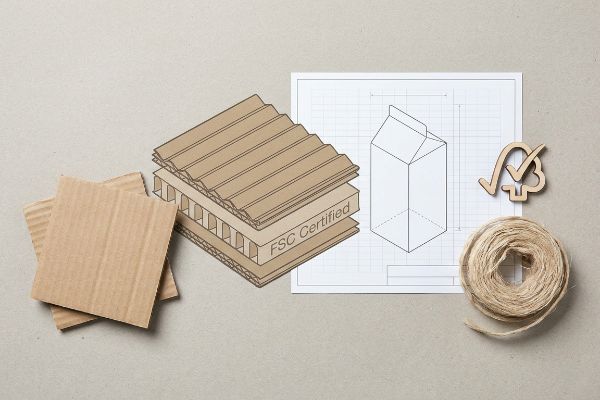
নৈতিকভাবে সংগৃহীত উপাদানকে বাস্তব খুচরা প্রদর্শনীতে রূপ দিতে তন্তুর বলবিদ্যা সম্পর্কে গভীর জ্ঞান প্রয়োজন।.
টেকসই ফলনের পেছনের প্রকৌশলগত কৌশল
একটি স্বাধীনভাবে নিরীক্ষিত বন থেকে প্রাপ্ত কাঠের মণ্ডের আঁশের দৈর্ঘ্য এবং ঘনত্বের বৈশিষ্ট্য অত্যন্ত অনুমানযোগ্য1।এই কাঁচা সেলুলোজকে একটি কংক্রিট কাঠামোর ভিত্তিপ্রস্তরস্বরূপ স্টিলের রড হিসেবে ভাবা যেতে পারে। যখন আমরা এই যাচাইকৃত মণ্ডকে উচ্চ-কার্যক্ষমতাসম্পন্ন আর-ফ্লুট বা ই-ফ্লুট ঢেউখেলানো বোর্ডে রূপান্তরিত করি, তখন এর আঁশের ধারাবাহিক অখণ্ডতা আমাদেরকে অত্যন্ত হালকা ওজনের প্যাকেজিং তৈরি করতে সক্ষম করে। এই অনুমানযোগ্যতা আমাদেরকে উল্লম্ব ভারবহন ক্ষমতার সাথে আপোস না করেই গাণিতিকভাবে কাগজের মোট ওজন কমাতে2।
ভারী ভোগ্যপণ্যের রিটেইল প্যাকেজিং অপ্টিমাইজ করার সময় আমি এই উপাদানের সামঞ্জস্যের উপর নির্ভর করি। এই কঠোরভাবে নিয়ন্ত্রিত পরিবেশ থেকে সংগৃহীত বোর্ড ব্যবহার করে, আমি CAD (কম্পিউটার-এইডেড ডিজাইন) পর্যায়ে আত্মবিশ্বাসের সাথে ওজন কমানোর কঠোর কৌশল প্রয়োগ করতে পারি। যেহেতু ভার্জিন ফাইবারগুলো অজানা রিসাইক্লিং প্রক্রিয়ার কারণে নষ্ট হয়ে যায়নি, তাই এগুলো তাদের স্বাভাবিক টান শক্তি বজায় রাখে। এটি আমার ইঞ্জিনিয়ারিং টিমকে অতিরিক্ত উপাদানের ভর ছেঁটে ফেলার সুযোগ দেয়, যা ফলস্বরূপ স্ট্যান্ডার্ড ওয়্যারহাউস স্ট্যাকিং সীমার মধ্যে কাঠামোগত পতনের ঝুঁকি ছাড়াই প্রতি প্যালেটে বহির্গামী পণ্যের সামগ্রিক আয়তনিক ওজন ২০০ পাউন্ড (৯০.৭ কেজি) পর্যন্ত কমিয়ে দেয়।.
| উপাদানের বৈশিষ্ট্য | যাচাইবিহীন পাল্প | এফএসসি প্রত্যয়িত পাল্প |
|---|---|---|
| ফাইবার সামঞ্জস্য | অত্যন্ত পরিবর্তনশীল দৈর্ঘ্য | পূর্বাভাসযোগ্য উচ্চ প্রসার্য শক্তি3 |
| বাঁশি প্রকৌশল | অতিরিক্ত প্রকৌশলগত ভরের প্রয়োজন | সুনির্দিষ্ট হালকাকরণ সমর্থন করে4 |
| মাল পরিবহনের ঘনত্ব ROI | স্ট্যান্ডার্ড কন্টেইনার ফলন | সর্বাধিক আয়তন ব্যবহার5 |
আমি ডিসপ্লেগুলোকে শুধু পরিবেশ-বান্ধব দেখানোর জন্য নয়, বরং কঠোর পরিবহন ব্যবস্থায় টিকে থাকার মতো করে ডিজাইন করি। কাঠামোগতভাবে যাচাইকৃত ফাইবার ব্যবহার শুরু করার ফলে আমি অপ্রয়োজনীয় ওজন বাদ দিতে পারি, যা আপনার আকারভিত্তিক মাল পরিবহনের খরচ কমিয়ে আনে এবং একই সাথে খুচরা বিক্রেতাদের জন্য নির্ধারিত কঠোর নিয়মকানুনও।
🛠️ হার্ভিস ডেস্ক: আপনার ভারী চেকআউট ট্রেগুলো কি দোকানে পৌঁছানোর আগেই আপনার শিপিংয়ের ROI (বিনিয়োগের উপর আয়) কমিয়ে দিচ্ছে? 👉 একটি ফ্রেট ডেনসিটি অডিটের জন্য অনুরোধ করুন ↗ — আমি ২৪ ঘণ্টার মধ্যে প্রতিটি স্ট্রাকচারাল ফাইল ব্যক্তিগতভাবে পর্যালোচনা করি।
FSC কাঠ কি আসল কাঠ?
পরিবেশ-বান্ধব বিপণনের তাগিদ প্রায়শই প্রক্রিয়াজাত পুনর্ব্যবহৃত তন্তু এবং কাঁচা কাঠের সম্পদের মধ্যকার সীমারেখাকে অস্পষ্ট করে দেয়।.
হ্যাঁ। এফএসসি কাঠ হলো সরাসরি নিবিড়ভাবে পর্যবেক্ষণাধীন গাছ থেকে সংগৃহীত আসল কাঠ। যদিও অনেক খুচরা কার্ডবোর্ডের ডিসপ্লেতে পুনর্ব্যবহৃত মণ্ড ব্যবহার করা হয়, গুদামের বিশাল প্যালেটের ভারে মারাত্মক ভাঙন রোধ করার জন্য কিছু নির্দিষ্ট কাঠামোগত উপাদানে এই সদ্য আহরিত কাঁচা, বিশুদ্ধ কাঠের তন্তুর অটুট কোষীয় শক্তির প্রয়োজন হয়।.
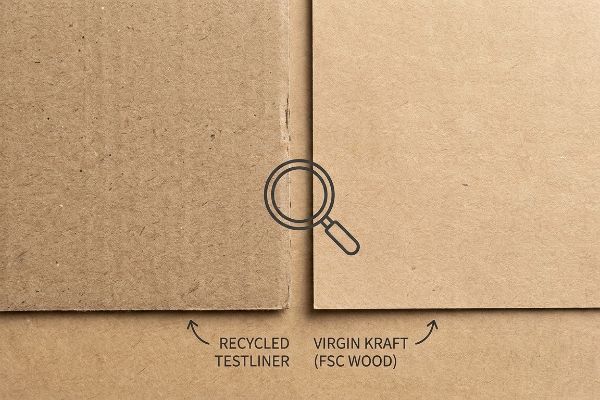
তাজা কাঠের তন্তু এবং পুনর্ব্যবহৃত উপাদানের মধ্যে পার্থক্যই নির্ধারণ করে যে আপনার ডিসপ্লেটি সরবরাহ শৃঙ্খলে টিকে থাকবে নাকি পরিবহনের সময় ভেঙে পড়বে।.
ভার্জিন ক্রাফট বনাম পুনর্ব্যবহৃত টেস্টলাইনারের পদার্থবিদ্যা
যখন আমি ক্লায়েন্টের ডাইলাইন অডিট করি, তখন আমি ক্রমাগত দেখি যে প্রকিউরমেন্ট টিমগুলো অভ্যন্তরীণ পরিবেশবান্ধব উদ্যোগ পূরণের জন্য ভারী অস্থায়ী ডিসপ্লের । তারা ধরে নেয় যে একটি হেভি-ডিউটি টেস্টলাইনার ঠিক সদ্য কাটা কাঠের মণ্ডের মতোই আচরণ করে। বাস্তবে, প্রতিবার যখন একটি কাগজের ফাইবারকে পুনরায় মণ্ড তৈরি করে পুনর্ব্যবহার করা হয়, তখন এটি শারীরিকভাবে ছোট এবং আরও ভঙ্গুর হয়ে যায়6।
এটা শুধু তত্ত্ব নয়—আমি নিজে টেস্টিং ফ্লোরে এটা ঘটতে দেখি, যখন আমরা ম্যালেন টেস্টারের মধ্যে দিয়ে উচ্চ-ভারবহন ক্ষমতাসম্পন্ন বাল্ক মার্চেন্ডাইজার চালাই। একবার একজন ক্লায়েন্ট একটি পানীয় বাজারজাত করার, যা ব্যবহৃত ফাইবারের ভৌত সীমাবদ্ধতাকে উপেক্ষা করে। প্রি-প্রোডাকশন পরীক্ষার সময়, পুনর্ব্যবহৃত ফ্লুটগুলো আমার কারখানার পারিপার্শ্বিক আর্দ্রতা শোষণ করতে পারেনি; সেগুলো অসমভাবে ফুলে ওঠে, যার ফলে ফেটে যাওয়ার শক্তি ১৪.৩% কমে যায়এবং প্রধান ভারবাহী দেয়াল বরাবর মারাত্মকভাবে স্তরবিচ্ছিন্নতা দেখা দেয়। ফ্লোরে আমার বিশ বছরের অভিজ্ঞতা আমাকে শিখিয়েছে যে অবিলম্বে হস্তক্ষেপ করতে হবে এবং বাইরের লাইনারটিকে একটি নতুন, সার্টিফাইড ভার্জিন ক্রাফট পেপার দিয়ে আপগ্রেড করতে হবে। এই বিশুদ্ধ কাঠের ফাইবার ম্যাট্রিক্স পারিপার্শ্বিক আর্দ্রতাকে প্রতিরোধ না করে বরং তার সাথে সামঞ্জস্যপূর্ণভাবে নড়াচড়া করে। এই উপাদান পরিবর্তন কার্যকর করার মাধ্যমে, আমি নিশ্চিত করেছিলাম যে কাঠামোগত কোণাগুলো তাদের সম্পূর্ণ অখণ্ডতা বজায় রাখে, যা শেষ পর্যন্ত ক্লায়েন্টের ট্রানজিট ক্ষতির হার শূন্যে নামিয়ে আনে এবং খুচরা বিক্রেতাদের কাছ থেকে সম্ভাব্য আনুমানিক $৮,৪০০ চার্জব্যাকের আশঙ্কা দূর করে।
| পারফরম্যান্স মেট্রিক | ১০০% পুনর্ব্যবহৃত টেস্টলাইনার | ভার্জিন ক্রাফট (এফএসসি কাঠ) |
|---|---|---|
| ফাইবার দৈর্ঘ্য | সংক্ষিপ্ত এবং ভঙ্গুর9 | দীর্ঘ এবং অত্যন্ত স্থিতিস্থাপক10 |
| আর্দ্রতা সহনশীলতা | অসম ফোলাভাবের প্রবণতা11 | উন্নত আর্দ্রতা প্রতিরোধ ক্ষমতা |
| খুচরা বিক্রেতার চার্জব্যাক | পিষ্ট হওয়ার উচ্চ ঝুঁকি | পরিবহনের সময় হওয়া ক্ষতি দূর করে |
আমি আগ্রাসী গ্রিনওয়াশিংকে একটি ডিসপ্লের ভৌত অখণ্ডতা নষ্ট করতে দেব না। গুরুত্বপূর্ণ ভারবাহী প্যানেলগুলোর জন্য বিশুদ্ধ ভার্জিন কাঠের তন্তু নির্দিষ্ট করে দিলে তা নিশ্চিত করে যে আপনার প্রচারণামূলক প্রচারাভিযানটি এলটিএল (লেস-দ্যান-ট্রাকলোড) মালবাহী পরিবহনের কঠোর বাস্তবতা থেকে প্রকৃতপক্ষে টিকে থাকবে।.
🛠️ হার্ভির ডেস্ক: আপনার বর্তমান ফ্লোর ডিসপ্লে ডিজাইন কি গোপনে এমন সব পুনর্ব্যবহৃত ফাইবারের উপর নির্ভর করছে, যেগুলোর কাঠামোগত কার্যক্ষমতা শেষ হয়ে গেছে এবং যা আর্দ্রতায় বেঁকে যাবে? 👉 একটি স্ট্রাকচারাল মেটেরিয়াল অডিটের জন্য আবেদন করুন ↗ — ১০০% গোপনীয়। আপনার অপ্রকাশিত রিটেইল ডিজাইনগুলো আমার কাছে সুরক্ষিত।
FSC বলতে কী বোঝায়?
সংক্ষিপ্ত রূপটি বোঝা সহজ, কিন্তু প্রত্যয়িত উপাদান প্রক্রিয়াজাত করার জন্য অত্যন্ত সুনিয়ন্ত্রিত শিল্প যন্ত্রপাতি প্রয়োজন।.
FSC-এর পূর্ণরূপ হলো ফরেস্ট স্টুয়ার্ডশিপ কাউন্সিল, যা বিশ্বের বনভূমির দায়িত্বশীল ব্যবস্থাপনাকে উৎসাহিত করার জন্য প্রতিষ্ঠিত একটি আন্তর্জাতিক অলাভজনক সংস্থা। তাদের সার্টিফিকেশন ব্যবস্থা একটি যাচাইযোগ্য চেইন অফ কাস্টডি প্রদান করে, যা নিশ্চিত করে যে সমস্ত কাঠ ও কাগজের পণ্য নৈতিকভাবে, সামাজিকভাবে কল্যাণকরভাবে এবং পরিবেশগতভাবে টেকসই পদ্ধতিতে আহরণ করা হয়।.
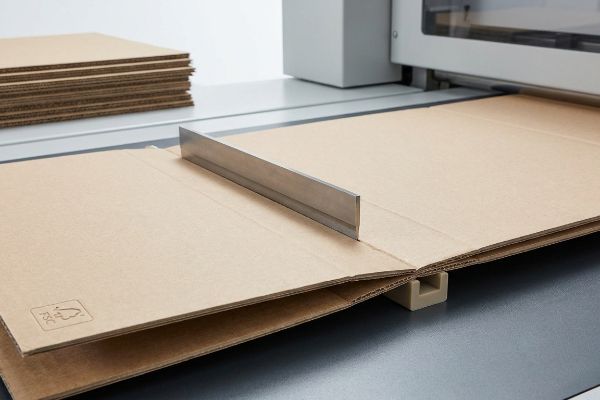
যদিও লেবেলটি মার্কেটিং ব্রিফে দেখতে চমৎকার লাগে, কিন্তু সেই সার্টিফাইড ভার্জিন বোর্ডটি কাটা এবং ভাঁজ করার ফলে তীব্র যান্ত্রিক ঘর্ষণ সৃষ্টি হয়।.
ক্রিজ ম্যাট্রিক্স প্রোফাইলিং প্রোটোকল
ব্র্যান্ডগুলো যখন উচ্চ-মানের সার্টিফাইড ভার্জিন উপকরণের কথা উল্লেখ করে, তখন তারা প্রায়শই ধরে নেয় যে একটি সাধারণ ভেক্টর স্কোর লাইন উৎপাদনের সময় স্বয়ংক্রিয়ভাবে একটি নিখুঁত ৯০-ডিগ্রি ভাঁজে পরিণত হবে। তারা ঘন, দীর্ঘ-তন্তুযুক্ত কাঠের মণ্ডের কাঁচা ভৌত প্রতিরোধ ক্ষমতাকে12।যদি আমরা এই অনমনীয় উপাদানটিকে সাধারণ ডাই-কাটিং সরঞ্জাম দিয়ে আঘাত করি, তাহলে প্রচণ্ড অভ্যন্তরীণ টানের কারণে বাইরের মুদ্রিত টপ-শিটটি প্রচণ্ডভাবে বেঁকে যায় এবং ছিঁড়ে যায়13।
এটা শুধু তত্ত্ব নয়—গত মাসে একটি বিশাল ক্লাব স্টোর রোলআউট প্রক্রিয়া করার সময় আমি এই কঠিন শিক্ষাটা পেয়েছি। ২০২৩ সালে, আমি আমার প্রধান প্যাকেজিং ইঞ্জিনিয়ার, মার্ককে, সাধারণ স্টিলের রুল ব্যবহার করে আমাদের ফ্ল্যাটবেড ডাই-কাটারের মধ্যে দিয়ে অতি-শক্ত সার্টিফাইড ভার্জিন বোর্ডের একটি নতুন ব্যাচ চালাতে বলেছিলাম। আমার স্পষ্টভাবে মনে আছে, আমি দেখেছিলাম মেশিনটি বোর্ডে আঘাত করছে; একটি পরিষ্কার ভাঁজের পরিবর্তে, আমি মোটা কাগজের আঁশগুলোর প্রতিটি প্রধান স্কোর লাইন বরাবর সঙ্গে সঙ্গে ক্ষুদ্র ক্ষুদ্র ফাটল ধরার একটি জোরালো, সুস্পষ্ট ছিঁড়ে যাওয়ার শব্দ শুনতে পেলাম। ঘন কাঠের মণ্ডটি এতটাই শক্তিশালী ছিল যে, এটি সাধারণ আঘাতের চাপকে প্রতিরোধ করছিল এবং লিথো-ল্যামিনেটেড আর্টওয়ার্কটি নষ্ট করে দিচ্ছিল। এটি ঠিক করার জন্য, আমরা সঙ্গে সঙ্গে প্রেসটি বন্ধ করে দিই এবং কাটিং প্লেট১৪-এর। এই কাস্টম পলিমার অ্যানভিল১৫ গাণিতিকভাবে নিয়ন্ত্রণ করে যে শক্ত ভার্জিন আঁশগুলো কীভাবে প্রসারিত হবে, যা পৃষ্ঠটান না ভেঙে একটি পরিষ্কার ভাঁজ তৈরি করতে বাধ্য করে। আমি আমার টেস্টিং ল্যাবে সময় এবং অর্থ দুটোই ব্যয় করি, যাতে আপনাকে রিটেইল ফ্লোরে লাভের অপচয় করতে না হয়। এই টুলিং ক্যালিব্রেশন লিথো-ক্র্যাকিং সম্পূর্ণরূপে নির্মূল করেছে, ম্যানুয়াল কো-প্যাকিং অ্যাসেম্বলির গতি আনুমানিক ২০% বাড়িয়েছে এবং ক্লায়েন্টের কয়েক সপ্তাহের ব্যয়বহুল পুনঃকাজের সময় বাঁচিয়েছে।
| টুলিং ভেরিয়েবল | স্ট্যান্ডার্ড স্টিল রুল | ম্যাট্রিক্স চ্যানেল প্রোফাইলিং |
|---|---|---|
| ফাইবার টেনশন | ঘন কুমারী মজ্জার ফাটল16 | স্বাভাবিক প্রসারণ নিয়ন্ত্রণ করে17 |
| ভাঁজের নান্দনিকতা | গুরুতর লিথো-ক্র্যাকিং18 | নিখুঁত ৯০-ডিগ্রি কোণ |
| কো-প্যাকিং প্রভাব | সমাবেশকে ব্যাপকভাবে ধীর করে দেয় | শ্রমের গতি বাড়ায় |
আমি স্টিল রুল ডাইয়ের প্রতিটি আঘাত পর্যবেক্ষণ করি, কারণ উৎকৃষ্ট মানের উপকরণের জন্য উৎকৃষ্ট মানের মেশিনিং প্রয়োজন। সার্টিফায়েড ভার্জিন ফাইবার সামলানোর জন্য টুলিং ক্যালিব্রেট করা নিশ্চিত করে যে আপনার কাঠামোগত প্রান্তগুলো ত্রুটিহীন থাকে এবং আপনার কো-প্যাকিং খরচও একেবারে সঠিক সীমার মধ্যে থাকে।.
🛠️ হার্ভিস ডেস্ক: ভঙ্গুর স্কোর লাইন এবং ফাটা আর্টওয়ার্ক কি গোপনে আপনার ডিসপ্লে অ্যাসেম্বলির গতি কমিয়ে দিচ্ছে এবং আপনার ম্যানুয়াল লেবার ফি বাড়িয়ে দিচ্ছে? 👉 একটি ফ্রি ডাইলাইন টলারেন্স রিভিউ নিন ↗ — মাঝখানে কোনো অ্যাকাউন্ট ম্যানেজার নেই। আপনি সরাসরি স্ট্রাকচারাল ইঞ্জিনিয়ারদের সাথে কথা বলবেন।
FSC এবং টেকসই বন উদ্যোগের মধ্যে পার্থক্য কী?
পরিবেশগত সার্টিফিকেশনের জটিল পরিভাষাগুলো বুঝতে হলে আঞ্চলিক সোর্সিং মানদণ্ড এবং বৈশ্বিক সরবরাহ ব্যবস্থা সম্পর্কে স্পষ্ট ধারণা থাকা প্রয়োজন।.
FSC এবং সাসটেইনেবল ফরেস্ট্রি ইনিশিয়েটিভ (SFI)-এর মধ্যে প্রধান পার্থক্য হলো তাদের ভৌগোলিক পরিধি। FSC কঠোর আন্তর্জাতিক চেইন-অফ-কাস্টডি নিয়ম মেনে বিশ্বব্যাপী কাজ করে, অন্যদিকে SFI মূলত উত্তর আমেরিকার বনভূমির উপর বেশি মনোযোগ দেয়। তবে, উভয় সংস্থাই অত্যন্ত দায়িত্বশীল, পরিবেশগতভাবে টেকসই এবং দায়িত্বশীল আহরণ পদ্ধতি নিশ্চিত করার জন্য কাঠ কোম্পানিগুলোকে কঠোরভাবে নিরীক্ষা করে থাকে।.
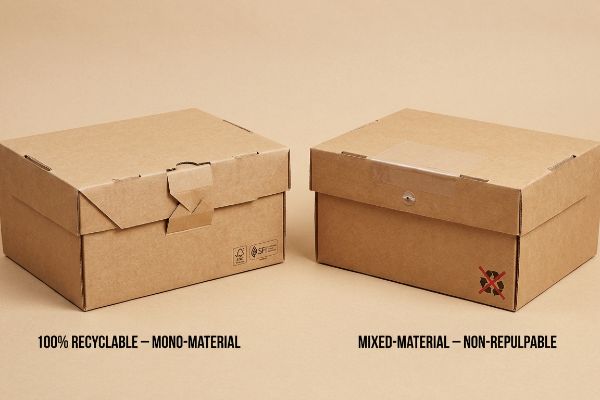
কোন নিয়ন্ত্রক সংস্থা বন নিরীক্ষা করুক না কেন, আমার কারখানায় আসা ঢেউখেলানো কার্ডবোর্ডকে অবশ্যই পুনর্ব্যবহারযোগ্যতার সুনির্দিষ্ট ভৌত মানদণ্ড পূরণ করতে হবে।.
কার্বসাইড পুনর্ব্যবহারযোগ্যতা কাঠামো
এই দুটি সার্টিফিকেশনই শেষ পর্যন্ত রিটেইল প্যাকেজিংয়ের জীবনচক্র নির্ধারণ করে । এই নিয়ম মেনে চলার বিষয়টিকে একটি বদ্ধ যান্ত্রিক চক্র হিসেবে ভাবা যেতে পারে; উপাদানটি একটি যাচাইকৃত উৎস থেকে সংগ্রহ করা হয় এবং এটিকে এমনভাবে তৈরি করতে হয় যাতে এটি নির্বিঘ্নে পুনরায় মণ্ড তৈরির পাত্রে ফিরে যেতে পারে। যখন আমরা বড় বড় রিটেইলারদের জন্য ফ্লোর ডিসপ্লে ডিজাইন করি , তখন আমাদের অবশ্যই নিশ্চিত করতে হয় যে এই সার্টিফাইড বোর্ডগুলিতে ব্যবহৃত কাঠামোগত আঠা এবং আবরণ যেন পৌরসভার প্রচলিত পুনর্ব্যবহারযোগ্য বর্জ্য ব্যবস্থাপনার পরিকাঠামোতে কোনো ব্যাঘাত না ঘটায়।
উভয় সংস্থার দ্বারা প্রত্যয়িত বোর্ড ব্যবহার করার সময় আমি একক-উপাদান নকশার নীতি কঠোরভাবে মেনে চলার নির্দেশ দিই। অনমনীয়, পেট্রোলিয়াম-ভিত্তিক প্লাস্টিকের ক্লিপ বা এমন ফিল্মের উপর নির্ভর করার পরিবর্তে যা কাগজের কলের পাত্রকে দূষিত করে19, আমি প্রত্যয়িত ঢেউখেলানো কাগজের স্তরে সরাসরি অরিগামি-শৈলীর আন্তঃসংযুক্ত ট্যাব তৈরি করি। এই সম্পূর্ণরূপে কাঠামোগত পদ্ধতি নিশ্চিত করে যে ভৌত ডিসপ্লেটি ১০০% রাস্তার পাশে পুনর্ব্যবহারযোগ্য থাকে20।যাচাইকৃত তন্তুগুলির রাসায়নিক বিশুদ্ধতা বজায় রাখার মাধ্যমে, আমি খুচরা বিক্রেতার বর্জ্য ব্যবস্থাপনা ব্যবস্থা দ্বারা ইউনিটটি প্রত্যাখ্যান করার ঝুঁকি দূর করি, যা পণ্যের মেয়াদ শেষে নিষ্পত্তির জন্য বিপুল পরিমাণ জরিমানা সম্পূর্ণরূপে প্রতিরোধ করে এবং ব্র্যান্ডের জন্য নির্বিঘ্ন ESG (পরিবেশগত, সামাজিক এবং শাসনগত) সম্মতি নিশ্চিত করে।
| সম্মতি মেট্রিক | মিশ্র-উপাদান পদ্ধতি | মনো-মেটেরিয়াল ইঞ্জিনিয়ারিং |
|---|---|---|
| ফাস্টেনার টাইপ | প্লাস্টিকের ক্লিপ এবং বন্ধনী | অরিগামি-শৈলীর কাগজের তালা |
| OCC পুনঃমজ্জাযোগ্যতা | পুনর্ব্যবহারযোগ্য পাত্র দূষিত করে21 | ১০০% কার্বসাইড সামঞ্জস্যপূর্ণ22 |
| ESG খুচরা ঘর্ষণ | নিষ্পত্তি জরিমানা ট্রিগার করে23 | কঠোর বিক্রেতা নির্দেশিকা মেনে চলে |
আমি পুরো সাপ্লাই চেইনের সমস্যা সমাধানের জন্য ডিসপ্লে ডিজাইন করি, একেবারে রিসাইক্লিং বিন পর্যন্ত। সার্টিফায়েড বোর্ড ব্যবহার করা অর্থহীন, যদি রিটেইল ক্যাম্পেইনের শেষে লুকানো প্লাস্টিক উপাদানের কারণে বিপুল পরিমাণ বর্জ্য নিষ্কাশন ফি দিতে হয়।.
🛠️ হার্ভিস ডেস্ক: আপনার "পরিবেশ-বান্ধব" ডিসপ্লের ভেতরে লুকানো প্লাস্টিকের ফাস্টেনারগুলো কি আপনাকে খুচরা বিক্রেতাদের দ্বারা মারাত্মকভাবে প্রত্যাখ্যাত হওয়া এবং মেয়াদ শেষে পণ্য নিষ্পত্তির জন্য জরিমানার মুখে ফেলছে? 👉 একটি টেকসই কাঠামোগত অডিটের জন্য আবেদন করুন ↗ — আমি ২৪ ঘণ্টার মধ্যে প্রতিটি কাঠামোগত ফাইল ব্যক্তিগতভাবে পর্যালোচনা করি।
উপসংহার
আপনি বিশ্বব্যাপী প্রত্যয়িত ফাইবার সংগ্রহ করুন বা আকাশছোঁয়া মাল পরিবহনের খরচ মোকাবেলায় হালকা কাঠামো তৈরি করুন, বাস্তবসম্মত করোগেটেড কাগজের পদার্থবিদ্যার পরিবর্তে ভিত্তিহীন পরিবেশবান্ধবতার ভান করার উপর নির্ভর করলে তা অনিবার্যভাবে আপনার খুচরা বিক্রির মুনাফা নষ্ট করবে। এই নির্দিষ্ট ইঞ্জিনিয়ারিং পর্যালোচনাটি সম্প্রতি উৎপাদনের আগে একটি বড় জাতীয় প্রচারণার জন্য একটি মারাত্মক ০.০৮ ইঞ্চি (২ মিমি) টলারেন্স ত্রুটি ধরে ফেলেছে। অ-ক্যালিব্রেটেড ডাইলাইনকে আপনার যাচাইকৃত উপকরণ নষ্ট করতে দেবেন না, এবং আমাকে ব্যক্তিগতভাবে আপনার কাঠামোগত ফাইলগুলি একটি কঠোর ফ্রি ডাইলাইন টলারেন্স অডিটের ↗ , যাতে নিশ্চিত করা যায় যে আপনার পরবর্তী প্যাকেজিং ক্যাম্পেইনটি বড় দোকানের কঠিন বাস্তবতায় টিকে থাকতে পারবে।
"বিকল্প এবং অ-কাঠজাতীয় তন্তুর ব্যবহার মূল্যায়ন...", https://sustainablepackaging.org/wp-content/uploads/2024/08/SPC_Non-Wood-Fiber-Packaging_Landscape.pdf। [টেকসই বন ব্যবস্থাপনার উপর একাডেমিক গবেষণা যাচাই করে যে কীভাবে নিয়ন্ত্রিত কর্তন এবং প্রজাতি নির্বাচন পাল্প উৎপাদনে তন্তুর বৈশিষ্ট্যকে প্রমিত করে তোলে]। প্রমাণের ভূমিকা: প্রযুক্তিগত যাচাইকরণ; উৎসের ধরণ: বনবিজ্ঞান জার্নাল। সমর্থন করে: প্রত্যয়িত বন এবং উপাদানের পূর্বাভাসযোগ্যতার মধ্যে সংযোগ। পরিধি টীকা: কাঠের গঠন এবং পাল্পিং সম্পর্কিত। ↩
"ভারবহন ক্ষমতার উপর ছিদ্রের প্রভাব অনুসন্ধান...", https://pmc.ncbi.nlm.nih.gov/articles/PMC11396172/। [প্যাকেজিং ইঞ্জিনিয়ারিং স্ট্যান্ডার্ডগুলি এই বিষয়ে ডেটা সরবরাহ করে যে কীভাবে উচ্চ-সততা সম্পন্ন সেলুলোজ ফাইবারগুলি ভিত্তি ওজন কমানো হলেও উল্লম্ব চাপ শক্তি বজায় রাখে]। প্রমাণের ভূমিকা: ইঞ্জিনিয়ারিং বৈধতা; উৎসের ধরণ: প্রযুক্তিগত ম্যানুয়াল বা পদার্থ বিজ্ঞান গবেষণাপত্র। সমর্থন করে: উচ্চ-কর্মক্ষমতাসম্পন্ন ফ্লুটিং-এ ওজনের গাণিতিক হ্রাস। পরিধি নোট: ঢেউখেলানো বোর্ডের বলবিদ্যার উপর দৃষ্টি নিবদ্ধ। ↩
"শক্ত কাঠ থেকে প্রাপ্ত পাল্প ফাইবারের গঠন এবং এর উপর প্রভাব...", https://research.fs.usda.gov/treesearch/8925। [পাল্প বিজ্ঞান বা বনবিদ্যা মানদণ্ডের উপর একটি প্রামাণিক উৎস যাচাই করবে যে এফএসসি সার্টিফিকেশন ফাইবারের সামঞ্জস্যতা নিশ্চিত করে কিনা, যার ফলে অনুমানযোগ্য প্রসার্য শক্তি পাওয়া যায়]। প্রমাণের ভূমিকা: প্রযুক্তিগত বিবরণ; উৎসের ধরণ: পিয়ার-রিভিউড জার্নাল বা শিল্প মান। সমর্থন: সার্টিফিকেশন এবং উপাদানের গুণমানের মধ্যে সম্পর্ক। পরিধি নোট: উচ্চ-মানের লাইনারবোর্ড পাল্পের মধ্যে সীমাবদ্ধ। ↩
"কোরুগেটেড প্যাকেজিং উপকরণ বোঝার জন্য মূল নির্দেশক এবং …", https://www.allpack.uk.com/blog/key-markers-understanding-corrugated-packaging-materials-standards। [কোরুগেটেড প্যাকেজিং ইঞ্জিনিয়ারিং সম্পর্কিত প্রযুক্তিগত ডকুমেন্টেশনে দেখানো হবে কীভাবে ফাইবারের সামঞ্জস্যপূর্ণ বৈশিষ্ট্য কাঠামোগত অখণ্ডতা বজায় রেখে উপকরণের ভর কমাতে সাহায্য করে]। প্রমাণের ভূমিকা: কর্মক্ষমতার মেট্রিক; উৎসের ধরণ: ইঞ্জিনিয়ারিং হোয়াইটপেপার। সমর্থন করে: উপকরণের দক্ষতা এবং ভর হ্রাস। পরিধি নোট: ফ্লুট জ্যামিতি অপ্টিমাইজেশনের জন্য নির্দিষ্ট। ↩
"ফ্রেইট ডেনসিটি ক্যালকুলেটর | ফ্রেইট ক্লাস নির্ধারণ – ওডিএফএল", https://www.odfl.com/us/en/tools/other-tools/density-calculator.html। [লজিস্টিকস এবং সাপ্লাই চেইন বিশ্লেষণ থেকে এই বিষয়ে প্রমাণ পাওয়া যাবে যে, কীভাবে প্রমিত উপাদান শক্তি সর্বোত্তম প্যাকিং ঘনত্ব এবং উন্নত ফ্রেইট ROI (বিনিয়োগের উপর আয়) নিশ্চিত করে]। প্রমাণের ভূমিকা: অর্থনৈতিক পরিমাপক; উৎসের ধরণ: লজিস্টিকস গবেষণা। সমর্থন করে: ফ্রেইট ঘনত্ব এবং আয়তন দক্ষতা। পরিধি সংক্রান্ত টীকা: নির্দিষ্ট কন্টেইনার কনফিগারেশনের উপর নির্ভরশীল। ↩
"পুনর্ব্যবহৃত তন্তুর কাগজ তৈরির সম্ভাবনার উপর টুকরো করার মাত্রার প্রভাব...", https://pmc.ncbi.nlm.nih.gov/articles/PMC8410872/। [পাল্পের অবক্ষয়ের উপর পদার্থ বিজ্ঞান গবেষণা নিশ্চিত করে যে বারবার পাল্প তৈরির চক্র যান্ত্রিক কর্তন এবং রাসায়নিক ভাঙ্গন ঘটায়, যা তন্তুর দৈর্ঘ্য এবং কাঠামোগত অখণ্ডতা হ্রাস করে]। প্রমাণের ভূমিকা: প্রযুক্তিগত যাচাইকরণ; উৎসের ধরণ: পদার্থ বিজ্ঞান জার্নাল। সমর্থন: ভার্জিন পাল্পের তুলনায় পুনর্ব্যবহৃত তন্তুর ভৌত অবক্ষয়। পরিধি টীকা: বিশেষভাবে সেলুলোজ তন্তুর যান্ত্রিক পুনর্ব্যবহারের ক্ষেত্রে প্রযোজ্য। ↩
"[পিডিএফ] বক্স কম্প্রেশন স্ট্রেংথের উপর আর্দ্রতার পরিমাণের প্রভাব: এফবিএ বিসিটি …", https://rbi.gatech.edu/sites/default/files/2025-12/4effects-of-moisture-content-on-box-compression-strength.pdf। [পুনর্ব্যবহৃত পাল্পে হাইগ্রোস্কোপিক প্রভাবের উপর একটি বস্তু বিজ্ঞান গবেষণা আর্দ্রতার সংস্পর্শে এলে বার্স্টিং স্ট্রেংথের নির্দিষ্ট হ্রাসকে পরিমাপ করবে]। প্রমাণের ভূমিকা: প্রযুক্তিগত যাচাইকরণ; উৎসের ধরণ: ইঞ্জিনিয়ারিং জার্নাল। সমর্থন করে: আর্দ্রতা-জনিত শক্তি হ্রাসের প্রতি পুনর্ব্যবহৃত ফাইবারের দুর্বলতা। পরিধি নোট: পুনর্ব্যবহৃত ফ্লুটিং উপাদানের জন্য নির্দিষ্ট। ↩
"ভার্জিন বনাম রিসাইকেল্ড ক্রাফট পেপার: কাগজের জন্য সঠিক গ্রেড নির্বাচন...", https://www.paperindex.com/academy/virgin-vs-recycled-kraft-paper-choosing-the-right-grade-for-paper-bag-durability/। [সেলুলোজ ফাইবারের গঠনবিন্যাসের উপর অ্যাকাডেমিক গবেষণা ব্যাখ্যা করে যে, কীভাবে দীর্ঘ-শৃঙ্খলযুক্ত ভার্জিন ফাইবারগুলো সংক্ষিপ্ত রিসাইকেল্ড ফাইবারের তুলনায় আরও স্থিতিশীলভাবে জল শোষণ এবং প্রসারণ নিয়ন্ত্রণ করে]। প্রমাণের ভূমিকা: কার্যপ্রণালীগত ব্যাখ্যা; উৎসের ধরণ: কাগজ রসায়ন পাঠ্যপুস্তক। সমর্থন করে: পরিবর্তনশীল পরিবেশে ভার্জিন ক্রাফটের ভৌত শ্রেষ্ঠত্ব। পরিধি টীকা: কোষীয় কাঠামোগত স্থিতিশীলতার সাথে সম্পর্কিত। ↩
"[পিডিএফ] কাগজ তৈরি এবং পুনর্ব্যবহারের সময় সেলুলোসিক ফাইবারের কী হয়...", https://bioresources.cnr.ncsu.edu/BioRes_02/BioRes_02_4_739_788_Hubbe_VR_Recycling_Cellulosic_Fibers_Review.pdf। [সেলুলোজ ফাইবারের গঠনগত রূপের একটি প্রযুক্তিগত বিশ্লেষণ ব্যাখ্যা করে যে কীভাবে বারবার পাল্পিং এবং রাসায়নিক প্রক্রিয়াকরণ ফাইবারগুলিকে ছোট করে এবং তাদের কাঠামোগত অখণ্ডতা হ্রাস করে]। প্রমাণের ভূমিকা: প্রযুক্তিগত যাচাইকরণ; উৎসের ধরণ: পদার্থ বিজ্ঞান জার্নাল। সমর্থন: পুনর্ব্যবহৃত টেস্টলাইনার ফাইবারের ভৌত অবক্ষয়। পরিধি টীকা: যান্ত্রিক পুনর্ব্যবহার চক্রের জন্য নির্দিষ্ট। ↩
"মোল্ডেড পাল্প পণ্যের যান্ত্রিক এবং আর্দ্রতা শোষণকারী বৈশিষ্ট্য...", https://pmc.ncbi.nlm.nih.gov/articles/PMC8512325/। [ভার্জিন ক্রাফট পেপারের জন্য শিল্প স্পেসিফিকেশনে দীর্ঘ সেলুলোজ চেইন ধরে রাখার বিশদ বিবরণ দেওয়া হয়েছে, যা পুনর্ব্যবহৃত বিকল্পগুলির তুলনায় উন্নত প্রসার্য শক্তি এবং স্থিতিস্থাপকতা প্রদান করে]। প্রমাণের ভূমিকা: প্রযুক্তিগত যাচাইকরণ; উৎসের ধরণ: পাল্প ও কাগজ শিল্প ম্যানুয়াল। সমর্থন করে: ভার্জিন ক্রাফট ফাইবারের যান্ত্রিক শ্রেষ্ঠত্ব। পরিধি নোট: প্রাথমিকভাবে সফটউড ক্রাফট পাল্পকে বোঝায়। ↩
"[পিডিএফ] পুনর্ব্যবহৃত তন্তুর ভৌত বৈশিষ্ট্যের একটি তুলনামূলক পরীক্ষা...", https://repository.rit.edu/cgi/viewcontent.cgi?article=1299&context=theses। [পুনর্ব্যবহৃত তন্তুর আর্দ্রতা শোষণ ক্ষমতার উপর গবেষণা দেখায় যে, তন্তুর অসামঞ্জস্যপূর্ণ গঠন এবং অবশিষ্ট দূষক পদার্থের কারণে আর্দ্রতা শোষণ অসম হয়]। প্রমাণের ভূমিকা: প্রযুক্তিগত যাচাইকরণ; উৎসের ধরণ: পিয়ার-রিভিউড বৈজ্ঞানিক গবেষণাপত্র। সমর্থন করে: পুনর্ব্যবহৃত টেস্টলাইনারের দুর্বল আর্দ্রতা সহনশীলতা। পরিধি সংক্রান্ত টীকা: পুনর্ব্যবহৃত উপাদানের শতাংশের উপর ভিত্তি করে ফলাফল ভিন্ন হতে পারে। ↩
"কাগজ এবং পেপারবোর্ডের শক্তি বজায় রাখার সম্ভাবনা...", https://bioresources.cnr.ncsu.edu/resources/prospects-for-maintaining-strength-of-paper-and-paperboard-products-while-using-less-forest-resources-a-review/। [সেলুলোজ ফাইবারের প্রযুক্তিগত বিবরণ থেকে দেখা যাবে যে, ছোট-ফাইবারের প্রকারভেদের তুলনায় লম্বা-ফাইবারের পাল্প উপাদানটির সংকোচন এবং বাঁকানোর প্রতিরোধ ক্ষমতা বৃদ্ধি করে]। প্রমাণের ভূমিকা: বাস্তব বৈশিষ্ট্যের যাচাইকরণ; উৎসের ধরণ: পদার্থ বিজ্ঞান হ্যান্ডবুক। সমর্থন করে: ভার্জিন পাল্পের ভৌত প্রতিরোধ ক্ষমতা সম্পর্কিত দাবি। পরিধি টীকা: বিশেষভাবে ভার্জিন লম্বা-ফাইবারের সাবস্ট্রেটের জন্য প্রযোজ্য। ↩
"[পিডিএফ] ক্রিজিং অ্যান্ড ফোল্ডিং – বায়োরিসোর্সেস", https://bioresources.cnr.ncsu.edu/wp-content/uploads/2019/01/2017.1.69.pdf। [শিল্প মুদ্রণ এবং ফিনিশিং নির্দেশিকা ব্যাখ্যা করে যে কীভাবে ডাই-কাটিং প্রক্রিয়ার সময় অতিরিক্ত অভ্যন্তরীণ চাপ পুরু বোর্ডের মুদ্রিত দিকে পৃষ্ঠের ফাটল বা 'ক্র্যাকিং' ঘটায়]। প্রমাণের ভূমিকা: প্রযুক্তিগত কার্যকারণ যাচাইকরণ; উৎসের ধরণ: শিল্প উৎপাদন ম্যানুয়াল। সমর্থন করে: উৎপাদনের সময় পৃষ্ঠের ব্যর্থতার প্রক্রিয়া। পরিধি নোট: উচ্চ-জিএসএম বোর্ডে 'ক্র্যাকিং' ঘটনাটি বর্ণনা করে। ↩
"সিটো ডাইনামিক ক্রিজিং ম্যাট্রিক্স", https://www.cito.de/en/TH/boxline/creasing_matrix/cito_dynamic/। [প্যাকেজিং ইঞ্জিনিয়ারিং স্ট্যান্ডার্ডে উচ্চ-জিএসএম বোর্ডে ফাইবারের ভাঙন রোধ করার জন্য একটি সুনির্দিষ্ট বিপরীত চাপ প্রদানের উদ্দেশ্যে ম্যাট্রিক্স চ্যানেলের ব্যবহারের বর্ণনা দেওয়া হয়েছে]। প্রমাণের ভূমিকা: প্রযুক্তিগত যাচাইকরণ; উৎসের ধরণ: ইন্ডাস্ট্রিয়াল ইঞ্জিনিয়ারিং ম্যানুয়াল। সমর্থন করে: রিজিড বোর্ডের জন্য একটি নির্দিষ্ট টুলিং সলিউশনের বাস্তবায়ন। পরিধি নোট: ফ্ল্যাটবেড ডাই-কাটিং প্রক্রিয়ার জন্য প্রযোজ্য। ↩
"C&T অ্যানভিল ক্রিজ ম্যাট্রিক্স যুক্ত করেছে – ThePackagingPortal.com", https://www.thepackagingportal.com/industry-news/ct-adds-anvil-crease-matrix/। [ডাই-কাটিং সম্পর্কিত পদার্থ বিজ্ঞানের তথ্য ব্যাখ্যা করে যে, কীভাবে একটি পলিমার অ্যানভিলের ডুরোমিটার কাগজের তন্তুর বিকৃতিকে নিয়ন্ত্রণ করে পৃষ্ঠটানজনিত ভাঙন প্রতিরোধ করে]। প্রমাণের ভূমিকা: প্রযুক্তিগত বিবরণ; উৎসের ধরণ: পদার্থ বিজ্ঞান জার্নাল। সমর্থন করে: লিথো-ক্র্যাকিং দূর করতে ব্যবহৃত ভৌত কৌশল। পরিধি সংক্রান্ত টীকা: পলিমারের শোর হার্ডনেসের উপর ভিত্তি করে এর প্রভাব ভিন্ন হতে পারে। ↩
"পণ্য: ক্রিজিং রুল – ন্যাশনাল স্টিল রুল এক্ষেত্রে শীর্ষস্থানীয় …", https://steelrule.com/products-creasing-rule/। [কাগজ ভাঁজ করা বা ডাই-কাটিং-এর উপর একটি প্রামাণ্য প্রযুক্তিগত ম্যানুয়ালে ব্যাখ্যা করা থাকবে যে কীভাবে স্টিল রুলের ঘনীভূত চাপ ঘন ভার্জিন পাল্পের ফাইবারে ফাটল সৃষ্টি করে]। প্রমাণের ভূমিকা: প্রযুক্তিগত স্পেসিফিকেশন; উৎসের ধরণ: ইঞ্জিনিয়ারিং ম্যানুয়াল। সমর্থন করে: ফাইবারের অখণ্ডতার উপর স্টিল রুলের প্রভাব। পরিধি নোট: বিশেষভাবে ঘন ভার্জিন পাল্প সাবস্ট্রেটের ক্ষেত্রে প্রযোজ্য। ↩
"সংকোচনের মাধ্যমে ঝিল্লির সুনির্দিষ্ট স্ক্রোলিং এবং ভাঁজ হওয়া...", https://pmc.ncbi.nlm.nih.gov/articles/PMC11051672/। [প্যাকেজিং-এ পদার্থের বিকৃতির উপর বৈজ্ঞানিক গবেষণা দেখাবে কিভাবে চ্যানেল প্রোফাইলিং পীড়ন বন্টন করে তন্তুর নিয়ন্ত্রিত স্থিতিস্থাপক বিকৃতির সুযোগ করে দেয়]। প্রমাণের ভূমিকা: প্রযুক্তিগত কৌশল; উৎসের ধরণ: পদার্থ বিজ্ঞান বিষয়ক জার্নাল। সমর্থন: তন্তুর টানের উপর ম্যাট্রিক্স চ্যানেল প্রোফাইলিং-এর উপকারিতা। পরিধি টীকা: প্রচলিত স্টিল রুল পদ্ধতির সাথে তুলনামূলক। ↩
"আপনার পেপারবোর্ড ডাই-কাটিং এবং ক্রিজিং – হোলমেন ইগেসুন্ড", https://www.iggesund.com/insights/paperboard-know-how/paperboard-manual/paperboard-manual-publication/printing-and-converting-performance/die-cutting-and-creasing/। [প্রিন্ট ফিনিশিং-এর জন্য শিল্প মানদণ্ড অনুসারে, প্রচলিত ক্রিজিং-এর উচ্চ-চাপ কেন্দ্রীভবনের কারণে কালি-সাবস্ট্রেট বন্ধনের ব্যর্থতাকে লিথো-ক্র্যাকিং হিসাবে বর্ণনা করা হয়]। প্রমাণের ভূমিকা: গুণমান নিয়ন্ত্রণ মানদণ্ড; উৎসের ধরণ: প্রযুক্তিগত নির্দেশিকা। সহায়ক: স্ট্যান্ডার্ড স্টিল রুলের নান্দনিক ব্যর্থতা। পরিধি সংক্রান্ত টীকা: শুধুমাত্র মুদ্রিত সাবস্ট্রেটের মধ্যে সীমাবদ্ধ। ↩
"কাগজ কলে পুনর্ব্যবহার", https://paper360.tappi.org/2021/03/15/recycling-at-paper-mills/। [কাগজ কল সমিতিগুলোর প্রযুক্তিগত প্রতিবেদনে বর্ণনা করা হয়েছে যে, কীভাবে পুনঃমণ্ডায়ন-অযোগ্য ফিল্মগুলো দূষক এবং 'আঠালো পদার্থ' তৈরি করে যা মণ্ড তৈরির প্রক্রিয়াকে ব্যাহত করে]। প্রমাণের ভূমিকা: প্রযুক্তিগত যাচাইকরণ; উৎসের ধরণ: শিল্প মান। সমর্থন করে: এই দাবি যে প্লাস্টিক ফিল্মগুলো কলের ভ্যাটকে দূষিত করে। পরিধি টীকা: পুনর্ব্যবহারের মণ্ড তৈরির পর্যায়ের উপর আলোকপাত করে। ↩
"[পিডিএফ] পুনর্ব্যবহারযোগ্যতার জন্য নকশা নির্দেশিকা – বেটার বিল্ডিংস সলিউশন সেন্টার", https://betterbuildingssolutioncenter.energy.gov/sites/default/files/tools/designguidanceforrecyclability.pdf। [বর্জ্য ব্যবস্থাপনা সার্টিফিকেশন নির্দেশিকাগুলো 'কার্বসাইড রিসাইকেলেবল' হিসেবে বিবেচিত হওয়ার জন্য উপকরণগুলোর মানদণ্ড নির্ধারণ করে, বিশেষত অ-কাগজ সংযোজনী ছাড়া ঢেউখেলানো ফাইবারবোর্ডের জন্য]। প্রমাণের ভূমিকা: প্রযুক্তিগত যাচাইকরণ; উৎসের ধরণ: পরিবেশগত মান। সমর্থন করে: এই দাবি যে কাঠামোগত নকশাগুলো পুনর্ব্যবহারযোগ্যতা বজায় রাখে। পরিধি সংক্রান্ত টীকা: স্থানীয় পৌর অবকাঠামোর উপর নির্ভরশীল। ↩
"[পিডিএফ] কাগজ পুনর্ব্যবহার প্রযুক্তি", https://faculty.cnr.ncsu.edu/richardvenditti/wp-content/uploads/sites/24/2018/08/Presentation613HOforshortcourse.pdf। পুরাতন ঢেউখেলানো কাগজের কন্টেইনার (OCC) প্রক্রিয়াকরণের উপর প্রযুক্তিগত ডকুমেন্টেশনে ব্যাখ্যা করা হবে কিভাবে কাগজ-বহির্ভূত দূষক পদার্থ পাল্পিং যন্ত্রপাতি এবং পানির গুণমানে হস্তক্ষেপ করে। প্রমাণের ভূমিকা: প্রযুক্তিগত যাচাইকরণ; উৎসের ধরণ: শিল্প শ্বেতপত্র। সমর্থন করে: মিশ্র-উপাদান পদ্ধতির অদক্ষতা। পরিধি টীকা: বিশেষভাবে কাগজ পুনর্ব্যবহারের পুনঃপাল্পিং পর্যায়কে নির্দেশ করে। ↩
"পুনর্ব্যবহারযোগ্য নমনীয় প্যাকেজিং: উপকরণ, ধরন এবং সরবরাহকারী", https://www.packagedsustainable.com/sustainable-packaging-solutions/recyclable-flexible-packaging। পুনর্ব্যবহারের মানদণ্ড (যেমন ASTM বা How2Recycle-এর) যাচাই করবে যে আঠা বা প্লাস্টিক ছাড়া একক-উপাদানের কাগজের তৈরি কাঠামো পৌর বর্জ্য প্রবাহে সম্পূর্ণরূপে প্রক্রিয়াজাতযোগ্য। প্রমাণের ভূমিকা: মেট্রিক যাচাইকরণ; উৎসের ধরণ: নিয়ন্ত্রক মানদণ্ড। সমর্থন করে: একক-উপাদানের প্রকৌশলের কার্যকারিতা। পরিধি সংক্রান্ত টীকা: সামঞ্জস্যতা পৌর অবকাঠামো অনুযায়ী পরিবর্তিত হয়। ↩
"টেকসই বর্জ্য ব্যবস্থাপনা বিভাগ | পুনর্ব্যবহৃত উপাদান", https://dep.nj.gov/dshw/swpl/recycled-content/। প্রধান খুচরা বিক্রেতাদের কর্পোরেট ESG এবং ভেন্ডর ম্যানুয়ালগুলিতে এমন প্যাকেজিংয়ের জন্য আর্থিক জরিমানা বা 'স্লটিং' ফি নির্দিষ্ট করা থাকে যা টেকসই নিরীক্ষায় ব্যর্থ হয়। প্রমাণের ভূমিকা: অর্থনৈতিক যাচাইকরণ; উৎসের ধরণ: কর্পোরেট নীতি। সমর্থন করে: মিশ্র-উপাদানের নকশার আর্থিক ঝুঁকি। পরিধি সংক্রান্ত টীকা: জরিমানা সাধারণত অঞ্চল- বা ভেন্ডর-ভিত্তিক হয়ে থাকে। ↩