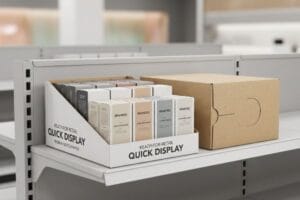
প্রধান বাণিজ্যিক জমি পাওয়া কঠিন, এবং একটি দুর্বল ইউনিটের পেছনে তা নষ্ট করা মানেই দ্রুত মুনাফা হারানো। উন্নতমানের ডিসপ্লে নিষ্ক্রিয় ক্রেতাদের সক্রিয় ক্রেতায় পরিণত করে।.
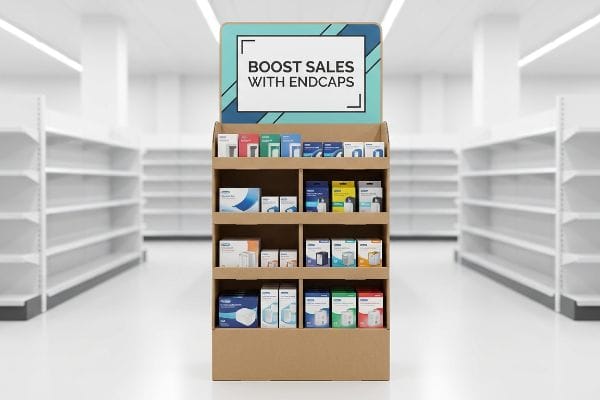
এন্ডক্যাপ ডিসপ্লের মাধ্যমে বিক্রয় বৃদ্ধি করতে হলে, দোকানের করিডোরের শেষে কৌশলগতভাবে উচ্চ-মুনাফার পণ্য স্থাপন করতে হয়। এই বিশেষ অবস্থানটি ক্রেতাদের ব্যাপক আনাগোনাকে কাজে লাগায় এবং আকর্ষণীয় গ্রাফিক্স ও পরিকল্পিত পণ্যসজ্জার ব্যবহারের মাধ্যমে ক্রেতাদের মনোযোগ আকর্ষণ করে, তাদের গতানুগতিক ক্রয়-প্যাটার্নে ব্যাঘাত ঘটায় এবং বিভিন্ন পণ্য বিভাগে তাৎক্ষণিক ক্রয়ের হার ব্যাপকভাবে বাড়িয়ে তোলে।.
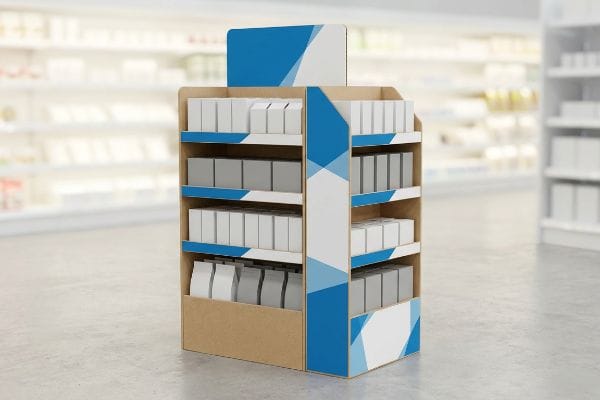
কিন্তু সেই ধারণাটিকে একটি ব্যস্ত ক্লাব স্টোরের পরিবেশে টিকে থাকতে পারে এমন একটি বাস্তব কাঠামোতে রূপ দিতে শুধু সুন্দর শিল্পকর্মই যথেষ্ট নয়। চলুন লিফটটির পেছনের প্রকৌশলটি দেখা যাক।
এন্ড ক্যাপ কি বিক্রয় বাড়ায়?
ব্র্যান্ডগুলো প্রায়শই প্রশ্ন তোলে যে দোকানের সারির শেষ প্রান্তে পণ্য রাখার জন্য অতিরিক্ত ফি দেওয়াটা আসলেই লাভজনক কিনা।.
হ্যাঁ। অধিক ব্যবহৃত করিডোরের সংযোগস্থলে পণ্যের দৃশ্যমানতা বাড়িয়ে এন্ড ক্যাপ বিক্রয় বৃদ্ধি করে। এই বিশেষায়িত ঢেউখেলানো কার্ডবোর্ডের ইউনিটগুলো একই সারিতে থাকা অন্যান্য পণ্য থেকে আলাদা করে, ক্রেতাদের মধ্যে তাৎক্ষণিক কেনার প্রবণতা তৈরি করে এবং সাধারণ মজুতকে অত্যন্ত লাভজনক ও দ্রুত বিক্রীত রিটেইল প্রচারণায় রূপান্তরিত করার মাধ্যমে বিক্রির গতিতে পরিমাপযোগ্য বৃদ্ধি ঘটায়।.
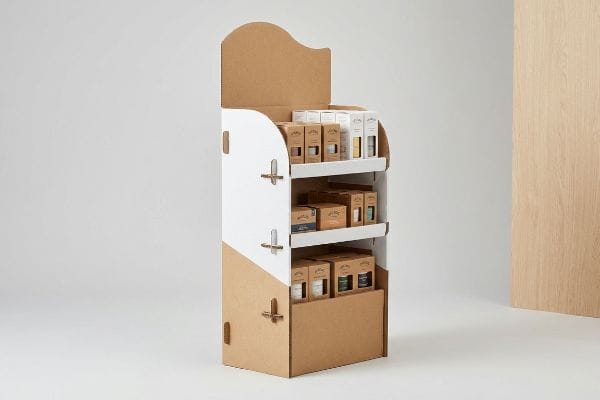
এগুলো যে কাজ করে, তা জানা এক বিষয়; কিন্তু বিনিয়োগের সুফল প্রমাণ করতে হলে ক্রেতাদের মনস্তত্ত্ব আরও গভীরভাবে খতিয়ে দেখতে হয়।.
ROI গণনা: "৩-সেকেন্ড লিফট" বাস্তবতা
ব্র্যান্ডগুলো প্রায়শই ধরে নেয় যে, কোনো সারির শেষে শুধু একটি বাক্স রাখলেই বিক্রি ব্যাপক হারে বেড়ে যাবে। তারা আধুনিক ক্রেতাদের গতির কথা বিবেচনা না করেই গতানুগতিক তাক ডিজাইন করে, এবং আশা করে যে শুধু অবস্থানটাই সব কাজ করে দেবে।.
আমি প্রায়শই দেখি মার্কেটিং টিমগুলো "তৈরি করলেই লোকে আসবে" এই ধরনের এক অস্পষ্ট কৌশলের উপর নির্ভর করে, এবং "থ্রি-সেকেন্ড লিফট" ফর্মুলা১-। গত মাসেই আমি দেখলাম, সুন্দরভাবে প্রিন্ট করা একটি স্ট্যান্ডার্ড ৩৪.৫ ইঞ্চি (৮৭৬.৩ মিমি) চওড়া ইউএস এন্ড ক্যাপ২ শোচনীয়ভাবে ব্যর্থ হলো, কারণ এর কাঠামোগত নকশাটি ছিল বড্ড বেশি সমতল। স্টোর ম্যানেজার অবলীলায় পাশ দিয়ে হেঁটে গেলেন এবং সেটির দিকে প্রায় চোখই ফেললেন না। আমাদের ডাইলাইনটি হাতেকলমে নতুন করে তৈরি করতে হয়েছিল, এবং এতে বাঁকানো, ডাই-কাট হেডার যোগ করতে হয়েছিল যা ফ্লুরোসেন্ট আলোকে ভিন্নভাবে প্রতিফলিত করে। কারখানার মেঝেতে সেই নতুন ইন্টারলকিং ট্যাবগুলো যুক্ত হওয়ার জোরালো "স্ন্যাপ" শব্দটির অর্থ ছিল, আমরা অবশেষে একটি কার্ট থামানোর জন্য যথেষ্ট দৃশ্যমান প্রতিবন্ধকতা তৈরি করতে পেরেছি, যা শেষ পর্যন্ত ব্র্যান্ডের কো-অপ মার্কেটিং তহবিলকে রক্ষা করেছিল।
| নতুনদের সাধারণ ভুল | প্রো ফিক্স | খুচরা-ফ্লোর সুবিধা |
|---|---|---|
| সমতল, সাধারণ প্রোফাইল | বাঁকানো ডাই-কাট হেডার | কার্টগুলো তাৎক্ষণিকভাবে থামিয়ে দেয় |
| আইলের প্রস্থের সীমা উপেক্ষা করা | ৩৪.৫ ইঞ্চি (৮৭৬.৩ মিমি) এ স্থির থাকা | খুচরা বিক্রেতার প্রত্যাখ্যান প্রতিরোধ করে |
| অবস্থানই যথেষ্ট বলে ধরে নেওয়া হচ্ছে | ৩-সেকেন্ডের হুকের প্রকৌশল | পরিমাপযোগ্য বিক্রয় বৃদ্ধি নিশ্চিত করে |
আমি কোনো কাঠামোগত সংযোগ স্থাপন না করে ক্লায়েন্টদেরকে ফ্লোর প্লেসমেন্টের ওপর অন্ধভাবে বিশ্বাস করতে দিই না। ভৌত আকৃতিতে দৃশ্যগত ব্যাঘাত ঘটিয়ে, আমি নিশ্চিত করি যে আপনার ক্যাম্পেইনটি একটি সুনির্দিষ্ট ও লাভজনক গতি বৃদ্ধিতে রূপান্তরিত হয়।.
🛠️ হার্ভির ডেস্ক: আপনি কি আপনার সর্বশেষ রিটেইল উদ্যোগের ROI (বিনিয়োগের উপর রিটার্ন) প্রমাণ করতে হিমশিম খাচ্ছেন? 👉 একটি স্ট্রাকচারাল অডিটের জন্য অনুরোধ করুন ↗ — সরাসরি আমার ডেস্কে অ্যাক্সেস। কোনো স্বয়ংক্রিয় সেলস স্প্যাম নেই, আমি কথা দিচ্ছি।
ডিসপ্লেটি কীভাবে আপনার বিক্রয় বৃদ্ধি করে?
নান্দনিকতা শুধু ব্র্যান্ডিংয়ের জন্যই নয়; এটি তাৎক্ষণিক সিদ্ধান্তের প্রধান অনুঘটক হিসেবে কাজ করে।.
ডিসপ্লের মাধ্যমে বিক্রয় বাড়াতে হলে মনোযোগ আকর্ষণের জন্য বলিষ্ঠ কাঠামোগত জ্যামিতি এবং উচ্চ মানের গ্রাফিক্স ব্যবহার করা প্রয়োজন। নিখুঁতভাবে মেলানো রঙ এবং উন্নত মানের উপকরণের ব্যবহার করে এই ইউনিটটি দোকানের এক প্রান্ত থেকে অন্য প্রান্ত পর্যন্ত ব্র্যান্ডের সুনাম কার্যকরভাবে তুলে ধরে, যা প্রতিযোগীদের থেকে ক্রেতাদের আকর্ষণ করে এবং তাৎক্ষণিক বিক্রয় হার বাড়িয়ে তোলে।.
তবে, কম্পিউটার স্ক্রিনে একটি প্রাণবন্ত ফাইল ডিজাইন করা এবং কাঁচা পেপারবোর্ডে তা তৈরি করা—দুটো সম্পূর্ণ ভিন্ন বিষয়।.
কেন CMYK হাফটোন মাড হুট করে কেনাকাটা করার প্রবণতাকে নষ্ট করে দেয়
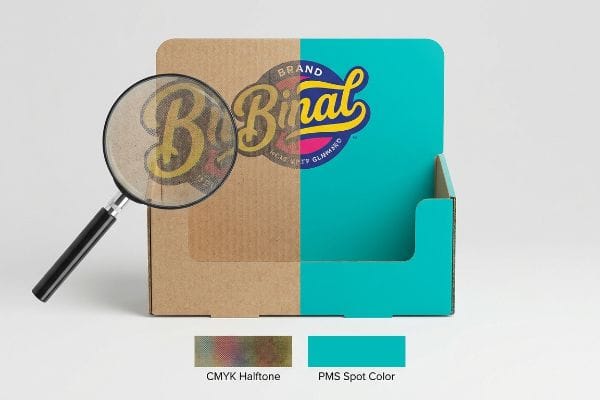
নতুনরা প্রায়শই কর্পোরেট লোগোগুলোকে স্ট্যান্ডার্ড CMYK (সায়ান, ম্যাজেন্টা, ইয়েলো, কী) ফরম্যাটে রূপান্তর করে, এই ভেবে যে প্রসেস প্রিন্টিং তাদের ডিজিটাল মনিটরের সাথে নিখুঁতভাবে মিলে যাবে।তারা এই ফাইলগুলো প্রোডাকশন ফ্লোরে পাঠায় এই প্রত্যাশায় যে রিটেইল ইউনিটগুলো হবে নিখুঁত ও প্রাণবন্ত, যা তীব্র আলোতেও নজর কাড়বে।
এই ধারণাটি ব্যাপক দৃশ্যগত প্রতিবন্ধকতা তৈরি করে। আমাকে প্রায়শই ক্লায়েন্টের এমন শিল্পকর্ম সংশোধন করতে হয় যা ল্যাপটপে দেখতে চমৎকার লাগে, কিন্তু কাঁচা, ছিদ্রযুক্ত ঢেউখেলানো টেস্টলাইনার৪-এর। সম্প্রতি আমি এমন একটি প্রকল্পের কাজ করেছি যেখানে ডিজিটাল রঙের মিশ্রণটি কাগজের তন্তুতে অসমভাবে শোষিত হয়ে একটি বিবর্ণ লোগো তৈরি করেছিল। আমি আক্ষরিক অর্থেই সেই ভারী, ভেজা কালির গন্ধ পাচ্ছিলাম যা অতিরিক্ত ক্ষতিপূরণের চেষ্টা করছিল। আমি অবিলম্বে একটি স্পট কালার ফ্লাড প্রোটোকল বাধ্যতামূলক করি, যেখানে জটিল ডট ব্লেন্ডের পরিবর্তে একটি একক পিএমএস (প্যান্টোন ম্যাচিং সিস্টেম) কালি৫ , যা ওই নির্দিষ্ট বোর্ডের ঘনত্বের জন্য নিখুঁতভাবে মিশ্রিত ছিল। এর ফলে ২০ ফুট (৬০৯.৬ সেমি) দূর থেকে ক্রেতাদের আকর্ষণ করার জন্য প্রয়োজনীয় তীক্ষ্ণ কনট্রাস্ট পুনরুদ্ধার করা সম্ভব হয়।
| নতুনদের সাধারণ ভুল | প্রো ফিক্স | খুচরা-ফ্লোর সুবিধা |
|---|---|---|
| লোগোতে প্রসেস কালার | স্পট কালার ফ্লাড প্রোটোকল | স্পষ্ট, উচ্চ-বৈসাদৃশ্যপূর্ণ ব্র্যান্ডিং |
| বিশ্বাসযোগ্য স্ক্রিনের রঙ | সঠিক কালি মেলানো | দৃষ্টির বিবর্ণতা দূর করে |
| কাগজের শোষণ উপেক্ষা করা | টেস্টলাইনারের জন্য কালি তৈরি করা | প্রাণবন্ত পপ বজায় রাখে |
আমি ডিজিটাল কালার কনভার্সনকে ফিজিক্যাল আইলে আপনার ব্র্যান্ডের সুনাম নষ্ট করতে দেব না। ইঙ্ক ফ্লাডের সঠিক কেমিস্ট্রি নিয়ন্ত্রণের মাধ্যমে, আমি গ্যারান্টি দিচ্ছি যে আপনার গ্রাফিক্সগুলো আকর্ষণীয় হয়ে উঠবে এবং দ্বিধাগ্রস্ত ক্রেতাদের জোরালোভাবে আকর্ষণ করবে।.
🛠️ হার্ভির ডেস্ক: আপনার ডিজিটাল লোগোটি কাঁচা কার্ডবোর্ডে লাগালে ঘোলাটে হয়ে যাবে কিনা, তা নিয়ে নিশ্চিত নন? 👉 একটি প্রিপ্রেস রিভিউ নিন ↗ — নিরাপদে ডাউনলোড করুন। পরবর্তীতে কোনো প্রশ্ন থাকলে আমার ইনবক্স খোলা আছে।
একটি এন্ড ক্যাপ একটি কার্যকর ডিসপ্লে হতে পারে?
একজন দক্ষ মার্চেন্ডাইজার হলেন নীরব বিক্রয় এবং স্থানিক সর্বোত্তম ব্যবহারের এক অনবদ্য উদাহরণ।.
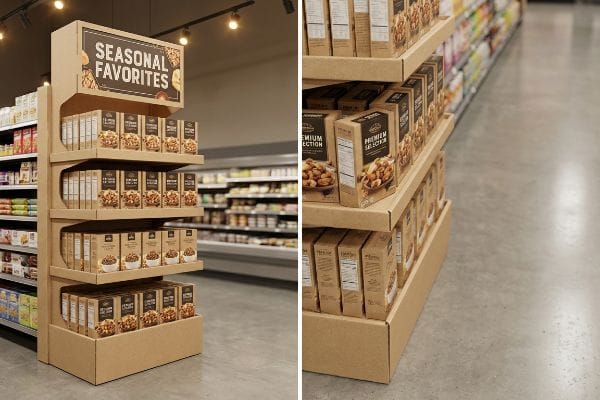
এন্ড ক্যাপ হলো একটি কার্যকর ডিসপ্লে ব্যবস্থা, যেখানে অধিক চাহিদার পণ্যগুলো সরাসরি ক্রেতাদের প্রধান দৃষ্টিসীমার মধ্যে রাখা হয়। এর কার্যকারিতা নির্ভর করে কাঠামোগত স্থিতিশীলতা, পণ্যের কৌশলগত অবস্থান এবং বাধাহীন প্রবেশাধিকারের উপর, যা ক্রেতাদেরকে আশেপাশের করিডোরের চলাচল বা সামগ্রিক রিটেইল মার্চেন্ডাইজিং কৌশলে কোনো ব্যাঘাত না ঘটিয়ে সহজেই পণ্য তুলে নিতে সক্ষম করে।.
কিন্তু তাকের উপর পণ্য ফেলে রাখলেই যে ভোক্তারা সেগুলোর সাথে সরাসরি যুক্ত হবে, এমনটা নয়।.
"মানব উচ্চতা" হিট ম্যাপের প্রকৌশল
অনেক মার্কেটিং ম্যানেজার পণ্যের ঘনত্ব সর্বোচ্চ করতে যত বেশি সম্ভব তাকের দাবি করেন। তারা উল্লম্বতার চরম সীমায় পৌঁছানোর জন্য চাপ দেন, মেঝে থেকে শুরু করে চোখে পীড়াদায়ক উচ্চতা পর্যন্ত ভারী জার স্তূপ করে রাখেন, এবং সাধারণ মানুষ কীভাবে কেনাকাটা করে তা উপেক্ষা করেন।.
দোকানের জায়গাকে গুদামের তাকের মতো ব্যবহার করা একটি বড় ভুল। এটিকে একটি ছবি টাঙানোর মতো করে ভাবুন; যদি এটি খুব উঁচুতে বা খুব নিচুতে থাকে, মানুষ শুধু হেঁটে চলে যায়। আমি দেখি, যখন ক্লায়েন্টরা তাদের প্রধান SKU (স্টক কিপিং ইউনিট) সবচেয়ে নিচের তাকে রাখে, তখন এই ভুলটি হয়। সম্প্রতি একটি পরীক্ষামূলক চালনার সময় আমরা বুঝতে পারলাম যে, সবচেয়ে বেশি বিক্রি হওয়া পণ্যটি কার্যত হাঁটুর স্তরের নিচে ঢাকা পড়েছিল। আমি যখন তাকগুলো পুনরায় সাজাচ্ছিলাম এবং প্রধান পণ্যগুলোকে মেঝে থেকে ঠিক ৫০-৫৪ ইঞ্চি (১২৭-১৩৭.১ সেমি) উপরে সরাচ্ছিলাম, তখন ডাবল-ওয়াল ঢেউখেলানো কার্ডবোর্ডের হেডারের রুক্ষ ঘর্ষণ অনুভব করছিলাম। এই নির্দিষ্ট "স্ট্রাইক জোন"-এ পৌঁছানোর ফলে ক্রেতার প্রয়োজনীয় শারীরিক পরিশ্রম ব্যাপকভাবে কমে যায়, যা তাদের অনেক দ্রুত পণ্য নিয়ে চলে যেতে উৎসাহিত করে।.
| নতুনদের সাধারণ ভুল | প্রো ফিক্স | খুচরা-ফ্লোর সুবিধা |
|---|---|---|
| উল্লম্ব তাকগুলিতে অতিরিক্ত জিনিসপত্র রাখা | ৫০-৫৪ ইঞ্চি (১২৭-১৩৭.১ সেমি) স্ট্রাইক জোন ব্যবহার করে ৬ | তাৎক্ষণিক পণ্য দখলের সুযোগ সর্বাধিক করে তোলে |
| হিরো আইটেমগুলো নিচে লুকানো | চোখের স্তরে স্থাপনকে অগ্রাধিকার দেওয়া | ক্রেতাদের শারীরিক ঘর্ষণ কমায় |
| পণ্যের দৃশ্যমানতা উপেক্ষা করা | ৮৫% চাক্ষুষ এক্সপোজার নিয়ম7 | ক্রয়ের সিদ্ধান্ত ত্বরান্বিত করে |
আমি শুধু পণ্য দিয়ে বাক্স ঠাসাঠাসি না করে, মানুষের স্বাচ্ছন্দ্য ও আরামের কথা মাথায় রেখে ইউনিট তৈরি করি। তাকগুলোকে একটি নির্দিষ্ট হিট ম্যাপ অনুযায়ী ডিজাইন করার মাধ্যমে আমি নিশ্চিত করি যে আপনার প্রয়োজনীয় পণ্যগুলো যেন লাফিয়েই কার্টে উঠে যায়।.
🛠️ হার্ভির ডেস্ক: আপনার সেরা পণ্যটি কি ভুলবশত লাভজনক এলাকার বাইরে লুকিয়ে আছে? 👉 আপনার কাঠামোগত মূল্যায়ন দাবি করুন ↗ — এমন কোনো ফর্ম নেই যা অবিরাম সেলস কলের কারণ হয়। শুধু খাঁটি মূল্য।
বিক্রয়ের শেষ সীমা কত?
বাণিজ্যিক সংজ্ঞাটি বুঝতে হলে বিগ-বক্স স্টোরগুলোর কঠোর বাস্তুতন্ত্রকে উপলব্ধি করতে হয়।.
বিক্রয়ের ক্ষেত্রে ‘এন্ড ক্যাপ’ হলো দোকানের করিডোরের শেষ প্রান্তে অবস্থিত একটি অত্যন্ত আকাঙ্ক্ষিত প্রচারমূলক স্থান। এটি ব্র্যান্ডগুলোর জন্য নতুন পণ্য উন্মোচন, মৌসুমী প্রচারণা চালানো এবং ভিড় ও প্রতিযোগিতামূলক ইনলাইন শেল্ফ পরিবেশ থেকে সরে এসে বিপুল পরিমাণে বিক্রি বাড়ানোর একটি উৎকৃষ্ট মার্চেন্ডাইজিং টুল হিসেবে কাজ করে।.
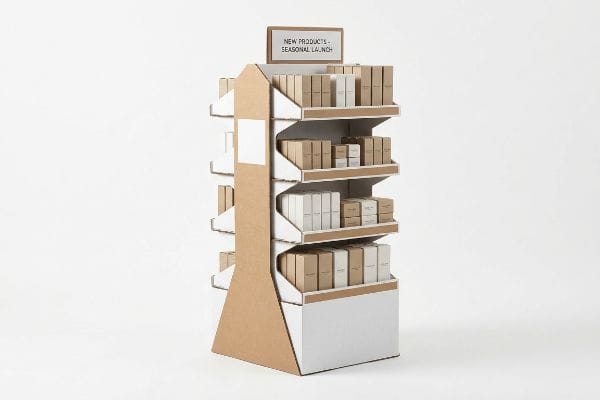
এই জায়গাটি নিশ্চিত করা একটি বিশাল সাফল্য, কিন্তু এটিকে ধরে রাখতে হলে বিক্রেতাদের নিয়মকানুন ও বিধি-বিধানের এক জটিল জালের মধ্যে দিয়ে পথ চলতে হয়।.
"খুচরা বিক্রেতার স্টাইল গাইড" অ্যালাইনমেন্ট ফাঁদ
ব্র্যান্ডগুলো প্রায়শই একটি সুন্দর "সর্বজনীন" কাঠামো ডিজাইন করে, এই আশায় যে তারা দেশের প্রতিটি খুচরা বিক্রেতার কাছে হুবহু একই ইউনিট পাঠাতে পারবে। তারা প্রতিটি নির্দিষ্ট চেইনের স্বতন্ত্র বিক্রেতা নির্দেশিকা, মূল্য-চ্যানেলের মাপকাঠি এবং নিরাপত্তা বিধিমালা উপেক্ষা করে ।
এই ‘সবার জন্য একই মাপের’ পদ্ধতিটি সাধারণত বিপর্যয় ডেকে আনে। একবার একজন ক্লায়েন্ট চমৎকারভাবে ডিজাইন করা একটি ইউনিট পাঠিয়েছিলেন, যা একটি নির্দিষ্ট ফার্মেসি চেইনের নির্দেশিকার জন্য মাত্র দুই ইঞ্চি (৫০.৮ মিমি) বেশি লম্বা ছিল। দোকানের কর্মীরা সঙ্গে সঙ্গে সেটি প্রত্যাখ্যান করে, এবং ক্লায়েন্ট যখন এটি ঠিক করার জন্য মরিয়া হয়ে চেষ্টা করছিল, তখন আমাকে তাদের উদ্বিগ্ন ফোনকলগুলো শুনতে হয়েছিল। রিটেইলার স্টাইল গাইডের নির্দিষ্ট সীমা ৯ পূরণ করার জন্য উচ্চতা ছেঁটে ফেলার সময় আমাদের তাড়াহুড়ো করে নতুন একটি ব্যাচ তৈরি করতে হয়েছিল এবং সিএনসি (কম্পিউটার নিউমেরিক্যাল কন্ট্রোল) রাউটিং টেবিলের গুঁড়ো ধুলো অনুভব করতে হয়েছিল । এটি একটি ব্যয়বহুল শিক্ষা যা বুঝিয়ে দেয় কেন রিটেইল কমপ্লায়েন্স বা নিয়ম মেনে চলার বিষয়টিই আপনার কাঠামোগত হিসাব নির্ধারণ করবে।
| নতুনদের সাধারণ ভুল | প্রো ফিক্স | খুচরা-ফ্লোর সুবিধা |
|---|---|---|
| সার্বজনীন আকার নির্ধারণের অনুমান | খুচরা বিক্রেতা-নির্দিষ্ট মাত্রা ম্যাপিং | দোকানে সরাসরি প্রত্যাখ্যান প্রতিরোধ করে10 |
| মূল্য-চ্যানেলের সীমা উপেক্ষা করা | স্টাইল গাইডের সাথে সামঞ্জস্য বিধান11 | মেঝেতে নির্বিঘ্ন একীকরণ নিশ্চিত করে |
| বিক্রেতার নিয়ম অনুমান করা | সম্মতি ডেটাবেস প্রয়োগ করা | ব্যয়বহুল পুনঃকাজের ফি এড়ানো যায়12 |
খুচরা বিক্রেতার নির্দিষ্ট নিয়মাবলী গাণিতিকভাবে উত্তীর্ণ না হওয়া পর্যন্ত আমি কোনো ডাইলাইন চূড়ান্ত করি না। এই কঠোর স্টাইল গাইডগুলোর সাথে ভৌত কাঠামোকে সামঞ্জস্যপূর্ণ রাখাই আপনার প্লেসমেন্ট সুরক্ষিত করার এবং মারাত্মক চার্জব্যাক এড়ানোর একমাত্র উপায়।.
🛠️ হার্ভির ডেস্ক: আপনি কি মাপ নিয়ে আন্দাজ করছেন এবং একটি বড় ধরনের অর্ডার বাতিলের ঝুঁকি নিচ্ছেন? 👉 কমপ্লায়েন্স চেকের জন্য অনুরোধ করুন ↗ — আমার ডেস্কে সরাসরি অ্যাক্সেস। কোনো স্বয়ংক্রিয় সেলস স্প্যাম নেই, আমি কথা দিচ্ছি।
এন্ড ক্যাপসের উদ্দেশ্য কী?
সৌন্দর্যের বাইরেও, এই ইউনিটগুলো হলো কাঠামোগতভাবে অত্যন্ত শক্তিশালী এবং প্রচুর ওজন বহন করার জন্য ডিজাইন করা।.
এন্ড ক্যাপের উদ্দেশ্য হলো একই সাথে প্রচারমূলক পণ্য প্রদর্শন করা এবং ভারী ও বিপুল পরিমাণ পণ্য নিরাপদে ধরে রাখা। এর প্রধান কাজ হলো ব্র্যান্ডের পরিচিতি বাড়ানো এবং একই সাথে কঠোর কাঠামোগত অখণ্ডতা বজায় রাখা, যা নিশ্চিত করে যে দ্রুত বিক্রি হওয়া ভোগ্যপণ্য পুরো রিটেইল ক্যাম্পেইন জুড়ে নিরাপদে সুসংগঠিত, সহজে প্রবেশযোগ্য এবং দৃষ্টিনন্দন থাকে।.
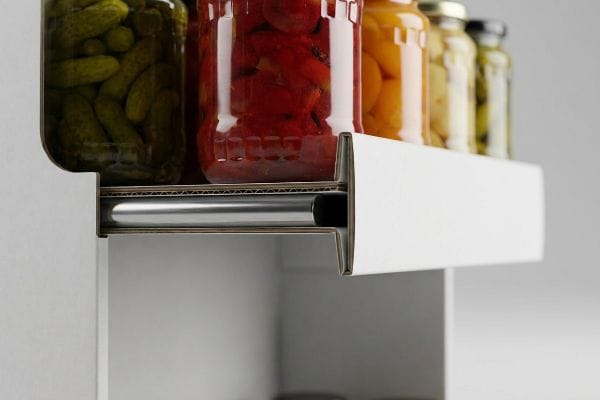
আপনার পণ্যের ভারে তাকটিই যদি ভেঙে পড়ে, তবে চমৎকার গ্রাফিক ডিজাইনের কোনো মূল্যই থাকে না।.
'টিয়ার স্যাগ' ঘটনাটি কাটিয়ে ওঠা
নবীন প্রকৌশলীরা প্রায়শই একটি ঢেউখেলানো বোর্ডের প্রাথমিক ECT (এজ ক্রাশ টেস্ট) রেটিং দেখে ধরে নেন যে এটি কাচের জারে ভরা একটি তাক সামলাতে পারবে। তারা কয়েক সপ্তাহব্যাপী প্রচারমূলক সময়কালে এর উপর আরোপিত অবিচ্ছিন্ন গতিশীল ভারের বিষয়টি বিবেচনা করেন না।.
আমি প্রায়শই দেখি, শুধু কাগজ ব্যবহারের এই মানসিকতা খুচরা ব্যবসার জন্য মারাত্মক মাথাব্যথার কারণ হয়ে দাঁড়ায়। তিন সপ্তাহের একটি প্রচারণায়, মাধ্যাকর্ষণ এবং দোকানের পারিপার্শ্বিক আর্দ্রতা কাগজের তন্তুগুলোকে অবিরাম টানতে থাকে। আমি একবার একজন প্রতিযোগীর একটি ইউনিট পরীক্ষা করেছিলাম, যেখানে একটি ভারী পানীয় রাখার তাক মাঝখানে দৃশ্যত বেঁকে গিয়ে একটি ভয়ঙ্কর ঝুলে পড়ার অবস্থা তৈরি করেছিল, যা দেখে ক্রেতারা সেটি স্পর্শ করতে ভয় পাচ্ছিল। আমি সঙ্গে সঙ্গে সামনের প্রান্তের নিচে একটি লুকানো স্টিলের সাপোর্ট বার যুক্ত করে দিই। সেই ঠান্ডা, অনমনীয় ধাতব নলটিকে ঢেউখেলানো কাগজের চ্যানেলের মধ্যে ঢুকিয়ে দেওয়ার সাথে সাথেই ‘স্তর ঝুলে পড়া’ সমস্যাটি দূর হয়ে যায়, এবং এটি নিশ্চিত করে যে ইউনিটটি বেঁকে না গিয়ে আত্মবিশ্বাসের সাথে পণ্যসামগ্রী বহন করতে পারবে।
| নতুনদের সাধারণ ভুল | প্রো ফিক্স | খুচরা-ফ্লোর সুবিধা |
|---|---|---|
| শুধুমাত্র কাগজে-কলমে রেটিংয়ের উপর নির্ভর করা | লুকানো ধাতব সাপোর্ট বার13 | তাক বাঁকানো সম্পূর্ণরূপে বন্ধ করে দেয় |
| কয়েক সপ্তাহব্যাপী কাজের চাপজনিত ক্লান্তি উপেক্ষা করা ১৪ | সামনের ঠোঁটের দৃঢ়তা উন্নত করা | পণ্যটিকে প্রিমিয়াম লুক দেয় |
| দৃশ্যমান স্তরের ঝুলে পড়া অনুমোদিত | প্রকৌশলগত কাঠামোগত শক্তিবৃদ্ধি | দায় ও দুর্ঘটনা প্রতিরোধ করে15 |
আমি দীর্ঘস্থায়ীত্বের কথা মাথায় রেখে ডিজাইন করি, কারণ আমি জানি যে ক্রমাগত ওজন দুর্বল তাকগুলোকে নষ্ট করে দেয়। দুর্বল স্থানগুলোকে লুকানো হার্ডওয়্যার দিয়ে মজবুত করার মাধ্যমে আমি নিশ্চয়তা দিই যে, শেষ ইউনিটটি বিক্রি হওয়া পর্যন্ত আপনার ডিসপ্লেটি নিখুঁত এবং কাঠামোগতভাবে অক্ষত থাকবে।.
🛠️ হার্ভির ডেস্ক: আপনার অতিরিক্ত পণ্যের স্তূপ কি দ্বিতীয় সপ্তাহেই তাকগুলোকে বিব্রতকরভাবে নুইয়ে দেবে? 👉 একটি ওয়েট লোড অ্যানালাইসিস করিয়ে নিন ↗ — নিরাপদে ডাউনলোড করুন। পরবর্তীতে কোনো প্রশ্ন থাকলে আমার ইনবক্স খোলা আছে।
মনোযোগ আকর্ষণ এবং বিক্রয় বাড়ানোর জন্য স্টক এবং প্রচারমূলক উপকরণ কীভাবে প্রদর্শন করবেন?
কার্যকরভাবে পণ্য উপস্থাপন করার অর্থ হলো, ইউনিটটি যেন একেবারে নিখুঁত অবস্থায় বিক্রয়কেন্দ্রে পৌঁছায় তা নিশ্চিত করা।.
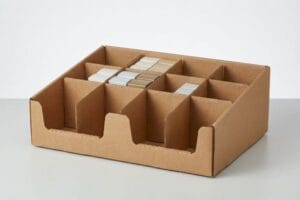
স্টক এবং প্রচারমূলক সামগ্রী প্রদর্শনের জন্য পূর্ব-পরিকল্পিত একটি কাঠামোর মধ্যে পণ্যগুলোকে নিখুঁতভাবে একীভূত করা প্রয়োজন। অপ্টিমাইজড কো-প্যাকিং কৌশল এবং নির্ভুল ডাই-কাটিং টলারেন্স ব্যবহারের মাধ্যমে ব্র্যান্ডগুলো নিশ্চিত করে যে পণ্যটি ত্রুটিহীনভাবে উপস্থাপিত হয়, কাঠামোগত বিকৃতি এড়ানো যায় এবং সর্বাধিক ভোক্তার মনোযোগ আকর্ষণ করা যায়, যা সামগ্রিক বিক্রয়ের গতি এবং ব্র্যান্ডের প্রভাব উল্লেখযোগ্যভাবে বৃদ্ধি করে।.
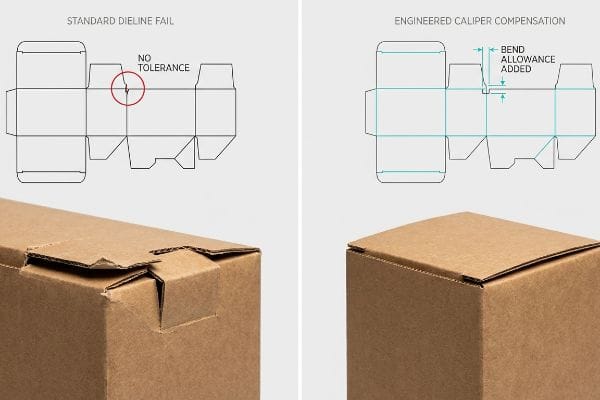
কিন্তু যখন মেশিনগুলো চলতে শুরু করে এবং কো-প্যাকাররা ভারী পণ্যকে কার্ডবোর্ডের আঁটসাঁট খাঁজে জোর করে ঢোকাতে শুরু করে, তখন শুধু তত্ত্ব জানাই যথেষ্ট নয়।.
কারখানায় স্ট্যান্ডার্ড ডাইলাইনগুলো কেন ব্যর্থ হয়
গ্রাফিক ডিজাইনাররা প্রায়শই এই ধারণা নিয়ে ইন্টারলকিং ট্যাব এবং ফোল্ডিং স্লট তৈরি করেন যে সাধারণ কাগজ পুরোপুরি সমতল থাকে। তারা এই ভেবে ফাইলটি পাঠিয়ে দেন যে, ঢেউখেলানো বোর্ডের নিজস্ব যান্ত্রিক ছাড়ের সঠিক সমন্বয় না করেই একটি সাধারণ ভাঁজ জাদুকরীভাবে ৪০ পাউন্ড (১৮.১ কেজি) ওজনের কাগজ ধরে রাখবে।
ল্যাবে একটি ডিসপ্লেকে সোজা করে দাঁড় করানো সহজ, কিন্তু যখন আপনি ৫০০টি ডিসপ্লে কোনো কো-প্যাকারের কাছে পাঠান, তখন এক কঠিন বাস্তবতার মুখোমুখি হতে হয়। আমার প্রতিষ্ঠানেআমি নিয়মিত দেখি যে ফ্ল্যাট ইলাস্ট্রেটর ফাইলগুলো ব্যর্থ হয়, কারণ সেগুলোতে উপাদানের সঠিক ক্যালিপার উপেক্ষা করা হয়। যখন একটি ৩.১৭ মিমি পুরু বি-ফ্লুট প্যানেল ৯০ ডিগ্রি কোণে ভাঁজ করা হয়, তখন এটি থেকে উপাদান ক্ষয় হয়। যদি সেই রিসিভিং স্লটটি গাণিতিকভাবে প্রশস্ত না করা হয়, তাহলে কো-প্যাকিং টিমকে ট্যাবটিতে প্রচণ্ড চাপ প্রয়োগ করতে হয়। পরীক্ষার সময় আমি দেখেছি, মাত্র ১.২ মিমি ঘাটতির কারণে বাইরের লাইনারটি মারাত্মকভাবে বেঁকে গিয়ে ছিঁড়ে যায়, যা ব্যাপক ঘর্ষণ তৈরি করে এবং অ্যাসেম্বলি লাইনের গতি আনুমানিক ৩০% কমিয়ে দেয়। আমি সঙ্গে সঙ্গে ক্যাড (কম্পিউটার-এইডেড ডিজাইন)-এ একটি "ক্যালিপার কম্পেনসেশন" অ্যালগরিদম প্রয়োগ করি, যা ডাইলাইনে নির্দিষ্ট বেন্ড অ্যালাউন্স টলারেন্স যোগ করে দেয়। এই পরিকল্পিত ক্লিয়ারেন্স একটি ঘর্ষণহীন অ্যাসেম্বলি নিশ্চিত করে, যা আউটফিটিং প্রক্রিয়ার সময় উল্লেখযোগ্য পরিমাণে কায়িক শ্রমের খরচ বাঁচায়।
| নতুনদের সাধারণ ভুল | প্রো ফিক্স | খুচরা-ফ্লোর সুবিধা |
|---|---|---|
| বোর্ডের পুরুত্ব উপেক্ষা করে | ক্যালিপার ক্ষতিপূরণ প্রয়োগ করা16 | হিংস্র সমাবেশ ঘর্ষণ দূর করে |
| সঠিক ১:১ স্লটের প্রস্থ নির্ধারণ করা | প্রকৌশলগতভাবে সঠিক বাঁকের ছাড়17 | কো-প্যাকিং লাইনের গতি বাড়ায় |
| বাঁকানো বা ছেঁড়া বাইরের আস্তরণ | নির্ভুলতা সমন্বয়কারী সফটওয়্যার গণিত | একটি নিখুঁত বর্গাকার ইউনিট সরবরাহ করে |
আমি কখনোই একটি ফ্ল্যাট গ্রাফিক ফাইলের ওপর ভরসা করি না যে এটি বাস্তবিক ভাঁজের কঠোর বাস্তবতা সহ্য করতে পারবে। প্রতিটি স্লটে সুনির্দিষ্ট পরিমাণ উপাদান বরাদ্দের মাধ্যমে আমি নিশ্চিত করি যে আপনার প্রচারমূলক সামগ্রীগুলো নিখুঁতভাবে একত্রিত হবে এবং আপনার মুনাফা সুরক্ষিত থাকবে।.
🛠️ হার্ভির ডেস্ক: একটি ২-মিলিমিটার কাঠামোগত ত্রুটির কারণে ৫০০টি দোকানে পণ্য সরবরাহের পরিকল্পনা যেন ভেস্তে না যায়। 👉 আপনার ডাইলাইন ফাইলটি আমাকে পাঠান ↗ — গণ-উৎপাদনে বাজেট অপচয় করার আগে আমি এর গাণিতিক হিসাব স্ট্রেস-টেস্ট করে নেব।
উপসংহার
আপনি একজন সস্তা বিক্রেতা বেছে নিতে পারেন, কিন্তু যখন সঠিক বেন্ড অ্যালাউন্স উপেক্ষা করার ফলে বোর্ড মারাত্মকভাবে বেঁকে যায়, যা আপনার কো-প্যাকিং অ্যাসেম্বলি লাইনের গতি আনুমানিক ৩০% কমিয়ে দেয়, তখন আপনি আপনার লাভের মার্জিন পুরোপুরি নষ্ট করে ফেলেন। আমার শীর্ষ ১০ জন রিটেইল ক্লায়েন্ট প্রিন্ট রিজেকশন শূন্যে নামিয়ে আনার নিশ্চয়তা দিতে ঠিক এই স্পেক শিটটিই ব্যবহার করেন। জটিল মেটেরিয়াল টলারেন্স নিয়ে অনুমান করা বন্ধ করুন এবং গণ-উৎপাদনের জন্য অর্থ প্রদানের আগেই মারাত্মক কাঠামোগত ত্রুটিগুলো ধরার জন্য আমাকে ব্যক্তিগতভাবে আমার ফ্রি ডাইলাইন অডিট ↗- এর মাধ্যমে আপনার ফাইলগুলো পরীক্ষা করতে দিন।
"এন্ডক্যাপ ডিসপ্লে কীভাবে বিক্রয় বাড়াতে পারে? – পপডিসপ্লে", https://popdisplay.me/how-can-endcap-displays-boost-sales/। [একটি নির্ভরযোগ্য রিটেইল মার্কেটিং উৎস "৩-সেকেন্ড লিফট"-কে সেই গুরুত্বপূর্ণ সময়কাল হিসেবে সংজ্ঞায়িত করবে, যা একজন ক্রেতা পরবর্তী ধাপে যাওয়ার আগে একটি ডিসপ্লে মূল্যায়ন করতে ব্যয় করেন]। প্রমাণের ভূমিকা: প্রযুক্তিগত সংজ্ঞা; উৎসের ধরণ: শিল্প গবেষণা। সমর্থন করে: এই দাবি যে একজন ক্রেতাকে থামানোর জন্য নির্দিষ্ট ভিজ্যুয়াল উদ্দীপকের প্রয়োজন। পরিধি নোট: বিভিন্ন রিটেইল কনসাল্টিং ফার্মের ক্ষেত্রে পরিভাষা ভিন্ন হতে পারে। ↩
"এন্ডক্যাপ ডিসপ্লের জন্য আকারের কোনো সীমাবদ্ধতা আছে কি? – পপডিসপ্লে", https://popdisplay.me/are-there-any-size-limitations-for-endcap-displays/। [স্ট্যান্ডার্ড রিটেইল ফিক্সচার স্পেসিফিকেশন বা প্যাকেজিং শিল্পের নির্দেশিকা মার্কিন করোগেটেড এন্ড ক্যাপ ডিসপ্লের সাধারণ প্রস্থ যাচাই করবে]। প্রমাণের ভূমিকা: প্রযুক্তিগত স্পেসিফিকেশন; উৎসের ধরণ: শিল্প মান। সমর্থন করে: রিটেইল ডিসপ্লের জন্য উল্লিখিত ভৌত মাত্রার নির্ভুলতা। পরিধি নোট: নির্দিষ্ট খুচরা বিক্রেতার প্রয়োজনীয়তার উপর ভিত্তি করে মাত্রা পরিবর্তিত হতে পারে। ↩
"আরজিবি বনাম সিএমওয়াইকে: নিখুঁত প্রিন্ট রঙের জন্য ২০২৬ সালের নির্দেশিকা", https://www.jukeboxprint.com/blog/rgb-vs-cmyk-for-print?srsltid=AfmBOoprCIYspfUggaOPimZ7PvsUEDC2xRKCjG5hNOpjKWD8zUrlVz8K। [কালারমেট্রির উপর প্রযুক্তিগত ডকুমেন্টেশন অ্যাডিটিভ আরজিবি আলো এবং সাবট্র্যাকটিভ সিএমওয়াইকে কালির মধ্যে অন্তর্নিহিত পার্থক্য ব্যাখ্যা করে, যা প্রমাণ করে যে ডিজিটাল রঙ প্রায়শই মুদ্রণযোগ্য সিএমওয়াইকে গ্যামুটের বাইরে পড়ে]। প্রমাণের ভূমিকা: প্রযুক্তিগত অসঙ্গতি; উৎসের ধরণ: প্রযুক্তিগত ম্যানুয়াল। সমর্থন করে: স্ক্রিন এবং প্রিন্টের মধ্যে নিখুঁত রঙ মিলের প্রত্যাশার ভ্রান্তি। পরিধি নোট: স্ট্যান্ডার্ড প্রসেস প্রিন্টিং-এর ক্ষেত্রে প্রযোজ্য। ↩
"(পিডিএফ) উচ্চ পিগমেন্টেড কালি দিয়ে তৈরি প্রিন্টের জন্য ডট গেইন এবং গ্যামাট বিষয়ক একটি গবেষণা...", https://www.researchgate.net/publication/228975117_A_study_of_dot_gain_and_gamut_for_prints_made_with_highly_pigmented_inks। [কোরুগেটেড প্রিন্টিং-এর জন্য শিল্প মানদণ্ড ব্যাখ্যা করে যে কীভাবে আনকোটেড টেস্টলাইনারে উচ্চ কালি শোষণ এবং ডট গেইন CMYK হাফটোন প্যাটার্নের স্বচ্ছতা হ্রাস করে, যার ফলে বিবরণের ক্ষতি হয়]। প্রমাণের ভূমিকা: প্রযুক্তিগত যাচাইকরণ; উৎসের ধরণ: প্রিন্টিং শিল্প হ্যান্ডবুক; সমর্থন করে: এই দাবি যে কাঁচা বোর্ডে প্রসেস প্রিন্টিং নিম্নমানের দৃশ্যমান গুণমান তৈরি করে; পরিধি নোট: নন-কোটেড ছিদ্রযুক্ত সাবস্ট্রেটের ক্ষেত্রে প্রযোজ্য। ↩
"কাস্টম ব্র্যান্ডেড প্যাকেজিং-এর জন্য প্যান্টোন বনাম সিএমওয়াইকে – ইকোএনক্লোজ", https://www.ecoenclose.com/blog/pantone-vs-cmyk-for-custom-branded-packaging?srsltid=AfmBOorwZb73a9w7rkARI3bAgSZvv44lStufz4Jg5AxY75Tc5VhGQpv3। [কালির রসায়ন সম্পর্কিত প্রযুক্তিগত সাহিত্যে দেখা যায় যে, ছিদ্রযুক্ত বোর্ডে স্তরযুক্ত সিএমওয়াইকে ডট ব্লেন্ডের তুলনায় একক-পিগমেন্ট স্পট কালারগুলো উচ্চতর পিগমেন্ট ঘনত্ব এবং অস্বচ্ছতা প্রদান করে]। প্রমাণের ভূমিকা: প্রযুক্তিগত যৌক্তিকতা; উৎসের ধরণ: রঙ বিজ্ঞান ম্যানুয়াল; সমর্থন করে: কনট্রাস্ট এবং দৃশ্যমানতা পুনরুদ্ধারের জন্য পিএমএস কালির ব্যবহার; পরিধি সংক্রান্ত টীকা: নির্দিষ্ট বোর্ড গ্রেড এবং কালির ফর্মুলেশনের উপর ভিত্তি করে ফলাফল ভিন্ন হতে পারে। ↩
"গণনার ভিত্তিতে স্ট্রাইক জোন এবং গো জোনের একটি চাক্ষুষ পদ্ধতি", https://www.discussfastpitch.com/threads/a-visual-approach-to-the-strike-zone-and-go-zone-by-count.10152/। [খুচরা কর্মদক্ষতা এবং পণ্য বিপণনের উপর একটি প্রামাণ্য নির্দেশিকা 'স্ট্রাইক জোন'-কে সর্বাধিক ভোক্তা মিথস্ক্রিয়ার জন্য সর্বোত্তম উচ্চতার পরিসর হিসাবে সংজ্ঞায়িত করবে]। প্রমাণের ভূমিকা: প্রযুক্তিগত বিবরণ; উৎসের ধরণ: খুচরা পণ্য বিপণন নির্দেশিকা। সমর্থন করে: পণ্য স্থাপনের সর্বোত্তম উচ্চতা। পরিধি সংক্রান্ত টীকা: লক্ষ্য জনসংখ্যার গড় অনুযায়ী উচ্চতা পরিবর্তিত হতে পারে। ↩
"মার্চেন্ডাইজিং-এর ৮০/২০ নিয়ম – ব্লুমরিচ", https://www.bloomreach.com/en/library/guides/80-20-rule-of-merchandising। [প্ল্যানোগ্রামিং-এর জন্য শিল্প মানদণ্ডগুলো সাধারণত একটি ক্রয়ের সিদ্ধান্তকে প্রভাবিত করার জন্য প্রয়োজনীয় পণ্যের দৃশ্যমানতার ন্যূনতম শতাংশকে পরিমাপ করে]। প্রমাণের ভূমিকা: শিল্প মেট্রিক; উৎসের ধরণ: খুচরা বিপণন গবেষণা। সমর্থন করে: পণ্যের দৃশ্যমানতার মানদণ্ড। পরিধি টীকা: বিশেষভাবে পণ্যের সম্মুখভাগের প্রদর্শনের সাথে সম্পর্কিত। ↩
"২০২৬ সালে কীভাবে একটি ভেন্ডর গাইড তৈরি করবেন – সাপ্লায়ারউইকি – এসপিএস কমার্স", https://www.spscommerce.com/community/articles/how-to-build-a-vendor-guide-in-2026। [প্রামাণিক রিটেইল ম্যানেজমেন্ট বা সাপ্লাই চেইন উৎসগুলো থার্ড-পার্টি ডিসপ্লের জন্য স্টোর-ভিত্তিক মার্চেন্ডাইজিং স্ট্যান্ডার্ড এবং নিরাপত্তা প্রয়োজনীয়তার ভিন্নতা নথিভুক্ত করে]। প্রমাণের ভূমিকা: তথ্যগত যাচাইকরণ; উৎসের ধরণ: রিটেইল শিল্পের নির্দেশিকা। সমর্থন করে: এন্ড ক্যাপ ডিসপ্লের জন্য রিটেইলারদের প্রয়োজনীয়তার পরিবর্তনশীলতা। পরিধি নোট: প্রধান বিগ-বক্স রিটেইল চেইনগুলোর উপর দৃষ্টি নিবদ্ধ। ↩
"খুচরা দোকানের জন্য পয়েন্ট-অফ-পারচেজ ডিসপ্লে-এর সম্পূর্ণ নির্দেশিকা", https://colorreflections.com/digital-printing-news/the-complete-guide-to-point-of-purchase-displays-for-retail-stores/। [প্রামাণিক খুচরা মার্চেন্ডাইজিং নির্দেশিকাগুলো দোকানের মান এবং নিরাপত্তা বজায় রাখার জন্য খুচরা বিক্রেতাদের দ্বারা আরোপিত কঠোর মাত্রাগত সীমাবদ্ধতা নথিভুক্ত করে]। প্রমাণের ভূমিকা: বৈধতা; উৎসের ধরণ: শিল্প মান। সমর্থন করে: স্টাইল গাইডের সীমা অনুসরণ করার প্রয়োজনীয়তা। পরিধি সংক্রান্ত টীকা: নির্দিষ্ট সীমা খুচরা বিক্রেতা চেইন অনুযায়ী পরিবর্তিত হয়]। ↩
"আপনার রিটেইল ডিসপ্লের উচ্চতা কীভাবে নির্বাচন করবেন?", https://popdisplay.me/how-to-choose-your-retail-display-height/। [রিটেইল লজিস্টিকসের উপর একটি ইন্ডাস্ট্রি গাইড নিশ্চিত করবে যে ভুল মাপের কারণে বিগ-বক্স স্টোরগুলো পণ্য চালান প্রত্যাখ্যান করে থাকে]। প্রমাণের ভূমিকা: যাচাইকরণ; উৎসের ধরণ: ইন্ডাস্ট্রি হ্যান্ডবুক। সমর্থন করে: নির্ভুল মাপ নির্ধারণের প্রয়োজনীয়তা। পরিধি নোট: ভৌত ডিসপ্লে অবকাঠামোর জন্য নির্দিষ্ট। ↩
"খুচরা দোকানের জন্য ফ্লোর গ্রাফিক্স: উচ্চ মানের জন্য ২০২৬ কৌশলগত নির্দেশিকা...", https://www.linemark.com/floor-graphics-for-retail-stores-the-2026-strategic-guide-to-high-impact-signage/। [অফিসিয়াল খুচরা বিক্রেতার নির্দেশিকায় বিক্রয় ফ্লোরে পণ্য গৃহীত হওয়ার জন্য প্রয়োজনীয় নির্দিষ্টকরণের বিবরণ দেওয়া থাকে]। প্রমাণের ভূমিকা: প্রযুক্তিগত নির্দিষ্টকরণ; উৎসের ধরণ: কর্পোরেট স্টাইল গাইড। সমর্থন করে: স্টাইল গাইড অনুসরণ এবং ফ্লোরে একীকরণের মধ্যে সংযোগ। পরিধি সংক্রান্ত টীকা: খুচরা বিক্রেতা ভেদে ভিন্ন হয়। ↩
"ভেন্ডর কমপ্লায়েন্স ফি: খুচরা বিক্রেতাদের জন্য কারণ ও সমাধান", https://www.linkedin.com/posts/quickbox-fulfillment_struggling-with-vendor-compliance-chargebacks-activity-7421637082487525376-VCk2। [ভেন্ডর ম্যানুয়ালগুলিতে সাধারণত নিয়ম না মানা চালানের জন্য চার্জব্যাক বা রিওয়ার্ক ফি নামে পরিচিত আর্থিক জরিমানার রূপরেখা দেওয়া থাকে]। প্রমাণের ভূমিকা: আর্থিক যাচাইকরণ; উৎসের ধরণ: ভেন্ডর চুক্তি। সমর্থন করে: কমপ্লায়েন্স ডেটাবেস ব্যবহারের খরচ-সাশ্রয়ী সুবিধা। পরিধি নোট: চার্জব্যাক পদ্ধতির উপর আলোকপাত করে। ↩
"ঝুলে পড়া তাক ঠিক করার ১০+ উপায় – ইউটিউব", https://www.youtube.com/watch?v=1QJqUj4zT0E। [খুচরা দোকানের সরঞ্জামাদির ইঞ্জিনিয়ারিং ম্যানুয়ালে উল্লেখ করা থাকে যে, লুকানো ধাতব সাপোর্ট যোগ করলে উল্লম্ব বিচ্যুতি কমে এবং ভারী বোঝার নিচে বেঁকে যাওয়া প্রতিরোধ করে]। প্রমাণের ভূমিকা: প্রযুক্তিগত যাচাইকরণ; উৎসের ধরণ: ইঞ্জিনিয়ারিং ম্যানুয়াল। সাপোর্ট: সাপোর্ট বারের কার্যকারিতা। পরিধি সংক্রান্ত টীকা: বারের গেজ এবং স্থাপনের উপর কার্যকারিতা নির্ভর করে। ↩
"[পিডিএফ] একটি সম্ভাব্য উপাদানের ক্রিপ-ফ্যাটিগ আচরণ এবং ক্ষতি সঞ্চয়ন …", https://inldigitallibrary.inl.gov/sites/sti/sti/Sort_34170.pdf। [কাঠামোগত ক্রিপ সম্পর্কিত পদার্থবিজ্ঞান গবেষণা ব্যাখ্যা করে যে কীভাবে দীর্ঘ সময় ধরে ধ্রুবক লোডিং স্থায়ী বিকৃতি এবং লোড ফ্যাটিগের দিকে পরিচালিত করে]। প্রমাণের ভূমিকা: ধারণাগত বৈধতা; উৎসের ধরণ: পদার্থবিজ্ঞান পাঠ্যপুস্তক। সমর্থন করে: লোড ফ্যাটিগের ঘটনা। পরিধি টীকা: প্রাথমিকভাবে পলিমার এবং নিম্ন-মানের সংকর ধাতুর ক্ষেত্রে প্রযোজ্য। ↩
"খুচরা দোকানের দুর্ঘটনা – দায় নির্ধারণের একটি নির্দেশিকা", https://www.expertinstitute.com/resources/insights/retail-store-accidents-a-guide-to-assessing-liability/। [শিল্প নিরাপত্তা মান এবং OSHA নির্দেশিকা অনুযায়ী, কাঠামোগত শক্তিবৃদ্ধি তাক ধসে পড়া এবং এর ফলে কর্মক্ষেত্রে সৃষ্ট দায় হ্রাসের সাথে সম্পর্কিত]। প্রমাণের ভূমিকা: নিরাপত্তা যাচাই; উৎসের ধরণ: নিয়ন্ত্রক নিরাপত্তা মান। সমর্থন করে: শক্তিবৃদ্ধির মাধ্যমে ঝুঁকি প্রশমন। পরিধি টীকা: বাণিজ্যিক নিরাপত্তা পরিপালনের উপর আলোকপাত করে। ↩
"ক্যালিপার ব্যবস্থাপনার পেছনের ভাবনা – পেপার ৩৬০", https://paper360.tappi.org/2022/08/12/the-thought-behind-managing-caliper/। [প্রযুক্তিগত প্যাকেজিং নির্দেশিকা ব্যাখ্যা করে যে কীভাবে বোর্ডের প্রকৃত পুরুত্ব বিবেচনা করে ডাইলাইন সামঞ্জস্য করার মাধ্যমে ভাঁজ করার সময় উপাদান আটকে যাওয়া প্রতিরোধ করা হয়। প্রমাণের ভূমিকা: প্রযুক্তিগত বৈধতা; উৎসের ধরণ: প্যাকেজিং ইঞ্জিনিয়ারিং হ্যান্ডবুক। সমর্থন করে: এই দাবি যে ক্যালিপার ক্ষতিপূরণ অ্যাসেম্বলি ঘর্ষণ কমায়। পরিধি টীকা: ঢেউখেলানো উপকরণের জন্য নির্দিষ্ট।] ↩
"কোরুগেটেড বক্সের চূড়ান্ত নির্দেশিকা – শোর প্যাকেজিং", https://www.shorr.com/resources/blog/ultimate-guide-corrugated-boxes/। [শিল্প প্রকৌশলের মানদণ্ডগুলিতে বিশদভাবে বর্ণনা করা হয়েছে যে কীভাবে নির্ভুল বেন্ড অ্যালাউন্স গণনা উপকরণের গুচ্ছবদ্ধতা প্রতিরোধ করে, যার ফলে ম্যানুয়াল অ্যাসেম্বলির জন্য প্রয়োজনীয় সময় হ্রাস পায়। প্রমাণের ভূমিকা: প্রক্রিয়া অপ্টিমাইজেশনের প্রমাণ; উৎসের ধরণ: উৎপাদন মানদণ্ড। সমর্থন করে: বেন্ড অ্যালাউন্স এবং কো-প্যাকিং গতির মধ্যে সম্পর্ক। পরিধির টীকা: বোর্ডের গ্রেড এবং ফ্লুটের ধরণ অনুসারে পরিবর্তিত হয়।] ↩