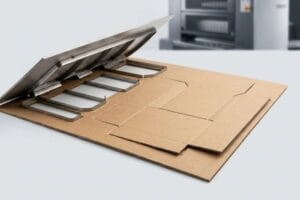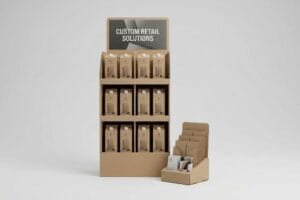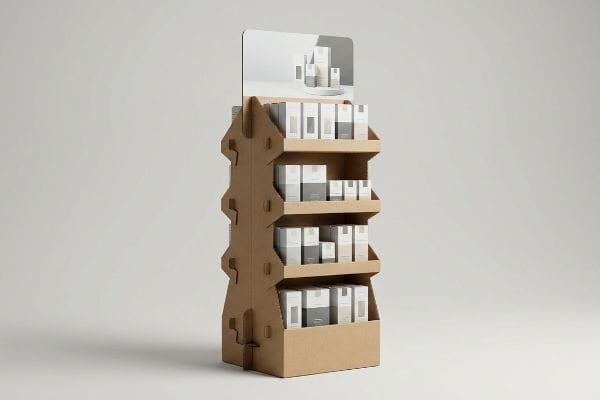
প্রতিটি ব্র্যান্ডই চায় তাদের পণ্যটি ভিড়ে ঠাসা তাকের মাঝেও আলাদাভাবে চোখে পড়ুক। কিন্তু এমন একটি ডিসপ্লে তৈরি করা যা ক্রেতাদের সত্যিই আকৃষ্ট করে, তার জন্য শুধু সুন্দর গ্রাফিক্স আর লোগোই যথেষ্ট নয়।.
পিওপি (পয়েন্ট-অফ-পারচেজ) ডিসপ্লে ডিজাইন হলো খুচরা বিক্রেতাদের এমন এক কাঠামোগত ও গ্রাফিক প্রকৌশল, যা ক্রেতাদের তাৎক্ষণিক বিক্রয় বাড়াতে সাহায্য করে। এটি ব্র্যান্ডের নান্দনিকতার সাথে কাঠামোগত অখণ্ডতা, খুচরা বিক্রেতার লজিস্টিকস এবং ভোক্তা মনোবিজ্ঞানের মধ্যে কঠোর ভারসাম্য রক্ষা করে, যা নিশ্চিত করে যে ভৌত ইউনিটটি পণ্য পরিবহণের ধকল সহ্য করতে পারবে এবং একই সাথে অধিক জনসমাগমপূর্ণ বড় আকারের দোকানে ক্রেতাদের মনোযোগ আকর্ষণ করতে সক্ষম হবে।.
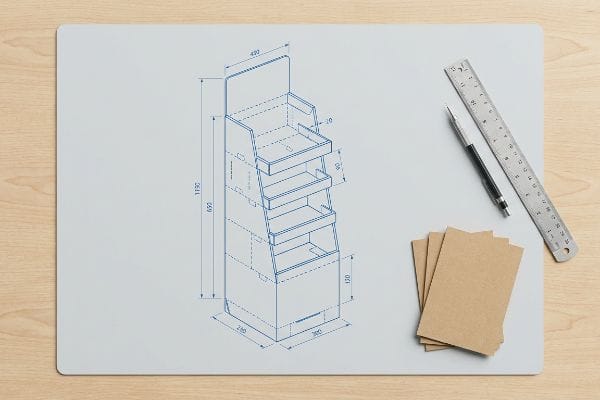
উন্নত কাঠামোগত প্রকৌশলে প্রবেশ করার আগে, আমাদের সেই মৌলিক কৌশলগুলো বুঝতে হবে যা একটি সফল খুচরা বিপণন উদ্যোগকে ভেঙে পড়া এক স্তূপ কার্ডবোর্ড থেকে আলাদা করে।.
পিওপি ডিসপ্লে ডিজাইন বলতে কী বোঝায়?
একটি ডিসপ্লে ডিজাইন করা মানে শুধু একটি বাক্স আঁকা নয়; বরং এটি একটি বিশৃঙ্খল খুচরা পরিবেশে ভৌত স্থানকে নিয়ন্ত্রণ করার বিষয়।.
পিওপি ডিসপ্লে ডিজাইনকে সংজ্ঞায়িত করতে হলে একজন নীরব বিক্রেতা হিসেবে এর ভূমিকা বোঝা প্রয়োজন। এটি একটি কৌশলগত প্রক্রিয়া, যেখানে ত্রিমাত্রিক (3D) কাঠামোগত জ্যামিতিকে উচ্চ-কন্ট্রাস্ট গ্রাফিক্সের সাথে একত্রিত করে ক্রেতার চলার পথে শারীরিকভাবে বাধা সৃষ্টি করা, মূল অফারটি তুলে ধরা এবং ব্যস্ত রিটেইল ফ্লোরে ভারী পণ্য নিরাপদে ধরে রাখা হয়।.
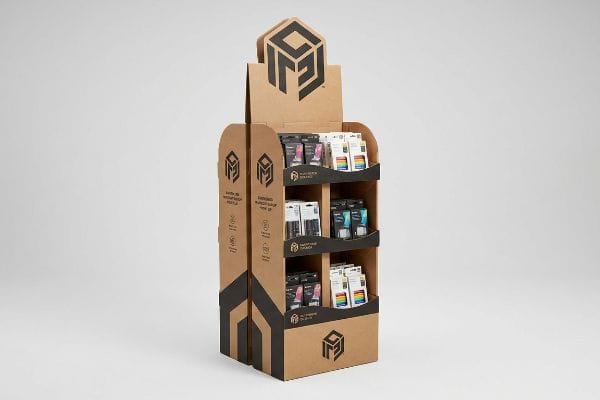
কাউকে আপনার পণ্য দেখাতে রাজি করানো আর তাকে হাত বাড়িয়ে তা কিনে নিতে রাজি করানো সম্পূর্ণ ভিন্ন দুটি বিষয়।.
৩-৩-৩ স্থানিক সম্পৃক্ততা ধারাবাহিকতা
অনেক গ্রাফিক ডিজাইনার শুধুমাত্র তাদের ব্যাকলিট কম্পিউটার মনিটরে কাছ থেকে দেখার জন্য রিটেইল ডিসপ্লে তৈরি করেন। তারা ধরে নেন যে, যদি একটি লোগো দুই ফুট দূর থেকে পড়ার জন্য স্পষ্ট দেখায়, তবে এটি স্বাভাবিকভাবেই একটি বিশাল ওয়্যারহাউস ক্লাবেও ভালো কাজ করবে। এটি ক্রেতারা আসলে কীভাবে দীর্ঘ রিটেইল আইলগুলোতে চলাচল করে, সেই বাস্তবতাকে পুরোপুরি উপেক্ষা করে ।
আমার প্রতিষ্ঠানে আমি প্রতিনিয়ত এমন সব ফ্ল্যাট লেআউট দেখি যা স্ক্রিনে দেখতে চমৎকার লাগে, কিন্তু ভিজ্যুয়াল এনগেজমেন্টের "৩-৩-৩ নিয়ম"মানতে। সম্প্রতি একজন নতুন ক্লায়েন্ট আমাকে একটি ফাইল পাঠিয়েছিলেন যা ছোট ছোট, অনুচ্ছেদ-দৈর্ঘ্যের লেখায় ভরা ছিল। আমাকে ব্যাখ্যা করতে হয়েছিল যে, যদি কাঠামোটিতে ৩০ ফুট (৯.১ মিটার) দূর থেকে ক্রেতার দৃষ্টি আকর্ষণ করার জন্য কোনো বিশাল ডাই-কাট আকৃতি ব্যবহার না করা হয়, তাহলে তারা আপনার ৩-ফুট (০.৯ মিটার) বার্তাটি পড়ার জন্য কখনোই হেঁটে আসবে না। উপরন্তু, যদি আপনি চূড়ান্ত ৩-ইঞ্চি (৭৬.২ মিমি) স্পর্শকাতর রূপান্তরেরশক্তকাঁচা পেপারবোর্ডে ঘষা খাবে, যা ঘর্ষণ সৃষ্টি করে এবং তাৎক্ষণিক কেনার ইচ্ছাকে নষ্ট করে দেয়। আপনাকে অবশ্যই তিনটি দূরত্বের জন্যই শারীরিকভাবে নকশা করতে হবে।
| নতুনদের সাধারণ ভুল | প্রো ফিক্স | খুচরা-ফ্লোর সুবিধা |
|---|---|---|
| অনুচ্ছেদের পাঠ্য মুদ্রণ করা | উচ্চ-কন্ট্রাস্ট স্পট কালার ফ্লাড ব্যবহার করে | ৩০ ফুট (৯.১ মিটার) দূর থেকেও দৃষ্টি আকর্ষণ করে।4 |
| উঁচু ঠোঁট | তরঙ্গাকৃতির ঝাপটার প্রকৌশল | পণ্যের ৮৫% দৃশ্যমানতা নিশ্চিত করে5 |
| প্রতিসম বর্গাকার হেডার | বড় আকারের 3D ডাই-কাট উপাদান যোগ করা | পথের একঘেয়েমি দূর করে |
আমি কোনো ক্লায়েন্টকে অতিরিক্ত লেখা-বহুল হেডারের জন্য প্রিন্ট বাজেট অপচয় করতে দিই না। যদি কাঠামোগত রূপটি শপিং কার্টকে তার পথেই থামিয়ে না দেয়, তবে আপনার বিস্তারিত মার্কেটিং কপি পুরোপুরি অদৃশ্য হয়ে যায়।.
🛠️ হার্ভির ডেস্ক: করিডোরের গুরুত্বপূর্ণ ৩০-ফুট দূরত্ব থেকে আপনার আর্টওয়ার্কটি স্পষ্টভাবে পড়া যাবে কিনা, তা নিয়ে নিশ্চিত নন? 👉 একটি বিনামূল্যে ফাইল পর্যালোচনার জন্য অনুরোধ করুন ↗ — সরাসরি আমার ডেস্কে প্রবেশের সুযোগ। আমি কথা দিচ্ছি, কোনো স্বয়ংক্রিয় বিক্রয় স্প্যাম পাঠানো হবে না।
ভিজ্যুয়াল মার্চেন্ডাইজিংয়ের সবচেয়ে গুরুত্বপূর্ণ ৫টি উপাদান কী কী?
একটি ওয়্যারহাউস ক্লাবের ভেতর দিয়ে হেঁটে যাওয়ার সময়, আপনি হাজার হাজার এসকেইউ (স্টক কিপিং ইউনিট)-এর দ্বারা পরিবেষ্টিত হন, যেগুলো আপনারই দেওয়া একই ডলারের জন্য একে অপরের সাথে প্রতিযোগিতা করে।.
ভিজ্যুয়াল মার্চেন্ডাইজিং-এর উপাদানগুলিতে পণ্যের শ্রেণিবিভাগ, রঙের বিন্যাস, কাঠামোগত অপ্রতিসাম্য, স্থানিক টানাপোড়েন এবং সহজগম্য কর্মদক্ষতাকে বিশেষভাবে গুরুত্ব দেওয়া হয়। এই উপাদানগুলি একত্রে গতিশীলভাবে কাজ করে মানসিক অতিরিক্ত চাপ প্রতিরোধ করে, ভোক্তার দৃষ্টিকে উচ্চ-লাভজনক পণ্যের দিকে পরিচালিত করে এবং ব্যস্ত বড় খুচরা দোকানের কর্মচারীদের জন্য পণ্য পুনরায় সাজানোর কাজটি নির্বিঘ্ন রাখে।.
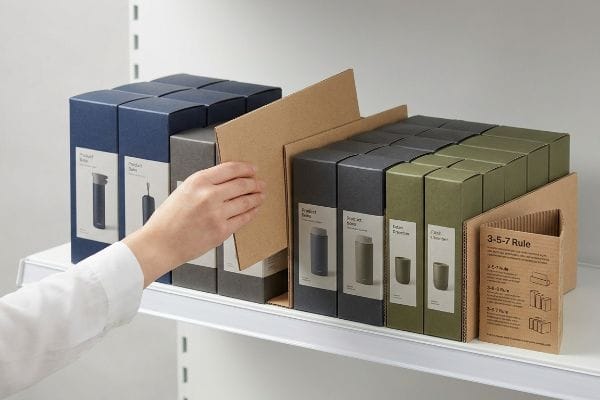
নান্দনিকতা ক্রেতাকে আকর্ষণ করলেও, পণ্যের কাঠামোগত বিন্যাসই নির্ধারণ করে যে সেটি আদৌ তাক থেকে বিক্রি হবে কি না।.
শেলফ বিন্যাসের জন্য ৩-৫-৭ অপ্রতিসাম্য নিয়ম
ব্র্যান্ডগুলো প্রায়শই একটিমাত্র ডিসপ্লে শেলফে পণ্যের একটি ঘন, নিখুঁতভাবে প্রতিসম গ্রিড ফ্ল্যাট-প্যাক করার চেষ্টা করে। তারা স্বাভাবিকভাবেই ধরে নেয় যে পণ্যের ঘনত্ব সর্বাধিক করলে তাদের কাঠামোগত বিনিয়োগ থেকে উচ্চতর লাভ পাওয়া যাবে। তবে, নিখুঁতভাবে সমান পণ্যের ব্লকগুলো দৃশ্যগত উত্তেজনা তৈরি করতে ব্যর্থ হয়,যার ফলে তাড়াহুড়ো করা ক্রেতারা বাক্সের এই অভিন্ন দেয়ালটিকে পুরোপুরি উপেক্ষা করে চলে যায়।
এই প্রতিসম অতিরিক্ত ভিড় দোকানে কর্মরত ব্যক্তিদের জন্যও এক বিরাট মাথাব্যথার কারণ হয়ে দাঁড়ায়। আমি দেখলাম, একজন হতাশ ক্লার্ক একটি পুরোপুরি ভর্তি ট্রে-, এবং কাঠামোগত ফাঁকা জায়গার অভাবে তিনি সঙ্গে সঙ্গে ট্রে-র কাঁচা ঢেউখেলানো কার্ডবোর্ডের ধারটি ছিঁড়ে ফেললেন। আমি সাথে সাথেই এই ক্লায়েন্টের জন্য "৩-৫-৭ নিয়ম" বাধ্যতামূলক করে দিলাম। বিশেষ মডিউলার ডিভাইডার তৈরি করে, যা পণ্যকে বিজোড় সংখ্যার অপ্রতিসম গুচ্ছে7, আপনি মানুষের দৃষ্টিকে আকৃষ্ট করতে বাধ্য করেন। আরও গুরুত্বপূর্ণ বিষয় হলো, এই ফাঁকা জায়গা একটি সুনির্দিষ্ট ০.২৫-ইঞ্চি (৬.৩৫ মিমি) শারীরিক ব্যবধান8, যা ক্লার্কের সময় বাঁচায় এবং দোকানে তাড়াহুড়ো করে পণ্য পুনরায় সাজানোর সময় কার্ডবোর্ড ছিঁড়ে যাওয়া পুরোপুরি বন্ধ করে দেয়।
| নতুনদের সাধারণ ভুল | প্রো ফিক্স | খুচরা-ফ্লোর সুবিধা |
|---|---|---|
| প্রতিসম গ্রিড প্যাকিং | ৩-৫-৭ বিজোড় সংখ্যার SKU ক্লাস্টার9 | আকর্ষণীয় দৃশ্যগত উত্তেজনা তৈরি করে |
| শেলফ ক্লিয়ারেন্স শূন্য | ইঞ্জিনিয়ারিং ০.২৫-ইঞ্চি (৬.৩৫ মিমি) ফাঁক10 | কাঁচা পেপারবোর্ড ছিঁড়ে যাওয়া প্রতিরোধ করে |
| আঠা দিয়ে স্থায়ী বিভাজক | ভাসমান মডুলার ডিভাইডার সিস্টেম | দৈনিক পণ্য পুনরায় মজুত করার প্রক্রিয়াকে দ্রুততর করে। |
আমি ব্র্যান্ডগুলোকে সবসময় মনে করিয়ে দিই যে, আপনার পণ্য সাজানোর বিন্যাস যদি রক্ষণাবেক্ষণের দায়িত্বে থাকা কর্মচারীকে হতাশ করে, তবে আপনার ডিসপ্লেটি বিক্রি হওয়ার আগেই কম্প্যাক্টরে চলে যাবে।.
🛠️ হার্ভির ডেস্ক: আপনার পণ্যগুলো কি এত ঘন করে প্যাক করা থাকে যে, দোকানের কর্মচারীরা সেগুলো পুনরায় সাজানোর জন্য আপনার ডিসপ্লে ছিঁড়ে ফেলবে? 👉 ডিভাইডার CAD টেমপ্লেটটি ডাউনলোড করুন ↗ — নিরাপদে ডাউনলোড করুন। পরবর্তীতে কোনো প্রশ্ন থাকলে আমার ইনবক্স খোলা আছে।
POP ডিসপ্লে ব্যবহারের ক্ষেত্রে সাধারণ ভুলগুলো কী কী?
একটি সুন্দর রেন্ডারিং ডিজাইন করা সহজ, কিন্তু সেই রেন্ডারকে একটি বাস্তব কাঠামোতে রূপ দিতে গেলে প্রতিটি লুকানো ত্রুটি প্রকাশ হয়ে পড়ে।.
পিওপি ডিসপ্লের সাধারণ ভুলগুলোর মধ্যে রয়েছে কাউন্টারটপে ব্যবহারের জন্য ফ্লোর মার্চেন্ডাইজারকে গাণিতিকভাবে ছোট করা, প্যালেট ওভারহ্যাংয়ের সীমা উপেক্ষা করা, ওজন বহনের জন্য ভুল ফ্লুট পুরুত্ব ব্যবহার করা এবং অতিরিক্ত জটিল অ্যাসেম্বলি ট্যাব ডিজাইন করা। এই কাঠামোগত ত্রুটিগুলোর কারণে অনিবার্যভাবে পণ্যের উপাদানে ফাটল ধরে, পরিবহনের সময় ক্ষতি হয় এবং বড় আকারের মৌসুমী পণ্য উন্মোচনের সময় খুচরা বিক্রেতারা তা প্রত্যাখ্যান করে।.
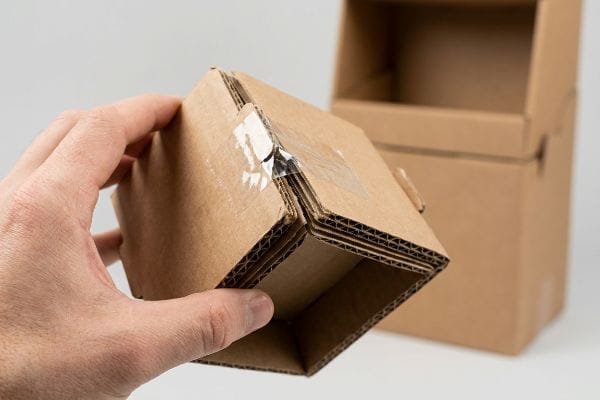
আপনার করা সবচেয়ে ব্যয়বহুল ভুলটি হলো এটা ধরে নেওয়া যে, ডিজিটাল ডিজাইন সফটওয়্যার স্বয়ংক্রিয়ভাবে পেপারবোর্ডের ভৌত সীমাবদ্ধতাগুলো বোঝে।.
সঙ্কুচিত-ফিট মাইক্রো-ট্যাবের ব্যর্থতা
অনেক মার্কেটিং টিম মনে করে যে, তারা একটি হেভি-ডিউটি করোগেটেড ফ্লোর ডিসপ্লের CAD (কম্পিউটার-এইডেড ডিজাইন) ডাইলাইনকে কেবল ৫০% ছোট করে একটি মানানসই কাউন্টারটপ ইউনিট তৈরি করতে পারবে। তারা ফাইলটিকে একটি সার্বজনীন ভেক্টর গ্রাফিকের মতো ব্যবহার করে, যাকে অনির্দিষ্টকালের জন্য প্রসারিত বা সংকুচিত করা যায়। এটি পুরু বি-ফ্লুট বোর্ড১১- এবং ভাঁজ করার জন্য প্রয়োজনীয় ভৌত সহনশীলতাকে উপেক্ষা করে।
ব্র্যান্ডগুলো যখন তাদের টুলিং বাজেট বাড়ানোর চেষ্টা করে, তখন আমি এই ফাঁদটি ক্রমাগত দেখতে পাই। একজন ক্লায়েন্ট আমাকে চেকআউট ডিসপ্লে হিসেবে ব্যবহারের জন্য একটি ছোট আকারের ফ্লোর ইউনিট পাঠিয়েছিলেন , কিন্তু তারা এর পুরু ঢেউখেলানো ভিত্তিটি হুবহু একই রেখেছিলেন। যখন আপনি একটি ৩ মিমি পুরু বোর্ডে ইন্টারলকিং ট্যাবগুলোকে অতি ক্ষুদ্র আকারে ছোট করে ফেলেন, তখন এর ভেতরের ঘন খাঁজগুলো সহজে বাঁকানো যায় না । আমি আক্ষরিক অর্থেই উপরের কাগজের শিটটি ছিঁড়ে যাওয়ার বিকট শব্দ শুনেছিলাম যখন আমার সহ-প্যাকার ছোট ট্যাবটি ভাঁজ করার চেষ্টা করছিলেন, যার ফলে তাকে নড়বড়ে কাঠামোটিকে একসাথে ধরে রাখার জন্য নোংরা স্বচ্ছ প্যাকিং টেপ ব্যবহার করতে হয়েছিল। চেকআউট জোনের জন্য এটিকে মানিয়ে নেওয়ার সময়, আপনাকে অবশ্যই একটি পাতলা ই-ফ্লুট উপাদানে কাঠামোগত পরিবর্তন আনতে হবে এবং ফ্রিকশন লকগুলোকে সম্পূর্ণরূপে নতুন করে ডিজাইন করতে হবে।
| নতুনদের সাধারণ ভুল | প্রো ফিক্স | খুচরা-ফ্লোর সুবিধা |
|---|---|---|
| বি-ফ্লুট ট্যাব ছোট করা | পাতলা ই-ফ্লুটে নেমে আসা14 | মসৃণ ও পরিচ্ছন্ন ভাঁজ নিশ্চিত করে |
| একই রকম ঘর্ষণ লক ব্যবহার করে | স্লট ক্লিয়ারেন্সের পুনঃপ্রকৌশল15 | বিশ্রী টেপের প্রয়োজনীয়তা দূর করে |
| সার্বজনীন ডাইলাইন টেমপ্লেট | ডেডিকেটেড POS বনাম POP ইঞ্জিনিয়ারিং16 | চেকআউট কাউন্টারের নড়বড়ে ভাব প্রতিরোধ করে |
আমি ফ্লোর মার্চেন্ডাইজারকে সরাসরি গাণিতিক মাপে কাউন্টারটপ ফরম্যাটে রূপান্তর করা কঠোরভাবে নিষিদ্ধ করি। যদি অ্যাসেম্বলির সময় লকিং ট্যাবগুলো ফেটে যায়, তাহলে গ্রাহকের দেখার আগেই আপনি ব্র্যান্ডের প্রিমিয়াম ভাবমূর্তি নষ্ট করে ফেলেন।.
🛠️ হার্ভির ডেস্ক: আপনার বর্তমান POS ডিসপ্লেটি যাতে ভেঙে না যায়, শুধু সেজন্য কি আপনার কো-প্যাকারকে স্বচ্ছ টেপ ব্যবহার করতে হয়? 👉 একটি স্ট্রাকচারাল ডাইলাইন অডিট করান ↗ — এমন কোনো ফর্ম নেই যা অবিরাম সেলস কলের কারণ হয়। শুধু খাঁটি মূল্য।
ভিজ্যুয়াল মার্চেন্ডাইজিংয়ের ৪টি 'পি' কী কী?
আপনি বিশ্বের সবচেয়ে টেকসই বাক্সটি তৈরি করতে পারেন, কিন্তু যদি এটি দোকানের ব্যবসায়িক মডেলের সাথে সামঞ্জস্যপূর্ণ না হয়, তবে এটি ব্যর্থ হবে।.
৪টি 'পি' হলো পণ্য (Product), মূল্য (Price), স্থান (Place) এবং প্রচার (Promotion)। ভিজ্যুয়াল মার্চেন্ডাইজিং-এর এই চারটি গুরুত্বপূর্ণ স্তম্ভকে সমন্বিত করার মাধ্যমে এটি নিশ্চিত করা হয় যে, ভৌত প্রদর্শনীটি সঠিক পণ্য প্রদর্শন করবে, প্রচারমূলক মূল্যকে স্পষ্টভাবে তুলে ধরবে, গুদামের লজিস্টিক বাস্তবতাকে সামাল দেবে এবং নির্দিষ্ট বড় খুচরা বিক্রেতার কঠোর পরিচালন ও আর্থিক কাঠামোর সাথে সম্পূর্ণরূপে একীভূত হবে।.
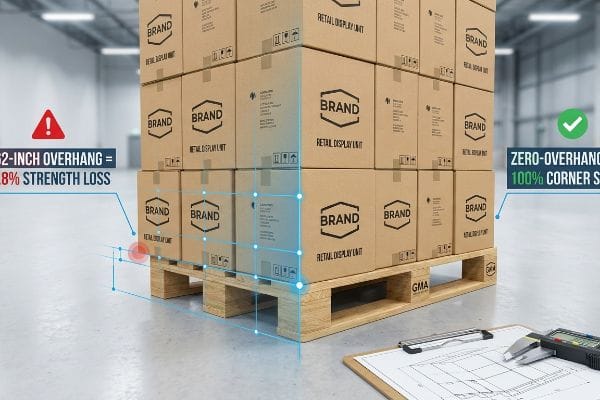
কিন্তু যখন মেশিনগুলো চলতে শুরু করে এবং কঠোর সরবরাহ বিধি কার্যকর হয়, তখন ৪ পি-এর তত্ত্ব জানাটাই যথেষ্ট নয়।.
খুচরা কাঠামোর সামঞ্জস্য এবং ত্রুটিপূর্ণ ডেটা
নতুন ব্র্যান্ডগুলো প্রায়শই বাণিজ্যিক খুচরা ব্যবসার মৌলিক কাঠামো আয়ত্ত না করেই পণ্য বাজারে আনার চেষ্টা করে 17। তারা একটি বিশাল, সুন্দর প্রচারমূলক ডিসপ্লে ডিজাইন করে এবং ধরে নেয় যে "প্রচার" এবং "পণ্য" স্তম্ভই সফল হওয়ার জন্য যথেষ্ট, "স্থান" স্তম্ভটিকে সম্পূর্ণ উপেক্ষা করে। তারা নির্দিষ্ট গুদাম গ্রহণ লজিস্টিকস নিরীক্ষা না করেই 18 অন্ধভাবে সাধারণ, বড় আকারের মাস্টার কার্টনগুলো প্রধান বিগ-বক্স খুচরা বিক্রেতাদের কাছে পাঠিয়ে দেয় ।
এটা শুধু তত্ত্ব নয়—আমি আমার টেস্টিং ফ্লোরে এই পদ্ধতিগত ফাঁদটি ঘটতে দেখি, যখন কোনো ব্র্যান্ড একটি কঠোর ক্লাব স্টোর পরিবেশে একটি সাধারণ প্যালেট কৌশল জোর করে চাপিয়ে দেওয়ার চেষ্টা করে। আমার প্রতিষ্ঠানে, আমি নিয়মিত দেখি ক্লায়েন্টরা এমন ডিসপ্লে ডাইমেনশন জমা দেয় যা স্ট্যান্ডার্ড ৪৮×৪০ ইঞ্চি (১২১৯×১০১৬ মিমি) জিএমএ (গ্রোসারি ম্যানুফ্যাকচারার্স অ্যাসোসিয়েশন) প্যালেটের চেয়ে মাত্র ০.৬২ ইঞ্চি (১৫.৭ মিমি) বাইরে বেরিয়ে থাকে। যখন আমি আমাদের TAPPI T811 এজ ক্রাশ টেস্ট সিমুলেটর ব্যবহার করে ডাইনামিক লোড ক্যাপাসিটি পরিমাপ করি , তখন এই সামান্য বাড়তি অংশটি উল্লম্ব ওজনটিকে কাঠামোগত কোণাগুলো থেকে পুরোপুরি সরিয়ে দেয়। এর ফলে প্রাপ্ত ডেটা ভয়াবহ হয়: নিচের স্তরের কাইনেটিক কম্প্রেশন স্ট্রেংথ ৪২.৮% কমে যায়, যার ফলে এটি মারাত্মকভাবে বাইরের দিকে বেঁকে যায়। আমি কঠোরভাবে এটি সংশোধন করি, CAD বাউন্ডিং বক্সটিকে গাণিতিকভাবে ০.৭৫ ইঞ্চি (১৯ মিমি) ভেতরের দিকে সংকুচিত করে, যাতে এটি আসল প্যালেট ডেকের সাথে নিখুঁতভাবে মিলে যায় । এই কঠোর শূন্য-ওভারহ্যাং সহনশীলতা প্রয়োগের মাধ্যমে, আমি নিশ্চিত করি যে কাঠামোগত কোণাগুলো সম্পূর্ণরূপে সমর্থিত থাকে, যা পরিবহনের সময় পিষ্ট হওয়া পুরোপুরি দূর করে এবং খুচরা বিক্রেতাদের কাছ থেকে তাৎক্ষণিক বিপুল পরিমাণ চার্জব্যাক প্রতিরোধ করে, যা অন্যথায় ক্যাম্পেইনের লাভের মার্জিন নষ্ট করে দিত।
| নতুনদের সাধারণ ভুল | প্রো ফিক্স | খুচরা-ফ্লোর সুবিধা |
|---|---|---|
| ০.৬২-ইঞ্চি (১৫.৭ মিমি) ওভারহ্যাং21 | কঠোর শূন্য-ওভারহ্যাং CAD সীমা | কোণার শক্তি ১০০% বজায় রাখে22 |
| নির্দিষ্ট স্টোরের নিয়ম উপেক্ষা করা | খুচরা কাঠামো ম্যাট্রিক্স ম্যাপিং | রিসিভিং ডক প্রত্যাখ্যান প্রতিরোধ করে |
| সম্পূর্ণরূপে ফ্ল্যাট ইসিটি২৩ এর | গতিশীল প্যালেট লোড অনুকরণ করা | ট্রানজিট বেস নিষ্পেষণ দূর করে |
আমি কোনো ক্লায়েন্টকে খুচরা ব্যবসার কঠোর নিয়মকানুন উপেক্ষা করতে দিই না। আপনার কাছে সেরা পণ্য এবং সেরা দাম থাকতে পারে, কিন্তু গুদামের চাপে যদি পণ্য স্থাপনের কৌশলটি ভেঙে পড়ে, তবে আপনি শেলফ হারাবেন।.
🛠️ হার্ভির ডেস্ক: আপনি কি জানেন, আপনার বর্তমান ডিসপ্লেটি প্যালেটের বাইরে মাত্র আধা ইঞ্চি ঝুলে থাকলে এর সংকোচন শক্তি ঠিক কতটা কমে যায়? 👉 আপনার ডাইলাইন ফাইলটি আমাকে পাঠান ↗ — গণ-উৎপাদনে বাজেট অপচয় করার আগে আমি এর হিসাবটি স্ট্রেস-টেস্ট করে দেখব।
উপসংহার
আপনি আরও সস্তা বিক্রেতা বেছে নিতে পারেন, কিন্তু যখন সেই ছোট ট্যাবগুলো ভেঙে যায় এবং একটি আর্দ্র গুদামে ঝুলে থাকা প্যালেট ধসে পড়ে, তখন এর ফলে সৃষ্ট ভিত্তির বেঁকে যাওয়া খুচরা বিক্রেতার কাছে তাৎক্ষণিক প্রত্যাখ্যান এবং ব্যয়বহুল পুনঃকাজের কারণ হয়। আমার শীর্ষ ১০ জন খুচরা গ্রাহক প্রিন্ট প্রত্যাখ্যান শূন্যে নামিয়ে আনার নিশ্চয়তা দিতে ঠিক এই স্পেক শিটটিই ব্যবহার করেন। কাঠামোগত সীমাবদ্ধতা নিয়ে অনুমান করা বন্ধ করুন এবং গণ উৎপাদনের জন্য অর্থ প্রদানের আগেই মারাত্মক ত্রুটিগুলো ধরতে আমাকে ব্যক্তিগতভাবে আমার ফ্রি ডাইলাইন অডিট ↗- এর মাধ্যমে আপনার ফাইলগুলো পরীক্ষা করতে দিন।
"বিগ-বক্স রিটেইলে বিক্রয় বৃদ্ধিকারী ভিজ্যুয়াল এনগেজমেন্ট কৌশল", https://thelookcompany.com/blog/visual-engagement-tactics-that-drive-sales-for-big-box-retail/। রিটেইল আর্গোনমিক্স এবং ভোক্তার চলাচল সংক্রান্ত প্রামাণ্য গবেষণাগুলো ক্রেতারা কীভাবে বড় দোকানগুলোর মধ্যে চলাচল করে, সে বিষয়ে তথ্য প্রদান করে। প্রমাণের ভূমিকা: সমর্থন; উৎসের ধরণ: রিটেইল আচরণ গবেষণা। সমর্থন করে: এই দাবি যে, চলাচলের ধরণ ডিসপ্লের দৃশ্যমানতাকে প্রভাবিত করে। পরিধি সংক্রান্ত টীকা: বৃহৎ আকারের রিটেইল পরিবেশের জন্য নির্দিষ্ট। ↩
"পয়েন্ট অফ পারচেজ: খুচরা বিক্রেতারা কীভাবে ক্রেতাদের প্রভাবিত করতে পারে …", https://blog.intouch.com/posts/points-of-purchase-displays। পয়েন্ট-অফ-পারচেজ (POP) ডিজাইনের জন্য শিল্প মানদণ্ডগুলো দূরত্বের উপর ভিত্তি করে একটি স্থানিক সম্পৃক্ততার কাঠামো হিসেবে ৩-৩-৩ নিয়মকে সংজ্ঞায়িত করে। প্রমাণের ভূমিকা: প্রযুক্তিগত সংজ্ঞা; উৎসের ধরণ: খুচরা বিপণন নির্দেশিকা। সমর্থন করে: ক্রেতা আকর্ষণের জন্য স্তরভিত্তিক দূরত্ব কৌশল। পরিধি সংক্রান্ত টীকা: বিশেষভাবে ভৌত খুচরা পরিবেশের জন্য প্রযোজ্য। ↩
"কীভাবে পয়েন্ট-অফ-সেল (POS) ডিসপ্লে তাৎক্ষণিক ক্রয় বাড়াতে পারে", https://www.iprint360.com/resources/blog/how-point-of-sale-pos-displays-can-increase-impulse-purchases.html। রিটেইল আর্গোনমিক্স এবং সেন্সরি মার্কেটিং-এর উপর গবেষণা থেকে জানা যায় যে, স্পর্শের চূড়ান্ত বিন্দুতে শারীরিক ঘর্ষণ তাৎক্ষণিক ক্রয়ের হারকে নেতিবাচকভাবে প্রভাবিত করতে পারে। প্রমাণের ভূমিকা: গবেষণালব্ধ সহায়ক প্রমাণ; উৎসের ধরণ: ভোক্তা আচরণ সমীক্ষা। সমর্থন করে: স্পর্শযোগ্য সংযোগ বিন্দু তৈরির প্রয়োজনীয়তা। পরিধি টীকা: ক্রয়ের ক্ষেত্রে ঘর্ষণের মনস্তত্ত্বের উপর আলোকপাত করে। ↩
"আপনার পিওপি ডিসপ্লে ডিজাইন করার ক্ষেত্রে মূল বিবেচ্য বিষয়সমূহ", https://blingblingpackaging.com/about-us/key-considerations-in-designing-your-pop-display/। খুচরা দোকানের সাইনেজের জন্য শিল্প মানদণ্ডগুলো গ্রাহকের মনোযোগ আকর্ষণের জন্য উচ্চ-কন্ট্রাস্ট রঙের স্কিমের সর্বোচ্চ কার্যকর দূরত্ব যাচাই করে। প্রমাণের ভূমিকা: তথ্যগত যাচাইকরণ; উৎসের ধরণ: খুচরা দোকানের ডিজাইন নির্দেশিকা। সমর্থন করে: দূরত্ব-ভিত্তিক দৃশ্যমানতা। পরিধি সংক্রান্ত টীকা: পারিপার্শ্বিক আলোর উপর নির্ভরশীল। ↩
"ক্রয়-বিন্দুর অন্তর্দৃষ্টি: রিটেইল পপ-এর প্রভাব...", https://www.bcipkg.com/point-of-purchase-insights-the-impact-of-retail-pop-displays-on-consumer-behavior/। রিটেইল মার্চেন্ডাইজিং গবেষণা নিশ্চিত করে যে, হাই লিপস-এর তুলনায় ওয়েভ-কাটের মতো নির্দিষ্ট কাঠামোগত কাট পণ্যের দৃশ্যমান পৃষ্ঠের ক্ষেত্রফল বৃদ্ধি করে। প্রমাণের ভূমিকা: প্রযুক্তিগত বিবরণ; উৎসের ধরণ: মার্চেন্ডাইজিং গবেষণা। সমর্থন করে: পণ্যের দৃশ্যমানতার মেট্রিক্স। পরিধি সংক্রান্ত টীকা: স্ট্যান্ডার্ড শেলফের গভীরতার উপর ভিত্তি করে। ↩
"ভিজ্যুয়াল মার্চেন্ডাইজিংয়ের সদ্ব্যবহার: সংযোগ স্থাপন ও মনোযোগ আকর্ষণের ৩টি কৌশল...", https://spc-retail.com/3-tips-to-connect-and-capture-shoppers-attention/। ভিজ্যুয়াল সাইকোলজি বা রিটেইল ডিজাইনের একটি নির্ভরযোগ্য উৎস ব্যাখ্যা করবে কীভাবে প্রতিসাম্য ভোক্তাদের অভ্যস্ততা বা 'ব্যানার ব্লাইন্ডনেস'-এর দিকে নিয়ে যেতে পারে, যেখানে অপ্রতিসাম্য একটি কেন্দ্রবিন্দু তৈরি করে। প্রমাণের ভূমিকা: তাত্ত্বিক বৈধতা; উৎসের ধরণ: রিটেইল ডিজাইন ম্যানুয়াল বা আচরণগত মনোবিজ্ঞানের গবেষণা। সমর্থন করে: এই দাবি যে অভিন্ন ডিসপ্লে মনোযোগ আকর্ষণে কম কার্যকর। পরিধি নোট: উচ্চ-ঘনত্বের রিটেইল পরিবেশের জন্য নির্দিষ্ট। ↩
"ভিজ্যুয়াল মার্চেন্ডাইজিং সার্ভিসেস অ্যান্ড স্ট্র্যাটেজি | টি-রক গ্লোবাল", https://trocglobal.com/visual-merchandising/। ভিজ্যুয়াল ডিজাইনে 'বিজোড় সংখ্যার নিয়ম'-এর ব্যাখ্যা এবং কীভাবে বিজোড় সংখ্যার বিন্যাস জ্ঞানীয় স্ক্যানিং প্রতিরোধ করে ও দৃষ্টি আকর্ষণ বৃদ্ধি করে। প্রমাণের ভূমিকা: তাত্ত্বিক কাঠামো; উৎসের ধরণ: ডিজাইন ম্যানুয়াল। সমর্থন করে: বিজোড় সংখ্যার বিন্যাসের কার্যকারিতা। পরিধি টীকা: দৃষ্টিগত উপলব্ধির উপর আলোকপাত করে। ↩
"খুচরা প্রদর্শনীর জন্য প্যাকেজিং এবং লজিস্টিকস পরিকল্পনা – ফ্রাঙ্ক মেয়ার", https://www.frankmayer.com/blog/packaging-and-logistics-planning-for-retail-displays/। পুনঃসংগ্রহের সময় কাঠামোগত ব্যর্থতা এবং উপাদান ছিঁড়ে যাওয়া রোধ করার জন্য ঢেউখেলানো কার্ডবোর্ডের প্রদর্শনীর সহনশীলতার প্রযুক্তিগত বিবরণ। প্রমাণের ভূমিকা: প্রযুক্তিগত মান; উৎসের ধরণ: প্যাকেজিং ইঞ্জিনিয়ারিং নির্দেশিকা। সমর্থন করে: উপাদানের অখণ্ডতার জন্য নির্দিষ্ট পরিমাপ। পরিধির টীকা: ঢেউখেলানো উপাদানের জন্য নির্দিষ্ট। ↩
"সাজসজ্জায় ৩-৫-৭ নিয়মটি কী? – মন্টকার্টা", https://montcarta.com/blogs/art-guide-inspiration/3-5-7-rule-interior-decorating-guide?srsltid=AfmBOoqvpfhCMVRTjtugzfvHACiAXK60p-VA9jUQFvByEt0-EaJXufeK। খুচরা ব্যবসায় বিজোড়-সংখ্যার বিন্যাসের মনস্তাত্ত্বিক প্রভাবকে একটি প্রামাণ্য বাহ্যিক উৎস কীভাবে সমর্থন করে, তার সংক্ষিপ্ত ব্যাখ্যা। প্রমাণের ভূমিকা: নান্দনিক নীতির বৈধতা; উৎসের ধরন: ভিজ্যুয়াল মার্চেন্ডাইজিং নির্দেশিকা। সমর্থন করে: ৩-৫-৭ SKU ক্লাস্টারিংয়ের কার্যকারিতা। পরিধি টীকা: সাধারণ খুচরা প্রয়োগ। ↩
"ভারবহন ক্ষমতার উপর ছিদ্রের প্রভাব অনুসন্ধান...", https://pmc.ncbi.nlm.nih.gov/articles/PMC11396172/। প্যাকেজিং-এর ঘর্ষণ ও ছিঁড়ে যাওয়া রোধ করার জন্য নির্দিষ্ট ক্লিয়ারেন্সের প্রয়োজনীয়তাকে একটি প্রামাণিক বাহ্যিক উৎস কীভাবে সমর্থন করে, তার সংক্ষিপ্ত ব্যাখ্যা। প্রমাণের ভূমিকা: প্রযুক্তিগত স্পেসিফিকেশন; উৎসের ধরণ: লজিস্টিকস ইঞ্জিনিয়ারিং ম্যানুয়াল। সমর্থন করে: ০.২৫-ইঞ্চি ফাঁকের প্রয়োজনীয়তা। পরিধি সংক্রান্ত টীকা: বিশেষভাবে পেপারবোর্ড প্যাকেজিং-এর জন্য। ↩
"[পিডিএফ] করোগেটেড বোর্ড স্পেসিফিকেশন – ফাইবার বক্স অ্যাসোসিয়েশন", https://www.fibrebox.org/assets/2025/09/Walmart_Corrugated-Board_Specifications_Automation_Packaging_Standards.pdf। প্রযুক্তিগত প্যাকেজিং ইঞ্জিনিয়ারিং স্ট্যান্ডার্ড যা ব্যাখ্যা করে যে ডাইলাইন স্কেলিং নির্বিশেষে উপাদানের পুরুত্ব (ক্যালিপার) স্থির থাকে, যা ফোল্ড অ্যালাউন্সকে ব্যাহত করে। প্রমাণের ভূমিকা: প্রযুক্তিগত বৈধতা; উৎসের ধরণ: ইঞ্জিনিয়ারিং ম্যানুয়াল। সমর্থন করে: এই দাবি যে CAD ডাইলাইন স্কেলিং B-ফ্লুট কার্ডবোর্ডের ভৌত বৈশিষ্ট্যকে উপেক্ষা করে। পরিধি নোট: করোগেটেড ফাইবারবোর্ড উৎপাদনের ক্ষেত্রে প্রযোজ্য। ↩
"একটি পাঁচ-স্তরবিশিষ্ট কাঠামোর নমনীয় দৃঢ়তার বিশ্লেষণাত্মক নির্ধারণ...", https://pmc.ncbi.nlm.nih.gov/articles/PMC8777652/। ঢেউখেলানো বোর্ডের পুরুত্ব এবং লাইনারে ফাটল রোধ করার জন্য প্রয়োজনীয় ন্যূনতম ব্যাসার্ধের মধ্যে সম্পর্ক বিষয়ক প্রযুক্তিগত তথ্য। প্রমাণের ভূমিকা: প্রযুক্তিগত বিবরণ; উৎসের ধরণ: বস্তু বিজ্ঞান হ্যান্ডবুক। সমর্থন করে: এই দাবি যে পুরু স্তরে থাকা ছোট ট্যাবগুলো কাঠামোগতভাবে ব্যর্থ হয়। পরিধি টীকা: ঢেউখেলানো ফ্লুটিং-এর জন্য নির্দিষ্ট। ↩
"আপনার পণ্যের জন্য কাউন্টার-টপ শিপার ডিসপ্লে কাস্টমাইজ করুন", https://www.cactuscontainers.com/custom-point-of-purchase-displays/custom-counter-top-shipper-display-boxes/। শিল্প মানদণ্ড যা ব্যাখ্যা করে কেন এর উচ্চ চাপ প্রতিরোধ ক্ষমতা এবং নির্ভুল ভাঁজ করার বৈশিষ্ট্যের কারণে ছোট আকারের ডিসপ্লের জন্য ই-ফ্লুট পছন্দ করা হয়। প্রমাণের ভূমিকা: শিল্পের সেরা অনুশীলন; উৎসের ধরণ: প্যাকেজিং উৎপাদন নির্দেশিকা। সমর্থন করে: চেকআউট জোন ডিসপ্লের জন্য ই-ফ্লুট ব্যবহারের সুপারিশ। পরিধি নোট: পিওপি (POP) খুচরা মানদণ্ডের উপর দৃষ্টি নিবদ্ধ। ↩
"[পিডিএফ] ঢেউখেলানো কাগজের বোর্ডের স্পেসিফিকেশন – ন্যাশনাল আর্কাইভস", https://www.archives.gov/files/preservation/storage/pdf/corrugated-board.pdf। ঢেউখেলানো ফ্লুটের প্রোফাইলের প্রযুক্তিগত তুলনা, যা প্রদর্শন করে যে ই-ফ্লুটের পাতলা ক্যালিপার বি-ফ্লুটের তুলনায় ছোট ট্যাবে আরও আঁটসাঁট ব্যাসার্ধ এবং পরিষ্কার ভাঁজ তৈরি করতে সাহায্য করে। প্রমাণের ভূমিকা: প্রযুক্তিগত স্পেসিফিকেশন; উৎসের ধরণ: প্যাকেজিং শিল্পের মান। সমর্থন: মসৃণ ভাঁজের জন্য ই-ফ্লুটের ব্যবহার। পরিধি নোট: ঢেউখেলানো কার্ডবোর্ড উপকরণের জন্য নির্দিষ্ট। ↩
"আর্দ্রতা এবং তাপমাত্রার প্রভাব …এর যান্ত্রিক বৈশিষ্ট্যের উপর", https://bioresources.cnr.ncsu.edu/resources/influence-of-humidity-and-temperature-on-mechanical-properties-of-corrugated-board-numerical-investigation/। দ্বিতীয় আঠার প্রয়োজন ছাড়াই একটি সুরক্ষিত ঘর্ষণ ফিট নিশ্চিত করার জন্য স্লট ক্লিয়ারেন্স গণনার প্রকৌশলগত মান। প্রমাণের ভূমিকা: কাঠামোগত নকশার নীতি; উৎসের ধরণ: উৎপাদন ম্যানুয়াল। সমর্থন: নির্ভুল ক্লিয়ারেন্সের মাধ্যমে টেপের ব্যবহার দূরীকরণ। পরিধি সংক্রান্ত টীকা: উপাদানের ক্যালিপারের উপর ভিত্তি করে টলারেন্স পরিবর্তিত হয়। ↩
"পিওপি বনাম পিওএস ডিসপ্লে: পার্থক্য কী এবং কোনটি বেছে নেবেন?", https://brownpackaging.com/pop-vs-pos-display-whats-the-difference-and-which-to-choose/। পয়েন্ট-অফ-সেল (চেকআউট) এবং পয়েন্ট-অফ-পারচেজ (আইল) ডিসপ্লের জন্য ভিন্ন ভিন্ন ভারবহন ক্ষমতা এবং স্থিতিশীলতার প্রয়োজনীয়তার বিশ্লেষণ। প্রমাণের ভূমিকা: শিল্পের সেরা অনুশীলন; উৎসের ধরণ: খুচরা পণ্য বিপণন নির্দেশিকা। সমর্থন: বিশেষায়িত প্রকৌশলের মাধ্যমে ডিসপ্লের নড়বড়ে ভাব প্রতিরোধ। পরিধি সংক্রান্ত টীকা: খুচরা ফিক্সচারের কাঠামোগত অখণ্ডতার ক্ষেত্রে প্রযোজ্য। ↩
"বিপণনের ৪টি পি: সেগুলো কী এবং কীভাবে ব্যবহার করবেন...", https://www.investopedia.com/terms/f/four-ps.asp। বাণিজ্যিক খুচরা ও বিপণন কৌশলের জন্য আদর্শ ভিত্তিগত কাঠামো হিসেবে ৪টি পি (পণ্য, মূল্য, স্থান, প্রচার)-এর যাচাইকরণ। প্রমাণের ভূমিকা: ধারণাগত কাঠামো; উৎসের ধরন: বিপণন পাঠ্যপুস্তক। সমর্থন করে: এই দাবি যে, খুচরা ব্যবসায় সাফল্যের জন্য এই স্তম্ভগুলো অপরিহার্য। পরিধি টীকা: বিশ্বব্যাপী খুচরা কার্যক্রম জুড়ে আদর্শ। ↩
"বিগ-বক্স সাফল্যের জন্য রিটেইল লজিস্টিকস চেকলিস্ট", https://fstlogistics.com/retail-logistics-checklist-for-big-box-success/। ডিস্ট্রিবিউশন সেন্টারে পণ্য গ্রহণের জন্য বিগ-বক্স রিটেইলারদের দ্বারা প্রয়োজনীয় কঠোর প্যাকেজিং এবং চালান পরিপালন মানদণ্ডের প্রমাণ। প্রমাণের ভূমিকা: প্রযুক্তিগত বিবরণ; উৎসের ধরণ: রিটেইল লজিস্টিকস ম্যানুয়াল। সমর্থন করে: এই দাবি যে, অতিরিক্ত বড় বা সাধারণ কার্টন লজিস্টিক ব্যর্থতার কারণ হতে পারে। পরিধি নোট: B2B সাপ্লাই চেইন পরিপালনের উপর আলোকপাত করে। ↩
"স্ট্যান্ডার্ড প্যালেট সাইজ | চার্ট সহ", https://www.kampspallets.com/standard-pallet-sizes-with-chart/। গ্রোসারি ম্যানুফ্যাকচারার্স অ্যাসোসিয়েশন (GMA) প্যালেটের জন্য শিল্প-মানসম্মত মাপের যাচাইকরণ। প্রমাণের ভূমিকা: তথ্যগত নিশ্চিতকরণ; উৎসের ধরণ: লজিস্টিকস স্ট্যান্ডার্ড। সমর্থন করে: স্ট্যান্ডার্ড প্যালেট সাইজিং। পরিধি নোট: উত্তর আমেরিকার খুচরা লজিস্টিকসের জন্য প্রযোজ্য। ↩
"একটি ঢেউখেলানো বোর্ডের প্রান্ত সংকোচন পরীক্ষায় পূর্ণ-ক্ষেত্র পরিমাপ...", https://pmc.ncbi.nlm.nih.gov/articles/PMC8199211/। ঢেউখেলানো বোর্ডের প্রান্ত সংকোচন শক্তি পরিমাপের জন্য TAPPI T811 প্রযুক্তিগত মানের অনুমোদন। প্রমাণের ভূমিকা: প্রযুক্তিগত বৈধতা; উৎসের ধরণ: প্রকৌশল মান। সমর্থন করে: সংকোচন শক্তি পরিমাপের পদ্ধতি। পরিধি টীকা: প্যাকেজিং উপকরণের জন্য নির্দিষ্ট। ↩
"পশু খাদ্য উৎপাদনে প্যালেটের বাড়তি অংশ কীভাবে প্রতিরোধ করা যায়", https://www.bwpackaging.com/blog/how-to-prevent-pallet-overhang-in-animal-feed-operations। নির্দিষ্ট বাড়তি অংশের পরিমাপ যাচাইকরণ, যা সাধারণত খুচরা বিক্রির পরিবেশে প্যাকেজিংয়ের অখণ্ডতাকে ক্ষতিগ্রস্ত করে। প্রমাণের ভূমিকা: তথ্যগত বৈধতা; উৎসের ধরণ: প্রযুক্তিগত প্যাকেজিং স্পেসিফিকেশন। সমর্থন করে: একটি নির্দিষ্ট সাধারণ নকশার ত্রুটি শনাক্তকরণ। পরিধি সংক্রান্ত টীকা: শুধুমাত্র ঢেউখেলানো কাগজের বাক্স উৎপাদনের মধ্যে সীমাবদ্ধ। ↩
"[পিডিএফ] বক্সের সংকোচন শক্তির উপর প্যালেট ওভারহ্যাং-এর প্রভাব", https://admin.fibrebox.org/wp-content/uploads/2025/07/Pallet_Overhang_Phase_2.pdf। প্রযুক্তিগত প্রমাণ যা প্রদর্শন করে যে কীভাবে ওভারহ্যাং অপসারণ বক্সের কোণার সম্পূর্ণ উল্লম্ব সংকোচন শক্তি বজায় রাখে। প্রমাণের ভূমিকা: প্রযুক্তিগত প্রমাণ; উৎসের ধরণ: কাঠামোগত প্রকৌশল সমীক্ষা। সমর্থন: কঠোর CAD সীমার সুবিধা। পরিধি টীকা: উল্লম্ব ভারবহন ক্ষমতার ক্ষেত্রে প্রযোজ্য। ↩
"... ব্যবহার করে ঢেউখেলানো বোর্ডের প্রান্ত থেঁতলে যাওয়ার প্রতিরোধ ক্ষমতার নিরিখে মূল্যায়ন", https://pmc.ncbi.nlm.nih.gov/articles/PMC9961700/। এজ ক্রাশ টেস্ট (ECT)-এর ব্যাখ্যা এবং কেন স্থির ECT রেটিং গতিশীল পরিবহন পরিস্থিতিতে ভিত্তি থেঁতলে যাওয়ার পূর্বাভাস দিতে ব্যর্থ হতে পারে। প্রমাণের ভূমিকা: ধারণাগত স্পষ্টীকরণ; উৎসের ধরণ: শিল্প মান (ASTM/ISO)। সমর্থন করে: এই দাবি যে শুধুমাত্র ECT-এর উপর নির্ভর করা একটি ভুল। পরিধি টীকা: বিশেষত লজিস্টিকস এবং ট্রানজিট স্থায়িত্বের জন্য প্রযোজ্য। ↩