খুচরা ব্যবসায় দ্রুততা প্রয়োজন, কিন্তু সঠিক মার্চেন্ডাইজার নিয়োগ করা সচরাচর সহজ হয় না। ভিড়ে ঠাসা করিডোরে টিকে থাকতে হলে, শুরু থেকেই নিখুঁত প্রকৌশল প্রয়োজন।.
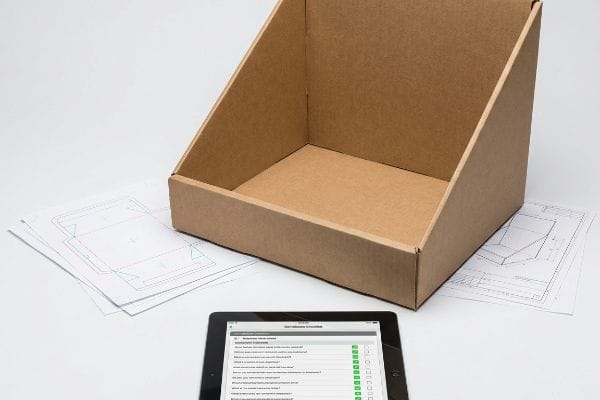
একটি পিডিকিউ ডিসপ্লে অর্ডার করার জন্য সুনির্দিষ্ট কাঠামোগত বিবরণ, নির্ভুল ডাইলাইন ম্যাপিং এবং খুচরা বিক্রেতাদের কঠোর নিয়মকানুন যাচাইয়ের প্রয়োজন হয়। এই উৎপাদন প্রক্রিয়াটি নিশ্চিত করে যে আপনার চূড়ান্ত প্রি-প্যাক করা ঢেউতোলা ইউনিটগুলো লজিস্টিক ট্রানজিট অক্ষত রাখে, কারখানায় ত্রুটিহীনভাবে একত্রিত হয় এবং বিশ্বজুড়ে দ্রুতগতির ও বিপুল বিক্রির খুচরা পরিবেশে ক্রেতাদের তাৎক্ষণিক মনোযোগ আকর্ষণ করে।.
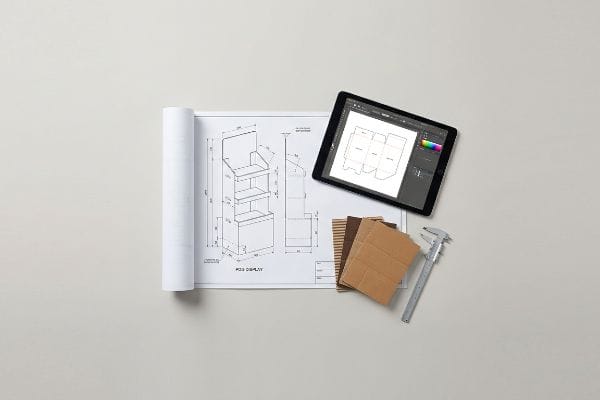
কোনো প্রস্তুতকারকের কাছে আপনার শিল্পকর্ম পাঠানোর আগে, এই দ্রুত-মোতায়েনযোগ্য ইউনিটগুলোর যান্ত্রিক বাস্তবতা আপনাকে অবশ্যই বুঝতে হবে।.
পিডিকিউ ট্রে কী?
একটি সাধারণ শেলফ ট্রে দেখতে সহজ মনে হলেও, ভারী পণ্য দিয়ে বোঝাই করার পর তা আর সহজ থাকে না। সফলভাবে ট্রেটি বিছানো এবং কার্ডবোর্ডটি ভেঙে যাওয়ার মধ্যে পার্থক্যটি সম্পূর্ণরূপে এর অন্তর্নিহিত কাঠামোর গঠনের উপর নির্ভর করে।.
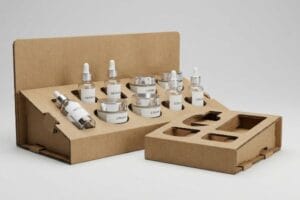
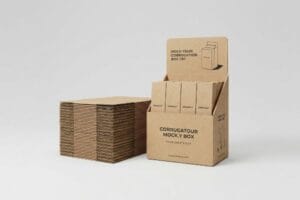
একটি পিডিকিউ ট্রে হলো আগে থেকে প্যাক করা, বিক্রির জন্য প্রস্তুত একটি ঢেউখেলানো কার্ডবোর্ডের পণ্যসম্ভার, যা দ্রুত শেলফে স্থাপনের জন্য ডিজাইন করা হয়েছে। নিখুঁতভাবে কাটা ধরে রাখার প্রান্ত এবং উন্নত খাঁজকাটা কাঠামো সমন্বিত করার মাধ্যমে, এই মডিউলার ইউনিটগুলো দোকানের কর্মীদেরকে শিপিং মাস্টার কার্টন থেকে সরাসরি কাউন্টারটপ বা করিডোরের প্রধান শেলফগুলোতে নির্বিঘ্নে পণ্য স্থানান্তর করতে সাহায্য করে।.
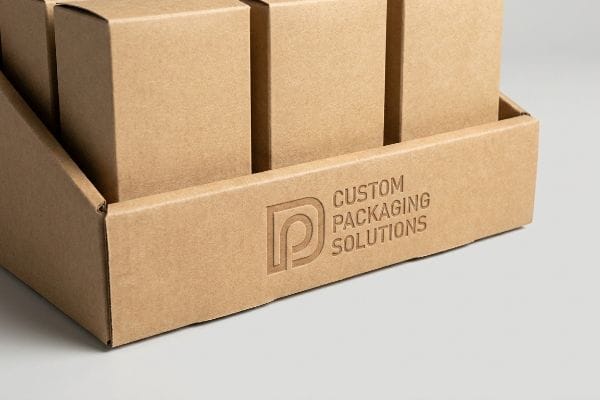
আপনি হয়তো একটি রঙিন বাক্স দেখতে পারেন, কিন্তু আমি যখন এই ট্রেগুলোর দিকে তাকাই, তখন নিম্নমুখী চাপ এবং তন্তুর ঘনত্বের একটি সুনির্দিষ্ট সমীকরণ দেখতে পাই।.
পিডিকিউ ট্রে কম্প্রেশনের পেছনের প্রকৌশলগত কৌশল
যখন গ্রাহকরা আমাকে জিজ্ঞাসা করেন এই ট্রে-টি আসলে কী, আমি সাধারণত আমার পরীক্ষাগারে রাখা ৩২ইসিটি (এজ ক্রাশ টেস্ট) বি-ফ্লুট বোর্ড ১- এর একটি প্রস্থচ্ছেদের দিকে নির্দেশ করি । এটি কেবল এক টুকরো ভাঁজ করা কাগজ নয়; এটি একটি কাঠামোগত সেতু, যা পরিবহনের সময়কার গতিজনিত ধাক্কা শোষণ ও প্রতিহত করার জন্য ডিজাইন করা হয়েছে এবং একই সাথে পণ্যটিকে শেলফের উপর পুরোপুরি খাড়াভাবে রাখে। আমি এর ভেতরের ফ্লুটগুলোকে আণুবীক্ষণিক খিলান ২ হিসেবে কাজ করার জন্য ডিজাইন করি , যা উল্লম্ব ভারকে নিখুঁতভাবে বিতরণ করে, ফলে কাঁচা পেপারবোর্ডটি টানের কারণে কখনও ভেঙে যায় না।
সম্প্রতি আমি কারখানার মেঝেতে কাঁচা টেস্টলাইনারের একটি সমতল শিট হাতে নিয়ে দাঁড়িয়েছিলাম। ডাই-কাটারে যাওয়ার ঠিক আগে আমি আমার বুড়ো আঙুল দিয়ে ঢেউখেলানো কাগজের গুঁড়োর রুক্ষ, পাউডারের মতো উপরিভাগ ঘষছিলাম। একজন ডিজাইনার ট্রে-এর সামনের ধরে রাখার কিনারার উপর সরাসরি ব্র্যান্ড লোগোর জন্য একটি ভারী ত্রিমাত্রিক (3D) বহির্মুখী এমবস করার নির্দেশ দিয়েছিলেন। আমাকে ব্যাখ্যা করতে হয়েছিল যে, এমবসিং বাইরের কাগজের লাইনারকে প্রচণ্ডভাবে বাইরের দিকে প্রসারিত করে , যার ফলে এর তন্তুগুলো শারীরিকভাবে পাতলা হতে হতে একসময় নিঃশেষ হয়ে যায়। কাঠামোগত অখণ্ডতার সাথে আপোস না করে, আমি একটি অন্তর্মুখী ডিবস পদ্ধতি বাধ্যতামূলক করেছিলাম। ধাতব যন্ত্রটিকে নিচের দিকে চালনা করে, আমি উপরিভাগের লাইনারের স্থিতিস্থাপক সীমা ছিঁড়ে না ফেলেই এর খাঁজগুলোকে সংকুচিত করে একটি ঘন, কঠিন ব্লকে পরিণত করেছিলাম। এর ফলে ব্র্যান্ডটি যে প্রিমিয়াম স্পর্শকাতর ফিনিশ চেয়েছিল, তা পাওয়া গিয়েছিল এবং একই সাথে ভারী স্তূপীকরণের জন্য প্রয়োজনীয় ১০০% গতিশীল ভারবহন ক্ষমতাও বজায় ছিল , যা নিশ্চিত করে যে ট্রেগুলো নিখুঁতভাবে বর্গাকার এবং বিক্রির জন্য প্রস্তুত অবস্থায় পৌঁছাবে।
| কাঠামোগত পদ্ধতি | শারীরিক ফলাফল | সাপ্লাই চেইন ROI |
|---|---|---|
| বাইরের দিকে এমবসিং | অত্যন্ত পাতলা কাগজের তন্তু5 | সামনের ঠোঁট ছিঁড়ে যাওয়ার ঝুঁকি বহুগুণ বেড়ে যায়। |
| অভ্যন্তরীণ ডিবসিং | ঘনীভূত অভ্যন্তরীণ ঢেউখেলানো বাঁশি | সম্পূর্ণ 32ECT কম্প্রেশন ক্ষমতা বজায় রাখে6 |
| 32ECT-তে ডিবস করুন | অক্ষত পৃষ্ঠটান জ্যামিতি7 | পরিবহনের সময় ট্রে-এর ব্যয়বহুল ক্ষতি দূর করে |
আমি বাহ্যিক নকশার পছন্দের কারণে কাঠামোগত টিকে থাকাকে ব্যাহত হতে দেব না। উৎপাদনের সময় যখন আপনি কাগজের তন্তুগুলোর যান্ত্রিক অখণ্ডতাকে অগ্রাধিকার দেন, তখন আপনি নিশ্চিত করেন যে আপনার বিপুল পরিমাণে উৎপাদিত শেলফ ট্রেগুলো খুচরা বিতরণ নেটওয়ার্কের কঠোর বাস্তবতাকে ধারাবাহিকভাবে মোকাবিলা করতে পারবে।.
🛠️ হার্ভিস ডেস্ক: আপনার কাস্টম স্ট্রাকচারাল ফিনিশগুলো কি অজান্তেই ফ্যাক্টরি থেকে বের হওয়ার আগেই আপনার ট্রে-এর এজ ক্রাশ ক্যাপাসিটি নষ্ট করে দিচ্ছে? 👉 একটি BOM অডিটের জন্য অনুরোধ করুন ↗ — আমি ২৪ ঘণ্টার মধ্যে প্রতিটি স্ট্রাকচারাল ফাইল ব্যক্তিগতভাবে পর্যালোচনা করি।
খুচরা ব্যবসায় PDQ বলতে কী বোঝায়?
খুচরা বিক্রেতারা পণ্য পুনরায় সাজানোর ধীর প্রক্রিয়াকে অপছন্দ করেন। আপনার পণ্যটি আনপ্যাক করে শেলফে রাখতে যদি কয়েক সেকেন্ডের বেশি সময় লাগে, তবে আপনার মূল্যবান প্রচারমূলক স্থান হারানোর ঝুঁকি থাকে।.
উচ্চ-পরিমাণ খুচরা ব্যবসার ক্ষেত্রে, ‘প্রোডাক্ট ডিসপ্লেড কুইকলি’ (Product Displayed Quickly) বলতে PDQ-কে বোঝায়। এই মার্চেন্ডাইজিং শ্রেণিবিভাগ অনুযায়ী, অস্থায়ী ঢেউখেলানো কার্ডবোর্ডের কাঠামো পৌঁছানোর সাথে সাথেই সম্পূর্ণরূপে খুচরা বিক্রির জন্য প্রস্তুত থাকতে হবে, যা দোকানের কর্মীদের জটিল ও সময়সাপেক্ষ হস্তনির্মিত সমাবেশের উপর নির্ভর না করে তাৎক্ষণিকভাবে পণ্য গ্রহণ ডক থেকে সক্রিয় বিক্রয়স্থলে নিয়ে যেতে সাহায্য করে।.
কিন্তু যখন মাস্টার কার্টনগুলো সত্যিই দোকানের ভিড়ে ঠাসা তাকগুলোতে এসে পৌঁছায়, তখন দ্রুত সরবরাহের তত্ত্ব জানাটাই যথেষ্ট নয়।.
কেন রিটেইল ফ্লোরে "দ্রুত" আনপ্যাকিং ব্যর্থ হয়
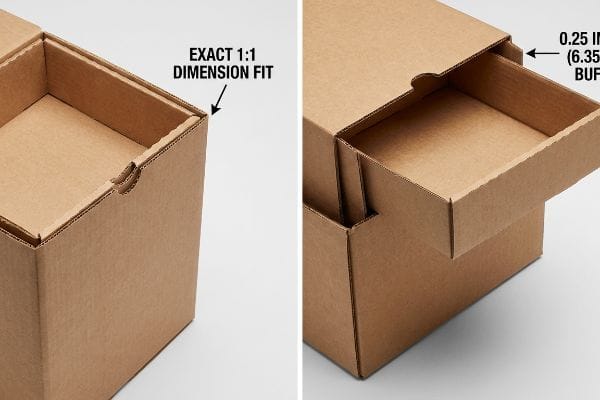
এমনকি অভিজ্ঞ ডিজাইনাররাও প্রায়শই একটির ভেতরে আরেকটি রাখা কার্ডবোর্ডের পৃষ্ঠের মধ্যে সৃষ্ট অদৃশ্য ঘর্ষণকে উপেক্ষা করেন। তারা মূল শিপিং কার্টনটিকে আগে থেকে ভরা রিটেইল ট্রে-এর বাইরের মাপের সাথে হুবহু ১:১ অনুপাতেমিলিয়ে, এই ভেবে যে একদম আঁটসাঁটভাবে ফিট হলে পরিবহনের সময় সর্বোচ্চ সুরক্ষা পাওয়া যাবে। তারা পুরোপুরি ভুলে যান যে একটি আসল দোকানে, একজন কর্মচারীকে চরম সময়ের চাপের মধ্যে শিপার থেকে সেই আঁটসাঁট ট্রে-টি শারীরিকভাবে টেনে বের করতে হয়।
এটা শুধু তত্ত্ব নয়—আমি আমার টেস্টিং ফ্লোরে ঠিক এই আনপ্যাকিং ঘর্ষণের সম্মুখীন হই। সম্প্রতি একটি প্রকিউরমেন্ট টিম আমাকে শূন্য পেরিমিটার ক্লিয়ারেন্স সহ একটি নেস্টেড ডিজাইন পাঠিয়েছে। প্রথমে, আমি ভেবেছিলাম স্ট্যান্ডার্ড টেস্টলাইনার তুলনামূলকভাবে সহজেই বেরিয়ে আসবে। আমার ধারণা ছিল পুরোপুরি ভুল। যখন আমি আগে থেকে ভরা ইউনিটটি বের করার চেষ্টা করলাম, ছিদ্রযুক্ত পেপারবোর্ডের দেয়ালগুলো একসাথে আটকে গেল। প্রচণ্ড বাধার কারণে আমি ডিসপ্লেটির সামনের প্যানেলগুলো ধরে সজোরে টান দিতে বাধ্য হলাম, যার ফলে প্রিন্ট করা ধরে রাখার ঠোঁটটি অনিবার্যভাবে আমার হাতেই ছিঁড়ে গেল। এটি ঠিক করার জন্য, আমি CAD (কম্পিউটার-এইডেড ডিজাইন) ফাইলটি বের করে একটি কঠোর জ্যামিতিক অফসেট টলারেন্স প্রয়োগ করলাম। আমি গাণিতিকভাবে ঠিক ০.২৫ ইঞ্চি (৬.৩৫ মিমি) এর একটি ন্যূনতম পেরিমিটার ক্লিয়ারেন্স বাফারযা একটি মসৃণ, ছেঁড়া-ফাটা ছাড়া আনপ্যাকিং অভিজ্ঞতা নিশ্চিত করে এবং ক্লার্কদের মার্চেন্ডাইজার স্থাপন করার সময়কে ব্যাপকভাবে ত্বরান্বিত করে।
| সহনশীলতার ব্যাখ্যা | শারীরিক ফলাফল | খুচরা শ্রমের ROI |
|---|---|---|
| সঠিক ১:১ মাপের ফিট | উচ্চ ঘর্ষণযুক্ত পেপারবোর্ড লকিং10 | ট্রিগারগুলি সামনের ধরে রাখার ঠোঁট ছিঁড়ে ফেলেছে |
| ০.২৫ ইঞ্চি (৬.৩৫ মিমি) বাফার11 | পার্শ্ব দেয়ালের পৃষ্ঠটান দূর করে | আইল স্থাপনের সময় দ্রুততর করে |
| জ্যামিতিক অফসেট গণিত | শূন্য-প্রতিরোধ উল্লম্ব নিষ্কাশন | খুচরা ক্ষতিগ্রস্ত পণ্যের চার্জব্যাক দূর করে12 |
দ্রুতগতির দোকানের পরিবেশের জন্য ডিজাইন করার সময় আমি কখনোই তাত্ত্বিক মাপের উপর নির্ভর করি না। কাঁচা ঢেউখেলানো বোর্ডের আণুবীক্ষণিক ঘর্ষণকে হিসাবে রাখাই একমাত্র উপায়, যার মাধ্যমে আমি নিশ্চিত করি যে আপনার ডিসপ্লেটি তার ‘দ্রুত স্থাপনযোগ্য’ নামের সার্থকতা প্রমাণ করে।.
🛠️ হার্ভির ডেস্ক: আপনার বর্তমান মাস্টার কার্টন ডাইলাইন কি হাতে করে বের করার সময় ছিদ্রযুক্ত ঢেউখেলানো টেস্টলাইনারের তীব্র পৃষ্ঠ ঘর্ষণকে বিবেচনা করে? 👉 একটি স্ট্রাকচারাল 3D স্ট্রেস সিমুলেশন করান ↗ — ১০০% গোপনীয়। আপনার অপ্রকাশিত রিটেইল ডিজাইনগুলো আমার কাছে সুরক্ষিত।
PDQ-তে কি গিফট কার্ড আছে?
উচ্চ মুনাফার গিফট কার্ড বিক্রি করার জন্য চেকআউট রেজিস্টারের কাছেই পণ্য মজুত রাখা প্রয়োজন। তবে, প্রচলিত কাঠামোগত টেমপ্লেটগুলোতে বিক্রয়কেন্দ্রে প্রয়োজনীয় কঠোর মাত্রিক পদার্থবিদ্যার বিষয়টি খুব কমই বিবেচনা করা হয়।.
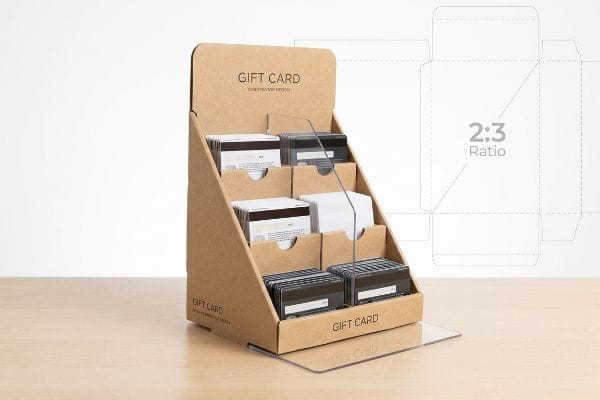
না। গিফট কার্ড রাখার জন্য পিডিকিউ (PDQ) ডিসপ্লেগুলো হলো কেবল বিশেষায়িত কাউন্টারটপ মার্চেন্ডাইজার, এগুলো এই সংক্ষিপ্ত নামটি বা অ্যাক্রোনিমটির কোনো অন্তর্নিহিত বৈশিষ্ট্য নয়। এই নির্দিষ্ট ইউনিটগুলো অভ্যন্তরীণ মডিউলার ডিভাইডার এবং ধাপে ধাপে সাজানো তাক ব্যবহার করে, অধিক জনসমাগমপূর্ণ রিটেইল চেকআউট রেজিস্টারের কাছে ছোট প্লাস্টিক কার্ডগুলোকে নিরাপদে সাজিয়ে রাখে এবং একই সাথে সর্বাধিক দৃষ্টি আকর্ষণ করে।.
যখন আপনি একটি ফ্লোর ডিসপ্লেকে ক্যাশ রেজিস্টারের পাশে রাখার জন্য ছোট করে ফেলেন, তখন মাধ্যাকর্ষণ আপনার সবচেয়ে বড় শত্রু হয়ে ওঠে।
কাউন্টারটপ ডিসপ্লেতে ভরকেন্দ্রের সংকট
ক্রয়কারী দলগুলো প্রায়শই খুব অগভীর ভিত্তিযুক্ত অবিশ্বাস্যরকম লম্বা কাউন্টারটপ ইউনিট তৈরি করে গিফট কার্ডের মজুদ সর্বাধিক করার চেষ্টা করে । তারা ধরে নেয় যে, যেহেতু গিফট কার্ড হালকা, তাই পুরো কাঠামোটি পুরোপুরি স্থিতিশীল থাকবে। এটি একটি ব্যস্ত রিটেইল কাউন্টারের বাস্তবতাকে সম্পূর্ণ উপেক্ষা করে, যেখানে তাড়াহুড়ো করা ক্রেতা এবং কনুইয়ের ধাক্কা ক্রমাগত ডিসপ্লেতে অপ্রত্যাশিত পার্শ্বীয় বল প্রয়োগ করে 13 ।
এটা শুধু তত্ত্ব নয়—আমি আমার নিজের প্রতিষ্ঠানেই কঠিন অভিজ্ঞতার মাধ্যমে এটা শিখেছি। ২০২২ সালে, আমি আমার প্রধান প্যাকেজিং ইঞ্জিনিয়ার, মার্ককে, একজন নতুন ক্লায়েন্টের গিফট কার্ড মার্চেন্ডাইজার পরীক্ষা করতে বলেছিলাম, যেটি ২৪ ইঞ্চি (৬০৯.৬ মিমি) লম্বা ছিল কিন্তু এর গভীরতা ছিল মাত্র ১০ ইঞ্চি (২৫৪ মিমি)। আমরা ভেবেছিলাম যে আমরা স্ট্যান্ডার্ড ফুটপ্রিন্ট নিয়মগুলো এড়িয়ে যেতে পারব, কারণ এর ভেতরে শুধু প্লাস্টিকের কার্ড ছিল। তিন দিন পর টেস্টিং ল্যাবে, আমি দেখলাম যে সামান্য ১২-ডিগ্রি টিল্ট টেস্টের পরেই পুরো ইউনিটটি উল্টে গিয়ে কংক্রিটের মেঝেতে আছড়ে পড়ল। এর ভরকেন্দ্রটি ছিল সম্পূর্ণ অসামঞ্জস্যপূর্ণ। আমি সাথে সাথে প্রেসগুলো বন্ধ করে দিই এবং কঠোরভাবে টুলিং রিক্যালিব্রেশনের দিকে মনোযোগ দিই। আমি ডাই-কাট বেসটি নতুন করে তৈরি করি যাতে গভীরতা বনাম সামগ্রিক উচ্চতার ক্ষেত্রে ২:৩ অনুপাতের নিয়ম কঠোরভাবে প্রয়োগ করা যায়, নিচের ফুটপ্রিন্ট বাড়ানো যায় এবং সবচেয়ে ভারী ইনভেন্টরি স্তরগুলোকে সর্বনিম্ন ভৌত বিন্দুতে লক করা যায়। এই জ্যামিতিক সমন্বয়টি কেবল ডিসপ্লেটিকে উল্টে যাওয়া থেকে বিরত রাখেনি; এটি কঠোর খুচরা বিক্রেতার নিরাপত্তা নির্দেশিকাগুলোর সাথে সম্মতি নিশ্চিত করেছে , যার ফলে ক্যাশ কাউন্টারে তাৎক্ষণিক প্রত্যাখ্যান প্রতিরোধ করা সম্ভব হয়েছে।
| ফুটপ্রিন্ট ইঞ্জিনিয়ারিং | শারীরিক ফলাফল | পয়েন্ট অফ সেল ROI |
|---|---|---|
| লম্বা এবং অগভীর প্রোফাইল | ভরকেন্দ্রের তীব্র পরিবর্তন15 | স্থিতিশীলতা মারাত্মকভাবে হ্রাস পায় এবং মজুত বিপন্ন হয় |
| ভারসাম্যহীন ইনভেন্টরি লোড | শীর্ষ-ভারী কাঠামোগত বিচ্যুতি16 | মিথস্ক্রিয়ার সময় ডিসপ্লে টিপিং নিশ্চিত করে |
| কঠোর ২:৩ গভীরতার অনুপাত17 | গাণিতিকভাবে নিম্ন ভরকেন্দ্র | খুচরা বিক্রেতার চেকআউট কাউন্টারের নিয়মকানুন মেনে চলা নিশ্চিত করে |
আমি প্রতিটি কাউন্টারটপ ইউনিট এমনভাবে তৈরি করি, যেন অধৈর্য ক্রেতারা এতে ধাক্কা দেবে, গুঁতো দেবে এবং এর কার্যকারিতা পরীক্ষা করবে। স্থিতিশীলতার মৌলিক জ্যামিতিকে উপেক্ষা করাই হলো আপনার অত্যন্ত লাভজনক গিফট কার্ডের মজুদ আবর্জনার স্তূপে ফেলে দেওয়ার সবচেয়ে দ্রুততম উপায়।.
🛠️ হার্ভিস ডেস্ক: আপনার কাউন্টারটপ মার্চেন্ডাইজারগুলো কি অতিরিক্ত ওজনের সাহায্য ছাড়াই বড় বড় রিটেইলারদের কঠোর টিল্ট টেস্টে উত্তীর্ণ হওয়ার জন্য গাণিতিকভাবে ডিজাইন করা হয়েছে? 👉 আপনার ১-অন-১ স্ট্রাকচারাল অডিট দাবি করুন ↗ — মাঝখানে কোনো অ্যাকাউন্ট ম্যানেজার নেই। আপনি সরাসরি স্ট্রাকচারাল ইঞ্জিনিয়ারদের সাথে কথা বলবেন।
উৎপাদন ক্ষেত্রে PDQ বলতে কী বোঝায়?
দ্রুত পণ্য বাজারে আনার জন্য বাধাহীন উৎপাদন ব্যবস্থা অপরিহার্য। যদি একটি ডিসপ্লে ভাঁজ করতে ও আঠা দিয়ে লাগাতে দশ মিনিট সময় লাগে, তবে কায়িক শ্রমের ভারে আপনার পুরো উৎপাদন কর্মসূচীটিই ভেঙে পড়বে।.
উৎপাদন শিল্পে, PDQ-এর পূর্ণরূপ হলো প্রি-ডান কোয়ান্টিটিজ (Pre-Done Quantities) বা প্রি-প্যাকেজড ডিসপ্লে কোয়ান্টিটিজ (Pre-packaged Display Quantities)। এই নির্দিষ্ট শিল্প পরিভাষাটি নির্দেশ করে যে, লজিস্টিক্যাল শিপিং মাস্টার কার্টনে সিল করার অনেক আগেই, চুক্তিভিত্তিক প্যাকেজিং লাইনে ঢেউখেলানো কাগজের কাঠামোসমূহ সম্পূর্ণরূপে পূর্ব-সংযোজিত, পূর্ব-আঠাযুক্ত এবং সক্রিয় পণ্য দিয়ে পূর্ব-ভর্তি করা থাকে।.
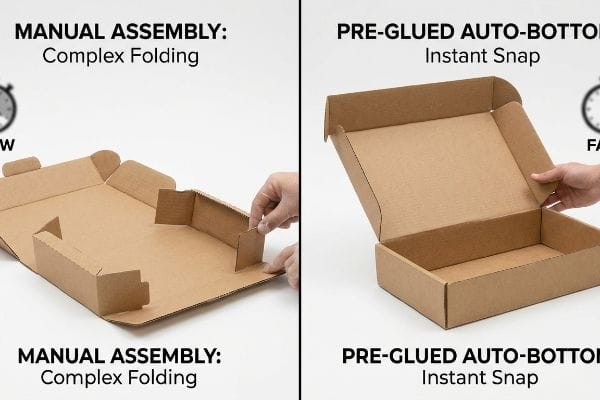
একটি খালি ফ্ল্যাট-প্যাক থেকে সম্পূর্ণ বোঝাই একটি রিটেইল ইউনিটে স্থানান্তরের ফলে আপনার স্ট্রাকচারাল ডাইলাইনের লুকানো ত্রুটিগুলো প্রকাশ পায়।.
কো-প্যাকিং অ্যাসেম্বলি প্রতিবন্ধকতা
ব্র্যান্ড টিমগুলো প্রায়শই একাধিক ইন্টারলকিং ট্যাব এবং জটিল অরিগামি-শৈলীর ভাঁজ সহ সূক্ষ্ম ঢেউখেলানো ট্রে , এই ভেবে যে এই বৈশিষ্ট্যগুলি উন্নত কাঠামোগত মান যোগ করে। তারা বুঝতে ব্যর্থ হয় যে জটিল, বহু-ধাপের ভাঁজের ক্রম উচ্চ-গতির চুক্তি প্যাকেজিং কার্যক্রমকে সম্পূর্ণরূপে পঙ্গু করে দেয়18।যখন শ্রমিকদেরকে ত্রুটিপূর্ণ ট্যাবগুলিকে আঁটসাঁট স্লটে জোর করে ঢোকাতে হয়, তখন ঘণ্টাপ্রতি উৎপাদনের হার মারাত্মকভাবে কমে যায়।
এটা শুধু তত্ত্ব নয়—আমি টেস্টিং ফ্লোরে এই সমস্যার সম্মুখীন হই। সম্প্রতি একজন ক্লায়েন্ট আমাকে একটি অত্যন্ত জটিল ডিসপ্লে বক্স পাঠিয়েছিলেন যা সাধারণ 3PL (থার্ড-পার্টি লজিস্টিকস) কো-প্যাকিং অ্যাসেম্বলির সময় ক্রমাগত ভেঙে যাচ্ছিল। আমি একটি ক্ষতিগ্রস্ত প্রোটোটাইপের উপরের শিটটি ছিঁড়ে ফেলতেই ভেতরের থেঁতলে যাওয়া বি-ফ্লুট১৯-। প্রথমে আমি ভেবেছিলাম ডাই-কাটিং প্রেসারে সমস্যা ছিল। আমার ধারণা পুরোপুরি ভুল ছিল। আসল সমস্যা ছিল যে ডিজাইনার একটি অতিরিক্ত জটিল বেস নির্দিষ্ট করেছিলেন, যার জন্য ছয়টি আলাদা ম্যানুয়াল ফোল্ডিং ধাপের প্রয়োজন ছিল। আমি মাইক্রোমিটারের রিডিং নিয়ে প্রমাণ করলাম যে আমার দামী প্লাস্টিকের ক্লিপ বা জটিল ট্যাবের প্রয়োজন নেই—আমার শুধু একটি ঝামেলাহীন মডুলার সিস্টেম দরকার। আমি অতিরিক্ত বড় BOM (বিল অফ মেটেরিয়ালস) বাদ দিয়ে একটি আগে থেকে আঠা লাগানো, অটো-বটম ট্রে২০ যা খোলার সাথে সাথেই একটি নিখুঁত বর্গাকারে পরিণত হয়। গাণিতিকভাবে ওই ম্যানুয়াল লকিং ট্যাবগুলো বাদ দিয়ে, আমি লাইনের ঘর্ষণ ব্যাপকভাবে কমিয়েছি, যার ফলে প্রতি ইউনিটে অ্যাসেম্বলির সময় আনুমানিক ৪৫ সেকেন্ড কমেছে এবং ক্লায়েন্টের কো-প্যাকিং শ্রমের খরচও সরাসরি হ্রাস পেয়েছে।
| অ্যাসেম্বলি ইঞ্জিনিয়ারিং | শারীরিক ফলাফল | কো-প্যাকিং লাইন ROI |
|---|---|---|
| জটিল ইন্টারলকিং ট্যাব | চূর্ণবিচূর্ণ বাঁশি এবং অসমান ভাঁজ21 | ঘণ্টাপ্রতি কায়িক শ্রমের খরচ বাড়িয়ে দেয় |
| দুর্বল সহনশীলতার স্লট22 | সমাবেশের সময় উচ্চ শারীরিক প্রতিরোধ | দৈনিক লাইন উৎপাদন ব্যাপকভাবে হ্রাস পায় |
| আগে থেকে আঠা লাগানো অটো-বটম23 | তাৎক্ষণিক 3D কাঠামোগত বর্গীকরণ | আগে থেকে পূরণ করা থ্রুপুটকে ব্যাপকভাবে ত্বরান্বিত করে |
অ্যাসেম্বলি লাইনে ব্যয় হওয়া প্রতিটি সেকেন্ডকে আমি আপনার মুনাফার ওপর একটি দায় হিসেবে বিবেচনা করি। আগে থেকে আঠা লাগানো, ঘর্ষণহীন মডিউলার বেস ডিজাইন করার মাধ্যমেই আমি নিশ্চিত করি যে আপনার উৎপাদন প্রক্রিয়া বাজেটের মধ্যে এবং নির্ধারিত সময়ের আগেই সম্পন্ন হবে।.
🛠️ হার্ভির ডেস্ক: আপনার অতিরিক্ত জটিল ইন্টারলকিং বেসটি আপনার কন্ট্রাক্ট প্যাকেজিং লাইনের ঘণ্টাপ্রতি পরিচালন ব্যয়ে কত সেকেন্ড যোগ করছে? 👉 সরাসরি উৎপাদন পরামর্শের জন্য অনুরোধ করুন ↗ — আমি ২৪ ঘণ্টার মধ্যে প্রতিটি স্ট্রাকচারাল ফাইল ব্যক্তিগতভাবে পর্যালোচনা করি।
উপসংহার
আপনি এমন একজন সস্তা বিক্রেতা বেছে নিতে পারেন যিনি প্যাকেজিংয়ের ঘর্ষণকে উপেক্ষা করেন, কিন্তু যখন একটি ত্রুটিপূর্ণ মাস্টার কার্টন খোলার সময় আপনার ডিসপ্লের ধরে রাখার প্রান্তটি ছিঁড়ে ফেলে, তখন সেই একটিমাত্র ব্যর্থতাই খুচরা বিক্রেতার প্রত্যাখ্যানের কারণ হয় এবং আপনার লাভের মার্জিনকে নিশ্চিহ্ন করে দেয়। শুধুমাত্র গত মাসেই, আমার কাঠামোগত নিরীক্ষা ৩টি ব্র্যান্ডকে বাতিল হওয়া পণ্য এবং খুচরা বিক্রেতার চার্জব্যাক বাবদ ১০,০০০ ডলারেরও বেশি সাশ্রয় করতে সাহায্য করেছে। তাত্ত্বিক গণিতের উপর আপনার বাজেট বাজি ধরা বন্ধ করুন এবং আপনার ফিজিক্যাল ডিসপ্লেগুলো যাতে এই কঠোর সাপ্লাই চেইন থেকে টিকে থাকতে পারে, তা নিশ্চিত করতে আমাকে ব্যক্তিগতভাবে আপনার পরবর্তী রিটেইল রোলআউটের পরিকল্পনা করতে দিন ↗ ।
"[পিডিএফ] করোগেটেড বোর্ডের স্পেসিফিকেশন – ফাইবার বক্স অ্যাসোসিয়েশন", https://www.fibrebox.org/assets/2025/09/Walmart_Corrugated-Board_Specifications_Automation_Packaging_Standards.pdf। শিল্প প্যাকেজিং স্ট্যান্ডার্ড 32ECT B-ফ্লুট বোর্ডের ভারবহন ক্ষমতা এবং ফ্লুটের মাত্রা নিশ্চিত করে। প্রমাণের ভূমিকা: প্রযুক্তিগত স্পেসিফিকেশন; উৎসের ধরণ: প্যাকেজিং শিল্প স্ট্যান্ডার্ড। সমর্থন: খুচরা প্রদর্শনের জন্য উপাদানের শক্তি। পরিধি নোট: করোগেটেড বোর্ডের গ্রেডের মধ্যে সীমাবদ্ধ। ↩
"ঢেউখেলানো বোর্ডের বাক্সের সংকোচনশীল শক্তির নিরূপণ …", https://pmc.ncbi.nlm.nih.gov/articles/PMC8467740/। কাঠামোগত প্রকৌশলের নথিপত্রে ব্যাখ্যা করা হয়েছে কীভাবে ঢেউখেলানো বোর্ডের খাঁজগুলো উল্লম্ব ভার বিতরণ করে ভাঙন প্রতিরোধ করে। প্রমাণের ভূমিকা: যান্ত্রিক নীতি; উৎসের ধরণ: পদার্থ বিজ্ঞান পাঠ্যপুস্তক। সমর্থন: ট্রে-এর ভারবহন বলবিদ্যা। পরিধি টীকা: ঢেউখেলানো নকশার সাধারণ নীতি। ↩
"ভারবহন ক্ষমতার উপর ছিদ্রের প্রভাব অনুসন্ধান...", https://pmc.ncbi.nlm.nih.gov/articles/PMC11396172/। এমবসিং কীভাবে কাগজের তন্তুর উপর চাপ সৃষ্টি করে এবং করোগেটেড বোর্ডের বাইরের আস্তরণের পুরুত্ব কমিয়ে দেয় তার প্রযুক্তিগত ব্যাখ্যা। প্রমাণের ভূমিকা: প্রযুক্তিগত যাচাইকরণ; উৎসের ধরণ: পদার্থ বিজ্ঞান হ্যান্ডবুক বা প্যাকেজিং ইঞ্জিনিয়ারিং গাইড। সমর্থন করে: আস্তরণের পুরুত্বের উপর এমবসিং-এর যান্ত্রিক প্রভাব। পরিধি টীকা: বিশেষভাবে করোগেটেড সাবস্ট্রেটকে সম্বোধন করে। ↩
"এমবসিং বনাম ডিবসিং: পার্থক্য জানুন এবং কোনটি ভালো?", https://www.wecustomboxes.com/blog/embossing-vs-debossing/। ডিবসড এবং এমবসড ঢেউখেলানো প্যানেলের কাঠামোগত অখণ্ডতা এবং সংকোচন শক্তির উপর তুলনামূলক তথ্য। প্রমাণের ভূমিকা: তথ্যগত যাচাইকরণ; উৎসের ধরণ: কাঠামোগত প্রকৌশল সমীক্ষা বা প্যাকেজিং পরীক্ষার প্রতিবেদন। সমর্থন করে: এই দাবি যে ডিবসিং স্ট্যাকিংয়ের জন্য ভারবহন ক্ষমতা বজায় রাখে। পরিধিগত টীকা: খুচরা প্রদর্শনীতে ডাইনামিক লোড থ্রেশহোল্ডের সাথে সম্পর্কিত। ↩
"যান্ত্রিক এবং কোমলতা বৈশিষ্ট্যের উপর এমবসিং চাপের প্রভাব...", https://pmc.ncbi.nlm.nih.gov/articles/PMC9228970/। বহির্মুখী এমবসিং প্রক্রিয়া কীভাবে ঢেউখেলানো কাগজের তন্তুর ভৌত পুরুত্ব এবং কাঠামোগত অখণ্ডতাকে প্রভাবিত করে তার প্রযুক্তিগত বিশ্লেষণ। প্রমাণের ভূমিকা: কার্যপ্রণালী যাচাই; উৎসের ধরণ: পদার্থ বিজ্ঞান গবেষণা। সমর্থন করে: এই দাবি যে বহির্মুখী এমবসিং তন্তুকে পাতলা করে। পরিধিগত টীকা: ঢেউখেলানো কার্ডবোর্ড উপাদানের জন্য নির্দিষ্ট। ↩
"একটি … এর জন্য ঢেউখেলানো বোর্ডের বাক্সের সংকোচন শক্তির অনুমান", https://pmc.ncbi.nlm.nih.gov/articles/PMC9864211/। এমবসড এবং ডিবসড ঢেউখেলানো উপকরণের এজ ক্রাশ টেস্ট (ECT) রেটিং তুলনা করে পরীক্ষামূলক তথ্য। প্রমাণের ভূমিকা: কার্যকারিতা যাচাইকরণ; উৎসের ধরণ: প্যাকেজিং ইঞ্জিনিয়ারিং স্পেসিফিকেশন। সমর্থন করে: এই দাবি যে ভেতরের দিকে ডিবসিং ৩২ECT রেটিং বজায় রাখে। পরিধি নোট: বিশেষভাবে ৩২ECT রেটিংযুক্ত ঢেউখেলানো বোর্ডের জন্য প্রযোজ্য। ↩
"এমবসিং এবং ডিবসিং সম্পর্কে সবকিছু | সেফবক্স", https://www.cefbox.com/blog/knowledgeBase/All-About-Embossing-and-Debossing। বিভিন্ন বিকৃতি পদ্ধতির অধীনে ঢেউখেলানো প্যাকেজিং-এর পৃষ্ঠের জ্যামিতি এবং কাঠামোগত টানের প্রকৌশলগত বিশ্লেষণ। প্রমাণের ভূমিকা: কাঠামোগত যাচাইকরণ; উৎসের ধরণ: প্রযুক্তিগত ম্যানুয়াল। সমর্থন: এই দাবি যে ডিবসিং পৃষ্ঠের টানের জ্যামিতি বজায় রাখে। পরিধি টীকা: বাইরের লাইনারের জ্যামিতির উপর দৃষ্টি নিবদ্ধ করা হয়েছে। ↩
"ডাইমেনশনাল প্যাকিং রুলস: শিপিং উন্নত করতে কীভাবে ব্যবহার করবেন", https://shipperhq.com/blog/dimensional-packing-rules। ঘর্ষণ প্রতিরোধ করতে এবং কার্যকরভাবে পণ্য বের করা নিশ্চিত করার জন্য একটি শিপিং কার্টন এবং এর ভেতরের রিটেইল ট্রে-এর মধ্যে প্রয়োজনীয় ক্লিয়ারেন্স গ্যাপ সংক্রান্ত শিল্প নির্দেশিকা। প্রমাণের ভূমিকা: প্রযুক্তিগত স্পেসিফিকেশন; উৎসের ধরণ: প্যাকেজিং ইঞ্জিনিয়ারিং ম্যানুয়াল। সমর্থন করে: এই দাবি যে ১:১ ডাইমেনশনিং একটি প্রচলিত কিন্তু ত্রুটিপূর্ণ ডিজাইন পদ্ধতি। পরিধি নোট: বিশেষভাবে করোগেটেড রিটেইল-রেডি প্যাকেজিং-এর জন্য প্রযোজ্য। ↩
"RSC-তে প্রস্তুতকারকদের যৌথ উদ্যোগের জন্য সহনশীলতা – AICC এখন", https://now.aiccbox.org/tolerance-for-manufacturers-joint-on-rsc/। ঢেউখেলানো কাগজের প্যাকেজিংয়ের জন্য প্রকৌশলগত মানগুলি একটির ভেতরে আরেকটি থাকা ইউনিটগুলির মধ্যে ঘর্ষণজনিত লক প্রতিরোধ করার জন্য নির্দিষ্ট সহনশীলতার নির্দেশিকা প্রদান করে। প্রমাণের ভূমিকা: প্রযুক্তিগত স্পেসিফিকেশন; উৎসের ধরণ: প্যাকেজিং ডিজাইন ম্যানুয়াল। সমর্থন করে: মসৃণভাবে বের করার জন্য প্রয়োজনীয় নির্দিষ্ট পরিমাপ। পরিধি সংক্রান্ত টীকা: বোর্ডের গ্রেড এবং ফ্লুটের আকারের উপর ভিত্তি করে প্রকৃত প্রয়োজনীয়তা ভিন্ন হতে পারে। ↩
"[পিডিএফ] প্রলেপহীন লেখার এবং … এর স্থির ও গতিশীল ঘর্ষণের সহগ", https://www.tappi.org/contentassets/58af997fbe9b4f40a7545ee183554082/2025/t549-b-2-d-1-sarg.pdf। ঢেউখেলানো পেপারবোর্ডে কীভাবে নিখুঁত ১:১ টলারেন্স পৃষ্ঠটান এবং ঘর্ষণ তৈরি করে তার বস্তু বিজ্ঞান ভিত্তিক বিশ্লেষণ। প্রমাণের ভূমিকা: ভৌত নীতি; উৎসের ধরণ: বস্তু বিজ্ঞান গবেষণা। সমর্থন: আঁটসাঁট প্যাকেজিং-এ ধরে রাখার প্রান্ত ছিঁড়ে যাওয়ার কারণ। পরিধি টীকা: সাধারণ খুচরা-মানের পেপারবোর্ডের ক্ষেত্রে প্রযোজ্য। ↩
"Understanding PDQ Packaging in Retail – LinkedIn", https://www.linkedin.com/pulse/understanding-pdq-packaging-retail-moss-tvthc। প্যাকেজিং ইঞ্জিনিয়ারিং গাইড থেকে নেওয়া প্রযুক্তিগত স্পেসিফিকেশন, যা আনপ্যাকিংয়ের সময় সাইডওয়ালের ঘর্ষণ রোধ করার জন্য আদর্শ ক্লিয়ারেন্স প্রদর্শন করে। প্রমাণের ভূমিকা: প্রযুক্তিগত স্পেসিফিকেশন; উৎসের ধরণ: শিল্প মান। সমর্থন করে: কার্যকর প্রয়োগের জন্য প্রয়োজনীয় নির্দিষ্ট পরিমাপ। পরিধি সংক্রান্ত নোট: উপাদানের পুরুত্বের উপর ভিত্তি করে মান পরিবর্তিত হতে পারে। ↩
"কন্ট্রাক্ট প্যাকেজিং-এর কোন ভুলগুলো রিটেইলারদের চার্জব্যাকের কারণ হয়?", https://www.industrialpackaging.com/blog/copacker-mistakes-retailer-chargebacks। ইন্ডাস্ট্রির ডেটা যা প্যাকেজিং-এর ফিট এবং এক্সট্র্যাকশন রেজিস্ট্যান্সের সাথে রিটেইলারদের কাছ থেকে ক্ষতি-সম্পর্কিত আর্থিক জরিমানার ফ্রিকোয়েন্সির সম্পর্ক স্থাপন করে। প্রমাণের ভূমিকা: কার্যকারণ সম্পর্ক; উৎসের ধরণ: লজিস্টিকস রিপোর্ট। সমর্থন করে: জিওমেট্রিক অফসেট ম্যাথের আর্থিক ROI। স্কোপ নোট: শেলফ-রেডি প্যাকেজিং (SRP)-এর উপর দৃষ্টি নিবদ্ধ। ↩
"১৪ ধরনের রিটেইল ডিসপ্লে | শিকাগো, আইএল – ভার্টহাইমার বক্স", https://wertheimerbox.com/types-of-retail-displays/। স্থিতিশীল সাম্যাবস্থা এবং ভরকেন্দ্রের পদার্থবিদ্যা ব্যাখ্যা করে যে কীভাবে উচ্চ-অ্যাসপেক্ট-রেসিও কাঠামোর উপর পার্শ্বীয় বল কাজ করে অস্থিতিশীলতা সৃষ্টি করে। প্রমাণের ভূমিকা: তাত্ত্বিক বৈধতা; উৎসের ধরণ: পদার্থবিদ্যার পাঠ্যপুস্তক; সমর্থন করে: এই দাবি যে পার্শ্বীয় বল লম্বা, অগভীর ভিত্তিযুক্ত ডিসপ্লের ভারসাম্য নষ্ট করে; পরিধি টীকা: মৌলিক যান্ত্রিক নীতিসমূহ। ↩
"অধ্যায় ২: আপনার গ্রাহকদের জন্য একটি ডিসপ্লে উচ্চতা নির্বাচন", https://www.creativedisplaysnow.com/guides/understanding-the-retail-customer/chapter-2-how-to-choose-the-right-display-height-for-your-customers/। কাউন্টারটপ রিটেইল ডিসপ্লেতে ভরকেন্দ্র বজায় রাখার জন্য ২:৩ গভীরতা-থেকে-উচ্চতার অনুপাত যে একটি স্বীকৃত প্রকৌশল নীতি বা শিল্প মান, তার যাচাইকরণ। প্রমাণের ভূমিকা: প্রযুক্তিগত বৈধতা; উৎসের ধরণ: শিল্প নকশা ম্যানুয়াল বা রিটেইল কমপ্লায়েন্স গাইড। সমর্থন করে: কাঠামোগত স্থিতিশীলতার প্রয়োজনীয়তা সম্পর্কিত দাবি। পরিধি সংক্রান্ত টীকা: প্রযোজ্যতা পেলোডের ওজনের উপর নির্ভর করতে পারে। ↩
"ভরকেন্দ্র কীভাবে কোনো বস্তুর স্থিতিশীলতাকে প্রভাবিত করে? – ইউটিউব", https://www.youtube.com/watch?v=vN8cZPABbpc। ভরকেন্দ্রের পদার্থবিদ্যা অনুসারে, ভূমির প্রস্থ কমানোর সাথে সাথে উচ্চতা বাড়ালে টিপিং পয়েন্ট বা হেলে পড়ার বিন্দু পরিবর্তিত হয়। প্রমাণের ভূমিকা: বৈজ্ঞানিক সূত্র; উৎসের ধরণ: পদার্থবিদ্যার তথ্যসূত্র। সমর্থন করে: লম্বা/কম চওড়া আকৃতি এবং অস্থিতিশীলতার মধ্যে সম্পর্ক। পরিধিগত টীকা: সাধারণ যান্ত্রিক নীতি। ↩
"ইন্টারেক্টিভ রিটেলের জন্য ডিসপ্লে স্ট্রাকচারাল ডিজাইন …", https://www.bcipkg.com/display-structural-design-for-interactive-retail-displays/। স্ট্রাকচারাল ইঞ্জিনিয়ারিং নীতি অনুসারে, কোনো লোডের প্রভাবে একটি কাঠামোগত উপাদান যে পরিমাণে স্থানচ্যুত হয়, তাকেই বিচ্যুতি (deflection) হিসেবে সংজ্ঞায়িত করা হয়। প্রমাণের ভূমিকা: তাত্ত্বিক কাঠামো; উৎসের ধরণ: ইঞ্জিনিয়ারিং পাঠ্যপুস্তক। সমর্থন: ভারসাম্যহীন ইনভেন্টরি লোডের ভৌত পরিণতি। পরিধি টীকা: ভারবহন ক্ষমতার উপর দৃষ্টি নিবদ্ধ। ↩
"আমি কি আরও লম্বা র্যাকিং তৈরি করতে পারি? উচ্চতা-গভীরতার অনুপাতের গুরুত্ব...", https://www.americansurplus.com/can-i-build-taller-racking-the-importance-of-height-to-depth-ratio-to-rack-stability/?srsltid=AfmBOopi8QjT0BhrdYEdO_yldgtG0GpKgOSFkDkXAZwf1jiUZBKypa8S। POS ডিসপ্লে ইঞ্জিনিয়ারিংয়ের জন্য শিল্প মানগুলি স্থিতিশীলতা নিশ্চিত করতে নির্দিষ্ট অনুপাতের নির্দেশিকা প্রদান করে। প্রমাণের ভূমিকা: প্রযুক্তিগত যাচাইকরণ; উৎসের ধরণ: শিল্প শ্বেতপত্র। সমর্থন করে: ভরকেন্দ্র হ্রাসে ২:৩ অনুপাতের কার্যকারিতা। পরিধি নোট: কাউন্টারটপ ফুটপ্রিন্টের জন্য নির্দিষ্ট। ↩
"কন্ট্রাক্ট প্যাকেজিং-এর সুবিধা – পপডিসপ্লে", https://popdisplay.me/benefits-of-contract-packaging/। নির্ভরযোগ্য উৎপাদন নির্দেশিকাগুলো দেখায় যে, অ্যাসেম্বলির ধাপ বাড়ার সাথে সাথে প্রতি ঘণ্টায় ইউনিটের (UPH) উৎপাদন সরাসরি কমে যায়। প্রমাণের ভূমিকা: যাচাইকরণ; উৎসের ধরণ: শিল্প খাতের শ্বেতপত্র। সমর্থন করে: ডিজাইনের জটিলতা এবং অ্যাসেম্বলির প্রতিবন্ধকতার মধ্যে সংযোগ। পরিধি সংক্রান্ত টীকা: ম্যানুয়াল কন্ট্রাক্ট প্যাকেজিং-এর ক্ষেত্রে প্রযোজ্য। ↩
"কোরুগেটেড বক্সের চূড়ান্ত নির্দেশিকা – শোর প্যাকেজিং", https://www.shorr.com/resources/blog/ultimate-guide-corrugated-boxes/। কোরুগেটেড কার্ডবোর্ডের ফ্লুট সাইজের উপর প্রযুক্তিগত ডকুমেন্টেশন বি-ফ্লুটের কাঠামোগত বৈশিষ্ট্য এবং সাধারণ প্রয়োগ নিশ্চিত করে। প্রমাণের ভূমিকা: প্রযুক্তিগত স্পেসিফিকেশন; উৎসের ধরণ: শিল্প মান। সমর্থন করে: প্যাকেজিং ডিজাইনে নির্দিষ্ট ফ্লুট ধরনের ব্যবহার। পরিধি নোট: স্ট্যান্ডার্ড কোরুগেটেড বোর্ডের মেট্রিক্সের ক্ষেত্রে প্রযোজ্য। ↩
"অটো বটম বক্স (ক্র্যাশ-লক) এখন সহজ – পিএম প্যাকেজিং", https://pmpackaging.com/product-catalog/boxes-and-cartons/auto-bottom-boxes। প্যাকেজিং ইঞ্জিনিয়ারিং গাইড ব্যাখ্যা করে যে কীভাবে অটো-বটম ডিজাইন ম্যানুয়াল ভাঁজ করার ধাপগুলি দূর করে লাইনের দক্ষতা বাড়ায়। প্রমাণের ভূমিকা: প্রযুক্তিগত সমাধান; উৎসের ধরণ: উৎপাদন ম্যানুয়াল। সমর্থন করে: এই দাবি যে অটো-বটম ট্রে অ্যাসেম্বলির সময় কমায়। পরিধি নোট: কাঠামোগত ডিজাইনের দক্ষতার উপর আলোকপাত করে। ↩
"ঢেউখেলানো বাক্সের ফ্লুট বোঝার নির্দেশিকা – জেন্টলেভার", https://gentlever.com/flutes-types-sizes-and-thickness-in-corrugated-boxes/। ত্রুটিপূর্ণ ট্যাব ডিজাইন এবং অতিরিক্ত চাপের কারণে সৃষ্ট ঢেউখেলানো উপাদানের ব্যর্থতার ধরণগুলোর প্রযুক্তিগত বিশ্লেষণ। প্রমাণের ভূমিকা: ব্যর্থতা বিশ্লেষণ; উৎসের ধরণ: পদার্থ বিজ্ঞান হ্যান্ডবুক। সমর্থন: ভৌত ফলাফলের উপর জটিল ইন্টারলকিং ট্যাবের প্রভাব। পরিধি সংক্রান্ত টীকা: শুধুমাত্র ঢেউখেলানো কার্ডবোর্ড সাবস্ট্রেটের মধ্যে সীমাবদ্ধ। ↩
"আর্দ্রতা এবং তাপমাত্রার প্রভাব …এর যান্ত্রিক বৈশিষ্ট্যের উপর", https://bioresources.cnr.ncsu.edu/resources/influence-of-humidity-and-temperature-on-mechanical-properties-of-corrugated-board-numerical-investigation/। ঘর্ষণহীন সমাবেশ নিশ্চিত করার জন্য ফোল্ডিং কার্টনের স্লট এবং ট্যাব টলারেন্সের প্রকৌশলগত মান। প্রমাণের ভূমিকা: প্রযুক্তিগত মান; উৎসের ধরণ: উৎপাদন স্পেসিফিকেশন। সমর্থন করে: দুর্বল টলারেন্স এবং ভৌত প্রতিরোধের মধ্যে সম্পর্ক। পরিধি টীকা: উচ্চ-পরিমাণ কো-প্যাকিং লাইনের জন্য প্রযোজ্য। ↩
"প্রি-গ্লুড (প্রি-অ্যাসেম্বলড) – অটো-বটম বক্স – ল্যান্ডাল প্যাকেজিং", https://www.landaal.com/corrugated-packaging/corrugated-boxes/pre-glued-pre-assembled/। শিল্প প্যাকেজিং মান, যা বিশদভাবে বর্ণনা করে কীভাবে প্রি-গ্লুড অটো-বটম হাতে ভাঁজ করার ধাপ এবং অ্যাসেম্বলির সময় কমায়। প্রমাণের ভূমিকা: প্রযুক্তিগত স্পেসিফিকেশন; উৎসের ধরণ: প্যাকেজিং ইঞ্জিনিয়ারিং গাইড। সমর্থন করে: আগে থেকে ভরা পণ্যের দ্রুত সরবরাহ বৃদ্ধি। পরিধি নোট: পিডিকিউ (PDQ) এবং রিটেইল ডিসপ্লের জন্য প্রাসঙ্গিক। ↩