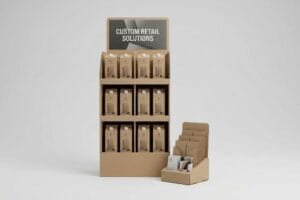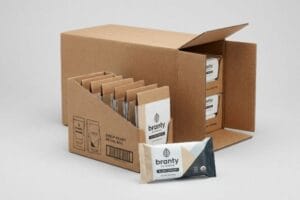
ছুটির মরসুম বার্ষিক আয়ের লক্ষ্যমাত্রা নির্ধারণ করে দেয়, কিন্তু মজুত পণ্য সরানোর জন্য সাধারণ মানের বাক্সের উপর নির্ভর করা খুচরা বিক্রির ক্ষেত্রে মুনাফা হারানোর একটি নিশ্চিত উপায়।.
ছুটির দিনের প্যাকেজিং কাঠামোগত পরিবর্তনের মাধ্যমে তাৎক্ষণিক কেনাকাটাকে আকৃষ্ট করে মৌসুমী রাজস্ব বৃদ্ধি করে। একটি সুপরিকল্পিত উৎসবকালীন মার্চেন্ডাইজার ভারী পণ্যের ভার কঠোরভাবে সুরক্ষিত রাখে এবং একই সাথে উচ্চ-বৈসাদৃশ্যপূর্ণ দৃশ্যমান সংকেত ব্যবহার করে, যা বড় খুচরা বিক্রেতাদের জন্য নির্বিঘ্ন নিয়ম-কানুন মেনে চলা নিশ্চিত করে এবং চতুর্থ ত্রৈমাসিকের কেনাকাটার ব্যস্ততম সময়ে পণ্যের দৃশ্যমানতা সর্বাধিক করে তোলে।.
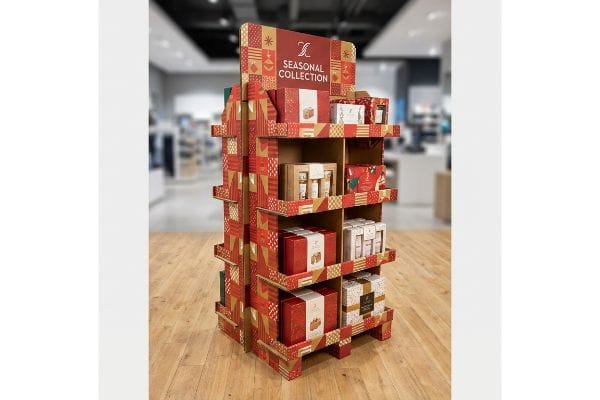
উৎসবকালীন বিপণনের তত্ত্ব বোর্ডরুমে শুনতে দারুণ লাগে, কিন্তু হাজার হাজার খুচরা বিক্রয়কেন্দ্রে এটিকে নিখুঁতভাবে কার্যকর করতে কঠোর প্রকৌশলগত বাস্তবতার প্রয়োজন হয়।.
ব্যবসায় প্যাকেজিং কেন অপরিহার্য হয়ে উঠেছে?
ব্যবসায়ীরা প্যাকেজিংকে একটি অপরিহার্য আপদ হিসেবে দেখে, অথচ এটিই একমাত্র ভৌত স্পর্শবিন্দু যা নির্ধারণ করে আপনার পণ্যটি সরবরাহ শৃঙ্খলে টিকে থাকবে কি না।.
ব্যবসায় প্যাকেজিং অপরিহার্য হয়ে উঠেছে, কারণ এটি সরবরাহ ব্যবস্থার টিকে থাকা এবং খুচরা বিপণনের মধ্যে একটি নিবিড় সংযোগ স্থাপন করে। একটি সম্পূর্ণ সমন্বিত কাঠামোগত ব্যবস্থা পরিবহনের সময় পণ্যের অখণ্ডতাকে ভৌতভাবে রক্ষা করার পাশাপাশি ব্র্যান্ডের মূল্যও তুলে ধরে, যা একদিকে যেমন পণ্যের ক্ষতিহীন পরিবহন নিশ্চিত করে, তেমনি ক্রয়ের মুহূর্তে ভোক্তার সম্পৃক্ততাও সর্বোচ্চ করে তোলে।.
কিন্তু এই দ্বৈততা বুঝতে গিয়েই বেশিরভাগ ক্রয় দল পুরোপুরি দিশেহারা হয়ে পড়ে।.
খুচরা প্যাকেজিংয়ে ৪ সি-এর ভারসাম্যহীনতা
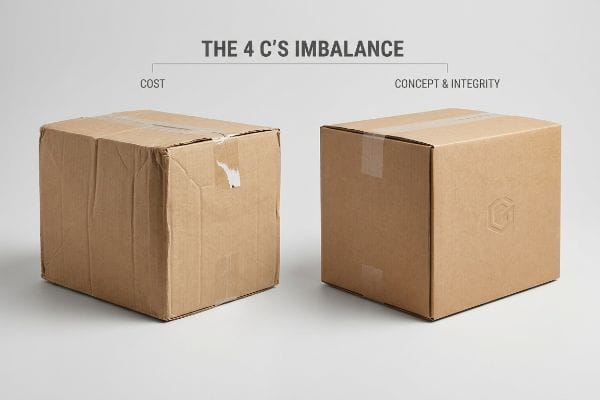
ব্র্যান্ডগুলো প্রায়শই ৪ সি (4 C's) কাঠামো—খরচ (Cost), ধারণা (Concept), সুবিধা (Convenience), এবং যোগাযোগ (Communication)—ব্যবহার করে। একটি আদর্শ পরিস্থিতিতে, এই চারটি স্তম্ভ সমান গুরুত্ব বহন করে, যাতে চূড়ান্ত বিপণন ব্যবস্থাটি অর্থনৈতিকভাবে লাভজনক এবং বাহ্যিকভাবে কার্যকরী হয়।
এই ফাঁদটি তখনই তৈরি হয় যখন ক্রয় বিভাগগুলো মূল "খরচ" নামক মাপকাঠিটিকে আলাদা করে ফেলে এবং শুধুমাত্র প্রাথমিক কিছু পয়সা বাঁচানোর জন্য করোগেটেড বোর্ডের মান কমিয়ে দেয়। আমি এটা প্রতিনিয়ত দেখি যখন দলগুলো কাঠামোগত হিসাব ঠিক না করেই একটি ভারী বি-ফ্লুটকে একটি পাতলা ই-ফ্লুটে বদলে ফেলে । বাক্সটি খালি অবস্থায় ঠিকই মনে হয়, কিন্তু যখন আমি অতিরিক্ত পণ্যে বোঝাই ট্রে-র কাঁচা কিনারা বরাবর আমার বুড়ো আঙুল চালাই, তখন আমি আক্ষরিক অর্থেই অনুভব করতে পারি যে ভারী পণ্যের চাপে কাগজের তন্তুগুলো বেঁকে যাচ্ছে। সস্তা উপকরণের প্রতি এই মোহ অন্য তিনটি স্তম্ভকে নষ্ট করে দেয়: বাহ্যিক ধারণাটি বেঁকে যায়, বিকৃত ডাইলাইনের কারণে জোড়া লাগানোর সুবিধা নষ্ট হয়ে যায় , এবং পরিবহনের সময় থেঁতলে যাওয়া গ্রাফিক্সের কারণে শেলফের বার্তা মুছে যায় , যা খুচরা বিক্রেতার দ্বারা তাৎক্ষণিক প্রত্যাখ্যানের কারণ হয় ।
| নতুনদের সাধারণ ভুল | প্রো ফিক্স | খুচরা-ফ্লোর সুবিধা |
|---|---|---|
| শুধুমাত্র কাঁচা একক খরচ নিয়ে আচ্ছন্ন থাকা | ব্যয় ও টিকে থাকার মধ্যে সংযোগ স্থাপনকারী সমন্বিত ৪ সি'র মূল্যায়ন। | বড় আকারের বিপর্যয়কর চার্জব্যাক প্রতিরোধ করে4 |
| ঢেউখেলানো বোর্ডের গ্রেড অবনমন | ভারী পেলোডের জন্য অক্ষত বাঁশি রক্ষণাবেক্ষণ করা5 | ক্ষতিবিহীন কন্টেইনার মাল পরিবহন নিশ্চিত করে |
| সমাবেশের সুবিধা উপেক্ষা করা | ইঞ্জিনিয়ারিং ঘর্ষণহীন লকিং ট্যাব | সমাবেশের জন্য প্রয়োজনীয় শ্রমের সময় আনুমানিক ৩০% সাশ্রয় করে।6 |
আমি ক্রেতাদেরকে কাঁচামালের খরচকে পরবর্তী সরবরাহ ব্যবস্থা থেকে আলাদা করতে দিতে রাজি নই। যখন আপনি বাধাহীন সংযোজন এবং পরিবহনের সময় টিকে থাকার নিশ্চয়তার জন্য ডিজাইন করেন, তখন পুরো প্যাকেজিং সিস্টেমটি ভাঙা কার্ডবোর্ডের স্তূপের পরিবর্তে একটি ইতিবাচক ROI (বিনিয়োগের উপর রিটার্ন) তৈরি করে।.
🛠️ হার্ভির ডেস্ক: আপনার ক্রয় সংক্রান্ত সাশ্রয় কি গোপনে খুচরা বিক্রেতাদের কাছ থেকে বিপুল পরিমাণ অর্থ ফেরতের কারণ হচ্ছে? 👉 একটি কাঠামোগত ব্যয় নিরীক্ষা করান ↗ — সরাসরি আমার ডেস্কে প্রবেশাধিকার। কোনো স্বয়ংক্রিয় বিক্রয় স্প্যাম নেই, আমি কথা দিচ্ছি।
উৎসবের আবহের মোড়কের তাৎপর্য কী এবং এটি কীভাবে ভোক্তার ক্রয় সিদ্ধান্তকে প্রভাবিত করে?
চতুর্থ ত্রৈমাসিকের খুচরা বিক্রির পরিবেশ দৃশ্যত বিশৃঙ্খল থাকে, যার অর্থ হলো, দোকানে আপনার মৌসুমী পণ্য বিক্রেতার অস্তিত্বের যৌক্তিকতা প্রমাণ করার জন্য হাতে ঠিক তিন সেকেন্ড সময় থাকে।.
ছুটির দিনের থিমযুক্ত প্যাকেজিংয়ের তাৎপর্য নিহিত রয়েছে নির্দিষ্ট মনস্তাত্ত্বিক সংযোগের মাধ্যমে ভোক্তাদের দ্রুত ক্রয়ের সিদ্ধান্ত গ্রহণে উদ্বুদ্ধ করার ক্ষমতায়। বিচ্ছিন্ন ৩ডি ডাই-কাট উপাদান এবং উজ্জ্বল স্পট কালার ব্যবহারের মাধ্যমে, এই ডিসপ্লেগুলো মৌসুমী ভিড়ের মধ্যে থেকেও নজর কাড়ে এবং মাত্র তিন সেকেন্ডের শারীরিক মিথস্ক্রিয়ার সুযোগে সরাসরি তাৎক্ষণিক ক্রয়কে সক্রিয় করে তোলে।.

সমস্যাটি হলো, মার্কেটিং টিমগুলো কারখানায় ফাইল পাঠানোর সময় 'উৎসবকালীন ডিজাইন'-কে ভুলভাবে ব্যাখ্যা করে।.
৭টি 'ও' এর জ্ঞানীয় ভারাক্রান্তির ফাঁদ এড়ানো
ব্র্যান্ড বিপণনকারীরা মৌসুমী প্রচারণার জন্য ভোক্তা আচরণের রূপরেখা তৈরি করতে ৭টি ‘ও’ (7 O's 7) -এর মতো কাঠামো ব্যবহার করতে ভালোবাসেন , যেখানে অকুপ্যান্টস (Occupants), অবজেক্টস (Objects), অবজেক্টিভস (Objectives), অর্গানাইজেশনস (Organizations), অপারেশনস (Operations), অকেশনস (Occasions), এবং আউটলেটস (Outlets)-এর প্রোফাইলিং করা হয়। তারা চান তাদের ভৌত প্রচার সামগ্রীতে প্রতিটি মনস্তাত্ত্বিক দিক পুঙ্খানুপুঙ্খভাবে তুলে ধরা হোক।
ক্রেতারা প্রায়শই আমাকে জিজ্ঞাসা করেন, কীভাবে এই সমস্ত সমৃদ্ধ ব্র্যান্ড স্টোরিটেলিং একটিমাত্র পিওপি (পয়েন্ট অফ পারচেজ) ফ্লোর ডিসপ্লেতে তুলে ধরা যায়। বাস্তবতা হলো, যদি আপনি ঢেউখেলানো বোর্ডের উপর বার্তার সাতটি স্তরই প্রিন্ট করেন, তবে তা মস্তিষ্কের উপর ব্যাপক চাপ সৃষ্টি করে।আমি দেখেছি তাড়াহুড়ো করা ক্রেতারা তাদের কার্ট ঠেলে এই লেখা-বহুল ডিসপ্লেগুলোর পাশ দিয়ে চলে যায়, কারণ তীব্র ফ্লুরোসেন্ট আলোর নিচে মানুষের মস্তিষ্ক এত বেশি তথ্য প্রক্রিয়া করতে পারে না। যখন আপনি ডিসপ্লেটি স্পর্শ করেন, তখন এর চকচকে ফিনিশটি প্রিমিয়াম মনে হয়, কিন্তু দৃশ্যত এটি একটি বিশৃঙ্খল বিলবোর্ড যা সক্রিয়ভাবে মূল পণ্যের অফারকে আড়াল করে, বিক্রয় কমিয়ে দেয় এবং প্রকল্পের লাভের মার্জিন সম্পূর্ণরূপে নষ্ট করে দেয়।
| নতুনদের সাধারণ ভুল | প্রো ফিক্স | খুচরা-ফ্লোর সুবিধা |
|---|---|---|
| ব্র্যান্ড স্টোরির অনুচ্ছেদগুলো প্রিন্ট করা | পাঠ্যকে একটি একক কেন্দ্রবিন্দুতে সংকুচিত করা | ৩ সেকেন্ডেরও কম সময়ে ছুটে আসা ক্রেতাদের আকৃষ্ট করে।9 |
| বিশৃঙ্খল মৌসুমী গ্রাফিক্স | উচ্চ-বৈসাদৃশ্যপূর্ণ স্পট কালার ফ্লাড | করিডোরের তীব্র দৃশ্যমান কোলাহল ভেদ করে |
| আসল পণ্যের অফার গোপন করা | বিশাল 3D ডাই-কাট উপাদান স্থাপন করা | তাৎক্ষণিক স্পর্শজনিত রূপান্তর ঘটায়10 |
মৌসুমী প্রচারণার জন্য আমি সবসময় একটি উদ্দেশ্য-বিচ্ছিন্নকরণ প্রোটোকল বাধ্যতামূলক করি । গৌণ বিপণন কপি কঠোরভাবে বাদ দিয়ে, আপনি এটা নিশ্চিত করেন যে ভোক্তা যখন ব্যস্ত খুচরা দোকানের করিডোর দিয়ে হেঁটে যান, ঠিক তখনই তার মনস্তাত্ত্বিক উদ্দীপকটি সফলভাবে সক্রিয় হয়।
🛠️ হার্ভির ডেস্ক: আপনার ছুটির দিনের গ্রাফিক্স ফাইলটি কি এতটাই অগোছালো যে তা ক্রেতাদের আপনার পণ্য থেকে দূরে সরিয়ে দিচ্ছে? 👉 আপনার আর্টওয়ার্ক রিভিউ দাবি করুন ↗ — নিরাপদে ডাউনলোড করুন। পরবর্তীতে কোনো প্রশ্ন থাকলে আমার ইনবক্স খোলা আছে।
গ্রাহকদের জন্য প্যাকেজিং কেন গুরুত্বপূর্ণ?
গ্রাহকরা আপনার সরবরাহ শৃঙ্খল নিয়ে মাথা ঘামান না; তারা শুধু এটাই দেখেন যে, আপনার পণ্যটি দেখার সাথে সাথেই তারা কত সহজে সেটির সাথে সংযোগ স্থাপন করতে পারেন।.
গ্রাহকদের জন্য প্যাকেজিং গুরুত্বপূর্ণ, কারণ এটি পণ্যের সাথে তাদের শারীরিক মিথস্ক্রিয়া এবং চাক্ষুষ সম্পৃক্ততাকে নিয়ন্ত্রণ করে। একটি সঠিকভাবে ডিজাইন করা রিটেইল ডিসপ্লে ত্রিশ ফুট দূর থেকে মানুষের দৃষ্টিকে পরিচালিত করে, তিন ইঞ্চি দূর থেকে নির্বিঘ্ন স্পর্শের সুযোগ করে দেয় এবং চূড়ান্ত ক্রয়ের সিদ্ধান্ত নেওয়ার সময় শারীরিক অস্বস্তি সম্পূর্ণরূপে দূর করে।.
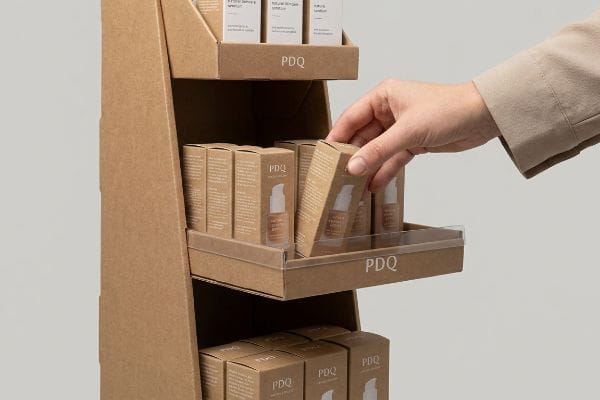
তবে, এই বাধাহীন গ্রাহক অভিজ্ঞতা তৈরি করতে হলে, মানুষ একটি রিটেইল স্পেসের মধ্যে দিয়ে শারীরিকভাবে ঠিক কীভাবে চলাচল করে, তা বোঝা প্রয়োজন।.
৩-৩-৩ স্থানিক সম্পৃক্ততা নিয়ম আয়ত্ত করা
নবীন বিপণন দলগুলো প্রায়শই খুচরা দোকানের ডিসপ্লে এমনভাবে ডিজাইন করে, যা শুধুমাত্র ব্যাকলিট কম্পিউটার মনিটরে কাছ থেকে দেখার জন্য তৈরি। তারা ধরে নেয় যে, কোনো গ্রাফিক যদি স্ক্রিনে সুন্দর দেখায়, তাহলে দোকানে আসার পর গ্রাহক স্বাভাবিকভাবেই সেটির দিকে আকৃষ্ট হবে।
বিষয়টিকে হাইওয়ের বিলবোর্ডের মতো ভাবুন—ফন্ট খুব ছোট হলে চালকেরা দ্রুতগতিতে তা পাশ কাটিয়ে চলে যায়। একই পদার্থবিদ্যা হেঁটে আসা ক্রেতাদের ক্ষেত্রেও প্রযোজ্য, আর একারণেই স্থানিক সম্পৃক্ততার ৩-৩-৩ নিয়মটি৯.১ মিটার) দূর থেকে পথচারীদের আকর্ষণ করতে পুরোপুরি ব্যর্থ হয়। তারপর, যখন ক্রেতা অবশেষে তিন ইঞ্চি (৭৬.২ মিমি) কাছাকাছি আসে, তখন দেখা যায় সামনের ধরে রাখার কিনারাটি অনেক বেশি উঁচু করে তৈরি করা হয়েছে। আমি কাঁচা পেপারবোর্ড ছিঁড়ে যাওয়ার তীক্ষ্ণ শব্দ শুনেছি, যখন হতাশ ক্রেতারা আঁটসাঁট ট্রে, যা ডিসপ্লেটির কাঠামোগত অখণ্ডতা নষ্ট করে দেয় এবং মারাত্মক ঘর্ষণ সৃষ্টি করে, যা তাদের কেনাকাটা থেকে বিরত রাখে।
| নতুনদের সাধারণ ভুল | প্রো ফিক্স | খুচরা-ফ্লোর সুবিধা |
|---|---|---|
| দূর থেকে সমতল, অদৃশ্য কাঠামো | ৩০ ফুট পর্যন্ত আলোড়ন সৃষ্টির জন্য আক্রমণাত্মক ডাই-কাট আকৃতি। | প্রধান করিডোর বরাবর পথচারীদের আনাগোনা বাড়ায় |
| পণ্যগুলি খুব নীচে বা উঁচুতে রাখা হয়েছে | ৫০-ইঞ্চি (১২৭ সেমি) স্ট্রাইক জোনের জন্য অপ্টিমাইজ করা ১২ | ক্রেতার সরাসরি দৃষ্টি আকর্ষণ করে। |
| সামনের ঠোঁট পণ্যটি ঢেকে রাখছে | ৮৫% পণ্য দৃশ্যমানতার জন্য ঠোঁট কাটা ১৩ | ঘর্ষণহীনভাবে ৩-ইঞ্চি ভৌত নিষ্কাশন সক্ষম করে |
আমি প্রতিটি রিটেইল মার্চেন্ডাইজার এমনভাবে ডিজাইন করি যাতে তা এই স্থানিক ধারাবাহিকতাকে সুস্পষ্টভাবে পূরণ করে। আপনাকে অবশ্যই মানুষের চোখকে দূর থেকে লেআউটের সাথে যুক্ত হতে বাধ্য করতে হবে, এবং একই সাথে সেই চূড়ান্ত ও গুরুত্বপূর্ণ স্পর্শজনিত রূপান্তরের সময় কোনো শারীরিক বাধা না থাকার বিষয়টিও নিশ্চিত করতে হবে।.
🛠️ হার্ভিস ডেস্ক: আপনার পণ্যের ডিজাইন কি অনিচ্ছাকৃতভাবে আপনার পণ্যকে আড়াল করে দিচ্ছে এবং আপনার সবচেয়ে বিশ্বস্ত গ্রাহকদের হতাশ করছে? 👉 একটি স্পেশাল মকআপের জন্য অনুরোধ করুন ↗ — কোনো ফর্ম নেই যা অবিরাম সেলস কলের কারণ হয়। শুধু খাঁটি মূল্য।
ব্যবসার জন্য ছুটির দিনগুলো কেন গুরুত্বপূর্ণ?
ছুটির মরসুমের ব্যস্ততা বছরের সর্বোচ্চ পরিমাণ পণ্য পরিবহনের সময়, যা আপনার সরবরাহ শৃঙ্খলের প্রতিটি কাঠামোগত ত্রুটিকে প্রকট করে তোলে।.
ব্যবসার জন্য ছুটির দিনগুলো অত্যন্ত গুরুত্বপূর্ণ, কারণ এই সময়ে বিপুল পরিমাণে ও কেন্দ্রীভূত রাজস্ব আয় হয়, যার জন্য ত্রুটিহীনভাবে এবং বিপুল পরিমাণে পণ্য সরবরাহ নিশ্চিত করা অপরিহার্য। সরবরাহ ব্যবস্থার এই ব্যস্ততম সময়ে, প্যাকেজিংয়ের যেকোনো কাঠামোগত ত্রুটি দ্রুতগতিতে বাড়তে থাকে, যা পরিবহনের সময় হওয়া সামান্য ক্ষতিকে মারাত্মক পণ্য ঘাটতি এবং খুচরা বিক্রেতাদের কাছ থেকে বড় অঙ্কের অর্থ ফেরতের কারণ করে তোলে, যা বার্ষিক মুনাফাকে ধ্বংস করে দিতে পারে।.
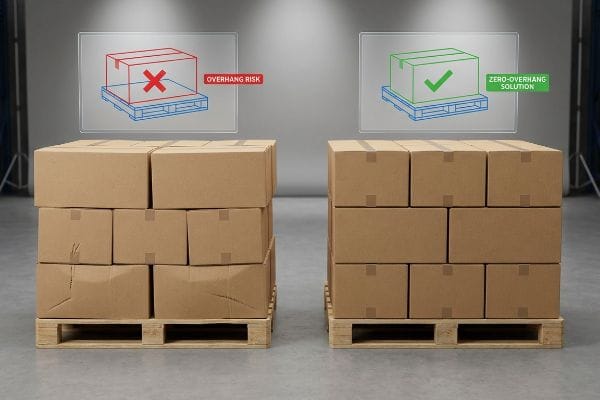
কিন্তু গুদামের মেঝেতে যখন ভারী মালবাহী মেশিনগুলো চলতে শুরু করে, তখন ছুটির দিনের বিপুল পরিমাণ মালামালের তত্ত্ব জানাটাই যথেষ্ট নয়।.
প্যালেট ওভারহ্যাং বিসিটি ধসের বাস্তবতা
ক্রয়কারী দলগুলো বোঝে যে ছুটির মরসুমের জন্য বিপুল পরিমাণ পণ্য দ্রুত স্থানান্তর করা প্রয়োজন। শিপিং ঘনত্ব সর্বাধিক করার জন্য, তারা প্রায়শই মাস্টার কার্টনের আকার বাড়িয়ে ভিতরে আরও কয়েকটি ইউনিট রাখার ব্যবস্থা করে, এই ভেবে যে হেভি-ডিউটি ঢেউখেলানো বোর্ডের কাঁচা সংকোচন মেট্রিক্স১৪ পণ্যগুলিকে সুরক্ষিত রাখবে।
ল্যাবে কোনো ডিসপ্লেকে সোজা করে দাঁড় করানো সহজ, কিন্তু যখন আপনি একটি 40HQ কন্টেইনারে ৫০০টি ডিসপ্লে পাঠান, তখন এক কঠিন বাস্তবতার মুখোমুখি হতে হয়। আমার প্রতিষ্ঠানে আমি নিয়মিত দেখি যে ক্লায়েন্টরা এমন ফাইল জমা দেন যেখানে মাস্টার কার্টনটি একটি স্ট্যান্ডার্ড ৪৮×৪০ ইঞ্চি (১২১.৯×১০১.৬ সেমি) GMA প্যালেটের বাইরে মাত্র ০.৪৫ ইঞ্চি (১১.৪ মিমি) ঝুলে থাকে। করোগেটেড বাক্সগুলো তাদের BCT (বক্স কম্প্রেশন টেস্ট) শক্তির প্রায় ৬০% পর্যন্ত পায়শুধুমাত্র তাদের চারটি কোণার উল্লম্ব বিন্যাস থেকে। যখন আমি এই ঝুলে থাকা প্যালেটগুলোকে ভাইব্রেশন টেবিলে রাখি, তখন সেই অবলম্বনহীন কোণাগুলো কোনো ভারই বহন করে না। উপরের দিকের এই বিশাল ভার সঙ্গে সঙ্গে মাঝের প্যানেলগুলোতে স্থানান্তরিত হয়, যার ফলে নিচের স্তরটি দৃশ্যত বাইরের দিকে বেঁকে যায় এবং মারাত্মকভাবে ভেঙে পড়ে।
আমি আমাদের CAD (কম্পিউটার-এইডেড ডিজাইন) সফটওয়্যারের ভিতরে একটি জিরো-ওভারহ্যাং বাউন্ডিং বক্স প্রোটোকল কঠোরভাবে প্রয়োগ করে এর সমাধান করি। আমি কৃত্রিমভাবে সর্বোচ্চ অনুমোদিত কার্টনের ফুটপ্রিন্টকে ঠিক ০.৫ ইঞ্চি (১২.৭ মিমি) সংকুচিত করি। কাঠের ডেক দ্বারা ঐ কোণাগুলো যেন সম্পূর্ণরূপে সমর্থিত থাকে তা নিশ্চিত করার মাধ্যমে, আমি সেই গুরুত্বপূর্ণ ৬০% সংকোচন শক্তি পুনরুদ্ধার করি।এই সুনির্দিষ্ট গাণিতিক সমন্বয় বেস টিয়ার ভেঙে পড়া প্রতিরোধ করে, যা বছরের ব্যস্ততম মৌসুমে ক্লায়েন্টদের বিশাল রিভার্স-লজিস্টিকস মালবাহী জরিমানা থেকে বাঁচায়।
| নতুনদের সাধারণ ভুল | প্রো ফিক্স | খুচরা-ফ্লোর সুবিধা |
|---|---|---|
| প্যালেটের প্রান্ত ছাড়িয়ে কার্টনের আকার সর্বাধিক করা | শূন্য-ওভারহ্যাং বাউন্ডিং বক্স প্রয়োগ করা | কোণার সংকোচন শক্তি ৬০% পুনরুদ্ধার করে17 |
| শুধুমাত্র কাঁচামাল ইত্যাদির উপর নির্ভর করা | ফ্যাক্টরিং ডায়নামিক ওয়্যারহাউস টপ-লোড | পরিবহনের সময় নিচের স্তর বেঁকে যাওয়া প্রতিরোধ করে। |
| ভগ্নাংশ মিলিমিটার ওভারহ্যাং উপেক্ষা করা | CAD ফুটপ্রিন্ট ০.৫ ইঞ্চি (১২.৭ মিমি) কমানো18 | ব্যয়বহুল রিভার্স-লজিস্টিকস চার্জব্যাক দূর করে |
আমি ক্রয়কারী দলগুলোকে কখনোই মূল কার্টনের মাপ প্যালেট কাঠের একেবারে শেষ সীমার বাইরে নিয়ে যেতে দিই না। আপনার মৌসুমী মজুতকে নষ্ট না করে, দুটি স্তরে স্তরে সাজানো অবস্থায় সমুদ্রপথে পরিবহনের সময় সেটিকে অক্ষত রাখার একমাত্র গাণিতিক উপায় হলো উল্লম্ব কোণার সঠিক অবস্থান নিশ্চিত করা।.
🛠️ হার্ভির ডেস্ক: একটি ২-মিলিমিটার কাঠামোগত ত্রুটির কারণে ৫০০টি দোকানে পণ্য সরবরাহের পরিকল্পনা যেন ভেস্তে না যায়। 👉 আপনার ডাইলাইন ফাইলটি আমাকে পাঠান ↗ — গণ-উৎপাদনে বাজেট অপচয় করার আগে আমি এর গাণিতিক হিসাব স্ট্রেস-টেস্ট করে নেব।
উপসংহার
আপনার ছুটির মৌসুমের প্রচারণার জন্য আপনি হয়তো কোনো সস্তা বিক্রেতা বেছে নিতে পারেন, কিন্তু যখন প্যালেটের সামান্য বাড়তি অংশের কারণে গুদামের ওপর থেকে ভারী মালপত্রের চাপে আপনার নিচের স্তরের প্যালেটটি মারাত্মকভাবে বেঁকে যায়, তখন তা খুচরা বিক্রেতার কাছে তাৎক্ষণিক প্রত্যাখ্যানের কারণ হয়, যা আপনার চতুর্থ ত্রৈমাসিকের (Q4) পুরো মুনাফার মার্জিন নষ্ট করে দেয়। আমার সেরা ১০ জন খুচরা বিক্রেতা গ্রাহক প্রিন্ট প্রত্যাখ্যান শূন্যে নামিয়ে আনার নিশ্চয়তা দিতে ঠিক এই স্পেক শিটটিই ব্যবহার করেন। পরিবর্তনশীল ট্রানজিট টলারেন্স নিয়ে অনুমান করা বন্ধ করুন এবং ব্যাপক উৎপাদন শুরু হওয়ার আগেই প্যালেটের জ্যামিতিক মারাত্মক ত্রুটিগুলো ধরার জন্য আমাকে ব্যক্তিগতভাবে আপনার স্ট্রাকচারাল ফাইলগুলো আমার ফ্রি ডাইলাইন প্রি-ফ্লাইট অডিট ↗- এর মাধ্যমে পরীক্ষা করতে দিন।
"4Cs মার্কেটিং মিক্স (গ্রাহক সমাধান, খরচ, সুবিধা … – আমব্রেক্স)", https://umbrex.com/resources/frameworks/marketing-frameworks/4cs-marketing-mix-customer-solution-cost-convenience-communication/। একটি প্রামাণিক বাহ্যিক উৎস কীভাবে এই দাবিকে সমর্থন করে তার সংক্ষিপ্ত ব্যাখ্যা। প্রমাণের ভূমিকা: সংজ্ঞা; উৎসের ধরণ: ব্যবসায়িক কাঠামোর নথি। সমর্থন করে: ভৌত খুচরা এবং প্যাকেজিং কৌশলে এই নির্দিষ্ট চারটি স্তম্ভের প্রয়োগ। পরিধি সংক্রান্ত টীকা: মার্কেটিং-এর অধিক প্রচলিত ৪ সি (গ্রাহক, খরচ, সুবিধা, যোগাযোগ) থেকে এটিকে অবশ্যই আলাদা করতে হবে। ↩
"কোরুগেটেড বক্স ফ্লুটের প্রকারভেদ: এ, বি, সি, ই এবং এফ", https://www.onyxpackaging.com/blog/corrugated-box-flute-types.php। কোরুগেটেড উপকরণের জন্য শিল্প মানগুলি বি-ফ্লুট এবং ই-ফ্লুটের মধ্যে ভারবহন এবং কুশনিং-এর পার্থক্য নির্ধারণ করে। প্রমাণের ভূমিকা: প্রযুক্তিগত যাচাইকরণ; উৎসের ধরণ: প্যাকেজিং ইঞ্জিনিয়ারিং হ্যান্ডবুক। সমর্থন করে: এই দাবি যে, কাঠামোগত গাণিতিক হিসাব পরিবর্তন না করে ফ্লুটের পুরুত্ব কমালে এর অখণ্ডতা নষ্ট হয়। পরিধি সংক্রান্ত টীকা: ব্যবহৃত লাইনারবোর্ডের নির্দিষ্ট গ্রেডের উপর ভিত্তি করে কার্যকারিতা পরিবর্তিত হয়। ↩
"৭টি লেবেলিং এবং প্যাকেজিং ভুল যা পণ্য বাতিলের কারণ হয় – ECQA", https://ecqa.com/7-labeling-and-packaging-mistakes-that-cause-rejections/। সাপ্লাই চেইন কোয়ালিটি কন্ট্রোল এবং ভেন্ডর কমপ্লায়েন্স ম্যানুয়ালগুলোতে নথিভুক্ত করা আছে যে, থেঁতলে যাওয়া বাইরের প্যাকেজিং বা ক্ষতিগ্রস্ত গ্রাফিক্স প্রধান খুচরা বিক্রেতাদের দ্বারা চালান তাৎক্ষণিক বাতিলের কারণ হয়ে দাঁড়ায়। প্রমাণের ভূমিকা: অপারেশনাল ভ্যালিডেশন; উৎসের ধরণ: রিটেইল লজিস্টিকস ম্যানুয়াল। সমর্থন করে: পণ্যের ব্যর্থতা এবং খুচরা বিক্রেতার দ্বারা পণ্য বাতিলের মধ্যে কার্যকারণ সম্পর্ক। পরিধি সংক্রান্ত টীকা: নির্দিষ্ট সীমা খুচরা বিক্রেতার SLA অনুযায়ী পরিবর্তিত হয়। ↩
"কাস্টম প্যাকেজিং কমপ্লায়েন্স গাইড – জেনপ্যাক ব্লগ", https://www.zenpack.us/blog/packaging-compliance-guide/। প্যাকেজিং ব্যর্থতা বা ভেন্ডর ম্যানুয়াল মেনে না চলার কারণে খুচরা বিক্রেতার উপর আরোপিত জরিমানা কাঠামোর (চার্জব্যাক) ডকুমেন্টেশন। প্রমাণের ভূমিকা: আর্থিক ঝুঁকির প্রমাণ; উৎসের ধরণ: খুচরা ভেন্ডরের কমপ্লায়েন্স নির্দেশিকা। সমর্থন করে: প্যাকেজিংয়ের গুণমান এবং আর্থিক ক্ষতির মধ্যে সংযোগ। পরিধি নোট: বৃহৎ আকারের খুচরা লজিস্টিকসের জন্য নির্দিষ্ট। ↩
"...সহ ঢেউখেলানো কাগজের প্যাকেজের সংকোচন শক্তি", https://pmc.ncbi.nlm.nih.gov/articles/PMC10054506/। ভারী পরিবহনের জন্য ভার্জিন ফাইবার বনাম পুনর্ব্যবহৃত ঢেউখেলানো বোর্ডের কাঠামোগত অখণ্ডতা এবং ফেটে যাওয়ার শক্তির তুলনামূলক প্রযুক্তিগত তথ্য। প্রমাণের ভূমিকা: প্রযুক্তিগত স্পেসিফিকেশন; উৎসের ধরণ: বস্তু বিজ্ঞান জার্নাল বা প্যাকেজিং স্ট্যান্ডার্ড। সমর্থন করে: ভার বহনের জন্য নির্দিষ্ট বোর্ড গ্রেডের প্রয়োজনীয়তা। পরিধি নোট: ঢেউখেলানো বোর্ডের উপাদানের বৈশিষ্ট্যের উপর আলোকপাত করে। ↩
"ডিপ লার্নিং এবং ইমেজ এনহ্যান্সমেন্টের উপর ভিত্তি করে প্যাকেজিং ডিজাইন", https://pmc.ncbi.nlm.nih.gov/articles/PMC9365577/। প্যাকেজিং ডিজাইনে ঘর্ষণহীন লকিং ট্যাব প্রয়োগের মাধ্যমে অর্জিত শ্রমঘণ্টা হ্রাসের পরিমাণ নির্ধারণকারী শিল্প বেঞ্চমার্ক বা কেস স্টাডি। প্রমাণের ভূমিকা: পরিমাণগত যাচাইকরণ; উৎসের ধরণ: পরিচালন দক্ষতার প্রতিবেদন বা শিল্প প্রকৌশল সমীক্ষা। সমর্থন করে: প্রকৌশলের মাধ্যমে শ্রম ব্যয় হ্রাস। পরিধি নোট: পণ্যের পরিমাণের উপর ভিত্তি করে অনুমান পরিবর্তিত হতে পারে। ↩
"লাইফবয় সাবানের জন্য ৭ ও'স ফ্রেমওয়ার্ক | পিডিএফ | ভোক্তা আচরণ", https://www.scribd.com/document/519933888/7-O। একটি প্রামাণ্য বিপণন পাঠ্যপুস্তক বা শিল্প নির্দেশিকা ৭ ও'স-কে ভোক্তা আচরণ বিশ্লেষণের একটি কাঠামোগত পদ্ধতি হিসেবে স্বীকৃতি দেয়। প্রমাণের ভূমিকা: প্রযুক্তিগত সংজ্ঞা; উৎসের ধরণ: বিপণন ফ্রেমওয়ার্ক ডকুমেন্টেশন। সমর্থন করে: মৌসুমী প্রচারাভিযানে ভোক্তা আচরণ চিহ্নিত করতে ব্যবহৃত নির্দিষ্ট উপাদানসমূহ। পরিধি সংক্রান্ত টীকা: অঞ্চল বা বিপণন শাখাভেদে এর প্রয়োগ ভিন্ন হতে পারে। ↩
"জ্ঞানীয় ভার, মানসিক প্রতিচ্ছবির অনুক্রমিক মধ্যস্থতাকারী প্রভাব...", https://pmc.ncbi.nlm.nih.gov/articles/PMC12108799/। জ্ঞানীয় মনোবিজ্ঞান এবং খুচরা বিপণনের উপর একাডেমিক গবেষণা দেখায় যে কীভাবে অতিরিক্ত চাক্ষুষ উদ্দীপনা সিদ্ধান্তহীনতা এবং ভোক্তা পরিহারের দিকে পরিচালিত করে। প্রমাণের ভূমিকা: তাত্ত্বিক কাঠামো; উৎসের ধরণ: পিয়ার-রিভিউড জার্নাল। সমর্থন করে: এই দাবি যে পিওপি ডিসপ্লেতে তথ্যের উচ্চ ঘনত্ব জ্ঞানীয় ভারাক্রান্ততা সৃষ্টি করে। পরিধি নোট: উচ্চ জনসমাগমপূর্ণ খুচরা পরিবেশের জন্য প্রযোজ্য। ↩
"Exploring Shopper's Browsing Behavior and Attention Level with an …", https://pmc.ncbi.nlm.nih.gov/articles/PMC6895988/। একটি প্রামাণিক বাহ্যিক উৎস কীভাবে এই দাবিকে সমর্থন করে তার সংক্ষিপ্ত ব্যাখ্যা। প্রমাণের ভূমিকা: গবেষণালব্ধ প্রমাণ; উৎসের ধরণ: নিউরোমার্কেটিং গবেষণা। সমর্থন: উচ্চ-উদ্দীপনামূলক খুচরা বিক্রয় পরিবেশে ভোক্তার মনোযোগ আকর্ষণের জন্য উপলব্ধ সময়সীমা। পরিধিগত টীকা: শুধুমাত্র তাৎক্ষণিক ক্রয়ের পরিবেশের জন্য প্রযোজ্য। ↩
"ক্রয়ের উপর প্যাকেজিং ডিজাইনের দৃশ্যমান উপাদানের প্রভাব...", https://pmc.ncbi.nlm.nih.gov/articles/PMC11851823/। একটি প্রামাণিক বাহ্যিক উৎস কীভাবে এই দাবিকে সমর্থন করে তার সংক্ষিপ্ত ব্যাখ্যা। প্রমাণের ভূমিকা: গবেষণালব্ধ প্রমাণ; উৎসের ধরণ: ভোক্তা আচরণ গবেষণা। সমর্থন করে: প্যাকেজিংয়ের সাথে স্পর্শভিত্তিক মিথস্ক্রিয়া এবং ক্রয়ের সম্ভাবনা বৃদ্ধির মধ্যে সংযোগ। পরিধি সংক্রান্ত টীকা: শুধুমাত্র ভৌত খুচরা স্পর্শবিন্দুতে সীমাবদ্ধ। ↩
"আপনার কাস্টম স্টোর ডিসপ্লের জন্য ৩-এর নিয়মের গুরুত্ব", https://mcintyredisplays.com/blog/custom-store-displays/। ভিজ্যুয়াল মার্চেন্ডাইজিং এবং রিটেইল সাইকোলজির জন্য ইন্ডাস্ট্রির মানদণ্ডগুলো নির্দিষ্ট দূরত্ব এবং সময়ের সীমার উপর ভিত্তি করে গ্রাহকের মিথস্ক্রিয়াকে সর্বোত্তম করার জন্য ৩-৩-৩ নিয়মটিকে সংজ্ঞায়িত করে। প্রমাণের ভূমিকা: প্রযুক্তিগত সংজ্ঞা; উৎসের ধরণ: ইন্ডাস্ট্রি ম্যানুয়াল। সমর্থন করে: স্থানিক সম্পৃক্ততার ধারণাগত কাঠামো। পরিধি সংক্রান্ত টীকা: বিশেষভাবে ভৌত রিটেইল পরিবেশে প্রযোজ্য। ↩
"কার্যকরী ডিসপ্লে এবং গ্রাহক প্রবাহের জন্য খুচরা দোকানের নকশা", https://www.business.qld.gov.au/industries/manufacturing-retail/retail-wholesale/retail-displays। খুচরা ভিজ্যুয়াল মার্চেন্ডাইজিং-এ চোখের স্তরে পণ্য স্থাপনের জন্য ৫০-ইঞ্চি উচ্চতাকে প্রাথমিক 'স্ট্রাইক জোন' হিসেবে বিবেচনা করা হয়, তার যাচাইকরণ। প্রমাণের ভূমিকা: প্রযুক্তিগত স্পেসিফিকেশন; উৎসের ধরণ: খুচরা মার্চেন্ডাইজিং নির্দেশিকা। সমর্থন করে: ক্রেতার সর্বোত্তম দৃষ্টিসীমা। পরিধি সংক্রান্ত টীকা: গড় প্রাপ্তবয়স্ক উচ্চতার উপর ভিত্তি করে। ↩
"কীভাবে ক্ল্যামশেল প্যাকেজিং খুচরা পণ্যের দৃশ্যমানতা বাড়ায়", https://www.munotplastics.com/blog/how-clamshell-packaging-boosts-retail-product-visibility। প্রামাণ্য তথ্য যা কনভার্সন রেট বৃদ্ধি এবং গ্রাহকের অসুবিধা কমানোর জন্য ৮৫% দৃশ্যমানতার মানদণ্ডকে একটি সর্বোত্তম সীমা হিসেবে নিশ্চিত করে। প্রমাণের ভূমিকা: পারফরম্যান্স মেট্রিক; উৎসের ধরণ: খুচরা ভোক্তা সমীক্ষা। সমর্থন করে: প্যাকেজিং ডিজাইনের দৃশ্যমানতার মানদণ্ড। পরিধি সংক্রান্ত টীকা: শেলফ-রেডি প্যাকেজিংয়ের ক্ষেত্রে প্রযোজ্য। ↩
"একটি … এর জন্য ঢেউখেলানো বোর্ড বাক্সের সংকোচন শক্তি অনুমান", https://pmc.ncbi.nlm.nih.gov/articles/PMC9864211/। প্রযুক্তিগত প্যাকেজিং মানগুলি ব্যাখ্যা করে যে মাত্রা পরিবর্তন করা হলে কাঁচামালের সংকোচন শক্তি কীভাবে প্রকৃত বক্স কম্প্রেশন টেস্ট (BCT) পারফরম্যান্স থেকে ভিন্ন হয়। প্রমাণের ভূমিকা: প্রযুক্তিগত বৈধতা; উৎসের ধরণ: প্যাকেজিং ইঞ্জিনিয়ারিং ম্যানুয়াল। সমর্থন করে: শিপিং-এ কাঠামোগত অনুমানের জন্য প্রযুক্তিগত ভিত্তি। পরিধি নোট: ঢেউখেলানো ফাইবারবোর্ড উপকরণের জন্য নির্দিষ্ট। ↩
"কোরুগেটেড বোর্ড বক্সের সংকোচনশীল শক্তির প্রাক্কলন …", https://pmc.ncbi.nlm.nih.gov/articles/PMC8467740/। প্রযুক্তিগত প্যাকেজিং মান বা কাঠামোগত প্রকৌশল বিষয়ক গবেষণাপত্রগুলো কোরুগেটেড বক্সে উল্লম্ব কোণার বিন্যাস দ্বারা প্রদত্ত ভারবহন ক্ষমতার অনুপাত যাচাই করে। প্রমাণের ভূমিকা: তথ্যগত যাচাই; উৎসের ধরণ: প্যাকেজিং প্রকৌশল ম্যানুয়াল। সাপোর্ট: BCT-এর জন্য কোণার সাপোর্টের গুরুত্বপূর্ণ প্রকৃতি। পরিধি সংক্রান্ত টীকা: উপাদানের গ্রেডের উপর ভিত্তি করে মান ওঠানামা করতে পারে। ↩
"[পিডিএফ] বাক্সের সংকোচন শক্তির উপর আর্দ্রতার পরিমাণের প্রভাব: এফবিএ বিসিটি …", https://renewablebioproducts.gatech.edu/sites/default/files/2025-12/4effects-of-moisture-content-on-box-compression-strength.pdf। প্যাকেজিংয়ের জন্য প্রকৌশলগত মানদণ্ডগুলো বক্স কম্প্রেশন টেস্ট (বিসিটি) শক্তির ব্যাপক হ্রাসকে পরিমাপ করে, যখন কার্টনের কোণায় প্যালেটের সাপোর্ট থাকে না। প্রমাণের ভূমিকা: প্রযুক্তিগত যাচাইকরণ; উৎসের ধরণ: প্যাকেজিং প্রকৌশল ম্যানুয়াল। সমর্থন করে: জিরো-ওভারহ্যাং এবং সংকোচন শক্তি পুনরুদ্ধারের মধ্যে সম্পর্ক। পরিধি নোট: কার্টনের গ্রেড এবং ওভারহ্যাং দূরত্বের উপর ভিত্তি করে সঠিক শতাংশ পরিবর্তিত হতে পারে। ↩
"[পিডিএফ] ইউনিটাইজড কাগজের সংকোচন শক্তির উপর প্যালেটাইজড বক্স অফসেটের প্রভাব...", https://digitalcommons.calpoly.edu/cgi/viewcontent.cgi?article=1067&context=it_fac। কার্টনের বাড়তি অংশ বাদ দিয়ে কীভাবে কোণার পোস্টগুলোর অবলম্বন নিশ্চিত করার মাধ্যমে উল্লম্ব ভারবহন ক্ষমতা পুনরুদ্ধার করা হয়, তার প্রযুক্তিগত বিশ্লেষণ। প্রমাণের ভূমিকা: পরিমাণগত যাচাই; উৎসের ধরণ: প্যাকেজিং প্রকৌশল গবেষণা। সমর্থন: শূন্য-বাড়তি ভারের জন্য নির্দিষ্ট শক্তি পুনরুদ্ধার মেট্রিক। পরিধি সংক্রান্ত টীকা: করোগেটেড বোর্ডের গ্রেডের উপর ভিত্তি করে ফলাফল ভিন্ন হতে পারে। ↩
"পশু খাদ্য প্রক্রিয়াকরণে প্যালেটের বাড়তি অংশ কীভাবে প্রতিরোধ করবেন", https://www.bwpackaging.com/blog/how-to-prevent-pallet-overhang-in-animal-feed-operations। প্যাকেজিং ডিজাইনের জন্য শিল্প মান, যা উৎপাদনগত ত্রুটি বিবেচনা করে কার্টনের প্রান্ত এবং প্যালেটের সীমানার মধ্যে প্রয়োজনীয় ফাঁকা স্থান নির্দিষ্ট করে। প্রমাণের ভূমিকা: শিল্প মানদণ্ড; উৎসের ধরণ: লজিস্টিকস ডিজাইন ম্যানুয়াল। সমর্থন করে: ঝুঁকি প্রশমনের জন্য নির্দিষ্ট মাত্রাগত হ্রাস। পরিধি সংক্রান্ত টীকা: সাধারণত স্ট্যান্ডার্ড জিএমএ প্যালেটের মাত্রার ক্ষেত্রে প্রযোজ্য। ↩