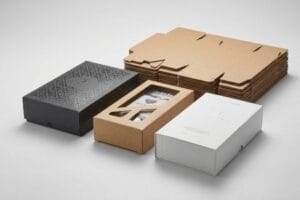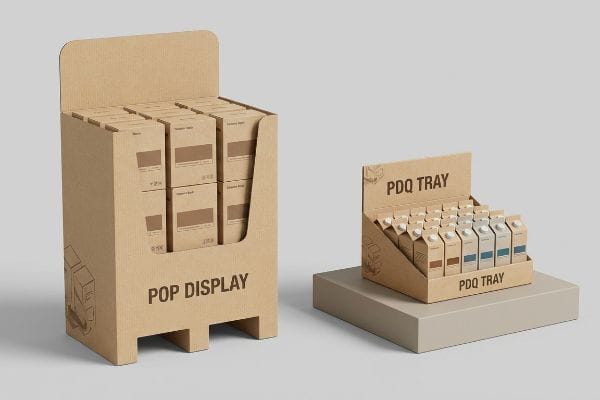
ব্র্যান্ডগুলো যখন অধিক জনসমাগমপূর্ণ ফ্লোর মার্চেন্ডাইজারকে দ্রুত স্থাপনযোগ্য চেকআউট ট্রে-এর সাথে গুলিয়ে ফেলে, তখন তাদের বাজেটের অপচয় হয়। এই কাঠামোগত পার্থক্যগুলো বোঝাই হলো প্রতিযোগিতামূলক রিটেইল পরিবেশে টিকে থাকার একমাত্র উপায়।.
একটি পিওপি ডিসপ্লে হলো প্রশস্ত রিটেইল আইলের জন্য ডিজাইন করা একটি বৃহৎ আকারের মার্চেন্ডাইজার, অন্যদিকে একটি পিডিকিউ হলো দ্রুত এবং টুল-মুক্ত চেকআউট স্থাপনের জন্য তৈরি একটি ছোট, শেলফে রাখার উপযোগী ট্রে। সফল হওয়ার জন্য উভয়ের ক্ষেত্রেই সম্পূর্ণ ভিন্ন লজিস্টিকস ফুটপ্রিন্ট, কাঠামোগত সংকোচনের মান এবং ভিজ্যুয়াল এনগেজমেন্ট কৌশল প্রয়োজন।.

অভিধানের সংজ্ঞা জানলেও পরিবহনের সময় আপনার মূল কার্টনগুলো বেঁকে যাওয়া থেকে রক্ষা পাবে না। আসুন, বিপণনের চটকদার কথাবার্তা বাদ দিয়ে সেই আসল পদার্থবিদ্যাটা দেখি যা নির্ধারণ করে আপনার কোন এককটি প্রয়োজন।.
POS ডিসপ্লে এবং POP ডিসপ্লের মধ্যে পার্থক্য কী?
ট্রেডিং কোম্পানিগুলো প্রায়শই এমন একটি পরিবর্ধনযোগ্য ডিজাইন উপস্থাপন করে, যেখানে একটি বড় পিওপি ইউনিটকে ছোট করে একটি পিওএস কাউন্টারের মাপে আনা যায়। এটি একটি গুরুতর লজিস্টিক ত্রুটি।.
POS ডিসপ্লে হলো একটি ইম্পালস মার্চেন্ডাইজার যা কঠোরভাবে চেকআউট জোনের মধ্যে স্থাপন করা হয়, অন্যদিকে POP ডিসপ্লে প্রধান চলাচল পথের করিডোরগুলোতে অবস্থান করে। এদের মূল পার্থক্যটি হলো আইনগতভাবে বাধ্যতামূলক ভৌতিক পরিসরে, যা ভোক্তা আচরণের স্বতন্ত্র পর্যায় এবং স্থানিক খুচরা ব্যবসার নিয়মকানুনকে লক্ষ্য করে তৈরি।.
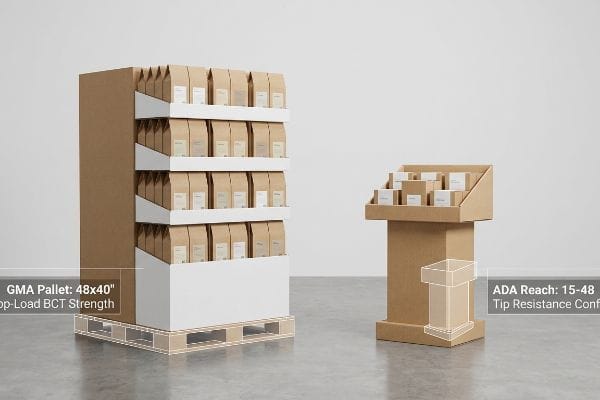
পার্থক্যটা শুধু ইউনিটটির অবস্থানের ওপর নির্ভর করে না; বরং এটি বিগ-বক্স স্টোরগুলোতে ঐ দুটি স্বতন্ত্র অঞ্চলকে নিয়ন্ত্রণকারী কঠোর কাঠামোগত রূপরেখার ওপর নির্ভরশীল।.
এডিএ বনাম জিএমএ স্থানিক নকশা
আমি রিটেইল ফ্লোরকে একটি কঠোরভাবে নিয়ন্ত্রিত লজিস্টিক্যাল গ্রিড হিসেবে দেখি। গুদামে স্তূপীকরণের ধকল সহ্য করার জন্য একটি পিওপি (পয়েন্ট অফ পারচেজ) ফ্লোর ডিসপ্লেকে অবশ্যই জিএমএ (গ্রোসারি ম্যানুফ্যাকচারার্স অ্যাসোসিয়েশন) এর ৪৮×৪০ ইঞ্চি (১২১৯.২×১০১৬ মিমি) কাঠের প্যালেট১-এর থাকতে হবে। অন্যদিকে, একটি পিওএস (পয়েন্ট অফ সেল) ডিসপ্লে একটি উচ্চ-ঘর্ষণযুক্ত মানব পরিসরে থাকে, যার অর্থ হলো এটিকে অবশ্যই এডিএ (আমেরিকানস উইথ ডিসএবিলিটিস অ্যাক্ট) এর ১৫-৪৮ ইঞ্চি (৩৮১-১২১৯.২ মিমি) ফরোয়ার্ড রিচ কমপ্লায়েন্স উইন্ডো২-। এগুলো সম্পূর্ণ ভিন্ন ধরনের কাঠামোগত যন্ত্র।
এই দুটি বিভাগের জন্য ইঞ্জিনিয়ারিং পাইপলাইনগুলোকে স্থায়ীভাবে আলাদা করাই হলো খুচরা বিক্রেতাদের নিয়ম মেনে চলা নিশ্চিত করার একমাত্র উপায়। যখন আমার দল একটি পিওপি (POP) ইউনিটের নকশা তৈরি করে, তখন জোড়ায় জোড়ায় সাজানো কন্টেইনারের প্রচণ্ড ওপরের ওজন সামলানোর জন্য এর প্রতিটি উল্লম্ব খাঁজ এবং ভারবাহী কোণ কঠোরভাবে বিসিটি (বক্স কম্প্রেশন টেস্ট) ৩- এর জন্য অপ্টিমাইজ করা হয়। কিন্তু যখন একটি পিওএস (POS) কাউন্টার ট্রে-এর ইঞ্জিনিয়ারিং করা হয় , তখন পদার্থবিদ্যার নিয়ম পুরোপুরি পাল্টে যায়; আমরা উল্লম্ব ভারবহন ক্ষমতাকে উপেক্ষা করি এবং ভরকেন্দ্রকে নতুন করে ডিজাইন করি, যেখানে মানুষের স্পর্শে উল্টে যাওয়া ৪ প্রতিরোধ করার জন্য গভীরতা ও উচ্চতার একটি কঠোর ২:৩ অনুপাত প্রয়োগ করা হয় । একটি চেকআউট কাউন্টারের মাপে আনার জন্য প্যালেটের নকশা ছোট করলে এই পরস্পরবিরোধী ভৌত নির্দেশাবলীকে উপেক্ষা করা হয়, যার ফলে ইউনিটগুলো হয় পরিবহনের সময় ভেঙে পড়ে অথবা আইল ক্লিয়ারেন্স কোড লঙ্ঘনের জন্য স্টোর ম্যানেজারদের দ্বারা প্রত্যাখ্যাত হয়।
| মেট্রিক/বৈশিষ্ট্য | জেনেরিক সঙ্কুচিত-ফিট পদ্ধতি | পরিকল্পিত খুচরা বাস্তবতা |
|---|---|---|
| কাঠামোগত নোঙর | শুধুমাত্র ভিজ্যুয়াল স্কেলিং | জিএমএ প্যালেট বনাম এডিএ রিচ5 |
| প্রাথমিক পদার্থবিদ্যা | নান্দনিক সামঞ্জস্য | টপ-লোড বিসিটি৬ বনাম টিপ রেজিস্ট্যান্স৭ |
| সম্মতি ফলাফল | করিডোর অবরুদ্ধ বা ট্রে উল্টে গেছে | জিরো-ফ্রিকশন ম্যানেজার অনুমোদন |
আমি নান্দনিক উচ্চাকাঙ্ক্ষাকে স্থানিক পদার্থবিদ্যার ওপর প্রাধান্য দিতে দিই না। আইল মার্চেন্ডাইজার এবং চেকআউট ইউনিটের জন্য স্থাপত্যগত গাণিতিক হিসাব কঠোরভাবে পৃথক করার মাধ্যমে, আমি নিশ্চিত করি যে আপনার ক্যাম্পেইনটি কঠিন নিয়মকানুন যাচাই প্রক্রিয়া সহজেই পার করে তার নির্ধারিত পরিসরে আধিপত্য বিস্তার করবে।.
🛠️ হার্ভিস ডেস্ক: আপনার ছোট আকারের কাউন্টার ইউনিটগুলো কি দোকানের নাগালের নিয়ম লঙ্ঘনের ঝুঁকিতে আছে অথবা চেকআউটের ভিড়ের সময় উল্টে যাওয়ার আশঙ্কা রয়েছে? 👉 একটি বিনামূল্যে স্পেশাল কমপ্লায়েন্স অডিট করান ↗ — আমি ২৪ ঘণ্টার মধ্যে প্রতিটি স্ট্রাকচারাল ফাইল ব্যক্তিগতভাবে পর্যালোচনা করি।
PDQ ডিসপ্লে বলতে কী বোঝায়?
ব্র্যান্ডগুলো এর দ্রুততার প্রতিশ্রুতির জন্য PDQ সংক্ষিপ্ত রূপটি পছন্দ করে, কিন্তু দোকানে দ্রুত পণ্য পৌঁছে দেওয়ার জন্য উৎপাদন পর্যায়ে কঠোর মাত্রাগত নিয়ন্ত্রণ প্রয়োজন।.
PDQ ডিসপ্লের অর্থ হলো "Pretty Darn Quick" (অত্যন্ত দ্রুত), যা বিশেষভাবে একটি কম্প্যাক্ট, আগে থেকে লোড করা শেলফ ট্রে-কে বোঝায়, যা শিপিং কার্টন থেকে খুচরা কাউন্টারে তাৎক্ষণিকভাবে স্থানান্তরের জন্য ডিজাইন করা হয়েছে। এই ইউনিটগুলো দোকানে অ্যাসেম্বলির শ্রম দূর করতে স্বজ্ঞাত, টুল-মুক্ত লকিং ব্যবস্থা ব্যবহার করে।.
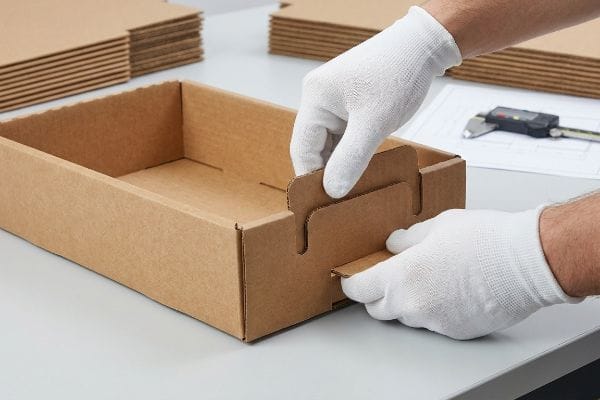
বোর্ডরুমে টুল-মুক্ত সংযোজন শুনতে দারুণ লাগে, কিন্তু CAD (কম্পিউটার-এইডেড ডিজাইন)-এর গাণিতিক হিসাব ভুল থাকলে, আঁটসাঁট খাঁজে মোটা কাগজ জোর করে ঢোকাতে গেলে প্রচণ্ড যান্ত্রিক ঘর্ষণ সৃষ্টি হয়।.
ক্যালিপার ক্ষতিপূরণের বাস্তবতা
যখন আমি দ্রুত-স্থাপনযোগ্য ট্রে-এর জন্য ক্লায়েন্টের ডাইলাইন নিরীক্ষা করি , তখন আমি প্রায়শই দেখি যে ইন্টারলকিং ট্যাবগুলো তাদের সংলগ্ন স্লটের ঠিক একই প্রস্থে আঁকা হয়েছে। ডেস্ক ডিজাইনাররা কাগজকে দ্বিমাত্রিক বলে ধরে নেন এবং ভাঁজ করা ই-ফ্লুট বা বি-ফ্লুট বোর্ডের ভৌত ব্যাসকে পুরোপুরি উপেক্ষা করেন। যখন একটি ০.১১ ইঞ্চি (২.৭৯ মিমি) পুরু ঢেউখেলানো প্যানেল ৯০ ডিগ্রিতে ভাঁজ করা হয়, তখন এর বাইরের ব্যাসার্ধ উপাদান ব্যবহার করে, যার অর্থ হলো গাণিতিকভাবে নিখুঁত একটি স্লট হঠাৎ করেই লকিং ট্যাবটিকে গ্রহণ করার জন্য ভৌতভাবে খুব ছোট হয়ে যায়।
এটা শুধু তত্ত্ব নয়—আমি টেস্টিং ফ্লোরে এটা ঘটতে দেখি যখন আমরা ভারী বোঝাই চেকআউট ট্রে আগে থেকে অ্যাসেম্বল করি। একটি জেনেরিক ফ্ল্যাট ভেক্টর ফাইল বোর্ডের আয়তনকে উপেক্ষা করে, যার ফলে কো-প্যাকিংয়ের সময় ব্যাপক ঘর্ষণ সৃষ্টি হয়। সাম্প্রতিক একটি পরীক্ষায়, একটি ৩২ ইসিটি (এজ ক্রাশ টেস্ট) বি-ফ্লুট ট্রে৯- ঠিক ০.১২৫ ইঞ্চি (৩.১৭ মিমি) মাপে ড্রাফট করা হয়েছিল। যখন আমার লাইনের কর্মীরা দেয়ালগুলো ভাঁজ করছিল, তখন ভেতরের কাগজের আঁশগুলো দলা পাকিয়ে যায়, যার ফলে স্লটের আসল ফাঁকা জায়গা সংকুচিত হয়ে মাত্র ০.০৮ ইঞ্চি (২.০৩ মিমি)-তে এসে দাঁড়ায়। লকিং ট্যাবগুলোকে জোর করে ভেতরে ঢোকানোর ফলে প্রিন্ট করা উপরের শিটটি বিকট শব্দে ফেটে যায় এবং গুরুত্বপূর্ণ ভার-বহনকারী জোড়গুলো বরাবর প্রিমিয়াম লিথো-ল্যামিনেশনটি আলাদা হয়ে যায়। ফ্লোরে আমার বিশ বছরের অভিজ্ঞতা আমাকে শিখিয়েছে যে প্রিপ্রেস পর্যায়েই এটি প্রতিরোধ করতে হয়। ArtiosCAD সফটওয়্যার10-, রিসিভিং স্লটগুলোকে একটি অনিয়মিত ০.০৪৩ ইঞ্চি (১.০৯ মিমি) পরিমাণ প্রশস্ত করি, যাতে এটি ভাঁজের বাইরের ব্যাসার্ধকে নিখুঁতভাবে ধারণ করতে পারে। এই অতি ক্ষুদ্র ক্যালিপার টলারেন্স প্রয়োগ করার মাধ্যমে, আমি নিশ্চিত করি যে কো-প্যাকিং অ্যাসেম্বলির সময় প্রতি ইউনিটে আনুমানিক ১৮ সেকেন্ড কমে আসে, যা শ্রম খরচ ব্যাপকভাবে হ্রাস করে এবং ট্রেগুলোর একটিও কোণা ছেঁড়া ছাড়াই খুচরা দোকানে পৌঁছানো নিশ্চিত করে।
| মেট্রিক/বৈশিষ্ট্য | স্ট্যান্ডার্ড ভেক্টর ডাইলাইন | ক্যালিপার-ক্ষতিপূরণকৃত গণিত |
|---|---|---|
| স্লট সহনশীলতা | পরম 2D মিল | ০.০৪৩ ইঞ্চি ব্যাসার্ধের বাফার11 |
| সমাবেশের গতি | উচ্চ ঘর্ষণের কারণে সহজে ছিঁড়ে যায়। | দ্রুত, টুল-মুক্ত স্থাপন |
| B2B ROI | বর্ধিত কো-প্যাকিং শ্রম ফি | প্রতি ট্রেতে ১৮ সেকেন্ড হ্রাস12 |
একটিও ইস্পাতের কাটার ব্লেড পড়ার আগেই আমি বোর্ডের ভৌত পুরুত্বকে প্রতিটি ডিজিটাল ভাঁজের মধ্যে স্থাপন করি। এই সূক্ষ্মতা একটি তাত্ত্বিক দ্রুত-মোতায়েনযোগ্য ট্রে-কে প্যাকিং লাইনে একটি প্রকৃত সরবরাহ-অস্ত্রে রূপান্তরিত করে।.
🛠️ হার্ভির ডেস্ক: অদৃশ্য ফোল্ড-রেডিয়াস টলারেন্স কি আপনার কো-প্যাকারদের কাজের গতি কমিয়ে দিচ্ছে এবং নীরবে আপনার ম্যানুয়াল অ্যাসেম্বলির খরচ বাড়িয়ে দিচ্ছে? 👉 একটি ফ্রি ডাইলাইন ফ্রিকশন টেস্টের জন্য অনুরোধ করুন ↗ — ১০০% গোপনীয়। আপনার অপ্রকাশিত রিটেইল ডিজাইনগুলো আমার কাছে সুরক্ষিত।
ডিসপ্লের চারটি মৌলিক প্রকার কী কী?
পণ্য বিপণন কৌশলগুলোকে সাধারণত চারটি মৌলিক শ্রেণিতে ভাগ করা যায়, কিন্তু পরিবহন হিসাব সামঞ্জস্য না করে এই শ্রেণিগুলো জুড়ে আপনার পণ্যের প্রসার ঘটানো নিশ্চিতভাবেই একটি সরবরাহ-সংক্রান্ত বিপর্যয়।.
ডিসপ্লের চারটি মৌলিক প্রকার হলো ফ্লোর স্ট্যান্ড, কাউন্টারটপ ইউনিট, প্যালেট বিল্ড এবং শেলফ বা সাইডকিক মার্চেন্ডাইজার। প্রতিটি ফরম্যাট একটি স্বতন্ত্র রিটেইল জোনের জন্য ব্যবহৃত হয়, যার জন্য ওজন বণ্টন, আইল ক্লিয়ারেন্স এবং শিপিং কন্টেইনার অপটিমাইজেশনের ক্ষেত্রে ব্যাপকভাবে ভিন্ন ইঞ্জিনিয়ারিং টলারেন্সের প্রয়োজন হয়।.
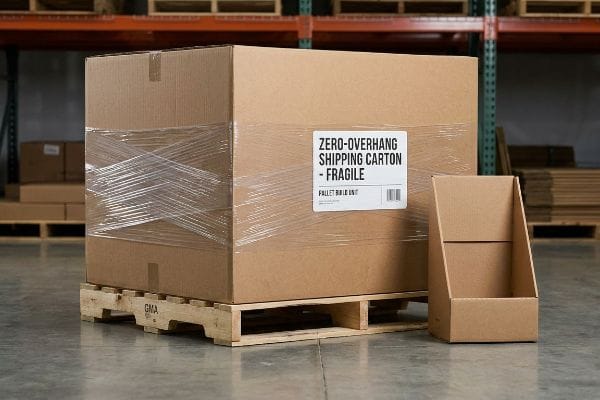
একটি স্বতন্ত্র ফ্লোর ইউনিট এবং একটি সম্পূর্ণ প্যালেট বিল্ডের সহজ; কিন্তু সমুদ্রপথে পরিবহনের যাত্রাটি টিকে থাকার জন্য মূল শিপিং কার্টনটির প্রকৌশলগত নকশাই একটি প্রচারণার সাফল্য বা ব্যর্থতার কারণ হয়ে দাঁড়ায়।
জিরো-ওভারহ্যাং লজিস্টিকস হ্যামার
বিদেশে কন্টেইনার লোড অডিট করার সময়, আমি ক্রমাগত দেখি যে ব্র্যান্ডগুলো উপকরণের খরচ বাঁচাতে সাধারণ ফ্লোর ডিসপ্লেগুলোকে সামান্য বড় আকারের শিপিং বাক্সে ঠেলে ঢোকানোর ফলে কী হয়। তারা ধরে নেয় যে কাঠের প্ল্যাটফর্মের উপর যেভাবে রাখা হোক না কেন, মজবুত ঢেউখেলানো কার্ডবোর্ড পণ্যগুলোকে রক্ষা করবে। এটি উল্লম্ব ভারবহন ক্ষমতার পদার্থবিদ্যাকেএবংঢেউখেলানো কার্ডবোর্ডকে গতিশীল কাগজের তন্তুর পরিবর্তে অবিনশ্বর ইস্পাত হিসাবে বিবেচনা করে।
এটা শুধু তত্ত্ব নয়—গত মাসে একটি বাল্ক ক্লাব চালুর জন্য নতুন একটি হেভি-ডিউটি ফ্লোর মার্চেন্ডাইজার ডিজাইন পরীক্ষা করার সময় আমি এই বিষয়টি কঠিনভাবে শিখেছি । আমরা স্ট্যান্ডার্ড রিটেইলার কমপ্লায়েন্স চেকলিস্টকে একটি অকাট্য ইঞ্জিনিয়ারিং সত্য হিসেবে ধরে নিয়েছিলাম এবং প্রতি বাক্সে একটি অতিরিক্ত ইউনিট রাখার জন্য মাস্টার কার্টনের প্রস্থ ৪০.১৮ ইঞ্চি (১০২০.৫ মিমি) পর্যন্ত বাড়িয়েছিলাম। ২০২২ সালে, আমি আমার প্রধান প্যাকেজিং ইঞ্জিনিয়ার, মার্ককে, সম্পূর্ণ লোড করা শিপারগুলোকে আমাদের সিমুলেটেড এইচকিউ (হাই কিউব) কন্টেইনার কম্প্রেশন টেস্টের মধ্যে দিয়ে চালাতে বলেছিলাম। যেহেতু কার্টনটি স্ট্যান্ডার্ড জিএমএ কাঠের প্যালেট ১৪-এর বাইরে ইঞ্চির ভগ্নাংশ পরিমাণ ঝুলে ছিল, তাই এর কাঠামোগত কোণগুলো সম্পূর্ণভাবে সাপোর্টবিহীন ছিল। মার্ক যেই মুহূর্তে গুদামের সর্বোচ্চ স্তরের স্ট্যাকিং অনুকরণ করার জন্য ম্যালেন টেস্টারের চাপ বাড়ালেন, আমি ভেতরের সি-ফ্লুটটি সঙ্গে সঙ্গে বেঁকে যাওয়ার সেই বীভৎস, চাপা মচমচ শব্দ শুনতে পেলাম। ৩১২.৪ পাউন্ড (১৪১.৭ কেজি) স্থির ওজনের চাপে কাঁচা সি-ফ্লুট ফাইবারগুলো সংকুচিত হয়ে যায়, যার ফলে নিচের মাস্টার কার্টনটি দৃশ্যত বাইরের দিকে বেঁকে যায় এবং স্তরগুলো আলাদা হয়ে যায়, এবং পুরো লোড স্ট্যাকটি প্রায় দেড় ইঞ্চি নিচে নেমে আসে। আমরা অবিলম্বে আমাদের স্বয়ংক্রিয় রোটারি স্লটার যন্ত্রপাতি পুনরায় ক্যালিব্রেট করি। আমি মার্ককে আমাদের সফটওয়্যারের মধ্যে কার্টনের সর্বোচ্চ অনুমোদিত পরিধি ঠিক ০.৫৩ ইঞ্চি (১৩.৪৬ মিমি) কমাতে বাধ্য করি, এবং একটি অনমনীয় শূন্য-ওভারহ্যাং সীমানা তৈরি করি যা কাঠের ডেকের উপর সরাসরি চারটি কোণাকেই নিরাপদে আটকে রাখে। আমি আমার টেস্টিং ল্যাবে সময় ও অর্থ ব্যয় করি যাতে খুচরা বিক্রির বাজারে আপনার লাভ নষ্ট না হয়; এই সামান্য সহনশীলতার সমন্বয় কার্টনের উল্লম্ব সংকোচন শক্তির ৬০ শতাংশ পুনরুদ্ধার করে , পরিবহনের সময় হওয়া ক্ষতি সম্পূর্ণরূপে দূর করে এবং ক্লায়েন্টের জন্য কন্টেইনার মাল পরিবহনের বিশাল আয় অক্ষুণ্ণ রাখে।
| মেট্রিক/বৈশিষ্ট্য | অতিরিক্ত বড় মাস্টার কার্টন | শূন্য-ওভারহ্যাং প্রয়োগ |
|---|---|---|
| কোণার সমর্থন | আংশিক প্যালেট ওভারহ্যাং | কাঠের ডেকের সাথে ১০০% নোঙর করা |
| টপ-লোড বিসিটি | নিচের স্তরটি সাথে সাথে আটকে যায়। | কন্টেইনার স্ট্যাকিং সহ্য করে |
| কন্টেইনার ROI | পণ্য ক্ষতিগ্রস্ত হওয়ার উচ্চ ঝুঁকি | সর্বোচ্চ শিপিং ফলন |
আমি সামান্য মাত্রার ত্রুটির কারণে বিপুল পরিমাণ চালানকে ক্ষতিগ্রস্ত হতে দেব না। প্রতিটি শিপারের উপর কঠোর বাউন্ডিং বক্স সীমা আরোপ করে, আমি নিশ্চিত করি যে আপনার ইউনিটগুলো সমুদ্রের কঠিন যাত্রায় থেঁতলে না গিয়ে অক্ষত থাকে।.
🛠️ হার্ভির ডেস্ক: অলক্ষ্যে প্যালেটের বাড়তি অংশ কি আপনার জোড়ায় জোড়ায় সাজানো শিপিং কন্টেইনারগুলোর সংকোচন শক্তি নিঃশব্দে কমিয়ে দিচ্ছে? 👉 আপনার বিনামূল্যে ফ্রেট ডেনসিটি অডিট দাবি করুন ↗ — মাঝখানে কোনো অ্যাকাউন্ট ম্যানেজার নেই। আপনি সরাসরি স্ট্রাকচারাল ইঞ্জিনিয়ারদের সাথে কথা বলবেন।
কার্যকর পয়েন্ট-অফ-পারচেজ পপ ডিসপ্লেগুলির কী করা উচিত?
একজন দক্ষ মার্চেন্ডাইজারকে অবশ্যই অবিলম্বে পথচারীদের আনাগোনা থামাতে হবে এবং তাৎক্ষণিক বিক্রয় বাড়াতে হবে, কিন্তু ক্রেতা পৌঁছানোর আগেই যদি ভৌত ইউনিটটি ভেঙে পড়ে, তবে নান্দনিকতার কোনো অর্থই থাকে না।.
কার্যকরী পিওপি ডিসপ্লেগুলোকে ত্রিশ ফুট দূর থেকে সর্বাধিক দৃষ্টি আকর্ষণ করতে হবে, তিন ফুট দূর থেকে ক্রেতার আগ্রহ জাগাতে হবে এবং তিন ইঞ্চি দূর থেকে স্পর্শের মাধ্যমে ক্রেতাকে আকৃষ্ট করতে হবে। অধিকন্তু, এগুলোকে অবশ্যই ভারী পণ্যকে নুয়ে না পড়ে স্বাধীনভাবে বহন করতে হবে এবং ভৌত খুচরা পরিবেশে ব্র্যান্ডের পরিচয়কে দৃঢ়ভাবে প্রতিষ্ঠা করতে হবে।.
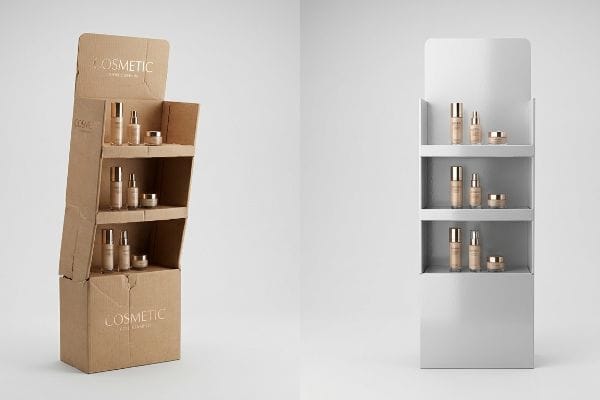
ভিজ্যুয়াল এনগেজমেন্টের সেই মানদণ্ডগুলো পূরণ করতে গিয়ে মার্কেটিং টিমগুলো প্রায়শই অত্যন্ত ব্যয়বহুল প্রিন্টিং ফিনিশের অনুরোধ করতে বাধ্য হয়, যা কারখানার মেঝেতে একটি বিপজ্জনক আর্থিক প্রভাব সৃষ্টি করে।.
প্রসাধনী অবনমনের ফাঁদ
আমার প্রতিষ্ঠানে আমি নিয়মিত দেখি, নতুন ব্র্যান্ডগুলো ডিসপ্লের মূল কাঠামোগত দৃঢ়তা গোপনে নষ্ট করে দিয়ে দামী, সম্পূর্ণ-কভারেজ ফয়েল ল্যামিনেশনের খরচ জোগাড় করার চেষ্টা করে। ক্রয়কারী দলগুলো মূল ঢেউখেলানো বোর্ডটিকে একটি লুকানো পণ্য হিসেবে দেখে, এবং ধরে নেয় যে ৩২ ইসিটি বোর্ডের পরিবর্তে সস্তা ২৬ ইসিটি গ্রেডের বোর্ড ব্যবহার করাটা কিছু পয়সা বাঁচানোর একটি নিরীহ উপায়। তারা এটা একেবারেই বুঝতে পারে না যে, এর ফলে ভেতরের লুকানো খাঁজগুলো থেকে কাগজের তন্তুর অত্যাবশ্যকীয় ঘনত্ব নষ্ট হয়ে যায় , যা একটি ভার-বহনকারী কাঠামোকে একটি ভঙ্গুর পোস্টার বোর্ডে পরিণত করে।
এটা শুধু তত্ত্ব নয়—আমি পরীক্ষার সময় এমনটা ঘটতে দেখি, যখন ব্র্যান্ডিং করা আকর্ষণীয় ডিসপ্লেগুলো বাস্তব জগতের স্থির চাপের সম্মুখীন হয়। সম্প্রতি আমার কাছে একটি RFQ (Request for Quote) আসে, যেখানে একটি অতি-প্রিমিয়াম সফট-টাচ ল্যামিনেশন বাধ্যতামূলক করা হয়েছিল, যার অর্থায়ন করা হয় একটি দুর্বল ২৬ ECT E-flute base১৮-। যখন আমি প্রোটোটাইপটিতে তাদের নির্দিষ্ট পণ্যগুলো রাখলাম, এর বাস্তব ফলাফল ছিল তাৎক্ষণিক। ৬৮ শতাংশ আর্দ্রতার একটি কৃত্রিম দোকানের আবহাওয়ার পরিবেশে দুই ঘণ্টার মধ্যে, অবলম্বনহীন মাঝের তাকগুলো ০.৩৭ ইঞ্চি (৯.৩৯ মিমি) নিচের দিকে বেঁকে যায়, এবং এতে ব্যবহৃত প্রিমিয়াম ফয়েল গ্রাফিক্সগুলো, যার জন্য তারা এত টাকা খরচ করেছিল, তা পুরোপুরি বিকৃত হয়ে যায়। আমি মাইক্রোমিটারের রিডিং নিয়ে প্রমাণ করলাম যে আমাদের নান্দনিকতা বিসর্জন দেওয়ার বা বাজেট বাড়ানোর কোনো প্রয়োজন ছিল না; আমাদের শুধু স্ফীত ফয়েল ফিল্মটি পুরোপুরি বাদ দিতে হতো। ক্রয় দল আমাকে এক্সেল BOM (বিল অফ মেটেরিয়ালস) সমন্বয় করার অনুমতি দেওয়ার পর, আমি ভারী প্লাস্টিক ফিল্মের পরিবর্তে একটি উচ্চ-কঠিন চকচকে জলীয় আবরণ ব্যবহার করি এবং কাঠামোগত ভিত্তিটিকে পুনরায় একটি ভার্জিন ৩২ ইসিটি ক্রাফট স্ট্যান্ডার্ড১৯-। অপ্রয়োজনীয় বাহ্যিক ফিল্ম থেকে বাজেট সরিয়ে অতি-সঠিক ঢেউখেলানো কার্ডবোর্ডের প্রকৌশলে পুনঃবন্টন করার মাধ্যমে, আমি তাকের ঝুলে পড়া সম্পূর্ণরূপে দূর করি, যা ক্লায়েন্টকে একটি ভয়াবহ দৃশ্যগত ব্যর্থতা থেকে বাঁচানোর পাশাপাশি তাদের লক্ষ্যমাত্রা অনুযায়ী একক প্রতি খরচও বজায় রাখে।
| মেট্রিক/বৈশিষ্ট্য | কসমেটিক ডাউনগ্রেড বাজেট | কাঠামোগত মান প্রকৌশল |
|---|---|---|
| উপকরণের স্পেসিফিকেশন | ভারী ফয়েল + দুর্বল ২৬ ইসিটি | জলীয় ঔজ্জ্বল্য + অনমনীয় ৩২ ইসিটি২০ |
| কর্মক্ষমতা | তাকগুলো ০.৩৭ ইঞ্চি ঝুলে গেছে।21 | ভারের অধীনে শূন্য বিচ্যুতি |
| আর্থিক প্রভাব | দৃষ্টিশক্তির উচ্চ ব্যর্থতার ঝুঁকি | সুরক্ষিত ব্র্যান্ড এবং ইউনিট খরচ |
আমি বাহ্যিক চাকচিক্য বাদ দিয়ে সেই মুনাফা সরাসরি ভারবহন ক্ষমতা বৃদ্ধিতে পুনঃবিনিয়োগ করে পণ্যের মান উন্নত করি। একটি সুন্দর ডিসপ্লে যা তার নিজের পণ্যের ভারেই নুয়ে পড়ে, তা কেবলই দামী আবর্জনা।.
🛠️ হার্ভির ডেস্ক: আপনার ক্রয় বাজেটে কাটছাঁটের কারণে কি আপনার রিটেইল ডিসপ্লেগুলো টিকে থাকার জন্য প্রয়োজনীয় প্রান্তিক চাপ সহনশীলতা থেকে নীরবে বঞ্চিত হচ্ছে? 👉 একটি স্ট্রাকচারাল ডাইলাইন অডিট করান ↗ — আমি ২৪ ঘণ্টার মধ্যে প্রতিটি স্ট্রাকচারাল ফাইল ব্যক্তিগতভাবে পর্যালোচনা করি।
উপসংহার
আইল মার্চেন্ডাইজার এবং দ্রুত স্থাপনযোগ্য চেকআউট ট্রে-এর মধ্যকার কঠিন লজিস্টিক হিসাব আয়ত্ত করাই ভারী পণ্যকে পরিবহনের সময় আপনার লাভের মার্জিন নষ্ট করা থেকে রক্ষা করে। এই সুনির্দিষ্ট ইঞ্জিনিয়ারিং পর্যালোচনাটি সম্প্রতি উৎপাদনের আগে একটি বড় জাতীয় পণ্য উন্মোচনের জন্য একটি মারাত্মক ২ মিমি টলারেন্স ত্রুটি ধরে ফেলেছে। আপনার করোগেটেড কাঠামো সমুদ্রযাত্রা বা দোকানের মেঝেতে টিকে থাকবে কিনা তা নিয়ে অনুমান করা বন্ধ করুন; বাস্তব জগতের জন্য সেগুলো গাণিতিকভাবে সুরক্ষিত কিনা তা নিশ্চিত করতে আমাকে ব্যক্তিগতভাবে আপনার কাঠামোগত ফাইলগুলো একটি বিনামূল্যে স্ট্রাকচারাল ফ্রেট অডিটের ↗ মাধ্যমে পরীক্ষা করতে দিন।
"তাপ-প্রক্রিয়াজাত কাঠের জিএমএ প্যালেট – ৪৮ x ৪০" এইচ-১২৬০ – ইউলাইন", https://www.uline.com/Product/Detail/H-1260/Pallets/Heat-Treated-Wood-GMA-Pallet-48-x-40। [লজিস্টিকাল প্যালেটাইজেশনের জন্য শিল্প মানদণ্ড ৪৮×৪০ ইঞ্চি-কে আদর্শ জিএমএ ফুটপ্রিন্ট হিসাবে নিশ্চিত করে]। প্রমাণের ভূমিকা: প্রযুক্তিগত স্পেসিফিকেশন; উৎসের ধরণ: শিল্প মানদণ্ড। সমর্থন করে: পিওপি ডিসপ্লে ফুটপ্রিন্ট। পরিধি নোট: উত্তর আমেরিকার বাজার। ↩
"অ্যাক্সেসিবল ডিজাইনের জন্য ADA স্ট্যান্ডার্ডস টাইটেল III রেগুলেশন 28 CFR …", https://www.ada.gov/law-and-regs/design-standards/1991-design-standards/। [অ্যাক্সেসিবল ডিজাইনের জন্য ADA স্ট্যান্ডার্ডস অ্যাক্সেসিবিলিটি নিশ্চিত করার জন্য সামনের দিকে পৌঁছানোর গ্রহণযোগ্য পরিসীমা নির্ধারণ করে]। প্রমাণের ভূমিকা: নিয়ন্ত্রক যাচাইকরণ; উৎসের ধরণ: সরকারি স্ট্যান্ডার্ড। সহায়ক: POS ডিসপ্লের আর্গোনমিক উচ্চতা। পরিধি নোট: সামনের দিকে পৌঁছানোর সীমার জন্য নির্দিষ্ট। ↩
"ঢেউখেলানো বোর্ডের বাক্সের সংকোচন শক্তির নিরূপণ...", https://pmc.ncbi.nlm.nih.gov/articles/PMC8467740/। [ঢেউখেলানো প্যাকেজিং-এর প্রযুক্তিগত ম্যানুয়ালগুলিতে, একটি কার্ডবোর্ডের কাঠামো ভেঙে পড়ার আগে সর্বোচ্চ যে ভার বহন করতে পারে তা নির্ধারণের জন্য বক্স কম্প্রেশন টেস্ট (BCT)-কে একটি মানদণ্ড হিসাবে নির্দিষ্ট করা হয়েছে। প্রমাণের ভূমিকা: প্রযুক্তিগত স্পেসিফিকেশন; উৎসের ধরণ: শিল্প প্রকৌশল মানদণ্ড। সমর্থন: বৃহৎ আকারের POP ইউনিটের জন্য BCT অপ্টিমাইজেশনের প্রয়োজনীয়তা। পরিধি নোট: বিশেষভাবে ঢেউখেলানো ফাইবারবোর্ড উপকরণের ক্ষেত্রে প্রযোজ্য।] ↩
"Tipover-Prevention-Project-Anchors-without-Tools.pdf", https://www.cpsc.gov/s3fs-public/pdfs/Tipover-Prevention-Project-Anchors-without-Tools.pdf। [খুচরা ডিসপ্লে ইঞ্জিনিয়ারিং নির্দেশিকাগুলো একটি নিম্ন ভরকেন্দ্র বজায় রাখার জন্য নির্দিষ্ট আকৃতির অনুপাত নির্ধারণ করে, যা গ্রাহকের সাথে লেনদেনের সময় ডিসপ্লে উল্টে যাওয়া প্রতিরোধ করে। প্রমাণের ভূমিকা: প্রযুক্তিগত স্পেসিফিকেশন; উৎসের ধরণ: খুচরা ডিজাইন হ্যান্ডবুক। সমর্থন করে: POS কাউন্টার ট্রে-এর জন্য নির্দিষ্ট কাঠামোগত প্রয়োজনীয়তা। পরিধি নোট: প্রদর্শিত পণ্যের ভরের উপর ভিত্তি করে অনুপাত পরিবর্তিত হতে পারে।] ↩
"অধ্যায় ৩: পরিচালনাযোগ্য অংশ – Access-Board.gov", https://www.access-board.gov/ada/guides/chapter-3-operable-parts/। [GMA প্যালেট ফুটপ্রিন্টের জন্য শিল্প মান এবং ADA অ্যাক্সেসিবিলিটি নির্দেশিকা খুচরা ডিসপ্লের জন্য আইনি ও লজিস্টিক স্থানিক সীমাবদ্ধতা নির্ধারণ করে]। প্রমাণের ভূমিকা: প্রযুক্তিগত স্পেসিফিকেশন; উৎসের ধরণ: নিয়ন্ত্রক/শিল্প মান। সমর্থন করে: সাধারণ স্কেলিংয়ের বাইরে একটি স্থানিক ব্লুপ্রিন্টের প্রয়োজনীয়তা। পরিধি নোট: প্রাথমিকভাবে উত্তর আমেরিকার খুচরা পরিবেশের জন্য প্রযোজ্য। ↩
"বক্স কম্প্রেশন টেস্ট: স্ট্যান্ডার্ড, পদ্ধতি ও ক্যালিব্রেশন | ওয়ার্ল্ডঅফটেস্ট", https://www.worldoftest.com/articles/box-compression-test-standards-methods-calibration/। [বক্স কম্প্রেশন টেস্টিং (BCT) হলো একটি ইঞ্জিনিয়ারিং স্ট্যান্ডার্ড যা ঢেউখেলানো কাগজের প্যাকেজিং-এর ভারবহন ক্ষমতা পরিমাপ করে কাঠামোগত ব্যর্থতা রোধ করতে ব্যবহৃত হয়]। প্রমাণের ভূমিকা: প্রযুক্তিগত মেট্রিক; উৎসের ধরণ: ইঞ্জিনিয়ারিং ম্যানুয়াল। সমর্থন: প্রকৌশলগতভাবে নির্মিত রিটেইল ডিসপ্লেতে কাঠামোগত অখণ্ডতার পদার্থবিদ্যা। পরিধি সংক্রান্ত টীকা: শুধুমাত্র ঢেউখেলানো কাগজ এবং পেপারবোর্ড উপকরণের জন্য প্রযোজ্য। ↩
"মেঝেতে স্থাপিত ফিক্সচারের ভারবহন ক্ষমতা এবং স্থিতিশীলতা কীভাবে পরীক্ষা করবেন...", https://www.samtop.com/floor-display-load-testing-guide/। [স্বতন্ত্র খুচরা ফিক্সচারের জন্য সুরক্ষা মানগুলি উল্টে যাওয়ার ঝুঁকি প্রতিরোধ করার জন্য প্রয়োজনীয় ভরকেন্দ্র এবং ভিত্তির প্রস্থের অনুপাত নির্ধারণ করে]। প্রমাণের ভূমিকা: সুরক্ষার আবশ্যকতা; উৎসের ধরণ: শিল্প সুরক্ষা নির্দেশিকা। সমর্থন: নান্দনিক স্কেলিং এবং কাঠামোগত প্রকৌশলের মধ্যে পার্থক্য। পরিধি সংক্রান্ত টীকা: মোট ইউনিটের উচ্চতার উপর ভিত্তি করে প্রয়োজনীয়তা পরিবর্তিত হয়। ↩
"[পিডিএফ] ঢেউখেলানো পেপারবোর্ডের স্পেসিফিকেশন – ন্যাশনাল আর্কাইভস", https://www.archives.gov/files/preservation/storage/pdf/corrugated-board.pdf। [ঢেউখেলানো প্যাকেজিং উপকরণের জন্য একটি শিল্প মান নির্দিষ্ট ফ্লুট ধরনের জন্য সাধারণ ক্যালিপার পরিমাপ নিশ্চিত করবে। প্রমাণের ভূমিকা: প্রযুক্তিগত স্পেসিফিকেশন; উৎসের ধরন: উৎপাদন ম্যানুয়াল। সমর্থন করে: উপাদানের পুরুত্বের দাবি। পরিধি নোট: প্রস্তুতকারক এবং বোর্ডের গ্রেড অনুসারে পুরুত্ব সামান্য পরিবর্তিত হতে পারে।] ↩
"[পিডিএফ] করোগেটেড বোর্ড স্পেসিফিকেশন – ফাইবার বক্স অ্যাসোসিয়েশন", https://www.fibrebox.org/assets/2025/09/Walmart_Corrugated-Board_Specifications_Automation_Packaging_Standards.pdf। [কোরুগেটেড প্যাকেজিং-এর জন্য শিল্প মান ৩২ ইসিটি বি-ফ্লুট বোর্ডের সংকোচন শক্তি এবং ভৌত পুরুত্ব নির্ধারণ করে]। প্রমাণের ভূমিকা: প্রযুক্তিগত স্পেসিফিকেশন; উৎসের ধরণ: শিল্প মান; সমর্থন: ট্রে-এর জন্য ব্যবহৃত উপাদানের বৈশিষ্ট্য। পরিধি নোট: উত্তর আমেরিকার মানসম্মত করোগেটেড গ্রেডগুলির ক্ষেত্রে প্রযোজ্য। ↩
"কার্ডবোর্ড নির্মাণ: বেন্ড অ্যালাউন্স গণনা ১", https://www.youtube.com/watch?v=j1n5ojAbAic। [ArtiosCAD-এর প্রযুক্তিগত ডকুমেন্টেশন সফটওয়্যারটির এই সক্ষমতা নিশ্চিত করে যে, এটি ভাঁজ করার প্রক্রিয়ার সময় উপাদানের ক্যালিপারের ক্ষতিপূরণের জন্য বেন্ড অ্যালাউন্স অন্তর্ভুক্ত করতে পারে]। প্রমাণের ভূমিকা: প্রযুক্তিগত প্রক্রিয়া; উৎসের ধরণ: সফটওয়্যার ডকুমেন্টেশন; সমর্থন করে: স্লট ক্লিয়ারেন্স সমস্যা সমাধানের জন্য ব্যবহৃত পদ্ধতি। পরিধি নোট: প্যাকেজিংয়ের জন্য কাঠামোগত নকশা সফটওয়্যারের ক্ষেত্রে নির্দিষ্ট। ↩
"[পিডিএফ] স্টর্মওয়াটার ম্যানেজমেন্ট ডিজাইন ম্যানুয়াল – প্রিন্স জর্জ'স কাউন্টি", https://www.princegeorgescountymd.gov/sites/default/files/media-document/Stormwater%20Management%20Design%20Manual%20%28PDF%29.pdf। [কোরুগেটেড প্যাকেজিং-এর জন্য কারিগরি প্রকৌশল মানসমূহে ভাঁজ করার সময় উপাদানের পুরুত্বের ক্ষতিপূরণের জন্য প্রয়োজনীয় নির্দিষ্ট ব্যাসার্ধের অফসেটের বিস্তারিত বিবরণ দেওয়া আছে]। প্রমাণের ভূমিকা: কারিগরি স্পেসিফিকেশন; উৎসের ধরণ: প্যাকেজিং ইঞ্জিনিয়ারিং ম্যানুয়াল। সমর্থন: স্লট টলারেন্সের নির্ভুলতা। পরিধি সংক্রান্ত টীকা: স্ট্যান্ডার্ড ক্যালিপার করোগেটেড বোর্ডের জন্য নির্দিষ্ট। ↩
"পিডি কিউ এন্ডক্যাপ ডিসপ্লে সিকিউরিটি – কাস্টম কার্ডবোর্ড ও করোগেটেড …", https://popdisplay.me/pdq-endcap-display-security/। [শিল্প প্রকৌশলের কেস স্টাডিগুলো স্ট্যান্ডার্ড ভেক্টর ডাইলাইন থেকে ক্যালিপার-কম্পেনসেটেড ডিজাইনে স্থানান্তরের ফলে প্রতি ইউনিটে সাশ্রয় হওয়া সময়ের পরিমাণ নির্ণয় করে]। প্রমাণের ভূমিকা: পারফরম্যান্স মেট্রিক; উৎসের ধরণ: শিল্প শ্বেতপত্র। সমর্থন করে: বি২বি আরওআই শ্রম সাশ্রয়। পরিধি নোট: উচ্চ-ভলিউম অ্যাসেম্বলি লাইন বেঞ্চমার্কের উপর ভিত্তি করে। ↩
"[DOC] জমা দেওয়া সংস্করণ (৬৭২.০৯ কেবি) – ভিটেকওয়ার্কস", https://vtechworks.lib.vt.edu/bitstreams/359cd5e6-7099-48a8-9a3b-60aeee6db278/download। [প্যাকেজিং ইঞ্জিনিয়ারিং-এর একটি নির্ভরযোগ্য উৎস ব্যাখ্যা করবে যে কীভাবে ঢেউখেলানো ফাইবারবোর্ডের কাঠামোগত অখণ্ডতা উল্লম্ব সংকোচন শক্তি বজায় রাখার জন্য এর খাঁজগুলোর সারিবদ্ধতার উপর নির্ভর করে। প্রমাণের ভূমিকা: প্রযুক্তিগত যাচাইকরণ; উৎসের ধরণ: পদার্থ বিজ্ঞান পাঠ্যপুস্তক। সমর্থন করে: এই দাবি যে ঢেউখেলানো বোর্ডের ভারবহন সীমা সংক্রান্ত নির্দিষ্ট পদার্থবিদ্যা রয়েছে। পরিধি টীকা: বিশেষভাবে ঢেউখেলানো ফাইবারবোর্ডের ক্ষেত্রে প্রযোজ্য।] ↩
"[পিডিএফ] ৪০-ইঞ্চি জিএমএ-স্টাইলের কাঠের প্যালেট – সাউদার্ন রিসার্চ স্টেশন", https://www.srs.fs.usda.gov/pubs/VT_Publications/05t10.pdf। [গ্রোসারি ম্যানুফ্যাকচারার্স অ্যাসোসিয়েশন (জিএমএ) প্যালেটের মাত্রা এবং স্পেসিফিকেশন বিশদভাবে বর্ণনা করে এমন শিল্প মান]। প্রমাণের ভূমিকা: বাস্তবভিত্তিক ভিত্তি; উৎসের ধরণ: শিল্প মান। সমর্থন: একটি আদর্শ ৪৮×৪০ ইঞ্চি প্যালেটের প্রস্থের সাপেক্ষে ওভারহ্যাং-এর গণনা। পরিধি টীকা: প্রাথমিকভাবে উত্তর আমেরিকার লজিস্টিকস মানগুলির জন্য প্রযোজ্য। ↩
"বাক্সের উপর প্যালেট ওভারহ্যাং-এর প্রভাবের পূর্বাভাস...", https://vtechworks.lib.vt.edu/items/a44b58f5-f8a2-4e60-b709-23a013411d58। [প্রযুক্তিগত প্যাকেজিং ডেটা যা প্রদর্শন করে যে, যখন করোগেটেড কার্টনের দেয়ালগুলো প্যালেট ডেক দ্বারা সমর্থিত থাকে না, তখন ভারবহন ক্ষমতার কত শতাংশ হ্রাস পায়]। প্রমাণের ভূমিকা: পরিমাণগত যাচাইকরণ; উৎসের ধরণ: প্যাকেজিং ইঞ্জিনিয়ারিং গবেষণা। সমর্থন করে: এই দাবি যে, জিরো-ওভারহ্যাং উল্লেখযোগ্য কাঠামোগত শক্তি পুনরুদ্ধার করে। পরিধি নোট: ফ্লুটের ধরণ এবং স্ট্যাকের উচ্চতার উপর ভিত্তি করে শতাংশ পরিবর্তিত হতে পারে। ↩
"ECT রেটিং-এর ব্যাখ্যা: আপনার জন্য এর অর্থ কী...", https://epackagesupply.com/blogs/packaging-guide/ect-ratings-explained-what-they-mean-for-your-corrugated-packaging?srsltid=AfmBOoq4NzfFq18AjqPnNmbcMryUKc41iu6fa8ngKLXfbjmc_s8T5Ek_। [কোরুগেটেড প্যাকেজিং-এর প্রযুক্তিগত স্পেসিফিকেশন বিভিন্ন এজ ক্রাশ টেস্ট (ECT) রেটিং-এর মধ্যে ভারবহন ক্ষমতার সুনির্দিষ্ট পার্থক্য প্রদান করে]। প্রমাণের ভূমিকা: প্রযুক্তিগত স্পেসিফিকেশন; উৎসের ধরণ: শিল্প প্যাকেজিং স্ট্যান্ডার্ড। সমর্থন: বোর্ডের গ্রেড কমানোর ফলে কাঠামোগত অখণ্ডতা হ্রাসের ঝুঁকি। পরিধি সংক্রান্ত টীকা: কোরুগেটেড কার্ডবোর্ড মেট্রিক্সের জন্য নির্দিষ্ট। ↩
"ইন্টারফ্লুট বাকলিং-এর পরীক্ষা পদ্ধতি ও প্রভাব – বায়োরিসোর্সেস", https://bioresources.cnr.ncsu.edu/resources/overview-of-recent-studies-at-ipst-on-corrugated-board-edge-compression-strength-testing-methods-and-effects-of-interflute-buckling/। [পেপারবোর্ডের উপর পদার্থ বিজ্ঞান বিষয়ক সাহিত্যে ব্যাখ্যা করা হয়েছে কিভাবে ECT রেটিং ফ্লুটিং-এর গ্রামেজ এবং ফাইবার ঘনত্বের সাথে সরাসরি সম্পর্কিত]। প্রমাণের ভূমিকা: প্রযুক্তিগত ব্যাখ্যা; উৎসের ধরণ: পদার্থ বিজ্ঞান ম্যানুয়াল। সমর্থন: ECT রেটিং এবং অভ্যন্তরীণ ফাইবার ঘনত্বের মধ্যে সম্পর্ক। পরিধি টীকা: করোগেটেড ইঞ্জিনিয়ারিং-এর সাধারণ নীতিসমূহ। ↩
"কোরুগেটেড বক্সের শক্তি নির্দেশিকা: ফ্লুট গ্রেড, ইসিটি রেটিং এবং দেয়াল...", https://anchorbox.com/corrugated-box-strength/। [কোরুগেটেড কার্ডবোর্ডের জন্য পদার্থ বিজ্ঞানের মানদণ্ড নির্ধারণ করে যে ২৬টি ইসিটি রেটিং কম উল্লম্ব সংকোচন শক্তি প্রদান করে, যা স্থির ভার এবং আর্দ্রতার অধীনে বেঁকে যাওয়ার প্রবণতা বাড়ায়]। প্রমাণের ভূমিকা: প্রযুক্তিগত ভিত্তি; উৎসের ধরণ: ইঞ্জিনিয়ারিং ম্যানুয়াল। সমর্থন: কাঠামোগত ব্যর্থতার কারণ। পরিধি সংক্রান্ত টীকা: ব্যর্থতার হার মোট ভারের ওজনের উপর নির্ভর করে। ↩
"শিপিং বক্সের শক্তি বোঝা – ইকোএনক্লোজ", https://www.ecoenclose.com/blog/understanding-shipping-box-strength/?srsltid=AfmBOop1vMn_BJheO5o9_juG_ksqGuVt1b0AgKfvlkTcNwJgp_jCUh2q। [ভার্জিন ক্রাফট পেপারের প্রযুক্তিগত স্পেসিফিকেশন অনুযায়ী, রিসাইকেল করা ফাইবারের তুলনায় এর টান শক্তি এবং আর্দ্রতা প্রতিরোধ ক্ষমতা বেশি, বিশেষ করে ৩২ ইসিটি রেটিং-এ]। প্রমাণের ভূমিকা: প্রযুক্তিগত স্পেসিফিকেশন; উৎসের ধরণ: মেটেরিয়াল ডেটাশিট। সমর্থন করে: কাঠামোগত ব্যর্থতার সমাধান। পরিধি সংক্রান্ত টীকা: সাধারণ ঢেউখেলানো কার্ডবোর্ড উৎপাদন মানদণ্ডের ক্ষেত্রে প্রযোজ্য। ↩
"কার্ডবোর্ড ডিসপ্লে বক্স কী? – পপডিসপ্লে", https://popdisplay.me/what-are-cardboard-display-boxes/। [৩২ ইসিটি ঢেউখেলানো বোর্ডের জন্য প্রস্তুতকারকের স্পেসিফিকেশনে ২৬ ইসিটি-র তুলনায় এর বর্ধিত সংকোচন শক্তি এবং দৃঢ়তা নিশ্চিত করা উচিত]। প্রমাণের ভূমিকা: প্রযুক্তিগত স্পেসিফিকেশন; উৎসের ধরণ: শিল্প ডেটা শিট। সমর্থন: স্ট্রাকচারাল ভ্যালু ইঞ্জিনিয়ারিং-এর সুবিধাসমূহ। পরিধি টীকা: ঢেউখেলানো কার্ডবোর্ড প্যাকেজিং-এর ক্ষেত্রে প্রযোজ্য। ↩
"[পিডিএফ] "কোরুগেটেড বাক্সের বিতরণের উপর প্রভাবের অনুসন্ধান", https://www.unitload.vt.edu/content/dam/unitload_vt_edu/graduate-research-and-subpages-pictures-and-docs/thesis-and-dissertations-/Clayton%20-%20ETD%20-%20Investigation%20of%20the%20Effect%20of%20Corrugated%20Boxes%20on%20the%20Distribution%20of%20Compression%20Stresses%20on%20the%20Top%20Surface%20of%20Wooden%20Pallets.pdf। [২৬ ইসিটি করোগেটেড বোর্ডের জন্য প্রযুক্তিগত ভারবহন পরীক্ষা থেকে প্রমাণী তথ্য পাওয়া উচিত যা স্ট্যান্ডার্ড পিওপি লোডের অধীনে ০.৩৭ ইঞ্চির একটি নির্দিষ্ট বিচ্যুতি হার নিশ্চিত করে]। প্রমাণের ভূমিকা: প্রযুক্তিগত বৈধতা; উৎসের ধরণ: প্রকৌশল প্রতিবেদন। সহায়ক বিষয়: নিম্ন-ECT উপাদানের কার্যকারিতা ব্যর্থতা। পরিধি টীকা: ভারের ওজন এবং বিস্তারের উপর নির্ভর করে বিচ্যুতি পরিবর্তিত হয়। ↩