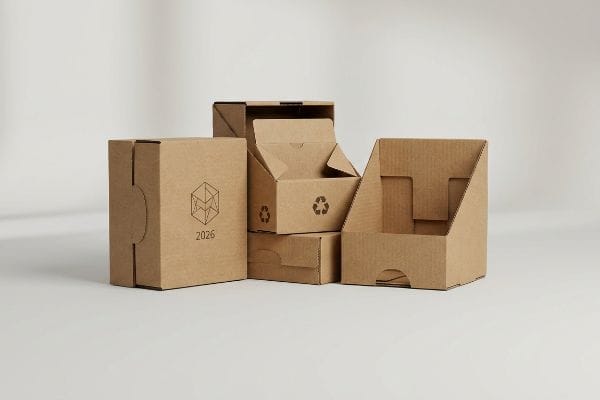
বড় আকারের খুচরা পণ্য বাজারে আনার প্রস্তুতির জন্য উৎপাদন ক্ষেত্রে পরবর্তী পরিবর্তনের ঢেউ আগে থেকে অনুমান করা প্রয়োজন। এই ক্ষেত্রটি ক্রমাগত পরিবর্তিত হচ্ছে, এবং এগিয়ে থাকার অর্থ হলো কাঠামোগত চাপের মুখে উপকরণগুলো কীভাবে কাজ করে, তা নতুন করে ভাবা।.
২০২৬ সালের জন্য ঢেউখেলানো কাগজের প্যাকেজিং উদ্ভাবনের শীর্ষ প্রবণতাগুলো হলো সরাসরি বোর্ডে ডিজিটাল প্রিন্টিং, একক উপাদানের স্থায়িত্ব এবং ফ্রিকশন-লক ইন্টারেক্টিভ মার্চেন্ডাইজার। এই অগ্রগতিগুলো ভেজা আঠার ব্যবহার দূর করে, পুনর্ব্যবহার প্রক্রিয়াকে সুবিন্যস্ত করে এবং সরবরাহ শৃঙ্খলের জটিলতা কমিয়ে বিশ্বব্যাপী খুচরা বিক্রেতাদের কঠোর চাহিদা দক্ষতার সাথে পূরণ করে।.
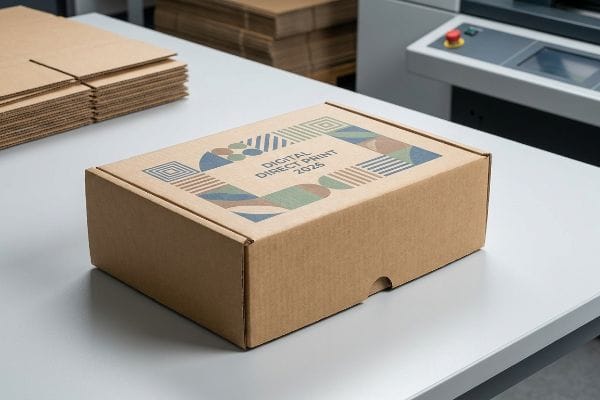
তবে, গুদামে অ্যাসেম্বলির সময় ফিজিক্যাল বোর্ডটি বিকল হয়ে গেলে শিল্পখাতের উচ্চ-পর্যায়ের পরিবর্তনগুলো বোঝা সম্পূর্ণ অর্থহীন।.
২০২৬ সালে ঢেউখেলানো কাগজের মোড়কের (Corrugated Packaging) প্রবণতা কী হবে?
বর্তমানে সবচেয়ে বড় পরিবর্তনটি হলো দ্রুত ও স্বল্পমেয়াদী প্রচারণামূলক প্রচারাভিযানে ভেজা আঠার সম্পূর্ণ বিলোপ।.
করোগেটেড প্যাকেজিংয়ের প্রধান প্রবণতা হলো ইউভি (আল্ট্রাভায়োলেট) ফ্ল্যাটবেড ডিজিটাল প্রিন্টিংয়ের দ্রুত গ্রহণ। এই প্রযুক্তি বোর্ডের উপর পড়ার সাথে সাথেই তরল কালিকে একটি কঠিন পলিমার ফিল্মে পরিণত করে, যা প্রচলিত লিথোগ্রাফিক প্লেট এবং ভেজা আঠার ব্যবহার দূর করে এবং স্বল্প-পরিমাণে রিটেইল ডিসপ্লে উৎপাদনকে উল্লেখযোগ্যভাবে ত্বরান্বিত করে।.
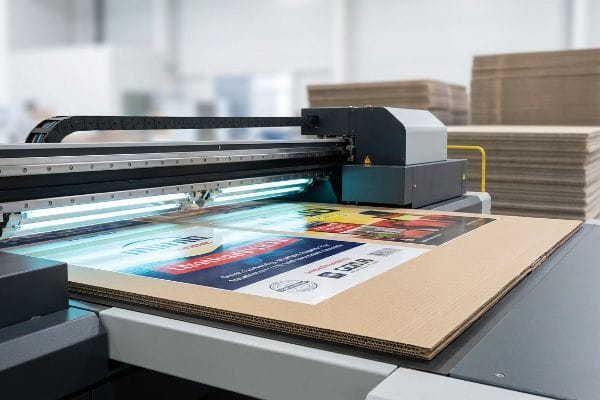
কাগজে-কলমে এটিকে একটি বিশাল অগ্রগতি মনে হলেও, এটি উৎপাদন পর্যায়ে আমরা যেভাবে সাবস্ট্রেট পরিচালনা করি, তা পুরোপুরি বদলে দেয়।.
পলিমারাইজেশনের মাধ্যমে পিভিএ ওয়ার্পকে বাইপাস করা
এমনকি অভিজ্ঞ ডিজাইনাররাও প্রায়শই মনে করেন যে, উচ্চমানের গ্রাফিক্স অর্জনের একমাত্র উপায় হলো একটি অনমনীয় বি-ফ্লুট বোর্ডের উপর একটি প্রিমিয়াম প্রিন্টেড টপ-শিট স্থাপন করা। তারা ঐতিহ্যগতভাবে লিথো-ল্যামিনেশনের উপর নির্ভর করেন, যা স্তরগুলোকে একসাথে জোড়া লাগানোর জন্য জল-ভিত্তিক পিভিএ (পলিভিনাইল অ্যাসিটেট) আঠা ব্যবহার করে। এই পদ্ধতিতে ব্যয়বহুল ধাতব প্লেট এবং দীর্ঘ প্রস্তুতির সময় প্রয়োজন হয়, যা দ্রুত ও কর্মচঞ্চল প্রচারমূলক কার্যক্রমকে সম্পূর্ণরূপে পঙ্গু করে দেয়।
খুব কম সময়ের মধ্যে লিথো-ল্যামিনেশনের কাজ তাড়াহুড়ো করে করতে গেলে এই ফাঁদটি বন্ধ হয়ে যায়। আমি প্রায়শই দেখি দলগুলো বাধ্যতামূলক ২৪-ঘণ্টার ডেড-ওয়েট কিউরিং প্রক্রিয়াটি এড়িয়ে যায় । এর বাস্তব বাস্তবতা কী? ভেজা পিভিএ আঠা যখন সাধারণ বাতাসে শুকিয়ে যায়, তখন তা সংকুচিত হয়, এবং আপনি আক্ষরিক অর্থেই কাগজের তন্তুগুলোর টানটান হয়ে যাওয়ার ক্ষীণ মচমচ শব্দ শুনতে পাবেন , যখন একটি বিশাল ৬০-ইঞ্চি (১৫২.৪ সেমি) সাইড প্যানেল আলুর চিপসের মতো প্রচণ্ডভাবে ভেতরের দিকে বেঁকে যায়। এটি ঠিক করার জন্য, আমি ভেজা আঠার ব্যবহার পুরোপুরি এড়িয়ে যাই। সরাসরি বোর্ডে ডিজিটাল প্রিন্টিং ব্যবহার করার ফলে, কালি সঙ্গে সঙ্গে পৃষ্ঠের উপর পলিমারাইজড হয়ে যায়। এতে প্রায় ৪৮ ঘণ্টার কিউরিং সময় বেঁচে যায় এবং আর্দ্রতাজনিত বিকৃতি পুরোপুরি দূর হয়, যার অর্থ হলো আপনার ফ্লোর ডিসপ্লেটি ব্যয়বহুল ম্যানুয়াল রিওয়ার্ক ছাড়াই পুরোপুরি সোজা হয়ে দাঁড়াবে।
| নতুনদের সাধারণ ভুল | প্রো ফিক্স | খুচরা-ফ্লোর সুবিধা |
|---|---|---|
| ভেজা পিভিএ আঠা শুকানোর সময় তাড়াহুড়ো করা | সরাসরি বোর্ডে ডিজিটাল প্রিন্টিং | সাইড প্যানেলের আর্দ্রতা জনিত বিকৃতি প্রতিরোধ করে4 |
| দামী ধাতব লিথো প্লেটের উপর নির্ভর করে | তাৎক্ষণিক পলিমার কালির নিরাময়5 | স্বল্পমেয়াদী প্রচারাভিযানের সূচনা ত্বরান্বিত করে |
| কাগজের তন্তুর পৃষ্ঠটান উপেক্ষা করা | প্লেট-মুক্ত ডিজিটাল সাবস্ট্রেট ফিনিশিং6 | নিখুঁতভাবে উল্লম্ব ডিসপ্লে দেয়ালের নিশ্চয়তা দেয় |
দ্রুত কাজ শেষ করার জন্য আমি প্রচলিত ভেজা-আঠা ল্যামিনেশন পদ্ধতির সুপারিশ করি না। ডিজিটাল কিউরিং পদ্ধতিতে গেলে আর্দ্রতার অনিশ্চয়তা পুরোপুরি দূর হয়ে যায়, ফলে নিখুঁতভাবে সোজা স্ট্রাকচারাল প্যানেল তৈরি হয় যা ব্যস্ত বাণিজ্যিক পরিবেশ চমৎকারভাবে সামাল দিতে পারে।.
🛠️ হার্ভির ডেস্ক: আপনার বড় ডিসপ্লে প্যানেলগুলো কি ডিস্ট্রিবিউশন সেন্টারে পৌঁছানোর আগেই ক্রমাগত বেঁকে যাচ্ছে? 👉 একটি ডিজিটাল প্রিপ্রেস অডিট করান ↗ — সরাসরি আমার ডেস্কে অ্যাক্সেস। কোনো স্বয়ংক্রিয় সেলস স্প্যাম নেই, আমি কথা দিচ্ছি।
২০২৬ সালে প্যাকেজিং-এর ক্ষেত্রে কী কী ট্রেন্ড রয়েছে?
টেকসই উন্নয়ন এখন আর কোনো কথার কথা নয়; এটি বিশ্বব্যাপী ক্রয় দলগুলোর দ্বারা আরোপিত একটি কঠোর যান্ত্রিক আবশ্যকতা।.
২০২৬ সালের প্যাকেজিং-এর ক্ষেত্রে প্রচলিত ধারাটি হলো ঐতিহ্যবাহী বায়োপ্লাস্টিকের পরিবর্তে সম্পূর্ণরূপে পুনঃমণ্ডযোগ্য জলীয় আবরণের দিকে কঠোর পরিবর্তন। কঠিন পিএলএ (পলিল্যাকটিক অ্যাসিড) ফিল্মকে তরল পলিমার ম্যাট্রিক্স দিয়ে প্রতিস্থাপন করা নিশ্চিত করে যে রিটেইল ডিসপ্লেগুলো রাস্তার পাশেই সম্পূর্ণরূপে পুনর্ব্যবহারযোগ্য থাকে এবং কাগজ কলের সাধারণ পুনরুদ্ধার প্রক্রিয়ার সময় মসৃণভাবে দ্রবীভূত হয়।.
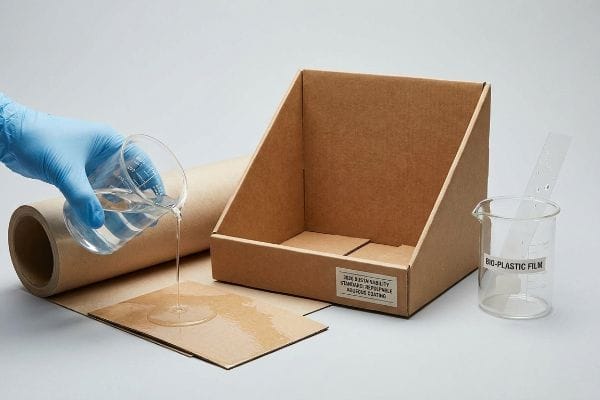
কিন্তু আপনার স্পেসিফিকেশন শিটে "পরিবেশ-বান্ধব" ঘরটিতে টিক চিহ্ন দেওয়াটা প্রায়শই পরবর্তী পুনর্ব্যবহার কেন্দ্রগুলোর জন্য এক অদৃশ্য দুঃস্বপ্ন তৈরি করে।.
পরিবেশ-বান্ধব পণ্য বিক্রেতাদের মধ্যে কম্পোস্টিং ফাঁদ
ব্র্যান্ড টিমগুলো প্রায়শই ভুট্টা-ভিত্তিক বায়ো-প্লাস্টিক ল্যামিনেশন7, এই ভেবে যে এই ফিল্মটি তাদের রিটেইল ডিসপ্লেগুলির। এটিকে সাধারণ পেট্রোলিয়াম প্লাস্টিকের তুলনায় একটি দায়িত্বশীল, সবুজ আপগ্রেড বলে মনে হয়। তারা আশা করে যে প্রচারণার সময় শেষ হয়ে গেলে এবং দোকানের কর্মচারীরা ইউনিটটি ফেলে দিলে এই বায়ো-ফিল্মগুলি স্বাভাবিকভাবেই ভেঙে যাবে।
আমি যে সমস্যাটি ক্রমাগত দেখি তা হলো: বায়ো-ফিল্মটি একটি কঠিন ভৌত প্রতিবন্ধক তৈরি করে যা সক্রিয়ভাবে পানিকে বিকর্ষণ করে। যখন বাক্সটি একটি সাধারণ OCC (পুরাতন ঢেউতোলা কন্টেইনার) পুনঃমজ্জা তৈরির পাত্রে পৌঁছায়, তখন এই শক্ত, রাবারের মতো ফিল্মটি দ্রবীভূত হতে চায় না, ফলে পেপার মিলের স্ক্রিনগুলো আটকে যায় এবং পুরো ব্যাচটি ল্যান্ডফিলে ফেলতে বাধ্য হয়। এর পরিবর্তে আমি একটি তরল জলীয় আবরণ পদ্ধতি প্রয়োগ করে এই সমস্যার সমাধান করি। একটি জল-ভিত্তিক প্রলেপ আপনাকে একই রকম দৃশ্যমান সুরক্ষা দেয়, কিন্তু স্পর্শে এটি মসৃণ, খালি পেপারবোর্ডের মতো অনুভূত হয় এবং পুনঃমজ্জা তৈরির পাত্রে তাৎক্ষণিকভাবে দ্রবীভূত হয়ে যায় । এই সাধারণ রাসায়নিক পরিবর্তনটি বাছাইয়ের ঝুঁকি সম্পূর্ণরূপে দূর করে, যা খুচরা বিক্রেতাদের কঠোর টেকসই নিরীক্ষার সময় বিপুল পরিমাণ চার্জব্যাক প্রতিরোধ করে।
| নতুনদের সাধারণ ভুল | প্রো ফিক্স | খুচরা-ফ্লোর সুবিধা |
|---|---|---|
| কঠিন জৈব-প্লাস্টিক ফিল্ম বাধ্যতামূলক করা | তরল জলীয় আবরণ ব্যবহার করে10 | কঠোর খুচরা টেকসই নিরীক্ষায় উত্তীর্ণ |
| স্ট্যান্ডার্ড OCC পুনঃমজ্জা সীমা উপেক্ষা করা | জল-ভিত্তিক পলিমার ম্যাট্রিক্স ফিনিশিং11 | কাগজ কলের বাছাইয়ের কারণে বাতিল হওয়া পণ্য দূর করে। |
| ধরে নেওয়া হচ্ছে ভুট্টা-ভিত্তিক প্লাস্টিক দ্রবীভূত হয় | একক উপাদানের পুনঃমজ্জাযোগ্যতা প্রয়োগ করা12 | মেয়াদ শেষে দোকানে বর্জ্য নিষ্পত্তির প্রক্রিয়াকে সহজ করে তোলে |
আমি পরিবেশগতভাবে বাধ্যতামূলক প্রকল্পগুলিতে কঠিন বায়ো-প্লাস্টিক ল্যামিনেশন কঠোরভাবে নিষিদ্ধ করি । জল-ভিত্তিক জলীয় আবরণের উপর নির্ভর করলে প্রয়োজনীয় নান্দনিক ফিনিশ পাওয়া যায় এবং একই সাথে এটিও নিশ্চিত হয় যে উপাদানটি আইনত একক-প্রবাহ কার্বসাইড পুনর্ব্যবহারের জন্য যোগ্য।
🛠️ হার্ভির ডেস্ক: আপনি কি নিশ্চিত নন যে আপনার বর্তমান "পরিবেশ-বান্ধব" ল্যামিনেশন আসলেই বর্জ্যকে ল্যান্ডফিলে পাঠানো এবং খুচরা বিক্রেতাদের জরিমানার কারণ হচ্ছে কিনা? 👉 একটি মেটেরিয়াল কেমিস্ট্রি চেকের জন্য অনুরোধ করুন ↗ — নিরাপদে ডাউনলোড করুন। পরবর্তীতে কোনো প্রশ্ন থাকলে আমার ইনবক্স খোলা আছে।
ঢেউখেলানো কাগজের মোড়কের ভবিষ্যৎ কী?
ডিজিটাল মিথস্ক্রিয়া এবং ভৌত কার্ডবোর্ডের সংঘাত অনিবার্য, কিন্তু সেই ব্যবধান ঘোচাতে সূক্ষ্ম প্রকৌশল প্রয়োজন।.
করোগেটেড প্যাকেজিংয়ের ভবিষ্যৎ হলো এর কাঠামোগত পুনর্ব্যবহারযোগ্যতার সাথে আপোস না করে ডিজিটাল ইন্টারঅ্যাক্টিভ উপাদানগুলিকে নির্বিঘ্নে একীভূত করা। ফ্রিকশন-লক হার্ডওয়্যার ক্যাভিটি ব্যবহার করে, ব্র্যান্ডগুলি অস্থায়ী ডিসপ্লেতে এলসিডি (লিকুইড ক্রিস্টাল ডিসপ্লে) স্ক্রিন স্থাপন করতে পারে এবং একই সাথে দোকানের কর্মীদের জন্য ইলেকট্রনিক উপাদানগুলি সহজে বের করে আইনসম্মত ই-বর্জ্য নিষ্পত্তির সুযোগ করে দেয়।.
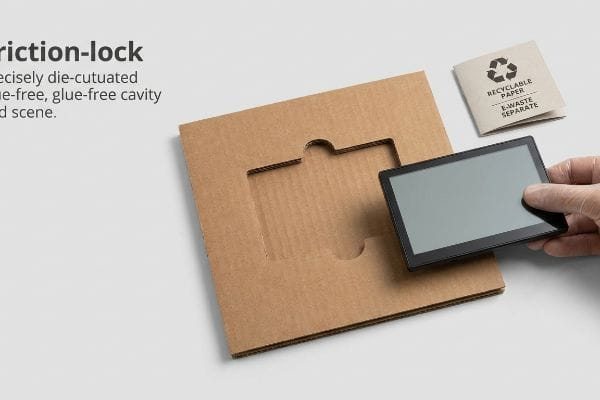
জটিল ইলেকট্রনিক্সকে সাধারণ পেপারবোর্ডের সাথে যুক্ত করাটা ভবিষ্যৎমুখী শোনালেও, এটি প্রায়শই দোকান পর্যায়ে একটি বিশাল নিয়ন্ত্রক দায়বদ্ধতা তৈরি করে।.
ডিজিটাল POS এর জন্য ইঞ্জিনিয়ারিং ফ্রিকশন-লক ক্যাভিটি
ক্রেতাদের মনোযোগ আকর্ষণ করার জন্য মার্কেটিং ডিরেক্টররা ক্রমবর্ধমানভাবে ফিজিক্যাল পিওপি (পয়েন্ট অফ পারচেজ) ফ্লোর ডিসপ্লেতে ভিডিও প্লেয়ার এবং ডিজিটাল স্ক্রিন যুক্ত করতে চাইছেন। প্রচলিত পদ্ধতি হলো ইলেকট্রনিক ডিভাইসটিকে একটি স্থায়ী সংযোজন হিসেবে বিবেচনা করা, যেখানে ভারী শিল্প-মানের আঠা ব্যবহার করে স্ক্রিনটিকে সরাসরি কাঁচা ঢেউখেলানো পেছনের প্যানেলে আটকে দেওয়া হয় ।
এটি একটি সাধারণ ফাঁদ যা এমনকি অভিজ্ঞ ক্রয় দলগুলোকেও কাবু করে ফেলে। তারা ধরে নেয় যে প্রচারণার শেষে একজন তাড়াহুড়ো করা কেরানি সাবধানে ডিসপ্লেটি খুলে ফেলবে। এর পরিবর্তে, কেরানি আঠা দিয়ে লাগানো স্ক্রিনটি জোর করে খোলার চেষ্টা করে, এবং হাউজিংটি ভেঙে টুকরো টুকরো হয়ে যাওয়ার সাথে সাথে আপনি ৩২ইসিটি (এজ ক্রাশ টেস্ট) টেস্টলাইনার১৪- , যা প্রায়শই বিপজ্জনক লিথিয়াম ব্যাটারির সংস্পর্শে আসার ঝুঁকি তৈরি করে। এই ই-বর্জ্যের দায় এড়াতে, আমি নির্ভুলভাবে ডাই-কাট করা ফ্রিকশন-লক ক্যাভিটি তৈরি করি। এটিকে একটি নিখুঁতভাবে তৈরি কার্ডবোর্ডের পাজলের টুকরোর মতো ভাবুন; এক ফোঁটাও আঠা ছাড়াই স্ক্রিনটি নিরাপদে আটকে যায়। যখন প্রচারণার মেয়াদ শেষ হয়ে যায়, একজন কেরানি তিন সেকেন্ডেরও কম সময়ে কেবল এক আঙুল দিয়ে স্ক্রিনটি বের করে ফেলতে পারে, যা কাগজের প্রবাহের সম্পূর্ণ নিয়ম মেনে চলা১৫ এবং বিপজ্জনক বর্জ্যের জন্য কোনো জরিমানা না হওয়া নিশ্চিত করে।
| নতুনদের সাধারণ ভুল | প্রো ফিক্স | খুচরা-ফ্লোর সুবিধা |
|---|---|---|
| ঢেউখেলানো বোর্ডে ডিজিটাল স্ক্রিন আঠা দিয়ে লাগানো | ডাই-কাট ফ্রিকশন-লক হার্ডওয়্যার ক্যাভিটি | টুল ছাড়াই ৩ সেকেন্ডে স্ক্রিন অপসারণের সুবিধা দেয়16 |
| পরবর্তী পর্যায়ের ই-বর্জ্যের দায়বদ্ধতা উপেক্ষা করা | আঠাবিহীন ইলেকট্রনিক ইন্টিগ্রেশন | খুচরা বিক্রেতাদের বিপজ্জনক বর্জ্যের জরিমানা প্রতিরোধ করে17 |
| কেরানিদের জন্য ভেঙে ফেলা কঠিন করে তোলা | পপ-আউট কাঠামোগত আবাসন ডিজাইন | পরিষ্কার একক-ধারার কাগজ পুনর্ব্যবহার নিশ্চিত করে18 |
আমি ইন্টিগ্রেটেড ইলেকট্রনিক্সে স্থায়ী আঠা ব্যবহার করতে অস্বীকার করি। একটি সাধারণ ফ্রিকশন-ফিট হাউজিং ডিজাইন করার মাধ্যমে ব্র্যান্ডটিকে পরবর্তীকালে বর্জ্য নিষ্কাশনের গুরুতর জরিমানা থেকে সম্পূর্ণরূপে সুরক্ষিত রাখা যায় এবং একই সাথে একটি ত্রুটিহীন ইন্টারেক্টিভ কেনাকাটার অভিজ্ঞতাও বজায় থাকে।.
🛠️ হার্ভিস ডেস্ক: আপনার ইন্টারেক্টিভ ডিজিটাল ডিসপ্লেগুলো কি গোপনে আপনার রিটেইল পার্টনারদের জন্য বিপুল পরিমাণ বিপজ্জনক বর্জ্যের দায় তৈরি করছে? 👉 আপনার স্ট্রাকচারাল ইভ্যালুয়েশন দাবি করুন ↗ — কোনো ফর্ম নেই যা অবিরাম সেলস কলের কারণ হয়। শুধু খাঁটি মূল্য।
প্যাকেজিংয়ের ৪টি ‘সি’ কী কী?
কৌশলগত বাস্তবায়নের জন্য একটি সামগ্রিক কাঠামো প্রয়োজন, যা মাঠ পর্যায়ে লাভজনকতা নিশ্চিত করতে একাধিক বাণিজ্যিক স্তম্ভের মধ্যে ভারসাম্য রক্ষা করে।.
প্যাকেজিংয়ের ৪টি 'সি' হলো ব্যয় (Cost), ধারণা (Concept), সুবিধা (Convenience), এবং যোগাযোগ (Communication)। এই কৌশলগত কাঠামোটি নিশ্চিত করে যে, প্রাথমিক পর্যায়ে উপকরণের সাশ্রয় যেন বাহ্যিক নকশার কাঠামোগত ক্ষতি না করে, সহ-প্যাকারদের (co-packers) অ্যাসেম্বলি দক্ষতা নষ্ট না করে, অথবা সরবরাহ শৃঙ্খলের (supply chain) কঠিন পরিবহনকালে ব্র্যান্ডের দৃশ্যমান বার্তাকে ধ্বংস না করে।.
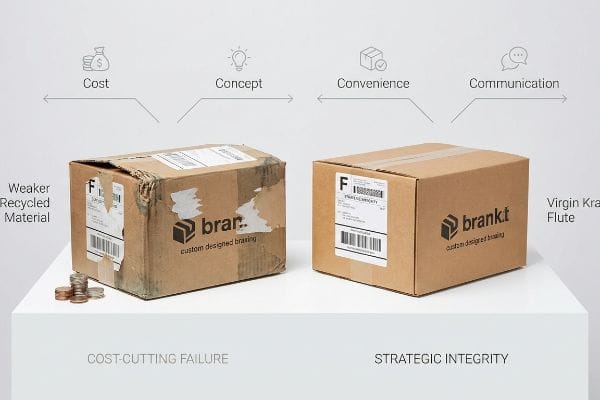
গবেষণাগারে একটি ধারণাগত প্রোটোটাইপ তৈরি করা সহজ, কিন্তু যখন আপনি সেগুলোর হাজার হাজার ইউনিট বাজারে ছাড়েন, তখন এক কঠিন বাস্তবতার মুখোমুখি হতে হয়।.
বিচ্ছিন্ন ব্যয় হ্রাসের ক্রয় ফাঁদ
ব্র্যান্ড টিমগুলো তাদের রিটেইল কৌশলকে পথ দেখাতে এবং একটি ভারসাম্যপূর্ণ পদ্ধতি নিশ্চিত করতে ৪ সি (4 C's ) ফ্রেমওয়ার্কের উপর নির্ভর করে । তবে, ক্রয় বিভাগগুলো প্রায়শই প্রধান "খরচ" (Cost) মেট্রিকটিকে বিচ্ছিন্ন করে ফেলে এবং প্রতি ইউনিটে সামান্য কিছু পয়সা বাঁচানোর জন্য আগ্রাসীভাবে স্ট্রাকচারাল বোর্ডের মান কমিয়ে দেয়। তারা ভুলভাবে ধরে নেয় যে একটি সস্তা বাক্সও ধারণা (concept), সুবিধা (convenience) এবং যোগাযোগের (communication) স্তম্ভগুলোকে ত্রুটিহীনভাবে বাস্তবায়ন করবে।
আমার প্রতিষ্ঠানে, আমি ট্রানজিট সিমুলেশনের সময় এই নির্দিষ্ট ভারসাম্যহীনতার কারণে নিয়মিত মারাত্মক ব্যর্থতা ঘটতে দেখি। একজন ক্লায়েন্ট প্রতি ইউনিটে $0.14 সাশ্রয় করার জন্য ভার্জিন বোর্ডের পরিবর্তে একটি রিসাইকেল করা বিকল্প ব্যবহার শুরু করে। যখন আমি টেস্টিং ফ্লোরে এর কার্যকারিতা পরিমাপ করি, তখন দেখা যায় যে এই সামান্য অবনতির কারণে ডাইনামিক লোড ক্যাপাসিটি 18.4% কমে যায়20।একটি ডাবল-স্ট্যাক করা 40HQ (হাই কিউব) কন্টেইনারের ওপরের দিকের ভারী চাপের কারণে, এর ভৌত ভিত্তিটি ঠিক 0.65 ইঞ্চি (16.51 মিমি) বেঁকে যায়21, যার ফলে প্রিন্ট করা লিথো-শিটটি কোণাগুলো থেকে প্রচণ্ডভাবে খসে পড়তে শুরু করে। কমিউনিকেশন পিলারটি সঙ্গে সঙ্গে ধ্বংস হয়ে যায়। আমি মাইক্রোমিটারের রিডিং নিয়ে প্রমাণ করেছিলাম যে আমার দামী ফয়েল রিইনফোর্সমেন্টের প্রয়োজন ছিল না—আমার শুধু ভার্জিন ক্রাফট ফ্লুটের ঘনত্ব পুনরুদ্ধার করার প্রয়োজন ছিল। সাপ্লাই চেইনের বাস্তবতার সাথে কাঠামোগত অখণ্ডতাকে পুনঃস্থাপন করার মাধ্যমে, আমি নিশ্চিত করি যে প্রতি ইউনিটে কো-প্যাকিং অ্যাসেম্বলির সময় ৪২ সেকেন্ড কমে আসে, যা ক্লায়েন্টদের ম্যানুয়াল শ্রমের পুনঃকাজে প্রায় $৩,২৫০ সাশ্রয় করে এবং ব্যয়বহুল রিটেইলার চার্জব্যাক সম্পূর্ণরূপে প্রতিরোধ করে।
| নতুনদের সাধারণ ভুল | প্রো ফিক্স | খুচরা-ফ্লোর সুবিধা |
|---|---|---|
| সামান্য কিছু টাকা বাঁচাতে উপকরণের মান কমানো | ভার্জিন ক্রাফট বাঁশির ঘনত্ব ২২ বাধ্যতামূলক করা | বিধ্বংসী ভিত্তি স্তরের নিষ্পেষণ প্রতিরোধ করে |
| কাঁচামালের খরচের মেট্রিকগুলিকে আলাদা করা | সমন্বিত ৪ সি'র সরবরাহ শৃঙ্খল মূল্যায়ন | দৃশ্যমান যোগাযোগ এবং ব্র্যান্ডিং রক্ষা করে |
| গতিশীল শীর্ষ-ভার ট্রানজিট পদার্থবিদ্যা উপেক্ষা করা ২৩ | কাঠামোগত বাঁশির স্পেসিফিকেশন পুনরুদ্ধার করা | বিপুল পরিমাণ শ্রমের পুনঃকাজ এবং চার্জব্যাক বাঁচায় |
আমি দলগুলোকে ক্রমাগত মনে করিয়ে দিই যে, সরবরাহ শৃঙ্খলের সুবিধা নষ্ট করলে প্রাথমিক খরচ কমানো একটি অলীক কল্পনা মাত্র। গাণিতিকভাবে উপকরণের মান সুরক্ষিত রাখলে আপনার বাস্তব ধারণাটি যাত্রাপথে টিকে থাকে।.
🛠️ হার্ভির ডেস্ক: একটি ২-মিলিমিটার কাঠামোগত ত্রুটির কারণে ৫০০টি দোকানে পণ্য সরবরাহের পরিকল্পনা যেন ভেস্তে না যায়। 👉 আপনার ডাইলাইন ফাইলটি আমাকে পাঠান ↗ — গণ-উৎপাদনে বাজেট অপচয় করার আগে আমি এর গাণিতিক হিসাব স্ট্রেস-টেস্ট করে নেব।
উপসংহার
আপনি হয়তো আরও সস্তা কোনো বিক্রেতা বেছে নিতে পারেন, কিন্তু যখন একটি আর্দ্র গুদামে ভারী প্যালেটের চাপে সেই নিম্নমানের পুনর্ব্যবহৃত বোর্ডটি অনিবার্যভাবে বেঁকে যায়, তখন এর ভিত্তির ব্যাপক বিকৃতির কারণে খুচরা বিক্রেতা তাৎক্ষণিকভাবে পণ্যটি প্রত্যাখ্যান করে এবং আপনার প্রকল্পের লাভের মার্জিন পুরোপুরি নষ্ট করে দেয়। ৫০০-এরও বেশি ব্র্যান্ড ম্যানেজার ঠিক এই মারাত্মক প্রাথমিক পর্যায়ের ভুলগুলো এড়ানোর জন্য আমার প্রিপ্রেস চেকলিস্ট ব্যবহার করেন। জটিল মেটেরিয়াল টলারেন্স নিয়ে অনুমান করা বন্ধ করুন এবং ব্যাপক উৎপাদন শুরু হওয়ার আগেই মারাত্মক ত্রুটিগুলো ধরার জন্য আমাকে ব্যক্তিগতভাবে আমার ফ্রি ডাইলাইন প্রি-ফ্লাইট চেক ↗- এর মাধ্যমে আপনার স্ট্রাকচারাল ফাইলগুলো অডিট করতে দিন।
"লিথো ল্যামিনেটেড প্যাকেজিং এবং সিঙ্গেল ফেস ল্যামিনেশন বোঝা", https://pmpackaging.com/posts/2025/03/understanding-litho-laminated-packaging। প্যাকেজিং শিল্পের একটি প্রামাণ্য নির্দেশিকা বা প্রযুক্তিগত ম্যানুয়াল লিথো-ল্যামিনেশন প্রক্রিয়ায় প্রধান বন্ধনকারী উপাদান হিসেবে পলিভিনাইল অ্যাসিটেট (PVA)-এর ব্যবহারকে যাচাই করে। প্রমাণের ভূমিকা: প্রযুক্তিগত সংজ্ঞা; উৎসের ধরণ: শিল্প ম্যানুয়াল। সমর্থন করে: প্রচলিত ভেজা আঠার নির্দিষ্ট রাসায়নিক গঠন। পরিধি নোট: প্রচলিত ঢেউতোলা বোর্ড বন্ধনের উপর দৃষ্টি নিবদ্ধ। ↩
"লিথো-ল্যামিনেটেড প্যাকেজিং বোঝা", https://pmpackaging.com/blog/understanding-litho-laminated-packaging। লিথো-ল্যামিনেশনের জন্য শিল্প প্রযুক্তিগত মানগুলি বোর্ডের বেঁকে যাওয়া রোধ করার জন্য PVA আঠার প্রয়োজনীয় শুকানোর সময়কাল নির্দিষ্ট করে। প্রমাণের ভূমিকা: প্রযুক্তিগত স্পেসিফিকেশন; উৎসের ধরণ: উৎপাদন নির্দেশিকা। সমর্থন করে: ২৪-ঘন্টায় শুকানোর দাবি। পরিধির নোট: আর্দ্রতা এবং আঠার প্রকারভেদে নির্দিষ্ট বিবরণ ভিন্ন হতে পারে। ↩
"লিথো-ল্যামিনেটেড বনাম ডিজিটাল প্রিন্টিং: শিল্প ক্রেতাদের জন্য একটি নির্দেশিকা...", https://mdmpkg.com/litho-laminated-vs-digital-printing-premium-corrugated-packaging-2/। ডিজিটাল বনাম প্রচলিত ল্যামিনেশন কর্মপ্রবাহের তুলনামূলক বিশ্লেষণে শুকানো এবং জমাট বাঁধার জন্য প্রয়োজনীয় সময়ের ব্যবধান দূর করার বিষয়টি তুলে ধরা হয়েছে। প্রমাণের ভূমিকা: মেট্রিক তুলনা; উৎসের ধরণ: শিল্প শ্বেতপত্র। সমর্থন করে: সময় সাশ্রয়ের দাবি। পরিধি সংক্রান্ত টীকা: শুকানো এবং হ্যান্ডলিং উভয় সময়ই অন্তর্ভুক্ত। ↩
"ল্যামিনেশন প্রক্রিয়ায় আর্দ্রতার প্রভাব – এআইসিসি নাউ", https://now.aiccbox.org/effects-of-moisture-in-the-lamination-process/। ভেজা পিভিএ আঠা বাদ দিলে কীভাবে ঢেউখেলানো বোর্ডের কাঠামোগত বিকৃতি প্রতিরোধ করা যায় তার প্রযুক্তিগত ব্যাখ্যা। প্রমাণের ভূমিকা: কার্যকারণ প্রক্রিয়া; উৎসের ধরণ: বস্তু বিজ্ঞান গবেষণা। সমর্থন: ভেজা আঠা পরিহার করার সুবিধা। পরিধি টীকা: আর্দ্রতাজনিত বিকৃতির উপর আলোকপাত করে। ↩
"কোরুগেটেড বাক্সে কীভাবে প্রিন্ট করবেন – ম্যাগনাম ইঙ্কস অ্যান্ড কোটিংস", https://magnuminks.com/resources/how-to-print-on-corrugated-boxes/। স্বল্প-পরিমাণ উৎপাদনে পলিমার ইঙ্ক বনাম প্রচলিত লিথোগ্রাফিক প্লেটের কিউরিং সময়ের তুলনামূলক ডেটা। প্রমাণের ভূমিকা: পারফরম্যান্স মেট্রিক; উৎসের ধরণ: শিল্প প্রযুক্তিগত স্পেসিফিকেশন। সমর্থন করে: ক্যাম্পেইন লঞ্চের সময়সীমা ত্বরান্বিত করা। পরিধি নোট: ডিজিটাল প্রিন্টিং ওয়ার্কফ্লোতে সীমাবদ্ধ। ↩
"যান্ত্রিক ক্ষেত্রে অ্যানালগ এবং ডিজিটাল ক্রিজ লাইনের প্রভাব … – পিএমসি", https://pmc.ncbi.nlm.nih.gov/articles/PMC9268991/। প্লেট-মুক্ত ফিনিশিং কৌশলগুলো কীভাবে কাঠামোগত উল্লম্বতা বজায় রাখতে পৃষ্ঠটানজনিত সমস্যা প্রশমিত করে তার বিশ্লেষণ। প্রমাণের ভূমিকা: প্রযুক্তিগত যাচাইকরণ; উৎসের ধরণ: উৎপাদন সংক্রান্ত শ্বেতপত্র। সমর্থন করে: নিখুঁতভাবে উল্লম্ব ডিসপ্লে ওয়ালের দাবি। পরিধি সংক্রান্ত টীকা: বিশেষত ঢেউখেলানো সাবস্ট্রেট ফিনিশিংয়ের জন্য প্রযোজ্য। ↩
"খাদ্য প্যাকেজিংয়ের জন্য বায়োপ্লাস্টিক: পরিবেশগত প্রভাব, প্রবণতা এবং …", https://pmc.ncbi.nlm.nih.gov/articles/PMC9563026/। সাধারণ বর্জ্য প্রবাহে ভুট্টা-ভিত্তিক বায়োপ্লাস্টিকের (পিএলএ) অবক্ষয়ের প্রয়োজনীয়তা এবং পরিবেশগত সম্মতির প্রযুক্তিগত যাচাইকরণ, যা শিল্প কম্পোস্টিংয়ের সাথে তুলনা করা হয়েছে। প্রমাণের ভূমিকা: তথ্যগত যাচাইকরণ; উৎসের ধরণ: পরিবেশ বিজ্ঞান জার্নাল। সমর্থন: এই ধারণা যে, বাস্তব জগতে সীমিত জৈব-অবক্ষয়যোগ্যতা থাকা সত্ত্বেও এই উপাদানগুলো প্রায়শই পরিবেশ-বান্ধব বিকল্প হিসেবে ব্যবহৃত হয়। পরিধি টীকা: পিএলএ (পলিল্যাকটিক অ্যাসিড)-এর বৈশিষ্ট্যের উপর আলোকপাত করা হয়েছে। ↩
"…-এ আঠালো দূষকের শনাক্তকরণ এবং বৈশিষ্ট্য নিরূপণ", https://files.wmich.edu/s3fs-public/attachments/u218/2023/Cellulose_Dec2022.pdf। এই যাচাইকরণ যে, বায়ো-প্লাস্টিক ফিল্মগুলো ফিল্টারেশন স্ক্রিনকে বাধাগ্রস্ত করার মাধ্যমে ঢেউখেলানো কার্ডবোর্ড পুনর্ব্যবহারযোগ্য প্রবাহে দূষক হিসেবে কাজ করে। প্রমাণের ভূমিকা: প্রযুক্তিগত কার্যকারণ সম্পর্ক; উৎসের ধরণ: শিল্প পুনর্ব্যবহার প্রতিবেদন। সমর্থন করে: সাধারণ OCC পুনরুদ্ধারে বায়ো-প্লাস্টিকের ব্যর্থতা। পরিধি টীকা: বিশেষভাবে অ-শিল্প কম্পোস্টিং PLA-কে নির্দেশ করে। ↩
"ফাংশনালাইজড পিএলএ সহ পুনর্ব্যবহারযোগ্য এবং জৈব-বিয়োজনযোগ্য কাগজের আবরণ...", https://pmc.ncbi.nlm.nih.gov/articles/PMC11948148/। প্রযুক্তিগত নথি যা দেখায় যে জল-ভিত্তিক জলীয় আবরণগুলি সম্পূর্ণরূপে পুনঃমজ্জাযোগ্য এবং কাগজের কলের সাধারণ প্রক্রিয়াকরণের সময় ভেঙে যায়। প্রমাণের ভূমিকা: কার্যকারিতা যাচাইকরণ; উৎসের ধরণ: পদার্থ বিজ্ঞান গবেষণা বা শিল্প মান। সমর্থন করে: পলিমার ফিল্মের উপর জলীয় আবরণের কার্যকারিতা। পরিধি নোট: সাধারণ ক্ষারীয় পুনঃমজ্জা প্রক্রিয়া ধরে নেওয়া হয়েছে। ↩
"স্প্রে-কোটেড বায়োপ্লাস্টিক পরিমাপযোগ্য, টেকসই...", https://news.vt.edu/articles/2025/10/cnre-research-spray-coatings.html। রিটেইল অডিটিং কাঠামোতে কীভাবে বায়োপ্লাস্টিক ফিল্মের চেয়ে জলীয় আবরণকে বেশি টেকসই হিসেবে স্বীকৃতি দেওয়া হয় তার সংক্ষিপ্ত ব্যাখ্যা। প্রমাণের ভূমিকা: প্রযুক্তিগত যাচাইকরণ; উৎসের ধরণ: টেকসই সার্টিফিকেশন মান। সমর্থন করে: অডিট পাসে জলীয় আবরণের কার্যকারিতা। পরিধি নোট: রিটেইল সংগ্রহ মানের জন্য নির্দিষ্ট। ↩
"[পিডিএফ] কাগজ পুনর্ব্যবহার প্রযুক্তি", https://faculty.cnr.ncsu.edu/richardvenditti/wp-content/uploads/sites/24/2018/08/Presentation613HOforshortcourse.pdf। প্রযুক্তিগত তথ্য যা প্রদর্শন করে যে, জল-ভিত্তিক পলিমার ম্যাট্রিক্স OCC পুনঃমজ্জা প্রক্রিয়াকরণকালে দূষকের পরিমাণ কমিয়ে আনে, যার ফলে মিলে পণ্য বাতিল হওয়া প্রতিরোধ করা যায়। প্রমাণের ভূমিকা: প্রক্রিয়া যাচাইকরণ; উৎসের ধরণ: বস্তু বিজ্ঞান বিষয়ক প্রকাশনা। সমর্থন: কাগজ কলের বাছাইকালীন বাতিল হওয়া রোধ। পরিধি সংক্রান্ত টীকা: শুধুমাত্র ঢেউখেলানো কার্ডবোর্ড পুনর্ব্যবহারের ধারার মধ্যে সীমাবদ্ধ। ↩
"একক-উপাদান প্যাকেজিং: পুনর্ব্যবহার প্রক্রিয়াকে সরলীকরণ", https://www.berlinpackaging.com/insights/sustainability/mono-material-packaging-simplifies-the-recycling-process?srsltid=AfmBOop3rhIgsA1msnS8zZek58ubqDBv8_rMT1lphov7VtMmMrRRw_Ye। একটি তুলনামূলক বিশ্লেষণ যা দেখায় কেন জৈব-বিয়োজনযোগ্য ভুট্টা-ভিত্তিক প্লাস্টিকের চেয়ে একক-উপাদানের নকশাগুলো বিদ্যমান খুচরা বর্জ্য পরিকাঠামোর সাথে বেশি সামঞ্জস্যপূর্ণ। প্রমাণের ভূমিকা: তুলনামূলক বিশ্লেষণ; উৎসের ধরণ: বর্জ্য ব্যবস্থাপনা সমীক্ষা। সমর্থন: মেয়াদোত্তীর্ণ পণ্যের দোকান নিষ্পত্তি প্রক্রিয়াকে সুবিন্যস্ত করা। পরিধি টীকা: পৌর এবং খুচরা বর্জ্য প্রবাহের উপর দৃষ্টি নিবদ্ধ করে। ↩
"কোরুগেটেড কন্টেইনার এবং পিওপি ডিসপ্লে", https://www.hotmelt-tech.com/industries/corrugated-container-and-pop-display/। পিওএস (POS) প্রস্তুতকারকদের প্রযুক্তিগত ম্যানুয়াল বা শিল্প প্রতিবেদনগুলোতে কার্ডবোর্ড ডিসপ্লেতে ইলেকট্রনিক উপাদানগুলোর জন্য স্থায়ী আঠালো বন্ধনের ব্যাপক প্রচলন নথিভুক্ত করা হয়েছে। প্রমাণের ভূমিকা: শিল্পের মৌলিক অনুশীলন প্রতিষ্ঠা করা; উৎসের ধরণ: প্রযুক্তিগত ম্যানুয়াল। সমর্থন করে: ডিজিটাল পিওপি ডিসপ্লেতে মডুলারিটি এবং পুনর্ব্যবহারযোগ্যতার বর্তমান অভাবকে। পরিধি নোট: শুধুমাত্র কোরুগেটেড কার্ডবোর্ড সাবস্ট্রেটের জন্য নির্দিষ্ট। ↩
"কোরুগেটেড বক্সের শক্তি নির্দেশিকা: ফ্লুট গ্রেড, ইসিটি রেটিং এবং ওয়াল...", https://anchorbox.com/corrugated-box-strength/। কোরুগেটেড লাইনারের স্ট্যাকিং শক্তি পরিমাপের জন্য ৩২ ইসিটি স্ট্যান্ডার্ডের প্রযুক্তিগত যাচাইকরণ। প্রমাণের ভূমিকা: প্রযুক্তিগত স্পেসিফিকেশন; উৎসের ধরণ: শিল্প প্যাকেজিং স্ট্যান্ডার্ড। সমর্থন করে: পিওএস হাউজিংয়ের জন্য নির্দিষ্ট বোর্ড গ্রেডের ব্যবহার। পরিধি নোট: উত্তর আমেরিকান এজ ক্রাশ টেস্ট মেট্রিক্সের জন্য নির্দিষ্ট। ↩
"আমাদের পুনর্ব্যবহার নির্দেশিকা অনুসরণ করুন | প্রিন্সটনে টেকসই উন্নয়ন", https://sustain.princeton.edu/take-action/recycling-guidelines। পৌরসভার পুনর্ব্যবহার মান পূরণের জন্য কাগজ-বহির্ভূত দূষক অপসারণের ক্ষেত্রে শিল্প খাতের প্রয়োজনীয়তার যাচাইকরণ। প্রমাণের ভূমিকা: নিয়ন্ত্রক সম্মতি; উৎসের ধরণ: বর্জ্য ব্যবস্থাপনা নির্দেশিকা। সমর্থন করে: এই দাবি যে ইলেকট্রনিক্স অপসারণ করলে কার্ডবোর্ড পুনর্ব্যবহার করা যায়। পরিধি সংক্রান্ত টীকা: সম্মতি আঞ্চলিক পুনর্ব্যবহার কেন্দ্রের সক্ষমতার উপর নির্ভরশীল। ↩
"প্যাকেজিং-এ ডাই কাটিং কী? ডাই কাট বক্সের একটি নির্দেশিকা – জেন্টলেভার", https://gentlever.com/die-cutting-in-packaging/। প্রযুক্তিগত বিবরণ বা কেস স্টাডি যা দ্রুত ইলেকট্রনিক উপাদান নিষ্কাশনের জন্য ফ্রিকশন-লক ক্যাভিটি ডিজাইনের কার্যকারিতা প্রদর্শন করে। প্রমাণের ভূমিকা: পরিমাণগত বৈধতা; উৎসের ধরণ: ইঞ্জিনিয়ারিং হোয়াইটপেপার। সমর্থন করে: ডিজিটাল POS উপাদানগুলির টুলবিহীন অপসারণের গতি। পরিধি সংক্রান্ত নোট: ডাই-কাটের নির্ভুলতার উপর ভিত্তি করে প্রকৃত সময় পরিবর্তিত হতে পারে। ↩
"ইউনিভার্সাল ওয়েস্ট | ইউএস ইপিএ", https://www.epa.gov/hw/universal-waste। ই-বর্জ্য নিষ্পত্তি এবং ইলেকট্রনিক আঠাযুক্ত দূষিত পুনর্ব্যবহারযোগ্য উপকরণের জন্য জরিমানা সংক্রান্ত নিয়ন্ত্রক নথি। প্রমাণের ভূমিকা: নিয়ন্ত্রক সম্মতি; উৎসের ধরণ: সরকারি সংস্থার নির্দেশিকা (যেমন, ইপিএ বা WEEE)। সমর্থন করে: অবিচ্ছেদ্য ইলেকট্রনিক একীকরণের সাথে সম্পর্কিত আর্থিক ঝুঁকি। পরিধি টীকা: এখতিয়ারভেদে জরিমানা ভিন্ন হয়। ↩
"ঢেউখেলানো ও শক্ত কাগজের প্যাকেজিং পুনর্ব্যবহারে আঠা কি গুরুত্বপূর্ণ?", https://www.poweradhesives.com/2024/11/20/is-adhesive-important-in-recycling-corrugated-and-carton-packaging/। বর্জ্য ব্যবস্থাপনা মান, যা ব্যাখ্যা করে কীভাবে আঠার অনুপস্থিতি এবং পপ-আউট কাঠামোর ব্যবহার কাগজের পুনর্ব্যবহারযোগ্য প্রবাহে দূষণ প্রতিরোধ করে। প্রমাণের ভূমিকা: প্রক্রিয়া যাচাইকরণ; উৎসের ধরণ: শিল্প পুনর্ব্যবহার মান। সমর্থন করে: আঠাবিহীন কাঠামোগত আবরণের পুনর্ব্যবহারযোগ্যতা। পরিধি সংক্রান্ত টীকা: ব্যবহৃত কার্ডবোর্ডের উপাদানগত গঠনের উপর নির্ভরশীল। ↩
"প্যাকেজিংয়ের ৪ সি কীভাবে ব্যবসায়িক প্রবৃদ্ধি ঘটায় – লিঙ্কডইন", https://www.linkedin.com/posts/gauravchheda-thebaxsaaco_what-are-the-4-cs-of-packaging-the-baxsaa-activity-7307752054314229762-sr8h। রিটেইল প্যাকেজিংয়ে খরচ, ধারণা, সুবিধা এবং যোগাযোগের মধ্যে ভারসাম্য রক্ষার একটি স্বীকৃত উপায় হিসেবে ৪ সি কাঠামোর যাচাইকরণ। প্রমাণের ভূমিকা: বৈধতা; উৎসের ধরণ: প্যাকেজিং শিল্প নির্দেশিকা। সমর্থন করে: একটি সামগ্রিক প্যাকেজিং কৌশলের প্রয়োগ। পরিধি সংক্রান্ত টীকা: বিভিন্ন শিল্প মান অনুযায়ী '৪ সি'-এর নির্দিষ্ট পরিভাষা ভিন্ন হতে পারে। ↩
"উন্নত স্থায়িত্বের জন্য উদ্ভাবনী নকশার ঢেউখেলানো বোর্ডের প্যাকেজিং...", https://bioresources.cnr.ncsu.edu/resources/corrugated-board-packaging-with-innovative-design-for-enhanced-durability-during-transport/। ভার্জিন ক্রাফট বনাম পুনর্ব্যবহৃত ফাইবারবোর্ডের সংকোচন শক্তি এবং গতিশীল ভার বহন ক্ষমতার তুলনামূলক একটি প্রযুক্তিগত গবেষণা। প্রমাণের ভূমিকা: পরিমাণগত যাচাইকরণ; উৎসের ধরণ: বস্তু বিজ্ঞান বিষয়ক গবেষণাপত্র। সমর্থন করে: উপাদানের মান হ্রাস এবং কাঠামোগত ভার হ্রাসের মধ্যে সম্পর্ক। পরিধি সংক্রান্ত টীকা: ফ্লুট গ্রেড এবং বোর্ডের পুরুত্বের উপর ভিত্তি করে পরিসংখ্যান পরিবর্তিত হতে পারে। ↩
"একটি ২০-ফুট বা ৪০-ফুট কন্টেইনারে কয়টি প্যালেট ধরে?", https://www.icontainers.com/help/how-many-pallets-fit-in-a-container/। ডাবল-স্ট্যাকড হাই কিউব (40HQ) কন্টেইনারের স্থির এবং গতিশীল চাপের অধীনে ঢেউখেলানো কাগজের ভিত্তির বিকৃতি এবং বেঁকে যাওয়ার জন্য প্রকৌশলগত মানদণ্ড। প্রমাণের ভূমিকা: প্রযুক্তিগত মানদণ্ড; উৎসের ধরণ: প্যাকেজিং ইঞ্জিনিয়ারিং ম্যানুয়াল। সমর্থন করে: পরিবহনের সময় ভৌত ব্যর্থতার সীমা। পরিধি সংক্রান্ত টীকা: উচ্চ-ঘনত্বের স্ট্যাকিং কনফিগারেশনের জন্য নির্দিষ্ট। ↩
"ঢেউখেলানো পেপারবোর্ড প্যাকেজের সংকোচন শক্তি …", https://pmc.ncbi.nlm.nih.gov/articles/PMC10054506/। কীভাবে ভার্জিন ক্রাফট ফাইবার, পুনর্ব্যবহৃত ফাইবারের তুলনায়, ধসে পড়া রোধ করতে উন্নততর উল্লম্ব সংকোচন শক্তি প্রদান করে তার সংক্ষিপ্ত ব্যাখ্যা। প্রমাণের ভূমিকা: প্রযুক্তিগত বিবরণ; উৎসের ধরণ: বস্তু বিজ্ঞান প্রতিবেদন। সমর্থন: কাঠামোগত অখণ্ডতার জন্য উপাদান নির্বাচন। পরিধি টীকা: শুধুমাত্র ঢেউখেলানো ফাইবারবোর্ডের মধ্যে সীমাবদ্ধ। ↩
"[পিডিএফ] সিন্থেটিক ডেটা জেনারেশনের জন্য পদার্থবিদ্যা-ভিত্তিক 3D সিমুলেশন … – arXiv", https://arxiv.org/pdf/2508.13989?. পরিবহনের সময় কম্পন, জি-ফোর্স এবং উল্লম্ব ত্বরণ কীভাবে প্যাকেজিংয়ের ভারবহন ক্ষমতাকে প্রভাবিত করে তার সংক্ষিপ্ত ব্যাখ্যা। প্রমাণের ভূমিকা: প্রকৌশলগত বৈধতা; উৎসের ধরণ: লজিস্টিকস মান। সমর্থন: ক্ষতি এড়াতে কাঠামোগত ফ্লুট স্পেসিফিকেশনের প্রয়োজনীয়তা। পরিধি নোট: প্যালেটাইজড চালানের জন্য প্রযোজ্য। ↩