আপনি চান দোকানের তীব্র আলোর মাঝেও আপনার ডিসপ্লেগুলো যেন আকর্ষণীয় হয়ে ওঠে, কিন্তু ফ্ল্যাট প্রিন্টগুলো প্রায়শই উপেক্ষিত হয়। স্পট ইউভি আপনার ব্র্যান্ডের মূল ভিজ্যুয়াল উপাদানগুলোকে তুলে ধরতে একটি সুনির্দিষ্ট সমাধান প্রদান করে।
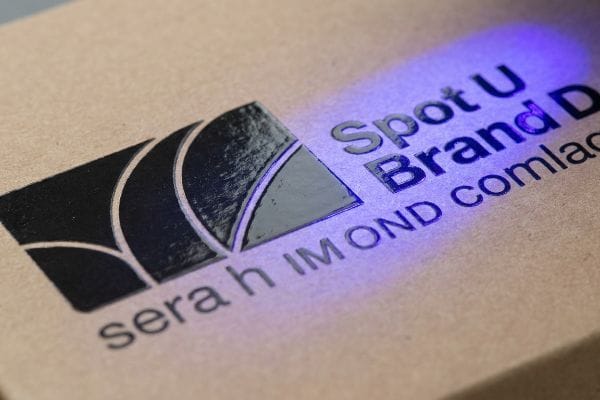
স্পট ইউভি (আল্ট্রাভায়োলেট) হলো একটি স্থানিক বাণিজ্যিক প্রিন্টিং ফিনিশ, যেখানে কোনো সাবস্ট্রেটের নির্দিষ্ট অংশে একটি স্বচ্ছ, তরল পলিমার কোটিং প্রয়োগ করা হয় এবং অতিবেগুনি রশ্মি ব্যবহার করে তাৎক্ষণিকভাবে কিউর করা হয়। এই প্রক্রিয়াটি একটি উচ্চ-চকচকে, উঁচু টেক্সচার তৈরি করে যা ম্যাট ব্যাকগ্রাউন্ডের বিপরীতে একটি সুস্পষ্ট বৈসাদৃশ্য তৈরি করে, এবং এর ফলে দৃশ্যমান গভীরতা ও স্পর্শজনিত অনুভূতি বৃদ্ধি পায়।.
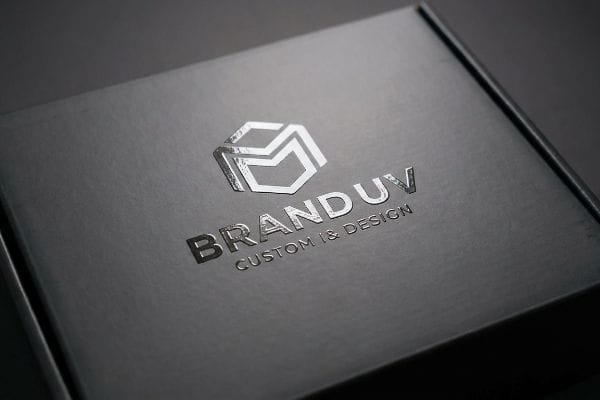
ক্রেতার মনোযোগ আকর্ষণ করতে শুধু উজ্জ্বল রঙই যথেষ্ট নয়; এর জন্য প্রয়োজন বাহ্যিক বৈসাদৃশ্য। চলুন জেনে নেওয়া যাক, কারখানায় এই বিশেষ কৌশলটি ঠিক কীভাবে কাজ করে এবং আপনার পরবর্তী পণ্য উন্মোচনের জন্য এটি কেন গুরুত্বপূর্ণ।.
UV এবং স্পট UV এর মধ্যে পার্থক্য কী?
ক্রেতারা প্রায়শই সম্পূর্ণ শিটের কোটিং এবং নির্দিষ্ট স্থানের নকশার মধ্যে বিভ্রান্তি তৈরি করেন, যার ফলে প্যাকিং লাইনে মারাত্মক কাঠামোগত সমস্যা দেখা দেয়। কখন কোনটি ব্যবহার করতে হবে তা জানা থাকলে গুদামে ব্যাপক বিলম্ব এড়ানো যায়।.
ইউভি এবং স্পট ইউভির মধ্যে পার্থক্যটি হলো প্রয়োগের সুনির্দিষ্ট পরিধি। ফুল ইউভি পুরো প্রিন্ট করা শীটটিকে আবৃত করে কালিকে সিল করে দেয়, অন্যদিকে স্পট ইউভি শুধুমাত্র লোগো বা টেক্সটের মতো নির্দিষ্ট ডিজাইন উপাদানগুলোকে লক্ষ্য করে, যাতে আবরণহীন বা ম্যাট পটভূমির বিপরীতে একটি নির্দিষ্ট স্থানে দৃশ্যমান বৈসাদৃশ্য তৈরি হয়।.
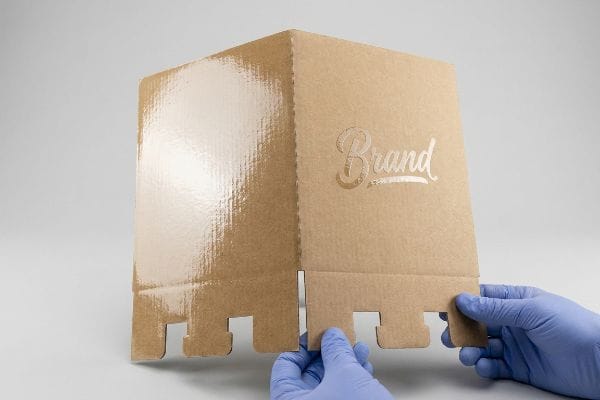
এই পার্থক্যটি বোঝা কেবল নান্দনিকতার বিষয় নয়; এটি গুদামে আপনার ঢেউখেলানো কার্ডবোর্ডের ডিসপ্লেগুলো কীভাবে একত্রিত হয়, তার ওপর ব্যাপকভাবে প্রভাব ফেলে।
সম্পূর্ণ আবরণ বনাম স্পট ইউভি ঘর্ষণ ফাঁদের মধ্যে সমন্বয়
এমনকি অভিজ্ঞ ডিজাইনাররাও প্রায়শই এই দিকটি উপেক্ষা করেন, এই ভেবে যে একটি উচ্চ-চকচকে সার্বিক ইউভি কোটিং পুরো ডিসপ্লেটিকে প্রিমিয়াম দেখাবে। তারা ফোল্ডিং ফ্ল্যাপ, লকিং ট্যাব এবং ওজন-বহনকারী বেস সহ পুরো ডাইলাইন জুড়ে সাধারণ তরল বার্নিশ প্রয়োগ করেন। এই প্রচলিত পদ্ধতিটি খুচরা বিক্রির জন্য প্রস্তুত অ্যাসেম্বলির।
যখন কোনো ক্লায়েন্ট পুরো শিটে হাই-গ্লস ফিনিশের অনুরোধ করেন, তখন আমি প্রতি সপ্তাহেই এই ফাঁদটির সম্মুখীন হই। পুরু, জমাট বাঁধা পলিমারটি পুরো বোর্ড জুড়ে একটি অবিশ্বাস্যরকম মসৃণ, ঘর্ষণহীন পৃষ্ঠ তৈরি করে। যখন কোনো কো-প্যাকার বেসটি ভাঁজ করার চেষ্টা করেন, তখন আমি মসৃণ ট্যাবগুলো তাদের স্লট থেকে পিছলে বেরিয়ে আসার কিচকিচ শব্দ শুনতে পাই—কাঠামোটি আক্ষরিক অর্থেই নিজে থেকে খুলে যায় কারণ ঘর্ষণ সহগ আর থাকে না¹ । আমার সমাধান হলো, স্পট ইউভি ব্যবহার করে হাই-গ্লস ফিনিশকে শুধুমাত্র সামনের দিকের লোগোগুলোতে সীমাবদ্ধ রাখা এবং ইন্টারলকিং বেস ট্যাবগুলোকে সম্পূর্ণ ম্যাট রাখা , যাতে কাঁচা পেপারবোর্ডের কাঠামোগত দৃঢ়তা বজায় থাকে। এতে কো-প্যাকিং অ্যাসেম্বলির সময় ২০% এরও বেশি কমে যায়² ।
| নতুনদের সাধারণ ভুল | প্রো ফিক্স | খুচরা-ফ্লোর সুবিধা |
|---|---|---|
| বেস ট্যাবগুলিতে সম্পূর্ণ গ্লস | লকিং ট্যাবগুলিতে ম্যাট ফিনিশ | ডিসপ্লে নিজে থেকে খুলে যাওয়া প্রতিরোধ করে3 |
| লেপ আঠা ফ্ল্যাপ | জোড় থেকে ইউভি রশ্মি দূরে রাখা | পিভিএ আঠার বন্ধন নিশ্চিত করে4 |
| ঘর্ষণ সহগ উপেক্ষা করা | ব্র্যান্ডিংয়ের ক্ষেত্রে শুধুমাত্র স্পট গ্লস ব্যবহার করুন। | ২০% অ্যাসেম্বলি শ্রম সাশ্রয় করে5 |
আমি পরস্পর সংযুক্ত কার্ডবোর্ডের ট্যাবগুলোর যান্ত্রিক ঘর্ষণ রক্ষা করার পাশাপাশি, শুধুমাত্র ভিজ্যুয়াল ব্র্যান্ডিংয়ের জন্য সর্বদা চকচকে পলিমার ব্যবহার করি। এই সূক্ষ্ম সমন্বয়টি ভারী খুচরা বিক্রির চাপের নিচেও ডিসপ্লেটিকে পুরোপুরি অনমনীয় রাখে।.
🛠️ হার্ভির ডেস্ক: আপনার আর্টওয়ার্কটি স্ট্রাকচারাল লকিং ট্যাব থেকে গ্লস নিরাপদে সরিয়ে নিচ্ছে কিনা, তা নিয়ে নিশ্চিত নন? 👉 একটি ফ্রি ফাইল রিভিউয়ের জন্য অনুরোধ করুন ↗ — সরাসরি আমার ডেস্কে অ্যাক্সেস। কোনো স্বয়ংক্রিয় সেলস স্প্যাম থাকবে না, আমি কথা দিচ্ছি।
স্পট ইউভি কীভাবে কাজ করে?
ওই উঁচু, স্পর্শযোগ্য মসৃণতা অর্জন করাটা শুধু একটা সাধারণ মুদ্রণ প্রক্রিয়া নয়। এর জন্য প্রয়োজন সুনির্দিষ্ট রাসায়নিক বিক্রিয়া এবং কাঁচা ঢেউখেলানো কাগজের স্তরের সাথে সংযুক্ত হওয়ার জন্য নিখুঁত সময়ে চালিত যন্ত্রপাতির ব্যবহার।.
প্রিন্ট করা পৃষ্ঠে সরাসরি তরল বার্নিশ প্রয়োগ করে স্পট ইউভি পদ্ধতিটি কাজ করে এবং এটি তাৎক্ষণিকভাবে উচ্চ-তীব্রতার অতিবেগুনি রশ্মির মধ্য দিয়ে যায়। এই দ্রুত ইউভি রশ্মির সংস্পর্শে একটি তাৎক্ষণিক রাসায়নিক পলিমারাইজেশন ঘটে, যা ভেজা তরলটিকে সঙ্গে সঙ্গে একটি কঠিন, উঁচু প্লাস্টিক ফিল্মে রূপান্তরিত করে এবং এই ফিল্মটি নির্দিষ্ট নকশার উপাদানগুলোর সাথে দৃঢ়ভাবে সংযুক্ত হয়ে যায়।.
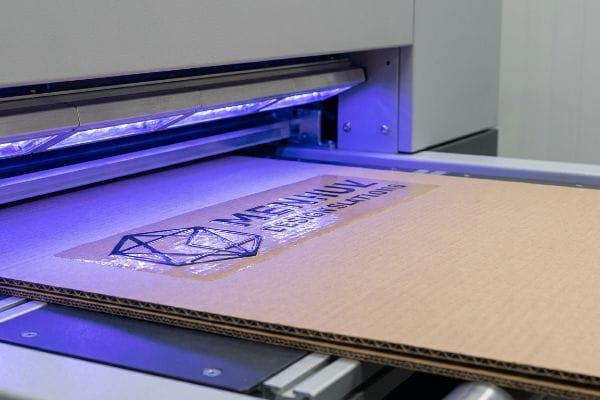
এই তাৎক্ষণিক রাসায়নিক দৃঢ়তাই প্রলেপটিকে স্থায়িত্ব দেয়, কিন্তু তরলটিকে ঠিক সঠিক জায়গায় প্রয়োগ করার জন্য চরম যান্ত্রিক নির্ভুলতা প্রয়োজন।.
স্পট ইউভি আবরণের তাৎক্ষণিক পলিমারাইজেশন
বেশিরভাগ ব্র্যান্ড ম্যানেজার মনে করেন যে, একটি সাধারণ অফসেট প্রেসে আরেকটি কালির রঙ যোগ করার মতোই গ্লস অ্যাকসেন্ট যোগ করাও খুব সহজ। তারা একটি সাধারণ ভেক্টর মাস্ক দিয়ে তাদের ডিজাইন ফাইলগুলো সেট আপ করেন এবং আশা করেন যে ফ্যাক্টরি জাদুকরীভাবে প্রিন্ট করা CMYK (সায়ান, ম্যাজেন্টা, ইয়েলো, কী/ব্ল্যাক) লোগোর উপর স্বচ্ছ তরলটিকে সারিবদ্ধ করে দেবে। তবে, ছিদ্রযুক্ত টেস্টলাইনার ৬-এর উপর তরল বার্নিশগুলো সাধারণ কালির চেয়ে সম্পূর্ণ ভিন্নভাবে আচরণ করে ।
আলোর সংস্পর্শে আসার আগে যদি তরল আবরণটি কাঁচা ঢেউখেলানো বোর্ডের উপর এক সেকেন্ডও বেশি সময় ধরে থাকে, তবে এটি কাগজের তন্তুর মধ্যে শোষিত হয়ে যায় এবং এর উঁচু, স্পর্শযোগ্য খসখসে ভাবটি হারিয়ে ফেলে7।আমি এর সমাধান করি ফ্ল্যাটবেড ডাইরেক্ট-টু-বোর্ড অ্যারে ব্যবহার করে, যা কাগজে পড়ার সাথে সাথেই তরলটিকে জমাট বাঁধিয়ে দেয়। যখন শিটটি বেল্ট থেকে নেমে আসে, আপনি সঙ্গে সঙ্গেই পলিমারের ধারালো, উঁচু প্রান্তটি অনুভব করতে পারবেন—এটি আর্দ্রতার কারণে বেঁকে যাওয়া8 এবং একটি চমৎকার প্রতিফলনের নিশ্চয়তা দেয় যা ৩০ ফুট (৯.১৪ মিটার) দূর থেকেও ক্রেতার দৃষ্টি আকর্ষণ করে।
| নতুনদের সাধারণ ভুল | প্রো ফিক্স | খুচরা-ফ্লোর সুবিধা |
|---|---|---|
| ধীরে শুকানো বার্নিশ | তাৎক্ষণিক অতিবেগুনী নিরাময়9 | কার্ডবোর্ডের বেঁকে যাওয়া রোধ করে |
| কাঁচা টেস্টলাইনারে মুদ্রণ | গ্লস করার আগে সিলিং বোর্ড10 | আরও তীক্ষ্ণ স্পর্শকাতর অনুভূতি তৈরি করে |
| ভুলভাবে সারিবদ্ধ ভেক্টর মাস্ক | উচ্চ-নির্ভুল ফ্ল্যাটবেড হেড | লোগোর সুস্পষ্ট প্রান্তের নিশ্চয়তা দেয় |
খাঁজগুলোর মধ্যে বসে যাওয়ার আগেই, সাবস্ট্রেটের উপরে চকচকে আস্তরণটি স্থায়ী করার জন্য আমি তাৎক্ষণিক পলিমারাইজেশনের উপর নির্ভর করি। এটি করিডোরে সর্বাধিক দৃষ্টিবিভ্রম নিশ্চিত করে।.
🛠️ হার্ভির ডেস্ক: আপনি কি চিন্তিত যে আপনার বর্তমান ফ্যাক্টরি বোর্ডের গ্লস শুষে নিয়ে এর প্রিমিয়াম ভাবটি নষ্ট করে দিচ্ছে? 👉 একটি কোটিং পরামর্শ নিন ↗ — নিরাপদে ডাউনলোড করুন। পরবর্তীতে কোনো প্রশ্ন থাকলে আমার ইনবক্স খোলা আছে।
স্পট ইউভি এবং ব্লাইন্ড ইউভি-এর মধ্যে পার্থক্য কী?
ডিজাইনাররা একটি প্রিমিয়াম আনবক্সিং অভিজ্ঞতা তৈরি করতে সূক্ষ্ম টেক্সচার নিয়ে পরীক্ষা-নিরীক্ষা করতে ভালোবাসেন। বিদ্যমান কোনো গ্রাফিককে হাইলাইট করা বা একটি অদৃশ্য ওয়াটারমার্ক তৈরি করার মধ্যে যেকোনো একটি বেছে নেওয়ার বিষয়টি প্রিপ্রেস সেটআপকে পুরোপুরি বদলে দেয়।.
স্পট ইউভি এবং ব্লাইন্ড ইউভির মধ্যে পার্থক্যটি নির্ভর করে এর নিচের কালির ওপর। নির্দিষ্ট রঙকে ফুটিয়ে তোলার জন্য প্রিন্ট করা গ্রাফিক্সের ওপর সরাসরি স্পট ইউভি প্রয়োগ করা হয়। অন্যদিকে, প্রিন্টবিহীন বা নিরেট পটভূমির ওপর ব্লাইন্ড ইউভি প্রয়োগ করা হয়, যা একটি সূক্ষ্ম, ওয়াটারমার্কের মতো নকশা তৈরি করে এবং যা কেবল আলো পড়লেই দৃশ্যমান হয়।.
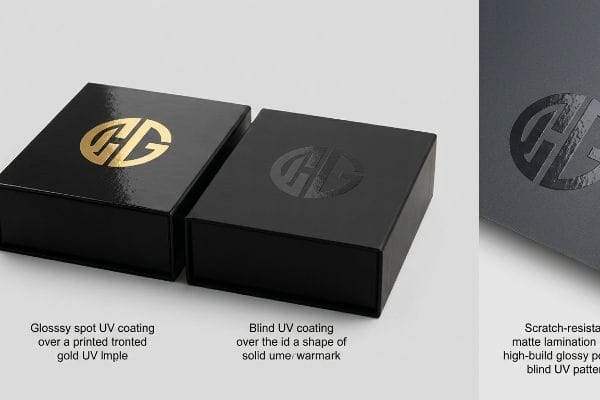
ব্লাইন্ড ইউভি-কে একটি এমবসড ওয়াটারমার্কের মতো ভাবুন; এটি চিৎকার না করে ফিসফিস করে। কিন্তু আপনার মূল উপাদানটি যদি সঠিকভাবে প্রস্তুত না করা হয়, তবে সেই ফিসফিসানি খুচরা বিক্রির আসরে পুরোপুরি হারিয়ে যায়।.
ব্লাইন্ড ইউভি ওয়াটারমার্ক এফেক্ট আয়ত্ত করা
যেসব ব্র্যান্ড একটি ন্যূনতম, বিলাসবহুল নান্দনিকতা খোঁজে, তারা প্রায়শই একটি নিরেট কালো ঢেউখেলানো পটভূমির উপর সরাসরি একটি স্বচ্ছ, চকচকে লোগো বসানোর অনুরোধ করে। তারা ধরে নেয় যে, সাধারণ মুদ্রিত কালো কালির বিপরীতে চকচকে তরলটি স্বাভাবিকভাবেই ফুটে উঠবে, যা একটি মসৃণ টোন-অন-টোন প্রভাব তৈরি করবে। তারা কাঁচা পেপারবোর্ডের তন্তুগুলির আলো শোষণ করার বাস্তবতাকে11।
যখন আপনি ছিদ্রযুক্ত ঢেউখেলানো বোর্ডের উপর ছাপা সাধারণ কালো কালির উপর সরাসরি একটি স্বচ্ছ পলিমার প্রয়োগ করেন, তখন পরিবহনের সময় চারপাশের ম্যাট কালি সহজেই ঘষা লেগে নষ্ট হয়ে যায়12, যা কনট্রাস্ট নষ্ট করে দেয়। আমি এর সমাধান করি পুরো কালো পটভূমির উপর একটি আঁচড়-প্রতিরোধী ম্যাট ল্যামিনেশন13। তৈরি বোর্ডের উপর আপনার বুড়ো আঙুল চালালে, আপনি অনুভব করবেন মাখনের মতো মসৃণ ম্যাট ফিল্মটি হঠাৎ করে ওয়াটারমার্কের উঁচু, শক্ত প্লাস্টিকে রূপান্তরিত হচ্ছে, যা নিশ্চিত করে যে এই সূক্ষ্ম ব্র্যান্ডিংটি গুদামের কঠোর ব্যবহারেও একটিও ঘষার দাগ ছাড়াই টিকে থাকবে।
| নতুনদের সাধারণ ভুল | প্রো ফিক্স | খুচরা-ফ্লোর সুবিধা |
|---|---|---|
| কাঁচা CMYK কালির উপর গ্লস | স্ক্র্যাচ-প্রতিরোধী ম্যাট ল্যামিনেশন14 | পরিবহনের সময় হওয়া বিশ্রী দাগ প্রতিরোধ করে |
| কম কনট্রাস্ট ব্যাকগ্রাউন্ড | ডিপ স্পট ব্ল্যাক ইঙ্ক ব্যবহার করে15 | ওয়াটারমার্ককে অত্যন্ত দৃশ্যমান করে তোলে |
| পাতলা বার্নিশ প্রয়োগ | উচ্চ-বিল্ড পলিমার ড্রপ16 | স্পর্শের মাধ্যমে ক্রেতাদের সম্পৃক্ততা বাড়ায় |
যেকোনো স্বচ্ছ ওয়াটারমার্ক গ্রাফিক্স লাগানোর আগে আমি একটি অত্যন্ত সুরক্ষামূলক ম্যাট বেস ফিল্ম ব্যবহার করা বাধ্যতামূলক করেছি। এটি নিশ্চিত করে যে চকচকে নকশাটি তাক পর্যন্ত তার তীক্ষ্ণ, বিলাসবহুল বৈসাদৃশ্য বজায় রাখে।.
🛠️ হার্ভিস ডেস্ক: গ্রাহক হাতে নেওয়ার আগেই কি আপনার কালো প্যাকেজিংটি ঘষা লেগে দাগ পড়া ও ময়লাযুক্ত দেখায়? 👉 আপনার সারফেস মেটেরিয়াল গাইডটি সংগ্রহ করুন ↗ — এমন কোনো ফর্ম নেই যা অবিরাম সেলস কলের কারণ হয়। শুধু খাঁটি মূল্য।
বিজনেস কার্ডে স্পট ইউভি বলতে কী বোঝায়?
একটি বাণিজ্যিক প্রিন্ট শপে ছোট নেটওয়ার্কিং কার্ডে গ্লস অ্যাকসেন্ট যোগ করা বেশ সহজ মনে হতে পারে। কিন্তু ঠিক একই যুক্তি বড় আকারের প্যাকেজিংয়ের ক্ষেত্রে প্রয়োগ করাটা ক্রয়ের ক্ষেত্রে একটি বিশাল ফাঁদ।.
বিজনেস কার্ডের ক্ষেত্রে স্পট ইউভি একটি অত্যন্ত প্রিমিয়াম ফিনিশিং কৌশল, যেখানে নির্দিষ্ট লেখা, লোগো বা ডিজাইনের উপাদানগুলোকে একটি স্বচ্ছ, উঁচু ও চকচকে পলিমারের প্রলেপ দেওয়া হয়। কাগজের কার্ডস্টকের সাধারণত ম্যাট ফিনিশের বিপরীতে এই স্থানীয় প্রলেপটি একটি আকর্ষণীয় দৃশ্যগত বৈসাদৃশ্য এবং একটি প্রিমিয়াম স্পর্শানুভূতি তৈরি করে।.
৩-ইঞ্চি (৭৬.২ মিমি) কাগজের উপর একটি ছোট্ট লোগোকে সঠিকভাবে বসানো খুবই সহজ কাজ। কিন্তু যখন মেশিনগুলো বিশাল আকারের রিটেইল ফরম্যাট চালানো শুরু করে, তখন শুধু তত্ত্ব জানাটাই যথেষ্ট নয়।.
কারখানার মেঝেতে কেন স্ট্যান্ডার্ড গ্লস রেজিস্ট্রেশন ব্যর্থ হয়
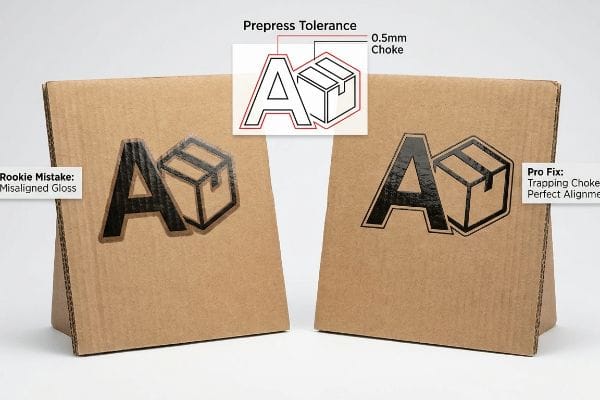
গ্রাফিক ডিজাইনাররা প্রায়শই তাদের বিজনেস কার্ডের জন্য ব্যবহৃত হুবহু একই প্রিপ্রেস ফাইলগুলো নিয়ে সেগুলোকে একটি ৪৮-ইঞ্চি (১২১.৯ সেমি) রিটেইল ফ্লোর ডিসপ্লের জন্য বড় করেন । তারা ধরে নেন যে, একটি বিশাল অফসেট প্রেসে ডিজিটাল মাস্কিং লেয়ারটি ছাপানো কালির সাথে নিখুঁতভাবে মিলে যাবে। তারা এটা বুঝতে ব্যর্থ হন যে, একটি ছোট, অনমনীয় কার্ডস্টকের টুকরোর চেয়ে পুরু , খাঁজকাটা পেপারবোর্ড ভারী যান্ত্রিক রোলারের নিচে সম্পূর্ণ ভিন্নভাবে আচরণ করে ।
আমার প্রতিষ্ঠানে আমি নিয়মিত দেখি ক্লায়েন্টের ফাইলগুলো তাদের গ্লস অ্যাকসেন্টের জন্য ১:১ ভেক্টর মাস্ক সহ আসে, যা একটি মারাত্মক ফাঁদ। যখন একটি বড় ৩২ECT (এজ ক্রাশ টেস্ট) টেস্টলাইনার শিট কোটিং মেশিনারির মধ্যে দিয়ে যায়, তখন এটি আণুবীক্ষণিকভাবে প্রসারিত হয়, যার ফলে একটি ০.৫ মিমি রেজিস্ট্রেশন ড্রিফট১৮ এবং গ্লসি পলিমারের অর্ধেক অংশ প্রিন্ট করা লোগো থেকে একটি অগোছালো ছায়ার মতো ঝুলে থাকে। আমি এর সমাধান করি প্রিপ্রেস ফাইলে গাণিতিকভাবে একটি ০.৫ মিমি ট্র্যাপিং চোক১৯ , যা লিকুইড মাস্ককে সামান্য সংকুচিত করে। এর ফলে উচ্চ-সান্দ্রতার স্ক্রিন প্রিন্টিং সর্বদা নিখুঁতভাবে ইঙ্ক লাইনের ভিতরে পড়ে, যা ব্যাপক ব্যাচ বাতিল হওয়া প্রতিরোধ করে এবং ক্লায়েন্টদের পণ্য লঞ্চে কয়েক সপ্তাহের বিলম্ব থেকে বাঁচায়।
| নতুনদের সাধারণ ভুল | প্রো ফিক্স | খুচরা-ফ্লোর সুবিধা |
|---|---|---|
| ১:১ ভেক্টর মাস্ক সাইজিং | ০.৫ মিমি ট্র্যাপিং চোক ইনজেকশন20 | অগোছালো গ্লস শ্যাডো দূর করে |
| কার্ডবোর্ডকে কার্ডস্টকের মতো ব্যবহার করা | সাবস্ট্রেটের প্রসারণ সামঞ্জস্য করা21 | খুচরা বিক্রেতার কঠোর মান নিয়ন্ত্রণ পরীক্ষায় উত্তীর্ণ |
| কম সান্দ্রতার বার্নিশ ব্যবহার করে | উচ্চ-সান্দ্রতা স্ক্রিন প্রিন্টিং22 | উন্নত স্পর্শকাতর গঠন প্রদান করে |
আমি ঢেউখেলানো বোর্ডের ভৌত প্রসারণের কথা মাথায় রেখে ডিজিটাল মাস্ক টলারেন্সগুলো সবসময় পুনরায় গণনা করি। প্রিপ্রেসের এই নিয়মানুবর্তিতা রেজিস্ট্রেশন ড্রিফট রোধ করে এবং বিশাল ডিসপ্লেতে নিখুঁত ও উন্নত মানের ব্র্যান্ডিং নিশ্চিত করে।.
🛠️ হার্ভির ডেস্ক: একটি ২-মিলিমিটার কাঠামোগত ত্রুটির কারণে ৫০০টি দোকানে পণ্য সরবরাহের পরিকল্পনা যেন ভেস্তে না যায়। 👉 আপনার ডাইলাইন ফাইলটি আমাকে পাঠান ↗ — গণ-উৎপাদনে বাজেট অপচয় করার আগে আমি এর গাণিতিক হিসাব স্ট্রেস-টেস্ট করে নেব।
উপসংহার
আপনি একটি সাধারণ প্রিন্টিং টেমপ্লেটকে চোখ বন্ধ করে বিশ্বাস করতে পারেন, কিন্তু যখন সংশোধনবিহীন রেজিস্ট্রেশন ড্রিফটের কারণে ৫০০টি ইউনিট জুড়ে অগোছালো গ্লস শ্যাডো তৈরি হয়, যা সর্টিং লাইনের গতি আনুমানিক ২৫% কমিয়ে দেয় এবং খুচরা বিক্রেতার কাছ থেকে তাৎক্ষণিক প্রত্যাখ্যানের কারণ হয়, তখন আপনার ক্যাম্পেইনটি ব্যর্থ হয়ে যায়। আমার শীর্ষ ১০ জন খুচরা ক্লায়েন্ট প্রিন্ট প্রত্যাখ্যান শূন্যে নামিয়ে আনার নিশ্চয়তা দিতে ঠিক এই স্পেক শিটটিই ব্যবহার করেন। লিকুইড পলিমারের টলারেন্স নিয়ে অনুমান করা বন্ধ করুন এবং ব্যাপক উৎপাদন শুরু হওয়ার আগেই মারাত্মক রেজিস্ট্রেশন ত্রুটিগুলো ধরার জন্য আমাকে ব্যক্তিগতভাবে আপনার আর্টওয়ার্কটি আমার ফ্রি প্রিপ্রেস অডিটের ↗ মাধ্যমে পরীক্ষা করতে দিন।
"CMYK-মুদ্রিত ডুপ্লেক্স পেপারবোর্ডে UV-কিউরেবল কোটিং প্রক্রিয়া …", https://bioresources.cnr.ncsu.edu/resources/uv-curable-coating-process-on-cmyk-printed-duplex-paperboard-part-1-mechanical-and-optical-properties/। একটি প্রামাণিক বাহ্যিক উৎস কীভাবে এই দাবিকে সমর্থন করে তার সংক্ষিপ্ত ব্যাখ্যা। প্রমাণের ভূমিকা: প্রযুক্তিগত বৈধতা; উৎসের ধরণ: পদার্থ বিজ্ঞান বিষয়ক তথ্যসূত্র। সমর্থন করে: প্যাকেজিংয়ের গ্রিপের উপর পলিমার কোটিংয়ের প্রভাব। পরিধিগত টীকা: পৃষ্ঠ-থেকে-পৃষ্ঠ ঘর্ষণকে বোঝায়। ↩
"স্পট ইউভি প্রিন্টিং গাইড: প্যাকেজিংয়ের জন্য কোটিং ও ফিনিশ – জেন্টলভার", https://gentlever.com/spot-uv-for-custom-packaging/। একটি নির্ভরযোগ্য বাহ্যিক উৎস কীভাবে এই দাবিকে সমর্থন করে তার সংক্ষিপ্ত ব্যাখ্যা। প্রমাণের ভূমিকা: পরিমাণগত যাচাইকরণ; উৎসের ধরণ: শিল্পক্ষেত্রের কেস স্টাডি। সমর্থন করে: অপ্টিমাইজড ঘর্ষণের মাধ্যমে অ্যাসেম্বলির সময় হ্রাস। পরিধি সংক্রান্ত নোট: ডিজাইনের উপর ভিত্তি করে শতাংশ পরিবর্তিত হতে পারে। ↩
"ম্যাট বনাম গ্লস ফিনিশ: আপনার প্যাকেজিংয়ের জন্য কোনটি সেরা?", https://oxopackaging.com/blog/matte-vs-gloss.html?srsltid=AfmBOorXYAWgq2RSn86ytQP4W-aq7V_UQzgfLsUG2Mz-QyVduY4xKQo5। লকিং মেকানিজমের উপরিতলের ঘর্ষণ বাড়িয়ে কাঠামোগত ব্যর্থতা রোধ করার জন্য ম্যাট ফিনিশ ব্যবহারের প্রকৌশলগত যুক্তি। প্রমাণের ভূমিকা: কাঠামোগত যাচাইকরণ; উৎসের ধরণ: প্যাকেজিং ডিজাইন নির্দেশিকা। সমর্থন করে: ট্যাবের উপর ম্যাট ফিনিশের সুবিধা। পরিধি নোট: ফোল্ডিং কার্টন ডিসপ্লের ক্ষেত্রে প্রযোজ্য। ↩
"বাণিজ্যিক আঠার শিয়ার বন্ড স্ট্রেংথের উপর অতিবেগুনি রশ্মির প্রভাব...", https://pmc.ncbi.nlm.nih.gov/articles/PMC12387562/। ছিদ্রহীন ইউভি কোটিং কীভাবে পিভিএ আঠাকে কাগজের স্তরে প্রবেশ করতে বাধা দেয় তার প্রযুক্তিগত ব্যাখ্যা। প্রমাণের ভূমিকা: প্রযুক্তিগত যাচাইকরণ; উৎসের ধরণ: শিল্প আঠার ম্যানুয়াল। সমর্থন করে: আঠার জোড় থেকে ইউভি রশ্মি আড়াল করার প্রয়োজনীয়তা। পরিধির টীকা: শুধুমাত্র জল-ভিত্তিক আঠার জন্য প্রযোজ্য। ↩
"স্পট ইউভি প্রিন্টিং কী? – পপডিসপ্লে", https://popdisplay.me/what-is-spot-uv-printing/। কৌশলগত স্পট কোটিং-এর মাধ্যমে ঘর্ষণ কমানো হলে অ্যাসেম্বলি সময় হ্রাস সংক্রান্ত গবেষণালব্ধ তথ্য। প্রমাণের ভূমিকা: পরিমাণগত যাচাই; উৎসের ধরণ: উৎপাদন সংক্রান্ত কেস স্টাডি। সমর্থন করে: শ্রম দক্ষতার উন্নতি। পরিধি সংক্রান্ত টীকা: পণ্যের জটিলতা অনুযায়ী শতাংশ পরিবর্তিত হয়। ↩
"খাদ্য পচন রোধে কার্ডবোর্ডে হ্যালোক্রোমিক কালির প্রয়োগ...", https://pmc.ncbi.nlm.nih.gov/articles/PMC9502810/। কোটিং শোষণ হারের উপর প্রযুক্তিগত নথিপত্র ব্যাখ্যা করে যে, পিগমেন্ট-ভিত্তিক কালির তুলনায় বার্নিশ কীভাবে ছিদ্রযুক্ত পৃষ্ঠতলের সাথে মিথস্ক্রিয়া করে। প্রমাণের ভূমিকা: প্রযুক্তিগত যাচাইকরণ; উৎসের ধরণ: মুদ্রণ শিল্পের ম্যানুয়াল। সমর্থন: টেস্টলাইনারে বার্নিশের আচরণগত পার্থক্য। পরিধি টীকা: শোষণ এবং পৃষ্ঠটানের উপর আলোকপাত। ↩
"পত্রপল্লব দ্বারা আবৃত ছিদ্রযুক্ত পৃষ্ঠতলের শব্দ শোষণ – পাবমেড", https://pubmed.ncbi.nlm.nih.gov/25669272/। ছিদ্রযুক্ত পৃষ্ঠতলে ইউভি বার্নিশের অনুপ্রবেশ কীভাবে চূড়ান্ত ফিল্মের পুরুত্ব কমিয়ে দেয় তার প্রযুক্তিগত ব্যাখ্যা। প্রমাণের ভূমিকা: প্রযুক্তিগত যাচাইকরণ; উৎসের ধরণ: মুদ্রণ শিল্পের হ্যান্ডবুক। সমর্থন করে: এই দাবি যে বিলম্বিত কিউরিং স্পর্শজনিত প্রভাব কমিয়ে দেয়। পরিধিগত টীকা: প্রলেপবিহীন ঢেউখেলানো বোর্ডের ক্ষেত্রে প্রযোজ্য। ↩
"কোরুগেটেড প্যাকেজিং-এর জন্য কোন কোটিং সবচেয়ে ভালো কাজ করে? – পপডিসপ্লে", https://popdisplay.me/what-coatings-work-best-for-corrugated-packaging/। পদার্থ বিজ্ঞান বিষয়ক তথ্য যা দেখায় কিভাবে ইউভি-কিউর্ড পলিমার কোটিং আর্দ্রতার প্রতিবন্ধক হিসেবে কাজ করে সাবস্ট্রেটের কুঁচকে যাওয়া প্রতিরোধ করে। প্রমাণের ভূমিকা: প্রযুক্তিগত যাচাইকরণ; উৎসের ধরণ: প্যাকেজিং ইঞ্জিনিয়ারিং গবেষণা। সমর্থন করে: এই দাবি যে ইউভি কোটিং বেঁকে যাওয়া প্রতিরোধ করে। পরিধি সংক্রান্ত টীকা: উচ্চ-তীব্রতার ইউভি পলিমারাইজেশনের জন্য নির্দিষ্ট। ↩
"ইউভি কিউরিং ওয়ার্পিং – সাপোর্ট ও ট্রাবলশুটিং – ফর্মল্যাবস ফোরাম", https://forum.formlabs.com/t/uv-curing-warping/14575। দ্রুত ইউভি পলিমারাইজেশন কীভাবে প্রচলিত বার্নিশের সাথে সম্পর্কিত আর্দ্রতা শোষণ এবং তাপজনিত বিকৃতি প্রতিরোধ করে, তার প্রযুক্তিগত ব্যাখ্যা। প্রমাণের ভূমিকা: প্রযুক্তিগত যাচাইকরণ; উৎসের ধরণ: মুদ্রণ শিল্পের ম্যানুয়াল। সমর্থন করে: এই দাবি যে ইউভি কিউরিং কার্ডবোর্ডের বেঁকে যাওয়া দূর করে। পরিধি সংক্রান্ত টীকা: বিশেষভাবে ঢেউখেলানো কাগজের ক্ষেত্রে প্রযোজ্য। ↩
"ইউভি সিলিং ট্রান্সপারেন্ট প্রাইমার: ফিনিশ মেটেরিয়াল অয়েল সিলিং-এর এক ধাপ", https://www.echemi.com/cms/87136.html। কাঁচা টেস্টলাইনারের মতো একটি ছিদ্রযুক্ত সাবস্ট্রেটকে সিল করলে কীভাবে কোটিং শোষণ প্রতিরোধ করা যায় এবং স্তরের পুরুত্ব ও ঔজ্জ্বল্য বজায় থাকে, তার প্রমাণ। প্রমাণের ভূমিকা: প্রক্রিয়া যাচাইকরণ; উৎসের ধরণ: পদার্থ বিজ্ঞান বিষয়ক গবেষণাপত্র। সমর্থন করে: এই দাবি যে সিলিং একটি তীক্ষ্ণতর স্পর্শানুভূতি তৈরি করে। পরিধি সংক্রান্ত টীকা: শুধুমাত্র ছিদ্রযুক্ত পুনর্ব্যবহৃত পেপারবোর্ডের মধ্যে সীমাবদ্ধ। ↩
"প্রাকৃতিক পলিমার এবং … দ্বারা প্রলিপ্ত পেপারবোর্ডের বৈশিষ্ট্য – পিএমসি", https://pmc.ncbi.nlm.nih.gov/articles/PMC10379446/। প্রলেপবিহীন পেপারবোর্ডের তন্তু কীভাবে আলো এবং তরল প্রলেপ শোষণ করে, যার ফলে স্পট ইউভি প্রয়োগের কনট্রাস্ট এবং প্রতিফলন ক্ষমতা কমে যায়, তার প্রযুক্তিগত ব্যাখ্যা। প্রমাণের ভূমিকা: প্রযুক্তিগত বিবরণ; উৎসের ধরণ: বস্তু বিজ্ঞান নির্দেশিকা। সমর্থন করে: এই দাবি যে কাঁচা তন্তু ইউভি-এর দৃশ্যমান উজ্জ্বলতাকে প্রভাবিত করে। পরিধি সংক্রান্ত টীকা: শুধুমাত্র প্রলেপবিহীন ঢেউখেলানো কাগজের ক্ষেত্রে প্রযোজ্য। ↩
"কোরুগেটেড প্যাকেজিংয়ের জন্য সেরা কালি কোনগুলো? – ডমিনো প্রিন্টিং", https://www.domino-printing.com/en-gb/blog/2025/best-inks-for-corrugated। পরিবহনের সময় আনকোটেড কোরুগেটেড বোর্ডে কালির ক্ষয়ের প্রযুক্তিগত ব্যাখ্যা। প্রমাণের ভূমিকা: প্রযুক্তিগত যাচাইকরণ; উৎসের ধরণ: মুদ্রণ শিল্পের মান। ভিত্তি: ছিদ্রযুক্ত পৃষ্ঠে ম্যাট কালির দুর্বলতা। পরিধিগত টীকা: কোরুগেটেড বোর্ডের উপর আলোকপাত করা হয়েছে। ↩
"ম্যাট ল্যামিনেশন: সৌন্দর্য ও স্থায়িত্বের সাথে প্যাকেজিং-এর মান উন্নত করুন", https://www.epackprinting.com/support/matte-lamination-achieve-a-sophisticated-non-reflective-finish/। টেক্সচারযুক্ত পৃষ্ঠতলে ইউভি কোটিং-এর জন্য প্রাইমার এবং প্রতিরক্ষামূলক স্তর হিসাবে ল্যামিনেশন ব্যবহারের নির্দেশিকা। প্রমাণের ভূমিকা: সর্বোত্তম অনুশীলন যাচাইকরণ; উৎসের ধরণ: প্যাকেজিং উৎপাদন নির্দেশিকা। সমর্থন করে: ঘষা লাগা প্রতিরোধে ল্যামিনেশনের কার্যকারিতা। পরিধি নোট: ব্লাইন্ড ইউভি অ্যাপ্লিকেশনের ক্ষেত্রে প্রযোজ্য। ↩
"ম্যাট ল্যামিনেশন বনাম গ্লস ল্যামিনেশন: আসল পার্থক্য কী?", https://www.sinstarsl.com/matte-lamination-vs-gloss-lamination-whats-the-real-difference। প্রিন্ট ফিনিশিং-এর উপর প্রযুক্তিগত ডকুমেন্টেশনে ব্যাখ্যা করা হয়েছে কিভাবে ম্যাট ল্যামিনেশন CMYK কালিকে ঘর্ষণ এবং পরিবহনের সময় হওয়া ক্ষতি থেকে রক্ষা করে। প্রমাণের ভূমিকা: প্রযুক্তিগত স্পেসিফিকেশন; উৎসের ধরণ: মুদ্রণ শিল্পের নির্দেশিকা। সমর্থন করে: ঘষা লাগা প্রতিরোধ করার জন্য ল্যামিনেশনের ব্যবহার। পরিধি সংক্রান্ত টীকা: বাণিজ্যিক অফসেট এবং ডিজিটাল প্রিন্টিং-এর ক্ষেত্রে প্রযোজ্য। ↩
"স্ট্যান্ডার্ড ব্ল্যাক বনাম রিচ ব্ল্যাক | মিক্সাম", https://mixam.com/support/standardvsrichblack। প্রিন্ট প্রোডাকশন স্ট্যান্ডার্ড অনুযায়ী, উচ্চ-ঘনত্বের স্পট ব্ল্যাক কালি ব্লাইন্ড ইউভি কোটিং দেখার জন্য প্রয়োজনীয় ভিজ্যুয়াল কনট্রাস্ট বৃদ্ধি করে। প্রমাণের ভূমিকা: প্রযুক্তিগত সর্বোত্তম অনুশীলন; উৎসের ধরণ: প্রিপ্রেস ম্যানুয়াল। সমর্থন করে: ব্লাইন্ড ইউভি ওয়াটারমার্কের দৃশ্যমানতা। পরিধি সংক্রান্ত টীকা: উচ্চ-কনট্রাস্ট ডিজাইনের প্রয়োজনীয়তার জন্য নির্দিষ্ট। ↩
"স্পর্শযোগ্য প্যাকেজিং সম্পর্কে ভোক্তার ধারণা: একটি গবেষণা সমীক্ষা...", https://repository.rit.edu/japr/vol7/iss1/1/। প্যাকেজিং ইঞ্জিনিয়ারিং সমীক্ষা দেখায় যে উঁচু পলিমার আবরণ একটি স্পর্শজনিত অভিজ্ঞতা তৈরি করে যা পণ্যের অনুভূত মূল্য এবং ক্রেতার সম্পৃক্ততা বৃদ্ধি করে। প্রমাণের ভূমিকা: গবেষণালব্ধ প্রমাণ; উৎসের ধরণ: প্যাকেজিংয়ের প্রযুক্তিগত বিবরণ। সমর্থন করে: হাই-বিল্ড ইউভি-এর স্পর্শজনিত সুবিধা। পরিধি টীকা: খুচরা ব্যবসায় সংবেদনশীল বিপণনের উপর আলোকপাত করে। ↩
"[পিডিএফ] পেপারবোর্ড প্যাকেজিংয়ের যান্ত্রিক বৈশিষ্ট্য অনুসন্ধান...", https://repository.rit.edu/cgi/viewcontent.cgi?article=1066&context=japr। করোগেটেড বোর্ডের উপর প্রযুক্তিগত মুদ্রণ ম্যানুয়াল বা বস্তু বিজ্ঞান বিষয়ক গবেষণাপত্রগুলো ব্যাখ্যা করে যে, নিরেট কার্ডস্টকের তুলনায় রোলারের চাপে কীভাবে সংকোচন এবং সাবস্ট্রেটের স্থান পরিবর্তন ঘটে। প্রমাণের ভূমিকা: প্রযুক্তিগত যাচাইকরণ; উৎসের ধরণ: শিল্প হ্যান্ডবুক। সমর্থন করে: এই দাবি যে সাবস্ট্রেটের নমনীয়তা রেজিস্ট্রেশন নির্ভুলতাকে প্রভাবিত করে। পরিধি টীকা: অফসেট এবং ইউভি কোটিং প্রক্রিয়ার উপর আলোকপাত। ↩
"[পিডিএফ] করোগেটেড বোর্ড স্পেসিফিকেশন – ফাইবার বক্স অ্যাসোসিয়েশন", https://www.fibrebox.org/assets/2025/09/Walmart_Corrugated-Board_Specifications_Automation_Packaging_Standards.pdf। করোগেটেড টেস্টলাইনার শিটের মাত্রাগত অস্থিতিশীলতা কীভাবে লিকুইড কোটিং প্রয়োগের সময় রেজিস্ট্রেশন ত্রুটি ঘটায়, সে সম্পর্কিত প্রযুক্তিগত নথি। প্রমাণের ভূমিকা: প্রযুক্তিগত যাচাইকরণ; উৎসের ধরণ: প্যাকেজিং ইঞ্জিনিয়ারিং ম্যানুয়াল। সমর্থন করে: এই দাবি যে উপাদানের প্রসারণ একটি নির্দিষ্ট রেজিস্ট্রেশন ড্রিফটের দিকে পরিচালিত করে। পরিধি নোট: বৃহৎ আকারের শিল্প মুদ্রণের ক্ষেত্রে প্রযোজ্য। ↩
দ্বি সি.-এর পোস্ট – লিঙ্কডইন, https://www.linkedin.com/posts/02candra_trapping-what-is-trapping-trapping-is-a-activity-7282304971868381185-LUuz। সাবস্ট্রেটের প্রসারণ এবং কালির ছড়িয়ে পড়া পূরণের জন্য প্রিপ্রেসে ট্র্যাপিং এবং চোকিং ব্যবহারের শিল্প-মানসম্মত নির্দেশিকা। প্রমাণের ভূমিকা: প্রক্রিয়া যাচাইকরণ; উৎসের ধরণ: প্রিপ্রেস প্রযুক্তিগত নির্দেশিকা। সমর্থন করে: রেজিস্ট্রেশন মিসঅ্যালাইনমেন্ট প্রতিরোধে ট্র্যাপিং চোকের কার্যকারিতা। পরিধি নোট: উচ্চ-সান্দ্রতার আবরণের জন্য সাধারণ প্রিপ্রেস কৌশল। ↩
"ফ্লেক্সো প্রিন্টিং-এ ট্র্যাপিং কেন অপরিহার্য | চ্যান এসএইচ [একটি ফ্লেক্সো …", https://www.linkedin.com/posts/chan-sh-53aa16146_trapping-in-flexo-printing-trapping-is-activity-7396537705565872128-rlMg। স্পট ইউভি অ্যাপ্লিকেশনে মিসঅ্যালাইনমেন্ট এবং ব্লিড প্রতিরোধ করার জন্য ব্যবহৃত স্ট্যান্ডার্ড ট্র্যাপিং অ্যালাউন্সের যাচাইকরণ। প্রমাণের ভূমিকা: প্রযুক্তিগত স্পেসিফিকেশন; উৎসের ধরণ: প্রিন্ট প্রোডাকশন গাইড। সহায়ক বিষয়: গ্লস শ্যাডো দূরীকরণে ট্র্যাপিং চোকের কার্যকারিতা। পরিধি সংক্রান্ত টীকা: প্রেসের নির্ভুলতার উপর নির্ভর করে টলারেন্স পরিবর্তিত হতে পারে। ↩
"পেপারবোর্ড এবং অন্যান্য সাবস্ট্রেটের জন্য মুদ্রণের ৫টি অপরিহার্য প্রকার", https://paperbox.org/5-essential-types-of-printing-for-paperboard-and-other-substrates/। কার্ডস্টকের তুলনায় ভারী বোর্ডে সাবস্ট্রেটের বিকৃতি এবং প্রসারণ কীভাবে রেজিস্ট্রেশন নির্ভুলতাকে প্রভাবিত করে তার ডকুমেন্টেশন। প্রমাণের ভূমিকা: প্রযুক্তিগত নীতি; উৎসের ধরণ: মুদ্রণ শিল্পের ম্যানুয়াল। সাপোর্ট: গুণমান নিয়ন্ত্রণে উত্তীর্ণ হওয়ার জন্য ক্ষতিপূরণের প্রয়োজনীয়তা। পরিধি নোট: উচ্চ-আর্দ্রতার পরিবেশ বা বড় ফরম্যাটের জন্য সবচেয়ে প্রাসঙ্গিক। ↩
"স্ক্রিন প্রিন্টিং – প্যারাগন ইঙ্কস I হোম", https://www.paragoninks.com/products/screen-printing। প্রযুক্তিগত তুলনা যা প্রদর্শন করে যে কীভাবে উচ্চ সান্দ্রতার কালি কম সান্দ্রতার বার্নিশের চেয়ে একটি পুরু, আরও স্পর্শযোগ্য স্তর তৈরি করে। প্রমাণের ভূমিকা: উপাদানের বিবরণ; উৎসের ধরণ: কালির প্রযুক্তিগত ডেটা শিট। সমর্থন করে: সান্দ্রতা এবং স্পর্শযোগ্য স্তরের মধ্যে সম্পর্ক। পরিধি সংক্রান্ত টীকা: নির্দিষ্ট স্ক্রিন মেশ কাউন্টের উপর নির্ভরশীল। ↩