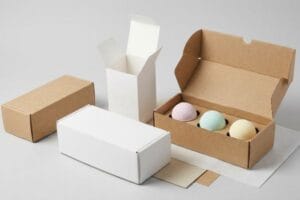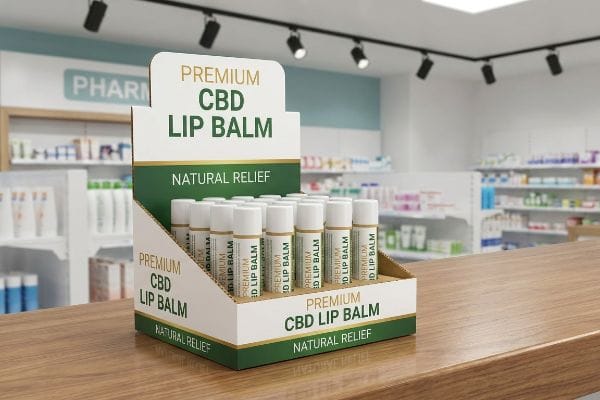
প্রচণ্ড ভিড়ে ঠাসা চেকআউট স্পেসের জন্য সিবিডি লিপ বামগুলোকে প্রতিযোগিতা করতে হয়। যদি আপনার কাউন্টারটপের ডিসপ্লেটি এই ভিড়ের মধ্যে মিশে যায়, তবে আপনি হুট করে কেনাকাটা করতে আসা ক্রেতাকে পুরোপুরি হারাবেন।
হ্যাঁ। একটি সিবিডি (ক্যানাবিডিওল) লিপ বাম ডিসপ্লে প্যাকেজিং, দৃষ্টিবিভ্রম এবং কাঠামোগত দৃঢ়তার মাধ্যমে ক্রেতাদের তাৎক্ষণিক কেনাকাটায় আকৃষ্ট করে বিক্রয় বৃদ্ধি করে। উচ্চ-মানের ঢেউখেলানো কার্ডবোর্ড এবং কৌশলগত ব্র্যান্ডিংয়ের সমন্বয়ে তৈরি কাউন্টারটপ ইউনিটগুলো সহজেই চোখে পড়ে, যা কার্যকরভাবে ক্রেতার মনোযোগ আকর্ষণ করে এবং সামগ্রিক রিটেইল কনভার্সন রেট উল্লেখযোগ্যভাবে বাড়িয়ে তোলে।.

সেই সেরা মানের রিয়েল এস্টেট নিশ্চিত করাটা কেবল প্রথম ধাপ; ইউনিটটিকে অক্ষত রেখে বিক্রি করাটাই হলো আসল কৌশল।.
লিপ বামের ব্যবসা কি লাভজনক?
লিপ বাম বিক্রি করে প্রচুর লাভ করা যায়, তবে তার জন্য খুচরা দোকানের অর্থনৈতিক হিসাব-নিকাশে দক্ষতা অর্জন করতে হবে।.
হ্যাঁ। কম উৎপাদন খরচ এবং উচ্চ খুচরা মুনাফার কারণে লিপ বামের ব্যবসা লাভজনক। দক্ষ পয়েন্ট-অফ-পারচেজ মার্চেন্ডাইজাররা বিক্রির পরিমাণ বাড়িয়ে, সীমিত জায়গাকে উচ্চ-রাজস্ব অঞ্চলে পরিণত করে এবং একই সাথে লজিস্টিকস ও সেকেন্ডারি প্যাকেজিংয়ের অতিরিক্ত খরচ কঠোরভাবে নিয়ন্ত্রণে রেখে এই মুনাফার হারকে সর্বোচ্চ করেন।.
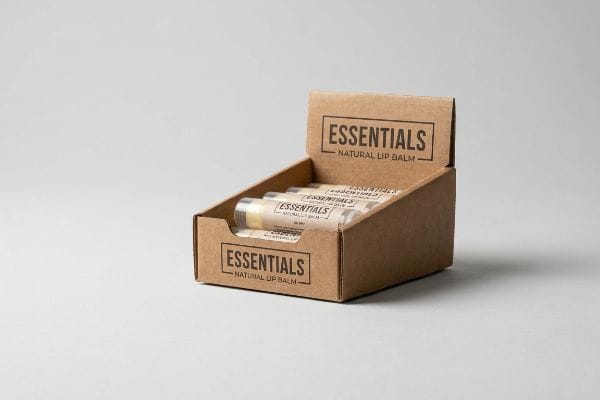
কিন্তু স্প্রেডশিটের লাভ অর্থহীন, যদি পণ্যটি দোকানে এসে ঠিকমতো কাজ না করে।.
৩-সেকেন্ড লিফটের মাধ্যমে প্রকৃত ROI গণনা
অনেক ব্র্যান্ড মনে করে যে ক্যাশ কাউন্টারের কাছে ছোট প্রসাধনী সামগ্রী রাখলেই তা তাৎক্ষণিক বিক্রি নিশ্চিত করে। তারা প্রায়শই শুধুমাত্র টিউবের উৎপাদন খরচ এবং চূড়ান্ত খুচরা মূল্যের উপর ভিত্তি করে লাভের হিসাব করে, এবং সেকেন্ডারি প্যাকেজিংয়ের আর্থিক গুরুত্বকে উপেক্ষা করে । এই সংকীর্ণ দৃষ্টিভঙ্গি মার্চেন্ডাইজারকে একটি সক্রিয় বিক্রয় চালিকাশক্তি হিসেবে না দেখে, একটি অপরিহার্য খরচ হিসেবে গণ্য করে।
এমনকি অভিজ্ঞ মার্কেটিং ডিরেক্টররাও মাঝে মাঝে ছোট পণ্যের জন্য জাঁকজমকপূর্ণ, বিশাল আকারের ইউনিট উপস্থাপন করেন, এই আশায় যে বড় আকারের কারণে বিক্রি বাড়বে। আমি এই ফাঁদটি প্রতিনিয়ত দেখি যখন ব্র্যান্ডগুলো চেকআউটের সময় ADA 2 (আমেরিকানস উইথ ডিসএবিলিটিস অ্যাক্ট)-এর কঠোর ১৫ থেকে ৪৮-ইঞ্চি (৩৮১ থেকে ১২১৯ মিমি) মাপের মধ্যে বিশাল কাঠামো ঢোকানোর চেষ্টা করে । যদি ইউনিটটি স্ক্যানার আটকে দেয়, তাহলে দোকানের কর্মচারী এটিকে রেজিস্টারের পেছনে দৃষ্টির আড়ালে ঠেলে দেবে। আমি খুচরা বিক্রেতাদের কাছে আপনার বিনিয়োগের লাভ প্রমাণ করার জন্য '৩-সেকেন্ড লিফট' ফর্মুলা ব্যবহার করার পরামর্শ দিই। এর আকার ন্যূনতম রাখুন, একটি শক্ত ঢেউখেলানো ভিত্তি ব্যবহার করুন এবং শুধুমাত্র তাৎক্ষণিক দৃশ্যমান বৈসাদৃশ্যের উপর মনোযোগ দিন। যখন আমি একটি ছোট ই-ফ্লুট ট্রে -এর ভিড়ে ঠাসা কাউন্টারে নিখুঁতভাবে বসে যাওয়ার খসখসে শব্দ শুনি, আমি জানি এটি ক্যাশিয়ারের পুরো শিফট টিকে থাকবে এবং বিক্রির ক্ষেত্রে সত্যিই তার ভূমিকা পালন করবে।
| নতুনদের সাধারণ ভুল | প্রো ফিক্স | খুচরা-ফ্লোর সুবিধা |
|---|---|---|
| রেজিস্টারের অতিরিক্ত বড় আকার | ADA-সম্মত ন্যূনতম ভিত্তি3 | কেরানিদের দ্বারা ইউনিট স্থানান্তর প্রতিরোধ করে |
| প্যাকেজিং খরচ উপেক্ষা করা | মার্জিনে ট্রে-এর খরচ অন্তর্ভুক্ত করা | সঠিক মুনাফা ট্র্যাকিং নিশ্চিত করে |
| জটিল আনপ্যাকিং ধাপ | আগে থেকে পূরণ করা ডিসপ্লে শিপিং | পণ্য গোছানোর ৪৫ সেকেন্ড সময় বাঁচায়4 |
অতিরিক্ত বড় কাউন্টার ইউনিটের জন্য লাভের অংশ ত্যাগ করা একটি গুরুতর ভুল। ক্যাশিয়ারের কাজের জায়গার কথা মাথায় রেখে একটি ছোট আকারের কাঠামো তৈরি করার মাধ্যমে আমরা নিশ্চিত করি যে আপনার পণ্যটি দৃশ্যমান থাকে, যা আপনার কাঠামোগত বাজেট কৃত্রিমভাবে না বাড়িয়েই তাৎক্ষণিক বিক্রয় বাড়াতে সাহায্য করে।.
🛠️ হার্ভির ডেস্ক: আপনার বর্তমান রেজিস্টার ডিসপ্লেগুলো কি পেছনের কাউন্টারে ঠেলে দেওয়া হচ্ছে? 👉 একটি স্পেশিয়াল ফুটপ্রিন্ট অডিট করান ↗ — আমার ডেস্কে সরাসরি অ্যাক্সেস। কোনো স্বয়ংক্রিয় সেলস স্প্যাম নেই, আমি কথা দিচ্ছি।
প্যাকেজিং কীভাবে গ্রাহকদের আকৃষ্ট করে?
আকর্ষণ কোনো জাদু নয়; এটি স্থানিক প্রকৌশলের একটি পূর্বাভাসযোগ্য অনুক্রম।.
প্যাকেজিং দৃশ্যগত একঘেয়েমি ভাঙতে ৩-৩-৩ স্থানিক সম্পৃক্ততার নিয়ম ব্যবহার করে গ্রাহকদের আকর্ষণ করে। কৌশলগতভাবে কাটা আকৃতি, উচ্চ-বৈসাদৃশ্যপূর্ণ স্পট কালারের ব্যাপক ব্যবহার এবং সুনির্দিষ্ট আরামদায়ক কোণগুলো তাড়াহুড়ো করা ক্রেতাদের থামতে বাধ্য করে এবং দূর থেকে তাদের দৃষ্টিকে অনায়াসে স্পর্শযোগ্য পণ্যের স্তরে নিয়ে আসে।.
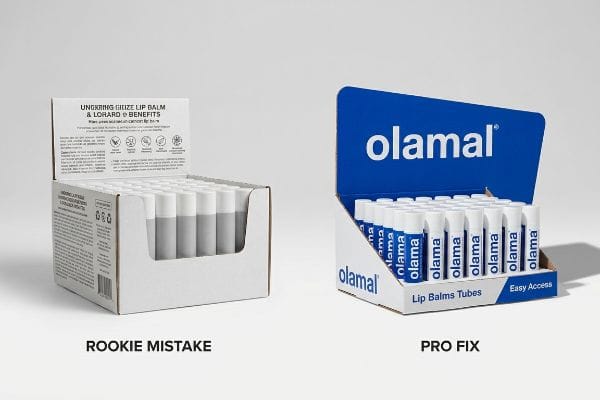
দোকানের অন্য প্রান্ত থেকে তাদের মনোযোগ আকর্ষণ করা বৃথা, যদি শেষ শারীরিক আলাপচারিতাটি সস্তা মনে হয়।.
৩-৩-৩ স্থানিক সম্পৃক্ততা নিয়ম সক্রিয় করা
নবীন ডিজাইনাররা প্রায়শই কাউন্টারটপ ইউনিটগুলোকে সমতল ডিজিটাল বিলবোর্ডের মতো করে দেখেন এবং পুরোপুরিভাবে কাছ থেকে দেখা টাইপোগ্রাফি ও জটিল গ্রাফিক বিবরণের ওপর মনোযোগ দেন। তারা ধরে নেন যে, যদি শিল্পকর্মটি একটি ব্যাকলিট মনিটরে সুন্দর দেখায়, তাহলে ব্যস্ত খুচরা বিক্রির পরিবেশে ক্রেতারা স্বাভাবিকভাবেই থেমে তা পড়বেন।.
ডেস্কটপ-কেন্দ্রিক এই মানসিকতা পুরোপুরি উপেক্ষা করে যে মানুষ কীভাবে দোকানে গিয়ে কেনাকাটা করে। এটিকে একটি হাইওয়ের বিলবোর্ডের মতো ভাবুন; ঘণ্টায় ষাট মাইল বেগে চললে আপনি ছোট অক্ষরে লেখা পড়তে পারবেন না। আমি যখন দোকানের ক্রেতাদের আনাগোনা দেখি, তখন দেখি ক্রেতারা লেখায় ভরা বাক্সগুলোর পাশ দিয়ে সোজা হেঁটে চলে যায়, কারণ এটি তাদের মস্তিষ্কে মারাত্মক চাপ সৃষ্টি করে। এর পরিবর্তে, আমি ৩-৩-৩ নিয়মটিপ্রয়োগ । কাঠামোটিকে অবশ্যই ৩৬০ ইঞ্চি (৯১৪৪ মিমি) দূর থেকে আকর্ষণীয় ডাই-কাট হেডার ব্যবহার করে দৃষ্টি আকর্ষণ করতে হবে, ৩৬ ইঞ্চি (৯১৪ মিমি) দূর থেকে আগ্রহ জাগাতে হবে এবং ৩ ইঞ্চি (৭৬ মিমি) দূর থেকে স্পর্শের মাধ্যমে ক্রেতায় রূপান্তরিত করতে হবে। আপনি যদি সামনের ধারটি খুব বেশি উঁচু করে কাটেন, তবে আপনি ব্র্যান্ডের নামটি ঢেকে ফেলবেন এবং সেই চূড়ান্ত অনুভূতিটি নষ্ট করে দেবেন। একজন ক্যাশিয়ারকে একটি গভীর ট্রে থেকে শক্ত করে প্যাক করা লিপ বাম বের করতে হিমশিম খেতে দেখাটাই প্রমাণ করে যে আপনি তিন ইঞ্চির এই ক্রেতায় রূপান্তরিত করার লড়াইয়ে হেরে গেছেন।
| নতুনদের সাধারণ ভুল | প্রো ফিক্স | খুচরা-ফ্লোর সুবিধা |
|---|---|---|
| লেখা-বহুল সামনের প্যানেল | একক উচ্চ-বৈসাদৃশ্য কেন্দ্রবিন্দু | ক্রেতাদের মানসিক অতিরিক্ত চাপ প্রতিরোধ করে6 |
| সমতল আয়তক্ষেত্রাকার হেডার | কাস্টম ডাই-কাট কাঠামোগত আকার | দূর থেকে দৃষ্টি আকর্ষণ করে |
| উঁচু ঠোঁট | ঠোঁট কেটে ৮৫% দৃশ্যমানতা নিশ্চিত করা7 | আকস্মিক আঁকড়ে ধরার গতি বাড়ায়8 |
তাৎক্ষণিক বিক্রয়ের জন্য তৈরি পণ্য থেকে গৌণ বার্তা বাদ দেওয়া অত্যন্ত গুরুত্বপূর্ণ। ডিজাইনকে একটি বিশাল, বিঘ্ন সৃষ্টিকারী কাঠামোগত রূপ দিতে বাধ্য করা হলে, তা নিশ্চিত করে যে ভোক্তার মনস্তাত্ত্বিক উদ্দীপকটি সেই কঠোর তিন-সেকেন্ডের শারীরিক মিথস্ক্রিয়ার সুযোগের মধ্যেই সঙ্গে সঙ্গে সক্রিয় হয়ে ওঠে।.
🛠️ হার্ভির ডেস্ক: আপনার বর্তমান ডাই-কাট হেডারটি কি করিডোরের শেষ প্রান্ত থেকে স্পষ্টভাবে দেখা যায়, নাকি এটি পটভূমির সাথে মিশে যায়? 👉 ৩-৩-৩ এনগেজমেন্ট চেকলিস্টটি ডাউনলোড করুন ↗ — নিরাপদে ডাউনলোড করুন। পরবর্তীতে কোনো প্রশ্ন থাকলে আমার ইনবক্স খোলা আছে।
সিবিডি প্যাকেজিং দেখতে কেমন হয়?
উৎকৃষ্ট মানের ভেষজ পণ্যগুলোর জন্য এমন কাঠামোগত নান্দনিকতার প্রয়োজন হয়, যা সেগুলোর উচ্চমূল্যকে যৌক্তিকতা দেয়।.
সিবিডি প্যাকেজিং দেখতে একটি প্রিমিয়াম ও স্পর্শযোগ্য অভিজ্ঞতার মতো, যা সুস্থতা ও গুণমান বোঝানোর জন্য ডিজাইন করা হয়েছে। এতে সাধারণত মসৃণ ম্যাট ফিনিশ, মাটির মতো বা ক্লিনিক্যাল রঙের ব্যবহার এবং কাঠামোগতভাবে দৃঢ় মাইক্রো-ফ্লুট উপাদান থাকে, যা সাধারণ রিটেইল বিনে প্রচলিত সস্তা ঢেউখেলানো কার্ডবোর্ডের মতো টেক্সচারকে পুরোপুরি দূর করে দেয়।.

তবে, সেই নিখুঁত ও অভিজাত রূপটি পেতে হলে কাগজের অন্তর্নিহিত পদার্থবিদ্যার ওপর কঠোর নিয়ন্ত্রণ প্রয়োজন।.
ঢেউখেলানো ওয়াশবোর্ড প্রভাব দূর করা
যেহেতু সিবিডি বামের দাম অনেক বেশি, তাই ব্র্যান্ডগুলো স্বাভাবিকভাবেই চায় যে তাদের সেকেন্ডারি ডিসপ্লেটি একটি বিলাসবহুল কসমেটিক কাউন্টারের মতো দেখাক। তারা প্রায়শই উচ্চমানের গ্রাফিক্স ব্যবহার করতে বলে, কিন্তু ভুলবশত সেগুলো সরাসরি সাধারণ বি-ফ্লুট ঢেউখেলানো কার্ডবোর্ডেরওপর, এই ভেবে যে শুধু শিল্পকর্মটিই প্রিমিয়াম নান্দনিকতা ফুটিয়ে তুলবে।
সাধারণ ঢেউখেলানো বোর্ড মূলত ঢেউ খেলানো কাগজের খিলানের একটি স্যান্ডউইচ। যখন আপনি ভারী ফ্লুটের উপর একটি পাতলা প্রিন্টেড টপ-শিট ল্যামিনেট করেন, তখন সেই নীচের ঢেউগুলো পৃষ্ঠের মধ্য দিয়ে দৃশ্যমানভাবে ফুটে ওঠে, যা ওয়াশবোর্ড এফেক্ট ১০ নামে পরিচিত একটি বিশ্রী খাঁজকাটা টেক্সচার তৈরি করে । এটি একটি ত্রিশ ডলারের বোটানিক্যাল পণ্যকে ডিসকাউন্ট বিনের জিনিসের মতো দেখায়। যখন আমি একটি ত্রুটিপূর্ণভাবে তৈরি ট্রে-এর উপর হাত বোলাই, তখন লিথো-ল্যামিনেশনের নীচে সেই শক্ত উঁচু অংশগুলো অনুভব করে সাথে সাথেই দুর্বল ইঞ্জিনিয়ারিংয়ের সংকেত পাই। এটি ঠিক করার জন্য, আমি সবসময় উপাদানটিকে একটি উচ্চ-ঘনত্বের ই-ফ্লুটে নামিয়ে আনি অথবা প্রথমে একটি সলিড এসবিএস ১১ (সলিড ব্লিচড সালফেট) বোর্ডের উপর টপ-শিটটি প্রয়োগ করি । এই মাইক্রো-ফ্লুট ট্রানজিশন পৃষ্ঠটিকে সম্পূর্ণরূপে মসৃণ করে তোলে, যা আপনার প্রিমিয়াম ব্র্যান্ডের প্রাপ্য কাঁচের মতো ফিনিশ প্রদান করে এবং এর ডাইনামিক শক্তিও অক্ষুণ্ণ রাখে।
| নতুনদের সাধারণ ভুল | প্রো ফিক্স | খুচরা-ফ্লোর সুবিধা |
|---|---|---|
| কাঁচা বি-ফ্লুটে মুদ্রণ | ঘন ই-ফ্লুটে আপগ্রেড করা12 | দৃশ্যমান পৃষ্ঠের খাঁজ দূর করে |
| পাতলা নিরেট চিপবোর্ড | মাইক্রো-ফ্লুটেড অভ্যন্তরীণ স্থাপত্য13 | নিখুঁতভাবে বর্গাকার কোণ বজায় রাখে |
| উঁচু-নিচু অংশে চকচকে ফিনিশ | মসৃণ বোর্ডে ম্যাট ল্যামিনেশন14 | প্রিমিয়াম স্পর্শানুভূতি বৃদ্ধি করে |
উৎকৃষ্ট মানের প্রসাধনী সস্তা দেখতে, খাঁজকাটা কার্ডবোর্ডের পাত্রে রাখা উচিত নয়। পাত্রের ভিত্তিটিকে একটি নিখুঁত মাইক্রো-ফ্লুটে উন্নীত করলে আপনার রিটেইল ডিসপ্লে একটি ত্রুটিহীন ও বিলাসবহুল নান্দনিকতা প্রদান করে, যা আপনার উচ্চ মূল্য নির্ধারণ কৌশলের সাথে পুরোপুরি সামঞ্জস্যপূর্ণ।
🛠️ হার্ভিস ডেস্ক: আপনার বর্তমান প্রিন্ট করা কার্ডবোর্ডটি কি স্পর্শে খসখসে এবং সস্তা মনে হয়? 👉 একটি মেটেরিয়াল আপগ্রেড গাইডের জন্য অনুরোধ করুন ↗ — কোনো ফর্ম নেই যা অবিরাম সেলস কলের কারণ হয়। শুধু খাঁটি মূল্য।
লিপ বামে থাকা সিবিডি কী কাজ করে?
যেসব সক্রিয় উদ্ভিদজাত উপাদান আপনার পণ্যকে কার্যকর করে তোলে, সেগুলোই সক্রিয়ভাবে আপনার ডিসপ্লে নষ্ট করে দিতে পারে।.
লিপ বামে থাকা সিবিডি নির্দিষ্ট স্থানে প্রশান্তি প্রদান করে এবং ত্বকের রিসেপ্টরগুলির সাথে মিথস্ক্রিয়া করে। তবে, এই সক্রিয় উদ্ভিদ নির্যাসগুলি, ঘনীভূত এসেনশিয়াল অয়েল এবং টারপিনের সাথে মিলিত হয়ে উদ্বায়ী জৈব যৌগ হিসেবে কাজ করে, যা প্রাথমিক কন্টেইনার ভেদ করে ছড়িয়ে পড়তে পারে এবং পরিবহনকালে সেকেন্ডারি প্যাকেজিং উপকরণগুলিকে মারাত্মকভাবে নষ্ট করে দিতে পারে।.
ঔষধি উপকারিতা বোঝাটা হলো বিপণন, কিন্তু সেই তেলগুলোর রাসায়নিক বাস্তবতা সামলানোটা হলো নিছক উৎপাদনগত টিকে থাকার লড়াই।.
কারখানার মেঝেতে সুগন্ধি দ্রাবকের স্থানান্তর প্রতিরোধ
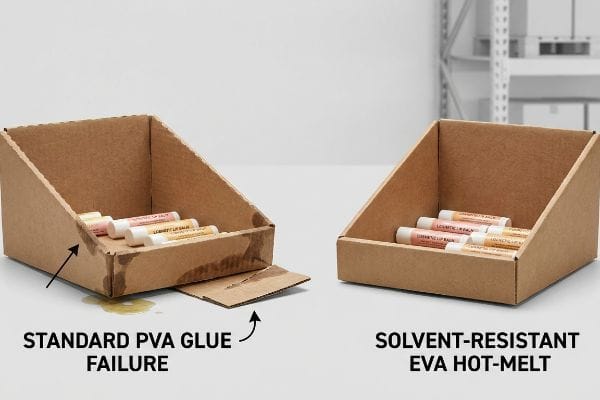
মার্কেটিং দলগুলো তাদের বামে থাকা বিশুদ্ধ এসেনশিয়াল অয়েল এবং সক্রিয় ডিস্টিলেটগুলোকে তুলে ধরতে ভালোবাসে। সেকেন্ডারি ট্রে এবং শিপার বক্স ডিজাইন করার সময়, প্রকিউরমেন্ট দলগুলো প্রায়শই স্ট্যান্ডার্ড জল-ভিত্তিক পিভিএ (পলিভিনাইল অ্যাসিটেট) আঠা১৫ , এই অনুমান করে যে সমস্ত প্রসাধনী তাদের প্লাস্টিকের টিউবের ভিতরে সম্পূর্ণ নিষ্ক্রিয় থাকে।
এটা শুধু তত্ত্ব নয়—আমি টেস্টিং ফ্লোরে এটা ঘটতে দেখি যখন উচ্চ-ঘনত্বের বোটানিক্যাল পণ্যগুলো উষ্ণ লজিস্টিক পরিবেশে থাকে। সক্রিয় টারপিন এবং সুগন্ধি তেলগুলো গ্যাস আকারে নির্গত হয়, যা আক্রমণাত্মক রাসায়নিক দ্রাবক হিসেবে কাজ করে16।এই তেলগুলো লিপ বাম টিউবের মধ্যে দিয়ে ছড়িয়ে পড়ে, ছিদ্রযুক্ত ক্রাফট পেপারের ফাইবারগুলোকে সম্পৃক্ত করে এবং আক্ষরিক অর্থেই সাধারণ PVA আঠার জোড়গুলোকে গলিয়ে দেয়। সম্প্রতি একটি প্রি-প্রোডাকশন হিট টেস্টের সময়, আমি মাত্র তিন দিনের সংস্পর্শের পর আঠার শিয়ার স্ট্রেংথে ৬৫% হ্রাস পরিমাপ করেছি। বাক্সগুলো সশব্দে খুলে যায়, যার ফলে ব্যাপক ঘর্ষণ সৃষ্টি হয় এবং অ্যাসেম্বলি লাইনের গতি আনুমানিক ৩০% কমে যায়। আমি স্পেক শিটগুলো বের করে অবিলম্বে PVA-এর পরিবর্তে একটি বিশেষায়িত EVA (ইথিলিন ভিনাইল অ্যাসিটেট) হট-মেল্ট ম্যাট্রিক্স17। এই রাসায়নিক পরিবর্তন দ্রাবকের স্থানান্তরকে সম্পূর্ণরূপে নিষ্ক্রিয় করে, দীর্ঘ সমুদ্রযাত্রার সময় ট্রেগুলোকে নিখুঁতভাবে লক করে রাখে এবং ক্লায়েন্টকে বিপুল পরিমাণ রিপ্যাকিং ফি থেকে বাঁচায়।
| নতুনদের সাধারণ ভুল | প্রো ফিক্স | খুচরা-ফ্লোর সুবিধা |
|---|---|---|
| সাধারণ পিভিএ জল-ভিত্তিক আঠা | দ্রাবক-প্রতিরোধী ইভিএ হট-মেল্ট18 | ট্রেগুলো হঠাৎ খুলে যাওয়া প্রতিরোধ করে। |
| সিলবিহীন ছিদ্রযুক্ত ক্রাফট লাইনার | কৌশলগত অভ্যন্তরীণ পলি-কোটিং | সক্রিয় তেল তন্তুর স্থানান্তরকে বাধা দেয়19 |
| গুদামের পারিপার্শ্বিক তাপ উপেক্ষা করা | জলবায়ু-অনুকৃত আঠালো পরীক্ষা | পরিবহনের সময় টিকে থাকা নিশ্চিত করে |
সক্রিয় ভেষজ প্রসাধনীর জন্য সাধারণ আঠার উপর নির্ভর করা একটি বিপজ্জনক ভুল। উদ্বায়ী টারপিন গ্যাস নির্গমন প্রতিরোধ করার জন্য আঠার ম্যাট্রিক্সকে রাসায়নিকভাবে উপযুক্ত করে তৈরি করা হলে, আপনার কাঠামোগত জোড়গুলো কোনো মারাত্মক ব্যর্থতা ছাড়াই একটি 3PL গুদামের প্রচণ্ড তাপ সহ্য করতে পারে।.
🛠️ হার্ভির ডেস্ক: আপনার কসমেটিক ট্রে-গুলো একসাথে ধরে রাখা আঠার সঠিক রাসায়নিক প্রতিরোধ ক্ষমতা কি আপনি জানেন? 👉 আমাকে আপনার ডাইলাইন ফাইল পাঠান ↗ — গণ-উৎপাদনে বাজেট অপচয় করার আগে আমি এর গাণিতিক হিসাব স্ট্রেস-টেস্ট করে নেব।
উপসংহার
আপনি আরও সস্তা বিক্রেতা বেছে নিতে পারেন, কিন্তু যখন একটি আর্দ্র গুদামে সক্রিয় CBD টারপিন আপনার সাধারণ PVA আঠার জোড়গুলোকে গলিয়ে দেয়, তখন এর ফলে সৃষ্ট কাঠামোগত ধস আপনার অ্যাসেম্বলি লাইনের গতি আনুমানিক ৩০% কমিয়ে দেবে এবং খুচরা বিক্রেতাদের দ্বারা তাৎক্ষণিক প্রত্যাখ্যানের কারণ হবে। আমার শীর্ষ ১০ জন খুচরা গ্রাহক প্রিন্ট প্রত্যাখ্যান শূন্যে নামিয়ে আনার নিশ্চয়তা দিতে ঠিক এই স্পেক শিটটিই ব্যবহার করেন। রাসায়নিক ত্রুটির কারণে আপনার লাভের মার্জিন নষ্ট হতে দেবেন না এবং উৎপাদনের আগেই এই মারাত্মক উপাদানগত ত্রুটিগুলো ধরতে আমাকে ব্যক্তিগতভাবে আমার ফ্রি ডাইলাইন অডিট ↗- এর মাধ্যমে আপনার ফাইলগুলো পরীক্ষা করতে দিন।
"প্রসাধনী শিল্পে ব্র্যান্ডিং টুল হিসেবে প্যাকেজ ডিজাইন", https://pmc.ncbi.nlm.nih.gov/articles/PMC9123395/। একটি আর্থিক বিশ্লেষণ বা খুচরা শিল্প প্রতিবেদন যা দেখায় কিভাবে সেকেন্ডারি প্যাকেজিং খরচ তাৎক্ষণিক ক্রয়ের জন্য কেনা প্রসাধনী পণ্যের বিক্রিত পণ্যের ব্যয় (COGS) এবং নিট মার্জিনকে প্রভাবিত করে। প্রমাণের ভূমিকা: খরচের প্রভাব পরিমাপ করা; উৎসের ধরণ: শিল্প আর্থিক প্রতিবেদন। সমর্থন করে: এই দাবি যে প্যাকেজিং একটি গুরুত্বপূর্ণ আর্থিক চলক। পরিধি নোট: পয়েন্ট-অফ-পারচেজ আইটেমগুলির উপর দৃষ্টি নিবদ্ধ। ↩
"অধ্যায় ৯: অন্তর্নির্মিত উপাদানসমূহ", https://www.access-board.gov/ada/chapter/ch09/। ADA-এর বাহ্যিক নিয়ন্ত্রক নির্দেশিকাগুলি প্রবেশযোগ্য পরিষেবা কাউন্টারের জন্য অনুমোদিত উচ্চতা এবং প্রস্থের পরিসীমা নির্ধারণ করে। প্রমাণের ভূমিকা: তথ্যগত যাচাই; উৎসের ধরণ: সরকারি প্রবিধান। সমর্থন: চেকআউটে ADA সম্মতি উইন্ডোর মাত্রা। পরিধি টীকা: মার্কিন যুক্তরাষ্ট্রের খুচরা পরিবেশের জন্য প্রযোজ্য। ↩
"ADA অ্যাক্সেসিবিলিটি স্ট্যান্ডার্ডস – Access-Board.gov", https://www.access-board.gov/ada/। ADA-এর নিয়ন্ত্রক নির্দেশিকাগুলি প্রবেশযোগ্য খুচরা সরঞ্জামগুলির জন্য প্রয়োজনীয় ক্লিয়ারেন্স এবং ফুটপ্রিন্ট স্পেসিফিকেশন স্থাপন করে। প্রমাণের ভূমিকা: প্রযুক্তিগত যাচাইকরণ; উৎসের ধরণ: নিয়ন্ত্রক মান। সমর্থন করে: প্রবেশযোগ্য ডিসপ্লে বেসের প্রয়োজনীয়তা। পরিধি নোট: মার্কিন যুক্তরাষ্ট্রের অ্যাক্সেসিবিলিটি আইনের জন্য নির্দিষ্ট। ↩
"How Packaging Shapes Retail Display Program Success", https://www.frankmayer.com/blog/how-packaging-shapes-retail-display-program-success/। রিটেইল লজিস্টিকসে সময়-এবং-গতি সমীক্ষা, ম্যানুয়াল স্টকিংয়ের তুলনায় আগে থেকে ভরা শিপিং ডিসপ্লে দ্বারা প্রদত্ত দক্ষতার বৃদ্ধিকে পরিমাপ করে। প্রমাণের ভূমিকা: পরিমাণগত বৈধতা; উৎসের ধরণ: শিল্প লজিস্টিকস প্রতিবেদন। সমর্থন করে: নির্দিষ্ট সময়-সাশ্রয়ের দাবি। পরিধি নোট: প্রতি-ইউনিট গড় স্টকিং মেট্রিক্সের উপর ভিত্তি করে। ↩
"ক্রয়ের উপর প্যাকেজিং ডিজাইনের দৃশ্যমান উপাদানের প্রভাব...", https://pmc.ncbi.nlm.nih.gov/articles/PMC11851823/। খুচরা ডিজাইন নির্দেশিকা বা পরিবেশগত মনোবিজ্ঞান গবেষণা কীভাবে ক্রেতার মনোযোগ আকর্ষণের জন্য স্তরভিত্তিক দূরত্বের সীমা ব্যবহারের সমর্থন করে, তার সংক্ষিপ্ত ব্যাখ্যা। প্রমাণের ভূমিকা: পদ্ধতির বৈধতা; উৎসের ধরণ: শিল্প ডিজাইন ম্যানুয়াল বা ভোক্তা আচরণ গবেষণা। সমর্থন: দৃশ্যমান এবং স্পর্শজনিত সম্পৃক্ততার জন্য নির্দিষ্ট দূরত্বের ব্যবধান (৩৬০, ৩৬, ৩ ইঞ্চি)। পরিধি সংক্রান্ত টীকা: খুচরা বিভাগ এবং পথের প্রস্থের উপর ভিত্তি করে প্রযোজ্যতা ভিন্ন হতে পারে। ↩
"প্যাকেজিং ডিজাইনের মনস্তত্ত্ব", https://www.integrity-design.de/en/post/the-psychology-of-packaging-design-2। জ্ঞানীয় মনস্তত্ত্ব এবং ভিজ্যুয়াল মার্কেটিং-এর উপর প্রামাণ্য গবেষণা ব্যাখ্যা করে যে, কীভাবে দৃশ্যমান জঞ্জাল কমানো তথ্য প্রক্রিয়াকরণের চাপ হ্রাস করে। প্রমাণের ভূমিকা: কার্যকারণ সম্পর্ক; উৎসের ধরণ: পিয়ার-রিভিউড গবেষণা। সমর্থন: পাঠ্য-বহুল প্যানেলের তুলনায় একক কেন্দ্রবিন্দুর সুবিধা। পরিধি টীকা: সাধারণ ভোক্তা মনস্তত্ত্ব। ↩
"এজি ১০৯১এ: ফ্রন্টেজ জোনে খুচরা পণ্য প্রদর্শন", https://www.seattle.gov/transportation/permits-and-services/permits/applicant-guides/ag-1091a। খুচরা কাঠামোগত নকশার জন্য শিল্প মানদণ্ড পণ্যের নিরাপত্তা এবং ভোক্তার প্রবেশগম্যতার মধ্যে ভারসাম্য বজায় রাখতে ধরে রাখার প্রান্তের সর্বোত্তম উচ্চতা নির্দিষ্ট করে। প্রমাণের ভূমিকা: প্রযুক্তিগত স্পেসিফিকেশন; উৎসের ধরণ: প্যাকেজিং ডিজাইন ম্যানুয়াল। সমর্থন করে: ৮৫% দৃশ্যমানতার মেট্রিক। পরিধি নোট: শেলফ-রেডি প্যাকেজিংয়ের জন্য প্রযোজ্য। ↩
"(পিডিএফ) ১০ ইমপালস বাইয়িং অ্যান্ড প্রোডাক্ট প্যাকেজিং", https://www.researchgate.net/publication/382001089_10_IMPULSE_BUYING_AND_PRODUCT_PACKAGING_EXAMINE_HOW_PACKAGING_DESIGN_COLOUR_SCHEMES_AND_PRODUCT_DISPLAYS_AFFECT_IMPULSE_PURCHASES। ভোক্তা আর্গোনমিক্সের উপর গবেষণামূলক সমীক্ষা দেখায় যে পণ্য বের করার ক্ষেত্রে শারীরিক বাধা কমালে তা দ্রুত ক্রয়ের সিদ্ধান্ত গ্রহণে সহায়তা করে। প্রমাণের ভূমিকা: আচরণগত পরিমাপ; উৎসের ধরণ: বাজার গবেষণা প্রতিবেদন। সমর্থন করে: ঠোঁটের উচ্চতা এবং ধরার গতির মধ্যে সম্পর্ক। পরিধি নোট: অধিক জনসমাগমপূর্ণ খুচরা পরিবেশের জন্য নির্দিষ্ট। ↩
"কোরুগেটেড বোর্ড এবং উপকরণের গ্রেড | ২০২১-০৬-৩০", https://www.packagingstrategies.com/articles/96269-corrugated-board-and-material-grades। বি-ফ্লুটের মাত্রা এবং পৃষ্ঠের বৈশিষ্ট্য সম্পর্কিত প্রযুক্তিগত নথি, যেখানে ব্যাখ্যা করা হয়েছে কেন এটিকে একটি সাধারণ খুচরা গ্রেড হিসাবে বিবেচনা করা হয়। প্রমাণের ভূমিকা: প্রযুক্তিগত বিবরণ; উৎসের ধরণ: প্যাকেজিং শিল্পের ম্যানুয়াল। সমর্থন করে: এই দাবি যে, বিলাসবহুল নান্দনিকতার জন্য বি-ফ্লুট অপর্যাপ্ত। পরিধিগত টীকা: মাইক্রো-ফ্লুট বা সলিড বোর্ডের সাথে তুলনা। ↩
"কোরুগেটেড বক্সের মাধ্যমে সাফল্য পরিমাপ করা যায়", https://www.billerud.com/products/packaging-materials/corrugated-materials/knowledge-center/washboarding। কোরুগেটেড প্যাকেজিং-এ ওয়াশবোর্ড এফেক্ট-এর প্রযুক্তিগত সংজ্ঞা, যা এটি একটি স্বীকৃত শিল্প পরিভাষা কিনা তা যাচাই করে। প্রমাণের ভূমিকা: সংজ্ঞা; উৎসের ধরণ: প্যাকেজিং শিল্প নির্দেশিকা। সমর্থন করে: সারফেস টেলিগ্রাফিং-এর বর্ণনা। পরিধি নোট: লিথো-ল্যামিনেটেড কোরুগেটেড বোর্ডের মধ্যে সীমাবদ্ধ। ↩
"কোরুগেটেড বক্স ফ্লুটের প্রকারভেদ: এ, বি, সি, ই এবং এফ", https://www.onyxpackaging.com/blog/corrugated-box-flute-types.php। কাঠামোগত অখণ্ডতা বজায় রেখে পৃষ্ঠের টেলিগ্রাফিং কমাতে তাদের কার্যকারিতা যাচাই করার জন্য ই-ফ্লুট এবং এসবিএস বোর্ডের বৈশিষ্ট্যের তুলনা। প্রমাণের ভূমিকা: প্রযুক্তিগত যাচাইকরণ; উৎসের ধরণ: উপকরণের স্পেসিফিকেশন শিট। সমর্থন: প্রিমিয়াম ফিনিশের জন্য প্রস্তাবিত সমাধান। পরিধি নোট: মাইক্রো-ফ্লুট উপকরণের উপর আলোকপাত করে। ↩
"ই ফ্লুট বনাম বি ফ্লুট: কোন করোগেটেড বিকল্পটি সেরা", https://custompackaginghouse.com/e-flute-vs-b-flute-which-one-is-right-for-your-custom-boxes/?srsltid। ফ্লুটের আকার তুলনা করে একটি প্রযুক্তিগত নথি, যা দেখায় কিভাবে ই-ফ্লুটের ছোট ফ্লুট উচ্চতা প্রিন্টিংয়ের সময় ওয়াশবোর্ড প্রভাব কমায়। প্রমাণের ভূমিকা: প্রযুক্তিগত স্পেসিফিকেশন; উৎসের ধরণ: প্যাকেজিং শিল্পের মান। সমর্থন: পৃষ্ঠের পাঁজরের মতো খাঁজ দূরীকরণ। পরিধি নোট: কার্যকারিতা লাইনারের ওজনের উপর নির্ভর করে পরিবর্তিত হয়। ↩
"ঢেউখেলানো বোর্ডের সংকোচন শক্তির নিরূপণ...", https://pmc.ncbi.nlm.nih.gov/articles/PMC8467740/। তুলনামূলক কাঠামোগত বিশ্লেষণ যা দেখায় যে মাইক্রো-ফ্লুটেড বোর্ডগুলি নিরেট চিপবোর্ডের চেয়ে উচ্চতর সংকোচন শক্তি এবং উন্নততর কোণা ধরে রাখার ক্ষমতা প্রদান করে। প্রমাণের ভূমিকা: কাঠামোগত তুলনা; উৎসের ধরণ: বস্তু বিজ্ঞান প্রতিবেদন। সমর্থন: জ্যামিতিক অখণ্ডতা বজায় রাখা। পরিধি টীকা: উচ্চমানের ফোল্ডিং কার্টনের জন্য নির্দিষ্ট। ↩
"বিলাসবহুল প্যাকেজিংয়ের মানোন্নয়ন: গ্লস, ম্যাট এবং সফট-টাচ-এর একটি নির্দেশিকা…", https://www.printingsstreet.com/post/elevating-luxury-packaging-a-guide-to-gloss-matte-and-soft-touch-lamination-finishes। স্পর্শানুভূতির উপর গবেষণা যা নিশ্চিত করে যে মসৃণ পৃষ্ঠতলে ম্যাট ফিনিশ বিলাসিতা এবং প্রিমিয়াম মানের অনুভূতি বৃদ্ধি করে। প্রমাণের ভূমিকা: ভোক্তা মনোবিজ্ঞান; উৎসের ধরণ: বিপণন গবেষণা। সমর্থন করে: প্রিমিয়াম স্পর্শানুভূতি। পরিধি সংক্রান্ত টীকা: ফলাফল ভোক্তার জনসংখ্যাতাত্ত্বিকতার উপর নির্ভর করে পরিবর্তিত হতে পারে। ↩
"পিভিএ আঠা – জল-ভিত্তিক আঠা", https://www.intercol.info/pva-glue/। একটি প্রামাণ্য বাহ্যিক উৎস কীভাবে এই দাবিকে সমর্থন করে তার সংক্ষিপ্ত ব্যাখ্যা। প্রমাণের ভূমিকা: ভিত্তিগত শিল্প স্পেসিফিকেশন; উৎসের ধরণ: প্রযুক্তিগত প্যাকেজিং ম্যানুয়াল। সমর্থন করে: সেকেন্ডারি ঢেউতোলা প্যাকেজিং-এ পিভিএ-র সাধারণ ব্যবহার। পরিধি নোট: শিপার বক্সের জন্য আঠার মানগুলির উপর আলোকপাত করে। ↩
"টারপিন এবং টারপিনয়েড প্রধান জৈব-সক্রিয় যৌগ হিসেবে...", https://pmc.ncbi.nlm.nih.gov/articles/PMC9039924/। টারপিন এবং এসেনশিয়াল অয়েলের রাসায়নিক বিশ্লেষণ, যা তাদের দ্রাবকতা এবং পলিমারকে ভেঙে ফেলার ক্ষমতা প্রদর্শন করে। প্রমাণের ভূমিকা: কার্যপ্রণালী যাচাই; উৎসের ধরণ: রাসায়নিক বৈশিষ্ট্য ডেটাবেস। সমর্থন করে: এই দাবি যে উদ্ভিদ নির্যাস দ্রাবক হিসেবে কাজ করে। পরিধি টীকা: উদ্বায়ী জৈব যৌগের উপর দৃষ্টি নিবদ্ধ। ↩
"পিভিএ আঠা এবং ইভিএ আঠার মধ্যে পার্থক্য", https://thenamethatsticks.com/x-to-y-comparisons/the-difference-between-pva-adhesive-and-eva-adhesive/। রাসায়নিক প্রতিরোধ ক্ষমতা এবং আঠালো স্থিতিশীলতার বিষয়ে ইথিলিন ভিনাইল অ্যাসিটেট (ইভিএ) এবং পলিভিনাইল অ্যাসিটেট (পিভিএ)-এর পদার্থ বিজ্ঞান বিষয়ক তুলনা। প্রমাণের ভূমিকা: দ্রবণ যাচাইকরণ; উৎসের ধরণ: পদার্থ বিজ্ঞান বিষয়ক জার্নাল। সমর্থন: দ্রাবকের স্থানান্তর প্রশমিত করতে ইভিএ-এর ব্যবহার। পরিধি সংক্রান্ত টীকা: বিশেষভাবে হট-মেল্ট আঠার প্রয়োগের জন্য প্রযোজ্য। ↩
"নিম্ন-তাপমাত্রা বনাম উচ্চ-তাপমাত্রার ইভিএ হট মেল্ট …", https://www.kaisun-adhesives.com/low-temperature-vs-high-temperature-eva-hot-melt-adhesives/। পলিভিনাইল অ্যাসিটেট (PVA)-এর তুলনায় সুগন্ধি দ্রাবকের বিরুদ্ধে ইথিলিন-ভিনাইল অ্যাসিটেট (EVA) আঠার রাসায়নিক প্রতিরোধ ক্ষমতা নিশ্চিতকারী প্রযুক্তিগত তথ্য। প্রমাণের ভূমিকা: প্রযুক্তিগত যাচাইকরণ; উৎসের ধরণ: পদার্থ বিজ্ঞান ডেটাবেস। সমর্থন: দ্রাবক-বহুল পরিবেশে আঠার ব্যর্থতা রোধ করতে EVA-এর ব্যবহার। পরিধি সংক্রান্ত টীকা: কার্যকারিতা ভিনাইল অ্যাসিটেটের পরিমাণের উপর নির্ভর করে পরিবর্তিত হয়। ↩
"নিয়ন্ত্রিত … সহ প্যাকেজিং কাগজের জন্য সক্রিয় প্রতিবন্ধক আবরণ", https://pmc.ncbi.nlm.nih.gov/articles/PMC8230557/। এই যাচাইকরণ যে পলিমার আবরণ একটি ভৌত প্রতিবন্ধক হিসেবে কাজ করে, যা ছিদ্রযুক্ত ক্রাফট কাগজের স্তর ভেদ করে এসেনশিয়াল বা সিবিডি তেলের চুইয়ে পড়া প্রতিরোধ করে। প্রমাণের ভূমিকা: কার্যকরী যাচাইকরণ; উৎসের ধরণ: প্যাকেজিং প্রকৌশল গবেষণা। সমর্থন করে: তেল-ভিত্তিক পণ্য সংরক্ষণের জন্য পলি-আবরণের প্রয়োজনীয়তা। পরিধি সংক্রান্ত টীকা: আবরণের পুরুত্ব এবং প্রয়োগ পদ্ধতির উপর নির্ভরশীল। ↩