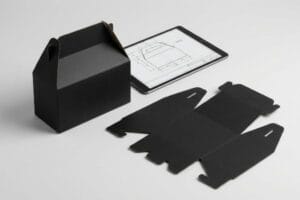
দ্রুত ডেলিভারিযোগ্য পিওপি (পয়েন্ট অফ পারচেজ) ডিসপ্লে খুচরা ব্যবসার সাফল্য নির্ধারণ করে। কাঠামোগত দৃঢ়তা ছাড়া গতি মানে হলো, আপনার প্রতিযোগীদের চেয়ে দ্রুত আগ্রহী খুচরা বিক্রেতাদের কাছে ভাঙা কার্ডবোর্ড পৌঁছে দেওয়া।.
কাস্টম পিওপি ডিসপ্লে হলো পয়েন্ট-অফ-পারচেজ কাঠামো, যা রিটেইল ফ্লোরের জায়গা সুরক্ষিত করতে, ক্রেতাদের দৈনন্দিন রুটিনে ব্যাঘাত ঘটাতে এবং পণ্যের তাৎক্ষণিক বিক্রয় বাড়াতে ডিজাইন করা হয়েছে। উচ্চ-মানের কাস্টম পিওপি ডিসপ্লেগুলো দ্রুত উৎপাদন এবং কঠোর কাঠামোগত মানদণ্ডের মধ্যে ভারসাম্য বজায় রাখে, যা নিশ্চিত করে যে মার্কেটিং উপকরণগুলো কঠিন সাপ্লাই চেইন লজিস্টিকসের মধ্যেও টিকে থাকে।.
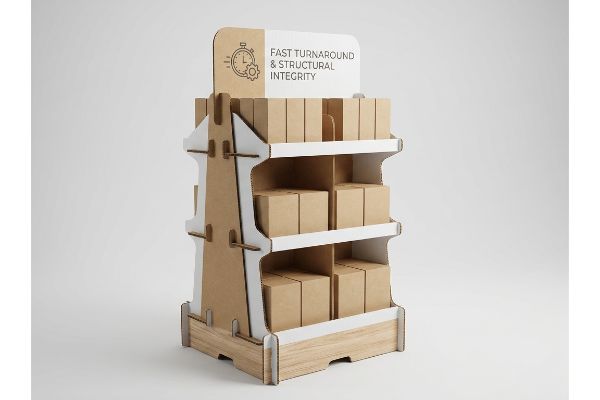
কিন্তু যখন স্বয়ংক্রিয় সিএনসি (কম্পিউটার নিউমেরিক্যাল কন্ট্রোল) মেশিনগুলো চলতে শুরু করে এবং মাধ্যাকর্ষণ তার কাজ শুরু করে, তখন শুধু তত্ত্ব জানাই যথেষ্ট নয়।.
পিওপি ডিসপ্লের দাম কত?
আপনার রিটেইল কার্যক্রম প্রসারের জন্য প্রকৃত আর্থিক ভিত্তি গণনা করতে হলে, প্রাথমিক ফ্যাক্টরি কোটেশনের বাইরে গিয়ে সরবরাহ শৃঙ্খলের লুকানো দায়গুলো উদ্ঘাটন করতে হবে।.
পিওপি ডিসপ্লের খরচের কাঠামো সম্পূর্ণরূপে কাঠামোগত ভারবহন ক্ষমতা এবং বাহ্যিক সৌন্দর্যের ওপর নির্ভর করে। পিওপি ডিসপ্লের খরচ কত তা মূল্যায়ন করার জন্য মোট মালিকানা খরচ গণনা করা প্রয়োজন, যার মধ্যে কাঁচামালের গ্রেড, প্রিপ্রেস টুলিং, স্বয়ংক্রিয় অ্যাসেম্বলি ফি এবং সরবরাহ শৃঙ্খলের লুকানো জরিমানা এড়ানোর জন্য মাত্রিক মাল পরিবহনের সর্বোত্তম ব্যবহার অন্তর্ভুক্ত থাকে।.
ক্রয় সংক্রান্ত স্প্রেডশিটে বিষয়টি সহজ মনে হলেও, সাধারণ বাজেট কর্তনের ফলে টেস্টিং ফ্লোরে ব্যাপক বাস্তব ব্যর্থতা ঘটে।.
আপনার ডিসপ্লে খরচের আড়ালে লুকিয়ে থাকা ইসিটি ডাউনগ্রেডের ফাঁদ
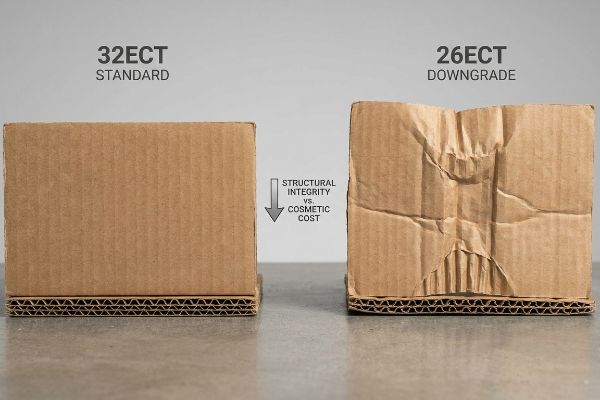
ক্রয়কারী দলগুলো প্রায়শই সম্পূর্ণ ফয়েল ল্যামিনেশনের মতো ব্যয়বহুল বাহ্যিক প্রলেপকে একটি অলঙ্ঘনীয় বিপণন কৌশল হিসেবে গণ্য করে। উৎপাদনের এই উচ্চ প্রাথমিক খরচ পুষিয়ে নিতে, তারা প্রতি ইউনিটে সামান্য কিছু পয়সা বাঁচানোর জন্য গোপনে মূল ঢেউখেলানো বোর্ডের ইসিটি (এজ ক্রাশ টেস্ট) রেটিং কমিয়ে দেয়। তারা ভ্রান্ত ধারণা পোষণ করে যে, শক্ত ফয়েল ফিল্মটি জাদুকরীভাবে মূল কাগজের খাঁজ থেকে বাদ দেওয়া কাঠামোগত ঘনত্বকে প্রতিস্থাপন করবে ।
এটা শুধু তত্ত্ব নয়—পরীক্ষার জায়গায় আমি প্রতিনিয়ত এই সমস্যার সম্মুখীন হই। সম্প্রতি ক্রীড়া সামগ্রীর একজন বড় ক্রেতা প্রিমিয়াম ফয়েল র্যাপের দাবি করলেও বাজেট কমিয়ে দেওয়ায়, তাদের পূর্ববর্তী সরবরাহকারী ৩২ECT থেকে ২৬ECT বোর্ড৩-এ। প্রথমে আমি ভেবেছিলাম, ভেতরের বিভাজকগুলোকে হাতে করে মজবুত করে আমরা ২৬ECT বেসটিকে রক্ষা করতে পারব। আমার ধারণা পুরোপুরি ভুল ছিল। আমি হাইড্রোলিক প্রেসের সামনে দাঁড়িয়ে বেঁকে যাওয়া পেপারবোর্ডের বীভৎস মচমচ শব্দ শুনছিলাম, যখন BCT (বক্স কম্প্রেশন টেস্ট) লোড-সেল৪ মাত্র ১৮৭.৫ পাউন্ড (৮৫ কেজি)-তে স্থির হয়ে যায়। নিচের পুরো স্তরটি ভেঙে পড়েছিল কারণ এর খাঁজগুলোতে অভ্যন্তরীণ তরঙ্গের ঘনত্ব কম ছিল। আমি এজেন্সির দেওয়া রেন্ডারটি ফেলে দিয়ে একটি নতুন ৩২ECT স্ট্যান্ডার্ড বাধ্যতামূলক করি, দামী ফয়েলটি সরিয়ে ফেলি এবং এর পরিবর্তে একটি হাই-সলিড গ্লস অ্যাকুয়াস কোটিং ব্যবহার করি। এই সুনির্দিষ্ট রাসায়নিক পরিবর্তনটি প্রয়োজনীয় ৪৫০ পাউন্ড (২০৪ কেজি) ডাইনামিক লোড ক্যাপাসিটি পুনরুদ্ধার করে এবং ইউনিট খরচও একই রাখে, যা ক্লায়েন্টকে খুচরা বিক্রেতার তাৎক্ষণিক প্রত্যাখ্যান এবং কয়েক সপ্তাহের ব্যয়বহুল ম্যানুয়াল পুনঃকাজের হাত থেকে বাঁচায়।
| বাজেট ঘর্ষণ | ইঞ্জিনিয়ারিং পিভট | আর্থিক ROI |
|---|---|---|
| ২৬ইসিটি বোর্ড ধস | ভার্জিন 32ECT-তে আপগ্রেড করুন5 | প্রধান খুচরা বিক্রেতাদের চার্জব্যাক প্রতিরোধ করে |
| ফয়েল ল্যামিনেশন খরচ | উচ্চ-কঠিন জলীয় দ্রবণে পরিবর্তন করুন | ১৫% ইউনিট মার্জিন পুনরুদ্ধার করে6 |
| বিসিটি লক্ষ্য ব্যর্থতা7 | অভ্যন্তরীণ ফ্লুটগুলিকে শক্তিশালী করুন | পরিবহনের সময় কোনো ক্ষতি না হওয়ার নিশ্চয়তা |
শুধুমাত্র বাহ্যিক চাকচিক্যের জন্য অর্থায়নের উদ্দেশ্যে আমি কাঠামোগত বোর্ডের মান কমাতে রাজি নই। আপনার লক্ষ্যমাত্রার মূল্যে পৌঁছানো অর্থহীন, যদি চূড়ান্তভাবে পণ্যটি খুচরা বিক্রেতার কাছে একটি ভাঁজ করা দড়ির মতো দেখতে পৌঁছায়।.
🛠️ হার্ভির ডেস্ক: আপনি কি আপনার বর্তমান সরবরাহকারীর বাহ্যিক সৌন্দর্যবর্ধনের খরচ মেটাতে গোপনে নিম্নমানের ইসিটি বোর্ডের জন্য অর্থ প্রদান করছেন? 👉 আপনার স্ট্রাকচারাল বিওএম অডিট করুন ↗ — আমি ২৪ ঘন্টার মধ্যে প্রতিটি স্ট্রাকচারাল ফাইল ব্যক্তিগতভাবে পর্যালোচনা করি।
পয়েন্ট অফ সেল ডিসপ্লেগুলো কোথায় অবস্থিত?
একটি বড় আকারের খুচরা বিক্রেতার প্রতিষ্ঠানে সেরা জায়গা পেতে হলে তাদের স্বতন্ত্র ও আপসহীন স্থানিক অঞ্চলগুলো কঠোরভাবে মেনে চলতে হয়।.
পয়েন্ট অফ সেল ডিসপ্লেগুলো কঠোরভাবে ক্যাশ রেজিস্টার এবং অধিক ব্যবহৃত চেকআউট আইলের কাছাকাছি ADA-সম্মত নাগালের মধ্যে অবস্থিত। পয়েন্ট অফ সেল ডিসপ্লেগুলো ঠিক কোথায় বসবে তা নির্ধারণ করার ওপরই এর নকশা নির্ভর করে, এবং খুচরা বিক্রেতার কঠোর আইনি ও ভৌত নিয়ম মেনে চলার জন্য ভারী প্যালেটযুক্ত ফ্লোর ইউনিটগুলো থেকে এগুলোকে স্থায়ীভাবে পৃথক রাখা প্রয়োজন।.
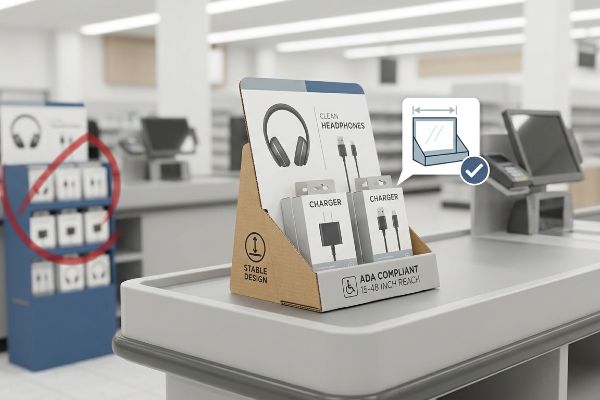
চেকআউট আইলে একটি বিশাল ফ্লোর ডিসপ্লে ঠেসে ঢোকানো কার্যকরী মনে হলেও, রিটেইল কমপ্লায়েন্স অফিসাররা এটিকে একটি আইনি দায় হিসেবে দেখেন।.
ADA স্থানিক সীমাবদ্ধতা এবং খুচরা প্রত্যাখ্যান
ট্রেডিং কোম্পানিগুলো প্রায়শই একটি পরিবর্তনযোগ্য নকশার প্রস্তাব দেয়, যেখানে একটি বিশাল ফ্লোর ডিসপ্লেকে কেবল ৫০% ছোট করে ক্যাশ কাউন্টারে একটি কাউন্টারটপ পিওএস (পয়েন্ট অফ সেল) ইউনিট হিসেবে ব্যবহার করা যায়। তারা এই দুটি সম্পূর্ণ পৃথক ভৌত অঞ্চলের জন্য প্রযোজ্য কঠোর আইনি এবং লজিস্টিক নিয়মকানুন উপেক্ষা করে । একটি ‘শ্রিন্ক-টু-ফিট’ ক্রসওভার মডেল ধরে নেয় যে, গাণিতিকভাবে সাধারণ আকার কমানো কাঠামোগত স্থিতিশীলতা বজায় রাখে।
এটা শুধু তত্ত্ব নয়—আমি পরীক্ষার ক্ষেত্রে এই সমস্যার সম্মুখীন হই। গত ত্রৈমাসিকে, একজন ইলেকট্রনিক্স ক্লায়েন্ট আমার কাছে একটি ছোট আকারের POS ইউনিট নিয়ে এসেছিলেন, যেটি তাদের এজেন্সি একটি ৪৮×৪০ ইঞ্চি (১২১×১০১ সেমি) GMA প্যালেট লেআউট৯। প্রথমে, আমি ভেবেছিলাম যে সাধারণ বেস ওয়েটিং এটিকে একটি চেকআউট কাউন্টারে। আমার ধারণা পুরোপুরি ভুল ছিল। টিল্ট টেস্টের সময়, ডিসপ্লেটি ঠিক ১২ ডিগ্রি কোণে সামনের দিকে ঝুঁকে পড়ে। প্রচণ্ডভাবে উল্টে পড়ার আগে, আপনি এর শক্ত ঢেউখেলানো ধারগুলো টেস্টিং রিগের সাথে ঘষা খাওয়ার অনুভূতি পেতেন। ADA-এর ১৫-৪৮ ইঞ্চি (৩৮-১২১ সেমি) ফরোয়ার্ড রিচ কমপ্লায়েন্স উইন্ডো১০-। আমি ইঞ্জিনিয়ারিং পাইপলাইনগুলোকে স্থায়ীভাবে আলাদা করে দিয়েছি, এবং POS ফাইলগুলোকে কঠোরভাবে একটি বর্ধিত ইজেল ব্যাক ও ২:৩ গভীরতা-বনাম-উচ্চতার অনুপাতে আবদ্ধ করেছি। এই কঠোর জ্যামিতিক সহনশীলতা প্রয়োগের মাধ্যমে, ডিসপ্লেটি তার অবস্থান ধরে রেখেছিল, যা দোকানে নির্বিঘ্ন প্রবেশ নিশ্চিত করেছিল এবং স্টোর ম্যানেজারদের দ্বারা নিয়ম-বহির্ভূত ইউনিট প্রত্যাখ্যানের ফলে বিপুল পরিমাণ অর্থ ফেরতের ঝুঁকি সম্পূর্ণরূপে দূর করেছিল।
| স্থানিক ঘর্ষণ | ইঞ্জিনিয়ারিং পিভট | কমপ্লায়েন্স ROI |
|---|---|---|
| জিএমএ প্যালেট ওভারল্যাপ | POP এবং POS ফাইলগুলি আলাদা করুন | স্টোরে কোনো প্রত্যাখ্যান নেই |
| ফরোয়ার্ড টিপ হ্যাজার্ড | ২:৩ গভীরতার অনুপাত প্রয়োগ করুন11 | খুচরা বিক্রেতার টিল্ট পরীক্ষায় উত্তীর্ণ হয় |
| ADA নাগালের লঙ্ঘন | ১৫-৪৮ ইঞ্চি জানালা লক করুন12 | আইনি করিডোর স্থাপন নিশ্চিত করে |
আমি আমার CAD সফটওয়্যারে কঠোর বাস্তব সুরক্ষা ব্যবস্থা তৈরি করি, কারণ খুচরা বিক্রেতাদের নিয়মকানুন শুধু পরামর্শ নয়। আপনাকে হয় নির্দিষ্ট চেকআউট জোনের জন্য ডিজাইন করতে হবে, নতুবা আপনার পণ্য পেছনের দরজা দিয়ে বের করে দেওয়া হবে।.
🛠️ হার্ভির ডেস্ক: আপনার বর্তমান POS ডিসপ্লেটি কি ADA-এর কঠোর ১৫-৪৮ ইঞ্চি সম্মুখ নাগালের সীমা মেনে চলে, নাকি এটি উল্টে যাওয়ার ঝুঁকি তৈরি করে? 👉 আপনার স্থিতিশীলতার অনুপাত গণনা করুন ↗ — ১০০% গোপনীয়। আপনার অপ্রকাশিত রিটেইল ডিজাইনগুলো আমার কাছে সুরক্ষিত।
পিওপি ডিসপ্লের বিভিন্ন প্রকারগুলো কী কী?
একটি মাল্টি-চ্যানেল মার্চেন্ডাইজিং ক্যাম্পেইন চালু করার জন্য উপলব্ধ কাঠামোগত পরিসর এবং দোকানের বিন্যাস সম্পর্কে গভীর ধারণা থাকা আবশ্যক।.
বিভিন্ন ধরনের পিওপি ডিসপ্লের মধ্যে রয়েছে পূর্ণ আকারের প্যালেট মার্চেন্ডাইজার, এন্ড-ক্যাপ, সাইডকিক, ডাম্প বিন এবং মডিউলার কাউন্টারটপ ইউনিট। নির্দিষ্ট দোকানের বিন্যাসের সাথে এই পয়েন্ট-অফ-পারচেজ কাঠামো মেলানোর মাধ্যমে আইলের সর্বোচ্চ ঘনত্ব নিশ্চিত করা হয়, যা ব্র্যান্ড ক্যাম্পেইনগুলোকে বিশাল ওয়্যারহাউস ক্লাব থেকে শুরু করে ছোট পাড়ার সুবিধাজনক দোকান পর্যন্ত সব জায়গায় অনায়াসে মানিয়ে নিতে সাহায্য করে।.
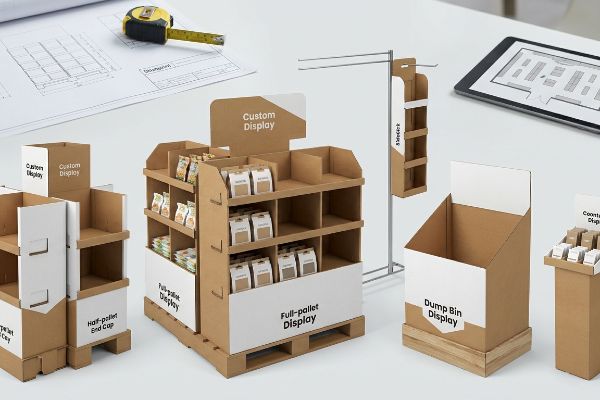
আপনি ডিসপ্লের ধরনগুলো মুখস্থ করতে পারেন, কিন্তু ভুল নকশা বেছে নিলে তা সক্রিয় বিক্রয় কেন্দ্রে প্রবেশের সুযোগ সঙ্গে সঙ্গে নষ্ট করে দেয়।.
খুচরা পণ্যসম্ভারে ভগ্নাংশ প্যালেট ফাঁদ
ব্র্যান্ডগুলো প্রায়শই বড় বড় রিটেইলারদের কাছে বিশাল, পূর্ণ আকারের ৪৮×৪০ ইঞ্চি (১২১×১০১ সেমি) ফ্লোর ডিসপ্লে উপস্থাপন করে , এই ভেবে যে একটি বড় প্রচারণাকে কার্যকর হতে হলে পুরো একটি কাঠের ভিত্তি দখল করতে হবে। তারা আংশিক প্যালেটের স্থানিক কৌশলটি ব্যবহার করতে ব্যর্থ হয়, এবং পুরোপুরি উপেক্ষা করে যে দোকানের ম্যানেজাররা মূল্যবান করিডোরের জায়গা কঠোরভাবে বরাদ্দ করে রাখেন, যারা প্রতি বর্গফুটে সর্বাধিক পণ্যের সমাহার চান।
এটা শুধু তত্ত্ব নয়—আমি কারখানার মেঝেতে কঠিন অভিজ্ঞতার মাধ্যমে এটা শিখেছি। ২০২২ সালে, আমি আমার প্রধান প্যাকেজিং ইঞ্জিনিয়ার, মার্ককে, একটি ক্লায়েন্টের ৪৮-ইঞ্চি (১২১ সেমি) চওড়া কসমেটিক স্পিনার ডিসপ্লে পরীক্ষা করতে বলেছিলাম, যা একটি স্ট্যান্ডার্ড এন্ড-ক্যাপের। আমরা ভেবেছিলাম যে ডায়াগোনাল টার্নিং রেডিয়াসের হিসাব উপেক্ষা করে আমরা সময় বাঁচাতে পারব। তিন দিন পর মকআপ ফ্লোরে, আমি দেখলাম প্রোটোটাইপটি পাশ দিয়ে যাওয়া টেস্টিং-কার্ট সিমুলেটরকে সজোরে ধাক্কা দিল। এই ঘূর্ণনজনিত ঝাঁকুনি একটি বিশাল ৬৮-ইঞ্চি (১৭২ সেমি) ক্লিয়ারেন্স জোনের বিপদ তৈরি করেছিল। আমি মাইক্রোমিটারের রিডিংগুলো নিয়ে সাথে সাথে আমাদের কংসবার্গ কাটিং টেবিলটিকে একটি কঠোর ভগ্নাংশ জ্যামিতি আউটপুট দেওয়ার জন্য পুনরায় ক্যালিব্রেট করলাম। আমরা গাণিতিকভাবে মার্চেন্ডাইজারটিকে একটি বিচ্ছিন্ন টর্ক হাব সহ একটি হাফ প্যালেট (৪৮×২০ ইঞ্চি / ১২১×৫০ সেমি) কাঠামোতে রূপান্তরিত করেছি। এই সুনির্দিষ্ট যান্ত্রিক সমন্বয়টি কেবল ঘূর্ণনজনিত ঝাঁকুনির বিপদই বন্ধ করেনি; এটি খুচরা বিক্রেতার দোকানের ঘনত্ব দ্বিগুণ করে দেয়,যার ফলে ক্রেতাদের কাছ থেকে তাৎক্ষণিক অনুমোদন লাভ হয় এবং দোকানের ব্যস্ত সংযোগস্থলগুলোতে ছোট আকারের পণ্য উন্মোচনের সুযোগ তৈরি হয়।
| পদচিহ্ন ঘর্ষণ | ইঞ্জিনিয়ারিং পিভট | খুচরা বিক্রেতার ROI |
|---|---|---|
| সম্পূর্ণ প্যালেট প্রত্যাখ্যান | হাফ প্যালেট ফরম্যাটে পরিবর্তন করুন15 | সেরা করিডোরের জায়গা সুরক্ষিত করে |
| ঘূর্ণনশীল ঝাড়ু বিপদ | কর্ণের ব্যাসার্ধ গণনা করুন16 | গাড়ির সংঘর্ষ দূর করে |
| অপচয়কৃত মেঝের ঘনত্ব | ২৪×২০ ইঞ্চি সীমা ব্যবহার করুন17 | পণ্য স্থাপন দ্বিগুণ করে |
আমি ব্র্যান্ডগুলোকে পুরো প্যালেট জুড়ে বিশাল আকারের পণ্য তৈরি করতে দিই না, যদি এক-চতুর্থাংশ প্যালেটের কৌশল দ্রুত অনুমোদন পেয়ে যায়। খুচরা বিক্রেতারা শুধু ছাপানো কার্ডবোর্ডের বিশাল টুকরোই কেনে না, বরং তারা ঘনত্ব এবং কার্যকারিতাও কেনে।.
🛠️ হার্ভির ডেস্ক: আপনার বড় ফ্লোর ডিসপ্লেগুলো কি গোপনে আপনার রিটেইলারের কঠোর টার্নিং রেডিয়াস এবং ক্লিয়ারেন্স জোন সীমা লঙ্ঘন করছে? 👉 আপনার ফুটপ্রিন্ট জ্যামিতি ম্যাপ করুন ↗ — মাঝখানে কোনো অ্যাকাউন্ট ম্যানেজার নেই। আপনি সরাসরি স্ট্রাকচারাল ইঞ্জিনিয়ারদের সাথে কথা বলবেন।
POP ডিসপ্লে বলতে কী বোঝায়?
ভিড়ে ঠাসা বাজারে প্রতিযোগিতাকারী ব্র্যান্ডগুলোর জন্য রিটেইল কনভার্সনের মনস্তাত্ত্বিক ও ভৌত কৌশল বোঝা অপরিহার্য।.
POP ডিসপ্লে-এর পূর্ণরূপ হলো পয়েন্ট অফ পারচেজ ডিসপ্লে, যা সরাসরি খুচরা বিক্রয় পরিবেশে স্থাপিত ভৌত বিপণন কাঠামো হিসেবে কাজ করে। POP ডিসপ্লে বলতে কী বোঝায় তা বোঝার অর্থ হলো এমন ইউনিট তৈরি করা, যা ক্রেতার স্বতঃস্ফূর্ত গতিবিধিকে ব্যাহত করে, ব্র্যান্ডের বার্তা তুলে ধরে এবং ক্রেতার পছন্দের মুহূর্ত পর্যন্ত ভারী পণ্যকে নিরাপদে ধরে রাখে।.
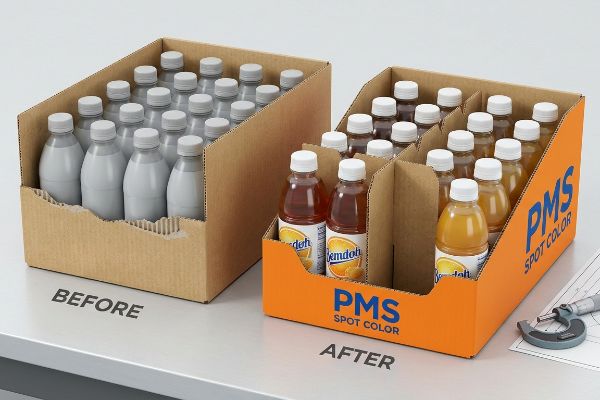
একটি কঠিন খুচরা বিক্রির পরিবেশে, তাড়াহুড়ো করা ক্রেতারা যখন আপনার কাঠামোগত ত্রুটিপূর্ণ ইউনিটটিকে পুরোপুরি উপেক্ষা করে, তখন সাধারণ সংক্ষিপ্ত রূপটি জানাও আপনাকে বাঁচাতে পারবে না।.
৩-৩-৩ স্থানিক সম্পৃক্ততার ব্যর্থতা
নবীন বিপণন দলগুলো প্রায়শই শুধুমাত্র ব্যাকলিট কম্পিউটার মনিটরে কাছ থেকে দেখার জন্য রিটেইল ডিসপ্লে ডিজাইন করে। তারা রিটেইল এনগেজমেন্টের ৩-৩-৩ নিয়মটি বুঝতে ব্যর্থ হয় , যা অনুযায়ী একজন মার্চেন্ডাইজারকে অবশ্যই ৩০ ফুট (৯ মিটার) দূর থেকে দৃষ্টি আকর্ষণ করতে হবে, ৩ ফুট (০.৯ মিটার) দূরত্বে ক্রেতাকে সম্পৃক্ত করতে হবে এবং ৩ ইঞ্চি (৭৬ মিমি) দূরত্বে শারীরিকভাবে বিক্রয় সম্পন্ন করতে হবে।
এটা শুধু তত্ত্ব নয়—সাধারণ এজেন্সি ডিজাইন অডিট করার সময় আমি টেস্টিং ফ্লোরে এই সমস্যার সম্মুখীন হই। সম্প্রতি একটি পানীয় ব্র্যান্ড আমার কাছে একটি পিডিকিউ (প্রি-প্যাকড ডিসপ্লে কোয়ান্টিটিজ) ট্রে নিয়ে আসে, যা সূক্ষ্ম অক্ষরে লেখায় ঠাসা ছিল। তাদের ধারণা ছিল, এই বিপুল পরিমাণ মানসিক চাপ বিক্রি বাড়াতে সাহায্য করবে। প্রথমে আমি ভেবেছিলাম, পণ্য দেখার জন্য সাধারণ ধারক প্রান্তই যথেষ্ট হবে। আমার ধারণা পুরোপুরি ভুল ছিল। পণ্য পুনরায় সাজানোর একটি পরীক্ষামূলক পরীক্ষার সময় আমি উপরের শিটটি ছিঁড়ে ফেলি এবং আমার হাতে কাঁচা ঢেউখেলানো কাগজের ছেঁড়া অংশটি অনুভব করি। সামনের ধারক প্রান্তটি অনেক উঁচু করে কাটা হয়েছিল, যা পণ্যের মূল লেবেলটি ঢেকে দিচ্ছিল, এবং প্রতিসম ব্লক বিন্যাসের কারণে প্রচণ্ড ঘর্ষণ তৈরি হচ্ছিল। আমি মাইক্রোমিটারের রিডিং নিয়ে প্রমাণ করি যে আমার অতিরিক্ত বড় অক্ষরের প্রয়োজন ছিল না—পণ্যের ৮৫% দৃশ্যমানতা নিশ্চিত করতে আমার সামনের ধারক প্রান্তটি শারীরিকভাবে কেটে ছোট করার প্রয়োজন ছিল। আমরা একটি অপ্রতিসম ৩-৫-৭ পণ্য বিন্যাস কার্যকর করার জন্য একটি মডিউলার ডিভাইডার যুক্ত করেছি ১৯ । এই সুনির্দিষ্ট জ্যামিতিক সংশোধন দৃশ্যগত একঘেয়েমি সম্পূর্ণরূপে ভেঙে দিয়েছে, মানুষের চোখকে সক্রিয়ভাবে নিযুক্ত হতে বাধ্য করেছে এবং একই সাথে পুনরায় মজুত করার সময় আনুমানিক 15% 20 কমিয়ে দিয়েছে , এবং ছেঁড়া পেপারবোর্ড পুরোপুরি নির্মূল করেছে।
| সম্পৃক্ততা ঘর্ষণ | ইঞ্জিনিয়ারিং পিভট | মার্চেন্ডাইজিং ROI |
|---|---|---|
| লুকানো প্রাথমিক লেবেল | ৮৫% দৃশ্যমানতার জন্য ঠোঁট কাটা21 | ট্রিগার ইমপালস রূপান্তর |
| প্রতিসম পুনঃসরবরাহ জ্যাম | মডিউলার SKU ডিভাইডার ইনস্টল করুন | পুনরায় মজুত করার সময় ১৫% কমায়।22 |
| ৩০-ফুট ভিজ্যুয়াল ব্লেন্ড | ফ্লাড পিএমএস স্পট কালার | তাৎক্ষণিক মনোযোগ আকর্ষণ করে |
আমি লেআউটে কাঠামোগত টান তৈরি করি, কারণ নিখুঁতভাবে সমান সারি সক্রিয় ক্রেতাদের ঘুম পাড়িয়ে দেয়। যদি আপনার ডিসপ্লে তিন ইঞ্চিতে বিক্রি বাড়াতে না পারে, তবে পুরো কাঠামোগত বাজেটটাই বৃথা।.
🛠️ হার্ভির ডেস্ক: আপনার বর্তমান ডিসপ্লের কিনারাটি কি ক্রেতার দৃষ্টি থেকে আপনার পণ্যের প্রধান মার্কেটিং লেবেলটিকে শারীরিকভাবে আড়াল করছে? 👉 আপনার স্থানিক সম্পৃক্ততা নিরীক্ষা করুন ↗ — আমি ২৪ ঘণ্টার মধ্যে প্রতিটি কাঠামোগত ফাইল ব্যক্তিগতভাবে পর্যালোচনা করি।
উপসংহার
আপনি প্রকৃত কাঠামোগত দৃঢ়তার চেয়ে সস্তা ফয়েল ফিনিশকে অগ্রাধিকার দিতে পারেন, কিন্তু যখন সেই নিম্নমানের 26ECT বোর্ডটি গতিশীল উপরি-ভারের নিচে ভেঙে পড়ে, তখন এর ফলে সৃষ্ট ভিত্তির বকলিং খুচরা বিক্রেতার প্রত্যাখ্যানকে ত্বরান্বিত করবে এবং আপনার পুরো প্রকল্পের লাভ নষ্ট করে দেবে। শুধুমাত্র গত মাসেই, আমার কাঠামোগত নিরীক্ষা ৩টি ব্র্যান্ডকে বাতিল হওয়া পণ্য এবং খুচরা বিক্রেতার চার্জব্যাক বাবদ ১০,০০০ ডলারের বেশি সাশ্রয় করতে সাহায্য করেছে। মারাত্মক কাঠামোগত দুর্বলতার কারণে আপনার মার্কেটিং বাজেটের অপচয় বন্ধ করুন এবং খুচরা বাজারে সর্বোচ্চ টিকে থাকা নিশ্চিত করতে আমাকে ব্যক্তিগতভাবে আপনার পরবর্তী পণ্য উন্মোচনের নকশা করতে দিন ↗ ।
"এজ ক্রাশ টেস্ট: করোগেটেড প্যাকেজিং-এর জন্য এটি কেন গুরুত্বপূর্ণ", https://www.ernestpackaging.com/buzz/packaging-technology/importance-of-edge-crush-test-for-corrugated-packaging/। শিল্প প্যাকেজিং মান অনুযায়ী, করোগেটেড বোর্ডের ভারবহন ক্ষমতা এবং উপাদানের গ্রেড নির্ধারণের জন্য এজ ক্রাশ টেস্ট (ECT)-কে প্রধান পরিমাপক হিসেবে সংজ্ঞায়িত করা হয়েছে। প্রমাণের ভূমিকা: প্রযুক্তিগত স্পেসিফিকেশন; উৎসের ধরণ: শিল্প মান। সমর্থন: স্ট্রাকচারাল বোর্ডের গ্রেডিং-এর প্রযুক্তিগত ভিত্তি। পরিধি সংক্রান্ত টীকা: শুধুমাত্র করোগেটেড ফাইবারবোর্ডের জন্য প্রযোজ্য। ↩
"ঢেউখেলানো বোর্ডের বাক্সের সংকোচন শক্তির প্রাক্কলন...", https://pmc.ncbi.nlm.nih.gov/articles/PMC8467740/। পদার্থ বিজ্ঞান সংক্রান্ত নথি থেকে জানা যায় যে, উপরিভাগের স্তরায়ন বাহ্যিক সৌন্দর্য ও আর্দ্রতা থেকে সুরক্ষা প্রদান করে, কিন্তু ফ্লুটিং ঘনত্ব কমে গেলে যে কাঠামোগত ভারবহন ক্ষমতা নষ্ট হয়, তা পুনরুদ্ধার করে না। প্রমাণের ভূমিকা: উপাদানের বৈশিষ্ট্য যাচাই; উৎসের ধরণ: প্রকৌশল সমীক্ষা। সমর্থন করে: এই দাবি যে ফিল্ম মূল কাঠামোর ঘনত্বকে প্রতিস্থাপন করে না। পরিধি সংক্রান্ত টীকা: উল্লম্ব সংকোচন শক্তির সাথে সম্পর্কিত। ↩
"শিপিং বক্সের শক্তি বোঝা – ইকোএনক্লোজ", https://www.ecoenclose.com/blog/understanding-shipping-box-strength/?srsltid=AfmBOop7y6ZSZjk66jPFe3OsFLx4d863B93DcTw3DUzJKr_fP7EJPTaS। করোগেটেড প্যাকেজিং স্ট্যান্ডার্ডের একটি নির্ভরযোগ্য উৎস ৩২ইসিটি এবং ২৬ইসিটি গ্রেডের মধ্যে স্ট্যাকিং শক্তি এবং কম্প্রেশন সীমার পার্থক্য ব্যাখ্যা করে। প্রমাণের ভূমিকা: প্রযুক্তিগত যাচাইকরণ; উৎসের ধরণ: শিল্প মান; সমর্থন: কাঠামোগত ব্যর্থতার উপর ইসিটি ডাউনগ্রেডিংয়ের প্রভাব। পরিধি নোট: নির্দিষ্ট লোড ব্যর্থতা প্রদর্শনের জ্যামিতি অনুসারে পরিবর্তিত হয়। ↩
"বিসিটি: কার্ডবোর্ডের শক্তি মূল্যায়ন | মেট্রোপ্যাক", https://www.metropack.eu/definition/materials/corrugated-cardboard/bct-box-compression-test। প্রযুক্তিগত নথিতে বক্স কম্প্রেশন টেস্ট (বিসিটি)-কে একটি করোগেটেড বাক্স ভেঙে পড়ার আগে সর্বোচ্চ কত ভার সহ্য করতে পারে তা নির্ধারণের জন্য একটি আদর্শ পদ্ধতি হিসেবে সংজ্ঞায়িত করা হয়েছে। প্রমাণের ভূমিকা: পদ্ধতিগত বৈধতা; উৎসের ধরণ: ইঞ্জিনিয়ারিং স্ট্যান্ডার্ড; সমর্থন: লোড-সেলের ক্ষমতা যাচাই করার জন্য বিসিটি-র ব্যবহার। পরিধি সংক্রান্ত টীকা: বিশেষভাবে করোগেটেড কাঠামোগত পরীক্ষার ক্ষেত্রে প্রযোজ্য। ↩
"[পিডিএফ] করোগেটেড বোর্ড স্পেসিফিকেশন – ফাইবার বক্স অ্যাসোসিয়েশন", https://www.fibrebox.org/assets/2025/09/Walmart_Corrugated-Board_Specifications_Automation_Packaging_Standards.pdf। করোগেটেড বোর্ডের গ্রেড সম্পর্কিত প্রযুক্তিগত স্পেসিফিকেশনে ২৬ ECT-এর তুলনায় ৩২ ECT-এর বর্ধিত ভারবহন ক্ষমতা এবং কাঠামোগত স্থিতিশীলতা ব্যাখ্যা করা হয়েছে। প্রমাণের ভূমিকা: প্রযুক্তিগত স্পেসিফিকেশন; উৎসের ধরণ: প্যাকেজিং শিল্পের মান। সমর্থন: কাঠামোগত পতন রোধ করার জন্য উচ্চতর ECT রেটিং-এর প্রয়োজনীয়তা। পরিধি সংক্রান্ত টীকা: বিশেষভাবে করোগেটেড ফাইবারবোর্ডের ক্ষেত্রে প্রযোজ্য। ↩
"অ্যাকুয়াস কোটিং কী? সুবিধা, প্রয়োগ এবং কেন এটি গুরুত্বপূর্ণ...", https://millionpack.com/aqueous-coating/। হাই-ব্যারিয়ার ফয়েল ল্যামিনেশনের সাথে অ্যাকুয়াস কোটিং-এর তুলনা করে করা উৎপাদন খরচ বিশ্লেষণ থেকে উপকরণ এবং প্রয়োগ খরচে উল্লেখযোগ্য হ্রাসের ইঙ্গিত পাওয়া যায়। প্রমাণের ভূমিকা: আর্থিক মানদণ্ড; উৎসের ধরণ: উৎপাদন খরচ বিশ্লেষণ। সমর্থন করে: এই দাবি যে অ্যাকুয়াস কোটিং একক মুনাফা বৃদ্ধি করে। পরিধি সংক্রান্ত টীকা: উৎপাদনের পরিমাণের ওপর নির্ভর করে মুনাফার শতাংশ পরিবর্তিত হতে পারে। ↩
"বক্স কম্প্রেশন টেস্ট: স্ট্যান্ডার্ড, পদ্ধতি ও ক্যালিব্রেশন | ওয়ার্ল্ডঅফটেস্ট", https://www.worldoftest.com/articles/box-compression-test-standards-methods-calibration/। প্যাকেজিং ইঞ্জিনিয়ারিং স্ট্যান্ডার্ড অনুযায়ী, একটি প্যাকেজের স্ট্যাকিং এবং শিপিংয়ের চাপ সহ্য করার ক্ষমতা নির্ধারণের জন্য বক্স কম্প্রেশন টেস্ট (BCT)-কে একটি গুরুত্বপূর্ণ পরিমাপক হিসেবে সংজ্ঞায়িত করা হয়। প্রমাণের ভূমিকা: প্রযুক্তিগত স্ট্যান্ডার্ড; উৎসের ধরণ: ISO/ASTM প্যাকেজিং স্ট্যান্ডার্ড। সমর্থন করে: BCT লক্ষ্যমাত্রা এবং মাল পরিবহনের সময় ক্ষতি প্রতিরোধের মধ্যে সম্পর্ক। পরিধি সংক্রান্ত টীকা: BCT উল্লম্ব সংকোচন শক্তি পরিমাপ করে। ↩
"ADA অ্যাক্সেসিবিলিটি স্ট্যান্ডার্ডস – Access-Board.gov", https://www.access-board.gov/ada/। ADA অ্যাক্সেসিবিলিটি স্ট্যান্ডার্ডের একটি প্রামাণিক উৎস POS এলাকার জন্য প্রয়োজনীয় পরিষ্কার মেঝের স্থান এবং নাগালের পরিসীমা সংজ্ঞায়িত করবে, এবং সেগুলোকে ফ্লোর-স্ট্যান্ডিং ডিসপ্লে থেকে আলাদা করবে। প্রমাণের ভূমিকা: আইনি যাচাইকরণ; উৎসের ধরণ: নিয়ন্ত্রক মান। সমর্থন করে: খুচরা ব্যবসায় বাধ্যতামূলক স্থানিক বিভাজনের অস্তিত্ব। পরিধি নোট: মার্কিন ADA সম্মতির উপর প্রাথমিক মনোযোগ। ↩
"৪৮×৪০" জিএমএ প্যালেট | বৃহত্তম প্যালেট প্রস্তুতকারক ও সরবরাহকারী", https://www.palletone.com/products/gma-pallets/। গ্রোসারি ম্যানুফ্যাকচারার্স অ্যাসোসিয়েশন (জিএমএ) প্যালেটের জন্য শিল্প-মানসম্মত মাত্রা যাচাই করুন। প্রমাণের ভূমিকা: তথ্যগত যাচাই; উৎসের ধরণ: লজিস্টিকস/শিল্প-মান। সমর্থন করে: স্ট্যান্ডার্ড ফ্লোর ইউনিটের বেসলাইন মাত্রা। পরিধি নোট: উত্তর আমেরিকার মানগুলির জন্য প্রযোজ্য। ↩
"অধ্যায় ৩: পরিচালনাযোগ্য অংশ – Access-Board.gov", https://www.access-board.gov/ada/guides/chapter-3-operable-parts/। প্রবেশযোগ্য উপাদানগুলোর জন্য সামনের দিকে নাগালের পরিসীমা সংক্রান্ত আমেরিকানস উইথ ডিসএবিলিটিস অ্যাক্ট (ADA)-এর নির্দেশিকা নিশ্চিত করুন। প্রমাণের ভূমিকা: নিয়ন্ত্রক যাচাইকরণ; উৎসের ধরণ: সরকারি প্রবেশযোগ্যতার মান। সমর্থন করে: POS স্থাপনের জন্য স্থানিক সীমাবদ্ধতা। পরিধি টীকা: হুইলচেয়ার ব্যবহারকারীদের নাগালের পরিসীমার জন্য নির্দিষ্ট। ↩
"খুচরা দোকানের তাকের গড় উচ্চতা কত? – পপডিসপ্লে", https://popdisplay.me/what-is-the-average-retail-shelf-height/। পয়েন্ট-অফ-পারচেজ ডিসপ্লেতে কাত হয়ে যাওয়া রোধ করার জন্য প্রয়োজনীয় গভীরতা-থেকে-উচ্চতার অনুপাতের প্রকৌশলগত মান যাচাইকরণ। প্রমাণের ভূমিকা: প্রযুক্তিগত স্পেসিফিকেশন; উৎসের ধরণ: শিল্প প্রকৌশল নির্দেশিকা। সমর্থন করে: খুচরা বিক্রেতার টিল্ট টেস্টে উত্তীর্ণ হওয়ার জন্য স্থিতিশীলতার প্রয়োজনীয়তা। পরিধি সংক্রান্ত টীকা: ডিসপ্লের ওজনের উপর নির্ভর করে নির্দিষ্ট অনুপাত পরিবর্তিত হতে পারে। ↩
"অ্যাক্সেসিবল ডিজাইনের জন্য এডিএ স্ট্যান্ডার্ডস টাইটেল III রেগুলেশন ২৮ সিএফআর …", https://www.ada.gov/law-and-regs/design-standards/1991-design-standards/। রিটেইল ডিসপ্লের জন্য অ্যাক্সেসযোগ্য নাগালের পরিসীমা সংক্রান্ত আমেরিকানস উইথ ডিসএবিলিটিস অ্যাক্ট (এডিএ) স্ট্যান্ডার্ডের নিশ্চিতকরণ। প্রমাণের ভূমিকা: নিয়ন্ত্রক সম্মতি; উৎসের ধরণ: সরকারি অ্যাক্সেসিবিলিটি নির্দেশিকা। সমর্থন করে: আইনি আইল প্লেসমেন্ট এবং অ্যাক্সেসিবিলিটি সম্মতি। পরিধি নোট: বাধাহীন সামনের এবং পাশের নাগালের ক্ষেত্রে প্রযোজ্য। ↩
"স্ট্যান্ডার্ড প্যালেট সাইজ কী? ৪৮"x৪০" – প্যালেটওয়ান ইনকর্পোরেটেড", https://www.palletone.com/what-is-the-standard-pallet-size/। একটি নির্ভরযোগ্য বাহ্যিক উৎস কীভাবে এই দাবিকে সমর্থন করে তার সংক্ষিপ্ত ব্যাখ্যা। প্রমাণের ভূমিকা: প্রযুক্তিগত যাচাইকরণ; উৎসের ধরণ: শিল্প লজিস্টিকস স্ট্যান্ডার্ড। সমর্থন করে: খুচরা দোকানের ফ্লোর ডিসপ্লের জন্য স্ট্যান্ডার্ড মাপ। পরিধি নোট: প্রাথমিকভাবে উত্তর আমেরিকার জিএমএ প্যালেট স্ট্যান্ডার্ডের জন্য প্রযোজ্য। ↩
"পিওপি ডিসপ্লে মার্কেট সাইজ, শেয়ার, ট্রেন্ডস, ২০৩১ রিপোর্ট", https://www.mordorintelligence.com/industry-reports/pop-display-market। ডিসপ্লের স্থান সংকোচন এবং দোকানের মেঝেতে পণ্যের ঘনত্ব বৃদ্ধির মধ্যে গাণিতিক সম্পর্ক বিষয়ক গবেষণালব্ধ প্রমাণ বা রিটেইল ম্যানেজমেন্ট তত্ত্ব। প্রমাণের ভূমিকা: ধারণাগত বৈধতা; উৎসের ধরণ: রিটেইল অপারেশনস স্টাডি। সমর্থন করে: এই দাবি যে, আংশিক প্যালেটে ডিসপ্লে ছোট করলে পণ্য স্থাপনের দক্ষতা বৃদ্ধি পায়। পরিধি সংক্রান্ত টীকা: ঘনত্বের এই বৃদ্ধি মূল বিন্যাসের সাপেক্ষে পরিমাপ করা হয়েছে। ↩
"প্যালেট ডিসপ্লের প্রকারভেদ: সম্পূর্ণ, অর্ধেক ও এক-চতুর্থাংশ – গ্রীনডট প্যাকেজিং", https://greendotpackaging.com/understanding-pallet-display-types-full-half-and-quarter-pallet-displays/। দোকানের লেআউটের তুলনামূলক বিশ্লেষণ, যা দেখায় কীভাবে ছোট আকারের প্যালেট প্রিমিয়াম স্থান পাওয়ার সম্ভাবনা বাড়ায়। প্রমাণের ভূমিকা: কৌশলগত মানদণ্ড; উৎসের ধরণ: মার্চেন্ডাইজিং হোয়াইট পেপার। সমর্থন করে: উন্নত রিটেইল ROI-এর জন্য সম্পূর্ণ প্যালেট থেকে অর্ধেক প্যালেটে রূপান্তর। পরিধি নোট: POP ডিসপ্লে স্থাপনের কৌশলের উপর আলোকপাত করে। ↩
"[পিডিএফ] মোটরচালিত শপিং কার্ট সম্পর্কে সচেতন থাকুন", http://mae.ucf.edu/fcrar2018/wp-content/uploads/2018/05/3_FAU-Shopping-Cart-Masory-ncr.pdf। দোকানের করিডোরে বাইরের দিকে বেরিয়ে থাকা ডিসপ্লের সাথে শপিং কার্টের সংঘর্ষ এড়ানোর জন্য ক্লিয়ারেন্স জোন গণনার প্রকৌশলগত নির্দেশিকা। প্রমাণের ভূমিকা: নিরাপত্তা মান; উৎসের ধরণ: স্টোর পরিকল্পনা ম্যানুয়াল। সমর্থন করে: ঘূর্ণনজনিত ঝাপটার ঝুঁকি প্রশমনের পদ্ধতি। পরিধি সংক্রান্ত টীকা: অধিক জনসমাগমপূর্ণ খুচরা পরিবেশের জন্য নির্দিষ্ট। ↩
"পিওপি ডিসপ্লে ১০১: অস্থায়ী ডিসপ্লের মাধ্যমে কীভাবে দোকানের ভেতরের বিক্রি বাড়ানো যায়...", https://mdmpkg.com/pop-displays-how-to-maximize-store-sales/। ফ্র্যাকশনাল প্যালেট এবং পিওপি ডিসপ্লের ফুটপ্রিন্টের জন্য প্রযুক্তিগত শিল্প মান, যা ২৪×২০ ইঞ্চি মাপের কার্যকারিতা নিশ্চিত করে। প্রমাণের ভূমিকা: প্রযুক্তিগত স্পেসিফিকেশন; উৎসের ধরণ: খুচরা শিল্প নির্দেশিকা। সমর্থন করে: ফ্লোর ডেনসিটি সর্বাধিক করার জন্য নির্দিষ্ট মাপের ব্যবহার। পরিধি সংক্রান্ত নোট: খুচরা বিক্রেতার প্রয়োজন অনুযায়ী মাপ ভিন্ন হতে পারে। ↩
"আপনার কাস্টম স্টোর ডিসপ্লের জন্য ৩-এর নিয়মের গুরুত্ব", https://mcintyredisplays.com/blog/custom-store-displays/। রিটেইল পরিবেশে স্থানিক সম্পৃক্ততার জন্য একটি প্রযুক্তিগত কাঠামো হিসেবে ৩-৩-৩ নিয়মের যাচাইকরণ। প্রমাণের ভূমিকা: প্রযুক্তিগত স্পেসিফিকেশনের বৈধতা; উৎসের ধরণ: রিটেইল ডিজাইন গাইড বা মার্কেটিং পাঠ্যপুস্তক। সমর্থন করে: ক্রেতার মনোযোগ, সম্পৃক্ততা এবং রূপান্তরের জন্য নির্দিষ্ট দূরত্বের মেট্রিকসমূহ। পরিধি নোট: ভৌত রিটেইল পয়েন্ট-অফ-পারচেজ স্ট্যান্ডার্ডের উপর আলোকপাত করে। ↩
"ভিজ্যুয়াল মার্চেন্ডাইজিং সার্ভিসেস অ্যান্ড স্ট্র্যাটেজি | টি-রক গ্লোবাল", https://trocglobal.com/visual-merchandising/। ভিজ্যুয়াল মার্চেন্ডাইজিং বা রিটেইল সাইকোলজির একটি নির্ভরযোগ্য উৎস ভিজ্যুয়াল একঘেয়েমি ভাঙতে এবং ভোক্তার দৃষ্টি আকর্ষণ বাড়াতে বিজোড় সংখ্যার বিন্যাসের কার্যকারিতা প্রমাণ করবে। প্রমাণের ভূমিকা: তাত্ত্বিক বৈধতা; উৎসের ধরণ: রিটেইল ডিজাইন ম্যানুয়াল। সমর্থন করে: ভোক্তার আকর্ষণ বাড়াতে নির্দিষ্ট অপ্রতিসম প্যাটার্নের ব্যবহার। পরিধি সংক্রান্ত টীকা: পণ্যের আকারের উপর ভিত্তি করে প্রযোজ্যতা ভিন্ন হতে পারে। ↩
"একটি উচ্চ-প্রভাবশালী রিটেইল ডিসপ্লের ৭টি বৈশিষ্ট্য – স্মারফিট ওয়েস্টরক", https://www.smurfitwestrock.com/blog/7-features-of-a-high-impact-retail-display। রিটেইল পরিচালন দক্ষতার জন্য শিল্প মানদণ্ডগুলো একটি ভিত্তি প্রদান করবে যে কীভাবে সুবিন্যস্ত পিডিকিউ (PDQ) ডিজাইন শেলফ পুনঃপূরণের সময় শ্রমঘণ্টা হ্রাস করে। প্রমাণের ভূমিকা: মেট্রিক যাচাইকরণ; উৎসের ধরণ: সাপ্লাই চেইন লজিস্টিকস সমীক্ষা। সমর্থন করে: ভৌত ডিজাইন অপ্টিমাইজেশন এবং পুনঃসরবরাহের সময় হ্রাসের মধ্যে সম্পর্ক। পরিধি নোট: ফলাফলগুলো প্রায়শই অভ্যন্তরীণ নিরীক্ষার অনুমানের উপর ভিত্তি করে তৈরি হয়। ↩
"১৪ ধরনের রিটেইল ডিসপ্লে | শিকাগো, আইএল – ভার্টহাইমার বক্স", https://wertheimerbox.com/types-of-retail-displays/। পণ্যের লেবেল দৃশ্যমানতার শতাংশের উপর শেলফের কিনারের উচ্চতা কমানোর প্রযুক্তিগত প্রভাবের যাচাইকরণ। প্রমাণের ভূমিকা: প্রযুক্তিগত স্পেসিফিকেশন; উৎসের ধরন: রিটেইল ইঞ্জিনিয়ারিং ম্যানুয়াল। সমর্থন করে: দৃশ্যমানতা অপ্টিমাইজেশন। পরিধি সংক্রান্ত টীকা: কার্যকারিতা পণ্যের উচ্চতার উপর নির্ভরশীল। ↩
"অপারেশনস টিমগুলো কেন মডুলার প্যাকেজিং সিস্টেমে বিনিয়োগ করছে", https://www.packproinc.com/why-operations-teams-are-investing-in-modular-packaging-systems/। রিটেইল রিপ্লেনিশমেন্ট ওয়ার্কফ্লোতে মডুলার ডিভাইডারের সময়-সাশ্রয়ী প্রভাব প্রদর্শনকারী গবেষণালব্ধ ডেটা। প্রমাণের ভূমিকা: মেট্রিক যাচাইকরণ; উৎসের ধরণ: অপারেশনাল এফিসিয়েন্সি স্টাডি। সমর্থন করে: মার্চেন্ডাইজিং ROI। স্কোপ নোট: SKU ডেনসিটি অনুযায়ী পরিবর্তিত হয়। ↩